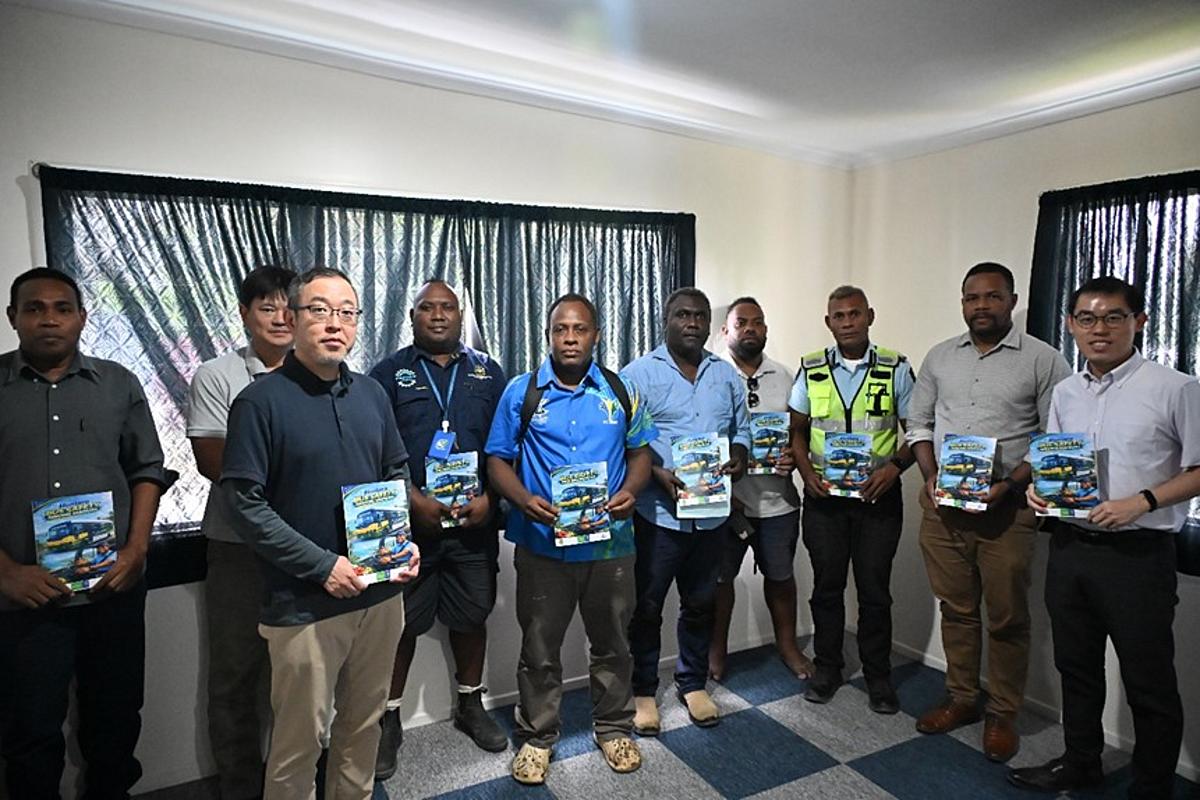
Efforts to improve public transport in Honiara are advancing, with authorities developing a draft driver manual aimed at standardising bus operations and improving safety and service quality.
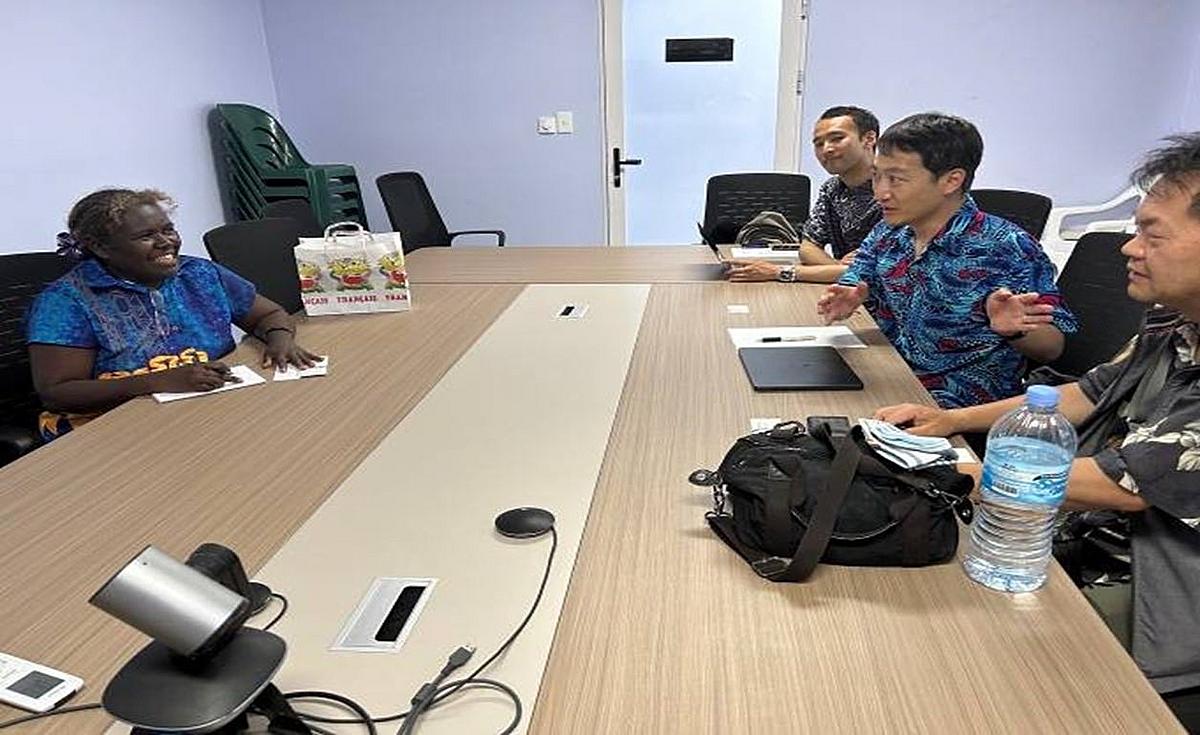
The Ministry of Infrastructure Development and Honiara City Council are working with stakeholders under a transport management project led by the Japan International Cooperation Agency to build a more user-friendly, safe and sustainable public transport system.
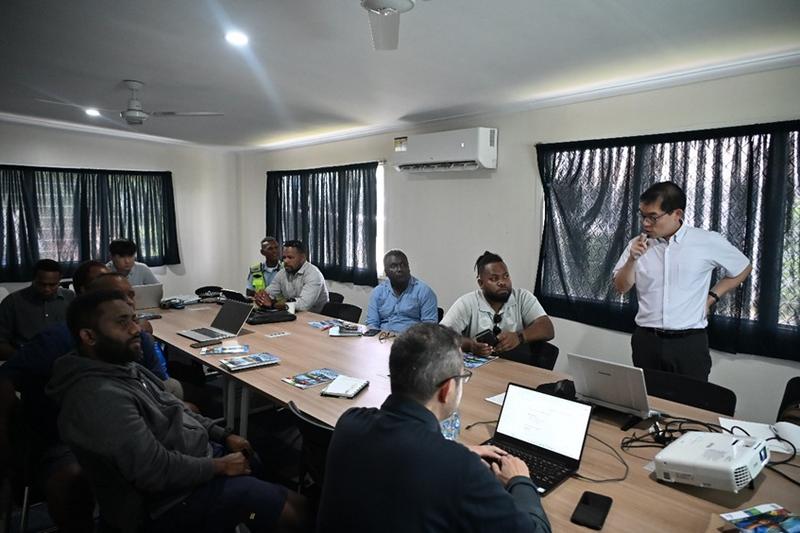
Consultations and interviews with government agencies and bus operators have been ongoing, alongside discussions on institutional reforms. At the ninth stakeholder meeting held on 26 March, authorities outlined the direction of a public transport action plan and discussed concrete measures for implementation.
A key outcome of the process is the draft driver manual for bus operators, which sets out standard practices for daily operations, including safe driving principles, proper passenger handling and compliance with operational rules. Officials said the manual is expected to serve as a foundation for improving both safety and service delivery.
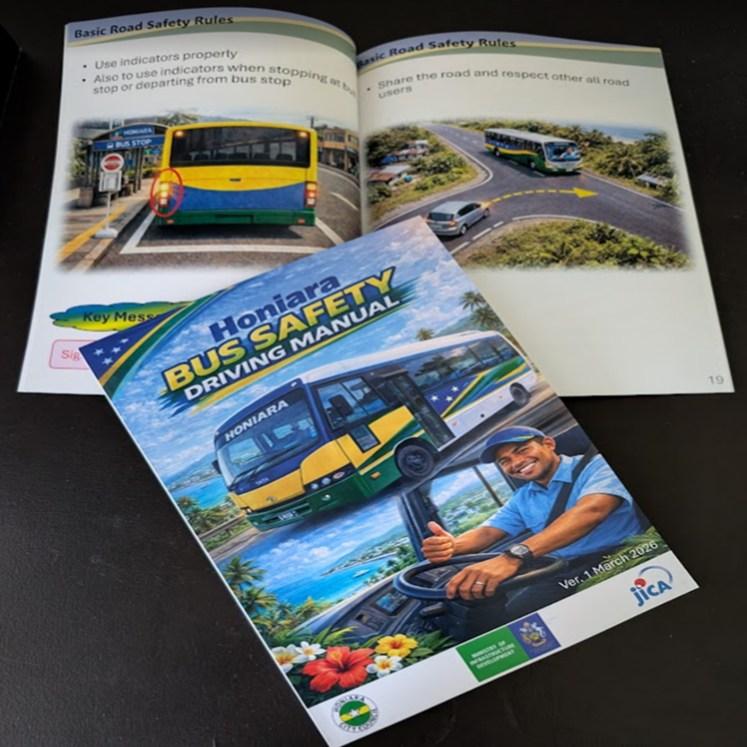
Public transport in Honiara has largely depended on individual driver decisions, leading to inconsistent services and, in some cases, traffic congestion and shortened routes. Authorities said the manual represents an important step towards more consistent and reliable operations.
Further reforms under consideration include the introduction of route-based operational management, clearer delineation of responsibilities among agencies and the establishment of monitoring systems for bus services. These measures are intended to support a more coordinated and sustainable transport network involving both public authorities and private operators.
Mike Qaqara, deputy secretary for technical affairs at the infrastructure ministry, said the government would continue working with the JICA advisory team through this year and into next year, when the project is due to conclude.
“Although reforming systems takes time, this project will continue working collaboratively toward a public transport system that citizens can use with confidence,” he said.
The advisory team, drawing on more than two decades of experience in urban transport projects globally, is expected to contribute international expertise to the initiative.