The Solomon Islands government has officially launched a five-year Japan-backed agricultural research project aimed at strengthening national food security through improved sweet potato production systems and seedling management.
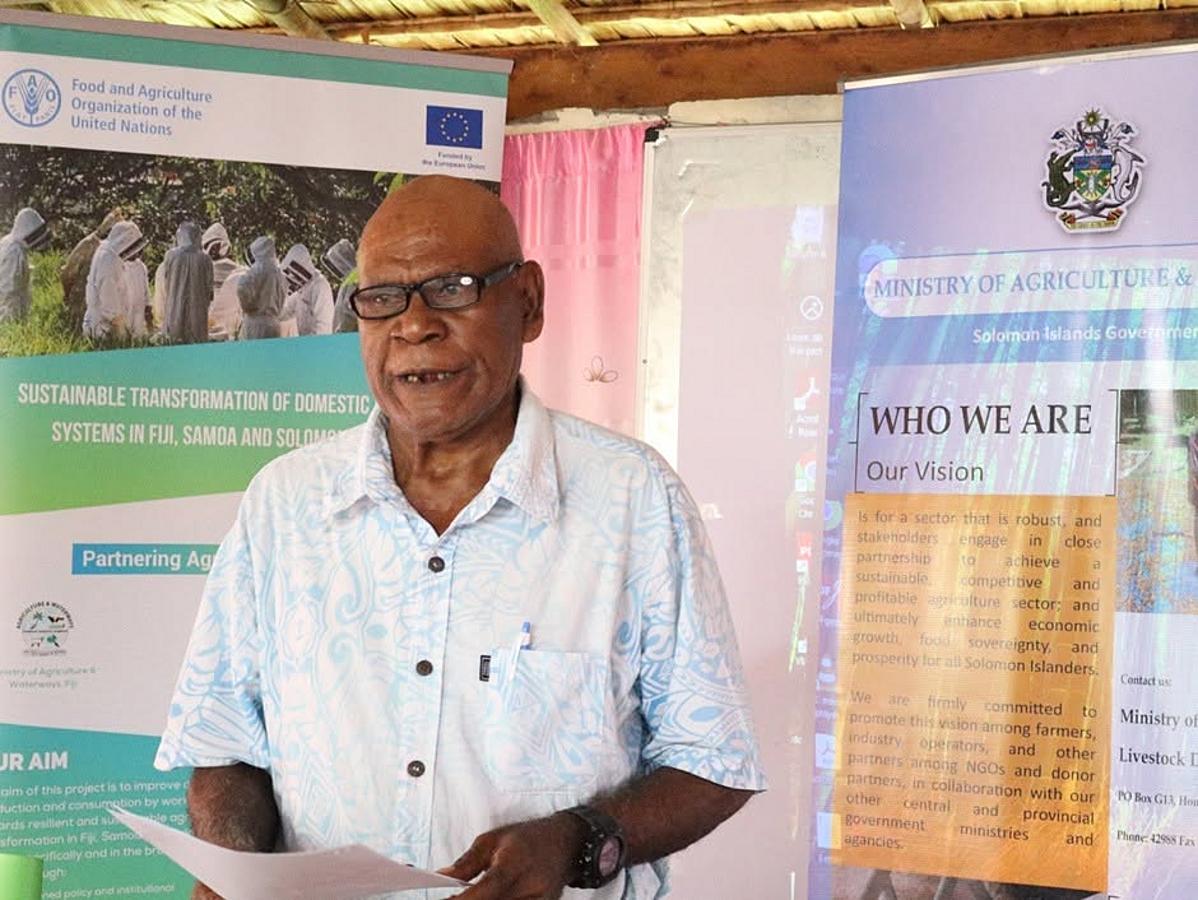
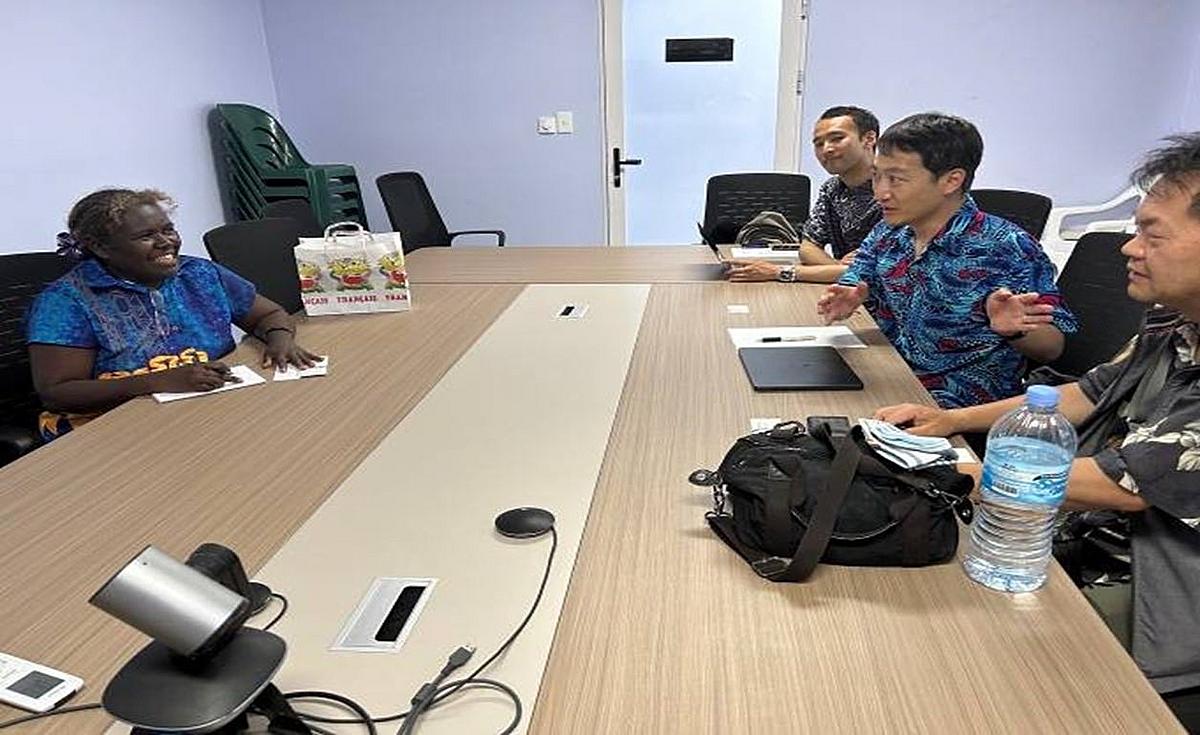
The Ministry of Agriculture and Livestock Development, or MALD, last week welcomed Japanese researchers and partner institutions to Honiara to commence activities under the SATREPS project titled “Implementation of a Comprehensive Sweet Potato Seedling Management System for National Food Security.”
The initiative forms part of the Science and Technology Research Partnership for Sustainable Development, or SATREPS, program, a Japanese government-supported framework promoting international joint research to address global challenges.
The project is funded through the Japan International Cooperation Agency, or JICA, and the SATREPS program, with implementation scheduled from April 2025 to March 2030.
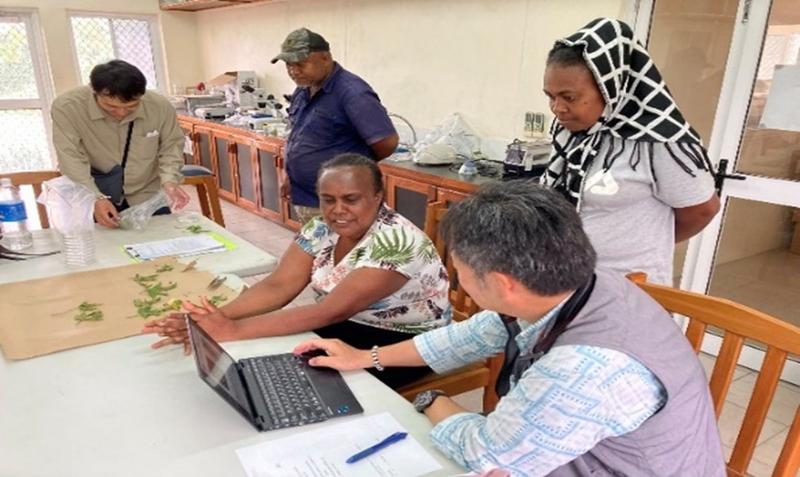
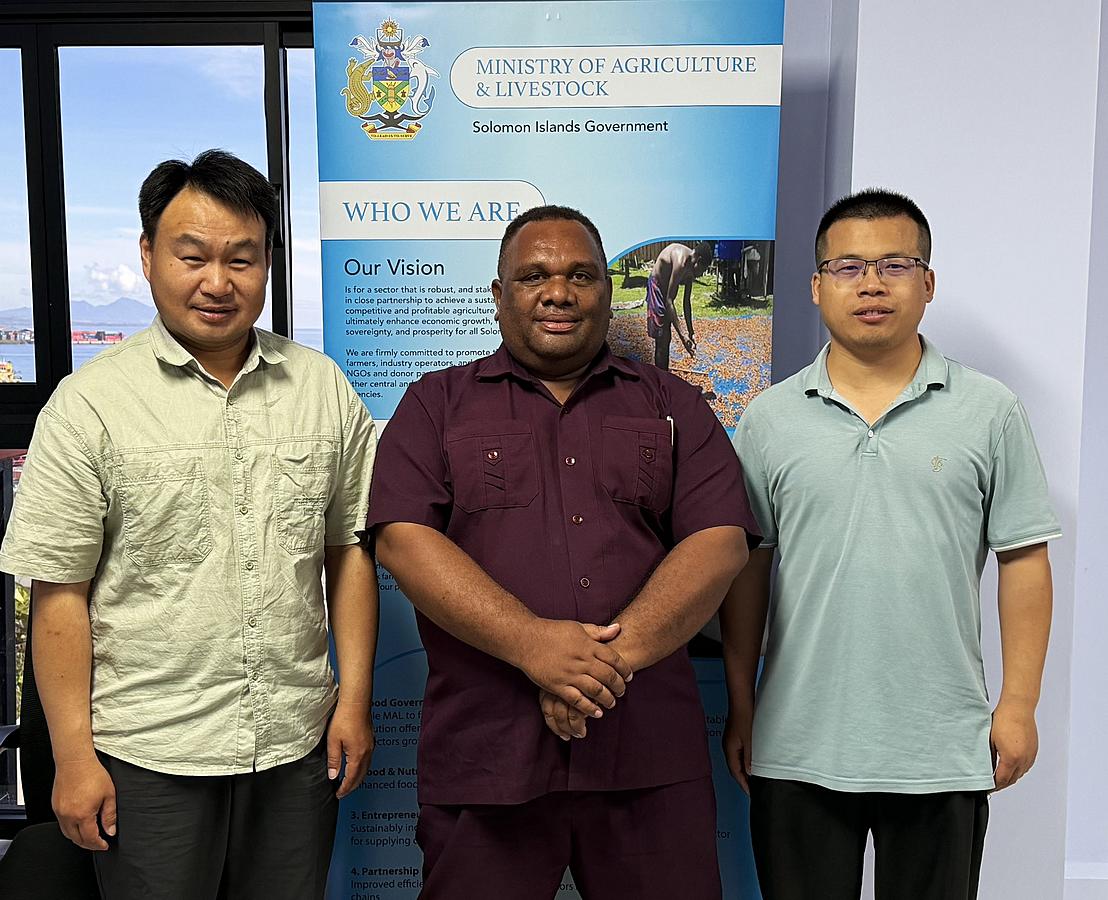
MALD officials met representatives from Japanese research institutions including the University of Tokyo, Tokai University and the National Agriculture and Food Research Organization to finalize implementation arrangements and discuss collaborative research activities.
The project will be jointly implemented by MALD and Solomon Islands National University alongside the Japanese partner institutions.
A Collaborative Research Agreement between MALD and the University of Tokyo was signed in Honiara on March 2, 2026, formalizing research cooperation arrangements between the institutions.
Project implementation officially commenced on May 17 following the arrival of Japanese researchers in Honiara.
MALD officials said the partnership would support the government’s efforts to strengthen food security and improve agricultural productivity across the Solomon Islands.
Sweet potato remains one of the country’s key staple crops, particularly among rural communities, making the project strategically important for national food supply and rural livelihoods.
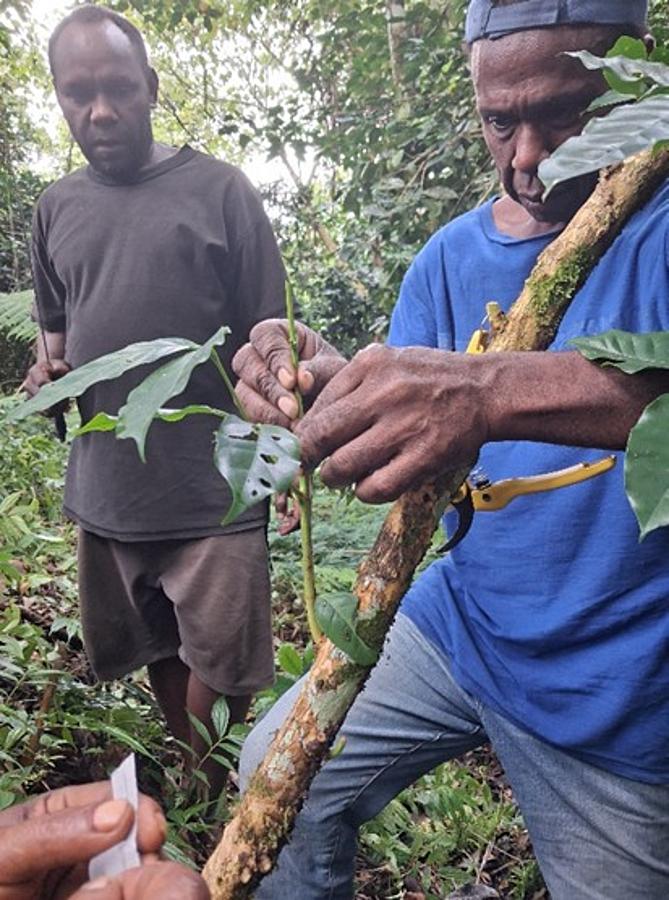
Researchers involved in the project will focus on improving seedling management systems, pest control measures, cultivation practices, genetic resource research and the development of certified virus-free seedlings.
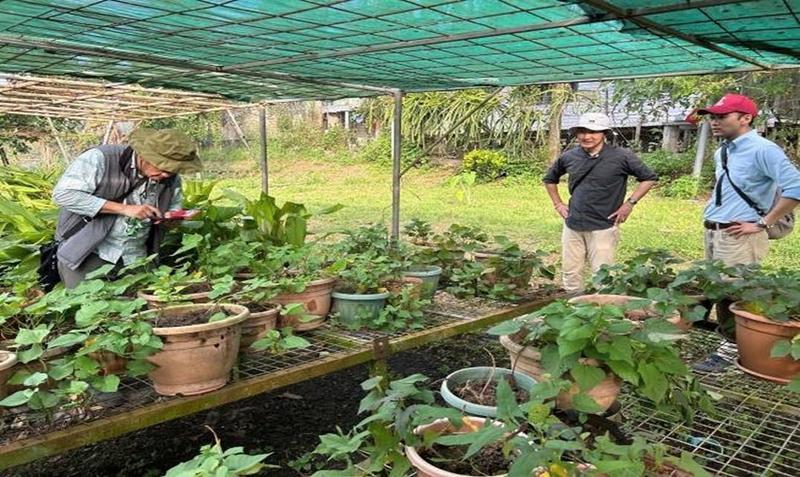
The visiting Japanese delegation also toured several agricultural research and production facilities including the Tenaru Field Experiment Station, MAL Henderson Crop Health Research laboratories, KG Farm and Kastom Garden.
Discussions during the visits focused on field research activities and future collaboration opportunities under the program.
MALD said a project coordinator and an in-country researcher are expected to arrive in June or July to support ongoing implementation and coordination activities in Honiara.
Procurement activities under the project are also set to begin, including the acquisition of tractors, tillage equipment and related farm machinery.
The project will also support establishment of a tissue culture laboratory and associated facilities, as well as the construction of net houses for planting materials research and production.
As part of the partnership, four MALD research staff members will travel to Japan from July 8 to 15 for technical training linked to project outputs.
Additional training and capacity-building activities are expected to take place in both Japan and the Solomon Islands throughout the duration of the project.
MALD said the initiative is expected to strengthen national food security, enhance agricultural research capacity and support long-term agricultural development in the Solomon Islands.