The Government of Fiji is advancing a strategic economic reform partnership with the United States through the Millennium Challenge Corporation compact development process, with planned reforms targeting ports infrastructure and the business regulatory environment.
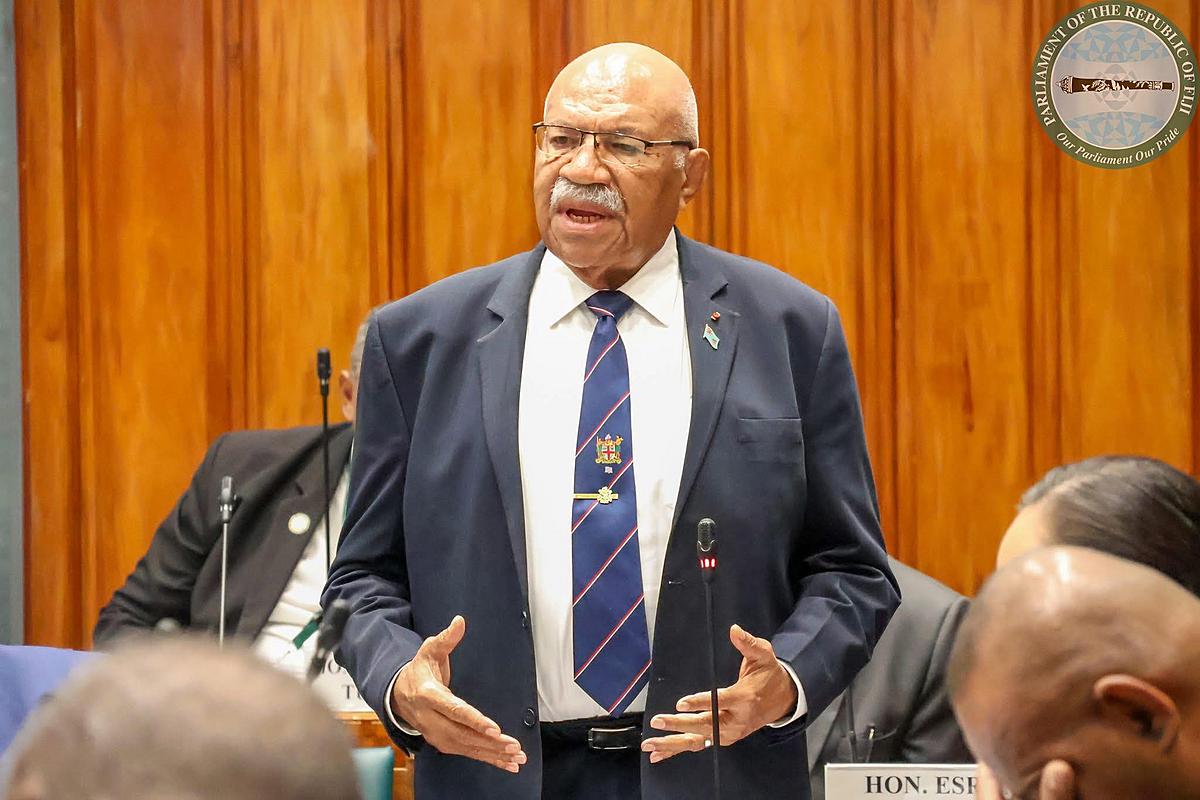
Prime Minister Sitiveni Rabuka told Parliament that the recently signed agreement between Fiji and the US government was a Compact Development Funding Agreement rather than the final Millennium Challenge Corporation compact agreement.
Rabuka was responding to a question from Opposition leader Inia Seruiratu on the status of the Millennium Challenge Corporation, or MCC, engagement between Fiji and the United States.
“The Millennium Challenge Corporation is an independent agency of the United States Government that partners with countries demonstrating commitment to good governance, economic freedom, institutional accountability and investment in their people,” Rabuka said.
He said the engagement aligns with the coalition government’s development priorities, including strengthening economic resilience, improving infrastructure, promoting private sector-led growth, creating jobs, enhancing trade competitiveness and improving the ease of doing business.
The agreement establishes the framework for detailed analysis, stakeholder consultations and programme design for a potential future MCC compact programme in Fiji.
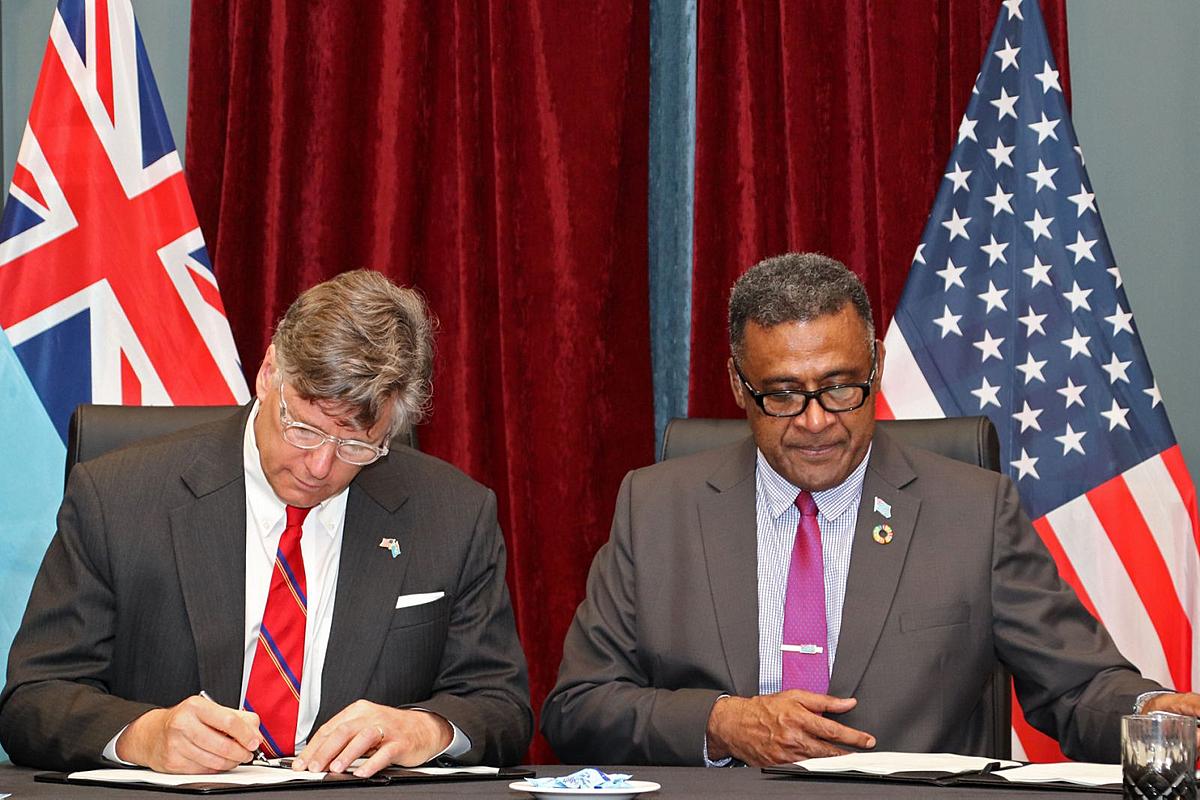
Cabinet endorsed the Compact Development Funding Agreement in February 2026. The agreement was signed on Feb. 28, 2026, between the Fijian government, through the Ministry of Finance, and the MCC, represented by US Deputy Secretary of State Christopher Landau.
Under the arrangement, Fiji will receive as much as $12 million in grant funding to support technical studies, feasibility assessments, stakeholder consultations and the establishment of a dedicated Compact Development Team.
Rabuka said the funding would not add to Fiji’s debt burden because it is structured as a grant rather than a loan facility.
“This is grant funding and not a loan facility. It supports Fiji’s efforts to identify and address structural constraints affecting economic growth and national productivity,” he said.
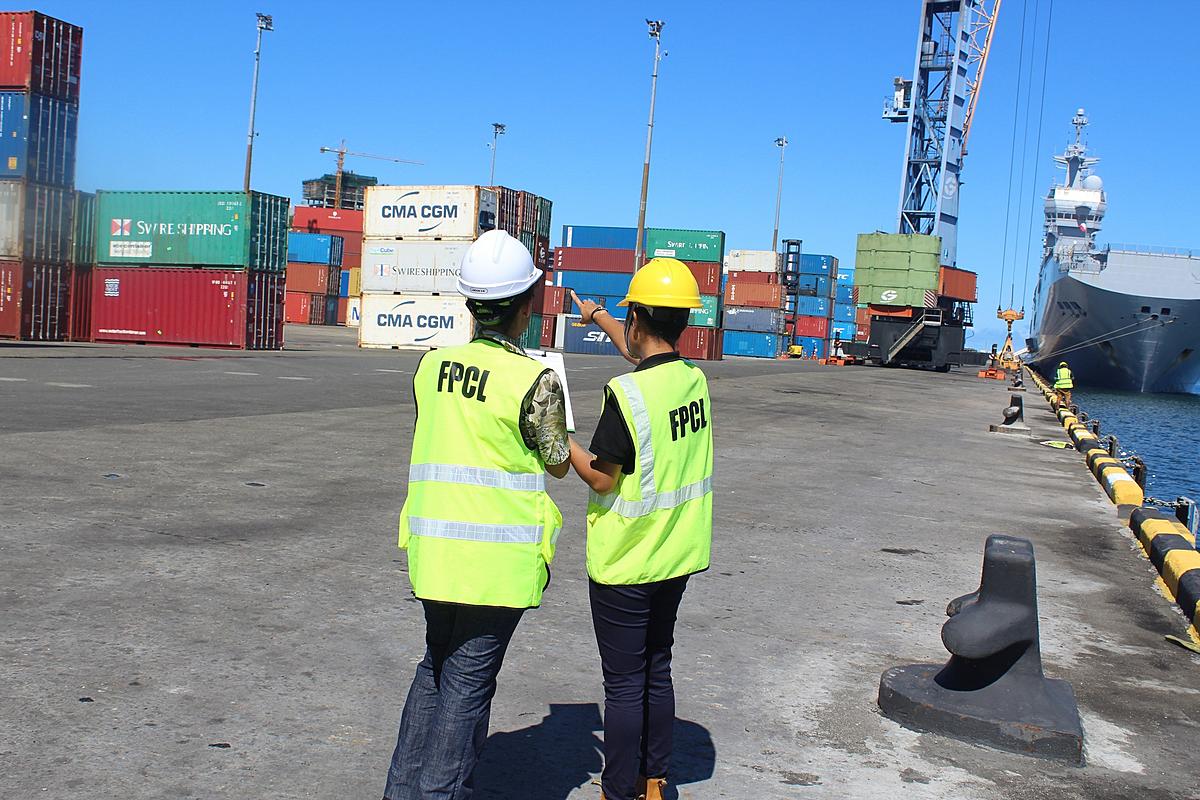
Following initial consultations and scoping work, the government identified ports and the business regulatory environment as the next focus areas in the compact development process.
Rabuka said both sectors are central to Fiji’s broader economic transformation agenda and align with the National Development Plan and the government’s long-term reform priorities.
The government will continue consultations with the MCC, development partners, private sector stakeholders and civil society organisations throughout the process to ensure the programme remains nationally driven and aligned with Fiji’s long-term economic objectives, he said.