Pacific Island countries are intensifying efforts to prepare for the growing impacts of climate change on tuna fisheries, as new scientific projections indicate that key tuna stocks are increasingly likely to move from national waters into the high seas, threatening a major source of government revenue, food security and livelihoods across the region.
Officials participating in the Green Climate Fund-funded Regional Tuna Programme welcomed early progress on a new Advanced Warning System designed to help Pacific countries better understand and respond to climate-driven changes in tuna distribution.
Preliminary findings from the system were presented during the 142nd Officials Meeting of the Forum Fisheries Committee in Wellington, where fisheries leaders and climate experts reviewed emerging evidence on how warming ocean conditions are expected to reshape tuna fisheries in the Pacific.
The programme is being implemented by the Pacific Community in partnership with the Pacific Islands Forum Fisheries Agency, Australia's Commonwealth Scientific and Industrial Research Organisation and other technical partners.
Early modelling reinforced concerns that skipjack tuna — the foundation of the world's largest tuna fishery and a critical economic resource for many Pacific nations — will increasingly migrate beyond Pacific Island countries' exclusive economic zones and into international waters as ocean temperatures continue to rise.
For many Pacific economies, tuna revenues provide substantial funding for public services, including healthcare, education and infrastructure development. Coastal communities also depend heavily on tuna resources for employment, nutrition and local economic activity.

Dr. Roseti Imo, acting chief executive officer of the Fisheries Division within Samoa's Ministry of Agriculture and Fisheries, said stronger collaboration between fisheries specialists and climate scientists would be essential as countries confront the challenges ahead.
"We need to ensure there is a shared understanding of what climate change means for our fisheries resources and for the livelihoods that depend on them," Imo said.
The Advanced Warning System is intended to provide governments with improved climate intelligence and scientific evidence to assess the potential economic and social impacts of shifting tuna stocks. Officials said the platform will also support the identification of adaptation measures and strengthen countries' ability to advocate for their interests in international negotiations.
Participants at the Wellington meeting noted that the climate projections underpinning the system appear more severe than previous assessments, reinforcing calls for stronger global action to reduce greenhouse gas emissions ahead of the United Nations Climate Change Conference, COP31, scheduled for 2026.
Glen Joseph, director of the Marshall Islands Marine Resources Authority, said the new tool was already demonstrating value in helping countries understand both present and future climate-related risks.
"This tool is critical not only for evaluating adaptation options, but also for providing the evidence countries need to access climate finance," Joseph said.
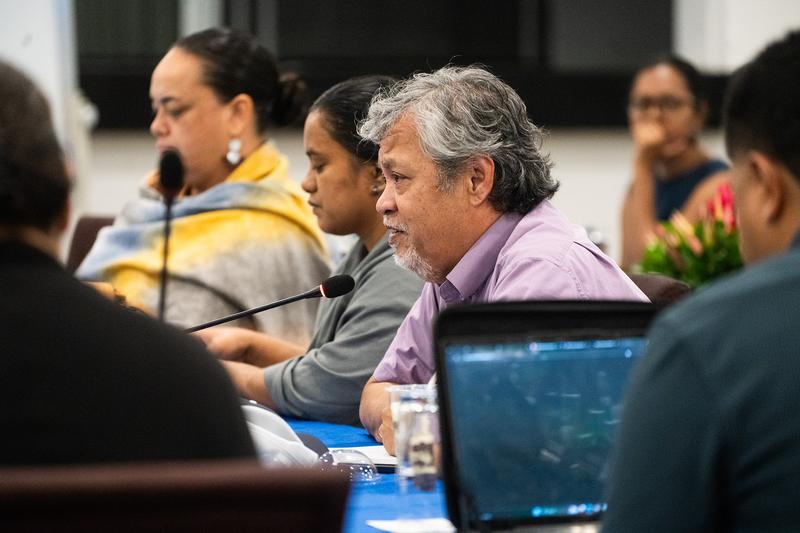
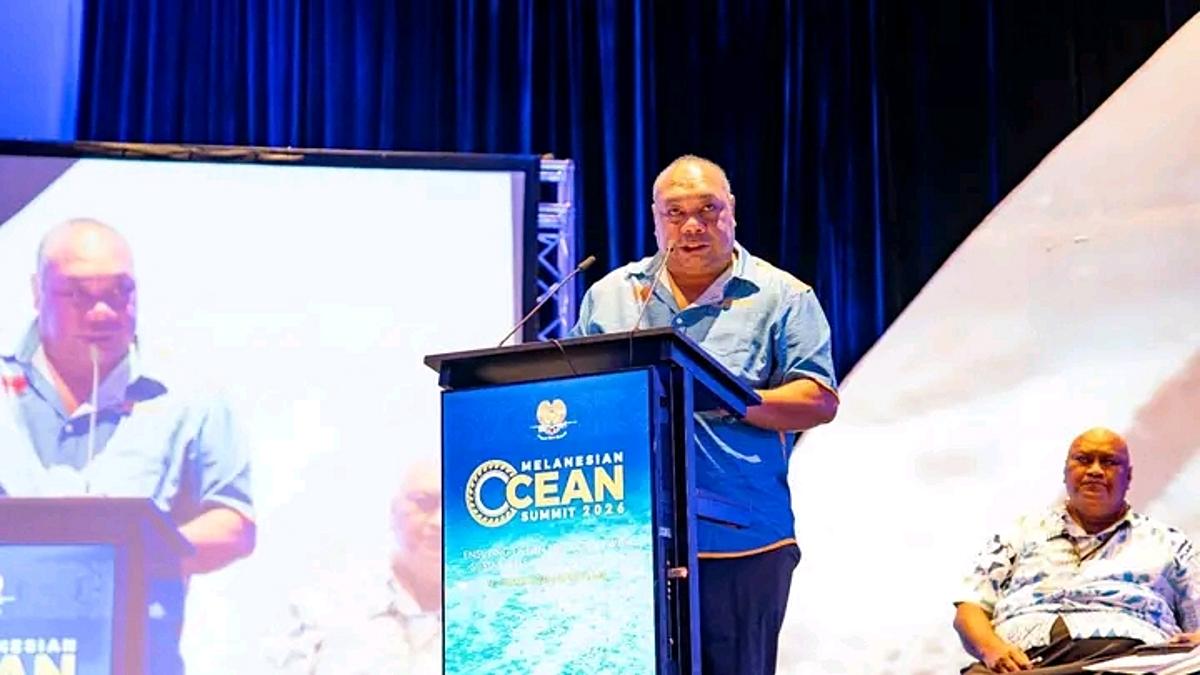
Glen Joseph, Director of the Marshall Islands Marine Resources Authority, said the Advanced Warning System was already proving valuable in helping countries understand both current and future climate-related impacts. Photo: FFA
He added that the system would help governments present stronger scientific cases when seeking support from international climate funding mechanisms.
Dr. Josie Tamate, chair of the Western and Central Pacific Fisheries Commission and senior adviser to the government of Niue, said regional cooperation would remain central to the initiative's success.
"There has been encouraging early progress, but there is still much work ahead to ensure these tools can support both regional and national decision-making," Tamate said.
The Advanced Warning System is being developed under Component B of the Green Climate Fund Regional Tuna Programme, a seven-year initiative running from 2025 to 2031 that aims to strengthen resilience to climate-related impacts on tuna fisheries throughout the Pacific.
FFA Director-General Noan David Pakop said Pacific countries have spent decades building a cooperative framework to sustainably manage the region's tuna resources and must now adapt to the challenges posed by climate change.
"As climate change continues to alter ocean conditions and influence the movement of tuna stocks, our members need the best available science and tools to prepare for what lies ahead," Pakop said.
He described the programme as a significant investment in the resilience of Pacific economies and communities, supporting improved climate intelligence, adaptation planning and food security.
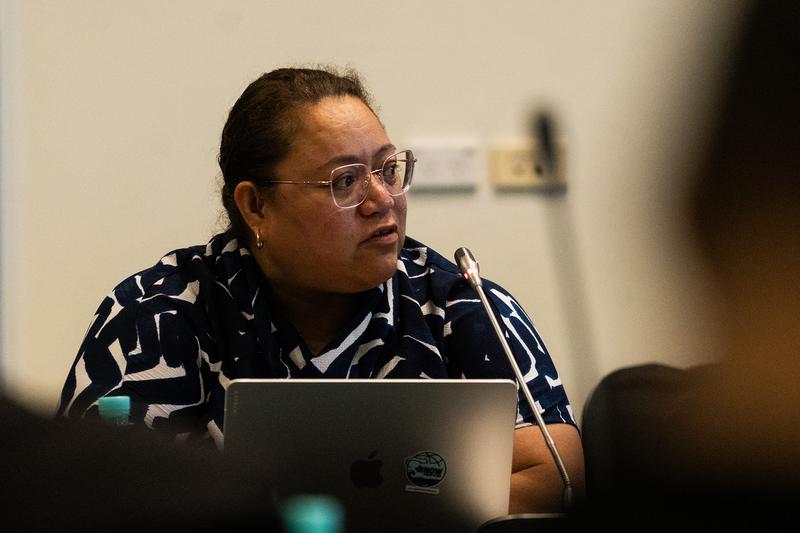
"The Advanced Warning System will help countries better understand future risks and opportunities, ensuring decisions are informed by robust scientific evidence and that the benefits from tuna continue to flow to Pacific people," Pakop said.
Officials said development of the system also benefited from earlier support provided by New Zealand's Ministry of Foreign Affairs and Trade through the Climate Science for Ensuring Pacific Tuna Access initiative, which helped lay the groundwork before approval of the Green Climate Fund programme.
As Pacific nations prepare for upcoming global climate negotiations, regional leaders say climate change is no longer a future concern for tuna fisheries but an increasingly visible reality that is already affecting one of the Pacific's most valuable natural resources.
The Green Climate Fund Regional Tuna Programme seeks to strengthen climate resilience across Pacific Island countries by improving access to tuna resources, enhancing adaptation planning and developing advanced climate intelligence tools to help safeguard food security and economic stability in the decades ahead.