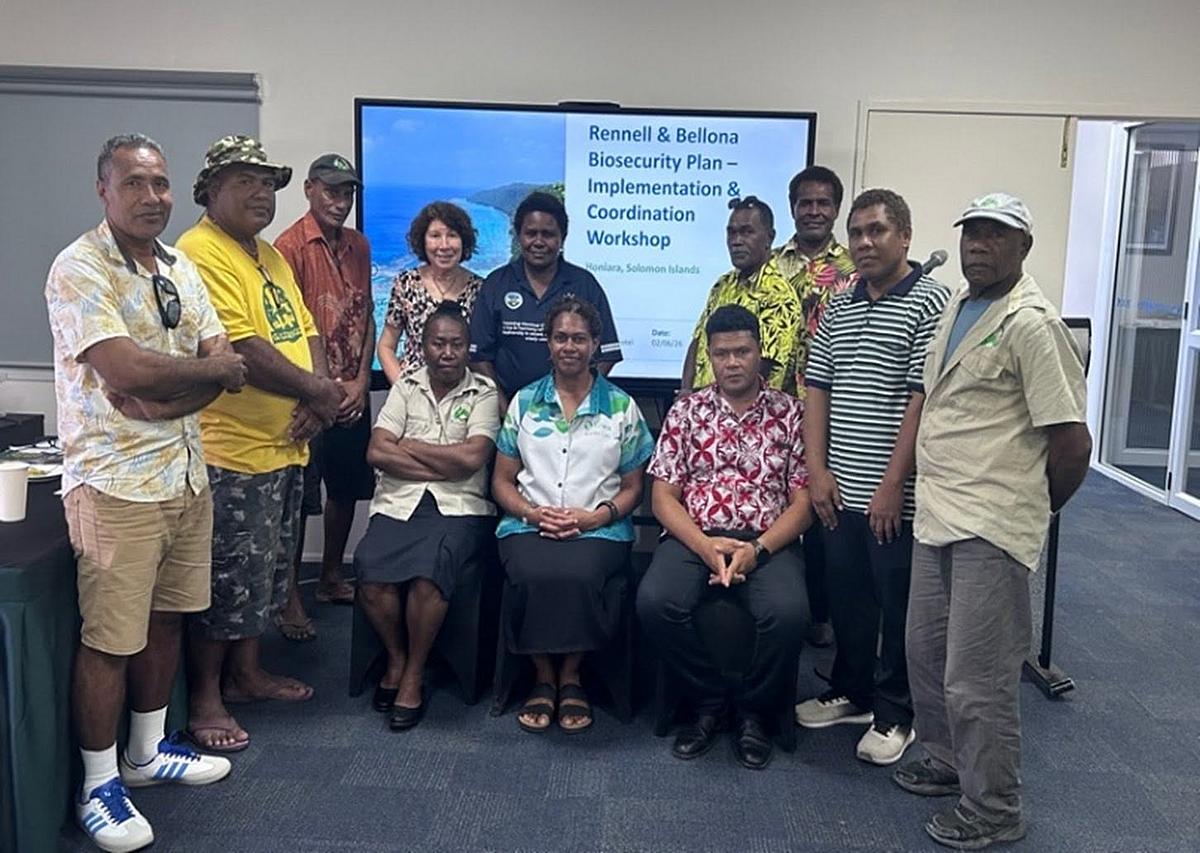
Government agencies, provincial authorities, development partners and community stakeholders have reaffirmed their commitment to protecting Solomon Islands' Rennell and Bellona Province from invasive species and other biosecurity threats through a provincial coordination workshop held on June 3.
The Rennell and Bellona Biosecurity Plan Implementation and Coordination Workshop brought together key agencies and partners to strengthen coordination and accelerate implementation of the province's biosecurity strategy, which is designed to safeguard biodiversity, agriculture, food security and local livelihoods.
The one-day workshop was supported by BirdLife International through funding from the Kiwa Initiative as part of broader efforts to strengthen invasive species management and biodiversity conservation across the province.
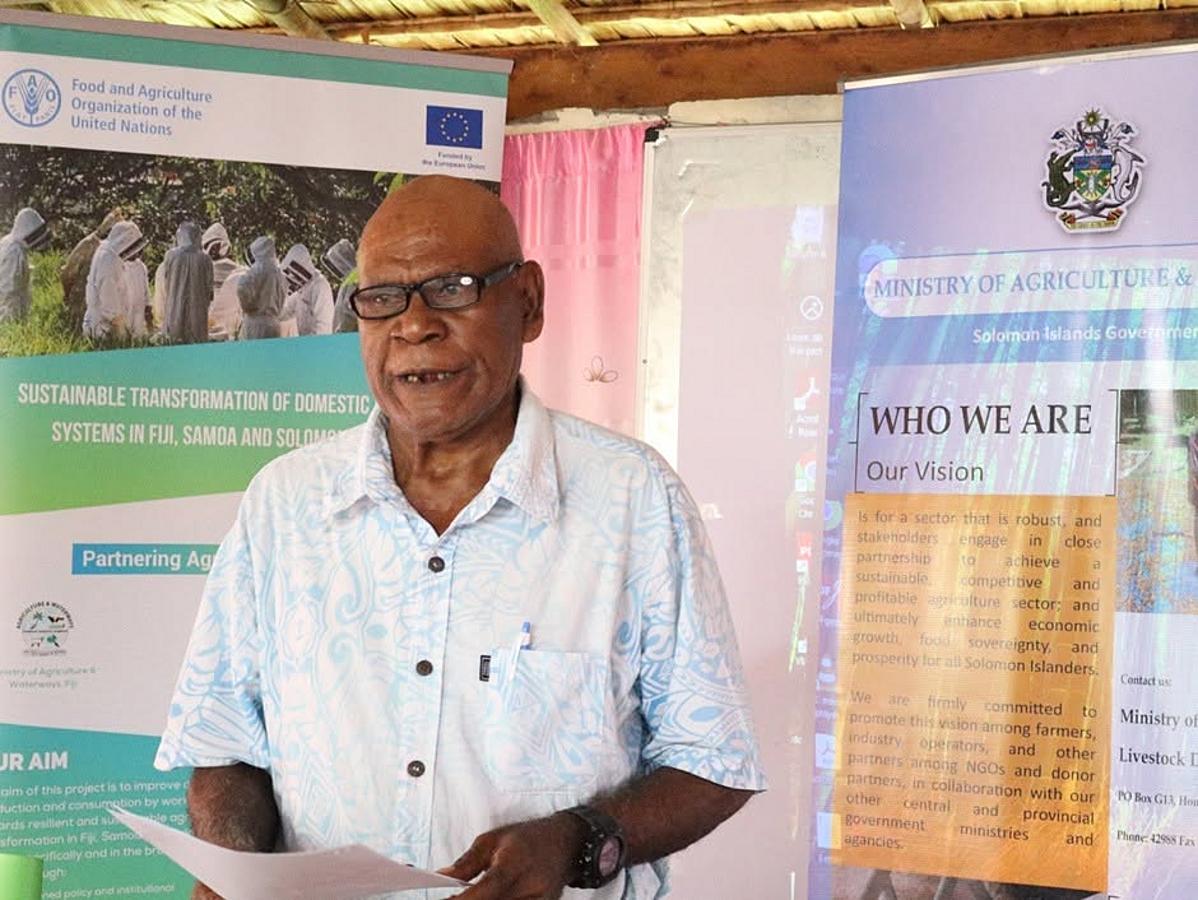
Opening the workshop, Deputy Provincial Secretary Aubrey Saueha highlighted the importance of biosecurity in protecting Rennell and Bellona's unique natural environment and supporting the wellbeing of local communities.
He noted that Rennell and Bellona is the first province in Solomon Islands to develop a dedicated provincial biosecurity plan and said the initiative could serve as a model for other provinces across the country.
Saueha said the province's geographic isolation, limited transport links and reliance on local food production make strong biosecurity measures particularly important.
“Biosecurity is everyone’s responsibility. We all have a role to play in ensuring that our province remains free from harmful pests, diseases and invasive species that threaten our environment, agriculture and way of life,” he said.
Biosecurity Solomon Islands Director Jean Eroa Manepora’a said effective biosecurity systems are critical for protecting agriculture, biodiversity, human health and local economies.
She said the Rennell and Bellona Biosecurity Plan provides a practical framework for managing invasive species risks while aligning with national biosecurity legislation and policy objectives.
“The law provides the authority; the plan provides the roadmap. Together they enable us to take practical action to protect the province from invasive species and other biosecurity threats,” Manepora’a said.
She encouraged government agencies, communities and development partners to work collaboratively in implementing the plan and maintaining vigilance against the introduction and spread of invasive species.
Speaking on behalf of BirdLife International, Miliana Ravuso acknowledged the extensive consultation and collaboration undertaken over several years to develop the biosecurity plan.
She said successful implementation would require agencies and stakeholders to integrate biosecurity responsibilities into their routine operations while maintaining shared ownership and accountability.
“The success of this Plan depends on all of us working together. Through strong partnerships and coordinated action, we can better protect the unique biodiversity and natural heritage of Rennell and Bellona Province,” Ravuso said.
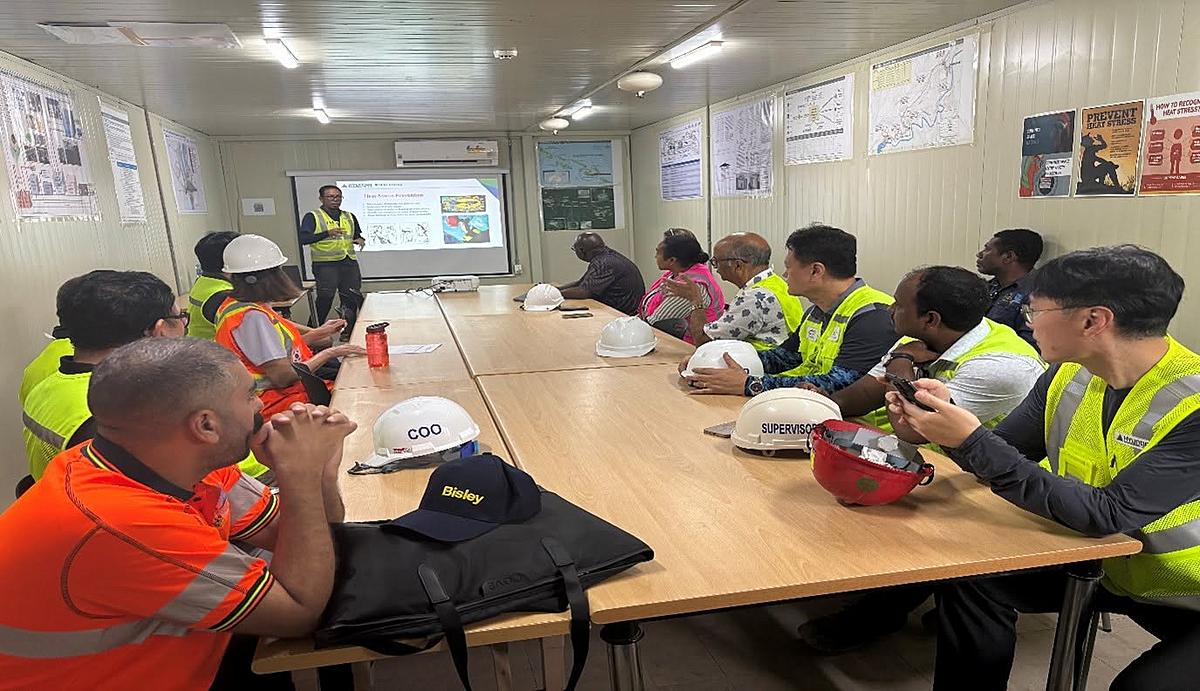
Participants reviewed the plan's objectives and implementation priorities, identified responsibilities among key agencies and discussed coordination, monitoring and reporting mechanisms.
The workshop also examined opportunities to strengthen cooperation between government agencies, provincial authorities, communities and development partners to ensure effective delivery of the plan.
The meeting concluded with agreement on several key actions, including endorsement of Biosecurity Solomon Islands as the lead agency responsible for coordinating implementation of the plan in partnership with the Rennell and Bellona Provincial Government and other stakeholders.
Participants also recognized the importance of developing a Provincial Biosecurity Ordinance to strengthen the legal framework supporting biosecurity management within the province.
Organizers said the workshop marked an important milestone in strengthening provincial biosecurity governance and demonstrated a shared commitment to protecting Rennell and Bellona's environment, agriculture and communities from the impacts of invasive species and other biosecurity threats.