Fiji has earmarked a record FJ$221 million for the Ministry of Agriculture, Waterways and Sugar Industry in the 2026/2027 National Budget, with the government aiming to strengthen food security, improve farmers' livelihoods and accelerate the sector's contribution to economic growth.
Speaking in Parliament on 15 July, Agriculture, Waterways and Sugar Industry Minister Tomasi Tunabuna said the allocation underscored the government's commitment to agriculture as a key pillar of the economy and a driver of employment, exports and rural development.
"This budget is not just about numbers. It is a commitment to every farmer, every rural community and every Fijian family," Tunabuna said.
The non-sugar agriculture sector received its largest-ever allocation of FJ$124.7 million, up 8.2 per cent from the previous financial year.
Tunabuna said government investments during the 2025/2026 financial year had produced tangible results, including the distribution of more than 2.1 million planting materials, support for 950 livestock farmers through improved breeding stock, the upgrading of 61.5 kilometres of farm access roads, and the completion of 149 drainage and irrigation projects.
He added that coastal and flood protection works had benefited 14 communities.
The minister also announced that Fiji recorded a historic FJ$187.2 million in fresh and frozen crop and livestock exports in 2025, a 17.1 per cent increase from the previous year and the highest export value achieved in the past decade.
He said the performance supports the ministry's target of reaching FJ$1 billion in fresh and frozen non-sugar agricultural exports by 2030.
For the 2026/2027 financial year, the ministry will focus on improving food and nutrition security, raising farm incomes, promoting climate-smart agriculture, expanding commercial agriculture and export development, and modernising services through digital transformation.
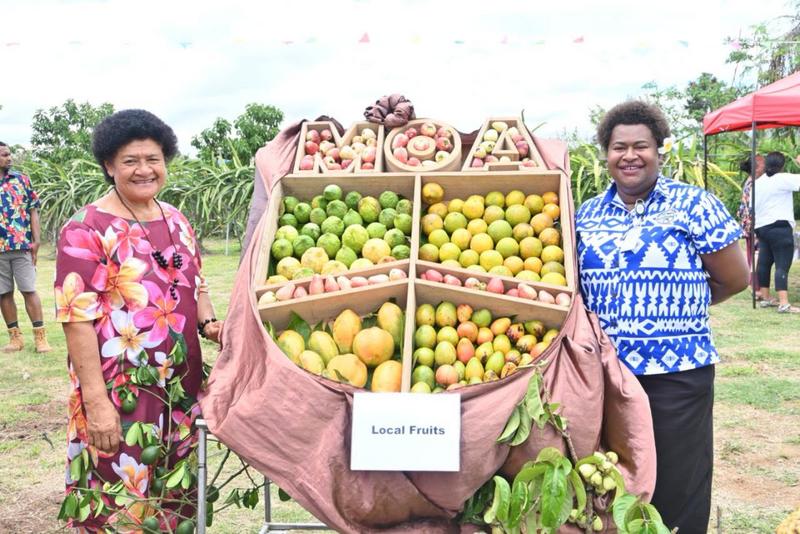
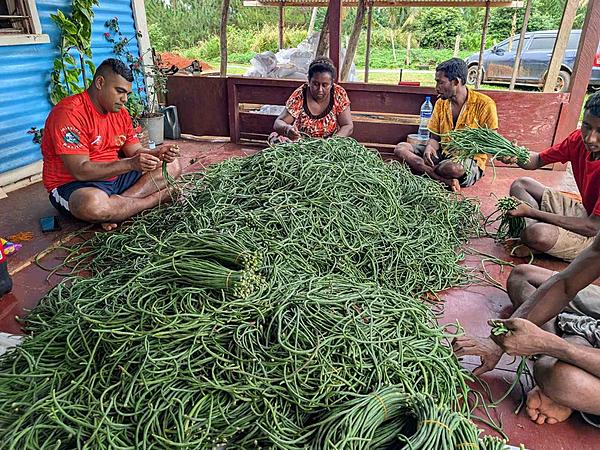
Major allocations under the budget include FJ$39.2 million for commercial agriculture covering priority commodities such as yaqona, dalo, ginger, rice, cocoa, coffee, coconut, dairy, fruits and vegetables; FJ$31.6 million for sustainable resource management and climate-smart agriculture; FJ$15.6 million to modernise ministry operations; FJ$10.7 million for livestock development and dairy production; and FJ$12.2 million to strengthen agricultural marketing and export value chains.
Funding for fertiliser assistance in the non-sugar sector was also increased from FJ$1 million to FJ$3 million to help reduce production costs for farmers.
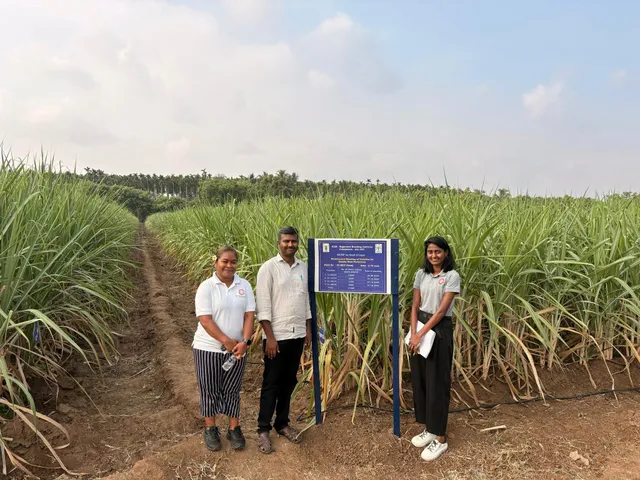
The government also allocated FJ$96.3 million to support the sugar industry during its transition, including FJ$41.6 million for the Sugar Stabilisation Fund to provide continued support for cane growers.
Tunabuna said the budget reflects the government's vision of building a resilient, productive and commercially driven agriculture sector while ensuring government services reach farming communities across the country.
He also acknowledged ministry staff for their work in delivering programmes and services to farmers nationwide.