Vanuatu is strengthening its disaster recovery governance through new sector-specific guidelines and a proposed disaster financing framework aimed at improving post-disaster coordination, accelerating recovery efforts and building long-term resilience to climate and natural hazards.
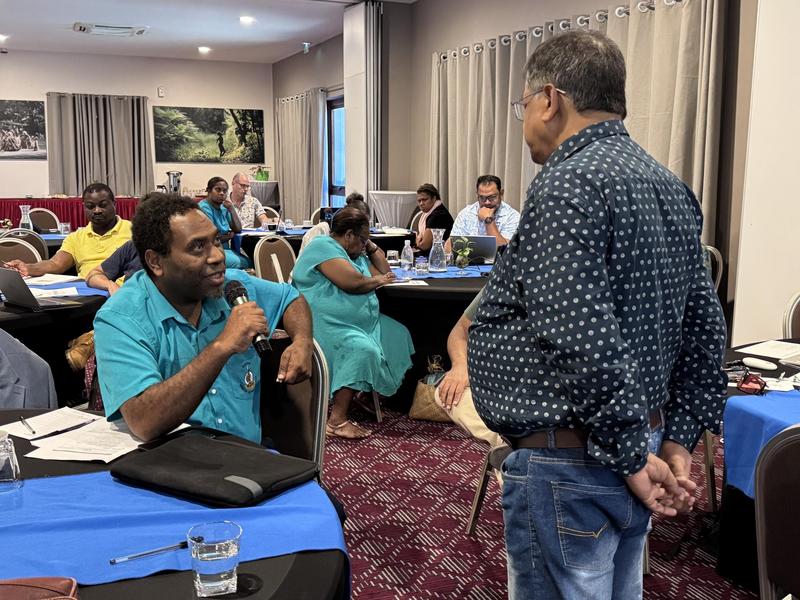
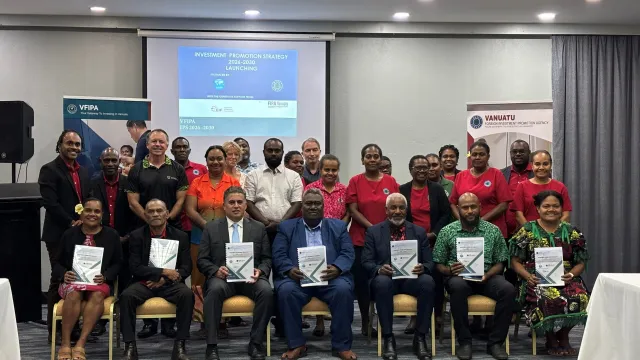
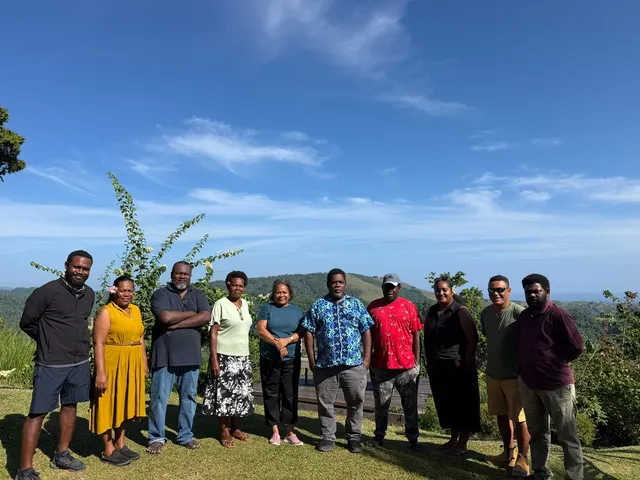
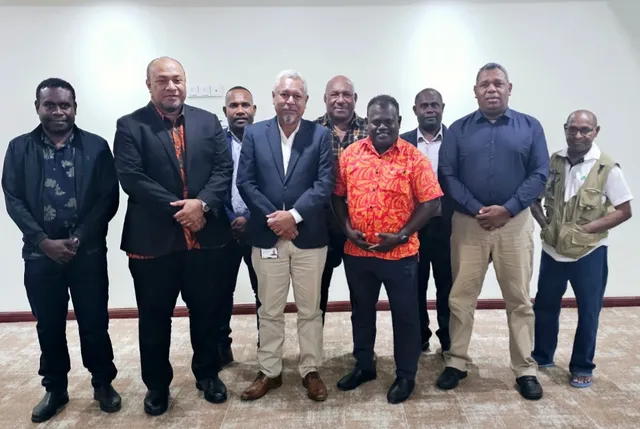
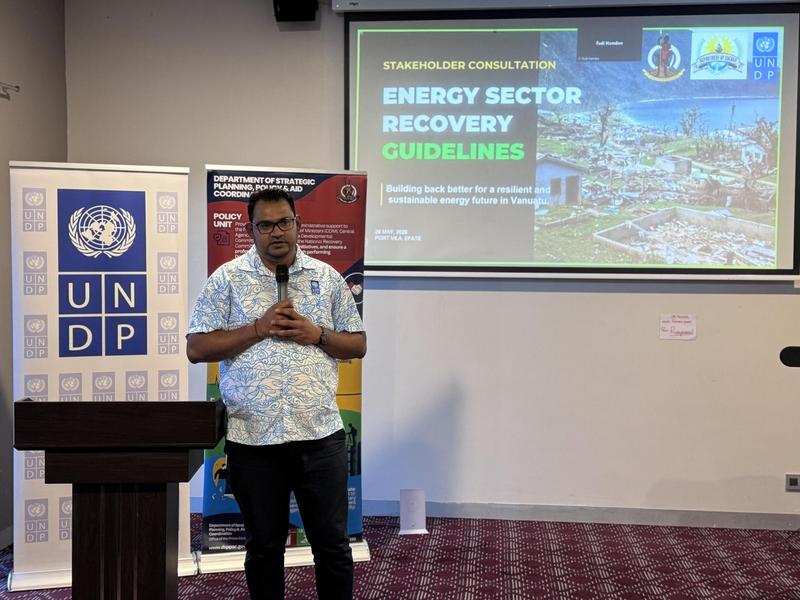
Government agencies, development partners, technical experts, civil society organisations and financial institutions gathered in Port Vila for a national consultation workshop to review three key recovery instruments covering housing, energy and disaster recovery financing.
The workshop was organised by the Department of Strategic Policy, Planning and Aid Coordination (DSPPAC), through the Disaster Recovery Coordination Unit, in partnership with the Department of Urban Affairs and Planning, the National Disaster Management Office and the Department of Energy.
The initiative forms part of the Strengthening Recovery Capacities Vanuatu Project, supported under the African, Caribbean and Pacific (ACP)-European Union programme on strengthening disaster risk governance and recovery capacities and implemented by the United Nations Development Programme (UNDP).
Participants reviewed the proposed Housing Sector Recovery Guideline, Energy Sector Recovery Guideline, and Disaster Financing Strategy and Recovery Financing Architecture, which are intended to strengthen institutional coordination and provide practical guidance for post-disaster recovery.
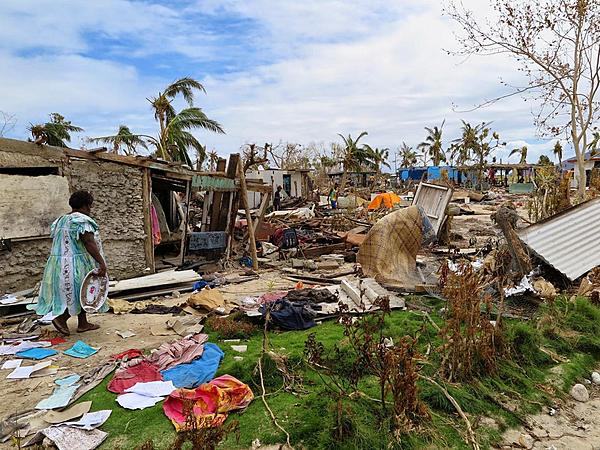
The consultation comes as Vanuatu continues to face increasing climate and disaster risks. The government estimates that natural disasters cost the country about 6 per cent of gross domestic product annually, while recent events—including Tropical Cyclones Judy and Kevin and the 2024 Port Vila earthquake—have underscored the need for stronger recovery systems.
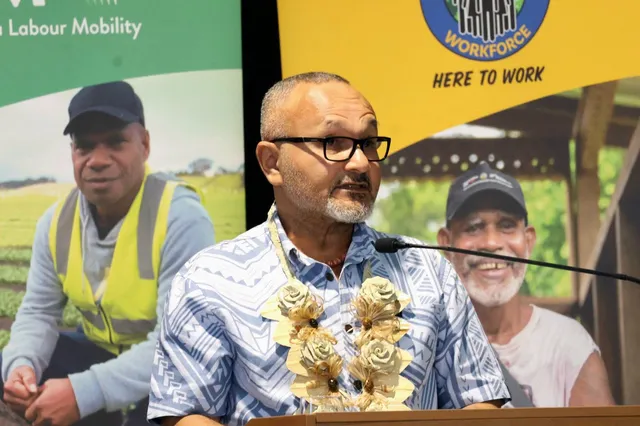
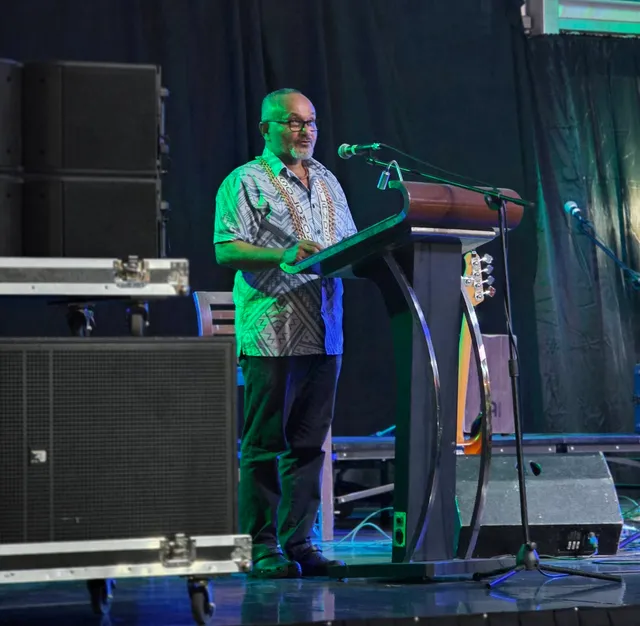
Disaster Recovery Coordination Unit manager Peter Korisa, speaking on behalf of the Director of DSPPAC, said recovery efforts must go beyond rebuilding damaged infrastructure.
"Recovery cannot simply mean rebuilding what was lost. Rather, recovery must strengthen resilience, reduce future risk and support long-term sustainable development," Korisa said.
He noted that while Vanuatu already has national policies, including the National Sustainable Development Plan, National Disaster Recovery Framework, National Energy Road Map, National Housing Policy and National Disaster Risk Financing Policy, translating those frameworks into practical operational guidance remains a key challenge.
UNDP Vanuatu Area Coordinator Sherryl Mahina said strengthening nationally led recovery systems is becoming increasingly important as climate-related disasters become more frequent and severe.
"Small Island Developing States such as Vanuatu remain at the frontline of climate and disaster-related challenges," Mahina said.
"Recovery is not only about restoring infrastructure and services. It is about strengthening governance systems, restoring livelihoods, reducing future risks, protecting the most vulnerable and ensuring communities emerge stronger after disasters."
She said the consultation aimed to bridge the gap between policy and implementation by developing practical guidance for housing, energy and disaster financing.
The proposed housing recovery guideline focuses on resilient building standards, improved data collection, insurance mechanisms and technical support for community-led reconstruction.
Meanwhile, the energy guideline outlines measures to strengthen recovery planning, resilience standards and coordination mechanisms for restoring electricity infrastructure after disasters.
Department of Energy Director Matthew Tassale said reliable electricity is essential to national recovery efforts.
"After disasters, the energy system is one of the priorities for recovery," Tassale said.
"Electricity is essential for healthcare services, communications, water supply, education, livelihoods and emergency coordination. Strengthening energy recovery planning helps ensure communities can recover faster and more safely while reducing future risks."
He said resilient energy planning is particularly important for remote and outer island communities, where prolonged power disruptions can have significant social and economic consequences.
Participants also reviewed Vanuatu's proposed disaster financing strategy, including options for financing instruments, resource mobilisation, institutional arrangements and disaster reserve funding mechanisms to improve the country's ability to finance future recovery efforts.
The workshop concluded with a series of technical recommendations and governance reforms that will be incorporated into the final versions of the guidelines and financing strategy before they are submitted for government endorsement.
Once adopted, the new frameworks are expected to provide government agencies and development partners with clearer procedures, institutional responsibilities and financing mechanisms to support faster recovery, restore essential services and livelihoods more effectively, and strengthen resilience against future disasters.
The Strengthening Recovery Capacities Vanuatu Project supports Vanuatu's broader efforts to enhance disaster preparedness and recovery in line with the Sendai Framework for Disaster Risk Reduction, the Paris Agreement and the United Nations Sustainable Development Goals.