Fiji’s Ministry of Agriculture and Waterways is strengthening its capacity to develop, assess and coordinate agricultural investment proposals through a four-day training program on economic and financial analysis under the Food and Agriculture Organization’s (FAO) Hand-in-Hand Initiative.
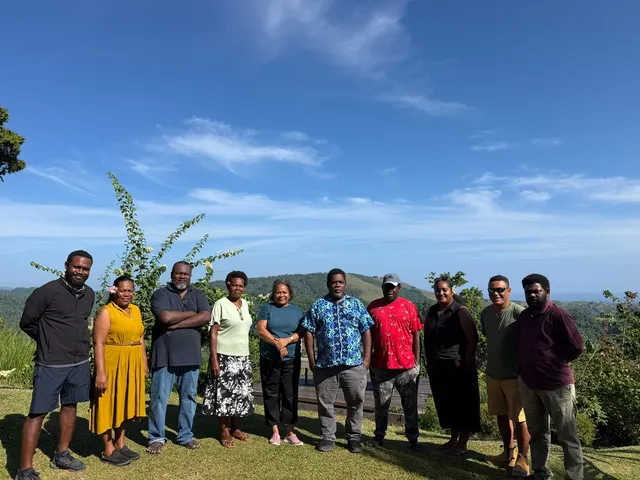
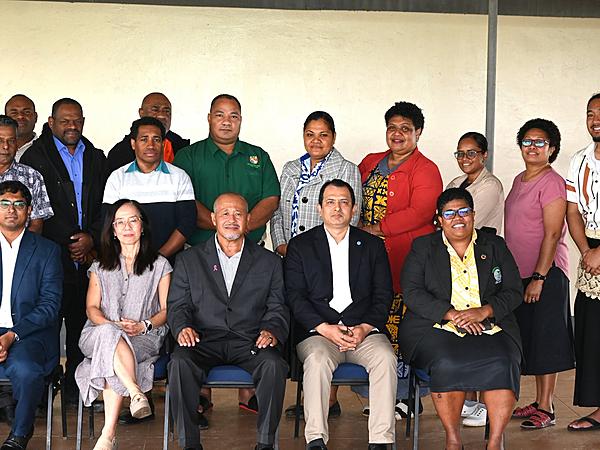
The training, which opened at the JICA Training Room at the Koronivia Agriculture Research Station, brings together participants from Fiji and Tonga and is supported by the FAO Investment Centre, the FAO Subregional Office for the Pacific and the FAO Country Office.
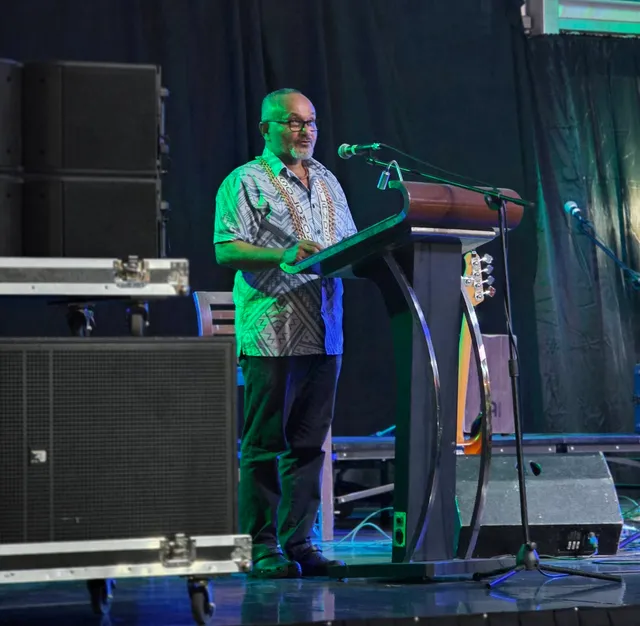
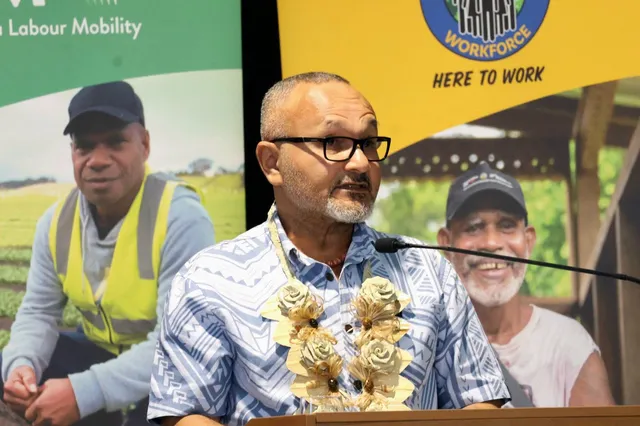
Permanent Secretary for Agriculture and Waterways Dr Andrew Tukana said the program forms part of broader efforts to modernize and institutionalize agricultural investment planning in Fiji.
“Our longer-term objective is to modernise and institutionalise the Ministry’s investment-planning process,” Tukana said.
He said the ministry intends to develop a standard investment-planning manual or operating procedure to guide the preparation and review of major agricultural investment proposals.
According to Tukana, the proposed system would establish minimum requirements for evidence, analysis, consultation, quality assurance and approvals, helping ensure that investment proposals meet consistent standards regardless of who prepares them.
The training comes as Fiji, Tonga and other Pacific nations prepare for the FAO Hand-in-Hand Investment Forum in Rome in October, where Fiji is expected to present investment opportunities in breadfruit, pineapple, coconut and cocoa.
While describing the Rome forum as an important milestone, Tukana said Fiji’s focus must extend beyond the event and toward establishing a sustainable framework for agricultural investment planning.
“The quality of an investment plan should not depend only on one officer, one consultant or one short-term project. It should become part of how the Ministry operates – connecting technical design, economic and financial analysis, budgeting, implementation, monitoring and accountability,” he said.
The training will equip participants with practical tools to assess the economic and financial viability of agricultural investments, including evaluating whether projects are realistic, beneficial to farmers and businesses, capable of generating broader economic value and resilient to changes in market conditions.
Tukana urged participants involved in preparing proposals for the Rome forum to critically review the analyses supporting proposed investments, including data sources, assumptions and information gaps.
He emphasized that future agricultural investment submissions should be transparent, evidence-based and clearly identify the challenges being addressed, intended beneficiaries, resource requirements, expected value creation and risk-management measures.
Addressing the challenge of limited agricultural data in many Pacific countries, Tukana said data gaps should not be used to conceal uncertainties or overstate assumptions.
“Where evidence is limited, be transparent, consult technical experts and industry stakeholders, and clearly identify what needs further verification,” he said.
Tukana also encouraged participants to share the knowledge gained during the training with colleagues, saying the long-term success of the initiative depends on building a broader pool of investment-analysis practitioners across Fiji and Tonga.
“FAO provides catalytic technical assistance. It is our duty to learn, adapt what is useful to our context and produce impact from what we have learned,” he said.
“Sustainability begins when this knowledge becomes part of our institutional practice rather than remaining with a project, consultant or individual officer.”
He acknowledged FAO’s support and thanked technical facilitators Mr Kundan and Mr Raushan for sharing their expertise with participants.
The training is expected to help develop stronger agricultural investment proposals that are commercially attractive, climate-responsive and aligned with the needs of farmers and rural communities.
Officials said the initiative will also strengthen cooperation between Fiji and Tonga while supporting Pacific Small Island Developing States in improving how agricultural investment opportunities are developed and presented to potential investors.
The training will continue over four days at the Koronivia Agriculture Research Station.