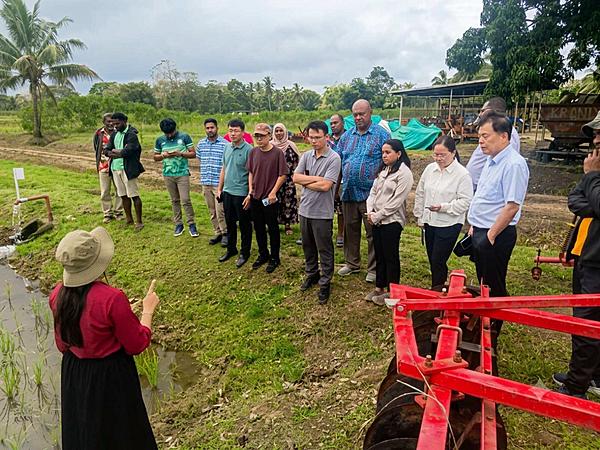
Fiji and China are strengthening their longstanding agricultural partnership through expanded cooperation in research, technology, training, food security and climate-smart agriculture.
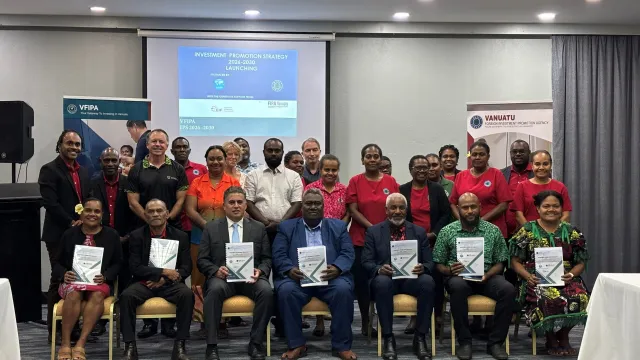
The partnership was highlighted at the Fiji-China Agricultural Cooperation Visit and Technical Symposium at Koronivia Research Station, bringing together policymakers, researchers, technical experts and industry stakeholders from both countries.
Deputy Secretary for Agriculture Development at the Ministry of Agriculture, Waterways and Sugar Industry, Dr Tekini Nakidakida, said the symposium provided an opportunity to review the achievements of more than a decade of cooperation and identify priorities for its next phase.
Nakidakida said agricultural cooperation between Fiji and China has continued since 2012 through eight agreements, memorandums of understanding and contracts covering rice research, Juncao technology, waterways infrastructure and capacity building, with five remaining active.
The partnership has delivered improvements in rice research and mechanisation, Juncao technology, waterways development and technical capacity.
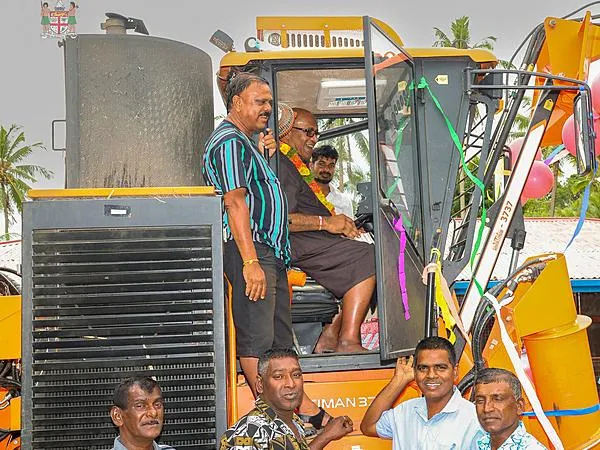
With Chinese technical support, five local rice varieties have been improved, while demonstration sites have been established at Koronivia, Dreketi and Vanua Levu. Modern equipment, including planters, tractors, harvesters and driers, has also been introduced to Fiji's rice sector.
Juncao technology has expanded beyond mushroom cultivation to livestock feed and land and riverbank restoration. More than 2,500 farmers have been trained, with four commercial mushroom enterprises established.
The China-Pacific Island Countries Juncao Technology Demonstration Centre, inaugurated in Fiji in 2023, has further strengthened Fiji's role as a regional hub for the technology, Nakidakida said.
Chinese technical expertise has also supported river dredging works on the Ba, Rewa, Navua and Sigatoka rivers, which the ministry said have delivered benefits for community safety and livelihoods.
Since 2012, more than 140 Ministry of Agriculture officers have received training in China in areas ranging from hybrid rice seed production to climate-smart agriculture and leadership.
Nakidakida said the cooperation has evolved through practical experience in adapting technology to Fiji's farming conditions.
“It is precisely this kind of open, continuing dialogue that today’s symposium represents,” he said.
Chinese Embassy Chargé d’Affaires a.i. Wang Yuan said agricultural cooperation was “injecting new impetus into the sound growth of our bilateral relations.”
Wang said the programme represented a practical step toward translating the Global Development Initiative into action and implementing the understanding reached by the leaders of Fiji and China to deepen agricultural cooperation.
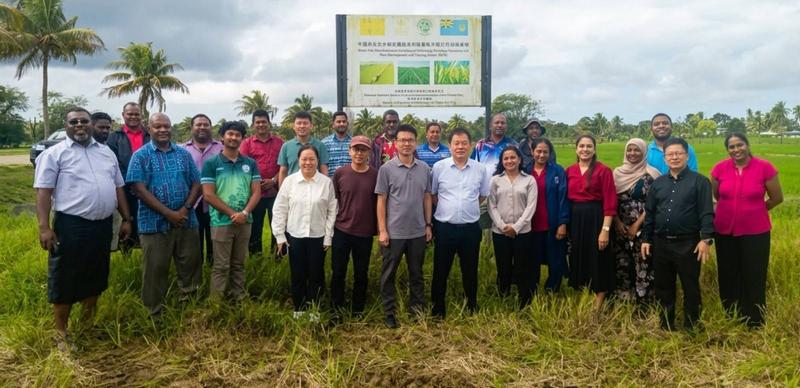
He said the training programme was tailored to local needs and aimed at addressing challenges facing Fijian farmers, including climate change, labour shortages, limited access to appropriate technology and marketing difficulties.
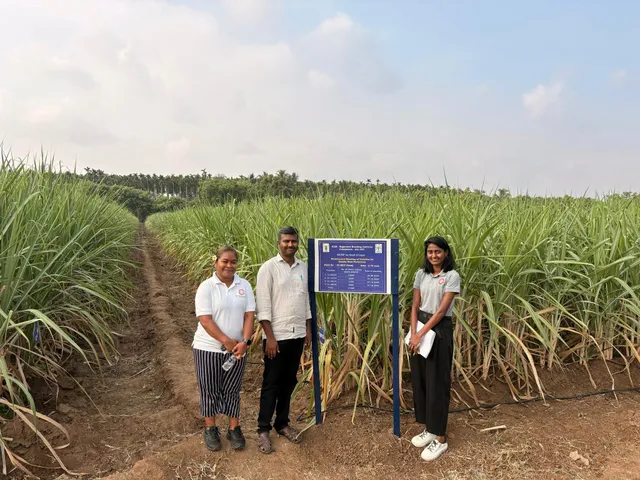
The programme covers the breeding and cultivation of citrus, rice, sugarcane, sweet potato and potato, alongside practical field sessions.
Wang also highlighted the agricultural experience of Fujian Province, saying technologies and practices adapted to local conditions could provide useful lessons for Fiji.
He said the training could serve as a bridge for sustained agricultural exchanges between the two countries, including greater cooperation in agricultural technology, talent development and food processing.
Future priorities
Looking ahead, Nakidakida identified protected cropping technology, reducing food loss and waste, expanded rice and crop research, climate-smart agriculture, and agricultural trade and investment as priority areas for future cooperation.
Protected cropping technology could also support Fiji's tourism sector by strengthening domestic food production and supply, he said.
“For Fiji, this partnership strengthens our food security, supports our farmers’ livelihoods, and builds our resilience to climate change,” Nakidakida said.
He encouraged participants to ensure the symposium produces clear priorities and practical follow-up actions.
The five-day programme combines indoor technical presentations led by visiting Chinese experts with afternoon field demonstrations. The programme is designed to provide participants with technical knowledge and hands-on experience relevant to Fiji's agricultural conditions.
The Ministry acknowledged the Government of the People's Republic of China, the Chinese Embassy and the visiting delegation for their continued commitment to strengthening agricultural cooperation between Fiji and China.