
A landowning cooperative in Tailevu is turning customary land into commercial opportunities through agriculture, forestry and private-sector partnerships, with the Fiji Government backing the initiative as a model for rural enterprise.
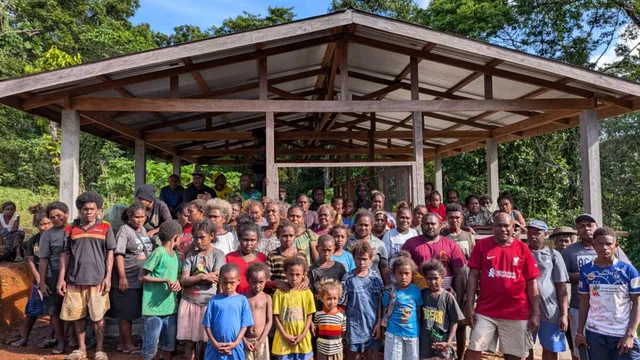
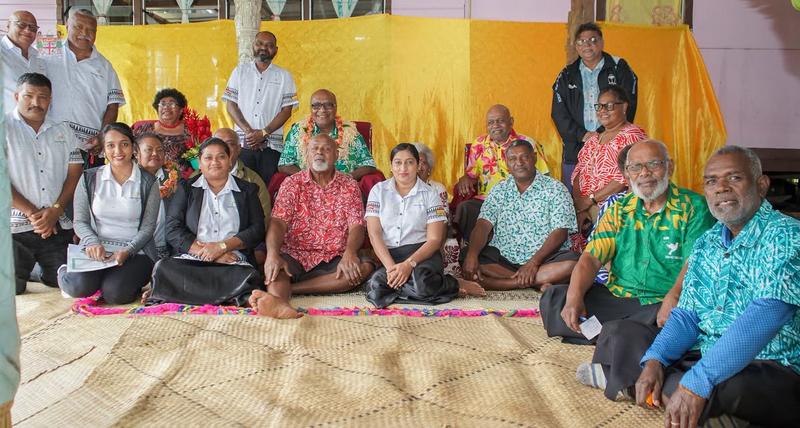
Twenty-two members of the Mataqali Solevu Cooperative in Naivuruvuru Village, Verata, Tailevu, are developing a five-year plan to turn 809 acres of customary land into a platform for commercial activity and new income opportunities.
The cooperative, registered on May 5 this year, comprises 15 men and seven women. As the largest landowning group in the Tikina of Verata, it has adopted a Strategic Development Plan covering 2026 to 2030 and has already begun commercial development of its land.
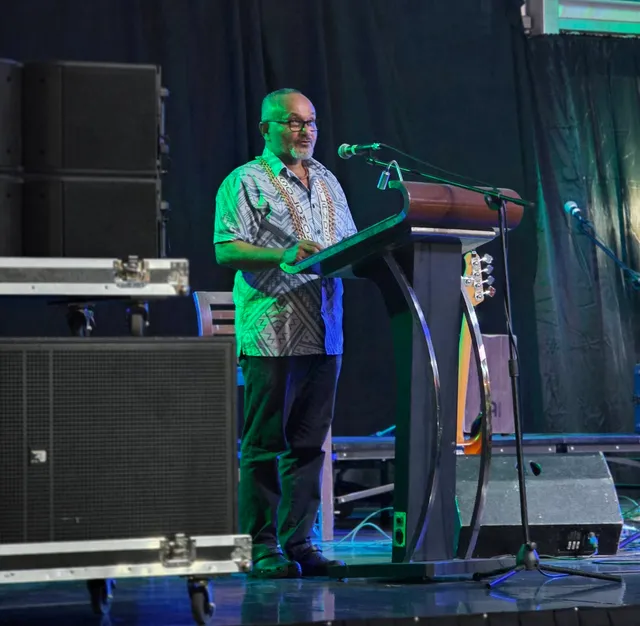
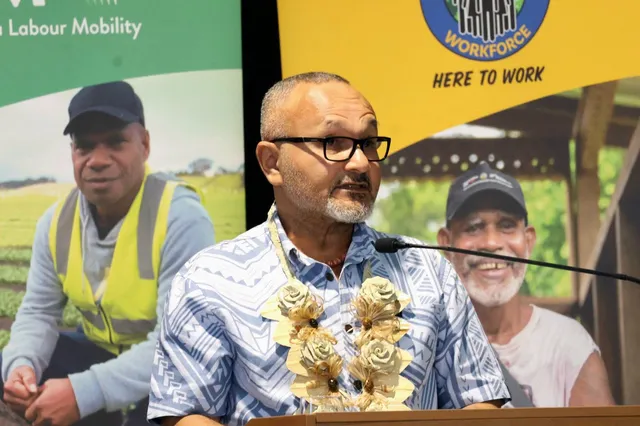
Deputy Prime Minister and Minister for Industries, Commerce and Business Development Manoa Kamikamica said the initiative demonstrated how customary landowners could take a more active role in developing their economic future.
“This is not ad hoc development. This is a mataqali planning its future with the same rigour we would expect of any serious commercial enterprise,” Kamikamica said during the signing of a memorandum of understanding between Mataqali Solevu and Food Processors Fiji Limited, alongside the handover of financial assistance at Naivuruvuru Village.
Dalo farming provides first commercial opportunity
Agriculture is among the first commercial activities being developed under the cooperative's plan.
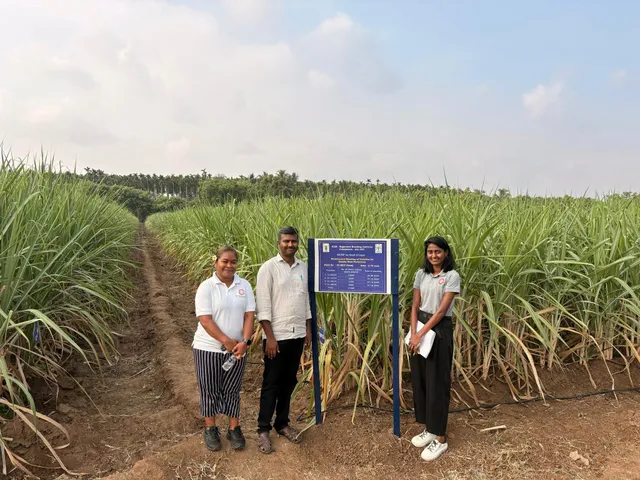
The group planted 19,000 dalo on part of a 200-acre area allocated for commercial farming between January and July this year. Following a visit to the site, Food Processors Fiji Limited committed additional funding to support the planting of another 15,000 dalo.
The expansion is expected to generate returns of up to FJ$75,000 for the cooperative.
Kamikamica said the project demonstrated the direct economic potential of customary land when combined with structured planning and commercial partnerships.
“The income in question is actual income, flowing directly from your land back into your own community,” he said.
The minister said the development reflected the government's broader objective of supporting landowning communities to move from custodianship toward enterprise.
“This is exactly the model my Ministry wants to see replicated across Fiji: landowners moving from custodianship to enterprise,” he said.
Forestry and community businesses
Mataqali Solevu is also working with the Ministry of Forestry to assess 150 acres of Silver Quangdong planted around two decades ago.
Suitability testing is scheduled for October, with commercial logging planned from 2027, subject to the outcome of the assessment.
The cooperative is also planning a canteen and bakery intended to provide services to the wider Tikina of Verata, adding another potential source of local economic activity to its development programme.
Kamikamica said partnerships between landowning units and the private sector could provide a foundation for broader rural economic development.
“Partnerships of this kind, between the private sector and landowning units, are precisely how we will grow Fiji’s rural economy from the ground up,” he said.
The Ministry will continue supporting Mataqali Solevu as it finalises its Strategic Development Plan, business plan and cash-flow projections. Business Assistance Fiji has also agreed to subsidise training for the cooperative by 70%.
The development model combines customary land ownership with commercial planning, agricultural production, forestry and community-based businesses, giving Mataqali Solevu several potential revenue streams while keeping economic activity within the local community.
The initiative illustrates the potential for structured landowner development to create rural enterprises, diversify income and strengthen local economic participation through partnerships between communities, government agencies and private-sector businesses.