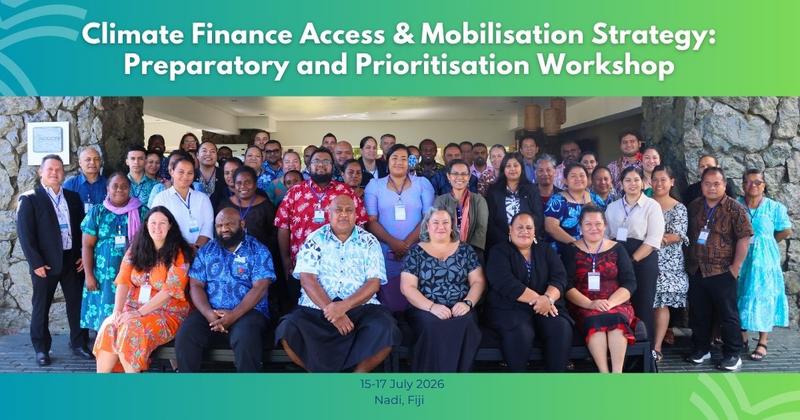
Senior officials from Pacific Islands Forum (PIF) member countries, regional organisations and development partners have gathered in Nadi this week to strengthen regional access to climate finance and develop a pipeline of investment-ready projects ahead of the inaugural Pacific Climate Finance Investment Forum in 2027.
The three-day Climate Finance Access and Mobilisation Strategy (CFAMS) Preparatory and Prioritisation Workshop, running from 15 to 17 July, marks a key milestone in implementing the strategy endorsed at the Special Meeting of the Forum Economic Ministers in March 2025.
The workshop aims to translate the strategy's regional priorities into a coordinated programme of investable climate and resilience projects capable of attracting greater international climate finance.
Senior officials from finance, planning and climate change ministries across Forum member countries are participating in discussions to better align national priorities with regional financing objectives while identifying high-impact investments that can be advanced through regional cooperation.
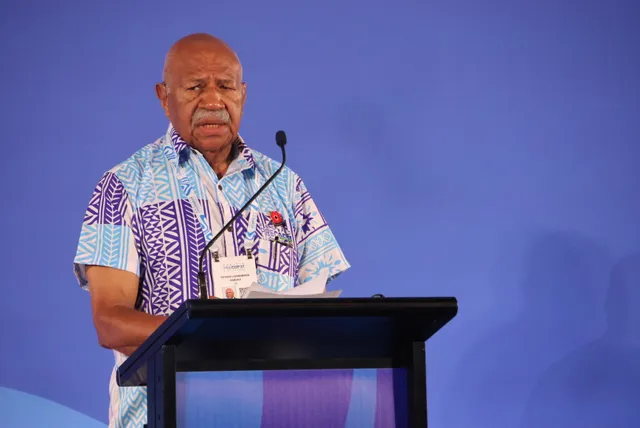
Pacific Islands Forum Secretary General Baron Divavesi Waqa said the workshop was an important step towards achieving the region's long-term development ambitions.
"The 2050 Strategy reminds us that our future will be shaped by Pacific-led solutions and stronger regional cooperation. Climate finance is fundamental to achieving that vision," Waqa said.
"Through this workshop, our members are identifying shared priorities, strengthening collaboration and preparing a portfolio of strategic investments that reflects Pacific ownership. The 2027 Pacific Climate Finance Investment Forum will provide an opportunity to connect these priorities with partners who are ready to invest in a more resilient and sustainable Blue Pacific."
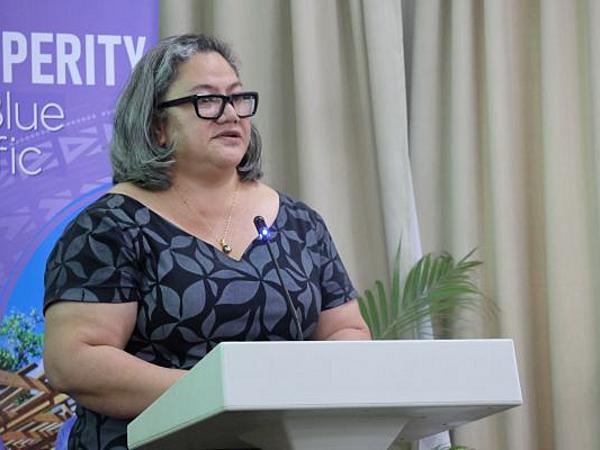
Opening the workshop, Pacific Islands Forum Deputy Secretary General Desna Solofa said climate change had become not only an environmental issue but also a development, economic, fiscal and existential challenge for Pacific island countries.
She said climate impacts were affecting every aspect of Pacific economies, from infrastructure, agriculture and fisheries to health, water security and disaster resilience, while the scale of investment required far exceeded the fiscal capacity of most countries.
Although the international community increasingly recognises the vulnerabilities of Small Island Developing States, Solofa said access to climate finance remained constrained by lengthy approval processes, fragmented funding arrangements, limited institutional capacity and increasingly complex financing requirements.
She said these challenges prompted Forum Economic Ministers to endorse the Climate Finance Access and Mobilisation Strategy as the region's collective framework for improving access to and mobilisation of climate finance.
According to Solofa, the strategy provides a practical roadmap to improve regional coordination, strengthen institutional capacity, build investment-ready project pipelines, expand partnerships and increase the scale and effectiveness of climate finance reaching Pacific communities.
She stressed that the strategy was not intended to replace national development plans, Nationally Determined Contributions or National Adaptation Plans, but instead to identify where countries share common priorities and investment opportunities.
"Where multiple countries face similar challenges, similar investment needs and similar opportunities, we have the opportunity to elevate those priorities into regional programmes that can unlock economies of scale, strengthen collaboration and attract larger and more strategic investments," she said.
Solofa said bringing national priorities together would enable the region to present a stronger case to development partners, multilateral development banks, climate funds and private investors.
She said the workshop would validate country priorities, identify regional investment opportunities, examine financing pathways and begin shaping the Pacific Climate Finance Investment Forum planned for 2027.
"The success of that Forum will depend entirely on the quality of the work we undertake here this week," she said.
"Our objective is to leave this workshop with a clearer understanding of where our collective priorities lie, what investments are ready to progress, where additional preparation is required, and how regional collaboration can help accelerate access to finance."
Solofa called for closer collaboration among governments, regional organisations and development partners, saying continued cooperation across the Blue Pacific would be essential to transforming today's priorities into tomorrow's investments.
As climate impacts continue to intensify across the region, the workshop underscores the Pacific's commitment to improving access to climate finance and converting regional priorities into bankable projects that strengthen resilience, support sustainable development and deliver long-term benefits for Pacific communities.
The inaugural Pacific Climate Finance Investment Forum, scheduled for 2027, is expected to become the region's flagship platform for climate investment.
The forum will bring together Forum member governments, multilateral development banks, climate funds, philanthropic organisations, private investors and development partners to mobilise financing for transformative projects aligned with the Pacific's climate and development priorities.