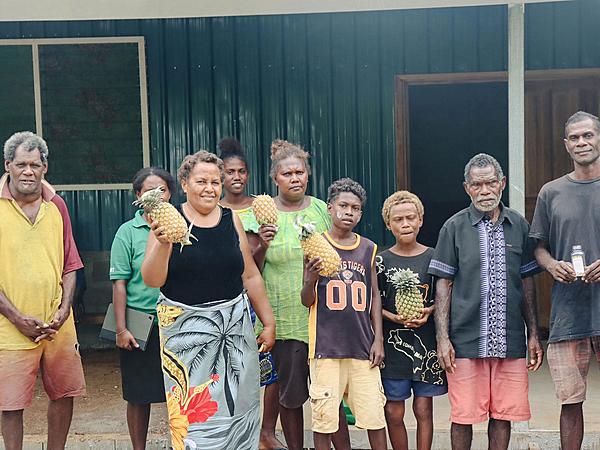
A group of smallholder farmers in Guadalcanal Province has begun producing bottled pineapple juice after receiving support to establish a processing facility, creating new income opportunities while reducing the need to travel to Honiara to sell fresh produce.
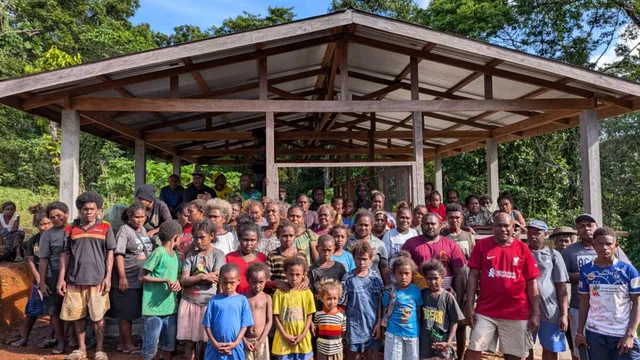
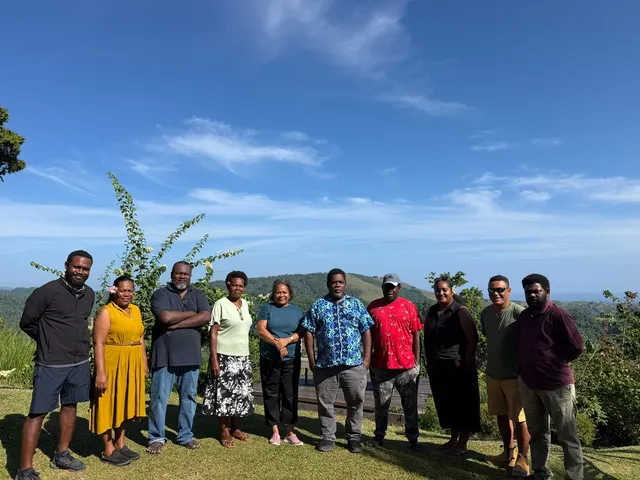
The Atunoda Family Farmers Association, based in Gheghede village in East Central Guadalcanal, recently celebrated the production of its first bottles of pineapple juice following the completion of a pineapple processing shed and the installation of processing equipment funded through the Solomon Islands Agricultural Rural Transformation (SIART) Project.
The association, comprising 30 smallholder farmers, received SBD196,106 to build the processing shed and a further SBD24,500 for a pineapple processing machine.
SIART is a World Bank-funded programme implemented by the Ministry of Agriculture and Livestock (MAL) to increase agricultural production, improve market access and strengthen economic resilience in Guadalcanal, Malaita and Makira-Ulawa provinces.
For years, farmers in the remote inland community have faced poor road conditions and limited transport, making it difficult to reach Honiara's Central Market. Many farmers, including women and children, have had to spend nights at the market while waiting to sell their produce before returning home.
The new processing facility enables farmers to add value to their pineapples within the village rather than transporting fresh fruit to the capital.
Association chairman Gideon Kilua said the project marked an important step towards improving livelihoods.
"By venturing into this form of agribusiness, we are working together to improve our livelihoods in the village," he said.
The association produced its first bottles of pineapple juice during a pineapple processing and food safety training programme organised by SIART in June 2026. The training was facilitated by a food technician from MAL's Research Department.
Kilua said women and children from the community also participated in the training.
"The first production from our processing facility is a green light for us. It gives us confidence that we can earn a profit from producing pineapple juice in our village," he said.
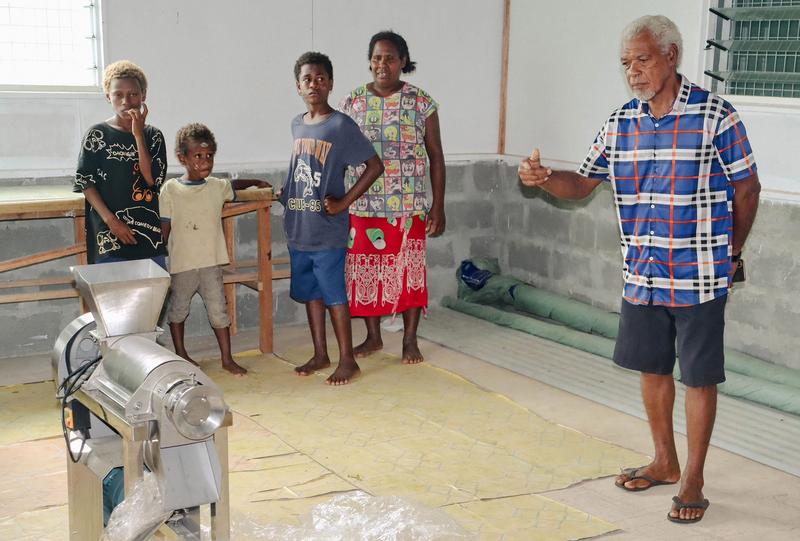
Using 20 pineapples during the training, the group produced more than 60 bottles of juice in less than an hour.
Kilua said selling fresh pineapples in Honiara generated about SBD200 from 20 fruits before transport and market fees were deducted.
"We can earn more by selling pineapple juice at SBD5 per bottle in surrounding communities and nearby schools. We are also looking for customers in shops in Honiara," he said.
Beyond infrastructure and equipment, SIART has also provided working capital, allowing the association to purchase pineapples from members and neighbouring farmers for processing.
"Instead of travelling to Honiara, farmers can bring their pineapples to us and we pay them directly, saving them transport costs," Kilua said.
The initiative also benefits elderly farmers as well as women and children who previously faced the burden of travelling long distances to market their produce.
Pineapple farming is the main source of income for many households in Gheghede village.
"One farmer can produce nearly 2,000 pineapples. With support from the SIART Project, pineapple farming has expanded. Our women and children are happy because they are helping establish more pineapple farms," Kilua said.
He said income from pineapple sales helps families pay school fees, cover medical expenses and meet other household needs.
To ensure the business remains sustainable, the association plans to acquire another processing machine and expand production. The processing facility is also creating paid employment opportunities for villagers involved in juice production.
Association member and pineapple farmer Heslyn Tarimana said the project had eased many of the challenges faced by women.
"It will benefit us a lot," she said. "This project will help us overcome the challenges we always face when taking our pineapples to Honiara."
Tarimana said poor transport links often forced farmers to stay overnight at Honiara's Central Market while trying to sell their produce or waiting for transport home.
"Now we can grow, harvest and sell our pineapples here in the village," she said.
She thanked the Ministry of Agriculture and Livestock and the World Bank, through the SIART Project, for supporting the community.
"It has been our long-time hope for a project like this to reach our village and help create economic opportunities. It will support our children's education, help meet household needs and allow families to save money for other commitments," Tarimana said.
The Atunoda Family Farmers Association is one of 32 Agribusiness Producer Organisations in Guadalcanal Province receiving grant support through the SIART Project as Solomon Islands seeks to strengthen rural agribusiness and improve farmers' access to markets.