
November 25, 2025

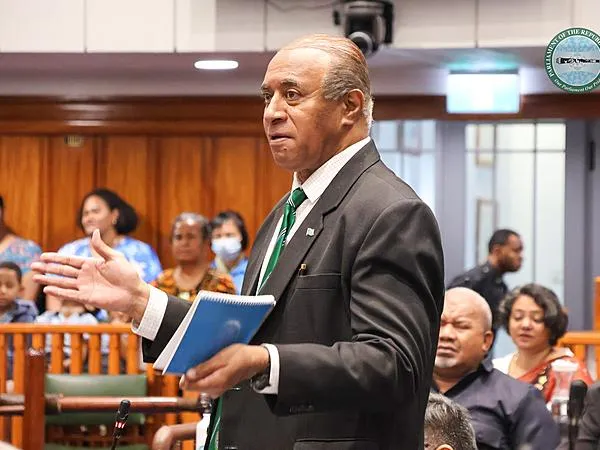
The government has endorsed the Commercial Use of Marine Areas Bill 2025, clearing the way for the return of proprietary ownership of marine areas, or qoliqoli, used for commercial activities — chiefly tourism — to their customary owners.

Once passed by Parliament, the Bill will repeal the Regulation of Surfing Areas Act 2010 and establish a new framework that the government says is fair, transparent and grounded in the rule of law. The measure is expected to be tabled during the two-week sitting that began 24 November.

The Regulation of Surfing Areas Act was introduced by the former Bainimarama administration and “wholly and absolutely” vested ownership of all surfing areas in the Lands Director on behalf of the State, “without any compensation being payable to any person.”

At the time, the government argued the Act would revive Fiji’s surfing industry by “opening up cloud breaks and removing exclusivity.” Then tourism minister and attorney-general Aiyaz Sayed-Khaiyum, who led the policy, said it aimed to unlock economic opportunities and ensure “locals [could] participate in the industry in so many ways…”

The Rabuka government now says the 2010 law will be replaced with a framework that restores the traditional rights of iTaukei communities over marine areas currently used for commercial operations. Under the new Bill, qoliqoli owners would regain proprietary control, while commercial operators would be required to align their activities with arrangements deemed equitable and culturally appropriate.

According to Cabinet, the reversion of ownership will be undertaken “in accordance with the rule of law and the principles of natural justice,” with affected parties participating actively in the process. The framework will also empower existing indigenous institutions to take a central role in administering marine areas, strengthening local involvement in resource management.

The government says the Bill is intended to deliver long-term benefits to iTaukei communities by recognising traditional ownership, enhancing participation in the oversight of marine resources and ensuring commercial tourism activities operate on terms that respect customary rights.

With the legislation now cleared for introduction, Parliament will decide whether the long-standing debate over the control of Fiji’s marine areas will shift decisively back into the hands of traditional owners.

November 25, 2025

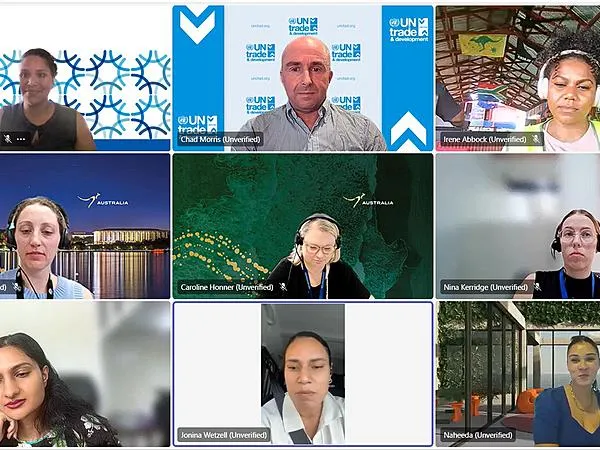
Outstanding women entrepreneurs from across the Pacific and Timor-Leste are among 22 high-potential participants selected for the prestigious UN Conference on Trade and Development (UNCTAD) eTrade for Women Masterclass, organised with the Economic Research Institute for ASEAN and East Asia (ERIA) and held from 18–21 November in Manila. The programme is designed to equip women-led businesses with practical digital skills to strengthen their ventures and unlock new trade opportunities within and beyond the Blue Pacific.

The four-day Masterclass focuses on core areas essential for modern business growth, including building strong brands and effective online marketing, using customer insights to guide decision-making, scaling businesses on limited budgets, navigating cross-border trade, learning from successful digital companies, understanding intellectual property, and cultivating leadership and peer support networks across the region.

This year’s cohort from the Pacific and Timor-Leste includes:

  1. Marianna Ellingson (PNG) – AIDAN Limited

  2. Shenal Harakh (Fiji) – Sunset Studio

  3. Naheeda Maqbool (Fiji) – ZONAH UNITED

  4. Flora Brytes (Timor-Leste) – TimorGetaway

  5. Irene Abbock (Vanuatu) – Tidy Haus Cleaners & Babysitting Service

Fijian participant Naheeda Maqbool said the Masterclass provided a profound learning experience. “Representing Fiji at the UNCTAD eTrade for Women Masterclass in Manila was a transformative experience. It elevated Fiji’s presence on an international platform and strengthened my mission to advance agriculture trade and community-driven exports. The knowledge, digital tools, and powerful network of remarkable women leaders from across Asia have opened new pathways for collaboration, visibility, and growth—not just for me, but for the all rural women farmers of Fiji who are supported under ZONAH UNITED whose products and dreams I carry with me.”

These entrepreneurs are already driving positive change in their communities and industries. Their participation is supported by UNCTAD, Australia, and the Pacific Islands Forum Secretariat (PIFS).

PIFS Acting Director of Programmes and Initiatives Denton Rarawa said, “The Masterclass complements our PIFS E-Biz Plus Program, through initiatives like these, the Pacific Regional E-commerce Strategy and Roadmap continue to advance practical pathways to bridge gender gaps in digital trade, ensuring Pacific women are active and influential contributors to the Blue Pacific’s growing trade landscape as envisioned in the 2050 Strategy.”

The eTrade for Women initiative, led by UNCTAD, empowers women digital entrepreneurs in developing and least developed countries through leadership training, peer learning, and access to global e-commerce networks.

November 24, 2025

Lion One Metals Limited has announced new high-grade gold results from underground drilling at its 100% owned Tuvatu Gold Mine in Fiji.

The company completed 2,322 metres of infill and grade control drilling, focusing on the Zone 5 area of the mine. The drilling targeted two main areas: the down-dip extension of the Zone 5 lodes below the lowest current mine levels, and the up-dip mineralisation above level 1120 in the southern section of the mine.

Lion One reported a headline intercept of 728.56 grams per tonne (g/t) of gold over 0.7 metres, located about 25 metres below current underground development. Other notable results include 279 g/t over 0.3 metres, 189.99 g/t over 0.3 metres, and 164 g/t over 0.3 metres.

“These results continue to highlight the exceptional grade and continuity of mineralisation at Tuvatu,” the company said in a release. Because the new drill intercepts are close to existing workings, Lion One expects much of this material to be incorporated into the mine plan over the next six to twelve months.

Zone 5 Drilling

The Zone 5 area hosts the mine’s main north-south and northeast-southwest lodes, which converge around 500 metres deep to form the high-grade Zone 500, considered a feeder zone. Drilling in this zone remains open at depth, with high-grade intercepts recorded below 1,000 metres.

Down-dip drilling below current mine levels focused on levels 1066 and 1084. This programme returned numerous high-grade results over narrow widths, typical of Tuvatu’s steeply dipping lodes. Some wider intervals were also observed, including 3 metres of 32.29 g/t gold.

Up-dip drilling above level 1120, near the planned shrink stope, has also returned high-grade intersections, such as 93.33 g/t over 0.7 metres and 164 g/t over 0.3 metres. Development of the 1120 shrink stope has already started, and drilling will continue to provide additional information for mining.

Looking Ahead

The new drilling results reinforce Tuvatu’s reputation as a high-grade underground gold mine. Lion One plans to integrate much of the new material into its mine plan and expects mining of these zones to begin within the next year.

Lion One Metals Limited is a Canadian gold exploration and development company focused on the Tuvatu Alkaline Gold Project in Fiji. The project is recognised for its high-grade gold mineralisation and ongoing exploration potential.

November 21, 2025

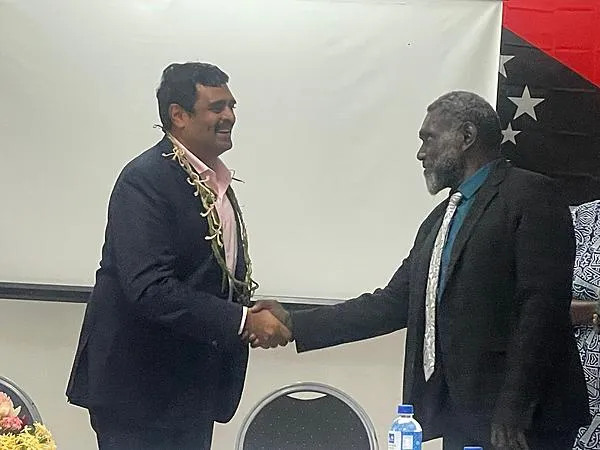
The Autonomous Bougainville Government (ABG) has signed a Memorandum of Understanding with Lloyds Metals & Energy Ltd. (LMEL), creating a formal platform for consultation on major development priorities across the region.

President Ishmael Toroama described the agreement as an important milestone, saying the framework will enable Bougainville to explore development opportunities in a structured, transparent and well-coordinated way.

“Thank you, Lloyds Metal, for us entering into this agreement. ABG has entered into so many agreements, promises that were signed, trying to revive and ensure that they make all agreements work, today the challenge is here with us,” he said.

Under the MoU, the ABG and LMEL will consult on a range of development areas, including infrastructure, social services, economic initiatives and potential large-scale mining projects.

Toroama said the framework aligns with Bougainville’s broader development agenda and complements the support of its long-standing partners. He reaffirmed that the government will continue working with partners who contribute meaningfully to the region’s economic empowerment and its preparations for political independence.

LMEL managing director Balasubramanian Prabhakaran, in a presentation to Bougainville’s political and administrative leadership, acknowledged the region’s difficult history and assured the ABG that the company approaches the partnership with respect for Bougainville’s long-term development aspirations.

Prabhakaran said the company recognises the resilience and innovative spirit of Bougainvilleans, noting that this strength inspires LMEL’s intention to work with the ABG.

Lloyds Metals & Energy Ltd. is an established Indian corporation engaged in mining, steel manufacturing and large-scale industrial operations in India and abroad through its associated entities.

November 20, 2025

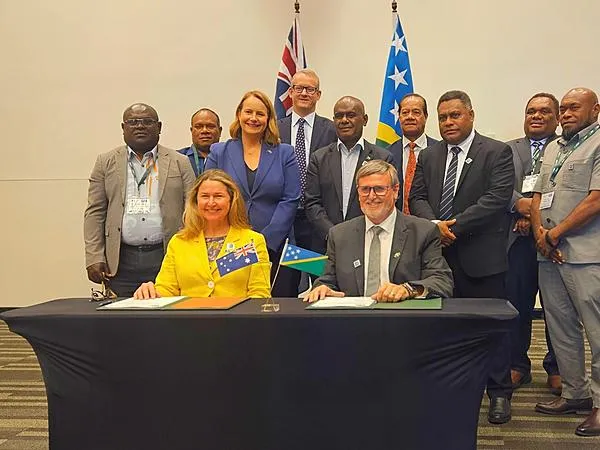
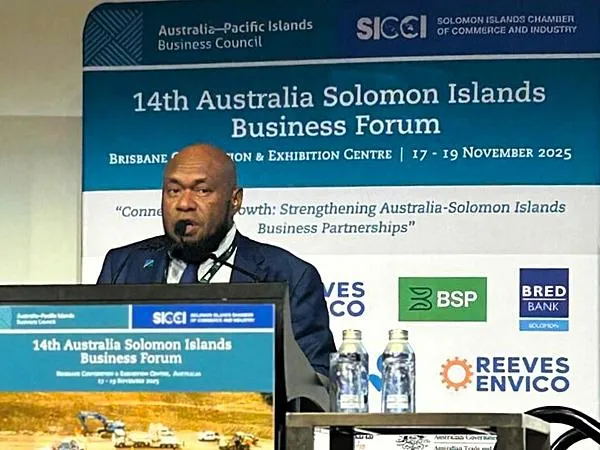
The Solomon Islands Government welcomed the official launch of the Adamasia Submarine Cable Project, a major step forward in strengthening the nation’s digital connectivity and resilience. The launch was witnessed by Prime Minister Jeremiah Manele at the margins of the 14th Australia–Solomon Islands Business Forum in Brisbane.

The Adamasia Cable will provide essential support to the existing Coral Sea Cable, enhancing the resilience of the Solomon Islands’ international fibre optic network. The need for this additional connectivity became clear following the 2023 Coral Sea Cable disruption, which temporarily affected Internet services in the Western Province.

Speaking at the launch, Finance and Treasury Minister Rexson Ramofafia reaffirmed the government’s commitment to leveraging modern digital infrastructure to empower citizens and support sustainable growth across the country.

“The new cable will ensure more reliable and secure connectivity for government services, education, health, tourism, and commercial activities,” Ramofafia said.

The Adamasia Cable is being delivered through a partnership between the Solomon Islands Government, the Solomon Islands Submarine Cable Company, and the Australian Government through the Australian Infrastructure Financing Facility for the Pacific (AIFFP).

With an investment of over $100 million, the project will interconnect with the Bulikula system, part of Google’s Pacific Connect initiative. The Bulikula system links Guam to Fiji, providing an additional international route for data traffic. This ensures the Solomon Islands maintains connectivity even if one cable is impacted, supporting stable access to the global Internet and digital services.

Australia’s Assistant Minister for Pacific Island Affairs, Senator Nita Green, highlighted that Australia’s investment in the Adamasia Cable and other infrastructure across the Pacific reflects a shared commitment to support local communities, drive national development, and strengthen regional connectivity.

Finance Minister Ramofafia thanked the Australian Government for its continued partnership and support in delivering this critical infrastructure, noting that it reflects the strong collaboration between the two countries in advancing digital and economic development in the Solomon Islands.

November 20, 2025

The Solomon Islands Government, through the Ministry of Mines, Energy and Rural Electrification (MMERE), highlighted its partnership with the World Bank at the 14th Australia–Solomon Islands Business Forum, underscoring efforts to strengthen mining sector transparency, governance, and investment.

Minister Derrick Rawcliffe Manuari delivered a keynote presentation, outlining the Government’s commitment to building a modern, sustainable, and investor-ready mining industry.

During the session on “Opportunities in the Solomon Islands Resources Sector,” Minister Manuari emphasised the Government’s determination to strengthen institutional, legal, and governance frameworks. He noted that the Solomon Islands is at a turning point in resource development due to growing global demand for critical minerals.

A key initiative supporting these reforms is the Sustainable Mining Development Technical Assistance Project (SMDTAP), led by the World Bank in collaboration with MMERE and the Ministry of Finance and Treasury. SMDTAP is modernising mining governance, enhancing regulatory and administrative systems, and establishing a foundation for responsible and transparent sector growth.

World Bank Senior Mining Specialist Dr. Wilfred Lus highlighted the Bank’s support in helping the Solomon Islands leverage its resource potential in line with global best practices. He stressed the importance of modern geodata, predictable regulatory systems, benefit-sharing mechanisms, and integrated infrastructure planning to attract high-quality investment.

Minister Manuari also outlined the Government’s key reforms:

  • Mineral Resources Bill (2025) – modernising sector legislation;

  • Mining Cadastre Administration System (MCAS) – enhancing licensing transparency;

  • Re-engagement with the Extractive Industries Transparency Initiative (EITI);

  • Strengthened Gender Equality & Social Inclusion (GESI) strategies;

  • Minerals Development Master Plan – identifying critical mineral corridors for copper, nickel, and gold, incorporating environmental, social, and governance (ESG) principles.

Both MMERE and the World Bank highlighted the Solomon Islands’ significant geological potential, including substantial deposits of bauxite, gold, and nickel, positioning the country as a contributor to regional and global critical-minerals supply chains.

Dr. Lus outlined upcoming World Bank support, including assistance for mineral auctions, investment packaging, data-room preparation, and shared infrastructure development in copper- and nickel-rich regions such as Guadalcanal, Isabel, and Choiseul. These initiatives aim to attract responsible investors, strengthen community benefits, and promote inclusive economic development.

The upcoming World Bank–Solomon Islands Government dialogue, scheduled for 1–4 December 2025 in Honiara, will focus on advancing sector reforms, guiding investment, and preparing for future large-scale mining operations.

November 20, 2025

“This is a model of partnership and shared prosperity,” Prime Minister Rabuka tells Tanoa Hotel staff and stakeholders

Prime Minister Hon. Sitiveni Rabuka last night officially re-launched the newly upgraded Tanoa International Hotel in Nadi, commending the Reddy Group and Tanoa Hotels for their continued confidence in Fiji’s tourism industry.

The Prime Minister congratulated the board, management, and staff for their dedication, professionalism, and commitment to excellence, noting that their efforts have strengthened Fiji’s reputation as a world-class destination.

“This is a model of partnership and shared prosperity, your warmth and service are the true spirit of Fijian hospitality,” he said.

Hon. Rabuka highlighted tourism as a core driver of national growth, sustaining thousands of jobs and supporting a wide network of local suppliers and communities. “Tourism is not just an industry; it is a lifeline for our people and a bridge to the world,” he added.

Prime Minister Rabuka also noted the sector’s resilience, with Fiji recording nearly one million visitors in 2024 and 735,154 arrivals so far in 2025—an increase of 0.2% from last year.

The Tanoa International Hotel has undergone a major FJD $20 million refurbishment, including upgrades to the lobby, reception area, restaurant, Mint Coffee Lounge, pool area, and conference facilities. The Prime Minister commended the partnership with Pacific Building Solutions for delivering the project on schedule.

He also acknowledged the Tanoa Group’s expansion efforts, including the modernisation of Tanoa Plaza in Suva and upcoming upgrades to the Tanoa Waterfront Hotel in Lautoka. Hon. Rabuka praised Tanoa Hotels for operating with 100% local talent and for its strong focus on training, recruitment, and engagement with the Vanua.

The Prime Minister reaffirmed the Coalition Government’s commitment to building a sustainable and globally competitive tourism industry. “Every investment that supports these goals contributes to a resilient economy, one that delivers prosperity for all Fijians,” he added.

He thanked all partners involved in the project, noting that the achievement demonstrates the impact of strong public-private collaboration.

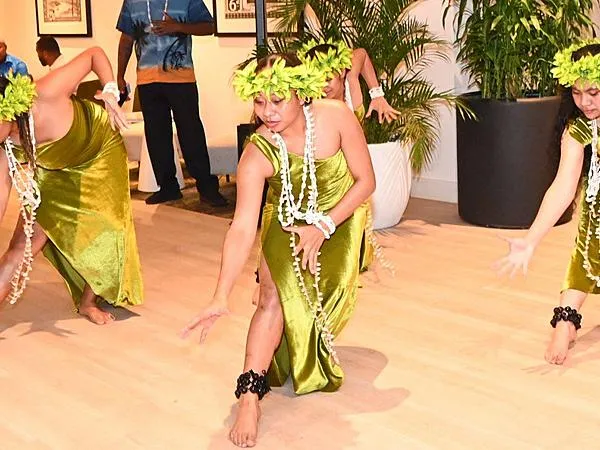
Following the official relaunch, the Prime Minister was entertained by the Manava Performance Arts, showcasing Fiji’s cultural vibrancy and hospitality.

November 19, 2025

The Solomon Islands will re-open its Embassy and Permanent Mission in Geneva, strengthening diplomatic ties with Switzerland, the United Nations, the World Trade Organization, and other international organizations based in the Swiss city. The move underscores the country’s commitment to increased engagement in multilateral diplomacy and international cooperation.

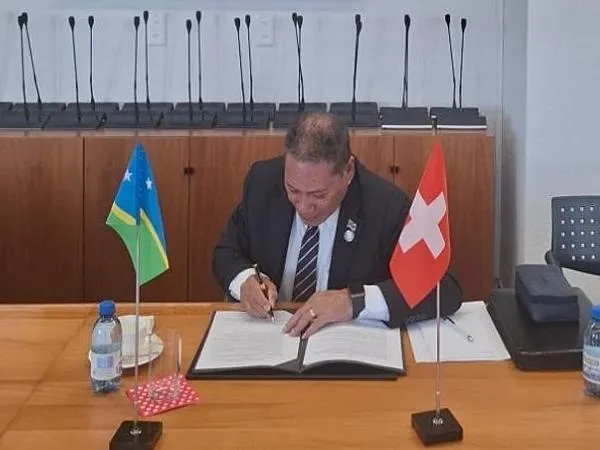
On November 17, 2025, Foreign Minister Peter Shanel Agovaka signed a Memorandum of Understanding (MOU) with Thomas Gurdier, Deputy Foreign Secretary of the Federal Department of Foreign Affairs of Switzerland, marking the start of the re-establishment process.

The MOU formalizes initial steps toward restoring the Solomon Islands’ diplomatic presence in Geneva. The Embassy and Permanent Mission will serve as a hub for coordinating the country’s engagement with UN agencies, the WTO, and other international organizations, while also promoting trade, sustainable development, and cultural collaboration.

Minister Agovaka highlighted the importance of the milestone, saying, “This reaffirms our enduring friendship and shared commitment to international cooperation.” He also noted Switzerland’s offer of financial and technical assistance in supporting the reopening of the Permanent Mission.

Switzerland welcomed the Solomon Islands’ return, emphasizing the significance of Pacific representation in Geneva. Ambassador Guerber affirmed that Switzerland stands ready to provide support in logistical, administrative, and diplomatic matters during the process.

The Solomon Islands previously maintained a Permanent Mission in Geneva until its closure in 2020 due to budgetary constraints. The re-establishment is expected to begin in the first quarter of 2026, with staffing, office setup, and formal accreditation planned over the coming months.

Minister Agovaka is currently in Geneva representing the Solomon Islands at the Conference of the Parties (COP11) on Tobacco Control, where he is expected to raise regional concerns and strengthen multilateral cooperation on public health and sustainable development.

The reopening of the Mission is seen as a strategic step to boost the Solomon Islands’ voice in global forums, facilitate international partnerships, and enhance the country’s capacity to negotiate on issues ranging from trade and climate change to development financing.

November 19, 2025

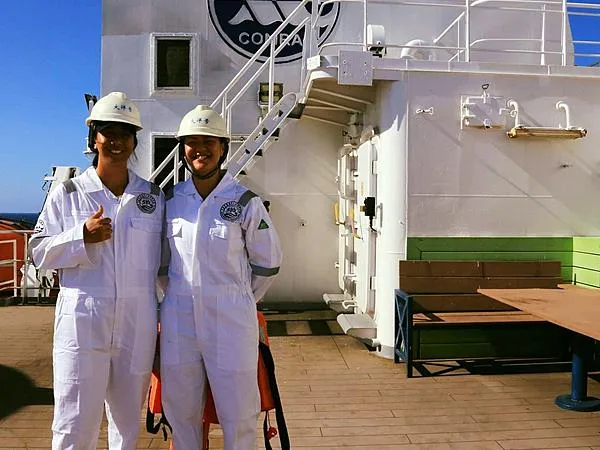
The Cook Islands has strengthened its scientific ties with China through a short marine research voyage aboard the Da Yang Hao, one of China’s leading deep-sea research vessels. A team of Cook Islanders joined the ship in Suva, Fiji, for a ~9-day cruise to Rarotonga, aiming to boost scientific collaboration and deepen understanding of the nation’s vast marine environment.

The Cook Islands delegation – led by the Seabed Minerals Authority (SBMA) through Edward Herman, John Parianos, Rima Browne, and Tanga Morris Jr – also includes representatives from the House of Ariki, the Government of the Cook Islands, and Te Ipukarea Society: Philip Vakatini Ariki, Troy Penno, and Alanna Smith.

According to officials, the voyage aims to strengthen “marine scientific collaboration” between the Cook Islands and the China Ministry of Natural Resources, with a focus on the “exchange of knowledge, research practices, and deep-sea science capabilities undertaken under Cook Islands jurisdiction and national research protocols.”

Through this joint effort, the Cook Islands continues to demonstrate its leadership in “science-driven ocean exploration,” contributing to a better understanding of “our Marae Moana, our marine ecosystems, and the deep-sea environments within our national waters.”

Knowledge gained from the mission will remain in the Cook Islands’ hands, supporting “responsible management, environmental protection, and informed decision-making for our ocean and our people.”

The Da Yang Hao is equipped with “state-of-the-art laboratories and cutting-edge ocean technology,” enabling the ship to collect high-value data that will inform “future research, environmental management, and policy development.”

The delegation is expected to arrive in Rarotonga during the second week of November 2025, weather permitting.

“Meitaki ma‘ata to all involved – this collaboration continues to showcase the Cook Islands’ leadership in marine science, stewardship, and partnership beneath the waves,” the statement reads.

Training and Onboard Education

During the “4-day transit from Fiji to the Cook Islands,” the team took part in a range of training drills and educational seminars to familiarise themselves with ship operations and onboard research systems.

From “safety drills and knot tying, to learning about the Da Yang Hao’s full spread of scientific equipment,” the Cook Islands team has been fully immersed in ship life. They have received a warm welcome and been integrated into the “Science Team to participate in the collection of marine scientific data during the research cruise.”

Once on-site, the plan is to “use and deploy a range of instruments to showcase the Da Yang Hao’s capabilities.”

Both “biological and geological data” will be collected, and, in line with the Cook Islands’ open science principles, “all data will be made publicly available to support open science and future marine research.”

November 17, 2025

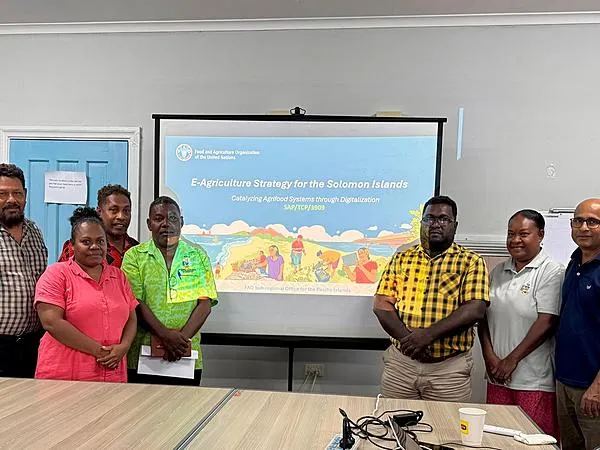
The Solomon Island's Ministry of Agriculture and Livestock (MAL), in partnership with the Food and Agriculture Organization of the United Nations (FAO), has successfully completed a two-day workshop on the Digital Farmer Registry (DFR) and the revalidation of the E-Agriculture Strategy, a national digital platform designed to register and manage information on farmers, their households, and farm activities.

Simon Baete, Deputy Secretary Special Duties (DSSD) at MAL, opened the workshop by emphasizing the importance of agriculture as the backbone of the national economy, stating, “Agriculture remains the heart of our economy and the livelihood for most of our people.” He acknowledged the prevalent challenges facing the sector, including limited access to data and weak coordination among institutions.

“The Digital Farmer Registry and the E-Agriculture Strategy are critical initiatives that will enable us to collect accurate farmer data, improve planning, and strengthen agricultural services across the country,” he added.

Throughout the workshop, participants from various government ministries and partner organisations explored effective ways to implement the Digital Farmer Registry, the governance structures required, and the strategic guidance provided by the E-Agriculture Strategy for digital transformation in agriculture.

Baete remarked, “This is not just a technical discussion — it’s about shaping the future of agriculture in our country. Your ideas, experiences, and recommendations will help make these tools practical and impactful for our farmers and communities.”

MAL’s vision is to create a "modern, inclusive, and resilient agriculture sector powered by innovation and technology." The Deputy Secretary highlighted that a digital registry would help identify farmers and their produce — a crucial step for developing smarter policies and enhancing service delivery.

“This workshop is a vital step in our collaboration toward harnessing digital tools for the advancement of agriculture to a smarter, more connected agriculture sector,” he said.

Covering both subsistence and commercial farmers, the DFR will enhance transparency and coordination across government programs, helping ensure that assistance reaches genuine beneficiaries. It represents a key outcome under the FAO project, Catalyzing Agrifood Systems through Digitalization (TCP/SAP/3909).

The platform is fully interoperable with other national systems and follows Digital Public Infrastructure (DPI) principles of openness, inclusion, and reusability. It provides real-time data dashboards and mobile tools for enumerators, while allowing farmers to self-register online or via mobile devices.

FAO’s Digital Agriculture Specialist, Bandara Rotawewa, highlighted that the registry strengthens both agricultural governance and social protection linkages, improving the nation’s capacity to respond to shocks and invest in smallholders’ futures.

November 17, 2025

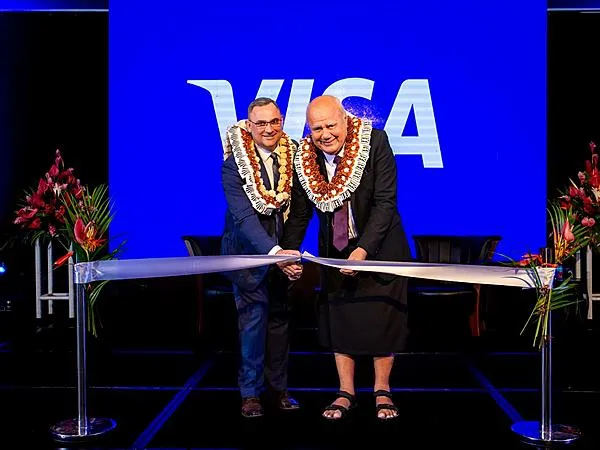
Visa is deepening its presence in the Pacific with the launch of a new regional office in Suva, Fiji, in an investment poised to reshape digital payments and unlock new opportunities for businesses across the Pacific Islands.

The new Fiji hub will strengthen Visa’s ability to support banks, financial service providers, merchants, SMEs, governments and development partners as the region accelerates towards a more connected digital economy.

Visa Country Manager for New Zealand and Pacific Islands, Anthony Watson, said the new office reflects Visa’s long-term commitment to the Pacific and its confidence in the region’s rapid digital transformation.

“We are proud to be establishing a physical presence in the Pacific Islands, which will enable us to better serve our partners and clients in the region,” he said.

“The Pacific Islands are at the forefront of an exciting transformation, with innovation and growth rapidly shaping the digital payments landscape. We’re proud to play a role in this moment, working alongside local businesses to unlock new opportunities that foster sustainable economic growth across the region," he added.

Fiji’s new status as Visa’s Pacific hub is expected to benefit local businesses by improving access to secure, modern payment technologies that support faster transactions, safer customer experiences, and more efficient cross-border trade.

With digital payments growing rapidly in Fiji, driven by rising internet and smartphone usage, Visa’s on-ground presence will give businesses quicker access to technical support, product upgrades, innovation programmes and partnership opportunities.

Tourism operators, retail businesses, small enterprises and exporters across Fiji are expected to gain significantly from enhanced cross-border payment flows and improved global connectivity.

Supporting Digital Growth Across the Pacific

The regional hub is also designed to serve neighbouring Pacific Island countries, strengthening their integration into the global digital economy.

From Papua New Guinea to Samoa, Solomon Islands to Vanuatu, businesses will benefit from:

  • Improved cross-border payment capabilities

  • Greater reliability and security in digital transactions

  • Access to innovation and financial technology solutions

  • Onshore support for banks and financial institutions

  • Partnerships aimed at financial inclusion and digital literacy

Visa’s financial education partnerships in the region—including its collaboration with Good Return—have already shown strong results. Training programmes have boosted financial capability scores from 6.1 to 7.6 out of 10 and increased trust in mobile payments from 62% to 96%. The Fiji office will further expand these initiatives.

Government Welcomes Visa’s Investment

Deputy Prime Minister and Minister for Tourism and Civil Aviation Viliame Gavoka officially opened the new office, acknowledging the positive impact the hub will have on Fiji’s economy and tourism sector.

"We welcome the new Visa office and the commitment to strengthen Fiji's payments landscape, empower local industry, and enable seamless experiences for visitors and locals alike,” Gavoka said.

“I look forward to seeing how this regional hub will further accelerate the momentum we’re seeing across the country, and how new opportunities for innovation will further support economic growth and prosperity," he added.

Fijian rugby star and Visa sponsorship ambassador Jerry Tuwai also attended the launch event, sharing his experience and role in promoting financial education and empowerment.

As global payment systems evolve, Visa’s expanded presence in Fiji positions the Pacific Islands to take advantage of emerging trends in e-commerce, digital wallets, tourism-related payments and SME digitalisation.

For many businesses across the Pacific, the new hub marks a major step forward towards modern, secure, and inclusive financial services that support long-term growth.

November 17, 2025

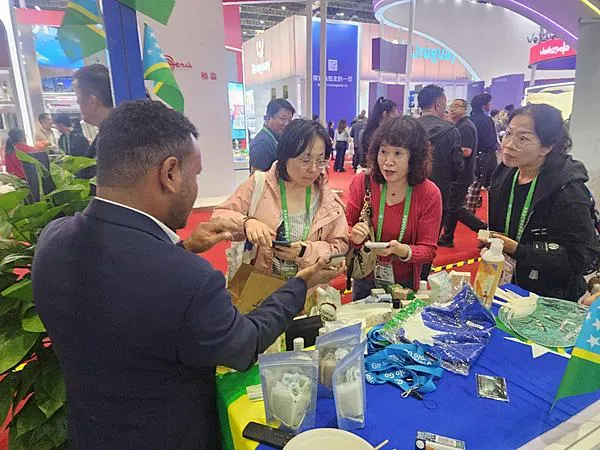
The Solomon Islands’ recent participation at the 8th China International Import Expo (CIIE) 2025, held in Shanghai from 5–10 November, highlights the country’s export potential in the Chinese market.

The expo provides a platform for countries to showcase export products, deepen economic cooperation, and strengthen global market connections.

Led by the Ministry of Commerce, Industry, Labour and Immigration, the Solomon Islands delegation included representatives from the CEMA Cabinet Sub-Committee, SolTuna Limited, and 3M Arts & Crafts.

The mission focused on promoting the Solomon Islands’ export commodities, including cocoa, copra, agricultural products, marine and fisheries goods, and traditional arts and crafts.

Director of the CEMA Cabinet Sub-Committee, Simon Chottu, highlighted the importance of the expo in advancing the national government’s economic transformation and trade development agenda.

“This mission enables us to engage in key trade and investment dialogues, strengthen strategic partnerships, and expand markets for our local producers,” he said.

The Solomon Islands booth showcased high-quality products, including cocoa, copra, seafood, and artisanal crafts. The delegation aimed to increase product visibility, secure new export pathways, and attract investment in value-adding industries.

The team witnessed strong interest and high potential for Solomon Islands products in the Chinese market, with many visitors making direct purchases.

The CIIE served as a strategic platform for the Solomon Islands to elevate its global presence, strengthen trade relations with China, and advance long-term economic transformation.

November 17, 2025

Twelve years after the last general agricultural census in 2012, agriculture in New Caledonia has undergone significant change. To obtain an accurate and up-to-date picture of the sector, the government of New Caledonia is launching a new agricultural survey at the end of 2025.

The survey, led by the Directorate of Veterinary, Food and Rural Affairs (DAVAR) in coordination with the provinces, the Chamber of Agriculture and Fisheries of New Caledonia (CAP-NC), and the Rural Agency, will be conducted with a representative sample of farms registered with the CAP-NC.

Unlike the comprehensive general census of 2012, the 2025 agricultural survey adopts an innovative and targeted approach. Nearly 1,500 farms will be interviewed out of the 3,200 registered with the CAP-NC. The information collected will include details on land area, crops, livestock, equipment, labour, and more.

Investigators from the partner organisations started fieldwork in October.

A Crucial Investigation

By providing a better understanding of the agricultural sector, the 2025 survey is a strategic tool for:

  • Updating agricultural data by municipality, territorial entity, and province;

  • Supporting public decision-making, including targeting aid, measuring impacts, and adjusting agricultural policies;

  • Establishing a reliable database for future studies and monitoring sector developments;

  • Meeting the information needs of professionals.

“By participating, operators contribute to raising awareness of the realities on the ground and preparing for the future of their sector,” the survey organisers said.

Coverage of the Entire Territory

Although the survey is not exhaustive, it will cover all areas of New Caledonia, including both large commercial farms and smaller non-commercial units located in tribal or peri-urban areas. The only requirement is registration in the CAP-NC agriculture and fishing register.

Guaranteed Confidentiality

As with all official surveys, the information collected will be protected by the General Data Protection Regulation (GDPR) and statistical confidentiality. No individual data will be disclosed without the written consent of the individuals surveyed.

Results Calendar

  • April 2026: Publication of a general overview of the results;

  • September 2026: Detailed thematic analyses;

  • December 2026: Publication of the full final report.

The survey is expected to provide a much-needed, contemporary snapshot of New Caledonia’s agricultural landscape, guiding policy decisions and supporting sector growth over the coming decade.

November 17, 2025

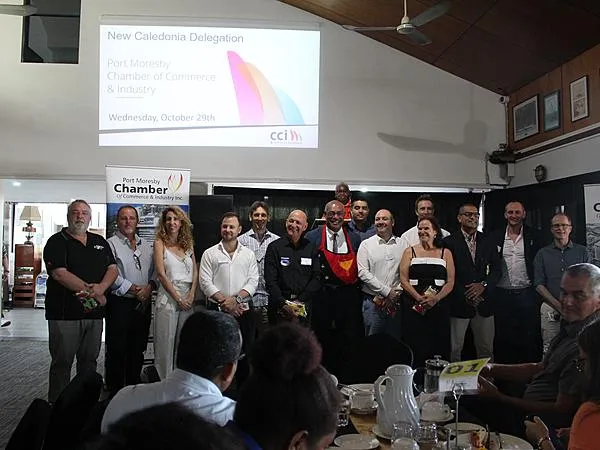
The Port Moresby Chamber of Commerce and Industry (POMCCI) hosted a special Business Breakfast on 29 October, welcoming a high-level trade delegation from New Caledonia. The event, held at the Royal Papua Yacht Club, brought together government leaders, diplomats, and business representatives from both nations to explore new opportunities in mining, industry, training, and sustainable development.

The breakfast was attended by the President of the Government of New Caledonia, Alcide Ponga; the French Ambassador to Papua New Guinea, Pierre Fournier; the European Union Ambassador to PNG, Erika Hasznos; and other members of the diplomatic corps, including the Korean Ambassador,  Choi Jong-ho, and the Fijian High Commissioner,  Jackson Bernardo Evans.

Representing the Chamber of Commerce and Industry of New Caledonia, Christophe Laurent thanked POMCCI for the warm reception and introduced the delegation of 14 New Caledonian companies eager to connect with PNG counterparts.

“People here are very capable in their own specialties,” Laurent said. “We would like to share our talents, find ways to work together, and be part of the Papua New Guinea landscape.”

Laurent emphasized that New Caledonia aims to be more open to the Melanesian world through stronger economic engagement.

“A lot of relationships can be made, and this morning is a great occasion to do so. Nouvelle-Calédonie wants to be more present in the region, and on the economic side, we will play our role,” he added.

French Ambassador Pierre Fournier expressed his appreciation to POMCCI for facilitating the exchange, noting that the mission marked a milestone in strengthening Franco-Pacific partnerships.

“This trip to PNG has been a long time in the making, and it already seems successful,” he remarked.

Fournier shared that the New Caledonian delegation had held a series of productive meetings with the Prime Minister and the Ministers of Foreign Affairs, Mines, Energy, Education, and PNG Ports. “It was important to listen to what our interlocutors had to say, but also to be heard—to remind people that Nouvelle-Calédonie is not just about political challenges but also about its remarkable industrial and economic capacity,” he said.

He underscored that New Caledonia’s diversity and expertise give it the strength to play a greater role in the Pacific. “Enhancing this role is an essential mission for us as diplomatic actors,” he stated. “This country’s potential is unlimited—it requires patience, hard work, and above all, the quality of personal relationships built on trust and genuine friendship.”

Delivering the keynote address, President Alcide Ponga thanked POMCCI and the people of PNG for their warm hospitality. “Your hospitality made this event more relaxing, with plenty of opportunity for discussion,” he said. Ponga noted that the mission was supported by Team France Export and the CCI of New Caledonia, providing a platform for companies to explore regional markets and collaboration.

He highlighted New Caledonia’s commitment to strengthening ties with Papua New Guinea under the Joint Cooperation Plan signed in 2018, which aims to enhance economic and diplomatic cooperation.

“Our mission reaffirms our commitment to this partnership and to identifying new opportunities for mutually beneficial cooperation,” Ponga said.

The New Caledonian delegation comprised companies from sectors including mining, metallurgy, energy, water treatment, transport, industry, and training—each recognised for technical expertise and innovation. “New Caledonia treasures its relations with the global Pacific, of which Papua New Guinea is a key member and brother,” the President remarked, adding that New Caledonia hopes to learn from PNG’s economic success and share its own experiences in return.

Trade Delegation Showcases Pacific Expertise

The New Caledonia Trade Delegation included representatives from a range of industries — from engineering and construction to education, energy, and animal nutrition. Among the participating companies were: AMC Sud (Ateliers Mécanique & Chaudronnerie), Beca, Beico, CIPAC Formation, Connectic System, Easy Skill, EPC Papua New Guinea, GEMCO, i2F Project Finance, Optifluids, SICA, Trametal, and Yaknoo S.A.Y.

Each company brought technical expertise and innovative solutions aligned with PNG’s infrastructure, industrial, and training needs.

Following the speeches at the breakfast meeting, the visiting companies introduced their work. AMC, represented by Vincent Royard, shared insights into the company’s industrial metalworking expertise. AMC operates a 2,000-square-metre workshop in New Caledonia, specialising in mechanical engineering, structural design, and fabrication of industrial equipment such as tanks, pressure vessels, and mechanical parts. Royard also announced the company’s recent expansion into aluminium shipbuilding, emphasising readiness to collaborate with PNG clients in both industrial and marine engineering projects.

Another company, BECA, represented by Frédéric Poujade, outlined its regional engineering capabilities. Poujade described BECA as a multidisciplinary consultancy with over 4,000 professionals across the Asia-Pacific region.

“In industries like mining, energy, power, and manufacturing, our focus is simple—keep people and plants safe, lift uptime, and drive down unit costs,” he said. “Our approach is practical: start fast, prove value quickly, and use that success to make long-term impact.”

Building Bridges in the Blue Pacific

The visit of the New Caledonian delegation to PNG is part of a broader initiative to enhance regional integration within the Blue Pacific, leveraging economic partnerships, shared environmental goals, and cultural ties.

Through business missions like this, France and New Caledonia seek to expand cooperation with PNG, the Pacific’s largest economy, by encouraging collaboration in sectors such as infrastructure, energy, training, and technology.

The French Embassy in PNG described the engagement as a milestone toward building sustainable partnerships that reflect France’s long-standing commitment to the Pacific region, both politically and economically.

The high-level business and economic delegation from New Caledonia—supported by the French Embassy in Papua New Guinea, the French Development Agency (AFD), and Expertise France—brought together senior representatives from New Caledonia’s government, business chambers, and leading private sector companies for a series of engagements with Papua New Guinean counterparts.

According to His Excellency Pierre Fournier, the French Ambassador to Papua New Guinea, the visit demonstrates the renewed momentum in relations between France and Papua New Guinea following the official visit of President Emmanuel Macron in July 2023.

“This mission is a strong signal of our shared commitment to strengthening ties between France, New Caledonia, and Papua New Guinea,” Ambassador Fournier said. “It also contributes to integrating New Caledonia into its regional environment by promoting its know-how and the expertise of its companies.”

France’s Growing Engagement in PNG

The French Embassy in PNG operates as a Poste de Présence Diplomatique (PPD) — a small yet active diplomatic mission made up of three expatriate staff and two local employees. While its focus remains primarily political, the embassy works closely with France’s Regional Economic Service based at the French Embassy in Canberra, which provides economic and trade support.

The embassy also collaborates with France’s Consulate General in Sydney for consular services and with a newly appointed non-resident defence attaché based in Canberra, tasked specifically with military and security cooperation with PNG.

Ambassador Fournier noted that the recent establishment of offices for both AFD (Agence Française de Développement) and Expertise France in Port Moresby—the first and only in the Pacific Islands—underscores the importance France places on its partnership with PNG. These offices, along with the placement of three technical experts in key government departments such as the Department of National Planning and Monitoring, the National Capital District Commission, and the Prime Minister’s Office, highlight France’s long-term commitment to PNG’s development priorities.a

Regional Economic Cooperation and Business Links

The Regional Economic Department, led by Kambiz Mohkam (Head) and Louis Vedel (Deputy Head), operates under the French Treasury and plays a vital role in facilitating trade and investment between France, New Caledonia, Australia, New Zealand, and the Pacific Islands.

This department contributes to developing bilateral economic ties, analysing public policies, conducting market studies, and promoting France as a destination for business partnerships. It also helps French and New Caledonian enterprises identify new opportunities in the Pacific, including in PNG.

The breakfast event included networking opportunities between PNG businesses, corporate representatives, and the visiting companies, fostering new conversations around regional trade and development partnerships.

The POMCCI Business Breakfast once again demonstrated Port Moresby’s growing role as a hub for Pacific economic dialogue, bringing together regional partners committed to collaboration and shared prosperity.

November 11, 2025

The PNG Investment Leaders’ Summit, a flagship event during Papua New Guinea Investment Week 2025, will feature Kevin Gallagher, Managing Director and CEO of Santos, as its headline speaker.

Gallagher leads one of the world’s foremost energy companies and a cornerstone investor in Papua New Guinea. Santos has invested billions of dollars in PNG’s oil and gas sector through transformative projects such as PNG LNG and the upcoming P’nyang Gas Project—both critical to the nation’s economic growth and energy security.

With a more than 100-year association with PNG, Santos continues to drive sustainable development, create jobs, and generate significant revenue for the country.

Gallagher’s keynote address will provide unparalleled insights into global energy trends, LNG expansion, and investment strategies shaping the Asia-Pacific region. His participation underscores the summit’s role as the premier platform for strategic dialogue between PNG and Australia’s top decision-makers.

Papua New Guinea Investment Week will be held from December 8–11 at the International Convention Centre in Sydney, under the theme “Stronger Together – Investing for the Future.”

The event will bring together global investors, industry leaders, and policymakers for four days of high-level discussions focused on unlocking investment opportunities and forging partnerships.

Current registration figures show strong interest, with more than 800 delegates confirmed, sponsorships at 58%, and exhibition booths booked at 83% capacity.

Program highlights include the Investment Week Golf Challenge, offering a unique networking opportunity while supporting charitable initiatives, and the PNGIW25 Gala Dinner for informal engagement. Key forums include the International Suppliers Forum and PNG Regulators Forum on December 8, the PNG Climate Investment Summit on the same day, and the PNG Investment Leaders’ Summit on December 9. Other sessions include the PNG Resources & Energy Investment Summit on December 10, and on December 11, the PNG Infrastructure Investment Summit and PNG Resources Exploration Forum.

These sessions will showcase investment-ready projects across mining, oil and gas, renewable energy, infrastructure, and climate solutions.

Spaces for delegates, sponsors, and exhibitors remain available but are filling fast. Early confirmation is strongly recommended to secure participation and maximise visibility throughout the event. Register now, confirm your sponsorship, and book your exhibition space before it’s too late.

For registration and more information, visit www.pnginvestmentweek.com.pg, email events@pngcore.org, or call +675 207 9080.
November 10, 2025

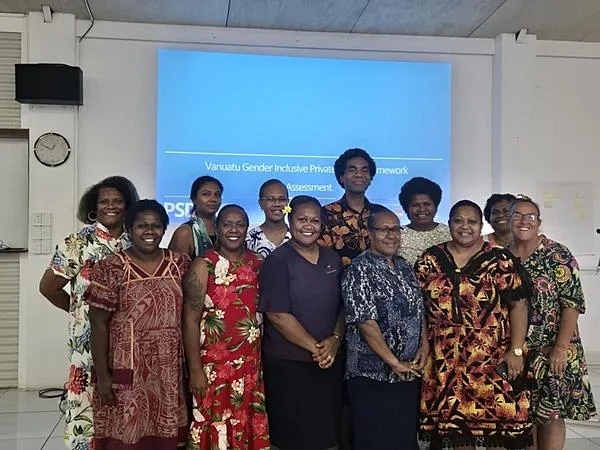
Vanuatu has laid a strong policy foundation for an inclusive private sector that can harness the full potential of women and people with disabilities in driving economic growth, with the focus now on ensuring its effective implementation, according to a new assessment launched yesterday by the Asian Development Bank’s (ADB) Pacific Private Sector Development Initiative (PSDI).

The new report, Unlocking Potential: A Gender-Inclusive Private Sector (GIPS) Framework for the Pacific, Vanuatu Country Assessment, highlights recent progress and identifies priority areas for further reform in Vanuatu across seven categories: leadership, workplace environment, financial inclusion, technology, the business-enabling environment, and participation in key economic sectors.

PSDI hosted a roundtable in Vanuatu yesterday at the Melanesian Hotel to present the findings of the assessment, bringing together representatives from the government, private sector, and civil society. Participants discussed priority actions that the government can take to foster a more inclusive private-sector environment and agreed on next steps and coordination mechanisms.

In her opening remarks at the event, Nancy Wells, ADB’s Principal Country Officer in Vanuatu, said, “We know that economies and businesses grow faster with women’s full economic participation. That’s why inclusive legislation, policies, and programs are so important, as they help unlock the full potential of women and people with disabilities in driving economic growth. The GIPS Framework provides a roadmap to help Vanuatu do just that.”

The Vanuatu assessment is based on PSDI’s GIPS Framework for the Pacific, a regional framework that offers governments a comprehensive roadmap to assess and improve progress towards supporting an inclusive private-sector enabling environment.

“The assessment shows that Vanuatu has already made important progress towards a more inclusive private sector. The government has improved business laws, expanded digital access, included gender measures in its trade policy, and planned for inclusive participation in the workforce of the future,” said the report’s author, PSDI Economic Empowerment of Women Expert Sarah Boxall. “Notably, Vanuatu has laid a strong foundation for the collection of sex- and disability-disaggregated data.”

“Still, many barriers remain, representing missed opportunities to boost economic growth. For example, studies suggest that closing gender gaps in employment could increase gross domestic product over time by over 13 percent in Vanuatu. This would mean higher household incomes and allow more government investment in essential services like healthcare, education, and infrastructure.”

The report finds that Vanuatu has developed comprehensive laws and policies that support gender equality and disability inclusion and has established a strong foundation for sex- and disability-disaggregated data collection. However, stronger coordination and implementation are needed to ensure these commitments translate into tangible gains for women and people with disabilities across all areas of the economy.

The assessment recommends enhancing digital inclusion, finalizing the national action plan on women’s economic empowerment, expanding women’s workforce participation to address labor shortages, and facilitating women’s entrepreneurship through evidence-based policy, programming, and outreach.

PSDI is an ADB technical assistance program undertaken in partnership with the governments of Australia and New Zealand. It supports ADB’s 14 Pacific DMCs in improving the enabling environment for business and achieving inclusive, private-sector-led economic growth, including through reforms designed to enhance the economic empowerment of women.

November 10, 2025

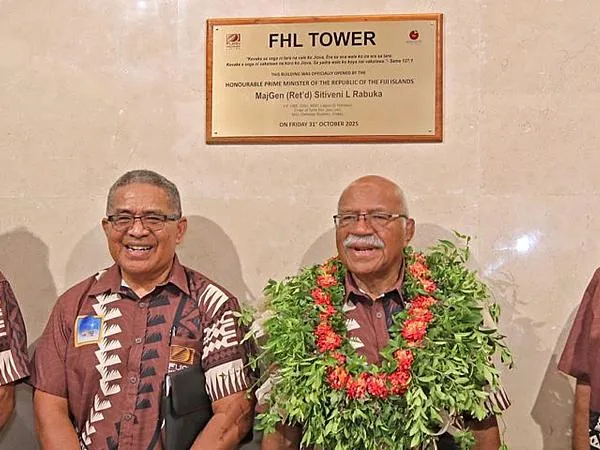
Prime Minister Honourable Sitiveni Rabuka officially opened the multi-million-dollar Fijian Holdings Limited (FHL) Tower, an investment that showcases resilience, vision, and progress for Fiji and the iTaukei community.

The 18-storey tower, located in the heart of Suva, is Fiji’s first green-certified building, designed with 11 environmentally sustainable features, including an integrated energy system, water harvesting, and smart building management technology.

In delivering his remarks, Prime Minister Rabuka commended the FHL Group for its vision and perseverance in completing the multi-million-dollar project despite challenges such as the COVID-19 pandemic.

“FHL stands today as a strong conglomerate with a proven track record. I must thank those pioneers who have dedicated their lives to building a strong foundation for FHL. The contributions of the first Chairman, the late Mr. Lyle Cupit, and the Deputy Chairman, the late Mr. Laisenia Qarase, stood out.

“Their legacy will remain with FHL forever. There are others who have helped as former directors and workers of FHL, and we acknowledge their contributions as we stand on their shoulders today. I believe some former directors and employees are with us this morning, including the first CEO, Mr. Sitiveni Weleilakeba.”

Established in 1984 under the resolution of the Bose Levu Vakaturaga, Fijian Holdings Limited was founded to accelerate iTaukei participation in Fiji’s economy.

From humble beginnings, FHL has grown into one of the nation’s largest conglomerates, with investments spanning construction, finance, tourism, manufacturing, and retail.

As of June 2025, the Group’s total assets stand at $917 million, with projections to exceed $1 billion in the next financial year. The Group employs nearly 2,000 Fijians and contributes around $20 million annually in taxes.

Looking ahead, the Prime Minister highlighted FHL’s $200 million investment pipeline over the next three years—including impact investments with landowners through joint ventures that will unlock local resources and stimulate rural enterprise.

“FHL’s future is defined not only by profit but by purpose,” Prime Minister Rabuka said. “The decision to invest directly with landowners marks a new chapter of inclusive growth for Fiji.”

The FHL Tower will house key tenants including the Asian Development Bank, Bred Bank, United Nations Development Programme, International Monetary Fund, and several diplomatic missions, and is expected to be fully tenanted by mid-2026.

“This Tower is not just a monument to what we have built—it is a reminder that progress is imagined, built, and sustained through faith, effort, and leadership,” the Prime Minister concluded.

November 10, 2025

The Government of the Cook Islands proudly announces that the Green Climate Fund (GCF) Board has approved the country’s second national funding proposal, titled “Direct Financing for Communities and Businesses to Respond to Climate Change in the Cook Islands.”

This marks another major milestone, just 19 months after the approval of our first national GCF project in March 2024, and reflects the Cook Islands’ growing capability and leadership in advancing climate resilience.

The Cook Islands face growing risks from climate change, particularly through the intensification of tropical cyclones. The country currently incurs, on average, around USD 5 million per year—about two per cent of GDP—in direct losses from cyclone-related impacts, with around 90 per cent of those losses occurring in the building sector. As cyclone intensity increases in the coming decades, these losses are expected to worsen. This threat is critical, as nearly all buildings across the country are privately owned and highly exposed to climate hazards.

The approved project unlocks USD 39.98 million in climate finance from the GCF, alongside USD 4.2 million in co-financing from the Government of the Cook Islands and the Bank of the Cook Islands (BCI). Together, these funds, totalling USD 44.2 million, will strengthen the resilience of homes, public buildings, and vulnerable communities against the impacts of tropical cyclones and extreme weather events.

This is the largest climate change project ever undertaken through Direct Access in the Cook Islands. It has been locally led and country-driven, developed primarily by our in-country team using local expertise. It demonstrates the professionalism and capability of our people to deliver climate solutions to international standards.

Prime Minister Mark Brown said the approval reflected years of sustained effort and partnership across government, financial institutions, and the community.

“The evolution of the Green Climate Fund and its Enhanced Direct Access modality is something our government has strongly supported over the years. It took significant effort to have both the Ministry of Finance and Economic Management and the Bank of the Cook Islands accredited as National Access Entities—that was a milestone in itself. To now have an EDA application of this size approved for the Cook Islands is another major step forward. It’s proof that our local systems, expertise, and leadership can deliver for our people. I want to congratulate everyone involved in this achievement.”

Led by the Ministry of Finance and Economic Management (MFEM), in partnership with the Office of the Prime Minister’s Climate Change Cook Islands (CCCI) and the Bank of the Cook Islands, the project will establish an Enhanced Direct Access (EDA) Facility—a first-of-its-kind mechanism that allows communities, individuals, NGOs, and small businesses to access climate finance directly through local institutions.

The EDA Facility will provide a unified framework for technical support, building retrofits, concessional finance, and public awareness, enabling scalable, country-owned solutions that integrate technical, financial, and institutional elements to build long-term resilience.

Financial Secretary Garth Henderson emphasised the collaborative nature of the initiative:

“This proposal reflects a powerful partnership between our communities, government, and the Bank of the Cook Islands. Together, we’re not waiting for change; we’re driving it. By working side by side, we’re building resilience from the ground up and ensuring climate finance reaches those who need it most.”

Chief of Staff for the Office of the Prime Minister, Ms Karopaerangi Ngatoko, highlighted the work done across government to understand and address asset challenges:

“This project comes from years of listening to our people and understanding the challenges they face in protecting their homes, businesses, and public buildings. We’ve focused on strengthening our building assets not just for disaster preparedness, but to adapt to the long-term changes already impacting our islands.”

Bank of the Cook Islands CEO Jennifer Henry spoke to the innovation behind the financing model:

“By combining grants and affordable loans through the new EDA Facility, we’re opening doors to climate finance for families and small businesses. This approach removes barriers and helps build long-term resilience where it matters most—in our communities.”

The EDA project will:

  • Upgrade over 2,150 homes and buildings to meet the 2019 Cook Islands Building Code for cyclone resilience.

  • Install water tanks and sanitation systems to improve health and water security.

  • Provide grants and concessional financing through a tiered approach, prioritising the most vulnerable.

  • Train and certify local tradespeople and inspectors in climate-resilient construction.

  • Establish a revolving fund to sustain access to climate finance beyond the project’s lifespan.

The programme is expected to protect a substantial portion of the population and reduce long-term damage to infrastructure, enabling faster post-disaster recovery and economic continuity. Improved access to clean water and better-functioning community facilities will enhance public health, while regional learning will be strengthened by positioning the Cook Islands as a model for climate-adaptive building practices among other Small Island Developing States.

The Government of the Cook Islands acknowledges the invaluable support of the GCF Board, Secretariat, and all partners who contributed to this transformative proposal.

This initiative builds on years of investment in readiness programmes and community engagement and aligns with the Cook Islands National Sustainable Development Agenda 2020+, Climate Change Policy, and Country Programme.

November 10, 2025

The Pacific Tourism Organisation (SPTO), through its Pacific Tourism Data Initiative (PTDI) and in collaboration with the Cook Islands Tourism Corporation (CIT), has released a series of five comprehensive reports detailing findings from the International Visitor Survey (IVS).

Covering the periods July–September 2024, October–December 2024, January–March 2025, April–June 2025, and a full-year report (July 2024–June 2025), the IVS provides valuable, evidence-based insights into the motivations, spending behaviour, satisfaction levels, and experiences of international visitors to the Cook Islands. The reports offer critical data to guide strategic planning, product development, and destination marketing, enabling tourism stakeholders to better align offerings with evolving visitor expectations.

The Cook Islands is among 10 Pacific Island countries — Vanuatu, Niue, PNG, Tonga, Solomon Islands, Samoa, Kiribati, Timor-Leste, and FSM-Yap — participating in the Pacific Tourism Data Initiative funded by the New Zealand Government. PTDI continues to serve as an essential resource for tourism data across the Pacific through its quarterly and biannual International Visitor Survey (IVS), an annual Business Confidence Index (BCI), and an annual Community Attitude Survey (CAS), strengthening regional tourism strategies.

Cook Islands Tourism Corporation Chief Executive Officer Karla Eggleton noted that the International Visitor Survey provides critical evidence that strengthens the capacity for informed, data-driven decisions. “Through SPTO’s technical partnership and the Pacific Tourism Data Initiative, we are able to transform robust visitor insights into targeted strategies that elevate destination marketing, enrich the visitor experience, and strengthen destination stewardship — ensuring tourism continues to bring lasting benefits to the people, culture, and islands of the Cook Islands. This level of tourism intelligence enables us to anticipate trends, respond effectively to market shifts, and reinforce the Cook Islands’ position as a leading destination in the Pacific,” she said.

Key findings from the reports show that from July 2024 to June 2025, New Zealand continued to be the leading source market for the Cook Islands, accounting for 65% of total arrivals, followed by Australia (23%), North America (5%), and Europe (4%). The majority of visitors were aged between 50 and 59 years (24%), with women making up 74% of the visitor base. More than half (54%) of respondents were visiting the Cook Islands for the first time, and the average household income among visitors was NZD 167,051, reflecting a relatively high-income travel segment.

Leisure travel remained the dominant motivation for visiting the Cook Islands, representing 79% of total visitors. On average, travellers stayed for 8.7 nights, with Rarotonga being the most visited island (98%), followed by Aitutaki (29%). The most popular activities included swimming (94%), snorkelling (84%), and island night shows (63%), underscoring the appeal of the Cook Islands’ natural environment and vibrant cultural experiences.

In terms of economic contribution, visitors spent an average of NZD 2,808 in prepaid expenses, with approximately NZD 1,123 of that amount flowing directly into the local economy. In-country daily spending averaged NZD 183, contributing to an estimated total economic impact of NZD 477 million from 175,757 international arrivals during the reporting period.

Visitor satisfaction levels remained exceptionally high, with an average rating of 4.7 out of 5. Ninety-eight percent of respondents said they would recommend the Cook Islands to others, while 93% indicated they would return for another visit. Visitors praised the warm hospitality, quality of service, and natural beauty of the islands. However, areas for improvement were identified in public services, infrastructure, and the pricing of goods and services.

SPTO Chief Executive Officer Christopher Cocker highlighted the strategic value of the data in advancing regional tourism policy and sustainability. He added that SPTO remains committed to supporting its member countries through data-driven insights, helping to shape a resilient, sustainable, and competitive Pacific tourism industry.

“As the region’s leading hub for tourism research, SPTO is proud to lead initiatives like the Pacific Tourism Data Initiative (PTDI), which provides our member countries—including the Cook Islands—with robust, evidence-based insights,” he said. “These findings enable smarter planning, more responsive development, and greater sustainability across our destinations. Since transitioning to SPTO’s management in October 2023, the Pacific Tourism Data Initiative has become a cornerstone of regional tourism intelligence. Drawing on over 8,800 survey responses, the Cook Islands IVS underscores the country’s strong visitor appeal, consistent satisfaction, and significant contribution to local economic growth.”

November 10, 2025

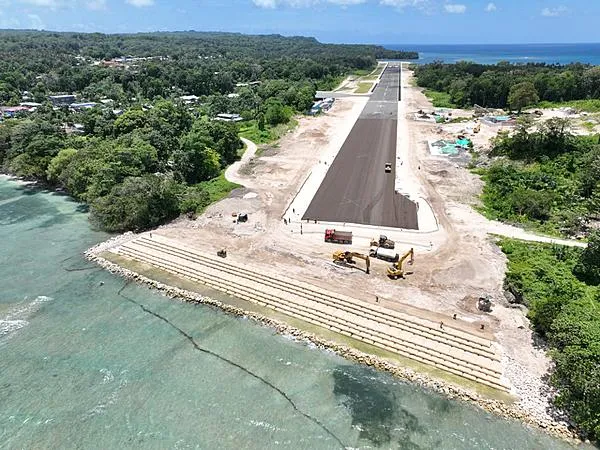
The Santa Cruz Airfield upgrade in Temotu Province is making significant progress towards completion, marking a major milestone in enhancing the Solomon Islands’ aviation sector.

The project, funded by the World Bank and implemented by the Ministry of Communication and Aviation (MCA), is progressing steadily.

Recent works include the application of prime coat on the final sections of the runway, while shoulder treatment for Phase 1 is almost complete, except for areas near the temporary terminal building.

Additionally, rock revetment at the eastern end is ongoing, with geo-bag installation nearing completion and scheduled for backfilling in mid-November 2025.

The sealing of the remaining runway is also underway, with pre-coating of aggregate in progress and the remaining materials expected to arrive shortly.

Construction of the new terminal building and installation of airfield ground lighting are expected to commence soon.

MCA Permanent Secretary Alwyn Danitofea praised the project team for their commitment, stating that the upgraded infrastructure will greatly enhance connectivity, safety, and economic opportunities for the people of Temotu Province.

The Santa Cruz Airfield upgrade is part of the Second Solomon Islands Roads and Aviation Project (SIRAP2), which is also supporting various infrastructure projects across the country. These include upgrades to Honiara and Munda Airports, construction of roads and bridges in Malaita, installation of air navigation systems in Makira-Ulawa and Temotu Provinces, maintenance of regional airports, and rehabilitation of roads in Honiara.

Once completed, these projects will strengthen the country’s aviation sector, improve connectivity, and promote economic growth.

November 10, 2025

The Solomon Islands took part in the 8th General Assembly of the International Solar Alliance (ISA), held from 27 to 30 October 2025 at the Bharat Mandapam Exhibition Hall in New Delhi.

The delegation was led by Derick Rawcliff Manuari, Minister of Mines, Energy and Rural Electrification, and included senior officials from the Ministry’s Energy Division, alongside representatives from the Solomon Islands High Commission in New Delhi.

The Assembly’s opening plenary was inaugurated on 28 October by Droupadi Murmu, President of India, and brought together dignitaries and delegates from 124 member states, as well as representatives from multilateral organisations such as the Asian Development Bank (ADB) and the World Bank Group, alongside solar energy experts from leading research institutions.

The gathering focused on promoting global solar cooperation, expanding access to affordable solar energy, and accelerating the transition to clean and sustainable power.

During the Assembly, Manuari reiterated the Solomon Islands’ call for initiatives that support the deployment of affordable and resilient solar technologies tailored to the unique context of small island developing states (SIDS).

He also highlighted the need to establish an ISA Regional Office in the Pacific to strengthen collaboration and enhance the participation of Pacific Island countries in ISA’s programmes.

“In the policy and regulatory discussions, it is essential to form meaningful partnerships with the Alliance to strengthen our regulatory environment and develop a clear national solar roadmap,” Hon. Manuari said. “This will ensure that our renewable energy transition is both strategic and inclusive.”

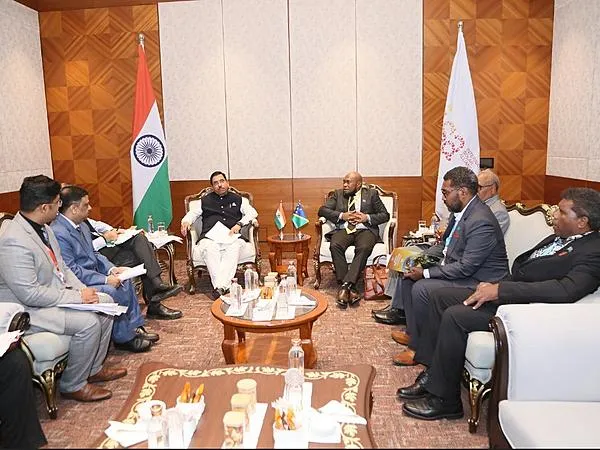
On the sidelines of the Assembly, the Solomon Islands delegation engaged in roundtable discussions with other SIDS members, participated in panel dialogues with ISA executives, and held a bilateral meeting with the President of the International Solar Alliance and the Union Minister of New and Renewable Energy of the Government of India.

The 8th ISA General Assembly concluded with member countries reaffirming their commitment to advancing global cooperation in solar and renewable energy. Solomon Islands joined other SIDS in co-signing a joint declaration, pledging to accelerate solar energy deployment across island nations through strengthened collaboration with the ISA.

Since its inception, the International Solar Alliance has served as an important platform for promoting renewable energy financing and technology cooperation among developing countries.

Solomon Islands Delegation to the 8th ISA General Assembly:

  • Derick Rawcliff Manuari, Minister of Mines, Energy and Rural Electrification (Head of Delegation)
  • Anthony Makabo, High Commissioner to India (Alternate Head of Delegation)
  • Charles Bako, Senior Energy Officer, Energy Division, MMERE
  • Jones Taungani Soreh, Second Secretary, Solomon Islands High Commission, New Delhi

November 05, 2025

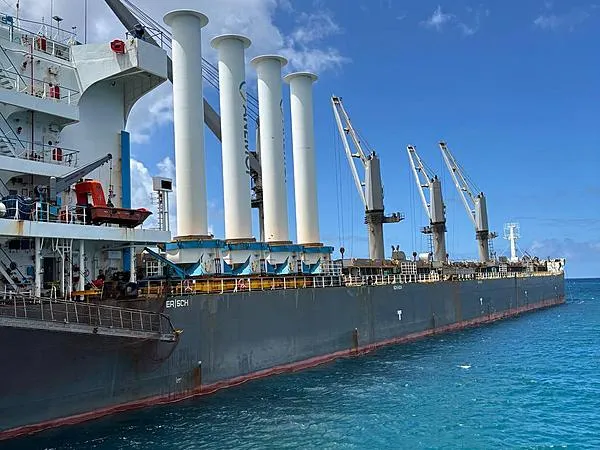
In the calm waters of N’Go Bay, a striking grey and red vessel with towering white cylindrical sails drew the attention of local residents on 31 October. Measuring 195 metres in length and capable of carrying 64,000 tonnes of ore, L’Afros is not just another bulk carrier—it represents a new chapter in sustainable maritime transport.

New Caledonia’s President of the Government, Alcide Ponga, visited the vessel accompanied by Mont-Dore Mayor Elizabeth Rivière. The L’Afros has been chartered by the MKM Group to ship nickel ore to China, but unlike conventional mineral carriers, it is partly powered by the wind.

The ship is equipped with the Anemoi Rotor Sail System, an innovative technology that uses rotating cylindrical sails to harness wind energy and assist propulsion. This hybrid system allows the vessel to cut its fuel consumption by 15 to 25 percent, saving around 100 tonnes of fuel on a single voyage between New Caledonia and China.

“This ship is a world first, and we are proud that New Caledonia has been chosen as one of its ports of call,” President Ponga said during the visit. “It is recognition of our expertise and proof of our determination to decarbonise the nickel value chain.”

For an island economy deeply linked to nickel exports, the arrival of L’Afros is more than a technical milestone—it’s a symbol of transition. The nickel sector, one of New Caledonia’s economic pillars, faces growing pressure to reduce emissions across its entire supply chain.

Jerémie Katidjo-Monnier, the government member in charge of ecological transition and climate change, also toured the ship with Jean-Louis d’Anglebermes, president of the Economic, Social and Environmental Council (CESE). He noted that innovations like L’Afros demonstrate how maritime transport—often seen as one of the hardest sectors to decarbonise—can make meaningful progress.

Maritime transport currently accounts for nearly 90 percent of global trade and about 3 percent of global greenhouse gas emissions, according to the International Maritime Organization (IMO). With shipping volumes expected to double by 2050, the sector’s carbon footprint poses a significant challenge.

The IMO and the United Nations have set ambitious goals to reduce shipping-related emissions by 70 percent by 2040. The L’Afros and similar projects form part of a growing international effort to meet that target. The issue was also at the heart of the Third United Nations Conference on the Ocean (UNOC 3) held in Nice last June, where countries renewed their commitments to sustainable ocean governance.

For New Caledonia, the docking of L’Afros is both symbolic and strategic. It reinforces the territory’s aim to position itself not only as a key nickel producer but also as a responsible player in the global energy transition.

As the ship’s tall rotor sails turned slowly in the bay’s breeze, officials and observers saw more than a vessel—they saw a vision of what a cleaner, smarter, and more sustainable maritime future could look like.

November 04, 2025

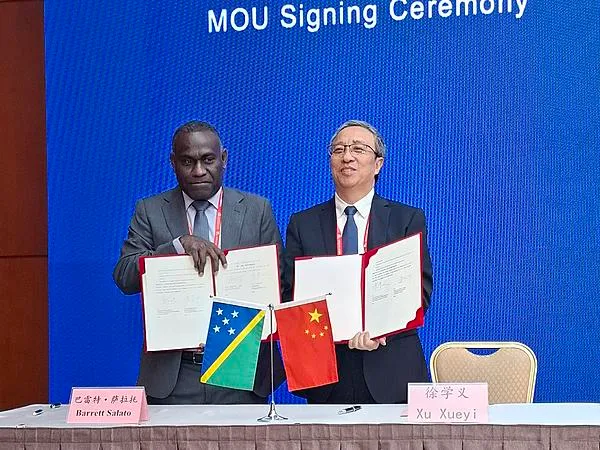
The Solomon Islands Ministry of Mines, Energy and Rural Electrification has formalised a new chapter in scientific cooperation with the signing of a Memorandum of Understanding (MoU) with the China Geological Survey (CGS).

The agreement was signed on 23 October 2025 in Tianjin, China by Solomon Islands Ambassador to China Barret Salato, on behalf of the Solomon Islands Government, and Xu Xueyi, Vice President of the China Geological Survey. The signing took place on the sidelines of the China Mining Conference, which ran from 23 to 25 October.

According to the Solomon Islands Ministry of Mines, the MoU provides a framework for strengthening collaboration in geoscientific research, data exchange, and capacity building. It will also support the Solomon Islands Geological Survey Division in upgrading its Geo-Chemical Laboratory — a crucial facility for analysing mineral samples and supporting the country’s growing resource sector.

The partnership is expected to foster joint research projects, staff training, and technology transfer, helping local geologists gain access to advanced tools and methodologies used in mineral exploration and earth sciences.

Director of the Geological Survey Division, Clinton Roga, welcomed the agreement, saying it represents a major opportunity for the Solomon Islands to improve its scientific and technical capacity. He noted that the collaboration would “enhance our ability to collect, analyse, and interpret geological data,” which in turn supports sustainable resource development and informed decision-making.

The Ministry said the partnership with the CGS aligns with the Solomon Islands Government’s commitment to responsible mineral development and knowledge-sharing across international scientific networks. According to the Ministry’s statement, the collaboration will not only strengthen institutional capacity but also contribute to national development goals by providing the country with more accurate geological information for planning and investment purposes.

The signing ceremony was witnessed by dignitaries from 15 countries and regional representatives, including officials from the Mineral Resources Authority of Papua New Guinea, highlighting the event’s regional significance and growing cooperation between Pacific and Asian geological agencies.

The China Mining Conference, where the MoU was signed, is among the world’s leading forums for discussing mining trends, geological research, and resource governance. The participation of the Solomon Islands delegation underscores the nation’s ongoing efforts to enhance partnerships and technical expertise in the mineral and energy sectors.

November 04, 2025

The Water Authority of Fiji (WAF) marked a transformative year in 2023/2024, extending the reach, reliability, and resilience of the nation’s water services under the leadership of the Coalition Government.

In a ministerial statement to Parliament, Minister for Public Works, Meteorological Services and Transport Hon. Ro Filipe Tuisawau said the financial year saw major milestones in Fiji’s water sector, including the launch of the Water Sector Strategy 2050 — a 30-year roadmap aimed at achieving climate-resilient and sustainable water and wastewater management.

A centrepiece of the year’s achievements was the commissioning of the FJ$270 million (US$122 million) New Viria Water Treatment Plant — one of the largest facilities of its kind in the South Pacific. The project, part of the Rewa River Water Supply Scheme, adds 40 million litres of treated water per day, with capacity to expand to 80 million litres.

It now supplies clean and consistent water to more than 360,000 Fijians across the Suva–Nausori corridor, from Lami to Nausori — significantly improving reliability and reducing service disruptions for households and businesses alike. According to the Water Authority of Fiji website, the Viria project represents a major step towards long-term water security for the capital region.

Minister Tuisawau said the completion of the Viria project demonstrates the Government’s commitment to deliver on Fiji’s constitutional right to safe and clean water. “From the bustling urban centres to the most remote rural settlements, our mission remains the same — to deliver water that sustains life, health, and dignity,” he told Parliament.

Beyond the capital, WAF’s development programme has been equally ambitious. According to the Water Authority website, more than 31 kilometres of new pipelines were laid nationwide during the year, directly benefiting around 47,350 people. Among the rural initiatives was the Vusama and Navisabasaba Village Project in Nadroga — a FJ$3.4 million (US$1.5 million) investment providing first-time water access to 120 households. Ten other rural water schemes were also completed, bringing safe and reliable water to a further 2,905 residents in remote villages.

These efforts were part of a FJ$250.8 million (US$113 million) budget for the 2023/24 financial year — including FJ$132.7 million (US$60 million) in capital expenditure — focused on infrastructure upgrades, sanitation improvements, and expanded service coverage. For 2024/25, the WAF Corporate Plan shows a budget of FJ$259.4 million (US$117 million), with priority given to modernisation, rural expansion, and the implementation of the Water Sector Strategy 2050.

Fiji’s progress in water management has also earned international recognition. The Water Authority was honoured with the Climate Smart Utilities Award 2024 at the International Water Association’s World Water Congress in Canada — an accolade highlighting WAF’s leadership in sustainable and climate-resilient utility management.

However, despite these gains, challenges remain. Local media have reported that some residents living near the new Viria Plant still experience inconsistent water supply despite the project’s commissioning. A February 2025 report by The Fiji Times described how some families in nearby communities continue to rely on rainwater and relatives for drinking water, underscoring the need for continued investment in network connections and maintenance.

According to the Water Authority website, up to 47 per cent of treated water was being lost through leakage and ageing infrastructure. To address this, WAF has strengthened its asset management and maintenance systems and is implementing projects to reduce water loss and improve overall network efficiency.

As of 2024, WAF services more than 772,000 Fijians through approximately 154,000 water connections and 33,000 wastewater connections. Looking ahead, the Authority says its focus will remain on building climate-resilient infrastructure, upgrading rural systems, reducing non-revenue water, and modernising treatment and wastewater facilities in line with the Water Sector Strategy 2050.

Minister Tuisawau said these developments reflect a government unwavering in its commitment to ensure that every Fijian — from urban centres to rural villages — can turn on a tap and trust that clean, safe water will flow.