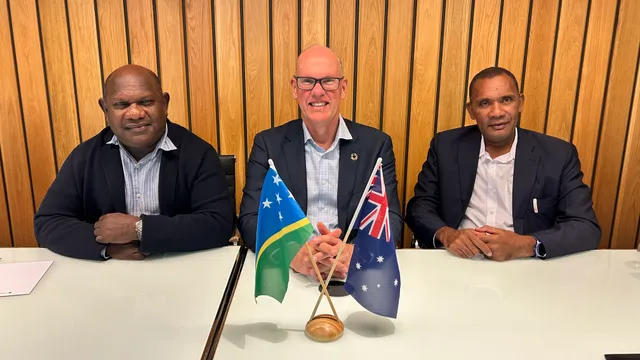
The Solomon Islands Ports Authority has partnered with NTRO to develop a GreenPort Framework aimed at strengthening the sustainability and resilience of the country's ports.
The partnership was announced on World Maritime Day, the annual United Nations observance led by the International Maritime Organisation to highlight shipping, maritime safety and protection of the marine environment.
Under the agreement, NTRO will work with SIPA to develop a framework tailored to Solomon Islands' priorities, environmental values and operating conditions.
The framework will support future port development while placing greater emphasis on sustainability, environmental performance and resilience.
SIPA chief executive officer George Rausi said the initiative would support the long-term development of the country's ports.
“Our ports are critical to the Solomon Islands economy and our communities. This framework will help us continue developing our ports while protecting our environment and strengthening resilience for future generations,” Rausi said.
The framework will be developed through a collaborative process, with stakeholder engagement forming a key part of the project.
NTRO said the approach would ensure the framework was practical, locally grounded and suited to the specific needs of Solomon Islands.
NTRO executive general manager Jason Sprott said the partnership would combine the organisation's Pacific experience and technical capabilities with SIPA's local knowledge.
“We are very proud to be working with the Solomon Islands Port Authority to help with the development of a ‘GreenPort Framework’,” Sprott said.
He said the framework would be “genuinely Solomon Islands-led”, with NTRO bringing experience from across the Pacific and international technical expertise while working alongside SIPA to develop a practical framework designed for long-term impact.
The initiative comes as Pacific ports face growing pressure to accommodate infrastructure development and rising trade requirements while strengthening climate resilience and protecting the environment.
Maritime transport is particularly important to Solomon Islands, where ports support international trade as well as inter-island connectivity and access to essential goods and services.
The project will now move into its co-development and stakeholder engagement phase, with NTRO and SIPA expected to work together on the framework and identify practical measures for its long-term implementation.
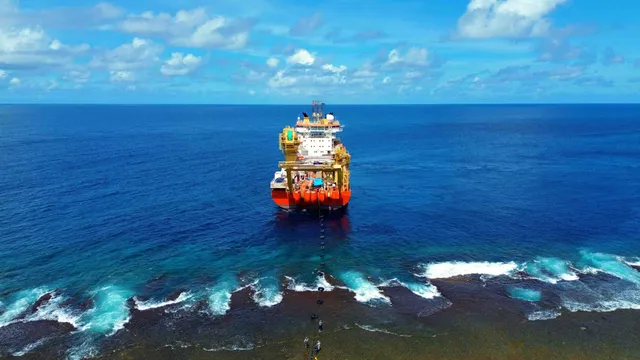
All Pacific Islands Forum members are now connected to the global undersea telecommunications cable network, marking a major expansion of regional digital infrastructure and opening new opportunities for trade, investment and economic development.
Australia said it had supported the delivery of more than 10,300 kilometres of new undersea telecommunications cables across the Pacific, extending high-capacity connectivity to some of the region's most remote island communities.
Australia has committed more than A$500 million since 2018 to undersea cable infrastructure across the Pacific and Timor-Leste, primarily through the Australian Infrastructure Financing Facility for the Pacific.
The investments have supported cable connections in **Papua New Guinea, Nauru, Solomon Islands, Timor-Leste, Tuvalu, Kiribati, the Federated States of Micronesia, Tonga and Palau**.
The milestone comes as Pacific countries seek to strengthen digital infrastructure, reduce telecommunications vulnerabilities and improve their integration with regional and international markets.
One of the latest projects is the 2,250-kilometre East Micronesia Cable, which became operational in mid-2026 and provided Nauru, Tarawa in Kiribati and Kosrae in the Federated States of Micronesia with their first international undersea cable connections.
The A$135 million project was delivered through a partnership involving Nauru, Kiribati, the Federated States of Micronesia, Australia, Japan and the United States. Australia contributed about A$65 million.
The connection is expected to benefit more than 100,000 people.
Other recent projects include Tuvalu's first international undersea cable, the Vaka Cable, which became operational in October 2025, and Tonga's second international connection, the Tu'i Vava'u Cable, commissioned in May 2026.
The additional connection to Tonga is expected to strengthen network resilience by reducing the risk of widespread telecommunications disruption if existing cables are damaged by natural disasters or other incidents.
Australia's telecommunications investments have been delivered in partnership with Japan, New Zealand, the United States and Taiwan.
Australian Foreign Minister Penny Wong said stronger connectivity would help Pacific economies participate more fully in the digital economy.
“A more connected Pacific is a more resilient Pacific,” Wong said.
“This infrastructure strengthens economic growth, supports essential services and will help underpin a more peaceful, stable and prosperous region.”
For Pacific businesses, improved connectivity could support the expansion of e-commerce, financial services, tourism, education, healthcare and other digital industries.
It could also allow governments to deliver public services more efficiently while improving access to international markets and investment.
The expansion addresses a longstanding infrastructure constraint for Pacific economies, where widely dispersed island communities have faced high telecommunications costs, limited network capacity and vulnerability to disruptions.
For Papua New Guinea, which is among the Pacific countries to have received support for undersea cable connectivity, improved international links provide additional infrastructure for businesses and government agencies seeking greater access to regional and global digital services.
Reliable telecommunications infrastructure is increasingly important to attracting investment, improving productivity and enabling Pacific businesses to participate in the wider digital economy.
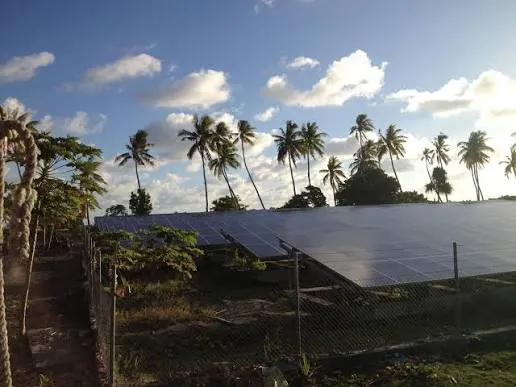
Australia will provide A$7.29 million ($4.8m) to strengthen energy security and accelerate the transition to renewable energy across the Pacific.
The funding package will support engineers in developing grid modelling tools for Pacific countries, helping governments assess how renewable energy can be integrated into existing electricity networks.
It will also support the Renewable Energy Commissioner and technical experts working on renewable energy project development and integration, as well as establish an early careers programme for energy professionals.
Australia said the package would also strengthen the capabilities of energy regulators across the Pacific by expanding training and development opportunities.
The announcement was made alongside a new memorandum of understanding with Vanuatu to support the country's renewable energy transition.
Under the agreement, Australia will provide tools and technical expertise to help integrate more solar power into Vanuatu's electricity grid while supporting the development of local technical skills.
The partnership will include technical expertise transfer, local capacity-building for infrastructure operations and maintenance, knowledge exchange with Australian institutions, and workforce planning and assessments.
Australian climate change and energy minister Chris Bowen said the agreement would help strengthen Vanuatu's energy sovereignty.
“Bringing more solar energy online will put downward pressure on prices while cutting emissions,” Bowen said.
The funding and Vanuatu agreement form part of Australia's A$50 million Australia-Pacific Partnership for Energy Transition, or APPET, which supports clean energy development across the region.
Australia has also signed APPET partnerships with Palau, the Marshall Islands, Tonga and Tuvalu.
For Pacific island countries, the initiative is aimed at increasing renewable energy deployment while strengthening local technical capacity and reducing exposure to energy supply and price pressures.
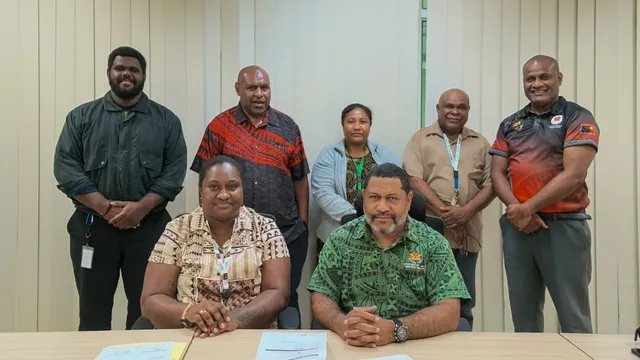
The Office of Workers’ Compensation (OWC) has taken a major step in its digital transformation, signing a contract with NiuPay Limited to design, build and support the new OWC Website Development Platform. The platform will give injured workers, their dependants, employers, insurers and insurance brokers access to OWC’s information and services 24 hours a day.
The contract was signed at OWC’s offices in Port Moresby on 2 October 2026 by Chief Commissioner Mr Martin Pala, and NiuPay Business Development Manager Ms Kristina Kekedo, following a competitive tender. NiuPay was among three shortlisted bidders, and its technical proposal ranked highest in OWC’s evaluation.
The project supports OWC’s drive to align its services with the Digital Government Act 2022 and the digital government agenda of the Department of Information and Communications Technology (DICT). OWC’s evaluation panel found NiuPay’s proposal fully aligned with the Act, DICT’s Government Cloud Policy 2023 and the DICT Government Website Standards 2023, the frameworks that guide how public bodies deliver secure, interoperable services online.
“We want an electronic front desk that gives our clients and stakeholders better access to our services,” said Chief Commissioner Pala. “Information should be available 24 hours a day and easy to use for people at every level of computer literacy, so the man on the street can find us, understand our services and use them.”
Established under the Workers’ Compensation Act 1978, OWC is a statutory office of the Department of Labour and Industrial Relations. It administers compensation claims for workplace injuries and deaths, and enforces compulsory workers’ compensation insurance across Papua New Guinea. The new platform builds on OWC’s earlier move to online claims lodgement, with a modern, user-friendly design and a secure link to OWC’s internal processing system, so clients can follow the progress of their claims and officers can track cases.
In line with DICT’s Government Cloud Policy, the platform will run on AWS, one of DICT’s approved government cloud providers, across two availability zones for resilience. OWC will keep full ownership of the cloud environment, the encryption keys and the source code from day one, and NiuPay will provide 24/7 monitoring and support for three years.
“OWC supports workers and their families at some of the most difficult moments in their lives, and we take seriously the responsibility of building the platform they will rely on,” said Ms Kekedo. “We thank Chief Commissioner Pala, Commissioner Kolias and the OWC team for their trust, and we look forward to working alongside them to deliver a service every Papua New Guinean can use with confidence.”
Work on the project began on 5 October. A Port Moresby-based NiuPay team is delivering it: Project Delivery Manager Mr Alistairs Dirua and Junior UI/UX Engineer Mr Julian Togel, with engineering support from NiuPay’s senior and executive teams.
About NiuPay
Founded in Port Moresby in 2018, NiuPay designs, builds and supports secure, cloud-native mission-critical platforms for governments, regulated sectors and Tier-1 enterprises across Papua New Guinea and the Pacific. NiuPay is an AWS Select Tier Services Partner.
About the Office of Workers’ Compensation
The Office of Workers’ Compensation is a statutory office of the Department of Labour and Industrial Relations, established under the Workers’ Compensation Act 1978. OWC provides compensation-related services to workers and their dependants for injuries and deaths arising out of or in the course of employment, regulates and administers compensation claims, and enforces compliance with compulsory workers’ compensation insurance.
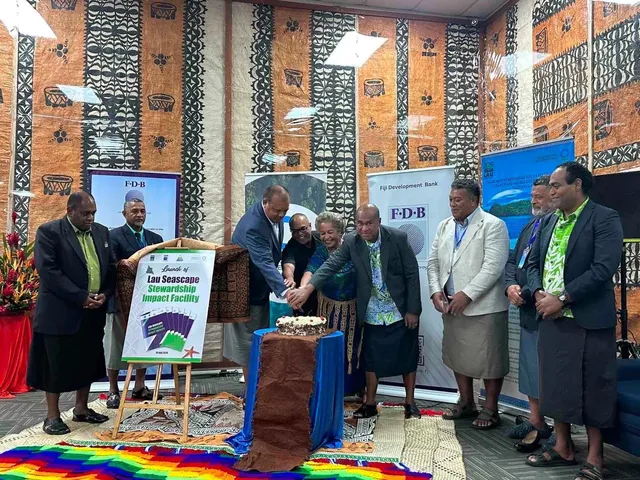
The Association of Development Financing Institutions in the Pacific (ADFIP) has highlighted the Fiji Development Bank’s (FDB) launch of the Lau Seascape Impact Facility Fund, a new financing mechanism designed to strengthen climate resilience, protect biodiversity and support sustainable economic development across Lau Province.
The facility was officially launched during the annual Matabose ni Yasana o Lau in the presence of traditional leaders and chiefs representing the 13 districts of Lau.
FDB is delivering the initiative in partnership with Conservation International (CI) Fiji, with the facility designed to provide more inclusive financial pathways for communities and businesses involved in sustainable economic activities.
The financing mechanism will support micro, small and medium enterprises (MSMEs), eco-tourism ventures and blue economy projects through a combination of concessionary climate loans, business coaching and financial literacy training.
The initiative seeks to address the financing needs of businesses and communities while supporting activities that contribute to the sustainable management of marine and coastal resources.
By integrating financial access with community training and traditional stewardship, the facility aims to link conservation with sustainable economic development, enabling communities to pursue livelihoods while strengthening environmental resilience.
The rollout is already underway in Yasayasa Moala. FDB and its partners are planning further visits to Matuku, Totoya, Lakeba, Vanua Balavu and Cicia, as well as neighbouring islands, to take the programme directly to communities in the outer islands.
The geographic rollout is intended to improve access to financial and technical support for communities outside Fiji’s main urban and economic centres, while recognising the role of local communities and traditional leadership in managing natural resources.
ADFIP said the initiative highlights the role development finance institutions can play in bridging financial inclusion and climate resilience.
The association said FDB’s work demonstrates how development financing can be structured to support not only access to capital but also the skills, knowledge and community structures needed to build sustainable businesses and livelihoods.
The facility also reflects FDB’s broader focus on climate risk financing, sustainable agriculture and community-driven development, particularly as Pacific communities face increasing environmental and economic pressures associated with climate change.
For Lau communities, the initiative provides potential financing and capacity-building support for activities linked to tourism, marine resources and the broader blue economy, while promoting conservation and sustainable use of natural resources.
ADFIP congratulated FDB and Conservation International Fiji on the launch of the facility, highlighting the initiative as an example of how development finance can support locally driven economic opportunities while strengthening climate and environmental resilience across the Pacific.
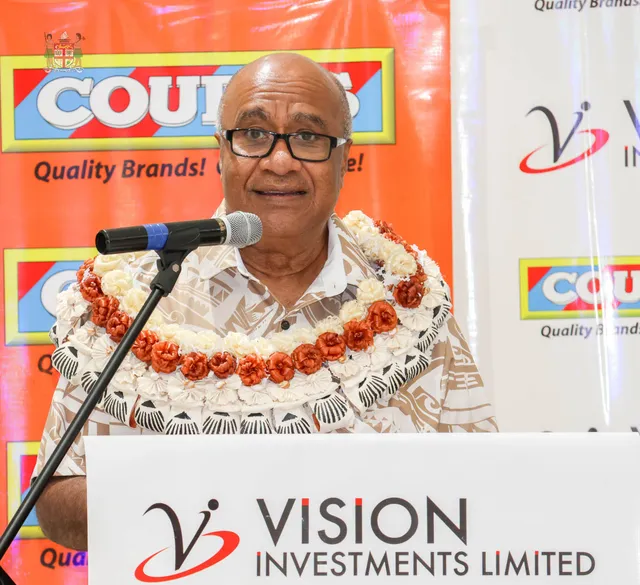
Vision Investments Limited’s growth over the past decade has been built on generations of trust among Fijian households, Deputy Prime Minister and Minister for Industries, Commerce and Business Development Manoa Kamikamica said.
Speaking at a reception on 25 September, following the company’s annual general meeting to mark the 10th anniversary of its listing on the South Pacific Stock Exchange (SPX), Kamikamica said Vision’s relationship with Fijian consumers long predated its listing.
“Your relationship didn't start with the listing 10 years ago; it goes back many generations and was established on the shop floors and in the showrooms,” Kamikamica said.
He said the Group’s history demonstrated that lasting business success depended not only on growth but also on fairness and trust.
“It isn't merely convenience that has built a hundred years' reputation in any market; it is based on trust, the kind of trust that a family places in a business when they go in through the door without knowing whether they're going to be treated fairly and then leave knowing that they have been,” he said.
Vision Investments was listed on the SPX on 29 February 2016 and has since grown into one of the exchange’s larger listed companies, with operations spanning retail, automotive, industrial products, renewable energy, manufacturing and finance.
Kamikamica also highlighted the Fiji National Provident Fund’s position as a major shareholder in the Group, saying the company’s performance has a direct bearing on the interests of working Fijians.
“Your success is their success and the dividends you pay help to finance their retirements. This is not just an abstract figure; it represents thousands of ordinary families with a direct interest in how this Group is managed,” he said.
The Vision Group currently employs 1,037 Fijians.
For the financial year ended 31 March 2026, the Group reported net profit after tax of $17.67 million, total assets of $314.05 million and equity of $141.80 million, according to SPX data.
Looking ahead, Kamikamica encouraged the company to continue investing in innovation, sustainability and responsible growth while maintaining the trust built around its brands over generations.
“Keep creating value not only for shareholders, but for the customers and communities who have placed their trust in you,” he said.
Kamikamica said strong private-sector leadership, investor confidence and well-governed capital markets would remain important to Fiji’s long-term economic growth, particularly in supporting successful locally owned companies.
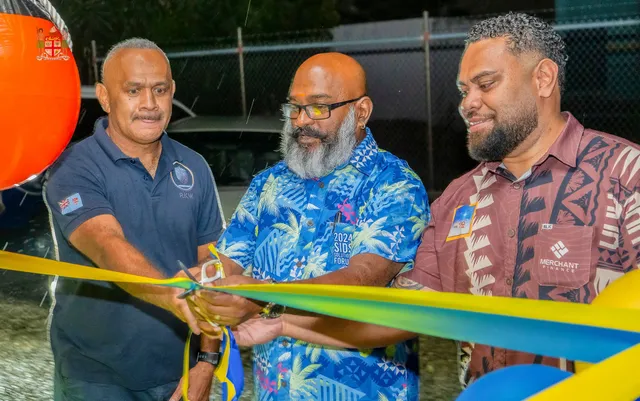
Fijian-owned Raikiwai Adventures & Transfers has launched its jet ski operations at Wailoaloa, Nadi, expanding its marine recreation services and creating potential new employment opportunities in Fiji’s tourism sector.
The launch was officiated by Assistant Minister for Commerce and Business Development Sachida Nand, who described the expansion as an example of how local entrepreneurs can participate in and benefit from Fiji’s tourism industry.
Raikiwai Adventures was established in 2024 by Paula Waqakalou, who has 18 years of experience in marine recreational water sports across the Mamanuca and Yasawa Islands, Vuda, Lautoka and Momi.
“Today is more than simply the launch of jet skis. It represents the growth of a Fijian MSME, the determination of a local entrepreneur, and another example of how our people can participate meaningfully in Fiji’s tourism industry,” Nand said.
The business currently offers boat and jet ski rentals, diving and other marine recreational activities, as well as security-related services.
The project was considered under the Fiji Government’s Integrated Human Resource Development Programme (IHRDP), with a total proposed investment of about $309,051.41. Raikiwai Adventures sought $150,000 in assistance under the programme, with the balance proposed to be financed through Merchant Finance Limited.
The company has identified the potential to create 25 permanent jobs as the business expands.
“When we support an entrepreneur, the benefits can extend beyond one individual or one business,” Nand said.
He urged Raikiwai Adventures to maintain high standards in safety, customer service, responsible operations and environmental stewardship.
Nand congratulated Waqakalou and his team, saying the investment could help generate income, create jobs, build local skills and demonstrate the potential of Fijian entrepreneurs in the tourism sector.
Kalo Gold Corp. has identified electrum, a naturally occurring gold-silver alloy, in drill core from its Wainikoro prospect within the Vatu Aurum Project in Fiji, providing further insight into the mineralisation and potential drill targets.
The Vancouver-based company said on 29 September that the electrum was identified in 2026 drill core from its 100%-owned project during an MSc research study conducted by Heidi Walton of the Camborne School of Mines at the University of Exeter.
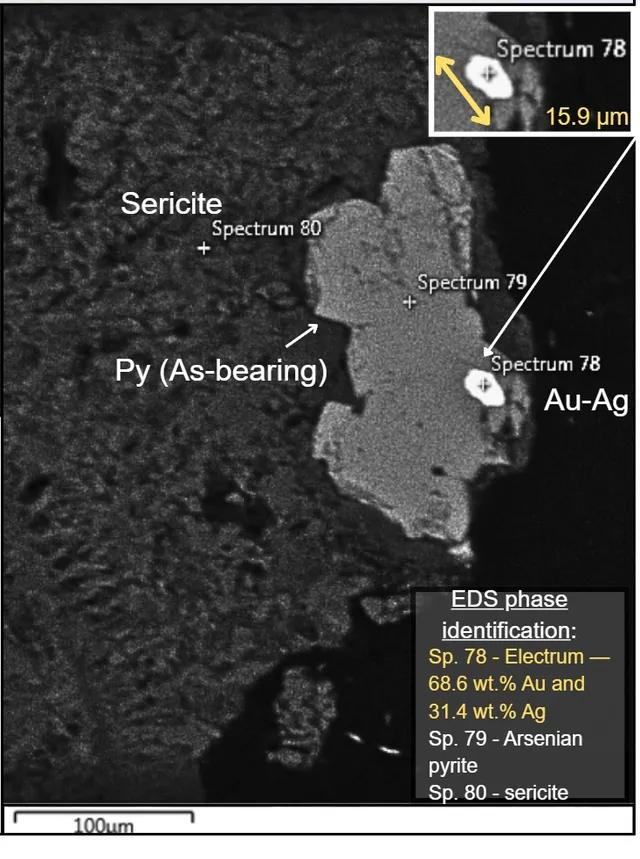
Scanning electron microscopy with energy-dispersive X-ray spectroscopy identified a discrete electrum grain measuring about 20 micrometres in drill hole VA26-DH19.
The grain contained approximately 68.6% gold and 31.4% silver by weight and occurred against the margin of an arsenian pyrite grain within a sericite-bearing matrix.
The sample was collected between 189.88 metres and 191 metres downhole and comprised polymictic volcanic breccia cut by quartz-carbonate veinlets and containing disseminated sulphides.
Kalo Gold president and chief executive Terry Tucker said the finding provided direct mineralogical evidence of a gold-silver phase within the Wainikoro hydrothermal system.
The company said the study supported a structurally controlled hydrothermal model in which repeated fracturing, brecciation and reopening of veins created pathways for mineralising fluids through volcanic rocks.
Additional analysis of drill core samples identified pyrite, arsenian pyrite, sphalerite, chalcopyrite and pyrrhotite associated with quartz-carbonate veining, sericite, chlorite and locally brecciated volcanic rocks.
Kalo Gold said the observed textures indicated multiple episodes of brittle fracturing, vein formation, reopening and sulphide deposition.
The principal assayed gold interval in VA26-DH19 returned 1.61 grams per tonne gold over 1.5 metres at about 150 metres downhole, a result previously reported by the company in June.
Material near the interval contained crackle brecciation, quartz-rich fracture infill, pyrite, arsenian pyrite and sphalerite.
The company said multivariate analysis of drill-core geochemistry also identified a broader gold-silver-arsenic-antimony-lead-molybdenum hydrothermal association.
Gold showed its strongest statistical relationships with lead, silver and molybdenum, while arsenic and antimony formed a broader pathfinder signature.
Prospectivity modelling identified areas where elevated gold and arsenic responses coincide with interpreted structural corridors. Kalo Gold said these areas would provide additional criteria for prioritising future trenching and drilling.
Surface mapping around trench TR009 and VA26-DH19 identified quartz and quartz-carbonate veins along northeast- and north-northwest-trending structures, while regional magnetic interpretation identified intersecting structural trends that may have created zones of increased permeability.
The company cautioned that only one discrete electrum grain was identified among the 12 polished thin sections examined. It said other fine-grained gold-bearing phases could remain undetected and that further mineralogical and gold-deportment studies would be required.
Kalo Gold also said the study does not establish the continuity, grade or economic significance of mineralisation at Wainikoro, with further trenching, drilling, assaying and mineralogical work required.
Canadian mineral exploration company Sankamap Metals Inc. is expanding its exploration programme at its 24,100-hectare Fauro property in Solomon Islands, with recent sampling identifying a new gold target in an area with no known historical sampling.
The company said on 29 September that its systematic prospecting programme had collected 829 samples across Fauro, with assay results for 798 samples still pending.
Recent silt sampling returned up to 6.78 grams per tonne (g/t) of gold from a previously unsampled area, while earlier surface sampling produced values of up to 116 g/t gold and 4% copper.
The results have prompted Sankamap to expand geological and geochemical work across the property as it seeks to refine existing exploration targets and identify new areas for further investigation.
Sankamap chief executive John Florek said the latest results provided further evidence of a gold-bearing system across the broader project area.
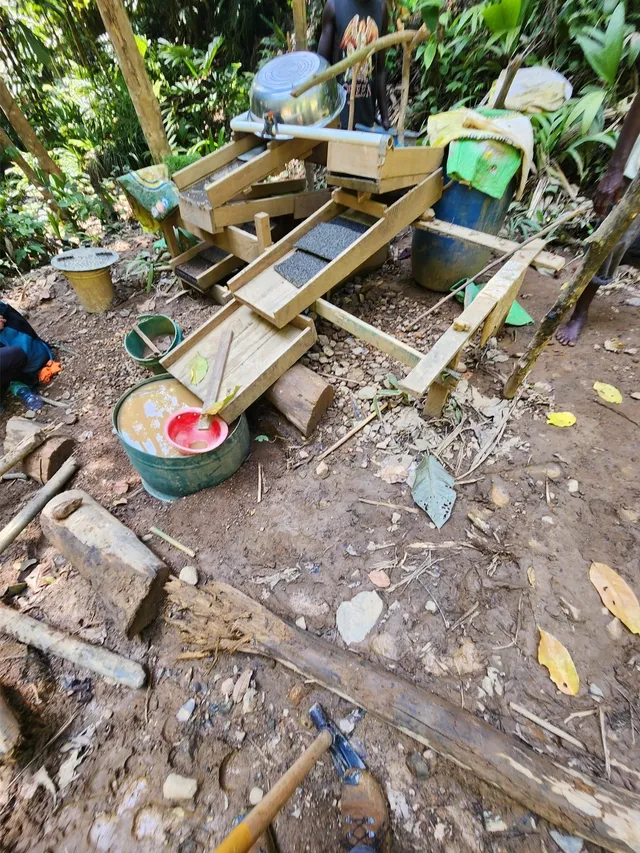
"During recent reconnaissance and prospecting activities, the exploration team encountered several drainages where local artisanal miners were actively panning for gold," Florek said.
"A representative grab sample of silt collected from one of these drainages returned 6.78 g/t Au, providing further evidence of an active gold-bearing system within the broader project area."
Fauro is located within a copper-gold metallogenic belt in the Solomon Islands that hosts major deposits including Lihir and Panguna. Sankamap said historical drilling, surface sampling and geophysical surveys have identified multiple prospective near-surface epithermal gold systems at Fauro.
At the Meriguna target, previous trenching returned 8 metres at 27.95 g/t gold and 14 metres at 8.94 g/t gold, while historical grab samples returned values of up to 173 g/t gold.
At Kiovakase, recent Sankamap sampling returned copper values of up to 4.09%, while limited historical shallow drilling at Fauro intersected 35 metres at 2.08 g/t gold.
The company plans to conduct an induced polarisation geophysical survey over high-priority targets to refine potential drill targets.
Sankamap is also planning an initial 2,000- to 3,000-metre drilling programme following the geophysical work.
The 2026-27 exploration programme is focused on geological mapping and geochemical sampling, with the company expanding its work into areas with limited or no historical exploration data.
Sankamap said the expanded dataset would be used to prioritise targets ahead of the planned geophysical surveys and drilling.
The Fauro property forms part of Sankamap's Oceania Project, which also includes the Kuma property in Solomon Islands. The company is listed on the Canadian Securities Exchange under the ticker SCU.
Solomon Islands has re-joined the Extractive Industries Transparency Initiative (EITI), with the UK government providing further support to help the country meet its transparency and governance commitments in the mining sector.
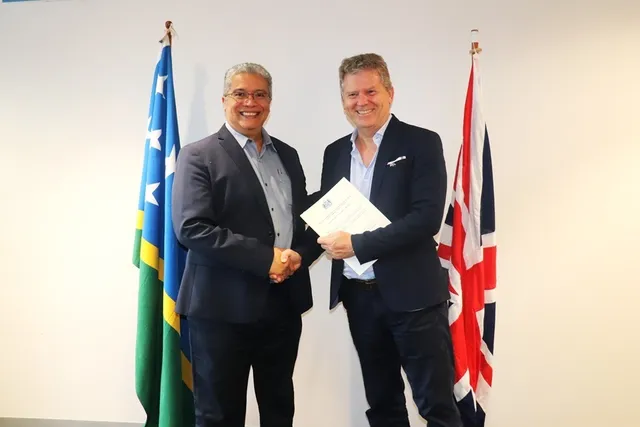
British High Commissioner Paul Turner and David Teika Dennis, permanent secretary of the Ministry of Finance and Treasury, formally launched the next phase of UK government support on 21 September.
The EITI Board welcomed Solomon Islands back as an implementing country on 16 September, following its withdrawal from the initiative in 2018 after failing to meet its commitments.
Under EITI requirements, Solomon Islands will now be expected to publish information on its mining sector to improve public management and transparency.
The UK government, working with the United Nations Development Programme (UNDP), has supported efforts to bring Solomon Islands back into the initiative and will continue assisting the country in meeting its EITI obligations.
The re-entry comes as Solomon Islands' mining sector is expanding, particularly in gold and nickel. Mining is expected to play a growing role in economic diversification, supported by the ramp-up of the Gold Ridge gold mine and the Kolosori nickel project.
"EITI can support Solomon Islands in strengthening its revenue collection and exports," Turner said.
"It is a win-win-win for government, local communities and for mining companies who will have greater export markets."
The EITI Board said it welcomed the government's renewed commitment to implementation and commended efforts by government, industry and civil society to promote a more equitable and environmentally responsible approach to mining decisions.
A new multi-stakeholder group comprising central and local government, mining companies, local communities and civil society will monitor activities across the sector.
The next phase of UK support will focus on developing a national plan for disclosing mining information across all provinces, strengthening the capacity of local stakeholders to monitor and report on the sector, and helping the government provide regular reports to the EITI Secretariat.
Turner said EITI membership could have a significant impact on Solomon Islands' mining sector.
"Membership of EITI has the potential to transform the mining sector in Solomon Islands," he said. "It will ensure that mining does not go the same way as logging did in this country."
The EITI Secretariat is based in Oslo, Norway.
Kumul Petroleum Holdings Ltd has begun a comprehensive review of the Kumul Tower project following concerns over its procurement governance, management arrangements and expenditure exceeding US$120 million (about K500 million).
KPHL Board Chairman Ambassador Isaac Lupari and Acting Managing Director Luke Liria recently inspected the project site, where China State Construction Engineering Company has completed significant excavation, ground stabilisation, piling and foundation works.
However, the board said the inspection raised concerns about the governance of procurement and the project's management, including oversight by the external project manager.
An independent external auditor's recent forensic audit has confirmed the board's concerns regarding governance and accountability for project expenditure, KPHL said.
A detailed report outlining the audit findings and recommended actions will be submitted to the government.
“The Board has a duty to protect KPHL and the State. Before we make any further major commitment, we must establish clearly what has been delivered, whether the design remains appropriate, and which delivery and financing structure will provide the strongest long-term value,” Lupari said.
As part of the reset, KPHL will reassess the project's scope, design, cost and commercial viability.
The review will include consideration of reducing the proposed building from 27 storeys to a 15-storey development that the board described as more commercially viable.
KPHL will also engage independent project architects to review the building's design, engineering, functionality, constructability and cost.
The board will consider a mixed-use model incorporating hotel and office accommodation, while potential delivery and financing structures include a build-own-operate-transfer arrangement or a joint venture consortium involving local and international entities.
Lupari stressed that no delivery model had yet been selected.
“Any proposed option must undergo independent technical and commercial due diligence, demonstrate value for money, allocate risk appropriately, and comply with all governance and approval requirements,” he said.
KPHL said it remains committed to ensuring any future development of Kumul Tower is transparent, commercially sustainable and aligned with the long-term interests of the company, the State and the people of Papua New Guinea.
Cook Islands Prime Minister Mark Brown has led a joint visit by the Cook Islands, United States and New Zealand to Tongareva to begin feasibility and planning work for a new, safer and more reliable wharf at Omoka.
Brown travelled to the northern island on Sept. 22 with US Ambassador to the Cook Islands Jared Novelly and New Zealand High Commissioner Catherine Graham to meet residents and discuss the proposed project.
It was the first time the three partners had visited Tongareva together since announcing their intention to work on the wharf at the Pacific Islands Forum Leaders Meeting in Palau in August.
Brown said the visit was intended to ensure the community heard directly from the three partners about the project and had a role in shaping its development.
“This wharf is a lifeline for Tongareva, and it belongs to Cook Islanders,” Brown said. “We are leading this work on our own terms and as part of our own priorities and our national plan for the Pa Enua.”
The delegation was welcomed to Omoka with a traditional warrior's chant, drums, floral garlands and a guard of honor by students from Tongareva School.
The delegation later visited the existing landing and proposed wharf site.
Almost all supplies reaching Tongareva, including fuel, food, building materials, medicines and disaster relief, currently come ashore through a landing built more than 80 years ago, according to the Cook Islands government.
A modern and resilient wharf would improve the safety and reliability of deliveries and strengthen connections between Tongareva, the other Pa Enua, the rest of the Cook Islands and the wider region.
Feasibility study first
The partners stressed that construction will not begin until a feasibility study determines the project's scope and design.
The study will assess technical, environmental, social, commercial and operational aspects of the proposed wharf and provide an opportunity for the Tongareva community to help shape the project.
New Zealand High Commissioner Catherine Graham said New Zealand would support implementation of the project in partnership with the Cook Islands.
“This visit is the start of careful, considered work,” Graham said. “The feasibility study comes first, to shape the scope and the design, and it will be the community's opportunity to have its say.”
The Cook Islands government said the project will be implemented in accordance with Cook Islands laws, policies and regulations and integrated into the country's long-term development plans.
The feasibility work will also examine opportunities for Cook Islands companies, workers and suppliers to participate.
US highlights historic ties
Novelly highlighted the longstanding US connection with Tongareva, noting that US personnel built the island's original wharf and airfield during World War II.
“The United States values its long friendship with the Cook Islands and our historic ties to Tongareva, where United States personnel built the island's original wharf and airfield,” Novelly said.
He said the US supported the initiative to improve connectivity and services for people in the northern Cook Islands.
The ambassador also pointed to potential benefits including strengthening the Cook Islands government's ability to monitor its waters and creating commercial and tourism opportunities.
The three partners said the visit marked the beginning of the broader feasibility and planning phase. Final decisions on the scope, design and delivery of the project will follow completion of the feasibility study.
The Asian Development Bank (ADB) has approved a $12.6 million grant to strengthen urban resilience and disaster preparedness in Vanuatu’s Greater Port Vila area.
The financing is the third ADB grant for the Greater Port Vila Urban Resilience Project and is funded through the Asian Development Fund. It is complemented by a $5.6 million grant from the Green Climate Fund through the Community Resilience Partnership Program Investment Fund and a $700,000 in-kind contribution from the Vanuatu government.
“Vanuatu is highly exposed to disasters caused by natural hazards which are becoming increasingly frequent and severe,” said Jyotsana Varma, regional director of ADB’s Pacific Liaison and Coordination Office.
“This additional financing will build on the strong foundation already established through the project in providing shelter during such emergent situations,” she said.
The new financing will support the construction of three multipurpose emergency shelters in Agathis, Freshwind and Nambatri.
The shelters will provide safe and resilient facilities for vulnerable communities during disasters, while serving as community gathering spaces and markets during normal periods.
The financing will also support the development of an emergency shelter strategy to regularly assess shelter capacity, identify service gaps and guide the planning and prioritisation of future shelter investments.
ADB said the project is expected to directly benefit at least 23,400 people, including 11,700 women, by 2031 through improved access to resilient urban assets and services.
ADB began financing the project in 2020 with a $9.6 million grant to support urban service delivery, climate resilience and disaster preparedness in Vanuatu.
A further $2.9 million grant was provided in 2022 to expand urban resilience planning and infrastructure investments and launch nature-based coastal protection measures in Greater Port Vila.
Varma said ADB was working with the Vanuatu government and local communities on arrangements to use and maintain assets created under the project.
“We are pleased to be working closely with the government and local communities, including on arrangements to use and maintain the assets already created, so that these investments continue to serve people well into the future,” she said.
Fiji’s government is expanding efforts to diversify agricultural production in the country’s sugarcane belt, seeking to give smallholder farmers additional income opportunities while improving the long-term sustainability of agricultural land.
Agriculture, Waterways and Sugar Industry Minister Tomasi Tunabuna said diversification would complement, rather than replace, sugarcane production, which remains an important contributor to Fiji’s economy.
Speaking in Parliament, Tunabuna said 3,752 farmers, or 41.3% of the country’s cane farmers, collectively produced just 13.2% of total cane production in 2025.
He said the figures highlighted the need to give suitable smallholder farmers additional options to improve returns from their land.
“Diversification should not be viewed as an effort to move farmers away from sugarcane, but rather as a strategy to expand farmers’ economic choices and ensure land is utilised for activities that can deliver sustainable and productive returns,” Tunabuna said.
The government expects diversification to also support national food security, reduce reliance on imported food and strengthen rural livelihoods, while creating opportunities to supply the tourism sector, value-added industries and higher-value markets.
A key part of the strategy is a European Union-supported diversification study being undertaken with the Food and Agriculture Organization.
The study is assessing the feasibility of transitioning suitable areas within the cane belt to alternative high-value crop and livestock systems.
It will examine where sugarcane production remains commercially viable, where alternative crops could generate higher returns, and where integrated farming systems could be introduced. The study will also assess markets and value chains capable of supporting alternative agricultural activities.
Tunabuna said the first-phase report is expected to be completed by November 2026 and will guide consideration of a second phase, including potential pilot projects.
The government is also pursuing diversification initiatives while the study is underway.
Tunabuna cited the Fiji Water Citrus Project in the north as an example of how investment, land use and market opportunities could support alternative agricultural production.
Under Fiji’s 2026-27 National Budget, the Ministry’s Crop Production Division has also received funding specifically for crop diversification. The ministry is identifying and developing projects aimed at supporting smallholder sugarcane farmers.
The government continues to provide assistance to cane farmers undertaking non-sugar crop activities through land preparation, small farming equipment, mechanisation, fertiliser and chemical support, agricultural advisory services, diversification projects and climate-smart agriculture.
Support also covers product development and value addition, as well as market alignment and development.
Tunabuna said the government would take a phased, evidence-based and market-driven approach to diversification.
“We do not want farmers to change crops without first understanding the production costs, available markets, value chains and potential returns,” he said.
“Our objective is to ensure that smallholder farmers have more choices, stronger and more resilient livelihoods, and the opportunity to achieve the best sustainable economic return from their land.”
The government said it would continue to support the sugar industry as a key pillar of Fiji’s agricultural economy while developing diversification opportunities aimed at strengthening the resilience and long-term sustainability of farming communities across the cane belt.
Australian electrical infrastructure partner CE Group is expanding its regional focus into the Indo-Pacific, building on its established operations and project delivery experience across the Pacific.
CE Group has taken another step in its regional growth strategy, joining the Australian delegation at the Asian Development Bank Business Opportunities Fair 2026 in Manila and contributing to discussions around the future of sustainable infrastructure across Asia and the Pacific.
The move reflects a broader direction for the Australian electrical engineering and infrastructure business: taking the experience developed across Australia, Papua New Guinea, Solomon Islands and Fiji into the wider Indo-Pacific market.
For CE Group, that expansion is closely connected to the infrastructure challenges already familiar across the Pacific-energy security, resilient infrastructure, remote delivery, local capability and the need for stronger partnerships between government, development institutions, industry and communities.
Infrastructure investment is moving
The scale of planned investment across the Pacific demonstrates the opportunity ahead. At the Manila forum, ADB outlined a US$3.652 billion active Pacific portfolio, a further US$3.686 billion program for 2026–2029, and a US$469 million procurement pipeline for 2026–2027.
Transport, energy, water and urban infrastructure represent some of the largest areas of current ADB investment in the Pacific. But the regional conversation is increasingly extending beyond the infrastructure asset itself.
Climate resilience, local participation, workforce capability, supply chains and long-term economic value are becoming central considerations in how infrastructure is planned and delivered.
These are areas where CE Group sees a direct connection between its Pacific experience and the wider Indo-Pacific market.
Pacific experience provides the foundation
Delivering infrastructure in the Pacific requires a different operating model. Distance, logistics, workforce availability, local supply chains and the capacity to operate in remote environments can influence every stage of delivery.
For CE Group, regional growth has therefore been built around developing capability on the ground rather than approaching the Pacific as an extension of the Australian market.
Its regional footprint now includes operations across Papua New Guinea, Solomon Islands and Fiji, supported by its Australian engineering, design, manufacturing and construction capability.
That experience is shaping the company's approach to the Indo-Pacific.
CE Group's focus is not simply entering new countries. It is building the relationships, local capability and delivery networks required to operate responsibly and effectively within them.
Joining the infrastructure conversation earlier
Participation in the ADB Business Opportunities Fair also placed CE Group within a much broader conversation about where regional infrastructure investment is heading and how industry participates.
ADB's Pacific program specifically examined development priorities for the next three to five years, emerging investment areas and where greater industry capability and innovation will be required.
For CE Group, engagement at this level represents an important evolution.
The business is moving beyond responding to individual project opportunities and engaging earlier with the governments, development institutions, delivery partners and industry networks influencing the region's infrastructure pipeline.
That includes understanding where investment is being directed, the infrastructure priorities of individual countries and the role Australian capability can play alongside local and regional partners.
Beyond Borders
CE Group's Indo-Pacific direction builds on a straightforward principle: infrastructure should create value beyond the asset being constructed.
Local employment, skills development, stronger supply chains and enduring in-country capability are increasingly important measures of successful regional delivery.
As investment in energy and critical infrastructure continues across the Indo-Pacific, CE Group intends to bring its electrical infrastructure capability and practical Pacific delivery experience into those conversations.
The geography may be expanding, but the approach remains consistent-work with local people, understand the operating environment and build partnerships capable of delivering infrastructure that lasts.
Beyond Borders. Progress Through Partnership.
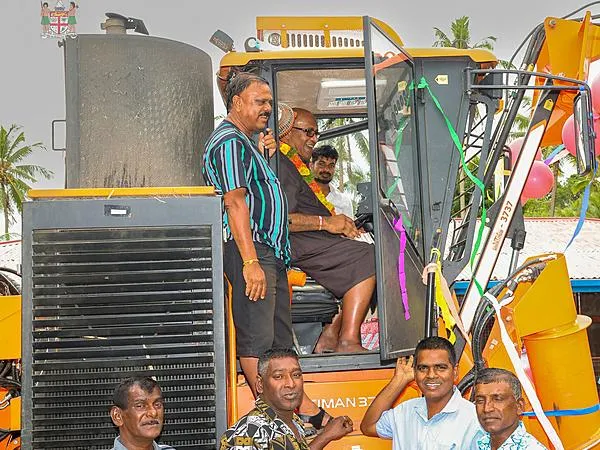
Farmers in Fiji's Naleba and Bucaisau areas have bought their own mechanical sugarcane harvester to reduce reliance on contractors and help ensure crops are harvested and delivered to the Labasa Mill on time.
The 12-member Bucaisau Farmers' Cooperatives Ltd. acquired the harvester with support from the government, Fiji Development Bank and contributions from cooperative members.
The Cooperative Development Fund provided a $100,000 grant, while the Fiji Development Bank provided loan financing. Members contributed $10,000 towards the purchase and strengthening of the cooperative.
Cooperative member Navindra Jas said the group was originally established in 2017 as Naleba Cane Farmers Cooperative Ltd. but remained inactive for several years. With assistance from the Department of Cooperatives, it was revived in 2025 and renamed Bucaisau Farmers' Cooperatives Ltd.
Jas said the cooperative was revived to collectively own and operate harvesting machinery, reduce dependence on outside contractors and make the equipment available to other farmers in the Naleba and Bucaisau areas.
Deputy Prime Minister and Minister for Industries, Commerce and Business Development Manoa Kamikamica said at the harvester handover on Sept. 23 that the initiative demonstrated how cooperatives could help farmers overcome challenges that would be difficult to address individually.
"A cooperative is, at its heart, a simple but powerful idea: that people achieve more by pooling their resources, their labour and their voice than they ever could standing alone," Kamikamica said.
He said access to machinery and financing could be significant challenges for cane farmers, while cooperatives allow members to share costs and acquire equipment that may otherwise be beyond the reach of individual farmers.
Kamikamica said government support extended beyond grants and loans to strengthening cooperative boards, improving financial management and building the systems needed to sustain cooperatives.
Jas said the cooperative plans to acquire additional types of sugarcane farming equipment, allowing it to provide more services to its members and other farmers in the area.
Kamikamica said the revival of the Bucaisau cooperative demonstrated the value of farmers working together around a shared goal.
"When a cooperative succeeds, it is not an abstract statistic that improves — it is a family that harvests its crop on time, a member's income that grows, a community that gains the confidence to plan further ahead, and a livelihood that becomes more secure," he said.
The harvester is expected to support farmers supplying the Labasa Mill by improving access to machinery during the harvest season and reducing reliance on external contractors.
Tighten the story for news styleSharpen the lead with the investment
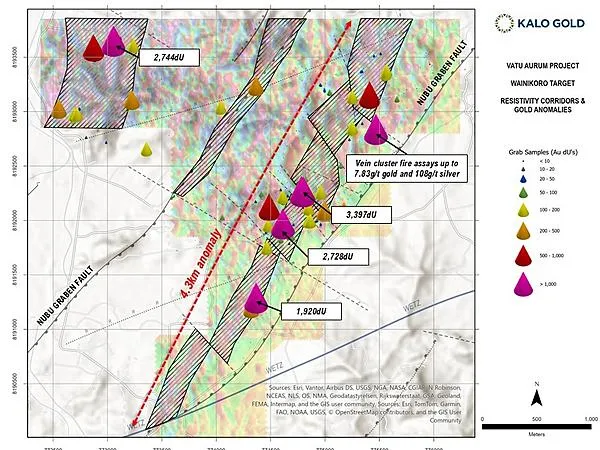
Kalo Gold Corp. has identified a 4.3-kilometre resistivity corridor at its Wainikoro target in Fiji, with gold results recorded along its length, including assays of up to 8.78 grams per tonne.
The Vancouver-based company said Sept. 24 that gradient array induced polarisation resistivity data had defined the principal corridor at its 100%-owned Vatu Aurum Project. The corridor remains open along strike.
Preliminary interpretation identified three predominantly north-south resistivity corridors. Elevated gold screening responses were concentrated along the margins of resistivity highs and lows within the main corridor and in a separate corridor about 2.5 kilometres to the west-northwest.
The eastern area returned up to 8.78 g/t gold by certified fire assay, while field screening of the same sample produced 3,397 detectORE units, which Kalo estimates at about 3.4 g/t gold. Several other results exceeded 1,000 dU, equivalent to about 1 g/t gold based on the company's estimates.
In the western area, field screening returned up to 2,744 dU, or an estimated 2.74 g/t gold.
The company said rock samples from the New Vein Cluster returned up to 7.83 g/t gold and 108 g/t silver. A previously reported chalcedonic quartz vein float sample returned 8.78 g/t gold, while a chalcedonic-banded epithermal quartz vein in silicified bedded tuff returned 4.78 g/t gold by certified fire assay.
Trenching across one of the eastern resistivity corridors exposed hydrothermally altered breccia, monomictic andesite breccia and andesitic wall rock. The hydrothermal breccia broadly corresponds with a resistivity-high area that may reflect silicification or quartz-rich cement.
Kalo said gold responses were not uniform throughout the breccia, with several occurring near lithological and geophysical margins. The company is evaluating whether contacts, secondary fractures and changes in permeability influenced mineralisation.
"The IP survey has given us a 4.3-kilometre resistivity corridor at Wainikoro with gold results along its length," President and CEO Terry L. Tucker said.
The company said the results support further evaluation of silicified hydrothermal breccias, resistivity margins and associated structural zones as priority exploration targets.
Kalo plans to begin controlled-source audio-frequency magnetotellurics, or CSAMT, surveying in late September and continue into October. The survey will test the width, orientation and depth continuity of the interpreted corridors, including potential branching, widening and crosscutting structures.
Additional work will include trenching, continuous channel sampling, structural mapping, alteration-mineralogy studies and certified laboratory analysis. The results will be integrated with existing geological, geochemical, induced polarisation, gravity, magnetic and radiometric data to refine targets for future drilling.
Kalo cautioned that not every resistivity feature is interpreted as mineralised, as resistivity contrasts can also reflect lithology, weathering, groundwater, clay content or survey effects.
The company also noted that grab, float and rock chip samples are selective by nature and may not represent mineralisation across the property.
Tighten the lead around the assayClarify the two corridor areas
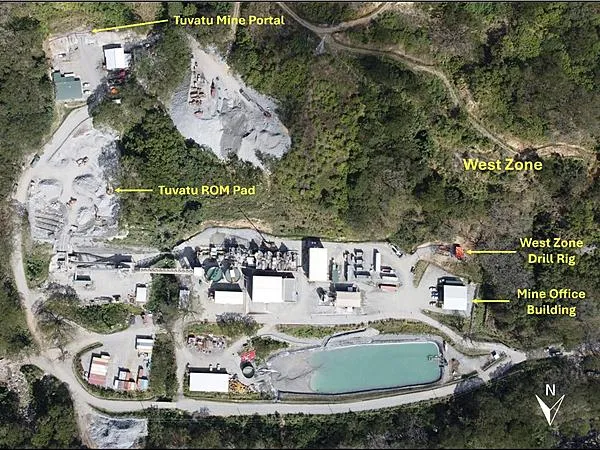
Canadian miner Lion One Metals Ltd. has reported high-grade gold intercepts from underground drilling at its Tuvatu Alkaline Gold Project in Fiji, including 4.6 metres grading 82.28 grams per tonne of gold.
The results came from 4,370.2 metres of underground infill and grade-control drilling targeting extensions of the UR lodes in Zone 5, the company said in a Sept. 24 news release.
The drilling also returned 1 metre at 169.47 g/t gold, 1.1 metres at 153.94 g/t, 1.7 metres at 93.94 g/t and 0.3 metres at 285.13 g/t. The highest-grade individual intercept was 0.3 metres at 547.05 g/t.
Lion One said 30 of 34 completed drill holes intersected high-grade mineralisation, with most of the results located within 25 metres of underground development. The company expects the mineralisation to be incorporated into its mine plan within six months.
The drilling was conducted from the 1,160 and 1,082 underground drill stations. The former targeted mineralisation above the 1,150 level, while the latter targeted areas below the 1,066 level.
The Zone 5 drilling focused on the near-surface portions of the UR1 and UR2 lodes. Lion One said the UR2 lode has a strike length of about 620 metres and remains open along strike and at depth.
Lion One President and CEO Ian Berzins said the company was continuing to drill both Zone 5 and Zone 2 and was encountering high grades in both areas.
The company said the latest results included eight intercepts exceeding 100 g/t gold, following a previously reported intersection of 4.2 metres at 715.15 g/t gold from Zone 2.
Lion One operates the Tuvatu mine, which began operations in late 2023. The project includes the Tuvatu gold deposit, underground mine, pilot plant and assay laboratory. The company also holds an exploration licence covering the Navilawa Caldera, which contains multiple mineralised zones and exploration targets.
The reported drill intersections are downhole lengths, and true widths are not known, Lion One said. The company uses a 3 g/t gold cut-off for its high-grade composites.
This version follows AP style and British English, including metres, mineralisation, licence and programme-style usage where applicable.
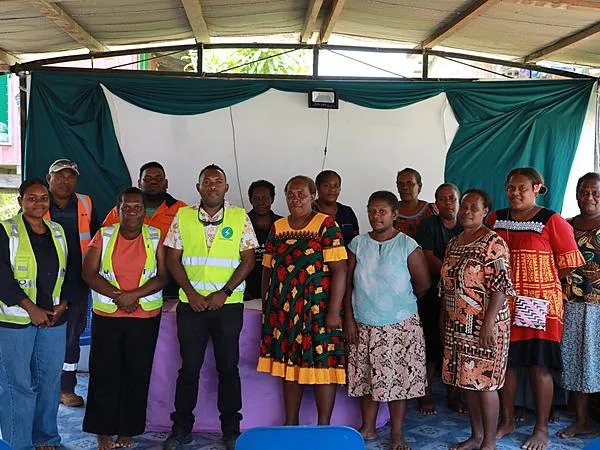
The Malatoha Women’s Association is exploring opportunities to expand its participation in the Tina River Hydropower Development Project, building on an existing arrangement to supply fresh produce to the project workforce.
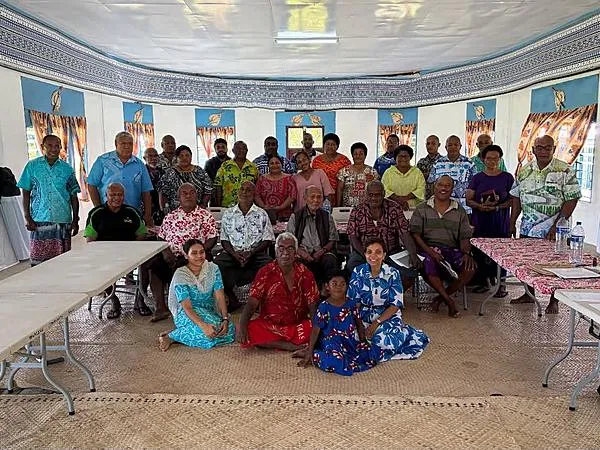
The association’s fruit and vegetable supply partnership was among the key issues discussed during a meeting with its executive members at Chichinge Community in Malango.
Representatives from the Tina River Hydropower Development Project Office, Solomon Power, SMEC, Reeves Envico and Hyundai Engineering Company attended the consultation.
The existing supply arrangement has connected women producers in the Malango region with the project’s workforce, allowing association members to participate in the local supply chain and generate income from agricultural activities.
The women also discussed potential opportunities linked to the project’s transmission line component, which is being implemented by Solomon Power.
Project representatives provided updates on transmission line activities and discussed possible areas for participation, including services, business, food supply and training.
The meeting also allowed the association’s executive members to assess its progress and identify areas where additional support, skills and training could strengthen its capacity to engage with current and future project opportunities.
The consultation forms part of monthly engagements under the project’s Gender Component with women’s associations in project-affected communities.
The engagements provide women with project updates, direct access to project stakeholders and an opportunity to identify practical ways to participate in project activities.
The consultations are expected to continue across project-affected communities, with the next engagement planned with the Bahomea Women’s Association.
The Tina River Hydropower Development Project is the Solomon Islands’ first large-scale renewable energy project and is intended to support more affordable electricity and access to cleaner and more reliable energy.
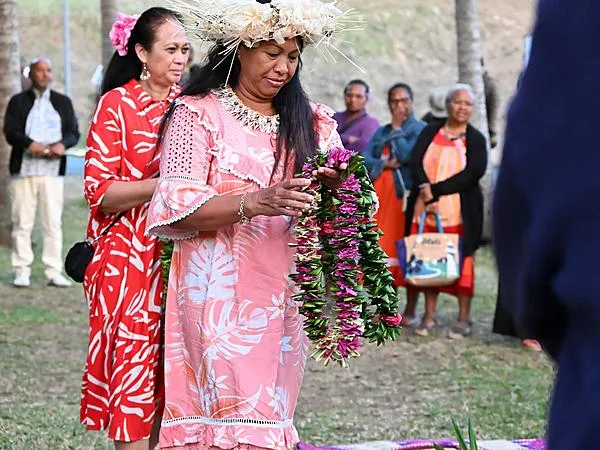
The third Caledonia Festival has officially opened at the Tjibaou Cultural Centre, bringing together communities from across New Caledonia for a celebration of culture and arts centred on Melanesian heritage.
Developed in the spirit of the Melanesia 2000 cultural event held in 1975, the festival opened with traditional dances and songs from Belep and the Isle of Pines.
The opening followed youth activities and workshops on cultural policy. Customary leaders, participating communities and government officials were presented to representatives from the Drubea-Kapumë area and staff of the cultural centre.
Government president Milakulo Tukumuli attended on behalf of the 19th government, alongside government members Ernest Déméné, responsible for culture, and Billy Forest, responsible for cultural affairs.
Déméné officially opened the festival, saying its objective was to make culture “a real lever so that citizenship is shared by all”.
He also described the festival as a platform for developing cultural policy, drawing on the theme of an earlier workshop, “Des racines et des ailes” — “Roots and Wings”.
“Roots to know where we come from. Wings to decide where we go together,” Déméné said.
The programme also featured the unveiling of “Djinu owa”, an exhibition showcasing works by four pioneering contemporary Kanak artists — Paula Boi, Yvette Bouquet, Micheline Néporon and Denise Tiavouane.
The festival features a programme of performances, exhibitions and cultural activities celebrating the diverse cultures of New Caledonia.
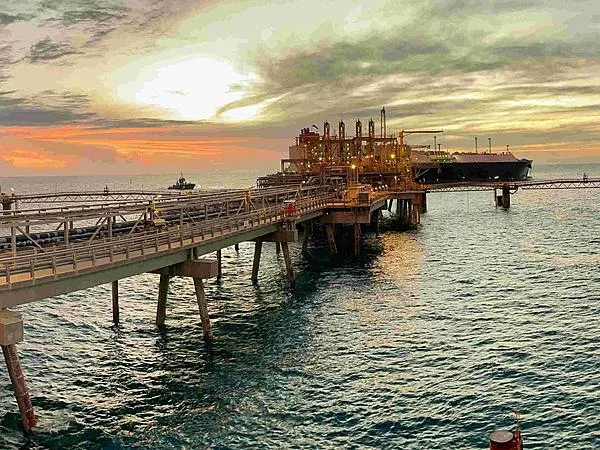
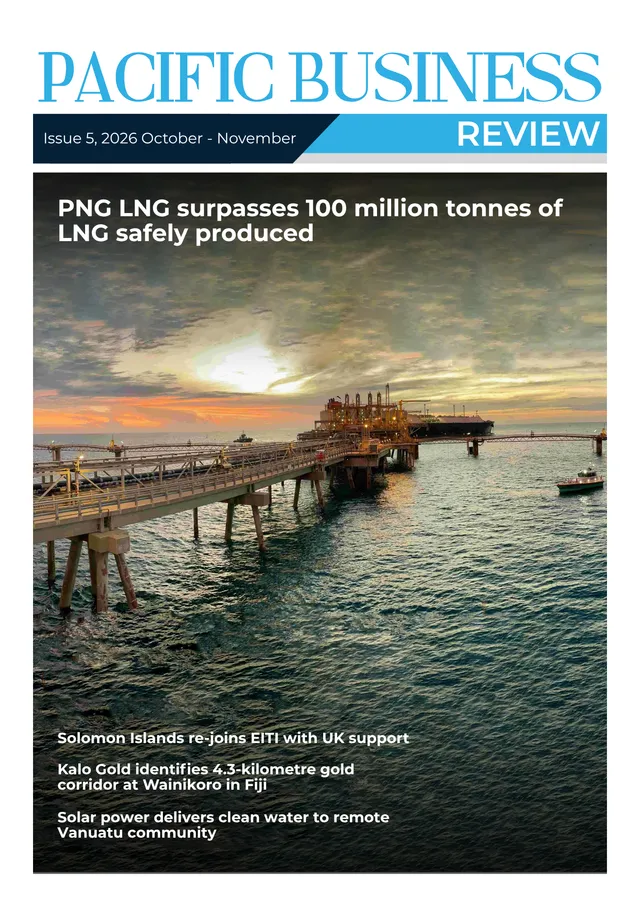
The PNG LNG Project has safely produced more than 100 million tonnes of liquefied natural gas since operations began in 2014, marking a major milestone for Papua New Guinea's petroleum industry.
The project, operated by ExxonMobil PNG Ltd., has connected Papua New Guinea's natural gas resources with global energy markets while supporting national development through employment, training, local business opportunities and community investment.
PNG LNG is an integrated gas development that produces natural gas from fields in Hela and Southern Highlands provinces. The gas is processed and transported through an approximately 700-kilometre pipeline network to a two-train liquefaction plant at Caution Bay in Central Province, where it is converted into LNG for export.
The project currently produces up to about 8 million tonnes of LNG a year, above its original nameplate capacity of 6.6 million tonnes. Since production began in 2014, it has supplied LNG primarily to customers in Asian markets.
The project's operations involve gas production and processing, pipeline transportation, liquefaction, storage and marine loading, forming an integrated value chain linking PNG's gas resources with international buyers.
ExxonMobil PNG Chairman and Managing Director Dinesh Sivasamboo credited employees, contractors and project partners for reaching the milestone.
“Reaching 100 million tons safely produced was only possible because of the unwavering commitment of generations of employees, contractors, and partners who embraced a shared purpose and maintained a relentless focus on doing the right things, the right way,” Sivasamboo said.
The milestone comes as Papua New Guinea continues to advance additional gas developments, including the proposed Papua LNG and P'nyang LNG projects, which are expected to build on the country's existing LNG industry.
ExxonMobil PNG said the achievement reflects the contribution of thousands of Papua New Guineans and project personnel who have supported PNG LNG's operations over more than a decade.
The company said it remains committed to creating long-term value for Papua New Guinea through the project's continued operations and its contribution to the country's energy and resources sector.
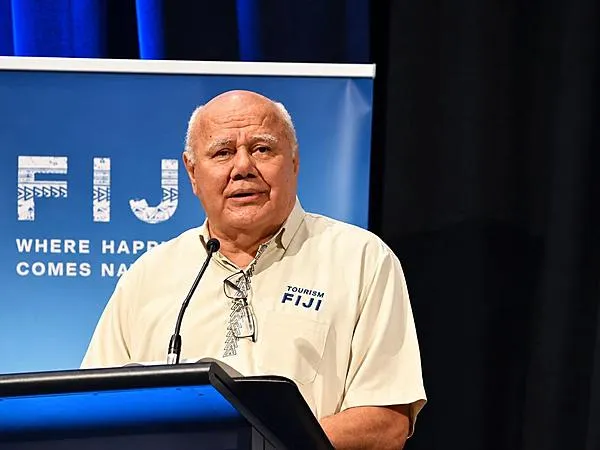
Fiji is shifting its tourism strategy from visitor growth toward higher-value and more sustainable economic returns, Deputy Prime Minister and Minister for Tourism and Civil Aviation Viliame Gavoka said.
Speaking at Tourism Fiji Industry Day 2026 at the Sofitel Fiji Resort & Spa in Denarau on Sept. 17, Gavoka said the next phase of tourism development must generate greater and more sustainable benefits for Fijian businesses, workers and communities.
Fiji welcomed a record 986,367 visitors in 2025, while visitor arrivals reached 105,791 in July 2026, marking the first time arrivals exceeded 100,000 in a single month.
“Demand for Fiji remains strong. The world still wants to come to Fiji. But the question before us now is not simply how do we attract more visitors? It is: how do we translate that demand into greater and more sustainable value for Fiji?” Gavoka said.
He said future growth would require closer coordination among destination marketing, aviation capacity, accommodation investment, tourism products and visitor experience.
“Our ambition must be value over volume, quality over quantity, and authentic Fijian experiences that distinguish us from every other destination competing for the same traveler,” he said.
Gavoka pointed to renewed investment in the sector, including proposed developments such as Sofitel Fiji Vatu Talei, TRIBE Na Tomba, The Sebel Nuku Loaloa Living and Tawamudu Yadua in the Western Division, as well as continued investment in established properties such as Hilton in Suva.
He also called for tourism opportunities to expand beyond Fiji’s traditional tourism corridors.
Through the Na Vualiku program, the government is supporting the foundations for long-term tourism growth in Vanua Levu through improved access, infrastructure, destination planning and assistance for businesses and communities.
Gavoka said the government would also continue exploring opportunities in Lau and other parts of Fiji where tourism remains relatively undeveloped.
The broader geographic push is intended to spread the benefits of tourism investment while creating new destinations and experiences for visitors.
The Industry Day also provided a platform to discuss government reforms, including the Tourism Act 2026, which replaced the Hotels and Guest Houses Act 1973.
The new legislation establishes a framework for national quality and sustainability standards, a progressive pathway for tourism businesses and greater industry and community participation through the National Tourism Council.
It also provides greater support for micro, small and medium enterprises and community-based tourism.
Gavoka acknowledged the tourism industry's engagement during the introduction of the 5-percent Tourism Services Tax and reaffirmed the government's commitment to clear communication and continued consultation during its implementation.
He also recognized Tourism Fiji, its regional teams and industry partners for promoting Fiji in an increasingly competitive global market.
Tourism Fiji has adopted a more targeted approach to international markets, including an AI-powered marketing initiative in China that received recognition at the 2026 PATA Gold Awards.
Gavoka said aviation would remain fundamental to Fiji's tourism growth, with air connectivity, route competitiveness and airline capacity determining the country's ability to convert international demand into actual visitor arrivals.
He acknowledged the growing role of technology and artificial intelligence but said Fiji's people, culture, communities, environment and hospitality remained the country's key competitive advantages.
“Tourism is our vuvale. Government, Tourism Fiji, Fiji Airways, our hotels and operators, investors, SMEs, communities, and every Fijian who welcomes a visitor and shares a little of our home with them, we are all part of it,” he said.
Tourism Fiji Industry Day 2026 brought together tourism leaders, regional market representatives, industry partners and other stakeholders to discuss market performance, emerging opportunities and the future direction of Fiji's visitor economy.
The Fiji Development Bank (FDB) and the Sasakawa Peace Foundation (SPF) are exploring opportunities to support sustainable, community-based ecotourism and strengthen economic resilience in Fiji’s maritime communities.
The two organizations are discussing potential collaboration focused on community empowerment, responsible ocean stewardship and long-term development partnerships.
Fiji has significant marine resources, with 3.5 percent of the world’s coral reefs located within its Exclusive Economic Zone and more than 65,000 hectares of mangroves along its coastlines.
These ecosystems underpin the country’s economy, culture, food security and resilience while presenting opportunities for sustainable blue economy development.
For FDB, the initiative aligns with Strategic Pillar 5 — Sustainability, Social Impact and Development, which focuses on supporting eco-inclusive growth in line with Fiji’s National Development Plan.
As part of the exploratory engagement, representatives from SPF and FDB recently visited Levuka and Vanua Balavu, meeting with local communities, government agencies, provincial authorities and traditional leaders.
The discussions examined existing tourism practices, community aspirations and potential opportunities for sustainable development.
The visits highlighted opportunities for community-based ecotourism and agritourism that could showcase Fiji’s culture, national heritage and traditional knowledge while creating economic opportunities for local communities.
SPF also introduced its Sasakawa Community Based Eco-Tourism Model, which seeks to balance environmental conservation and cultural preservation with tangible economic benefits for communities.
The model emphasizes knowledge-sharing, capacity building and exchange opportunities to help communities develop tourism ventures that are commercially viable while remaining environmentally responsible.
FDB and SPF said their discussions are continuing as they explore areas for future collaboration.
The organizations share a vision of supporting resilient communities, healthy ecosystems and sustainable economic opportunities for future generations, they said.
Communities, development partners, government agencies, investors and other organizations interested in sustainable and inclusive blue economy initiatives in Fiji can contact FDB for information on potential collaboration, investment and community-based development opportunities.
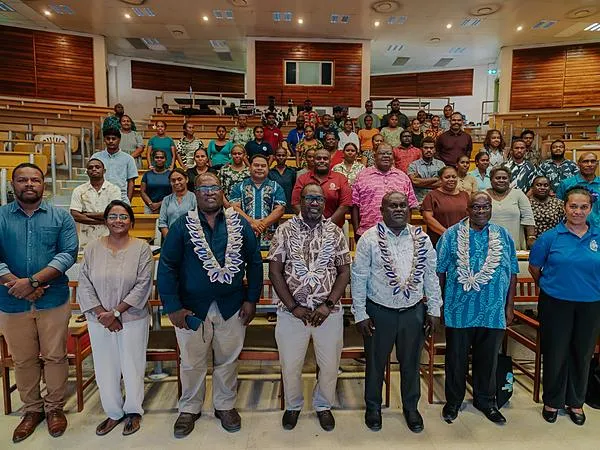
The Solomon Islands Government is targeting the creation of 25,000 new jobs over the next four years, with Minister of Commerce, Industry, Labour and Immigration Harry Kuma saying stronger economic growth is essential to absorb the country’s expanding young workforce.
Speaking at the opening of the National Business Forum 2026 in Honiara on September 14, Kuma said jobs were critical to national stability and economic development as increasing numbers of young people enter the workforce each year.
“Every single year, tens of thousands of our young people exit primary, secondary and tertiary education looking for opportunity. To absorb them, economic growth is not optional — it is mandatory,” Kuma said.
He said the GREAT Coalition Government was focused on improving the investment climate, noting that Solomon Islands ranked 136th out of 190 economies on the World Bank’s former Ease of Doing Business Index, with a score of 55 out of 100.
Kuma said the Government would seek to improve the business environment by reforming laws, streamlining processes and removing bureaucratic barriers.
He also challenged the business community and government agencies to address 10 recommendations raised at the inaugural National Business Forum in 2025.
These include reducing high energy costs, protecting and supporting Indigenous entrepreneurs, helping informal businesses transition into the formal economy and strengthening the lending capacity of state-owned financial institutions.
Other priorities include improving commercial banks’ understanding of small and medium-sized enterprises, reviewing digital financial costs including platforms such as M-Selen, expanding opportunities for young people, providing targeted support for women entrepreneurs and strengthening cooperation between businesses, government and academic institutions such as Solomon Islands National University.
Kuma also backed efforts to establish the National Business Forum as an annual or biennial platform for sustained dialogue between government and the private sector.
“My charge to this room is simple: Do not leave this forum with a list of complaints. Leave this forum with practical, executable solutions,” Kuma said.
“The Ministry is listening. The GREAT Coalition and Government are ready. The solutions you design today will directly influence the policies and regulations we deploy moving forward.”
The National Business Forum was established following Cabinet approval on July 9, 2025, in partnership with the Solomon Islands Chamber of Commerce and Industry.
The inaugural forum was held under the theme “Partnership and Innovation for Resilience: Adapting to a Changing Economy.”
While the 2026 forum has no specific theme, Kuma said it builds on last year’s discussions by focusing on partnerships and addressing issues already identified by businesses.
He concluded by quoting Mahatma Gandhi: “The future depends on what we do in the present.”
Follow on LinkedIn:
Pacific Business Review
Be the "First" to get our exclusive Digital Magazine & Weekly Newsletter.