
August 28, 2025

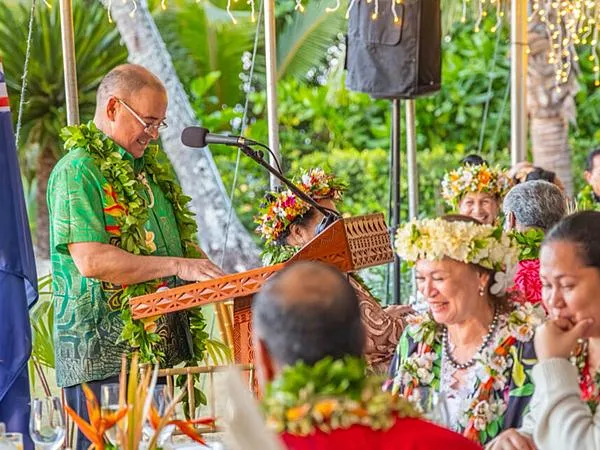
Prime Minister Mark Brown hosted a State Dinner to celebrate the Cook Islands’ 60th anniversary of self-governance, welcoming national dignitaries, Pacific leaders, and international partners to an evening of reflection and celebration.

The dinner, held in Rarotonga following the official Constitution Day ceremony, brought together leaders from the Pa Enua, the Ui Ariki, the Church, Government and private sector, alongside representatives from 37 countries, including diplomatic partners from across the Pacific, Asia, Europe, Africa, and the Americas.

Brown paid special tribute to His Excellency the King’s Representative Sir Tom Marsters, who also marked his 80th birthday that evening, and warmly welcomed Her Excellency Dame Cindy Kiro, Governor-General of New Zealand, and Dr Richard Davies, calling their presence symbolic of the enduring partnership between the Cook Islands and New Zealand.

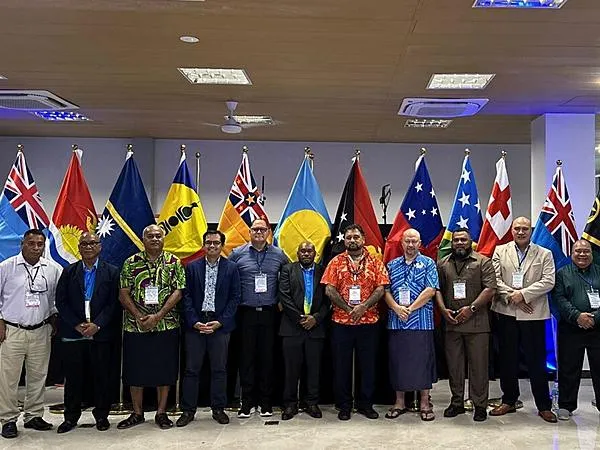
The Prime Minister also acknowledged the presence of regional counterparts including the Prime Ministers of Tonga, Tuvalu, and Niue, the President of French Polynesia, and the Vice President of the Federated States of Micronesia, along with senior diplomatic representatives from the United States, China, Japan, Canada, France, Saudi Arabia, and the European Union.

“Our partnerships matter. They help us achieve our development aspirations and respond to the challenges of our time,” Brown said. “We will continue to engage with the world—with principle, with purpose, and with pride in who we are.”

Echoing themes from his earlier national address, Brown celebrated the resilience of Cook Islands identity and the importance of genuine partnerships in advancing the nation’s development journey. Framed by the 60th anniversary theme, Kua kite au i toku turanga, e Avaiki toku – I know who I am, I have a homeland, he reaffirmed the country’s unity and confidence in the future.

“Our 60th Anniversary is an affirmation of our vision and agency as a nation, built on the work of generations of Cook Islanders before us,” he said. “Our vaka is moving forward, powered by our people, our partnerships, and our shared belief in the future we can build together.”

Concluding his remarks, the Prime Minister thanked national and traditional leaders, regional partners and international guests for joining the milestone celebration.

“May this 60th anniversary renew our ties, uplift our spirits, and strengthen the vaka we share,” he said. “Let us voyage forward together—with unity, with courage, and with purpose.”

August 28, 2025

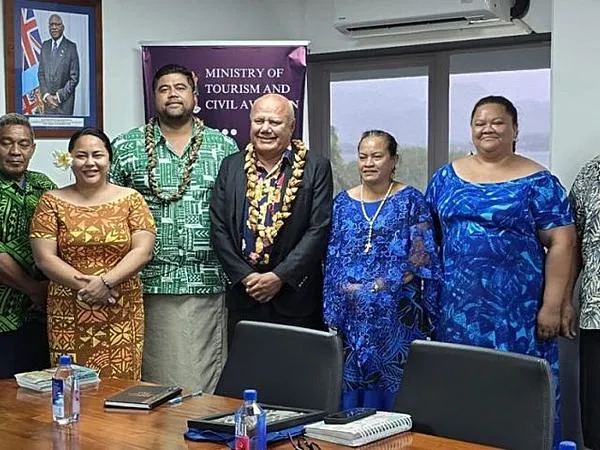
The Pacific’s rich cultures, traditions, and natural beauty have long shaped authentic visitor experiences that reflect the spirit of Pasifika. Building on this, Samoa and Fiji have launched a Peer-to-Peer Exchange on Community Tourism, coordinated by the Pacific Tourism Organisation (SPTO)—a first-of-its-kind initiative aimed at strengthening community-led tourism across the region.

While hosting visitors is deeply embedded in Pacific identity, transforming this cultural tradition into sustainable businesses presents both opportunities and challenges. Many communities face barriers, from limited access to market linkages and best practices, to gaps in financial management and investment strategies. The exchange provides a platform for direct learning, bringing together experts and community representatives from both countries to share experiences, lessons learned, and practical approaches for success.

“This initiative reflects the Pacific way of learning—through Talanoa, sharing, collaboration, and respect,” said SPTO CEO Christopher Cocker. “By working together, we are strengthening communities, empowering livelihoods, and ensuring that tourism in the Pacific remains rooted in our values while delivering long-term benefits for our people and our environment.”

The program is supported by New Zealand Māori Tourism, alongside the Samoa Tourism Authority and Fiji’s Ministry of Tourism and Civil Aviation. It also aligns with the Pacific Sustainable Tourism Policy Framework (PSTPF), which envisions a resilient, prosperous, and inclusive Pacific tourism sector by 2030—one that improves community wellbeing while protecting and celebrating the region’s cultures, islands, and oceans.

Early outcomes of the Samoa–Fiji exchange include new insights into community tourism models, lessons in building gastronomy and culinary tourism, and stronger networks between operators in both countries. Key learnings have underscored the importance of supporting local supply chains, integrating traditional cuisine with modern flavours, and strengthening skills in entrepreneurship, governance, storytelling, and hospitality.

“As Pacific people, tourism is not new to us—it is in our DNA and who we are,” Mr Cocker added. “What is new is turning this spirit of hosting into sustainable enterprises that deliver shared prosperity. This program is a step forward in ensuring our communities lead the way in shaping a tourism future that is truly Pacific.”

The knowledge gained will directly inform the upcoming Community Tourism Framework for the Pacific Islands, to be launched at the 3rd Pacific Sustainable Tourism Leadership Summit in Vava’u, Tonga (October 20–21, 2025). The framework will serve as a regional blueprint for advancing inclusive, community-centred tourism that prioritises cultural integrity, local ownership, and environmental sustainability.

August 28, 2025

The Pacific Tourism Organisation (SPTO), in partnership with Trove Tourism Development Advisors, has rolled out a landmark digital upgrade for five of its member National Tourism Organisations (NTOs): Timor-Leste, Tonga, Nauru, the Federated States of Micronesia (FSM), and the Republic of the Marshall Islands (RMI).

Funded by the New Zealand Government under Phase 2 of the Pacific Digital Tourism Transformation Project, the initiative focused on strengthening the region’s digital infrastructure and online visibility. It delivered three new websites for FSM, RMI, and Nauru, while existing platforms for Tonga and Timor-Leste were upgraded with improved usability, technical performance, content quality, and search engine optimisation (SEO).

“Pacific people are storytellers, and tourism is about sharing experiences through storytelling,” said SPTO CEO Christopher Cocker. “This digital transformation empowers NTOs and tourism stakeholders to tell the stories of the Pacific in new and engaging ways—amplifying our voices across digital channels and creating shared marketing opportunities that benefit all stakeholders.”

The project was implemented through a multi-phase process of research, audits, design, development, and training. Alongside the technical upgrades, Trove also provided SEO manuals, blog content, and hands-on training to build capacity for sustainable digital management.

A key emphasis of the upgrade was cultural storytelling and content design, ensuring each country could present its unique identity while enhancing international reach. The completed websites and resources have now been handed over to SPTO, which will continue to provide technical support and guidance.

This digital investment also supports SPTO’s wider Consumer, Trade, and Media Marketing Pacific Strategy, aimed at strengthening communication with international markets and partners. Post-launch support will continue through August 2025, reinforcing long-term sustainability.

By modernising digital platforms and amplifying Pacific voices, the initiative marks a significant step in positioning the region more prominently on the global tourism stage.

August 28, 2025

The Pacific island nation of Palau is fast emerging as a sought-after destination for Indian tourists, buoyed by the country’s recent move to grant visa-free entry to Indian passport holders. New booking data from digital travel platform Agoda shows that Palau recorded a 49% year-on-year (YoY) increase in accommodation searches between July and December 2024 for stays in early 2025.

Traditionally better known to divers and eco-tourists, Palau is positioning itself as a broader travel destination for Indian holidaymakers seeking pristine beaches, unique culture, and off-the-beaten-path adventure in the Pacific. The surge in interest reflects a growing appetite for new, lesser-known destinations, alongside the easing of entry requirements across Southeast Asia.

Malaysia, which introduced visa-free entry in 2023, reported a 47% rise in Indian travel interest, while the Philippines, which rolled out visa-free access in April 2025, saw a 26% boost. Sri Lanka also posted a more modest 9% increase, indicating that Indians are increasingly exploring both familiar regional hubs and new frontiers like Palau.

“The easing of visa restrictions across Southeast Asia and the Pacific is a welcome move that resonates strongly with Indian travellers,” said Gaurav Malik, Agoda’s Country Director for India, Sri Lanka, and Nepal.

“As barriers to entry fall, we’re seeing a direct impact on travel planning. This new era of accessibility is helping travellers discover not just tourist-favourites like Malaysia and the Philippines but also hidden gems like Palau," he added.

The Pacific Islands, historically constrained by distance and limited connectivity, are now better placed to attract high-value Indian visitors. Palau’s commitment to visa-free travel, coupled with its reputation for marine biodiversity and sustainable tourism, could put it on the map for Indian holidaymakers seeking more than the usual beach escapes.

August 28, 2025

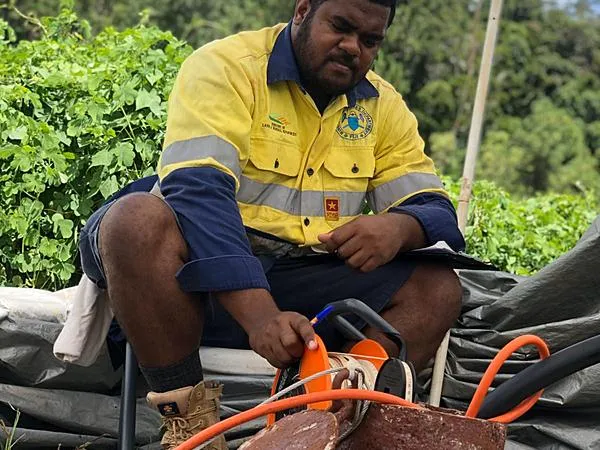
Bluemont has become the sole distributor of Elemental Water Makers’ solar-powered desalination systems across Australia, New Zealand, and the Pacific Islands, expanding access to sustainable freshwater solutions in some of the world’s most climate-vulnerable regions.

Elemental Water Makers, a Netherlands-based company, designs systems that convert seawater or brackish water into clean, drinkable water using only solar energy—without diesel, chemicals, or emissions. The technology is positioned as a cost-effective alternative to rainwater tanks, diesel-driven plants, and ageing bores that remain the mainstay in many remote islands, coastal villages, and drought-hit communities.

Bluemont has already collaborated with Elemental Water Makers over the past year, installing units that serve both small island populations and off-grid eco-resorts. With exclusive rights now in place, the company will manage supply, installation, and ongoing support across the region.

“This partnership comes at a time when demand for climate-resilient, low-maintenance water solutions is growing fast across Australasia and the Pacific,” said Paul Hart, Partner and Project Manager at Bluemont®. “We’re excited to deliver proven, chemical-free desalination technology to the communities that need it most.”

The move comes as Pacific nations continue to grapple with water insecurity driven by rising sea levels, saltwater intrusion, and prolonged droughts. By offering solar-powered desalination, Bluemont® aims to help reduce reliance on fossil fuels while strengthening resilience to climate change.

August 28, 2025

Pacific Islands Forum (PIF) foreign ministers have reaffirmed that climate change remains the single greatest threat to the security, livelihoods and wellbeing of Pacific peoples, throwing their full support behind Australia’s bid to host the 31st UN Climate Change Conference (COP31) as a “Pacific COP” in 2026.

In a statement, ministers recalled the Boe Declaration on Regional Security and the Kainaki II Declaration for Urgent Climate Change Action Now, stressing that the climate crisis is a critical barrier to achieving the Forum Leaders’ 2050 Strategy for the Blue Pacific Continent and the UN Sustainable Development Goals.

“We call on all nations to urgently respond to the climate crisis,” the communiqué said, underscoring the region’s push to keep global warming within 1.5C.

The ministers pledged to champion the needs of countries most vulnerable to climate change and to accelerate practical action in line with the Paris Agreement. They highlighted the establishment of the Pacific Resilience Facility as an example of Pacific-led solutions to global challenges, describing it as a decisive step toward a more resilient future for the region.

The statement also highlighted regional leadership through the creation of the Pacific Resilience Facility (PRF), described as a “decisive step” toward resilience for Pacific communities.

The PRF is a Pacific-owned and led, self-sustaining financing mechanism designed to quickly deliver grant-based support for disaster preparedness and climate adaptation—particularly among women, children, people with disabilities and other vulnerable groups—without adding to national debt.

The facility has already attracted initial funding pledges, and ministers emphasized efforts to reach a target capitalisation of US$500 million by COP31.

The ministers’ meeting also comes amid broader geopolitical shifts in the Pacific: recent exclusion of major dialogue partners—such as the US, China and Taiwan—from the forthcoming Pacific Islands Forum leaders' summit underscores the fragile balance between unity and growing external tensions.

Meanwhile, earlier reports raised concerns over Australia’s credibility as a climate partner, following its extension of a major gas project, which Pacific critics say contradicts its climate ambitions even as they support its COP31 bid .

Amid these challenges, Pacific leaders are presenting a united front through bold climate diplomacy and regional institutions like the PRF, hoping to shape international discussions on climate justice in ways that prioritise frontline island nations

August 28, 2025

Officers from the Ministry of Agriculture and Livestock took part in a Disability Inclusive Development Dialogue on Friday, 15 August 2025, aimed at strengthening disability mainstreaming within the agriculture sector.

The dialogue formed part of a wider initiative with government ministries that began in August 2024. The session with MAL marked the final ministry engagement under the initiative, facilitated by the National Rehabilitation and Disability Division of the Ministry of Health and Medical Services, the government’s disability focal point, with support from the World Health Organization.

MAL participants said the presentation significantly broadened their understanding of disability-inclusive development. It highlighted how the Solomon Islands National Disability Inclusive Development Policy 2023–2031 and the United Nations Convention on the Rights of Persons with Disabilities can be practically applied in their work.

The agenda promotes the principle that development must ensure access to basic needs and services, and that lack of access equates to poverty. This broader understanding of poverty, evident across many ministries, underpins the dialogue sessions, which seek to promote inclusivity in national development by addressing attitudinal, institutional, environmental and communication barriers to equal service delivery.

Andrew Melanolu, Director of the Extension Division at MAL, reflected on the definitions of disability and poverty in the SINDID Policy. He remarked that, in many ways, the population faces an “intellectual disability” in terms of mindset, pointing to how limited access to information contributes to poor decision-making. He illustrated this with an example: the widespread habit of improper rubbish disposal, which he attributed to a lack of awareness and understanding.

Frances Vahimana, Human Resources Manageress, speaking on behalf of the MAL Executive and officers, extended thanks for the session. She described the presentation as comprehensive and transformative, saying it had reshaped their perception of disability.

Elwin Taloimatakwa, Disability and Program Coordinator at MHMS, thanked the MAL Executive, HR Manageress and officers for their strong participation and coordination in hosting the session.

He emphasised that the next step following the dialogue is for each ministry to appoint a disability focal point at deputy secretary level. The National Rehabilitation and Disability Division, through MHMS, will then work to establish the National Disability Inclusive Advisory and Coordination Committee, which will serve as the highest-level advisory and decision-making body responsible for coordinating the implementation, monitoring and evaluation of the SINDID Policy and the UNCRPD.

August 28, 2025

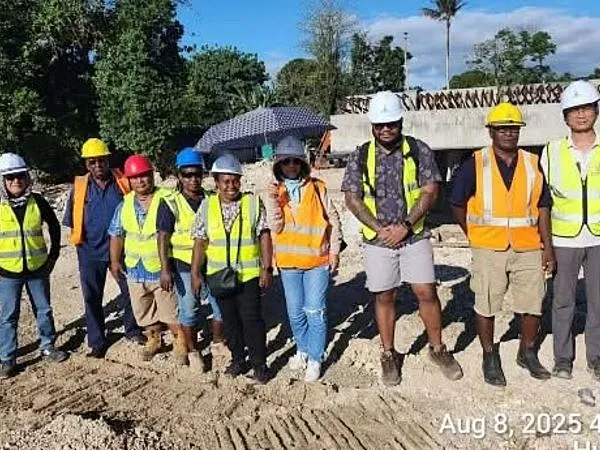
A joint team comprising the National Safeguards Consultant at the Ministry of Infrastructure Development, the Construction Supervision Consultant (CSC-KEI-TEDI) of the Land Maritime Connectivity Project, representatives from the Asian Development Bank, and contractor China Civil Engineering Construction Corporation conducted a site visit to the Kirakira Wharf Project from 7–9 August 2025.

The visit aimed to update Community Advisory Committee members on construction progress.

The team first paid a courtesy call on Makira-Ulawa Province Premier Stanley Siapu and his executive members, briefing them on the project’s status. Premier Siapu expressed appreciation for the progress and said the wharf would boost economic activities once completed.

At the fourth committee meeting, members were told the project has reached 66.35 percent completion and is expected to finish by the first quarter of 2026. Remaining work includes wharf lighting, two mooring dolphins, a passenger terminal, an access road, a market area and parking facilities.

A CSC representative explained that delays were caused by redesigning, material clearance, controlling invasive species, and recent adverse weather conditions.

Stakeholders stressed the need for continued collaboration to ensure successful delivery of this ADB-funded maritime project, which aligns with the government’s National Transport Plan 2017–2035.

Committee members also highlighted the importance of building a severe-weather-resilient waterfront structure, citing Kaonasugu and Moli wharves, which were destroyed by high swells during storms.

The joint team inspected the contractor’s camp and construction site, confirming compliance with safety and environmental standards. The maritime component of the Land Maritime Connectivity Project also includes Bellona Wharf and a major upgrade of the Honiara seaport.

August 28, 2025

The Ninth Pacific Water and Wastewater Ministers (PWWM) Meeting concluded on 26 August in Honiara, with ministers from 14 Pacific Island countries and territories committing to urgent action to strengthen water and sanitation across the region.

The forum, held from 25–26 August, brought together ministers and senior representatives from American Samoa, Cook Islands, Fiji, Kiribati, Nauru, New Caledonia, Niue, Palau, Papua New Guinea, Samoa, Solomon Islands, Tonga, Tuvalu and Vanuatu, alongside regional organisations and development partners including the Pacific Water and Wastewater Association (PWWA), the Pacific Community (SPC), the Pacific Islands Forum Secretariat, the Asian Development Bank, the World Bank, Australia and New Zealand.

In their communiqué, ministers reaffirmed that safe, reliable and sustainable water and sanitation are fundamental to the health, dignity, security and resilience of Pacific peoples. They highlighted the urgent need for renewed national action and regional solidarity to address access gaps, noting that nine million Pacific Islanders lack basic sanitation and five million do not have access to safe water.

The communiqué stressed that water is not only an economic issue but also a fundamental human right and a matter of regional security.

The forum emphasised the importance of resilience to climate change and natural disasters, noting the Pacific’s vulnerability to droughts, floods and other hydro-meteorological events. Ministers called for stronger investment in hydrological services, disaster preparedness and innovative infrastructure solutions to ensure water and sanitation systems can withstand these challenges.

Ministers also recognised the vital role of Pacific water and wastewater utilities, supporting continued efforts to strengthen governance, capacity and performance through peer learning and collaboration. The communiqué endorsed the creation of a Pacific Water Security Warriors programme to develop a new generation of champions advocating for water security nationally, regionally and internationally.

They also resolved to carry the Pacific’s priorities into global forums, including the 2026 United Nations Water Conference in Abu Dhabi, and reaffirmed their commitment to achieving Sustainable Development Goal 6. They agreed that no Pacific Islander should be left behind in this effort.

The Tenth Pacific Water and Wastewater Ministers Meeting will be hosted by French Polynesia in 2026, where progress on these commitments will be reviewed.

The 16th Pacific Water and Wastewater Conference and Expo, which runs alongside the ministers meeting, continues today and will conclude tomorrow, 28 August 2025. The Expo is showcasing the latest innovations, technologies and solutions for the region’s water and sanitation challenges.

Pacific Water Warrior Mechanism

The Solomon Islands Government, through the Ministry of Mines, Energy and Rural Electrification, has called for the creation of a new regional advocacy initiative – the Pacific Water Warrior Mechanism – to strengthen the Pacific’s voice on water security at all levels.

Speaking at the Ninth Pacific Water and Wastewater Ministers Meeting, Permanent Secretary Dr. Christopher Vehe said the initiative would empower champions from across the region, including ministers, technical leaders, women, youth and civil society. He stressed that water must be recognised not only as a technical issue but also as a political, economic, health and survival priority for the Blue Pacific.

Dr. Vehe noted that, for the first time, water will be formally placed on the agenda of the Pacific Islands Forum Leaders Meeting, which will be held in Honiara next month. He explained that Solomon Islands had successfully tabled a paper on water and sanitation at the recent Forum Officials Committee in Suva, paving the way for outcomes of the Ninth PWWM to be presented directly to regional leaders.

He described this as a “historic achievement” and urged fellow ministers to support elevating water to the highest political level.

The Pacific Water Warrior Mechanism is intended to drive advocacy in both regional and international forums, including the UN Water Conference in Dubai in 2026 and the World Water Forum in Riyadh in 2027.

It will also nurture a new generation of Pacific Water Warriors through training, mentoring and leadership development, in partnership with regional organisations such as the Pacific Community, the PWWA, its Young Water Professionals Programme and the Pacific Resilience Partnership Water Security Working Group.

Dr. Vehe called on ministers to endorse the mechanism as a long-term regional initiative to mobilise resources, build capacity and ensure continuity of political leadership for water security in the Pacific.

He also urged support for recognising outgoing, current and incoming PWWM chairs as champions of Pacific water security, with strong backing from regional institutions to maintain water as a priority issue in Pacific Islands Forum and United Nations processes.

Emphasising the urgency of collective action, Dr. Vehe said that without water there can be no health, food security, resilience or sustainable development. He added that Solomon Islands, as host of the Ninth PWWM, is committed to ensuring that water security remains at the centre of regional discussions and that leaders, both present and future, are empowered to carry this agenda forward.

Regional leaders have now formally endorsed the Pacific Water Warrior Mechanism, which has been included in the Ninth PWWM communiqué as a long-term initiative for the Blue Pacific.

August 26, 2025

The Asian Development Bank (ADB) and Sun Pacific Energy Ltd (SPEL) have signed a US$2.8 million (approximately AU$4.3 million) loan to expand renewable energy generation in Samoa.

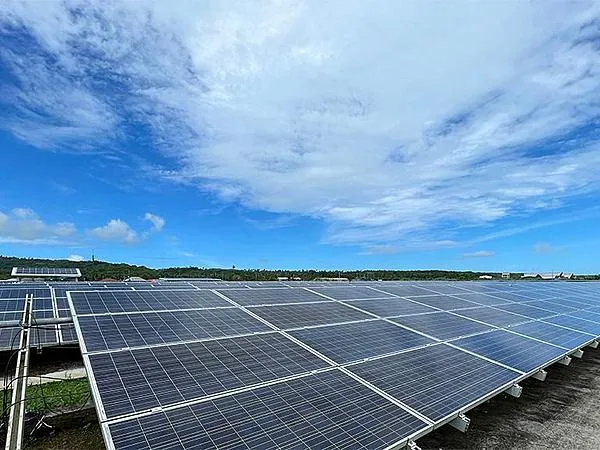
The financing will upgrade and expand SPEL’s Upolu Solar Farm—Samoa’s first independent power producer (IPP)—by installing high-efficiency solar panels. The expansion is expected to deliver 9.6 gigawatt-hours of clean energy annually and cut carbon dioxide emissions by a further 1,944 tonnes. The plant, located at Faleolo International Airport, operates under a 20-year power purchase agreement with the state-owned Electric Power Corporation.

Samoa has faced mounting pressure on its power grid, with prolonged outages caused by generator failures, storm damage, and surging demand. In March this year, the government declared a 30-day state of emergency after widespread blackouts.

“This is the second expansion of SPEL’s solar farm,” said Aaron Batten, Regional Director of ADB’s Pacific Subregional Office. “The generated power will support the delivery of a reliable and sustainable power supply, which will spur economic activity, benefitting commercial, industrial, and residential consumers.”

The deal also supports Samoa’s climate goals, including a 26 per cent cut in greenhouse gas emissions by 2030 and sourcing at least 70 per cent of its electricity from renewables by 2031.

“ADB enabled us to create a financing package that is not available in the market due to limited financial players,” said SPEL Chief Executive Officer Jamie Harrison. “This project is deeply rooted in our mission of providing accessible, clean energy to the people of Samoa.”

The project will receive additional backing through a US$225,000 technical assistance grant from the Australian Climate Finance Partnership, administered by ADB, to strengthen private-sector climate initiatives in the Pacific.

August 26, 2025

The Cook Islands government is considering extending its deep sea mining exploration licences as the nation approaches the end of its five-year exploration phase.

The Cook Islands is three-and-a-half years into the programme, which allows companies to gather data to assess the viability of extracting seabed minerals. Mining, referred to as “harvesting” by the Cook Islands Seabed Minerals Authority (SBMA), can only proceed if operators demonstrate to the government that it can be carried out without causing serious environmental harm.

Edward Herman, SBMA partnerships and cooperation director, in a recent article by RNZ, confirmed that an extension is under review.

“There is a likelihood of [the exploration licence] being extended because if we cannot get the data within the next year and a half it’s very likely that we’ll need to extend it,” Herman told the news service.

He acknowledged the difficulties faced by operators and regulators alike. “Sometimes licence holders can perform a lot of work within a year and a half but at the moment it’s tough. It’s very challenging, not only for our licence holders, but for us as an agency, as a regulator.”

Herman added that more baseline data is required before the government can make “an ethical, informed, science-based decision” on whether mining should proceed.

In the same article, Hans Smit, chief executive of Moana Minerals, one of the leading exploration companies, said an extension was “definitely” needed.

“If you just look at the time it takes for the Cook Islands to assess and evaluate our environmental permit application and our mining licence application, there’s not enough time,” he said. “If I were to submit tomorrow, I wouldn’t have an answer before my exploration licence expired.”

Smit projected that if approvals are granted, mining could start as early as 2028 or 2029. He said Moana Minerals had already mapped 15 per cent of the country’s exclusive economic zone and collected more than 100 hours of seabed nodule samples.

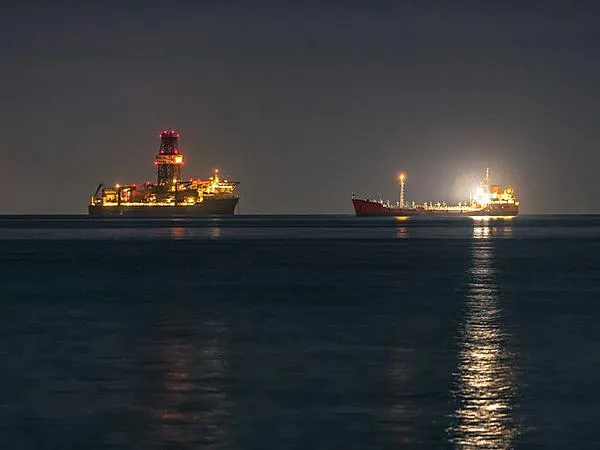
The company has finalised its mining system design and identified a vessel for conversion into a mining ship, while also developing a laboratory-proven metal extraction process.

“It’s not a question of if we go mining, it’s a question of when we go mining,” Smit said, adding that initial data indicated “reasonably dispersed” marine life across exploration areas.

But environmental groups remain cautious. Te Ipukarea Society president June Hosking said she feared the emphasis was on commercial viability rather than ecological protection.

“I personally think if they do honest exploration they would discover it’s not a good idea to mine—that it’s going to do too much damage to the environment and the only way to prove that is to do the exploration,” she said.

Hosking added: “It would be nice if people just left the whole thing alone, but humans aren’t like that.”

The debate over whether to extend exploration licences comes as the Cook Islands strengthens its role in global seabed minerals governance.

At the 30th Session of the International Seabed Authority Council in July, Acting Seabed Minerals Commissioner Beverly Stacey-Ataera reaffirmed the nation’s commitment to a regulatory regime “grounded in scientific evidence, fairness, and transparency.”

August 26, 2025

For more than a century, the Steamships Group of businesses has underpinned Papua New Guinea’s maritime and logistics sector. Today, its Logistics Division is the country’s most complete logistics services provider – spanning sea, land, and portside solutions – geared to support the oil, gas, and resources sectors.

Nick Fisher, CEO of Steamships Logistics, highlights the company’s enduring advantage: “Our century-long presence in Papua New Guinea means we understand the terrain, the waterways, and the challenges of moving critical cargo across the country better than anyone.”

Shipping & Towage

Steamships Logistics operates PNG’s most comprehensive coastal and project shipping network through its business, Consort Express Lines. Another of its businesses, Pacific Towing – a full member of the International Salvage Union (ISU) and International Spill Control Organization (ISCO) – provides complementary harbor towage, emergency response, commercial diving, and marine support. Critically, Steamships Logistics can transship international cargo to remote areas of PNG – from riverine landings to isolated coastal communities – so equipment and supplies reach projects on time.

Alistair Skingley, GM of Consort Express Lines, explains: “We connect international cargo to even the most remote inland and coastal destinations, while linking export communities through one accountable logistics chain for oil, gas, and resources clients.”

These capabilities have supported LNG-linked supply chains and contractors serving the country’s first major LNG project (i.e., PNG LNG), and they are configured to support the upcoming execution of its second (i.e., Papua LNG), as well as offshore developments like Pasca A.

Land Freight, Cartage & Heavy Equipment Hire

Beyond the shoreline, Steamships Logistics’ ISO-accredited land operations – East West Transport and JV Port Services – combine to provide true last-mile delivery. The division has a versatile and modern fleet of vehicles as well as a diverse array of mobile plant and heavy equipment for hire (e.g., cranes, reach stackers, forklifts, prime movers, side loaders).

It also manages bulk fuel logistics for aviation and marine customers, supporting continuous operations at energy sites. This integrated land capability is ready to scale for Papua LNG construction logistics and to safely mobilize oversized and hazardous cargo to site.

Project Staging

Steamships Logistics is strategically located at multiple sites throughout PNG – including within and alongside the Portside Business Park development – an emerging logistics precinct adjacent to Port Moresby’s international and domestic wharves. Portside Business Park provides expansive depot and laydown areas – an efficient midstream node for staging, storage, assembly, and dispatch of mining and petroleum equipment.

The park streamlines import handoffs, integrates customs brokerage and heavy-lift handling, and links seamlessly with Steamships’ coastal shipping, river routes, and cartage for onward movement: including transshipment to remote sites. A staged development, Portside Business Park is purpose-built to support Papua LNG, the expansion of PNG LNG, and future major resource developments, including offshore projects.

Joint Ventures for Long-Term Partnerships

For decades Steamships has partnered with local landowner groups in numerous joint venture (JV) partnerships around the country. This JV model is central to how its Logistics Division builds durable, community-aligned logistics solutions. JVs operate across key ports and deliver employment, skills transfer, and earnings that flow back into host communities.

Notably, Gulf Maritime Services and Hebamo Transport were both formed to provide marine and land logistics support for projects including Papua LNG – a clear demonstration of Steamships’ commitment to partnership, local content, and long-term capacity building that the oil and gas sector values.

Boilerplate

Steamships Logistics, a division of the Steamships Group, is Papua New Guinea’s largest full-service logistics provider. With over 2,000 employees – 98% Papua New Guinean nationals – it delivers integrated shipping, transport, and project solutions nationwide. A proud PNG company, Steamships Logistics plays a vital role in driving the nation’s development and connecting PNG to the Pacific and beyond. To learn more about Steamships Logistics: www.steamships.com.pg.
August 20, 2025

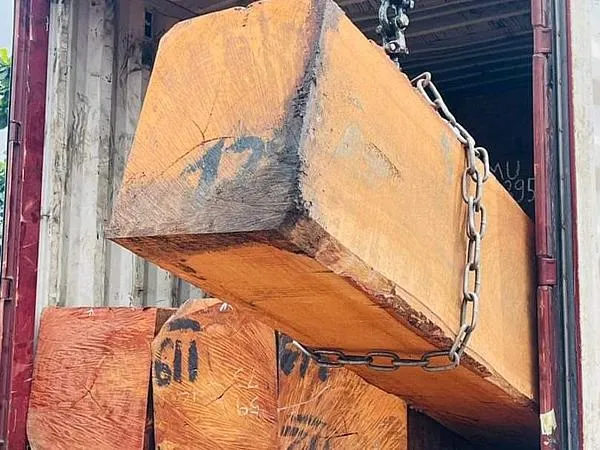
Timber producers in Solomon Islands are stepping up their push for international certification, aiming to unlock high-value markets while safeguarding jobs and incomes for thousands of rural households.

At the Solomon Islands Sawn Timber Knowledge Forum held in Honiara on 13 August, industry leaders, partners and government representatives celebrated progress made under the Solomon Islands Timber Processors and Exporters Association (SITPEA).

The forum, co-hosted by Australia and New Zealand alongside SITPEA, highlighted advances towards certification under the Programme for the Endorsement of Forest Certification (PEFC), a globally recognised standard for sustainable forestry.

“Sawn timber is an important source of income and jobs for Solomon Islanders and SITPEA is positioning Solomon Islands as a trusted source of certified, high-value timber,” said Australian High Commissioner Rod Hilton. “This Forum has been about sharing lessons and strengthening relationships that will help SITPEA and its members to continue their business journey into the future.”

The industry sustains about 9,000 rural households through SITPEA’s member network. In July, three of SITPEA’s 17 members underwent external audits under the PEFC’s Chain of Custody Standard. Although the final results are pending, initial feedback has been positive. Plans are already under way to expand certification to cover more members.

The event also recognised the importance of long-term partnerships and trust in driving change. Australian and New Zealand governments joined the forum, alongside importers and regional certification organisations, some of whom participated virtually.

“Certification isn’t just about meeting market standards – it’s about building trust, improving livelihoods and protecting our forests,” said Adam Bartlett, Chair of SITPEA. “This forum celebrates how far we’ve come and launches us into what comes next. We are committed to expanding timber certification and strengthening our industry practices.”

With certification paving the way for greater access to premium markets, stakeholders say the effort is not just about trade, but also about ensuring that timber remains a source of dignity and sustainable income for communities across Solomon Islands.

August 20, 2025

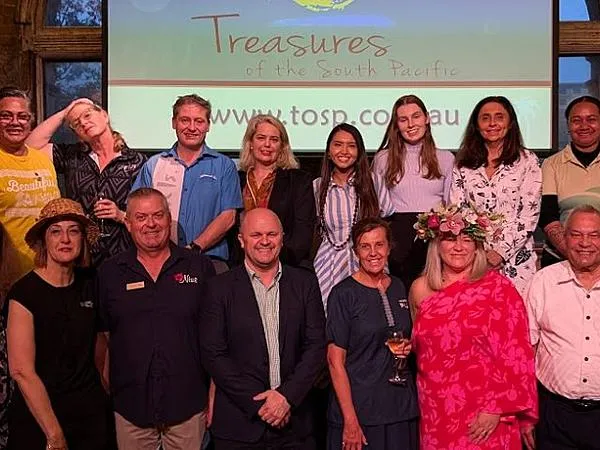
Pacific Trade Invest (PTI) Australia is helping some of the region’s most remote nations carve a stronger presence in the Australian travel market through the 2025 Treasures of the South Pacific (ToSP) Roadshow.

The two-week tour, which started in Brisbane on 18 August and ends in Newcastle on 3 September, will also stop in Melbourne, Adelaide and Sydney. It brings together South Pacific Tourism Offices to showcase the unique culture, natural beauty and character of destinations often described as the “Hidden Treasures of the South Pacific” or “Big Ocean States”.

Many of these countries — including Kiribati, Tuvalu, the Marshall Islands, Nauru and the Federated States of Micronesia — have no dedicated tourism offices in Australia.

PTI Australia is stepping in to bridge that gap by commissioning new videos and marketing materials created by Pacific videographer Alipate Laveti. These visual packages are designed to give Australian travel agents an authentic window into the islands, helping them promote each destination with confidence.

Kiniviliame Raicebe, marketing manager at the Pacific Tourism Organisation (SPTO), is joining the roadshow as part of PTI Australia’s Talent Development Program. PTI tourism manager Onorina Fugawai said the new content marks a major step in supporting small island destinations.

“The videos capture the beauty and vibrancy of our more remote destinations, and the results are breathtaking,” she said. “We want to give travel agents world-class material that reflects each country with authenticity and heart, while highlighting the spirit of collaboration that defines the ToSP approach.”

Cramer Cain, chairman of SPTO’s SIS sub-committee and tourism attaché for the Nauru Consulate, said the initiative ensures even the smallest islands have a place on the global tourism stage.

“Regional collaboration in tourism is critical,” he said. “Through the ToSP platform and PTI Australia’s support, smaller destinations like Nauru can share our culture, highlight our natural beauty and invite travellers to experience the richness of our part of the world.”

Building on record-breaking engagement last year, the 2025 ToSP Roadshow is expected to draw strong interest from Australia’s travel trade. The event is sponsored by Fiji Airways and supported by SPTO and PTI Australia, offering networking opportunities, insider insights and cultural performances.

Founded in 1979, PTI Australia operates as an agency of the Pacific Islands Forum Secretariat and is funded by the Australian government. It works to strengthen trade, investment and tourism links between the Pacific and Australia.

August 20, 2025

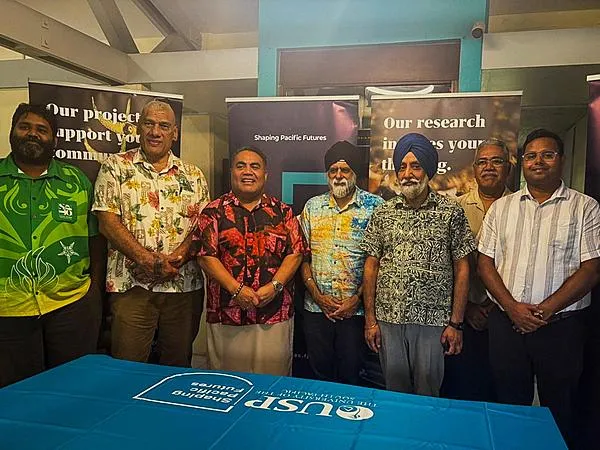
The University of the South Pacific (USP) and the Pacific Tourism Organisation (SPTO) have signed a Memorandum of Understanding (MoU) to establish the Pacific Tourism Research Institute (PTRI), marking a milestone in regional collaboration.

The institute will serve as a hub for knowledge generation, capacity building and innovation, aimed at ensuring tourism across the Pacific is sustainable, culturally grounded and community-driven.

Through the partnership, USP and SPTO will focus on joint research to guide policy and practice, strengthen data systems for more informed decision-making, and build the skills of the next generation of Pacific tourism professionals. The collaboration also covers curriculum development, institutional support and amplifying Pacific voices in global tourism debates.

SPTO Chief Executive Officer Christopher Cocker said the PTRI was the product of the Pacific Tourism Research Cooperation Framework, supported by the New Zealand Ministry of Foreign Affairs and Trade.

The initiative aligns with key regional strategies including the 2050 Strategy for the Blue Pacific Continent, SPTO’s Strategic Plan (2025–2029), the Pacific Sustainable Tourism Policy Framework and the Pacific Tourism Statistics Strategy, according to Cocker.

“Today marks a significant milestone for tourism in our Blue Pacific Continent with the signing of the MoU between SPTO and USP,” Cocker said.

“This agreement formalises the creation of the PTRI – a visionary and innovative partnership that will shape the future of tourism research and knowledge development across our region,” he added.

USP Vice-Chancellor and President Professor Pal Ahluwalia said the partnership reflects the university’s commitment to regional integration and practical learning.

“USP is proud to partner with SPTO in launching the Pacific Tourism Research Institute,” he said. “This initiative will enhance the skills and knowledge of our graduates, positioning them as leaders in the global tourism landscape and fostering a sustainable future for our Blue Pacific.”

The signing was followed by a symbolic tree-planting ceremony, underscoring the spirit of sustainability and shared growth.

August 20, 2025

Great Pacific Gold Corp. has uncovered signs of a large-scale epithermal system and possible porphyry deposit at its Wild Dog project in Papua New Guinea, raising hopes of a significant discovery in one of the world’s most mineral-rich regions.

The Canadian miner said a diamond drilling programme is under way at the site on the island of New Britain. Early results have already shown high-grade mineralisation, including one hole that cut seven metres grading 11.2 grams per tonne gold equivalent  (5.5 g/t Au, 68.8 g/t Ag, 3.1% Cu) from a depth of 65 metres.

Ahead of drilling, the company conducted an airborne MobileMT geophysical survey, which revealed the scale of the underground system. The data suggests the epithermal vein structure extends more than 15 kilometres along strike and at least 1,000 metres deep.

Greg McCunn, chief executive of Great Pacific Gold, described the findings as a major step forward. “The Wild Dog structure is massive…Our current drilling programme is only testing about 10 percent of the overall system,” he said.

What excites the team most is the nearby Magiabe prospect, about 1.5 kilometres west of the Wild Dog veins. Geophysical models point to a potential porphyry copper-gold system nearly one kilometre wide and extending over two kilometres in depth, a scale likened to Papua New Guinea’s world-class Wafi-Golpu deposit.

Surface sampling has added weight to the porphyry model. One rock specimen from Magiabe returned 2.5 grams per tonne gold, 124 parts per million copper and 9.1 grams per tonne silver. Another carried copper grades of 0.25 percent along with gold, silver and molybdenum values.

McCunn said the company plans to keep drilling through the rest of 2025 to firm up the grade and scale of the Wild Dog system, while pushing Magiabe towards drill-ready status in 2026.

Magiabe adds a new dimension to the project as it complements the high-grade near-surface gold with the possibility of a large porphyry system beneath.

The Wild Dog area lies within Papua New Guinea’s “Ring of Fire,” a geologic arc that has produced some of the world’s largest copper and gold deposits. Historic explorers had suspected a porphyry system at Magiabe but drilling was never done. The latest survey, however, has “unmasked” the deeper anomaly, giving the company what it calls a high-priority target.

For now, the executive said that the focus remains on the drill rigs steadily working through the rugged terrain of East New Britain.

With more assays expected in the coming months, the company hopes to prove that Wild Dog is not only high-grade but also vast in scale — a combination that could transform the project into one of PNG’s next big mines.

August 20, 2025

Fiji has embarked on its most comprehensive groundwater survey to date, aiming to strengthen water security and resilience on its largest island, Viti Levu.

The Ministry of Lands and Mineral Resources, in partnership with the Australian Government through Geoscience Australia, launched a national initiative that will use advanced airborne electromagnetic (AEM) technology to map underground water reserves. The Pacific Community (SPC) is also providing technical support.

Officials said the programme is Fiji’s biggest investment so far in the scientific assessment of its water resources. It comes as the country faces mounting pressure on freshwater supplies, with nearly half of treated water lost through ageing infrastructure and many rural communities relying on shallow, unreliable wells.

Minister for Lands and Mineral Resources Filimoni Vosarogo described the initiative as a breakthrough in safeguarding Fiji’s water future.

“This comprehensive assessment will provide the scientific foundation needed to secure water resources for all Fijians, particularly as we face the growing impacts of climate change,” he said.

He added: “This partnership is a major breakthrough in our efforts to provide reliable groundwater data across Fiji. It means our rural and maritime communities, many of whom rely solely on groundwater, will benefit from science-based planning to ensure safe and sustainable water access.”

The survey employs helicopter-mounted sensors to detect water resources at depths greater than 300 metres. Officials stressed the technology is non-invasive, requires no ground disturbance and is safe for people, livestock and the environment.

Dr Paula Vivili, SPC Deputy Director General for Science and Capability, said the initiative reflects the growing importance of data-driven water management in the Pacific.

“We are proud to support Fiji’s groundwater mapping initiative, which represents exactly the kind of science-based approach needed to address water security challenges across our region,” he said. “Our decades of experience with electromagnetic surveys and groundwater assessment in Pacific Island countries have shown these technologies can provide crucial data for communities facing increasing climate pressures.”

Survey results will provide government agencies, development partners and communities with detailed three-dimensional maps of groundwater distribution, quality and yield potential. These findings will guide long-term water infrastructure investment, drought preparedness and local water management.

Officials said preliminary results are expected within months and will immediately inform water security planning. Communities will be engaged throughout the process to ensure findings translate into practical, locally led solutions.

August 20, 2025

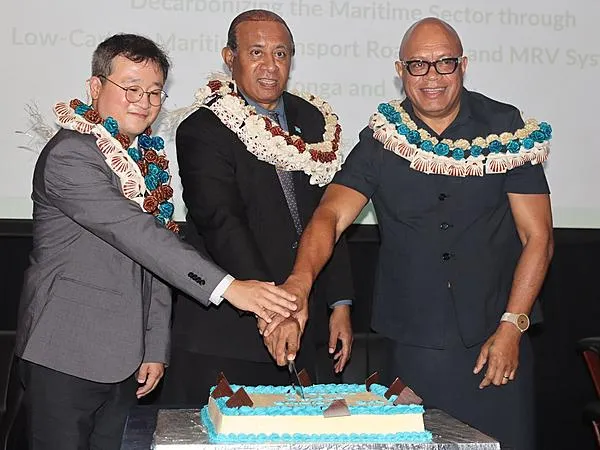
Pacific nations Fiji, Tonga and Vanuatu have joined forces with the Republic of Korea and the Global Green Growth Institute (GGGI) to launch a landmark regional initiative aimed at decarbonising maritime transport.

The USD 9 million, five-year programme, officially launched at the Grand Pacific Hotel in Suva in August, will help the three island states transition towards low-carbon shipping while strengthening resilience to climate change.

Funded by Korea’s Ministry of Oceans and Fisheries and implemented by GGGI in close partnership with the participating governments, the initiative will develop national low-carbon maritime transport roadmaps, set up monitoring, reporting and verification (MRV) systems, pilot Alternate Marine Power (AMP) systems in ports and build institutional capacity to attract green investment.

Minister for Public Works, Meteorological Services and Transport Ro Filipe Tuisawau said the programme was central to Fiji’s climate and economic ambitions.

“Decarbonising our shipping sector is both an environmental necessity and an economic opportunity,” he said. “Through this partnership with the Republic of Korea, GGGI and our Pacific neighbours, we aim to strengthen regulatory frameworks and build the skills needed to deliver cleaner, more efficient maritime transport for all Fijians.”

He stressed that the programme supports Fiji’s Nationally Determined Contribution under the Paris Agreement and aligns with the International Maritime Organization’s revised strategy to achieve net-zero emissions by 2050.

Tonga’s Deputy Prime Minister and Minister of Infrastructure Dr. Taniela Fusimalohi highlighted the role of shipping in connecting island communities, while Vanuatu’s Acting Director of Ports and Marine Department Mr. Robson Tari noted the opportunity to modernise fleets and invest in sustainable infrastructure.

Chargé d’Affaires of the Korean Embassy in Fiji Mr. Myong Jun Kim reaffirmed his country’s commitment to sharing expertise and technology, and GGGI Pacific Regional Director Mr. Sakiusa Tuisolia described the initiative as “a landmark example of cooperation to address climate change while driving inclusive green growth.”

Over the next five years, the programme aims to bridge knowledge and capacity gaps, support national strategies and roll out scalable solutions such as AMP systems. Officials said its ultimate goal is to deliver cleaner ships, greener ports and resilient maritime transport systems for Fiji, Tonga and Vanuatu — creating a model for the wider Pacific.

August 20, 2025

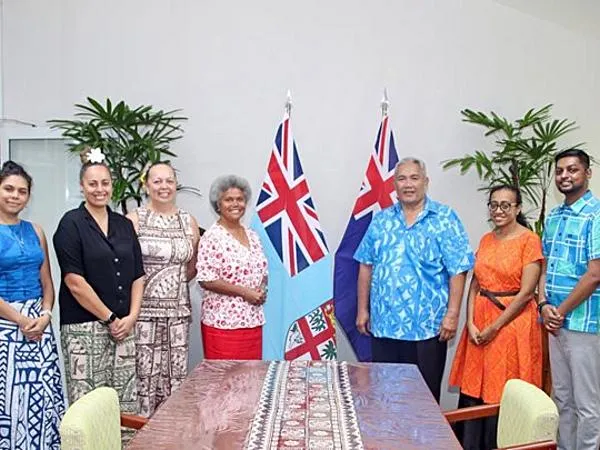
Fiji and the Cook Islands have reaffirmed their commitment to closer cooperation following high-level talks in Suva last week between Assistant Minister for Foreign Affairs Lenora Qereqeretabua and Cook Islands Foreign Affairs and Immigration Minister Tingika Elikana.

The meeting underscored the warm friendship between the two Pacific neighbours and their shared vision for regional peace and prosperity.

Central to the discussions was the implementation of the Development Cooperation Agreement (DCA) signed in 2023, with a focus on boosting trade and investment, strengthening air and sea connectivity, enhancing labour mobility and supporting diaspora communities.

Assistant Minister Qereqeretabua commended the Cook Islands for its continued collaboration, stressing that the partnership has significant potential to expand in key areas of development.

She also thanked the Cook Islands for inviting Fiji to take part in the 60th Constitution Day celebrations in Rarotonga last week, describing her participation as “an honour” and a symbol of the two nations’ growing ties.

In turn, Minister Elikana praised the cooperation between Fiji and the Cook Islands, pledging to build further on the relationship through sustained dialogue and joint initiatives.

The talks concluded with a commemorative tree planting at Thurston Gardens in Suva, held to mark the Cook Islands’ 60th anniversary of self-government. The ceremony was described as a gesture of enduring friendship and a commitment to work together for the benefit of both nations.

August 20, 2025

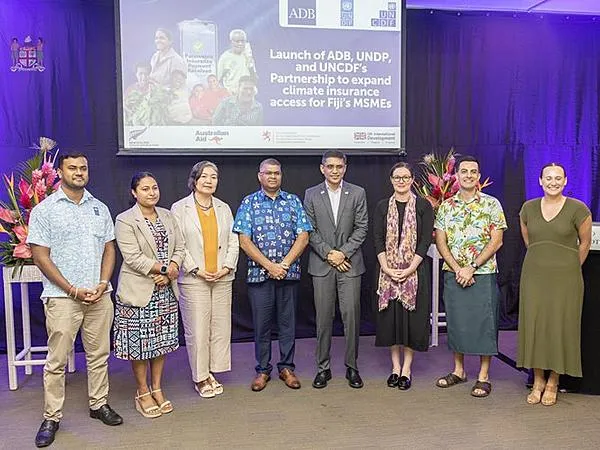
Fiji has become the first nation in the Pacific to help small and medium-sized businesses become resilient under the Global Climate Financing Partnership through a bold new partnership with the Asian Development Bank (ADB), the United Nations Development Programme (UNDP) and the United Nations Capital Development Fund (UNCDF).

The initiative will strengthen access to climate risk financing for micro, small and medium enterprises (MSMEs), the backbone of Fiji’s economy.

Speaking at the launch in Suva, Permanent Secretary for Trade, Co-operatives, MSMEs and Communications Shaheen Ali described MSMEs as “significant contributors to our GDP,” making up more than 80 percent of registered businesses, employing 60 percent of the labour force and contributing nearly $380 million in tax revenue before COVID-19.

“These are not just numbers; they are the market vendors in Nausori, the fishermen of Vanua Levu, the artisans of Lau and the young entrepreneurs in Suva. When we stand with MSMEs, we are standing with the future of Fiji. When they rise, Fiji rises with them,” Ali said.

At the centre of the partnership is parametric insurance, an innovation that delivers quick, automatic payouts once rainfall or cyclone thresholds are reached. This removes delays and bureaucracy, ensuring businesses can recover without losing momentum.

Its impact is already clear. In 2024, 535 individuals received payouts after heavy rainfall, while in March this year more than 1,700 beneficiaries were supported following devastating floods. Farmers like Ms Priya Devi were able to replant sugarcane within weeks, and entrepreneurs like Mr Ovini Singh used payouts to resume operations and even set aside savings for future shocks.

Ali underscored that resilience is about more than coping, saying that “Resilience is a farmer who can keep his land. A mother who can keep her stall. A family that can keep hope alive after the storm. This initiative represents recovery with dignity and renewal with confidence.”

The initiative builds on Fiji’s Five-Year MSME Strategic Plan, which embeds climate resilience at its core. The Reserve Bank of Fiji, the first in the Pacific to take national ownership of parametric insurance, and donor partners including New Zealand, Australia, Luxembourg, the United Kingdom and India are key supporters in advancing this agenda.

“This is the Fiji way: to meet challenges with courage, to forge partnerships grounded in trust and to turn innovation into reality for our people,” Ali said. “So today, let us be clear: when we stand with MSMEs, we are standing with the future of Fiji. When we invest in their resilience, we are investing in our nation’s resilience.”

“And when we launch this partnership, we are telling every market vendor in Nadi, every farmer in the interior, every artisan in the outer islands, every entrepreneur in Suva: you are not alone. We see you. We believe in you. And we will walk with you through every storm, side by side,” the official said

August 20, 2025

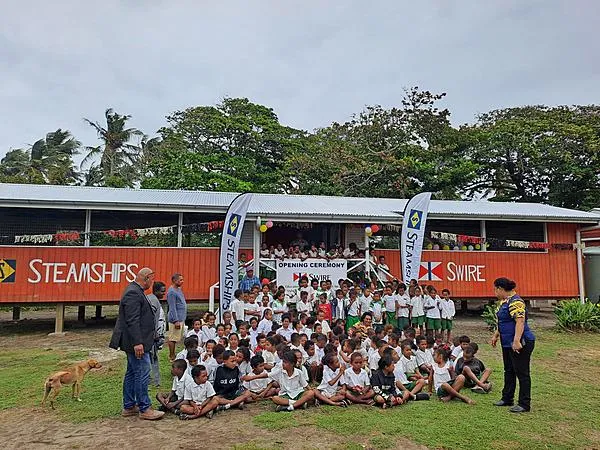
Swire and Steamships have reaffirmed their commitment to community development and education in Papua New Guinea with the official opening of a third double-classroom building at Vula’a Rivilina Elementary School in Hula Village, Central Province.

The initiative marks a significant milestone under the Swire Philanthropic Fund, implemented by Steamships Trading Co. as part of a phased programme to improve educational infrastructure in rural areas.

At the opening ceremony, Ruth Kissam, general manager of corporate affairs at Steamships, delivered the keynote address.

“By investing in education, we invest in the potential of future generations,” Kissam said. “This school represents more than just a building; it is a symbol of our shared belief in the power of education to empower individuals and transform communities.”

The classroom project aligns with key national frameworks, including the National Education Plan 2021–2029 and the Medium-Term Development Plan 4 (MTDP 4). It reflects the government’s focus on improving access to quality education through enhanced infrastructure, sanitation and hygiene standards to create a more conducive learning environment.

The third phase of the initiative cost approximately PGK215,000 (US$55,900). The investment covers a fully furnished double-classroom kit, which includes a dedicated teacher’s office, seating and desks for students and staff, blackboards, pinboards, and associated logistics and construction costs.

Steamships’ connection with the Hula community began through recreational visits by staff for kite surfing. These visits led to discussions around local educational needs, culminating in a formal collaboration with Swire in 2023 to support school redevelopment.

To date, the companies have jointly funded the construction of three double-classroom buildings, bringing their total investment in Vula’a Rivilina Elementary School to PGK645,000 (US$167,700).

“On behalf of Swire and Steamships, we formally open and present the classroom to the school community and thank everyone who contributed to the success of this project, which will uplift and inspire future generations who will contribute positively to our nation,” Kissam said. “We are proud to play a role in helping provide children in Hula Village with a safe, conducive learning environment.”

The partnership reflects Swire’s and Steamships’ broader strategy to support education, health and sustainable development throughout Papua New Guinea.

August 17, 2025

Acting Minister for Information and Communications Technology Peter Tsiamalili Jr. has reaffirmed Papua New Guinea’s resolve to champion a safer, more inclusive digital future for the Pacific, calling the region not just neighbours but “a family of nations, bound by ancestry, culture and history.”

Addressing the Pacific ICT Ministers Dialogue in Suva, Fiji on 8 August, Tsiamalili said PNG’s digital journey should be seen as both a milestone for the country and an opportunity for deeper regional collaboration. He urged Pacific governments to strengthen partnerships in infrastructure, cybersecurity and digital trust to secure the region’s place in the global digital economy.

Outlining PNG’s progress, he pointed to major advances in connectivity. Broadband penetration has nearly doubled, rising from 40 per cent in 2020 to almost 80 per cent in 2025, while 4G now reaches over 90 per cent of users nationwide. Building on these gains, the government has unveiled a new Spectrum Roadmap and set its sights on launching 5G services in major centres.

Tsiamalili also underscored reforms within government systems, noting that 90 per cent of state agencies are now running on the Government Cloud platform. This, he said, boosts efficiency and transparency. Plans are also in motion to establish a Tier III national data centre to provide secure, sovereign hosting for critical data.

On cybersecurity, the minister warned that PNG had faced growing threats in the past 18 months, including two large-scale ransomware attacks. To respond, the country has rolled out its Cybersecurity Policy (2021) and Strategy (2024), backed by the National Cyber Security Centre and the Computer Emergency Response Team (CERT).

He further announced PNG’s intention to join the Budapest Convention on Cybercrime, saying the submission has been signed and is being fast-tracked for parliamentary approval under his leadership as Leader of Government Business.

“A connected Pacific must also be a secure Pacific,” Tsiamalili said. “Without digital trust, our citizens will be reluctant to use online services, businesses will hold back on innovation and governments will remain vulnerable to threats.”

He closed by calling on Pacific nations to pool resources, share expertise and build digital capacity together. “Let us strengthen the masts of our regional digital lagatoi with infrastructure and guide it with a compass of security, so we may arrive at our common destination: a digitally sovereign Pacific, rooted in our values and united in ambition.”

August 15, 2025

Fiji’s digital journey is set to accelerate as the government launches a phased rollout of 5G technology, starting this year in the nation’s busiest cities before extending to rural and maritime communities.

Deputy Prime Minister and Minister for Communications Manoa Kamikamica unveiled the Cabinet-endorsed 5G Spectrum Assignment and Rollout Strategy in Parliament, vowing that no Fijian will be left behind in the push for faster and more reliable mobile internet.

“The 5G structure requires infrastructure. This means fibre backhaul, three-phase power and modernised core networks,” he said. “In areas where 5G is not feasible yet, we’re prioritising infrastructure upgrades so every Fijian, regardless of location, has access to meaningful internet.”

The strategy will unfold in three phases over four years. Phase One (2025–2026) will focus on economic and tourism hubs—Suva, Nadi, Lautoka and Denarau—ensuring that businesses, emergency services and tourism operators can immediately access high-speed 5G networks. Phase Two (2026–2027) will extend coverage to Nasinu, Lami, Labasa and Savusavu, with an emphasis on supporting development in the Northern Division. By 2028, Nausori, Sigatoka, Navua, Ba, Tavua, Rakiraki, Korovou and Taveuni are expected to come online, with targeted investment to strengthen connectivity on Taveuni.

Operators licensed to deliver 5G will pay a base price of $2.92 million per 100 MHz block, but the government has adopted a commitment-based pricing model to encourage broader coverage. Companies rolling out services in remote and underserved areas between 2025 and 2028 will qualify for a coverage-based discount. Flexible payment terms allow 60 percent of the cost—after discounts—to be paid upfront, with the remainder spread over time. Performance-based incentives are also on the table.

Revenue from the spectrum assignment will be channelled into public services and digital equity: 50 percent to the Government Consolidated Fund, 30 percent to the Universal Service Obligation Fund to improve access in remote areas, and 20 percent to the Telecommunications Development Trust Fund to grow Fiji’s digital economy.

“This plan is not just about speed. It’s about making sure our farmers, our students, our health centres and our remote island communities can all benefit from the same opportunities,” Mr Kamikamica said.

The 5G rollout is expected to transform sectors from e-health to remote education. Faster, more reliable connections will enable telemedicine, real-time virtual classrooms, smart logistics and Internet of Things deployments in agriculture and utilities. Businesses across Fiji stand to modernise operations, expand market reach and deliver digital services at scale.

Still, challenges remain. Infrastructure upgrades demand significant investment in towers, small cells and backhaul connectivity. Policymakers must balance rollout speed with affordability and coverage while addressing technical concerns such as electromagnetic safety and signal interference. Digital literacy programmes may also be needed to help households and enterprises make the most of the new technology.

By giving the green light to 5G, Fiji is signalling its intent to embrace the next generation of telecommunications infrastructure, positioning itself as a technology leader in the Pacific. As the first connections go live in 2025, the nation’s path to becoming a fully connected digital society will begin—one tower, one town and one village at a time.

August 15, 2025

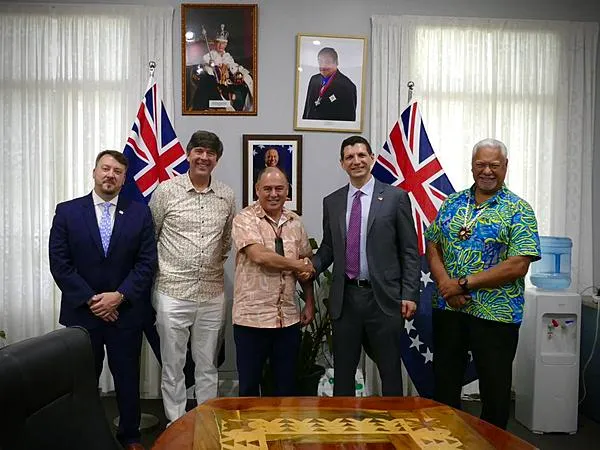
The Cook Islands and the United States have agreed to strengthen cooperation on scientific research and the responsible development of seabed mineral resources, marking a significant milestone in their partnership as the Pacific nation celebrated its 60th anniversary of self-government on 4 August.

The joint announcement reflects the shared recognition of the critical role seabed minerals play in developing and powering modern technologies. The Cook Islands, a regional leader in exploring its vast Exclusive Economic Zone (EEZ), views these resources as key to long-term economic growth and prosperity for its people.

The United States has begun discussions with the Cook Islands Government to support research that will guide exploration and ensure responsible development within the nation’s EEZ. US-linked companies are already at the forefront of deep seabed mineral research and exploration in the islands, underscoring the countries’ strong shared interests in the sector.

“This collaboration marks a new chapter in our relationship since we established diplomatic ties in 2023,” the two governments said in a joint statement. “We affirm our commitment to scientific advancement, mutual prosperity, economic self-reliance and environmental stewardship as we partner to map and research the Cook Islands’ seabed mineral resources.”

With its expansive maritime resources, the Cook Islands brings the natural endowment, while the United States contributes advanced oceanic research capabilities and technology. Together, the countries aim to ensure that exploration and development are underpinned by “gold standard science” and global best practices.

Both governments pledged to advance responsible seabed minerals development, deepen global understanding of the deep ocean and set a high benchmark for transparent management of seabed resources.