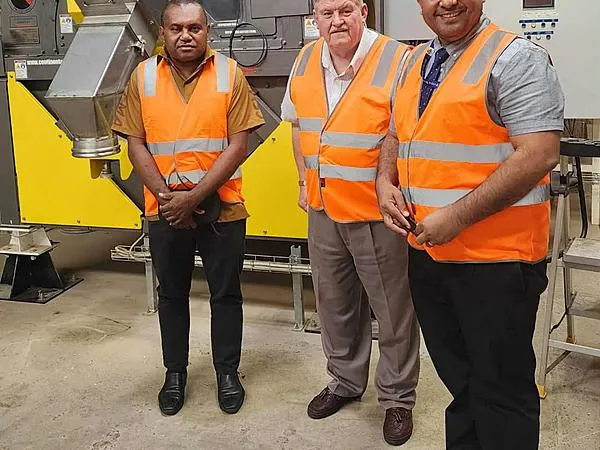
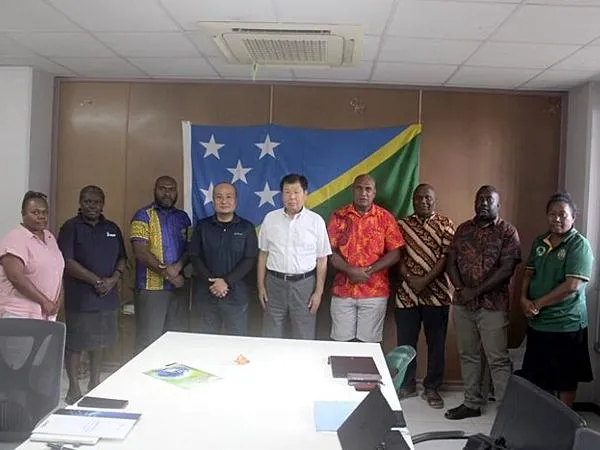
The Commodities Export Marketing Authority (CEMA) has taken another step in its efforts to revive Solomon Islands’ agricultural sector, leading a mission to Brisbane to explore partnership opportunities with Applied Nutrition Pty Ltd, a well-established manufacturer of livestock feed premixes and nutritional supplements.
The delegation was led by CEMA Director Simon Chottu and Board Director Joseph Huta. The mission focused on identifying practical collaborations that could advance the authority’s Strategic Transformation Plan, which aims to modernise farming and improve food security across the country.
Discussions centred on two key opportunities. The first, the Local Feeds Project, seeks to develop customised nutritional supplements for poultry, pigs, and cattle using home-grown ingredients such as copra meal, cassava, and rice bran. The second involves exploring the export of copra meal — both organic and non-organic — to Australia, potentially opening up fresh markets for coconut growers and processors in Solomon Islands.
“This partnership is very much in line with the government’s policy on agricultural diversification and food security,” Mr Chottu said. “It offers us a chance not only to cut down on imported feeds but also to create new value-adding opportunities for our farmers.”
Mr Huta added that the economic potential was equally important. “By creating value-added production chains, we can deliver stronger financial benefits for farmers and cooperatives. This is about ensuring that agriculture works for rural households and communities.”
Applied Nutrition’s Technical Director, Dr Michael Evans, welcomed the initiative. He expressed the company’s enthusiasm for building long-term relationships with Solomon Islands’ stakeholders. “We see great potential in these discussions, and we are committed to working together to achieve outcomes that are beneficial for both sides,” he said.
The next phase of the collaboration will involve compiling ingredient data and conducting further assessments to prepare for pilot projects and future export readiness.
This initiative is part of the Solomon Islands Government’s wider push to revitalise CEMA, empower rural farmers, diversify exports, and strengthen the country’s food security. For many in the agricultural sector, it represents a practical pathway towards resilience and sustainable growth.
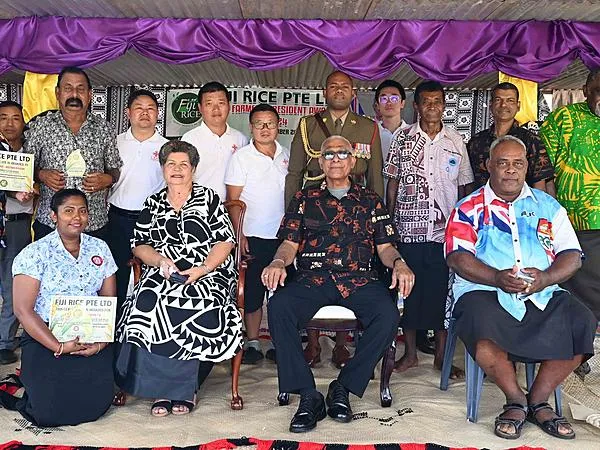
President of the Republic of Fiji Ratu Naiqama Lalabalavu has challenged the Ministry of Agriculture and Fiji Rice Farmers Limited to strengthen their support for local farmers by providing the necessary resources to grow Fiji’s rice industry.
Speaking at the Rice Farmers Awards held in Muanidevo Sanatan Dharam Primary School at Dreketi, President Lalabalavu emphasised that rice has become a staple food in Fiji, local production cannot meet demand, necessitating imports. He cited Thailand’s success in rice and cassava production, noting how the Southeast Asian nation not only plants but also exports on a large scale.
“Rice has been around in Fiji for many years, but to ensure that we become self-sufficient and for the industry to thrive, we must all work together — Government, industry stakeholders, and farmers alike,” President Lalabalavu said.
He reaffirmed Government's commitment to the sector, highlighting the $115.3 million allocation for agriculture in the 2025–2026 National Budget — a $14 million increase from the previous year — with $2.7 million directed specifically towards rice research, farming, and irrigation schemes.
The Head of State also acknowledged Fiji Rice Limited’s achievements, including an increase in paddy supply from 1,301 tonnes in 2024 to 1,654 tonnes in 2025, with Viti Levu’s contribution growing from 17 tonnes to 119 tonnes over the same period. He attributed this progress to the Government-driven drainage programme and the operationalisation of the Nailaga Rice Mill in Ba.
At the same time, he noted areas requiring further investment, particularly in milling and paddy storage facilities, while commending Fiji Rice Limited’s $150,000 investment in planting grants that supported 182 farmers nationwide during the 2024 season.
The Head of State encouraged subsistence farmers, women, and youth to pursue opportunities in rice farming, noting that of Fiji’s 672 registered rice farmers, only 38 are women. He urged greater use of Ministry of Agriculture extension services and stronger collaboration across the sector.
“On behalf of a grateful nation, I thank rice farmers, your efforts to sustain us are noted, acknowledged, and appreciated. But I also remind our stakeholders that for Fiji’s rice industry to reach its full potential, we must continue to invest, innovate, and work hand-in-hand,” the President said.
Sharing similar sentiments Cabinet Ministers present including the Deputy Prime Minister and Finance Minister Hon Biman Prasad, Minister for Agriculture Hon Tomasi Tunabuna and Minister for Environment and Climate Change Hon Mosese Bulitavu emphasised their commitment to work together to assist rice farmers grow the industry.
The Fiji Rice Board Chairman, Mr. Raj Sharma, acknowledged the President's call for greater action and outlined the company’s plans to further strengthen the sector.
“Fiji Rice Limited is committed to modernising rice farming in Fiji by investing in farm mechanisation, upgrading storage facilities such as at the Nailaga Mill, and expanding training and irrigation projects for our farmers. We are also exploring new research collaborations to improve crop yield and sustainability,” Mr Sharma said.
He added that Fiji Rice would continue to work closely with the Ministry of Agriculture and farmer associations to reduce the nation’s rice import dependency and increase local production for food security.
As part of the ceremony, outstanding farmers and contributors to the rice industry were recognised in the following award categories:
· Youth Farmer
· Best New Farmer – Northern Division
· Best New Farmer – Western Division
· Lifetime Contribution
· Special Contribution – China Rice & SRIF
· Highest Paddy Supplier
· Best iTaukei Farmer
· Best Female Farmer
· Best Overall Farmer – 2025 Season
The President congratulated all recipients and commended sponsors for their commitment to uplifting farming communities. “Accolades are not just rewards, but also reminders of the lessons learned through the year. Let us continue to grow this industry together,” he said.
Fiji imported over $50 million worth of rice in 2022, equivalent to roughly 37,000 metric tonnes, while only 880 tonnes were produced locally. The Government has therefore made rice production a national priority, with increased investment and collaboration aimed at closing the gap, reducing the import bill, and building a resilient, self-sufficient Fiji.
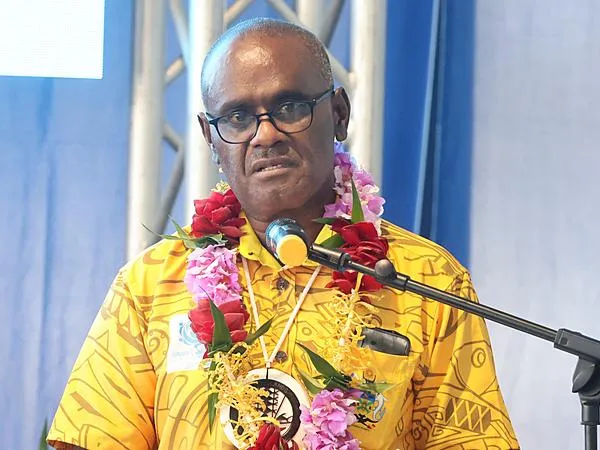
Prime Minister Jeremiah Manele has reaffirmed his government’s commitment to the creation of the Melanesian Ocean Reserve (MOR), pledging ministerial resources to advance the world’s first Indigenous-led, multi-national ocean reserve.
The announcement was made on the margins of the 54th Pacific Islands Forum in Honiara, where Manele emphasised the Reserve’s groundbreaking approach to ocean governance, blending Indigenous knowledge, modern science, and regional political leadership.
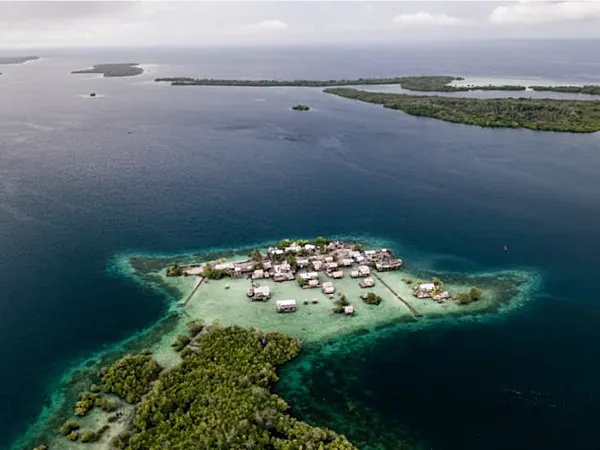
Expected to span more than 6 million square kilometres — an expanse as vast as the Amazon rainforest — the Reserve will operate across the Exclusive Economic Zones (EEZs) of the Solomon Islands, Papua New Guinea, Vanuatu, and New Caledonia. It will safeguard some of the most biologically rich and culturally significant seas on Earth.
“Never before have countries united across entire EEZs to enshrine Indigenous governance, constitutional authority, and ancestral stewardship as the foundation of large-scale ocean protection,” Manele said. “The ocean has always been our garden, our market, and our home. Today, we take further steps toward making that truth the law.”
From vision to delivery
The intention to form the Reserve was first announced earlier this year by Manele at the United Nations Oceans Conference in Nice, France, with backing from ministers representing Papua New Guinea, Vanuatu, and New Caledonia.
This week’s declaration established a Ministerial Platform to accelerate negotiations on the MOR Declaration and to coordinate with development partners for financial support. Officials described the platform as a mechanism to ensure the initiative moves beyond words to tangible delivery, with Indigenous authority embedded at its core.
The Four Paddles
Two senior ministers — Bradley Tovosia, Minister for Fisheries and Marine Resources, and Polycarp Paea, Minister for Environment, Climate Change, Disaster Management and Meteorology — unveiled the “Four Paddles,” the core programmes that will drive the Reserve forward.
These include:
Monitoring and management of the ocean
Indigenous-led investment in sustainable ocean economies
Sustainable transport and reconnection of island peoples
Integration of modern science with customary wisdom
Minister Paea said the approach represented a unifying vision. “We eat from and live in the ocean, but we have been retreating from it as other ways of life start to dominate. The MOR is a unifying approach that makes sense of the different ways of protecting our Ocean.
“The paddle for knowing the ocean uses science and research to build from our existing ancestral knowledge, rather than replacing it. The transport and reconnection paddle will ensure that our people return to the ocean for transport and movement, filling it up with our life and our attention.”
For Minister Tovosia, the Reserve is also an economic blueprint: “The Melanesian Ocean Reserve is a framework to mainstream the ocean in our economic thinking. Through the ocean transparency paddle, we aim to observe our full ocean space, so we can see who is doing what, and leverage our population across the islands in monitoring and reporting. With the indigenous investment paddle, we look forward to our indigenous Solomon Islanders becoming direct participants in the fisheries value chain, instead of being spectators.”
Taking momentum global
Led by the governments of the Solomon Islands, Papua New Guinea, and Vanuatu — in partnership with the Islands Knowledge Institute (IKI) and Nia Tero — Pacific leaders are set to take the MOR’s momentum to Climate Week in New York later this month to engage with partners on financing and scaling up the initiative.
For Manele, the Reserve represents more than a conservation tool. It signals a turning point for ocean governance itself — one where Indigenous voices and traditions take their rightful place at the helm of global sustainability.
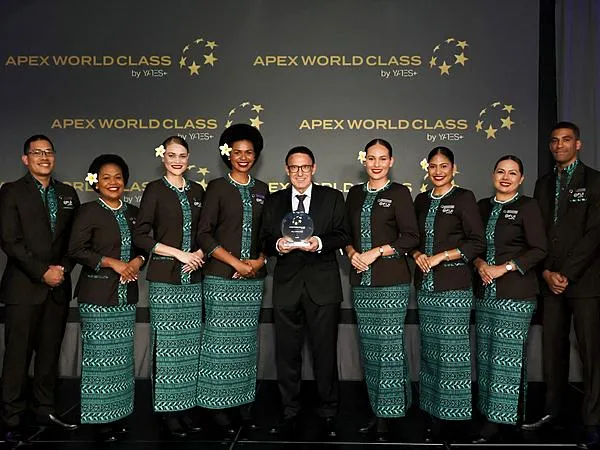
Fiji Airways has soared into aviation history, becoming the smallest carrier by fleet size ever to be named among the Top 10 Airlines in the World after securing the APEX World Class Airline for 2026 Award.
The honour, regarded as the most prestigious in global aviation, crowns a remarkable rise for the Fijian flag carrier, which also clinched the APEX Innovation Award for Best Inflight Food and Beverage 2026 following the launch of its new Pacific Rim menu and redesigned inflight service.
Fiji Airways is the only airline in Oceania to achieve this recognition, a feat Managing Director and Chief Executive Officer Andre Viljoen described as “a proud and historic moment for the airline and for Fiji.”
The World Class Award is conferred through a rigorous process that combines independent audits with passenger feedback from across the globe, evaluating excellence in safety, sustainability, well-being, service and customer experience.
Viljoen recalled the scale of the transformation: “In 2016, we were ranked outside the world’s Top 100 airlines. Today, through sheer grit, relentless innovation, and the unbreakable spirit of our people, we have risen to be named one of the Top 10 Airlines in the World. This recognition is not just an award, it’s about showing every Fijian, and every member of our team, that we can achieve the impossible. We are the David in a world of Goliaths — and we are winning.”
From small island skies to the global stage
The achievement follows one of the most extensive overhauls in the airline’s history. Fiji Airways invested in new galley and service equipment, created supply chains for freshly sourced produce, and collaborated with local businesses both large and small to reimagine its hospitality.
Months were devoted to designing a Pacific Rim-inspired dining experience and revamping service flows. Cabin crew underwent up to two weeks of intensive training, with 16 selected to become World Class Trainers after completing a 10-week programme.
“It was a massive undertaking that required months of preparation, dedication, and teamwork before the very first World Class flight took off,” said Viljoen.
The airline’s chief stressed the importance of aiming higher: “To excel, we cannot afford to be ordinary. We need to stand out, to be unmistakably remarkable, and to create an experience so extraordinary that travellers choose Fiji Airways not just for where we fly, but for how we make them feel. That is why we embarked on the World Class journey. It required us to lift every part of our airline to a standard that only the world’s best achieve. It gives us a powerful point of difference that no amount of advertising and marketing can buy.”
Looking forward
With its place now cemented among the world’s leaders in aviation excellence, Fiji Airways is determined not to stand still. “As we look ahead, Fiji Airways remains focused on constant innovation and raising the bar even higher,” said Viljoen.
For Fiji, the recognition shines an international spotlight not only on the airline but also on the island nation as a premier travel destination, reinforcing its place on the global map.
Prime Minister Jeremiah Manele has called for a fundamental shift in how Pacific nations think about progress, urging a Pasifika-centred approach to development that draws on the region’s own philosophies, traditions, and values.
Speaking on at the “Netweaving the Soul of Pasifika Development” symposium — a joint initiative of the Solomon Islands National University (SINU) and Pasifika Communities University (PCU) held at the Aquatic Centre — Prime Minister Manele reflected on the 60-year development journey of Pacific Island countries.
He said much of that journey had been shaped by Western models of governance, economic growth, and social progress.
“These Western frameworks have guided our leaders and institutions for decades, but today they are showing signs of strain,” Manele said. “We must ask ourselves whether these models are helping our people thrive — or merely survive.”
Universities as catalysts for new thinking
The Prime Minister underscored the role of universities in reimagining development. He encouraged SINU and PCU to draw upon Pasifika philosophies, ethical traditions, and spiritual worldviews as the basis for fresh thinking.
Quoting the late Papua New Guinean statesman and philosopher Bernard Narokobi, Manele stressed the importance of seeing “the human person as part of an interdependent world with plants, animals, and the spirit world.”
He argued that such perspectives could help Pacific societies shape development pathways that are more aligned with their identities and realities.
Confronting contemporary challenges
Manele also addressed the complex challenges confronting the region, including climate change, the rise of artificial intelligence, political instability, and pressing social issues such as gender-based violence and the spread of drugs.
To meet these, he floated the idea of a regional Thought Leaders Network to support decision-makers in interpreting challenges through Pasifika lenses rather than relying on imported models.
“The question we must ask is: Where is our Pasifika Development Soul? This is about understanding who we are, what development means for our people, and shaping narratives that truly reflect our values and context,” he said.
Bridging academia and leadership
The Prime Minister expressed hope that the symposium would generate ideas to strengthen the link between academia and Pacific leaders.
By drawing on the region’s cultural strengths and lived realities, Manele suggested, Pacific nations could craft development approaches that are both resilient and authentic — ensuring future progress is rooted in the soul of Pasifika itself.
The first EU-Pacific Business Forum convened in Nadi on 4–5 September, drawing together government officials, business leaders, and development partners to explore new avenues of trade and investment between the two regions.
Over two days, the Forum featured panel discussions, networking events, and direct business-to-business and business-to-government meetings. Sessions covered a wide spectrum of priorities — from renewable energy and climate resilience to sustainable aquaculture, port development, tourism, and digital infrastructure — underscoring the shared aspirations of Europe and the Pacific to strengthen ties in the Blue Pacific economy.
One of the most dynamic exchanges came during a breakout session on “E-commerce and Digitally Delivered Services,” moderated by Andrea Ibba, Pacific E-commerce Coordinator at the Pacific Islands Forum Secretariat.
The conversation delved into the realities Pacific entrepreneurs face when entering the digital economy. Ulisese Rimoni, Fair-trading Officer at Samoa’s Ministry of Commerce and Industry; Brett Baudinet, founder of Cook Islands-based SmartieApp; and Aurore Klepper, Director of French Tech Nouvelle-Calédonie, each shared perspectives on both the barriers and the potential of e-commerce in the region.
Among the challenges highlighted were infrastructure gaps, regulatory delays, payment obstacles, and shortages of digital skills. Yet, the panellists also pointed to concrete opportunities — from policy alignment and EU partnerships to targeted support for start-ups.
A call for practical solutions
Key proposals from the session included establishing a Pacific digital trade legal partnership to boost payments, skills, and consumer trust; creating direct funding mechanisms for digital projects without multiple intermediaries; fast-tracking regulatory frameworks to give businesses clearer ground rules; and forging stronger ties with EU firms to access specialised technical expertise.
Other ideas raised were exploring open banking to drive fintech innovation and investing in the social and cultural aspects of entrepreneurship to keep talent anchored in Pacific communities.
Ibba reminded participants that many of these requests resonate with the Pacific Regional E-commerce Strategy and Roadmap, endorsed by Forum Trade Ministers in 2021. That roadmap is being advanced through the Pacific E-commerce Initiative, which provides the region with a structured governance framework — including the Pacific E-commerce Committee, its Private Sector and Development Partners Sub-committees, and the Pacific E-commerce Alliance.
He also underlined the importance of the supporting systems: “Workshops and panels are valuable, but what businesses are asking for is action. The Pacific E-commerce Initiative, with its governance and knowledge platforms, is already in place. What we need are partners who are ready to contribute, whether through finance, technology, or capacity building.”
Linking business to regional frameworks
The Initiative, Ibba noted, is backed by a monitoring and evaluation system as well as the Pacific E-commerce Portal — a regional public good that provides data, resources, and training materials for both government and private sector use.
By weaving together the experiences of businesses with existing regional strategies, the Forum highlighted how EU-Pacific cooperation in the digital economy can become more inclusive, resilient, and responsive to real-world needs.
As the Forum closed, the message was clear: the Pacific is not just seeking dialogue but tangible partnerships that can help the region take its next leap in digital trade.
The Solomon Islands and Cook Islands are exploring closer ties in tourism and culture, with both nations looking to turn shared heritage and industry needs into opportunities for cooperation.
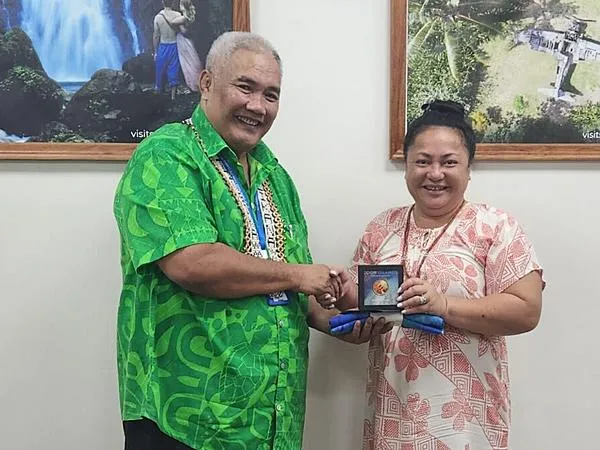
The discussions took place on the sidelines of the 54th Pacific Islands Forum Leaders Meeting in Honiara, where Solomon Islands Minister for Culture and Tourism Choylin Douglas met with Cook Islands Minister of Foreign Affairs and Immigration Tingika Elikana.
At the heart of the talks were proposals to collaborate in the tourism and hospitality industry through labour mobility, and to strengthen cultural diplomacy by reviving traditional canoe building and voyaging.
“We’re looking at ways to strengthen our Pacific family ties through cultural and economic cooperation,” said Minister Douglas. “These discussions reflect the deep cultural and economic ties that bind our Pacific family, and the opportunities we have to learn from each other and grow together.”
Tourism at the centre
Both Ministers underscored the importance of tourism to their economies and acknowledged the potential benefits of a bilateral labour mobility arrangement. Such an initiative would allow Solomon Islanders to gain experience in the Cook Islands’ well-established tourism and hospitality sector, while helping the Cook Islands address workforce needs.
Officials noted that the scheme could provide young Solomon Islanders with skills and exposure that would later contribute to the development of their home country’s tourism sector.
Canoes as cultural bridges
Beyond economics, the dialogue turned to shared traditions. The Ministers explored a cultural partnership focused on canoe building and voyaging — practices deeply rooted in Pacific history and identity.
The Solomon Islands’ wealth of forestry resources and traditional craftsmanship could support collaboration with the Cook Islands in sustaining these age-old skills. Leaders agreed that reviving such traditions would not only preserve heritage but also deepen people-to-people connections across the Pacific.
Towards a formal framework
The meeting concluded with agreement to develop a framework for cooperation, which may lead to a Memorandum of Understanding (MoU). Both Ministers instructed their officials to begin drafting proposals and to move the dialogue towards a formal agreement.
For both countries, the initiative signals a broader push to harness culture and tourism as vehicles for unity and development within the Pacific family.
A quiet but meaningful shift is coming to New Caledonian households as the government and the Office des Postes et Télécommunications de Nouvelle-Calédonie (OPT-NC) move to cut costs and simplify internet access for families.
On 29 August, government member in charge of digital affairs, Christopher Gygès, stood alongside OPT-NC chair Naïa Wateou and director Thomas De Deckker to announce what many Caledonians have long been waiting for — affordable internet without the burden of a fixed-line subscription.
Last June, Gygès had tasked OPT-NC to find a solution to end the unpopular monthly billing of the so-called “landline premium” for households that rely solely on the internet but no longer use a home telephone.
“The objective was above all to give Caledonians a choice and to act directly on their purchasing power,” Gygès said, calling the reform “a major first step” made possible through OPT-NC’s determined efforts.
Helia: A New Chapter in Connectivity
From 1 December 2025, the operator’s fibre offer under the “Helia” brand will deliver internet speeds of up to 1 Gb/s for 2,300 francs a month — a drop from the current 2,650 francs. Most importantly, it will no longer be tied to a compulsory landline subscription.
For households, this translates to average savings of 1,255 francs per month, depending on the package they hold. “Customers will see savings ranging from 350 to 1,900 francs, alongside a tenfold increase in internet speed to match their growing needs,” explained De Deckker.
In all, the reform is expected to inject 440 million francs a year into household purchasing power, benefitting at least 49,000 families across the territory.
“This is a significant investment for OPT-NC,” said Wateou. “Our goal is to meet the daily needs of Caledonians without jeopardising the public service mission that OPT fulfils throughout the country.”
From Fixed Lines to Family Packs
While the change is already a welcome relief for many, OPT-NC views it as only the beginning of a broader transformation. By 2026, the operator plans to roll out new packages where landline telephony becomes optional, alongside family packs that would allow data to be shared across mobile devices.
“The teams are already working on these next steps,” De Deckker noted, underscoring the company’s drive to adapt to lifestyles that are increasingly digital.
The shift comes at a time when landline use is in steep decline. Current figures show that 63 percent of OPTimo internet customers make no outgoing calls from their fixed lines, while 85 percent use less than 30 minutes of voice per month. In contrast, demand for faster internet continues to rise, fuelled by 4K streaming, remote work, online gaming, and cloud services.
For families juggling costs and trying to stay connected, the change signals more than just faster downloads or cheaper bills — it represents a small but vital measure of breathing room.
Fiji is deepening its collaboration with the International Trade Centre (ITC) to enhance trade opportunities, empower local entrepreneurs and drive the growth of micro, small and medium enterprises (MSMEs).
Deputy Prime Minister and Minister for Trade, Cooperatives, MSMEs and Communications, Manoa Kamikamica, reaffirmed Fiji’s commitment during a bilateral meeting with ITC on the margins of the EU-Pacific Business Forum in Nadi.
He welcomed ITC’s support in delivering technical training for Fijian officials and entrepreneurs, particularly in the MSME sector.
“By equipping our people with the right tools and skills, we can better position Fijian products in international markets,” Kamikamica said.
Talks centred on strengthening Fiji’s competitiveness in high-value commodities such as kava, coconuts, vanilla and tuna. Officials also discussed new areas of collaboration, including improving packaging and branding, expanding market access for women entrepreneurs and enhancing export readiness.
ITC representatives shared insights from successful programmes in the Caribbean and Papua New Guinea, underscoring the organisation’s global track record in capacity building.
Kamikamica expressed interest in adapting similar strategies to Fiji’s context, with an emphasis on post-harvest processing, renewable drying technologies and product certification.
As part of the partnership, the Ministry will work with ITC to establish a SheTrades Chapter in Fiji.
SheTrades, an ITC initiative, connects women entrepreneurs with buyers, investors, training and financing to expand their participation in international trade. It operates through an online platform, regional hubs and global events such as SheTrades Global, which link women with potential partners and markets.
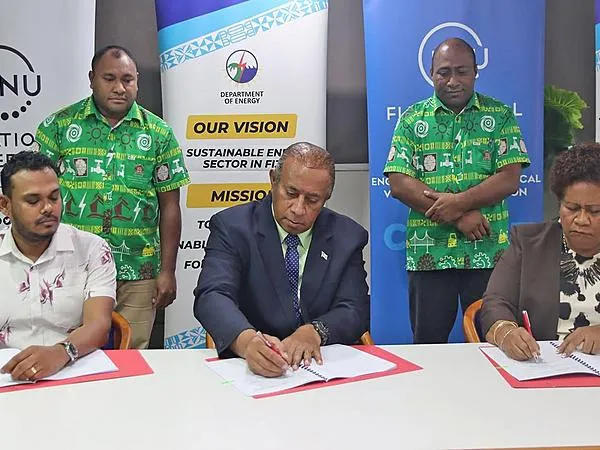
Ro Filipe Tuisawau, Minister for Public Works, Meteorological Services and Transport, on 5 September officiated at the signing of a Memorandum of Understanding between the Fiji Government, Fiji National University (FNU) and the International Solar Alliance (ISA) to advance the country’s renewable energy transition.
The agreement paves the way for the creation of the Solar Technology and Application Resource Centre (STAR-C) at FNU’s College of Engineering and Technical, Vocational Education & Training, with funding support from ISA.
Minister Tuisawau described STAR-C as “a hub for training, knowledge sharing, and expertise in solar energy technologies,” and said it marks a milestone in Fiji’s clean energy journey.
The centre will focus on training and capacity building in solar technologies, testing and quality assurance of solar equipment, knowledge management and research, as well as entrepreneurial development and community empowerment.
“This MoU reflects the deepening energy cooperation between Fiji and India, and underscores our ambitious targets of achieving 100% renewable energy by 2030 and net-zero emissions by 2050,” Tuisawau said.
He stressed the importance of working with academic institutions to address persistent challenges in the solar sector, including knowledge and skills gaps, financing constraints, limited awareness and supply chain barriers.
“The establishment of STAR-C will help develop a new generation of skilled researchers, technicians, and project managers in the solar field, while ensuring quality standards and supporting entrepreneurship,” he said.
Tuisawau thanked ISA and FNU for their collaboration, noting that such partnerships will be vital in overcoming barriers to renewable energy adoption.
“Achieving a renewable energy future is not easy. Challenges will arise, but with partnerships such as this, we open new opportunities. No country can address energy challenges alone. Building strong international and institutional partnerships is essential,” he said.
The government reaffirmed its commitment to working with stakeholders to ensure a sustainable and energy-secure future for Fiji.
The ISA, launched in 2015 by India and France at the Paris Climate Conference, is an international organisation that works with more than 110 member countries to promote solar energy deployment and technology transfer. In the Pacific, ISA has been supporting small island developing states with solar projects, technical training and concessional financing to help reduce reliance on fossil fuels.
An ISA spokesperson welcomed the signing, saying the partnership with Fiji demonstrated the alliance’s commitment to ensuring no country is left behind in the global shift to clean energy. “Through STAR-C, Fiji will not only strengthen its technical expertise but also emerge as a regional leader in solar innovation,” the spokesperson said.
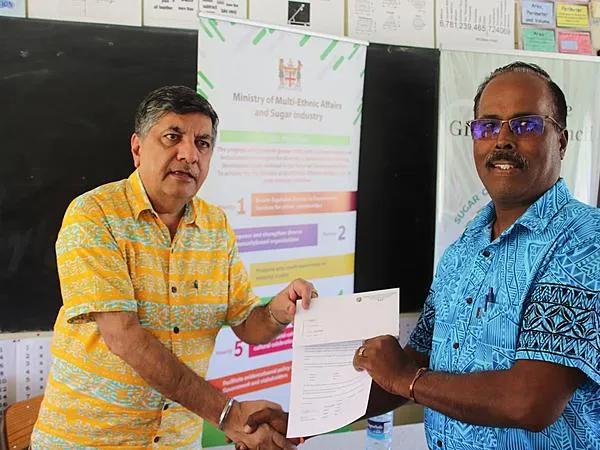
The Minister for Multi-Ethnic Affairs and Sugar Industry, Charan Jeath Singh, on 5 September handed over the Pre-Season Burnt Cane Rehabilitation Grant to sugarcane farmers in Sabeto, Nadi, underscoring government’s drive to revitalise the struggling sugar industry.
Addressing the farmers, Singh said the government was determined to bring the sector back to its former strength by boosting production and adopting modern solutions.
“We are working to revive this vital industry and bring it back to what it used to be. The government is committed to supporting our farmers and ensuring the future sustainability of sugar,” he said.
Singh also highlighted the Coalition Government’s plans to build a new sugar mill in Rakiraki, with expressions of interest already advertised. The project, he said, would open a new chapter for Fiji’s sugar industry.
On the persistent labour shortage, Singh said the ministry was pursuing overseas recruitment while expanding mechanisation across the sector. Programmes such as tractor service providers and fertiliser applicators are already in place, with specialised harvesters for hilly terrain expected soon.
He revealed that the Government of India had pledged support through 12 drones for fertiliser application and a mobile soil testing laboratory, which will strengthen research and innovation in sugar farming.
The minister said several grants and assistance programmes were available to help farmers increase yields and adopt modern practices. He urged growers to plant recommended cane varieties and rely on advice from the Sugar Research Institute of Fiji to improve productivity.
“The future of the sugar industry lies in modernization, research, and farmer support. Together, we will build a resilient and thriving sugar sector for Fiji,” Singh said.
Farmers who attended the handover welcomed the assistance, describing it as timely support that would help them recover from challenges faced in recent seasons.
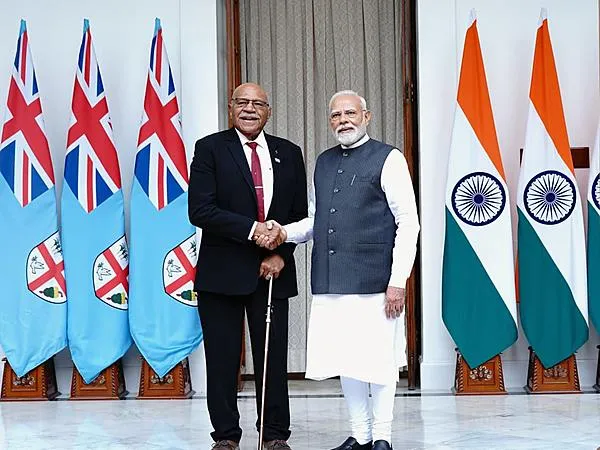
Prime Minister Sitiveni Rabuka of Fiji met with Indian Prime Minister Narendra Modi at Hyderabad House, reaffirming the warmth and mutual respect that continue to define the longstanding friendship between the two nations.
The talks highlighted deep historical ties, shared values, and a commitment to strengthening cooperation across multiple sectors for the prosperity of both peoples.
Rabuka conveyed greetings on behalf of the Fijian government and people, congratulating India on its 79th Independence Day. He praised India’s transformation over recent decades and expressed gratitude for the hospitality extended to his delegation.
The two leaders reviewed the full spectrum of bilateral relations and regional priorities. They reaffirmed plans for collaboration in defence, health, agriculture, agro-processing, trade and investment, small and medium enterprises, co-operatives, culture, sports, education, and skills development.
Key projects and priorities
Discussions included outcomes from the 3rd Forum for India–Pacific Islands Cooperation (FIPIC-3), particularly the landmark 100-bed Super Speciality Cardiology Hospital in Suva. Rabuka confirmed that land registration for the project has been completed, paving the way for the signing of a memorandum of understanding. The hospital, he said, will strengthen Fiji’s healthcare sector and serve the wider Pacific region.
Both leaders reiterated their commitment to a free, open, secure, and inclusive Indo-Pacific. Rabuka reaffirmed Fiji’s support for the Indo-Pacific Oceans Initiative, aligning it with his “Ocean of Peace” vision to promote peace, security, and prosperity in the region.
He also welcomed India’s continued role as a dialogue partner of the Pacific Islands Forum, noting the importance of alignment with the 2050 Strategy for the Blue Pacific Continent.
At the multilateral level, Rabuka thanked India for its partnership in global forums and emphasised the need for reformed multilateralism to reflect accountability, inclusivity, and equity in addressing global challenges.
New agreements signed
The meeting also featured the signing of five memoranda of understanding and agreements designed to deepen bilateral cooperation:
Fiji Development Bank (FDB) – National Bank for Agriculture and Rural Development (NABARD), India: Collaboration on rural development, agricultural financing, and financial inclusion.
Bureau of Indian Standards (BIS) – Fiji Department of National Trade Measurement and Standards (DNTMS): Cooperation in the field of standardisation.
National Institute of Electronics and Information Technology (NIELIT), India – Pacific Polytechnic, Fiji: Capacity building, skills training, and upskilling.
Confederation of Indian Industry (CII) – Fiji Commerce and Employers Federation (FCEF): Strengthening economic and commercial ties.
HLL Lifecare Ltd., India – Fiji Ministry of Health and Medical Services: Supply of medicines under India’s Jan Aushadhi Scheme.
Both leaders described the agreements as a step towards building a “broad-based, inclusive, and forward-looking partnership” that will advance the development goals of Fiji and India alike.
The Governments of Papua New Guinea and Solomon Islands have taken a decisive step to strengthen their economic and cultural bonds with the soft launch of the Papua New Guinea–Solomon Islands Business Council.
Held in Port Moresby, the event brought together leaders from government and business, with both Prime Ministers hailing the initiative as a milestone in Melanesian cooperation.
Solomon Islands Prime Minister Jeremiah Manele, MP, extended his warm congratulations to the council’s founders, describing the launch as a timely platform for deeper private-sector collaboration.
“The establishment of this Council represents a new chapter in our economic partnership. I am confident that it will grow from strength to strength and evolve into a vital mechanism for advancing mutual prosperity,” he said.
Manele underlined the council’s role as a forum for dialogue, networking and innovation, opening avenues for trade and investment. He also met with PNG business leaders during the launch, listening to their aspirations and reaffirming his government’s readiness to pursue stronger partnerships.
“As close neighbours and enduring partners, our futures are closely linked. Enhanced private sector collaboration will not only stimulate economic growth but will also reinforce the bonds of friendship and understanding that unite our peoples,” Manele said.
Courtesy call on PNG Governor-General
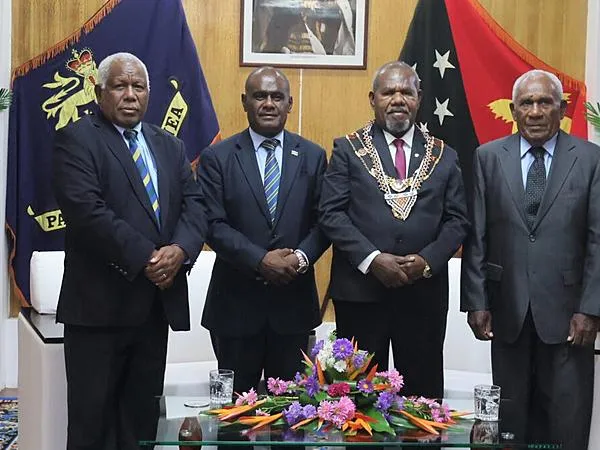
Prime Minister Manele paid a courtesy call on the Governor-General of Papua New Guinea, Grand Chief Sir Bob Dadae, at Government House.
During their brief meeting, he conveyed gratitude on behalf of the government and people of Solomon Islands for the long-standing relationship between the two Melanesian nations. He acknowledged the enduring diplomatic ties established 47 years ago on 7 July 1978, when Solomon Islands gained independence from Britain.
“On behalf of the government and people of Solomon Islands, I thank Papua New Guinea for its continued friendship and assistance, which have significantly contributed to our national development,” Manele said.
The Prime Minister noted PNG’s support in critical sectors such as business investment, education, border surveillance, police, security, and sports. Both leaders reaffirmed their commitment to enhancing “brotherly ties” rooted in shared culture, geography and history, which also laid the foundation for the Melanesian Spearhead Group (MSG) in 1988.
Manele was accompanied on the visit by former Solomon Islands Governor-General Sir Frank Kabui and Rick Hou, for Small Malaita.
‘Brothers and sisters’
Prime Minister James Marape, welcomed Manele to Papua New Guinea, calling the visit a reaffirmation of “deep historical, cultural, and economic ties” between the two Melanesian nations.
“Sometimes, friends you can choose, but brothers and sisters you are born into. Papua New Guinea and Solomon Islands are family, and we will continue to coexist into the future,” Marape said, drawing warm applause from guests.
Marape reflected on the shared seafaring and trading traditions of both countries, saying independence in 1975 for PNG and 1978 for Solomon Islands had merely formalised an age-old connection.
He also congratulated Solomon Islands on its preparations to host the Pacific Islands Forum in Honiara this month, pledging PNG’s full support. “When Solomon Islands celebrates its 50th anniversary in 2028, Papua New Guinea will be there in full force,” he said.
From aid to trade
Looking to the future, Marape stressed the importance of shifting from aid dependency to deeper trade and economic engagement. He pointed out that more than 60 PNG businesses are already operating in Solomon Islands, spanning telecommunications, banking, oil palm and tourism.
“Papua New Guinea remains the largest foreign investor in Solomon Islands, a sign of the growing partnership,” he said.
Marape further endorsed Manele’s “Melanesian Oceans” initiative, a regional vision for sustainable use of fisheries and marine resources. “Our oceans hold some of the world’s richest tuna stocks. Together, Melanesia must shape our own destiny and ensure resources benefit our people,” he said.
Tourism and people-to-people links
Marape encouraged greater tourism exchanges, saying Solomon Islands offered experiences that complemented PNG’s own emerging industry. “Papua New Guinea is still growing in tourism, but our cousins in Solomon Islands will look after you well. They are not an extension of PNG — they are a proud nation of their own,” he said.
The Prime Minister also confirmed that Manele will return to Port Moresby next week to join PNG’s 50th Independence Anniversary celebrations, alongside more than 15 Pacific leaders travelling from Honiara after the Forum.
Closing his address, Marape cited a Melanesian proverb on fire and family unity: “We are placed at the heart of Melanesia. As leaders, we must be friends to all, enemies to none.”
Manele, before flying on to Australia, joined Marape in a charity golf event on Friday morning, rounding out a visit that was as much about personal connection as political and economic partnership.
A major milestone for Solomon Islands agriculture began as three Japanese specialists arrived in Honiara on 3 September to install the country’s first-ever Vapor Heat Treatment (VHT) facility, a technology designed to open global export markets for local fruit growers.
The experts were welcomed in a high-level meeting at the Ministry of Agriculture and Livestock (MAL), where they met Permanent Secretary Dr. Samson Viulu and senior officials before commencing work on the installation at Henderson.
“With the arrival of VHT technology, we are stepping into a new era of export readiness,” Dr. Viulu said. “This breakthrough offers our farmers the opportunity to shift from subsistence farming to commercial production, increase their yields, and explore new market opportunities regionally and internationally.”
The VHT facility represents years of planning and determination by MAL. Dr. Viulu noted that the project’s visible progress would reassure farmers and encourage greater production. “The public will finally see that the installation is happening, and it will hopefully increase production at the farm level as it opens doors for farmers across the nation,” he said.
VHT is an advanced, chemical-free quarantine method that uses controlled hot, humid air to eliminate pests such as fruit flies from fresh produce. Unlike traditional treatments, the process preserves the natural taste, appearance, and nutritional quality of fruits while ensuring they meet international biosecurity standards.
The technology requires precise installation and calibration. The three Japanese specialists bring technical expertise to adapt the system for Solomon Islands’ diverse fruits, ensuring the facility can treat multiple varieties effectively.
MAL also plans to invite stakeholders to specialised training on VHT operations, equipping local farmers, exporters, and biosecurity officers with the knowledge needed to maximise its benefits. Once operational, the facility is expected to boost commercial production and give exporters confidence in accessing regional and international markets.
Officials emphasised that the VHT project is more than just a technical upgrade. It marks a transformative step in building a modern, competitive agriculture sector capable of supporting sustainable growth.
“This initiative reflects our commitment to strengthening food security, empowering farmers, and positioning Solomon Islands as a credible player in the export market,” Dr. Viulu said.
The installation is scheduled to continue over the coming weeks, with testing and training set to follow before the facility becomes fully operational.
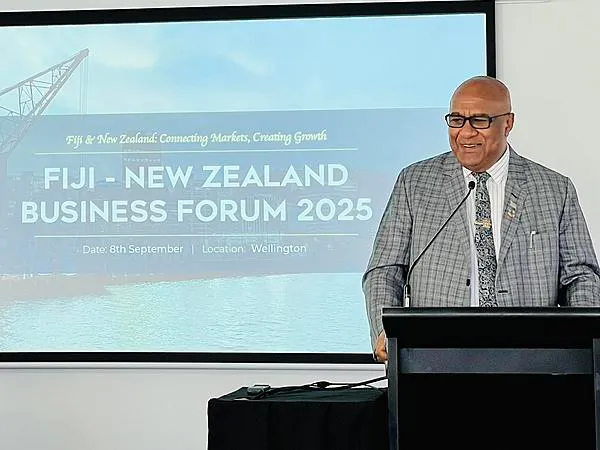
Deputy Prime Minister and Minister for Trade, Co-operatives, Micro, Small and Medium Enterprises and Communications Manoa Kamikamica has reaffirmed Fiji’s commitment to strengthening its economic ties with New Zealand, calling for “dialogue to turn into delivery.”
Speaking at a Mini-Business Forum in Wellington, Kamikamica led a strong Fijian business delegation to champion the vision set by Prime Ministers Sitiveni Rabuka and Christopher Luxon to double bilateral trade to NZ$2 billion by 2030.
“Our partnership with New Zealand is anchored in trust and shared values,” Kamikamica told the gathering of officials, industry leaders and business representatives. “The challenge before us is to translate this goodwill into balanced trade, stronger investment flows, and concrete benefits for our businesses and people.”
He underlined Fiji’s ambition to create a world-class investment environment. “Fiji is shaping a business environment that listens to investors, learns from global best practice, and leads with credibility. Come to Fiji with a credible project, and you will find one front door, one digital track, and one team committed to getting you to yes.”
Kamikamica added that Fiji is positioning itself as a reliable hub for Pacific trade and connectivity, with reforms guided by digital transformation. “Investment doesn’t flow just because of incentives. It flows when businesses see consistency, stability, and a country that honours its commitments — that is the Fiji we are building,” he said.
The Deputy Prime Minister identified agriculture, tourism, renewable energy and digital connectivity as key sectors for collaboration. He encouraged New Zealand businesses to partner with Fijian farmers through structured buying arrangements, expand into experience-based and eco-tourism, co-invest in renewable energy, and capitalise on Fiji’s growing digital infrastructure.
Kamikamica urged businesses to think long term: “Look beyond transactions and build partnerships that create value, resilience and shared prosperity.”
He concluded with a clear message of urgency. “The roadmap has been agreed, the political will exists, and the private sector is engaged. Now is the time to turn dialogue into delivery.”
The Mini-Business Forum also marked the launch of the wider Fiji Business Mission programme. Over the coming week, the delegation will take part in bilateral meetings, investment roundtables, site visits, and the annual Fiji–New Zealand Joint Business Council Conference in Auckland.
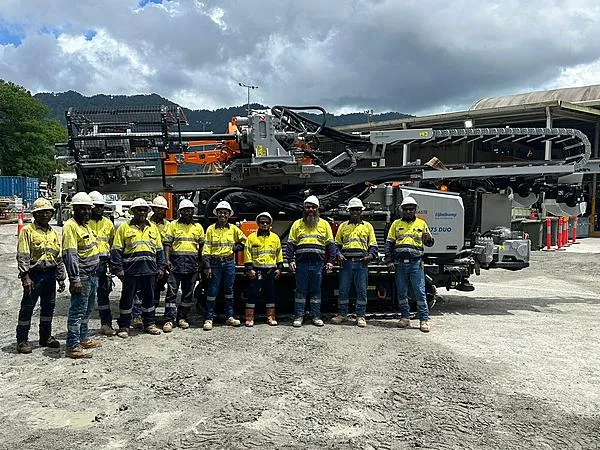
As Papua New Guinea marks 50 years of independence, Zenex Drilling is celebrating the national milestone with a step that blends technical innovation with local ambition: the arrival of the LRS275 Duo Sonic Drill Rig from Dutch manufacturer Eijkelkamp. For Zenex, this is more than a fleet upgrade — it’s a statement about where PNG’s homegrown drilling capability is heading next.
“The LRS275 Duo is a real investment in PNG’s future capacity, not just a headline,” said Emmanuel Bonte, General Manager of Zenex Drilling. A first of its kind in the region, the LRS275 Duo brings a leap forward in capability, versatility, and reliability. Its high-performance sonic head delivers superior core sample quality in complex geology, including stockpiles, tailings, and unconsolidated formations where conventional methods struggle. Sonic vibration reduces friction, improving penetration while preserving sample integrity.
True to its name, the Duo is engineered for flexibility. The integrated dual-head system enables seamless changeover to diamond coring, allowing crews to shift methods without demobilising or bringing in a secondary rig. That translates to fewer mobilisations, a smaller footprint, and tighter project schedules — benefits that matter in PNG’s rugged conditions and on international programmes with demanding timelines.
“One rig, two disciplines, no compromise,” says Bonte. “It’s the kind of adaptability our clients increasingly expect.”
Under the hood, the LRS275 Duo is as digital as it is mechanical. A state-of-the-art remote maintenance platform streams live telemetry to Zenex’s maintenance team, enabling data-driven diagnostics, predictive component changes, and faster fault resolution. Real-time operational data supports better planning, fewer interruptions, and more consistent utilisation.
“Downtime is the silent cost in any drilling campaign,” Bonte notes. “With live data and remote support, we can prevent problems before they appear on site.”
As with every major asset, Zenex is pairing the investment with a people-first rollout. Site-based training will ensure operators and offsiders gain confidence on the new platform, while select maintenance specialists will travel to the Netherlands for factory training with Eijkelkamp’s engineering team. The focus is on long-term capability and knowledge transfer, not just commissioning.
“We don’t just buy technology, we internalise it,” Bonte says. “By sending our people to the source, we bring world-class expertise back to PNG.”
That approach aligns with Zenex’s broader workforce philosophy: build locally, grow from within, and create meaningful progression pathways. The company’s “Way We Work” programme — an open coaching model that blends safety, leadership, and technical proficiency — is being extended to incorporate sonic-specific modules and data-driven maintenance practices.
The deployment of the new sonic rig will help geologists make faster, higher-confidence decisions. Combined with Zenex’s expanding logistics capability and disciplined maintenance systems, the new rig strengthens the company’s position as a partner for complex exploration across PNG and abroad.
Strategically, the investment signals how Zenex intends to scale: sustainably and selectively. Rather than chasing volume, the focus remains on capability — integrated services, reliable delivery, and a safety record that clients can trust.
“We’re not trying to be everywhere,” says Bonte. “We’re choosing the right work, with the right partners, where our technology and our people can create outsized value.”
As the nation celebrates half a century of independence, Zenex’s move captures a broader story about PNG’s technical maturity and international relevance. Advanced equipment, rigorous systems, and local leadership are no longer aspirations — they’re daily practice.
“Innovation is not a destination for us,” Bonte reflects. “It’s a discipline. When we invest in people and the right tools, we lift the standard for our whole industry.”
With the LRS275 Duo joining the fleet, Zenex Drilling is marking the country’s golden jubilee with a clear view of the next 50 years — where independence is measured not only in history, but in the confidence to lead.
The East Micronesia Cable has reached its final Pacific destination with a successful landing in Kosrae, bringing the region one step closer to faster and more reliable internet connectivity.
The milestone was marked by a ceremony on Kosrae’s shores as the cable lay ship Normand Clipper floated the undersea cable to land, guided by the ceremonial buoy. Leaders and community representatives gathered to celebrate, reflecting a shared hope that the project will transform digital opportunities for the islands.
Among those present were FSM Vice President Aren Palik, Kosrae State Governor Tulensa Palik, and FSM Congress Senators Yoselyn Sigrah and Johnson Asher, joined by senior officials from national and state governments as well as funding partners Australia, Japan and the United States.
“This cable will play an essential role in securing FSM’s digital future,” said Sarah McCarthy, Australia’s Chargé d’Affaires to FSM. “Australia is proud to celebrate this milestone alongside our partners and invest in critical infrastructure that meets the priorities of communities across the Pacific.”
The AUD135 million project is fully grant funded through the Australian Infrastructure Financing Facility for the Pacific (AIFFP), together with Japan and the United States. Stretching 2,250 kilometres, the undersea cable will connect Tarawa in Kiribati, Nauru and Kosrae to the existing HANTRU-1 landing point in Pohnpei, FSM.
Once operational, the East Micronesia Cable will serve more than 100,000 people across the three nations, delivering faster, more affordable internet and opening access to education, health services, information and global markets. It is also expected to boost trade, employment and the reach of digital government services.
For island nations already vulnerable to climate change, the cable brings another form of resilience. Improved connectivity will help governments respond more effectively to natural disasters while reducing the risk of service outages during severe weather.
The Kosrae landing follows earlier ones in Kiribati and Nauru. With all connections now in place, the East Micronesia Cable is on track to be ready for service by November 2025.
For many in the islands, the landing was more than a technical achievement—it symbolised the bridging of distance and the promise of a more connected Pacific future.
Provincial fisheries officers from across Solomon Islands gathered in Honiara, not only to sharpen their inspection skills but also to reaffirm their role as protectors of the sea and the communities who depend on it.
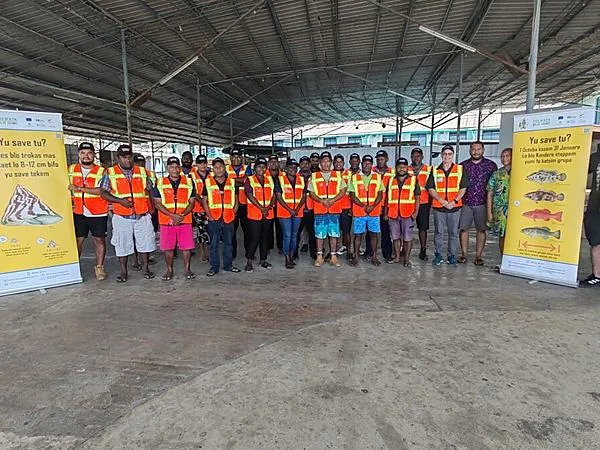
The Ministry of Fisheries and Marine Resources (MFMR), with support from the Pacific Community (SPC) and New Zealand Ministry for Primary Industries’ Te Pātuitanga Ahumoana a Kiwa (Te Patui), hosted the week-long Provincial Monitoring, Control, Surveillance and Enforcement (MCS+E) Refresher Training for inshore fisheries from 18 to 22 August.
The training was designed to refresh technical knowledge while placing equal emphasis on community trust and cultural identity. Officers explored new ways of engaging with people, from using awareness toolkits and audience-mapping techniques to identifying respected local “champions” who could encourage voluntary compliance. Trainers stressed that kastom remains central to successful enforcement, with cultural values giving legitimacy to modern fisheries laws.
Practical exercises were at the heart of the programme. Officers conducted inspections at Honiara’s Central Market, restaurants and retail outlets, practising structured introductions, inspection protocols and safety procedures. Each activity ended with debrief sessions to refine their methods. Scenario-based exercises built confidence in casefile management, incident reporting and maintaining evidentiary standards—reinforcing that good record-keeping is key to fairness as well as prosecution.
For many participants, the week was about more than enforcing regulations. It was a reminder of their dual responsibility—as enforcers of the law and as stewards of coastal resources for future generations. “We are not just inspectors,” one officer shared during the reflection session. “We are guardians for our communities.”
The refresher training underscored the need to balance law, ethics, culture and communication in fisheries compliance. By bringing these elements together, officers left not only with improved skills but also with a renewed commitment to serve their people with professionalism and integrity.
“This programme is part of our vision to manage fisheries sustainably for the benefit of all Solomon Islanders,” the MFMR said in a statement.
The SPC provided financial support for the training. Facilitators included Mark Nicholson (Team Leader), William Sokimi Jnr, Hugo Nguyen, Jeff Dunlop of Te Patui and MFMR’s Mark Seda.
Fiji is looking to Singapore for inspiration as it pushes ahead with reforms to modernise its courts and justice system.
Acting Attorney-General and Minister for Justice Siromi Turaga began the post-WIPO leg of his Singapore programme on 28 August with a series of high-level meetings at the Ministry of Law, the Attorney-General’s Chambers and the Supreme Court of Singapore.
For Turaga, the visit was more than diplomatic routine. It was an opportunity to see how one of Asia’s most advanced legal systems is harnessing technology to make justice more efficient, transparent and accessible.
At the Ministry of Law, which oversees intellectual property, mediation, insolvency and access to justice, Turaga explored how Singapore’s integrated approach could help shape Fiji’s own reforms. “The exchanges built directly on WIPO discussions on registry services and intellectual property, particularly how digital identity systems like SingPass and MyInfo are linked with court and registry services to improve efficiency and transparency,” he said.
The World Intellectual Property Organization, a United Nations agency established in 1967, promotes the protection of inventions, creative works and brands across the globe. Its forums and treaties help countries cooperate on digital registries, intellectual property and dispute resolution, areas Fiji is keen to strengthen.
At the Supreme Court of Singapore, the delegation studied institutional models for judicial strengthening, case management and public access to justice. For a country like Fiji, where modernisation and digitisation of the courts remain key priorities, the lessons were both practical and timely.
Later, in talks with Singapore’s Minister for Law and Second Minister for Home Affairs, both sides explored bilateral cooperation in legal aid, dispute resolution and digital justice reform.
The engagement also tapped into a relationship that has been building for decades. Through the Singapore Cooperation Programme, more than 1,500 Fijian officials have received training in governance and digital transformation since the 1990s.
Turaga said these shared experiences have paved the way for deeper collaboration. “These experiences provided a strong foundation for deepening cooperation on legal innovation,” he noted.
As Fiji moves forward with its justice reforms, Singapore’s model provides both a roadmap and a trusted partner. The broader goal, Turaga stressed, is to ensure that legal systems evolve with technology while staying accessible to ordinary citizens.
The Solomon Islands recorded 13,994 visitor arrivals in the second quarter of 2025, marking a 21 percent increase compared with the previous quarter, according to official figures released on 29 August.
Compared with the same quarter last year, arrivals grew 11.8 percent. Returning residents comprised the largest share of entries at 51.8 percent, while visitors accounted for 47.7 percent. Less than 1 percent were intending residents. Visitor arrivals climbed to 6,681 during the quarter, a 19 percent increase from 5,612 in the first quarter of 2025. Year on year, visitor arrivals were up 3.6 percent.
Australia remained the largest source market, accounting for 31.1 percent of arrivals. A total of 2,076 Australians visited during the second quarter, up 32.2 percent from 1,570 in the previous quarter.
China was the next largest source at 13.3 percent, followed by other Asian countries (9.6 percent), the United States (8.9 percent), Fiji (7.3 percent), New Zealand (7.1 percent), Papua New Guinea (6.7 percent), other Pacific countries (4.1 percent), other European countries (3.9 percent), Vanuatu (3.2 percent), Japan and the United Kingdom (1.5 percent each), other countries (1.2 percent) and Canada (less than 1 percent).
By month, April recorded the highest number of visitors with 2,312, followed by June with 2,228. May had the fewest at 2,141.
A total of 2,337 tourists were recorded during the quarter, with 2,146 citing holiday and vacation as their purpose of travel. Tourists stayed an average of 11 days, with Australians making up 32.4 percent of the total.
The most common purpose of travel was holiday and vacation (32.1 percent), followed by business and conferences (27.3 percent), other reasons (24.5 percent), visiting friends or relatives (13.2 percent) and transit or stopover (2.9 percent).
Age distribution showed that 76.1 percent of visitors were between 25 and 64 years old. Those aged 0 to 24 years accounted for 7.1 percent, while 65 years and over comprised 11.1 percent. The remaining 5.8 percent did not state their age. Males represented 69.7 percent of total visitors, while females made up 30.3 percent.
In terms of occupation, the largest group of visitors were professionals and technical workers (32.2 percent), followed by administration and managerial (18.2 percent), production and related work (13.9 percent), not working (12.3 percent), other occupations (5.3 percent), students (5.0 percent), sales workers (4.8 percent), service workers (2.7 percent), agriculture, forestry and fisheries (2.2 percent) and clerical workers (1.4 percent). Another 1.9 percent did not state their occupation.
Male visitors outnumbered females across all occupational groups.
Air Niugini carried the highest share of passengers at 31.1 percent, followed by Qantas (29.9 percent), Solomon Airlines (28.6 percent), Fiji Airways (6.7 percent) and unscheduled flights (3.7 percent).
Statistics for Brisbane-Munda flights, which began weekly service in February 2024, will be included in the third-quarter 2025 report due to a delay in arrival card processing at Munda immigration.
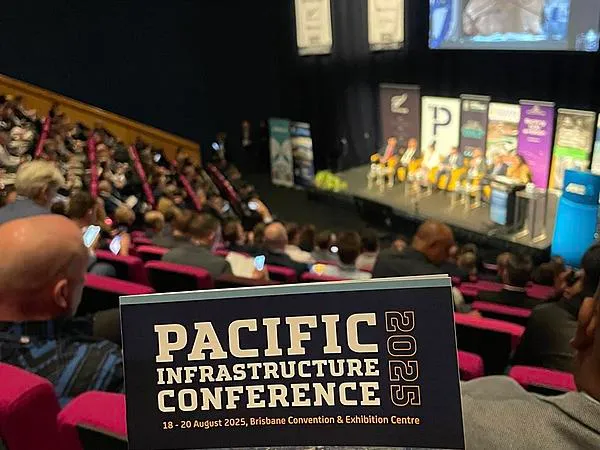
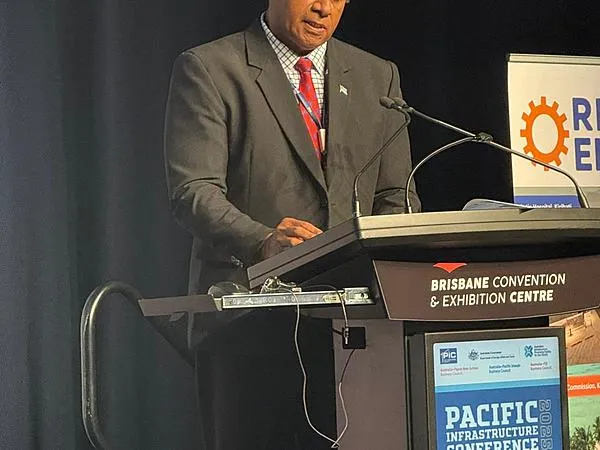
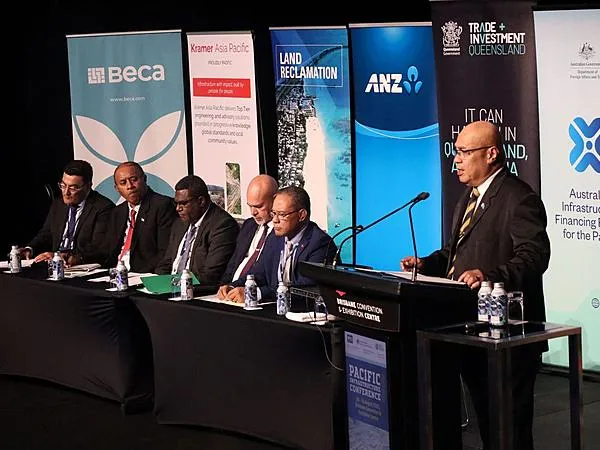
The Pacific Infrastructure Conference 2025 concluded in Brisbane after three days of high-level discussions, presentations and networking, drawing 652 delegates, 80 speakers and more than 40 exhibitors from 20 countries. Hosted from 18 to 20 August, the conference brought together political and business representatives from all 16 Pacific Island countries as well as Australia, New Zealand, Japan, France and development agencies such as ADB, World Bank and UNDP, solidifying its reputation as the region’s most inclusive infrastructure forum. The gathering provided a platform for stakeholders across the Pacific, Australia, New Zealand, Japan, the United States, the United Kingdom and the European Union to exchange views on infrastructure priorities. Development partners, investors and contractors also took part, underscoring the growing interest in the Pacific’s development agenda. One of the largest delegations was fielded by the Asian Development Bank, which sent around 25 representatives to engage in panel discussions and bilateral meetings. Pacific leaders meanwhile outlined their national infrastructure priorities in well-attended breakout sessions, drawing keen interest from consulting firms, contractors and financiers. A major draw of the event were the two Memoranda of Understanding signed by the Australia Pacific Islands Business Council (APIBC) with the Niue Chamber of Commerce and the New Caledonia Chamber of Commerce and Industry Trade and Invest. These agreements strengthen regional business ties and raise the total number of such MoUs organised by APIBC to 11. The private sector’s role was notably strong, with Pacific Island chambers of commerce and business representatives actively shaping infrastructure priorities. More than 40 exhibitors showcased technologies and services across renewable energy, digital connectivity, water, transport and construction sectors—highlighting innovation and practicality in equal measure. NTRO, the National Transport Research Organisation, attended the conference to present climate resilience solutions to over 650 delegates, including Pacific nation representatives and partner countries such as Korea and France National Transport Research Organisation. Their executive director, Jason Sprott, praised APIBC’s efforts and emphasised the urgency of resilience: “We are terribly motivated to continue our work throughout the region … our infrastructure resilience work across roads, aviation and maritime sectors is critical for the safety, economic viability and continued prosperity of the region and its amazing people” National Transport Research Organisation. Australia’s Minister for Pacific Island Affairs and Defence Industry, the Hon Pat Conroy MP, addressed delegates at the Brisbane Convention and Exhibition Centre. He reaffirmed that Australia’s infrastructure investments are Pacific-led, climate-resilient, inclusive in design, transparent and focused on local leadership, jobs and procurement Australian Foreign Affairs.
He cited nearly A$2 billion committed by the Australian Infrastructure Financing Facility for the Pacific across 56 projects in 11 nations. Projects mentioned include school sports courts in Kiribati, maintenance of PNG’s Wau Highway, and upgrades to Tonga’s Queen Salote International Wharf Australian Foreign Affairs.
The minister also announced the extension of Qantas’s “Paradise Express” flights connecting Australia and Palau until the end of 2026—and planned submarine cable rollouts that will link all Pacific Island Forum countries by year-end Australian Foreign Affairs. Simon Gorman, President of the Australia Pacific Islands Business Council, said: “This year’s conference brought together leaders and partners from across the Pacific to discuss the region’s infrastructure needs and opportunities. The participation of more than 620 delegates underlines the importance of collaboration, and the MOU signed with Niue and New Caledonia chambers show how business councils can help strengthen regional partnerships.” The conference was hosted by the Australia Pacific Islands Business Council, the Australia Papua New Guinea Business Council and the Australia Fiji Business Council, with support from the Australian Government’s Office of the Pacific as major sponsor, complemented by sponsorship from numerous government and business organisations in Australia and New Zealand.
Fiji’s Minister for Public Works, Meteorological Services and Transport Ro Filipe Tuisawau has unveiled his country’s ambitious infrastructure pipeline at the 2025 Pacific Infrastructure Conference, telling partners that long-term resilience and sustainability are central to the government’s agenda.
The three-day conference, organised in Brisbane by the Australia Pacific Business Council, drew senior government officials, development partners, and investors from across the region. Tuisawau’s presentation was among the highlights, outlining Fiji’s 50-Year Water Sector Strategy Plan — a comprehensive roadmap designed to safeguard water security, strengthen climate resilience, and underpin sustainable economic growth.
Participants said the presentation was “well received,” noting that Fiji’s plans demonstrated both vision and practicality. Tuisawau also delivered a keynote on the broader infrastructure priorities of his government, focusing on climate-resilient construction, renewable energy, sustainable transport, and social infrastructure.
While in Brisbane, the Minister met with Grace P. Morgan, director of the Department of Policy and Evaluation at the United States’ Millennium Challenge Corporation (MCC). The talks centred on Fiji’s infrastructure priorities and its readiness to partner with international institutions.
For its part, the Australian High Commission in Fiji welcomed his participation, saying it was “a pleasure to have Tuisawau” at the conference.
Canberra reaffirmed its support through the Australian Infrastructure Financing Facility for the Pacific (AIFFP) and its Social Infrastructure Program, both of which are funding projects aimed at improving essential services in Fiji.
Tuisawau stressed that Fiji’s development agenda cannot be separated from its regional role.
With a population of nearly one million, Fiji is the second most populous Pacific Island country and hosts several regional and international organisations. Its relatively diverse economy — spanning tourism, agriculture, manufacturing, and financial services — has made it an important hub for Pacific cooperation.
Australia remains one of Fiji’s largest trade and investment partners. Bilateral economic ties include Australian exports of wheat, liquefied propane and butane, and meat, while Fiji sends gold and garments to Australia. Beyond trade, Australia is Fiji’s leading donor in health and education, and a major source of investment valued at AUD1.34 billion in 2018.
For Fiji, Tuisawau’s message was clear: building the infrastructure of the future requires both vision and collaboration. “Fiji’s strong commitment to international partnerships is central to delivering climate-resilient, sustainable, and inclusive development for our people,” he said.
Tuvalu is turning its attention to regional cooperation and homegrown solutions as global climate talks continue to stall, with Prime Minister Feleti Teo saying his country can no longer afford to wait while the seas keep rising.
Ahead of next month’s Pacific Islands Forum Leaders’ Meeting in Honiara, Teo said Tuvalu would prioritise climate change, sea level rise, and more reliable regional initiatives that directly address the existential threats facing his nation.
"As a low-lying atoll nation, we are remarkably vulnerable to climate change-induced sea level rise," Teo told the Pacific Infrastructure Conference here last week. He pointed to the urgent need for comprehensive coastal protection initiatives and land reclamation, describing infrastructure as “the backbone of Tuvalu's development.”
The Prime Minister outlined key projects already underway, including the Tuvalu Coastal Adaptation Project (TCAP), the Funafuti Water and Sanitation Project, and new public housing. These, he said, were “designed to enhance resilience while meeting critical infrastructure needs.”
But Teo’s message was not just about bricks and mortar. It was also about partnership.
"Our projects reflect our government's commitment to ensuring a sustainable future for Tuvalu, and we must prioritise partnerships that allow us to confront challenges collaboratively," he said.
He highlighted how infrastructure development was tied to the government’s ten strategic priorities, captured in the national blueprint Te Kete, and the new National Infrastructure Plan.
"By fostering partnership with the private sector, our goal is to maximize returns on investments and ensure that critical infrastructure is delivered efficiently," Teo added.
Observers at the Brisbane conference said his remarks went beyond policy announcements, striking a personal chord as a rallying call for allies to join Tuvalu in its fight for survival.
The Pacific Infrastructure Conference, organised by the Australia Pacific Business Council, brought together regional leaders, business executives, and development partners to explore how to deliver projects that are climate-resilient, innovative, and inclusive.
For Tuvalu, Teo made clear, the shift towards stronger regional action and practical infrastructure is no longer optional — it is the difference between survival and disappearance.
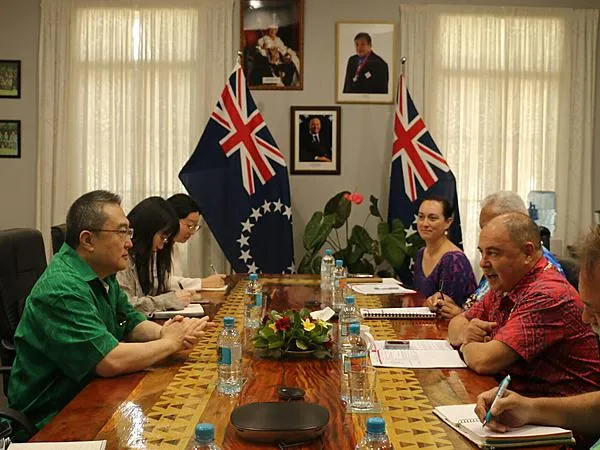
Prime Minister Mark Brown met with Chinese Ambassador Dr Xiaolong Wang on the margins of the Cook Islands’ 60th anniversary of self-governance, underscoring the strength of the two countries’ nearly three-decade partnership.
During the meeting, Ambassador Wang presented a congratulatory letter from Chinese President Xi Jinping, recognising the significance of the milestone and reaffirming China’s commitment to its longstanding friendship with the Cook Islands.
“The Cook Islands was pleased to welcome China as part of our 60th anniversary celebrations,” Brown said. “China has played a vital role in our self-governance journey over the past three decades, and we value their continued partnership and presence during this important milestone.”
Since establishing diplomatic relations in 1997, cooperation between the Cook Islands and China has expanded across infrastructure, agriculture, marine resources, and technical expertise. Recent years have seen stronger engagement through provincial-level partnerships, collaboration with Cook Islands agencies, and community-based projects.
People-to-people ties have also deepened through cultural exchanges, training programmes, and sectoral cooperation. China continues to provide grant assistance through Technical Cooperation Agreements, which are not affected by the Cook Islands’ graduation from Overseas Development Assistance (ODA). Under the current agreement, China will deliver two electric buses and a fleet of electric motorbikes to support the country’s green transport initiatives.
The meeting builds on a series of recent high-level engagements this year, including Prime Minister Brown’s bilateral talks with Chinese Premier Li Qiang in Harbin and Foreign Minister Tingika Elikana’s meeting with Chinese Foreign Minister Wang Yi in Xiamen ahead of the 3rd China–Pacific Islands Countries Foreign Ministers Meeting.
“As we mark 60 years of self-governance, we reaffirm our commitment to working with partners like China to advance peace, prosperity, and Pacific regional resilience,” Brown said.
Follow on LinkedIn:
Pacific Business Review
Be the "First" to get our exclusive Digital Magazine & Weekly Newsletter.