New high-grade gold results from Lion One Metals’ Tuvatu project in Fiji have highlighted geological similarities with Papua New Guinea’s Porgera mine, as the Canadian company continues underground drilling at one of Fiji’s emerging gold operations.
Lion One reported an intercept of 4.2 metres grading 715.15 grams per tonne gold, including 0.45 metres at 6,571.20 g/t, from underground drilling at its 100-per-cent-owned Tuvatu Alkaline Gold Project. The company said the result was the highest-grade assay returned from the project to date.
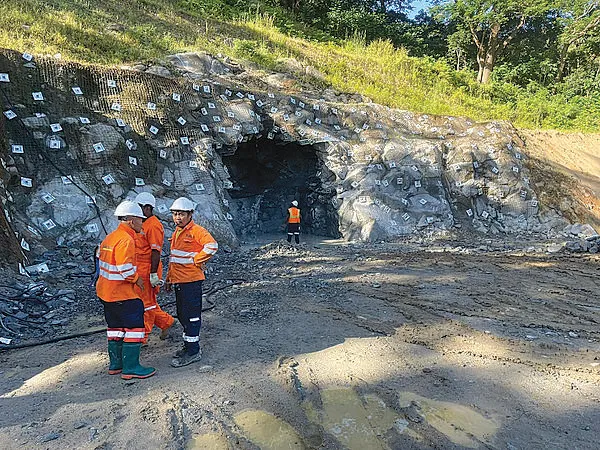
The drilling programme covered 3,337.3 metres of underground infill and grade-control drilling, targeting the southern and down-dip extensions of the Ura and Murau lodes in Zone 2. Fourteen of 18 drill holes intersected high-grade mineralisation, while three holes were abandoned.
Lion One said most of the high-grade intersections were located between 15 metres and 75 metres from existing underground development and within 50 metres vertically. The company expects the results to be incorporated into its mine plan over the next 12 months.
Porgera comparison
The latest results have particular relevance for PNG because of the similarities Lion One has identified between Tuvatu’s mineralisation and the alkaline gold systems at Porgera and Vatukoula in Fiji.
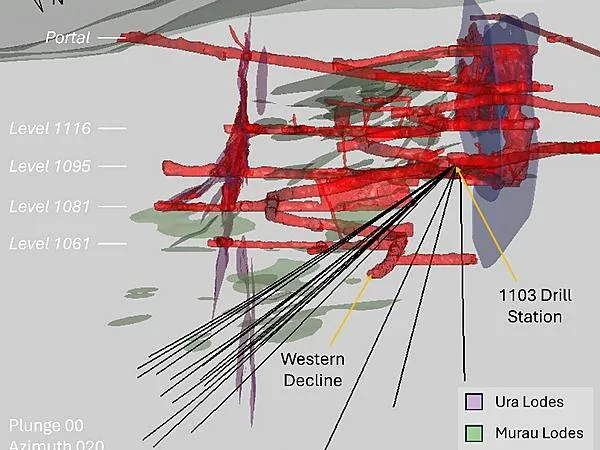
The 715.15 g/t intersection was located about 55 metres from the Western Decline and cut a shallow-dipping, roscoelite-bearing vein forming part of the Murau lode system.
Lion One said roscoelite mineralisation is a defining feature of alkaline gold systems and is directly associated with high-grade gold. Similar mineralisation occurs at Vatukoula and Porgera, which has produced more than 25 million ounces of gold.
The company also pointed to Porgera’s Stage II quartz-roscoelite-pyrite veins, which contain native gold and occur within Zone VII of the Roamane fault zone.
Zone VII produced 5.1 million ounces of gold at an average grade of 27 g/t, with individual veins locally containing hundreds to thousands of grams per tonne gold, according to Lion One.
Lion One said five assays from the latest 14 holes that intersected high-grade mineralisation returned more than 100 g/t gold, including the record 6,571.20 g/t result.
The company also noted that the Ura shrinkage stope at Tuvatu, located about 100 metres above the latest drilling, previously produced 5,704 tonnes at 10.6 g/t gold.
Underground expansion
Lion One president and chief executive Ian Berzins said the latest results demonstrated the potential to expand the Tuvatu resource through further underground drilling.
“We’re extremely pleased with the new results from our Zone 2 drilling,” Berzins said.
He said the 715.15 g/t result over 4.2 metres was the highest-grade intersection over width in Tuvatu’s history and came from an area with limited previous drilling.
“The Ura and Murau systems are a developing target and this type of intersect is testament to the potential of the system as we continue to drill and expand the resource at Tuvatu,” he said.
The Ura and Murau systems remain open at depth and along strike, presenting opportunities for further resource expansion, the company said.
The Murau structures, known locally as “flatmakes”, are shallow- to flat-dipping mineralised veins. They generally strike east-west and dip at about 20 degrees to the north or northwest, with mineral assemblages including quartz, roscoelite, arsenian pyrite and visible gold.
Lion One said the latest drilling is focused on areas outside its current resource and mine plan, with the results expected to support additional mining levels in Zone 2.
Drilling remains ongoing, with the company continuing to test the Ura and Murau lodes below existing underground workings.
The company said the Tuvatu project includes a high-grade gold deposit, underground mine, pilot plant and assay laboratory, with exploration continuing across the wider Navilawa Caldera.
The Asian Development Bank has approved a new rapid-response financing project for Vanuatu, giving the Pacific island nation faster access to funds following disasters and other major emergencies.
The Vanuatu Rapid Response Contingent Project is the first project approved under ADB’s Rapid Resource Reprogramming and Deployment Option (3RDO), a region-wide mechanism that allows countries to redirect existing undisbursed ADB financing towards emergency response and early recovery.
ADB said the financing can be used to support affected families, provide essential supplies and equipment, and restore damaged public services and infrastructure.
“The economic shocks hitting the region from the conflict in the Middle East are the latest crisis, but they won’t be the last,” ADB President Masato Kanda said.
“Vanuatu will face any crises in the future with a financing route open and ready to move money where it is needed most. This project is designed to get help to families and restore essential services before a shock becomes a prolonged emergency.”
Disaster exposure
Vanuatu has suffered average annual disaster-related losses of $35.7 million since 2006, with weather-related events including tropical cyclones, droughts and floods accounting for 86 per cent of those losses, according to ADB.
The bank said Vanuatu’s dispersed islands, limited infrastructure and underlying social and economic vulnerabilities make disasters particularly disruptive to agriculture, fisheries, tourism, health, education and housing.
The new financing mechanism can be activated following earthquakes, tsunamis, tropical cyclones, severe droughts and El Niño-related impacts.
It can also respond to food, health and biological emergencies, pollution or contamination incidents, as well as economic crises, including external price shocks, disruption to connectivity and prolonged utility outages.
Under the 3RDO mechanism, small island developing states such as Vanuatu can reallocate up to 25 per cent of their undisbursed and uncommitted public-sector ADB portfolio through a pre-arranged rapid-response contingent project.
ADB said the mechanism would be integrated into Vanuatu’s national disaster risk-management system and complement existing disaster-risk financing instruments.
It is also intended to strengthen the country’s institutional preparedness so that financing can be deployed more quickly when a crisis occurs.
Regional mechanism
The Vanuatu project represents the first use of 3RDO since ADB introduced the mechanism to accelerate emergency financing across Asia and the Pacific.
The bank said the approach is intended to ensure that countries do not have to establish a new financing arrangement from scratch after a disaster, allowing resources to be redirected through a pre-arranged structure.
ADB said the mechanism would help Vanuatu respond to future shocks while supporting early recovery and the restoration of essential services.
The initiative comes as Pacific island countries face continuing exposure to climate-related disasters and economic disruptions, while their geographic dispersion and infrastructure constraints can increase the cost and complexity of emergency response.
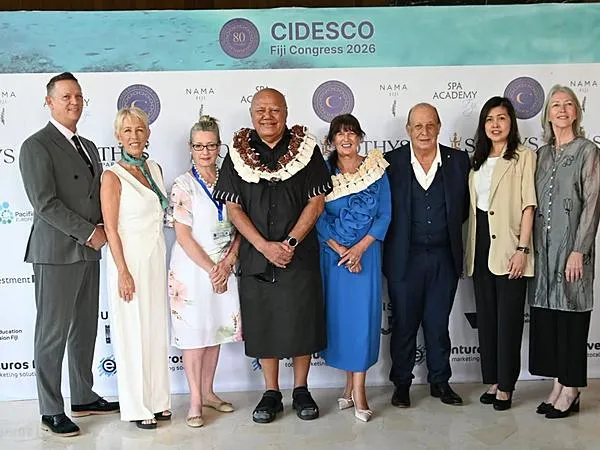
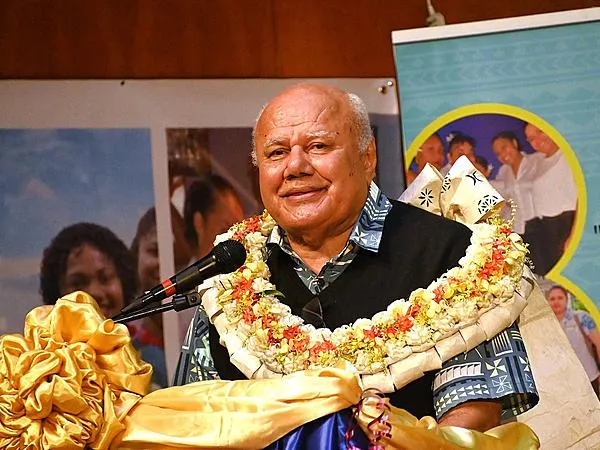
Fiji has marked a milestone for the regional wellness and tourism industry by hosting the CIDESCO World Congress for the first time in the South Pacific.
The 2026 CIDESCO World Congress was officially opened in Nadi by Deputy Prime Minister and Minister for Tourism and Civil Aviation Viliame Gavoka, bringing together beauty, spa and wellness professionals from Fiji and around the world.
Held from 29 to 31 August at the Crowne Plaza Fiji Nadi Bay Resort and Spa, the Congress is hosted by Nama Fiji and its CIDESCO-accredited Spa Academy Fiji.
CIDESCO, the Comité International d’Esthétique et de Cosmétologie, is an international organisation for professional beauty and spa therapy, with a presence in more than 56 countries and more than 230 accredited schools, salons and spas. The organisation is also marking its 80th anniversary this year.
“For the first time in CIDESCO’s history, the Congress meets in the South Pacific, and it meets here, in Fiji,” Gavoka said.
He said internationally recognised training and certification would strengthen Fiji’s wellness tourism sector by providing locally trained therapists with qualifications recognised around the world.
Gavoka also highlighted opportunities to connect wellness tourism with locally produced goods and rural livelihoods, pointing to Nama Fiji’s use of nama harvested from Fiji’s reefs, including by women in rural communities.
“This is how tourism should work for a small island nation: the value stays here, in our villages and with our people,” he said.
The Government is looking to build on the Congress by supporting more Fijian therapists in achieving internationally recognised standards, strengthening the competitiveness of local spas and salons, and creating pathways for young Fijians to pursue careers in the growing wellness industry.
The Congress programme also features competitions under the 2026 theme, “Wellness from the Sea”, as well as a careers expo and industry networking opportunities.
Papua New Guinea and Solomon Islands have reaffirmed their commitment to deeper economic cooperation, with business groups from both countries describing the inaugural PNG–Solomon Islands Investment Conference as the starting point for a more structured commercial partnership.
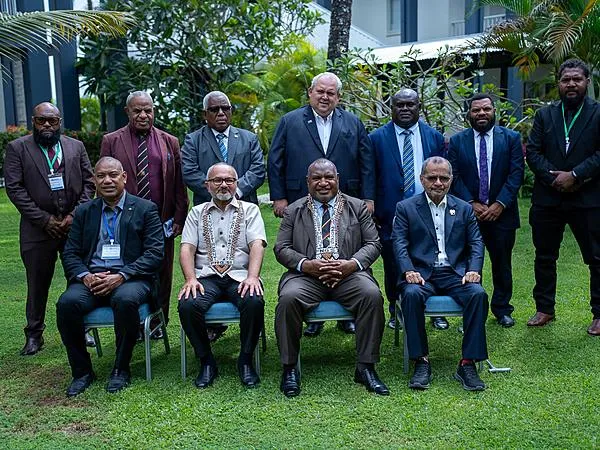
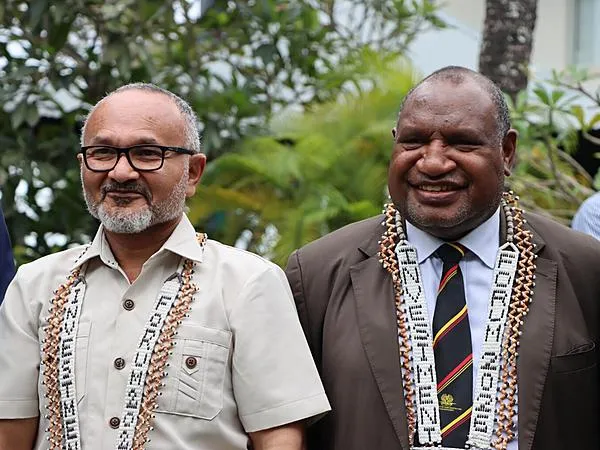
The Papua New Guinea Solomon Islands Business Council (PNGSIBC) and Solomon Islands Chamber of Commerce and Industry (SICCI) welcomed the commitment of Papua New Guinea Prime Minister James Marape and Solomon Islands Prime Minister Matthew Wale, as well as the participation of government leaders and public officials from both countries.
The conference, themed “From Opportunity to Investment – Building the PNG-Solomon Islands Growth Corridor”, was the first investment conference between the two Melanesian nations. It was designed to support the implementation of the PNG-Solomon Islands Economic Framework Agreement on Development and Economic Cooperation 2026-2030, signed in June.
The event brought together government representatives, private-sector executives, investors, financial institutions, development partners and business leaders from Papua New Guinea, Solomon Islands and the wider region to explore opportunities for increased trade, investment and economic cooperation.
According to PNGSIBC and SICCI, the strong participation demonstrated growing interest in business-to-business and business-to-government engagement, supported by strategic and sustainable policy frameworks from both governments.
Discussions focused on potential investment and commercial opportunities across infrastructure, mining, telecommunications and digital services, financial services, agriculture, fisheries, tourism, energy, resources and professional services. Youth and micro, small and medium-sized enterprise development were also highlighted.
The organisations said the two countries' geographical proximity, shared Melanesian heritage, longstanding people-to-people links and complementary economic opportunities provide a strong foundation for closer commercial relations.
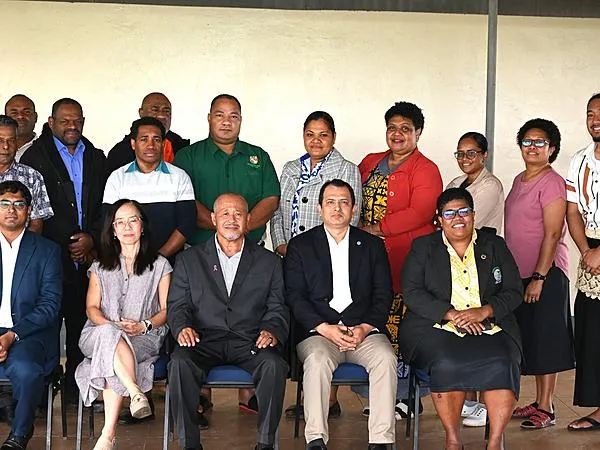
Central Bank of Solomon Islands Governor Dr Luke Forau was among the speakers at the conference.
PNGSIBC and SICCI said they would build on the conference's momentum by working with governments, development partners and the private sector to advance a number of priorities.
These include increasing bilateral trade and investment, facilitating business and investor connections, supporting joint ventures and partnerships, expanding opportunities for MSMEs and local businesses, and addressing barriers affecting the movement of businesspeople, skills, goods and investment.
The two business organisations will also advocate for greater private-sector participation in major development and infrastructure projects and establish a continuing platform for dialogue between governments, investors and businesses.
They said practical measures to make it easier to conduct business between Papua New Guinea and Solomon Islands would remain a priority.
“The Investment Conference should therefore be regarded not simply as an event, but as the beginning of a stronger and more structured economic partnership between the private sectors of our two countries,” PNGSIBC and SICCI said.
A work plan is being developed to capture the conference's key outcomes and practical recommendations arising from the discussions. A report card from the Joint Organising Committee is also expected to be presented at future conferences to track progress.
SICCI Vice-Chair Gordon Denty welcomed the support provided by both governments and the private sector for a sustainable development agenda, saying the inaugural conference had exceeded expectations.
The two organisations said the next phase would focus on translating the relationships and opportunities identified at the conference into investment, businesses, jobs and sustainable economic benefits for people in both countries.
The initiative represents an effort by Papua New Guinea and Solomon Islands to move beyond diplomatic and political ties towards a more integrated economic relationship, with the proposed growth corridor providing a framework for long-term private-sector cooperation.
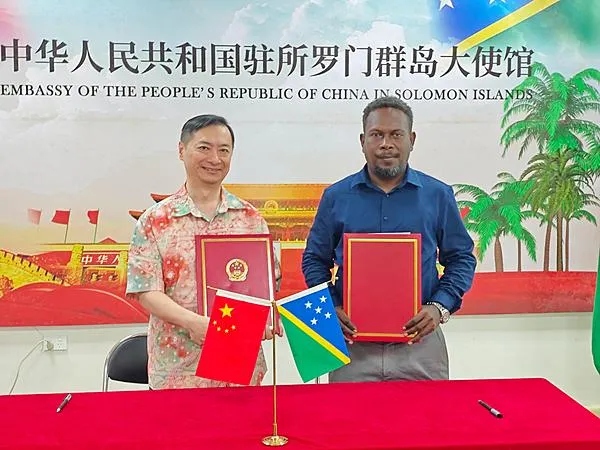
The Chinese Embassy in Solomon Islands and the Ministry of Environment, Climate Change, Disaster Management and Meteorology have signed a cooperation agreement for the second phase of a mini solar power project aimed at expanding access to clean and reliable energy in the country.
Chinese Ambassador Cai Weiming and Minister for Environment Ghemu signed the agreement on Aug. 24. Minister for Women Maneniaru, Minister for Forestry Tagini and representatives from constituencies participating in the project also attended the signing ceremony.
The cooperation follows an initiative announced by China at the Third China-Pacific Island Countries Foreign Ministers’ Conference in 2025 to implement a series of “Small yet Smart” livelihood projects in Pacific island countries.
Cai said the first phase of the mini solar power program received positive feedback and expressed confidence that the second phase would further support Solomon Islands in turning its renewable energy resources into tangible improvements in people’s livelihoods.
The project is also expected to strengthen energy self-reliance and promote social inclusion as Solomon Islands pursues sustainable development, according to the ambassador.
Ghemu expressed appreciation to the Chinese government and people for their continued support and partnership with Solomon Islands.
He said the cooperation would help improve access to affordable, reliable and sustainable energy while strengthening energy security, supporting environmental protection and improving the quality of life for Solomon Islanders.
Ghemu also highlighted the importance of continued cooperation between the two countries in addressing development challenges.
“Through strong partnerships, knowledge sharing, and mutual support between our two countries, SI could overcome challenges and build a more resilient future,” he said.
The second phase of the mini solar power project forms part of broader cooperation between China and Solomon Islands in clean energy and community development, with the initiative expected to contribute to greater energy access and resilience in participating communities.
Fiji’s Ministry of Agriculture and Waterways is strengthening its capacity to develop, assess and coordinate agricultural investment proposals through a four-day training program on economic and financial analysis under the Food and Agriculture Organization’s (FAO) Hand-in-Hand Initiative.
The training, which opened at the JICA Training Room at the Koronivia Agriculture Research Station, brings together participants from Fiji and Tonga and is supported by the FAO Investment Centre, the FAO Subregional Office for the Pacific and the FAO Country Office.
Permanent Secretary for Agriculture and Waterways Dr Andrew Tukana said the program forms part of broader efforts to modernize and institutionalize agricultural investment planning in Fiji.
“Our longer-term objective is to modernise and institutionalise the Ministry’s investment-planning process,” Tukana said.
He said the ministry intends to develop a standard investment-planning manual or operating procedure to guide the preparation and review of major agricultural investment proposals.
According to Tukana, the proposed system would establish minimum requirements for evidence, analysis, consultation, quality assurance and approvals, helping ensure that investment proposals meet consistent standards regardless of who prepares them.
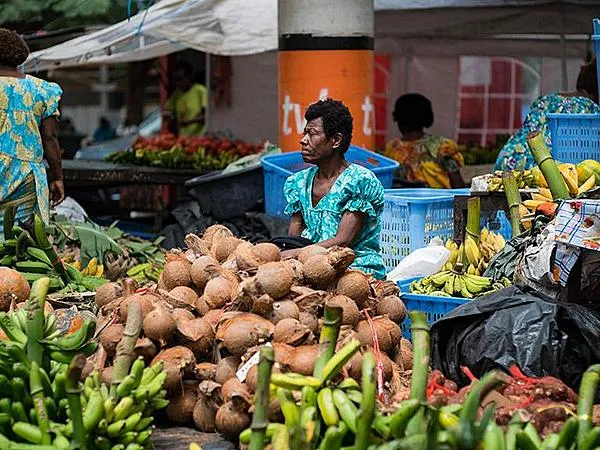
The training comes as Fiji, Tonga and other Pacific nations prepare for the FAO Hand-in-Hand Investment Forum in Rome in October, where Fiji is expected to present investment opportunities in breadfruit, pineapple, coconut and cocoa.
While describing the Rome forum as an important milestone, Tukana said Fiji’s focus must extend beyond the event and toward establishing a sustainable framework for agricultural investment planning.
“The quality of an investment plan should not depend only on one officer, one consultant or one short-term project. It should become part of how the Ministry operates – connecting technical design, economic and financial analysis, budgeting, implementation, monitoring and accountability,” he said.
The training will equip participants with practical tools to assess the economic and financial viability of agricultural investments, including evaluating whether projects are realistic, beneficial to farmers and businesses, capable of generating broader economic value and resilient to changes in market conditions.
Tukana urged participants involved in preparing proposals for the Rome forum to critically review the analyses supporting proposed investments, including data sources, assumptions and information gaps.
He emphasized that future agricultural investment submissions should be transparent, evidence-based and clearly identify the challenges being addressed, intended beneficiaries, resource requirements, expected value creation and risk-management measures.
Addressing the challenge of limited agricultural data in many Pacific countries, Tukana said data gaps should not be used to conceal uncertainties or overstate assumptions.
“Where evidence is limited, be transparent, consult technical experts and industry stakeholders, and clearly identify what needs further verification,” he said.
Tukana also encouraged participants to share the knowledge gained during the training with colleagues, saying the long-term success of the initiative depends on building a broader pool of investment-analysis practitioners across Fiji and Tonga.
“FAO provides catalytic technical assistance. It is our duty to learn, adapt what is useful to our context and produce impact from what we have learned,” he said.
“Sustainability begins when this knowledge becomes part of our institutional practice rather than remaining with a project, consultant or individual officer.”
He acknowledged FAO’s support and thanked technical facilitators Mr Kundan and Mr Raushan for sharing their expertise with participants.
The training is expected to help develop stronger agricultural investment proposals that are commercially attractive, climate-responsive and aligned with the needs of farmers and rural communities.
Officials said the initiative will also strengthen cooperation between Fiji and Tonga while supporting Pacific Small Island Developing States in improving how agricultural investment opportunities are developed and presented to potential investors.
The training will continue over four days at the Koronivia Agriculture Research Station.
Papua New Guinea and Solomon Islands are seeking to deepen economic cooperation, increase cross-border investment and develop stronger business-to-business partnerships as the two Melanesian neighbours work to translate longstanding political ties into economic gains.
PNG Prime Minister James Marape made the call during the inaugural Papua New Guinea-Solomon Islands Business Investment Forum in Honiara, held under the theme “From Opportunity to Investment: Building the PNG-Solomon Islands Growth Corridor.”
The forum brought together government leaders, investors, business executives, financial institutions and private-sector representatives from both countries.
Marape said the forum should mark the beginning of sustained economic engagement between the two countries, with a focus on investment, trade, employment, downstream processing and greater economic independence.
“What good is political independence without economic independence?” Marape said, calling for both countries to build economies strong enough to stand on their own feet.
He said PNG and Solomon Islands were permanent neighbours whose economic interests were closely linked by geography, culture and history.
“We must construct a future that is fair and balanced, respects our people and our businesses, and allows us to walk step by step, side by side, into the future,” he said.
The forum followed Solomon Islands Prime Minister Matthew Wale’s official visit to Port Moresby in June, during which the two countries signed the Framework Agreement on Development and Economic Cooperation 2026-2030.
The agreement provides a framework for cooperation in trade and investment, mining, fisheries, agriculture, infrastructure and other areas of mutual economic interest.
Marape said the Honiara forum was intended to translate that government-level commitment into private-sector projects and partnerships.
“When Prime Minister Wale visited Port Moresby, we agreed that our relationship must produce tangible outcomes for our countries,” he said. “We have established the government framework. Now we want our private sectors to identify projects, establish partnerships and turn those opportunities into investment.”
PNG investment presence
PNG already has a significant commercial presence in Solomon Islands.
A 30-year review records 126 PNG-origin registered investments across 18 sectors, including agriculture, communications and information technology, construction, financial services, fisheries, mining, insurance, professional services, retail and wholesale, tourism and transportation.
The investments have proposed employment for more than 7,500 Solomon Islands citizens, with agriculture, professional services and fisheries among the largest employment-generating sectors.
Marape said PNG businesses had demonstrated that they could invest successfully beyond the country’s borders while creating jobs and contributing to a neighbouring economy.
“Papua New Guinean businesses have demonstrated that they can successfully invest beyond our borders while creating employment and contributing to the economy of a neighbouring Pacific country,” he said.
He encouraged Solomon Islands businesses to similarly explore opportunities in PNG.
Joint investment opportunities
Marape said the two countries had opportunities to cooperate in mining, fisheries, agriculture, energy, tourism, infrastructure, financial services, telecommunications, transport and downstream processing.
He particularly highlighted opportunities for joint ventures and partnerships between businesses in both countries.
“If we can source capacity from each other, let us source it. If we can have joint ventures amongst each other, let us have those joint ventures,” he said.
PNG businesses already operating in Solomon Islands include companies in property, finance, retail, fisheries, professional services, construction and other sectors.
Marape encouraged PNG businesses operating in Solomon Islands to develop local partnerships and support the growth of Solomon Islands-owned small and medium-sized enterprises.
“PNG businesses, as you work here, incubate a local business to be your value partner,” he said. “A good relationship, a good business venture and a good reputation is premium capital.”
Mining, fisheries opportunities
The two countries’ marine resources represent another potential area for cooperation, Marape said, particularly in fisheries.
PNG and Solomon Islands have large exclusive economic zones with significant tuna resources. Marape called for greater domestic processing and manufacturing rather than simply harvesting and exporting fish.
“We have been open for business for so long. We now want to go into partnership,” he said. “We want to step up processing of our catches in our respective countries.”
He said stronger cooperation could help the two countries build regional value chains for tuna and other marine products while creating employment and retaining more economic value domestically.
Marape also encouraged responsible investment in mining and energy, saying investors should receive reasonable returns while host countries, landowners and local businesses benefit through taxation, royalties, equity and local content.
In a separate bilateral meeting with Wale at the Heritage Park Hotel, Marape said Solomon Islands had again invited PNG investors to participate in its economy.
He said more than K1 billion of PNG investment was already present in Solomon Islands, with more than 59 PNG companies of various sizes operating there.
“We already have over K1 billion worth of Papua New Guinea investments in Solomon Islands, with more than 59 PNG companies of different sizes operating here,” Marape said.
He said the two countries could also explore joint participation in major mining projects, including arrangements that would ensure Solomon Islanders remained the principal beneficiaries of their natural resources.
Marape said PNG was prepared to consider equity structures in which Solomon Islands government entities, companies, provincial governments and landowners retained majority interests, while PNG companies contributed capital, expertise and experience.
“We are not coming here simply to take resources out. We want genuine partnerships in which Solomon Islanders remain beneficiaries of their own resources while our companies contribute capital, expertise and experience,” he said.
Economic relationship
The leaders also discussed trade and investment, border arrangements, mining, fisheries, agriculture, education, policing and security, air connectivity and other areas of bilateral cooperation.
Marape said the direct air connection between Honiara and Port Moresby would help facilitate the movement of businesses, investors and people between the two countries.
He said both governments needed to ensure that bilateral agreements translated into practical economic outcomes.
“Our political relationship is strong, our cultural and historical relationship is permanent, and now we must build the economic relationship to the same level,” Marape said.
“A stronger PNG-Solomon Islands economic corridor will strengthen both countries and contribute to a more economically resilient Melanesia and Pacific,” he said.
Marape said PNG’s economic diplomacy should also encourage domestic companies to expand internationally, rather than focusing solely on attracting foreign investment into the country.
“Papua New Guinea must also become an investor in the Pacific and, increasingly, beyond our region,” he said.
He identified banks, telecommunications companies, resource businesses, superannuation funds, agricultural companies, professional firms and SMEs as potential regional investors.
The prime minister said stronger economic integration between PNG and Solomon Islands could serve as a model for wider Melanesian and Pacific economic cooperation.
“A healthy Solomon Islands is a healthy PNG. A healthy PNG is a healthy Solomon Islands,” Marape said.
“Our strength is in economic prosperity.”
He urged businesses attending the forum to focus on practical opportunities, identify projects and establish joint ventures as the two countries seek to build a stronger economic relationship over the coming years.
New high-grade drilling results from Lion One Metals’ Tuvatu gold mine in Fiji have highlighted geological similarities with Papua New Guinea’s Porgera mine, including mineralization associated with quartz, roscoelite and visible gold.
Lion One reported an intersection of 4.2 meters grading 715.15 grams per tonne of gold from underground drilling at Tuvatu, including a 0.45-meter interval grading 6,571.20 grams per tonne.
The company said the latter was the highest-grade assay result ever recorded at Tuvatu.
Lion One reported the results from 3,337.30 meters of underground infill and grade-control drilling targeting the Ura and Murau lodes in Zone 2, below Level 1061.
Fourteen of 18 completed drill holes intersected high-grade mineralization, with most of the results located within 15 to 75 meters of underground development and within 50 meters vertically.
The company said the results could support the expansion of the mine plan, with the mineralized areas expected to be incorporated into the plan within the next 12 months.
The Ura and Murau systems remain open at depth and along strike and are outside the current resource in several areas, presenting potential for further resource growth.
Lion One said the headline 4.2-meter intersection was located about 55 meters from the Western Decline and intersected a shallow-dipping, roscoelite-bearing vein forming part of the Murau lode system.
Roscoelite mineralization is associated with high-grade gold in alkaline gold deposits. Lion One cited the Vatukoula mine in Fiji and Porgera in PNG as examples of deposits with similar mineralization.
At Porgera, the company said Stage II quartz-roscoelite-pyrite veins containing native gold are among the most significant mineralized structures in Zone VII of the Roamane fault zone.
Zone VII produced 5.1 million ounces of gold at an average grade of 27 grams per tonne, according to Lion One.
The company said individual veins in the zone locally contained gold grades ranging from hundreds to thousands of grams per tonne, similar to some of the results now being reported at Tuvatu.
Five assays from the latest Tuvatu drilling returned more than 100 grams per tonne of gold, including the 6,571.20 grams per tonne result.
Lion One President and Chief Executive Officer Ian Berzins said the latest drilling demonstrated the potential of the Ura and Murau systems.
“We’re extremely pleased with the new results from our Zone 2 drilling,” Berzins said. “The interval of 715.15 g/t gold over 4.2 m is the highest grade over width in the history of Tuvatu, and it’s located in close proximity to our underground workings in an area of limited drilling.”
The company said drilling is continuing at Tuvatu, with further work targeting resource expansion in Zone 2 and Zone 5.
Lion One said its drilling results were reported as downhole intervals, with true widths not yet known because of variability in structural orientation.
The company applies a 3 grams per tonne gold composite cutoff when reporting drill-hole intercepts.
Tuvatu is a 100%-owned alkaline gold project operated by Lion One in Fiji. The project includes the Tuvatu deposit, underground mine, pilot plant and assay laboratory, as well as an exploration licence covering the Navilawa Caldera.
Lion One said the company operates its own geochemical laboratory and diamond drilling fleet, with its laboratory accredited under the ISO/IEC 17025:2017 standard.
For more than two decades, CE Group has delivered complex electrical and engineering projects across Australia and the Pacific, building a reputation for providing practical, end-to-end engineering solutions in some of the region's most challenging operating environments. From major mining operations and hospitals to water infrastructure and renewable energy developments, the company has supported clients with integrated engineering services across a diverse range of sectors.
Founded in 2000 in South East Queensland, CE Group has steadily expanded its footprint beyond Australia into Papua New Guinea, Fiji, Solomon Islands, Vanuatu and New Zealand. Today, the privately owned business provides a full suite of services, from engineering design and electrical construction to switchboard manufacturing, commissioning and ongoing maintenance. Rather than engaging multiple contractors, clients increasingly turn to CE Group as a single integrated delivery partner capable of managing projects from concept through to completion.
As infrastructure projects continue to grow in scale and complexity, integrated project delivery has become increasingly important.
In response to this shift, CE Group has strengthened its in-house engineering capability, enabling it to become involved much earlier in the project lifecycle. Early engineering engagement helps reduce project risks while providing greater certainty around cost, quality and schedule. It also improves coordination and collaboration between project teams, identifies potential challenges before construction begins, and supports more efficient project delivery.
By bringing engineers, designers, manufacturers and construction teams together under one roof, the company aims to deliver practical, buildable solutions that improve project outcomes.
The move also reflects broader changes across the infrastructure sector. Throughout Australia and the Pacific, governments and private investors continue to increase investment in renewable energy, water security, mining, industrial facilities and other critical infrastructure.
Many project owners are seeking delivery partners with the technical capability to support projects from early planning and design through construction, commissioning and long-term maintenance, rather than contractors focused solely on construction.
For CE Group, expanding its engineering capability positions the business to meet that demand. The company says earlier involvement in project planning enables it to improve constructability, identify potential issues before construction begins, streamline project delivery and develop more efficient engineering solutions.
These capabilities have already been demonstrated across a diverse portfolio of projects. In Papua New Guinea, CE Group has contributed to major developments including the Angau Memorial Hospital Redevelopment and APEC Haus, while across Australia it has delivered electrical and engineering solutions for mining, water and industrial infrastructure projects.
Alongside strengthening its technical capability, CE Group continues to invest in its people and regional presence. The company now employs more than 450 people across multiple countries and maintains a strong focus on safety, workforce development and local capability building. Investing in local talent remains a key part of its regional strategy, particularly across Pacific markets where demand for skilled engineering and technical expertise continues to grow.
Looking ahead, the company expects continued investment in the energy transition, industrial expansion and essential infrastructure to create new opportunities across the region. With its expanded engineering capability and integrated delivery model, CE Group believes it is well positioned to support clients through every stage of increasingly complex projects.
As infrastructure demands continue to evolve, the company's strategy remains focused on combining engineering expertise, practical execution and long-term partnerships to deliver projects more efficiently, safely and reliably. In an environment where project certainty is increasingly valued alongside technical capability, CE Group's integrated approach is designed to help clients achieve better outcomes throughout the project lifecycle.
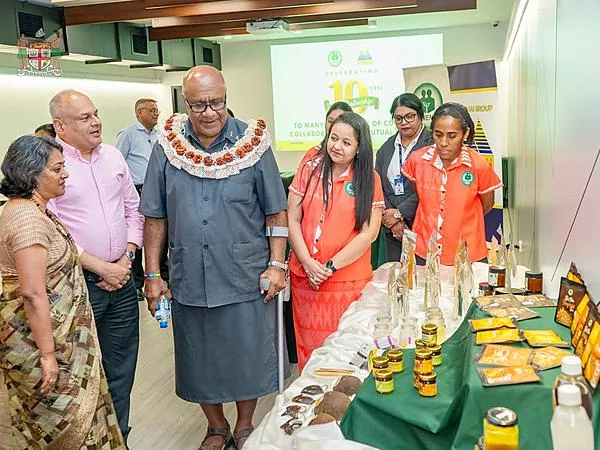
A decade-long partnership between the Foundation for Rural Integrated Enterprises and Development (FRIEND) and Motibhai Group of Companies is helping rural Fijian producers turn locally made products into commercially viable businesses, Fiji’s Deputy Prime Minister Manoa Kamikamica said.
Speaking at the partnership’s 10th anniversary celebration in Walu Bay, Kamikamica said the initiative demonstrated the importance of connecting rural producers with established commercial networks.
FRIEND has developed relationships with rural producers, while Motibhai has provided distribution, retail access and commercial expertise to help locally made products reach wider markets, he said.
“Behind every carton of product that leaves this building for a supermarket shelf, there is a family,” Kamikamica said. “That is the real economics of rural Fiji.”
The partnership now supports 31 distinct, 100% Fijian-made products, including chutneys, pickles, herbal teas, gluten-free flours, dried fruits, spices and desiccated coconut. The products are supplied to retail, hospitality and wholesale markets.
FRIEND Acting Chief Executive Officer Viloki Gohil said the organisation began 25 years ago by supporting communities affected by the economic and social disruption following Fiji’s 2000 upheaval.
The organisation helped communities turn existing skills and locally available resources into livelihood opportunities. Women with experience making preserves, for example, were supported to develop products for commercial sale.
Gohil said FRIEND initially had to develop its own understanding of the practical requirements for getting community-made products into formal markets, including barcodes, packaging, quality control, distribution and shelf management.
“For about 10 years, our team sold in markets, cleaned the shelves, distributed the jars and showcased these products at expos and fairs within Fiji and abroad,” Gohil said.
She said Motibhai’s involvement a decade ago helped address a major challenge by providing access to logistics, retail outlets and broader market opportunities.
Kamikamica said the partnership reflected the Fiji government’s efforts to help micro, small and medium enterprises and cooperatives transition from informal activity to sustainable and competitive businesses.
“This is not a charity model. It is a commercially sound, mutually beneficial partnership that happens to also elevate rural communities,” he said.
Gohil said FRIEND was entering a new phase focused on market expansion, scalable growth and food innovation.
The government will continue supporting rural producers through cooperative development, MSME programmes and improved access to finance, certification and market linkages, Kamikamica said.
He congratulated FRIEND and Motibhai on the partnership’s 10th anniversary and acknowledged the farmers, rural women’s groups and community producers whose work remains central to the initiative.
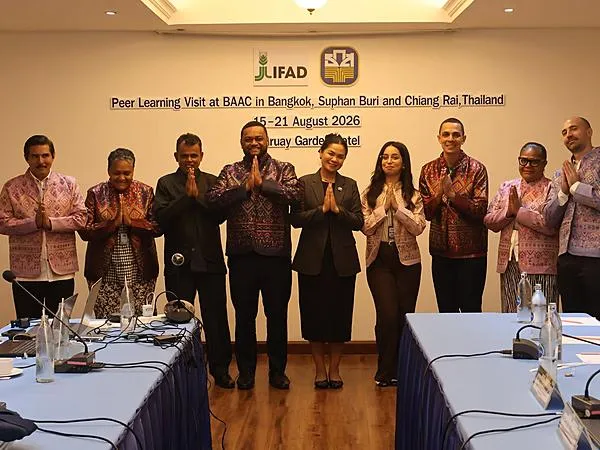
Fiji Development Bank staff are taking part in an international peer-to-peer learning exchange in Thailand aimed at strengthening approaches to agricultural, rural and climate finance.
The exchange, running from Aug. 17 to 21, brings FDB staff together with the Bank for Agriculture and Agricultural Cooperatives (BAAC) in Thailand. The programme is facilitated by the Agri-PDB Platform hosted by the International Fund for Agricultural Development (IFAD), in partnership with the Asia-Pacific Rural and Agricultural Credit Association (APRACA).
The two development-focused financial institutions are exchanging experiences on supporting smallholder farmers, rural communities and climate-resilient agriculture.
Key areas of the programme include climate-smart and agroecological agriculture, green and climate finance, blended finance and innovative financial instruments, agricultural and rural development financing, value-chain development and financial inclusion.
The exchange also covers institutional knowledge and capacity building, giving participants an opportunity to examine practical approaches and implementation challenges.
BAAC has more than five decades of experience in agricultural development finance and serves millions of farming households across Thailand.
FDB is Fiji's national development financial institution and is a Green Climate Fund Direct Access Accredited Entity. The bank said the exchange would help strengthen its role in financing Fiji's transition towards a more resilient and sustainable economy.
The programme is intended to go beyond a study visit by allowing the institutions to share experiences, identify effective approaches and bring lessons from the exchange back to Fiji.
FDB said stronger knowledge and partnerships can contribute to better financing solutions for farmers and rural communities while supporting more resilient communities and a sustainable future for Fiji.
Fiji is moving to a broader tourism regulatory framework under the Tourism Act 2026, replacing legislation that has focused primarily on hotels and guest houses for more than five decades.
Deputy Prime Minister and Minister for Tourism and Civil Aviation Viliame Gavoka told Parliament Tuesday that the government would implement the new framework through a managed transition, giving existing tourism businesses time and support to meet the new requirements.
Businesses currently licensed under the Hotels and Guest Houses Act 1973 will have their licences and approvals recognised for up to 12 months after the new Act takes effect. This will allow operators to transition to the Tourism Enterprise Register.
The new framework will cover a wider range of tourism businesses, including accommodation providers, tour operators, guides, dive operators and other tourism experiences.
Businesses will be classified under a Tourism Classification System and, after meeting applicable legal and tourism requirements, issued a Recognition Certificate. The Tourism Enterprise Register will be publicly accessible.
Gavoka said the reform was not intended to establish another licensing system, but to create a Recognition Pathway and Fiji Tourism Standards that would allow tourism businesses to progressively improve quality, sustainability and compliance.
The classification system will include Community, Indigenous and Micro Tourism Enterprises as well as small, medium and large operators.
The Ministry of Tourism and Civil Aviation is developing regulations, administrative systems, registration procedures and industry guidance ahead of the Act's commencement. It will also conduct targeted awareness and industry engagement to explain registration requirements, classification, applicable standards and transition timelines.
The government expects the new framework to provide clearer rules and nationally consistent standards while improving recognition of tourism operators that meet quality and sustainability requirements.
For the government, the Tourism Enterprise Register is also expected to provide better information to support tourism policy, planning and industry development. Visitors are expected to benefit from greater confidence that tourism enterprises operate under recognised national standards.
The commencement date for the Tourism Act 2026 will be appointed by the minister and will be determined based on the government's operational readiness.
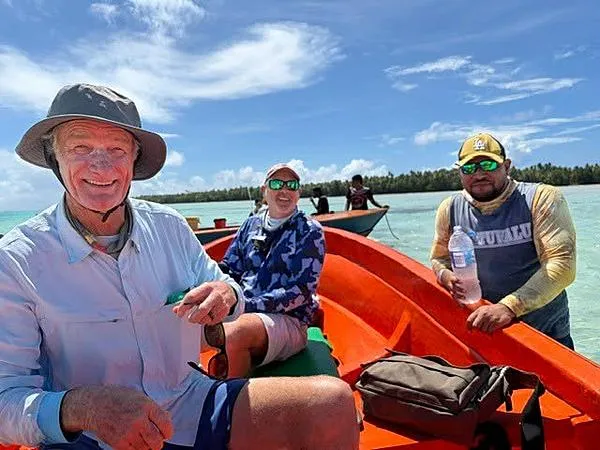
Tuvalu has completed its first sport fishing tourism pilot, an initiative aimed at testing the potential for a premium, environmentally sustainable tourism product while creating new economic opportunities for local communities.
The pilot was delivered through a partnership between the Australia-Pacific Partnerships for Aviation Program (P4A) and the National Fisheries Corporation of Tuvalu (NAFICOT), with support from experienced Australian sport fishing guides Justin Duggan and Gavin Platz.
The guides worked alongside NAFICOT to explore how Tuvalu's marine environment could support a high-value sport fishing tourism offering while protecting the country's fisheries, environment, culture and communities.
The initiative is designed to attract visitors who travel specifically for sport fishing, potentially generating demand for flights to Funafuti and supporting businesses involved in tourism, hospitality, transport and other services.
For Tuvalu, the pilot provides an opportunity to diversify its tourism offering and create new sources of income while making use of the country's marine resources in a controlled and sustainable way.
The model is intended to grow carefully, with environmental sustainability at its core. This includes ensuring that increased tourism activity does not undermine Tuvalu's marine environment or fisheries and that economic benefits extend to local communities.
The initiative could also strengthen aviation connectivity by creating additional demand for international and regional flights to Funafuti, linking tourism development with broader economic activity.
Australia said the pilot demonstrates the potential of the partnership between the two countries under the Falepili Union, which provides a framework for closer cooperation between Australia and Tuvalu.
By combining sustainable tourism development with stronger aviation connectivity, the initiative is intended to help Tuvalu expand its economy while creating opportunities for future generations.
Fiji's emerging innovation ecosystem is entering a new phase, with the government calling for deeper collaboration between entrepreneurs, investors, industry leaders and development partners to turn ideas into businesses, jobs and new economic opportunities.
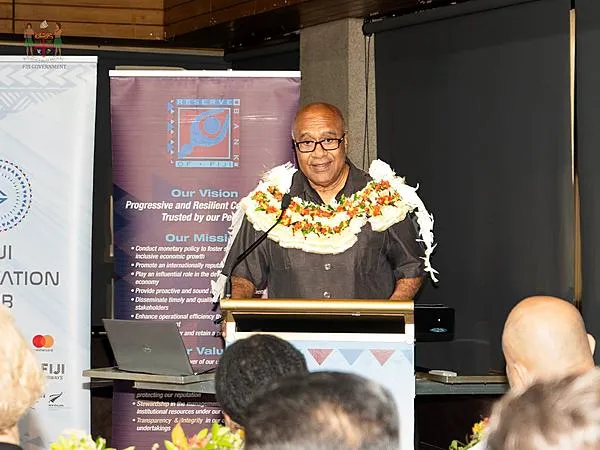
Deputy Prime Minister and Minister for Industries, Commerce, Business Development and Public Enterprises Manoa Kamikamica made the call while opening the inaugural Fiji Innovation Hub Showcase in Suva.
Kamikamica said the focus must now move beyond establishing a physical innovation space to building the community and business networks needed to sustain Fiji's innovation ecosystem.
“The greatest return on this investment will come from the businesses you build, the jobs you create, the problems you solve and the opportunities you generate for communities across Fiji,” Kamikamica said.
The Fiji Innovation Hub is a strategic partnership involving the government, Reserve Bank of Fiji and development partners, with the long-term ambition of becoming a centre for Fiji's innovation and entrepreneurship ecosystem.
The Hub is intended to give entrepreneurs access to mentorship, connect innovators and students with investors and industry, help businesses identify growth opportunities and new markets, and strengthen the contribution of innovation to productivity, employment, economic growth and resilience.
Building an entrepreneurship ecosystem
Kamikamica said achieving those objectives would require sustained commitment from the private sector and could not be delivered by government alone.
He called on business leaders, investors and experienced professionals to take a more active role in mentoring emerging entrepreneurs, sharing expertise, opening professional networks and helping promising businesses establish connections to finance and markets.
For founders and emerging entrepreneurs, such networks can be critical as they seek to expand into new markets, secure financing and manage the challenges associated with business growth.
The Innovation Hub Showcase has brought together participants through partner panels, founder conversations, Talanoa sessions and networking opportunities designed to encourage the exchange of ideas and identify potential areas for collaboration.
International and private-sector support
Kamikamica acknowledged the support of the United Nations Development Programme, the United Nations Capital Development Fund's Pacific Digital Economy Programme, the European Union, the governments of Australia and New Zealand, the Reserve Bank of Fiji, Creative HQ, Mastercard, HFC Bank and Fiji Airways.
The range of partners reflects the government's effort to build an innovation ecosystem that connects public institutions with financial, business, technology and development-sector organisations.
With demand for programmes, mentorship, networking and support services continuing to grow, Kamikamica said the momentum around the Hub showed that Fiji's innovators were ready for the next stage.
The challenge, he said, is now to convert that momentum into measurable outcomes, including stronger businesses, more jobs, practical solutions and wider economic opportunities.
The government ultimately wants the Fiji Innovation Hub to help position the country as a leading Pacific centre for innovation and entrepreneurship while creating opportunities for future generations in Fiji and across the wider Pacific.
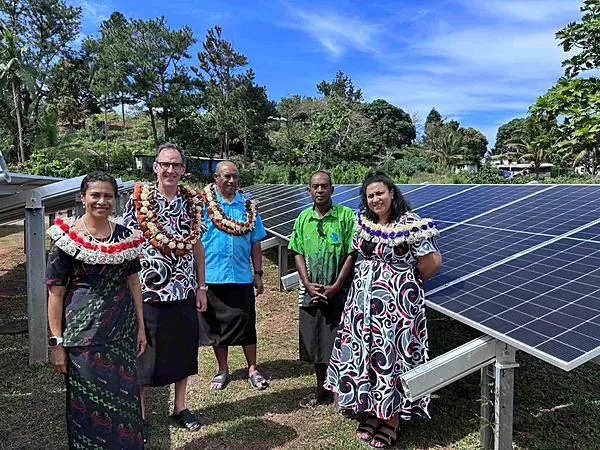
The Lakaro Solar Hybrid Power Plant has been commissioned at Vunisea Government Station in Kadavu, reducing diesel consumption and delivering new renewable energy capacity to one of Fiji's maritime communities.
Minister for Public Works, Meteorological Services and Transport Ro Filipe Tuisawau officially commissioned the facility, with Minister for Information, Environment and Climate Change Lynda Tabuya and New Zealand High Commissioner to Fiji Greg Andrews also attending.
The project, supported through a partnership between Fiji, New Zealand and the United Arab Emirates, is already reducing Vunisea's diesel consumption from about 60 drums to 20 drums a month.
The reduction is expected to save approximately $336,000 a year while lowering the community's reliance on imported diesel fuel.
The hybrid plant can provide up to 30% renewable energy, strengthening the reliability and security of electricity supply in Kadavu while reducing the environmental impact of diesel-based generation.
For remote and maritime communities, the project demonstrates how renewable energy can contribute not only to climate goals but also to energy security, resilience and lower costs for delivering essential services.
The government said it remains committed to working towards 100% renewable energy generation for Vunisea and expanding sustainable energy solutions across Fiji's maritime communities.
The project reflects cooperation between Fiji, New Zealand and the United Arab Emirates in developing renewable energy infrastructure and reducing dependence on imported fossil fuels.
The 48th Bourail Fair drew about 22,000 participants over the weekend, bringing together agriculture, livestock and handicraft businesses while highlighting the contribution of rural industries to New Caledonia's economy.
The annual event officially opened on Aug. 14, with the first day dedicated to industry professionals and providing an opportunity for government officials to engage with agricultural and craft-sector representatives.
Government President Milakulo Tukumuli, accompanied by Christopher Gygès, Méryl Marlier and Philippe Blaise, met with industry stakeholders and producers involved in promoting New Caledonian agricultural products.
The government delegation held discussions with agricultural-sector representatives during a breakfast organised by the Office for Marketing and Cold Storage (OCEF).
The discussions provided an opportunity to examine issues affecting the agricultural sector and the role of industry organisations in supporting producers and strengthening local supply chains.
The delegation also met with the Chamber of Trades and Crafts (CMA), in the presence of its president, Elizabeth Rivière.
Discussions focused on the chamber's priorities and outlook, including support for craftspeople and vocational training.
The meetings come as New Caledonia's agricultural and craft sectors seek to maintain economic activity and strengthen opportunities for local producers and businesses.
Cultural exchange
The fair also provided a platform for cultural cooperation between New Caledonia and New Zealand.
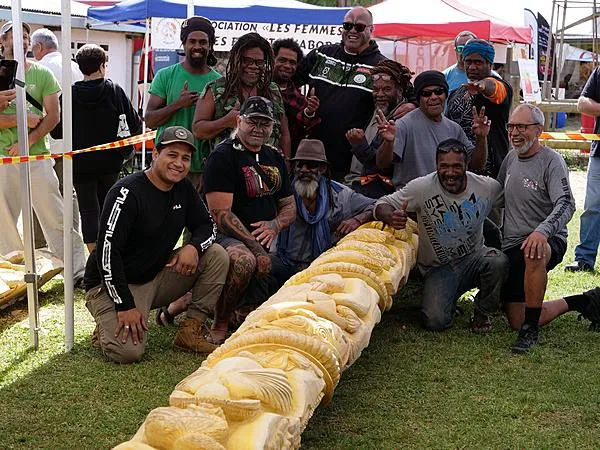
Tukumuli, alongside New Zealand Consul General Mary Thurston, Bourail Mayor Patrick Robelin and the Republic's delegated commissioner for the Southern Province, Catherine Merkcx, attended the inauguration of the monumental sculpture “La pirogue des peuples” (The Peoples' Canoe).
The sculpture was created during a cultural residency in Bourail involving Kanak and Māori sculptors, highlighting cultural links between the Pacific communities.
Focus on local priorities
The government delegation later met with Bourail Mayor Patrick Robelin at the town hall for a formal meeting focused on the municipality's priorities.
The discussions included challenges facing the municipality as a result of declining government funding allocations.
The meeting provided an opportunity for the local and territorial authorities to discuss issues affecting Bourail and the resources available to address them.
The 48th Bourail Fair serves as a showcase for New Caledonia's agricultural industries, rural expertise and handicrafts, bringing producers, businesses, government representatives and communities together.
The event's strong attendance underscored the continued importance of agriculture, livestock and local craftsmanship to the territory's economic and social life.
Fiji has opened a new innovation hub in Suva aimed at helping entrepreneurs turn ideas into businesses, jobs and new economic opportunities.
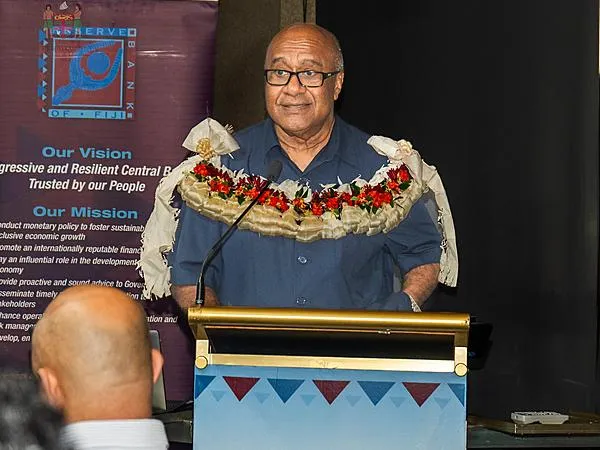
Deputy Prime Minister and Minister for Industries, Commerce, Business Development and Public Enterprises Manoa Kamikamica officially opened the Fiji Innovation Hub Space at the Reserve Bank of Fiji.
Kamikamica said the hub would provide entrepreneurs with access to mentors, investors, development partners and other innovators as they develop ideas and take them toward commercialisation.
“Today is about much more than the opening of a space. It is an important milestone for Fiji,” Kamikamica said.
He said innovation was increasingly important as Fiji sought to overcome the constraints of a small domestic market, geographical distance and exposure to climate-related shocks.
Innovation was “not a luxury” but a necessity, particularly as artificial intelligence, fintech, e-commerce, agtech and climate technology create new opportunities for Fijian businesses, he said.
Improved digital connectivity is also allowing businesses based in Suva, Labasa and Savusavu to reach customers and markets beyond Fiji.
The Fiji Innovation Hub was developed through a partnership led by the Reserve Bank of Fiji and the UNCDF Pacific Digital Economy Programme, funded by the European Union and the governments of Australia and New Zealand.
Creative HQ, the Ministry of Industries, Commerce and Business Development, Mastercard, HFC Bank and Fiji Airways also supported the initiative.
The initiative began as a discussion in late 2024 and has developed into a multiyear programme focused on strengthening entrepreneurship and technology-led solutions.
Over the past year, the hub has provided training and capability development, organised hackathons and brought together innovators from urban centres, maritime communities and the Fijian diaspora.
Kamikamica said the permanent facility would provide a base for entrepreneurs to build partnerships, test ideas and develop businesses.
He said the hub’s success should ultimately be measured by the enterprises, investment, employment and opportunities it generates rather than by the facility itself or the number of activities it hosts.
The initiative supports the government’s broader goal of developing a more productive, inclusive and resilient economy, with innovation playing a greater role in strengthening micro, small and medium-sized enterprises and private-sector development.
Kamikamica said the government would continue working to remove barriers, improve the investment environment, strengthen digital infrastructure, expand financial inclusion and create policies that allow innovation to flourish.
He also welcomed additional support for the initiative, including sponsorship for the hub’s second year of activities from the Fiji Development Bank and the Ministry of Policing and Communications.
Kamikamica encouraged entrepreneurs using the facility to challenge conventional approaches, take risks and learn from setbacks as they develop solutions to Fiji’s economic and social challenges.
He said the hub represented confidence in Fiji’s people and its emerging generation of entrepreneurs, whose ideas could develop into new businesses and industries and strengthen the country’s position as an innovation centre in the Pacific.
Kava farmers in Faifatala’a, West Kwara’ae, Malaita province could unlock significant economic opportunities as the Solomon Islands government and private-sector buyers explore ways to expand production and connect growers with export markets.
The potential was highlighted during a meeting between the Productive Sector of the Prime Minister’s Office Policy Implementation, Monitoring and Evaluation Unit, the Ministry of Commerce, Industry, Labour and Immigration, the Faifatala’a Kava Association and New Zealand-based kava buyer Serenco Labs.
Serenco Labs is already purchasing commercially suitable kava from Faifatala’a, but farmers have struggled to consistently meet buyer demand.
The main constraints include transporting harvested kava from the mountainous area to the buying point in Auki, poor road access, harvesting and post-harvest processing challenges, unreliable energy, quality control and limited commercial capacity.
Faifatala’a currently has about 45 households, 19 hectares of established kava and 102,000 plants in the ground.
Based on a planning assumption of 1 kilogram of saleable dried kava per mature plant at SBD300 per kilogram, the existing plants represent a theoretical production potential of 102 tonnes and an indicative gross farm-gate value of SBD30.6 million.
About 12,950 three-year-old plants are expected to provide the first significant commercial harvest from January 2027.
The proposed Faifatala’a Pilot Production Community and Auki Provincial Kava Hub 2026–2031 seeks to address production and market constraints through a plantation-to-market model covering production, transport, processing, quality assurance, value addition and export.
The programme targets the planting of 225,000 new plants annually, equivalent to about 45 hectares. At full production, each annual planting cohort could generate about SBD67.5 million in gross farm-gate value under the stated planning assumptions.
A Serenco Labs representative highlighted the quality of Solomon Islands kava, particularly its high kavalactone content. Strong overseas buyer interest suggests that the key challenge is increasingly the ability of farmers to produce, aggregate, process and reliably supply commercial volumes.
The company also highlighted the potential for kava farming to generate income within rural communities, including opportunities for Solomon Islanders currently working overseas under the Pacific Australia Labour Mobility scheme to consider investing their labour in commercial production at home, provided markets and supporting infrastructure are available.
Improved connectivity between Faifatala’a and Auki is seen as critical to the proposed expansion.
Better road access could reduce transport costs and post-harvest losses, increase the volume of kava reaching Auki and strengthen links between farmers, the proposed provincial kava hub and export markets.
The initiative therefore places the Ministry of Infrastructure Development in a key position to support the emerging kava industry.
The proposed Auki Kava Hub would provide facilities for aggregation, quality assurance, drying, grinding, packaging, value-added products and export preparation, with renewable energy also proposed to support processing operations.
The initiative aligns with the GREAT Coalition’s focus on indigenous small and medium-sized enterprises, local content and value addition.
For the Productive Sector of PIMEU, the project demonstrates the Iumi Tugeda approach by bringing together indigenous producers, government, infrastructure development, private-sector investment and international markets.
If the key constraints are addressed, Faifatala’a could turn its existing kava resources into sustained household incomes, rural employment, indigenous businesses and export earnings.
The longer-term goal is to establish Faifatala’a as a commercially viable pilot that could be replicated in other kava-growing communities across Solomon Islands.
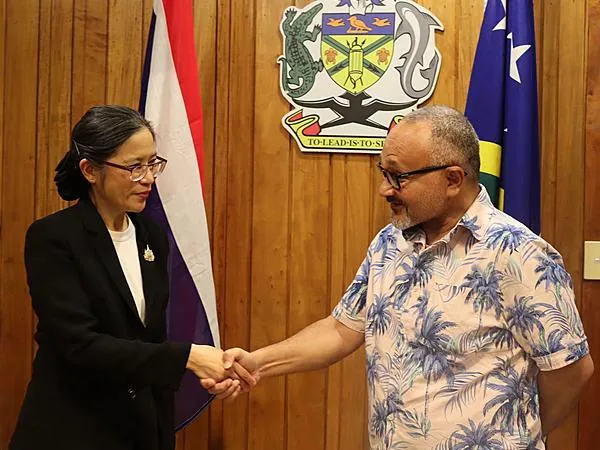
Solomon Islands is seeking to deepen cooperation with Thailand in trade, investment, agriculture, tourism, education and skills development, Prime Minister Matthew Wale said following a meeting with Thailand’s ambassador to Solomon Islands.
Wale held a courtesy meeting with Ambassador Arjaree Sriratanaban in Honiara, where the two discussed opportunities to strengthen bilateral relations and expand economic cooperation.
Wale welcomed Sriratanaban and expressed Solomon Islands’ admiration for Thailand’s economic development, democratic resilience and cultural heritage.
“Thailand is a country we look to with a great amount of respect. There are lessons from your development experience that we can learn from and adapt to our own circumstances,” Wale said.
A key focus of the discussions was economic diversification and increasing value addition in agriculture. Wale said Solomon Islands needed to reduce its reliance on exports of raw resources by developing greater processing and manufacturing capacity.
He identified cocoa and coconut as commodities with significant potential for value-added processing.
Sriratanaban said Thailand was interested in diversifying its trade relationships and saw opportunities for greater engagement with Solomon Islands, including investment, food processing and supply-chain partnerships.
Tourism was also identified as an area with significant potential. Wale described the sector as largely untapped and encouraged greater engagement with Thailand, including exchanges and visits to learn from Thailand’s tourism industry.
The ambassador also outlined training programs and scholarship opportunities for Solomon Islands students and government officials.
Wale welcomed the opportunities as the government implements its free education policy and works to address shortages of qualified teachers and technical instructors.
The discussions also covered potential cooperation in climate resilience, renewable energy, fisheries, public health and community development.
Sriratanaban reaffirmed Thailand’s commitment to strengthening relations with Solomon Islands and promoting closer cooperation between the two countries.
Fiji is exploring long-term cooperation with Malaysia to strengthen fuel security and shield the country from future global supply disruptions, including through strategic reserves and offshore fuel storage.
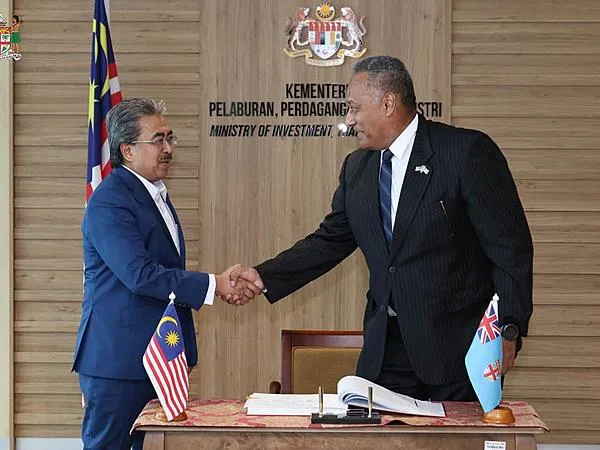
Discussions between Fiji and Malaysia in Kuala Lumpur on Aug. 10 focused on strategic fuel reserves, emergency supply assurances, resilient supply chains and long-term energy infrastructure. The talks also considered the possibility of pre-positioned offshore fuel storage and strengthened maritime supply arrangements.
Fiji’s Foreign Affairs and External Trade Minister Sakiasi Ditoka held discussions with Malaysia’s Investment, Trade and Industry Minister Johari Abdul Ghani, highlighting Fiji’s vulnerability as a small island developing state that relies heavily on imported fuel.
Johari outlined Malaysia’s work on strategic fuel security and stockpiling arrangements with international partners, giving Fiji an opportunity to assess how Malaysia’s experience and energy infrastructure could support its longer-term fuel security.
“Energy security is a critical component of national security for small island developing states,” Ditoka said.
“Malaysia’s advanced refining capabilities and world-class energy infrastructure make it a natural strategic partner. Exploring a formal and structured arrangement on fuel security and offshore stockpiling reflects our Coalition Government’s proactive commitment to protecting Fijian families and local businesses from international price shocks,” he said.
The discussions also covered opportunities to expand trade, investment, technology transfer and industrial cooperation, including increased Malaysian investment in Fiji and improved market access for Fijian products.
The reopening of Fiji’s High Commission in Kuala Lumpur is expected to provide a platform for further bilateral cooperation, with a focus on economic partnership, energy security and practical outcomes for both countries.
For Fiji, the discussions come as the government seeks to strengthen the resilience of its fuel supply system against disruptions in international markets and maritime supply chains.
The Papua New Guinea Tourism Promotion Authority (PNGTPA) has taken another important step towards strengthening marine tourism in Papua New Guinea through a new partnership that will bring a ferry back into service in Port Moresby Harbour.
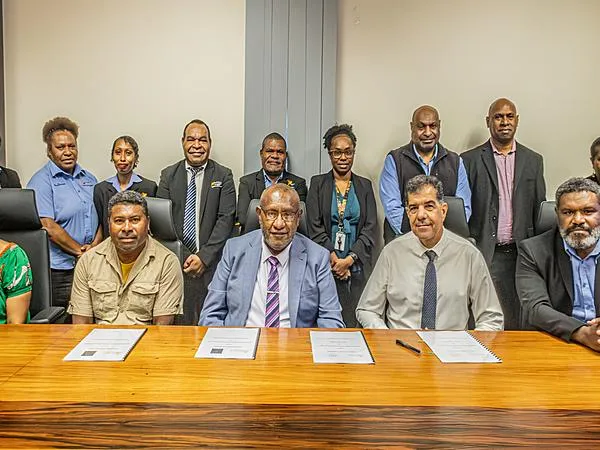
The partnership was formally signed on 6 August 2026, bringing together PNGTPA, Happy Soles Limited and Marine Contract Management to operate and manage the vessel.
The partnership aims to ensure the vessel is safely, professionally and efficiently operated while supporting PNGTPA’s tourism promotion activities and creating new experiences for both local and international visitors.
The vessel will initially support tourism promotion activities, official engagements and sightseeing experiences around Port Moresby, while also providing a platform for the development of new marine tourism products showcasing the capital’s coastline and surrounding waters.
Speaking at the signing ceremony, PNGTPA Chief Executive Officer Eric Mossman Uvovo said the partnership marked an important milestone for the Authority and demonstrated its commitment to making better use of its tourism assets.
“This boat has been sitting idle for some time, and today marks the beginning of a new chapter. Our goal is to get it back on the water as quickly and safely as possible so it can support PNGTPA’s work in promoting Papua New Guinea and creating more tourism opportunities. This is only the beginning of what we hope will become a bigger marine tourism initiative for our country,” Mr Uvovo said.
He added that the initiative was also aligned with PNGTPA’s long-term vision of strengthening marine tourism infrastructure, including the development of jetties and waterfront facilities.
According to Mr Uvovo, Port Moresby will serve as an important starting point, with the potential to expand similar marine tourism initiatives to other provinces and coastal destinations across the country.
Happy Soles Limited Managing Director Yiannis Nicolaou welcomed the partnership, saying the company was excited about the opportunity to help transform the vessel into a unique tourism attraction.
“We’re proud to work alongside PNGTPA on this exciting project. We want to give visitors something different by creating enjoyable experiences on the water. From island cruises and private functions to family celebrations, we believe this boat can become a memorable attraction that people will want to experience again and again,” Mr Nicolaou said.
He added that Happy Soles Limited plans to upgrade the vessel with more comfortable seating and modern features while developing creative tourism experiences that complement existing marine services in Port Moresby.
Meanwhile, Marine Contract Management Managing Director Captain Matthew Dieni said his company was pleased to be part of the initiative and would place a strong emphasis on safety, vessel maintenance and professional operations.
“It is an honour to partner with PNGTPA on this important project. My team and I are committed to ensuring the boat is well maintained, safely operated and ready to deliver quality services. We look forward to working together to make this a success,” Captain Dieni said.
As the vessel prepares to return to service, PNGTPA remains committed to building strategic partnerships that enhance Papua New Guinea’s tourism offering and support sustainable tourism development.
PNGTPA will continue working with industry partners to unlock the potential of the country’s extensive coastline, pristine marine environment and unique coastal attractions, helping position Papua New Guinea as a world-class destination offering authentic and memorable experiences to visitors.
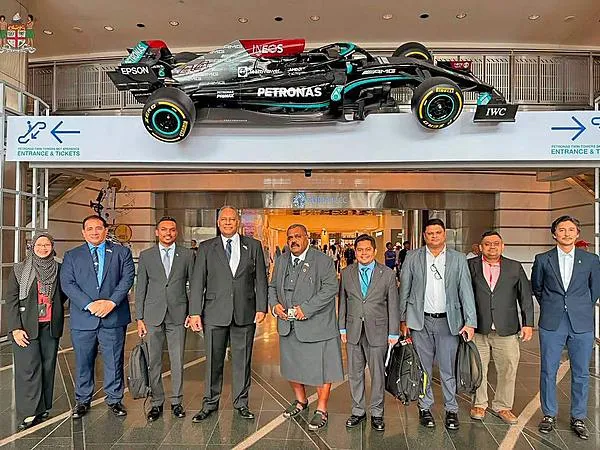
Fiji is exploring potential cooperation with Malaysian state-owned oil and gas company PETRONAS to strengthen fuel security and build greater resilience in its energy supply chain amid continuing volatility in global fuel markets.
Fiji Minister for Foreign Affairs and External Trade Sakiasi Ditoka met with PETRONAS Executive Vice President and Chief Executive Officer, Downstream, Datuk Sazali Hamzah, in Kuala Lumpur during an official working visit to Malaysia.
Discussions included the possibility of Fiji being considered under PETRONAS’ existing arrangements for oil storage and stockpiling with international partner countries.
The talks also covered potential technical support for Fiji’s development of a National Fuel Security Strategy, as well as fuel storage and supply-chain infrastructure.
Ditoka said Fiji’s dependence on imported petroleum products leaves the country vulnerable to disruptions in international shipping, higher freight costs and congestion, with consequences extending across the wider Pacific.
“The recent global fuel volatility and Middle East shipping disruptions have underscored that small island developing nations cannot rely solely on spot-market arrangements,” Ditoka said.
“Securing Fiji’s energy supply chain is vital not only for our 900,000 citizens but also for our maritime neighbours who rely on Fiji as a regional hub.”
He said working with a global energy company such as PETRONAS could help Fiji build longer-term energy resilience.
“Partnering with a global energy leader like PETRONAS allows the Coalition Government to build true long-term resilience for Fiji and the wider Blue Pacific,” Ditoka said.
The discussions also examined PETRONAS’ investments in renewable energy, sustainable biofuels and lower-carbon energy solutions.
Fiji expressed interest in Malaysian expertise and potential investment in these areas as it seeks to develop cleaner and more resilient energy systems.
“Fiji is looking to build resilience, not dependence. We want to work with partners who can help us strengthen our systems, diversify our options and prepare for the future,” Ditoka said. “We see PETRONAS as a potential partner in that journey.”
Fiji and PETRONAS agreed to continue discussions through technical and official channels to identify practical areas for potential cooperation.
The proposed cooperation comes as Pacific island countries face heightened exposure to global energy and supply-chain disruptions, underscoring the importance of fuel storage, diversified supply arrangements and stronger regional energy resilience.
Fiji’s Ministry of Tourism and Civil Aviation has opened applications for a pilot fund aimed at helping locally owned micro and small tourism businesses expand and diversify their products and services.
Applications for the Pilot Tourism Micro and Small Enterprise Fund for the 2026-27 financial year opened Wednesday and will remain open until Sept. 30, 2026.
The fund will provide grants to eligible Fijian-owned tourism businesses, with support covering both capital projects and operational activities.
The ministry said the initiative is intended to strengthen the sustainability of tourism micro and small enterprises and support the development of new tourism products and experiences that can benefit visitors and local communities.
Eligible applicants must be Fijian citizens aged at least 18 and own a registered business that has operated for a minimum of two years.
Businesses must be at least 51% Fijian-owned, generate the majority of their revenue from tourism and be able to contribute at least one-third of the total project cost.
Funding can be used for product and experience improvements, website upgrades and other efforts to improve business visibility, technology adoption, visitor amenities and signage, small-scale infrastructure such as trails, and equity funding through financial institutions.
The fund also covers activities involving culture and heritage, environmentally sustainable tourism such as birdwatching and trekking, accessibility improvements, heritage-site upgrades, agritourism and wellness tourism.
Businesses with annual turnover of more than F$300,000 are excluded from the program, along with proposals for debt refinancing, applications from civil servants and large-scale infrastructure projects.
The ministry said applicants should review the Pilot MSE Tourism Fund Policy before submitting their applications.
Applications are being submitted online through the Ministry of Tourism and Civil Aviation website. The ministry also has an appeal and grievance process for applicants who want to challenge aspects of the program or decisions made during assessment.
The fund is part of the government’s efforts to strengthen participation by smaller businesses in Fiji’s tourism industry, which relies heavily on micro, small and medium enterprises.
Applications close on Sept. 30, 2026.
The Cook Islands Seabed Minerals Authority has clarified that a proposed corporate transaction involving seabed minerals explorer AOMC and Odyssey Marine Exploration does not alter the status of any exploration licence or give the companies ownership or control of seabed mineral resources.
The SBMA said the proposed transaction, disclosed through US Securities and Exchange Commission filings, is being assessed under Cook Islands law, with the interests of Cook Islanders central to the process.
The authority stressed that an exploration licence does not confer ownership of Cook Islands seabed minerals or automatically grant rights to commercially harvest minerals.
“No company owns or controls any part of the Cook Islands Exclusive Economic Zone or Marae Moana through an exploration licence,” the SBMA said.
Cook Islands seabed mineral resources remain under the country’s jurisdiction, it said.
The authority also addressed reports that the transaction could be completed in October, saying the timetable set by the companies does not determine the Cook Islands’ regulatory process.
“Company timelines do not set Cook Islands regulatory timelines,” the SBMA said, adding that the proposed transaction does not override Cook Islands law or determine any regulatory matter in advance.
The SBMA said its assessment covers issues including ownership and control, financial capability, compliance, royalties, taxation, environmental obligations and other regulatory requirements.
It has sought further information and assurances as part of the assessment, the authority said.
The Cook Islands remains in an exploration and research phase, with no commercial minerals harvesting approved or authorized under existing exploration licences.
Any proposal to move from exploration to commercial harvesting would remain subject to Cook Islands legal and regulatory requirements, including environmental assessment, public consultation where required and relevant decision-making processes.
The SBMA said public scrutiny of seabed minerals activities was important, but urged discussion to be based on verified information and an understanding of the regulatory framework.
“Commercial arrangements between companies do not decide the future of the Cook Islands seabed minerals sector,” it said. “That decision rests with the Cook Islands, through Cook Islands law, public process, and national decision-making.”
Follow on LinkedIn:
Pacific Business Review
Be the "First" to get our exclusive Digital Magazine & Weekly Newsletter.