



September 15, 2026

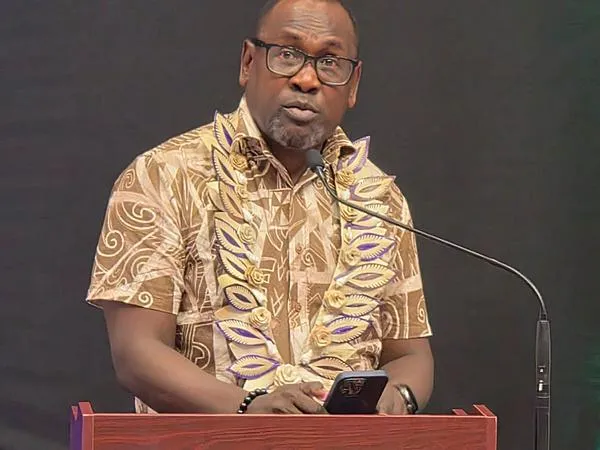
The success of local businesses, particularly small and medium enterprises (SMEs), will be critical to creating jobs, increasing household incomes and driving economic growth in Solomon Islands, according to Permanent Secretary Riley Mesepitu of the Ministry of Commerce, Industry, Labour and Immigration (MCILI).

Mesepitu made the remarks on September 14 while opening the National Business Forum 2026 at the Solomon Islands National University (SINU) Lecture Theatre.

The forum brought together business leaders, development partners, women and youth entrepreneurs, government agencies and academics for discussions on strengthening the country’s business and enterprise sector.

“These are not simply Government issues or private-sector issues. They are national development issues,” Mesepitu said.

He said the forum’s program is centered on four priorities: strengthening local enterprises, improving access to finance and capital, promoting youth and women entrepreneurship, and connecting businesses to markets, standards, compliance and trade opportunities.

Mesepitu called on participants to use the forum as a platform for practical and open discussions that can lead to concrete solutions.

“I encourage all participants to use today’s forum not only to listen, but also to speak openly, share ideas, challenge existing approaches and identify solutions that can be taken forward beyond this gathering,” he said.

Partnership needed 

Mesepitu said greater participation by young entrepreneurs and women in business is essential to developing a more inclusive and dynamic private sector.

He also stressed that the government cannot improve the business environment on its own and called for closer cooperation among businesses, financial institutions, educational institutions, development partners, civil society and international partners.

“Government cannot do it alone. We need the commitment and participation of businesses, financial institutions, educational institutions, development partners, civil society and our international partners,” he said.

Mesepitu thanked SINU for hosting the forum and the Solomon Islands Chamber of Commerce and Industry (SICCI) for its role as the key private-sector partner.

He said the government expects discussions at the forum to translate into stronger collaboration and practical measures to support local businesses.

The Permanent Secretary formally welcomed participants and expressed hope that the forum would produce productive discussions and actionable outcomes for Solomon Islands’ business sector.

September 15, 2026

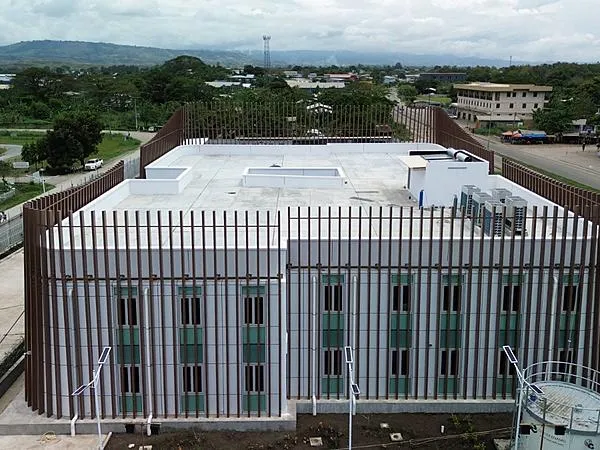
The Aviation Complex Building at Henderson has reached a major completion milestone, with physical construction substantially completed under the Second Solomon Islands Roads and Aviation Project (SIRAP2).

The project is being implemented by the Ministry of Communication and Aviation (MCA) with financial and technical support from the World Bank. Construction is being carried out by China Railway Construction Engineering Group (CRCEG), with Egis Asia providing construction supervision.

Remaining architectural finishes, mechanical, electrical and plumbing installations, external works, landscaping and approved variation works have been completed. Final inspections and stakeholder visits have also been conducted as part of the close-out, handover and operational readiness process.

Two critical items remain outstanding: installation of the transformer by Solomon Power and procurement and integration of the required information technology hardware by MCA.

The two activities must be completed before final testing and commissioning of affected building systems can proceed, allowing the facility to become fully operational and ready for handover.

MCA Permanent Secretary Alwyn Danitofea said the completion of the physical works was a significant achievement for the ministry and its project partners.

“We are pleased to see the Aviation Complex Building reach this important stage,” Danitofea said. “The completion of the physical works is a significant achievement and reflects the commitment of the Ministry, our project partners and contractors to delivering a modern facility that will strengthen the capacity and efficiency of Solomon Islands’ aviation sector.”

Wider aviation and transport upgrades 

SIRAP2 is also supporting a broader program of aviation and transport infrastructure improvements across Solomon Islands.

The program includes the upgrading of Santa Cruz and Suavanao airfields, construction of air traffic control towers at Honiara and Munda international airports, and installation of air navigation systems in Makira-Ulawa and Temotu provinces.

The project is also supporting regional airport maintenance and road improvements, including rehabilitation of 21 kilometers of East Road between Baratolo and Atori and sealing of 12 kilometers of North Road between the Auki-Gwaunaru’u Airfield Junction and Kwaisuliniu Road Junction.

The Aviation Complex is expected to strengthen aviation-sector capacity and support more efficient management of Solomon Islands’ air transport infrastructure once the remaining systems are installed, tested and commissioned.

September 15, 2026

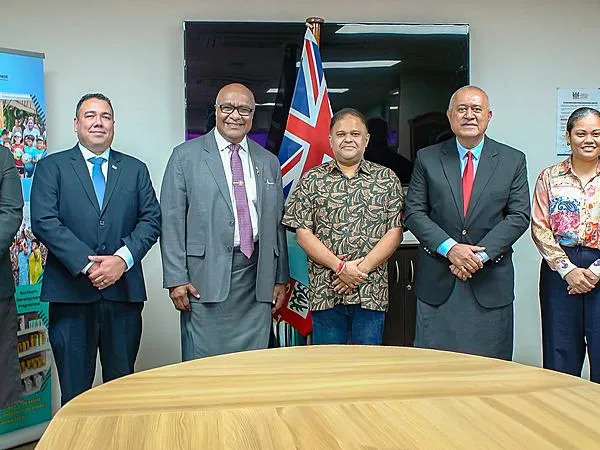
The Fijian government will provide 1,000 Google Career Certificate scholarships to citizens as part of efforts to expand digital skills and participation in the country’s growing digital economy.

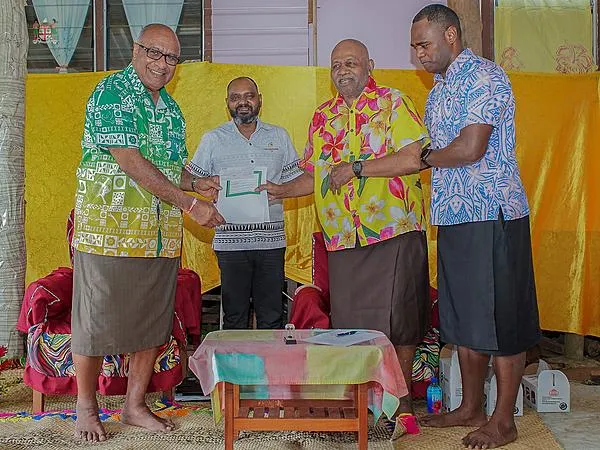
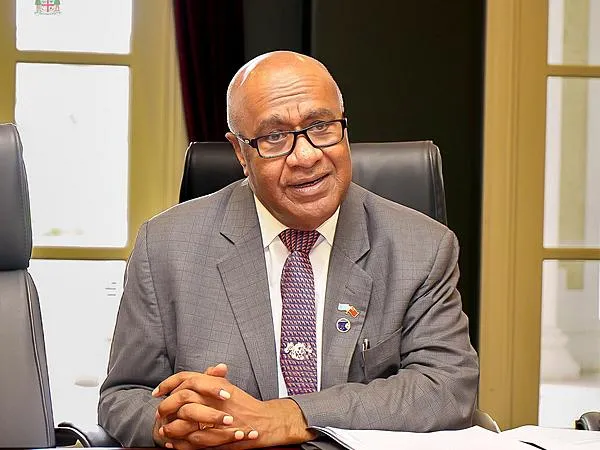
The scholarships were announced jointly by the Ministry of Policing and Communications and the Ministry of Industries, Commerce and Business Development during a meeting hosted by Deputy Prime Minister and Minister for Industries, Commerce and Business Development Manoa Kamikamica, Minister for Policing and Communications Ioane Naivalurua, and Google Director of Submarine Product and Service Innovation Shirshendu Bhattacharya.

The program supports the upskilling targets of Fiji’s National Digital Strategy, particularly its focus on digital inclusion and empowerment.

Google Career Certificates provide flexible, job-ready training in high-growth fields including artificial intelligence, cybersecurity, data analytics, IT support, project management and UX design. The courses do not require a prior degree or professional experience.

The government said the training is intended to help Fijians develop practical skills for technology-related employment, entrepreneurship and the modernization of local industries.

700 scholarships for public, civil servants

Of the 1,000 scholarships, 700 will be administered through the Digital Government Transformation Office under the Ministry of Policing and Communications.

The first tranche of 500 scholarships will comprise 300 scholarships for the public for individual skills development and 200 scholarships for civil servants.

A second tranche of 200 scholarships will be administered after the successful completion of the first tranche.

The remaining 300 scholarships will be administered by the Ministry of Industries, Commerce and Business Development and will be dedicated to upskilling micro, small and medium enterprise (MSME) and cooperative owners and their employees.

The government said the initiative will expand access to structured digital literacy and job-ready skills while supporting broader participation in the digital economy.

Fiji also recognized Google’s ongoing investments in the country, including subsea cable infrastructure and the development of a Google ICT facility, and said it looked forward to continued cooperation.

The two ministries are expected to announce the application criteria, guidelines and timelines for the scholarships in the coming weeks.

September 14, 2026

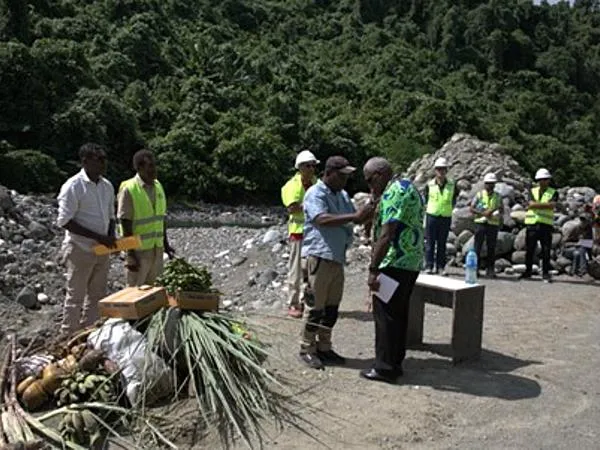
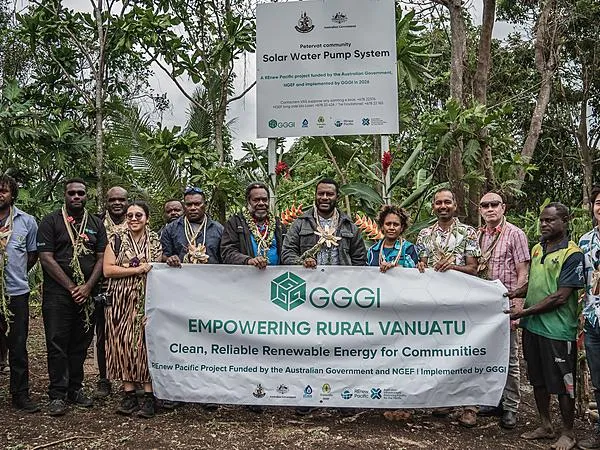
Families in the remote community of Petervat in north Malekula, Vanuatu, now have clean, reliable running water through a new solar-powered water system delivered under Australia’s REnew Pacific programme.

The system uses renewable energy to pump water from a natural spring directly to households, reducing reliance on fuel-based systems and improving water security for the rural community.

It was officially handed over last week by Malekula MP Paul Paolo and REnew Pacific Portfolio Manager Lindah Keremoi-Elton, representing the Australian High Commission, alongside local leaders and community members.

Vanuatu Minister for Climate Change, Adaptation, Geohazards, Meteorology and Energy Ralph Regenvanu said the project showed how renewable energy could improve essential services in rural communities.

“Projects like this show renewable energy can deliver a tangible impact,” Regenvanu said. “The Petervat community now has locally owned infrastructure providing reliable access to clean water while reducing reliance on costly fuel-based systems.”

He said he looked forward to further renewable energy projects under the Nakamal Agreement.

Australian High Commissioner to Vanuatu Max Willis said the project demonstrated the practical benefits of Australia’s partnership with Vanuatu.

“We launched REnew Pacific in Petervat a year ago, so it is a proud moment that clean water is now flowing, powered by the sun,” Willis said.

“This is what partnership looks like in action: climate-resilient infrastructure that improves daily life for rural ni-Vanuatu families.”

Petervat is one of nine rural communities across Santo, Paama, Tanna and Malekula receiving solar-powered water systems under the two-year project. The initiative is expected to improve water security for more than 5,100 people.

It will also provide 24 health centres and schools with solar photovoltaic systems and battery storage, while creating local employment and training opportunities.

For Petervat residents, the system reduces the time and effort previously required to collect water.

“In the past, we relied on water from the river, but now we have access to water from a natural spring,” said Jamie Vaxal, secretary of the Petervat Community Water Committee. “The water is piped directly to our houses, and daily life is much easier.”

The system was delivered by the Global Green Growth Institute in partnership with Vanuatu’s National Green Energy Fund. Community members have been trained to operate and maintain the infrastructure.

“This system now belongs to Petervat,” said Andres Toro, GGGI Vanuatu’s REnew Pacific project lead. “The community has been trained to run and maintain it, ensuring reliable access to clean water for years to come.”

The project is one of two REnew Pacific initiatives in Vanuatu. It builds on the recently completed Respond Global HELPR-1 project, which provided 24-hour solar power to 41 health facilities across the country’s six provinces, benefiting more than 70,000 people.

REnew Pacific is an Australian government commitment of A$75 million to expand clean, reliable off-grid renewable energy in rural and remote communities across the Pacific and Timor-Leste. It forms part of the A$350 million Pacific Climate Infrastructure Financing Partnership, delivered through the Australian Infrastructure Financing Facility for the Pacific.

September 14, 2026

Chemonics Australia says its acquisition of advisory firm 35 South and regional delivery specialist JID will strengthen its ability to support infrastructure, public-sector reform and development programmes across Pacific countries.

The acquisitions, announced Sept. 2, expand the organisation’s capacity to work with governments, development partners and regional institutions from programme design through to on-the-ground delivery.

For Pacific countries, the most immediate impact is expected to come from JID’s established presence in the region. The company has teams and programme experience in Papua New Guinea, Tonga, Solomon Islands, Fiji and Vanuatu, where it has supported social and economic infrastructure, service delivery, disaster response and resilience initiatives.

JID has worked with Australia’s Department of Foreign Affairs and Trade and other regional partners on major Pacific infrastructure investments. Its model combines advisory services, programme management and operational delivery, which Chemonics Australia says is particularly suited to remote, disaster-affected and resource-constrained settings.

JID CEO Brad Bowman said the partnership would give regional teams stronger systems and resources to support larger programmes while maintaining local knowledge at the centre of delivery.

“Our strength comes from teams embedded across the region and their ability to manage infrastructure and services in demanding environments,” Bowman said.

The acquisition of 35 South adds public-sector advisory expertise in policy, programme and service delivery, economics, and data analysis. While its work has focused on Australian government agencies, its capabilities could support Pacific governments and development partners seeking to improve planning, implementation and service outcomes.

Chemonics Australia was established in 2025 to support governments and institutions across Australia and the Indo-Pacific. The company said the acquisitions would deepen its ability to help partners manage complex reforms, deliver large investments and respond to local development priorities.

Chemonics Chair and CEO Jamey Butcher said the combined organisation would strengthen what it could offer partners across Australia and the Indo-Pacific.

The expanded organisation expects to work with partners including Australia’s Department of Foreign Affairs and Trade, New Zealand’s Ministry of Foreign Affairs and Trade, the Asian Development Bank, regional institutions and Pacific governments.

The move comes as Pacific countries continue to seek investment and delivery support for infrastructure, climate resilience, essential services and economic development. Chemonics said its enlarged regional capability would help partners implement programmes that build local capacity and deliver long-term benefits for communities.

September 11, 2026

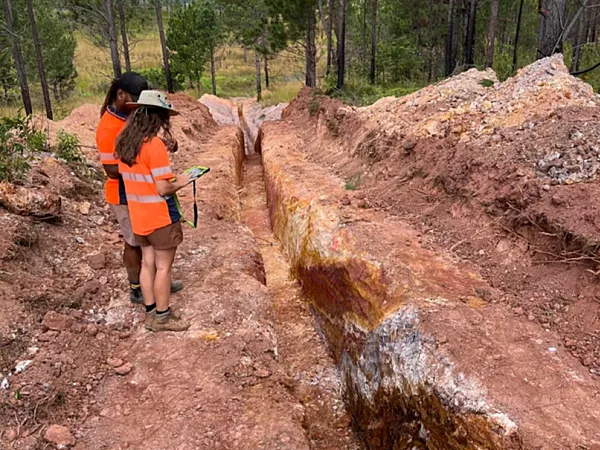
Kalo Gold Corp has identified a new high-grade gold-silver vein target at its Vatu Aurum Project in Fiji, with reconnaissance rock sampling returning up to 7.83 grams per tonne gold and 108g/t silver.

The company said seven rock samples collected from a previously unsampled outcrop in the northeast of the Wainikoro target returned gold grades of up to 7.83g/t and silver grades of up to 108g/t. Five of the seven samples assayed above 2g/t gold, while three returned more than 4g/t gold.

The outcrop, named the New Vein Cluster, contains two intersecting sets of epithermal quartz veins exposed over approximately 15 metres of strike. The veins trend NNW-SSE and east-west, with neither set closed off at the exposed outcrop because both continue beneath overburden.

Kalo said the target is approximately 270 metres northeast of the principal Wainikoro graben structure, along the margin of a discrete magnetic low. It is also about 900 metres northeast of 2026 drill hole VA26-DH19 and occurs within predominantly andesitic volcanic rocks.

The company interprets the contrasting vein orientations and cross-cutting relationships as evidence of at least two episodes of veining and hydrothermal activity. The mineralisation displays textures and geochemical characteristics associated with a low-sulphidation epithermal system, including elevated gold, silver, arsenic, antimony, lead and zinc.

Highest-grade samples

The strongest result came from sample WKE-LR26-017A, which returned 7.83g/t gold and 99.7g/t silver. Another sample, WKE-LR26-025D, returned 4.02g/t gold and 105g/t silver.

Other samples included grades of 5.36g/t gold and 54.6g/t silver, 2.32g/t gold and 77.1g/t silver, and 2.10g/t gold and 33.7g/t silver.

Kalo president and chief executive Terry L. Tucker said the results were significant not only because of the grades but also because the mineralisation occurs across two intersecting vein orientations.

“What makes it more than a good rock sample is the structure,” Tucker said, adding that both vein sets remain open beneath cover and will be targeted through trenching and geophysical surveys.

Follow-up exploration planned

Kalo plans additional geological mapping, structural measurements, channel sampling and trenching across the New Vein Cluster to test the continuity of the veins beneath overburden.

A ground geophysical programme is also underway across Wainikoro, comprising gradient-array induced polarisation (IP), gravity and controlled-source audio-frequency magnetotellurics (CSAMT).

The gradient-array IP survey began on 31 July, with five of eight survey blocks completed. The remaining blocks are scheduled for completion by late September. Gravity surveying began on 14 August and is also scheduled to finish in late September, while CSAMT is expected to begin in late September and continue into October.

Kalo expects integrated interpretation and final geophysical reporting to be completed in November 2026.

The company said the geophysical results will be combined with geological mapping, soil geochemistry, airborne magnetic and radiometric data and laboratory results to refine the Wainikoro geological model and identify priority drill targets.

Kalo cautioned that the rock samples are selective in nature and may not be representative of mineralisation across the wider property. No mineral resource or mineral reserve has been estimated for the Vatu Aurum Project, and the exploration targets remain conceptual.

Kalo's 100%-owned Vatu Aurum Project covers 367 square kilometres on Vanua Levu, Fiji, where the company is exploring a northeast-trending corridor of low-sulphidation epithermal gold targets, including Wainikoro and the Aurum Prime area.

September 10, 2026

The Government for Reform, Empowerment, Accountability and Transformation (GREAT) Coalition has outlined policies aimed at expanding local businesses, reducing import dependence and preparing Solomon Islands for its planned graduation from least developed country status in 2027.

Commerce, Industry, Labour and Immigration Minister Harry Kuma announced the policy directions at the opening of the 2026 Annual National Trade Fair at SINU FOPA Village on Sept. 8.

Kuma said the government would prioritize increasing domestic production in food, fisheries, tourism and manufacturing, while encouraging the country to move from exporting raw resources toward downstream processing and value addition.

“We have been exporting logs, minerals, fish and crops in raw form, leaving the value-adding and profits to foreign nations. This must change,” Kuma said.

The government also plans to reduce import dependence, strengthen food security and create jobs through greater domestic production and processing.

Kuma identified micro, small and medium enterprises (MSMEs) as a key source of future employment and outlined measures including simplifying business registration, improving access to finance and markets, supporting value-added production and reforming government procurement to improve opportunities and payment access for small businesses.

The government also plans to strengthen the MSME Act and amend foreign investment legislation.

“Small businesses today can become major employers tomorrow,” Kuma said. “When we support one Solomon Islands business to grow, we are supporting families, employees, suppliers, farmers, transport operators and communities.”

Connectivity and digital trade

Improving road, maritime, aviation and digital connectivity is another priority, with the government seeking to better connect producers and tourism operators with domestic and international markets.

Kuma said the government would focus on expanding telecommunications coverage in productive and tourism areas, implementing the National E-Commerce Strategy, and promoting online marketing, digital payments and e-commerce platforms.

“Distance must no longer be a barrier,” he said, pointing to the potential for businesses in provinces such as Choiseul and Temotu to reach buyers in international markets.

The GREAT Coalition also plans to place youth, women, people with disabilities and provincial businesses at the center of its economic policies, while strengthening partnerships with educational and community institutions.

Kuma said economic growth must be both inclusive and environmentally sustainable, with innovation balanced against environmental protection and traditional knowledge.

“A Greater Solomon Islands Tomorrow cannot be built while half of our population remains on the margins of economic opportunity,” he said.

With Solomon Islands scheduled to graduate from least developed country status in 2027, Kuma said innovation and stronger domestic economic capacity would be needed to maintain growth without relying on special international concessions.

The government's National Development Strategy's eight pillars will guide its efforts to accelerate economic development and improve living standards, he said.

Kuma urged farmers to increase production and connect with markets, entrepreneurs to innovate, young people to develop skills and lead, investors to take a long-term approach, and consumers to buy local and support local businesses.

“Let us add value to our resources, create opportunities for our people, strengthen our businesses, and open the Solomon Islands to the world,” Kuma said.

The government also recognized the support of development partners, including Australia, New Zealand and China, as well as the private sector and exhibitors participating in the trade fair.

September 10, 2026

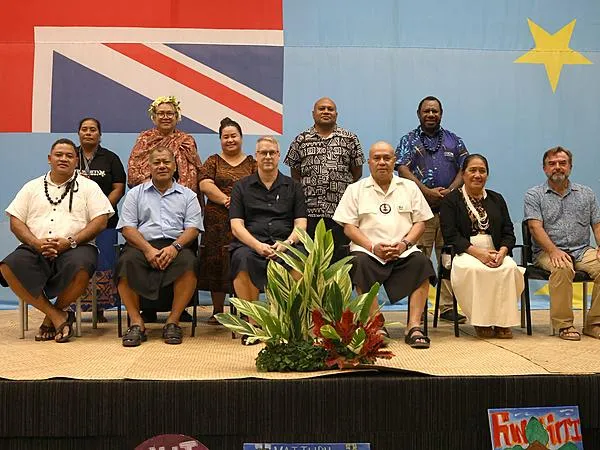
Civil society representatives from across the Pacific have gathered in Tuvalu to develop a stronger collective voice on climate change ahead of Pre-COP31 and the 31st United Nations Climate Change Conference (COP31).

The Pacific Civil Society Dialogue on Climate Change, held in Funafuti, brings together communities, youth, women, faith-based organizations, traditional leaders and civil society networks to consolidate regional priorities and ensure their perspectives inform the Pacific's climate agenda.

Opening the dialogue, Tuvalu Prime Minister Feleti Penitala Teo said climate policy must be shaped by people experiencing its impacts.

“Climate actions must be shaped and influenced by the people who live with their consequences every day. And that is why this dialogue matters,” Teo said.

He said climate action should be a shared responsibility, with civil society and other non-state actors contributing practical solutions and helping translate commitments by Pacific leaders into action.

United Nations Resident Coordinator Dirk Wagener said Pacific civil society has an important role in keeping the region's lived experiences at the center of global climate negotiations.

“The Pacific is not asking the world to save it. The Pacific is asking the world to honor its commitments, to listen to those already living with the consequences of climate change, and to act with the urgency that this moment demands,” Wagener said.

The dialogue is focused on building a unified regional civil society position ahead of Pre-COP31 and COP31, including priorities around limiting warming to 1.5 degrees Celsius, the ocean-climate nexus, accessible climate finance and people-centered climate action.

Organizers said Pacific leaders have already established the region's key climate priorities, while the dialogue provides civil society with an opportunity to strengthen and broaden that agenda by bringing community-level experiences into international discussions.

The gathering reinforces the call for Pacific communities to have a direct role in shaping decisions that will affect the region's future as climate impacts intensify.

September 10, 2026

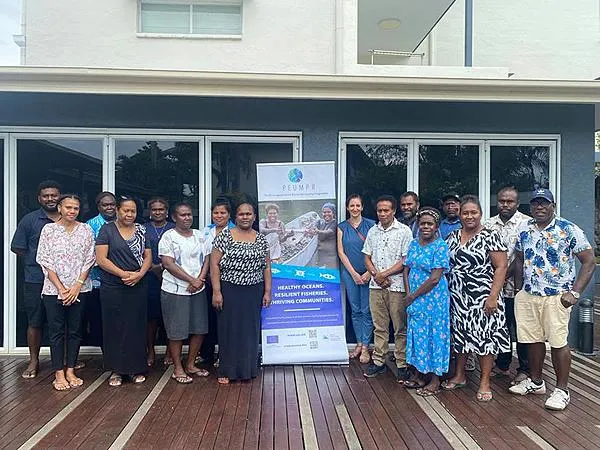
The Ministry of Fisheries and Marine Resources (MFMR) has launched its Gender Equality, Disability and Social Inclusion (GEDSI) Strategy 2026–2030, setting a five-year framework for making the country's fisheries sector more inclusive.

Endorsed in April, the strategy will integrate gender equality, disability inclusion and social inclusion across MFMR policies, programs, services and decision-making.

Director of Fisheries Edward Honiwala said women, youth and marginalized groups have long contributed to fisheries value chains but their roles and voices have not always been recognized.

“Together we can build a fisheries sector that uplifts every voice, values every contribution and leaves no one behind,” Honiwala said.

The strategy replaces a gender mainstreaming strategy developed more than a decade ago that focused primarily on inshore fisheries. The new framework takes a broader approach covering MFMR's work and the wider fisheries sector, including greater participation by persons with disabilities and other marginalized groups in fisheries management, development and decision-making.

Honiwala said Solomon Islands is among the few Pacific countries with a fisheries-specific GEDSI strategy.

The strategy includes objectives, targets, indicators and an implementation plan, with its development informed by consultations with communities and stakeholders.

Technical assistance was provided by the Pacific Community (SPC) through the Pacific-European Union Marine Partnership (PEUMP) Programme, with support continuing under PEUMP II, funded by the European Union.

WorldFish also provided guidance through the Pathways project, funded by the Australian Department of Foreign Affairs and Trade.

The launch followed a three-day GEDSI training program for MFMR staff held from Aug. 31 to Sept. 2 in Honiara. The training provided staff with practical tools for assessing how fisheries policies, programs and decisions affect different groups.

MFMR will now implement the strategy across its divisions, with responsibilities, timelines and monitoring mechanisms established to track progress over the next five years.

PEUMP II, which runs from 2026 to 2030, supports Pacific countries in addressing declining coastal fisheries resources, marine biodiversity threats, climate change and sustainable economic development. It also promotes GEDSI and a human rights-based approach to ensuring more equitable participation in the region's blue economy.

September 10, 2026

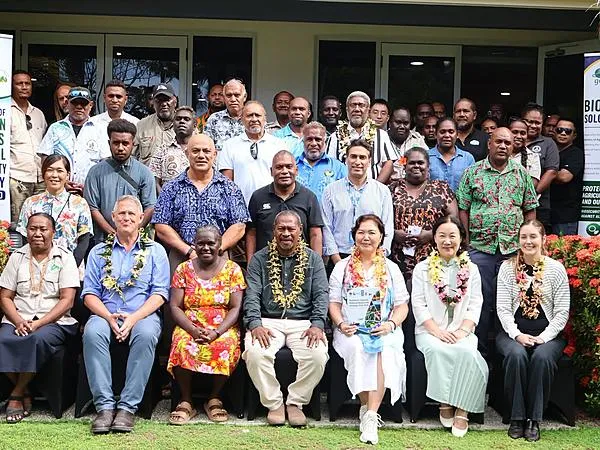
The Ministry of Agriculture and Livestock Development (MALD), through Biosecurity Solomon Islands (BSI), has launched a 10-year strategy to strengthen the country's defenses against pests, diseases, invasive species and other biosecurity threats.

The Solomon Islands National Biosecurity Strategy 2026–2036 was officially launched on Sept. 8, 2026, in partnership with the United Nations Development Programme (UNDP).

The strategy establishes a national framework to protect agriculture, food security, biodiversity, livelihoods and the economy, while strengthening the country's capacity to detect and respond to emerging biosecurity risks.

Agriculture and Livestock Development Minister Nestor Giro said agriculture remains a cornerstone of the national economy and a key source of food, income and opportunities for rural communities.

He said strong biosecurity is necessary to protect farmers, agricultural production, investments and access to markets.

The strategy sets out six priority areas: sustainable financing; an engaged and supportive public; stronger partnerships; a capable workforce; expanded safeguarding; and improved risk assessment and risk reduction.

Giro called on government agencies, farmers, communities, businesses and development partners to work together on implementation.

BSI Director Jean Eroa Manepora acknowledged support from Australia, New Zealand and China, as well as UNDP and the Global Environment Facility, for assistance including technical support, training, equipment, surveillance and institutional development.

UNDP Resident Representative Tuya Altangerel said biosecurity extends beyond border controls and invasive species management, encompassing the protection of people, livelihoods, agriculture, fisheries, biodiversity, food security, trade, tourism and the broader economy.

She said biosecurity risks are becoming more complex because of climate change, expanding trade and travel, changing land-use patterns and biodiversity loss.

Altangerel said government, communities, farmers, businesses, travelers and development partners all have a role in strengthening the country's biosecurity system.

The strategy's vision — “Safeguarding, Collective Action and People Centred” — is captured in the message, “Iumi Protektim. Waka Tugeda. Fokus Blong Pipol,” or “Protect together, work together, and keep people at the centre.”

Implementation of the 10-year roadmap will focus on strengthening institutions, surveillance and border biosecurity, equipping frontline officers, raising public awareness, improving coordination and enabling earlier detection and faster responses to emerging threats.

The launch marks the start of implementation of the national strategy, with the government seeking to build a more resilient biosecurity system to protect Solomon Islands' agricultural sector, environment, livelihoods and economic future.

September 09, 2026

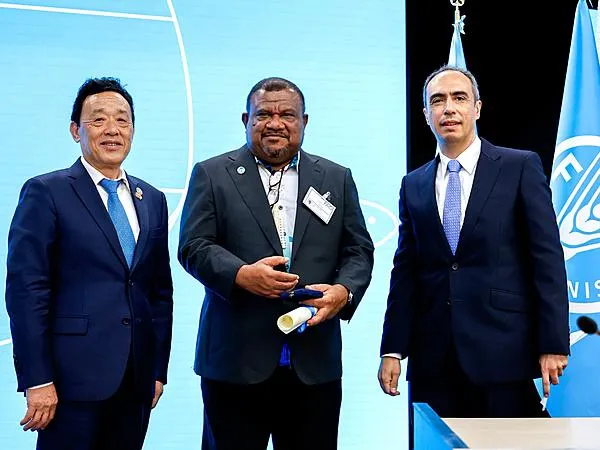
The Pacific Islands Forum Fisheries Agency (FFA) has received the Margarita Lizárraga Medal from the Food and Agriculture Organization of the United Nations (FAO), recognising the collective leadership of Pacific Island countries in responsible fisheries management.

FAO Director-General Dr Qu Dongyu presented the medal to FFA Director-General Noan David Pakop during the opening of the 37th Session of the FAO Committee on Fisheries (COFI37) at FAO headquarters in Rome.

Mexico's representative, José Luis Delgado, whose government supports the award, attended the presentation.

The Margarita Lizárraga Medal is awarded every two years to a person or organisation that has demonstrated distinction in applying the FAO Code of Conduct for Responsible Fisheries.

Accepting the award on behalf of FFA's 17 members and its secretariat, Pakop said the recognition belonged primarily to the Pacific nations that had worked collectively to safeguard their fisheries resources.

“For more than four decades, they have demonstrated what can be achieved when Pacific nations stand together, share responsibility and act collectively to safeguard their sovereign fisheries resources,” Pakop said.

He also credited generations of Pacific fisheries leaders, officials, scientists, observers, enforcement officers and communities for their efforts to ensure the region's ocean continues to sustain its people.

Pakop acknowledged past and present FFA Secretariat staff for their technical expertise and commitment, as well as the contributions of the Pacific Community (SPC), the region's fisheries science provider.

He also recognised the partnership of the Western and Central Pacific Fisheries Commission and the Parties to the Nauru Agreement.

The Pacific is home to the world's largest tuna fishery, which supports national economies, food security and livelihoods and is closely linked to the cultures and identity of Pacific peoples.

Through regional cooperation and sustained investment in fisheries data, science, monitoring and enforcement, FFA members have worked to maintain the health of the region's major tuna stocks.

Over its 47-year history, FFA has supported its members in developing cooperative approaches to tuna fisheries management, strengthening monitoring, control and surveillance, combating illegal, unreported and unregulated fishing and upholding their sovereign rights over fisheries resources.

Pakop said the award recognised the region's achievements but also highlighted the challenges ahead.

“Climate change, economic pressures, emerging technologies and increasingly complex maritime threats require us to remain vigilant and united,” he said.

“FFA accepts this honour with humility and renewed determination. We remain committed to working with FAO, our regional partners and the wider international community in support of sustainable fisheries and the wellbeing of our people.”

Pakop said he hoped the recognition would strengthen international commitment to protecting oceans and fisheries and advancing the principles of the FAO Code of Conduct for Responsible Fisheries.

“On behalf of the FFA Membership and Secretariat, I extend our sincere appreciation to the Committee and FAO for this distinguished honour,” he said.

“Iumi tugeda – together we can.”

The FAO established the Margarita Lizárraga Medal in honour of Margarita Lizárraga, a Mexican fisheries specialist who played a central role in promoting the FAO Code of Conduct for Responsible Fisheries.

The medal is presented every two years to an individual or organisation that has served with distinction in applying the Code.

September 08, 2026

Here’s a PNG-focused news rewrite, leading with Santos’ increased stake and the implications for Papua LNG.

Santos to lift Papua LNG stake to 21% as ExxonMobil takes operatorship

PORT MORESBY, Sept. 7, 2026 — Santos Ltd. will increase its participating interest in the Papua LNG project to 21% after agreeing to acquire an additional 3.3% stake from TotalEnergies as part of a broader restructuring of the project's ownership and operatorship.

TotalEnergies has agreed with ExxonMobil to transfer operatorship of Papua LNG to ExxonMobil PNG Antelope Limited, while partially selling down its participating interest to the other Papua LNG joint venture partners in proportion to their existing interests.

Santos said it has executed a binding agreement to acquire the additional 3.3% participating interest, calculated after the Papua New Guinea state's back-in, in PRL 15 and the Papua LNG project for approximately US$189 million.

The transaction remains subject to regulatory approvals and the project reaching a Final Investment Decision (FID), currently planned for the fourth quarter of 2026. If completed, the acquisition will be effective from Jan. 1, 2026.

Santos expects the additional interest to increase its equity LNG production from Papua LNG by about 19% to approximately 1.2 million tonnes per annum (Mtpa).

The company said the acquisition is consistent with its strategy of disciplined, value-accretive growth around existing infrastructure and increasing exposure to Asian LNG demand.

ExxonMobil to operate Papua LNG

The proposed operatorship transfer would give ExxonMobil responsibility for Papua LNG while it continues to operate the existing PNG LNG project, a move Santos expects to generate operational synergies and strengthen project execution.

Santos Managing Director and CEO Kevin Gallagher said the transaction would better align the company's interests across PNG LNG and Papua LNG ahead of the planned FID.

“The Papua LNG project is a world-class development, strategically positioned to supply premium Asian markets and offering multiple value streams for Santos,” Gallagher said.

“ExxonMobil brings a proven track record of project delivery and reliable operations in Papua New Guinea, including PNG LNG, and is expected to realise significant synergies by operating both the upstream and midstream project scopes.”

Gallagher said Santos was prepared to increase its investment in Papua LNG because of the project's expected long-term production profile.

“Papua LNG is a world-class project and this is the right time to increase our position,” he said.

Santos said the proposed changes to equity interests and operatorship would improve alignment among the Papua LNG and PNG LNG joint venture participants.

FID remains key milestone

Completion of Santos' acquisition remains conditional on regulatory approvals and Papua LNG achieving FID.

Santos said it will provide the market with an update at FID on the project's cost, schedule and economics.

The transaction comes as Papua LNG moves toward its targeted FID in the fourth quarter of 2026, a key milestone for the proposed development and its future LNG production capacity in Papua New Guinea.

Santos also acknowledged TotalEnergies for its work advancing Papua LNG over the past decade and said the project remains on track for FID later this year.

September 08, 2026

Fiji and China deepen agricultural cooperation through technical partnership

SUVA, Fiji — Fiji and China are strengthening their longstanding agricultural partnership through expanded cooperation in research, technology, training, food security and climate-smart agriculture.

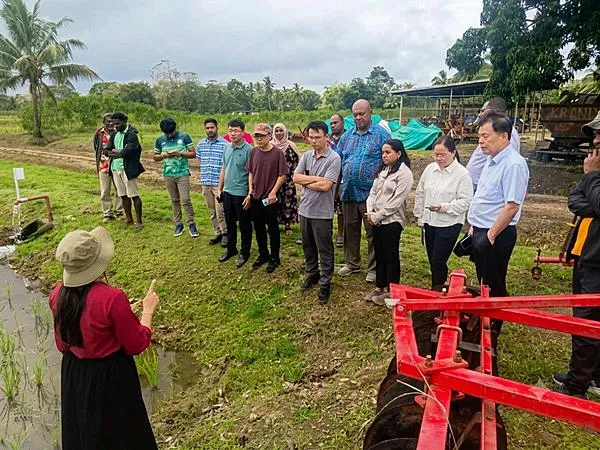
The partnership was highlighted at the Fiji-China Agricultural Cooperation Visit and Technical Symposium at Koronivia Research Station, bringing together policymakers, researchers, technical experts and industry stakeholders from both countries.

Deputy Secretary for Agriculture Development at the Ministry of Agriculture, Waterways and Sugar Industry, Dr Tekini Nakidakida, said the symposium provided an opportunity to review the achievements of more than a decade of cooperation and identify priorities for its next phase.

Nakidakida said agricultural cooperation between Fiji and China has continued since 2012 through eight agreements, memorandums of understanding and contracts covering rice research, Juncao technology, waterways infrastructure and capacity building, with five remaining active.

The partnership has delivered improvements in rice research and mechanisation, Juncao technology, waterways development and technical capacity.

With Chinese technical support, five local rice varieties have been improved, while demonstration sites have been established at Koronivia, Dreketi and Vanua Levu. Modern equipment, including planters, tractors, harvesters and driers, has also been introduced to Fiji's rice sector.

Juncao technology has expanded beyond mushroom cultivation to livestock feed and land and riverbank restoration. More than 2,500 farmers have been trained, with four commercial mushroom enterprises established.

The China-Pacific Island Countries Juncao Technology Demonstration Centre, inaugurated in Fiji in 2023, has further strengthened Fiji's role as a regional hub for the technology, Nakidakida said.

Chinese technical expertise has also supported river dredging works on the Ba, Rewa, Navua and Sigatoka rivers, which the ministry said have delivered benefits for community safety and livelihoods.

Since 2012, more than 140 Ministry of Agriculture officers have received training in China in areas ranging from hybrid rice seed production to climate-smart agriculture and leadership.

Nakidakida said the cooperation has evolved through practical experience in adapting technology to Fiji's farming conditions.

“It is precisely this kind of open, continuing dialogue that today’s symposium represents,” he said.

Chinese Embassy Chargé d’Affaires a.i. Wang Yuan said agricultural cooperation was “injecting new impetus into the sound growth of our bilateral relations.”

Wang said the programme represented a practical step toward translating the Global Development Initiative into action and implementing the understanding reached by the leaders of Fiji and China to deepen agricultural cooperation.

He said the training programme was tailored to local needs and aimed at addressing challenges facing Fijian farmers, including climate change, labour shortages, limited access to appropriate technology and marketing difficulties.

The programme covers the breeding and cultivation of citrus, rice, sugarcane, sweet potato and potato, alongside practical field sessions.

Wang also highlighted the agricultural experience of Fujian Province, saying technologies and practices adapted to local conditions could provide useful lessons for Fiji.

He said the training could serve as a bridge for sustained agricultural exchanges between the two countries, including greater cooperation in agricultural technology, talent development and food processing.

Future priorities

Looking ahead, Nakidakida identified protected cropping technology, reducing food loss and waste, expanded rice and crop research, climate-smart agriculture, and agricultural trade and investment as priority areas for future cooperation.

Protected cropping technology could also support Fiji's tourism sector by strengthening domestic food production and supply, he said.

“For Fiji, this partnership strengthens our food security, supports our farmers’ livelihoods, and builds our resilience to climate change,” Nakidakida said.

He encouraged participants to ensure the symposium produces clear priorities and practical follow-up actions.

The five-day programme combines indoor technical presentations led by visiting Chinese experts with afternoon field demonstrations. The programme is designed to provide participants with technical knowledge and hands-on experience relevant to Fiji's agricultural conditions.

The Ministry acknowledged the Government of the People's Republic of China, the Chinese Embassy and the visiting delegation for their continued commitment to strengthening agricultural cooperation between Fiji and China.

September 08, 2026

Santos is proud to recognise a historic milestone at the Kumul Marine Terminal (KMT), with the appointment of Jackson Jim as Team Leader, working back-to-back with Willie Mapal. This marks the first time the facility has been led entirely by Papua New Guinean nationals.

The achievement represents a significant moment in the history of one of Papua New Guinea's most important energy export facilities and reflects decades of investment in workforce development and capability building.

Located in the Gulf of Papua, the Kumul Marine Terminal is a critical piece of national energy infrastructure, serving as the primary offshore export terminal for crude oil production. Since commencing operations, the facility has played a vital role in supporting Papua New Guinea's petroleum industry and contributing to the country's economic development through safe and reliable oil exports.

Santos PNG Vice President PNG Operations, Rhys Ward, said the milestone demonstrates the strength of national talent and the company's commitment to developing Papua New Guinean leaders.

"The appointment of Jackson and Willie to lead the Kumul Marine Terminal is a proud achievement for Santos and Papua New Guinea. It reflects the dedication, professionalism and capability of our national workforce and demonstrates what can be achieved through long-term investment in people and leadership development.

"KMT is a critical asset within our operations. Seeing it fully led by Papua New Guinean nationals is a testament to the depth of talent within our workforce and our commitment to building sustainable careers for Papua New Guineans."

Santos Country Chair PNG, Leon Buskens, said the milestone reflects the company's long-standing commitment to developing Papua New Guinean talent and leadership.

"The Kumul Marine Terminal has been a cornerstone of Papua New Guinea's oil export industry for many years, and seeing it now fully led by Papua New Guinean nationals is a significant and proud achievement."

Jackson Jim, Team Leader, Kumul Marine Terminal, said he was proud to be part of the first fully Papua New Guinean leadership team at KMT, demonstrating Santos' commitment to developing local talent.

"I started with the company as an apprentice in 2007, so this is a proud moment for me personally. As PNG's petroleum industry continues to grow, I hope this achievement encourages more Papua New Guineans to see the opportunities available and pursue careers in the sector."

As Team Leader, Jackson Jim will oversee the safe and efficient operation of the terminal while continuing to champion operational excellence and workforce development. Together with Willie Mapal, the leadership team will continue to build on KMT's strong safety culture and commitment to reliable performance.

Santos congratulates Jackson, Willie and the entire KMT team on this landmark achievement and recognises their contribution to the continuing success of Papua New Guinea's oil and gas industry.

Background:

  • Jackson joined the company in 2007 as an Apprentice, while Willie joined in 2002 as a Platform Operator Trainee.
  • KMT commenced export operations in 1992.
  • The first export cargo, #0001, was loaded on 27 June 1992 onto the Ten-ei Maru tanker, carrying 650,000 barrels.
  • KMT has safely completed 1,064 loadings since that date.
  • KMT has exported approximately 664.8 million barrels of oil in total, based on 1,064 loadings of approximately 650,000 barrels each.
  • As of 31 August 2026, the facility has been in operation for 12,749 days, or approximately 34 years and two months.
  • Throughout this period, KMT has safely exported oil from Papua New Guinea 1,064 times.
  • Some KMT crew members have worked at the facility for more than 20 years, contributing to a highly experienced team.


September 07, 2026

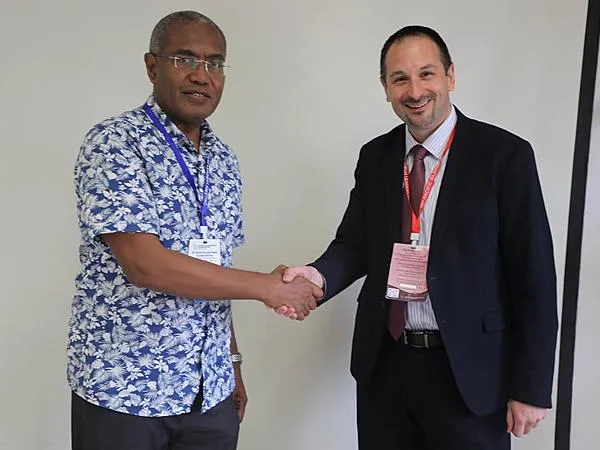
Solomon Islands and Serbia are seeking to translate growing bilateral ties into practical development outcomes, with potential cooperation identified in renewable energy, education, digitalisation, sports, tourism and community development.

The areas of cooperation were discussed by Minister for National Planning and Development Coordination Peter Kenilorea Jr and Serbia’s Ambassador to Solomon Islands, Rade Stefanovic, during a bilateral meeting in Koror, Palau.

Stefanovic said Serbia had received approval to explore a bilateral development cooperation programme with Solomon Islands, with a focus on small-scale, community-based projects that can deliver direct benefits to local communities.

“Serbia is a small country but we have a sincere approach to helping our partners as much as we can,” Stefanovic said.

Serbia has supported similar community-focused initiatives in other Pacific countries, including projects involving solar energy, water and sanitation, and education.

Kenilorea welcomed the approach, saying Solomon Islands was seeking partnerships that could produce tangible benefits at the community level.

“The community-focused approach is particularly welcome. We are interested in small projects that have a direct impact on people and communities,” Kenilorea said.

He said the Solomon Islands government would work with Serbia to identify projects aligned with national priorities, particularly in energy and education.

Cooperation across key sectors

Serbia also indicated its intention to contribute to the Pacific Resilience Facility (PRF), strengthening its support for Pacific climate resilience and sustainable development priorities.

The two sides also reviewed progress on existing bilateral agreements, including a visa waiver agreement and a memorandum of understanding on political consultations.

Serbia has completed its domestic procedures for the visa waiver agreement and is awaiting confirmation from Solomon Islands before it can enter into force. Kenilorea undertook to follow up on the matter.

Both sides also expressed interest in activating the political consultations mechanism, which would provide a framework for more regular senior-level engagement and follow-up on agreed areas of cooperation.

Scholarships and digitalisation

Education emerged as another area with potential for expanded cooperation. Serbia is offering scholarships to Solomon Islands students in fields including medicine, engineering, information technology, forestry and agriculture.

Serbia also offered to share expertise in digitalisation and e-government, drawing on its experience in developing online public services.

Sports cooperation is likewise being advanced, with the two countries working toward finalising an existing sports cooperation agreement.

Solomon Islands invited to EXPO 2027

Stefanovic also invited Solomon Islands to participate in EXPO 2027 in Belgrade, including through the Pacific Century Pavilion.

The event would provide an international platform for Solomon Islands to showcase its culture, tourism, traditional arts, music and sports.

The meeting reaffirmed the commitment of both countries to deepen bilateral relations and move beyond diplomatic engagement toward practical cooperation supporting Solomon Islands’ development priorities.

The proposed community-level projects, scholarship opportunities, digitalisation cooperation and participation in EXPO 2027 form part of efforts to convert the growing relationship between Solomon Islands and Serbia into initiatives with direct and measurable benefits for Solomon Islanders.

September 07, 2026

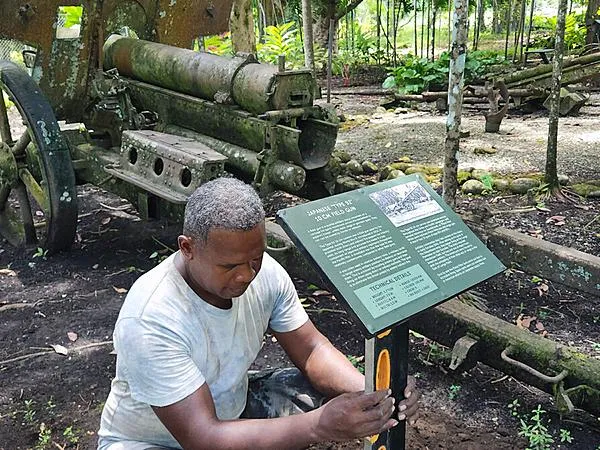
A New Zealand-funded grant has helped the Vilu War Museum in West Guadalcanal improve visitor interpretation, with 30 new signs providing historical context for the World War II relics preserved at the site.

The Vilu War Museum, which holds one of the Solomon Islands’ most significant collections of large World War II relics, has completed the production and installation of new interpretive signage with support from a grant facilitated by Business Link Pacific (BLP).

The Solomon Islands WWII Heritage Association (SIWHA) applied for the grant on behalf of the museum in April 2025. The project was developed in response to the museum’s growing number of cruise ship visitors and the need to provide clearer information about the exhibits in the outdoor museum park.

The collection includes the remains of Japanese and American aircraft and artillery pieces associated with the Guadalcanal Campaign of 1942–43, during which major battles were fought on and around Guadalcanal.

Bringing greater context to WWII relics

The grant supported the production and installation of 30 interpretive signs throughout the museum grounds.

Two large overview signs were installed at the entrance, providing visitors with background on the Guadalcanal Campaign and its key battles. The remaining signs were positioned alongside individual exhibits, linking the historical information directly to the aircraft, artillery and other wartime relics on display.

The museum said the project represented an important improvement to the visitor experience.

“Thanks to a New Zealand–funded grant from Business Link Pacific, we’ve been able to produce 30 new interpretive signs for the outdoor exhibits — a big step toward improving the visitor experience and preserving these stories for future generations,” the museum said.

The signage project also made extensive use of local participation. Graphic design was completed in-house, while installation was carried out by volunteers from the Vilu War Museum and SIWHA.

As a result, almost all of the grant funding was spent directly on producing the signs through a local sign maker, keeping the project focused on the intended visitor improvements.

Longer visits and stronger visitor engagement

The museum has reported changes in how visitors interact with the site since the signs were installed.

Visitors are now tending to stay longer, while the additional information has also reduced the need for museum staff to personally guide every visitor through the outdoor exhibits.

The museum said visitors have responded positively to having more detailed historical interpretation available at each display.

Tour operators have also provided positive feedback, with some sharing photographs of the museum and its exhibits on social media, helping increase the site's visibility as a heritage tourism attraction.

For a museum built around physical remnants of one of the Pacific's most significant World War II campaigns, the project demonstrates how relatively modest visitor infrastructure can improve the way historical sites are experienced and understood.

Supporting Pacific tourism businesses

The Vilu War Museum project was supported through Business Link Pacific, which facilitates small and medium-sized enterprise access to business advisory services and financial support.

BLP provides online tools that allow businesses to assess their needs, including its Business Health Check, Business Continuity Planner and Climate Action Sensor. Businesses can also connect with local BLP partners for face-to-face diagnostic support.

For Vilu War Museum, the grant has provided a practical investment in interpretation while supporting the museum's ability to accommodate growing visitor numbers and preserve the historical stories associated with the Guadalcanal campaign.

September 07, 2026

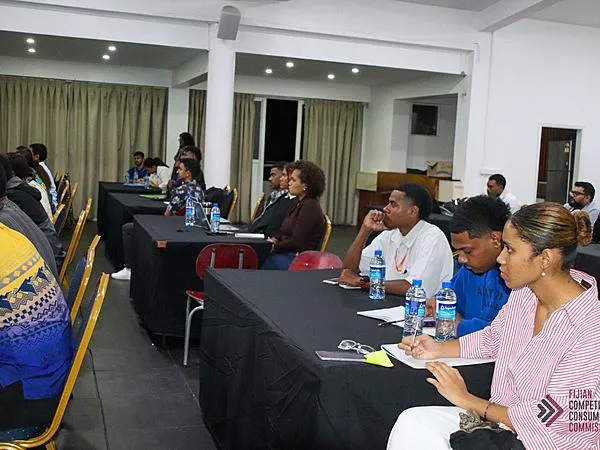
Fiji has taken another step toward overhauling its competition and consumer protection framework, with nationwide consultations completed on legislation that would replace the country’s 2010 competition law and establish a modern framework for regulating market conduct and protecting consumers.

Fiji’s Ministry of Commerce and Business Development (MCBD) and the Fiji Competition and Consumer Commission (FCCC) held public consultations from July 27 to August 4, 2026, on the draft Competition and Consumer Commission Bill 2026, with technical support from the Pacific Private Sector Development Initiative (PSDI). 

The consultations covered nine locations across Viti Levu and Vanua Levu — Suva, Nadi, Nasinu, Nausori, Sigatoka, Lautoka, Ba, Labasa and Savusavu. Members of the public, businesses and industry representatives, nongovernment organizations, civil society groups and community organizations were invited to participate and provide written submissions. 

The proposed legislation will replace the Fijian Competition and Consumer Commission Act 2010, providing the legal basis for a revised competition and consumer protection regime. It is intended to establish clearer rules governing anticompetitive conduct, including cartels and abuse of market power, while strengthening consumer protection and fair trading. 

Long-running competition reform

The latest consultations are the result of a competition reform program that has been under development for several years, with PSDI providing technical assistance to the Fijian government and the FCCC.

PSDI began its ongoing support for competition policy reform and the strengthening of the Fiji competition regulator in 2016. Its work has included reviewing Fiji’s competition legislation, supporting development of the Fijian Competition and Consumer Protection Policy, and assisting with the development of a new competition and consumer protection bill. 

The Competition and Consumer Protection Policy was endorsed by Fiji’s Cabinet in April 2020, establishing a broader policy foundation for the legislative reforms now being advanced. PSDI subsequently supported consultations on an earlier draft of the bill beginning in 2022. 

PSDI’s FY2025 progress report said its work with the FCCC and the then-Ministry of Trade, Co-operatives, Small and Medium Enterprises was focused on strengthening Fiji’s competition and consumer protection framework. The program included a review of the 2010 Act, development of the national policy, drafting of competition legislation and an evaluation of the FCCC’s institutional capacity. 

Balancing competition and consumer protection

The proposed bill is intended to provide a clearer framework for how businesses compete and how the regulator responds when market conduct harms competition or consumers.

Rules addressing cartels and abuse of market power are central to the proposed regime. At the same time, the legislation seeks to strengthen consumer safeguards and fair trading, giving the regulatory framework a dual focus on competitive markets and consumer interests. 

The reform comes as Fiji continues efforts to create a more effective business environment. PSDI describes its competition and consumer protection work as part of a broader program aimed at creating an environment in which businesses can establish, innovate and increase productivity.

Earlier PSDI work on Fiji’s competition framework also highlighted the importance of creating a regulatory approach that supports open competition while allowing markets to operate with less unnecessary intervention. A PSDI case study on the earlier reform process noted private-sector interest in greater self-compliance and a more balanced role for the regulator. (Pacific PSD Initiative)

From legislation to implementation

The completion of the consultations marks a further stage in the legislative process, but the reform will ultimately depend on how the new framework is implemented and enforced.

PSDI said it will continue supporting Fiji once the bill is passed, extending its assistance beyond legislative development to implementation of the new competition and consumer protection regime. 

That implementation support is consistent with PSDI’s longer-term work to strengthen the FCCC’s institutional capacity. Its previous assistance has included a capacity evaluation of the Commission and development of a capacity-building program based on the findings. 

For Fiji, the proposed legislation therefore represents more than a replacement of the 2010 Act. It is the latest stage of a multi-year effort to modernize competition policy, strengthen the institutions responsible for enforcing it and provide businesses and consumers with clearer rules governing the marketplace.

The outcome of the consultation process will inform the government's consideration of the draft bill before the legislation proceeds through Fiji’s legislative process.
September 07, 2026

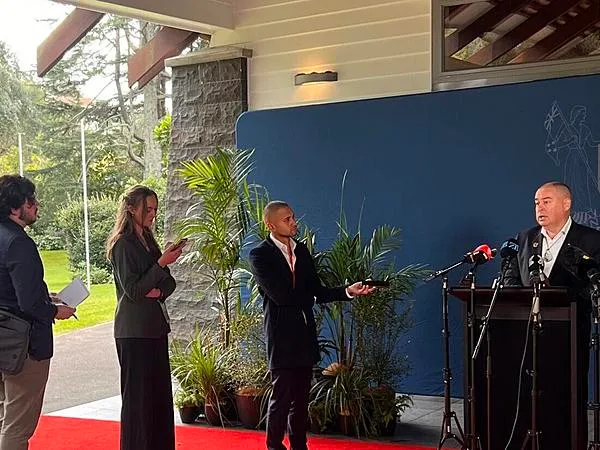
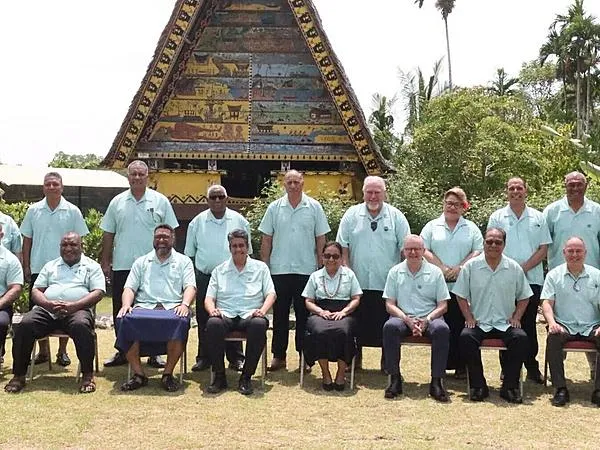
Leaders of the four countries of the Realm of New Zealand have held their inaugural meeting in Auckland, strengthening cooperation on shared economic, security and regional priorities while reaffirming each partner’s distinct constitutional arrangements.

Cook Islands Prime Minister Mark Brown joined New Zealand Prime Minister Christopher Luxon, Niue Prime Minister Dalton Tagelagi and Ulu-o-Tokelau Alapati Tavite for the meeting at Government House in Auckland on August 28, 2026, ahead of the 55th Pacific Islands Forum Leaders Meeting in Koror, Palau.

Co-chaired by Luxon and Tagelagi, the meeting was the first time the leaders of all four countries of the Realm of New Zealand had met together in this format.

“This is a rare and valuable gathering,” Brown said. “The Cook Islands, New Zealand, Niue and Tokelau each carry a distinct constitutional history, and each of our relationships with New Zealand has followed its own path.”

“What we share is a partnership freely entered into and freely maintained, built on decades of trust, of family, and of respect for one another’s right to determine our own course.”

Shared priorities across the Realm

In a joint statement following the meeting, the leaders said the enduring constitutional relationships between New Zealand and the Cook Islands, Niue and Tokelau are supported by close connections among their peoples, societies and economies, including their respective diaspora communities.

The leaders reaffirmed their shared history, constitutional links and common values, while recognising the distinct identities and aspirations of each Realm partner.

Discussions covered priorities for the Realm and the wider Pacific, including education, security and defence, and fuel security and preparedness.

Brown said the meeting came as the four countries face many of the same economic pressures.

“Our people are feeling the cost of living, the cost of fuel and the cost of freight,” he said.

“The value of a meeting like this is that it allows us to discuss the different approaches we’re taking to these challenges, and to identify where our common interests align and where we can be mutually supportive of our respective priorities.”

Security cooperation

Security was a key focus of the meeting, with leaders recognising the interconnected security interests of the Realm partners and their respective responsibilities in an increasingly contested strategic environment.

They referred to the Political Declaration between Niue and New Zealand signed in November 2025 and the Cook Islands-New Zealand Declaration on Defence and Security signed in Rarotonga in April 2026.

Brown reaffirmed the Cook Islands' security arrangements with New Zealand.

“New Zealand is, and remains, the Cook Islands’ primary partner in defence and security,” he said.

“The Declaration on Defence and Security we signed in Rarotonga in April gives that partnership practical shape through early and open consultation, and a clear understanding of the responsibilities each of us carries.”

He said the agreement was reached through dialogue and that the Cook Islands intended to maintain that approach.

Cook Islands-New Zealand relationship

The Cook Islands has been self-governing in free association with New Zealand since August 4, 1965. It has its own Constitution, Parliament, Cabinet, courts and King's Representative.

The relationship is based on the Cook Islands Constitution Act 1964 and further articulated in the 2001 Joint Centenary Declaration, which describes the two countries as equal states, independent in the conduct of their own affairs and committed to close consultation as partners.

The leaders also welcomed New Zealand's hosting of the Pacific Islands Forum Leaders' Meeting in 2027 and committed to strengthening Realm cooperation in areas including economic opportunity, cultural connections, resilience, security and the wellbeing of future generations.

They also acknowledged the centenary of the relationship between New Zealand and Tokelau.

Brown said he hoped the inaugural gathering would establish a continuing mechanism for cooperation.

“A standing conversation among Realm leaders would allow us to take up shared interests as they arise, rather than only when difficulties require it,” he said. “That is the mark of a mature partnership.”

Brown was accompanied at the meeting by Secretary of Foreign Affairs and Immigration Elizabeth Wright-Koteka and Cook Islands High Commissioner to New Zealand Kairangi Samuela.

Following the Auckland meeting, the Prime Minister travelled to Koror, Palau, for the 55th Pacific Islands Forum Leaders Meeting.

September 07, 2026

Cook Islands Prime Minister Mark Brown has concluded the country's participation in the 55th Pacific Islands Forum Leaders Meeting in Koror, Palau, with major commitments for the upgrade of Penrhyn's port and new investment in ocean conservation.

The Cook Islands secured significant support for two key national priorities during the week-long regional engagement, with the United States and New Zealand announcing intended contributions toward upgrading a safe and reliable port on Penrhyn (Tongareva), while new investment was also announced for Marae Moana, the country's Sacred Ocean.

The United States, through its Department of State, intends to contribute US$50 million, approximately NZ$84 million, toward the Penrhyn port upgrade, while New Zealand has committed NZ$17.5 million, approximately US$10 million. The project will be delivered in partnership with the Cook Islands.

The country also secured new investment in Marae Moana through a partnership involving the Bezos Earth Fund and BirdLife International.

“Everything we carried to this Forum, we carried on behalf of our people,” Brown said. “From a lifeline port for Tongareva to lasting protection for our ocean, this has been a week of turning long-held priorities into action, on our own terms, and for our own future.”

Regional and bilateral engagement

The Forum followed the Prime Minister's participation in the inaugural Realm Leaders' Meeting in Auckland alongside the leaders of New Zealand, Niue and Tokelau.

In Koror, Brown held bilateral discussions with a range of regional and international partners.

His meeting with New Zealand included discussions on progress with the Penrhyn project and New Zealand's hosting of the Pacific Islands Forum in 2027. Discussions with China focused on preparations for 30 years of diplomatic relations in 2027 and opportunities to deepen practical cooperation in technology, machinery and equipment and capacity building.

Brown also met with Tonga, Japan, Singapore, Spain and Canada.

The Japan discussions marked 15 years of diplomatic relations and covered cooperation including the new inter-island vessel and grassroots funding for Cook Islands communities. Discussions with the Nippon Foundation focused on ocean stewardship and opportunities for young Cook Islanders.

With Singapore, the Prime Minister reaffirmed the relationship between the two countries, with discussions focused on economic resilience, energy security and the transition to renewable energy.

Meetings with Spain and Canada addressed opportunities to deepen bilateral cooperation, while discussions with the Green Climate Fund explored further financing opportunities to strengthen the Cook Islands' resilience.

Push for Pacific-led resilience financing

The Cook Islands also participated in meetings of the Smaller Island States, the Polynesian Leaders Group, and the Pacific ACP grouping, as well as an Ocean Partnership Roundtable hosted by Palau.

Brown was also a leading advocate for the Pacific Resilience Facility, described by the Cook Islands government as the Pacific's first collectively owned international financial institution. The facility is now established in the Kingdom of Tonga.

“The Pacific Resilience Facility is a fund by the Pacific, for the Pacific,” Brown said. “I have been part of this journey from the very beginning, and to see it now delivering in our communities is a proud moment for our whole region.”

At the Leaders' Retreat, Forum leaders agreed on a framework governing how the Pacific engages with external partners, reinforcing a transparent, accountable and Pacific-led approach to partnerships in support of the 2050 Strategy for the Blue Pacific Continent.

The outcomes are reflected in the 2026 Pacific Islands Forum Communiqué.

Brown thanked Palau President Surangel Whipps Jr and the people of Palau for their hospitality and reaffirmed the Cook Islands' commitment to a united, resilient and self-determining Blue Pacific.

September 07, 2026

The Tina River Hydropower Development Project has formalised a customary reconciliation process with the Roha and Gaegae tribes through a Chupu Ceremony at the Powerhouse site, alongside the signing of a memorandum of understanding.

The ceremony, held on July 28 in Central Guadalcanal, brought together representatives of the Roha and Gaegae tribes, Habusi/Komureo and surrounding communities, the Tina River Hydropower Project Office, Tina Hydropower Limited, Hyundai Engineering Company and government agencies.

The Chupu is an important Guadalcanal customary protocol and was conducted to acknowledge the traditional land rights of the affected tribes and address the impact of project construction activities on Roha and Gaegae customary land.

It also provided an opportunity for the Project Office and Tina Hydropower Limited to reaffirm their respect for customary authority and engage with the tribes over the ongoing process of acquiring additional land around the Powerhouse area.

Customary protocol and land acquisition

The first Chupu was presented by Project Office representatives Baltazare Rongo and John Korinihona to the Roha Tribe and received by Chief Daniel Una.

A second Chupu was presented to representatives of Chango Land and received by Berry Kepulu on behalf of his father and Gaegae tribal representatives.

Project Manager Pradip Verma, speaking on behalf of the Ministry of Mines, Energy and Rural Electrification, thanked the tribes for accepting the Chupu and acknowledged complications in the land acquisition process.

Verma said the government was grateful for the patience and understanding shown by affected tribes while the Commissioner of Lands progresses the formal process.

Chief Una formally accepted the Chupu on behalf of the Roha Tribe and commended the Project Office and Tina Hydropower Limited for engaging with the tribes through customary protocol.

He described the approach as a demonstration of respect for Guadalcanal cultural traditions and called on members of the Roha Tribe to uphold the significance and intent of the customary presentation.

Berry Kepulu similarly accepted the Chupu on behalf of the Gaegae Tribe and Chango Land representatives, affirming their willingness to work with the relevant authorities to resolve outstanding land matters.

Surveyor General Leslie Volalia, representing the Commissioner of Lands, stressed that the Chupu Ceremony complements but does not replace the formal statutory land acquisition process.

He said the customary land identification and acquisition process would begin once the newly appointed Commissioner of Lands formally assumes office.

MOU reinforces cooperation

Chief Whitlam Kikolo, chairman of the Bahomea House of Chiefs, described the ceremony as an important step toward rebuilding relationships and strengthening cooperation among the parties.

He called on tribal members and other stakeholders to respect the significance of the ceremony and the government's gesture, noting the continuing importance of Chupu as a customary practice of the Guadalcanal people.

The ceremony concluded with the review, endorsement and signing of a memorandum of understanding involving representatives of the landowning tribes, the Project Office, Tina Hydropower Limited and Hyundai Engineering Company, witnessed by representatives of the participating parties.

The agreement and customary ceremony are intended to support continued communication and engagement while the statutory land identification and acquisition process proceeds.

The project office said the ceremony marked a milestone in strengthening goodwill and mutual respect between the Tina River Hydropower Development Project and customary landowners in the Powerhouse area.

It also highlighted the project's approach of incorporating customary cultural protocols into stakeholder engagement while maintaining compliance with the formal legal requirements governing land acquisition.

First large-scale renewable energy project

The Tina River Hydropower Development Project is the Solomon Islands' first large-scale renewable energy project and is intended to provide more affordable electricity and improve access to cleaner and more reliable energy for communities.

The project is being implemented by the Solomon Islands Government with financing and support from the Abu Dhabi Fund for Development, Asian Development Bank, Australian government, Green Climate Fund, Korea EX-IM Economic Development Cooperation Fund and World Bank.

September 07, 2026

A landowning cooperative in Tailevu is turning customary land into commercial opportunities through agriculture, forestry and private-sector partnerships, with the Fiji Government backing the initiative as a model for rural enterprise.

Twenty-two members of the Mataqali Solevu Cooperative in Naivuruvuru Village, Verata, Tailevu, are developing a five-year plan to turn 809 acres of customary land into a platform for commercial activity and new income opportunities.

The cooperative, registered on May 5 this year, comprises 15 men and seven women. As the largest landowning group in the Tikina of Verata, it has adopted a Strategic Development Plan covering 2026 to 2030 and has already begun commercial development of its land.

Deputy Prime Minister and Minister for Industries, Commerce and Business Development Manoa Kamikamica said the initiative demonstrated how customary landowners could take a more active role in developing their economic future.

“This is not ad hoc development. This is a mataqali planning its future with the same rigour we would expect of any serious commercial enterprise,” Kamikamica said during the signing of a memorandum of understanding between Mataqali Solevu and Food Processors Fiji Limited, alongside the handover of financial assistance at Naivuruvuru Village.

Dalo farming provides first commercial opportunity

Agriculture is among the first commercial activities being developed under the cooperative's plan.

The group planted 19,000 dalo on part of a 200-acre area allocated for commercial farming between January and July this year. Following a visit to the site, Food Processors Fiji Limited committed additional funding to support the planting of another 15,000 dalo.

The expansion is expected to generate returns of up to FJ$75,000 for the cooperative.

Kamikamica said the project demonstrated the direct economic potential of customary land when combined with structured planning and commercial partnerships.

“The income in question is actual income, flowing directly from your land back into your own community,” he said.

The minister said the development reflected the government's broader objective of supporting landowning communities to move from custodianship toward enterprise.

“This is exactly the model my Ministry wants to see replicated across Fiji: landowners moving from custodianship to enterprise,” he said.

Forestry and community businesses

Mataqali Solevu is also working with the Ministry of Forestry to assess 150 acres of Silver Quangdong planted around two decades ago.

Suitability testing is scheduled for October, with commercial logging planned from 2027, subject to the outcome of the assessment.

The cooperative is also planning a canteen and bakery intended to provide services to the wider Tikina of Verata, adding another potential source of local economic activity to its development programme.

Kamikamica said partnerships between landowning units and the private sector could provide a foundation for broader rural economic development.

“Partnerships of this kind, between the private sector and landowning units, are precisely how we will grow Fiji’s rural economy from the ground up,” he said.

The Ministry will continue supporting Mataqali Solevu as it finalises its Strategic Development Plan, business plan and cash-flow projections. Business Assistance Fiji has also agreed to subsidise training for the cooperative by 70%.

The development model combines customary land ownership with commercial planning, agricultural production, forestry and community-based businesses, giving Mataqali Solevu several potential revenue streams while keeping economic activity within the local community.

The initiative illustrates the potential for structured landowner development to create rural enterprises, diversify income and strengthen local economic participation through partnerships between communities, government agencies and private-sector businesses.

September 07, 2026

The Solomon Islands government has ordered the immediate cessation of import operations at sufferance wharves that do not comply with international maritime security requirements, citing risks to national revenue and border security.

Minister of Finance and Treasury Rexon Ramofafia directed the immediate closure of all sufferance wharves without accreditation under the International Ship and Port Facility Security (ISPS) Code. The directive took effect on September 4, 2026.

The move is part of what the government described as a decisive intervention to address security gaps at facilities that do not hold ISPS accreditation from the Solomon Islands Maritime Authority (SIMA).

Ramofafia said compliance with international maritime security standards is a strategic requirement and warned that Solomon Islands must not be regarded as a weak link in the global trade system.

Under the directive, the Comptroller of Customs and Excise has been instructed to close sufferance wharves that fail to meet ISPS requirements under the SIMA legal framework.

The Comptroller has also been directed to strengthen monitoring and enforcement at approved facilities, with operations only permitted to resume once full compliance has been demonstrated and verified.

Customs controls tightened

For sufferance wharves that are ISPS-compliant and authorised to operate, Customs must ensure duties and taxes are paid in full before cargo is released.

The directive prohibits the pre-release of goods and requires authorities to ensure that prohibited or restricted items are not landed at approved facilities.

Wharf operators must also ensure that all port dues are paid and that security declarations are obtained. The safety of customs officers, revenue and cargo must be maintained at all times.

Ramofafia said the measures are not intended to obstruct legitimate trade but to ensure that imports move through secure, regulated and internationally compliant facilities.

“Security compliance is essential to efficient trade facilitation. It protects our revenue, upholds our international obligations, and maintains confidence in our maritime security space,” he said.

The minister acknowledged the role sufferance wharves play in supporting economic activity but said continued operation of non-compliant facilities presents unacceptable risks to cargo security, revenue collection and the integrity of Solomon Islands' border-control regime.

The government has urged importers, exporters, shipping agents, customs brokers and wharf operators to ensure their operations and documentation comply fully with applicable legal and security requirements.

September 04, 2026

Vanuatu’s tourism sector recorded strong growth in the first half of 2026, with international visitor arrivals increasing by about 30 per cent year-on-year and generating an estimated USD 87.8 million in economic contribution, according to a new visitor survey.

The Pacific Tourism Organisation (SPTO), in partnership with the Vanuatu Tourism Office (VTO), released its January-June 2026 International Visitor Survey (IVS) Report, which also found high visitor satisfaction and growing interest in sustainable tourism.

The survey was conducted under the New Zealand Government-funded Pacific Tourism Data Initiative (PTDI) and examines visitor behaviour, expenditure, satisfaction and perceptions of sustainability to support evidence-based tourism planning.

The growth in arrivals reflects improved air connectivity, the reopening of tourism businesses and the resumption of cruise activity, the report said.

A total of 299 valid responses were analysed from 1,473 survey invitations, representing a 20 per cent response rate. First-time visitors accounted for 54 per cent of respondents, while holidays remained the main purpose of travel, at 81 per cent.

Visitors continued to highlight Vanuatu’s people and hospitality, natural environment, relaxed island lifestyle, authentic culture, and marine and adventure experiences.

Strong visitor satisfaction 

The survey found that 95 per cent of respondents would recommend Vanuatu, while 80 per cent said they would return to the destination.

Tourism also generated significant visitor spending during the six-month period. Visitors spent an average of USD 1,191 before arrival and USD 948 while in Vanuatu, resulting in an average economic contribution of USD 1,692 per visitor.

SPTO chief executive officer Christopher Cocker said the findings demonstrated the resilience of Vanuatu’s tourism sector and the importance of reliable data to guide policy and investment.

“The International Visitor Survey provides destinations with valuable evidence to support smarter tourism decisions,” Cocker said.

“Vanuatu’s strong visitor growth, high satisfaction levels, and significant economic contribution demonstrate the destination’s resilience and appeal. The results also highlight areas where continued investment can further strengthen competitiveness and visitor experiences.”

Sustainability gains importance 

The survey also highlighted the growing importance of sustainability in visitor decision-making.

About 91 per cent of respondents said responsible tourism was important to them, while 63 per cent said they were likely to choose tourism operators based on their sustainability practices.

Meanwhile, 81 per cent said they had observed or participated in sustainable tourism initiatives during their stay.

Vanuatu Tourism Office chief executive officer Adela Issachar Aru said the results confirmed that visitors continued to value the country’s distinctive natural and cultural assets.

“The survey confirms that visitors continue to value what makes Vanuatu unique, particularly the warmth of our people, our culture, and our natural environment,” Aru said.

She said the findings would help the Vanuatu tourism industry better understand demand for sustainable experiences and inform future planning and investment priorities.

Aru said Vanuatu would continue strengthening its position as a leading Pacific destination focused on soft adventure and “bucket list” experiences.

Infrastructure remains a priority 

Despite the high satisfaction levels, visitors identified several areas for improvement, including infrastructure and public amenities, transport and connectivity, environmental cleanliness and value for money.

SPTO said the findings provide evidence for identifying areas where further investment could improve visitor experiences and strengthen the destination’s competitiveness.

The report also marks a step towards greater local capacity in tourism data collection and analysis.

Through the PTDI, VTO has strengthened its capability in visitor survey analysis and reporting, with SPTO providing technical guidance, mentoring and quality assurance.

VTO is expected to take the lead role in future IVS reporting, while SPTO will continue providing technical assistance and capacity-building support as required.

The January-June 2026 IVS report provides further evidence of the recovery of Vanuatu’s tourism industry while highlighting opportunities to strengthen infrastructure, sustainability and the overall visitor experience.