



September 30, 2025

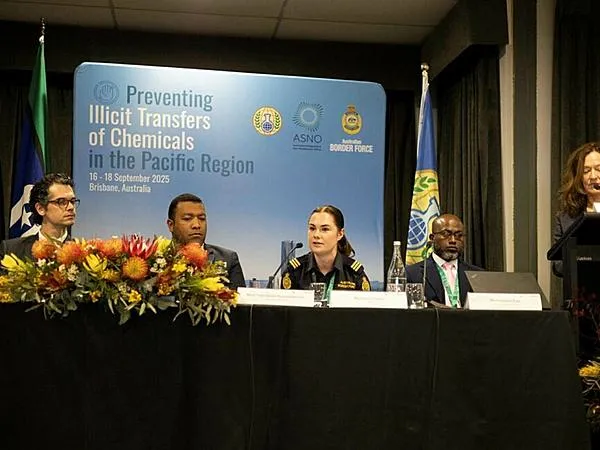
Customs and government officials from 13 Pacific nations responsible for implementing the Chemical Weapons Convention were recently trained in Brisbane on detecting and preventing the illegal movement of toxic chemicals, as part of ongoing efforts to strengthen regional security.

The week-long programme, run by the Organisation for the Prohibition of Chemical Weapons (OPCW), brought together officers from Australia, Fiji, Papua New Guinea, Solomon Islands, Tonga, Samoa, Timor-Leste, Cook Islands, Federated States of Micronesia, Marshall Islands, Palau, Tuvalu and Vanuatu.

“Our Blue Pacific has strong commitments to peace and security, and Pacific Customs administrations are instrumental in turning those commitments into action,” said Nancy Oraka, head of the Oceania Customs Organisation (OCO). “By sharing intelligence, building capacity together, and working alongside partners such as OPCW, the World Customs Organisation, the United Nations Office on Drugs and Crime, and our OCO Members, we are reinforcing a united Pacific shield against emerging threats while keeping legitimate trade moving for the benefit of our island communities.”

The training featured practical demonstrations of advanced detection equipment, including X-ray scanning systems, chemical trace detectors and detector dogs. Officers also learned about concealment methods used in chemical smuggling, such as hiding dangerous substances in refrigerated containers and other cargo.

“The ABF experts showed us how to use special technology to detect these chemicals better. Watching them use the equipment helped us understand the process,” said Tammy Luitolo from the Solomon Islands Customs and Excise Division.

The Australian Border Force Container Examination Facility provided real-world scenarios that officers could take back to their home countries.

The training builds on decades of Pacific leadership in creating nuclear-free zones. The region’s 1985 Rarotonga Treaty established the South Pacific as nuclear-free, with more recent commitments under the Boe Declaration and the 2050 Pacific Strategy extending that peace-focused approach.

“Pacific nations signed the Rarotonga Treaty in 1985 to create a Nuclear-Free South Pacific,” said Mohammed Ajaz, Customs Enforcement Adviser for the Oceania Customs Organisation. “Now we face a new challenge – weak enforcement of Chemical Weapons Convention standards could allow dangerous dual-use chemicals to spread throughout the region.”

The stakes extend beyond the Pacific itself – as a major maritime crossroads, stronger chemical weapons enforcement here protects both local communities and global security.

“Working together with other countries helps stop illegal toxic chemicals,” Ms Luitolo said, highlighting how collaboration strengthens individual nations’ efforts.

Officers also committed to updating their countries’ chemical profiling systems and creating joint standard operating procedures for handling dangerous substances.

Ajaz said the training was part of building what he called a “united Pacific shield” – combining intelligence sharing, capacity building and international partnerships to stop threats while keeping legitimate trade flowing.

“Our Blue Pacific has strong commitments to peace and security, and Pacific Customs administrations are instrumental in turning those commitments into action,” he said. “By sharing intelligence, building capacity together, and working alongside partners such as OPCW, the World Customs Organisation, the United Nations Office on Drugs and Crime, and our OCO Members, we are reinforcing a united Pacific shield against emerging threats while keeping legitimate trade moving for the prosperity of our island communities.”

This marks the second consecutive year OPCW has run chemical weapons training specifically for Pacific nations.

“The hands-on sessions with the ABF Container Examination Facility and sharing knowledge with Asia/Pacific state countries enhanced our ability to manage chemical incidents effectively,” said Meli Serunituacoko, a customs officer from the Fiji Revenue and Customs Service.

For smaller Pacific nations like Tuvalu, the training represents a significant opportunity to build capacity that might otherwise be difficult to access.

Falesala Imalesa Kofe, Senior Collector Preventive at the Tuvalu Customs Department, said her key takeaway from the workshop was “the importance of international cooperation in preventing the misuse of chemical materials.”

“I gained hands-on exposure to practical tools and methods that I had not used before,” Mrs Kofe said. “Going forward, Tuvalu will seek assistance from OCO, OPCW and other partners in ensuring these practices are embedded into our national operations.”

She added that the training’s impact extended beyond individual participants. “I am committed to integrating these approaches into our work and mentoring colleagues so the benefits extend not just to those attending but to others that have not attended this OPCW training,” she said.

For many participants, the training reinforced that protecting their island communities from chemical threats was not just about enforcement – it was about education, clear regulations and working together across the vast Pacific.

September 25, 2025

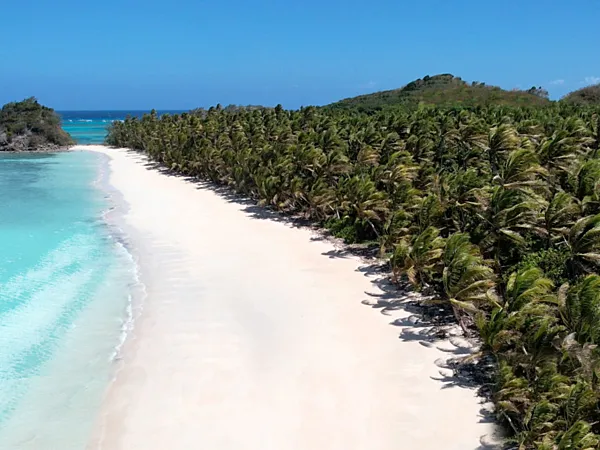
Fiji has secured a landmark investment with Kerzner International Holdings Ltd announcing plans to develop the country’s first One&Only resort and private residences on Nacula Island in the Yasawa Islands.

The project, undertaken in partnership with BSP Life, was welcomed by the Ministry of Trade, Co-operatives, Micro, Small and Medium Enterprises, and Communications, together with Investment Fiji. Officials hailed the move as a transformational moment for the country’s tourism sector and broader economy.

Deputy Prime Minister and Minister for Trade, Co-operatives, Micro, Small and Medium Enterprises, and Communications Manoa Kamikamica said the decision by Kerzner to enter Fiji underscored growing investor confidence.

“This is a big win for Fiji. Having a global brand like Kerzner International choose to invest here shows clear trust in our economy and our future. It’s a positive sign that Fiji is ready to welcome world-class developments as well as international projects. This development is key for the tourism sector and it also builds investor confidence and creates opportunities for more future investments that will help grow our economy,” Kamikamica said.

“The Ministry congratulates Kerzner International and BSP Life on this landmark announcement. The One&Only resort represents a major leap forward for Fiji’s tourism sector and signals strong investor confidence in our economy. This development will bring lasting benefits to our people, create new jobs, and position Fiji as a premier destination for luxury travel and investment,” he added.

Investment Fiji Chief Executive Officer Kamal Chetty said the project reflected the strength of Fiji’s investment environment.

“Kerzner’s investment in Fiji is a clear reflection of the trust global investors have in our economy, our people, and our future. This project goes beyond luxury tourism; it’s about creating jobs, empowering communities, and building a resilient and inclusive economy. Investment Fiji is proud to have played a key role in facilitating this development, and we remain committed to supporting strategic investments that drive sustainable growth,” Chetty said.

The development will feature 40 guest rooms, suites and villas, six dining concepts, and the Club One wellness centre. It will also introduce a community of One&Only Private Homes, with 20 exclusive residences combining luxury living with world-class amenities and service.

Designed to celebrate Fijian culture and natural beauty, the resort will prioritise sustainability and community engagement. Officials said it is expected to create new employment opportunities, stimulate local supply chains, and further strengthen Fiji’s position as a destination for high-value travellers.

The Ministry reaffirmed that Fiji remains open for investment, with the government committed to building a resilient, inclusive and prosperous future.

September 25, 2025

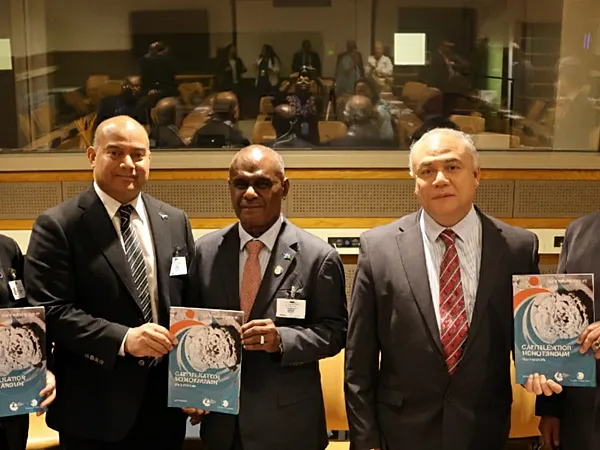
As part of the Pacific Islands Forum Leaders’ broader engagement at UNGA80, the PRF Partners Roundtable Talanoa was convened at the UN Headquarters on 23 September. The event marked the launch of the PRF Capitalisation Memorandum for Investors and officially opened the global pledging window for the next 15 months from September 2025 to December 2026.

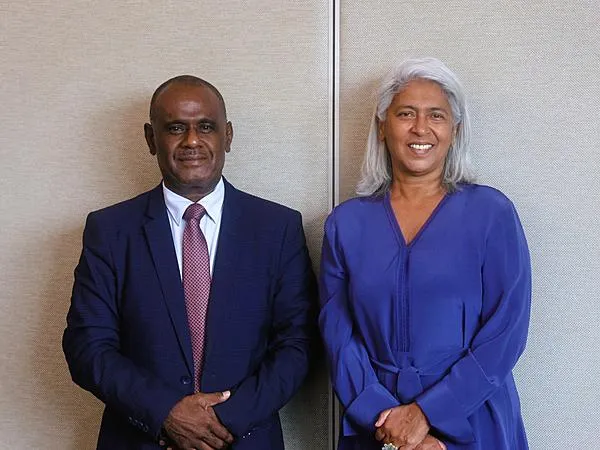
At the launch, Forum Chair and Prime Minister of Solomon Islands Jeremiah Manele remarked, “We call on our partners to recognise and invest in the PRF as a credible, innovative and transformative self-financing solution, that is a feasible and sustainable alternative to the issue of scarce public resources.”

Building on the historic signing of the agreement establishing the PRF at the 54th Pacific Islands Forum Leaders’ Meeting two weeks ago in Honiara, the event provided an opportunity to showcase the Pacific’s bold vision and leadership on the global stage.

In recognition of the facility’s game-changing impact, development partners expressed strong support for the PRF. Ireland pledged €3 million ahead of the Talanoa, Portugal announced a €1 million pledge, and Germany, through the president of the 80th Session of the UN General Assembly, affirmed a €5 million contribution. This brings total pledges to $166 million to date.

Reiterating the importance of the PRF, United Nations Under-Secretary-General and High Representative Rabab Fatima said, “The PRF is urgent because Pacific nations face the most severe climate threats. The PRF changes this equation. It brings resources directly to the communities that need them most – before crisis becomes catastrophe.”

The PRF Talanoa attracted high-level participation from Ireland, Germany, Portugal, Norway, Japan and the United Kingdom.

“Your investment will strengthen the resilience of our Pacific communities, transform their lives and create lasting benefits for our people and the planet – now and for future generations,” remarked Dr. ‘Aisake Valu Eke, prime minister of the Government of the Kingdom of Tonga.

Demonstrating Forum Leaders’ strong commitment to establishing the PRF, the president of the Republic of Nauru David Adeang deposited his instrument of ratification, becoming the second Forum member after Tonga – the host of the PRF – to do so since the treaty signing in Honiara.

The PRF Roundtable Talanoa is part of a high-level capitalisation advocacy campaign to raise the facility’s initial target of $500 million.

“This is our moment to show the global community that our solidarity, leadership, vision, courage and decisive action are the key to humanity’s survival where no one is left behind,” Tuvalu Prime Minister and Chair for Pacific Small Island Developing States (PSIDS) Feleti Penitala Teo OBE said in his closing remarks.

September 25, 2025

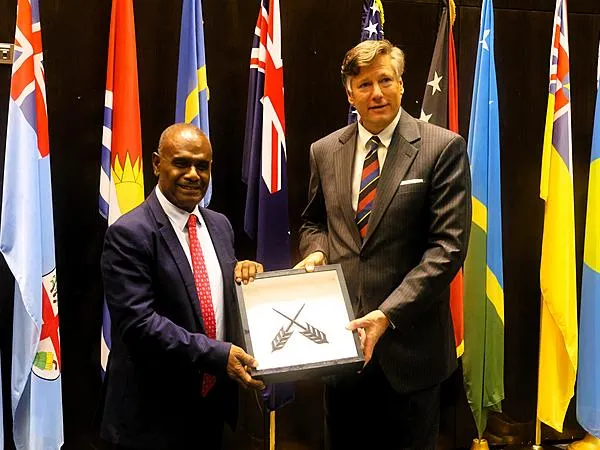
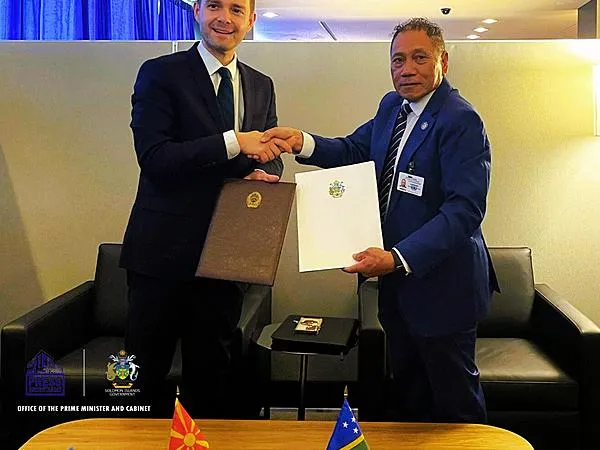
Solomon Islands has formalised diplomatic relations with the Republic of North Macedonia following the signing of a joint communique on the sidelines of the 80th Session of the United Nations General Assembly in New York on 23 September 2025.

The agreement was signed by Solomon Islands Minister of Foreign Affairs and External Trade Peter Shanel Agovaka and North Macedonia’s Foreign Minister Timčo Mucunski.

During the meeting, Agovaka said the establishment of diplomatic ties reflected both countries’ shared commitment to “fostering friendship, cooperation, and mutual respect among nations, regardless of size or distance.”

The two ministers agreed that Solomon Islands and North Macedonia share common values and aspirations for peace, sustainable development and joint action on challenges such as climate change and economic inequality.

The new bilateral partnership is expected to open avenues for cooperation in trade, education, cultural exchange and multilateral advocacy. Agovaka said Solomon Islands looked forward to leveraging North Macedonia’s experience in governance and regional integration while offering the Pacific perspective to enrich global dialogue.

He added that establishing diplomatic relations with North Macedonia reinforced Solomon Islands’ foreign policy of being “friends to all, enemies to none,” while broadening its diplomatic footprint beyond traditional allies.

The signing marked what Agovaka described as a historic milestone, as he expressed gratitude on behalf of the Government and people of Solomon Islands to North Macedonia for “warmly embracing this new partnership.”

North Macedonia, officially known as the Republic of North Macedonia, is a landlocked country in Southeast Europe on the Balkan Peninsula. It borders Greece to the south, Albania to the west, Kosovo and Serbia to the north, and Bulgaria to the east, with Skopje as its capital.

The country is notable for Lake Ohrid, one of Europe’s oldest and deepest lakes, shared with Albania, which is recognised for its unique biodiversity and more than 200 endemic species.

September 25, 2025

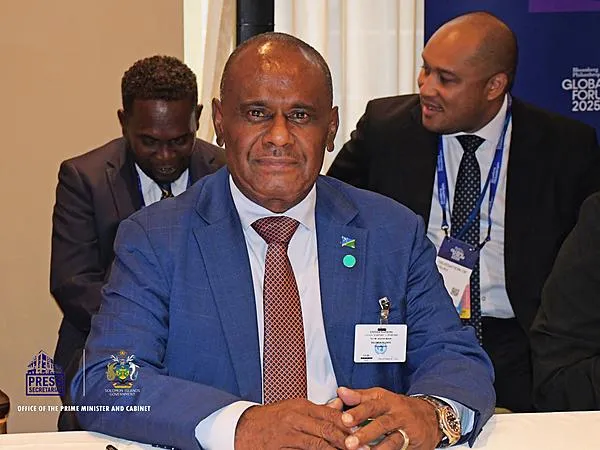
Prime Minister Jeremiah Manele underscored Solomon Islands’ leadership in advancing ocean conservation and sustainable development during a high-level roundtable at the 2025 Bloomberg Philanthropies Global Forum in New York.

The forum, held alongside the United Nations General Assembly, convenes world leaders, philanthropists and private sector representatives to explore solutions to pressing global challenges. Through discussions and side events, participants exchanged ideas, built partnerships and identified actionable solutions on issues including climate resilience, ocean governance and sustainable economic development.

During the roundtable at The Plaza Hotel, Manele shared Solomon Islands’ perspective on regional and global ocean governance. He pointed to the historic ratification of the Biodiversity Beyond National Jurisdiction (BBNJ) Agreement, which reached its 60-country threshold this week and is expected to enter into force in early 2026.

While welcoming the milestone, he stressed that the treaty’s effectiveness will depend on being complemented by strong conservation and sustainable-use measures within national jurisdiction. He said only through this dual approach could the health and resilience of the world’s oceans be secured.

The Prime Minister also highlighted the Melanesian Ocean Reserve (MOR) initiative, a Solomon Islands-led effort integrating Indigenous knowledge with modern science to safeguard biodiversity and deliver sustainable economic benefits for Ocean Peoples.

“The BBNJ Agreement and regional initiatives like the Melanesian Ocean Reserve illustrate the growing momentum toward collaborative ocean governance. Solomon Islands remains committed to protecting our oceans for current and future generations,” Mr Manele said.

He also noted the importance of regional collaboration, philanthropy and innovative partnerships to implement ocean conservation strategies effectively.

Other leaders who joined the roundtable included Fiji’s Prime Minister Sitiveni Rabuka; Wesley Simina, President of the Federated States of Micronesia,; Feleti Teo, Prime Minister of Tuvalu, along with representatives from philanthropic and international organisations.

September 25, 2025

Fiji has pledged to increase its energy sector emissions reduction target from 30 to 36 percent.

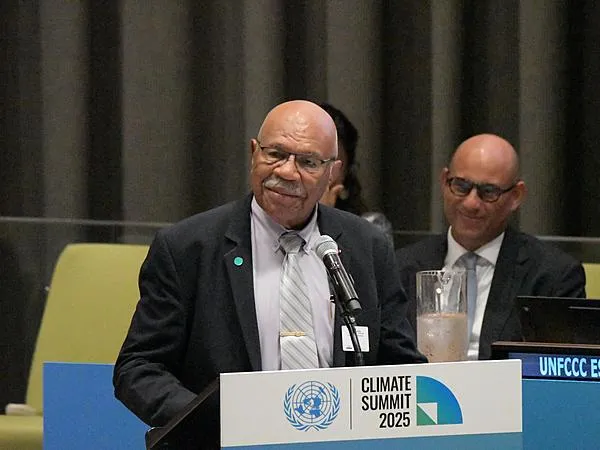
Prime Minister Sitiveni Rabuka announced the commitment at the UN Secretary-General’s Special High-Level Event on Climate Change held on the sidelines of the 80th session of the United Nations General Assembly.

In his address, Rabuka said Fiji’s Nationally Determined Contributions (NDCs) served as the country’s prospectus to access the finance, technology and expertise needed to supplement national resources.

“Fiji is firmly committed to harnessing indigenous forms of energy and the phasing out of fossil fuels,” he stated. “We also target to produce 100% of our electricity from renewable energy sources by 2035.”

The Prime Minister stressed the urgent responsibility of major emitters, citing the recent International Court of Justice Advisory Opinion which confirmed that states have a binding obligation to act in line with science, fairness and equity.

“Large polluters must take substantial, rapid, and sustainable measures to reduce greenhouse gas emissions. COP30 in Belém must be a turning point,” he urged, calling on leaders to show courage, political will, and ambition to secure a sustainable future for all.

The high-level event provided a platform for countries to present their upcoming NDCs and outline new climate commitments.

Meanwhile, Rabuka has called for urgent reforms to the global financial system to better support vulnerable nations, particularly Small Island Developing States (SIDS), in achieving the Sustainable Development Goals (SDGs).

Speaking at the Biennial Summit for a Sustainable, Inclusive and Resilient Global Economy held on the sidelines of the 80th session of the United Nations General Assembly, Rabuka highlighted the USD$4 trillion financing gap faced by developing countries. He also pointed to the added strain of climate change and frequent natural disasters on Fiji’s economy.

He stressed that building sustainable and resilient economies requires greater investment in infrastructure, health and education.

“Our plight is urgent. We need a financial system that is cognizant of our reality,” he said.

The Prime Minister urged international financial institutions to adopt the Multi-dimensional Vulnerability Index (MVI) when assessing the challenges faced by SIDS, and called on leaders to implement the Seville Compromise to help close the funding gap.

“As we march into the final quarter of the 2030 Agenda, we must scale up efforts to meet our commitments, especially for nations in special situations like SIDS,” Rabuka concluded.

September 24, 2025

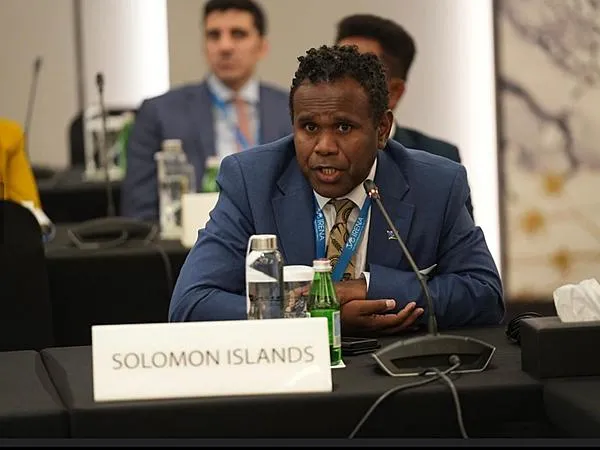
Solomon Islands has secured a seat on the International Renewable Energy Agency (IRENA) Council for the first time, marking a milestone in the country’s growing role in global climate and energy discussions.

The nation was elected as a member of the Asia-Pacific Group at IRENA’s 29th Council Meeting, held in Abu Dhabi from 10–12 September. Its two-year term will begin on 11 September 2025, succeeding the Kingdom of Tonga, which served from 2023–2025.

For Solomon Islanders, the achievement carries both symbolic weight and practical importance. It is the first time the country has been chosen to represent the Pacific within the Asia-Pacific Group since the Council’s establishment.

Ambassador to the UAE and Permanent Representative to IRENA, Cornelius Walegerea, said the appointment gave the Pacific a stronger voice at the global table.

“As a member of the Council representing the Pacific, Solomon Islands looks forward to working with IRENA during its tenure to advocate and amplify the call for the international community to meet their climate change commitments and support Pacific Island countries with their renewable energy needs," Walegerea said.

The Abu Dhabi meeting drew government officials, diplomats and energy experts from around the world. Discussions ranged from global energy security to advancing next-generation renewable technologies, with a strong focus on solar power and strengthening regional manufacturing.

The Solomon Islands delegation was led by Walegerea and included Gabriel Aimaea, Director of Energy in the Ministry of Mines, Energy and Rural Electrification, and Paul Avoso Pandarongo, Second Secretary at the Solomon Islands Embassy in the UAE.

For a nation facing the daily realities of climate change, from rising seas to fragile infrastructure, the Council seat is more than a diplomatic victory. It is a chance to press for solutions that matter to Pacific communities, where renewable energy is not only about sustainability but survival.

September 24, 2025

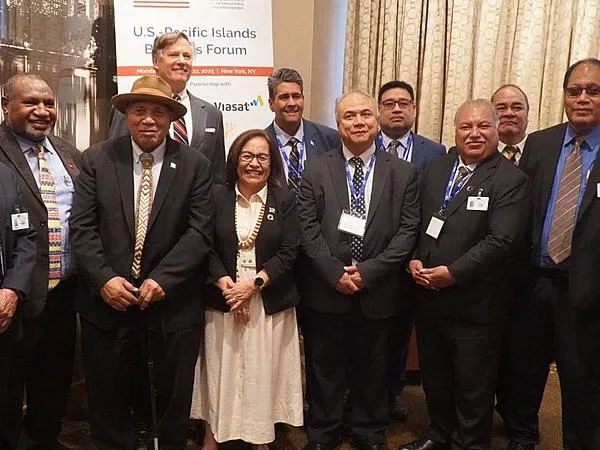
Prime Minister James Marape has urged the United States and its business community to deepen trade and investment ties with the Pacific, stressing that the region should be seen as a hub of opportunity rather than a recipient of aid.

Speaking at the US–Pacific Islands Business Forum on 22 September Prime Minister Marape said Pacific Island countries were redefining themselves as “big ocean nations” with resources and opportunities second to none.

“We may be called small island states, but we are in fact big ocean nations,” Prime Minister Marape said during the event,  held on the sidelines of the United Nations General Assembly (UNGA) and hosted by the Business Council for International Understanding (BCIU) in partnership with Newmont, Viasat and Atlas Air.

“Our seas, our airspace, our forests and our human capital are immense. The Pacific holds more than $3 billion worth of tuna and fisheries resources every year, yet our citizens remain among the lowest per capita earners in the world. This must change," he added.

Shared values with the United States

Marape expressed gratitude for the recognition of Papua New Guinea’s 50th Independence Anniversary and highlighted the shared values between the Pacific and the United States.

“We are all democratic nations, we are all free-market economies, and we are largely Christian nations,” he said. “These are the same values that the United States embodies and leads with globally. We congratulate the US on its upcoming 250th anniversary of independence — a true testimony to the miracle of democracy and free-market economy.”

Moving beyond aid

The Prime Minister called on Washington to shift from aid and grants towards sustainable partnerships built on fair trade and private-sector investment.

“Aid and grant relationships are subservient; trade relationships elevate human dignity,” he emphasised. “We welcome US companies to invest in fisheries, green energy, tourism, downstream processing and infrastructure. The Pacific must become a hub of prosperity, not dependency.”

American companies already investing

Marape acknowledged major US companies already operating in Papua New Guinea, including ExxonMobil, Newmont, Hilton and Marriott, and invited more American firms to expand into the region.

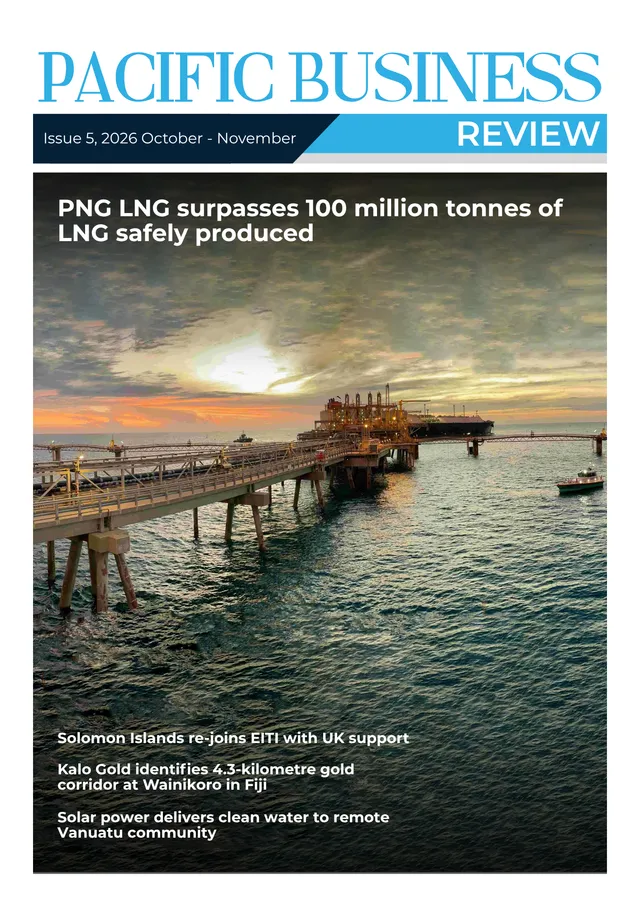
He pointed to ExxonMobil’s liquefied natural gas (LNG) project — the single largest foreign direct investment in PNG since independence — as proof that the country could host and sustain long-term ventures.

A Pacific vision

Concluding his remarks, Prime Minister Marape described the Pacific as a critical partner for global prosperity and environmental stewardship.

“Our Blue Continent is more than a collection of islands — it is the world’s largest carbon sink, with oceans and forests that help sustain the planet,” he said. “Together with US companies and global partners, we can build a Pacific that is prosperous, dignified and respected.”

September 23, 2025

Solomon Islands has joined more than 100 countries in supporting a new international declaration to protect humanitarian workers facing increasing risks in conflict and crisis zones.

Foreign Affairs Minister Hon Peter Shanel Agovaka signed the declaration on behalf of Solomon Islands on 21 September at the United Nations precinct in New York.

The initiative, led by Australia’s Foreign Minister Senator Penny Wong, has gained wide backing from UN member states committed to safeguarding those who risk their lives to deliver aid to vulnerable communities.

The declaration responds to the alarming rise in attacks on humanitarian personnel worldwide. The year 2024 was recorded as the deadliest for aid workers, with hundreds killed, injured or kidnapped, most of them local staff serving their own communities. This erosion of respect for international humanitarian law has fuelled urgent calls for stronger global protection measures.

The text commits countries to strengthen accountability systems, ensure prompt and independent investigations when harm occurs, adopt victim- and survivor-centred approaches to justice, and systematically monitor incidents. It also underscores the role of the UN Security Council in taking action against those who endanger humanitarian staff.

By signing the declaration, Solomon Islands reinforced its partnership with Australia and the wider international community in advancing justice, accountability and the safety of aid workers.

September 23, 2025

Deputy Prime Minister and Minister for Trade, Cooperatives, MSMEs and Communications visited the Chiba Toukatu Agricultural Cooperative (JA Chiba Toukatu) in Tokyo, Japan.

The visit, part of the Deputy Prime Minister's official programme for the Fiji-Japan Business Mission and Fiji’s National Day at the World Expo 2025 in Osaka, reflected Fiji’s partnership with Japan, which has thrived for more than 50 years.

It also provided an opportunity to study Japan’s successful agricultural cooperative model and to explore how its principles might be adapted to Fiji’s context.

“The JA Chiba Toukatu experience is a clear demonstration of how cooperative enterprises can empower communities,” Kamikamica said.

“As Fiji and Japan mark over five decades of friendship, we look forward to drawing inspiration from this model to advance our own cooperative sector," he added.

JA Chiba Cooperative was formed through the consolidation of several cooperatives, including JA Chiba Kenhoku, JA Kashiwa-shi and JA Nishi-Funabashi, followed by a 2017 merger with JA Tokatsu Futaba.

It now operates with a share capital of ¥1.76 billion (FJ$26.8 million) and a membership base of 18,882, comprising 7,168 regular members and 11,714 associate members.

The JA Group Chiba provides a wide range of services, including general coordination and management consulting, credit and economic support (purchasing and marketing), mutual insurance, welfare assistance, media and information services, publishing and cultural activities as well as travel services.

September 23, 2025

Pacific leaders have reaffirmed their commitment to gender equality and the empowerment of women and girls at the United Nations, underscoring that progress in this area is inseparable from broader human rights, sustainable development and climate justice.

Speaking at the High-Level Meeting commemorating the 30th anniversary of the Fourth World Conference on Women and the Beijing Platform for Action, Fiji Prime Minister Honourable Sitiveni Rabuka described the Beijing Conference as “a historic milestone in the global movement for gender equality” that continues to guide international efforts.

Rabuka outlined Fiji’s priorities across critical areas, including poverty, education, health, capacity building, violence against women, women and armed conflict, women and the economy, women in power and decision-making, human rights of women, women and the media, and the wellbeing of the girl child.

“Within those critical areas, Fiji is making progress on its commitment to an inclusive environment, ensuring gender equality through family law reforms and adopting laws such as Fiji’s Domestic Violence Act 2009, the Child Welfare Act 2010, and the Employment Relations Act, as well as other national regulations addressing violence against women, child protection, and employment rights,” he said.

“Today is a celebration — a celebration of the invaluable contributions that women make in our lives. But it is also a solemn reminder of the urgent need to eliminate violence, discrimination, and inequality that persist in many societies," he added.

He stressed that gender equality must begin with strong political will and accountability from leaders, noting that women, who make up more than half the world’s population, should never have their empowerment debated or delayed.

Rabuka added that Fiji’s legal and institutional frameworks provide adequate protection for women and girls and enable authorities to address discrimination and hold perpetrators accountable. “We aim to ensure that gender equality is institutionalised within government structures, further supporting our Department of Women, Children, and Social Protection,” he said.

“As a developing country, Fiji is working to ensure that our daughters inherit a future where equality is a lived reality and not just an aspiration,” he concluded.

For his part, Tuvalu Prime Minister Feleti Penitala Teo also addressed the assembly, declaring that “protecting Tuvaluan women is protecting Tuvalu’s future.”

“Thirty years after the Beijing Platform for Action, Tuvalu reaffirms its commitment to gender equality,” Teo said, citing constitutional guarantees against sex-based discrimination and the adoption in 2024 of a National Gender Equity Policy aimed at mainstreaming women’s empowerment and protection from violence across all sectors.

He acknowledged persistent challenges, noting that one in two women in Tuvalu experiences intimate partner violence and that women remain underrepresented in governance, with no women currently in Parliament and only eight out of 48 seats held by women in local councils.

Teo further highlighted the link between gender equality and climate change. “For Tuvaluan women, climate change is not a distant threat; it is stripping away rights day by day,” he said, warning that environmental pressures continue to undermine women’s livelihoods and cultural heritage.

“The resilience of Tuvaluan women is extraordinary, yet resilience must never be mistaken for consent to injustice,” he added, urging governments to recognise the inseparability of gender equality and climate justice.

The Beijing+30 meeting, attended by more than 160 world leaders, also focused on the Action Agenda, which calls for closing the gender digital divide, tackling poverty among women and girls and strengthening women’s participation in peace and security.

September 22, 2025

Papua New Guinea’s 50th Independence Anniversary, celebrated from 14 to 19 September, brought the nation to the world stage as global leaders, regional partners and international dignitaries joined in commemorating the Golden Jubilee.

From Independence Hill to the streets of Port Moresby, the celebrations on 15 and 16 September showcased the unity of “One People, One Country, One Future” while highlighting the country’s growing role in the Pacific and the global economy.

Global Leaders Gather in Port Moresby

The capital city became the gateway for world leaders and Pacific dignitaries who converged to witness Papua New Guinea’s milestone anniversary. United States Deputy Secretary of State Christopher Landau and Commander of the U.S. Indo-Pacific Command Admiral Samuel J. Paparo joined U.S. Ambassador Ann Marie Yastishock, PNG Foreign Secretary Elias Wohengu, Solomon Islands Prime Minister Jeremiah Manele and Pacific Islands Forum (PIF) Secretary General Baron Waqa for a U.S.–Pacific Islands Forum Roundtable in Port Moresby.

The discussions focused on shared priorities including economic development, disaster preparedness and regional security. The visit also saw the United States and Papua New Guinea strengthen bilateral ties with the signing of a Framework for Strategic Engagement, alongside the groundbreaking of a K1.6 billion U.S.-funded fuel storage facility, marking a significant investment in PNG’s energy security and economic future.

“From strengthening our shared interests to dancing alongside Papua New Guineans to Wan Kantri, the U.S. is committed to its partnership with Papua New Guinea and the Pacific,” Deputy Secretary Landau said during the events.

UN Secretary-General, who visited PNG and addressed Parliament on Tuesday, 2 September 2025, congratulated PNG on achieving 50 years of unbroken democracy.

Israeli President Isaac Herzog delivered his message on behalf of his people via video. He said it was a true privilege to share his congratulations with Prime Minister Marape and the people of PNG on 50 years of Independence.

At the bilateral meetings on Monday, 15 September 2025 to Wednesday, 17 September 2025, all visiting leaders congratulated PNG on its historic milestone:

  • China: Special Envoy of the Chinese President and Minister for Ecology and Environment Huang Runqiu delivered a personal letter of congratulations from President Xi Jinping to Prime Minister Marape.

  • United States: Deputy Secretary of State Christopher Landau congratulated Prime Minister Marape and the people of Papua New Guinea on achieving 50 years of democracy and for maintaining a relationship with the USA based on similar ideals of democracy, Christianity and mutual goals.

  • Japan: Special Envoy of the Japanese Prime Minister and Minister for Foreign Affairs Takuma Miyaji delivered a personal letter of congratulations from the Japanese Prime Minister.

  • Indonesia: Vice President Gibran Rakabuming Raka passed on President Subianto’s congratulatory message on behalf of Indonesia.

  • France: French Representative for the Pacific Veronique Roger-Lacan delivered President Emmanuel Macron’s personal congratulatory message to PM Marape and the people of PNG on reaching the 50-year independence milestone.

  • India: Minister for State for External Affairs and Minister for Textiles Pabitra Margherita congratulated PNG on its achievement as a sovereign nation.

  • Australia: Prime Minister Anthony Albanese, joined by Deputy Prime Minister Richard Marles, expressed to PM Marape Australia’s most heartfelt message of congratulations and well-wishes as the country that granted PNG its independence in 1975.

Congratulatory messages also came from Pacific Islands Forum leaders who arrived from the Solomon Islands after the 54th PIF Leaders Meeting. They included the President of the Federated States of Micronesia Wesley Simina, President of Palau Surangel Whipps Jr., Prime Minister of Niue Dalton Tagelagi, Prime Minister of Tuvalu Feleti Teo, Prime Minister of Cook Islands Mark Brown, Prime Minister of Solomon Islands Jeremiah Manele, Deputy Prime Minister of Vanuatu Johnny Koanapo Rasou and Deputy Prime Minister of Fiji Manoa Kamikamica.

President of the Asian Development Bank Masato Kanda, who also met with Prime Minister Marape and later with the PIF leaders, congratulated the people of PNG on achieving its Golden Jubilee.

Pacific Islands Forum Affirms Solidarity

Pacific Islands Forum Secretary General Baron Divavesi Waqa joined the celebrations on behalf of the Blue Pacific family, underscoring PNG’s central role in the regional bloc since joining in 1974.

“On behalf of the Forum Family, we extend our warmest congratulations to the Government and the people of Papua New Guinea on this significant milestone. We wish Papua New Guinea continued peace, prosperity and unity as it looks with confidence to the next 50 years and beyond,” Waqa said.

Royal Visit: Duke of Edinburgh Reintroduces Youth Award
Adding to the prestige of the celebrations, His Royal Highness Prince Edward, Duke of Edinburgh, visited PNG and announced the reintroduction of the Duke of Edinburgh International Award in Port Moresby. The ceremony, attended by Governor General Sir Bob Dadae, Prime Minister James Marape, Foreign Affairs Minister Justin Tkachenko and UK High Commissioner H.E. Anne Macro, took place at the Airways Hotel.

The non-formal education programme will provide young Papua New Guineans aged 14–24 with opportunities to build resilience, leadership, teamwork and community engagement. Successful participants will gain internationally recognised certificates, boosting career and education prospects while encouraging personal growth and social responsibility.

“This award will empower the next generation of Papua New Guineans to take ownership of their futures while building lifelong friendships and networks,” Prince Edward said.

Port Moresby: The Stage of PNG50

Hosting thousands of visitors, Port Moresby stood tall as the gateway to Papua New Guinea as the capital city became a showcase of PNG’s more than 10,000 tribes and 22 provinces, bringing together cultural performances, music, arts and food in a safe, vibrant and family-friendly environment.

The National Capital District Governor Hon. Powes Parkop hailed the celebrations as a turning point in reshaping the narrative of the capital.

“I am proud of the people of Port Moresby for turning up in record numbers and for conducting themselves with discipline and pride throughout the PNG50 Independence celebrations,” Governor Parkop said. “These events showcased our unity and sent a powerful message to the nation and the world that Port Moresby is a modern international city.”

He highlighted the year-long build-up of events at the beginning of this year, from the Anniversary Launch in February, Pacific and Asian story celebrations, the PNG Story in July, the Meganesia Concert and the Amazing Port Moresby festivals in September, which all built momentum towards the Golden Jubilee.

Beyond the capital, it was also a peak week for tourism, as thousands of visitors travelled to provinces across the Highlands, Islands, Momase and Southern regions to celebrate 50 years of independence. From cultural shows in Goroka and Mt. Hagen, East Sepik and Central Province, Hula canoe races to the Mask Festivals held in the island and Momase regions, to traditional dances in East New Britain, Milne Bay and Manus, the Golden Jubilee sparked nationwide festivities that brought economic opportunities to local communities while showcasing the beauty and diversity of PNG to the world.

Economic Impact: SMEs and Creative Industries Thrive

The celebrations lifted national pride and also provided important economic opportunities. Hundreds of small and medium enterprises (SMEs) showcased and sold products ranging from arts and crafts to food and cultural items in Port Moresby and other venues. Local artists, traditional troupes, musicians, choreographers and media houses also gained income and visibility from their participation.

Port Moresby was entertained by international artist Akon on 17 September, including musicians, bands and artists from Vanuatu, Solomon Islands, Torres Strait Islands and Indigenous Australia.

“This is economic empowerment in action,” Parkop emphasised. “Our SMEs are not only earning income but also gaining the confidence and visibility to grow their businesses in front of a national and international audience.”

PNG Looks Ahead to Another 50 Years

With incident-free celebrations, full participation from international partners and renewed confidence in the capital city’s ability to host world-class events, Papua New Guinea’s 50th Independence Anniversary has set a strong foundation for the next half-century.

Prime Minister James Marape, who led the national flag-raising ceremony alongside thousands of students, teachers and citizens on Independence Hill, said the Golden Jubilee was not just about reflecting on the past but about inspiring the next 50 years.

Speaking after the Jubilee, Prime Minister Marape said the milestone was a reminder to all Papua New Guineans that the country’s future must rise above tribal, provincial and personal interests.

“As we come out of our 50th anniversary, the country is still united under one flag. For me, James Marape, my commitment to Papua New Guinea will always rise above my commitment to tribe, district or province. Our nation must always come first,” Prime Minister Marape said.

He further highlighted that stability in Hela, Enga and Southern Highlands is vital, not only for communities but also for the protection of nationally significant resource projects.

“Projects such as Porgera and the PNG LNG, which today contribute billions to our economy, cannot be sabotaged. In the last three years alone, PNG LNG has contributed over K10 billion to our budgets. These projects must be safeguarded for the benefit of all our people,” PM Marape said.

The Prime Minister revealed that work is underway with development partners and investors to open alternative roads in project areas, including routes between Mendi, Margarima, Tari and Kikori.

“We are mobilising resources through Tax Credit Projects to ensure these vital roads are opened up. This is about connecting our people, securing investment and guaranteeing the free flow of services and opportunities,” he added.

PM Marape underscored that as the country enters its next 50 years, the focus must be on peace, development and unity.

“The 50th anniversary calls us to rise above self and tribal interests and to put our country first. We are in the 21st century. If someone feels aggrieved, the courts are there—not tribal lawlessness. This is the mindset that will carry us forward into the next 50 years,” he affirmed.

As the curtains close on the historic celebrations, PNG has shown the world its diversity and potential as a young nation confident in its future and proud of its journey.

September 22, 2025

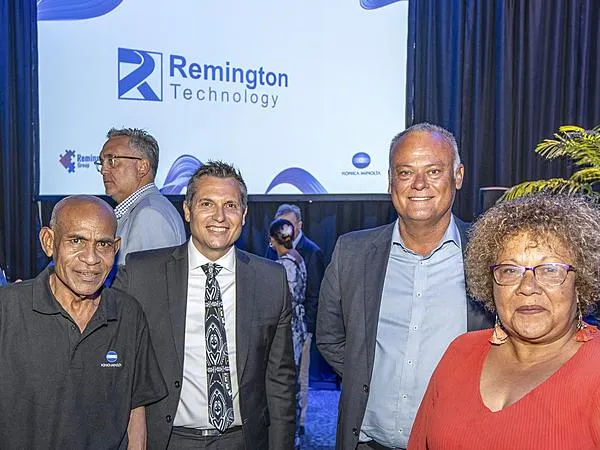
When Papua New Guinea celebrates 50 years of independence this September, one business stands out for having journeyed with the nation long before 1975: Remington Group.

Established in 1948, Remington began as the country’s typewriter supplier, introducing modern office equipment to government, schools and businesses. Those machines helped lay the foundation for administration and communication in a young nation finding its feet.

Over the decades, as PNG transformed, so did Remington. The Group evolved from typewriters to photocopiers, printers and ultimately into today’s full-service technology organisation.

With a national footprint stretching from Port Moresby to Lae, Goroka, Mt Hagen, Kimbe, Kokopo, Wewak and Kavieng, Remington has become a trusted partner for thousands of businesses.

The company is the exclusive authorised Konica Minolta dealer in PNG and has been recognised regionally, winning the 2024 Konica Minolta Dealer of the Year award across the Australia-Pacific region.

But the Group’s impact goes far beyond hardware.

Through its divisions—Remington Technology, FX Business Centre (the only authorised Fujifilm dealer in the country), BizPrint, OFC Tech Solutions and Remington Digital Solutions—it delivers everything from managed print services and IT infrastructure to document digitisation, cloud storage and workflow automation. Its mission is clear: help organisations work smarter, faster and more securely in a rapidly digitising world.

Looking ahead, Remington is preparing to launch Remington Hi-Tek, a bold retail venture that will bring electronics and technology directly to customers through modern stores in Lae and Port Moresby, and an online shop serving the entire nation.

Together with Remington Digital Solutions, the Group is positioning itself as a leader in PNG’s digital transformation, empowering businesses, government and communities to embrace the next era of innovation.

From typewriters to the cloud, Remington Group’s story mirrors Papua New Guinea’s own journey: resilient, adaptive and forward-looking. As the nation marks its Golden Jubilee, Remington remains firmly committed to shaping the next 50 years of progress.

September 22, 2025

Over the past year, PNG Ports Corporation Ltd (PNG Ports) has taken a significant step forward in shaping its leadership for the future. It appointed four exceptional professionals to senior roles, in line with its most ambitious infrastructure programme since the relocation of Port Moresby’s terminals to Motukea and the expansion of Lae Port.

The appointments reflect a deliberate strategy pursued by the State-Owned Enterprise (SOE) over the past decade – to build and nurture leadership talent from within while also recruiting outstanding expertise from outside the organisation.

The newly appointed senior leaders include Chief Operations Officer (COO) Felix Bauri, Chief Commercial Officer (CCO) Deborah Onga, Chief Financial Officer (CFO) Dorothy Kore, and Senior Civil Engineer – Major Projects Denmark Gimiseve, who also heads the Joint Implementation Unit (JIU) overseeing the A$621.4 million Australian Government investment in the national port upgrade programme.

Chair Harvey Nii emphasises that “these appointments are more than simply staffing changes. They reflect a long-term strategy to cultivate a new generation of leadership talent that will carry the organisation forward for the next 50 years.”

Building Leaders from Within

COO Felix Bauri is a standout example of PNG Ports’ ability to develop its own people. Beginning his career two decades ago through the Graduate Trainee Program, Bauri has worked his way through a diverse range of roles across the port network, from Wharf Superintendent to Regional Business Manager.

After serving multiple acting stints in senior roles, he was formally appointed COO in 2024. Nii describes Bauri’s corporate knowledge as “second to none” and notes his operational expertise is vital to PNG Ports’ performance across its 15 port operations.

Bringing in Fresh Perspectives

In contrast, CCO Deborah Onga joined PNG Ports in April 2025. A commercial lawyer with extensive experience in large-scale property development, she is leading efforts to advance the 400-hectare Lae Industrial Park adjacent to Lae Port and to secure its Special Economic Zone (SEZ) status.

She is also tasked with unlocking the commercial potential of all ports in PNG Ports’ network, including the 12 Community Service Obligation (CSO) ports currently funded by the SOE.

Bringing with her property experience as well as more than a decade of aviation industry expertise, PNG Ports’ Chief Financial Officer, Dorothy Kore, joined the SOE in August 2024. Complementing her strong accounting background with an MBA in International Business, Kore also brings highly regarded strengths in project and change management. These capabilities underpin her leadership of core responsibilities spanning financial management and reporting, treasury accounting, and corporate strategy. They are proving particularly valuable in navigating the financial dimensions of the AIFFP-funded port upgrade programme—most notably the complex tax components.

Alongside this, she is driving the modernisation and upgrade of the accounting system and port operations system.

Senior Civil Engineer – Major Projects, Denmark Gimiseve, who joined the SOE in late 2023, brings 15 years of engineering expertise across high-profile projects such as APEC Haus, Angau Memorial Hospital, and the National Football Stadium.

Highly regarded for his technical skills and project management capability, Gimiseve has been “instrumental” in progressing PNG Ports’ nationwide programme of port upgrades since becoming head of the JIU in March this year.

Developing the Talent Pipeline

Today, Bauri, Onga, Kore, and Gimiseve are part of a 12-strong senior leadership team that combines long-serving employees with fresh external talent.

Human Capital Manager Rex Kini notes that “PNG Ports’ dual strategy of developing its own people while recruiting top professionals from outside the organisation has proven highly effective.”

Central to this has been the Graduate Trainee Program, which has trained 60 graduates since inception – 90 per cent of whom secured full-time positions, with most staying at least five years.

Four other senior managers are alumni of the programme. Beyond this, PNG Ports invests heavily in leadership programmes for high-potential staff, including rotational placements, stretch assignments, strategic projects, acting appointments, and external study support.

Strong Results, Strong Future

This strategy is paying off. In the past decade, PNG Ports has strengthened its operational efficiency and global standing, with Lae and Port Moresby climbing the World Bank’s Container Port Performance Index. At the same time, profitability has been consistent, allowing substantial dividends to be returned to the State.

The company’s leadership evolution underscores its broader ambition of being led by an exciting new generation of talented professionals – people who combine deep corporate knowledge with fresh perspectives – ensuring PNG Ports continues to deliver value to the nation.

September 22, 2025

Weir, a mining technology company, has redesigned its market-leading heavy-duty submersible slurry pump to deliver reliable performance in the harshest slurry environments.

Weir has made several design improvements to address the operational challenges miners face in submersible pumping applications.

The WARMAN® SHW-XTR heavy-duty submersible slurry pump uses a larger shaft and heavy-duty bearings to keep everything stable, run smoothly, and avoid motor failure from shaft deflection.

Weir has also raised the strainer off the ground and added protective legs to shield it from tools, debris, and other job site hazards.

To prevent fluid from entering the motor, Weir has developed a custom double mechanical seal with a pressure-balanced oil chamber that keeps water out and extends the life of the motor.

In line with Weir’s commitment to reducing the environmental impact of its products, the WARMAN® SHW-XTR pump uses a glycol-based cooling system that does not waste water. Its simplified design and standard materials reduce waste, and the biodegradable oil in the seal helps protect the environment in case of a leak.

Ian Ross, Weir Global Product Manager, Dewatering Solutions, said: "We’re fortunate to be redesigning this pump from a position of strength. The legacy WARMAN® SHW pump has been a mainstay in demanding applications in mining operations all over the world. Its hydraulics are trusted throughout the industry, which is why we’ve preserved these design elements and focused on making improvements elsewhere."

"We wanted to make the pump easier to maintain, which is why the WARMAN® SHW-XTR pump has fewer components and a smarter design. This will ensure it is easier to maintain and will also reduce the need for a large parts inventory," Ross said.

"Two of the key challenges across the mining industry today are longer lead times and higher costs, so it was important that these factors informed the decision we made. As a result, the WARMAN® SHW-XTR pump is a standardised product, meaning faster delivery and better availability of spare parts," he added.

Founded in 1871, The Weir Group PLC is one of the world’s leading engineering businesses, with a purpose to make its mining and infrastructure customers’ operations more sustainable and efficient. Weir’s highly engineered technology enables critical resources to be produced using less energy, water, and waste while reducing customers’ total cost of ownership.

Weir is ideally positioned to benefit from structural trends that support long-term demand for its technology, including the need for more essential metals to support economic development and carbon transition. The Group has approximately 12,000 employees operating in over 50 countries, with a presence in every major mining region of the world. Find out more at www.global.weir.
September 22, 2025

Fiji’s Minister for Rural and Maritime Development and Disaster Risk Management Sakiasi Ditoka has hailed the Saemaul Undong (SMU) initiative as a catalyst for rural transformation, citing its positive impact in three pilot communities.

Speaking at the Saemaul Undong Ministerial Conference, Ditoka expressed Fiji’s gratitude to the Government and people of the Republic of Korea for their generosity and continued support. He said the programme was going beyond infrastructure delivery to reshape how rural Fijians viewed and led development, guided by the principles of diligence, self-help and cooperation.

“Through the Saemaul Undong programme, we are not only building facilities, but we are also strengthening community leadership, instilling financial discipline, and nurturing a culture of self-reliance. The true transformation lies in building the mindset and resilience of our people,” Ditoka said.

The minister pointed to achievements in the three pilot villages of Mau in Namosi, and Silana and Namasimasi in Tailevu. These included upgrading village halls and health facilities, developing eco-tourism ventures, constructing resilient evacuation centres, establishing cooperative income-generating projects and improving waste management, sanitation and agricultural practices.

From these pilots, he said, key lessons had emerged such as strengthening the savings culture, ensuring good governance, enhancing financial literacy and encouraging sustainable income projects. These, he stressed, were essential to building resilient, inclusive and sustainable rural development.

“As we celebrate these achievements, we must also remember that this progress has been made possible through the generosity of the Korean people. We remain committed to using this support wisely, transparently, and accountably. Mau, Silana, and Namasimasi now stand as living examples of how Saemaul Undong can be adapted and thrive in the Pacific,” Ditoka said.

September 19, 2025

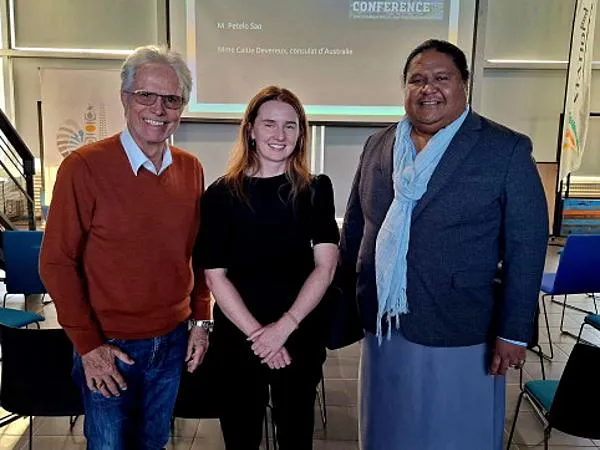
A New Caledonian delegation led by government member for construction and technological innovation Petelo Sao travelled to Brisbane from August 18 to 20 to participate in the Pacific Infrastructure Conference 2025, a key regional event focused on sustainable infrastructure.

A follow-up meeting was held on September 9 for participants to share feedback on their experience at the conference, which takes place every two years and gathers leaders as well as public and private stakeholders to discuss infrastructure challenges and opportunities across the Pacific.

Sao said New Caledonia’s participation underscored the country’s commitment to innovation and regional cooperation. “Our presence at this conference was not only about showcasing New Caledonia’s know-how but also about engaging with partners on the challenges we all face, from climate change to limited financing options,” he said.

Strong turnout

This year’s conference drew more than 650 delegates, 80 speakers and over 40 exhibitors from about 20 countries. Thematic sessions led by Pacific leaders were fully booked, reflecting growing interest from consultancies, construction companies and lenders in regional projects.

Highlights included the Asian Development Bank sending one of its largest delegations to a Pacific economic event, with around 25 representatives joining roundtable discussions and bilateral meetings. Pacific leaders, including Sao, also presented their infrastructure priorities in thematic sessions that attracted wide attention.

The private sector played a prominent role, with chambers of commerce and business representatives actively participating and helping shape infrastructure priorities.

Showcasing New Caledonia

For New Caledonia, the conference provided a high-profile platform. Sao delivered a presentation outlining the territory’s reconstruction plan and highlighted projects on climate change adaptation, decarbonisation and innovation. He also introduced the New Caledonia Construction Standard (RCNC) and discussed the recent certification of Sland, a material derived from recycled slag.

“Slag was at the heart of certain debates since it could be of particular interest to the Pacific islands affected by erosion,” Sao said.

Another highlight was the signing of a memorandum of understanding between the Pacific Islands and Australia Business Council (APIBC) and New Caledonia Trade and Invest, aimed at strengthening regional economic ties.

The delegation also included representatives from the private sector, such as Bleuscope, SLN, Secal, Tokuyama and Arbe, who explored opportunities through bilateral exchanges with regional partners.

“The Pacific Infrastructure Conference is more than just a forum — it is a place where projects take shape, partnerships are forged and the future of Pacific infrastructure is discussed,” Sao said.

September 18, 2025

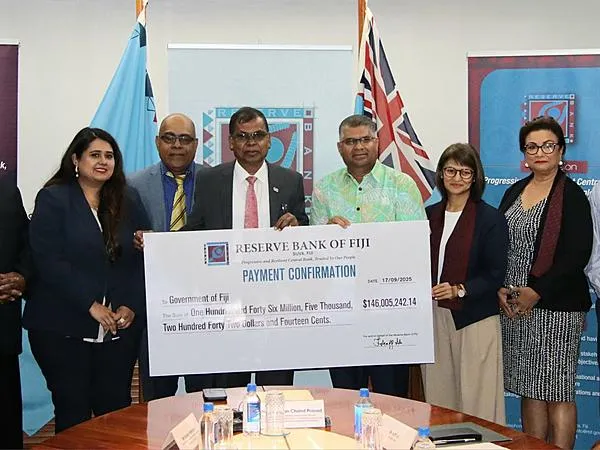
Acting Prime Minister and Minister for Finance Biman Prasad on Wednesday received the transfer of $146 million in profits from the Reserve Bank of Fiji, together with the presentation of the Bank’s audited financial statements for the year ending 31 July 2025.

Speaking at the handover, Prasad congratulated the Bank on achieving another record result.

“I would like to congratulate the RBF for making another record profit, surpassing the $135.5 million profit achieved in the last financial year. The increased level of profits over the last two years has been significantly driven by the high level of foreign reserves and higher interest rates in our trading partner economies for most of the year,” he said.

Prasad noted that while profitability is not the central bank’s main objective, the RBF has demonstrated sound financial management while meeting its mandates.

“As a central bank, making a profit is not the Reserve Bank’s primary objective. Nevertheless, the Bank has recorded strong profits while successfully meeting its monetary policy objectives of maintaining an adequate level of foreign reserves and stable inflation,” he said.

As of 16 September, foreign reserves stood at $3.89 billion, equal to 6.1 months of retained imports of goods and services, reflecting a strong balance of payments position. Inflation has also remained low, with Prasad highlighting recent positive trends.

“Inflation has been in negative territory for seven consecutive months, which means that since February this year, overall prices have been coming down compared to the same period last year. The inflation rate was recorded at minus 3.5 percent in August 2025, compared to 3.8 percent in August last year,” he said.

Acknowledging the Bank’s stewardship, Prasad said the profits reflect prudent management of Fiji’s reserves and investments.

“The exceptional profit reflects the Bank’s prudent management of the nation’s foreign reserves and its ability to capitalise on the high-yield investments offered by global financial markets,” he said.

He further emphasised the wider role of the central bank in supporting Fiji’s development.

“In a developing country like ours, one of the most important contributions of a central bank is to ensure macroeconomic stability, creating confidence and an environment conducive to increased levels of investment, leading to sustainable economic growth and development,” he said.

September 18, 2025

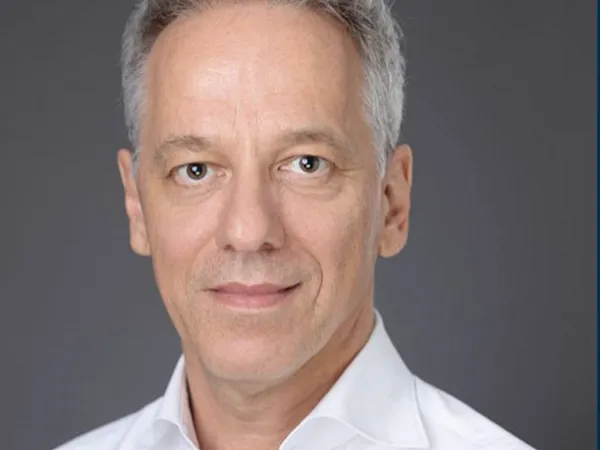
The World Bank has appointed Han Fraeters as its Division Director for Papua New Guinea, Solomon Islands and Vanuatu, effective 16 September.

Fraeters’ appointment marks the first time a director-level position has been based in Port Moresby, underscoring the World Bank’s commitment to bringing leadership closer to its clients. The move is part of a global shift to deliver faster, more effective, and higher-impact development support.

“I am honored to assume this role at such a critical time in the Pacific,” said Han Fraeters, World Bank's Division Director for Papua New Guinea, Solomon Islands and Vanuatu.

“Papua New Guinea, Solomon Islands and Vanuatu face urgent challenges. But their extraordinary human, natural and cultural wealth also provides enormous opportunities," Fraeters said. 
The official said that he is looking forward to working closely with partners, from the public and the private sector, and with communities, to identify and implement ambitious and sustainable solutions for those challenges that will benefit the people of Papua New Guinea, Solomon Islands and Vanuatu.

"Job creation will be central to the approach," he said.

The appointment comes as Papua New Guinea marks 50 years of independence and five decades of partnership with the World Bank Group.

Over the past 12 years, the Bank has expanded its portfolio more than sevenfold across Papua New Guinea and the Pacific, with commitments now standing at US$3.4 billion. Fraeters will oversee investments focused on energy, human development, and other sectors aimed at strengthening resilience across the three countries.

Key projects include the Learning Enhancement and Access Project in Papua New Guinea, which seeks to transform early learning for hundreds of thousands of children, and the Tina River Hydropower Development Project in Solomon Islands, the country’s first large-scale renewable energy initiative. The latter is expected to provide more than 70 percent of Honiara’s electricity needs from clean, renewable energy.

Fraeters, a Belgian national, has more than 20 years of experience with the World Bank, working largely in Africa and at the institution’s Washington, D.C. headquarters. Before joining the Bank, he worked as a digital transformation specialist in Europe’s education sector.

September 17, 2025

A local project services company is partnering with a leading Australian manufacturer to introduce innovative dome shelter solutions across Papua New Guinea.

PNG CR Services Company announced its strategic collaboration with Container Domes Australia, a move that promises to deliver durable, cost-effective infrastructure tailored to the country’s varied environments and sectoral needs. The partnership merges PNG CR’s on-the-ground project delivery expertise with Container Domes Australia’s reputation for quality, innovation, and robust engineering in dome shelter systems.

"This partnership is about more than just supplying infrastructure—it’s about providing solutions that meet the needs of Papua New Guinea’s industries and communities," said Allen Tyson, managing director of PNG CR Services Company.

"By combining international expertise with local presence, we are ensuring that our clients receive quality products backed by reliable, on-the-ground service," Tyson added.

The two companies said the partnership will focus on serving key sectors such as mining, construction, agriculture, and logistics, with plans to expand into areas like rural development, education infrastructure, and disaster relief.

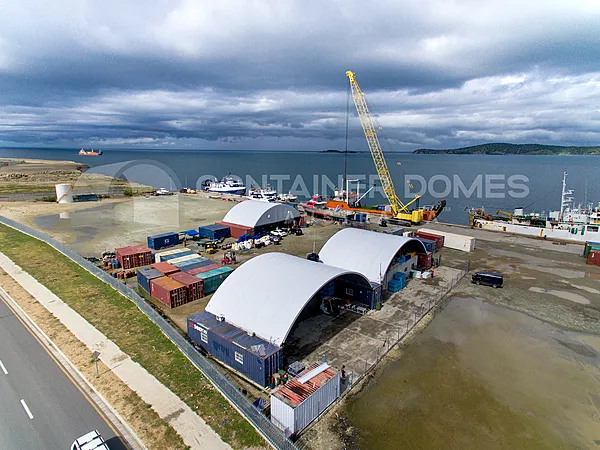
Prior to the partnership, Container Domes Australia supplied and installed four 18-metre-wide cyclone-rated domes at Port Moresby Wharf, demonstrating the suitability of their shelters for PNG’s challenging conditions.

Paul Whitla, director of Container Domes Australia, said the collaboration aligns with the company’s broader vision of making its products more accessible in emerging markets.

"Container Domes Australia is excited to work alongside PNG CR Services to expand our reach into Papua New Guinea," Whitla said.

"With PNG CR’s deep market knowledge and service capability, customers can be confident that our domes will not only be delivered to international standards but also supported locally through installation, maintenance, and warranty services," he added.

The companies said they are committed to enhancing local capacity by providing training, employment, and ongoing support—an approach that could generate broader economic benefits beyond the construction and industrial sectors.

The collaboration is a distribution agreement that grants PNG CR Services exclusive rights to represent and supply Container Domes Australia products throughout Papua New Guinea. The domes will continue to be manufactured in Australia and imported into PNG, ensuring consistent quality and compliance with international engineering standards.

Emphasis on long-term presence

Central to the partnership is the establishment of a strong local presence to ensure proper installation and reliable after-sales service.

According to PNG CR, the dome structures offer a scalable and flexible alternative to conventional buildings, allowing faster and more efficient project delivery—particularly in remote or resource-constrained locations.

The premium quality shelters are engineered to withstand some of the harshest conditions, making them ideal for Papua New Guinea’s challenging environments.

Manufactured in Australia to meet the country’s highest engineering standards, each structure is cyclone-rated and built with a galvanized RHS steel framework and a heavy-duty polyethylene (P.E.) fabric cover designed for high UV resistance.

The shelters come with a 10-year structural warranty and a 20-year UV warranty, offering long-term durability and reliable performance across industrial, remote, and coastal applications.

Beyond industrial use, both companies expressed interest in deploying the dome technology for humanitarian and community applications. This includes temporary classrooms, mobile clinics, and emergency shelters—particularly relevant in PNG’s disaster-prone regions.

The collaboration, they said, is designed to create "long-term value for clients while contributing to Papua New Guinea’s industrial and community growth." 

September 16, 2025

Prime Minister Hon. Jeremiah Manele met with the French Ambassador to the Pacific, Her Excellency Veronique Roger-Lacan, for bilateral talks on the sidelines of regional engagements in Port Moresby.

The ambassador congratulated Prime Minister Manele on Solomon Islands’ successful hosting of the 54th Pacific Islands Forum Leaders’ Meeting in Honiara. The Prime Minister briefed her on key outcomes, including:

• Endorsement of the new Partnership Policy
• Signing of the Pacific Resilience Facility Treaty
• Declaration on Peace in the Blue Pacific

“We are pleased with the outcomes of the Forum Leaders’ Meeting, and we look forward to working with our partners to implement these initiatives,” Manele said.

The two leaders discussed the situation in New Caledonia, with Ambassador Roger-Lacan outlining France’s commitment to an inclusive and peaceful process.

“France is committed to an inclusive and peaceful process in New Caledonia, and we stress the importance of dialogue and non-violence,” she said.

Manele reaffirmed Solomon Islands’ support for constructive regional dialogue and cooperation. “As Chair of the PIF Troika, we will continue to support constructive regional dialogue and cooperation on this issue,” he said.

The leaders also explored opportunities for bilateral collaboration, including:

• The Heritage Museum project in Temotu Province
• France’s Green Airports initiative and regional air connectivity
• Technical cooperation in policing and health
• Support for Solomon Islands students conducting research through the Pacific Community (SPC)

“We are excited about the potential for collaboration between our countries, and we look forward to continuing the dialogue,” Manele said.

Both sides agreed to continue discussions at the upcoming Pacific Community meeting in Tonga and during Ambassador Roger-Lacan’s visit to Solomon Islands later this year.

September 16, 2025

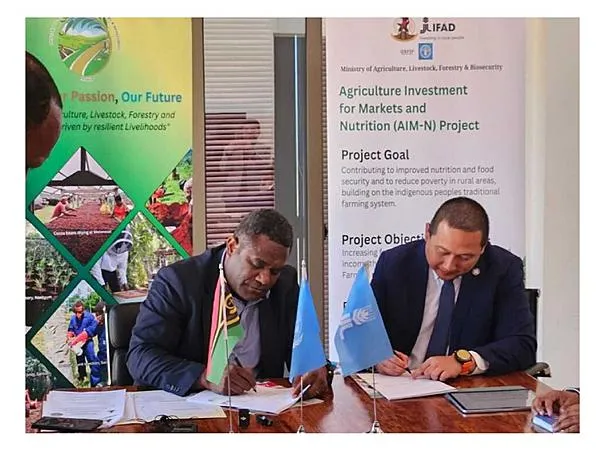
The International Fund for Agricultural Development (IFAD) and the Government of Vanuatu have launched an $11 million partnership to boost food security and nutrition for more than 15,000 people in what the United Nations ranks as the world’s most climate-vulnerable country.

The Agricultural Investment for Markets and Nutrition–Vanuatu (AIM-N) project will build on indigenous farming systems to help families grow, buy and eat more nutritious food, while creating sustainable economic opportunities in rural areas.

Although nearly 90 per cent of Vanuatu households grow vegetables, low productivity has left the population vulnerable to malnutrition. Nearly one third of children under five are stunted, while one in five adults is overweight — a situation worsened by growing dependence on cheap imported foods.

“This partnership is a critical investment in the health and prosperity of Vanuatu’s rural people,” said Candra Samekto, IFAD Country Director for the Pacific Islands. “AIM-N empowers small-scale farmers, especially women and youth, by linking nutrition directly to agriculture and markets. It’s about more than earning a living; it’s about building a healthier future, proving our shared commitment to transforming food systems from the ground up.”

Under the initiative, IFAD and the Ministry of Agriculture, Livestock, Forestry, Fisheries and Biodiversity (MALFFB) will work with communities to establish kitchen gardens, strengthen local food procurement for six secondary boarding schools, and develop farmer–buyer partnerships. Farmers will also be supported to improve crop quality, gain business skills, and access better prices.

Competitive grants will be made available to women’s groups to back nutrition-focused and labour-saving initiatives, while secondary schools will source food from nearby farms to improve student diets.

The total project cost is $11.3 million, with $6.1 million from the Global Agriculture and Food Security Program (GAFSP) channelled through IFAD. The private sector will provide $2.1 million, the Vanuatu government and communities $1.7 million, and the Food and Agriculture Organization (FAO) will manage another $1.4 million from GAFSP.

The programme will be rolled out in the provinces of Malampa, Penama and Tafea, benefitting 15,350 people in 65 rural communities where subsistence farming remains the main livelihood.

The initiative forms part of IFAD’s Strategy for Engagement in Small Island Developing States 2022–2027, and its broader approach to resilience-building in fragile contexts.

Since its founding in 1978, IFAD has channelled more than $25 billion in grants and concessional loans to rural development projects worldwide.

September 16, 2025

Prime Minister Jeremiah Manele met with U.S. officials and Pacific leaders at the U.S.–Pacific Islands Forum Roundtable in Port Moresby. As Chair of the Pacific Islands Forum, he emphasized the importance of partnerships that respect national and regional priorities.

"Partnerships must respect both national and regional priorities," said Prime Minister Manele. "We remain committed to ensuring future engagements align with the newly endorsed Leaders Policy on Partnerships and the long-term objectives of the Pacific 2050 Strategy."

The Prime Minister highlighted key regional initiatives, including the Pacific Resilience Facility Treaty and the Blue Pacific Ocean of Peace Declaration. "These initiatives aim to strengthen climate and disaster resilience and ensure Pacific priorities are defined and advanced by the region itself," he said.

Prime Minister Manele also acknowledged the U.S. payment of US$60 million to the Pacific Islands Forum Fisheries Agency, supporting sustainable fisheries management. "We appreciate the U.S. commitment to sustainable fisheries management through the South Pacific Tuna Treaty," he said.

On nuclear legacy issues, Prime Minister Manele called for continued support to safely manage unexploded ordnance from World War II. "We need continued support to protect Pacific communities and future generations from the risks of unexploded ordnance," he stressed.

Prime Minister Manele also congratulated Papua New Guinea on its 50th Independence Anniversary, highlighting the importance of nation-building in the Pacific. "Nation-building in the Pacific relies on cultural heritage, resilient communities, and a shared determination to secure a prosperous future for all Pacific peoples," he said.

Through this roundtable, Prime Minister Manele reaffirmed the value of the partnership between the United States and the Pacific Islands Forum. "We recognize U.S. contributions to development, security, maritime safety, disaster preparedness, and economic growth, and emphasize that all collaborative efforts must remain aligned with Pacific priorities," he said.

September 15, 2025

The Pacific Tourism Organisation (SPTO) has reaffirmed its commitment to regional collaboration, urging Pacific leaders to recognise tourism not only as an economic sector vulnerable to global shocks but as a strategic tool for resilience, sustainability, and Pacific-led prosperity.

At the 32nd Meeting of the Secretariat of the Pacific Regional Environment Programme (SPREP) in Apia, SPTO Chief Executive Officer Christopher Cocker commended SPREP as a “fellow CROP agency and strategic partner” in delivering Goal 4 of the Pacific Sustainable Tourism Policy Framework: “Protecting our ecosystems through accelerated climate action and resilience building.”

He acknowledged the importance of donor-supported initiatives that integrate environmental safeguards into tourism. These include Environmental Impact Assessments for coastal tourism projects, guidelines for environmental audits of hotels, and waste management programmes such as the Pacific Ocean Litter Project, which is phasing out single-use plastics. Biodiversity protection efforts, supported through the Pacific Bioscapes Programme, have also produced responsible wildlife viewing guidelines to ensure visitor experiences remain sustainable and respectful.

“SPTO expresses its deep appreciation for SPREP’s leadership and reaffirms its commitment to future collaboration with SPREP teams and regional partners to advance environmental sustainability across the tourism sector,” Cocker said.

At the Pacific Islands Forum Leaders Dialogue in Honiara, Cocker broadened his message, calling on governments to position tourism as a driver of resilience rather than as a weakness. “Tourism remains vulnerable to climate change, natural disasters, pandemics, and geopolitical shocks,” he said. “Yet its greatest untapped potential is in its ability to protect communities, ecosystems, and cultural heritage — if we choose to lead with vision.”

Among the challenges, Cocker cited limited air connectivity, infrastructure pressures, and risks to ecosystems and cultural heritage. “Aviation and tourism are interconnected. Improving air links will unlock economic opportunities across our Blue Pacific. But this must be complemented by coordinated efforts to address ecosystem degradation and cultural erosion,” he said.

He also stressed the need for digital inclusion, particularly for small and community-based operators. “Without targeted support, digital transformation risks leaving our smallest operators behind. Inclusion must be deliberate.”

Calling for stronger political leadership, Cocker urged Forum Leaders to maintain support for SPTO’s independence and operational agility. “To fulfil our mandate, SPTO must stay agile, inclusive, and aligned with regional development goals. Our stakeholders are engaged, our structure is solid, and our impact is growing.”

For SPTO, tourism must evolve towards regenerative models grounded in climate resilience, cultural integrity, and fair benefit-sharing. As the Pacific’s lead tourism body, it continues to partner with UN Tourism and regional agencies such as SPREP to ensure that tourism contributes to resilience, prosperity, and Pacific identity for generations to come.

“Tourism is more than an economic driver. It bridges cultures, communities, and economies. The Pacific is not just a destination — it is a vibrant mosaic of ocean-bound identities. Guided by Pacific values, tourism can be a force for resilience and inclusive prosperity,” Cocker said.