



October 15, 2025

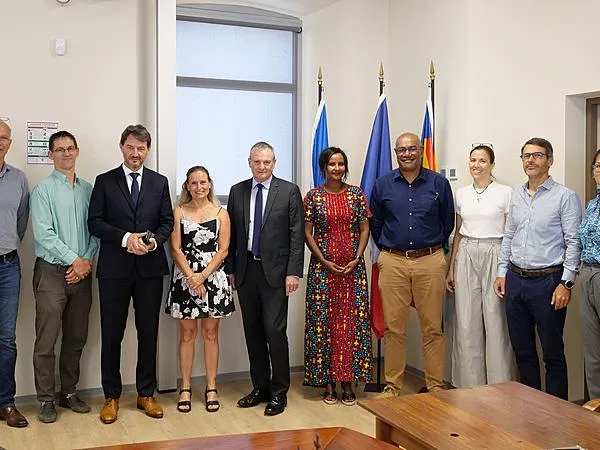
The Government of New Caledonia has formalised the second phase of its state-guaranteed loan (PGE), following authorisation by the Congress on October 9. The agreement was signed on October 14 by Government President Alcide Ponga, High Commissioner of the Republic Jacques Billant, and the Regional Director of the French Development Agency (AFD) Safia Ibrahim.

Valued at one billion euros, the PGE was first released in March with an initial disbursement of €560 million. The second instalment will be released in two parts:

  • €219 million to enable the New Caledonian government to manage its financial trajectory through to the end of 2025, with disbursement expected by the end of this week; and
  • €21 million to support provinces and municipalities facing economic and financial pressures, to be disbursed by the end of November.

President Ponga expressed his gratitude to the French State for its continued support through the AFD.

“The State understood that the situation is very complex. This support is more than necessary to put New Caledonia on a trajectory and to ensure that Caledonian communities do not suffer from the current situation,” he said. “This is the whole point of the Durrieu mission — trying to capture this trajectory and make all stakeholders understand the urgent measures to be taken for New Caledonia.”

The signing was followed by a meeting of the Expanded Working Group of Executive Presidents (GTPE élargi), bringing together the presidents of the government, congress, and provinces, along with representatives from the two associations of mayors in New Caledonia.

This enlarged GTPE aims to define the procedures for allocating part of the loan known as the “Republican Solidarity Endowment”, amounting to €14 million, which will be distributed among local institutions to address pressing social and economic needs.

October 15, 2025

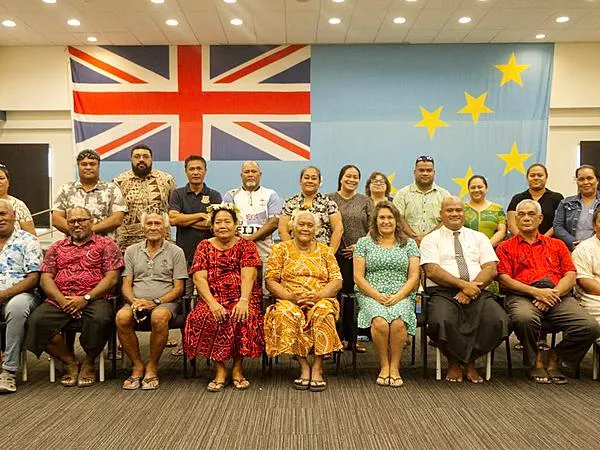
Tuvalu has launched its first-ever Oceans Policy consultations, officially beginning the process to protect and sustainably manage the nation’s marine resources.

In his opening remarks, Secretary in the Office of the Prime Minister Fakasoa Tealei emphasised the deep cultural and economic importance of the ocean to Tuvalu’s way of life.

“Our ocean is not just our boundary — it is our identity, our history, our economy, and our future,” Tealei said.

The consultations, held in Funafuti, are designed to encourage active participation from island communities and to integrate traditional knowledge with modern ocean management practices. The discussions aim to develop a framework for sustainable marine resource governance, ensuring that community voices are at the centre of policymaking.

The two-day consultations are divided between the southern and northern islands. On the first day, representatives from Vaitupu, Nukufetau, Funafuti and Nukulaelae will participate, while the second day will include delegates from the northern islands of Nanumaga, Nanumea, Niutao and Nui.

As Tealei stated, “This policy will be shaped by your voices — your experiences, your concerns, and your ideas.”

He added that the initiative reflects Tuvalu’s determination to safeguard its ocean for future generations. “Together, we aim to ensure a sustainable future where our ocean continues to sustain generations to come,” he said.

According to the Government of Tuvalu, the National Oceans Policy will provide an overarching framework to guide the sustainable use, conservation and management of the country’s vast ocean space and marine resources. It forms part of Tuvalu’s broader commitment under its Te Namo Initiative and aligns with global efforts to achieve Sustainable Development Goal 14 (Life Below Water).

The Government has described the policy as a “critical step” in integrating national priorities on climate resilience, food security and the blue economy, while strengthening coordination among ministries, traditional leaders and local communities.

The Oceans Policy consultations represent a major step toward establishing Tuvalu’s first national framework for ocean governance — one that balances conservation, economic opportunity and the preservation of cultural heritage.

October 15, 2025

Deputy Prime Minister and Minister for Finance Biman Prasad met with Coalition for Disaster Resilient Infrastructure (CDRI) Global Director Ramesh Subramaniam on the sidelines of the 2025 IMF–World Bank Annual Meetings.

The discussion focused on Fiji’s leadership in disaster risk financing and infrastructure resilience across the Pacific, following the recent launch of the Fiji Disaster Risk Financing Report.

HPrasad highlighted that developing regions continue to face major infrastructure deficits, with around 20% of annual infrastructure spending lost to disasters, underscoring the urgent need for concessional financing and grant support from development partners and multilateral development banks.

Subramaniam invited Fiji to express its interest in co-chairing the CDRI from 2026, and discussions are underway to establish a CDRI regional office in Suva.

He also noted that the Infrastructure for Resilient Island States (IRIS) program will open its next call for proposals in November 2025, providing Pacific nations with funding opportunities for resilient infrastructure projects.

Throughout the week, Prasad will also meet with leaders from the World Bank, Asian Development Bank, New Zealand, and the Netherlands, among other key bilateral partners.

He is accompanied by the Assistant Minister for the Office of the Prime Minister Sakiusa Tubuna, the Permanent Secretary for Finance, and senior Ministry officials.

October 14, 2025

From 16 to 30 September 2025, the Pacific Tourism Organisation (SPTO) hosted a two-week research training program for the Papua New Guinea Tourism Promotion Authority (PNGTPA), aimed at strengthening PNGTPA’s capacity to manage and deliver high-quality tourism research through the Pacific Tourism Data Initiative (PTDI).

The PTDI program, funded by the New Zealand Ministry of Foreign Affairs and Trade (MFAT), supports tourism data systems across 10 Pacific Island countries — Papua New Guinea, Solomon Islands, Vanuatu, Cook Islands, Samoa, Tonga, Niue, FSM-Yap, Timor-Leste, and Kiribati. Its three core surveys — the International Visitor Survey (IVS), Business Confidence Index (BCI), and Community Attitudes Survey (CAS) — provide evidence-based insights that guide tourism policy, strategic planning, and investment decisions.

To support PNGTPA’s ongoing research efforts, the organisation nominated Tonny Kandata, Research Officer – International, Research & Business Development, to participate in the training. The program was fully funded by PNGTPA and strongly supported by SPTO, with the backing of SPTO Chief Executive Officer Christopher Cocker and Manager, Research & Statistics, Prashil Parkas.

The training began with an overview of PTDI and its three surveys, highlighting their importance in producing reliable tourism data for decision-making. Tonny then reviewed the standard operating procedures for the IVS, BCI, and CAS, followed by core principles of tourism research and survey design — including sampling methods, questionnaire construction, and both qualitative and quantitative approaches.

He gained hands-on experience in survey operations, including cleaning email batches, designing engaging surveys in SurveyMonkey, optimising invitation timing, and assessing when online or face-to-face methods were most appropriate. Tonny also developed skills in preparing exported data for analysis in SPSS and NVivo, before synthesising findings into actionable reports and presentations for stakeholders.

Reflecting on the experience, Kandata shared, "The program has been an invaluable step in strengthening PNGTPA’s capacity to manage our research activities. The training was well-structured, practical, and highly relevant."

Alongside the skills gained, Kandata said the purchase of SPSS and NVivo licences demonstrates PNGTPA’s commitment to building internal capacity.

"I am confident the knowledge gained will strengthen our team and ensure these surveys continue to provide reliable insights for PNG’s tourism sector." he said.

"A special thank you to the SPTO team, especially the research team, for their expertise and guidance, and to our leadership at PNGTPA, whose support made this learning experience both comprehensive and impactful. SPTO’s support — particularly from CEO Christopher Cocker and Manager Prashil Parkas — was invaluable throughout this process," he added.

For his part, Cocker reaffirmed SPTO’s commitment to supporting member countries in building robust, locally led research systems.

“This training exemplifies the power of regional collaboration and capacity-building, ensuring that tourism data continues to inform strategic planning, investment, and sustainable growth across the Pacific," he said.

Cocker also commended PNGTPA’s leadership, particularly CEO Eric Mossman Uvovo and Manager Douglas Keari, for their commitment to strengthening national research systems.

"We’re proud to support PNGTPA in this important capacity-building effort and will continue providing technical guidance as they strengthen their research capabilities," he said.

October 14, 2025

Construction of the new Aviation Complex Building near Honiara International Airport is advancing steadily, with major milestones achieved as part of the government’s push to modernise the nation’s aviation infrastructure under the Second Solomon Islands Roads and Aviation Project (SIRAP2), supported by the World Bank.

Implemented by the Ministry of Communication and Aviation (MCA), the project marks a significant step toward strengthening aviation safety, efficiency, and connectivity across the Solomon Islands.

Permanent Secretary for MCA, Alwyn Danitofea, said the project is now entering a crucial construction phase following months of detailed planning and groundwork.

“The Honiara Aviation Complex Building represents a vital investment in our aviation sector. It will provide aviation stakeholders with a modern, efficient facility to enhance operations at Honiara International Airport,” Danitofea said. “We are encouraged by the progress and remain dedicated to working closely with all stakeholders to deliver this essential infrastructure for Solomon Islanders.”

Milestones Achieved

Since August, the project has recorded strong progress on both design and construction fronts.

  • On 7 August 2025, a design presentation was held with all building occupants to finalise the architectural layout.
  • By 21 August 2025, the site office had been completed by the contractor, China Railway Construction Engineering Group (CRCEG), and passed inspection by the supervising engineer.
  • Just two days later, on 23 August 2025, the detailed design was completed and approved, paving the way for full-scale construction.

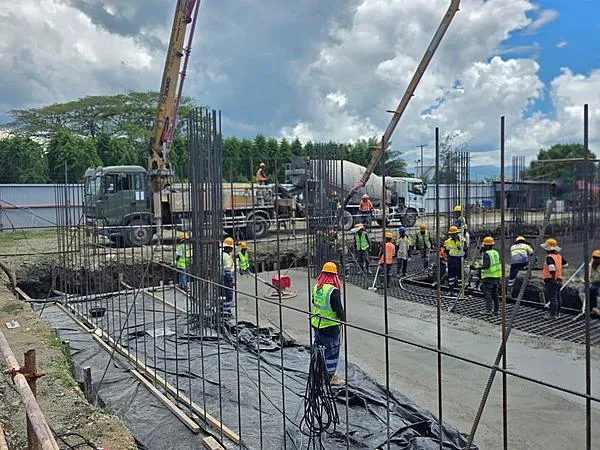
Ground improvement works began on 26 August 2025, followed by foundation reinforcement in mid-September. The foundation pouring was successfully carried out from 24–25 September 2025, under the supervision of project consultant Egis, and the team has since moved on to formwork removal and early masonry works.

Environmental management, social engagement, and occupational health and safety continue to be key priorities. In recent community consultations, local vendors raised dust concerns, prompting CRCEG to implement continuous dust suppression. Awareness sessions on gender-based violence and workplace safety have also been conducted with workers and nearby residents.


Aviation Complex to Transform Air Operations

The new Aviation Complex Building is a cornerstone of the SIRAP2 programme and is expected to transform the way aviation work is carried out in the country. Designed under a Design and Build contract, the facility will house key aviation stakeholders and provide modern workspace, training rooms, and parking areas to support more efficient operations.

The detailed design covers civil, structural, architectural, mechanical, electrical, fire, and hydraulic systems — all adhering to international aviation standards. According to MCA, the building’s layout reflects both the operational requirements of Honiara International Airport and the long-term expansion needs of the aviation sector.

Danitofea said the project goes beyond just constructing new infrastructure. “The new Aviation Complex Building will ensure aviation work can be carried out faster and more effectively,” he said. “MCA remains committed to delivering these projects on time and to the highest standards, with the continued support of the World Bank.”


Part of a Nationwide Aviation and Roads Programme

The Second Solomon Islands Roads and Aviation Project (SIRAP2) is a World Bank-funded initiative aimed at improving the safety, resilience, and connectivity of the country’s transport network.

Under SIRAP2, the Solomon Islands Government is undertaking several transformative infrastructure projects nationwide, including:

  • Four new bridges in Malaita Province — Kolofe 1, Kolofe 2, Su’u Harbour, and Bira — to strengthen road resilience and improve access for rural communities.
  • Upgrades to key airports and airfields, including Honiara, Munda, and Santa Cruz (Lata), ensuring safer, more reliable flight operations.
  • Air navigation system enhancements in Makira-Ulawa and Temotu Provinces to improve flight safety and communication.
  • Ongoing maintenance and rehabilitation of regional airports to extend the life of critical aviation assets.

The Aviation Complex is therefore seen not only as a building project but as a strategic national investment to boost the country’s aviation capability and economic potential.

Once completed, the Honiara Aviation Complex Building will serve as a central hub for aviation management, safety oversight, and technical operations. It will also support capacity-building efforts within MCA and strengthen coordination among aviation agencies.

Project officials say the continued collaboration between the MCA, World Bank, Egis, and CRCEG is driving confidence in the project’s timely delivery.

With construction now shifting into high gear, the new facility is expected to stand as a symbol of the Solomon Islands’ commitment to safer, more efficient, and future-ready aviation infrastructure.

October 14, 2025

The Concessional Financing Partners (CFPs), led by the World Bank (WB) and the Asian Development Bank (ADB), have completed a week-long safeguard mission to the Tina River Hydropower Development Project (TRHDP).

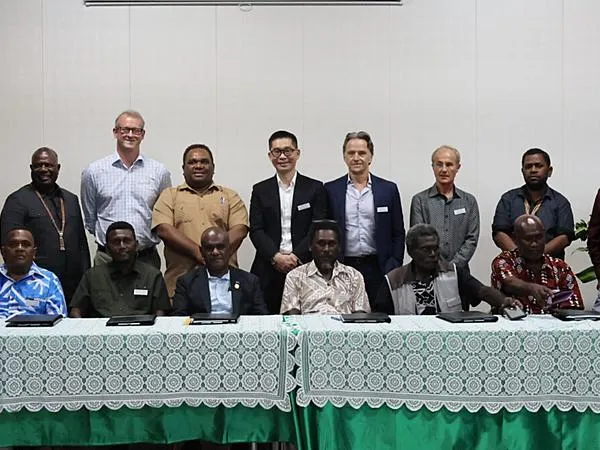
The mission brought together the Project Office (PO) representing the Solomon Islands Government (SIG), Tina Hydropower Limited (THL), Hyundai Engineering Corporation (HEC), Sinohydro, and other partners to review environmental and social performance and to agree on the next steps.

The programme began on 23 September with the CFP delegation holding its first official meeting with the PO, which represents the SIG. Discussions focused on the implementation of the Construction Environmental and Social Management Plans (CESMP), the monitoring and reporting of safeguards, gender-related initiatives, and the protection of the Upper Tina Catchment.

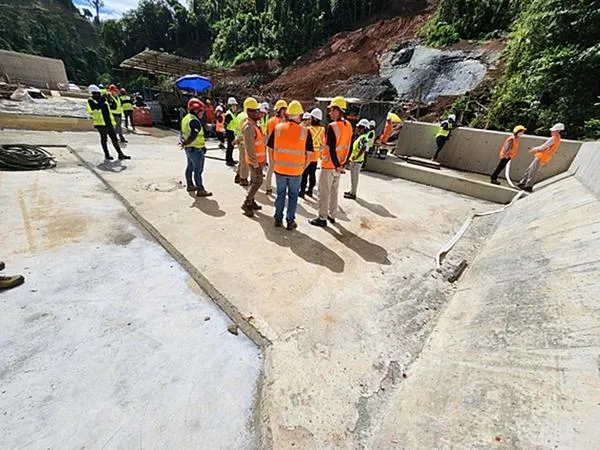
On 24 September, the mission team, together with project stakeholders, visited all operational sites — including the dam site, powerhouse, workers’ camps, aggregate areas, disposal sites, access roads, biodiversity zones, and surrounding communities. During the visit, the delegation engaged directly with THL and HEC — the Engineering, Procurement and Construction (EPC) contractor — and their subcontractor. The day concluded with a meeting between the safeguard teams of HEC and THL to discuss safety issues identified during the visit and measures to ensure compliance.

The mission continued on 25 September with a thematic meeting led by the World Bank and ADB. Project stakeholders provided updates, reviewed recent site observations, and identified areas requiring further attention. The ADB also facilitated a session on the Environmental and Social Framework (ESF), highlighting how strengthened safeguards can promote safer and more sustainable development outcomes for both communities and the environment.

The TRHDP is the first large-scale renewable energy project in the Solomon Islands, delivering benefits such as more affordable electricity and improved access to cleaner, more reliable energy sources for communities — both now and in the future.

The project is being implemented by the Solomon Islands Government, with financing and support from the Abu Dhabi Fund for Development, the Asian Development Bank, the Government of Australia, the Green Climate Fund, the Korea EX-IM Economic Development Cooperation Fund, and the World Bank.

October 14, 2025

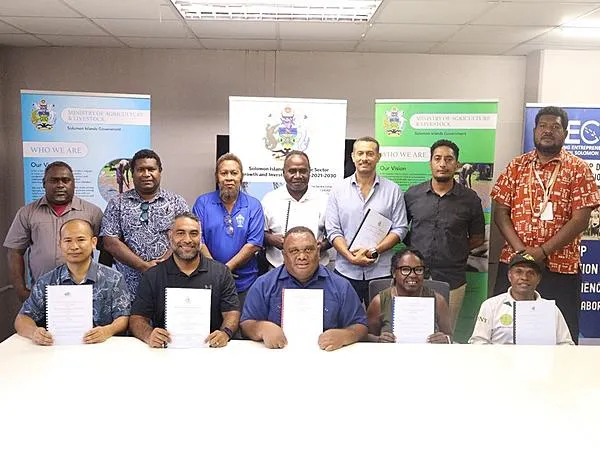
The Ministry of Agriculture and Livestock (MAL) is realising the opportunity of advancing Public–Private Partnerships (PPPs) as a key strategy for transforming the agriculture and livestock sector in the Solomon Islands.

In recent collaborations, MAL has signed three Memoranda of Understanding (MoUs) with Liberty Holdings Limited, Sullivans (Solomon Islands), and the Young Entrepreneurs Council of Solomon Islands (YECSI), as well as with the Anglican Church of Melanesia Board of Mission (COMBM). These partnerships aim to enhance market linkages, strengthen agri-food supply systems, empower youth-led agribusiness initiatives, and support community-based agricultural enterprises.

Additionally, MAL has signed two agreements with Organic Products Limited and the Solomon Islands Agriculture and Livestock Development Limited (SIALDL). These agreements focus on strengthening organic value chains, promoting sustainable livestock production, supporting rice development, and expanding private sector investment in agribusiness and rural livelihoods.

Franklyn Derek Wasi, Minister for Agriculture and Livestock, emphasised the vital role of the PPP model in driving innovation, mobilising investment, and enhancing service delivery across the sector.

“The Ministry values the contributions of the private sector, youth-led enterprises, and faith-based organisations as essential partners in fostering agricultural growth. Through these partnerships, we are building a more inclusive, resilient, and commercially viable agriculture sector that benefits our farmers and communities,” Wasi said.

The Ministry of Agriculture and Livestock continues to encourage similar partnership approaches across all agriculture and livestock sub-sectors and remains dedicated to providing an enabling policy environment for private sector participation. By collaborating closely, government and business partners can unlock greater opportunities for value addition, job creation, and national food security.

MAL Permanent Secretary Dr Viulu, along with senior staff, witnessed the signing ceremony. The recipients of the MoUs and Memoranda of Agreement (MoAs) expressed their gratitude to the government for its trust and recognition, pledging their full commitment to advancing the development and growth of the agriculture sector and the nation’s economy.

All MoUs and MoAs were vetted by the Office of the Attorney General before the signing ceremony took place on 8 October.

The Ministry is expected to sign several more agreements with other service providers in the coming days to advance specific agricultural industries, including livestock, cocoa, coconut, root crops, vegetables, fruit trees, and other key crops.

One of the anticipated activities in the upcoming signing ceremony is the establishment of a second poultry hatchery in the country.

October 14, 2025

The Fiji Government has commended Agri Exchange, a PALM Scheme Approved Employer under the Costa Group, for setting a high standard in worker welfare by putting people first while running a successful business.

The Minister for Employment, Productivity and Industrial Relations Agni Deo Singh expressed his sincere appreciation to the company for its commitment to the well-being of Fijian workers in Australia.

“Beyond productivity, the company’s real strength lies in its care for workers’ well-being,” Minister Singh said. “They have improved accommodation facilities, upgraded safety measures, and created a workplace where every individual feels respected, valued, and supported. Their goal is simple: for every worker to go home healthy, happy, and proud of what they’ve achieved.”

Agri Exchange maintains a returning workforce of around 50 per cent, fostering experience, teamwork, and continuity.

Many new Fijian workers take two to three years to reach full productivity, and the employer invests heavily in training, mentoring, and ongoing support to help them succeed.

Singh highlighted the company’s compassionate approach, noting that management takes time to understand workers’ family circumstances and cultural needs.
New recruits are engaged before deployment, with clear guidance on expectations and potential challenges.

This proactive approach has strengthened trust and communication, helping prevent issues such as absconding and ensuring a positive experience for all workers.

“This approved employer truly represents the spirit of the PALM Scheme,” the minister said.

“They treat workers with dignity and care, understanding that success is about people, not just profits. Their leadership sets a powerful example of ethical employment, and we are proud of their partnership with Fiji," he added.

The minister also reaffirmed the Fiji Government’s commitment to ethical labour mobility, ensuring that every PALM Scheme partnership benefits both workers and the communities they serve.

Fijian workers themselves expressed their gratitude for the opportunity to work in Australia and to be employed by Agri Exchange. Many have returned season after season, with some re-engaged for more than six years, praising the company for its supportive and respectful work environment.

Fijian workers said they were privileged to be part of a workplace that cares for them, values their contribution, and supports their well-being.

October 14, 2025

The Fiji Tourism Development Program in Vanua Levu — known as the Na Vualiku Project — continues to gather momentum, with contracts worth more than FJ$22 million (US$9.7 million) already signed and several major procurements now underway.

The project, spearheaded by the Ministry of Tourism and Civil Aviation (MTCA) in partnership with the World Bank, aims to build a resilient, inclusive, and sustainable tourism economy for Vanua Levu and Taveuni.

From 28 September to 9 October 2025, the fifth implementation support mission was held, bringing together key stakeholders including government ministries, development partners, provincial councils, community leaders, and private sector representatives. The twelve-day mission assessed ongoing progress and discussed the next steps toward advancing Fiji’s tourism transformation in the Northern Division.

The mission team visited Nadi, Labasa, Savusavu, and Suva to review developments in critical infrastructure, sustainable tourism planning, environmental safeguards, and support for micro, small and medium enterprises (MSMEs), including women-led and community-based initiatives.

Among the key milestones highlighted were:

  • Ongoing work on the Integrated Tourism Master Plan (ITMP), a 25-year framework for tourism growth in the Northern Division.
  • The upcoming launch of a community-based tourism grant scheme later this year to strengthen small-scale tourism ventures.
  • Continued progress on infrastructure upgrades, including Labasa and Savusavu airports, the Labasa–Savusavu road design, and climate-resilient projects such as wastewater and solar feasibility studies.

Deputy Prime Minister and Minister for Tourism and Civil Aviation Viliame Gavoka said the mission was centred on collaboration and local engagement. He said the exercise was about “listening, validating, and coordinating with our communities and partners.”

Officials from the World Bank and MTCA reaffirmed their commitment to ensuring that the Na Vualiku Project supports not only tourism development but also broader economic resilience and community empowerment in the North.

As Fiji continues to diversify and decentralise its tourism industry, the Na Vualiku Project stands as a model for regional inclusivity and sustainable growth — laying the groundwork for a vibrant future for Vanua Levu and Taveuni.

October 13, 2025

Ok Tedi Mining Limited (Ok Tedi) has successfully completed the construction of a critical underground pump station project that improves mine water management, enhances safety and delivers significant cost savings.

The project, which commenced in August 2024 and was completed in June 2025, was delivered incident-free and under budget, achieving a cost saving of US$1.2 million. The achievement underscores Ok Tedi’s commitment to safety and operational excellence.

With annual rainfall of around 10,000 millimetres experienced at the Mt Fubilan operation, the pump station is designed to manage the large volumes of rainwater discharged into the mine pit through shafts and depressurisation holes. The new system channels this water through 800-millimetre polypipes stretching 3.2 kilometres from the underground tunnel to the surface entrance, where it is safely discharged into the river system.

This engineering solution provides a safer, drier working environment for underground crews, enabling continuous productivity and improved working conditions.

The successful delivery of this complex project was a collaborative effort involving three contractors — Tabubil Engineering (TE), the Major Projects Electrical Team and Milum Services Limited (Milum) — who worked closely with more than 40 Ok Tedi underground mining crew members, including Wokman Teleoks Limited (WTL) embedded contract miners.

The project, led by James Waisime, Manager Mine Support Service and Underground, brought together mining engineers, geotechnical engineers, structural engineers, surveyors, boilermakers, pump fitters, electricians and underground miners from the Mine Operations business unit and Major Projects Engineering Team.

“This was a true team effort,” said Mr Waisime. “The safe and timely completion of this project demonstrates the strength of collaboration across departments and our contractors. I’m proud of the commitment and professionalism shown by everyone involved.”

Managing Director and Chief Executive Officer Kedi Ilimbit congratulated the team for the successful completion of the project.

“As a world-class mine, it is imperative that we adopt global best practices. The underground pump station is among a number of projects undertaken by Ok Tedi to improve operational efficiency within our mine operation to ensure we continue to deliver results for the benefit of our shareholders – the people of Western Province and Papua New Guinea,” said Mr Ilimbit.

October 08, 2025

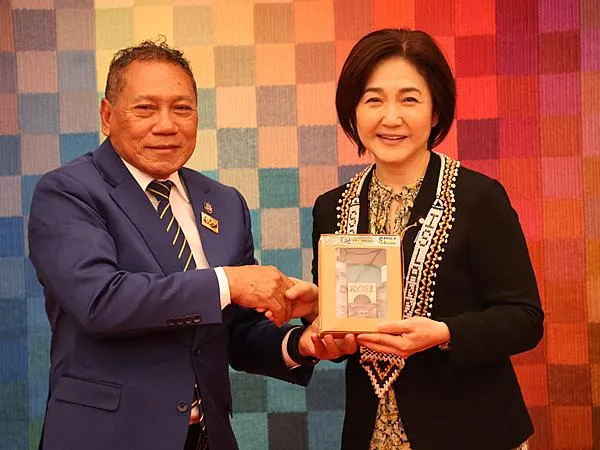
The Solomon Islands delegation has celebrated its National Day at the World Expo 2025 in Osaka–Kansai, Japan, with heartfelt tributes to Japan, moving cultural performances, and a strong message on ocean conservation.

Leading the celebrations, Minister of Foreign Affairs and External Trade Peter Shanel Agovaka praised Japan for successfully hosting the global event, which has brought together more than 160 countries and organisations under the theme “Designing Future Society for Our Lives.”

“Solomon Islands is privileged to be part of this global gathering. The Expo not only allows us to showcase our unique culture and identity on the world stage but also provides valuable opportunities to engage in meaningful dialogue and exchange with other nations,” Agovaka said.

Delivering the Solomon Islands’ statement during the National Day celebration, Minister Agovaka extended warm greetings from the Government and people of Solomon Islands and thanked guests for joining the celebration. He also reaffirmed Solomon Islands’ commitment to strengthening ties with Japan and other Expo partners.

The minister shared the stage with Japan’s Parliamentary Vice Minister for Foreign Affairs Ikuina Akiko, alongside officials from the Osaka Expo Committee and Osaka city. He also highlighted the enduring friendship between the two nations, recalling that Japan has been a steadfast partner in Solomon Islands’ development journey since the establishment of diplomatic relations in 1978, just after independence.

“Japan has been a steadfast partner in Solomon Islands’ development journey, with major contributions,” Agovaka said.

Thousands of visitors visited the Solomon Islands booth, which was located in a pavilion shared with Pacific, Caribbean and African countries. The exhibit showcased locally made products, cultural artefacts and videos highlighting the nation’s tourism and heritage.

Later that evening, Minister of Commerce, Industry, Labour and Immigration Harry Kuma commended officials and Japanese partners for their tireless efforts in ensuring Solomon Islands’ successful participation in the Expo.

Speaking at a dinner marking the conclusion of the National Day festivities, Kuma expressed heartfelt gratitude to the dedicated staff at the Solomon Islands Pavilion.

“I must recognise the remarkable sacrifices made by three dedicated staff members at the Solomon Islands Pavilion. Your commitment to remain far from home and your loved ones is both commendable and sincerely appreciated,” Kuma said.

He also extended appreciation to the Government and people of Japan for their invaluable support. “On behalf of the Government and people of Solomon Islands, I would like to express our profound gratitude to the Government and people of Japan for their invaluable support, which has greatly facilitated our participation,” he added.

Kuma also commended Mr Kitano of the Kitano Group of Companies, Commissioner General of the Solomon Islands, for his leadership and support at the Expo. The dinner, attended by guests and Solomon Islands students in Japan, featured cultural performances and reaffirmed the strong bonds between the two nations.

A highlight of the celebrations was the powerful performance by the Solomon Islands theatre group I Dig a Dream, which captivated audiences with its moving portrayal of life in coastal communities and a passionate plea for ocean conservation.

The show began with a depiction of a village family’s simple life before evolving into a dramatic call to action to protect the ocean from the impacts of climate change. The performance drew enthusiastic applause from the crowd and was described as one of the most inspiring cultural showcases at the Expo.

The I Dig a Dream group’s performance underscored the Solomon Islands’ message that culture and art can serve as powerful tools to raise awareness about global challenges.

The Solomon Islands official delegation included Minister Agovaka, Commerce Minister Kuma, Tourism and Culture Minister Hon. Choylin Yim Douglas, government officials and the performance group.

Through its participation, the Solomon Islands demonstrated pride in its culture, deep friendship with Japan and commitment to promoting sustainability and ocean protection on the world stage.

October 08, 2025

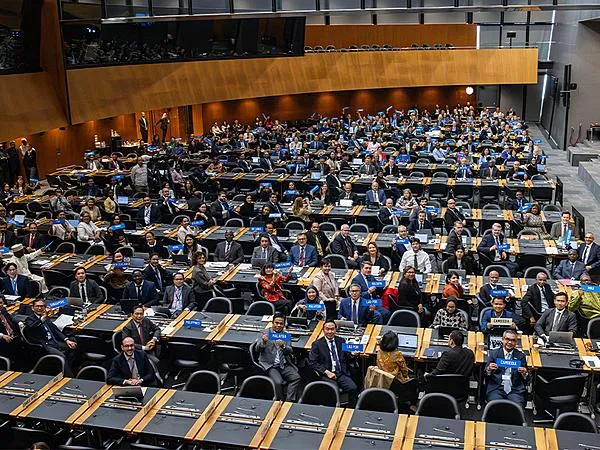
The Pacific Islands Forum Secretariat has welcomed the entry into force of the World Trade Organization (WTO) Agreement on Fisheries Subsidies on 15 September 2025. The agreement entered into force following ratifications from Tonga, Brazil, Kenya and Vietnam — meeting the two-thirds requirement needed to bring it into effect.

The Fisheries Subsidies Agreement prohibits harmful fishing subsidies that support illegal, unreported and unregulated (IUU) fishing, the fishing of overfished stocks, and fishing in unregulated high seas where no competent management authorities exist.

The agreement was adopted at the WTO’s Twelfth Ministerial Conference (MC12) in Geneva in 2022. MC12 also agreed that negotiations would continue towards a comprehensive agreement that includes disciplines on overcapacity and overfishing, with appropriate and effective special and differential treatment for developing and least-developed countries.

Pacific Islands Forum Secretary-General Mr. Baron Waqa congratulated the WTO, and in particular Pacific WTO members, on this significant achievement.

“This agreement will contribute to the sustainable management of fish stocks in the Pacific region by reducing harmful subsidies to IUU fishing and overfished stocks. While this is an important first step, I urge WTO members to continue work towards completing the additional provisions on subsidies to overcapacity and overfishing,” Waqa said.

“I wish to acknowledge the critical support and assistance provided by Ambassador Mere Falemaka and her team in our Pacific Islands Forum Permanent Delegation in Geneva, as well as our CROP agencies, to all our Pacific WTO members during the negotiations of the agreement," he added.

The Fisheries Subsidies Agreement contributes to the 2050 Strategy for the Blue Pacific Continent under the thematic pillar on Oceans and Environment, and to the achievement of Sustainable Development Goal (SDG) 14.6.

A new Fisheries Subsidies Committee will oversee the implementation of the agreement and manage the Fish Fund, which will support developing countries in meeting their obligations.

Director of Programmes and Initiatives at the Pacific Islands Forum Secretariat Zarak Khan said the Fish Fund was an innovative instrument that would be very helpful in assisting Pacific WTO members to implement their obligations under the agreement.

Four out of eight Pacific WTO members — Australia, Fiji, New Zealand and Tonga — have ratified the agreement. The remaining members are working through their respective national processes to secure ratification mandates before the WTO’s Fourteenth Ministerial Conference in March 2026 in Cameroon.

The Agreement on Fisheries Subsidies is the WTO's first multilateral agreement with environmental sustainability at its core. It prohibits government support for illegal fishing activities and the overexploitation of fish stocks, contributing to the protection of marine life.

At the meeting, Director-General Ngozi Okonjo-Iweala received the instruments of acceptance of the agreement from Brazil, Kenya, Vietnam and Tonga, bringing the total number of acceptances over the two-thirds threshold needed for the agreement to enter into force.

In her address to the WTO membership, Director-General Okonjo-Iweala said: “At a time when the international trading system faces profound challenges, the Agreement on Fisheries Subsidies sends a powerful signal that WTO members can work together in a spirit of cooperation and shared responsibility to deliver solutions to global challenges. The entry into force of this agreement stands as a reminder that many of the biggest challenges we face are more effectively addressed at the multilateral level. People and nations need a multilateralism that delivers — which is why today is so reassuring.”

DG Okonjo-Iweala signed the official depositary notification of the agreement’s entry into force and handed it to General Council Chair Ambassador Saqer Abdullah Almoqbel of Saudi Arabia, marking the official integration of the agreement into the WTO legal framework.

Ambassador Almoqbel said that the agreement is a testament to the shared vision for sustainable global fisheries.

"Acceptance of the protocol has demanded not just the engagement of our ambassadors and delegates here in Geneva, but also genuine political will and careful coordination in capitals. It is thanks to our collective resolve and commitment that we witness its entry into force today," Almoqbel said.

The General Council chair also announced that Mali and Oman have ratified the agreement and will be depositing their instruments of acceptance in the near future.

Members hailed the agreement as a major milestone for the WTO, emphasising that it confirms their commitment to the multilateral trading system and to a more sustainable planet. They also pledged to begin implementing the agreement, underscoring the key role it will play in restoring fish stocks, protecting the livelihoods of fishing communities, and promoting food security.

By establishing rules that prohibit the worst forms of harmful fisheries subsidies, the WTO Agreement on Fisheries Subsidies will help protect the world’s fish stocks and the livelihoods of hundreds of millions of people who depend on fisheries for food, income and employment.

October 08, 2025

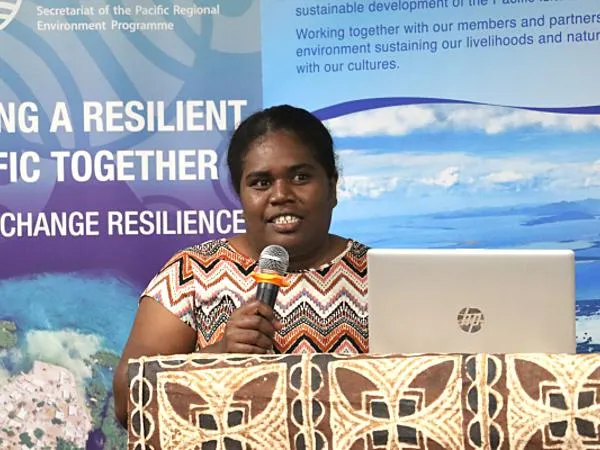
Adaptation to the devastating impacts of climate change for Pacific communities is not a choice but a matter of survival, a Solomon Islands climate negotiator has stressed.

As Pacific climate negotiators convened in Samoa, Melissa Horokou of the Solomon Islands Ministry of Climate Change said adaptation remains a top priority for her country and for all Pacific nations.

“Adaptation for the Solomon Islands, as other Pacific countries can relate to, is really a matter of survival when it comes to the devastating impacts of climate change — it’s either you learn to live and adapt to the change, or you will struggle,” she said.

“Heading to COP30 in Belem, adaptation continues to be a priority, as well as mitigation and other key thematic areas. These are critical to our survival.”

Horokou is among Pacific negotiators meeting in Apia to strategise and finalise preparations for the Thirtieth Conference of the Parties to the United Nations Framework Convention on Climate Change (UNFCCC COP30), which will take place in Belem, Brazil, from November 10 to 21, 2025.

Focus on the Global Goal on Adaptation

In the lead-up to COP30, Pacific nations are working collectively to refine indicators under the Global Goal on Adaptation (GGA), a key outcome area of the Paris Agreement that seeks to strengthen global resilience to climate impacts.

“The main thing for us right now is to finalise the indicators we have on the Global Goal on Adaptation. That’s on top of our priority list — we need to ensure our priorities, and the needs of our communities, are reflected and captured in these indicators,” Horokou said.

“I’m not sure we can have a finalised list by Belem, however I am optimistic because the work has started in getting everyone to understand the indicators and finding common ground. So I’m hopeful for a good outcome on this," she added.

The GGA uses around 100 indicators categorised under seven thematic areas—water, food, health, ecosystems, infrastructure, poverty, and cultural heritage—and four adaptation cycle areas: impact assessment, planning, implementation, and monitoring, evaluation and learning (MEL). These are being negotiated under the UAE–Belem Work Programme to track progress toward the UAE Framework for Climate Resilience.

Strengthening the Pacific voice

The Pacific Small Island Developing States (PSIDS) pre-COP30 meeting, held from 7 to 9 October and chaired by Tuvalu, serves as one of the last opportunities for Pacific countries to consolidate their positions ahead of the global conference.

“COP provides a platform for us to discuss these critical issues which impact us. It’s an opportunity for Pacific countries to amplify our priorities and our voices, and that’s why I am excited and privileged to be part of this process,” Horokou added.

The meeting, hosted at the Secretariat of the Pacific Regional Environment Programme (SPREP) headquarters in Apia, is supported by Climate Analytics and OneCROP, with funding from the Government of Australia through the project “Strengthening Pacific Leadership in International Climate Change Engagement.”

Representatives from the Cook Islands, Fiji, the Federated States of Micronesia, Kiribati, Niue, Palau, Papua New Guinea, the Marshall Islands, Samoa, the Solomon Islands, Tonga, Tuvalu, and Vanuatu are attending. The discussions focus on the Pacific’s priority thematic areas and strategies to ensure strong regional positions at COP30.

SPREP, as Chair of OneCROP, leads coordination of Pacific engagement in international climate change negotiations under the UNFCCC, working closely with Tuvalu as Chair of PSIDS to advance collective aims and strengthen the Pacific’s role in global climate discussions.

October 07, 2025

Lion One Metals Ltd. has reported solid progress at its 100 percent-owned Tuvatu Alkaline Gold Project in Fiji, achieving stronger production results and faster underground development as the mine moves deeper into commercial operations.

The Canadian gold miner said it produced 5,704 tonnes of material grading 10.60 grams per tonne (g/t) gold from its first shrinkage stope, marking a milestone in underground mining at Tuvatu. The company described the initial stope as “a success,” adding that it demonstrated the suitability of shrinkage mining for Tuvatu’s narrow high-grade veins.

Most of the production from the first stope took place between July and September and was blended with ore from other parts of the mine. A second, larger shrinkage stope — expected to yield 11,520 tonnes — is now being developed, with production scheduled to begin in November.

 The second shrinkage stope is expected to be twice as large as the first, the company said.

Lion One also reported a 70 percent increase in underground development rates between January and September this year. Monthly development advanced from 330.8 metres in January to 563.9 metres in September, allowing the company to access new production zones and speed up its capital development plans.

Chief Executive Officer Ian Berzins said the company was “very pleased both with the success of the shrinkage stope and with the increased development rates at Tuvatu.”

“These achievements have been made possible because of the new mining equipment and operational improvements initiated on site over the past several months,” Berzins said. “We’re excited for the next shrinkage stope to come online and for the arrival of still more new mining equipment as we continue to advance operations at Tuvatu.”

Boosting mine efficiency

The first shrinkage stope was located in Zone 2 on the northwest side of Tuvatu, targeting the Ura1 lode, which measures roughly 62 metres long, 24 metres high and 1.5 metres wide. Production began in July and has now been completed.

The second stope, twice the size of the first, lies in Zone 5 on the east side and focuses on the UR2 lode, measuring around 60 metres long and 50 metres tall. Production is expected to finish by mid-January 2026.

Shrinkage stoping, a technique suited to narrow, steeply dipping veins, allows miners to recover more ore with less dilution compared with traditional long-hole mining. Lion One said this method was “an optimal mining approach” for Tuvatu’s geology.

To support faster development, the company introduced productivity improvements and invested in new underground equipment, increasing the rate of large capital development by 126 percent and small development by 59 percent.

Large development rounds rose from 0.77 to 1.74 rounds per day, while smaller ore-zone development increased from 4.43 to 7.03 rounds per day.

Lion One modified its mining cycle by separating drilling and bolting operations to improve jumbo utilisation. It also converted a Caterpillar IT28 utility vehicle into a bolting platform and acquired an RES scissor lift and a third two-boom jumbo to expand its underground fleet.

“With a third jumbo and dedicated bolting equipment, we anticipate development rates will continue to improve,” the company said.

Leadership transition

In the same announcement, Lion One confirmed the retirement of Chief Operating Officer Patrick Hickey, who joined the company in 2021 and played a central role in constructing and commissioning the Tuvatu Gold Mine.

Chairman and President Walter Berukoff said: “On behalf of the Board and the entire Lion One team, I want to thank Patrick for his leadership and dedication during this critical period in the Company’s growth. Patrick’s contributions have laid the foundation for Tuvatu’s continued success, and we wish him all the best in his retirement.”

Hickey’s responsibilities will now be taken over by CEO Ian Berzins.

About Lion One Metals

Lion One Metals Ltd. is an emerging gold producer headquartered in North Vancouver, British Columbia. The company’s Tuvatu project, located on the island of Viti Levu in Fiji, includes an underground mine, pilot processing plant and assay laboratory. The broader Navilawa Caldera area, covered by the company’s exploration licence, hosts several promising mineralised zones.

The Tuvatu Alkaline Gold Project, which entered production in late 2023, remains Lion One’s flagship asset and one of the most significant new gold operations in the South Pacific.

October 06, 2025

Prime Minister Jeremiah Manele officially witnessed the signing of a shareholding agreement between Kolombangara Forestry Plantation Ltd. (KFPL), the Kolombangara Landowners Trust Foundation (KLTF) and new investor New Forest.

Prime Minister Manele praised the collaboration, saying it follows his government’s efforts through a Cabinet subcommittee to transfer plantation estate land titles owned by KFPL to the KLTF, and to allocate 20 percent of Investment Corporation of Solomon Islands (ICSI) shares to Kolombangara Islands Investment Ltd. (KIIL), representing landowner interests.

The prime minister lauded the partnership, calling it a “testament to trust” and a shared commitment to generating long-term value for shareholders, communities and the nation.

Welcoming New Forest, a Certified B Corporation known for its social and environmental standards, Prime Minister Manele emphasised the alignment of the investor’s expansion plans with government policies promoting reforestation and sustainable development.

He also encouraged the partnership to foster downstream processing, highlighting the potential for smallholder forestry plantations on nearby islands such as New Georgia, Choiseul and other parts of the Western Province to supply raw materials.

The prime minister expressed hope that, with the new partnership and expansion strategy, job creation will exceed 1,000 positions, benefiting both direct and contracted workers.

Manele underscored the government’s commitment to creating a business environment marked by fairness, transparency and equitable sharing of economic benefits.

He called on all stakeholders — including the national government, provincial authorities, landowners and investors — to provide strong and consistent support for the success of KFPL, describing it as a model the Solomon Islands can replicate in other sectors.

"Today’s signing ceremony represents a crucial step in empowering landowners to actively participate in major commercial ventures, advancing national priorities such as job creation, infrastructure development, environmental protection and inclusive prosperity," he said.

October 06, 2025

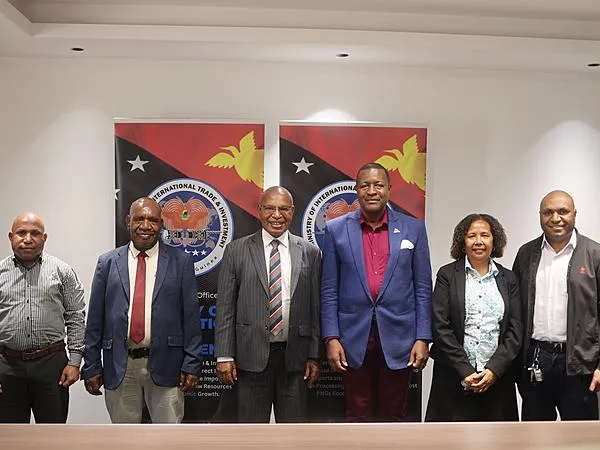
The Marape-Rosso Government has begun the mid-term review of Papua New Guinea’s National Trade Policy (NTP) 2017–2032, aimed at strengthening the country’s trade strategy in response to evolving global and domestic conditions.

The review, spearheaded by the National Trade Office (NTO) with support from the European Union Delegation to PNG, was announced by Minister for International Trade and Investment Richard Maru.

The NTP, first launched in 2017 under the O’Neill Government when Maru was Minister for Trade, Commerce and Industry, is the country’s guiding framework for promoting trade and investment.

Minister Maru said the review was essential to ensure the policy remained relevant and effective, saying  “PNG’s trade performance and policy implementation over the past eight years need a thorough assessment so successes can be built and shortcomings addressed."

“The review will help PNG align its trade policy with recent domestic priorities such as the Medium-Term Development Plan 4 and post-COVID economic recovery, and external developments like environmental considerations, new market opportunities in Asia and evolving World Trade Organization rules," he added.

He added that the review would allow PNG to “adopt international best practices, foster stakeholder engagement, and ultimately ensure that trade policy remains effective and relevant.”

The mid-term review will focus on three core areas:

  1. A retrospective assessment to evaluate progress, effectiveness, and challenges in implementing the NTP.
  2. A prospective assessment to address current and emerging trade issues and recommend strategic adjustments.
  3. A review of the Strategic Implementation Plan to integrate findings and align with the new policy direction.

Minister Maru also outlined key issues for the review team to consider, including:

  • Shifting from regional to bilateral trade agreements that better serve PNG’s national interests.
  • Increasing emphasis on value-added exports and higher export taxes on raw materials.
  • Introducing incentives for new export products, including support for certification and meeting international standards.
  • Transferring tariff policy functions from the Department of Treasury to the National Trade Office.
  • Considering legislation to improve the ease of doing business and ensure clear land titles for large-scale Special Economic Zone (SEZ) projects.
  • Exploring measures to strengthen the kina, such as establishing a gold refinery and building national gold reserves.
  • Leveraging artificial intelligence to facilitate trade and investment.
  • Developing a new electronic Single Window System to replace the manual trade facilitation process.

The NTO will lead the review process, but Maru underscored the importance of wide-ranging consultations.

“The private sector and SMEs are being consulted to understand the on-the-ground impacts of the trade policy and persistent business barriers,” he said. “Civil society and academic experts can offer insights on inclusiveness like the impacts on small farmers or women traders and provide evidence-based critiques.”

He added that the review was an opportunity to realign the NTP with current realities, ensuring that its strategies remain “fit for purpose in the face of climate change impacts, advances in information technology, commodity price fluctuations, potential global trade disruptions due to US tariffs, and shifting investment patterns.”

The draft of the new National Trade Policy is expected to be presented to Minister Maru and the National Executive Council by October 15, 2025, for approval ahead of its official launch later this year.

October 06, 2025

Economic growth in the Pacific is expected to pick up next year, buoyed by strong resource output in Papua New Guinea (PNG), according to the Asian Development Outlook (ADO) September 2025, released Monday by the Asian Development Bank (ADB).

The report projects Pacific economies to expand by 4.1 percent in 2025, before moderating to 3.4 percent in 2026, an upward revision from the April forecast. The ADB attributed the improvement mainly to the mining and petroleum-driven performance of PNG, the region’s largest economy.

“While it is good news that growth will accelerate in the Pacific subregion this year and inflation forecasts are adjusted down, geopolitical and trade tensions still pose risks to growth,” said ADB Director General for the Pacific Emma Veve. “ADB remains committed to helping build resilience to potential shocks such as extreme climate events and disruptions to global supply chains.”

PNG’s economy is forecast to grow by 4.6 percent in 2025, before easing to 3.6 percent in 2026 as output from major resource projects stabilizes. Inflation projections remain unchanged. The report said that new investment decisions in mining, petroleum, and related sectors could provide an additional boost to growth.

In Fiji, the Pacific’s second-largest economy, growth is forecast to remain steady at 3.0 percent in 2025, but to slow in 2026 due to the indirect impact of United States tariffs on its key trading partners. Inflation is expected to ease over the next two years as fiscal measures and lower global commodity prices help reduce consumer costs.

ADB said Fiji continues to face “large shocks due to limited fiscal buffers and climate risk,” but ongoing reforms and new spending on water security and coastal protection should strengthen long-term resilience.

In Solomon Islands, growth is expected to hold steady at 2.9 percent in 2025 and 3.2 percent in 2026, with the inflation outlook revised upward for next year before easing slightly in 2026. The government’s recent shift to an expansionary monetary policy is expected to support growth while keeping inflation contained.

Vanuatu’s 2025 forecast was trimmed to 1.5 percent, reflecting delays in post-earthquake reconstruction, though growth is expected to recover to 2.5 percent in 2026.

In the Central Pacific, growth projections were adjusted slightly downward for Kiribati and Nauru, now at 3.9 percent and 2.3 percent in 2025, and 3.3 percent and 2.5 percent in 2026, respectively. Tuvalu’s growth outlook remains unchanged at 2.7 percent in 2025 and 2.5 percent in 2026. Public infrastructure spending is expected to remain a key growth driver across these economies, though commodity price volatility and supply chain disruptions continue to pose risks.

In the North Pacific, forecasts were mixed. Growth was upgraded for the Marshall Islands to 3.0 percent in 2025 and 3.5 percent in 2026, supported by fisheries and construction. However, projections were lowered for the Federated States of Micronesia (FSM) and Palau—now at 0.8 percent and 8.2 percent in 2025, and 1.1 percent and 3.9 percent in 2026, respectively. The ADB cited slow utilization of Compact of Free Association funds in FSM and a gradual tourism recovery in Palau.

Growth prospects across the South Pacific are expected to remain uneven. The Cook Islands is projected to post the highest growth in the region at 10.4 percent in 2025, before slowing to 2.5 percent in 2026 as post-pandemic tourism demand stabilizes. Growth in Samoa is expected at 4.0 percent in 2025 and 2.7 percent in 2026, while Niue is forecast at 3.4 percent and 3.0 percent. Tonga is projected to grow 2.5 percent next year, moderating slightly to 2.3 percent in 2026.

“Tourism and construction remain key growth drivers” in the South Pacific, the report said, though weaker agriculture and fisheries output could weigh on Samoa’s outlook. Inflation is expected to continue moderating but could face renewed upward pressure from global price movements.

Founded in 1966, ADB is owned by 69 members, 50 of which are from the Asia-Pacific region. The Manila-based multilateral lender said it remains committed to “helping build resilience to potential shocks” and supporting inclusive, sustainable growth through innovation, infrastructure, and partnerships.

October 02, 2025

In a move that strengthens regional cooperation and environmental protection in the Pacific, Tuvalu has formally submitted its Instrument of Ratification for the Noumea Convention end of September. This enters into force on the thirtieth day from the date of deposit.

The Noumea Convention, formally known as the Convention for the Protection of Natural Resources and Environment of the South Pacific Region is a multilateral comprehensive umbrella agreement for the protection, management and development of the marine and costal environment.

The Secretariat of the Pacific Regional Environment Programme (SPREP) is the Secretariat for the Convention that now has 13 signatories, those being Australia, Cook Islands, Federated States of Micronesia, Fiji, France, Republic of Marshall Islands, Nauru, New Zealand, Papua New Guinea, Samoa, Solomon Islands, United States of America, and now Tuvalu.

“We congratulate Tuvalu in becoming a Party to the Noumea Convention joining efforts to protect and conserve our Pacific Ocean and environment,” said Mr Sefanaia Nawadra, Director General of SPREP.

“This is our very own Pacific multilateral environment agreement that respects the economic and social value of our natural resources and environment and values the traditions and cultures of our Pacific people. It is the legal framework by us, for us. We welcome Tuvalu into the Noumea Convention and are empowered by the potential this has for a safer environment and Pacific people.”

The Noumea Convention entered into force in 1986 and is the legal framework to address accelerating degradation of the world’s oceans and coastal areas through the sustainable management and use of marine and coastal environments.

There are two protocols under the Noumea Convention, one is the Protocol for the Prevention of the South Pacific Region by Dumping to prevent, reduce and control pollution by dumping of others wastes and other matter in the South Pacific.

There is also the Protocol Concerning Cooperation in Combatting Pollution Emergencies in the South Pacific Region to enhance cooperation among the Parties to protect the region from threats and effects of pollution incidents.

“It is a proud moment for us to unite with our SPREP family and become a Party to the Noumea Convention, we know that together we are stronger and having legal framework of this Agreement behind us propels us in the right direction,” said Dr Soseala Tinilau, the Director of the Department of Environment of Tuvalu.

“Tuvalu faces so many challenges as a small island nation, protecting our people and our environment is a priority for us. We are constantly working to address the impacts of climate change, we see the benefits of being a Party to both the Waigani and Noumea Conventions in saving our natural environment that sustains our people, as crucial for us all.”

The Noumea Convention works in partnership with the Waigani Convention for which SPREP is also the Secretariat. Formally known as the Convention to Ban the Importation into Forum Island Countries of Hazardous and Radioactive Wastes and to Control the Transboundary Movement and Management of Hazardous Wastes within the South Pacific Region, Tuvalu is already a Party to this.

The Waigani Convention works to reduce and eliminate transboundary movements of hazardous and radioactive waste as well as minimise the production of hazardous and toxic wastes in the Pacific region and to ensure that disposal of wastes in the Convention area is completed in an environmentally sound manner.

Parties to the Waigani Convention which entered into force in 2001 include Australia, Cook Islands, Federated States of Micronesia, Fiji, Kiribati, New Zealand, Niue, Papua New Guinea, Samoa, Solomon Islands, Tonga and Tuvalu.

October 02, 2025

Solomon Islands has formally assumed the Presidency of the Organisation of African, Caribbean and Pacific States (OACPS) for a six-month term, from 1 August 2025 to 30 January 2026, following the handover from the Kingdom of Eswatini.

During this period, Minister for Foreign Affairs and External Trade Peter Shanel Agovaka will serve as President of the OACPS Council of Ministers. Moses Kouni Mose, Solomon Islands’ Ambassador to the European Union, will chair the OACPS Committee of Ambassadors.

In accepting the Presidency during a meeting of the Bureau of the OACPS Committee of Ambassadors, Mose expressed deep gratitude to the Pacific ACP Group and the OACPS Secretariat for their confidence in Solomon Islands’ leadership, pledging to advance the organisation’s priorities in line with its objectives and reform agenda.

The Solomon Islands Presidency will focus on the following key priorities:

  • Financial sustainability: Securing timely member-state contributions, addressing budget shortfalls, and clearing Secretariat liabilities to ensure operational stability.

  • Summit preparations: Supporting the successful convening of the 11th OACPS Heads of State and Government Summit in Malabo, Equatorial Guinea, in March 2026, with emphasis on advancing the priorities of Small Island Developing States (SIDS).

  • Implementation of the Samoa Agreement: Facilitating joint OACPS–EU meetings, including the Joint Council of Ministers, the Parliamentary Assembly, and inter-institutional dialogues.

  • Council of Ministers leadership: Overseeing the 120th Session of the OACPS Council of Ministers later this year, to set the organisation’s strategic agenda.

  • Institutional reform: Strengthening OACPS governance, enhancing efficiency, and advancing reforms to secure the organisation’s long-term sustainability.

“The Solomon Islands Presidency will use its good offices to work with all members and partners to ensure continuity, stability and progress in the work of the OACPS,” Mose said.

The Solomon Islands will next chair the Council of Ministers meeting in December 2025, to be presided over by Minister Agovaka.

October 02, 2025

Weir, a global leader in mining technology, has launched a new range of ENDURON® jaw and cone crushers, developed in close collaboration with customers to address their most pressing operational challenges. This customer-first approach has resulted in equipment that enhances safety, boosts productivity, simplifies maintenance, and supports sustainability goals.

The updated ENDURON® jaw crushers now feature a redesigned Hydraulic Power Unit (HPU), which allows for true push-button control of CSS adjustments. This innovation eliminates the need for manual intervention, significantly reducing safety risks for operators and maintenance teams. The new HPU also ensures consistent tensioning of the retraction springs at all times, improving reliability and ease of use across the full wear range of the jaw dies. The optimised motor power and oil tank capacity reduce the HPU’s CO₂ footprint and environmental impact.

To further improve performance and reduce downtime, the entire range of ENDURON® jaw crushers now includes ESCO® wear parts. These components have been rigorously tested and proven to extend wear life, which means fewer maintenance interventions and increased equipment utilisation—translating to lower operating costs and more efficient production.

The upgraded ENDURON® cone crushers also benefit from ESCO® wear liners and a newly designed Hydraulic and Lubrication Power Unit (H/LPU). This compact, plug-and-play system reduces the environmental footprint and simplifies installation, making it ideal for sites looking to streamline setup and minimise impact. Additionally, the automation platform across all cone crusher models has been enhanced to ensure consistent and reliable crushing operations. With IO-Link digital sensors and Siemens PLC hardware, customers can expect seamless integration, easier troubleshooting, and intuitive control through a new Human-Machine Interface (HMI), which simplifies servicing and improves operational efficiency.

Weir’s new crusher range includes the ENDURON® ET jaw crushers, as well as both the EP fixed-shaft and EC live-shaft cone crushers, offering tailored solutions to meet the specific needs of each site and application. This flexibility ensures that customers can select the ideal equipment for their unique operational requirements.

As mining operations increasingly focus on sustainability and energy efficiency, Weir’s new ENDURON® crushers are designed to support this transition. By complementing the existing ENDURON® screens and HPGRs, the new crushers enable customers to build fully integrated flowsheets that reduce energy consumption and improve overall performance.

Magnus Skorvald, Global Product Manager – Crushers at Weir, emphasised the importance of customer feedback in shaping the new range. “We’ve listened closely to our customers and designed this range to meet their evolving needs. From safety and sustainability to ease of installation and maintenance, every feature is built to deliver real value on site.”

Whether upgrading existing equipment or planning a new installation, the ENDURON® range of comminution products is built to help customers operate smarter, safer, and more sustainably.

Founded in 1871, The Weir Group PLC is one of the world’s leading engineering businesses with a purpose to make its mining and infrastructure customers’ operations more sustainable and efficient. Weir’s highly engineered technology enables critical resources to be produced using less energy, water, and waste while reducing customers’ total cost of ownership.

Weir is ideally positioned to benefit from structural trends that support long-term demand for its technology, including the need for more essential metals to support economic development and carbon transition. The Group has approximately 12,000 employees operating in more than 50 countries, with a presence in every major mining region of the world. Find out more at www.global.weir.
October 01, 2025

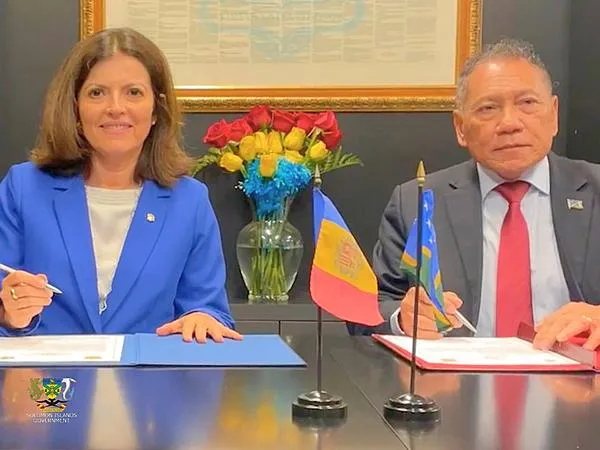
Solomon Islands has formally established diplomatic relations with the Principality of Andorra. The signing ceremony took place at the Permanent Mission of Andorra to the United Nations in New York.

The agreement was signed by the Ministry of Foreign Affairs and External Trade (MFAET) and the Ministry of Foreign Affairs of Andorra. Peter Shanel Agovaka, Minister for Foreign Affairs and External Trade, joined Andorra’s Minister of Foreign Affairs, Imma Tor Faus, for the ceremony.

Minister Tor Faus described the occasion as an important milestone, marking the start of a new relationship between the two countries. She noted that Andorra and Solomon Islands, though geographically distant, share common values in areas such as environmental protection, cultural heritage, and sustainable tourism.

She highlighted Andorra’s membership in the Mountain Partnership and its commitment to protecting marine biodiversity under the BBNJ Agreement, acknowledging Solomon Islands’ strong advocacy on climate change and ocean health.

Tourism was identified as a potential area for collaboration, with Andorra proposing discussions on a visa exemption agreement to encourage travel, cultural exchange, and closer ties between the two peoples.

Minister Agovaka welcomed the new partnership, saying it supports Solomon Islands’ foreign policy of “friends to all and enemy to none” and opens opportunities for greater dialogue and cooperation.

The Principality of Andorra is a small landlocked country in the Pyrenees mountains between France and Spain, with a population of about 85,000. It is one of Europe’s oldest states, established in 1278, and is governed under a unique co-principality system in which the President of France and the Bishop of Urgell in Spain serve as joint ceremonial Heads of State, alongside a Prime Minister and parliament.

Tourism and retail sales form the backbone of Andorra’s economy. The country uses the euro as its currency and, while not a member of the European Union, is active in international organisations such as the United Nations, the Council of Europe, and the OSCE.

The establishment of relations with Andorra expands Solomon Islands’ network of diplomatic partners and opens new avenues for cooperation, particularly in tourism, environmental protection, and sustainable development.

October 01, 2025

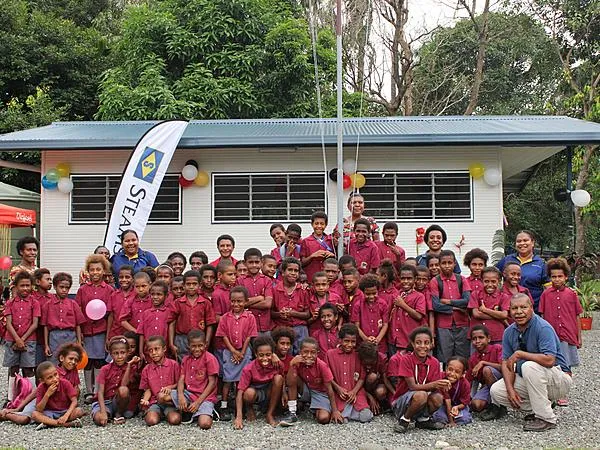
Steamships Ltd., on behalf of John Swire & Sons (JS&S), officially handed over a new classroom building to Yanga Elementary School in Lae on 22 August 2025. The second classroom was presented to the School Board during a ceremony attended by students, parents, teachers and community members.

The milestone marks continued investment in rural education infrastructure, made possible through the Swire Philanthropic Fund (SPF). JS&S, a privately held UK-based company, has longstanding ties to Papua New Guinea through Swire Shipping, which operates nationwide, and as a major shareholder in Steamships for more than 50 years. The SPF supports education projects across the country and is administered locally by Steamships.

Steamships Managing Director Chris Daniells underscored the importance of investing in communities that underpin the company’s success.

“At Steamships, we recognise that sustainable progress begins with education. Our people are our greatest asset, and many of them come from communities like Yanga. Supporting local schools not only helps build a pipeline of future talent but also strengthens communities that have helped our business thrive,” Daniells said.

Yanga Elementary School was chosen for investment because many employees from Steamships’ operating companies — Consort Express Lines and Joint Venture Port Services — come from the Yanga, Sipaia and Wanang communities. The project responds directly to community-identified needs and reflects Steamships’ approach to inclusive, locally driven development.

The new classroom, valued at approximately PGK200,000, is a prefabricated steel building equipped with student and teacher furniture, blackboards, pinboards and other facilities. It is the second classroom delivered to the school under a two-year partnership aligned with the School’s Learning Improvement Plan (SLIP). Since 2024, PGK400,000 has been invested in the school.

The initiative supports key goals of Papua New Guinea’s National Education Plan 2021–2029 and Medium-Term Development Plan IV, reinforcing the government’s priorities for educational infrastructure and improved learning environments.

As the classrooms open their doors, Steamships and Swire encouraged the school community to take pride in the facilities and ensure they benefit generations of learners to come.

October 01, 2025

In a landmark moment of cultural reconnection and national pride, Returning Home, an art exhibition and programme, takes centre stage at Harbourside South in line with the celebration of Papua New Guinea’s 50th Independence Anniversary.

Steamships, in collaboration with Pacific Palms Property, is proud to bring home five Papua New Guinean artists, showcasing their work in-country for the first time and paying tribute to heritage, resilience, identity, and culture. The exhibition and week-long creative programme, which offers workshops, talks, and networking opportunities, features the work of Grace Hasu Dlabik, Yuriyal Bridgeman, Lesley Wengembo, Jeremiah Neundorf, and Serge Ah-Wong.

“Our connection to culture is something we deeply value. At Steamships, we often say that we don’t just do business in PNG — it’s our home. That belief is at the heart of everything we do. Supporting local communities, talent, and creativity is a core part of our commitment to Papua New Guinea. That’s why it was only fitting for us to partner with these incredibly gifted Papua New Guinean artists, to celebrate and elevate their work, and to share their creativity with the wider community we proudly call home,” said Ruth Kissam, Corporate Affairs General Manager at Steamships.

This initiative promises to leave a lasting legacy across cultural, community, and economic dimensions — from revitalising creative energy to fostering cultural pride, and inspiring both emerging and established members of the art community.

“Returning Home has been a pivotal moment for us as artists — a chance to share our art, experiences, and skills with the wider creative community. The overwhelming response has been deeply humbling, affirming the power of creativity not only to connect and inspire, but also to actively contribute to nation-building, shaping identity, strengthening pride, and envisioning the future we wish to create together, using art as a critical conduit,” said Grace Hasu Dlabik, artist and director of BE. ONE CREATIVE.

As Papua New Guinea stands at a moment of national reflection and pride, Returning Home affirms the power of art to connect, heal, and celebrate. This unprecedented exhibition is a beacon for cultural continuity, artistic evolution, and shared identity, inviting all to witness, participate, and be moved.

The Returning Home exhibition will be open to the public from 10 to 22 September at Harbourside South, Port Moresby. Admission is free.

September 30, 2025

The Ministry of Forestry has broadened its agenda beyond timber to highlight the vast potential of non-timber forest products (NTFPs) such as sandalwood, agarwood, bamboo, candlenut and dilo, which officials say can create new industries, boost exports and strengthen rural livelihoods.

Minister for Fisheries and Forestry Alitia Bainivalu on 30 September told Parliament that NTFPs could “bolster Fiji’s economy and support community livelihoods” while positioning the country in billion-dollar global markets.

“Historically, Fiji’s forests have been valued primarily for timber,” Bainivalu said. “However, NTFPs—such as sandalwood, bamboo, agarwood, coconut, and traditional materials—offer significant economic opportunities, with global markets worth billions of dollars annually.”

Expanding scope of forestry

The ministry said that for the first time, NTFPs have been given prominence in the draft Forest Bill 2025, which mentions them more than 10 times. The bill is expected to be tabled in Parliament by November.

At the same time, consultations are underway for a National NTFP Strategy, with a full consultation planned before the end of the year to secure stakeholder input.

Community planting initiatives are also being scaled up under the government’s 30 Million Trees in 15 Years programme, with sandalwood and candlenut identified as priorities.

Research and development

Among the flagship projects are plans for 60 hectares of sandalwood plantations in Tailevu and Bua, the monitoring of existing resources, and research into improved breeds.

On agarwood, more than 4,800 trees have been planted at Nasavusavu, supported by the establishment of Fiji’s first agarwood oil processing facility in partnership with local communities. Officials estimate the venture could generate up to US$167 million in potential revenue.

Bamboo, meanwhile, has emerged as a key innovation sector. In partnership with the Global Green Growth Institute and New Zealand’s Ministry of Foreign Affairs and Trade, Fiji has begun inventory trials and sent 16 Fijian craftsmen to Indonesia for specialist training.

On World Bamboo Day 2025, Fiji signed an agreement with Indonesia to deepen industry collaboration and strengthen the bamboo value chain.

Economic and cultural value

NTFPs range from plant-based resources such as medicinal plants, resins and oils, to animal products including honey and bushmeat, as well as traditional materials used in handicrafts and cultural practices.

Sandalwood (Yasi) remains Fiji’s flagship NTFP, generating over F$12 million in exports between 2010 and 2022. But Bainivalu said other products—such as candlenut and dilo oil—are gaining recognition in the cosmetics industry, while bamboo presents “a sustainable material for construction and handicrafts” that also contributes to climate change mitigation.

Challenges and opportunities

Despite the promise, officials concede that the sector faces challenges, including a lack of processing facilities, quality standards and sustainable harvesting practices, particularly on customary lands.

Bainivalu said these gaps underscore the urgency of policy reforms. “Developing NTFPs offers a pathway for inclusive, sustainable growth that benefits both the economy and rural communities across Fiji,” she said.