


November 04, 2025

The Fijian Government, through the Ministry of Civil Aviation, is working closely with Fiji Airports and Fiji Airways to strengthen aviation safety and minimize the risks posed by bird strikes across the country’s airports.

Deputy Prime Minister and Minister for Civil Aviation Viliame Gavoka told Parliament that both organizations are implementing coordinated wildlife hazard management programs aligned with international aviation safety standards.

Fiji Airports has rolled out a comprehensive Wildlife Management Plan incorporating global best practices and established an Airport Wildlife Committee to oversee monitoring and mitigation at Nadi, Nausori, and other domestic airports. Trained personnel—including Wildlife Coordinators, Airside Safety Officers, and Airport Environment Officers—are involved in day-to-day hazard management operations.

Among its key initiatives, Fiji Airports is collaborating with local authorities to map and control bird attractants within a 5-kilometer radius of airports, launch environmental awareness campaigns, and advocate for stronger land-use regulations near airport areas to minimize bird activity around flight paths.

Supporting these efforts, Fiji Airways continues to bolster safety through real-time sharing of bird strike data, DNA analysis of bird remains to identify high-risk species, and pilot training programs focused on improving response and situational awareness.

“These proactive measures reflect the Government’s commitment to maintaining the highest standards of aviation safety, environmental stewardship, and inter-agency cooperation,” said DPM Gavoka.

The Fijian Government commended both Fiji Airports and Fiji Airways for their continued dedication to ensuring safe skies for all travelers.

November 03, 2025

President Ishmael Toroama has laid out a comprehensive vision for Bougainville’s new parliamentary term, centred on three key pillars — political independence, economic independence, and good governance.

Delivering his inaugural address at the second sitting of the Fifth Bougainville House of Representatives, President Toroama said, “Let me now focus on what I stand for in this new term of parliament — I campaigned to pursue three main goals in this new term of parliament, which are political independence, economic independence and good governance.”

He reaffirmed Bougainville’s determination to achieve full political independence, saying the region’s path forward was already defined by its referendum result. “Bougainville voted for independence as provided for in Part 14 of the PNG Constitution,” he said. “Three years was spent consulting as if Bougainville did not know about its future political status. The real question is whether PNG is ready to accept the Bougainville people’s choice.”

President Toroama said he expected the “Melanesian Agreement and the Sessional Order to be the conduit through which the PNG Parliament will endorse the people’s choice.”

He further stated that Bougainville must evolve into a true Republic, not a “hybrid of Presidential system mixed within a Westminster system of government,” stressing that the President — being directly elected by the people — “should not have to negotiate with Ministers in the exercise of his mandate.”

On economic independence, President Toroama said the journey towards self-reliance must be pursued “at all levels — the family level, the community level, and Bougainville as a whole.” He added, “At the government level, my government will first of all ensure that Panguna quickly progresses to the next stage of development.”

Under his government’s economic development agenda, President Toroama announced a series of key initiatives, including the commencement of operations at the Bougainville Gold Refinery in Arawa, the commercialisation of customary land, and support for downstream processing of cocoa and copra.

“Land is fundamental in economic development, and the Toroama/Masatt government will explore ways of bringing more customary land into commercial production,” he said, adding that “the private sector needs to be ready to take advantage of such opportunities.”

He also emphasised the need to revitalise the fisheries sector. “Fisheries continues to be a sleeping giant but needs to be awakened, and if PNG is serious about economic independence for Bougainville, then it must immediately transfer the foreign investment powers and functions,” he said.

Turning to governance reforms, President Toroama said the third agenda — good governance — would underpin Bougainville’s nation-building efforts. “Institutional reform, both in structure and function, are necessary to ensure that the administration is aligned with the Republican political system,” he said, adding that the new Bougainville Constitution must reflect this alignment.

“Good governance is not just talk only, we leaders must lead in practising good governance — compliance is absolute,” he declared. “Leadership must lead by example, and the people will follow.”

In his concluding remarks, President Toroama reiterated that the transformation he envisioned through his three core agendas could be achieved through cooperation and collective responsibility among leaders and citizens.

He also reaffirmed his government’s 100-day plan, saying, “I urge the administration through the Chief Secretary and the relevant Heads of Departments to take note of the priorities for the next 100 days as well as the broader priorities stated in this speech and undertake necessary tasks required to achieve all of these during this term of government as we head towards being a sovereign Bougainville.”

November 03, 2025

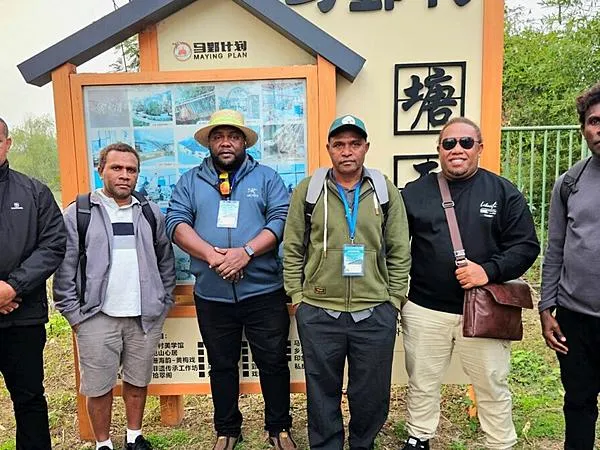
Six senior officers from the Ministry of Rural Development (MRD) have successfully completed a bilateral training seminar on ‘Rural Development’ in China last Friday.

The program was held from October 9th to 31st, 2025, at the Institute of Administration and Management (AMI) in Beijing, a training and research institution of the Ministry of Agriculture and Rural Affairs (MARA) of China.

The government of the People’s Republic of China (PRC), through its Ministry of Commerce, funded the program with the aim of enhancing communication and cooperation between the two nations.

It focused on key areas of rural development, including agricultural production, processing, and distribution; climate-smart agriculture; e-commerce; and the critical role of infrastructure in economic growth.

The officers’ participation was coordinated through the Chinese Embassy in Honiara and the Solomon Islands Government via the Ministry of Agriculture. Other participating ministries included the Ministry of Agriculture, the Ministry of Traditional Governance, the Ministry of Provincial Government, and representatives from the private sector.

The training seminar featured intensive training sessions and field visits to major high-tech agricultural companies and enterprises in Beijing and other provinces of China.

The MRD senior officers include:

  • Charles Laua, Constituency Development Officer for Fataleka Constituency
  • George Stuart Baiabe, Constituency Development Officer for Rennell/Bellona Constituency
  • Bobby Siarani, Constituency Development Officer for West Kwaio Constituency
  • John Kinnie Ngili, Constituency Development Officer for South Choiseul Constituency
  • Timan Tiks Tauni, Constituency Development Officer for East Makira Constituency
  • George Balairamo, Deputy Secretary of Technical

The participation of MRD officers is part of the ministry’s ongoing efforts to capacitate and equip its officers with the technical skills needed to implement constituency development programs and initiatives nationwide effectively.

The training provided opportunities for participants to gain a better and deeper understanding of China’s achievements, policies, and experiences in poverty alleviation and rural agricultural revitalization.

“Having lifted over 800 million people out of poverty in the past four decades, China offers a valuable model for the Solomon Islands.

“Lessons learned will be crucial for informing and advancing rural development priorities and the Solomon Islands Government’s policies for National Unity and Transformation,” said MRD Deputy Secretary of Technical (DST) George Balairamo.

The program also offered an invaluable opportunity for officers to learn about China’s approaches to rural construction, infrastructure, and technological innovation. It also strengthened exchanges with Chinese experts and scholars, laying a foundation for future pragmatic cooperation.

“As part of the training, delegates undertook field visits to observe China’s rural modernization initiatives firsthand. These included an automated layer farm and various eco-tourism sites in Beijing. The delegation also traveled to Nanjing City in Jiangsu Province, where they met with officials from the Jiangsu Academy of Agricultural Sciences and the China-Pacific Islands Countries Agricultural Cooperation Demonstration Centre.

“In Jiangsu, visits included demonstration farms, a tea culture village, rural tourism sites, a tropical fruit cultivation eco-park, a brine duck production company, and a modern agricultural enterprise. Further visits to key agricultural production companies took place in Hefei City, Anhui Province.

“These field trips facilitated the exchange of ideas with local officials, agribusiness managers, and tourism operators, while also allowing participants to experience China’s rich culture and history,” Mr. Balairamo stated.

Meanwhile, Mr. Balairamo, on behalf of the ministry’s management, expressed gratitude to the Chinese Embassy in Honiara, the Chinese government, and the Institute of Administration and Management (AMI) in Beijing for making the training possible, enabling officers to acquire the necessary technical skills and knowledge to advance rural development priorities in their respective constituencies for the betterment of the country.

The contributions from the PRC Embassy underscore the growing partnership between the two nations, rooted in mutual respect and a shared vision for inclusive development.

November 03, 2025

The Coalition Government is taking decisive steps to enhance air and sea connectivity for the Yasawa Group, with plans for a new airport and improved ferry services aimed at strengthening access, opportunity, and services for island communities.

Deputy Prime Minister and Minister for Tourism and Civil Aviation Viliame Gavoka informed Parliament of the progress of the Yasawa Feasibility Study, a joint $400,000 initiative between the Ministry of Tourism and Civil Aviation and the Ministry of Public Works, Meteorological Services and Transport, supported technically by Fiji Airports Limited.

“The Government is fully committed to ensuring the success of this project, with a total of $400,000 allocated across two key ministries: the Ministry of Tourism and Civil Aviation with $150,000 within its consultancy budget, and the Ministry of Public Works with $250,000 for the feasibility study of the Yasawa airport,” Gavoka said.

He explained that the study forms part of a broader national vision to improve connectivity to Fiji’s outer islands, noting its “immense significance for the people of the Yasawa Islands” and its role in “enhancing access to the Yasawa Islands, benefiting both local communities and Fiji’s broader economic development.”

Initial discussions have already taken place between the two ministries, with Fiji Airports Limited providing technical assistance in developing the Terms of Reference (TOR) for the study, which Gavoka said was “now nearing finalisation.”

“The TOR will provide the framework for the study, outlining its scope, objectives, and deliverables, and ensuring that all relevant technical, environmental, and socio-economic factors are thoroughly considered,” he said.

According to the Deputy Prime Minister, Fiji Airports has also conducted a site assessment of the proposed location for the new Yasawa airport, focusing on terrain, land use, and alignment with aviation standards. A Steering Committee will be convened to oversee the study’s progress and coordinate technical assessments.

“One of the key parts of an airport feasibility study is understanding the demand — in other words, whether there is enough need and traffic to justify the development,” Gavoka said. “This begins with looking at passenger projections, where we forecast how many people and how much freight the airport is likely to handle over time.”

He said environmental assessments will also be integral to the study, “carefully assessing how the proposed airport might affect the surrounding ecosystems, wildlife, and air quality,” while ensuring compliance with both national and international environmental standards.

Complementing the aviation initiative, Gavoka highlighted that sea connectivity will also be enhanced through the South Sea Cruises Group’s new Yasawa Flyer III — a 30-metre, 320-passenger vessel set to enter service in August 2025.

“This 30-metre fast ferry has a capacity of approximately 320 passengers, which is about 33 per cent higher than its predecessor,” he said. “It will provide more frequent and reliable daily services between Port Denarau and the Yasawa Islands.”

Gavoka said the Coalition Government’s coordinated approach between air and sea transport “is setting the foundation for the future of civil aviation in the Yasawa Group,” with the goal of creating “a safe, efficient, and sustainable air transport link that complements sea connectivity and supports the long-term growth of tourism and trade.”

“The new Yasawa airport will not only bring the islands closer to the rest of Fiji but also open new pathways for investment, employment, and service delivery,” he concluded. “This project is about giving the people of Yasawa greater access to opportunity and ensuring that no community remains isolated in our national development agenda.”

October 30, 2025

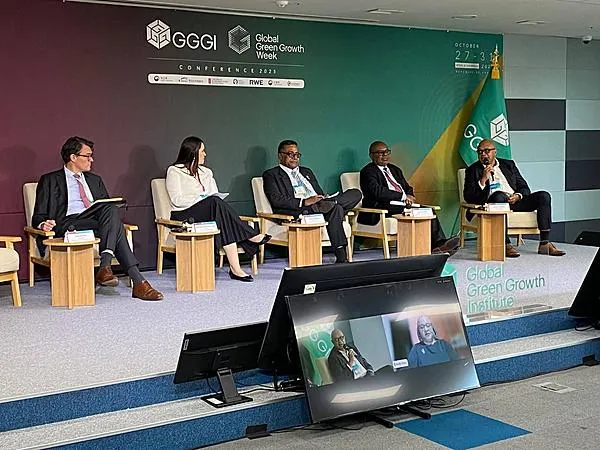
The Assistant Minister for Finance, Strategic Planning, National Development and Statistics Esrom Immanuel joined senior diplomats and international experts as a panelist at a high-level discussion on “Mobilizing Sustainable Finance in Caribbean and Pacific Developing States (SIDS).”

In his remarks, Immanuel underscored the urgent need for innovative and accessible financing mechanisms to address the escalating climate and development challenges and the existential risks faced by small island nations.

The event, convened by the Global Green Growth Institute (GGGI) in Seoul, South Korea, was held on the margins of Global Green Growth Week (GGGWeek) and ahead of the GGGI Assembly and Council Joint Session on 31 October, where the Assistant Minister will represent the Government of Fiji as a member of the GGGI Council. The panel brought together finance leaders from the Caribbean and the Pacific, alongside diplomats, climate experts, and international development practitioners.

Immanuel reaffirmed the importance of mobilizing sustainable finance at scale for SIDS like Fiji, emphasizing that such investments must prioritize climate resilience and the safety of island communities that are most vulnerable to the impacts of climate change.

“For SIDS, climate finance is not about money for the sake of money – it’s about the survival of our people and communities, and we must do what is necessary to make that happen,” said the acting minister.

“We need financing solutions that are accessible, predictable, and tailored to our scale and vulnerabilities. The time for incremental reform is over; we need systemic change that ensures fairness in how global capital flows to the most vulnerable nations. The onus is also on us to build the capacity and capability to manage these investments for the benefit of our people and communities.”

Immanuel highlighted Fiji’s pioneering efforts in sustainable finance, noting the country’s issuance of the world’s first sovereign green bond by an emerging economy in 2017, valued at FJD 100 million, which supported projects in climate-resilient water infrastructure, sustainable agriculture, and flood management. He also referenced Fiji’s issuance of the Pacific’s first sovereign blue bond in 2023, which raised FJD 50 million to enhance ocean-based resilience, sustainable fisheries, and marine biodiversity.

He further noted that Fiji adopted a comprehensive Sustainable Bond Framework in 2022, expanding the country’s financing options to include green, blue, and social bonds with ESG-aligned elements. “These instruments demonstrate that SIDS can innovate and lead by example in attracting private investment for sustainable growth,” he said, adding that “a clear and credible bond framework is the foundation of investor confidence.”

The assistant minister also emphasized that sustainable bonds offer an alternative mechanism for mobilizing finance to meet Fiji’s development needs, with the advantage of being quickly mobilized.

However, he cautioned that “bonds remain a debt instrument that often carry higher coupon rates compared to concessional loans from multilateral development banks such as the ADB and the World Bank. This underscores our continued effort to ensure that we have sufficient fiscal space, as well as an improved deficit position.”

October 29, 2025

Fiji is taking a major step toward strengthening its tourism industry with the introduction of the Fiji Tourism Policy 2025–2035 and the Fiji Tourism Standards Framework Guidance Note, both designed to guide the creation of the nation’s first-ever Tourism Law.

According to the latest Cabinet update, the two documents will serve as key pillars in shaping the forthcoming legislation — a milestone that aims to formalise the growth and governance of one of Fiji’s most vital economic sectors.

The Tourism Policy outlines the overall direction and practical considerations for developing the new law, while the Guidance Note provides a structure for the Tourism Standards Framework — a national system that will define expectations around quality, sustainability, safety, and service across all areas of tourism.

Officials said the introduction of national tourism standards is expected to boost consumer confidence, strengthen Fiji’s reputation as a world-class destination, and encourage responsible business practices that ensure growth remains sustainable, inclusive, and resilient.

A Landmark Step for Fijian Tourism

At present, Fiji does not yet have a dedicated tourism law, but work is underway to change that. Earlier this year, the Cabinet approved the formulation of what has been described as a “historic step” toward establishing comprehensive tourism legislation.

Deputy Prime Minister and Minister for Tourism Viliame Gavoka announced in February and March 2025 that Cabinet had endorsed the drafting process. A Joint Working Group was subsequently established to oversee the development of the new framework.

The proposed law aims to streamline tourism-related licensing, create consistency across regulations, and clearly define the roles of the Tourism Department and Tourism Fiji. It also seeks to embed sustainability principles within the sector, ensuring Fiji’s tourism continues to thrive amid shifting global trends and environmental challenges.

Setting a New Standard

When enacted, the Tourism Law will introduce an integrated approach to developing, managing, and promoting sustainable tourism in Fiji. It will enshrine national standards for sustainable operations, address regulatory gaps, and strengthen governance across the industry.

By aligning with the Tourism Policy 2025–2035, the legislation will provide a unified framework for all stakeholders — from policymakers and operators to local communities — to collaborate toward shared goals of inclusivity, accountability, and long-term resilience.

Tourism remains one of Fiji’s key economic pillars, contributing significantly to employment, foreign exchange, and rural development. As the country works to rebuild and future-proof its tourism industry after the challenges of recent years, the forthcoming law and standards framework mark a decisive move toward a more coordinated, sustainable, and prosperous sector.

October 29, 2025

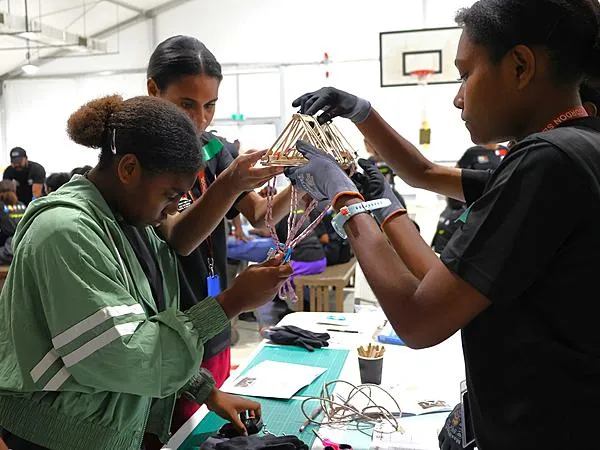
The operator of the PNG LNG Project, ExxonMobil PNG Limited, recently welcomed 75 outstanding ninth-grade girls from five Port Moresby schools for a day of hands-on science experiments, mentorship, and exciting activities designed to spark their curiosity and build their confidence in engineering.

Now in its second year in Papua New Guinea, ExxonMobil’s Introduce a Girl to Engineering Day — held at its LNG Plant at Caution Bay — was a resounding success.

This year’s theme, “Design Your Future,” encouraged students to imagine the possibilities of a STEM career (Science, Technology, Engineering, and Math). Supported by 42 passionate employee volunteers from ExxonMobil’s Women in Energy Network, the students explored key engineering concepts and learned directly from Papua New Guinean engineering professionals.

ExxonMobil PNG Chairman and Managing Director Dinesh Sivasamboo visited the students during their practical sessions and was impressed by both their enthusiasm and teamwork.

“It’s great to see that even though you’ve come from different schools, you have quickly made new friends and learned to work together effectively as a team to solve real-world problems. These are important skills and experiences that will help you excel in your lives and your careers,” Sivasamboo said.

“Papua New Guinea’s energy future looks quite bright, so there will be opportunities for students like you throughout our industry. I hope you will continue to apply yourselves to your studies so that you might join us as engineers one day,” he concluded.

Students expressed their gratitude and excitement about the experience, saying it opened their eyes to new possibilities in engineering.

“I didn’t think much about taking on engineering, but after today, I might have a change of mind,” said Zillar Naku Pa’aka from Gordon Secondary School. “Once we started the practical activities, I really enjoyed it.”

“I really enjoyed the electrical engineering activity with the circuit boards,” added Sylvia Mero from Jubilee Catholic Secondary School. “When the lights lit up, it felt like it lit something in me. I think after today, I’d like to become an engineer.”

The students represented Gordon Secondary School, Charles Lwanga Secondary School, Jubilee Secondary School, Bavaroko Junior High School, and Ororo Junior High School. The day concluded with lunch at the Plant site mess and a small gift pack for each participant to take home.

ExxonMobil PNG is proud to help inspire the next generation of innovators by empowering more girls to dream big and engineer boldly.

October 29, 2025

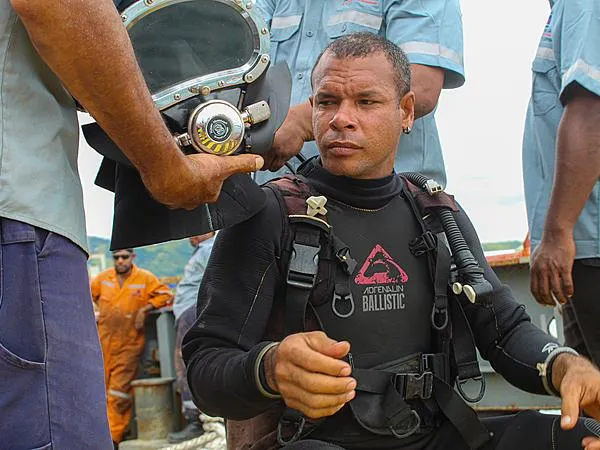
Marine salvage is a discipline defined by urgency, complexity, and risk. Every operation is different, and every operation is high-stakes – multi-million-dollar assets, lives, and marine ecosystems are often at risk. In Melanesia, Pacific Towing (PacTow) has consistently demonstrated the expertise and resolve to tackle these challenges head-on. A homegrown Papua New Guinean business headquartered in Port Moresby, PacTow has earned its reputation as the region’s leading marine services provider. At the core of nearly every salvage operation PacTow undertakes is its commercial diving team – the only permanently based unit of its kind in Melanesia.

Salvage Leadership with Global Recognition

Over the past two decades, PacTow has completed close to 100 successful salvage and wreck removal operations, involving a diversity of vessels ranging from bulk carriers to general cargo ships, and from fishing vessels to yachts. These projects have taken PacTow not only across PNG but also further afield – throughout Melanesia, into Micronesia, across to Indonesia, and even into northern Australia. This extensive track record underscores both the demand for and the trust in PacTow’s capability.

That capability is further evidenced by PacTow’s standing in the global salvage community. It remains Melanesia’s only full member of the International Salvage Union (ISU), the body that represents the world’s leading professional salvors. It is also the region’s only member of the International Spill Control Organization (ISCO), reflecting its role in protecting marine environments. These affiliations are not merely symbolic; they attest to PacTow’s adherence to international standards of salvage practice, safety, and environmental stewardship.

Commercial Diving: The Essential Ingredient

What distinguishes PacTow from many other salvage operators is the central role of its commercial diving team. Salvage operations – whether patching hull breaches, sealing fuel tanks, or rigging heavy lifts – are almost always dependent on skilled divers working in hazardous conditions. PacTow’s diving team brings a combination of local knowledge, international training, and experience that is unmatched in the region.

There are 18 divers – all Papua New Guinean – in PacTow’s commercial diving team. Diving Manager Ricky Leka has been diving for PacTow for 20 years and leading his team for 13. Another seven divers have been with the company for more than 10 years.

Uniquely, the PacTow diving team is the only permanently based commercial diving operation in Melanesia. This ensures that PNG and neighbouring nations have 24/7 access to a highly qualified dive team without the costs and delays of flying in specialists from more developed countries further afield. The team holds both PNG and Australian diving certifications – a rare dual qualification that guarantees compliance with regulatory frameworks.

PacTow’s divers also regularly travel for international training, honing skills in subsea engineering, salvage techniques, and safety systems. The company also supports PNG’s diver recompression facility in Port Moresby, and several of its divers are certified hyperbaric chamber technicians.

Beyond Salvage: Serving PNG’s Oil and Gas Sector

While salvage remains the most high-profile demonstration of PacTow’s diving expertise, the team’s contribution extends well beyond emergency response. As PNG’s oil and gas industry continues to expand, demand for reliable and locally available subsea services is growing. PacTow’s divers are increasingly engaged in underwater inspections, maintenance of subsea infrastructure, and pipeline support. Their capacity to provide a cost-effective and certified local solution is vital for a sector that values safety, efficiency, and the minimisation of downtime.

A Regional Asset with Local Commitment

PacTow’s investment in its commercial diving team is not just about building technical capability; it is also about developing local capacity. This is evident in the five young commercial diving trainees currently in PacTow’s team. By developing homegrown divers and technicians, the company contributes to skills transfer and workforce development in PNG. This ensures that the nation has its own cadre of diving professionals who can respond to crises and support its economic growth.

Conclusion

Marine salvage will always be a demanding field, and in Melanesia, it is PacTow that consistently answers the call. Central to that capability is its commercial diving team – the region’s only permanent professional diving operation, staffed by divers with international qualifications and unparalleled local knowledge.

Pacific Towing is Melanesia’s largest marine services business. It employs more than 250 staff and has a fleet of 20 vessels. It provides a broad spectrum of marine services including towage, emergency response, commercial diving, life raft services, and salvage. PacTow is part of the larger maritime and land Logistics Division of the Steamships Group.

To learn more about PacTow, visit: www.pacifictowingmarineservices.com
October 29, 2025

The Fijian Government is advancing a major environmental and agricultural reform through the “Revitalising Ecosystems for Sustainable Agriculture and Resilience in Fiji” Project — a transformative initiative designed to restore degraded ecosystems, promote climate-smart agriculture, and strengthen rural resilience.

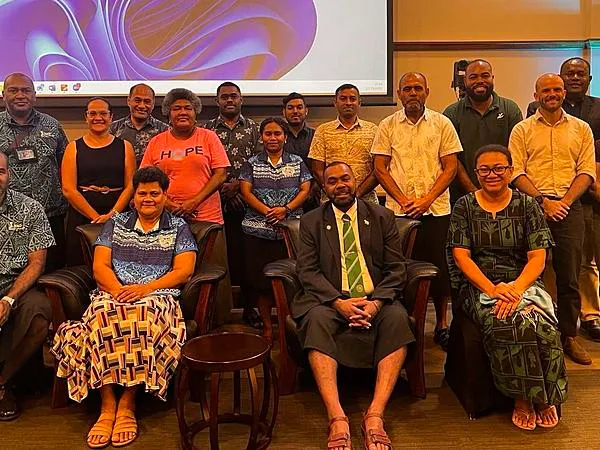
The Ministry of Environment and Climate Change, in collaboration with the Ministry of Agriculture and Waterways, hosted a Validation Workshop in Suva this week to review and finalise the project’s framework. The initiative is financed by the Global Environment Facility (GEF) and developed with the International Fund for Agricultural Development (IFAD), in partnership with the Fijian Government.

According to the GEF Work Program for the GEF Trust Fund (2024) and IFAD’s Project Design Report (2025), the RESAR project aims to “support the sustainable growth and resilience of Fiji’s rural economy through improved ecosystem management.” It addresses the challenges of land degradation, soil erosion, and declining biodiversity, which threaten livelihoods and food security across the islands.

Minister for Environment and Climate Change Mosese Bulitavu described the initiative as a vital step toward protecting Fiji’s biodiversity while enhancing the livelihoods and resilience of rural communities.

“Our forests, reefs, and mangroves are not just natural wonders – they are the backbone of our blue and green economies,” he said.

The project will focus primarily on Vanua Levu and Taveuni, adopting a whole-of-island approach that integrates ecosystem restoration with sustainable agricultural practices. Key interventions include reforestation, watershed rehabilitation, mangrove protection, and the introduction of climate-smart farming systems.

The project design documents indicate that RESAR will promote inclusive participation from local communities, women, and youth, ensuring equitable access to ecosystem services and livelihood opportunities. It will also support improved governance and institutional capacity in environmental management.

During the workshop, stakeholders validated the project’s direction, confirmed priority sites, and reviewed technical components ahead of its submission to GEF in December 2025. Full-scale implementation is expected to commence in 2027, following the completion of appraisal and approval processes.

The event brought together government ministries, non-governmental organisations, private sector representatives, and community leaders, reflecting a unified national commitment to sustainability.

Minister Bulitavu reaffirmed Fiji’s resolve to lead by example in the Pacific on ecosystem restoration and climate resilience:

“This project embodies our vision of a resilient, prosperous, and sustainable Fiji — one where our people and nature thrive together.”

The GEF and IFAD partnership marks a significant milestone in Fiji’s environmental policy landscape, combining global financing and technical expertise to build climate-resilient agriculture while safeguarding natural ecosystems.

Through the Revitalising Ecosystems for Sustainable Agriculture and Resilience Project, Fiji is charting a course toward a greener, more inclusive economy that places environmental stewardship at the heart of national development.

October 27, 2025

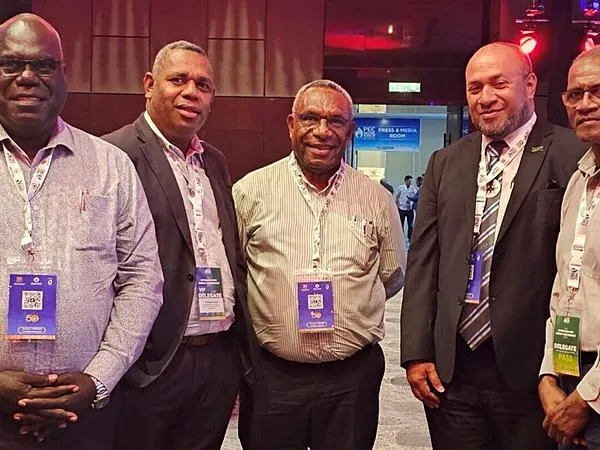
The Solomon Islands High Commissioner to Papua New Guinea, William McDonald Soaki, joined a Solomon Islands Government delegation led by Dr. Chris Vehe, Permanent Secretary for the Ministry of Mines, Energy and Rural Electrification, to attend the 2025 Papua New Guinea Petroleum and Energy Conference held in Port Moresby from October 8–9.

Also part of the delegation were representatives from South Pacific Oil Limited (SPOL) and the Solomon Islands National Provident Fund (SINPF), led by SINPF Chief Executive Officer Michael Wate.

The Solomon Islands was the only Pacific Island nation represented at the two-day event, reflecting its growing role in regional energy cooperation and commitment to learning from Papua New Guinea’s experience in the petroleum and energy sectors.

The conference, hosted by Kumul Petroleum Holdings Limited (KPHL), was officially opened by Papua New Guinea’s Minister for Petroleum Jimmy Maladina and attended by Minister for Energy Peter Isoaimo and Minister for State Enterprises William Duma.

As Papua New Guinea’s premier annual energy forum, the conference serves as a key platform for dialogue among government leaders, policy makers, industry experts, and investors. It highlights new developments and investment opportunities across the petroleum, gas, and renewable energy industries.

This year’s sessions covered topics such as power generation, renewable energy expansion, landowner participation, and evolving policy frameworks. The event attracted participants from both local and international sectors, reinforcing global interest in Papua New Guinea’s energy landscape.

High Commissioner Soaki commended the delegation’s participation, describing the conference as an opportunity to strengthen the Solomon Islands’ understanding of regional energy developments and foster cooperation with key partners.

“The Solomon Islands has much to learn from Papua New Guinea’s advancements in the petroleum and energy sectors,” Soaki said. “I encourage our officials to continue engaging with regional stakeholders and to explore opportunities for collaboration that align with the Solomon Islands’ national energy objectives.”

The Solomon Islands’ participation demonstrates the government’s commitment to promoting sustainable energy development, advancing strategic partnerships, and deepening regional collaboration in pursuit of long-term economic growth and national progress.

October 27, 2025

The Mineral Resources Development Company (MRDC) has announced four landmark projects set to transform the economic landscape of Papua New Guinea’s gas-rich Hela Province.

Formalised through key agreements signed in Tari on October 17, the projects mark a new phase of investment aimed at accelerating development and improving local livelihoods.

The initiatives include a 5MW power supply project from Hides to Tari, the signing and groundbreaking for the Hela Heritage Hotel, the opening of MRDC’s new Tari office, and an annual K1 million funding support from Petroleum Resources Kutubu (PRK) to the Hela Provincial Health Authority.

MRDC Managing Director Augustine Mano said the projects represent a long-awaited milestone in fulfilling the vision of Hela’s leaders and ensuring resource benefits reach the people.

“With ExxonMobil agreeing to provide gas for up to 5MW of power, landowners from the licence area in Hides, Tari town, its surrounds, and other districts of Hela will benefit from the cheapest power in PNG,” Mano said.

“This has been the dream of our leaders like the late Anderson Agiru and Prime Minister James Marape, who was then finance minister when they signed the PNG LNG Gas Agreement in 2009. It has taken a while to deliver because we had to negotiate, but it is finally a reality. I want to thank the leaders involved, and the landowners and Hela people for being patient.”

He said the introduction of reliable and affordable electricity would be a catalyst for further development in Hela.

“Through power, places change. Development happens through investments. Hela will get the cheapest power in all of PNG, and it’s reliable. There will be no blackouts,” he said.

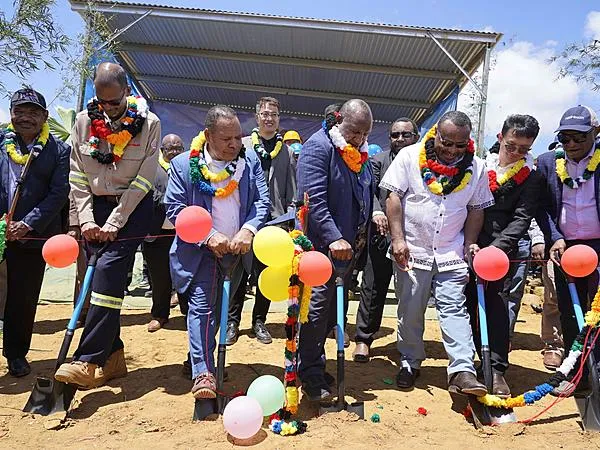
Prime Minister James Marape, who is an MRDC trustee and the local MP for Tari, officiated the groundbreaking for the Hela Heritage Hotel, one of the province’s most significant upcoming investments.

Mano said the hotel, expected to be completed by early 2027, will serve both visitors and locals while promoting and preserving Hela’s distinctive culture.

“The hotel is to be the cultural center of Hela. Hela is beautiful with its unique culture — how do we show it? This hotel will provide the hub so that the culture of Hela must be appreciated, enjoyed, and preserved,” he said.

He added that the Heritage Hotel would create employment, stimulate business opportunities during construction, and complement existing accommodation facilities once operational.

As part of MRDC’s broader social investment, PRK has committed K1 million annually to the Hela Provincial Health Authority to help attract and retain medical professionals.

“We have many good doctors, but they don’t come to the provinces to work because of many challenges, so they must have incentives. This K1 million is their incentive. We have also done the same for Southern Highlands and Gulf provinces,” Mano said.

MRDC also strengthened its presence in Hela with the opening of a new office at the Hela 2 building complex in Tari. The office will handle landowner-related issues locally, reducing the need for travel to Port Moresby.

“The days of landowners flying to Port Moresby to have their issues addressed are over. We now have an office in Tari to deal with all that. I want to encourage landowners to stay in the province, deal with issues here, receive your royalty and equity benefits here, and spend it here so the Hela economy can prosper,” Mano said.

He also commended Hela Governor Philip Undialu for providing strong leadership, improving law and order, and building critical infrastructure to encourage investment.

Through these new initiatives, MRDC aims to position Hela as a province on the rise—one where resource wealth is being converted into tangible economic growth and lasting prosperity.

October 24, 2025

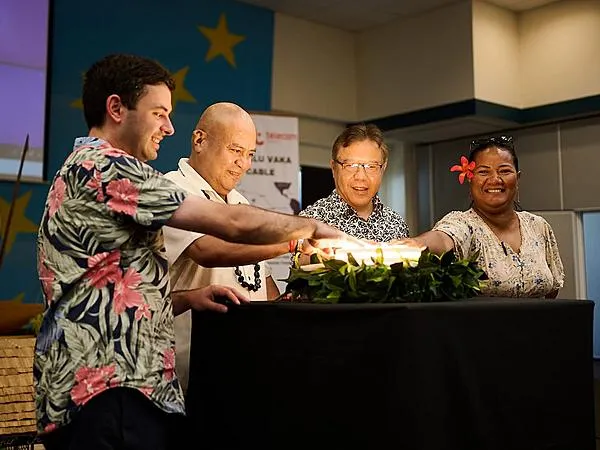
Tuvalu has entered a new digital age with the successful connection of the Vaka Cable, the nation’s first international subsea cable system, which promises to deliver faster, more reliable and more affordable internet to its people.

The historic launch was celebrated in Funafuti alongside the Government of Tuvalu, Tuvalu Telecommunications Corporation (TTC), Google and development partners including Australia, Japan, New Zealand, Taiwan and the United States. The project represents a major step forward in the island nation’s digital transformation and regional connectivity.

The Vaka Cable links Tuvalu to the Bulikula cable system, establishing the country’s first direct international fibre connection. The project, valued at an estimated USD56 million (about AUD80 million), was fully grant-funded, with Australia contributing up to USD37 million (AUD53 million) through the Australian Infrastructure Financing Facility for the Pacific (AIFFP) under the Falepili Union partnership.

Australian High Commissioner to Tuvalu Rachael Moore said the project underscores Australia’s long-term commitment to supporting Tuvalu’s sustainable development and digital future. “Through the Falepili Union, we are helping ensure that every Tuvaluan can access the opportunities of a connected world,” she said.

Tuvalu Telecommunications Corporation Chief Executive Officer Tenanoia Simona expressed deep gratitude to donor partners, saying, “The first subsea cable project for Tuvalu represents a significant milestone in the nation's journey toward digital transformation. This development is a critical step in realising Tuvalu’s vision of a digitally connected nation, providing enhanced opportunities for education, healthcare, and economic growth. We extend our deepest gratitude and Fakafetai Lasi to our dedicated donor partners.”

The Vaka Cable—named after the traditional Tuvaluan canoe vaka, a symbol of exploration, resilience, and unity—embodies the spirit of connectivity and progress. Historically, the vaka carried communities across vast oceans for trade and cultural exchange. Today, it symbolises a digital bridge linking Tuvalu to the global community, empowering the island nation to navigate the opportunities of the digital economy.

Once operational, the cable is expected to improve internet speeds, reliability, and affordability for families, schools, health workers, and businesses across the archipelago. Enhanced connectivity will also strengthen Tuvalu’s disaster response systems, facilitate e-government initiatives, and attract digital entrepreneurship and tourism opportunities.

The project’s long-term impact will be felt across key sectors such as education and healthcare, where better access to online learning and telemedicine services will improve social inclusion and quality of life. By bridging the digital divide, the Vaka Cable stands as a tangible step towards a more connected, resilient, and prosperous Tuvalu.

October 24, 2025

Fiji remains steadfast in its commitment to strengthening tourism and aviation connectivity across the Pacific region.

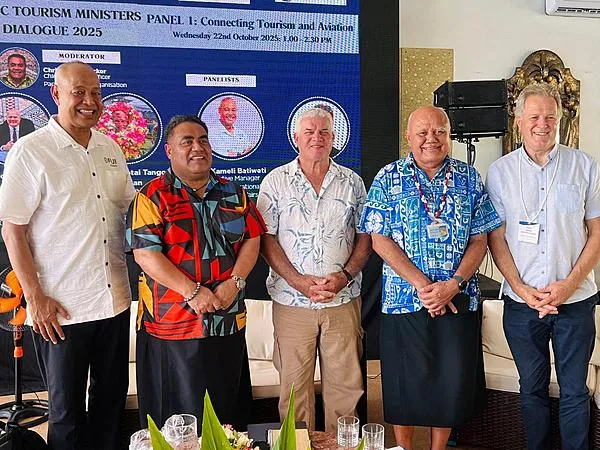
This was underscored by the Deputy Prime Minister and Minister for Tourism and Civil Aviation Viliame Gavoka during the Ministerial Dialogue on Connecting Tourism and Aviation held in Vava’u, Kingdom of Tonga.

Hosted by the Pacific Tourism Organisation (SPTO), the dialogue gathered Ministers, senior government officials, and aviation leaders to discuss ways of enhancing coordination between the two sectors across the Blue Pacific.

Gavoka emphasised the need for stronger collaboration among regional bodies such as SPTO, the Pacific Aviation Safety Office (PASO), the Association of South Pacific Airlines (ASPA), and the Pacific Islands Forum Secretariat (PIFS). He highlighted Fiji’s integrated model—combining tourism and civil aviation under one ministry—as a best-practice example of how aligning air connectivity with tourism development can foster inclusive and sustainable growth.

Welcoming SPTO’s Tourism and Aviation Strategy 2026–2030, Gavoka urged development partners to support its implementation through investments in data systems, institutional capacity building, and sustainable aviation infrastructure.

“Our goal is a connected Pacific that moves together, prospers together, and ensures no one is left behind,” he said.

Tourism remains a cornerstone of Fiji’s economy, contributing significantly to employment, foreign exchange earnings, and community livelihoods. Strengthened regional air connectivity, Gavoka noted, will not only boost visitor arrivals but also deepen cultural ties, facilitate trade, and open new opportunities for shared prosperity across the Pacific.

October 22, 2025

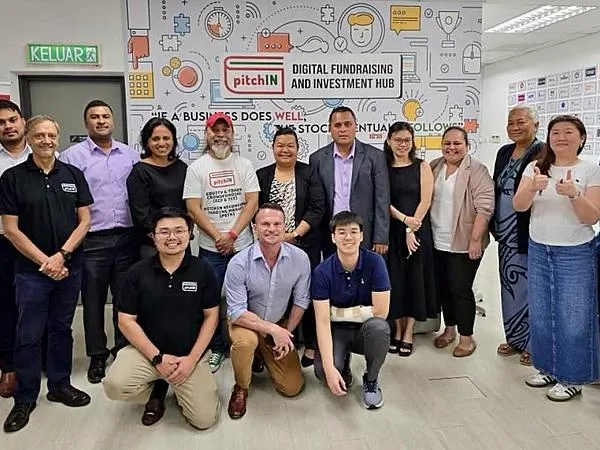
A Fijian delegation, including representatives from the Reserve Bank of Fiji, Ministry of Trade, Co-operatives, MSMEs and Communications, and the Fiji Investment Corporation Limited, visited Malaysia in August to learn from the country’s experience with equity crowdfunding (ECF) and peer-to-peer lending (P2PL).

The study tour was organised by the Pacific Private Sector Development Initiative (PSDI) as part of its support for Fiji’s Access to Business Funding Act 2025, which enables the establishment of innovative financing mechanisms aimed at broadening access to finance for businesses.

During the visit, participants met with the Securities Commission Malaysia to explore Malaysia’s regulatory frameworks for ECF and P2PL, as well as successful platform practices. The group also discussed Malaysia’s co-investment fund, MyCIF, which co-invests alongside private investors in ECF and P2PL campaigns. The delegation examined how the Securities Commission engages with institutions that support micro, small, and medium-sized enterprises (MSMEs).

The Fijian delegation said they valued the opportunity to exchange insights on how P2PL operates in Malaysia and how such innovative financing tools can empower MSMEs. Participants noted that they came away with a deeper understanding of the different business models for ECF and P2P lending, as well as the potential benefits of introducing P2PL before ECF in Fiji, given P2PL’s simpler structure and more sustainable returns.

Participants also reported gaining a clearer appreciation of the importance of building public awareness and understanding of innovative financing mechanisms prior to launching any platforms. They learned about developing supportive structures such as co-investment funds and tax incentive schemes to encourage participation by investors and small businesses, and how to design targeted capacity-building programmes for platform providers, regulators, issuers, and investors.

The visit further underscored the need for strong governance and transparency requirements for entities operating innovative financing platforms, including fit-and-proper standards for key personnel and robust investor disclosure obligations.

Insights from the Malaysia study tour have already informed an action plan for the Ministry of Trade, Co-operatives, MSMEs and Communications and the Reserve Bank of Fiji to guide the phased establishment of P2PL and ECF platforms. The plan includes steps to develop regulatory guidelines, implement capacity-building and awareness initiatives, and secure broader government and stakeholder support for innovative financing in Fiji.

October 22, 2025

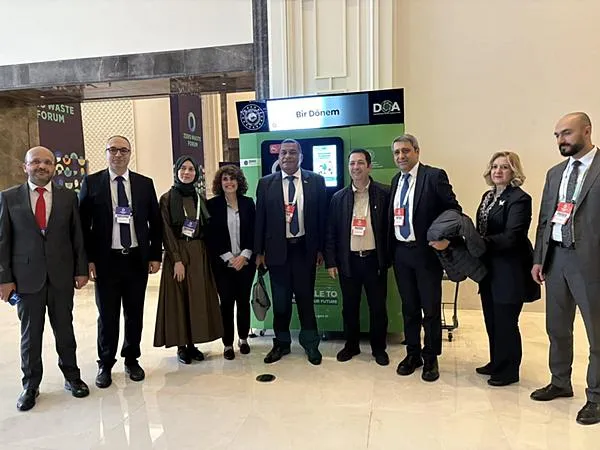
Fiji and Turkey have reaffirmed their long-standing bilateral partnership with renewed discussions on waste management and sustainable environmental development.

Minister for Housing and Local Government Maciu Nalumisa met with a high-level delegation from the Turkish Ministry of Environment, Urbanisation and Climate Change, led by Deputy Director-General for Environmental Management Haluk Şahin Yasg  to discuss future cooperation in the environmental sector.

The talks aimed to strengthen technical collaboration in waste management, reflecting Fiji’s ongoing efforts to promote sustainable environmental practices and build institutional capacity.

“The Government of Fiji welcomes the renewed partnership with Turkey as an opportunity to share expertise, access technology, and improve waste-management systems across the country,” Minister Nalumisa said. “We recognise the importance of international cooperation in tackling waste and climate challenges that affect all island nations.”

The meeting also reviewed the history of diplomatic cooperation between the two countries, which began during the Turkey–Pacific Islands Forum hosted in Istanbul in 2008, and was later reaffirmed at the 2014 multi-country forum chaired by then Turkish Foreign Minister Ahmet Davutoğlu. Both events laid the groundwork for ongoing dialogue between Turkey and Pacific Island nations on issues of climate change, development assistance, and sustainable growth.

Building on that foundation, both governments have now agreed to explore the establishment of a Memorandum of Understanding (MoU) that will formalise joint initiatives on waste management and environmental protection. The proposed MoU is expected to include areas such as waste collection, recycling infrastructure, landfill management, and technical training.

Officials said discussions would continue over the coming months to develop a concrete action plan, including identifying pilot projects and capacity-building programmes.

According to recent government reports, Fiji has been prioritising waste management as part of its broader environmental agenda. Earlier this year, the government signed a Transaction Advisory Services Agreement with the Asian Development Bank (ADB) to establish a new sanitary landfill and rehabilitate four open dumpsites in the Western Division — a project that aligns closely with the areas of cooperation now being explored with Turkey.

Turkey, through its Ministry of Environment and the Turkish Cooperation and Coordination Agency (TİKA), has also expressed readiness to provide technical expertise and potential funding assistance to Pacific nations in addressing solid-waste challenges and supporting sustainable urban development.

“The discussions reaffirm both Fiji’s and Turkey’s shared commitment to advancing sustainable waste solutions that protect communities, ecosystems, and future generations,” Minister Nalumisa said.

As Fiji continues to strengthen partnerships under its national environmental strategy, the collaboration with Turkey marks another step toward achieving cleaner cities and improved waste-management systems across the Pacific region.

October 21, 2025

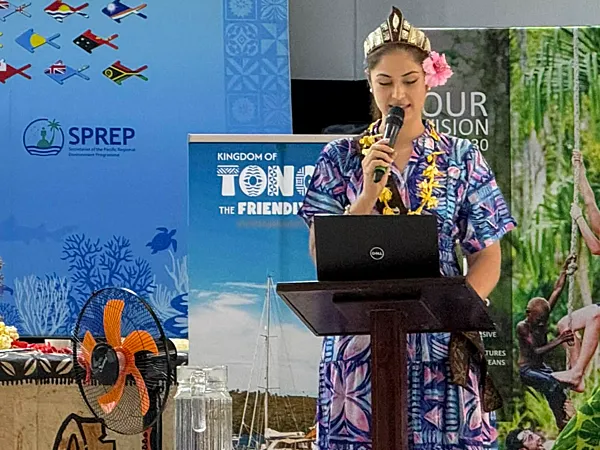
Reducing single-use plastics (SUPs) and strengthening environmental stewardship in the Pacific’s tourism sector took centre stage during a panel discussion at the Third Pacific Sustainable Tourism Leadership Summit (PSTLS), held in Vava’u, Kingdom of Tonga.

Under the theme “Environmental Stewardship through Tourism,” the panel session on Goal 4: Healthy Islands and Oceans of the Pacific Sustainable Tourism Policy Framework brought together experts, conservation partners, and government officials to discuss how the industry can protect the Pacific’s natural and cultural heritage while driving sustainable economic growth.

Speaking at the panel discussion, the Project Coordination Officer for SPREP’s Pacific Ocean Litter Project (POLP), Dwayne Bentley, highlighted the Pacific’s growing efforts to curb plastic pollution through regional and national initiatives that directly engage the tourism industry.

“Plastic pollution remains one of the most pervasive environmental challenges worldwide, with plastics making up to 90% of litter collected on Pacific beaches and shorelines. The tourism and hospitality sectors, especially takeaway food, beverage, and accommodation businesses, are among the highest-risk sources. Through POLP, we’re working with our partners to help reduce these impacts and support a path towards a cleaner Pacific,” said Bentley.

The Pacific Marine Litter Action Plan underscores the urgent need for collective regional action to tackle plastic waste. This commitment was reinforced at the 2024 Clean Pacific Roundtable, where Pacific Island countries agreed to continue elevating the issue of plastic pollution and maintaining strong, coordinated measures.

POLP, implemented by SPREP with funding from the Australian Government, works closely with the Pacific Tourism Organisation (SPTO), national tourism offices, and environment ministries to reduce single-use plastics in tourism.

The project supports policy and strategy development, provides alternatives and guidance for businesses and communities, and encourages consumers and operators across the Pacific to shift towards sustainable, plastic-free practices.

Other panellists included:

  • Mr Filimone Mate, Kaibu Foundation, Fiji – on strengthening synergies between tourism and conservation
  • Ms Penny Spoelder, SWITCH Asia – on integrating sustainable consumption, production, and circular economy principles
  • Mr Kimber Rilometo, Tourism Manager, Republic of the Marshall Islands – on his country’s leadership and commitments towards sustainable tourism

Miss Pacific Islands, Litara Ieremia Allan, moderated the session.

October 21, 2025

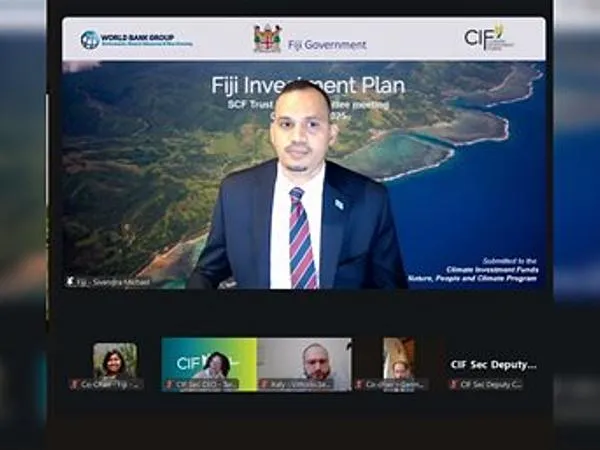
In a landmark decision, the Climate Investment Funds (CIF) governing board approved Fiji’s US$27 million Nature, People, and Climate (NPC) Investment Plan, developed in partnership with the World Bank.

The plan adopts a “mountain-to-ocean” approach to strengthen climate resilience across watersheds, coastal zones, and marine ecosystems. It is expected to benefit more than 80,000 Fijians while advancing biodiversity and sustainable livelihoods for generations to come.

Delivering the opening remarks during Fiji’s proposal defence, Deputy Prime Minister and Minister for Finance Prof. Biman Prasad said the endorsement reaffirmed the country’s development pathway towards building climate-resilient communities.

“Fiji has a clear vision: to accelerate growth towards high-income status by 2050 and eliminate poverty. This ambition is inseparable from our climate agenda. We must invest in smart, adaptive development that protects our people and natural assets from the escalating impacts of climate change. The support of the Climate Investment Funds will help us drive this transition in a way that is equitable, sustainable, and future-focused,” Prasad said.

Permanent Secretary for Environment and Climate Change Dr. Sivendra Michael, who defended Fiji’s investment proposal before the CIF Board, stressed that the plan embodies Fiji’s commitment to transformational change rooted in its people and landscapes.

“This Investment Plan captures our pathway to long-term, transformative change where people and nature can thrive together. For Fiji, climate action is not an abstract concept, it is an everyday reality that defines our economy, our communities, and our identity. The Government of Fiji has the policies, the plans, and the conviction to adapt. These resources will help us turn those commitments into tangible action by restoring our ecosystems, strengthening livelihoods, and protecting the heritage that binds us as a nation,” Michael said.

Fiji’s economy remains deeply tied to the health of its natural environment — with tourism contributing about 40 percent of GDP and 20 percent of jobs, and agriculture, fisheries, and forestry accounting for 32 percent of GDP and 40 percent of employment. However, the nation continues to face mounting threats from sea level rise, tropical cyclones, and coastal erosion, with climate-related losses estimated at five percent of GDP annually.

A dedicated US$4 million grant under CIF’s Dedicated Grant Mechanism (DGM) will further empower Indigenous Peoples and local communities to lead projects anchored in traditional knowledge, resilience, and sustainable resource management.

CIF Chief Executive Officer Tariye Gbadegesin welcomed the endorsement, commending Fiji’s leadership among island nations.

“Investing in nature is investing in a secure and prosperous future especially for Fiji, where the natural environment underpins the economy. Since 2008, CIF has been a committed partner to Small Island Developing States, particularly across the Pacific. Now we’re scaling up this work to help vulnerable communities in Fiji and beyond protect and manage the ecosystems that sustain them,” Gbadegesin said.

Fiji is the first Pacific Small Island Developing State (PSIDS) among eight countries selected under CIF’s NPC Investment Program, which supports nations in scaling nature-based solutions to strengthen climate resilience, biodiversity protection, and sustainable livelihoods.

October 21, 2025

As one of Papua New Guinea's most vital industries, the mining sector relies on infrastructure that minimises downtime and maximises productivity. Water management—often overlooked in mining discussions—is critical to both safety and profitability.

Truflo Pumps, an Australian-owned and operated company, has maintained a longstanding relationship with PNG, providing dewatering solutions to open-cut and underground mines for over 15 years. Its deep understanding of the region’s unique challenges has made it a trusted partner for some of the country’s largest mining operations.

The PNG Challenge

Water management at mine sites in PNG poses a number of challenges.
“Many of the mine sites are quite inaccessible, the terrain is difficult, and there’s a lot of water—especially in the highlands where it rains most days,” says Paul Power, Truflo Pumps’ International Business Development Manager. “And the water that needs to be moved is often quite dirty and harsh.”

These are not conditions where off-the-shelf solutions suffice. Equipment must be robust, reliable, and specifically engineered for the job at hand.

Purpose-Built Solutions

“That’s where Truflo Pumps excel,” Paul explains. “Our range of wet ends and pump sets are designed to handle the toughest conditions in the world. We have off-the-shelf models available, but we specialise in the design and manufacture of purpose-built pumps. Our in-house design engineers look at all of the variables and design a solution that will do all that you want it to—and more.”

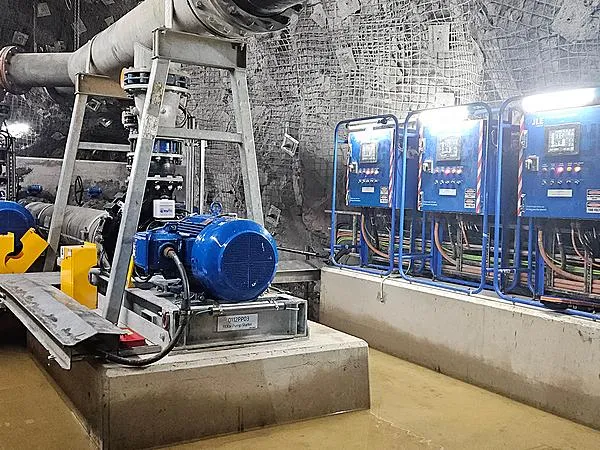
A prime example is the underground dewatering system Truflo designed for Ok Tedi. The pumps needed to move 800 litres per second, with a capability of up to 1,200 litres per second. This provided safe access for vehicles and ensured a secure working environment for underground crews.

Truflo Pumps didn’t just design and supply the system—they also commissioned it and trained operators on-site.
“We often fly team members from Australia to sites in PNG to provide support and training,” Paul says. “It’s part of our commitment to providing the best service and solutions possible.”

Smart Technology, Real Results

Beyond hardware, Truflo Pumps’ technological innovations have transformed dewatering efficiencies across the world’s mining sectors. The AquaBoss Asset Protection Controller, developed over three years in collaboration with pump crews, hydraulic engineers, maintenance teams, and Truflo’s R&D department, has set new benchmarks for dewatering management in the industry.

AquaBoss features a user-friendly interface that allows operators—without needing years of experience—to run pumps safely within recommended parameters. Using a simple traffic light system, real-time monitoring, and automated curve optimisation, the controller protects both the pump’s wet end and engine, reducing wear, tear, and downtime. The controller can also be easily retrofitted to existing Truflo pump sets.

For mining operations, this translates directly to the bottom line—longer equipment life, less downtime, and substantial cost savings.

A Partnership Built on Understanding

What sets Truflo Pumps apart isn’t just engineering expertise—it’s understanding. With more than 35 years of experience in mine dewatering and a long history of supplying solutions to PNG, Truflo knows the terrain, climate, logistics, and pressures that mining operators face.

The company has invested heavily in relationships, training, and ongoing support, recognising that even the most advanced equipment is only as effective as the team operating it.

In a sector where downtime is measured in lost millions, that commitment to partnership and performance makes all the difference.

October 20, 2025

The Pacific Tourism Organisation (SPTO), in partnership with Tourism Solomons (TSO) and the Solomon Islands Ministry of Culture and Tourism (MCT), has released the results of the 2024 Community Attitude Survey (CAS)—the first nationwide study of its kind in the Solomon Islands. The research findings provide insight into how Solomon Islanders perceive tourism, its potential, and the challenges that must be addressed to ensure its sustainability.

Conducted between November 2024 and June 2025, the survey engaged 1,280 respondents, with 1,264 valid entries analysed. The study achieved broad provincial coverage across all ten provinces, capturing the voices of both citizens (98%) and resident non-citizens (2%). The results reflect a growing national awareness of tourism’s role in shaping the future of the Solomon Islands.

The findings reveal a strong consensus that tourism is a vital engine for economic growth, job creation, cultural preservation, and national pride. Communities across the country view tourism as a strategic pathway to diversify the economy beyond traditional sectors such as logging and fisheries. Respondents expressed deep pride in sharing the Solomon Islands’ unique culture, natural beauty, and the spirit of the “Hapi Isles” with visitors from around the world.

Tourism Solomons Chief Executive Officer Dagnal Dereveke said the CAS findings, the first of their kind for Solomon Islands tourism, are vital in driving future policy and strategic directions for the sector. He added that such findings come from the communities that are the custodians of the resources and cultures that determine the type of tourism best suited to the Solomon Islands.

“Tourism Solomons thanks SPTO and development partners for their ongoing partnership and support in undertaking the first CAS for the Solomon Islands,” he said. “We look forward to continuing collaboration in the future as we work closely with our communities to shape tourism that respects our people and culture, while at the same time providing sustainable economic benefits for current and future generations.”

However, the survey also highlighted concerns that weak infrastructure—including roads, sanitation, inter-island transport, accommodation, and digital connectivity—is a major barrier to tourism development. Many respondents felt that the benefits of tourism are not equitably distributed, with wealthier groups and foreign operators perceived to be the primary beneficiaries. Environmental threats such as reef damage, waste management issues, and the erosion of cultural authenticity were also raised, alongside concerns about low levels of tourism education and training, particularly in rural provinces.

Despite these challenges, the survey highlights significant opportunities for growth. There is strong support for expanding community-based and eco-tourism models that empower villages, youth, and women. Respondents called for improved tourism education, vocational training, and small-business capacity-building to ensure that local communities are equipped to participate meaningfully in the sector. Enhanced marketing and promotion were also seen as essential to positioning the Solomon Islands as a distinctive eco-cultural and WWII heritage destination. Strengthening government leadership and investing in tourism infrastructure, as well as policy reform, emerged as key priorities.

The Solomon Islands is among ten Pacific Island countries—the Cook Islands, Niue, Papua New Guinea, Tonga, Timor-Leste, Samoa, Kiribati, Vanuatu, and the Federated States of Micronesia (Yap)—participating in the Pacific Tourism Data Initiative (PTDI) funded by the New Zealand Government. The PTDI continues to serve as an essential resource for tourism data across the Pacific through its biannual International Visitor Survey (IVS), annual Business Confidence Index (BCI), and annual Community Attitude Survey (CAS) reports, which strengthen regional tourism strategies.

SPTO Chief Executive Officer Christopher Cocker emphasised that “data is king” and highlighted the importance of community-driven insights in shaping tourism policy: “This survey is a milestone for the Solomon Islands. It reflects the aspirations and concerns of the people who live the reality of tourism every day. Their voices must guide our collective efforts to build a sector that is inclusive, resilient, and locally led.”

October 20, 2025

The Solomon Islands National Statistics Office (SINSO) has announced the successful completion of the 2024 National Economic Establishment Census (NEEC), covering all principal business locations across the nine provinces and the capital, Honiara.

Supported technically and financially by the World Bank under the Capacity Building for Statistics and Audit (CAPSA) project, the census utilised 55 enumerators and 18 team leads to identify and register formal and informal business establishments in the region.

The NEEC collated comprehensive data on business characteristics, including industry classification (for example manufacturing, trade, services), number and type of workers (hired vs non-hired), location data, legal status, ownership, turnover classes and other business-demography information. The methodology and full findings are detailed in the main report; this release provides selected highlights and a link to the richer dataset.

Key findings


The census estimates a total of 22,567 business establishments in the Solomon Islands. Of these:

  • 11,991 (53 %) are formal business establishments;
  • 10,576 (47 %) are informal micro-establishments.

By region the distribution is as follows:

  • Province of Malaita accounts for the largest share of business establishments at 6,697 (29.7 %).
  • Honiara together with the rest of Guadalcanal registers 8,298 establishments (22.1 %).

In terms of economic activity (ISIC level 1):

  • Trade dominates: 17,674 establishments, or 78.3 % of the total.
  • Manufacturing follows with 2,321 establishments (10.3 %).
  • Accommodation and food-service activities account for 1,086 establishments (4.8 %).
    Other sectors, such as agriculture, forestry and fishery (564; 2.5 %), information and communication (283; 1.3 %) and education (123; 0.5 %) make up smaller proportions.
 

Methodology and next steps

The census canvassed 108 wards (out of a total of 183) selected in proportion to population density. In those wards, all streets were surveyed and business activities identified using digital tablets to register establishments. For the remaining 75 wards an imputation method was applied, drawing on the 2019 Population & Household Census and the NEEC results to estimate numbers of establishments and employment size.

SINSO emphasises that while the census provides an “excellent estimate of the visible economy with a more or less permanent location”, certain industries — for example small construction firms, transport sector operations, mining and the financial sector — may be less well covered by the census. For some of these, more authoritative data sources already exist, so census results for those sectors are omitted in the publication.

The next milestone will be the launch of the Annual Economic Survey (AES) later in 2025. The AES will draw a sample from the new Statistical Business Register (SBR) developed from the NEEC and will collect detailed data on business revenues, costs and employment. The outcomes will feed into improved business statistics and a new estimate of GDP. SINSO stated:

“We count on the cooperation of the business community in achieving this new milestone.”

Significance

With this NEEC, SINSO and its partners have laid a robust foundation for economic statistics in the Solomon Islands. The rich dataset enables policymakers to track business demography, identify sectoral and regional patterns, and strengthen the Statistical Business Register — a key tool for future economic monitoring. The predominance of trade (78.3 %) highlights the central role of commerce in the local economy, and the nearly even split between formal and informal establishments underscores the significance of the informal sector for livelihoods.

The forthcoming AES in 2025 will build on this foundation by shifting from counts of establishments to deeper performance metrics, facing the challenge of integrating both visible and less-visible elements of the economy.

October 20, 2025

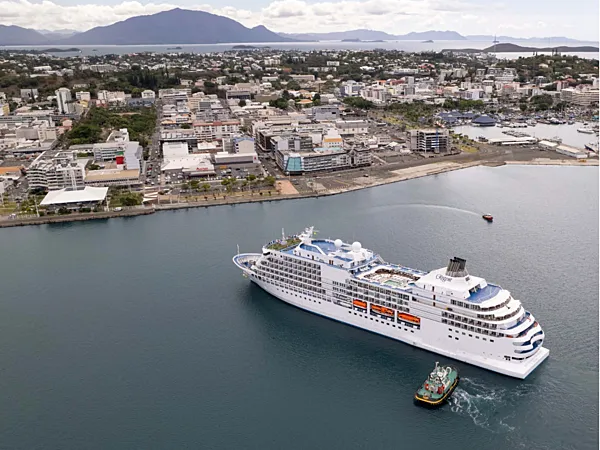
The archipelago of New Caledonia has moved to bring greater cohesion to its cruise tourism sector with the launch of the Club Croisière de Nouvelle‑Calédonie (CCNC). The initiative, unveiled jointly by institutional and private actors in the territory’s tourism ecosystem, is aimed at re-establishing New Caledonia as a competitive cruise destination in the Pacific.

The new association is founded by the Chambre de Commerce et d’Industrie de Nouvelle‑Calédonie (CCI-NC), Nouvelle‑Calédonie Tourisme (NCT), Nouméa Discovery, the Kenua Agency and the Nouvelle‑Calédonie Pilotes Maritimes (Maritime Pilots).

At the presentation, Christopher Gygès, Member of the Government in charge of the economy and attraction issues of New Caledonia and President of NCT, emphasised the need for unified governance of the cruise chain. He said:

“Creating this club is a good initiative. It is now necessary to ensure that he becomes the sole interlocutor of all the actors involved in this network in order to structure it efficiently.”

A strategic response to a weakened cruise sector

Before the pandemic, New Caledonia’s cruise industry generated up to 7.5 billion CFP francs and serviced six port-of-call zones. By contrast, in the current climate only two zones remain active and revenues have fallen to an estimated 2.5 billion CFP francs. The CCNC is being presented as a key tool in the relaunch of this sector.

Its three headline missions are:

  • Structuring and governing the cruise value-chain across the territory through a national strategy.
  • Supporting municipalities in the development of cruise activity while respecting the environment and local communities
  • Promoting New Caledonia as an attractive cruise destination within the Pacific market.

In short-term terms, the club plans to establish a clear governance framework, strengthen local communications, and reopen additional port-of-call stops. In the medium term, it intends to roll out a multi-year strategic plan, develop a charter and environmental/quality label for the sector, professionalise industry actors, and enhance the value of Caledonian products and know-how.

Why this matters

New Caledonia has a number of assets that favour the development of cruise tourism: an accessible and well-equipped port at Nouméa, a unique mix of French and Melanesian cultural heritage, world-heritage listed lagoons, and a location in the heart of the South Pacific.

The challenge, however, has been to restore confidence among cruise lines, rebuild shore-side infrastructure and streamline coordination across the many stakeholders involved.

By designating the CCNC as the single interlocutor for public and private actors in the cruise chain, Gygès seeks to reduce fragmentation and improve efficiency in decision-making and marketing. The goal is to present a coherent destination proposition to international cruise operators and turn around the downward trajectory in cruise calls and revenues.

Looking ahead

Stakeholders in New Caledonia’s tourism and maritime sectors will now be watching how effectively the CCNC mobilises municipalities, port authorities, local service providers and environmental interests. Ensuring that the club serves not merely as a talking forum but as a functioning governance body will be key to its success.

As Gygès put it, the challenge is now to move from “good initiative” to effective implementation. With appropriate mobilisation and support, New Caledonia may well position itself to reclaim its standing in the Pacific cruise market.

October 17, 2025

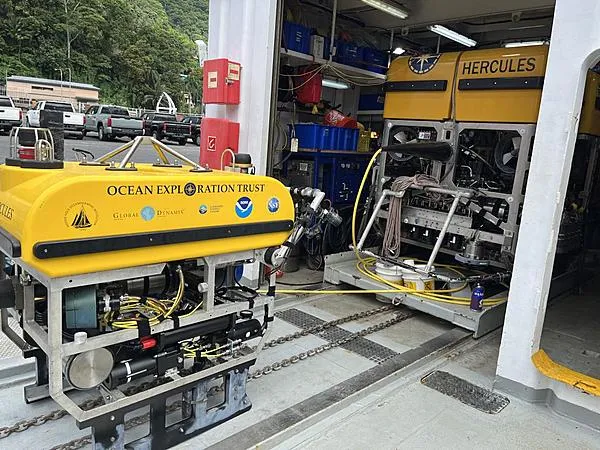
The exploration vessel Nautilus has begun an ambitious deep-sea mission to study the hidden ecosystems of the Cook Islands’ Marae Moana, deploying a groundbreaking 4K camera system that promises to reveal the ocean depths in unprecedented clarity.

For the first time, scientists are testing the MxD SeaCam, an ultra-high-resolution camera developed by DeepSea Power & Light in collaboration with the Monterey Bay Aquarium Research Institute. Encased in a titanium housing, the camera can capture crystal-clear imagery at depths reaching 5,500 metres, where sunlight fades and water pressure is immense.

“This is more than new tech — it’s about seeing Marae Moana in ways never possible before,” the Nautilus team said. “Every image helps our scientists identify deep-sea corals, sponges, and habitats that make our ocean unique.”

The camera is being tested aboard E/V Nautilus using remotely operated vehicles (ROVs) Hercules, Atalanta, and Little Hercules, as the team explores seamounts and abyssal plains across the Cook Islands’ vast marine territory.

Prime Minister Engages Live with Scientists at Sea

Cook Islands Prime Minister Mark Brown, who is the concurrent minister Responsible for Seabed Minerals, joined the expedition team via a live ship-to-shore interaction on Day 16 of the Deep-Sea Habitats of the Cook Islands Expedition (NA176).

Connecting in real time from Rarotonga, Brown spoke with Dr John Parianos and Tanga Morris Jr of the Seabed Minerals Authority (SBMA) Knowledge Management Division, Michael Parrish of the Ministry of Marine Resources, and Dr Antony Vavia.

Together, they discussed life at sea, recent discoveries within Marae Moana, and the importance of building Cook Islands’ capacity in deep-ocean science and stewardship.

Mapping the Unexplored Depths

The Ocean Exploration Trust (OET), with support from NOAA Ocean Exploration through the Ocean Exploration Cooperative Institute, is leading the 21-day mission — the final Nautilus expedition for 2025. The project was developed in close partnership with the Cook Islands Government and the Cook Islands Seabed Minerals Authority, following a formal request for U.S. scientific collaboration.

Located in the South-Central Pacific, the Cook Islands comprise 15 islands surrounded by nearly 2 million square kilometres of ocean — most of it still unmapped and unexplored. This deep-sea region includes vast abyssal plains, plateaus, and seamounts, forming part of Marae Moana, the Cook Islands’ large-scale marine managed area established to balance environmental protection with economic development.

Cutting-Edge Exploration

Aboard E/V Nautilus, the international science team — including six participants from the Cook Islands — will document seabed and biological diversity across the Manihiki Plateau and surrounding abyssal plains. Surveys will use ROV Little Hercules and ROV Atalanta for high-resolution imaging at depths between 4,500 and 5,500 metres, while ROV Hercules will operate at shallower depths of 1,500 to 3,800 metres to collect environmental data and physical samples.

During the expedition, both Hercules and Little Hercules will be equipped with the MxD SeaCam for field testing. The innovative 4K system integrates a Sony HDC-50 broadcast camera and a borosilicate dome, engineered to perform reliably in extreme subsea conditions.

“Collaborations like this showcase E/V Nautilus as a test platform for new technologies,” the OET said, noting that such projects highlight NOAA’s commitment to advancing ocean exploration through public–private partnerships.

Bringing the Ocean to the World

The entire expedition is being streamed live on NautilusLive.org, allowing audiences worldwide to follow the journey in real time. Using telepresence technology, viewers can engage with the crew, ask questions, and gain behind-the-scenes insights via social media and classroom connections.

Free educational Q&A sessions are also being offered to schools across the globe, providing a unique opportunity to interact directly with the scientists and engineers aboard.

This expedition marks the culmination of E/V Nautilus’s 2025 field season, which comprised six missions aimed at strengthening global understanding of the deep ocean. Data from these voyages will contribute to major international initiatives such as Seabed 2030, Beyond the Blue: Illuminating the Pacific, and the U.S. National Strategy for Ocean Mapping, Exploration, and Characterization.

Through open access to all collected data, NOAA and OET hope to build upon decades of deep-sea research — ensuring that the Cook Islands’ Marae Moana continues to inspire both scientific discovery and sustainable stewardship.
October 15, 2025

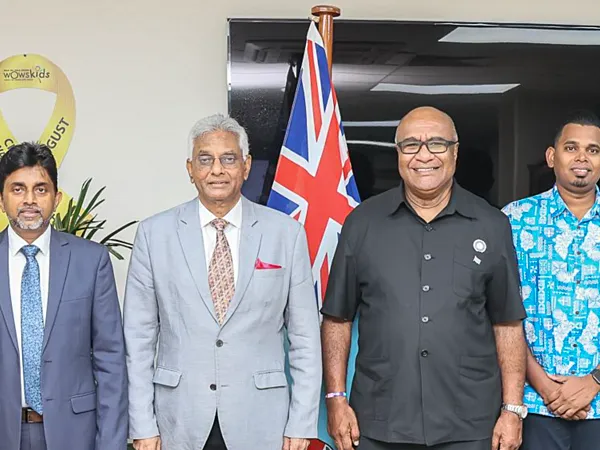
Aitken Spence Plantation Managements PLC has announced a landmark agricultural initiative in Fiji aimed at transforming the island nation’s commercial farming sector. The strategic undertaking brings together Sri Lanka’s plantation expertise and Fiji’s agricultural potential, with a focus on modernising farming systems, introducing sustainable agro-technology, and strengthening food security while boosting export growth.

The project follows a successful exploratory mission in 2024, during which an Aitken Spence delegation met with a broad range of Fijian stakeholders including government ministries, cooperatives, plantation operators, farm owners and food processors. Building on this foundation, the company is now securing land in Nawaicoba, Nadi to establish a pilot project that will introduce high-value horticultural and plantation crops such as papaya, pineapples, dragon fruit, berries, mangoes, coffee, tea, cinnamon, lime and passion fruit.

The initiative will combine advanced farming practices with modern processing technologies to create an integrated model for large-scale, sustainable agriculture.

“Fiji presents a wealth of opportunities for commercial farming,” said Dr Rohan Fernando, Board Director of Aitken Spence Plantations. “Our approach is comprehensive, combining innovation, sustainability and strong partnerships, with a focus not only on local consumption but on building export capabilities.”

The initiative has been facilitated by Investment Fiji, with strong support from the Ministry of Agriculture and other national stakeholders.

As one of the country’s key agencies promoting international collaboration, Investment Fiji played a pivotal role in encouraging Aitken Spence Plantation Managements PLC to venture into Fiji’s agricultural sector, connecting expertise and enabling the transfer of modern agricultural technologies to benefit the nation.

Kamal Chetty, Chief Executive Officer of Investment Fiji, underscored the importance of the partnership, noting that Aitken Spence Plantation Managements PLC’s investment is a great accomplishment for Fiji, and it’s a strategic success the agency have been working on since early 2024.

"This project supports the Government’s plan to grow our agriculture sector and achieve economic diversification," Chetty said.

The official also thank the Deputy Prime Minister and Minister for Trade, Co-operatives, MSMEs and Communications Manoa Kamikamica for his support in making the investment possible, starting with his initial conversations to encourage the company to invest in Fiji.

"We are excited about the potential of this investment, especially in how it will lift our rural economy. It will bring new farming technology, create jobs, and offer crucial support to our smallholder farmers by connecting them to new markets. This is how we turn foreign investment into shared prosperity for all Fijians," Chetty said.

Designed with sustainability at its core, the venture will integrate renewable energy solutions to optimise yields, minimise environmental impact, and ensure long-term viability.

The project is expected to not only expand Aitken Spence’s international footprint but also demonstrate how forward-looking partnerships can deliver inclusive growth — linking communities, markets and nations through agriculture.

October 15, 2025

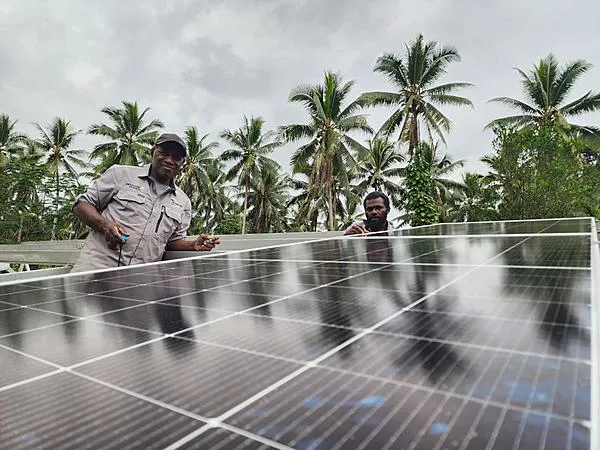
REnew Pacific’s Respond Global project has reached the halfway mark in its mission to power up remote healthcare facilities across Vanuatu, switching on clean energy and water systems at five health facilities in Sanma Province. The upgrades, completed last month, are improving care for the 11,700 people the facilities serve.

The HELPR-1 team completed a challenging month-long deployment in August to electrify and refurbish some of the province’s most remote health centres. New off-grid solar systems were installed at Saramauri Health Centre, Vulesepe Dispensary and Pessena Dispensary, while essential refurbishments restored and extended existing systems at Stonehill and Tasiriki Dispensaries.

The work went beyond energy. Repairs to water, sanitation and hygiene (WASH) facilities were carried out at every site, and Saramauri Health Centre received its first consignment of modern medical equipment, including a patient monitor, oxygen concentrator, defibrillator, autoclave and foetal doppler — giving staff the tools they need to deliver better care.

Two students from the Vanuatu Institute of Technology joined the mission, gaining hands-on experience and contributing to the next generation of Vanuatu’s clean energy workforce.

Delivered in partnership with Vanuatu’s National Green Energy Fund through REnew Pacific, the HELPR-1 Climate Adaptation Programme is working to install 20 new off-grid solar systems and refurbish 20 more across all six provinces. With Sanma now online, the programme is halfway to its goal of benefiting more than 80,000 people in remote communities with cleaner energy, safer water and stronger healthcare.

Australian High Commissioner to Vanuatu Max Willis said: “When health workers have reliable power and safe water, communities are healthier and more resilient. Australia is proud to be working with Respond Global and the Government of Vanuatu to deliver clean, reliable energy where it’s needed most. With HELPR-1 at its halfway point, we are seeing the impact multiply across the islands, transforming healthcare for tens of thousands of people across Vanuatu.”

Dr Ian Norton, Managing Director of Respond Global, said: “We thank Australia for their support for this impactful project, and for the partnership of the Ministry of Health and Department of Energy. We believe everyone deserves access to health services, even in remote and hard-to-reach islands."

"This project means those services now have power, clean water, and, thanks to the Australian Government, extra medical equipment and supplies delivered as part of this REnew Pacific project," Norton added.

REnew Pacific is the Australian Government’s $75 million commitment to expanding clean, reliable off-grid renewable energy in rural and remote Pacific and Timor-Leste communities.

Over the next five years, the programme will fund locally led projects that improve lighting, water, healthcare, education, agriculture and resilient livelihoods. It is part of the Pacific Climate Infrastructure Financing Partnership (PCIFP), a $350 million initiative focused on climate infrastructure in the region, delivered by the Australian Government’s Australian Infrastructure Financing Facility for the Pacific (AIFFP).