
August 15, 2025

Weir is pleased to announce the appointment of Mick Henderson as Regional Managing Director for the Minerals Division in the Asia-Pacific (APAC) region, effective immediately.

Mick brings a wealth of experience and a proven track record of delivering results across Eastern Australia and the Pacific Islands. His deep regional insight and customer-first mindset underscore Weir’s commitment to supporting mining and resources customers with innovative solutions, responsive service, and operational excellence.

Since joining Weir in 2017, Mick has led teams across Queensland, Papua New Guinea, New South Wales and the Pacific Islands. Most recently, as Director – East, he focused on delivering value to mining and resource customers in the region through tailored service and support.

In his new role, Mick will focus on expanding Weir’s regional presence, strengthening customer partnerships and ensuring consistent delivery of high-performance solutions across the full product portfolio.

“I am dedicated to driving Weir’s mission by working collaboratively to deliver innovative, sustainable solutions and superior service. With our talented team, I am inspired to build on our strong foundation and reach new heights together,” said Mick Henderson.

Founded in 1871, The Weir Group PLC is one of the world’s leading engineering businesses, with a purpose to make its mining and infrastructure customers’ operations more sustainable and efficient. Weir’s highly engineered technology enables critical resources to be produced using less energy, water and waste, while reducing customers’ total cost of ownership.

Weir is ideally positioned to benefit from structural trends that support long-term demand for its technology, including the need for more essential metals to support economic development and carbon transition. The Group has approximately 12,000 employees operating in over 50 countries, with a presence in every major mining region of the world. Find out more at www.global.weir.
August 15, 2025

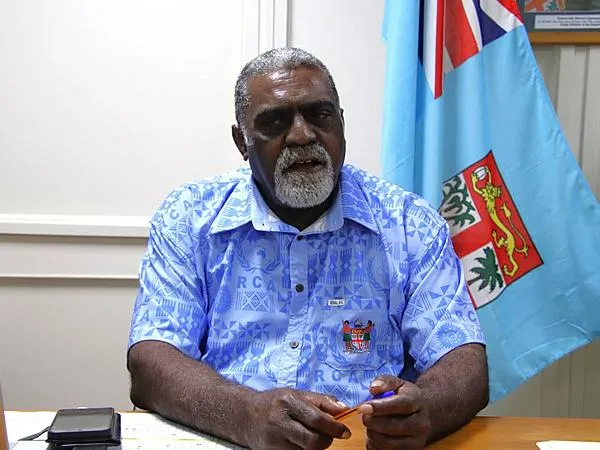
Fiji’s Minister for Agriculture and Waterways, Tomasi Tunabuna, has reaffirmed his determination to strengthen the country’s agriculture sector, calling for commitment and collaboration from all corners of the industry.

Speaking to stakeholders, Tunabuna said that the sector’s growth depends on the sustained efforts of farmers, agribusinesses, industry partners and government agencies working together to introduce innovative practices, boost productivity and reinforce food security.

“Agriculture is more than just a source of food—it is the backbone of our communities and a key driver of our economy,” he said. “If we remain committed, innovative and united in our vision, we can build a sector that is stronger, more sustainable and more prosperous for future generations.”

He underscored the importance of a resilient, modern agriculture sector for economic growth, rural livelihoods and climate resilience, noting that the ministry will continue to support initiatives that empower farmers and promote sustainable farming systems.

Tunabuna acknowledged the expertise and dedication within the ministry, saying he was “privileged to lead a dedicated team” committed to farmers’ empowerment. Reflecting on past challenges, he admitted that limited funding had hindered progress in previous years, but said recent support and vision were helping secure the resources needed to deliver tangible results.

The minister also recognised the value of partnerships with other government agencies, particularly the ministries of Trade, Cooperatives, Micro, Small and Medium Enterprises and Communications, Rural and Maritime Development, iTaukei Affairs and Health.

“There are programs in place that have enabled us to work together, especially in assisting our farmers and processors,” he said. “I believe that moving forward, our relations will continue to strengthen as we align our efforts towards sustainable agricultural growth and improved livelihoods for our people.”

Looking ahead, Tunabuna said the ministry will pursue further engagement with trading partners and seek new markets for Fijian-grown produce to increase recognition and reach. He stressed that expanding market access would boost farmers’ incomes and enhance Fiji’s position in regional and global agricultural trade.

He urged farmers and stakeholders to join the ministry in modernising the sector, adopting climate-smart methods and increasing production to meet both domestic and export demand.

“Collective action and shared responsibility are key to unlocking the full potential of Fiji’s agriculture industry,” he said.

August 15, 2025

The Water Authority of Fiji (WAF) has been allocated $284.4 million in the 2025-2026 Budget to deliver major upgrades to water and wastewater infrastructure across the country.

The funding will go towards upgrading water sources and treatment plants, improving water pipes and supply systems, and reducing water loss. A further $4.9 million will be used to build a new 20-megalitre Water Treatment Plant to support the existing Tamavua facility, promising cleaner water, faster delivery and enough supply for Fiji’s growing communities.

In partnership with the Asian Development Bank, the government will also embark on a $300 million, five-year project to improve wastewater management. Plans include doubling the Kinoya Wastewater Treatment Plant’s capacity to better protect the marine environment.

For rural areas, $10.7 million has been allocated for water projects under WAF, along with $6.5 million for borehole development under the Ministry of Lands.

“Clean water and better wastewater services mean healthier families and a cleaner Fiji for you,” the government said in announcing the investment.

Finance Minister Professor Biman Prasad has announced that the Water Authority of Fiji will receive increased funding aimed at repairing infrastructure, upgrading water sources and treatment plants, expanding distribution networks and significantly reducing water losses.

“Our water infrastructure is outdated, with nearly half of the treated water lost due to leaks. This has constrained our ability to connect more people to safe, treated piped water and has limited economic development,” he said.

Fiji currently faces a 50 percent non-revenue water rate, meaning half of treated water never reaches consumers. The government plans to cut this figure to 20 percent within five years through a performance-based contract with a Spanish company, facilitated by the ADB. Payments will be tied to verified reductions in water losses, marking a first for Fiji and the Pacific region.

The government will maintain free water access for households earning $30,000 or less a year and continue a $9.5 million electricity subsidy that benefits 60,000 low-income households and more than 1,000 schools.

Professor Prasad said the government was committed to transforming the water sector into “a financially sustainable and technologically advanced system that ensures reliable and equitable access for all citizens.”

August 15, 2025

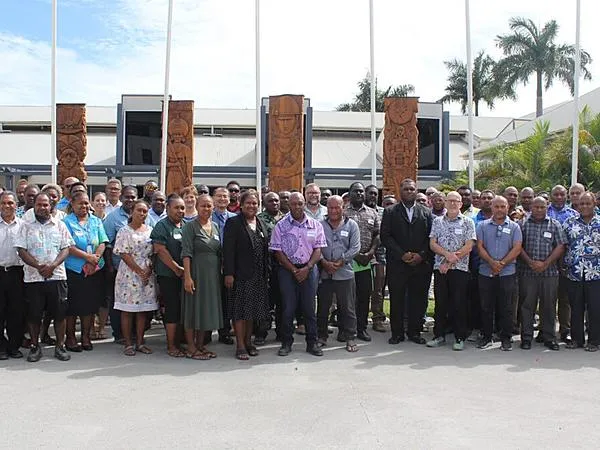
The Ministry of National Planning and Development Coordination (MNPDC) has begun a review of the Solomon Islands National Infrastructure Investment Plan (SINIIP) to ensure major projects are better prioritised and aligned with national development goals.

A national workshop was held on 13 August, bringing together senior government officials, state-owned enterprises, development partners and NGOs to validate and rank unfunded infrastructure projects.

Permanent Secretary Brian Lenga said infrastructure remained vital to driving sustainable and inclusive growth, adding that a well-prioritised project pipeline was essential for guiding national development.

The updated SINIIP will set out a clear process for assembling and prioritising projects in line with the National Development Strategy. The review is being led by experts from the Pacific Region Infrastructure Facility (PRIF) alongside international consultants.

During the workshop, participants examined potential projects, discussed prioritisation criteria and learned how to prepare Project Screening Notes to ensure proposals are investment-ready.

The revised plan will serve as a framework for prioritising large-scale capital investments across sectors including transport, energy, water and sanitation. MNPDC acknowledged the support of the Asian Development Bank and PRIF in the process.

The workshop’s findings will shape the final list of national priority projects and the preparation of a government-endorsed dossier for funding consideration.

Deputy Secretary Roy Mae thanked participants for their input and encouraged them to continue providing project information to strengthen the plan.

August 15, 2025

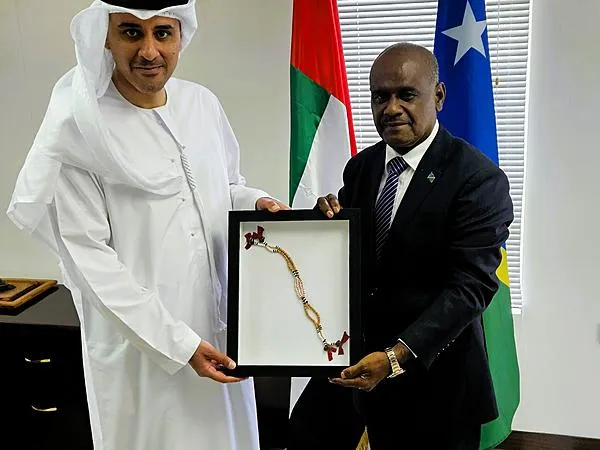
Prime Minister Jeremiah Manele has met with Dr. Fahad Al Taffaq, the United Arab Emirates Ambassador to Australia, in a bid to deepen ties and explore new avenues of cooperation between Solomon Islands and the UAE.

During talks in Honiara, Manele shared updates on the Bina Harbour project, describing it as a transformational initiative for the nation. Although the project has faced delays, he said the government remained confident it would be completed within this parliamentary term and was actively seeking investors.

“We are committed to advancing projects like Bina Harbour that will drive sustainable economic growth and create jobs for our people,” Manele said. “Our partnership with the UAE opens doors for investment and collaboration that will benefit our countries.”

The two leaders discussed broadening economic links, including the potential signing of an air services agreement. The UAE signalled its readiness to proceed but is awaiting formal communication from Solomon Islands.

Manele also addressed Solomon Islands’ postponed engagement with Pacific Islands Forum dialogue partners, voicing hope for renewed discussions soon.

Ambassador Al Taffaq outlined some of the UAE’s regional priorities, including waste management and land reclamation. He said the UAE hopes to appoint a new special envoy to the Pacific but will do so only after the Pacific Islands Forum Secretariat completes its ongoing review of regional architecture.

“The UAE is committed to supporting Solomon Islands and the Pacific region through partnerships that address shared challenges and opportunities,” Al Taffaq said. “We look forward to working closely with the Solomon Islands government to realise these goals.”

Both leaders expressed optimism about expanding cooperation across economic, environmental and diplomatic fronts.

August 15, 2025

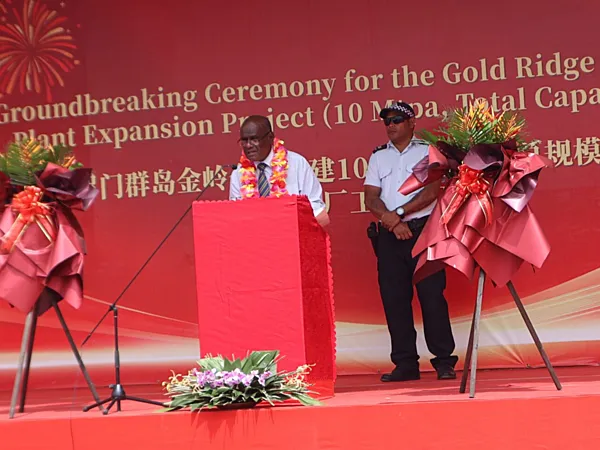
The Solomon Islands has taken a major step toward transforming its economy with the launch of the Goldridge Mine Processing Plant Expansion Project, a multi-billion-dollar investment expected to boost national revenue, create thousands of jobs and deliver lasting benefits for landowners and communities.

Speaking at the groundbreaking ceremony in Central Guadalcanal today, Prime Minister Jeremiah Manele called the expansion “the beginning of a new chapter for the Goldridge mining project,” hailing it as a driver of economic diversification and growth.

The SBD $6 billion project will triple the mine’s processing capacity to 13.5 million tonnes a year. Once operational, it is expected to generate around SBD $7.5 billion annually, including approximately SBD $2 billion in government revenue, SBD $400 million in royalties and dividends for landowners, and more than 1,200 direct jobs with an additional 3,500 indirect positions.

“This project aligns with our economic transformation agenda and will diversify our economy while creating thousands of opportunities for Solomon Islanders,” Manele said.

The prime minister reaffirmed his government’s pledge to modernise the mining sector through the Mineral Resources Bill, currently before Parliament. “The new bill will modernise the regulatory framework for mining, strengthen governance, ensure transparency, and improve revenue-sharing mechanisms for landowners,” he said.

Manele also underscored the need for responsible development. “With opportunity comes responsibility. Goldridge is a national asset, and it must be developed in a way that safeguards our environment, respects our people, and delivers lasting benefits,” he said.

He urged strong partnerships and compliance among the company, landowners and all levels of government. “The growth and success of the project must translate into tangible benefits for all – capacity building, economic empowerment, and shared prosperity. The growth of the mine must also be reflected in the growth of its key stakeholders – landowners, the provincial government, and the national government,” he said.

“With opportunity comes responsibility,” the Prime Minister added. “Together, we are laying the foundation for a transformative legacy at Goldridge Mine – one that will benefit GRML, the landowners, and the people of Solomon Islands.”

Manele was guest of honour at the groundbreaking ceremony, joined by Cabinet members of the Government for National Unity and Transformation, including Deputy Prime Minister Frederick Kologeto.

August 15, 2025

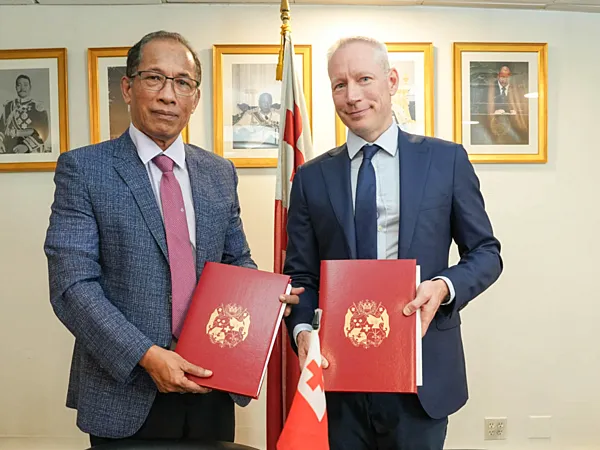
The Kingdom of Tonga and The Metals Company’s (TMC) subsidiary Tonga Offshore Mining Ltd. (TOML) have signed a revised sponsorship agreement aimed at strengthening Tonga’s stake in the future development of seafloor mineral resources.

The new pact updates the terms of their 2021 agreement ensuring that Tongans will continue to receive financial benefits, training, capacity-building and community programmes. It also provides for “continuity benefits” once commercial production begins whether by TOML or another TMC subsidiary.

Tonga’s Minister for Lands, Survey, Planning and Natural Resources Dr. ‘Uhila Moe Langi Fasi said the agreement signalled TOML’s willingness to deepen its commitments.

“It marks an important step toward ensuring that seabed minerals activities contribute meaningfully to Tonga’s long-term development goals — with transparency, fairness and environmental care at the core,” he said.

Tonga was among the first developing states to apply for a marine mineral exploration contract, taking a prominent role in advancing the rights of small island nations in the deep-sea minerals industry.

However, both Tonga and TMC have expressed frustration at the International Seabed Authority’s (ISA) failure to adopt exploitation regulations — known as the Mining Code — despite being required to do so by 2023 and pledging to complete it by 2025. The delays, they say, have hindered TOML’s ability to proceed with its planned commercial application in its contract area.

Gerard Barron, TMC chairman and chief executive, praised Tonga’s “instrumental leadership” in advocating for the responsible development of deep-sea minerals.

“We are proud to renew our partnership at this exciting moment as Tonga helps re-shape the way the world produces the key resources underpinning economic and global development,” he said. “Together we are determined to ensure that Tonga receives lasting transparent benefits for all Tongans.”

Tonga also acknowledged the regulatory certainty provided by the existing US seabed mining code under the Deep Seabed Hard Mineral Resources Act (DSHMRA) and a recent executive order by US President Trump which offers a stable framework for industry operations.

TMC, listed on Nasdaq, is developing what it describes as the world’s largest undeveloped resource of critical metals essential for energy, defence, manufacturing and infrastructure.

Through its subsidiaries it holds exploration rights in the Clarion Clipperton Zone of the Pacific Ocean sponsored by Tonga and the Republic of Nauru.

August 13, 2025

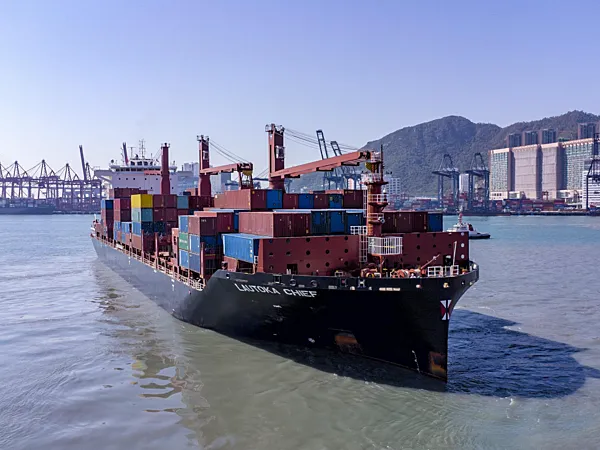
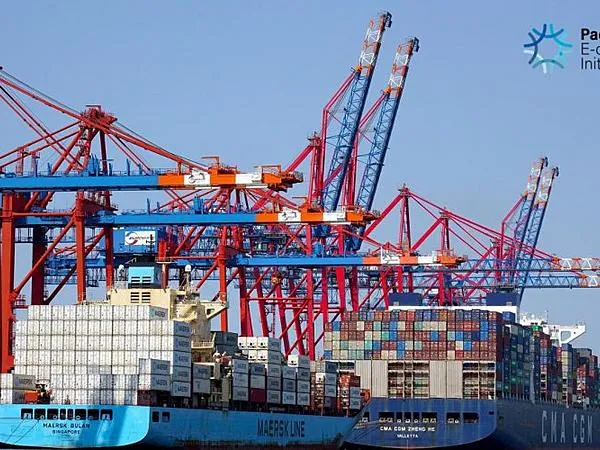
Swire Shipping, a leading shipping company in the Asia-Pacific, announced a significant upgrade to its North Asia Express (NAX) service with the introduction of fixed-day weekly sailings and expanded capacity.

Effective 22 August 2025, the service will offer market-leading speed and reliability, significantly enhancing connectivity between the Chinese mainland, Hong Kong SAR and Papua New Guinea.

The upgraded NAX service will feature a weekly port rotation of Shanghai – Ningbo – Nansha – Hong Kong – Lae – Shanghai, with the fastest direct connection currently in the market from Lae to Shanghai.

Reliable trans-shipment connections to Solomon Islands, New Caledonia and Fiji will be available in Lae via Swire Shipping’s service network in the South Pacific, through its Papua New Guinea (PNG) fortnightly service and Pacific Weekly Express (PWX) service.

Randy Selvaratnam, chief commercial officer of Swire Shipping said that the upgrade reflects company’s ongoing commitment to supporting customer supply chains with dependable, high-frequency services across the region.

“Upgrading our North Asia Express (NAX) service to a weekly frequency doubles the number of sailings available to customers, giving them faster access to markets and more options to align shipments with production cycles, inventory needs and delivery timelines,” Selvaratnam said.

“This reflects our continued investment in expanding capacity and high-frequency shipping solutions that support our customers’ evolving supply chain needs,” he added.

The upgraded NAX service will be the second in Swire Shipping’s comprehensive network in the Asia-Pacific to offer weekly connections into Papua New Guinea and the Pacific Islands. It follows the successful launch of the PWX service in February 2023, which connects Southeast Asia with Papua New Guinea, Solomon Islands, New Caledonia and Fiji on a weekly schedule.

The NAX service was first launched in July 2015 to provide a direct link between North Asia and the South Pacific, and was upgraded in October 2020 to a fixed-day fortnightly service to better support customers’ supply chains.

Swire Shipping, a leading shipping company in the Asia-Pacific, is the wholly owned, deep-sea shipowning and operating arm of the multinational Swire Group. Headquartered in Singapore, Swire Shipping is dedicated to facilitating and growing trade in the regions where it operates.

The company provides several high-frequency liner shipping services and integrated logistics solutions in the Asia-Pacific; transpacific services between North Asia and the Pacific Northwest; and specialist shipping services to the global project logistics market under the brand name Swire Projects.

The company specialises in providing a wide range of specialist customer solutions for containerised, project, heavy-lift, refrigerated, breakbulk and mini bulk cargoes. Swire Shipping maintains a worldwide agency network in addition to its own representative offices across the Asia-Pacific, Pacific Islands, North America and Europe, providing customers with dedicated service and expert market knowledge.

August 12, 2025

TE Pacific Group, through its Papua New Guinea operation TE PNG, has entered into a strategic partnership with Lightspeed Fiji to strengthen and expand information and communications technology (ICT) services across Fiji.

The partnership combines TE PNG’s proven experience in delivering large-scale ICT and critical communications projects across the Pacific with Lightspeed Fiji’s strong local market presence and service delivery expertise.

Together, the companies aim to provide businesses, government agencies and communities with reliable, secure and high-performance ICT solutions.

TE PNG is the core of TE Pacific Group, a technology integration company operating in Papua New Guinea, Solomon Islands, Australia and across the South Pacific. With more than 70 years of history in Papua New Guinea, TE has established itself as a leading provider of end-to-end critical communications and ICT infrastructure solutions.

On the other hand, Lightspeed Fiji is a leading Fijian ICT and internet services provider offering high-speed connectivity, cloud solutions and managed services to businesses, government and communities nationwide.

The company is Fiji’s first Starlink Authorised Reseller in the Pacific Islands and a Starlink vendor to the Government of Fiji.

“This partnership reflects our shared commitment to building a stronger, more connected Pacific,” said Robbie Huxley, managing director of TE PNG and CEO of TE Pacific Group.

“With Lightspeed Fiji’s local expertise and our regional capabilities, we can deliver enhanced ICT services and critical communications that support economic growth, digital innovation and improved connectivity for the people of Fiji,” Huxley added.

Lightspeed Fiji Country Manager Dovi Kanaimawi said, “Working with TE PNG allows us to access world-class regional infrastructure while keeping a strong local presence. This means faster, more secure services, greater coverage and the capacity to meet Fiji’s growing ICT needs.”

Key focus areas of the partnership include:

  • Enhanced Connectivity — Leveraging Lightspeed Fiji’s Starlink Authorised Reseller status to connect sites across Fiji.
  • Improved ICT Infrastructure — Upgrading systems and services to meet international standards and increasing demand.
  • Business and Government Solutions — Providing enterprise-grade ICT services that support digital transformation.
  • Community Access — Expanding reach to underserved and remote communities in Fiji.

By combining international capacity with local expertise, TE PNG and Lightspeed Fiji aim to accelerate Fiji’s digital development and position the country as a regional ICT hub.

Richard Broadbridge, managing director of Lightspeed’s Papua New Guinea and Fiji operations, said that TE PNG and Lightspeed have enjoyed a close working relationship in Papua New Guinea for more than a decade.

“This Fiji partnership is a natural extension of our shared vision to deliver better services to customers across the Pacific,” Broadbridge said

August 11, 2025

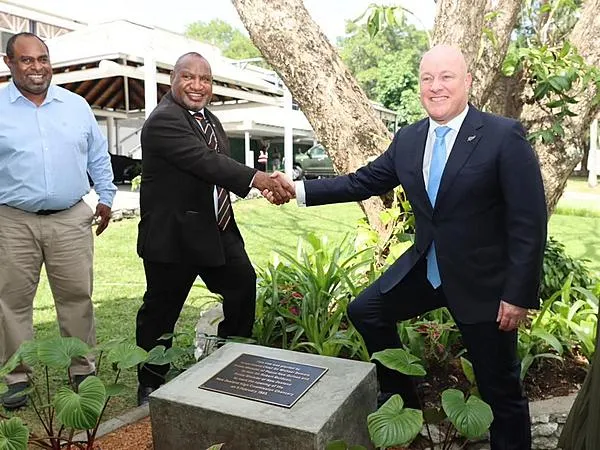
Prime Minister James Marape has described the official visit of New Zealand Prime Minister Christopher Luxon as a “historic and defining moment” in bilateral relations, reaffirming a shared commitment to peace, prosperity and Pacific solidarity.

The visit, from 4 to 6 August, marked a milestone in Papua New Guinea’s diplomatic history as Mr Luxon became the first New Zealand leader — and only the second foreign leader after Australia’s Anthony Albanese in 2023 — to address the National Parliament.

Welcoming his counterpart and delegation to Parliament House in Waigani, Marape called the visit a “powerful reaffirmation of a friendship rooted in integrity, trust and shared Pacific values.”

“This day, we do not just welcome a neighbour — we welcome a family member,” he said. “New Zealand stood with us in 1975 when we gained Independence and has walked alongside us for the last 50 years. This visit renews that vow of partnership and positions us to move forward together for the next 50 years.”

A friendship forged in shared history

Marape paid tribute to New Zealand’s role in PNG’s nation-building — from helping form the civil service, health and education systems to its peace-building role during the Bougainville Crisis and support after the 2001 Bougainville Peace Agreement.

This year, the two countries launched the Papua New Guinea–New Zealand Statement of Partnership 2025–2029, a strategic framework built on five pillars: political and regional collaboration; economic and trade engagement; education and labour mobility; peace and security, particularly in Bougainville; and climate action and environmental resilience.

“This partnership is not built on aid or handouts,” Marape said. “It is built on mutual respect and a shared vision for transforming lives, uplifting communities and creating opportunity for the next generation.”

Delivering on shared ambitions

Bilateral talks between the leaders focused on initiatives aligned with PNG’s 50-year development vision, including:

  • Expanding New Zealand’s Recognised Seasonal Employer (RSE) scheme to take in over 10,000 Papua New Guinean workers, with skilled labour pathways.
  • Increasing New Zealand business investment in agriculture, infrastructure and energy in PNG.
  • Boosting vocational training and youth employment.
  • Supporting peaceful dialogue and implementation of the Melanesian Agreement on Bougainville.
  • Scaling up climate resilience projects and renewable energy cooperation.

Thousands of New Zealanders currently live and work in PNG, while a growing Papua New Guinean diaspora contributes to New Zealand’s communities and economy. Marape said such people-to-people ties strengthened both nations.

“In a world of turbulence, we seek friends who lead not through might, but through right — and New Zealand is such a friend,” he said, underscoring the two nations’ role in the 2050 Strategy for the Blue Pacific Continent. “We are committed to stand together — to protect our oceans, defend our democracies and ensure no Pacific child is left behind.”

Bougainville peace: NZ’s enduring role

Luxon’s visit came just weeks after the Burnham Consultations in Canterbury, hosted by New Zealand and moderated by former governor-general Sir Jerry Mateparae, with United Nations support. The talks advanced post-referendum dialogue between the Autonomous Bougainville Government and the PNG Government.

New Zealand, a signatory witness to the Bougainville Peace Agreement, has been a consistent peace partner since hosting the first Burnham talks in 1997, facilitating neutral dialogue and deploying an unarmed Truce Monitoring Group.

In June, both sides agreed to present the 2019 referendum results — alongside the moderator’s report and bipartisan committee findings — to the PNG Parliament, a step towards deciding Bougainville’s political future.

“New Zealand’s role as a neutral facilitator and peace partner remains indispensable,” Marape said. “Their commitment at Burnham reaffirms our shared dedication to a lasting, homegrown solution.”

A golden season of diplomacy

The Luxon visit opens a historic sequence of engagements as PNG celebrates its 50th Independence Anniversary.

In early September, the country will host UN Secretary-General António Guterres for a four-day visit — the first by a UN chief in PNG’s history, and the longest stay anywhere in the Pacific. He will address Parliament before the anniversary celebrations on 16 September, which are expected to draw leaders from across the Pacific and beyond.

“This marks a historic moment that recognises PNG’s growing role in regional peace, climate action and sustainable development,” Marape said.

The Prime Minister has called on citizens to embrace the anniversary year with unity: “We are privileged to live during this milestone year. Let us come together with one heart, one mind, one nation.”

SME growth and trade opportunities

The New Zealand Prime Minister also attended the New Zealand Economic Support Morning Tea on 6 August, where International Trade and Investment Minister Richard Maru thanked Wellington for its support of PNG’s small and medium-sized enterprises.

Through the Business Link Pacific (BLP) programme, New Zealand provides PNG businesses — particularly women-owned and rural enterprises — with advisory services, concessional loans and grants.

Maru noted that New Zealand had also funded major market upgrades in Gordons, Kimbe and Lae, which he said directly support informal vendors and SME operators. “Markets are where most of our SMEs and mothers from the informal sector sell their products,” he said. “We want this to be replicated in the rest of the provinces and districts in the country to support our mothers and sisters.”

He outlined the PNG Government’s own commitment, which includes over K100 million annually for SME loans and new grant funding for the Women’s Microbank (Mama Bank). He also announced a National Executive Council decision to offer competitive K100,000 grants to help SMEs export to overseas markets.

Mr Maru proposed anchoring the PNG–NZ relationship in a Comprehensive Economic Partnership Agreement to support SME growth, entrepreneurship and trade, while firmly stating that PNG would not join the PACER Plus agreement.

“We are a big island nation,” he said. “We have the resources, we have the population, we have our own issues and our own national interest that must be catered for.”

Looking ahead: unity and purpose

In his Parliament address, Luxon paid tribute to PNG’s progress since Independence and affirmed New Zealand’s commitment to the shared Pacific vision. He highlighted cooperation on climate change, renewable energy and labour mobility, and said the friendship was “anchored in trust, shared history and mutual respect.”

Marape, in closing the visit, stressed that the PNG–NZ partnership was “not just transactional — it is transformational.”

“Together, we are building something that transcends politics — a legacy of peace, purpose and Pacific partnership,” he said. “May the bond between our peoples deepen. May the mountains of PNG and the shores of Aotearoa rise together. And may the next 50 years be a testament to what we can achieve — side by side, wantok to wantok,” Marape said.

August 11, 2025

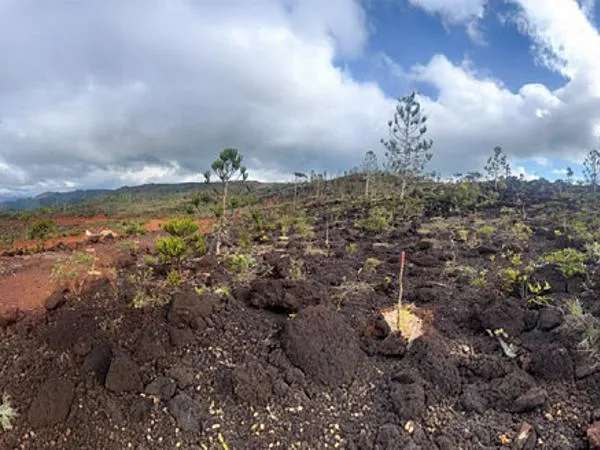
Once stripped bare by bushfires, the Ouassé watershed in Canala, New Caledonia is slowly coming back to life thanks to more than a decade of restoration work — and a fresh boost from the Shared Water Policy (PEP) Fund.

The Ouassé tribe, an isolated community about 30 kilometres from Canala’s main village, depends on the river’s catchment for its drinking water. When fire tore through the watershed in 2013, much of its vegetation cover was destroyed. The damage was far-reaching: soil erosion worsened, flooding became more frequent, water quality declined and biodiversity suffered.

“It is essential to the population that we ensure the sustainability of the water cycle in this watershed,” local officials said in the project brief.

Years of steady work

Since 2013, the Canala municipal government has rolled out a series of measures to bring the watershed back from the brink. It launched studies to better manage hydraulic flows and reduce erosion and flooding; improved waste management in the commune and the Ouassé tribe to reduce fire risk; and began a ten-year ecological restoration programme that included tree planting, installing fascines to stabilise soil, and building erosion-control structures.

In 2023, the municipality submitted a restoration proposal to the PEP call for projects — an initiative run by the Water Department of the Directorate of Veterinary, Food and Rural Affairs (DAVAR) to support concrete actions that protect and manage New Caledonia’s water resources.

Among the PEP’s top priorities is the protection of strategic water catchment areas. The Ouassé project was selected as a winner, receiving a grant of 4,740,532 francs, with half already disbursed. The funding has so far enabled the planting of nearly 6,000 trees, the installation of 350 fascines, and the completion of 10 planned stone thresholds to slow water flow and reduce erosion.

A shared effort

The restoration has been a collective endeavour. The local mixed-economy public company SAEML Canala and research firm Geo.Impact carried out the works with the municipality. SAEML Canala also operates the nursery that supplies the plants used to re-vegetate the basin.

Community participation has been just as critical. The “Ongui Etorry” association — bringing together municipal staff, customary leaders, schools, mining companies and residents of surrounding tribes — has organised biannual planting days since 2018, each time adding about 1,000 trees around the catchments.

With the PEP Fund’s backing, Canala’s fight to restore the Ouassé watershed is not only reviving the land but also protecting the lifeline of a remote community.

August 11, 2025

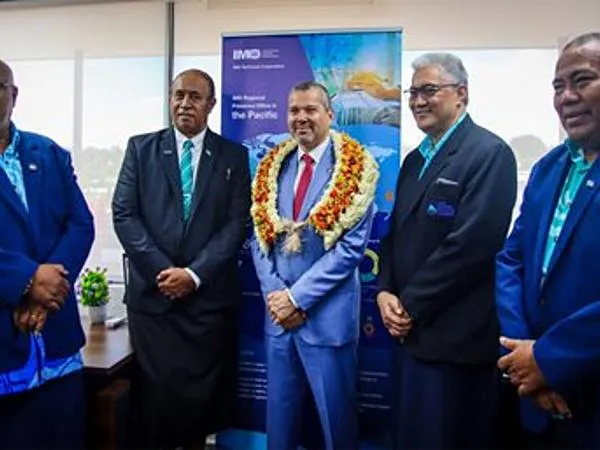
The Government of Fiji, in partnership with the Pacific Community (SPC) and the International Maritime Organization (IMO), has celebrated the official commissioning of the IMO Regional Presence Office (RPO) for the Pacific — a historic milestone in strengthening maritime governance, safety and sustainability across the region.

Speaking at the commissioning ceremony in Suva, Ro Filipe Tuisawau, Minister for Public Works, Meteorological Services and Transport, warmly welcomed IMO Secretary-General Arsenio Domínguez to Fiji and emphasised the significance of the event for all Pacific Island countries.

“The establishment of this office is the first of its kind in our region, and it demonstrates the value of regional engagement and cooperation in strengthening maritime governance, safety and sustainability,” Tuisawau said.

“This office belongs to all of us. While it is based in Fiji, its vision and purpose are shared by all Pacific Island nations, and it will play a vital role in supporting our collective ambitions — from maritime safety and pollution prevention to decarbonisation and legislative reform,” he added.

Tuisawau highlighted Fiji’s transport sector reforms, including the development of a National Transport Sector Master Plan, a transport decarbonisation implementation strategy and reviews of key maritime legislation. He also reaffirmed Fiji’s commitment to international climate goals, noting the synergy between the RPO’s work and regional initiatives such as the Pacific Blue Shipping Partnership.

Domínguez expressed his gratitude to the Government of Fiji and SPC for hosting the office, describing it as both a milestone for the region and a personal honour on his first visit to Fiji.

“For Pacific Island nations, maritime transport is a lifeline for economies, communities and connectivity to the world,” Domínguez said.

“The opening of this office strengthens maritime capacity, cooperation and representation across the Pacific, ensuring that we are all part of the cleaner, smarter and more resilient maritime solutions of the future,” he added

He outlined the IMO’s strategic commitment to decarbonisation, including the adoption of a net-zero framework for international shipping, and stressed the importance of measuring tangible results in capacity building, safety, environmental protection and inclusivity.

For his part, SPC Deputy Director-General Dr Paula Vivili reaffirmed SPC’s long-standing partnership with IMO, noting over two decades of joint efforts in training, legislative support and technical assistance.

“This day is a celebration of partnership,” Dr Vivili said. “The RPO responds directly to our members’ call for stronger coordination, greater responsiveness and tailored support in implementing IMO instruments. It will be a vital part of our regional efforts, including the Pacific One Maritime Framework, our collective course for a safe, sustainable and future-ready maritime sector.”

Vivili also extended an invitation to the IMO Secretary-General to return to the Pacific for the 6th Pacific Regional Energy and Transport Ministers Meeting in Port Moresby in May 2026, where the Pacific One Maritime Framework is expected to be formally endorsed.

The IMO Regional Presence Office in Suva will operate from SPC’s Lotus Building during its initial phase, serving as a hub for technical expertise, coordination and collaboration between Pacific Island nations, regional organisations and global maritime governance bodies.

August 11, 2025

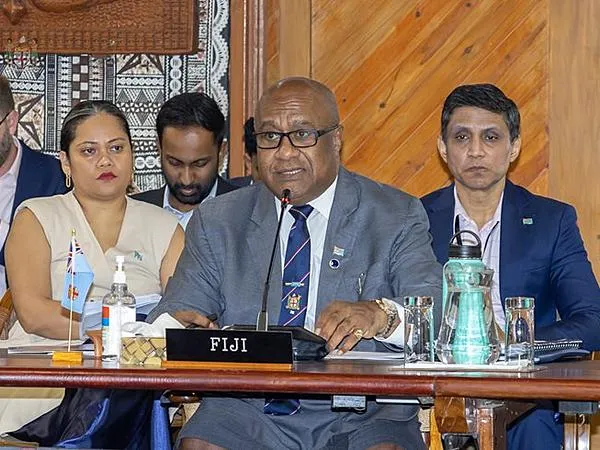
Deputy Prime Minister and Minister for Communications Manoa Kamikamica opened the 2nd Pacific ICT Ministerial Dialogue on 8 August, 2025 with a strong appeal for renewed regional unity, collaboration and ambition in the digital space.

Speaking in Suva, Kamikamica reaffirmed the symbolic and strategic importance of the Lagatoi Declaration, first adopted at the inaugural Dialogue in Papua New Guinea, describing it as a shared roadmap for the Pacific’s digital transformation.

“The Declaration reaffirmed our resolve to harness ICT for sustainable development, economic growth and inclusive service delivery — no matter which island our people call home,” he said. “It acknowledged the urgent challenges we face — from climate change to cyber threats — and the need for stronger regional collaboration, innovation and resilience.”

Kamikamica pointed to Fiji’s recent milestones in advancing digital inclusion, including the rollout of Starlink satellite internet, preparations for the commercial launch of 5G, the establishment of the national Computer Emergency Response Team (CERT), and Fiji’s accession to the Budapest Convention on Cybercrime.

“We remain committed to connecting the unconnected, especially in rural and maritime communities,” he said. “Since our last meeting, one of our key achievements has been our accession to the Budapest Convention — demonstrating our commitment to a safer and more secure digital environment.”

He offered Fiji’s support to other Pacific countries considering joining the Convention, saying the nation was willing to share its experiences and lessons learned.

The deputy prime minister also highlighted progress in public service delivery through platforms such as the Fiji Integrated Licences and Permits Approval System, which is now entering its second phase to streamline construction permitting.

“Our goal is to deliver more transparent, coordinated and user-friendly government services through digital platforms,” he said.

Looking beyond the Pacific, Kamikamica urged ministers to ensure the region’s voice is heard in shaping global ICT policy. He noted the Pacific’s contributions to the UN Global Mechanism on ICT Security and welcomed the finalisation of the UN Convention on Cybercrime, which will open for signing in October.

The Dialogue aims to strengthen partnerships and coordinate efforts to deliver tangible outcomes, reaffirming the Pacific’s shared commitment to ensuring that no island is left behind in its digital transformation journey

August 07, 2025

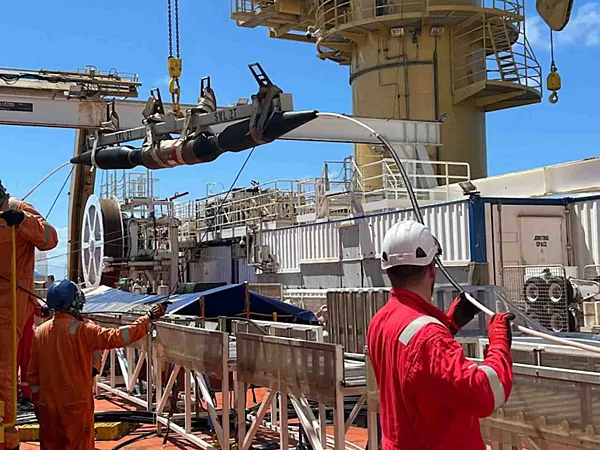
The East Micronesia Cable landed in Tarawa, Kiribati on 26 July 2025 with the international telecommunications cable now just months away from being ready for service.

The occasion was marked by a ceremony celebrating the floating in of the cable to the Tarawa landing site from the cable-laying ship, using a large ceremonial buoy. Kiribati President Taneti Maamau and the Minister for Information, Communications and Transport Alexander Teabo hosted the event alongside senior representatives of the Kiribati government and officials from the project’s partner governments.

Among those in attendance were Australia’s Special Envoy for the Pacific Ewen McDonald, Australia’s High Commissioner to Kiribati Mark Foxe, Chargé d'Affaires ad interim of Japan to the Republic of Kiribati Suzuki Hideyuki and Mr Michael Glees, Senior Development Adviser at the U.S. Embassy in Suva.

The AUD135 million (approximately USD90 million) East Micronesia Cable project is funded by Australia, Japan and the United States. It will deliver a 2,250-kilometre-long undersea cable and supporting infrastructure, connecting Tarawa in Kiribati, Nauru and the state of Kosrae in the Federated States of Micronesia (FSM) to the existing HANTRU-1 cable landing point in Pohnpei, FSM.

The project will improve the availability of digital government services and enable increased trade and employment opportunities. It will also enhance the countries’ resilience to climate change, supporting governments with disaster and climate preparedness while reducing the risk of outages during extreme weather events.

Ceremonial buoy events to mark the cable landings in Nauru and Kosrae will be held in the coming weeks. The cable is expected to be ready for service in November 2025.

August 07, 2025

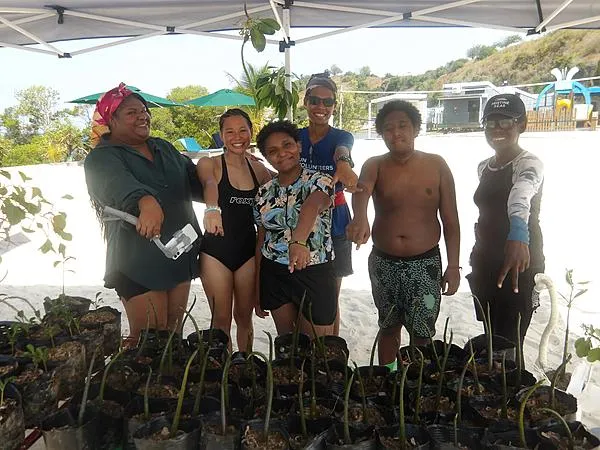
In recognition of World Mangrove Day, Loloata Island Resort led a coastal rehabilitation activity involving resort guests, local staff and volunteers, highlighting its ongoing commitment to marine conservation, ecological restoration and sustainable tourism.

The event saw the planting of 58 Aegialitis annulata seedlings in polybags and the transplantation of 15 mature specimens along the shoreline between Overwater Suites Rooms 2 and 3. The initiative was guided by the resort’s resident marine biologist, Donnya Gordon and conservation officer, Elijah Haru, who provided guests with hands-on education on mangrove ecology and climate resilience.

The selected planting site was chosen based on ecological suitability, with Aegialitis annulata already present and thriving in the area. According to Donnya Gordon “This species is highly adapted to the site’s salinity levels, rocky substrate and exposure to wave action, giving it a greater likelihood of survival and long-term ecological contribution.”

The activity drew participation from a diverse group of guests, including a mother and her four sons, three young cousins—one of whom expressed aspirations to become a marine biologist—and two Papua New Guinean social media influencers, Patronella Gawi and Dagia Aka. Their presence added a vibrant and engaging dynamic to the event, which was marked by an atmosphere of collaboration, curiosity and shared environmental purpose.

Guests received an introduction to the critical role of mangroves in maintaining coastal health, including their function as nurseries for juvenile marine organisms, natural carbon sinks and buffers against coastal erosion. Special emphasis was placed on Rhizophora stylosa, a dominant front-zone mangrove species with extensive ecological value in the region.

The activity was part of a broader programme initiated by Loloata Island Resort in collaboration with the Conservation and Environment Protection Authority (CEPA), local community members and students from the International Education Agency (IEA). The programme aligns with the resort’s long-term sustainability strategy, which includes regular coral planting, reef monitoring and educational outreach.

“Loloata is situated in an area increasingly impacted by development pressures and consistent plastic pollution ,” said Elijah Haru. “It is essential that we not only protect the remaining natural habitats, but also take proactive steps to rehabilitate degraded areas. Our initiatives aim to do just that—while also involving the next generation in environmental stewardship.”

The resort maintains a robust monitoring system for all conservation activities, including daily observations and data collection by the environmental team to assess survival rates and inform future restoration efforts. These efforts are critical to strengthening the resort’s coastal resilience and supporting the biodiversity of surrounding marine ecosystems.

Looking ahead, Loloata Island Resort intends to expand its guest engagement in conservation programmes. “We believe experiential education is a powerful tool,” said Donnya Haru. “When guests participate directly in planting mangroves or restoring coral reefs, they leave with a deeper appreciation of their role in protecting the planet.”

The event underscored Loloata’s position as a leader in conservation-oriented hospitality in Papua New Guinea, and reaffirmed its commitment to safeguarding coastal ecosystems through science-based restoration, public awareness and inclusive participation.

August 06, 2025

Deputy Prime Minister and Minister for Tourism and Civil Aviation Hon Viliame Gavoka urged the international community to move from ideas to action as he officially opened the 2025 Global Sustainable Tourism Conference at the Sofitel Resort in Denarau, Nadi on 5 August 2025.

Organised by the Global Sustainable Tourism Council in collaboration with Tourism Fiji and key stakeholders, the event brought together global experts to exchange ideas, share strategies and promote sustainability within the tourism sector.

“We are not here to speak in abstractions, we are here to chart action, to share what works, to learn from one another and to harness tourism not just as an economic engine—but as a force for equity, preservation and hope,” Gavoka said during his keynote remarks.

He described tourism as the heartbeat of Fiji’s economy, employing more than 40,000 people nationwide. He stressed the need to align tourism initiatives with Fiji’s National Sustainable Tourism Framework, which prioritises inclusive growth, environmental stewardship and cultural integrity.

“Sustainability is no longer a choice. It must be at the heart of every strategy, every investment and every guest experience. We are partnering with local communities, traditional custodians and industry leaders to ensure that tourism uplifts those at the grassroots and protects the treasures that make Fiji unique,” he said.

Addressing delegates, Gavoka called on participants to translate their discussions into meaningful outcomes.

“We approach every conversation with urgency, every partnership with purpose and every solution with scale in mind. Let this conference be a turning point—where ideas are translated into action, commitments become policies and sustainability becomes the norm rather than the exception,” he said.

Gavoka also reaffirmed Fiji’s commitment to its “Blue Ocean of Peace” vision, which champions dialogue, sustainability and regional solidarity across the Pacific.

“The Blue Ocean of Peace affirms our call for the non-militarisation of the Pacific, the defence of ocean biodiversity and the strengthening of regional solidarity. These collaborate in the respect for culture and sovereignty, the empowerment of women and youth and the pursuit of development that is inclusive, sustainable and future-focused,” he said.

The three-day conference aimed to promote sustainable practices across the tourism industry, drawing international participants to explore innovative solutions and collaborative efforts that align tourism development with environmental and social responsibility.

August 04, 2025

The Ministry of Trade, Co-operatives, Micro, Small and Medium Enterprises (MSMEs) and Communications is pleased to announce that the European Union (EU) has officially activated the global sourcing derogation, allowing processed fishery products from Fiji to benefit from preferential access under the Interim Economic Partnership Agreement (IEPA).

This milestone decision follows a formal request submitted by the Fijian Government to the EU in April 2025, supported by extensive technical documentation and consultations with the fisheries industry and relevant stakeholders.

The EU published a notice (C/2025/4197) on 30 July 2025 in the Official Journal of the European Union, confirming that, effective 31 July 2025, processed fishery products under headings 1604 and 1605 — manufactured in on-land premises in Fiji from non-originating raw materials landed in Fijian ports — will be considered as originating products under the IEPA.

The global sourcing derogation allows Fiji to source raw fish from a wider range of foreign-flagged vessels. Once processed in Fiji, these value-added fish products can be exported to the EU duty-free.

This development significantly expands Fiji’s export opportunities to the EU market and is expected to benefit local processors, create jobs and drive growth in the fisheries and manufacturing sectors. It also positions Fiji as a competitive regional hub for value-added seafood production.

Manoa Kamikamica, Deputy Prime Minister and Minister for Trade, Co-operatives, MSMEs and Communications, welcomed the decision and stated, “This is a significant achievement for Fiji and a timely opportunity for our fish processing sector. The approval of global sourcing by the EU is a direct result of the Fijian Government’s strategic efforts to diversify our exports and strengthen access to high-value markets.”

“It opens new avenues for investment, employment and sustainable growth in our fisheries and manufacturing sectors. We remain committed to creating an enabling trade environment that delivers real benefits to our people and positions Fiji as a competitive player in global trade,” said DPM Kamikamica.

The Permanent Secretary for Trade, Co-operatives, MSMEs and Communications, Shaheen Ali, stated that whilst Fiji welcomes the approval of global sourcing for processed fish, the Ministry will continue to engage with the European Union through the IEPA Trade Committee to explore the possibility of extending this arrangement to fresh and frozen fish, in which Fiji has significant market opportunity.

“This approval is a step in the right direction. While we understand the EU’s current position on global sourcing for fresh and frozen fish, Fiji remains hopeful and committed to constructive engagement. We believe that a future extension would bring mutual benefits and further strengthen our fisheries partnership under the IEPA,” said Permanent Secretary Ali.

Fiji remains committed to sustainable fisheries management, full compliance with international standards and leveraging trade to create inclusive economic opportunities for Fijians.

This development marks the enduring trade and economic partnership between Fiji and the EU — one built on mutual commitment to sustainable development, inclusive growth and deeper market integration.

August 04, 2025

The Ministry of Trade, Co-operatives, Micro, Small and Medium Enterprises (MSMEs) and Communications welcomes the United States’ decision to reduce the reciprocal tariff on Fijian-origin exports from 32 percent to 15 percent.

This development follows sustained and principled engagement by Fiji with the Office of the United States Trade Representative (USTR), aimed at protecting market access for Fijian goods.

“This is a strong signal that early and principled engagement works. We made our case clearly and the US has responded positively,” said Manoa Kamikamica, Deputy Prime Minister and Minister for Trade, Co-operatives, MSMEs and Communications. “This reduction offers welcome relief to our exporters and helps preserve their competitiveness in the US market.”

The reduced tariff rate will take effect from 8 August 2025, applying to all goods of Fijian origin unless excluded under specific provisions.

“The 15 percent tariff is not the end of the journey. As referred to in the Executive Order of 1 August 2025, Fiji is designated as a country in ongoing negotiations with the United States,” said DPM Kamikamica.

“We remain committed to advancing these discussions in good faith. Our ultimate goal is to significantly reduce the 15 percent tariff and explore all available avenues to ensure improved and sustained market access for Fijian exports," he added.

Fiji’s case, as is the case for other Pacific Island countries, is grounded in compelling facts and economic reason:

  • Fiji accounts for less than 0.0001 percent of total US imports, posing no discernible threat to US industry

  • Our exports are largely small-scale, niche, non-competing and seasonal, often complementing rather than substituting US production

  • Fiji’s weighted average tariff on US goods is around 1.8 percent, with over 60 percent of tariff lines already set at zero

These facts reinforce Fiji’s position that the application of additional tariffs on Fijian goods warrants careful reconsideration in light of our trade profile and longstanding cooperation.

Fiji’s proactive and constructive approach has not only advanced its national interests but has also delivered broader regional gains. The United States has confirmed that the uniform 15 percent tariff rate now applies to a number of Pacific Island countries, many of which were previously subject to higher rates, as a direct result of Fiji’s persistent advocacy on behalf of the region.

DPM Kamikamica added, “This outcome affirms our approach to meaningful negotiations that deliver concrete benefits for our exporters. It is also a positive step in deepening our bilateral trade ties with the US.”

Technical discussions with USTR are ongoing, particularly on the development of a proposed “Zero List” — a list of Fijian exports that may qualify for 0 percent tariffs. This list will focus on products not produced in the US, offering a competitive edge for Fijian exporters.

Fiji remains committed to securing even better outcomes for its exporters and ensuring that Fijian products are competitive, visible and accessible in the US market.

August 01, 2025

A new global survey of mining executives has delivered a sobering outlook for Oceania, with several Pacific jurisdictions pegged at the lower end of global investment rankings despite their untapped mineral wealth.

The Fraser Institute’s 2024 Annual Survey of Mining Companies, which assessed 82 jurisdictions based on geological potential and government policy, ranked Fiji, New Zealand, Papua New Guinea (PNG) and the Solomon Islands in the lower half of its Investment Attractiveness Index.

The survey was conducted between August and December 2024, drawing 350 responses from industry leaders whose companies reported a combined US$6 billion in exploration spending that year. The rankings reflect both the quality of a jurisdiction’s mineral endowment and the effectiveness of its regulatory and policy environment.

Fiji Emerges, Solomon Islands Lags

Fiji was the best-performing country in Oceania, ranking 31st, followed by New Zealand at 43rd. Papua New Guinea placed 57th while the Solomon Islands came in last at 84th, due to tied scores despite only 82 jurisdictions being listed.

The Solomon Islands again ranked among the least attractive places for exploration, weighed down by concerns over infrastructure, legal enforcement, and lack of skilled labour. It was also one of the lowest scorers in the policy index.

The country’s poor showing echoes similar results in 2023 and highlights the continuing challenge of attracting foreign capital despite abundant nickel and gold reserves.

PNG: A mixed picture

Despite being home to large-scale operations like Ok Tedi, Porgera and Lihir, PNG continues to struggle with inconsistent regulatory frameworks, land access issues, and concerns about political and social stability.

In the Policy Perception Index—a key component of the survey that rates jurisdictions on transparency, taxation, infrastructure and land rights—PNG ranked below many African and Latin American countries. Respondents cited regulatory uncertainty and permitting delays as major deterrents to investment.

The PPI, is a composite index that measures the overall policy attractiveness of the 82 jurisdictions in the survey. The index is composed of survey responses to policy factors that affect investment decisions.

The policy factors we examined include uncertainty concerning the administration of current regulations, environmental regulations, regulatory duplication, the legal system and taxation regime, uncertainty concerning protected areas and disputed land claims, infrastructure, socioeconomic and community development conditions, trade barriers, political stability, labor regulations, quality of the geological database, security, and labor and skills availability.

Still, the report acknowledged that PNG holds significant potential. With improved policy reforms, industry players believe the country could regain competitiveness.

The bigger picture

The Investment Attractiveness Index combines a jurisdiction’s geological appeal with its policy environment. According to the Fraser Institute, about 40 per cent of exploration investment decisions are influenced by public policy rather than geology alone.

This year’s global top three were Finland, Nevada and Alaska; while Ethiopia, Suriname and Niger occupied the bottom.

In contrast to Oceania’s mixed showing, North America and Europe dominated the top 10, driven by predictable regulatory systems, skilled workforces and favourable tax regimes.

A call for reform

While geologic and economic considerations are important factors in mineral exploration, a region’s policy climate is also an important investment consideration.

A significant share of mining professionals view policy factors across Oceana as especially challenging, reflecting concerns over regulatory uncertainties, infrastructure deficits, and governance—including land‑use and socioeconomic agreements—which collectively deter investment.

For Oceania, where many economies rely heavily on extractive industries, these rankings reinforce the need to address longstanding policy and governance gaps.

August 01, 2025

The Oceania Customs Organisation (OCO), representing 24 Pacific Island Customs administrations, has joined the Pacific E-commerce Alliance, as global digital trade reaches unprecedented levels. The partnership—approved during OCO’s annual conference in Guam—brings crucial Customs expertise to the alliance, which was coordinated by the Pacific Islands Forum Secretariat.

“This partnership represents a critical step forward in our collective efforts to harness the potential of digital trade for Pacific communities,” said Zarak Khan, director of Programme and Initiatives at the Pacific Islands Forum Secretariat. “OCO’s expertise in Customs modernisation will be invaluable as we work to create opportunities for Pacific businesses in the global digital marketplace.”

Established in July 2023, the alliance now comprises six partners: the Commonwealth Secretariat, Pacific Islands Forum Secretariat, Pacific Tourism Organisation, UN Economic and Social Commission for Asia and the Pacific, UN Conference on Trade and Development (UNCTAD), and OCO. Global e-commerce sales are projected to reach US$6.56 trillion in 2025, with over 3 billion digital buyers worldwide (eMarketer, 2025).

“The dramatic increase in small-parcel shipments through e-commerce has created detection challenges that our traditional systems weren’t designed to address,” said Udit Singh, chief executive officer of the Fiji Revenue and Customs Service and current OCO Steering Committee Chairperson. “We must develop tailored risk management approaches for this new commerce landscape.”

The Asia-Pacific region is the fastest-growing e-commerce market globally, with countries such as the Philippines and India showing growth rates exceeding 20 percent (UNCTAD, 2025). While many Pacific Customs administrations continue to operate outdated systems, there has been notable progress.

For example, Vanuatu has developed one of the world’s most advanced electronic single window systems, achieving several global firsts—including the first passenger module created in the Automated Systems for Customs Data (ASYCUDA) and the first direct online payment between a bank and Customs in the Pacific. The system reduced cargo clearance time from three days to less than one.

“Joining the Pacific E-commerce Alliance strengthens our ability to support member countries in adapting to the digital trade environment,” said Nancy T. Oraka, head of Secretariat for OCO. “Through this partnership, we can develop regional solutions that work for economies of all sizes.”

Eight OCO members have implemented components of a regional single window system, reducing average clearing times by 37 percent. This progress is timely, as global online sales are expected to reach US$7 trillion by 2027 (eMarketer, 2025). For Pacific Island nations, this growth presents both opportunities and challenges—countries must invest in digital infrastructure while improving access to global markets.

To help meet these goals, the alliance operates under the Pacific E-commerce Initiative, which aims to create a “transformative Blue Pacific economy where all businesses and consumers actively engage in domestic and cross-border electronic commerce.” This initiative is guided by the Pacific Regional E-commerce Strategy and Roadmap, endorsed by Forum Trade Ministers in 2021, which provides a coordinated framework for strengthening digital trade across the region.

“By joining the Pacific E-commerce Alliance, we strengthen our unity of purpose and willingness to support one another,” Singh said. “We understand our collective voice is stronger than our individual ones.”

Looking ahead, OCO’s future initiatives will focus on advancing digital transformation across its membership, with a strong emphasis on adopting new technologies and tools adapted to Pacific contexts.

August 01, 2025

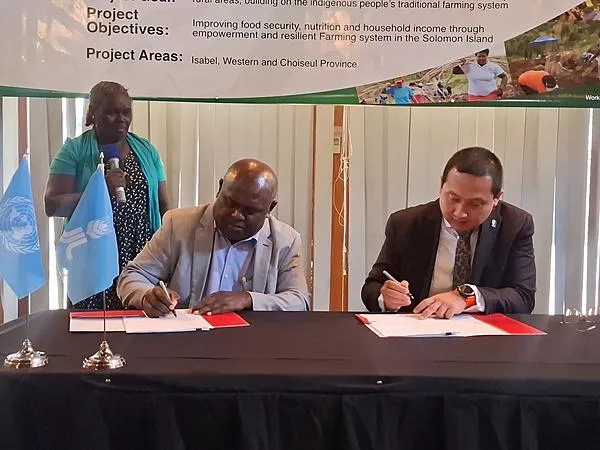
The International Fund for Agricultural Development (IFAD) and the Government of the Solomon Islands have signed a partnership agreement for a US$20 million initiative aimed at improving food security, enhancing nutrition and strengthening resilience to climate change. The six-year project will directly benefit more than 18,000 people.

The Agricultural Investment for Markets and Nutrition (AIM-N) project will build on indigenous farming knowledge to help families grow, purchase and consume more nutritious food.

In the Solomon Islands, around one-third of children under five are stunted, while more than half of adults are overweight — a consequence of mounting pressure on traditional farming systems and the widespread availability of low-cost, imported foods. AIM-N will address these issues by revitalising local food systems and creating sustainable economic opportunities linked to nutrition-focused agriculture.

“This partnership with the Solomon Islands is a critical investment in the health, prosperity and resilience of its rural people,” said Candra Samekto, IFAD country director for the Pacific Islands. “By linking nutrition directly to agricultural production and market access, AIM-N empowers small-scale farmers, particularly women and youth, not just to earn a better living, but to build a healthier future for their families and communities. This project is a testament to our shared commitment to transforming food systems from the ground up.”

The project will combine nutrition education and behaviour change communication with the diversified production of climate-resilient, nutritious local foods. It will support community and household gardens and work with six secondary boarding schools to improve student diets by sourcing food from nearby farmers.

AIM-N will also facilitate partnerships between small-scale farmers and buyers, and help producers upgrade their agricultural practices, improve product quality and develop business skills to meet market standards and earn better returns. Competitive grants will be provided to women’s groups to support nutrition-focused and labour-saving initiatives.

A new line of credit, managed by the Development Bank of Solomon Islands (DBSI), will provide loans to micro, small and medium agribusinesses and farmer organisations.

The total cost of the AIM-N project is US$19.82 million. This includes a US$6.1 million grant from the Global Agriculture and Food Security Program (GAFSP) administered by IFAD, and a US$9.3 million loan from IFAD. A private financial institution will contribute US$820,000, while the Solomon Islands Government and local communities will provide US$1.2 million in domestic co-financing. An additional US$1.4 million in GAFSP funding will be managed by the Food and Agriculture Organization of the United Nations (FAO).

Implementation will be led by the Ministry of Agriculture and Livestock (MAL) in Choiseul, Isabel and Western provinces. The project is expected to reach 18,330 people across 65 rural communities where subsistence farming remains the primary source of livelihood.

IFAD works closely with the government and development partners to revitalise agriculture, reduce poverty and improve the well-being of Solomon Islanders. Its approach is shaped by its Strategy for Engagement in Small Island Developing States 2022–2027 and a broader framework for supporting communities facing fragility. To date, IFAD has invested nearly US$21 million across five development projects in the Solomon Islands.

August 01, 2025

The long-awaited reopening of Govind Park, now renamed Four R Stadium, took place on 31 July, marking a significant milestone after the iconic venue was severely damaged by Cyclone Winston in 2016.

Officiating at the event was the Minister for Housing and Local Government Maciu Nalumisa, who said the redevelopment is part of a broader vision in which sport is not merely seen as entertainment, but as a tool for empowerment and local employment.

“The redevelopment for sporting purposes is not only for entertainment but also a driver of health, unity, economic activity and national pride. It empowers our youth, strengthens our identity and builds social cohesion,” he said. “Investment in sports and infrastructure like Govind Park also means more local employment, tourism opportunities and vibrant local economies.”

With a total investment of $13 million, the new stadium is set to host local rugby and football tournaments, Super Rugby matches and international rugby test series. During the ceremony, Nalumisa reminded the Ba community of the project's importance, noting the facility's deep-rooted significance.

“We made it a priority to unlock stalled infrastructure projects, especially those that carry deep community value. We committed $13 million to bring this project to life, and we insisted on timelines, transparency and quality,” he said.

“This occasion marks the revival of a national symbol, a local treasure and a proud part of our sporting and community heritage. We did not just restore what was lost, but built something better and lasting.”

The Ba Town Council, relevant authorities and stakeholders were acknowledged for their dedication to the stadium’s reconstruction.

Minister Nalumisa also reaffirmed the Coalition Government’s commitment to Fijians through the continuation of rural housing grants, the upcoming launch of the 2025 Clean Cities and Towns competition and the development of a modern, sustainable waste management solution for the division.

August 01, 2025

Deputy Prime Minister and Minister for Finance Biman Prasad launched on 31 July the Compliance Improvement Strategy (CIS) 2025–2028 at the Fiji Revenue and Customs Service (FRCS).

The CIS introduces a new web-based platform that provides easier access to tax information and services, with a focus on addressing compliance challenges in sectors such as wholesale, retail and micro, small and medium enterprises.

The initiative aims to promote voluntary taxpayer compliance, raise awareness and education, and foster greater trust and fairness within the tax system. In launching the strategy, Prasad emphasised the core principles of a good tax system, highlighting the need for mutual trust between taxpayers and the FRCS.

He also underscored the Coalition Government’s commitment to engaging the private sector in national development planning and ensuring a level playing field for all economic actors.

“As we continue to build a stronger and more inclusive Fiji, we must recognise that a fair and effective tax system is not just a government mechanism. It is a shared commitment between the state and its people — one that enables us to fund our schools, hospitals, infrastructure and essential services, and to invest in the future,” he said.

“As a government, that is never enough because budgets are always limited and revenues are always limited; however, governments have to work within those constraints, which may include borrowing and managing a deficit.”

He added, “The idea behind this new compliance strategy is to create a culture where compliance is not feared but embraced.”

Prasad reiterated that voluntary compliance is the foundation of national development, saying taxpayers who register, file, pay on time and report accurately help build a stronger and fairer system that benefits everyone.

Taxpayers, businesses and public servants were urged to contribute to a culture of compliance through responsible service and shared accountability.

August 01, 2025

Filji Minister for Immigration Viliame Naupoto met with New Zealand’s Minister for Customs Casey Costello in Suva as part of the overall effort by both countries to enhance bilateral cooperation, particularly in the areas of border and regional security.

During their discussions, Naupoto and Costello s exchanged views on strengthening collaboration to combat transnational crimes including drug and human trafficking, as well as the need to improve mechanisms for real-time data sharing and coordinated border intelligence. The ministers also highlighted the importance of a united regional response to growing threats such as cybercrime and irregular migration.

Naupoto expressed Fiji’s interest in enabling ePassport access through New Zealand’s SmartGate system—similar to the arrangement already in place with Australia—which would streamline the travel experience for Fijian passport holders and support more efficient border control processes.

For her part, Costello reaffirmed New Zealand’s commitment to deepening cooperation with Fiji, acknowledging Fiji’s central role in Pacific border security.

“Fiji is not only a close friend but also a critical partner in our shared efforts to safeguard the Pacific. We are committed to enhancing our joint capabilities to detect and prevent illegal activities while at the same time making legitimate travel more efficient for our people,” she said.

She further noted that improved information exchange and the sharing of best practices between agencies would be key to lifting both nations’ ability to respond swiftly and effectively to evolving border challenges.

“This visit reaffirms our shared values, mutual trust and the importance of working together as Pacific partners,” she said.