












July 30, 2025

The Government of Fiji and the Republic of India convened the Sixth Foreign Office Consultations (FOC) reaffirming their shared commitment to strengthening bilateral relations, cultural ties, socio-economic development and international cooperation.

The consultations brought together senior officials from both governments to review current areas of cooperation and explore new opportunities for deeper ongoing collaboration. The meeting also served as a strategic platform to prepare for the upcoming official visit of the Prime Minister of Fiji and Minister for Foreign Affairs, Sitiveni Rabuka, to India on 25 August 2025.

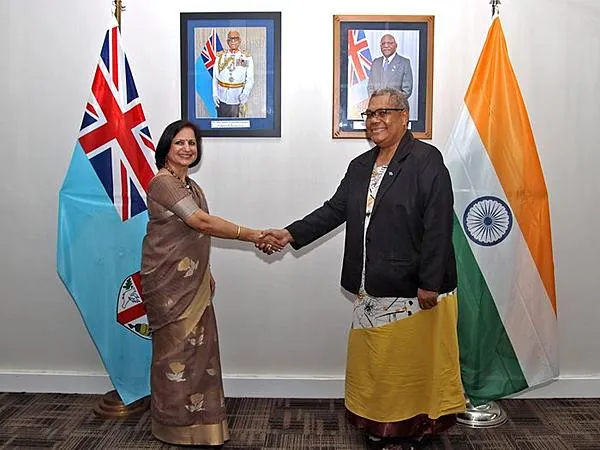
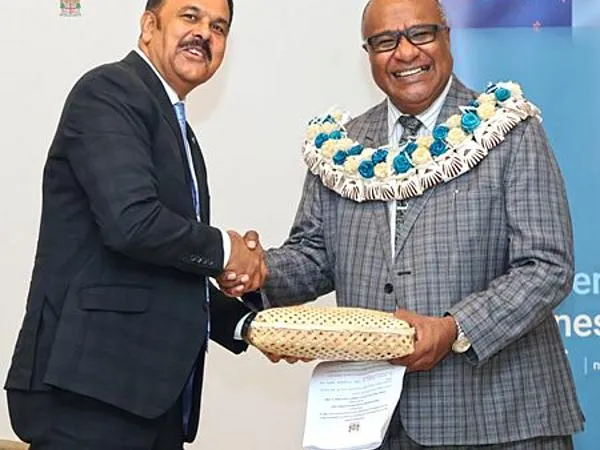
The one-day consultation at the Ministry of Foreign Affairs headquarters in Suva, was presided over by Fiji’s Permanent Secretary for Foreign Affairs Dr. Raijeli Taga and the Republic of India’s Secretary (South) in the Ministry of External Affairs Dr. Neena Malhotra.

Taga welcomed Malhotra and her delegation from the Ministry of External Affairs of the Republic of India and expressed her deep gratitude to India for its support in facilitating this important dialogue. She acknowledged India’s contributions to Fiji’s socio-economic development through the Forum for India-Pacific Island Countries Cooperation, the Indian Technical and Economic Cooperation (ITEC) programme and various bilateral development projects such as the proposed 100-bed Super Speciality Cardiology Hospital.

Malhotra conveyed similar sentiments, expressing confidence that the outcomes of the Sixth Foreign Office Consultations would lead to stronger cooperation between the two countries. She also appreciated the opportunity to hear directly from senior government officials about Fiji’s foreign policy, regional cooperation and national development priorities. Dr Malhotra added that she looks forward to the implementation of the landmark 100-bed super speciality hospital project and the establishment of the Indian Cultural Centre and Chancery in Suva.

As Fiji and India approach the commemoration of 55 years of formal diplomatic relations, the Sixth Foreign Office Consultations served as an important dialogue that reaffirmed both countries’ commitment to preserving their historical ties and enduring partnership and to elevating the relationship to new heights.

July 30, 2025

Economic growth is slowing across the Pacific as countries face weak global conditions, natural hazards, and climate-related shocks. The World Bank’s flagship Pacific Economic Update projects regional growth to decline to 2.6 percent in 2025, down from 5.5 percent in 2023.

This slowdown coincides with the fading of post-COVID recovery, weakening tourism in some countries, and rising global policy uncertainty. Inflation is easing but remains above pre-pandemic levels—keeping the cost of living stubbornly high. Moreover, the region’s dependence on external aid, remittances and imported goods may leave many economies vulnerable to external shocks.

Aggregate growth among tourism- and remittance-led countries such as Samoa, Tonga, Palau and Vanuatu is expected to halve from 2024 to 2025. In Solomon Islands—the second-largest economy among the 11 Pacific Island Countries covered in the update—growth has hovered around 2.5 percent, constrained by structural challenges including declining logging revenues and limited economic diversification.

Inflation is projected to fall to 3.6 percent in 2025, down from a peak of 7.4 percent in 2023, but elevated prices continue to strain household budgets. Many Pacific economies remain highly exposed to natural disasters, climate shocks and external funding volatility, with foreign government grants comprising nearly 40 percent of gross national income in some countries.

Amid these challenges, the report identifies a major opportunity to boost long-term resilience and growth: increasing women’s participation in the workforce. On average, only 42.7 percent of working-age women are active in Pacific labour markets—more than 15 percentage points lower than male participation. Closing this gap could raise long-term GDP per capita by over 20 percent on average across the region.

“While Pacific nations can’t control global shocks, there is an opportunity to build stronger domestic foundations. Real economic resilience will come from addressing these long-standing challenges through structural reforms,” said Ekaterine Vashakmadze, senior economist at the World Bank.

“Engaging more women in work is one of the highest-impact reforms Pacific governments can pursue,” Vashakmadze added.

The report shows that in many Pacific countries, the lack of paid leave, childcare, and protections in the workplace keeps women out of work. Social norms often confine women to low-paid jobs and, even with higher levels of education, women remain underrepresented in high-demand sectors such as technology and engineering.

The Pacific Economic Update released in mid-July 2025 highlights that more inclusive labour markets can deliver broad-based benefits. Approximately half a million working-age Pacific women are currently outside the labour force and remain nearly invisible in many subsectors. Closing these gaps could significantly increase household incomes, support private sector development, and strengthen long-term fiscal sustainability.

For Part Two, the update emphasises the urgent need to boost women’s participation in the Pacific energy sector, where they hold just 5 percent of technical roles—positions that are well paid and central to the region’s energy transition. Building on the World Bank’s Pacific Women in Power programme with the Pacific Power Association, the report outlines steps to close these gaps, such as improving workplace safety, supporting families, and partnering with educators to empower both women and men for workforce entry.

“Utilities across the Pacific are stepping up—not just because it’s the right thing to do, but because a stronger, more resilient energy sector depends on it,” said Helle Buchhave, senior social development specialist at the World Bank.

The Pacific Economic Update is published twice yearly and covers 11 countries: the Federated States of Micronesia, Fiji, Kiribati, the Republic of the Marshall Islands, Nauru, Palau, Samoa, Solomon Islands, Tonga, Tuvalu and Vanuatu.

It aims to inform business leaders, citizens, international partners and policymakers about economic trends and key development issues in eleven Pacific Island countries.

July 29, 2025

Nick van Voorst is an Australian Registered Migration Agent (MARN: 0640648), a Registered Education Agent (M042) and the owner of Coral Coast Migration Service.

He has studied Australian Migration Law at Griffith University in Brisbane and has been working as a Registered Migration Agent since 2006. He is a member of the Migration Institute of Australia and is based in Cairns.

The company provides professional advice for people wishing to apply for an Australian Visa and specialises in Student, Tourist, Employer Sponsored, General Skilled, Partner and other Family Visas, as well as Australian Citizenship Applications.

We are also Registered Education Agents and represent Education Queensland International, Cairns College of Business and English, and can assist with enrolments in other colleges and universities around Australia.

A Registered Migration Agent will make sure that your application is well presented, professionally prepared and meets all requirements. The agent will assist with the completion of all necessary forms, collating of documents, preparation of submissions and the lodgement of your application. He will monitor the progress of your application and provide ongoing advice and liaise with the Department of Home Affairs on your behalf.

All Australian Registered Migration Agents must have Immigration Law qualifications and must abide by a strict Code of Conduct.

We offer reasonable, fixed fees, agreed upon in advance, excellent, regular communication, support and feed-back.

Our Services:

  • Enrolments with selected education providers
  • Medical insurance
  • Student and student guardian visa
  • Partner, skilled and employer sponsored visas
  • Citizenship

Education Queensland International (EQI) develops and promotes programs for international students who want to study at a Queensland Government primary or secondary school.

Education Queensland International has more than 95 schools in Cairns, Townsville, the Fraser Coast,  the Gold Coast, the  Sunshine Cost and Brisbane that welcome international students to study the Queensland curriculum.

This includes primary schools that offer programs from Prep to Year 6 and high schools that offer programs from Year 7 to 12, including the International Baccalaureate.

These schools provide an internationally recognised academic curriculum, and many offer vocational training and special programs. Extra-curricular activities are also available.

Most schools are close to universities and Technical and Further Education (TAFE) institutions, and many have partnerships with them that could benefit students. This includes an easy path to further study and future goals.

International students enrolled in primary school must stay with a parent or Department of Home Affairs (DHA) approved relative. If you are a high school student, you may choose to live with a parent or a close relative who lives in Queensland.

The alternative accommodation option for high school students is staying with a local Queensland family from your school. This is called a homestay. Staying with a local family is a great way to enjoy the Australian way of living.

Important: enrolment application deadlines:

  • Term 1, 2026: 19 September 2025
  • Term 2, 2026: 10 January 2026
  • Term 3, 2026: 13 February 2026
  • Term 4, 2026: 26 June 2026

For further inquiries, please visit our website: https://www.coralcoastmigrationservice.com.au/

July 29, 2025

Fiji Airways is introducing a series of new onboard experiences, beginning with a vibrant Pacific Rim–inspired menu now available on select flights. This marks a bold step forward in its commitment to exceptional Fijian hospitality, service and world-class excellence.

Leading this transformation is the new Dine on Demand concept in Business Class, launching on select long-haul flights – a first for the airline. This tailored experience gives guests the freedom to choose what they want to eat and when, adding a new level of personalisation and comfort to their journey.

"Fijian hospitality is at the heart of what we do," said Andre Viljoen, chief executive officer and managing director of Fiji Airways. "This next chapter elevates that promise. With the initial introduction of our new Pacific Rim menu and on-demand dining, we're delivering a fine-dining restaurant-quality experience in the sky – one that is authentically Fijian, thoughtfully crafted and aligned with the evolving needs of today’s traveller."

A menu that celebrates culture and connection

The newly introduced menu reflects Fiji’s unique position at the crossroads of Asia, Oceania and North America. It blends fresh bold flavours from Southeast Asia, contemporary Australia and the Pacific Islands, showcasing local Fijian ingredients with an emphasis on sustainable sourcing.

Dishes are freshly finished and plated onboard to ensure restaurant-quality presentation with cabin crew specifically trained in culinary and wine service to deliver a personalised and seamless experience. Signature dishes in Business Class include:

  • Grilled Mahi Mahi with Prawn Chilli Oil – a coastal celebration with corn coriander cake and lime marmalade
  • Hamachi Crudo with Octopus and Ponzu – a refreshing starter with Fijian sea grapes (nama) and herbs
  • Fijian Chicken Curry – a coconut-simmered comfort dish reflecting Indo-Fijian heritage
  • Roasted Cauliflower with Pacific Greens and Garlic Cream – a standout plant-based hero
  • Salted Chocolate Crème with Pistachio and Caramelised Banana – an indulgent dessert with tropical flair
  • Kumquat Cheesecake – a punchy finale

Fresh Beverages and thoughtful additions

Business Class tables are adorned with a handcrafted Vau flower made in Fiji and set with bone china dinnerware and crisp white cotton tablecloths. The new Business Class menu is accompanied by an expanded programme that includes:

  • Cold-pressed juices made in Fiji using local tropical fruits and vegetables
  • A curated wine list highlighting premium varieties from New Zealand, Australia and California
  • A signature series of cocktails and mocktails inspired by the spirit of the islands featuring locally distilled Blue Turtle Gin Fiji and Fijian Bati Rum
  • Artisanal Fijian chocolate locally made and paired with tea and coffee

Elevated Economy Experience

Economy Class has also been refreshed with updated meal options, a new cocktail and mocktail offering, hot chocolate and an expanded selection of snacks and beverages available throughout the journey. Special dietary requirements can be arranged in advance ensuring inclusivity across all cabins.

Fiji Airways' move to enhance its inflight service is part of a broader set of game-changing strategies designed to position Fiji’s national carrier shoulder to shoulder with the world’s best airlines.

"We fly for Fiji," explained Viljoen. "As the national carrier, we recognise the profound role we play in connecting Fiji to the world and sharing the unique warmth and happiness that only Fiji offers. Through our strategic investments in food, beverage, service training and sustainable sourcing, we’re bringing that happiness to every journey."

The new Pacific Rim–inspired cuisine and service model are being progressively introduced on select long-haul flights and are expected to be fully rolled out across the network by July 2026.

Fiji Airways offers direct flights to 25 international destinations from its hub in Nadi, Fiji, including up to two flights a week between Singapore and the tropical paradise of Fiji. Travellers from Singapore can also enjoy seamless one-stop connections via Nadi to major cities such as Sydney, Melbourne, Brisbane, Auckland, Christchurch and beyond.

Fiji Airways provides the only nonstop service between Singapore and Fiji’s 333 islands, renowned for their warm hospitality, crystal-clear waters, vibrant coral reefs and pristine white-sand beaches – delivering the perfect blend of relaxation and adventure.

Founded in 1951, the Fiji Airways Group comprises Fiji Airways, the international carrier, and its wholly owned domestic and regional subsidiary, Fiji Link. From its hubs at Nadi and Suva International Airports, the group serves 101 destinations in over 14 countries (including codeshare). Destinations include Fiji, Australia, New Zealand, the US, Canada, the UK, Hong Kong SAR, Singapore, India, Japan, China, Samoa, Tonga, Tuvalu, Kiribati, Vanuatu and Solomon Islands.

The Group brings in 70 percent of all visitors who fly to Fiji, employs over 2,000 people and earned revenues of over FJD $1.7 billion (USD $770 million) in 2023. Fiji Airways rebranded from Air Pacific in June 2013. 

July 29, 2025

The Republic of Vanuatu marked a significant milestone in its international outreach efforts with the successful hosting of its 2025 National (Financial) Resources Promotion Conference in Hong Kong.

Organised by the Embassy of Vanuatu in China, the event brought together Chinese and Hong Kong officials, business leaders, listed companies, media, and stakeholders from across the region, highlighting Vanuatu’s ambitions to expand economic ties—particularly in finance and tourism.

The afternoon event opened to the sound of traditional Melanesian music, setting the tone for a vibrant showcase of Vanuatu’s natural charm and emerging investment landscape.

Among the honoured guests was Deputy Prime Minister and Minister of Finance and Economic Management of Vanuatu, Johnny Koanapo Rasou,  who spoke passionately about Vanuatu’s aspirations.

“We welcome Chinese guests to experience the hospitality of the Vanuatu people firsthand,” he said, extending an open invitation for deeper collaboration. “We hope to strengthen cooperation in various industries and fields, including finance, tourism and culture, with China and the Hong Kong Special Administrative Region.”

Also in attendance was Nguk Yang Dennis Nai, ambassador extraordinary and plenipotentiary of Vanuatu to the People’s Republic of China, who underlined the long-term opportunities for partnership. “We warmly welcome individuals from all sectors in China to explore more cooperation opportunities with Vanuatu,” he said.

The event blended cultural richness with economic ambition. In a visually engaging segment led by a travel influencer invited by the Vanuatu National Tourism Office, guests were taken on a virtual tour through Vanuatu’s signature attractions—from its volcanic landscapes and hidden blue holes to the enduring traditions of its village communities.

Osborne Taseru, first secretary at the Vanuatu Embassy in China, gave a detailed presentation on the country’s eco-tourism routes and seafood export advantages. “Vanuatu has enormous potential not just as a natural paradise but as a rising player in sustainable economic development,” he noted.

A central focus of the event was Vanuatu’s evolving financial sector. Cliff Chen, senior advisor to the Deputy Prime Minister, introduced key legislative frameworks such as the Virtual Asset Service Provider (VASP) Act, highlighting the nation’s openness to digital asset projects and fintech partnerships.

“We are committed to providing a transparent and forward-looking financial environment that supports innovation while ensuring regulatory clarity,” Chen said.

The momentum continued with a series of strategic Memorandum of Understanding (MOU) signings involving South Pacific Digital Holdings (SPDH).

MOUs were signed with two Hong Kong-listed firms—Crypto Flow Technology Limited and Unisound AI Technology Limited—as well as with Japanese digital asset exchange BitTrade and Australian fintech company Tridens Investment. The agreements were witnessed by Ambassador Nai and signify a bold step forward in Vanuatu’s fintech diplomacy.

Earlier in the day, Deputy Prime Minister Koanapo held high-level talks with Hong Kong Chief Executive John Lee Ka-chiu, the Financial Services and the Treasury Bureau, and the Hong Kong Monetary Authority.

Reflecting on those engagements, he expressed optimism: “I commend the progress made in both traditional and digital finance between our sides. We intend to deepen regulatory and sectoral cooperation through a series of MOUs, working together to advance financial development.”

As the event drew to a close amid applause and positive energy, organisers were quick to remind attendees that this was not a conclusion but the beginning of stronger, mutually beneficial ties.

“We are confident that in the days ahead, with its unique charm and immense potential, Vanuatu will attract more international partners to invest and engage in business,” the Deputy Prime Minister said.

The conference underscored Vanuatu’s proactive strategy in promoting itself as a serious economic partner—one that combines rich cultural heritage with modern economic aspirations in the heart of the South Pacific.

July 28, 2025

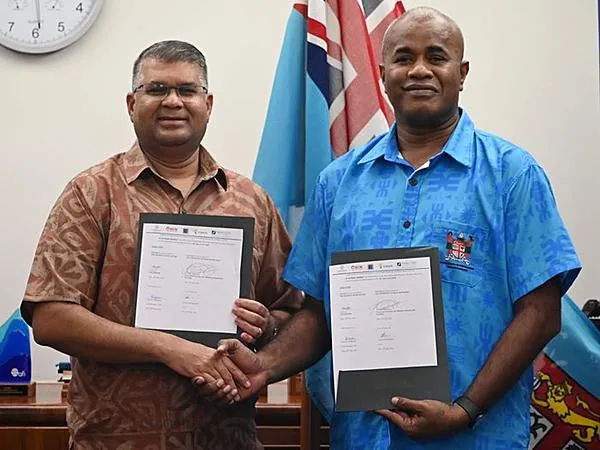
The Ministry of Rural and Maritime Development and Disaster Management today reaffirmed its commitment to building stronger and more financially resilient rural communities through the signing of an addendum to its Memorandum of Understanding (MoU) with the Reserve Bank of Fiji (RBF).

The expanded partnership now formally includes support for parametric insurance as a key financial safety net for rural families facing climate-related disasters.

“This addendum represents an important milestone in our existing collaboration with the Reserve Bank of Fiji. It formalises our shared commitment to empowering rural communities with tools that not only protect livelihoods but also enhance financial resilience in the face of natural hazards,” said the Permanent Secretary for Rural and Maritime Development and Disaster Management Isoa Talemaibua.

Fiji’s rural and maritime communities continue to face increasing risks from climate-induced events such as cyclones, droughts and flooding. In response, parametric insurance offers a proactive solution, providing timely and reliable financial relief to affected households following severe weather events.

“This new initiative bridges a critical gap in our national disaster response framework. It complements the work of the National Disaster Risk Management Office by ensuring that families receive early financial assistance, minimising vulnerability and supporting quicker recovery," Talemaibua said.

The strengthened partnership also aims to improve awareness and access to financial services, including insurance products tailored to the needs of rural populations. This reflects the Ministry’s broader commitment to integrating climate adaptation and financial innovation into sustainable development planning, he added.

The Ministry acknowledges the leadership of the Reserve Bank of Fiji in driving forward risk financing solutions and expresses gratitude to development partners who continue to support such forward-looking interventions.

“As a Ministry, we remain dedicated to working with all stakeholders to ensure this programme reaches those who need it most — efficiently, equitably and sustainably," Talemaibua said.

July 28, 2025

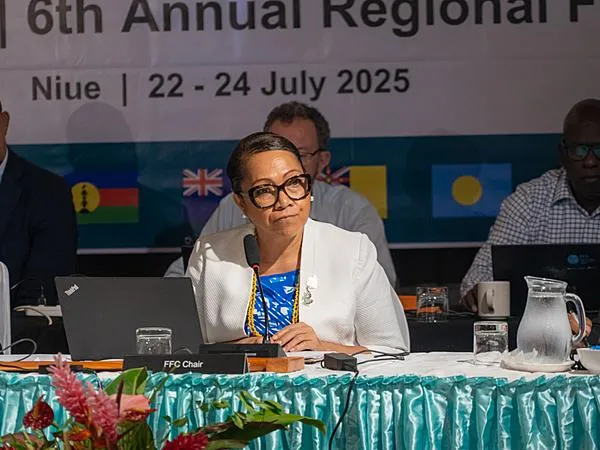
The 24th Forum Fisheries Committee (FFC) Ministerial Meeting and the 6th Regional Fisheries Ministers Meeting (RFMM) concluded today in Niue, with a Ministerial Retreat held in Alofi.

Ministers from the Cook Islands, Fiji, Kiribati, New Zealand, Niue, Palau, Papua New Guinea (PNG), Solomon Islands, Tuvalu and Vanuatu attended the meeting, along with the Fisheries Minister of New Caledonia, who participated as an observer. Senior officials representing Australia, the Federated States of Micronesia (FSM), the Republic of the Marshall Islands, Nauru, Samoa, Tokelau and Tonga were also in attendance.

The official FFCMin24 Communiqué was adopted during the retreat, outlining key priorities and agreements that will help shape discussions at the upcoming Pacific Islands Forum Leaders Meeting in Solomon Islands this September.

The Communiqué addresses critical issues such as the Fisheries Roadmap, the Chair’s Ocean Literacy Initiative and the implementation of FFA’s Climate Change Strategy. Key ministrerial endorsements include:

Adoption of the Ocean Literacy Initiative

Ministers reaffirmed the importance of Ocean Literacy and the need to ensure it reflects the Pacific identity, culture and environment. They recognised that this initiative strengthens the connection between the ocean, language, culture and traditional ecological wisdom that is deeply rooted in Pacific communities and people.

They called for whole-of-government and whole-of-society collaboration to ensure a holistic multi-stakeholder approach and expressed gratitude to Ministerial Chair Hon. Mona Ainu’u for her leadership on this initiative.

Implementation of Climate Change Strategy

Ministers welcomed progress on the implementation of the FFA Climate Change Strategy and acknowledged the engagement of Members and the Secretariat in the ICJ Advisory Opinion on Climate Change.

They directed the FFA Secretariat to continue supporting Members in implementing the Strategy and strongly reaffirmed support for the Government of Australia’s bid to host UNFCCC COP31 in partnership with the Pacific in 2026.

This, they said, will elevate the call for more action to protect the oceans and tuna fisheries from the impacts of climate change.

South Pacific Albacore Management

Ministers unanimously endorsed the landmark agreement on proportional allocation of South Pacific albacore (SPA) among FFA Members – a breakthrough that marks a major milestone in regional fisheries management and stands as a powerful testament to Pacific unity, collective leadership and mutual respect.

They supported the formation of a strong and unified FFA negotiating position to be taken to the Western and Central Pacific Fisheries Commission (WCPFC) in December 2025.

East New Britain Initiative (ENBi)

Ministers noted progress on the East New Britain Initiative (ENBi), including enhanced resourcing and funding support.

They acknowledged that some elements have already been advanced by the Parties to the Nauru Agreement (PNA) Members through initiatives such as Pacific Island Tuna (PIT), Tripartite and other PNA proposals focused on dockside offloading, in-region processing and electronic monitoring.

Ministers noted that PNA Ministers take the lead on commercialisation of the ENBi and directed the FFA Secretariat to accelerate its operationalisation in close association with the PNA – including efforts on regional processing hubs and the establishment of the Regional Fisheries Development Fund.

Independent Refresh and Performance Review

Ministers welcomed the final report of the Independent Refresh and Performance Review of the Agency and endorsed the formation of a small working group to be chaired by the Ministerial Chair, to oversee implementation of the recommendations in collaboration with the Director General.

They also acknowledged the need for adequate resourcing to support the Director General in delivering on the report recommendations.

Economic and Fisheries Ministerial Working Group

Ministers noted updates from the Pacific Islands Forum Secretariat (PIFS) and the FFA Secretariat on the feasibility of establishing a joint Economic and Fisheries Ministers Working Group.

They agreed to suspend the initiative until institutional arrangements within Member countries and the Secretariats are in order.

2050 Strategy and Review of the Regional Architecture

Ministers noted the update on the 2050 Strategy and the Review of Regional Architecture. They reaffirmed their strong commitment to supporting the FFA Secretariat and acknowledged the significant national and regional value generated through fisheries cooperation.

Observers from the Pacific Islands Forum Secretariat (PIFS), the Parties to the Nauru Agreement Office (PNAO), The Pacific Community (SPC) and the University of the South Pacific (USP) were also in attendance. The meeting was supported by the FFA Secretariat.

New Zealand will host the next FFC Ministerial Meeting in June 2026.

July 28, 2025

In a landmark development for Pacific fisheries, officials have reached consensus on the long-standing issue of South Pacific albacore (SPA) tuna allocation within the Exclusive Economic Zones (EEZs) of the Pacific Island Forum Fisheries Agency (FFA) Members south of the equator.

This breakthrough comes after nearly two decades of negotiations and represents a historic advancement in regional fisheries cooperation.

The agreed allocations will form the basis of a binding agreement under the FFA Allocation Framework for SPA, reinforcing the region’s commitment to sustainable, equitable and responsible tuna fisheries management.

The Ministers’ endorsement of the proposed allocation paves the way for a modernised zone-based approach to longline fisheries management.

“This outcome is a major step forward for the Pacific,” said Honourable Mona Ainu’u, Ministerial Chair of the Forum Fisheries Committee (FFC).

“South Pacific albacore is the backbone of our tuna longline fisheries and the economies of many of our coastal states. This agreement signals our unity and determination to protect our resources for future generations while also enabling fair economic returns today.”

The newly adopted framework will help advance the region’s position in broader negotiations at the Western and Central Pacific Fisheries Commission (WCPFC), such as the adoption of a SPA Management Procedure and its implementation that recognises zone-based management and high seas management.

“This decision exemplifies Pacific solidarity,” said FFA Director-General Noan David Pakop. “It shows that our Members can come together to make bold science-based decisions grounded in fairness and anchored in the Pacific Way of cooperation.”

Although the SPA stock remains healthy, declining catch rates have affected the economic viability of the fishery especially for Pacific Islands' domestic fleets. This agreement ensures that management decisions consider both stock health and the economic viability of the southern longline fishery.

SPA is a key tuna species for the domestic longline fisheries of Pacific Island countries, supporting thousands of jobs, livelihoods and national revenue streams across the region. It sustains local processing industries and is integral to food security and economic resilience in many coastal communities.

As the region prepares to implement the agreement, Ministers reaffirmed the importance of continued strong collaboration with partners to secure the long-term sustainability and prosperity of the Pacific’s tuna resources.

The FFA assists its 17 Members to sustainably manage fishery resources that fall within their 200-mile Exclusive Economic Zones (EEZs). FFA provides expertise, technical assistance and other support to its Members who make decisions about their tuna resources and participate in regional decision-making on tuna management.

July 28, 2025

Pacific Island leaders have formally launched the Pacific Roadmap for Economic Development (PRED) 2025–2030, marking a new chapter in regional cooperation focused on inclusive growth, sustainable finance and economic resilience.

The announcement was made during the 2025 Forum Economic Ministers Meeting (FEMM) held in Suva, Fiji, where ministers from across the Blue Pacific endorsed the comprehensive strategy aimed at steering the region through mounting global economic, climate and geopolitical pressures.

Forum Secretary General Baron Waqa, in his welcome address on 24 July 2025, confirmed that PRED is now “officially under implementation,” adding that it is designed not merely as a technical framework but as a “model for the development of similar implementation plans” under the broader 2050 Strategy for the Blue Pacific Continent.

“PRED is now officially under implementation, and we shall have a formal launching of the PRED document during this meeting,” Waqa said.

The PRED outlines six key focus areas: economic management and public finance; private sector development and MSMEs; trade and investment; the digital economy; labour mobility and remittances; and inclusive economic development.

The roadmap had been developed through broad consultation with Member States, civil society, the private sector, and development partners. The framework will support both national and regional development goals, which is part of a regional architecture for economic development and resilience.

The roadmap aligns with the implementation of the Pacific Resilience Facility and the Climate Finance Access and Mobilisation Strategy, two other regionally endorsed tools intended to boost sustainable finance and disaster readiness.

Forum leaders say the roadmap offers a practical framework to strengthen institutional capacity, unlock financing, reduce trade barriers, and promote inclusive growth—particularly for women, young people, and communities in rural and outer islands.

Tongan Prime Minister and Finance Minister Dr Aisake Valu Eke, who chaired this year’s FEMM, said PRED represents a vital regional instrument for shared progress.

“The need for working together, amidst the increasing global uncertainties confronting our region is critical and cannot be overstated,” Eke said during the official opening of FEMM on 24 July 2025.

Eke had also endorsed the roadmap during a special FEMM held earlier in 2025, stating that it would help drive strategic cooperation across sectors such as finance, gender equity and climate action.

“I urge our Forum Economic Ministers and Forum Women Leaders to embrace this opportunity as a good example of regional cooperation,” he said.

The roadmap comes at a time of mounting fiscal and environmental pressure across the region. Pacific economies continue to grapple with supply chain disruptions, constrained public finances, inflationary shocks and heightened climate vulnerability.

A key challenge remains implementation. While PRED offers a well-articulated framework, Forum officials acknowledged the need for financing and institutional support. Secretary General Waqa noted that the Forum Secretariat will play a central role in coordinating progress reports, policy monitoring, and mobilising technical assistance.

The Secretariat said it would begin work immediately to establish a PRED monitoring framework and annual reporting mechanism. Each thematic area will be supported by tailored implementation plans developed in collaboration with Member States and regional agencies.

The launch of PRED 2025–2030 complements ongoing regional initiatives such as the 2050 Strategy, the Pacific Aid for Trade Strategy, and the Pacific Digital Economy Programme, with officials stressing that the roadmap is not intended to duplicate existing plans but to integrate them into a unified, results-oriented approach.

While the PRED is now active, Forum leaders agree that the real work begins with its execution—and ensuring that the plan does not remain just another regional document, but becomes a tool for lasting and inclusive change.

July 28, 2025

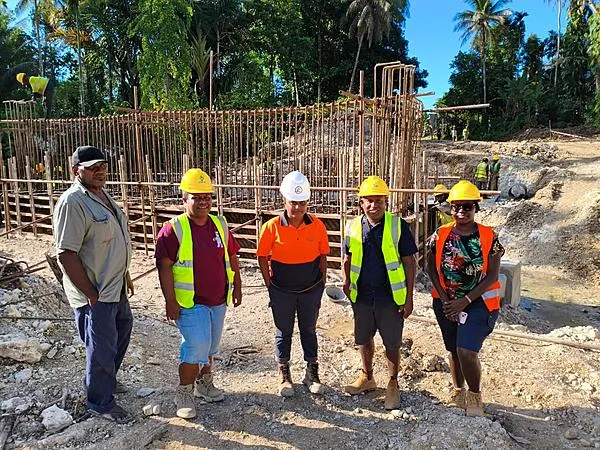
A joint inspection team led by the Ministry of Infrastructure Development (MID) Safeguards Unit has completed a review of four bridge construction sites in Malaita Province, engaging closely with local communities and project stakeholders along the way.

The visit, carried out last week, covered the Kolofe 1 and 2 bridges along the North Road, and the Su’u and Bira bridges along the West Kwaio Road. These projects form part of the broader Solomon Islands Roads and Aviation Project (SIRAP 2), supported by World Bank financing and aimed at improving transport connectivity and climate resilience in the country’s critical infrastructure.

Roxsley Basil, chief safeguards officer at MID, said the team included representatives from the Auki-based MID office, the Project Support Team, the construction supervision engineer EGIS, and the project contractor China Civil Engineering Construction Corporation (CCECC).

At each site, the team conducted not only engineering inspections but also face-to-face community engagements. “We began with the Kolofe 1 and 2 bridges, where we met with the Community Advisory Committee (CAC),” Basil said. “A few concerns were raised during the meeting, and these were noted by all stakeholders present for follow-up.”

Similar interactions were held during the visit to the Su’u and Bira bridges. The feedback sessions gave residents a chance to voice issues and expectations—an approach that officials say is helping to build trust and ensure long-term project sustainability.

As of now, the four bridge sites are approximately 48 percent complete, with physical work said to be progressing steadily despite the logistical challenges of working in remote locations.

The Malaita Bridges project is one of the most visible components of the government’s wider commitment to regional development. The aim is not just to lay concrete and steel but to transform the way communities move, trade, and interact.

When completed, the new bridges will offer more reliable access to markets, schools, and health facilities—especially during the rainy season, when flooding frequently isolates rural villages.

The bridge works fall under Component 2 of SIRAP 2, which focuses on Climate Resilience and Safety Investments in the Road Sector. The programme reflects a multi-year strategy to strengthen infrastructure across Solomon Islands in the face of rising climate risks.

While the Malaita component concentrates on bridges, SIRAP 2’s scope extends far beyond. It includes upgrades to Honiara and Munda airports, rehabilitation of the Santa Cruz Airfield, and improvements in air navigation systems to enhance aviation safety across the country.

The World Bank remains the principal financier of the SIRAP and SIRAP 2 initiatives. Its involvement has brought in not only funding but technical expertise and global best practices in safeguards and community consultation.

The Bank's emphasis on climate adaptation has also steered the design of the bridges to withstand more extreme weather events, including heavier rainfall and stronger floods—making them more than just access points, but lifelines during emergencies.

July 24, 2025

Economic growth in Pacific island nations is expected to hold steady this year but slow slightly in 2026, according to the Asian Development Bank’s latest Asian Development Outlook (ADO) released 23 July, 2025.

The ADB maintained its 2025 growth projection for the Pacific at 3.9 percent, while the 2026 forecast has been adjusted downward to 3.5 percent. The moderation reflects persistent challenges across the subregion, including limited capacity to scale up tourism, constraints in implementing public infrastructure, vulnerability to disasters, fiscal pressures and a high risk of debt distress.

The outlook is heavily influenced by Papua New Guinea and Fiji, the Pacific’s two largest economies. Growth forecasts for both countries remain unchanged.

Inflation across the Pacific is expected to average 3.4 percent in 2025 and 3.7 percent in 2026, broadly in line with international commodity price trends. However, the regional average conceals diverging movements among smaller island states.

In FY2025, inflation is projected to be lower in Samoa, while Palau and the Marshall Islands are expected to see higher inflation due to domestic price trends. For FY2026, inflation is forecast to rise in Palau, while Samoa and the Marshall Islands may see lower rates.

ADB cautioned that volatile fuel prices, geopolitical tensions and supply chain disruptions remain key risks that could complicate inflation management across the Pacific.

The Pacific’s growth outlook contrasts with broader trends across developing Asia, where the ADB has cut regional growth forecasts due to rising global trade tensions, U.S. tariffs and weakening demand from major economies such as China and India.

Still, the ADB urged governments across Asia and the Pacific to strengthen economic fundamentals and support open trade to drive long-term investment and employment.

Founded in 1966, ADB works across Asia and the Pacific to support inclusive, resilient and sustainable development. It is owned by 69 members, including 50 from the region.

July 24, 2025

Canadian miner Lion One Metals Ltd. posted a strong quarter with record performance and C$16.3 million (US$11.9 million) in revenue from its Tuvatu Gold Mine in Fiji, supported by higher gold prices, increased recoveries and strong mill output.

In a quarterly update, the Vancouver-based firm said it sold 3,577 ounces of gold and 1,233 ounces of silver during the three months to June 30. Gold revenue jumped 24 percent from the previous quarter and 77 percent from the same period last year.

Operational records set

Lion One achieved record mill throughput of 33,726 tonnes, with 96 percent utilisation—its highest to date. Gold recovery rose to 84.1 percent in June, up from the previous 12-month average of 80.3 percent. The improvement was credited to mill upgrades and better carbon management.

The average gold head grade was 3.6 grams per tonne, slightly below expectations due to delays in mine development earlier this year. Ventilation work, which had held up progress in deeper zones, was completed in April.

 “With the Tuvatu gold mine still in the pilot plant stage of development, we have made great progress this quarter in laying the foundations for future success at Tuvatu,” Lion One CEO Ian Berzins said in a statement.  

Underground progress ramps up

Underground development hit a new high of 1,503 metres during the quarter. A record 545 metres was completed in May alone, thanks to the arrival of new mining equipment and ventilation upgrades. This compares to an average of 340 metres per month over the previous year.

More mining gear is expected to arrive in July and August, which the company believes will further boost underground activity.

The company’s first shrinkage stope is now fully developed, with production scheduled through the current quarter. Drilling in this zone returned high-grade gold intercepts, including 489.5 g/t over 0.4 metres.

Stronger outlook

Construction of a flotation circuit is underway and gold recovery is forecast to exceed 90 percent by the end of 2025. Tuvatu remains in the pilot production stage, but Lion One expects performance to continue improving.

“We have increased gold recoveries on the mill side and we have increased the rate of underground development on the mine side, both of which we expect to continue to improve moving forward. With production from the shrink stope coming online in July we anticipate this upcoming quarter to achieve even stronger results,” Berzins said.

Lion One Metals is a Canadian gold miner operating the 100% owned Tuvatu Alkaline Gold Project in Fiji. The project includes a high-grade underground mine, a pilot processing plant, an assay lab and a large exploration licence over the Navilawa Caldera.

July 24, 2025

Port Moresby – Australian gold miner St Barbara is reporting encouraging results from its recent drilling efforts at its Simberi operations in Papua New Guinea, where the company has found more gold mineralization and sulphide-rich rock directly beneath existing open-pit mines.

The new discoveries come from a large-scale drilling programme aimed at extending the life of Simberi by identifying deeper sources of gold beneath areas already being mined.

One of the most promising results came from the Samat deposit, where gold was found just below the current open-pit reserve. While the area had been only lightly drilled in the past, new holes revealed high-grade gold in sulphide rock—a denser material that requires different processing but can contain significant value.

Over the past year, St Barbara drilled more than 10,000 metres across 61 holes, targeting both known gold zones and unexplored areas. The latest campaign also included the first-ever diamond drilling at Samat, with results showing strong potential for expanding future mining below the existing pits.

Another key site, the Sorowar–Pigiput Trend, also delivered solid gold intercepts, including high-grade samples that reaffirm the area’s long-term value.

“The identification of additional sulphide mineralisation extending or located immediately below the current sulphide open pit Ore Reserve at Samat and Sorowar – Pigiput Trend is very positive news,” St Barbara Managing Director and CEO Andrew Strelein said in a statement.

Strelein said the company is looking forward to the results of the remaining 10 Samat drill holes to better understand the potential to define additional high-grade sulphide resources where historic diamond drilling is relatively sparse.

Most of the remaining assay results are expected during the September quarter.

“During the September quarter we anticipate the return of assay results for most of the remaining 20 resource definition, exploration and sterilisation holes drilled to date at Samat, Pigicow-Botlu, Pigibo North, PigiboBotlu and Pigiput Northeast Trend.”

St Barbara’s Simberi mine is located in New Ireland Province and forms part of the company’s broader presence in the Pacific, where it continues to explore and develop resources responsibly in partnership with local communities.

In a related development, St Barbara is edging closer to securing the future of its operations in Simberi, as its application for the early renewal of Mining Lease 136 (ML 136) moves into its final stages of review.

The company confirmed that the Mining Advisory Committee (MAC) convened a special meeting on Sunday, 6 July 2025, to assess the early renewal application, after an earlier meeting was rescheduled from late June. Following that session, the MAC sent a formal letter requesting clarifications on several items. St Barbara responded to the queries on 15 July—one day after receiving the letter.

The recommendation from the MAC is the final procedural step before a decision is made by Papua New Guinea’s Minister for Mining Rainbo Paita. However, the company noted that the Minister is travelling overseas until the end of July, with formal approval expected at the earliest in August 2025.

If approved, the renewed lease would extend the company’s tenure at Simberi through to 2038, aligning with the mine’s projected life under the Simberi Expansion Project, which is based on Proven and Probable Ore Reserves.

“The renewal of the Simberi Mining Lease is a key step towards unlocking the Sulphide Ore Reserves at Simberi and expanding gold production to over 200,000 ounces per annum,” In a Strelein said.

St Barbara has operated the Simberi mine since 2008. The lease renewal, once approved, is expected to pave the way for deeper sulphide mining and future investment in processing infrastructure to support increased output.

July 23, 2025

BOULOUPARIS, New Caledonia — Christopher Gygès, member of the New Caledonia government responsible for energy, led the launch of several renewable energy projects in Boulouparis on Friday, 18 July at 10 a.m. at the TotalEnergies Renouvelables Pacific site.

Joined by Pascal Vittori, mayor of Boulouparis, as well as representatives from TotalEnergies Renouvelables France, Akuo Energy and Enercal, Gygès unveiled the Boulouparis Grande Batterie and the 60 MWp Boulouparis 3 photovoltaic farm — two key components of New Caledonia’s accelerating clean energy transition.

In 2016, New Caledonia adopted its Energy Transition Plan (STENC). A revised version, known as STENC 2.0, was approved by Congress in August 2023. It focuses on decarbonising the metallurgy industry, promoting carbon-free mobility and improving energy efficiency.

Three major private sector-led projects in Boulouparis are central to achieving STENC 2.0’s objectives:

  • Completion of Phase 3 of the Boulouparis photovoltaic farm
  • The upcoming construction of the Boulouparis Large Battery
  • Infrastructure upgrades by Enercal to support these developments

“These private initiatives are among the largest national and European projects,” said Gygès. “They demonstrate a genuine desire to green New Caledonia's energy mix and above all to provide affordable, carbon-free energy both to Caledonians and to the metallurgy sector.”

The projects are also expected to boost energy independence, create jobs and stimulate the construction sector.

“With this 15 billion [CFP franc] in private investment (approx. US$135 million) and the 200 jobs subsequently created, we have the opportunity to build a sector with the added bonus of training young Caledonians who will be able to sustain this sector of activity,” Gygès added.

TotalEnergies and Enercal sign agreement for Boulouparis 3

Following the commissioning of Units 1 (12 MWp) and 2 (16 MWp + 10 MWh storage) in 2017 and 2019, TotalEnergies and Enercal have signed the power purchase agreement (PPA) for Unit 3, a crucial step towards launching this next phase. Once completed, the three units will form the largest photovoltaic site in New Caledonia and one of the five largest in France, with a combined capacity of nearly 90 MWp.

Europe's largest battery project in final phase

Akuo Energy’s Boulouparis Large Battery project is now in its final financing stage. Designed as one of the largest electricity storage systems in Europe, the battery will offer 150 MWh of capacity and 50 MW of output over three hours.

The battery will provide key technical capabilities tailored to local needs:

  • Load transfer: storing solar energy during the day and releasing it in the evening to avoid peak loads
  • Grid support: regulating frequency and voltage
  • Black start: enabling grid restart after outages
  • Thermal substitution: quickly replacing fossil fuel plants with renewables
  • Accelerated integration of renewables: by adding more controllable capacity

The project is also grounded in community participation, with local groups GDPL Wiwa and Wije holding shares. Risk management measures include a full hazard study and close cooperation with the Civil Security Risk Management Department (DSCGR) and the Boulouparis fire brigade.

Enercal upgrades infrastructure for integration

To connect the solar plant and battery to the Grande Terre transmission network, Enercal is expanding the capacity of its Boulouparis source substation — the key link between high-voltage transmission and medium-voltage distribution networks.

The substation’s capacity has been increased from 45 MVA to 100 MVA, enabling it to handle the full output of local renewable projects. This expansion ensures:

  • Enhanced power transformation capabilities
  • Maintenance flexibility without disrupting supply

Additional improvements to the existing station include:

  • Secured emergency power supply
  • Reliable electrical protection and control systems
  • Integration of renewable power plant management into Enercal’s telecommunications
  • A local emergency control system for restarting the battery and power plants after incidents

Parallel work on the grid will allow both the Boulouparis 3 solar plant and the storage battery to connect seamlessly to the substation, including:

  • New connection points
  • A 33 kV underground line between Boulouparis 3 and the substation to export solar power
  • A 33 kV underground line between the battery and the substation for charging and discharging operations

Thanks to Enercal’s network upgrades, both solar generation and battery storage will be centrally managed from Enercal’s control centre in Nouméa. This centralised oversight will optimise solar production and ensure it is available when Caledonian households need it most.

July 23, 2025

Suva, Fiji – JMR Infotech, a global leader in core banking and digital technology solutions, convened the Pacific’s top financial minds for the JMR CXO Dialogue – Fiji 2025, held in the first week of July at the Tanoa Plaza Hotel in Suva.

Themed “The Future of Financial Services in the Digital Age,” the Dialogue offered an important platform for Fijian bank CXOs, government leaders and industry experts to explore how citizen-centric, digital-first innovation can reshape everyday banking and enable sustainable financial inclusion across the Pacific.

Discussions spanned customer experience transformation, integrated digital ecosystems, public–private partnerships (PPPs) and the power of scalable, locally relevant technologies to bridge service gaps and empower citizens.

The event was inaugurated by Hon. Manoa Kamikamica, Fiji’s Deputy Prime Minister and Minister for Trade, Co-operatives, Small and Medium Enterprises and Communications, who delivered the opening address.

“Fiji is not just a gateway to the Pacific—it is an emerging hub for digital innovation,” said Hon. Kamikamica. “JMR Infotech’s commitment to enabling smarter, more inclusive financial services aligns well with the government’s vision for a connected, tech-driven future.”

Jayafar Moidu, Founder and CEO of JMR Infotech, delivered the keynote address, emphasizing the need for contextual, inclusive transformation.

“This Dialogue reflects our belief that digital transformation must be both inclusive and rooted in local realities,” said Moidu. “With our on-ground presence in Fiji and our strong emphasis on Public–Private Partnerships, we aim to empower financial institutions across the Pacific to deliver everyday banking that is simple, secure, and people-first.”

JMR Infotech’s approach goes beyond core banking modernization. The company partners with governments on resource planning solutions that enable efficient, transparent service delivery while its proprietary IP-based platform, LivEzy, helps create unified digital ecosystems that seamlessly integrate payments, banking, commerce and e-government services.

As part of its long-term commitment to the region, JMR Infotech recently launched a new regional subsidiary in Fiji, reinforcing its dedication to fostering digital growth, financial inclusion and local capacity-building across Pacific Island nations. The company has been working with banks in the Pacific to enhance their digital capabilities and is now better positioned to co-create regionally relevant, scalable financial and government service solutions in partnership with local stakeholders.

The JMR CXO Dialogue – Fiji 2025 also featured a dynamic panel discussion on “Reimagining Everyday Banking: Growth, Inclusion and Innovation in the Pacific,” with expert contributions from:

  • Veilawa Rereiwasaliwa, CEO, Merchant Finance Ltd

  • Omid Saberi, CIO, BSP Fiji

  • Praneel Prasad, Project Manager, Reserve Bank of Fiji

  • Georgina Naigulevu, Director – Transformation, TetraTech

Together, these leaders shared insights on how financial institutions, technology providers and government agencies can collaborate to build inclusive, resilient financial ecosystems that deliver real impact for Pacific communities.

With a track record of 400+ turnkey projects and deep domain expertise across platforms like Oracle FLEXCUBE, OBDX, OFSAA and its own LivEzy digital platform, JMR Infotech is known for delivering core banking modernization, regulatory compliance, analytics, government resource planning and customer experience solutions across more than 75 countries worldwide.

July 21, 2025

SUVA, Fiji — The South Pacific Stock Exchange (SPX) has announced its admission as a member of the United Nations Sustainable Stock Exchanges (UN SSE) initiative, joining a global network of more than 130 exchanges working together to promote sustainable development.

The move signals SPX’s strong commitment to advancing sustainable finance and responsible investment, and supports the exchange’s broader vision of developing a market that not only drives economic growth but also aligns with Fiji’s long-term social and environmental priorities.

By joining the UN SSE, SPX will gain access to global resources, best practices, and peer exchange opportunities that support its market development agenda, including green finance, sustainability reporting and stakeholder engagement.

The Trinidad and Tobago Stock Exchange (TTSE) was also admitted alongside SPX. Island nations like Trinidad and Tobago and Fiji face unique and urgent challenges related to climate change, economic resilience and social equity.

SPX CEO Sheraj Obeyesekere said, “SPX is pleased to join stock exchanges around the world in a shared commitment to promote responsible investment and sustainability in capital markets. This is a timely and important step as we build a market that not only supports economic growth but also drives responsible and inclusive development. For us in the Pacific, one of the regions most vulnerable to climate change, embedding sustainability is not just good governance, but a necessity for resilience and long-term value creation.”

“We are delighted to welcome TTSE and SPX to the UN SSE family,” said Anthony Miller, chief coordinator of the UN SSE. “Their participation highlights the growing momentum among exchanges in small island states to harness sustainable finance as a tool for resilience, innovation and inclusive development.”

In its announcement, the UN SSE said it looks forward to working closely with both exchanges as they integrate sustainability into market practices and support listed companies on environmental, social and governance (ESG) disclosure, green finance and stakeholder engagement.

The UN SSE initiative is a UN Partnership Programme organized by the U.N. Conference on Trade and Development (UNCTAD), the U.N. Global Compact, the U.N. Environment Programme Finance Initiative (UNEP FI) and the Principles for Responsible Investment (PRI). Its mission is to provide a global platform for exploring how exchanges—working with investors, issuers, regulators, policymakers and international organizations—can enhance ESG performance and encourage sustainable investment, including financing of the U.N. Sustainable Development Goals.

The SSE works through a program of evidence-based policy analysis, multi-stakeholder forums and technical assistance and advisory services.

July 21, 2025

Honiara, Solomon Islands, June 26, 2025 — The Tina River Hydropower Development Project last week welcomed senior representatives from the Asian Development Bank (ADB) and the World Bank for a joint site visit to see firsthand the momentum building behind Solomon Islands’ first large-scale renewable energy project.

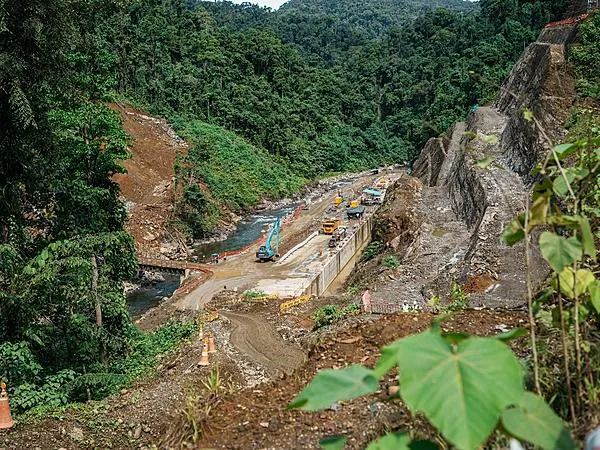
The high-level delegation, which included ADB Director Emma Veve and World Bank Country Director for the Pacific and Papua New Guinea, Stephen Ndegwa, toured key sites along the Tina River corridor and reviewed critical progress. This included the near-completion of over 95 percent of the project’s access roads, which are already improving connectivity for local communities and enabling major construction activities.

A milestone noted during the visit was the arrival earlier this year of the Tunnel Boring Machine, (TBM) one of the largest pieces of infrastructure equipment ever brought into the country. This boring machine will excavate the 3.2-kilometer waterway tunnel that will carry water from the dam to the powerhouse, forming the heart of the hydropower system.

“The steady advancement of this landmark project stands to transform how Solomon Islanders power their homes, schools, and businesses,” said Stephen Ndegwa, World Bank Country Director for the Pacific and Papua New Guinea. “The Tina River Hydropower project shows how strong partnerships can have lasting impacts. It is unlocking the country’s renewable potential while also supporting community benefit sharing programs for communities around the dam site.”

ADB Director Emma Veve added, “This is a standout example of how Solomon Islands is working with international partners to meet long-term energy and climate goals. It is encouraging to see the project moving forward hand-in-hand with local communities.”

The next major task is to prepare for construction of the main dam. This involves completing a 232-meter-long diversion culvert box by the end of June, which will safely redirect river water around the site during construction. Once complete, upstream and downstream cofferdams will be built, paving the way for main dam works to start early next year.

Meanwhile, preparations are underway to assemble and test the TBM in August, with full-scale tunneling scheduled to commence in November. By the end of this year, all major groundwork for the dam will be in place. This will allow the main dam construction to begin in 2026 and mark a new phase of accelerated progress.

The Tina River Hydropower Project is expected to reduce Honiara’s dependence on imported diesel for electricity by more than 65 percent, delivering significant savings and environmental benefits. The project is already generating local jobs and business opportunities, with programs in place to ensure surrounding communities benefit directly from this historic investment.

The Tina River Hydropower Development Project is led by the Solomon Islands Government, with financing and support from the Abu Dhabi Fund for Development, the Asian Development Bank, the Government of Australia, the Green Climate Fund, Korea EX-IM Economic Development Cooperation Fund, and the World Bank.

July 21, 2025

TOARE, Gulf Province — The Toare Mask Festival has been successfully revived through a collaboration between TotalEnergies, the National Cultural Commission (NCC), and the Gulf Provincial Government. The two-day cultural event, held on 12-13 July, marked the 20th anniversary of the festival and the official opening of the Toare Cultural Centre.

First established in 2005, the festival was celebrated annually until 2014. It was revived in 2022 and continues to grow in prominence as a signature cultural event for the Gulf Province.

This year’s celebrations began on 12 July 2025 with an official launch attended by Gulf Provincial Administrator Clement Tare, TotalEnergies Managing Director Arnaud Berthet, and European Union Ambassador to Papua New Guinea Jacques Fradin, along with other distinguished guests.

The following day saw the formal opening of the newly constructed Toare Cultural Centre, attended by Thomas Opa, member for Kerema Open and Minister for Finance; Alex Puki, research manager at the NCC (representing Executive Director Steven Enomb Kilanda); and Doris Apuka, representing UNESCO.

In his remarks, Minister Opa urged the local community to take ownership of the festival, stressing that it is not merely a cultural event but a vital expression of identity.

“We want the Toare Mask Festival to attract tourists from outside Papua New Guinea,” Minister Opa said. “The challenge over the past four to five years has been introducing international visitors to our unique culture through this traditional mask celebration.”

He also encouraged communities to preserve traditional knowledge and artefacts through the new facility.

“All the masks from the villages practising the mask culture must be stored at the cultural centre. We must understand the origins and purpose of each mask — this is an important event for us and must be promoted,” he added.

This year’s festival marked two decades since its inception and a major milestone in cultural preservation. The Toare Mask tradition is now undergoing nomination for inclusion on the UNESCO Intangible Cultural Heritage (ICH) List.

Following concerns about authenticity and the preservation of traditional masks, the NCC deployed two research officers to document the types of masks, their cultural significance, and the traditions associated with them. This research formed the basis for the formal nomination to UNESCO.

The Toare Mask tradition is the first from Papua New Guinea — and the wider Pacific region — to be nominated for inclusion on the UNESCO ICH List, a significant recognition of the country’s rich intangible heritage.

To support the nomination, the Toare Cultural Centre was established. Initial funding of USD 10,000 (PGK 41,169.20) was provided by UNESCO, followed by PGK 20,000 from the NCC as the state party. The Gulf Provincial Government later contributed an additional PGK 80,000 to expand the facility.

Speaking at the event, Alex Puki of the NCC said: “The National Cultural Commission has never partnered with an international organisation like UNESCO to build a cultural centre in a province. This is the first time such an initiative has been undertaken.”

“This achievement reflects our commitment to preserving and promoting Papua New Guinea’s cultural heritage at the community level,” Puki said. “Through this collaboration with UNESCO and the Gulf Provincial Government, we are not only safeguarding the Toare Mask tradition but also creating a permanent space for cultural learning.”

The Toare Cultural Centre is expected to play a vital role in cultural education, particularly for younger generations. Traditionally, masks were stored in family homes, where they were vulnerable to damage or loss. The new centre offers a secure and respectful space for their preservation

July 17, 2025

SUVA, Fiji — Climate change is already shaking the foundations of Pacific communities, and world leaders need to see that for themselves, Fiji’s Deputy Prime Minister and Finance Minister Biman Prasad said Wednesday as he threw his support behind Australia’s bid to co-host COP31 with the Pacific.

“Climate change is the single greatest threat to our people, our peace, and our Pacific way of life. It is the most direct, the cruellest, and the harshest outcome that we are preparing for,” he said.

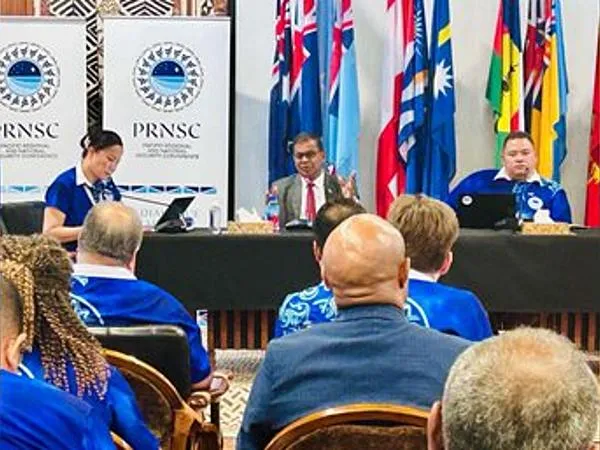
Prasad was speaking on the Political Leaders on Climate Security panel during the Pacific Regional and National Security Conference in Suva, where he did not hold back in warning that the region is already grappling with the consequences of a warming planet.

He described the Pacific’s response as one made “on a war footing”—a crisis that is unfolding too fast and too deep for slow-moving global mechanisms to catch up.

“We can adapt now—over the next decade—but that window is closing fast. For some communities, it’s already too late. Loss and damage finance is not a luxury; it is a necessity. The fund must be properly resourced and delivered at speed,” he said.

Behind his words was the lived experience of island nations that have seen rising seas swallow land, cyclones destroy roads and homes, and freshwater systems polluted by saltwater intrusion.

Prasad said governments across the region are already being forced to stretch thin public budgets to rebuild what nature keeps tearing down—roads, ports, water systems, homes.

“The fiscal burden from rebuilding roads, ports, water systems, and housing after each climate event is immense. This cannot be our new normal. The international community is doing less than 10 percent of its share—if even that,” he said.

While acknowledging the agreement of a new global climate finance target at COP29, he made clear that pledges mean little without delivery—and delivery is coming too slow.

He called for structural solutions, including the establishment of a regional development bank and support for the Pacific Resilience Facility—designed to fund investments in disaster preparedness and long-term adaptation.

But the most impassioned moment came when he defended the Pacific’s right to host the world’s most important climate summit alongside Australia.

“To those fighting to keep COP31 away from the Pacific – what are you afraid of? Are you so afraid to look at the Pacific’s displaced people in the eye and say you are sorry?” he said.

The Deputy Prime Minister called for stronger regional unity, including practical cooperation on relocation, marine protection, and visa-free movement across a “Blue Pacific.”

“There can be no peace in the Pacific without climate risk being mainstreamed across everything we do – on land and across our seas,” he said, reaffirming Fiji’s support for the Ocean of Peace vision.

The Pacific Regional and National Security Conference gathered political leaders, regional experts, and security professionals to confront how climate change is reshaping the security landscape in the region. For Prasad, the message was clear: the world must act—and it must act now—before more Pacific communities pay the ultimate price.

July 17, 2025

LAMI, Fiji — 14 July 2025 — Fiji is opening its doors to new investment, calling on New Zealand businesses to partner in building the country’s cold chain logistics and expanding into value-added agriculture and eco-tourism.

Speaking at the Fiji Business Mission hosted by the New Zealand Fiji Business Council in Lami, Deputy Prime Minister and Minister for Trade, Co-operatives, Micro, Small and Medium Enterprises and Communications Manoa Kamikamica made a compelling case for New Zealand firms to fill key gaps in Fiji’s supply and value chains.

“You can also explore joint ventures in processing cassava, pineapples, and breadfruit—turning them into frozen, dried, or pureed forms for export to New Zealand or international supermarkets and foodservice suppliers,” Kamikamica stated.

He said Fiji needed greater investment in cold storage infrastructure—particularly chillers, packhouses, and temperature-controlled logistics—to maintain freshness and quality from farm to port.

“We would also welcome the development of contract farming or outgrower models—where NZ buyers work directly with Fijian farmers to meet specific quantity and quality standards. This is already being done with ginger exports. We’re also seeing this model work with cassava and taro. So if you’re in food processing, agritech, or logistics—Fiji is ready.”

The deputy prime minister urged Kiwi investors to tap into Fiji’s growing eco-tourism and adventure travel sector, partnering with landowning communities to develop sustainable, locally owned tourism experiences.

“In Savusavu and Natewa Bay, we already have successful community-based marine conservation areas that would be ideal for ecotourism ventures—with locals ready to co-invest land and labour,” he said.

“Then there’s the rising global demand for sports tourism, surfing, and adventure-based travel. Places like Cloudbreak, one of the world’s premier surf breaks, attract elite surfers—but we need better support infrastructure: surf camps, board rental operations, wellness facilities. We’re also seeing potential for trail running, mountain biking, and even kite surfing in places like Pacific Harbour and Levuka. These are opportunities that go beyond hotel beds,” he said.

Highlighting Fiji’s ongoing business reforms, Kamikamica said the government was working to create an investor-friendly environment that prioritises trust, transparency, and responsiveness.

“We know from experience that attracting investment isn’t just about incentives. It’s about credibility, consistency, and the confidence that investors feel when they set foot in our country.”

The mission brought together Fijian government representatives, business leaders, and visiting New Zealand firms interested in deepening commercial ties across agriculture, trade, tourism, and renewable energy sectors.

With a renewed focus on inclusive economic growth and climate-resilient development, Kamikamica’s remarks underscored Fiji’s ambition to become a regional hub for innovation, value-added exports, and sustainable tourism.

July 17, 2025

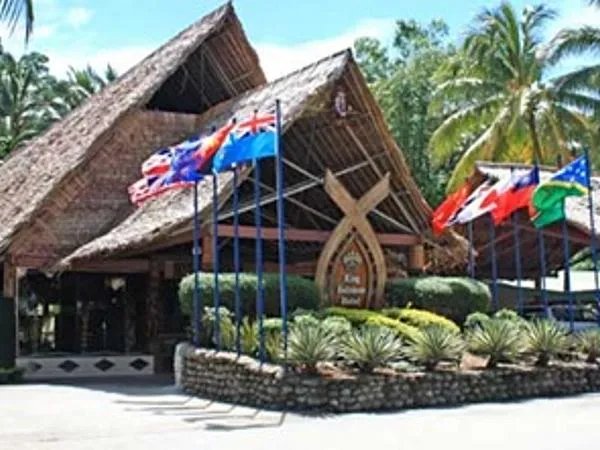
HONIARA, Solomon Islands — 9 July 2025 — One of Honiara’s most recognisable landmarks is preparing for a bold new chapter, as King Hotel and Resorts Limited (KHRL) embarks on a $45 million redevelopment of the King Solomon Hotel.

A joint venture between the Solomon Islands National Provident Fund (SINPF) Board and the O’Neill Remington Group (ORG), KHRL is combining local insight with regional investment to revitalise the iconic property — a move that signals strong confidence in the long-term potential of the Solomon Islands’ tourism and hospitality industry.

The redevelopment follows KHRL’s acquisition of the King Solomon Hotel property in late February 2025. The SINPF Board purchased a 55% shareholding in the hotel for $50 million, while ORG will contribute $45 million to fund the modernisation as part of its 45% stake.

All necessary building permits have been approved by the Honiara City Council, and construction is scheduled to begin in September, following the Pacific Islands Forum Leaders’ Meeting. Hotel operations will continue throughout the project, with all current staff retained during the transition.

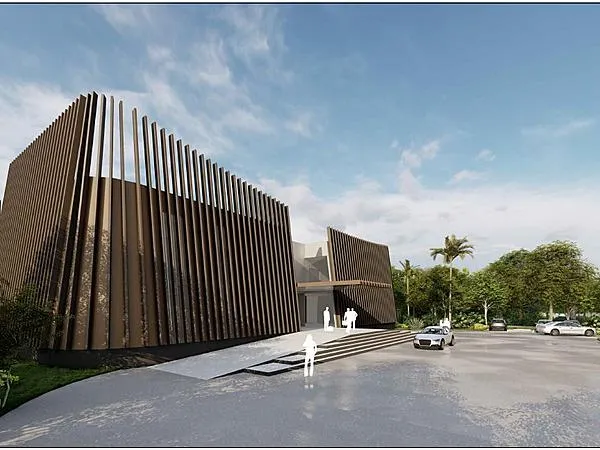
At the heart of the redevelopment is a bold architectural concept — three towering, modern “leaf hauses” along Hibiscus Avenue. Each will rise 18 metres high, merging traditional Solomon Islands design with contemporary building methods and hospitality standards.

The first leaf haus will feature a welcoming new hotel reception, café, public amenities and administrative offices. The second will house an open-plan commercial kitchen with cold and dry storage, an in-house bakery, butchery and an 80-seat restaurant. The third structure is set to become the home of Honiara’s first microbrewery and entertainment venue, complete with a bar and front-row views of the brewing process.

All three air-conditioned structures will be constructed using steel, expansive glasswork and composite roofing styled after traditional leaf houses. They will be connected by an elevated glass walkway running parallel to Hibiscus Avenue — a visual tribute to Honiara’s welcoming and safe urban environment.

“I am delighted that we are kicking off stage one of a multi-stage redevelopment of the hotel,” said SINPF Chairman Sir Dr Jimmie Rodgers. “The first stage, which will include construction and fit-out, is expected to cost an estimated 50 million dollars and take around 12 months to complete. Employment for around 80 local construction workers will be created during the stage one development.”

ORG Chairman Peter O’Neill reaffirmed his group’s commitment to the project and to the Solomon Islands.

“After seeing the strong performance of the King Solomon Hotel and the absolute support from locals and visitors alike to the changes since our involvement in late February this year, and the continued support of the government, I am very confident this further investment in the redevelopment of the hotel will yield strong financial results; excellent standards in hospitality in the nation’s capital; and provide new, long-term employment for Solomon Islanders,” O’Neill said.

“It will be an iconic building not just for Honiara, but for the entire Pacific — and a hospitality experience for locals and visitors alike that will set a new standard of excellence and fun in Honiara,” he added.

The King Solomon Hotel has long stood as a cultural landmark in the capital. With this redevelopment, it is set to become a symbol of growth, resilience and the future of Solomon Islands tourism — a destination where tradition and modernity meet under one roof.

July 17, 2025

HONIARA, Solomon Islands — Steady progress is being made on the new Honiara Aviation Complex Building, a key infrastructure component under the Second Solomon Islands Roads and Aviation Project (SIRAP2). The initiative is being implemented by the Ministry of Communication and Aviation (MCA) with support from the World Bank.

The contractor, China Railway Construction Engineering Group (CRCEG), has already completed the workers’ resting and storage areas and installed site noticeboards. Construction of the site office is also advancing steadily, while temporary utilities — such as water and electricity — are nearing completion.

Behind the scenes, technical work is moving forward. The finalisation of the Geotechnical Investigation Report marks a significant milestone, ensuring that the future structure will rest on solid, resilient foundations. In addition, final design documents have been submitted and are currently under review by the supervision consultant, Egis.

Foundation excavation works have also begun, signalling the transition into the next phase — structural construction. This brings actual progress under the design-and-build contract to 13 percent.

MCA Permanent Secretary Alwyn Danitofea underscored the importance of the facility in enhancing public service delivery.

“This new aviation complex building for MCA, CAASI, and Customs, Immigration, and Quarantine will ensure aviation work can be conducted faster and more efficiently,” he said.

The complex is being developed at Honiara International Airport and is seen as a critical investment to improve aviation management, operational coordination, and border control processes.

Looking ahead, the project team is focused on securing final stakeholder approvals for the design, implementing soil replacement in accordance with geotechnical specifications, and commencing concrete foundation works.

While early in its construction journey, the Honiara Aviation Complex is already laying the groundwork — literally and figuratively — for a more efficient and resilient air transport sector in the Solomon Islands.

The aviation complex is one of several transformative infrastructure projects being delivered under the SIRAP2 programme, which aims to improve connectivity, enhance safety, and unlock economic opportunities across Solomon Islands.

Other key projects include the construction of four new bridges in Malaita Province — Kolofe 1, Kolofe 2, Su’u Harbour, and Bira Bridges — to improve road connectivity and resilience; upgrades to major airports and airfields, including Honiara and Munda Airports, as well as the Santa Cruz (Lata) Airfield, to ensure safer and more reliable air transport; investments in air navigation systems in Makira-Ulawa and Temotu Provinces to enhance the safety of domestic flights; and support for regional airport maintenance to strengthen aviation infrastructure across the country.

July 14, 2025

AUCKLAND, New Zealand— The Oceania Renewable Power Summit is set to return on 16–17 September 2025, bringing together the region’s leading voices in clean energy to address the theme: “Mastering Renewable Generation, Deployment, and Integration.”

Now in its second year, the two-day conference and exhibition has fast become a key platform for driving renewable energy progress across the Oceania region. The summit will once again be held in Auckland, New Zealand, and will convene stakeholders from both government and industry to share insights, explore opportunities and foster new partnerships.

First launched in September 2024, the inaugural event drew around 200 delegates from 118 organisations, including senior leaders, regulators, service providers and technology developers from across New Zealand, Australia, Fiji, Cook Islands, Samoa, Niue, Singapore, Tonga, Indonesia, Malaysia, Nauru and Vanuatu.

Key topics at the 2025 summit will include construction and supply chain management, market integration, project financing and asset performance—core pillars considered essential to scaling renewable energy deployment in the Pacific.

A welcome function on the eve of the summit will again bring together key government and business representatives, including the Mayor of Auckland, Members of Parliament and the Head of the Chamber of Commerce.

Dedicated Focus on the Pacific

A new highlight of the 2025 programme is the launch of a second stream on Day Two, focused exclusively on the Pacific. This stream will spotlight renewable energy challenges and opportunities unique to island nations, where energy resilience, access and climate adaptation are top priorities.

The Fiji Trade Commission Australia & New Zealand (FTCNZ) has renewed its role as a Supporting Partner for the summit, reinforcing its commitment to regional cooperation in renewable energy development. The Commission is actively promoting the event through its platforms and networks to encourage broad Pacific participation.

To view the full conference programme and speaker lineup, visit: https://oceaniapowersummit.com/programme

The 2025 summit offers an opportunity to be part of the region’s most important clean energy conversation—where policy, innovation, and regional collaboration meet.
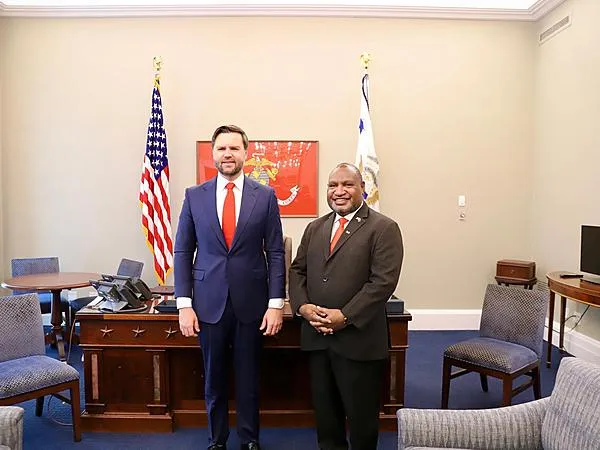
July 11, 2025

Prime Minister James Marape has announced a landmark development in Papua New Guinea–United States relations, following a historic first-ever bilateral meeting at the White House between a sitting Papua New Guinean Prime Minister and a US Vice President.

This milestone meeting, held during Prime Minister Marape’s official visit to Washington D.C., took place at the White House with US Vice President J.D. Vance, signalling a significant elevation in bilateral ties between the two nations.

“This is the first time in 50 years that a Papua New Guinean Prime Minister has held a formal bilateral meeting at the White House,” Prime Minister Marape said. “The engagement was warm, respectful, and constructive, demonstrating the United States’ sincere interest in strengthening its ties with Papua New Guinea.”

During the discussions, the United States Government confirmed it will send a high-level delegation to attend Papua New Guinea’s 50th Independence Anniversary celebrations in September 2025. This delegation will be led by Deputy Secretary of State Christopher Landau, reflecting the importance the US places on its relationship with PNG.

Prime Minister Marape and Vice President Vance also discussed shared democratic values, mutual interests in the Indo-Pacific, and opportunities for expanded cooperation in trade, security, and economic development.

“The United States is the greatest democracy, the strongest free-market economy, and the leading Christian nation,” Prime Minister Marape said. “Papua New Guinea, too, is a robust democracy, a free-market economy, and a nation founded on strong Christian values. These shared beliefs continue to guide our alignment on many regional and global issues.”

He added that both governments had agreed to continue technical-level engagements to prepare for a potential full bilateral meeting between President Donald Trump and Prime Minister Marape at a later date, when both the White House and Waigani are ready.

“Our officials will begin preparatory work on specific areas of bilateral cooperation, including trade, security, development, and investment,” he said. “We hope to formalise this growing relationship through a future meeting between the President of the United States and the Prime Minister of Papua New Guinea.”

During the meeting, Prime Minister Marape also acknowledged and thanked major US companies operating in Papua New Guinea—ExxonMobil, Barrick Gold, Newmont Corporation, Hilton, Marriott, and others—for their long-standing contributions to the country’s economy.

“I also took the opportunity to invite more US companies in manufacturing, agriculture, fisheries, and sustainable forestry to explore investment opportunities in Papua New Guinea,” he added. “Our economy is open for business, and we welcome responsible partners who share our vision for sustainable growth.”

The bilateral engagement caps off a series of high-level meetings during Prime Minister Marape’s visit to the United States, which included strategic dialogues with US defence, trade, and development agencies.

“This visit marks the beginning of a new era in PNG–US relations,” Prime Minister Marape concluded. “As we mark 50 years of Independence, we are repositioning ourselves on the global stage and fine-tuning our relationships with all partner nations — including this great United States of America.”