Solomon Islands and the United States have signed a Shiprider Agreement to strengthen maritime surveillance, protect marine resources and combat illegal activities across the country's vast maritime domain.
Signed in Honiara, the agreement establishes a framework allowing authorized Solomon Islands law enforcement officers to embark on designated US vessels to conduct joint maritime surveillance and enforcement operations.
Under the arrangement, Solomon Islands officers will exercise their authority in accordance with national laws and agreed operational procedures, particularly for activities within the country's jurisdiction.
The Solomon Islands government said the partnership will enhance its maritime enforcement capabilities by providing access to additional patrol assets, surveillance platforms, technical expertise and improved information-sharing.
The agreement is expected to bolster efforts to combat illegal, unreported and unregulated fishing, transnational crime, illicit trafficking and other unlawful maritime activities while helping safeguard fisheries and marine resources that underpin the country's economy and livelihoods.
The government emphasized that the agreement is a cooperative law enforcement arrangement that does not diminish Solomon Islands' sovereignty, noting that the country retains full authority over its territorial waters, exclusive economic zone and enforcement of domestic laws in accordance with international law.
The partnership will also provide training and operational experience for Solomon Islands maritime and law enforcement personnel through collaboration with US counterparts.
According to the government, the agreement will improve maritime surveillance, strengthen intelligence sharing, enhance enforcement against illegal activities and expand operational capacity without requiring Solomon Islands to independently fund advanced maritime assets.
The government said the agreement forms part of its broader strategy to protect the country's ocean territory and marine resources for future generations.
The Solomon Islands government has stepped up its legislative and policy reform agenda, with the Prime Minister's Policy Implementation, Monitoring and Evaluation Unit (PIMEU) holding a second round of consultations with the Ministry of Commerce, Industry, Labour and Immigration.
The consultation, led by PIMEU's Legislative and Policy Reform Subcommittee with support from the Prime Minister's Office Productive Sector Unit, reviewed the ministry's work program, legislative priorities and policy reforms to align them with the GREAT Coalition government's agenda.
The ministry oversees business regulation, cooperatives and SMEs, industry development, immigration, labour, trade disputes, foreign investment, companies and charitable trusts, making it central to efforts to improve the country's investment climate.
Permanent Secretary Riley Mesepitu said closer collaboration with the Prime Minister's Office would help accelerate long-delayed reforms.
Among the ministry's priorities are modernising immigration services through electronic passport and visa systems, updating laws governing foreign investment, companies and business regulation, and reviewing labour legislation and wage policies to support economic growth while protecting workers' rights.
"Our objective is to create a modern, efficient and investor-friendly regulatory environment," Mesepitu said, adding that the government also aims to promote indigenous participation in the economy while advancing digital transformation.
Head of the Productive Sector Unit Nixon Kua said the consultations would help ensure ministries receive the legal and policy support needed to implement reforms more effectively and improve public services.
The consultation program will continue across government ministries as part of the GREAT Coalition's broader efforts to strengthen governance, modernise legislation, improve service delivery and create a more enabling environment for sustainable economic growth and private sector development.
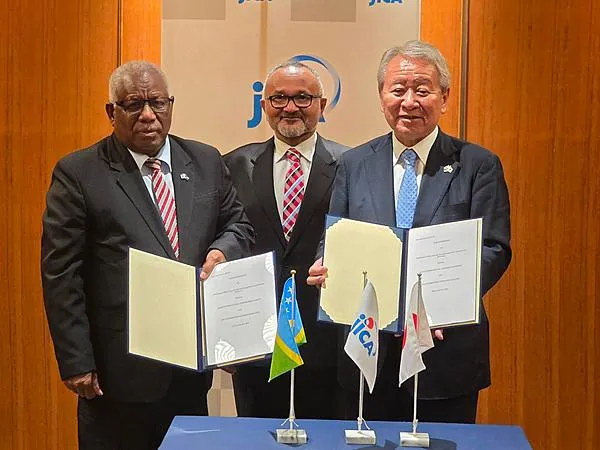
Solomon Islands has strengthened its partnership with Japan after signing a Development Policy Loan agreement with the Japan International Cooperation Agency (JICA) aimed at supporting fiscal stability, governance reforms and long-term economic resilience.
The agreement was signed in Tokyo by Minister for Foreign Affairs and External Trade Rick Houenipwela, who described the financing as an important step in advancing the government's reform agenda.
"This initiative supports our commitment to strengthening governance, advancing sound fiscal reforms and building a more resilient and inclusive economy," Houenipwela said.
He said the partnership supports the government's four national priorities: strengthening institutions, building a productive economy, responsibly managing natural resources and investing in people.
JICA President Akihiko Tanaka said Japan remains committed to supporting Solomon Islands' development agenda, describing the government's priorities as "a clear and forward-looking vision."
"We believe this project will strengthen the institutional and fiscal foundations needed to advance these priorities and support sustainable development," Tanaka said.
He noted that JICA has partnered with Solomon Islands for nearly five decades, supporting projects in infrastructure, natural resource management and public investment systems.
"Japan remains a trusted partner supporting the government's reform efforts and development aspirations," he said.
Houenipwela welcomed Japan's continued assistance, describing the country as a reliable development partner that has supported Solomon Islands through both challenges and opportunities.
He said the agreement would further strengthen bilateral relations while contributing to sustainable economic growth and improved public sector governance.
Both sides expressed confidence that the partnership would help build a more resilient, inclusive and prosperous future for Solomon Islands.
Fiji has launched the Blue Economy and Green Community Development (BE-GREEN) Programme, a six-year initiative aimed at strengthening rural livelihoods, restoring ecosystems and building climate resilience across Vanua Levu.
Prime Minister Sitiveni Rabuka launched the program in Koronatoga Village, Cakaudrove, describing it as a major step toward sustainable development and inclusive economic growth.
Rabuka said the initiative would increase the productivity of Vanua Levu's agriculture and marine sectors through sustainable resource management and biodiversity-friendly practices.
"The goal is clear: to boost rural incomes, restore ecosystems and enhance resilience, while complementing existing government and development partner initiatives in Vanua Levu, including the World Bank-supported Na Vualiku Project," he said.
The program will support stronger farming and fishing industries, improve market access, encourage rural entrepreneurship, restore ecosystems, and expand economic opportunities for women and young people.
Funded through the Global Environment Facility (GEF) and the International Fund for Agricultural Development (IFAD), the initiative will operate across the three provinces of Vanua Levu.
GEF funding is expected to benefit about 3,500 households, while IFAD investments will focus on six districts in Cakaudrove Province—East Wailevu, Savusavu, Navatu, Koroalau, Vaturova and Naweni.
Approximately 3,050 subsistence and semi-commercial farming, fishing and handicraft-producing households will receive direct support, with priority given to women, youth and Indigenous communities. Combined GEF and IFAD investments are expected to benefit around 39,300 people.
Rabuka said the program adopts an integrated approach linking environmental conservation with economic development through sustainable production, improved access to markets and finance, and stronger institutions.
"Our land and ocean are not only our heritage; they are the foundation of a resilient and prosperous future for the people of Vanua Levu," he said.
Speaking at the launch, IFAD Associate Vice-President for the Department of Country Operations Donal Brown said the initiative represents a renewed commitment to helping Fiji's rural communities adapt to climate change while creating sustainable economic opportunities.
Brown said Pacific communities face increasing challenges from climate change, biodiversity loss, land degradation, rising production costs and changing market conditions, making integrated development initiatives increasingly important.
He said the program would promote climate-resilient agriculture, strengthen biodiversity conservation, improve ecosystem management, expand market opportunities and improve access to finance and business services.
"Sustainable development in island contexts cannot be achieved through isolated interventions," Brown said.
"By supporting integrated planning, sustainable land use, biodiversity conservation and climate adaptation, the BE-GREEN Programme will help communities make better decisions for both people and nature."
The BE-GREEN Programme is scheduled to run for six years, supporting Fiji's efforts to strengthen rural economies while protecting natural resources and improving climate resilience.
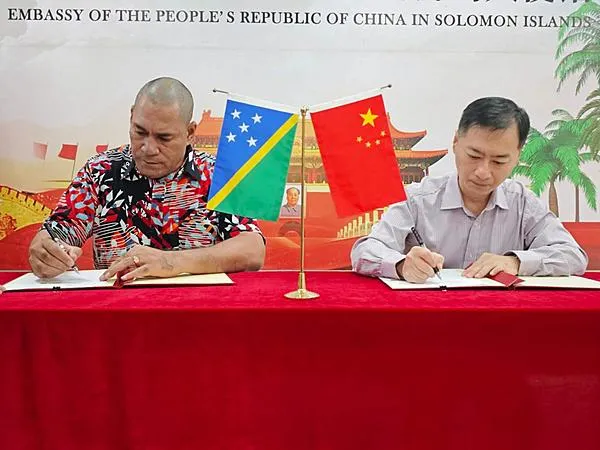
Solomon Islands Acting Prime Minister Gordon Darcy Lilo received a delegation from the International Department of the Communist Party of China (CPC) during a courtesy visit on July 24, with both sides reaffirming their commitment to strengthening political party exchanges and bilateral cooperation.
The delegation was led by Zhao Hongtao, deputy director general of the CPC International Department, who is visiting the Solomon Islands to deepen engagement between political parties in the two countries.
During the meeting, Lilo and Zhao discussed opportunities to share experiences in party development and governance while acknowledging the differences between the Solomon Islands' multi-party political system and China's single-party system.
Lilo said the Solomon Islands could learn from the CPC's experience in governance and China's economic development.
"What matters is that Solomon Islands parties can learn from the success of the CPC in governing and building China into one of the successful and strong nations in the world today," he said.
Lilo also said he admired China's development strategies and reaffirmed the Solomon Islands' commitment to the One China Principle, adding that China's territorial integrity should be respected.
Beyond political cooperation, Lilo said the Solomon Islands was keen to learn from China's economic growth and its success in lifting millions of people out of poverty.
Zhao shared the CPC's experience in governance and reiterated the party's willingness to support political party development in the Solomon Islands while expressing respect for the country's multi-party system.
He said the CPC's achievements were reflected in China's long-term political stability and its transformation from an agrarian economy into the world's second-largest economy.
"Our vision is to share our experience and success to help others succeed in their aspirations and to contribute towards building a harmonious world for everyone," Zhao said.
The visit forms part of ongoing efforts to strengthen political dialogue and cooperation between the Solomon Islands and China following the establishment of diplomatic relations between the two countries in 2019.
House of Salt was named Fiji's National SME of the Year at the Fiji Development Bank (FDB) National Small and Medium Enterprise (SME) Awards 2025, where President Ratu Naiqama Lalabalavu praised entrepreneurs for driving economic growth, innovation and community development.
Speaking at the awards ceremony in Suva on July 24, the president described small and medium-sized enterprises (SMEs) as the "social and economic pillars" of Fiji and the country's "engine room," highlighting their role in creating jobs, improving livelihoods and strengthening the national economy.
"In today's rapidly evolving global economy, innovation is no longer optional but a necessity," Lalabalavu said, adding that businesses embracing change are best positioned to compete.
He said innovation is often reflected in practical improvements that boost productivity, sustainability and market access, and stressed the need for strong partnerships among government, educational institutions, industry and development partners to support entrepreneurs.
The president also emphasized that knowledge, technology, skills and opportunities should be accessible to entrepreneurs regardless of their location, enabling more Fijians to transform business ideas into successful enterprises.
He urged successful businesses to mentor emerging entrepreneurs, saying business growth should create opportunities not only for owners but also for employees, suppliers and local communities.
Held under the theme "Ignite, Innovate and Inspire," the annual awards recognized outstanding SMEs across multiple sectors.
2025 FDB National SME Awards winners
National SME of the Year: House of Salt
Best Agri-business SME: Shahils Party Ice and Frozen Supplies
Sustainable SME: House of Salt
Best Emerging SME: Leone Vulaca Prosthetic and Orthotic Centre
Women Entrepreneur of the Year: Alchemus Prime
Youth Entrepreneur of the Year: Nailed It
Best Businessperson of the Year: Resonance Entertainment
Best Cooperative SME: Lavena Coastal Walk Eco-Tourism Co-operative Limited
Best Maritime SME: Delaivuna Farm Fresh Eggs
Lalabalavu also acknowledged the Fiji Development Bank's longstanding role in supporting enterprise development and helping local businesses grow through financing and capacity-building initiatives.
Fiji has reaffirmed its commitment to a safe, inclusive and digitally connected Pacific after joining regional leaders at the Pacific ICT Ministers Meeting in Port Moresby, where ministers endorsed new initiatives to strengthen digital cooperation and accelerate the region's digital transformation.
Led by Minister for Policing and Communications Ioane Naivalurua, Fiji joined other Pacific nations in endorsing the Digital Technologies and AI Principles for the Pacific, a framework intended to guide the responsible and ethical use of emerging technologies while supporting innovation, economic growth and Pacific values.
Ministers also reaffirmed their commitment to addressing the challenges posed by social media and advancing the Pacific Islands Digital Transformation Action Plan, with priorities including cybersecurity, digital resilience and the development of future-ready digital economies.
On the sidelines of the meeting, Naivalurua held discussions with Australia's Special Envoy to the Pacific on expanding digital cooperation under the Vuvale Partnership, including telecommunications resilience, cyber safety and digital skills development.
The minister also met with the Deputy Secretary-General of the International Telecommunication Union (ITU), thanking the organization for its technical support and reiterating Fiji's interest in hosting the ITU Pacific Area Office to strengthen the country's role as a regional hub for telecommunications policy and digital innovation.
During the visit, Naivalurua received a briefing from the Fiji High Commission on bilateral relations with Papua New Guinea, met members of the Fijian community in Port Moresby during a Talanoa session, and visited Vodafone PNG, where he commended the Fijian management team for expanding telecommunications infrastructure through the partnership between Amalgamated Telecom Holdings (ATH), the Fiji National Provident Fund (FNPF) and Vodafone Fiji.
Fiji's delegation, comprising senior government officials and technical experts from the Ministry of Policing and Communications, also participated in technical sessions and policy discussions aimed at advancing digital transformation, cybersecurity and regional digital cooperation across the Pacific.
The Solomon Islands government has signed contracts with 83 companies under its Preferred Supplier Arrangement (PSA), clearing the way for the full implementation of the 2026 Constituency Development Fund (CDF) programme.
The Ministry of Rural Development (MRD) said the legally binding agreements followed the completion of the government's supplier qualification process, enabling the approved companies to provide goods, materials, equipment and services for development projects across the country's 50 constituencies.
Of the successful suppliers, 39 are indigenous-owned businesses and 44 are foreign-owned, reflecting stronger participation by local companies compared with previous years.
The ministry said the signing marked a key milestone in rolling out the 2026 CDF budget by allowing constituencies to begin procuring resources needed for rural infrastructure and community development projects.
The PSA is a government procurement mechanism designed to improve purchasing efficiency by pre-qualifying legally registered suppliers for commonly procured goods and services.
Under the arrangement, procurement will be conducted in accordance with Sections 73 and 74 of the Public Financial Management Act 2013 and Section 28 of the Constituency Development Fund Act 2023. The contracts will remain valid for 12 months.
MRD said procurement activities would be jointly monitored by the ministry and the Ministry of Finance and Treasury to ensure compliance with procurement laws and safeguard the delivery of quality goods and services to constituencies.
The ministry said supplier selection underwent a rigorous technical evaluation, including site inspections by the MRD Technical Evaluation Committee, followed by reviews from the Ministry of Finance and the Central Tender Board before contracts were awarded.
It also negotiated fixed prices for a range of commonly purchased items based on prevailing market rates to improve value for money and provide pricing certainty throughout the contract period.
The qualified suppliers will provide products across multiple sectors, including hardware and building materials, forestry products, marine and fishing equipment, plant and motor vehicles, electrification supplies, plumbing and sanitation equipment, communications equipment, sporting goods, agricultural equipment, tailoring and fabric printing equipment, kitchenware and retail goods.
The ministry said 86 companies submitted bids after the tender opened in January, with three applicants disqualified for failing to meet minimum technical requirements.
Under the 2026 programme, the Solomon Islands government has allocated SI$250 million for constituency development, with each constituency receiving SI$5 million.
Of the allocation, SI$3.2 million per constituency will be spent through the Preferred Supplier Arrangement, while the remaining SI$1.8 million will be provided as direct grants.
Funding will be distributed in line with the Constituency Development Fund Act 2023, with 40% allocated to productive and resource sectors, 20% to essential services, 20% to cross-sectoral, inclusivity and gender initiatives, and 20% to social and cultural obligations.
The Ministry of Rural Development said implementation of the 2026 Constituency Development Fund programme is progressing as planned.
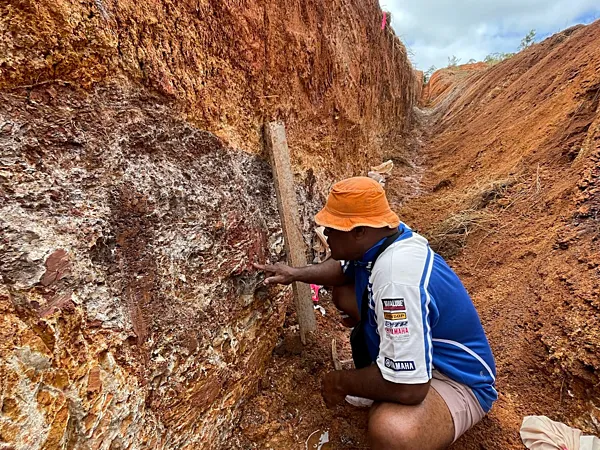
Canadian explorer Kalo Gold Corp. has confirmed widespread gold mineralisation at its 100%-owned Vatu Aurum Project in Fiji, with laboratory fire assays returning grades of up to 8.78 grams per tonne (g/t) gold, reinforcing the company's geological model ahead of a new phase of exploration.
The assay results from the Wainikoro prospect confirmed that surface gold occurrences are sourced from mineralised bedrock, strengthening the company's interpretation of a structurally controlled low-sulphidation epithermal gold system.
Kalo said the certified fire assays validated its previously reported detectORE field screening results, with laboratory analyses generally matching or exceeding field estimates.
Surface sampling returned assays of 8.78 g/t Au, 4.78 g/t Au, 4.44 g/t Au, 3.41 g/t Au and 2.03 g/t Au, while trench sampling produced selective point assays of up to 2.93 g/t Au. Continuous channel sampling averaged 0.28 g/t Au over 14 metres, confirming continuity of mineralisation beneath surface exposures.
Company President and Chief Executive Officer Terry Tucker said the latest results significantly increased confidence in the geological model being developed at Wainikoro.
"These certified fire assay results provide independent confirmation of the gold identified through our detectORE field screening and, importantly, demonstrate that mineralisation extends into bedrock beneath the surface occurrences we have been mapping," Tucker said.
"Each phase of exploration is building on the last, allowing us to progressively reduce geological uncertainty before advancing to the next phase of work," he added.
The company said the results confirmed multiple styles of gold mineralisation, including chalcedonic quartz veins, silicified volcanic rocks and hydrothermal breccias developed along the Nubu Graben structural corridor.
Eleven surface samples returned grades above 0.5 g/t gold, indicating mineralisation is distributed across the target area rather than confined to isolated occurrences.
Kalo has engaged Fender Geophysics Pty Ltd to undertake controlled-source audio-frequency magnetotellurics (CSAMT), induced polarisation and gravity surveys at Wainikoro. The surveys are expected to define the subsurface geometry of the mineralised system and support target prioritisation for future exploration.
The company said the geophysical programme would integrate geological mapping, geochemistry, trenching and structural interpretation into a single exploration model aimed at refining future drilling targets.
Kalo Gold is advancing the 367-square-kilometre Vatu Aurum Project on Vanua Levu, where exploration has identified multiple low-sulphidation epithermal gold targets across a northeast-trending mineralised corridor.
Canadian gold producer Lion One Metals Ltd. has begun the first phase of a multi-stage expansion of its Tuvatu Gold Mine processing plant in Fiji, a project expected to increase mill capacity by one-third and lift annual gold production by about 2,100 ounces.
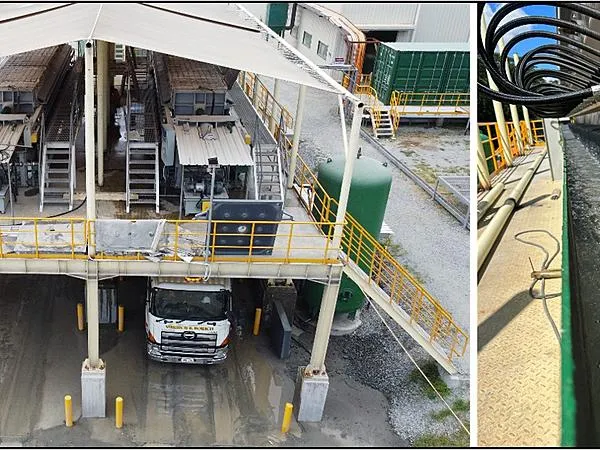
The first phase, known as the Filtered Tailings Expansion Project, will increase nominal plant capacity from 300 tonnes per day (tpd) to 400 tpd by doubling filtration capacity through the installation of two additional filter presses and associated infrastructure.
The project forms part of Lion One's broader plan to expand the Tuvatu processing plant to 700 tpd in phases, with a total estimated capital cost of C$13.5 million.
Phase 1 carries a capital cost of C$1.9 million and is expected to be completed by the end of the first quarter of 2027.
Lion One said the filtration circuit had been identified as the primary bottleneck in processing operations. The expansion includes two new filter presses, a filter feed tank, two filter feed pumps, structural and piping modifications, and an additional tailings truck.
Once operational, the upgrade is expected to increase annual gold production by about 2,100 ounces, based on an incremental gold grade of 3 grams per tonne.
At a gold price of US$4,000 per ounce, the additional production is projected to generate about C$11.8 million in annual revenue, with the company estimating the investment will be recovered within three months of commissioning.
"We're very excited to start Phase 1 of our mill expansion project," Lion One President and Chief Executive Officer Ian Berzins said.
"The filter press expansion is a key component of the expansion to 700 TPD and it will have an immediate impact on our production capacity once complete. The economics of the project are very strong with only a three-month payback period."
Berzins said capital projects with such short payback periods and significant production gains were uncommon and would deliver lasting operational benefits.
The company said no additional mining fleet or processing equipment would be required to support the increase to 400 tpd.
Lion One owns 100% of the Tuvatu Gold Mine, located on Fiji's main island of Viti Levu. Commercial production commenced in late 2023.
Beyond the initial expansion, the company plans to progressively lift processing capacity to 700 tpd as part of its long-term growth strategy.
Separately, Lion One appointed Shayla Forster as corporate secretary. The company said Forster has extensive experience in corporate governance, compliance and securities disclosure for publicly listed companies in Canada.
Lion One is headquartered in North Vancouver, British Columbia, and also holds exploration licences covering the Navilawa Caldera, a highly prospective alkaline gold district surrounding the Tuvatu project.
Solomon Islands Finance and Treasury Minister Gordon Darcy Lilo has directed the Customs and Excise Division to immediately impose a 15% export duty on alluvial gold and gold concentrates, while ordering authorities to recover unpaid duties retrospectively from the date the Harmonised System (HS) 2022 tariff schedule came into effect.
In a ministerial directive issued to the Comptroller of Customs and Excise, Lilo instructed the division to strictly apply the HS2022 tariff rates in accordance with international classification standards and the Customs and Excise Act.
"I write to direct your office to comply with and strictly apply the Harmonised System (HS) 2022 tariff rates in accordance with international classification standards and the Customs and Excise Act and its associated regulations," Lilo said.
The directive confirms that exports of alluvial gold and gold concentrates are subject to a 15% export duty under the HS2022 tariff schedule with immediate effect, superseding any previous ministerial directives covering those exports.
Lilo also instructed Customs and Excise to retrospectively recover duties on alluvial gold and gold concentrate exports made after the HS2022 tariff schedule was gazetted, saying those exports should already have been subject to the revised rates.
He said Customs officers must apply the updated tariff schedule consistently across all import and export transactions to safeguard government revenue, improve transparency and ensure compliance with international trade standards established by the World Customs Organization.
The Ministry of Finance and Treasury said it will work closely with the Customs and Excise Division to ensure full implementation of the directive and compliance with the revised tariff regime.
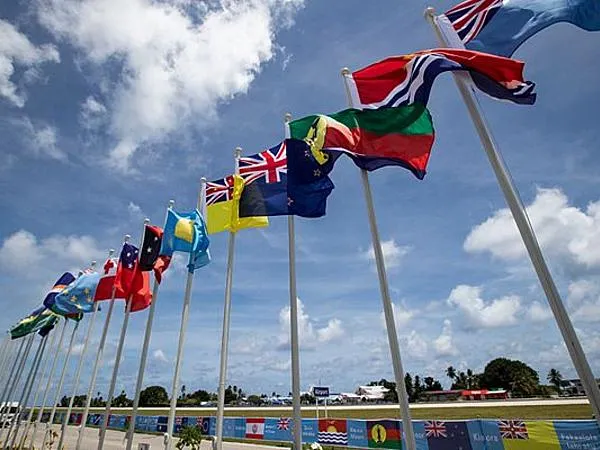
Pacific Islands Forum (PIF) members have adopted a new regional aid-for-trade strategy for 2026–2030, setting out a coordinated agenda to strengthen trade, digital commerce, connectivity and climate-resilient economic development across the Blue Pacific.
The Pacific Aid for Trade Strategy (PAfTS) 2026–2030 builds on the previous five-year framework and aligns regional trade initiatives with the 2050 Strategy for the Blue Pacific Continent, positioning trade and investment as key drivers of sustainable economic growth and resilience.
The strategy was endorsed by Pacific Islands Forum trade ministers in July 2025 and serves as the principal framework for coordinating regional aid-for-trade programs over the next five years. It emphasizes member-led implementation, stronger coordination among development partners and targeted investments in areas that can deliver regional benefits.
Under the new framework, the Pacific will continue prioritizing e-commerce, trade facilitation, services, quality infrastructure, connectivity, trade agreements and value chains such as kava and apiculture, while introducing trade and environment as a new strategic priority.
The strategy recognizes that environmental challenges—including climate change, biodiversity loss and pollution—pose significant risks to Pacific economies but also present opportunities through greener trade policies, sustainable value chains and environmentally sound technologies. Rather than creating a standalone program, environmental priorities will be integrated across all regional trade initiatives.
Digital trade also features prominently in the strategy, with the Pacific Islands Forum Secretariat aiming to expand the region's e-commerce ecosystem to reduce geographic barriers, lower business costs and help diversify Pacific economies.
The strategy notes that around 30% of recommendations under the Pacific Regional E-commerce Strategy had been implemented by the end of 2024, with work now shifting toward updating the strategy and accelerating implementation.
Improving regional connectivity remains another central objective. The framework calls for stronger transport, aviation, digital, energy and people-to-people links to reduce the effects of geographic isolation and strengthen regional economic integration.
Trade facilitation is also expected to receive greater attention after the strategy noted that Pacific Island developing economies recorded a trade facilitation implementation rate of 42% in 2023, well below the global average of 69%, underscoring the need for more efficient border procedures and streamlined trade systems.
The strategy also places greater emphasis on strengthening the Pacific's participation in global and regional trade agreements by providing technical assistance and policy support to member countries. It calls for continued engagement in World Trade Organization negotiations, implementation of regional trade agreements and exploration of new trade opportunities that benefit Pacific economies. The framework further promotes stronger private sector participation, recognizing businesses as the primary drivers of trade-led growth and investment. It also encourages greater inclusion by integrating gender equality, disability and social inclusion considerations into regional trade initiatives where practical. Through these measures, the strategy aims to make Pacific trade more competitive, inclusive and resilient over the next five years.
The strategy further seeks to expand opportunities in services trade, which accounted for 56.4% of regional GDP and 53% of total employment in 2023, while supporting emerging digitally enabled services alongside tourism. Continued support is also planned for regional kava and apiculture initiatives to strengthen export value chains, improve market access and promote rural livelihoods.
Pacific Islands Forum Secretary General Baron Divavesi Waqa said the strategy provides a practical roadmap for collective regional action at a time of growing economic and geopolitical uncertainty.
"The successful implementation of the PAfTS depends on the active and coordinated engagement of all stakeholders, including Forum Members, the Pacific Islands Forum Secretariat, development partners and implementing partners," Waqa said in the strategy's foreword.
Implementation will be overseen through member-driven regional committees, with progress reported annually to Forum trade officials and biennially to Forum trade ministers. Monitoring frameworks will also incorporate gender equality, disability and social inclusion considerations where feasible, ensuring regional trade initiatives deliver broad-based economic benefits across Pacific communities.
Fiji and New Zealand have strengthened their bilateral relationship with the signing of the refreshed Duavata Partnership 2026–2030, committing to deeper cooperation in trade, security, climate action and sustainable development over the next five years.
The agreement was signed in Auckland by Fiji's Minister for Foreign Affairs and External Trade, Sakiasi Ditoka, and New Zealand's Minister of Foreign Affairs, Winston Peters.
Ditoka described the renewed partnership as an important step in advancing one of Fiji's closest international relationships.
The refreshed framework succeeds the inaugural 2022–2025 Duavata Partnership and is anchored in the Fijian concept of duavata, meaning "working together" or "partnership." It outlines a shared commitment to building a more resilient, secure and prosperous Blue Pacific region.
Both governments welcomed the continued expansion of bilateral trade, which has reached FJD 1.9 billion, and reaffirmed their goal of increasing two-way trade to FJD 2 billion by 2030.
The agreement also reinforces cooperation on a range of regional priorities, including climate change, maritime security, disaster preparedness, transnational crime and sustainable economic development.
Fiji and New Zealand further pledged support for Pacific-led approaches to regional challenges, reaffirming their commitment to the Pacific Islands Forum's 2050 Strategy for the Blue Pacific Continent and the Ocean of Peace initiative.
The two countries said cooperation under the renewed Duavata Partnership would strengthen regional solidarity while promoting peace, resilience and sustainable development across the Pacific.
First signed in March 2022, the Duavata Partnership serves as the primary framework guiding bilateral relations, high-level engagement and mutual accountability between Fiji and New Zealand. The renewed agreement sets the strategic direction for cooperation through 2030.
Solomon Islands Prime Minister Matthew Wale has held talks with United States Deputy Secretary of State Christopher Landau in Washington, D.C., reaffirming bilateral ties and advancing discussions on infrastructure, energy and investment cooperation.
The meeting at the U.S. State Department focused on strengthening the long-standing partnership between the two countries, with the proposed Bina Harbour development emerging as a key priority.
According to a statement from the Solomon Islands government, Landau highlighted Washington's strong interest in supporting the Bina Harbour project, with both sides agreeing to continue discussions on potential U.S. involvement.
Wale also outlined his government's priorities for the next two years, identifying opportunities to expand cooperation in the energy sector and through financing and development initiatives under the U.S. Development Finance Corporation (DFC) and the Millennium Challenge Corporation (MCC).
The prime minister reaffirmed his government's commitment to strengthening relations with international partners while highlighting the historical ties between Solomon Islands and the United States.
Landau welcomed the government's renewed approach to international partnerships and reaffirmed the United States' commitment to supporting Solomon Islands through DFC and MCC programs aimed at expanding development opportunities.
He also encouraged Solomon Islands to engage more actively with the U.S. private sector to attract investment that would generate economic benefits for the country.
The meeting marks another step in efforts by both governments to deepen bilateral cooperation and broaden collaboration in infrastructure, energy and economic development.
The Solomon Islands has completed the first phase of a Chinese-backed mini solar power project that installed renewable energy systems across 25 constituencies, with a second phase set to begin once financing arrangements are finalised by China.
The Ministry of Environment, Climate Change, Disaster Management and Meteorology (MECDM) announced on Monday that Phase 1 of the Mini Solar Power Project had been successfully completed under a cooperation agreement signed on 21 August 2025 between the ministry, the Chinese Embassy in the Solomon Islands and Ever Exceed SI Company Ltd.
The ministry said installations had been verified and project documentation completed across all participating constituencies nationwide.
Phase 1 involved the supply and installation of 6.2-kilowatt-hour and 5-kilowatt-hour solar power systems valued at more than SBD 800,000.
The project covered 25 constituencies: East Makira, West Makira, Central Makira, Ulawa Ugi, East Kwaio, West Kwaio, East Are'Are, West Are'Are, Small Malaita, East Malaita, Central Kwara'ae, West Kwara'ae, North Malaita, Lau Mbaelelea, Baegu Asifola, Fataleka, Aoke Langalanga, South Malaita, East Guadalcanal, Central Guadalcanal, North Guadalcanal, West Guadalcanal, South Guadalcanal, Shortlands, and Gizo-Kolombangara.
MECDM said the project represents a significant step towards expanding access to renewable energy, strengthening community resilience and advancing climate action across the country. It also reflects growing practical cooperation between the Solomon Islands and China and supports the government's commitment to sustainable development and low-carbon energy.
Phase 2 will commence once financial arrangements are finalised by the People's Republic of China. The next stage is expected to extend the programme to additional communities and strengthen the country's long-term energy security.
"The completion of Phase 1 demonstrates the power of partnership and shared vision," the ministry's permanent secretary said.
"We look forward to the timely commencement of Phase 2, which will further illuminate our communities and strengthen our cooperation."
The ministry also thanked the Chinese Embassy and Ever Exceed SI Company Ltd for their continued collaboration and technical support throughout the implementation of the project.
The Fiji Meat Industry Board (FMIB) has achieved Hazard Analysis Critical Control Point (HACCP) Australia certification, a milestone expected to strengthen Fiji's food safety standards, improve export readiness and support the long-term growth of the country's livestock industry.
The internationally recognised certification confirms that FMIB has implemented a comprehensive food safety management system that identifies, monitors and controls potential hazards throughout meat processing, from production to distribution.
Assistant Minister for Agriculture, Waterways and Sugar Industry Inosi Kuridrani congratulated the board, management and staff on the achievement, describing it as a testament to FMIB's commitment to producing safe, high-quality meat products that meet international standards.
"The HACCP certification demonstrates the Board's dedication to maintaining the highest food safety standards while ensuring consumers have confidence in locally processed meat products," Kuridrani said.
He said the certification provides a globally recognised framework for managing food safety risks, enhancing consumer confidence and improving Fiji's ability to access regional and international markets, where compliance with internationally accepted food safety standards is increasingly required.
According to Kuridrani, the certification aligns with the government's Agriculture Sector Strategic Development Plan 2024–2030, which identifies stronger food safety and biosecurity systems, modernised agricultural value chains and greater export competitiveness as key priorities for transforming Fiji's agriculture sector.
He said the recognition would not only strengthen FMIB's operations but also create broader benefits across the livestock value chain by providing farmers with reliable processing services, supporting higher-quality meat production and opening new market opportunities for locally produced livestock.
Kuridrani said the achievement would help build a more resilient, competitive and sustainable livestock industry while encouraging greater investment in domestic meat production.
The HACCP system is one of the world's most widely adopted food safety management standards and is recognised by regulators, retailers and food importers globally. Certification demonstrates that food producers have established preventive systems to identify biological, chemical and physical hazards and implement critical controls throughout processing.
For Pacific island countries such as Fiji, internationally recognised food safety certification is increasingly important as governments seek to expand agricultural exports, reduce dependence on imported food products and improve food security through stronger domestic production.
The certification is expected to enhance FMIB's credibility among domestic consumers and international buyers while supporting the government's broader objective of increasing the contribution of agriculture and agribusiness to economic growth.
Senior officials from Pacific Islands Forum (PIF) member countries, regional organisations and development partners have gathered in Nadi this week to strengthen regional access to climate finance and develop a pipeline of investment-ready projects ahead of the inaugural Pacific Climate Finance Investment Forum in 2027.
The three-day Climate Finance Access and Mobilisation Strategy (CFAMS) Preparatory and Prioritisation Workshop, running from 15 to 17 July, marks a key milestone in implementing the strategy endorsed at the Special Meeting of the Forum Economic Ministers in March 2025.
The workshop aims to translate the strategy's regional priorities into a coordinated programme of investable climate and resilience projects capable of attracting greater international climate finance.
Senior officials from finance, planning and climate change ministries across Forum member countries are participating in discussions to better align national priorities with regional financing objectives while identifying high-impact investments that can be advanced through regional cooperation.
Pacific Islands Forum Secretary General Baron Divavesi Waqa said the workshop was an important step towards achieving the region's long-term development ambitions.
"The 2050 Strategy reminds us that our future will be shaped by Pacific-led solutions and stronger regional cooperation. Climate finance is fundamental to achieving that vision," Waqa said.
"Through this workshop, our members are identifying shared priorities, strengthening collaboration and preparing a portfolio of strategic investments that reflects Pacific ownership. The 2027 Pacific Climate Finance Investment Forum will provide an opportunity to connect these priorities with partners who are ready to invest in a more resilient and sustainable Blue Pacific."
Opening the workshop, Pacific Islands Forum Deputy Secretary General Desna Solofa said climate change had become not only an environmental issue but also a development, economic, fiscal and existential challenge for Pacific island countries.
She said climate impacts were affecting every aspect of Pacific economies, from infrastructure, agriculture and fisheries to health, water security and disaster resilience, while the scale of investment required far exceeded the fiscal capacity of most countries.
Although the international community increasingly recognises the vulnerabilities of Small Island Developing States, Solofa said access to climate finance remained constrained by lengthy approval processes, fragmented funding arrangements, limited institutional capacity and increasingly complex financing requirements.
She said these challenges prompted Forum Economic Ministers to endorse the Climate Finance Access and Mobilisation Strategy as the region's collective framework for improving access to and mobilisation of climate finance.
According to Solofa, the strategy provides a practical roadmap to improve regional coordination, strengthen institutional capacity, build investment-ready project pipelines, expand partnerships and increase the scale and effectiveness of climate finance reaching Pacific communities.
She stressed that the strategy was not intended to replace national development plans, Nationally Determined Contributions or National Adaptation Plans, but instead to identify where countries share common priorities and investment opportunities.
"Where multiple countries face similar challenges, similar investment needs and similar opportunities, we have the opportunity to elevate those priorities into regional programmes that can unlock economies of scale, strengthen collaboration and attract larger and more strategic investments," she said.
Solofa said bringing national priorities together would enable the region to present a stronger case to development partners, multilateral development banks, climate funds and private investors.
She said the workshop would validate country priorities, identify regional investment opportunities, examine financing pathways and begin shaping the Pacific Climate Finance Investment Forum planned for 2027.
"The success of that Forum will depend entirely on the quality of the work we undertake here this week," she said.
"Our objective is to leave this workshop with a clearer understanding of where our collective priorities lie, what investments are ready to progress, where additional preparation is required, and how regional collaboration can help accelerate access to finance."
Solofa called for closer collaboration among governments, regional organisations and development partners, saying continued cooperation across the Blue Pacific would be essential to transforming today's priorities into tomorrow's investments.
As climate impacts continue to intensify across the region, the workshop underscores the Pacific's commitment to improving access to climate finance and converting regional priorities into bankable projects that strengthen resilience, support sustainable development and deliver long-term benefits for Pacific communities.
The inaugural Pacific Climate Finance Investment Forum, scheduled for 2027, is expected to become the region's flagship platform for climate investment.
The forum will bring together Forum member governments, multilateral development banks, climate funds, philanthropic organisations, private investors and development partners to mobilise financing for transformative projects aligned with the Pacific's climate and development priorities.
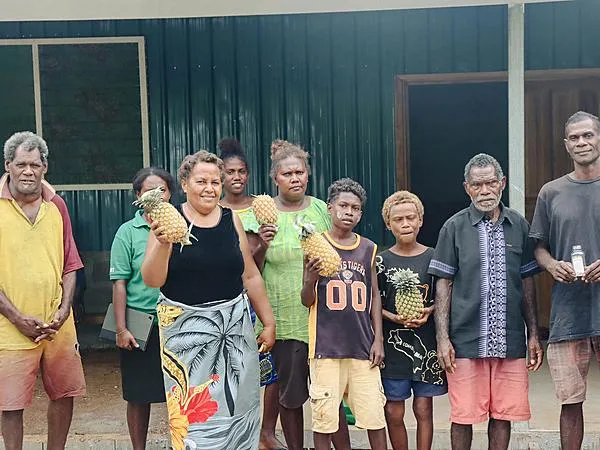
A group of smallholder farmers in Guadalcanal Province has begun producing bottled pineapple juice after receiving support to establish a processing facility, creating new income opportunities while reducing the need to travel to Honiara to sell fresh produce.
The Atunoda Family Farmers Association, based in Gheghede village in East Central Guadalcanal, recently celebrated the production of its first bottles of pineapple juice following the completion of a pineapple processing shed and the installation of processing equipment funded through the Solomon Islands Agricultural Rural Transformation (SIART) Project.
The association, comprising 30 smallholder farmers, received SBD196,106 to build the processing shed and a further SBD24,500 for a pineapple processing machine.
SIART is a World Bank-funded programme implemented by the Ministry of Agriculture and Livestock (MAL) to increase agricultural production, improve market access and strengthen economic resilience in Guadalcanal, Malaita and Makira-Ulawa provinces.
For years, farmers in the remote inland community have faced poor road conditions and limited transport, making it difficult to reach Honiara's Central Market. Many farmers, including women and children, have had to spend nights at the market while waiting to sell their produce before returning home.
The new processing facility enables farmers to add value to their pineapples within the village rather than transporting fresh fruit to the capital.
Association chairman Gideon Kilua said the project marked an important step towards improving livelihoods.
"By venturing into this form of agribusiness, we are working together to improve our livelihoods in the village," he said.
The association produced its first bottles of pineapple juice during a pineapple processing and food safety training programme organised by SIART in June 2026. The training was facilitated by a food technician from MAL's Research Department.
Kilua said women and children from the community also participated in the training.
"The first production from our processing facility is a green light for us. It gives us confidence that we can earn a profit from producing pineapple juice in our village," he said.
Using 20 pineapples during the training, the group produced more than 60 bottles of juice in less than an hour.
Kilua said selling fresh pineapples in Honiara generated about SBD200 from 20 fruits before transport and market fees were deducted.
"We can earn more by selling pineapple juice at SBD5 per bottle in surrounding communities and nearby schools. We are also looking for customers in shops in Honiara," he said.
Beyond infrastructure and equipment, SIART has also provided working capital, allowing the association to purchase pineapples from members and neighbouring farmers for processing.
"Instead of travelling to Honiara, farmers can bring their pineapples to us and we pay them directly, saving them transport costs," Kilua said.
The initiative also benefits elderly farmers as well as women and children who previously faced the burden of travelling long distances to market their produce.
Pineapple farming is the main source of income for many households in Gheghede village.
"One farmer can produce nearly 2,000 pineapples. With support from the SIART Project, pineapple farming has expanded. Our women and children are happy because they are helping establish more pineapple farms," Kilua said.
He said income from pineapple sales helps families pay school fees, cover medical expenses and meet other household needs.
To ensure the business remains sustainable, the association plans to acquire another processing machine and expand production. The processing facility is also creating paid employment opportunities for villagers involved in juice production.
Association member and pineapple farmer Heslyn Tarimana said the project had eased many of the challenges faced by women.
"It will benefit us a lot," she said.
"This project will help us overcome the challenges we always face when taking our pineapples to Honiara."
Tarimana said poor transport links often forced farmers to stay overnight at Honiara's Central Market while trying to sell their produce or waiting for transport home.
"Now we can grow, harvest and sell our pineapples here in the village," she said.
She thanked the Ministry of Agriculture and Livestock and the World Bank, through the SIART Project, for supporting the community.
"It has been our long-time hope for a project like this to reach our village and help create economic opportunities. It will support our children's education, help meet household needs and allow families to save money for other commitments," Tarimana said.
The Atunoda Family Farmers Association is one of 32 Agribusiness Producer Organisations in Guadalcanal Province receiving grant support through the SIART Project as Solomon Islands seeks to strengthen rural agribusiness and improve farmers' access to markets.
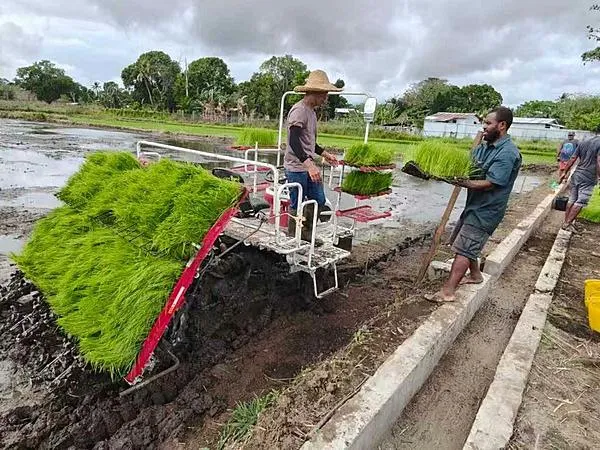
Chinese agricultural specialists have completed rice transplanting across a one-hectare experimental and demonstration farm in Honiara, marking a key milestone in an agricultural technical assistance programme between China and Solomon Islands.
Since June 2026, a team of four experts from the Jiangsu Academy of Agricultural Sciences (JAAS) — comprising two rice specialists, a vegetable specialist and a fertiliser specialist — has been providing technical assistance to Solomon Islands.
Following preliminary work, including land preparation, seedling cultivation and water salinity monitoring, the team has begun hands-on rice transplanting operations and technical field training. The newly transplanted rice seedlings are reported to be growing well.
Nine agronomy students from Solomon Islands National University (SINU) took part in the transplanting, field observations and crop management activities, gaining practical experience to complement their academic studies.
The Chinese specialists oversaw both manual and mechanised transplanting, completing planting across about one hectare of experimental and demonstration paddy fields. They said mechanised transplanting significantly improved planting efficiency, while standardised techniques ensured uniform seedling density.
To promote modern seedling cultivation methods, the experts also organised on-site training sessions on water-tray and dry-tray seedling raising techniques.
Officials from the Ministry of Agriculture and Livestock (MAL) and frontline agricultural officers from provinces across Solomon Islands attended the sessions.
The experts demonstrated key procedures, including seedling substrate preparation, water and fertiliser management, and disease prevention and control. Participants also received practical guidance on identifying healthy seedlings.
According to the project team, all transplanted seedlings have recovered successfully and are showing healthy growth, with vigorous green foliage and normal tillering.
The next phase of the programme will focus on paddy field management, monitoring and controlling pests, diseases and weeds, and providing specialised training for provincial agricultural officers.
The experts will also continue mentoring SINU agronomy students in daily field management, including water and fertiliser application, as well as integrated pest, disease and weed management throughout the rice growing cycle.
The agricultural technical assistance project is jointly supported by the Embassy of the People's Republic of China in Solomon Islands and the Ministry of Agriculture and Livestock under a long-term agricultural science and technology cooperation framework between JAAS and MAL.
The initiative aims to strengthen agricultural cooperation between China and Solomon Islands while improving the country's rice and vegetable production capacity.
Fiji has earmarked a record FJ$221 million for the Ministry of Agriculture, Waterways and Sugar Industry in the 2026/2027 National Budget, with the government aiming to strengthen food security, improve farmers' livelihoods and accelerate the sector's contribution to economic growth.
Speaking in Parliament on 15 July, Agriculture, Waterways and Sugar Industry Minister Tomasi Tunabuna said the allocation underscored the government's commitment to agriculture as a key pillar of the economy and a driver of employment, exports and rural development.
"This budget is not just about numbers. It is a commitment to every farmer, every rural community and every Fijian family," Tunabuna said.
The non-sugar agriculture sector received its largest-ever allocation of FJ$124.7 million, up 8.2 per cent from the previous financial year.
Tunabuna said government investments during the 2025/2026 financial year had produced tangible results, including the distribution of more than 2.1 million planting materials, support for 950 livestock farmers through improved breeding stock, the upgrading of 61.5 kilometres of farm access roads, and the completion of 149 drainage and irrigation projects.
He added that coastal and flood protection works had benefited 14 communities.
The minister also announced that Fiji recorded a historic FJ$187.2 million in fresh and frozen crop and livestock exports in 2025, a 17.1 per cent increase from the previous year and the highest export value achieved in the past decade.
He said the performance supports the ministry's target of reaching FJ$1 billion in fresh and frozen non-sugar agricultural exports by 2030.
For the 2026/2027 financial year, the ministry will focus on improving food and nutrition security, raising farm incomes, promoting climate-smart agriculture, expanding commercial agriculture and export development, and modernising services through digital transformation.
Major allocations under the budget include FJ$39.2 million for commercial agriculture covering priority commodities such as yaqona, dalo, ginger, rice, cocoa, coffee, coconut, dairy, fruits and vegetables; FJ$31.6 million for sustainable resource management and climate-smart agriculture; FJ$15.6 million to modernise ministry operations; FJ$10.7 million for livestock development and dairy production; and FJ$12.2 million to strengthen agricultural marketing and export value chains.
Funding for fertiliser assistance in the non-sugar sector was also increased from FJ$1 million to FJ$3 million to help reduce production costs for farmers.
The government also allocated FJ$96.3 million to support the sugar industry during its transition, including FJ$41.6 million for the Sugar Stabilisation Fund to provide continued support for cane growers.
Tunabuna said the budget reflects the government's vision of building a resilient, productive and commercially driven agriculture sector while ensuring government services reach farming communities across the country.
He also acknowledged ministry staff for their work in delivering programmes and services to farmers nationwide.
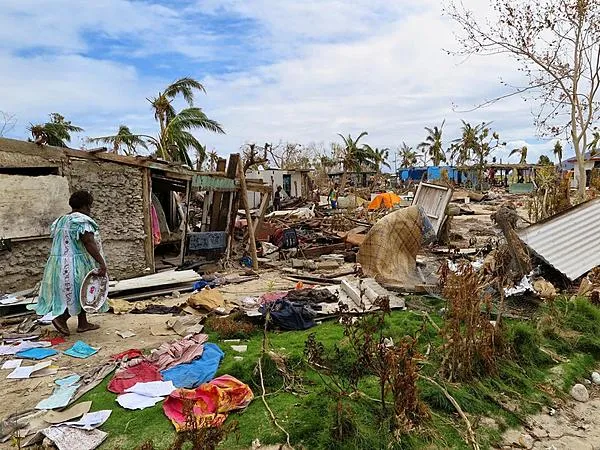
Vanuatu is strengthening its disaster recovery governance through new sector-specific guidelines and a proposed disaster financing framework aimed at improving post-disaster coordination, accelerating recovery efforts and building long-term resilience to climate and natural hazards.
Government agencies, development partners, technical experts, civil society organisations and financial institutions gathered in Port Vila for a national consultation workshop to review three key recovery instruments covering housing, energy and disaster recovery financing.
The workshop was organised by the Department of Strategic Policy, Planning and Aid Coordination (DSPPAC), through the Disaster Recovery Coordination Unit, in partnership with the Department of Urban Affairs and Planning, the National Disaster Management Office and the Department of Energy.
The initiative forms part of the Strengthening Recovery Capacities Vanuatu Project, supported under the African, Caribbean and Pacific (ACP)-European Union programme on strengthening disaster risk governance and recovery capacities and implemented by the United Nations Development Programme (UNDP).
Participants reviewed the proposed Housing Sector Recovery Guideline, Energy Sector Recovery Guideline, and Disaster Financing Strategy and Recovery Financing Architecture, which are intended to strengthen institutional coordination and provide practical guidance for post-disaster recovery.
The consultation comes as Vanuatu continues to face increasing climate and disaster risks. The government estimates that natural disasters cost the country about 6 per cent of gross domestic product annually, while recent events—including Tropical Cyclones Judy and Kevin and the 2024 Port Vila earthquake—have underscored the need for stronger recovery systems.
Disaster Recovery Coordination Unit manager Peter Korisa, speaking on behalf of the Director of DSPPAC, said recovery efforts must go beyond rebuilding damaged infrastructure.
"Recovery cannot simply mean rebuilding what was lost. Rather, recovery must strengthen resilience, reduce future risk and support long-term sustainable development," Korisa said.
He noted that while Vanuatu already has national policies, including the National Sustainable Development Plan, National Disaster Recovery Framework, National Energy Road Map, National Housing Policy and National Disaster Risk Financing Policy, translating those frameworks into practical operational guidance remains a key challenge.
UNDP Vanuatu Area Coordinator Sherryl Mahina said strengthening nationally led recovery systems is becoming increasingly important as climate-related disasters become more frequent and severe.
"Small Island Developing States such as Vanuatu remain at the frontline of climate and disaster-related challenges," Mahina said.
"Recovery is not only about restoring infrastructure and services. It is about strengthening governance systems, restoring livelihoods, reducing future risks, protecting the most vulnerable and ensuring communities emerge stronger after disasters."
She said the consultation aimed to bridge the gap between policy and implementation by developing practical guidance for housing, energy and disaster financing.
The proposed housing recovery guideline focuses on resilient building standards, improved data collection, insurance mechanisms and technical support for community-led reconstruction.
Meanwhile, the energy guideline outlines measures to strengthen recovery planning, resilience standards and coordination mechanisms for restoring electricity infrastructure after disasters.
Department of Energy Director Matthew Tassale said reliable electricity is essential to national recovery efforts.
"After disasters, the energy system is one of the priorities for recovery," Tassale said.
"Electricity is essential for healthcare services, communications, water supply, education, livelihoods and emergency coordination. Strengthening energy recovery planning helps ensure communities can recover faster and more safely while reducing future risks."
He said resilient energy planning is particularly important for remote and outer island communities, where prolonged power disruptions can have significant social and economic consequences.
Participants also reviewed Vanuatu's proposed disaster financing strategy, including options for financing instruments, resource mobilisation, institutional arrangements and disaster reserve funding mechanisms to improve the country's ability to finance future recovery efforts.
The workshop concluded with a series of technical recommendations and governance reforms that will be incorporated into the final versions of the guidelines and financing strategy before they are submitted for government endorsement.
Once adopted, the new frameworks are expected to provide government agencies and development partners with clearer procedures, institutional responsibilities and financing mechanisms to support faster recovery, restore essential services and livelihoods more effectively, and strengthen resilience against future disasters.
The Strengthening Recovery Capacities Vanuatu Project supports Vanuatu's broader efforts to enhance disaster preparedness and recovery in line with the Sendai Framework for Disaster Risk Reduction, the Paris Agreement and the United Nations Sustainable Development Goals.
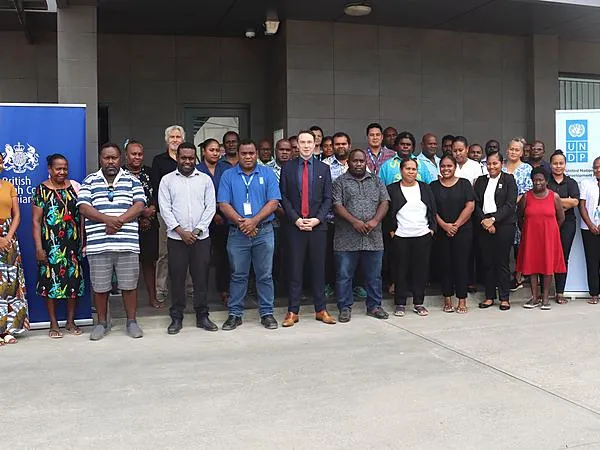
The Solomon Islands government is strengthening efforts to combat corruption, illicit financial flows and revenue leakages in the mining sector as it prepares for increased mineral development and works toward rejoining the Extractive Industries Transparency Initiative (EITI).
More than 30 representatives from government ministries, oversight bodies, law enforcement agencies, financial intelligence institutions, accountability organisations, civil society groups and mining companies gathered in Honiara for a national workshop on strengthening coordination to address corruption risks and improve governance in the extractive sector.
The workshop, titled "Building a Coordinated National Response to Corruption, Illicit Financial Flows and Revenue Leakage in the Mining Sector in Solomon Islands," was organised by the United Nations Development Programme (UNDP) in partnership with the Solomon Islands EITI National Secretariat under a United Kingdom-funded project supporting the country's re-engagement with EITI.
Participants examined corruption and governance risks within the mining industry while identifying practical measures to strengthen cooperation, information sharing and coordinated responses among institutions responsible for mining regulation, revenue administration, financial intelligence, investigations and prosecution.
Opening the workshop on behalf of the government, Acting Permanent Secretary for Finance and Treasury Coswal Nelson said protecting public revenue generated from natural resources is critical to achieving the country's development goals.
"The extractive industries sector has the potential to make an important contribution to our economy. If managed responsibly, it can generate revenue, create opportunities and support our broader national development priorities," Nelson said.
"But when governance arrangements are weak, opportunities for corruption, illicit financial flows and revenue leakage emerge, reducing the benefits that should reach our people."
Nelson said no single institution could effectively tackle the challenges posed by corruption and financial crimes in the extractive sector.
"Each institution represented here holds an important part of the picture. Stronger coordination allows us to identify risks earlier, share information more effectively and respond more quickly," he said.
"Coordination is not optional — it is essential if we are to safeguard public revenues and strengthen confidence in our institutions."
Representing the United Kingdom, Deputy British High Commissioner Cameron Millar reaffirmed Britain's support for transparent and accountable management of natural resources through its partnership with Solomon Islands and UNDP.
"Natural resources offer tremendous opportunities for economic development, but international experience demonstrates that without strong governance systems they can also become vulnerable to corruption, opaque ownership structures and significant revenue losses," Millar said.
He said strengthening transparency, accountability and institutional cooperation would help ensure the country's mineral wealth benefits all citizens.
Millar added that lasting reforms must be driven by national institutions.
"The strongest reforms are those designed and led by national institutions. Our role is to support Solomon Islands in building stronger systems that protect public resources, strengthen public trust and contribute to inclusive and sustainable development," he said.
UNDP Programme Specialist for Inclusive Governance and Economic Growth Solomon Kalu said strengthening integrity in the extractive sector extends beyond preventing corruption and is fundamental to ensuring that mineral resources contribute to long-term national development.
"The extractive sector is expected to become increasingly important to the future of Solomon Islands. If governed well, it can create jobs, generate revenues and improve the lives of people across the country," Kalu said.
"But achieving these outcomes requires institutions that work together effectively to prevent corruption, detect illicit financial flows and protect public revenues."
Kalu said the workshop focused on building stronger partnerships among institutions, improving information sharing and identifying practical actions to strengthen transparency and accountability across the mining sector.
The initiative forms part of UNDP's broader support for Solomon Islands' efforts to rejoin EITI through technical assistance, institutional capacity building, policy support and multi-stakeholder engagement.
The government has identified stronger governance of the mining sector as a key priority as it seeks to attract investment while ensuring that future resource development delivers sustainable economic benefits, strengthens public confidence and safeguards revenues for current and future generations.
Canadian miner Lion One Metals Ltd reported a strong rebound in gold production during the second quarter of 2026 as operational improvements at its Tuvatu Gold Mine in Fiji lifted output, recovery rates and underground development.
The company recovered 3,291 ounces of gold during the quarter ended June 30, up 21 per cent from the 2,726 ounces produced in the previous quarter. Average head grade improved to 4.3 grams of gold per tonne, while record quarterly gold recovery reached 84.9 per cent, reflecting improved mill performance.
Lion One also processed 27,985 tonnes of mineralised material during the quarter, achieving a 90 per cent mill utilisation rate and an average throughput of approximately 308 tonnes per day, exceeding the plant's nameplate capacity of 300 tonnes per day.
The company attributed the stronger performance to operational improvements following the return of Eric Setchell as director of operations in May and the successful commissioning of its flotation circuit, which has increased metallurgical performance and steadily improved gold recoveries.
The new flotation circuit culminated in a record monthly recovery rate of 87.7 per cent in June, the company said.
Underground mine development also strengthened during the quarter, reaching 1,652 metres, a 28 per cent increase from the previous quarter and the second-highest quarterly development rate recorded at the Tuvatu mine.
The company completed a record 587 metres of underground development in May as it continued expanding mining access.
President and Chief Executive Officer Ian Berzins said improvements were recorded across all key operating metrics.
"We're very pleased with the strong rebound in performance in the latter half of this quarter," Berzins said.
He said the company achieved record quarterly and monthly gold recovery, the highest monthly underground development rate in the mine's history and the second-best quarterly development performance since operations began.
"We are well on our way to returning production back to the levels seen at the end of 2025, and to ultimately surpassing those levels as we continue to develop Tuvatu," he said.
The company also reported improvements in workplace safety during the quarter.
No lost-time incidents were recorded, while the Total Recordable Incident Frequency improved to 4.37, down from 6.55 in the previous quarter. Lion One said it remains focused on maintaining safe production as underground operations continue to expand.
Lion One Metals owns the Tuvatu Alkaline Gold Project in Fiji, which includes the underground gold mine, processing plant and assay laboratory, together with an exploration licence covering the highly prospective Navilawa Caldera. The company said continued mine development and improved processing performance are expected to support further production growth in the coming quarters.
The Fiji government has defended its borrowing programme, arguing that public debt is being used primarily to finance long-term infrastructure projects that will strengthen economic growth and improve productivity rather than fund day-to-day government expenditure.
Responding to public debate over the country's fiscal position following the release of the 2026-27 National Budget, the Ministry of Finance said much of the government's recent borrowing has been directed towards roads, bridges, water infrastructure, public buildings, border facilities and digital government systems that are expected to deliver economic benefits for decades.
The ministry said these investments should be viewed as capital expenditure rather than recurrent spending, noting that modern infrastructure is essential to attracting private investment, supporting tourism, improving logistics and creating economic opportunities throughout Fiji.
Officials said better transport networks, more reliable utilities and upgraded public infrastructure would reduce business costs, improve connectivity and raise productivity across key sectors of the economy.
The government acknowledged that Fiji, like many countries, experienced a sharp rise in public borrowing during and immediately after the Covid-19 pandemic as authorities sought to protect employment, support businesses and maintain essential public services during the economic downturn.
Since then, restoring fiscal sustainability while continuing to invest in infrastructure has become one of the government's principal economic objectives.
The ministry said improving revenue collection, maintaining responsible expenditure management and supporting stronger economic growth will remain central to its fiscal strategy as it works to gradually reduce the budget deficit while sustaining investment.
The government's position comes as Fiji's 2026-27 National Budget adopts what officials describe as a strategy of fiscal consolidation rather than sweeping reform, reflecting an economy where tourism has largely recovered, construction activity remains robust and private investment continues to improve.
One of the budget's most notable features is the decision to leave major tax settings largely unchanged.
Corporate income tax, personal income tax and value-added tax remain broadly intact, providing businesses with greater policy certainty and allowing investors to plan long-term projects with increased confidence, particularly in sectors such as tourism, manufacturing and construction.
Infrastructure remains the centrepiece of the government's economic strategy.
Funding has been allocated to transport infrastructure, water systems, public services, border facilities and digital government initiatives, including measures to streamline building approvals through digital platforms to improve the ease of doing business.
The government said these investments are intended not only to support employment during construction but also to improve long-term productivity and lower operating costs for businesses.
The budget also places increased emphasis on workforce development as Fiji continues to address shortages of skilled labour.
Measures include revisions to the National Training and Productivity Centre levy and enhanced tax deductions for employer-funded training programmes, reflecting concerns over the continued migration of experienced workers overseas and the need to strengthen domestic skills.
The most debated measure in the budget is the introduction of a five per cent Tourism Services Tax on larger tourism operators.
The government said the levy will help finance aviation and tourism infrastructure needed to support the industry's long-term growth.
However, the Fiji Hotel and Tourism Association has warned that the additional tax comes at a time when operators are already facing rising labour costs, higher insurance premiums and increased prices for imported goods.
While the tourism sector remains internationally competitive, industry representatives have cautioned that additional costs could affect pricing as Pacific destinations compete for visitors.
Economists generally distinguish between borrowing for productive investment and borrowing to finance ongoing operating expenses, noting that infrastructure spending can strengthen future economic performance provided projects are carefully selected, efficiently implemented and generate measurable returns.
Business organisations have broadly welcomed the government's emphasis on infrastructure investment, policy stability and skills development, while continuing to call for prudent debt management and disciplined project execution to preserve investor confidence.
The ministry said balancing infrastructure investment with debt sustainability will remain one of the country's key economic policy challenges.
It added that maintaining access to development finance, strengthening public finances and delivering projects efficiently will be critical to sustaining confidence among international lenders, development partners, businesses and private investors.
Rather than pursuing dramatic fiscal changes, the government said the 2026-27 Budget seeks to build on Fiji's post-pandemic recovery through careful fiscal management, continued infrastructure investment and measures designed to support long-term economic growth.
Follow on LinkedIn:
Pacific Business Review
Be the "First" to get our exclusive Digital Magazine & Weekly Newsletter.