Solomon Islands and Papua New Guinea have agreed to strengthen cooperation on mining sector governance, with officials from Papua New Guinea expected to visit Solomon Islands as the two countries pursue reforms aimed at maximising the benefits of their mineral resources.
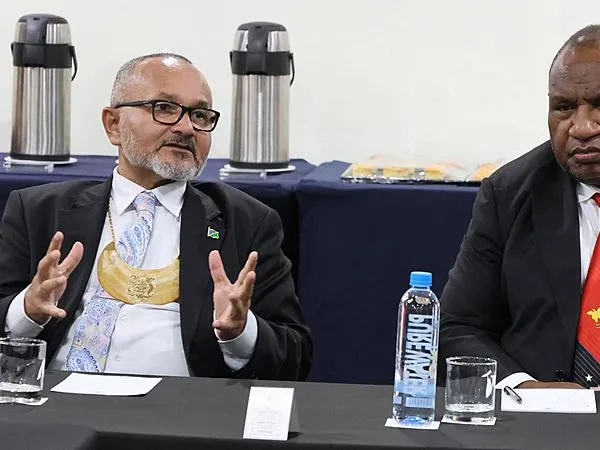
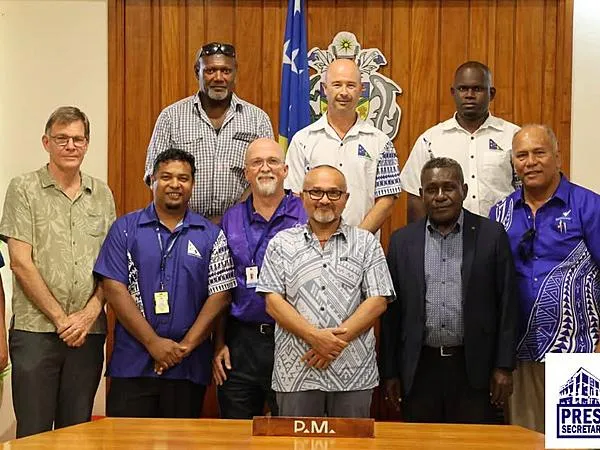
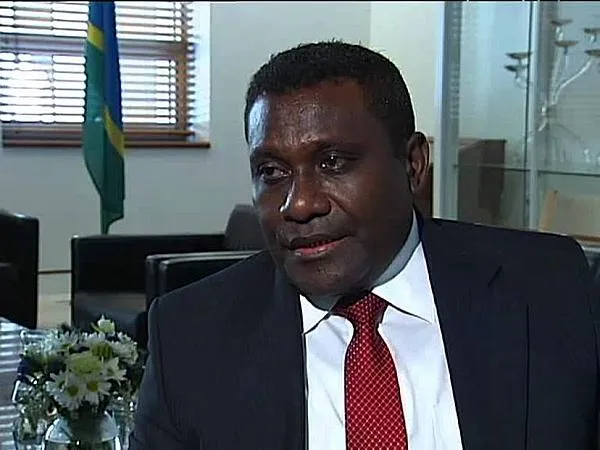
The agreement followed a roundtable in Port Moresby between Solomon Islands Prime Minister Matthew Wale, Papua New Guinea Prime Minister James Marape, Kumul Minerals Holdings Ltd. and the Mineral Resources Authority.
Wale said the meeting provided an opportunity for Solomon Islands to learn from Papua New Guinea's experience in managing its mining industry, as his government advances reforms to improve governance of the country's mineral resources.
He said reforming the mining sector, particularly the alluvial gold industry, remains a priority for his administration.
According to Wale, the government is pursuing reforms to bring greater structure, transparency and national benefit to the sector, including plans to establish a dedicated gold export unit and, over the longer term, a national gold refinery.
"This will allow us to refine our own gold, control pricing and retain more value within our economy," Wale said.
He also stressed the importance of building trusted partnerships across the mining value chain, from extraction and processing to export.
"We want a model where all parties benefit fairly and value is retained within our economy to support national development," he said.
Marape said Papua New Guinea has faced significant challenges in developing its mining sector but remains committed to ensuring greater benefits flow to its people.
He said landowners should remain at the centre of resource policy and that fiscal arrangements governing mining projects must be transparent and clearly defined.
"There is often confusion between taxes, royalties and equity. Investors must know upfront what they will pay and what benefits will flow to landowners and the State," Marape said.
Both leaders agreed that strong governance, clear legislation and effective regulatory oversight are essential to ensure the fair and sustainable management of mineral resources.
The meeting concluded with an agreement for Papua New Guinea's mining authorities to visit Solomon Islands in the near future to support the country's ongoing mining sector reforms.
Fiji is seeking to deepen economic and infrastructure cooperation with China's Jiangsu Province, with Prime Minister Sitiveni Rabuka highlighting investment opportunities in Vanua Levu and reaffirming the country's commitment to strengthening bilateral relations with China.
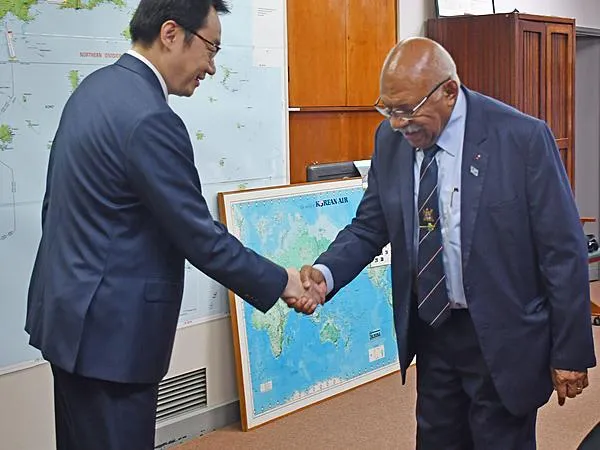
Prime Minister Rabuka met with Jiangsu Vice Governor Zhao Yan and his delegation, where the two sides discussed expanding cooperation in infrastructure, regional development and other areas of mutual interest.
Rabuka thanked the Chinese government for its continued support through socioeconomic development programs and people-to-people exchanges, while reaffirming Fiji's adherence to the One China Policy. Fiji and China established diplomatic relations in 1975.
During the meeting, Rabuka identified Vanua Levu as Fiji's next major economic growth hub and welcomed greater participation by Jiangsu Province in supporting the island's development.
He highlighted the FJD300 million China-Aid Vanua Levu Road Upgrading Project as a flagship initiative under the Belt and Road Initiative. The project will upgrade more than 80 kilometers of rural roads and more than 20 bridges to climate-resilient standards, improving connectivity for 61 villages and 15 schools while expanding access to essential services and economic opportunities across the Northern Division.
The prime minister also discussed regional priorities, including the Ocean of Peace Declaration, which aims to promote peace, unity and resilience across the Blue Pacific amid growing geopolitical uncertainty.
At the multilateral level, Rabuka acknowledged China's Global Development, Security, Civilization and Governance Initiatives and reaffirmed Fiji's commitment to working with China through the United Nations-centered multilateral system to advance shared interests.
Vice Governor Zhao thanked the prime minister for the opportunity to discuss areas of cooperation and reaffirmed Jiangsu Province's commitment to strengthening ties with Fiji.
The meeting reflects continued efforts by Fiji and China to broaden bilateral cooperation, with infrastructure development, regional connectivity and economic growth remaining central to the partnership.
Solomon Islands Prime Minister Matthew Wale has reaffirmed his government's commitment to strengthening ties with China's Jiangsu Province, seeking to expand cooperation in agriculture, fisheries, education and workforce development to support the country's long-term economic growth.
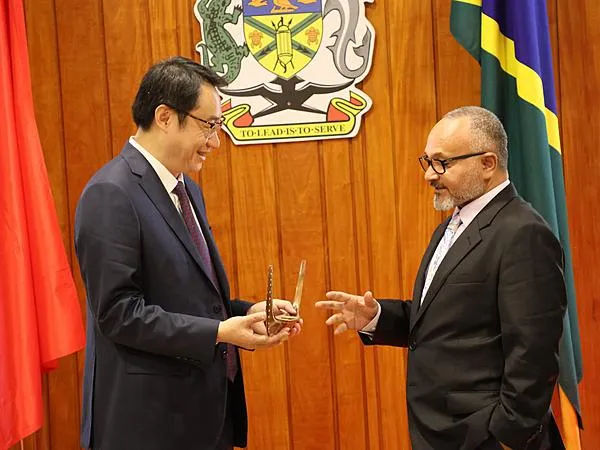
During talks with Jiangsu Vice Governor Zhao Yan at the Office of the Prime Minister and Cabinet, both sides agreed to deepen collaboration beyond existing programs under the sister-province partnership between Jiangsu and Malaita Province.
Zhao said Jiangsu is looking to broaden cooperation across key development sectors, including agriculture, fisheries, education and professional training, while promoting innovation, science and technology to improve agricultural productivity, food security and sustainable growth.
"We aim to strengthen exchanges at all levels and deepen practical cooperation," Zhao said.
He also praised the Solomon Islands government's education reforms and reaffirmed Jiangsu's commitment to supporting expanded vocational training and skills development.
"Jiangsu stands ready to work closely with Solomon Islands to translate our leaders' consensus into tangible outcomes and take our cooperation to a new level," Zhao said.
Prime Minister Wale described Jiangsu as a strategic partner capable of supporting the country's broader development agenda.
"Jiangsu Province represents an immense opportunity for Solomon Islands—not only for Malaita, but for our nation as a whole," Wale said.
He said education remains central to his government's vision for national development, emphasizing that investment in skills and human capital is critical to building a stronger and more resilient economy.
"Education is fundamental to our national transformation. It equips our people with the skills, knowledge and discipline to build a stronger, more resilient Solomon Islands," Wale said.
He added that partnerships with experienced international counterparts could help accelerate development while enabling the country to benefit from proven approaches in education, innovation and economic planning.
The meeting underscores the growing economic and development cooperation between Solomon Islands and China's Jiangsu Province, with both sides seeking to expand collaboration in sectors that support sustainable growth, food security and workforce development.
The Asian Development Bank (ADB) has approved a $10 million grant facility aimed at strengthening project delivery, boosting resilience to environmental and disaster risks, supporting private sector development and accelerating sustainable economic growth in Vanuatu.
The financing will establish the Vanuatu Sustainable Economic Transformation Facility, ADB's first Small Expenditure Financing Facility in the Pacific, providing flexible, multi-sector funding to help the government respond more effectively to emerging development challenges.
ADB said the facility would enhance the effectiveness and sustainability of its investments in Vanuatu while supporting the country's long-term development priorities.
"Vanuatu's development priorities are evolving rapidly in an increasingly uncertain environment," said Jyotsana Varma, regional director of ADB's Pacific Liaison and Coordination Office.
"This facility gives the government the flexibility and capacity to respond to emerging challenges, strengthen project delivery, and invest in long-term resilience. By supporting institutional strengthening, private sector development, and critical services, it is an important step towards a more resilient and prosperous future for the people of Vanuatu."
ADB noted that Vanuatu remains one of the world's most disaster-prone countries and continues to face challenges linked to its geographic isolation, limited institutional capacity and the high cost of delivering services across its dispersed island population.
The financing is intended to help address these constraints while creating new opportunities in key government priority areas, including public-private partnerships, digital transformation, agricultural development and water security.
An initial allocation of $2.5 million will be used to strengthen the capacity of the Vanuatu Project Management Unit and the Ministry of Finance and Economic Management. The funding will support project and financial management, procurement, safeguards and monitoring systems to improve implementation of development projects.
The facility will also provide flexible financing to address project delivery challenges, improve the maintenance of critical infrastructure and services, and support rapid recovery efforts following natural disasters.
The initiative will be funded through the Asian Development Fund, which provides grant financing to the poorest and most vulnerable countries in Asia and the Pacific.
ADB said the facility would help build stronger institutions, improve service delivery and support sustainable economic transformation as Vanuatu continues to navigate increasing climate and development pressures.
The bank, established in 1966, is owned by 69 member countries and supports sustainable, inclusive and resilient growth across Asia and the Pacific through financing, technical assistance and strategic partnerships.
Prime Minister Matthew Wale called for closer alignment between monetary and fiscal policy to strengthen the resilience and stability of the Solomon Islands economy.
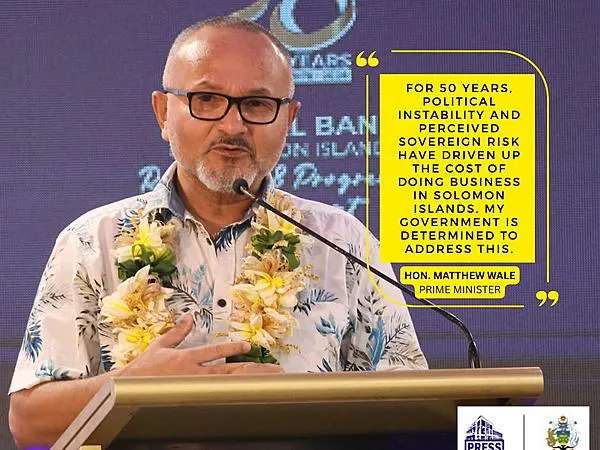
Speaking during the recent Golden Jubilee celebrations of the Central Bank of Solomon Islands, Wale said effective coordination between government fiscal policies and central bank monetary measures was critical for responding to economic shocks, managing risks and creating conditions that encourage investment and employment growth.
He reaffirmed the government's commitment to working closely with the central bank while pursuing legislative and policy reforms aimed at building a financial sector that is resilient, inclusive and responsive to the country's needs.
Wale stressed that economic reforms should be tailored to local circumstances rather than copied directly from other countries.
"What works in Singapore or London may not work in Honiara and what works in Honiara may not yet reach our outer islands," he said.
"We must have the confidence to adopt what works, adapt what needs adjusting, and set aside what does not fit our circumstances."
The prime minister said policy success should be measured by its impact on people's lives, particularly in a geographically dispersed nation where distance continues to challenge service delivery and economic participation.
He added that economic coordination must extend beyond fiscal and monetary policy to include political stability and governance reforms.
According to Wale, political instability and perceptions of sovereign risk have contributed to higher business costs in Solomon Islands for decades, discouraging investment and limiting economic opportunities.
"For 50 years, political instability and perceived sovereign risk have driven up the cost of doing business in Solomon Islands. My government is determined to address this," he said.
Wale said improving stability and investor confidence would be essential to unlocking sustainable economic growth and supporting the country's long-term development goals.
The remarks were delivered as the Central Bank of Solomon Islands marked its 50th anniversary, highlighting the institution's role in safeguarding financial stability and supporting economic development since its establishment.
New Caledonia showcased its growing innovation and technology sector during its fourth participation in Viva Technology 2026, Europe's largest startup and innovation event, held in Paris from June 17 to 20.
The New Caledonian delegation brought together eight startups and 16 institutional and private-sector partners under the New Caledonia Pavilion, which was designed to promote the territory's technological capabilities, investment potential and entrepreneurial ecosystem to a global audience.
Organizers expanded the pavilion's footprint from 50 square metres to 70.5 square metres for the 2026 edition, allowing the creation of dedicated spaces for startups and businesses, as well as a new area focused on promoting New Caledonia's attractiveness to investors, partners and international stakeholders.
The 2026 delegation also broadened participation criteria to include seed-stage and acceleration startups alongside established companies developing innovative technology products through intrapreneurship initiatives.
Officials said the participation aimed to strengthen New Caledonia's international profile, support emerging industries, create business opportunities and foster partnerships with investors and innovation ecosystems worldwide.
The startup delegation featured Firetracking, a software platform designed to detect wildfire outbreaks; Testeum, a participatory testing platform; Watom, a developer of digital serious games; Ops Insight, an artificial intelligence-based aerospace compliance platform; Spirit, a payment solution for French Pacific territories; Santeo, a health education and prevention platform; So'Bloo, an AI-powered business management solution; and Digibar, a digital management platform for bar associations.
The delegation was supported by 16 partners from the public and private sectors, including government agencies, business organizations, financial institutions and tourism promotion bodies.
Several New Caledonian startups participated in presentations and networking activities during the event. Prior to the official opening of VivaTech, Firetracking and Testeum delivered pitches at the booth of TotalEnergies, highlighting their innovations in safety, environmental monitoring and technology testing.
On June 18, delegation members joined the "French Tech Connect Overseas & Indian Ocean" side event, which brought together startups, investors, corporations and innovation partners from French overseas territories and the Indian Ocean region. The event provided opportunities to strengthen partnerships, expand networks and explore funding prospects.
The delegation also took part in the VivaTech 2026 international pitch competition on June 20 and participated in a session promoting New Caledonia's investment and business opportunities at the stand of Business France.
Officials said the territory's participation reflected ongoing efforts to develop New Caledonia's technology ecosystem, attract international investment and position the Pacific territory as an emerging innovation hub.
The Ministry of Agriculture, Waterways and Sugar Industry has taken another significant step towards improving service delivery in rural Fiji with the official launch of Starlink Internet Services at the Wainikoro Station in Macuata.
Officially launching the service, Minister for Agriculture, Waterways and Sugar Industry Tomasi Tunabuna said the installation marked an important milestone for the Ministry's operations in the Northern Division.
Speaking before community representatives and Ministry staff, Tunabuna acknowledged the dedication and perseverance of officers who had continued to serve farming communities despite operating for many years without reliable internet connectivity.
“Today is more than just the installation of an internet connection. It is a significant step forward in strengthening service delivery, improving communication, and creating better opportunities for our officers and the farming communities we serve,” he said.
The Wainikoro Station is currently staffed by three Ministry officers who provide extension and advisory services to farmers across the tikinas of Nadogo, Dogotuki, Namuka, Udu and Cikobia. The introduction of reliable internet connectivity is expected to significantly enhance their ability to communicate, access information and deliver timely support to farming communities across these remote areas.
The Starlink installation, valued at $11,322, will provide high-speed internet access to the station, enabling officers to access online reporting systems, agricultural research, weather information, technical support and training resources in real time.
Tunabuna said the new connectivity would strengthen communication and collaboration between Ministry offices across Fiji while improving the quality and efficiency of services delivered to farmers.
“Our officers will now have faster access to information, online resources, reporting systems, weather updates, agricultural research, training opportunities and communication platforms that are critical to modern agricultural services,” he said.
He encouraged staff to fully utilise the new technology to improve productivity and service delivery while maintaining professionalism, integrity and commitment to the communities they serve.
The Minister also acknowledged the vital role farmers play in supporting food security, economic growth and national development, urging them to continue working closely with extension officers to strengthen agricultural production throughout the province.
“Agriculture remains the backbone of many families and communities. Success in agriculture is achieved through partnership, collaboration and mutual commitment. When farmers and officers work together, we can achieve greater results for our communities and our nation,” he said.
Tunabuna said the improved connectivity would accelerate access to information and enable support services to be delivered more effectively to farmers throughout Wainikoro and the wider Macuata Province.
The launch forms part of the Ministry’s ongoing efforts to modernise its operations and ensure that officers working in remote and rural areas have access to the digital tools needed to support Fiji’s agricultural sector.
The Minister concluded by expressing confidence that the new internet service would empower staff, support farmers and create new opportunities for growth, innovation and prosperity within the community.
In addition to launching the Starlink Internet Service, Tunabuna handed over the keys to the station’s official vehicle, which will be used by officers to visit farms, monitor agricultural activities and provide extension services to farmers.
The vehicle is expected to improve officers’ mobility and strengthen the Ministry’s ability to provide timely support and technical assistance to farming communities across the station’s extensive service area.
Tunabuna reminded staff that the vehicle was a valuable government asset and encouraged them to use it responsibly to better serve farmers and support agricultural development in the region.
The Solomon Islands has applied to rejoin the Extractive Industries Transparency Initiative (EITI), marking a renewed commitment to transparency and accountability as the country seeks to develop its mineral resources sector.
The EITI announced on June 19 that it had received an application from the Solomon Islands government to become an implementing country under the global transparency standard for the extractive industries.
The application will be reviewed by the EITI Board's Outreach and Candidature Committee before being considered by the full EITI Board.
"We warmly welcome Solomon Islands' application to rejoin the EITI," EITI Executive Director Mark Robinson said.
"As the country seeks to develop its mineral resources, transparency and multi-stakeholder dialogue can help ensure that the sector is managed in a way that benefits citizens and supports sustainable development. We look forward to working with the government, companies and civil society as the application progresses through the EITI's candidature process."
The Solomon Islands is endowed with significant deposits of gold, nickel, bauxite, copper and zinc. While mining currently plays a relatively modest role in the economy, the government has identified the sector as a key driver of future economic growth and public revenue generation.
Authorities have also signaled their intention to strengthen transparency and accountability as interest in mineral development increases.
The application follows a formal commitment by the government in May 2025 to re-engage with the EITI. At the time, the government announced plans to re-establish the national EITI Secretariat and a multi-stakeholder group to oversee implementation.
The Solomon Islands previously implemented the EITI from 2012 to 2018 before withdrawing due to limited activity in its extractive sector.
According to the EITI, the country's renewed candidature has been supported by international partners, including the United Kingdom and the United Nations Development Programme, which have worked with government agencies and civil society organizations to strengthen preparedness for implementation and promote inclusive participation.
As part of the application process, the Solomon Islands has undertaken measures required under the EITI Standard, including securing a government commitment to implementation, establishing a multi-stakeholder group representing government, industry and civil society, appointing senior officials to lead implementation efforts, and developing a work plan to guide future activities.
If approved by the EITI Board, the Solomon Islands would become the sixth country in the Asia-Pacific region to implement the EITI Standard and the 56th country worldwide to participate in the initiative.
The EITI is a global standard that promotes the open and accountable management of oil, gas and mineral resources by requiring participating countries to disclose information across the extractive sector value chain, from licensing and contracts to revenue collection and distribution.
The Fiji government has reaffirmed its commitment to agricultural research and innovation, describing them as critical to strengthening food security, economic resilience and climate preparedness in the face of growing global and environmental challenges.
Finance, Commerce and Business Development Minister Esrom Immanuel made the remarks while officiating at the Koronivia Research Station Open Day, where he highlighted the role of science and technology in supporting sustainable agricultural development.
"This event showcases the critical role that science and technology play in enhancing agricultural productivity, sustainability, and food security for our nation," Immanuel said.
The minister said that while prudent fiscal management remains a national priority, long-term economic stability depends on a strong and resilient agricultural sector capable of withstanding external shocks.
Reflecting on the Covid-19 pandemic, Immanuel noted that agriculture played a crucial role in sustaining livelihoods and economic activity when Fiji's tourism sector, one of the country's main economic drivers, was severely affected.
"When tourism was severely impacted, agriculture sustained livelihoods, maintained economic activity, and demonstrated its strategic importance to Fiji's economic security," he said.
Immanuel commended the Ministry of Agriculture, Waterways and Sugar Industry and its research teams for developing practical solutions to address climate change, strengthen food production and reduce reliance on imports.
Among the achievements highlighted were the development of drought-tolerant and disease-resistant crop varieties, innovations in cassava flour blending and organic composting, improved cultivation methods for traditional root crops, and climate-resilient production technologies designed to help farmers maintain yields under challenging conditions.
The minister said investments in agricultural research generate long-term national benefits by reducing disaster recovery costs, improving domestic food production, lowering import dependence and supporting economic growth.
He pointed to the government's record allocation of FJ$115 million to the Ministry of Agriculture, Waterways and Sugar Industry in the current financial year as evidence of its commitment to the sector.
The funding includes FJ$2.7 million for rice research, rice farming support and irrigation maintenance, as well as FJ$772,800 for the mass production of quality seeds and planting materials.
Immanuel also acknowledged the contribution of development partners in strengthening Fiji's agricultural research capabilities, including the Australian Centre for International Agricultural Research, the Food and Agriculture Organization of the United Nations, the European Union, the United Nations Development Programme and the International Fund for Agricultural Development.
Looking ahead, he called for stronger collaboration among government agencies, development partners, academic institutions, the private sector, researchers and farmers to further institutionalise agricultural research and development across the country.
He also encouraged farmers and industry stakeholders to adopt research-driven innovations, embrace improved crop varieties and implement sustainable farming practices to improve productivity and resilience.
Concluding his address, Immanuel paid tribute to the country's scientists and researchers, describing them as being on the frontline of protecting Fiji from hunger, inflation and climate-related challenges before officially opening the Koronivia Research Station Open Day.
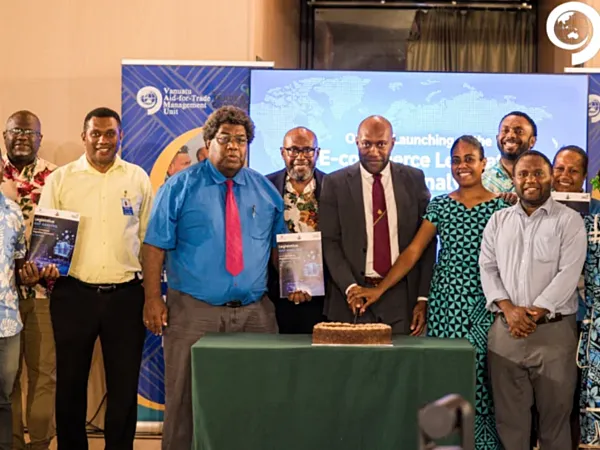
Vanuatu has completed a comprehensive review of its e-commerce laws and regulations, paving the way for reforms aimed at strengthening the country's digital economy and expanding participation in regional and global digital markets.
The National E-commerce Legislative Gap Analysis, launched on May 28 during a meeting of the National Trade Development Committee, outlines a roadmap for modernizing Vanuatu's legal and regulatory framework for online business and digital trade.
The assessment was undertaken with support from the Commonwealth Secretariat and examines how existing legislation compares with international best practices.
According to the report, a modern and coherent regulatory environment could help businesses reduce transaction costs, improve legal certainty, attract investment and build greater trust in digital services.
The analysis identified priority reforms across five key areas: electronic transactions, data protection, cybersecurity, consumer protection and telecommunications.
Among the recommendations are updates to electronic transactions laws to facilitate paperless trade and secure digital signatures, stronger implementation of data protection measures to support cross-border digital services, enhanced cybersecurity coordination and preparedness, and the introduction of consumer protection rules tailored to e-commerce.
The report also calls for reforms to telecommunications regulations to improve service quality, resilience and connectivity, particularly given Vanuatu's geographic challenges as a dispersed island nation.
Officials said the recommendations are intended to create a safer and more efficient environment for digital commerce while encouraging greater participation by businesses and consumers.
The analysis noted that legislative reform alone would not be sufficient to drive digital transformation and emphasized the need for coordinated implementation, institutional capacity building and clear sequencing of reforms across government agencies.
Director General Noah Kouback of the Ministry of Trade and Commerce said the initiative is aimed at strengthening trust in digital transactions and reducing barriers to trade.
"This work is about enabling trust, lowering barriers to trade, and ensuring financial institutions provide incentives to businesses and consumers for electronic transactions, data protection, cybersecurity, consumer protection, and affordable and accessible telecommunications," Kouback said.
"With focused coordination and targeted investment, Vanuatu can move quickly from policy intent to tangible outcomes."
The report is expected to guide future legislative reforms and support the government's ongoing review of its National E-commerce Strategy and Roadmap beyond 2026.
The Vanuatu National E-commerce Steering Committee is expected to play a key role in coordinating implementation efforts among government agencies and stakeholders.
Officials said the reforms would help position Vanuatu as a more competitive and inclusive digital economy while supporting the country's broader efforts to attract investment and expand opportunities in the digital sector.
Panguna landowners have expressed strong support for a new legislative framework aimed at advancing the redevelopment of the Panguna mine, following stakeholder consultations led by the Autonomous Bougainville Government (ABG).
The consultations focused on the Bougainville Mining (Amendment) Act 2026 and the recent grant of Large-Scale Mining Lease No. 01 (LSML-01), which forms part of the government's strategy to revive one of the Pacific's most significant mining projects.
The engagement sessions were led by Bougainville President and Minister for Mining and Petroleum Ishmael Toroama and attended by members of the Central Parliamentary Committee, officials from the Department of Mining and Petroleum, representatives of the Panguna Landowner Interim Council, landowners from the area's five clans, veterans and representatives of Lloyds Metals and Energy Limited (LMEL), the ABG's preferred development partner.
During the consultations, stakeholders received briefings on the amended mining legislation, the special redevelopment pathway established for previously operating large-scale mines, the grant of LSML-01 to Bougainville Minerals Limited (BML), and the next steps under the new framework.
According to the ABG, participants unanimously endorsed the amendments and the redevelopment pathway, describing the legislation as a practical mechanism for progressing the redevelopment of Panguna in an orderly, responsible and accelerated manner.
Stakeholders said the legislation preserves key safeguards relating to compensation, royalties, environmental approvals, community consultation and benefit-sharing arrangements. They also welcomed provisions designed to strengthen landowner participation through increased non-dilutable equity ownership at no cost.
Landowners noted that the amendments not only preserve existing rights and protections but also strengthen safeguards for communities expected to be affected by future mining operations.
The consultations also revealed broad support for the Bougainville Executive Council's decision to grant LSML-01 to Bougainville Minerals Limited and for the company's partnership with LMEL, which has been identified as the preferred development partner for the project.
A recurring theme during the discussions was the desire among landowners, veterans and community representatives to move beyond years of dialogue and begin implementation of the redevelopment programme.
Participants said redevelopment of the Panguna mine had been discussed for many years and expressed support for faster progress under the new legislative framework.
Toroama welcomed the response from stakeholders and thanked landowners, veterans, community leaders and members of the Panguna Landowner Interim Council for their participation.
"The message from landowners and communities was clear. They support the new redevelopment framework, they support stronger landowner participation and they want to see responsible redevelopment move forward in a practical and timely manner," he said.
The ABG reaffirmed its commitment to ensuring that future redevelopment activities are carried out in accordance with the law and deliver long-term economic and social benefits for landowners, local communities and the people of Bougainville.
The Panguna mine, once among the world's largest copper and gold operations, remains central to Bougainville's economic development plans, with the government viewing its redevelopment as a key driver of future growth and revenue generation.
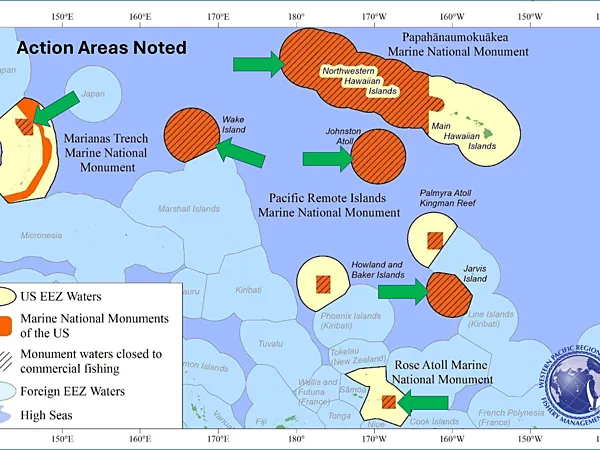
The Western Pacific Regional Fishery Management Council has welcomed a proclamation by US President Donald Trump restoring commercial fishing access to parts of the Pacific Ocean, describing the move as a significant step towards strengthening fisheries management and supporting regional fishing communities.
The proclamation, titled Restoring American Commercial Fishing in the Pacific, was signed on June 11 and seeks to return fisheries management decisions in certain monument waters to the regional council process under the Magnuson-Stevens Fishery Conservation and Management Act.
Speaking during the signing ceremony, Trump said the action would help reduce seafood costs and create new economic opportunities for the fishing industry.
"It’s my honour to be taking this action to lower seafood costs and generate millions and millions of dollars in new business for our great fishermen by restoring commercial access to three areas of the western Pacific Ocean," he said.
Council members viewed the White House signing ceremony during a meeting in Pago Pago, American Samoa.
Western Pacific Regional Fishery Management Council Executive Director Kitty Simonds said the organisation welcomed the return of fisheries management authority to the regional council framework.
"We are pleased that under the authority of the Magnuson-Stevens Act, the management of fishing in monument waters is returning to the fishery councils," Simonds said.
"The Council is committed to continue working together with our fishing communities in American Samoa, Hawai'i and the Northern Mariana Islands to discuss and develop fishery management plans in these areas."
Council Chairman Nathan Ilaoa said the decision was particularly important for American Samoa, where restrictions around Rose Atoll have limited access to key fishing grounds since 2009.
"Today's proclamation is a significant and welcome development for American Samoa," Ilaoa said.
"As American Samoa invests in a new generation of longer-range fishing vessels, restoring access to these areas will help ensure that local fishermen are able to fully benefit from those investments and continue contributing to our economy and food security."
At its March 2026 meeting, the council recommended restoring commercial fishing access from 12 to 50 nautical miles around Muliāva (Rose Atoll) and from zero to 50 nautical miles in the Marianas Trench Islands Unit.
Under the proclamation, longline fishing remains prohibited within zero to 50 nautical miles of Papahānaumokuākea, while bottomfish and other fisheries remain restricted within three nautical miles of the area.
The council said fisheries management within the US exclusive economic zone should continue to be guided by the Magnuson-Stevens Act, which provides opportunities for public consultation and ensures decisions are based on scientific evidence and the needs of affected communities.
The proclamation follows a federal review ordered under Executive Order 14276, Restoring American Seafood Competitiveness, which examined commercial fishing opportunities within marine national monuments and assessed the impact of fishing restrictions on domestic seafood production and coastal communities.
The council noted that additional federal approvals and coordination with other regulatory authorities may still be required before commercial fishing activities can resume in some areas.
Industry stakeholders across the Pacific are expected to closely monitor the implementation of the proclamation and its potential implications for fisheries management, food security and economic development in the region.
Prime Minister Matthew Wale has called for an urgent overhaul of Solomon Airlines, saying the national carrier has lacked a clear vision for years and must adopt a more strategic approach to ensure its long-term viability.
Wale, accompanied by Finance Minister Gordon Darcy Lilo, met with the airline's board and management on Friday and stressed the need for sweeping reforms to improve the carrier's performance and financial sustainability.
The Prime Minister said the government could no longer continue providing financial support without seeing meaningful progress.
"We want Solomon Airlines to succeed, but we must act decisively. You need to think big and stop undermining the industry," Wale said.
He identified several areas requiring immediate attention, including expanding aircraft capacity on domestic routes, strengthening airlift services, improving flight reliability, lowering domestic and international airfares, and enhancing customer service.
"Domestic airfares are too high, freight costs are excessive and flight schedules are inconsistent. These are issues that must be addressed," he said.
Wale also criticised the airline for lacking a clear strategic roadmap and urged its leadership to undertake substantial reforms to reposition the carrier for future growth.
Lilo echoed the Prime Minister's concerns and challenged the airline's leadership to develop a coherent plan for its future.
"So where do we begin?" the Finance Minister asked during the meeting.
He also encouraged Solomon Airlines to pursue strategic partnerships that could bolster its financial and operational capabilities.
"We need partners with deep financial capacity. I agree with the Prime Minister that you must think big and be strategic," Lilo said.
Acting board chairman Baoro Laxton Koraua acknowledged the concerns raised by the government and said the airline had faced numerous internal and external challenges over the years.
Lilo confirmed that Solomon Airlines has been operating at a loss, particularly on domestic services, while continuing to face difficulties on its international routes.
"We have been making losses domestically and continue to face significant challenges on our international routes," he said.
Koraua agreed that restructuring was necessary and said the airline must develop a clear vision aligned with national priorities and the broader interests of the Solomon Islands.
At the conclusion of the meeting, Wale and Lilo directed the airline's board and management to prepare and present a comprehensive strategic plan outlining the carrier's future direction and reform agenda.
The government has indicated that the proposed plan will be crucial in determining the next steps for the state-owned airline as it seeks to address operational challenges and improve service delivery.
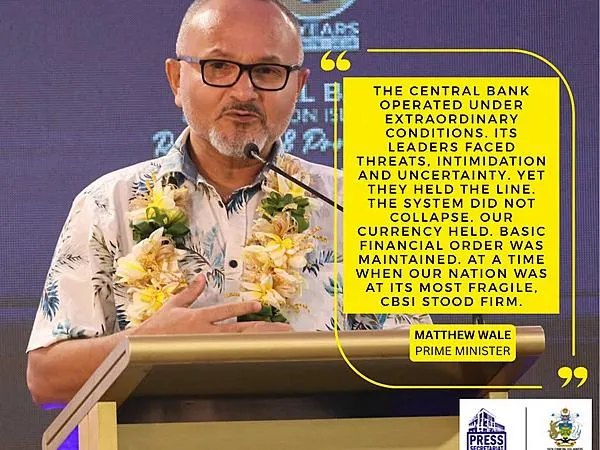
The Central Bank of Solomon Islands (CBSI) earned its reputation for stability during some of the country's most challenging periods, with its resilience helping prevent economic collapse during the ethnic tensions of the early 2000s, Prime Minister Matthew Wale said as the institution marked its 50th anniversary.
Speaking at the bank's Golden Jubilee celebrations in Honiara, Wale said CBSI's legacy was shaped not during periods of stability but through its response to national crises.
"CBSI was not built in easy times. It was built in crisis and it survived when failure would have meant national collapse," Wale said.
The prime minister highlighted the period of ethnic unrest between 1999 and 2003, when the country's financial system came under sustained pressure. He said central bank leaders operated under extraordinary circumstances marked by threats, intimidation and uncertainty, yet succeeded in maintaining financial stability.
"The system did not collapse. Our currency held. Basic financial order was maintained. At a time when our nation was at its most fragile, CBSI stood firm," he said.
Wale described the period as one of the most significant chapters in Solomon Islands' economic history, saying the institution's ability to preserve confidence in the financial system required courage, discipline and leadership under pressure.
He said the experience helped shape the foundations of today's financial sector.
"The resilience we see today in our stable currency, in the public's trust in our banks, in the foundations of our financial system was built through that crisis," Wale said.
While praising the institution's achievements, he cautioned against complacency, noting that many Solomon Islanders continue to face economic challenges.
"Our people are still facing economic pressures. The cost of living is high. Opportunities are limited. The financial system must now work harder to support growth, expand access, and create real pathways for our people," he said.
Five decades of service
The anniversary celebrations also provided an opportunity to reflect on CBSI's role since its establishment in 1976, two years before Solomon Islands gained independence.
Addressing guests at the official ceremony at Heritage Park Hotel, Wale said the institution was created by leaders who recognised the importance of building a strong monetary authority before the country's transition to self-government.
"Before our flag was raised and before our Constitution was signed, visionary Solomon Islanders chose to build an institution that would outlast any individual, any government, and any crisis. Today, we stand as proof of that decision," he said.
The prime minister said the bank's founders could not have anticipated the economic shocks, natural disasters, social unrest and global crises that would emerge over the following decades, but had established an institution capable of adapting to changing circumstances.
He congratulated CBSI on reaching its Golden Jubilee, saying the bank had provided five decades of dedicated service to the nation and remained central to maintaining economic stability.
"If the next fifty years are built on the same foundations of foresight, integrity, and unwavering commitment to national prosperity, then our economic future is in capable and trusted hands," Wale said.
The prime minister said the anniversary theme, "50 Years of Resilience and Progressive Development", reflected the institution's journey and its contribution to national development.
He also paid tribute to generations of CBSI staff and noted that the milestone belonged not only to the institution but to all Solomon Islanders who rely on a stable financial system, from farmers and households to businesses and investors.
CBSI's 50th anniversary celebrations come as Pacific island economies continue to navigate global economic uncertainty, rising living costs and ongoing efforts to expand financial inclusion and economic opportunities across the region.
Fiji has launched the Nasaulevu Integrated Tourism Development Masterplan, a landmark tourism project aimed at creating a new tourism and investment hub while placing indigenous landowners at the centre of development.
Deputy Prime Minister and Minister for Tourism and Civil Aviation Viliame Gavoka unveiled the masterplan on 19 June at Navoci Village in Nadi, describing it as the beginning of a new phase that will require strong governance, community unity and effective implementation.
The masterplan covers Nasaulevu Island, a 747-acre site located opposite Denarau Port Marina, one of Fiji's premier tourism gateways.
Prepared by global consultancy ARUP in partnership with the Fiji National Provident Fund (FNPF) and the Nakovacake Development Trust, the masterplan was funded through a USD 400,000 grant from the Asian Development Bank (ADB).
The initiative is being promoted as Fiji's first tourism development blueprint of its scale to integrate indigenous landowners, institutional investors and international technical expertise from the outset.
A central feature of the project is its landowner-led development model, under which the Vanua of Nakovacake will play a direct role in planning, governance and economic participation.
Officials say the approach is designed to ensure local communities benefit from future tourism growth while maintaining a stake in the long-term development of their customary land.
Speaking at the launch, Gavoka said the completion of the masterplan marked the transition from planning to implementation.
"This launch is not an ending. It is the start of a more demanding phase requiring unity, sound governance and a clear path from concept to construction," he told community members.
The Ministry of Tourism and Civil Aviation said it would continue supporting the project as it moves toward delivery and investment attraction.
The development is expected to strengthen Fiji's tourism sector by creating new opportunities for accommodation, recreation, marine tourism and supporting infrastructure near the country's busiest tourism corridor.
Tourism remains a key pillar of Fiji's economy, contributing significantly to employment, foreign exchange earnings and economic growth. The government has identified sustainable tourism development and greater participation by indigenous landowners as priorities for the sector's future expansion.
The Nasaulevu masterplan is expected to serve as a model for future tourism developments in Fiji by combining community ownership, institutional investment and international planning expertise within a single development framework.
Kalo Gold Corp. has identified multiple in-situ low-sulphidation epithermal quartz veins at the Wainikoro prospect within its wholly owned Vatu Aurum Project in Fiji, as the company advances exploration and prepares for the next phase of drilling.
The company reported surface values of up to 3,397 detectORE units (dU), equivalent to an estimated 3.40 grams of gold per tonne, from quartz vein float surrounding a newly identified in-situ chalcedonic quartz vein. The vein itself returned 1,157 dU, equivalent to an estimated 1.16 g/t gold. The results form part of Kalo Gold's 2026 surface exploration programme at Wainikoro.
Kalo Gold said the latest geological mapping, soil geochemistry and airborne magnetic survey data have expanded the previously identified arsenic-in-soil anomaly at Wainikoro from more than one kilometre to approximately 1,800 metres of strike length. The anomaly is oriented north-west to south-east within a central magnetic-low feature that the company believes represents a key structural control on mineralisation.
Additional surface sampling returned values of 2,728 dU from a chalcedonic-banded quartz vein hosted in silicified bedded tuff and 1,364 dU from an adjacent silicified polymictic volcanic breccia. Other samples from silicified host rocks and epithermal quartz veins also returned elevated gold responses.
Trenching undertaken as part of the programme returned channel sample values of up to 1,446 dU. A 13-metre interval in trench TR26-011 averaged 275 dU within silicified fault-controlled structures, while point samples returned values of 724 dU and 701 dU from separate trench locations. The company noted that detectORE values are used for exploration screening purposes and are not equivalent to certified fire assay results.
According to Kalo Gold, the latest results support its revised geological interpretation announced in May, which views the 367-square-kilometre Vatu Aurum Project as a single, multi-phase, structurally reactivated volcanic complex rather than a collection of separate prospects. The company said geological mapping, trenching, soil geochemistry, detectORE screening and airborne magnetic data are increasingly converging on the same structural targets at Wainikoro.
The company identified the West-East Transfer Zone as a regional corridor for fluid movement and said north-west to south-east trending oblique faults, transfer faults and shear structures appear to play a significant role in controlling gold mineralisation across the project area. The strongest gold responses occur where these structures intersect the transfer zone and the margins of the Nubu Graben.
Kalo Gold has completed a 6,212 line-kilometre airborne magnetic and radiometric survey across the project and is integrating the results with geological mapping, trenching and geochemical data. The company plans to mobilise an induced polarisation survey at Wainikoro in July, with drilling expected to follow after completion of the integrated geological and geophysical interpretation.
The 2026 exploration programme has collected 9,994 soil samples to date, with a further 5,390 samples planned across newly defined magnetic targets. Preliminary portable XRF analysis continues to identify arsenic, antimony and mercury anomalies associated with magnetic-low features, supporting the company's interpretation of a large low-sulphidation epithermal gold system.
Looking ahead, Kalo Gold said it will undertake follow-up trenching at the newly identified chalcedonic quartz vein and adjacent silicified breccia and quartz-vein targets at Wainikoro to better define the extent of mineralisation. The planned induced polarisation survey will test the subsurface geometry of magnetic-low features and structural intersections identified through recent geological and geophysical work.
The company also plans to complete the integration of airborne magnetic and radiometric survey data into its project-wide geological model, while advancing a bulk leach extractable gold stream-sediment sampling programme and detailed geological mapping at the Coqeloa prospect. Kalo Gold said further drilling across the Vatu Aurum Project will not commence until the airborne magnetic dataset has been fully incorporated into the exploration model. The company is also awaiting certified fire assay results from drill holes VA26-DH18 and VA26-DH19.
President and Chief Executive Officer Terry Tucker said the company had progressed from identifying kilometre-scale arsenic anomalies in soil to discovering multiple in-situ epithermal quartz veins in rock, including the newly identified chalcedonic vein. He said the integration of geological mapping, structural interpretation, geophysics, trenching and geochemistry was helping define a growing pipeline of drill-ready targets across the Vatu Aurum Project. “We have moved Wainikoro from kilometre-scale arsenic anomalies in soil to multiple in-situ epithermal quartz veins in rock in the last month — including a newly identified chalcedonic vein — with detectORE™ surface values up to 3,397 dU, approximately 3.4 g/t Au estimated. That is a real step forward," Tucker said.
"What I find particularly compelling is that our geological mapping, structural interpretation, airborne geophysics, trenching and geochemistry are now converging on the same ground at Wainikoro — telling us not only where the gold sits but why it sits there. As we trench the vein targets, plan to mobilise IP in July, and integrate the 6,212 line-kilometre airborne magnetic datasets, we are building a strong pipeline of drill-ready opportunities across the Vatu Aurum Project," he added.
The Vatu Aurum Project covers 367 square kilometres on Vanua Levu and contains a series of low-sulphidation epithermal gold targets that Kalo Gold is advancing through drilling, trenching, geochemistry, structural mapping and airborne geophysical surveys.
The Fiji Development Bank (FDB) is expanding support for the country's rice sector through its Rice Mobility Package, a financing facility designed to help farmers improve productivity, expand operations and strengthen Fiji's long-term food security.
The package provides financing for both existing and new rice farmers, enabling them to invest in land development, farm machinery, equipment, labour and other operational requirements needed to increase production and improve efficiency.
According to FDB, the initiative is designed to support mechanisation and mobility across the rice value chain while helping farmers transition from subsistence farming to more commercially viable operations.
The facility is available to individual farmers, joint ventures, cooperatives and companies involved in rice production. Financing can be used for agricultural land purchases, land development, machinery acquisition, seedling purchases, working capital and other farming-related activities.
FDB said the package is built around a value-chain financing model in partnership with Fiji Rice Limited, providing farmers with access to a secured market while helping reduce barriers that have historically limited access to finance in the sector.
The bank noted that one of the programme's key features is its ability to support farmers who may not hold formal land leases or land titles, provided they meet alternative eligibility requirements.
The Rice Mobility Package offers financing ranging from FJD5,000 to FJD250,000, with interest rates starting from 4.99 per cent per annum for eligible farmers. The facility is intended to support both new entrants and existing producers seeking to expand their operations and invest in productivity-enhancing equipment and technology.
FDB Chief Executive Officer Saud Minam previously said the package was developed to address longstanding barriers faced by rice farmers, including limited access to financing, equipment and secure market opportunities. The initiative also seeks to strengthen linkages across the agricultural value chain, benefiting suppliers, machinery operators, transport providers and other supporting businesses.
The financing programme forms part of broader efforts to reduce Fiji's reliance on imported rice and support greater domestic production. Fiji currently imports the majority of its rice requirements, with local production accounting for only a fraction of national demand.
FDB said the latest promotion of the Rice Mobility Package reflects its continued commitment to supporting agricultural development through practical financing solutions that improve productivity, strengthen rural livelihoods and contribute to national food security.
Established in 1967, the Fiji Development Bank operates 11 branches nationwide and provides financing for agriculture, micro, small and medium-sized enterprises (MSMEs), and commercial businesses. The bank also continues to promote Gender Equality and Social Inclusion (GESI) through its products, services and workforce initiatives.
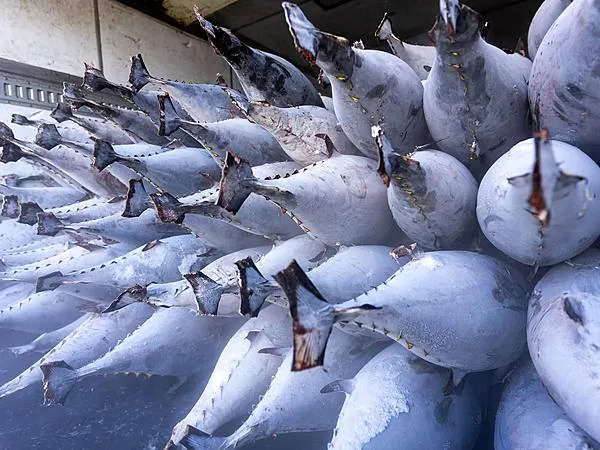
New European Union food safety regulations are expected to affect approximately 97 per cent of Pacific Island-flagged vessels currently authorised to export seafood to the European market, prompting regional efforts to strengthen compliance and protect market access.
National Competent Authority (NCA) officials from Fiji, Kiribati, Solomon Islands and Tuvalu recently completed a two-week technical training programme in Suva focused on the requirements of Delegated Regulation (EU) 2025/1449, which entered into force on 27 January 2026.
The training, held from 25 May to 4 June, was organised by the Pacific Islands Forum Fisheries Agency (FFA) through the European Union-funded Pacific-European Union Marine Partnership (PEUMP II) programme.
The new regulation introduces stricter technical requirements for freezer vessels following concerns raised by EU auditors over failures to achieve required freezing temperatures across parts of the global tuna supply chain.
According to FFA, some cannery-grade tuna frozen at temperatures above the required standard had been marketed for direct human consumption, raising food safety concerns.
FFA Market Access Specialist Ratu Jope Tamani said improper freezing can result in the formation of histamine in fish flesh, posing a health risk to consumers.
"When tuna is not frozen correctly, bacteria produce histamine in the fish flesh, a toxin that cannot be removed by cooking or further processing and that causes scombroid poisoning, with symptoms ranging from rashes and nausea to severe allergic reaction," Tamani said.
The EU's Rapid Alert System for Food and Feed recorded an increasing number of such incidents, prompting the introduction of the regulation.
Under the new rules, tuna products will be divided into two categories. Fish frozen at temperatures above minus 18 degrees Celsius, including tuna frozen at around minus 9 degrees Celsius, may only be supplied to canneries. Fish intended for direct human consumption, including sashimi and fresh tuna products, must be frozen to minus 18 degrees Celsius or colder.
The regulation also requires brine freezer vessels to install real-time electronic temperature monitoring systems and submit validated freezing capacity plans before they can be included on the EU's approved register.
Tamani said the training programme was designed to help Pacific Island governments meet the new compliance requirements.
"The compliance responsibility sits with the National Competent Authority of our Pacific Island nations. Our job is to make sure they have the technical knowledge to carry it out. That is what protects our countries' place in the EU market and the revenue that comes with it," he said.
Fiji Food Safety Unit head and National Competent Authority representative Taina Rauvala said compliance could prove challenging for some operators, particularly those relying on brine freezing systems.
"There is some pushback expected from those using brine freezing. Getting the NCA and industry on the same page is our immediate challenge," Rauvala said.
She noted that Fiji currently enjoys duty-free access to the EU under its Interim Economic Partnership Agreement and warned that maintaining compliance is critical to preserving that market access.
Officials from Solomon Islands, Kiribati and Tuvalu also highlighted the importance of technical training and regulatory preparedness as Pacific nations work to maintain access to one of the world's most valuable seafood markets.
The training programme covered vessel engineering, refrigeration systems, temperature controls, Hazard Analysis and Critical Control Points (HACCP) principles and EU audit requirements.
FFA said similar training has already been conducted in the Republic of the Marshall Islands and the Federated States of Micronesia, with Papua New Guinea scheduled to receive training as regional authorities continue preparations for the implementation of the new EU requirements.
Finance and Treasury Minister Gordon Darcy Lilo has ordered the immediate termination of all Memoranda of Understanding (MoUs) relating to tax exemptions in the mining, forestry and fisheries sectors, a move aimed at strengthening fiscal governance and ensuring compliance with existing laws.
In a statement issued on June 17, the Ministry of Finance and Treasury said the decision closes fiscal loopholes and reinforces legal processes governing the approval of tax exemptions.
According to the ministry, authority to grant tax exemptions rests solely with the Revenue and Customs Exemption Committee under existing legislation. While finance ministers may have signed MoUs relating to fiscal arrangements in the past, the ministry said such agreements do not constitute a legally valid mechanism for granting exemptions outside the statutory process.
“Any fiscal arrangements previously covered under MoUs will no longer be recognised,” Lilo said.
All companies operating in the mining, forestry and fisheries sectors have been directed to comply with existing legislation and regulations and to submit any future exemption requests through the Revenue and Customs Exemption Committee.
The ministry said the measure is intended to improve transparency, strengthen public revenue management and ensure that all investors are subject to the same regulatory framework.
The decision follows a broader push by the Ministry of Finance and Treasury to tighten fiscal controls and strengthen revenue administration. In May, Lilo directed that all tax exemption applications be processed exclusively through the Revenue and Customs Exemption Committee, stating that requests submitted directly to the minister's office would no longer be considered.
On the same day as the MoU termination announcement, the ministry also ordered the suspension of pre-release arrangements for goods at ports, container terminals and bonded warehouses as part of efforts to strengthen customs controls, improve compliance and reduce revenue leakages.
The latest measures signal a wider government effort to improve fiscal discipline, enhance accountability and ensure tax concessions are granted only through established legal channels.
Officials said the move is expected to help safeguard government revenues while creating a level playing field for investors operating across the resource sector.
The decision could affect companies that previously relied on MoU-based fiscal arrangements, requiring them to seek any future tax exemptions through the formal approval process administered by the Revenue and Customs Exemption Committee.
The ministry said the reforms form part of ongoing efforts to strengthen economic governance and ensure public revenues are protected as Solomon Islands continues to pursue sustainable economic development.
The Pacific Tourism Organisation (SPTO) has released its official Post-Event Report for the South Pacific Tourism Exchange (SPTE) 2026, highlighting record-breaking participation, stronger regional collaboration, and significant progress toward sustainable tourism development across the Pacific.
Held from March 24–26 at the Crowne Plaza Fiji Nadi Bay Resort and Spa, SPTE 2026 attracted more than 225 trade-floor participants, including 82 sellers representing 17 countries and territories, 60 international buyers from 16 countries, and eight ancillary providers.
The report revealed that the event achieved an 84 percent seller conversion rate, an increase of 16 percentage points from 2025, while facilitating a record 2,809 business-to-business meetings at an 80 percent booking rate — the highest figures recorded in the history of the exchange.
A notable highlight was the increased participation from Papua New Guinea, which expanded its presence from one seller in 2025 to seven sellers in 2026. The event also welcomed the Federated States of Micronesia for the first time, further broadening Pacific representation.
Development partner support enabled 11 tourism operators from Smaller Island States and Territories (SISTs) to participate, reinforcing SPTO’s commitment to inclusive regional development and ensuring that emerging destinations could access international tourism markets.
Several new initiatives were introduced during SPTE 2026, including the inaugural Industry Day, which attracted 93 participants and featured expert-led discussions on tourism trends and opportunities. The event also hosted a Women in Business Showcase, highlighting women-led tourism enterprises from six Pacific Island countries.
Media engagement exceeded expectations, with 10 media representatives from New Zealand, Australia, Fiji, and Italy generating more than 200 pieces of digital content before, during, and after the event.
SPTO Chief Executive Officer Christopher Cocker said the strong outcomes demonstrated the Pacific tourism industry's growing unity and readiness to compete in international markets.
“SPTE 2026 demonstrated that the Pacific’s unified approach to tourism is delivering real commercial value for our members,” Cocker said.
“The strong participation, high-quality meetings, and positive stakeholder feedback show that the region is moving forward with confidence, collaboration, and a clear commitment to sustainable, inclusive growth.”
Cocker acknowledged the contributions of industry stakeholders, member countries, tourism operators, and development partners who helped make the event a success. He also extended special appreciation to Fiji Airways, the event’s Platinum Partner, for its significant in-kind support, which enabled the hosted buyer programme and strengthened international participation across key source markets.
The SPTO Chief Executive further recognised the support of numerous sponsors and partners, including New Zealand Māori Tourism, UnionPay International, the Fiji Ministry of Tourism and Civil Aviation, South Sea Cruises, Vanuatu Tourism Office, Tahiti Tourisme, SPREP, Samoa Tourism Authority, Tourism Solomons, Tourism Fiji, Pacific Trade Invest Australia, South Pacific Pocket Guide, and several other industry supporters.
According to the report, stakeholder feedback indicated high satisfaction levels among participants and strong intentions to return for SPTE 2027.
Fiji has secured hosting rights for next year’s event, reaffirming its position as one of the Pacific region’s leading tourism hubs and reflecting confidence in the country’s capacity to deliver one of the region’s premier tourism business events.
The report recommends continued efforts to expand market reach, improve event operations, and strengthen support for Smaller Island States and Territories and emerging tourism operators.
SPTO said the results of SPTE 2026 demonstrate the growing strength and resilience of Pacific tourism and reinforce the value of regional collaboration in driving sustainable economic growth throughout the region.
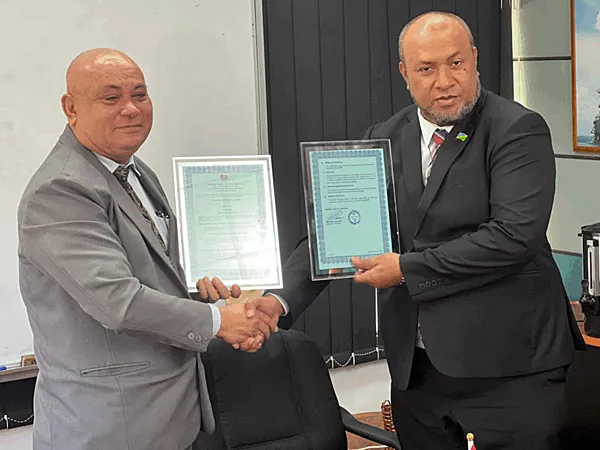
Solomon Airlines has been granted an International Airline Licence by Papua New Guinea’s Department of Transport, clearing the way for the airline to commence direct services between Port Moresby and Honiara.
The licence was formally presented on 12 June 2026 by Papua New Guinea Secretary for Transport, Matthew Wowoni, to Solomon Islands High Commissioner to Papua New Guinea, His Excellency William Soaki, who received the document on behalf of Solomon Airlines during a handover ceremony in Port Moresby.
The approval marks a significant milestone in strengthening aviation connectivity and economic cooperation between Papua New Guinea and Solomon Islands, two of Melanesia’s closest neighbours.
Speaking at the ceremony, High Commissioner Soaki welcomed the issuance of the licence, describing it as a timely development amid growing travel demand between the two countries.
“The commercial licence comes at an important moment, as we observe a steady increase in passenger movement between our two capitals, reflecting deepening people-to-people links, growing business engagement, and expanding regional cooperation,” he said.
High Commissioner Soaki emphasized the strategic importance of the route, noting that improved air connectivity would benefit both nations through increased trade, tourism, and investment opportunities.
“This route is strategically significant not only for the mobility of our citizens, but also in supporting trade, tourism and investment,” he said.
He further highlighted the strong economic relationship between the two countries, noting that Solomon Islands hosts one of the largest concentrations of Papua New Guinean investment abroad.
“The activation of this traffic right will therefore contribute directly to strengthening economic integration and fostering closer ties between our private sectors and communities,” he added.
Secretary for Transport Matthew Wowoni also welcomed the development, saying the granting of the licence represents an important step in enhancing aviation links between Papua New Guinea and Solomon Islands.
The new service is expected to facilitate greater movement of people, goods, and services between the two countries while supporting broader regional integration objectives.
Solomon Airlines is scheduled to operate its inaugural flight to Jacksons International Airport in Port Moresby on 30 June 2026 under the newly approved licence.
Meanwhile, officials from Papua New Guinea and Solomon Islands are continuing preparations for the next round of bilateral Air Services Agreement (ASA) review meetings, which are tentatively scheduled to be held in Papua New Guinea in early August.
The launch of the direct air service is expected to further strengthen diplomatic, commercial, and people-to-people ties between the two Melanesian nations, while creating new opportunities for tourism, business, and investment across the region.
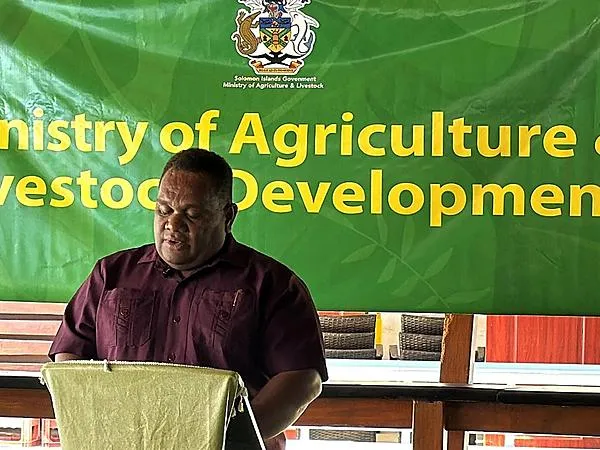
The Ministry of Agriculture and Livestock Development (MALD) has officially launched its 2026 Strategic Workshop at the Raiders Hotel in Tulagi, Central Islands Province, under the theme “Transforming Agriculture for Economic Growth.”
The week-long workshop brings together MALD’s management team, senior ministry officials, provincial chief field officers, technical officers, and project managers to assess progress, address challenges, and develop strategic priorities for the future of Solomon Islands’ agriculture sector.
Officially opening the workshop, Minister for Agriculture and Livestock Development, Hon. Franklyn Derek Wasi, described the annual gathering as one of the Ministry’s most significant events, providing a valuable opportunity for staff at all levels to align their work plans and activities with the policy priorities of the Government for Reform, Empowerment, Accountability and Transformation (GREAT Coalition Government).
In his address, Minister Wasi commended ministry staff for their commitment and highlighted several notable achievements recorded over the past year. These included the highest cocoa exports since Independence, the strongest copra export performance in a decade, the implementation of major donor-funded agriculture projects, improvements in agricultural infrastructure, expansion of livestock development initiatives, strengthened biosecurity services, and the successful mobilization of new development partner support.
“These achievements would not have been possible without the collective efforts of our field officers, directors, technical teams, corporate staff, and development partners. Together, we have continued to serve our farmers and rural communities despite the many challenges we face,” he said.
While acknowledging these accomplishments, the Minister also pointed to ongoing challenges, including limited resources, logistical constraints, shortages of technical expertise, staff welfare concerns, and bureaucratic processes that continue to impact service delivery.
He encouraged participants to use the workshop as a platform to identify practical solutions and develop recommendations that will guide MALD’s work programme in the years ahead.
Minister Wasi further outlined the Government’s seven key policy priorities for the agriculture and livestock sector: institutional reform, food security, research and innovation, livestock development, biosecurity, commercial agriculture and agribusiness, and the active participation of youth and women in agricultural development.
“Agriculture remains one of the most important sectors capable of transforming our country. These policy priorities must guide our work and help us deliver meaningful outcomes for our people,” he said.
Central Islands Province Premier Hon. Kenneth Sagupari welcomed participants to Tulagi and expressed appreciation to MALD for selecting the province as the host venue for the workshop.
He emphasized agriculture’s vital role in supporting rural livelihoods, strengthening food security, creating employment opportunities, and driving economic growth across Solomon Islands.
“Agriculture is the backbone of our economy and the foundation of rural livelihoods. As leaders and senior officers, we have a responsibility to ensure that our policies and programmes effectively support farmers, agribusinesses, and communities across the country,” Premier Sagupari said.
The Premier also reiterated the province’s interest in working closely with MALD to revive the historic Hakama Agricultural Centre, which is widely regarded as having significant potential to support agricultural development initiatives in Central Province.
Permanent Secretary Dr. Samson Viulu highlighted the significance of hosting the workshop in Tulagi, noting the town’s historical importance as the former capital of Solomon Islands.
He described the strategic workshop as an important platform for reflection, planning, and collaboration as the Ministry aligns its programmes and activities with the priorities of the new government.
“We have enormous agricultural resources and opportunities, yet we must do more to translate that potential into tangible benefits for our people. This workshop is an opportunity to reflect on our performance, encourage one another, and identify practical strategies that will deliver meaningful impacts for farmers and rural communities,” Dr. Viulu said.
The 2026 MALD Strategic Workshop is expected to produce key recommendations and action plans that will guide the Ministry’s programmes and interventions over the next two years, supporting the Government’s vision of a productive, resilient, and sustainable agriculture sector that contributes to economic growth and improved livelihoods for all Solomon Islanders.
Fiji has strengthened its fisheries and aquaculture cooperation with South Korea following the signing of an agreement to support the reconstruction of the Makogai Mariculture Research Centre and enhance climate-resilient marine research capabilities.
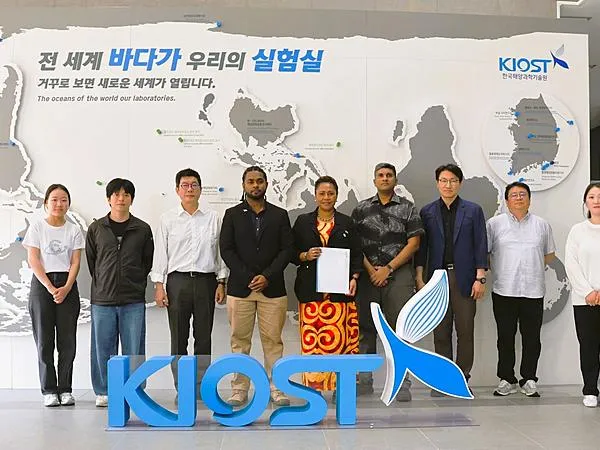
The Ministry of Fisheries announced that its delegation recently concluded an official mission to the Republic of South Korea, where it signed the Record of Discussion for the Reconstruction of the Makogai Mariculture Research Centre and Capacity Building Project for Responding to Climate Change.
The agreement establishes a partnership between Fiji, the Korea Institute of Ocean Science and Technology (KIOST) and South Korea's Ministry of Oceans and Fisheries.
According to the ministry, the partnership marks a significant step in strengthening Fiji's mariculture sector and improving the country's capacity to address climate-related challenges affecting fisheries and coastal communities.
The Fijian delegation included Principal Research Officer Tarisi Shaw, Fisheries Technical Officer Onisimo, and invited specialist Dr Monal Lal, an adjunct research fellow and ACIAR project scientist at the Australian Centre for Pacific Islands Research at the University of the Sunshine Coast, as well as an adjunct lecturer at the University of the South Pacific.
During the visit, the delegation travelled to Seoul and Busan, where members met with representatives from the marine ornamental industry and senior officials from KIOST, including Dr Yong-Park, Dr Choi and Dr Ji-Yeon.
The team also held discussions with researchers, engineers and academics from Jeju National University, Pukyong National University and Kyungsung University on potential research collaboration, technical support, capacity building and climate adaptation initiatives for Fiji's fisheries and aquaculture industries.
The ministry said the mission provided valuable insights into South Korea's advanced fisheries, aquaculture and ocean science systems, which could support Fiji's efforts to strengthen sustainable fisheries management and expand mariculture development.
The redevelopment of the Makogai Mariculture Research Centre is expected to play a key role in advancing marine research, supporting aquaculture innovation and improving climate resilience in Fiji's fisheries sector.
Located on Makogai Island in Fiji's Lomaiviti Group, the research centre has historically served as an important facility for aquaculture research and marine resource development in the Pacific.
Officials said the new partnership would help strengthen scientific cooperation between Fiji and South Korea while supporting long-term sustainable growth in the fisheries sector.
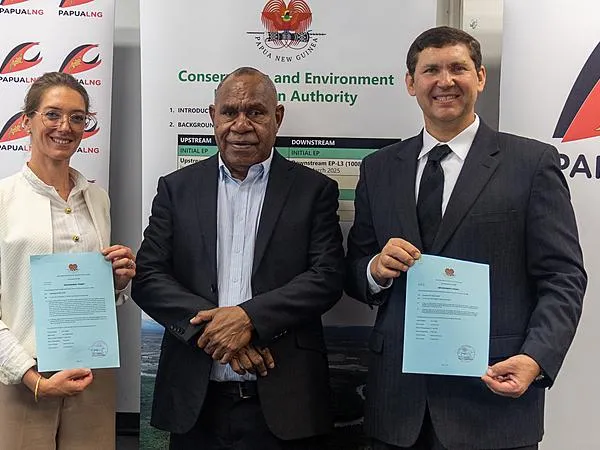
The upstream and downstream operators of the Papua LNG Project have been issued amended environmental permits by the Conservation and Environment Protection Authority (CEPA), following more than seven months of consultation between the regulator and project operators.
The amended permits were presented on May 29, 2026, following extensive discussions involving CEPA, upstream operator TotalEnergies EP PNG Limited and downstream operator ExxonMobil PNG Antelope Limited.
According to CEPA, the amendments reflect changes to both the upstream and downstream project designs and are expected to reduce potential environmental and community impacts associated with the development.
Michael Wau, executive director of CEPA's Non-Renewable Resources Environmental Protection Wing, said environmental permits are living documents that must be reviewed and updated to strengthen environmental protection, water resource management and biodiversity conservation.
"That is exactly what TotalEnergies EP PNG Limited and ExxonMobil PNG Antelope Limited have done by reviewing the project and requesting amendments to the environmental permits," Wau said.
The original environmental permits, EP-L3 (1008) and EP-L3 (1030), were issued in March and September 2025. They covered a range of planned activities, including the construction and operation of a Catenary Anchor Leg Mooring (CALM) buoy system and associated marine infrastructure.
Since the permits were issued, revisions to the project design have eliminated the need for several originally planned components, including the CALM buoy system, marine exclusion zones and related infrastructure.
Wau said the changes would significantly reduce environmental impacts, particularly in Caution Bay.
"There will be minimal environmental impact as the condensate pipeline, which was initially permitted to traverse Caution Bay, will instead connect with the Santos-owned Kumul Marine Terminal floating storage and offloading facility," he said.
According to CEPA, the amendments will deliver several environmental and community benefits, including:
• Avoiding extended travel times for local communities caused by marine exclusion zones;
• Preventing disruptions to artisanal and subsistence fishing activities; and
• Protecting sensitive marine and coastal habitats, including mangroves, intertidal zones and benthic environments.
"This is a great win for the environment and the people," Wau said.
TotalEnergies EP PNG Limited said it looks forward to continuing its collaboration with CEPA and other government agencies to ensure the Papua LNG Project is delivered in a sustainable, responsible and efficient manner.
"We are committed to delivering Papua LNG to the highest environmental standards in close partnership with CEPA," the company said.
ExxonMobil PNG Antelope Limited Chairman and Managing Director Dinesh Sivasamboo thanked CEPA for its review and approval of the amendments.
"We greatly value this collaboration and the constructive engagement throughout the process to ensure that the Papua LNG Downstream Project is delivered responsibly and in full compliance with the amended environmental permit," Sivasamboo said.
The amended permits are expected to support the continued development of the Papua LNG Project while reducing environmental impacts and preserving access to marine resources for surrounding communities.
Follow on LinkedIn:
Pacific Business Review
Be the "First" to get our exclusive Digital Magazine & Weekly Newsletter.