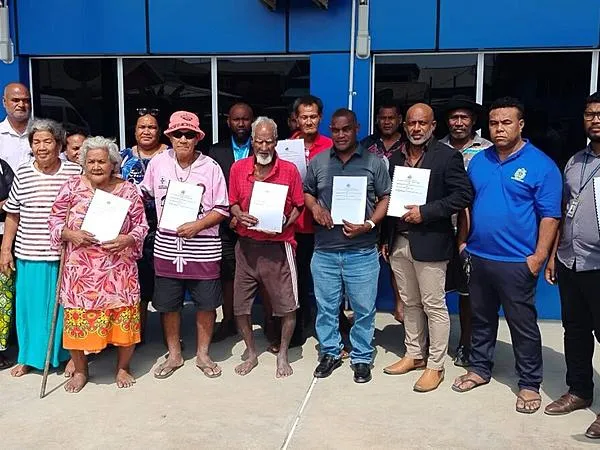
The Fiji government has continued distributing compensation to former Vatukoula mine workers and their families, advancing efforts to resolve one of the country's longest-running industrial disputes.
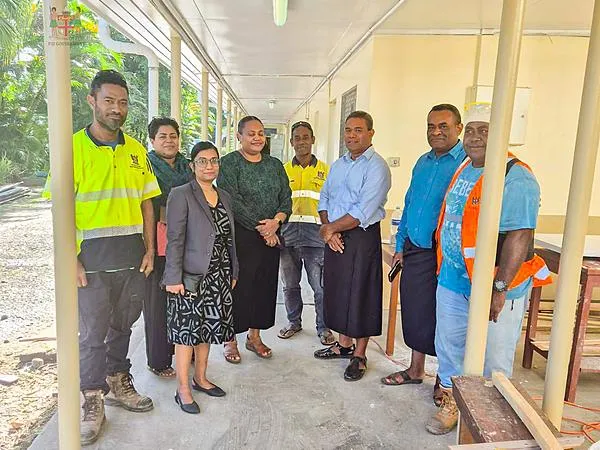
Permanent Secretary for Employment, Productivity and Workplace Relations Jone Maritino Nemani last week handed over compensation payments to 13 former mine workers and beneficiaries. Seven beneficiaries received their payments, while the remaining six are scheduled to be paid in the new financial year.
The compensation programme is supported by a government allocation of FJ$9.2 million and recognises workers and their families affected by the industrial dispute that began on February 27, 1991, and lasted for more than 33 years.
The Ministry of Employment said FJ$7.485 million has so far been disbursed, with 298 beneficiaries receiving their full entitlement of FJ$25,000 each.
Five beneficiaries had earlier received an initial payment of FJ$10,000 before their deaths. The remaining FJ$15,000 for each beneficiary will be released to their respective estates once probate procedures have been completed.
The government said FJ$1.515 million remains to be paid to 63 beneficiaries, including those awaiting their full compensation and estates pending probate.
Nemani said the programme extends beyond financial assistance, describing it as a recognition of the resilience and sacrifices of former mine workers and their families.
He said the payments acknowledge the long wait endured by affected families and reflect the government's commitment to providing long-overdue support.
"Each payment reflects the Government's commitment to working with affected families to bring this long chapter in Fiji's industrial history to a respectful and dignified close," Nemani said.
The compensation initiative forms part of the government's efforts to provide closure to families affected by the industrial dispute and fulfil its commitment to resolve longstanding labour issues.
Pacific Island countries have adopted a regional strategy aimed at improving access to climate finance, strengthening institutional capacity and promoting innovative funding mechanisms to help address the region's growing climate challenges.
The Pacific Regional Climate Finance Access and Mobilisation Strategy 2025-2030, endorsed by Pacific Islands Forum Economic Ministers in March 2025, seeks to help Pacific Island countries better access, manage and deploy climate finance for climate adaptation, mitigation, and loss and damage initiatives.
The strategy was developed by the Pacific Islands Forum Secretariat (PIFS) following a technical assessment of climate finance in Pacific Island countries and forms part of the implementation framework under the Pacific Roadmap for Economic Development and the 2050 Strategy for the Blue Pacific Continent.
PIFS said Pacific Island countries remain among the world's most climate-vulnerable nations but continue to face significant barriers in securing international climate finance because of limited institutional capacity, complex funding requirements and the need for stronger technical expertise in preparing funding proposals.
According to the strategy, Pacific Island countries received a total of US$3.4 billion in climate finance between 2010 and 2021, with 59 per cent allocated to adaptation projects, 31 per cent to mitigation initiatives and 10 per cent to cross-cutting programmes. More than half of the funding came from multilateral development banks, while bilateral donors and dedicated climate funds accounted for the remainder.
However, the strategy estimates the region requires around US$13.2 billion in climate finance by 2030, leaving a substantial funding gap despite increased international support.
PIFS said climate finance delivery continues to be constrained by complex application procedures, stringent eligibility requirements, limited absorptive capacity and project-based funding models that often bypass national budgeting and financial management systems.
The strategy sets out four priority areas: strengthening institutional capacity, improving access to climate finance, enhancing the management and utilisation of climate funding, and promoting innovative financing mechanisms.
Among the measures proposed are simplifying access to international climate funds, supporting more Pacific countries to secure direct accreditation with major climate finance institutions, expanding public-private partnerships and improving project management and financial oversight.
The strategy also promotes new financing approaches, including green and blue bonds, debt-for-climate swaps, carbon pricing mechanisms, climate insurance products and regional climate investment platforms to mobilise additional public and private capital for climate resilience projects.
Under the implementation roadmap, PIFS aims to help at least three Pacific Island countries secure direct accreditation to the Green Climate Fund or other international climate funds by 2029, facilitate the issuance of at least one green or blue bond, establish an operational regional climate investment platform and support the completion of at least one debt-for-climate swap by 2030.
PIFS will coordinate implementation through an expanded regional Climate Finance Working Group involving regional organisations, multilateral development banks, United Nations agencies and other climate finance partners, while ensuring climate finance remains aligned with national development plans and climate priorities across Pacific Island countries.
Pacific island economies are expected to experience slower economic growth in 2026 as higher fuel and food prices, weaker tourism and rising import costs continue to weigh on activity despite government measures to cushion the impact, according to the Asian Development Bank's (ADB) latest economic outlook.
The ADB lowered its growth forecast for the Pacific to 3.3% in 2026, down from the 3.4% projected in April and below the region's estimated 4.2% expansion in 2025. Growth is expected to moderate further to 3.2% in 2027, while inflation is projected to remain elevated at 4.2% in 2026 before easing to 3.5% next year.
The bank said Pacific economies remain among the most vulnerable to external shocks because they rely heavily on imported fuel, food and construction materials. Higher energy prices, rising freight costs and supply chain disruptions have increased the cost of living and placed additional pressure on businesses and governments across the region.
"The Pacific's growth outlook is lowered to 3.3% in 2026 as higher fuel, food and input costs stemming from the conflict dampen economic activity despite government mitigation measures," the report said.
ADB said forecasts for several Pacific economies were revised lower as visitor arrivals fell short of expectations while import costs continued to rise. The bank also warned that prolonged disruptions in global energy markets, driven by the Middle East conflict, are expected to unwind only gradually, keeping inflationary pressures elevated across the region.
Among the region's largest economies, Papua New Guinea is forecast to grow 3.4% in 2026, slightly below the 3.6% projected in April and down from an estimated 4.7% growth in 2025. Inflation is expected to remain at 4.6% this year before easing to 4% in 2027.
Fiji's economy is projected to expand 2.5% in 2026, lower than the 2.9% forecast in April, as softer tourism growth and higher import costs weigh on domestic activity. Inflation is expected to accelerate to 3.6% this year from deflation of 1.4% in 2025.
Elsewhere in the Pacific, Vanuatu is expected to post one of the region's strongest growth rates at 3.9%, while Palau is forecast to expand 3.6%, supported by continued tourism recovery. Solomon Islands and Papua New Guinea are each projected to grow 3.4%, while Kiribati is expected to expand 2.6%, Cook Islands 2.7%, Samoa 2%, and Tonga 2.3%.
Beyond slowing growth, the ADB warned that Pacific governments face mounting fiscal pressures as higher energy prices increase public spending while raising the cost of imports. Several small island economies are expected to record weaker primary fiscal balances this year as governments seek to shield households and businesses from rising living costs, even as higher borrowing costs and tighter global financial conditions constrain fiscal space.
The bank also cautioned that higher fertilizer prices could threaten food security across the region, while renewed geopolitical tensions, volatile energy markets and tighter global financial conditions remain key risks for Pacific economies that are highly dependent on imports and external demand.
Across developing Asia and the Pacific, ADB lowered its 2026 growth forecast to 4.9% from 5.1% projected in April, citing prolonged disruptions to global energy markets caused by the Middle East conflict. The bank raised its regional inflation forecast to 4.3% for 2026 from 3.6%, reflecting the impact of higher oil and gas prices, increased freight costs and supply chain disruptions.
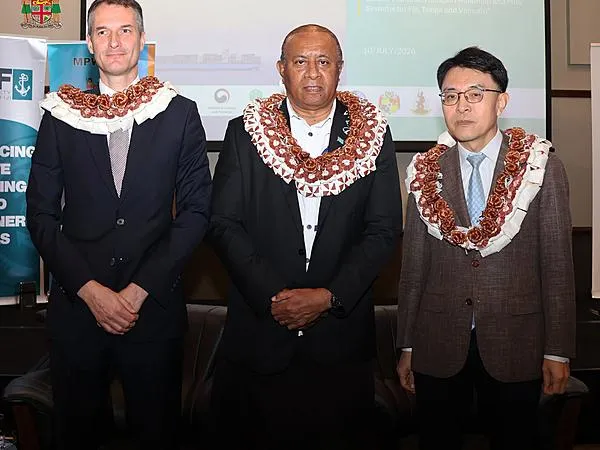
Fiji is developing its first Low-Carbon Maritime Transport Roadmap as part of efforts to modernize the country's shipping sector, reduce greenhouse gas emissions and support regional decarbonization goals.
The roadmap will provide a framework for transitioning Fiji's maritime industry toward lower-carbon operations while improving maritime data systems and supporting the Pacific Blue Shipping Partnership's 2030 and 2050 decarbonization targets.
Fiji's Minister for Public Works, Meteorological Services and Transport, Ro Filipe Tuisawau, announced the initiative during the opening of a stakeholder workshop on decarbonizing the maritime sector in Suva on July 10.
"For Fiji, maritime transport is not simply another sector, it is our lifeline," Tuisawau said.
He noted that shipping is essential for connecting Fiji's more than 300 islands, supporting trade, tourism and fisheries, and ensuring the delivery of essential goods and services to communities across the archipelago.
The minister said the roadmap will help prepare Fiji's maritime sector for a low-carbon future while aligning with the country's development priorities and international climate commitments.
He also reaffirmed Fiji's support for an ambitious and equitable global transition through the International Maritime Organization (IMO), while emphasizing the need for financial support, technology transfer and capacity building to help Small Island Developing States meet decarbonization goals.
The one-day stakeholder workshop brought together government agencies, industry representatives and development partners to provide technical and policy input into the roadmap, strengthen maritime monitoring, reporting and verification (MRV) systems, and improve maritime data collection.
Tuisawau said the roadmap is expected to strengthen connectivity between Fiji's islands, improve the resilience of the country's transport network and encourage innovation and investment in cleaner shipping technologies.
The consultation was organized by Fiji's Ministry of Public Works, Meteorological Services and Transport and the Global Green Growth Institute (GGGI), in partnership with the Republic of Korea's Ministry of Oceans and Fisheries.
The initiative forms part of broader regional efforts to decarbonize maritime transport, a critical sector for Pacific island economies that depend heavily on shipping for trade, mobility and economic development.
Fiji and Kiribati have reaffirmed their commitment to deepen cooperation on infrastructure development, renewable energy and climate resilience as the two Pacific island nations seek to address common development challenges.
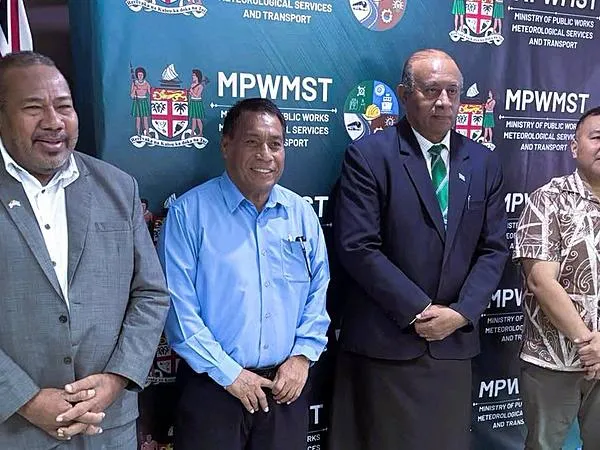
Fiji's Minister for Public Works, Meteorological Services and Transport, Ro Filipe Tuisawau, met with Kiribati's Minister for Infrastructure and Sustainable Energy, Tekeeua Tarati, at the Ministry's headquarters in Suva to discuss opportunities for closer collaboration.
The ministers exchanged views on infrastructure development, renewable energy, water security, maritime transport and sustainable development, with a focus on practical solutions for Small Island Developing States facing the impacts of climate change.
The discussions also highlighted Fiji's progress in expanding renewable energy, promoting electric vehicles, adopting sustainable construction practices and modernizing the maritime sector to reduce greenhouse gas emissions.
Tuisawau said Fiji remains committed to sharing its knowledge and experience with Pacific neighbors to help strengthen regional resilience and support sustainable development.
Both ministers agreed to pursue closer cooperation in developing climate-resilient infrastructure, enhancing energy security, improving water systems and strengthening maritime connectivity between Pacific island nations.
The meeting reflects ongoing regional efforts to improve essential infrastructure and services while advancing low-carbon development strategies that address the unique vulnerabilities of island economies to climate change and rising sea levels.
Fiji and Kiribati are among Pacific nations working to expand regional partnerships as they seek to improve infrastructure resilience, accelerate the transition to clean energy and strengthen sustainable economic development across the region.
Fiji's Real Estate Agents Licensing Board (REALB) and Fiji National University (FNU) have signed a memorandum of understanding (MoU) to strengthen professional standards in the country's real estate sector through structured education, industry-focused training and continuing professional development.
The agreement, signed at FNU's Nabua Campus, establishes a framework for delivering training that aligns with licensing requirements while equipping real estate practitioners with the technical knowledge, ethical standards and practical skills needed in the profession.
The initiative combines REALB's regulatory oversight with FNU's training expertise through its National Training and Productivity Centre. It is expected to create clearer career pathways for aspiring real estate professionals while enabling licensed agents and salespersons to upgrade their skills through ongoing education.
Fiji's Minister for Finance, Commerce and Business Development, Esrom Immanuel, said the partnership is aimed at strengthening institutions and building a more professional and accountable real estate industry.
"This partnership is about investing in people, strengthening institutions and laying the foundation for a more professional, accountable and future-ready real estate sector," he said during the signing ceremony.
Immanuel noted that for many Fijians, purchasing a home is the largest financial commitment they will ever make, making it essential that property transactions are handled by competent and ethical professionals.
He said while legislation provides the framework for regulating the industry, public confidence depends on continuous learning, ethical conduct and professional excellence.
"Public confidence cannot be achieved through legislation alone. It is built through continuous learning, ethical practice, accountability and a shared commitment to professional excellence," he said.
The minister also commended REALB for broadening its role beyond regulatory compliance to include professional development, saying regulators have a responsibility to help build the professions they oversee.
He encouraged REALB and FNU to benchmark their training programs against international best practices while ensuring they remain relevant to Fiji's land tenure system, legal framework and cultural context.
Immanuel said the real estate profession is undergoing rapid change as technologies such as artificial intelligence, digital marketing platforms, virtual property inspections and data-driven decision-making become more widely adopted.
He said future practitioners will need to combine technological capabilities with strong ethical standards and customer service to meet evolving market expectations.
Officials said the partnership is also expected to create new employment opportunities for young Fijians seeking careers in the increasingly specialized property sector while supporting workforce development through accessible and practical training.
The collaboration forms part of the Coalition Government's broader efforts to strengthen professional standards, improve consumer confidence and develop industries that contribute to Fiji's long-term economic growth.
As Fiji's property market continues to expand, officials said the agreement is expected to help develop a new generation of skilled and trusted real estate professionals, supporting greater confidence among homebuyers, investors and businesses in one of the country's key economic sectors.
The Solomon Islands Government has begun consulting mining companies, customary landowners and other stakeholders on proposed reforms to its mining legislation aimed at attracting investment while strengthening environmental safeguards and community participation.
The consultations form part of the Solomon Islands Sustainable Mining Development Project, supported by the World Bank, which seeks to modernise the country's legal and institutional framework for the mining sector.
The proposed reforms are designed to provide greater regulatory certainty for investors while ensuring that mining projects generate more equitable benefits for customary landowners and local communities.
Despite holding significant deposits of gold, nickel, bauxite and other minerals, the Solomon Islands' mining industry has remained largely underdeveloped because of regulatory uncertainty, complex land tenure arrangements and environmental concerns.
Government officials said the proposed changes would cover licensing procedures, environmental approvals, royalty distribution, institutional responsibilities and mechanisms to ensure landowners are engaged throughout the life of mining projects.
The reforms are also intended to establish a clearer and more transparent regulatory framework, improve coordination among government agencies overseeing mining, environmental management and revenue collection, and strengthen the capacity of regulatory institutions.
Business groups have welcomed efforts to modernise the country's mining laws, saying predictable regulation is essential to attracting long-term investment. Community representatives, meanwhile, have stressed that customary landowners must remain central to decision-making and receive a fair share of the economic benefits from future mining developments.
If enacted, the reforms are expected to encourage renewed mineral exploration and support the development of new mining projects, providing additional export revenue and employment opportunities as the Solomon Islands seeks to diversify its economy beyond its traditional reliance on logging.
Twenty-nine vendors from Laqere Market in Nasinu have completed a two-day cooperative management training program designed to strengthen the governance, financial management and long-term sustainability of their cooperative as Fiji continues to promote cooperatives as drivers of inclusive economic development.
The participants are members of the Laqere iTaukei Vendors Cooperative Ltd., which was established in 2025. The training was delivered at Laqere Market by the Ministry of Commerce and Business Development's Department of Cooperative Business through the Cooperative Training College.
The program focused on cooperative governance, leadership, financial management, record keeping and the legal responsibilities of registered cooperatives under Fiji's Co-operatives Act. Participants also received practical instruction on budgeting, bookkeeping, financial reporting and enterprise management to improve accountability and support better business decision-making.
Speaking at the closing ceremony, Director and Registrar of Cooperatives Iosefo Koroidimuri said the success of any cooperative depends on discipline, perseverance and sustained effort.
Quoting Genesis 3:19, Koroidimuri said the passage serves as a reminder that lasting success is achieved through hard work rather than shortcuts.
"It all equates to hard work and to be successful we must take one step at a time," he said.
"You have your targets, your business forecast and the goals you want to achieve as a cooperative, but getting there requires hard work and commitment. There are no shortcuts in business. Every step along the journey matters and every challenge presents an opportunity to grow."
Nasinu Town Council Special Administrator Jone Tuiono congratulated the vendors for investing in skills development and encouraged them to embrace continuous learning despite their years of experience in market trading.
He said significant development planned for Nasinu in the coming years would create new economic opportunities and urged the cooperative to position itself for future growth by applying sound governance practices and investing wisely.
Cooperative member Anaseini Vuidreketi said the training encouraged members to critically assess their operations and address weaknesses before they became larger problems.
She said members gained a clearer understanding of governance, financial management and bookkeeping, while recognizing that transparency, accountability and unity are as important as generating profits in ensuring the cooperative's long-term success.
The Cooperative Management Training forms part of the Cooperative Training College's ongoing outreach program, which aims to strengthen community-based cooperatives across Fiji by equipping members with practical business and governance skills.
The ministry said the program combines internationally recognized cooperative principles with the traditional Fijian concept of solesolevaki—collective community effort—to help communities establish resilient enterprises, improve livelihoods and create sustainable economic opportunities.
Vanuatu is advancing a series of economic initiatives aimed at strengthening investment, improving public sector project delivery and expanding its fisheries industry, even as diplomatic tensions with New Caledonia have cast uncertainty over regional trade.
The Asian Development Bank (ADB) has approved a US$10 million grant to help Vanuatu improve the delivery of public investment projects, strengthen public financial management and implement reforms to create a more attractive environment for private investment.
The funding comes as the country continues to recover from successive natural disasters while addressing capacity constraints that have slowed the implementation of major infrastructure projects.
According to ADB, the programme will strengthen government project management, improve procurement and regulatory processes, and accelerate infrastructure delivery to better utilise development financing and encourage domestic and foreign investment.
The reforms are also expected to provide a more predictable pipeline of opportunities for businesses involved in infrastructure, engineering and professional services.
Meanwhile, a proposed fish processing plant on Efate has moved closer to development after Sino-Van Fisheries reaffirmed its commitment to establishing the facility near Port Vila despite delays related to land issues.
The company said the project would allow more tuna harvested in Vanuatu waters to be processed domestically rather than exported overseas, helping retain more value within the local economy.
Industry stakeholders expect the plant to generate hundreds of jobs while supporting packaging, logistics and transport businesses, boosting export earnings and strengthening food security.
The project is regarded as one of the most significant planned investments in Vanuatu's fisheries sector in recent years and is expected to enhance the country's position as a regional seafood exporter.
At the same time, diplomatic tensions have emerged between Vanuatu and New Caledonia following New Caledonia's decision to suspend official trade cooperation after Vanuatu hosted leaders of the pro-independence Front de Libération Nationale Kanak et Socialiste (FLNKS), who reiterated support for Vanuatu's sovereignty claim over the disputed Matthew and Hunter Islands.
Despite the political disagreement, there have been no restrictions on imports, exports or commercial shipping, and cross-border trade continues.
Two-way merchandise trade between the two territories is estimated at between A$8 million and A$13 million annually, covering exports of fresh produce, beef, kava, seafood and timber from Vanuatu, while New Caledonia supplies construction materials, machinery, food products and consumer goods.
Although the immediate economic impact is expected to be limited, businesses involved in shipping, tourism and regional trade are expected to monitor developments closely as prolonged diplomatic tensions could eventually affect broader commercial relations.
The latest developments underscore Vanuatu's efforts to strengthen economic resilience through institutional reforms, strategic investment and value-added industries while navigating regional geopolitical challenges.
Papua New Guinea and Solomon Islands have reaffirmed their commitment to strengthening economic cooperation, with trade, investment, transport and resource development taking centre stage during talks between Prime Minister James Marape and Solomon Islands Prime Minister Jeremiah Manele.
The discussions, held in Port Moresby in June, reviewed progress in bilateral trade, shipping and aviation connectivity, labour mobility, and opportunities to deepen collaboration in mining, fisheries and agriculture.
While regional security and cooperation were also discussed, both leaders underscored the importance of expanding commercial links and improving the movement of goods, services and people between the two neighbouring Melanesian nations.
The talks highlighted a broader push towards greater regional economic integration, with Papua New Guinea regarded as Solomon Islands' largest Melanesian economy and an increasingly important source of investment, technical expertise and commercial partnerships.
The two governments said improved transport links and streamlined trade arrangements could reduce business costs, strengthen supply chains and create new opportunities for exporters, importers and tourism operators.
Mining emerged as a key area for future collaboration. Marape said Papua New Guinea was prepared to share its expertise in developing a modern mining industry and welcomed greater participation by PNG companies in future resource projects in Solomon Islands.
Such cooperation could create opportunities for engineering firms, contractors, training providers and professional services companies with experience in the mining sector.
The leaders also reaffirmed their commitment to strengthening cooperation in fisheries, recognising the industry's importance to economic growth and food security across the Pacific.
Closer collaboration in fisheries management and downstream processing is expected to support export growth, generate employment and add value to marine resources.
Although trade between the two countries remains relatively modest, both governments expect commercial activity to increase as transport connectivity improves and businesses expand beyond their domestic markets.
The leaders said stronger bilateral engagement would also complement wider regional initiatives under the Melanesian Spearhead Group and the Pacific Islands Forum, where economic resilience, trade and private sector development remain key priorities.
For Papua New Guinea, stronger commercial ties with Solomon Islands reinforce its role as a leading economy in Melanesia while supporting greater regional investment and cross-border business partnerships.
The United States and Pacific Island Parties (PIPs) to the 1987 Treaty on Fisheries have reaffirmed their commitment to strengthening cooperation on sustainable fisheries, economic development and maritime security following annual consultations in Wellington, New Zealand.
The meeting, held on 23 June, reviewed the implementation of the treaty — also known as the South Pacific Tuna Treaty — and explored opportunities to enhance collaboration in fisheries management and regional security.
Participants described the treaty as a cornerstone of the partnership between the United States and Pacific Island countries for nearly four decades and reaffirmed the importance of ratifying the 2016 and 2024 amendments to ensure its continued effectiveness.
The United States also confirmed the imminent release of its 2026 contribution of US$60 million under the Economic Assistance Agreement linked to the treaty.
Pacific Island Parties welcomed the payment, noting that together with the first two annual disbursements, the current agreement will provide a total of US$180 million in economic assistance to support fisheries management, maritime domain awareness and broader development initiatives across the Pacific.
The parties also welcomed a US proposal to formalise and accelerate collaboration on Pacific economic development under the treaty to better address opportunities and emerging risks while advancing shared priorities.
Combating illegal, unreported and unregulated (IUU) fishing featured prominently during the discussions, with participants recognising the growing threat posed by illegal fishing activities and the need for stronger monitoring, control and surveillance measures.
Both sides reaffirmed their commitment to protecting Pacific fisheries resources, upholding international rules and ensuring tuna fisheries remain sustainably managed for future generations. They also stressed the importance of equal treatment for all Small Island Developing States and Participating Territories in regional fisheries management.
The consultations also reviewed treaty implementation, including licensing and vessel registration systems, and explored measures to improve the efficiency of treaty administration.
Participants agreed to restore the annual consultations to a regular schedule, supported by intersessional meetings when necessary, and to alternate between in-person and virtual meetings to improve efficiency and reduce costs.
The next annual consultation is scheduled to be held in American Samoa in early 2027, with dates to be confirmed.
The 1987 Treaty on Fisheries provides the framework for US purse seine fishing access in Pacific Island waters while supporting sustainable fisheries management and economic development across the region.
Fisheries ministers from across the Pacific have gathered in New Zealand for the 25th Annual Forum Fisheries Committee (FFC) Ministerial Meeting, where leaders will discuss key policies aimed at strengthening fisheries management, boosting economic returns and enhancing regional cooperation.
Hosted by the New Zealand government, the meeting opened with a traditional Māori pōwhiri at Te Papa Tongarewa in Wellington, welcoming ministers, senior officials, development partners and observers.
Forum Fisheries Agency (FFA) Director-General Noan David Pakop said the ceremony reflected the shared commitment of Pacific nations to protecting the region's ocean resources.
"We are honoured by this expression of manaakitanga, which reminds us that our work is grounded in friendship, mutual respect and our shared commitment to the peoples of the Blue Pacific," Pakop said.
He also congratulated New Zealand's Minister for Oceans and Fisheries, Shane Jones, on assuming the chairmanship of the FFC Ministerial, saying the work of senior fisheries officials had laid the foundation for ministerial decisions.
Among the major agenda items is the proposed South Pacific Albacore Allocation Arrangement, which seeks to provide long-term certainty for one of the region's most valuable tuna fisheries while reinforcing the leadership of Pacific coastal states in managing the resource.
Ministers will also discuss the East New Britain Initiative, which aims to increase domestic participation in the tuna industry, create jobs, strengthen local economies and improve food security across the Pacific.
The future of the fisheries treaty with the United States is also expected to be reviewed during the meeting. The treaty has supported sustainable fisheries management and generated economic benefits for Pacific Island countries for more than three decades.
Pakop said the region's tuna resources remain among the healthiest and most valuable globally because of the collective stewardship of FFA members.
"Our challenge is not only to sustain healthy fisheries, but to ensure they continue to create jobs, strengthen domestic industries, improve food security and deliver lasting prosperity for Pacific communities," he said.
Ministers are also considering a new FFA Strategic Plan and ongoing reforms aimed at strengthening the organisation's institutional capacity, financial sustainability and responsiveness to members' priorities.
During the opening events, New Zealand reaffirmed its support for Pacific fisheries by announcing additional funding for the FFA to strengthen efforts against illegal, unreported and unregulated fishing, build fisheries capacity across member countries and support the long-term sustainability of regional fisheries.
The funding will also support the Pacific Islands Tuna Ventures Programme, which aims to help Pacific Island countries capture greater value from their tuna resources through innovation and product diversification.
New Zealand Deputy Prime Minister and Foreign Affairs Minister Winston Peters said the Pacific supplies more than half of the world's traded tuna but Pacific nations do not always receive a fair share of its economic value.
He said the investment reflects New Zealand's commitment to helping Pacific countries strengthen domestic fisheries industries, create jobs and increase returns for coastal communities.
The annual Forum Fisheries Committee Ministerial Meeting is the Pacific's highest-level fisheries forum, bringing together ministers from FFA member countries to provide strategic direction on the conservation, sustainable management and development of the region's fisheries resources.
The Solomon Islands government has moved forward with plans to reopen Henguaiporo Airport in Ontong Java Atoll after signing contracts and agreements to begin a major rehabilitation project aimed at restoring essential air services to one of the country's most remote communities.
The Ministry of Communication and Aviation has awarded the rehabilitation contract to Trade Transformation Company (TTC) following a government tender process, while a separate agreement has been signed with Hi-tech Company to undertake a technical ground assessment of the airport site before construction begins.
The project forms part of the government's broader programme to rehabilitate existing airports and develop new aviation infrastructure to improve connectivity across the archipelago.
The rehabilitation will include upgrading and levelling the runway, strengthening runway surfaces, backfilling sections of the existing runway and its planned extension, clearing vegetation along runway corridors, and renovating the passenger terminal. The works are intended to bring the airport into compliance with international aviation safety standards and enable the safe operation of aircraft.
Although the construction contract was signed in May, work has been delayed pending completion of the geotechnical assessment, approval from the Central Tender Board and the execution of a memorandum of understanding (MOU) between the national government, Malaita Provincial Government and the customary landowners.
The MOU, signed in late June, clears the way for rehabilitation works to proceed and formalises cooperation between the Ministry of Communication and Aviation, the provincial government and representatives of the airport's landowning tribal groups.
Permanent Secretary Alwyn Danitofea described the agreement as a significant milestone, saying the project demonstrates the government's commitment to ensuring rural and remote communities are included in national development.
He said the airport would once again provide a vital transport link between Ontong Java Atoll and Honiara, improving access to government services while supporting economic opportunities for residents.
"Henguaiporo Airport is more than just an airstrip. It is a lifeline for the people of Lord Howe Atoll," Danitofea said.
Malaita Provincial Secretary Eric George welcomed the agreement, describing improved transport infrastructure as essential for delivering public services and stimulating local economic activity.
He said provincial officials have often faced logistical challenges in reaching Ontong Java because of the area's dependence on sea transport, which can be affected by weather conditions and limited vessel availability.
George said reopening the airport would improve access to outer island communities and enable more regular government engagement.
Representing the customary landowners, Malaita Outer Islands Constituency Development Officer Philemon Kaola said the prolonged closure of the airport had created significant hardships for residents, who have relied almost exclusively on sea transport for travel and the movement of goods.
He said restoring air services would reduce travel times, improve access to education and healthcare, and create new opportunities for trade, investment and economic participation.
The Ministry of Communication and Aviation said the project reflects its ongoing commitment to strengthening aviation infrastructure throughout Solomon Islands to provide safer, more reliable and more accessible air transport services.
Once completed, the rehabilitation of Henguaiporo Airport is expected to reconnect Ontong Java Atoll with the national aviation network, improving mobility, supporting economic development and enhancing access to essential services for one of Solomon Islands' most isolated communities.
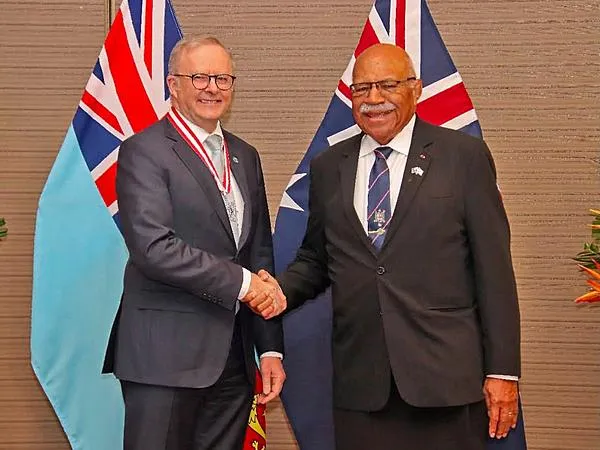
Fiji and Australia have significantly deepened their strategic partnership after signing two landmark treaty-level agreements that expand cooperation on defence, security, trade, investment and regional development, marking what Fiji described as a new chapter in bilateral relations.
Fijian Prime Minister Sitiveni Rabuka and Australian Prime Minister Anthony Albanese signed the Ocean of Peace Alliance, also known as the Veitacini Treaty, and the Fiji-Australia Vuvale Union Treaty during a ceremony at the State House on Sunday, witnessed by President Ratu Naiqama Lalabalavu.
The agreements are the first treaty arrangements entered into by Fiji and formalise an expanded partnership aimed at strengthening sovereignty, regional security and economic cooperation while advancing the Blue Pacific agenda.
President Lalabalavu described the signing as a milestone in Fiji's nation-building journey, saying the agreements reflected decades of friendship founded on mutual respect, shared values and regional solidarity.
He said the treaties were built on the principles of partnership, integration and regionalism, while recognising the importance of national sovereignty.
"The challenges before us, whether climate change, regional stability or economic resilience, require precisely the kind of partnership that Fiji and Australia have nurtured and signed into history today," the President said.
Under the Ocean of Peace Alliance, both countries committed to protecting their sovereignty, strengthening mutual defence and security interests and contributing to peace and stability across the Pacific.
The Fiji-Australia Vuvale Union establishes a framework for closer cooperation across a broad range of sectors, including trade and investment, education, policing, border security, law enforcement and efforts to combat transnational organised crime. The agreement also seeks to operationalise the Blue Pacific Ocean of Peace Declaration while promoting democracy, stability and shared prosperity throughout the region.
Leaders reaffirm strategic partnership
Following the signing ceremony, Rabuka and Albanese held bilateral talks, joined by Fiji's Minister for Foreign Affairs and External Trade Sakiasi Ditoka, Minister for Defence and Veteran Affairs Pio Tikoduadua, Australian Foreign Minister Penny Wong, Australian High Commissioner to Fiji Peter Roberts and senior officials from both governments.
The discussions focused on strengthening the longstanding Vuvale Partnership amid an increasingly complex geopolitical environment and growing regional challenges.
Rabuka welcomed Australia's continued support for Fiji's development priorities and described Australia as one of Fiji's closest and most trusted partners.
The leaders also acknowledged the contribution of approximately 5,200 Fijians employed across Australia under the Pacific Australia Labour Mobility (PALM) Scheme and discussed preparations for the upcoming Pacific Islands Forum Leaders Meeting in Palau, including regional climate resilience initiatives.
Both governments reaffirmed their commitment to promoting regional solidarity and ensuring the Pacific remains a region characterised by peace, resilience, security and shared prosperity.
Albanese receives Fiji's highest honour
During the visit, President Lalabalavu conferred the Companion of the Order of Fiji (General Division) on Albanese, the country's highest national honour.
The award recognises eminent achievement and outstanding service to Fiji or humanity.
The President said the relationship between Fiji and Australia extends beyond diplomatic ties, highlighting the deep people-to-people connections forged through migration, education, employment and family relationships.
He also recognised Albanese's contribution to strengthening cooperation across diplomacy, trade, investment, education, health, aviation, defence, environmental protection and sport.
Senior members of both governments, including Cabinet ministers, members of the diplomatic corps and Australian officials, attended the investiture ceremony.
Visit concludes with stronger regional agenda
Albanese concluded his official visit to Fiji on Monday, departing from Nausori International Airport after a military farewell ceremony hosted by Deputy Prime Minister and Minister for Tourism and Civil Aviation Viliame Gavoka.
Fiji said the visit reinforced the strategic importance of its relationship with Australia and established a new framework for deeper collaboration across security, economic development and regional governance.
The new agreements are expected to strengthen bilateral cooperation in areas including trade and investment, education, border management, policing and national security while enhancing both countries' ability to address transnational crime and broader Pacific security challenges.
For Fiji, the signing of its first treaty arrangements represents a significant step in institutionalising one of its most important regional partnerships as both countries seek closer integration in response to evolving geopolitical, economic and climate-related challenges across the Pacific.
The Fijian government is stepping up efforts to revitalise the country's cooperative sector through the restoration of its historic Cooperative Training College, positioning the institution as a key driver of rural economic development and leadership training.
The initiative was highlighted during National Cooperative Day celebrations this week, when Permanent Secretary for Trade, Co-operatives, Small and Medium Enterprises and Communications Dr Radika Kumar visited the Cooperative Training College in Draunibota, Lami, to review progress on its refurbishment.
Established in 1960, the college has trained thousands of cooperative leaders from Fiji and other Pacific island countries, playing a central role in developing the region's cooperative movement.
The government has committed FJD230,000 towards the initial renovation of the institution as part of a broader strategy to strengthen cooperatives and support inclusive economic growth in rural communities.
Officials said the investment extends beyond upgrading the college's physical infrastructure, with plans also under way to secure accreditation for both the institution and its curriculum. The move is expected to enable the college to offer nationally recognised qualifications in Cooperative Management.
Once accredited, the college is expected to provide new education and training opportunities for young people, cooperative leaders and participants from across the Pacific, equipping them with skills in governance, business management and community enterprise.
The cooperative sector played a significant role in Fiji's rural economy during the 1970s and 1980s, supporting housing, education, employment and community development projects while strengthening local economies through collective enterprise.
However, the movement has faced significant challenges over the past two decades, contributing to a decline in cooperative activity.
The government said revitalising the training college forms part of a wider effort to rebuild the sector by improving leadership, governance and institutional capacity.
Officials also emphasised that the cooperative model aligns with Fiji's traditional concept of Solesolevaki – working together for the common good – and can contribute to stronger livelihoods, job creation and more resilient rural communities.
The restoration of the college is expected to support the long-term development of Fiji's cooperative movement while reinforcing its role in promoting sustainable economic opportunities across the country.
PNG Air has officially bid farewell to its iconic Dash 8 fleet, marking the end of an important chapter in the airline's history and the completion of its transition to a modern, all-ATR fleet.
For decades, the Dash 8 aircraft served Papua New Guinea with distinction, earning a reputation for reliability and versatility while connecting communities, supporting key industries, and operating into some of the country's most challenging airstrips.
As the fleet enters its next chapter, all three Dash 8 aircraft will continue their operational service with new operators overseas. One aircraft recently departed for Kenya, where it will join Renegade Air to support both domestic services and United Nations operations.
PNG Air Chief Executive Officer Mr Brian Fraser said the farewell marked both a proud achievement and a significant milestone for the airline.
"The Dash 8 has been an extraordinary aircraft for PNG Air and for the people of Papua New Guinea. These aircraft have connected communities and supported our nation's growth for many years. While we bid farewell to an important part of our history, we are excited about the future as we continue our transition to a modern ATR fleet," Fraser said.
The retirement of the Dash 8 fleet forms part of PNG Air's broader fleet modernisation programme. As the airline transitions to the ATR 72-600 and ATR 42-600, it is investing in the future of regional aviation through modern technology, enhanced safety systems, greater passenger comfort, improved operational performance, and increased environmental sustainability.
The ATR fleet offers industry-leading fuel efficiency and lower carbon emissions, supporting PNG Air's commitment to providing safer, more reliable, and more sustainable air services. The aircraft are also well suited to Papua New Guinea's unique operating environment, with the capability to serve regional and remote destinations efficiently.
About PNG Air
For nearly four decades, PNG Air has connected the people of Papua New Guinea through safe, reliable, and affordable air services. The airline currently operates more than 460 flights each week across 22 destinations, providing essential passenger and cargo services throughout the country.
Fiji is stepping up efforts to strengthen its micro, small and medium enterprise (MSME) sector through policy reforms, digital services, and expanded financing initiatives aimed at increasing the sector's contribution to the national economy.
Marking MSME Day 2026 on June 27, the Ministry of Commerce and Business Development reaffirmed the government's commitment to building a more resilient and inclusive business environment under the United Nations' global theme, "Human-Centered Entrepreneurship."
The ministry said MSMEs have become a cornerstone of Fiji's economy, generating employment, supporting livelihoods, promoting innovation, and contributing to economic diversification across the country.
"MSMEs in Fiji have come a long way, consistently demonstrating resilience, creativity, and determination," the ministry said in a statement.
According to the ministry, small businesses continue to provide employment opportunities for women, young people, and vulnerable groups while helping entrepreneurs transform business ideas into viable enterprises that contribute to national development.
A key milestone for the sector was the launch of the MSME Strategic Plan 2025–2030 and the MSME Portal in December 2025, initiatives designed to streamline government services, improve access to business support programs, strengthen coordination among stakeholders, and enable more data-driven policymaking.
The government said the reforms are intended to create a more predictable and business-friendly environment by delivering faster and more responsive services to entrepreneurs.
Over the next five years, Fiji aims to increase the MSME sector's contribution to gross domestic product from the current 18 percent to as much as 40 percent, positioning small businesses as a stronger driver of inclusive and sustainable economic growth.
The ministry said stronger collaboration among government agencies, the private sector, development partners, and business support organizations will be critical to achieving that objective.
It also highlighted the Fiji Innovation Hub, led by the Reserve Bank of Fiji, as an example of efforts to support technology-driven entrepreneurship by providing innovators with opportunities to collaborate and develop digital solutions tailored to Fiji's economic needs.
Recognizing the challenges facing businesses, the ministry acknowledged that rising fuel prices and higher input costs continue to place pressure on operating expenses and cash flow.
It said the government is working with stakeholders to introduce targeted support measures that will help businesses manage higher costs while protecting jobs and maintaining operations.
The ministry also announced plans to expand financing options for MSMEs under the Access to Business Funding Act.
Among the initiatives under development is a peer-to-peer lending platform, which aims to improve access to finance for entrepreneurs who may not qualify for conventional bank loans because of limited collateral.
In addition, the ministry is developing an MSME Services Database, a digital platform intended to connect entrepreneurs with grants, advisory services, financing opportunities, and market access through a single online portal.
As Fiji commemorates MSME Day, the government reiterated its commitment to placing entrepreneurs at the center of economic development and encouraging innovation that supports sustainable and inclusive growth.
The ministry encouraged MSMEs to continue expanding their businesses, saying the government remains committed to supporting entrepreneurs through policies, financing initiatives, and business development programs designed to strengthen the sector's long-term resilience.
Fiji is strengthening its livestock sector by equipping agricultural officers and industry stakeholders with modern feed formulation skills and digital tools aimed at reducing production costs, improving animal nutrition, and increasing local livestock productivity.
The Ministry of Agriculture, Waterways and Sugar Industry concluded a week-long Feed Formulation Training for the Pacific and introduced the FeedAccess Online Feed Formulation App during a regional training program held at the Animal Health and Production Office in Vatuwaqa.
Closing the program, Minister for Agriculture, Waterways and Sugar Industry Tomasi Tunabuna said the initiative forms part of the government's broader strategy to strengthen Fiji's livestock industry through innovation, capacity building, and greater use of locally available feed resources.
"The training focused on promoting the use of locally available feed resources such as cassava, copra meal, fish meal, and other agricultural by-products as cost-effective alternatives while ensuring that animal productivity and performance are maintained at optimal levels," Tunabuna said.
The training brought together agricultural extension officers, researchers, advisory officers, and livestock professionals from across Fiji, providing practical instruction in animal nutrition, feed formulation, and digital technologies that support livestock production.
Participants learned to evaluate the nutritional value of locally available feed ingredients and formulate balanced rations for different livestock species and production stages.
According to the ministry, feed accounts for between 65% and 75% of total livestock production costs, making feed efficiency a critical factor in improving farm profitability.
Tunabuna said developing expertise in least-cost feed formulation would enable extension officers to help farmers optimize livestock nutrition, reduce operating costs, and improve overall farm productivity.
A key component of the training was the introduction of the FeedAccess Online Platform, a digital application that allows users to formulate nutritionally balanced feed rations using smartphones, tablets, or computers without requiring specialized desktop software or complex spreadsheets.
Developed by France-based agricultural technology company FeedAccess, the platform enables farmers, researchers, extension officers, and feed manufacturers to calculate feed formulations using locally available raw materials while optimizing nutritional value and production costs.
Founded in 2013, FeedAccess provides a free digital feed formulation platform supporting 16 livestock and aquaculture species. The platform is currently used by more than 11,800 users across 185 countries.
FeedAccess Director and training facilitator Edouard Bault said the platform was designed to make feed formulation more practical and accessible for extension officers and livestock producers.
"Feed formulation should not be limited to specialists with advanced software," Bault said. "FeedAccess simplifies the process, allowing users to formulate balanced, least-cost rations using locally available feed ingredients. This helps farmers make informed decisions, reduce feed costs, and improve the productivity of their livestock."
Bault said the long-term success of the program would depend on participants applying their new knowledge in the field and sharing their expertise with livestock producers.
"By making better use of local feed resources, Pacific countries can reduce dependence on imported feeds while building more resilient and sustainable livestock production systems," he said.
The ministry said adoption of digital tools such as FeedAccess supports the objectives of the Fiji Livestock Sector Strategy, which identifies feed quality and affordability as major constraints to livestock development.
Tunabuna said expanding the technical capacity of ministry officers through practical technologies would help address these challenges while supporting national food security objectives.
He also acknowledged the contribution of Bault in delivering the technical training and thanked the Pacific Community (SPC) for partnering with the ministry to organize the regional program.
The minister encouraged participants to continue testing locally available feed ingredients, monitor livestock performance, and share their knowledge with farmers, students, and others involved in animal production.
The Ministry of Agriculture said it will continue investing in professional development and practical innovations that strengthen livestock productivity, improve food security, and support sustainable agricultural development in Fiji.
From digital infrastructure pipelines to climate-resilient planning, the Pacific Region Infrastructure Facility is redefining how governments and development partners plan, finance, and deliver infrastructure across one of the world's most geographically dispersed regions.
The Pacific faces one of the world's most complex infrastructure challenges. Small island economies spread across vast ocean distances must deliver transport, energy, water, telecommunications, and public infrastructure while contending with limited financial resources, high construction costs, vulnerability to climate change, and growing demands for sustainable development.
Against this backdrop, the Pacific Region Infrastructure Facility (PRIF) has emerged as a key regional platform for coordinating infrastructure investment, improving project planning, and helping governments prioritize projects that deliver long-term economic and social value.
According to the Pacific Region Infrastructure Facility Annual Report 2025, the organization significantly expanded its work during the year, introducing new digital planning tools, broadening technical assistance, and strengthening collaboration among governments and development partners across the Pacific.
A regional approach to infrastructure
Established in 2008, PRIF serves as a multi-partner coordination and technical assistance facility that helps Pacific governments improve infrastructure planning, investment coordination, and service delivery.
The facility supports 13 Pacific island countries—the Cook Islands, Fiji, Kiribati, the Republic of the Marshall Islands, the Federated States of Micronesia, Nauru, Niue, Palau, Samoa, Solomon Islands, Tonga, Tuvalu, and Vanuatu—while Papua New Guinea participates as an associate member. Development partners include the Asian Development Bank (ADB), the Australian Department of Foreign Affairs and Trade, the European Union, the European Investment Bank, the Japan International Cooperation Agency, New Zealand's Ministry of Foreign Affairs and Trade, the United States Department of State, and the World Bank Group.
Rather than financing infrastructure directly, PRIF focuses on improving how projects are identified, prioritized, prepared, and coordinated, ensuring governments and funding agencies make better-informed investment decisions.
Its current Phase V strategy, covering 2024 to 2027, places greater emphasis on climate resilience, disaster risk management, quality infrastructure, gender equality and social inclusion, and stronger regional cooperation.
Transforming infrastructure planning
One of the most significant changes underway is PRIF's shift from producing traditional infrastructure planning documents toward building institutional capacity within Pacific governments.
National Infrastructure Investment Plans (NIIPs), long regarded as the foundation of infrastructure planning across the region, are being redesigned to become living planning systems rather than static reports.
The updated approach embeds infrastructure planning within government budgeting and public investment processes, allowing countries to identify priority projects more efficiently while reducing reliance on external consultants.
During 2025, PRIF advanced work on the Solomon Islands National Infrastructure Investment Plan and the Vanuatu Infrastructure Strategic Investment Plan, while preparations were made for additional national planning updates across several Pacific countries in 2026. The revised methodology also places greater emphasis on climate resilience, environmental safeguards, economic analysis, and government ownership of investment decisions.
Creating a Pacific infrastructure marketplace
Perhaps PRIF's most transformative initiative during the year was the launch of the Pacific Infrastructure Pipeline, a digital platform designed to improve transparency across the region's infrastructure market.
The online database brings together more than 1,000 infrastructure projects and procurement packages, ranging from projects approaching tender to longer-term national investment priorities.
The platform enables governments, contractors, consultants, suppliers, and investors to search opportunities by country, sector, project value, procurement method, funding agency, implementation status, and expected timelines.
For Pacific businesses, early access to future procurement opportunities provides valuable time to develop technical capacity, form partnerships, and prepare competitive bids.
The platform also includes a searchable directory of Pacific businesses, making it easier for international contractors to identify local partners and increasing opportunities for domestic participation in major infrastructure projects.
PRIF expects the platform to become an increasingly important regional business development tool as additional governments and development partners continue uploading project information throughout 2026.
Climate resilience moves to the forefront
Climate adaptation has become central to Pacific infrastructure planning.
Recognizing that roads, ports, airports, water systems, and energy networks must withstand increasingly severe weather events, PRIF expanded technical assistance focused on integrating climate resilience into project design.
During 2025, the organization supported development of guidance on nature-based infrastructure solutions, introduced a Climate Co-Benefit Categorization Framework to improve climate reporting, and strengthened methods for incorporating climate and disaster risk assessments into national infrastructure planning.
Working groups also analyzed regional project pipelines to identify opportunities for coordinated investment and co-financing that support the Pacific Strategy 2050 and broader climate adaptation objectives.
Technical expertise expands across sectors
Demand for technical assistance continued to grow throughout the year.
PRIF implemented 18 technical assistance projects covering transport, energy, digital connectivity, urban development, environmental safeguards, infrastructure planning, and institutional strengthening.
Among the initiatives were development of the Pacific One Maritime Framework, regional digital readiness programs, electric vehicle standards, updated building codes, environmental and social safeguard frameworks, and water sector capacity-building initiatives.
The projects are intended not only to address immediate infrastructure needs but also to strengthen institutional capacity across Pacific governments and improve long-term project delivery.
Strengthening regional collaboration
Infrastructure development in the Pacific depends heavily on coordination among governments, multilateral institutions, and bilateral development partners.
To improve alignment, PRIF convened 26 sector and thematic working group meetings during 2025, bringing together representatives from development agencies, regional organizations, and Pacific governments.
These working groups focused on transport, energy, urban development, climate resilience, environmental safeguards, water and sanitation, digital infrastructure, and social inclusion, helping reduce duplication of assistance while identifying opportunities for joint investment.
The report notes that stronger collaboration is also improving the efficiency of infrastructure planning by encouraging governments and development partners to align investments with national priorities rather than pursuing isolated projects.
Investing in knowledge and capacity
Alongside project planning, PRIF continued investing in knowledge sharing and professional development.
During 2025, the facility launched a regional capacity development program, conducted six training sessions across the Pacific, organized five technical webinars, and hosted PRIF Week 2025 under the theme "Build Forward Better."
The event attracted 574 participants from 23 countries, bringing together policymakers, infrastructure agencies, financiers, development partners, consultants, academics, and private sector representatives to discuss emerging priorities and best practices for resilient infrastructure development.
Looking ahead
Development partners have committed USD14.98 million to support PRIF's current four-year phase, with USD5.55 million committed or contracted during 2025 and USD3.24 million disbursed over the year.
As infrastructure demand accelerates across the Pacific, PRIF's evolving role reflects a broader shift in regional development strategy. Beyond funding individual projects, the emphasis is increasingly on strengthening institutions, improving project readiness, enhancing regional coordination, and ensuring that infrastructure investments are resilient, inclusive, and economically sustainable.
For Pacific governments—including Papua New Guinea—these initiatives offer more than technical support. They provide a shared framework for developing infrastructure that is better planned, better coordinated, and better positioned to attract both development financing and private investment, helping lay the foundations for more resilient and connected economies across the region.
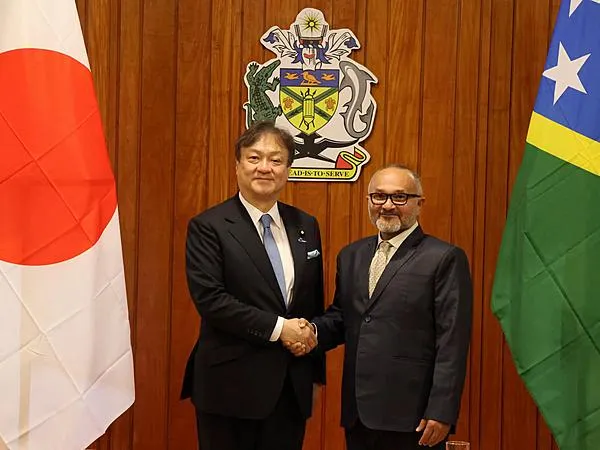
Prime Minister Matthew Wale says Solomon Islands is pursuing a more balanced and constructive foreign policy while reaffirming its strong and enduring relationship with Japan.
Wale made the remarks during a bilateral meeting with Japan's State Minister for Foreign Affairs, Iwao Horii, in Honiara on Thursday.
"We are committed to engaging with all countries in a manner that is mutually respectful and mutually beneficial. Our approach is to build broad, inclusive partnerships that deliver tangible outcomes for our people," Wale said.
The prime minister expressed Solomon Islands' deep appreciation for Japan, acknowledging its longstanding support and global leadership through soft power.
"Japan's soft power has been remarkably effective in fostering genuine and lasting friendships around the world. We have long admired how Japan engages globally with respect, consistency, and goodwill," he said.
Wale said Solomon Islands has been a grateful beneficiary of Japan's contributions over the years.
"Many of your contributions here have made a meaningful difference, and we sincerely appreciate them. We look forward to strengthening this partnership even further in the years ahead," he added.
Horii reaffirmed the strong ties between the two countries, describing Japan and Solomon Islands as longstanding partners connected by the Pacific and bound by shared values and mutual respect.
He said Japan remains committed to further strengthening bilateral relations and expanding cooperation based on those enduring principles.
"For many years, Japan has placed great importance on supporting the sustainable economic growth of Solomon Islands. We will continue to listen closely to your national priorities and work together to address the challenges facing your country," Horii said.
He also welcomed the new government's commitment to maintaining balanced and constructive relations with all international partners.
"Japan stands ready to support the new government's key policy initiatives," Horii added.
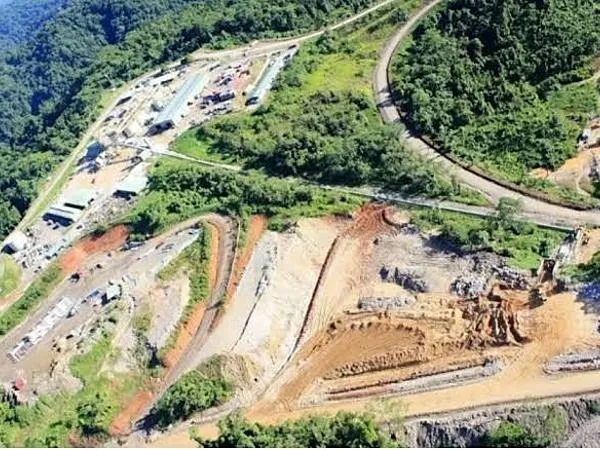
Kalo Gold Corp. has confirmed the presence of a gold-bearing epithermal system extending over a 1.8-kilometre strike length at its wholly owned Vatu Aurum Project in Fiji, following results from two reconnaissance drill holes that have strengthened the company's confidence in the area's exploration potential.
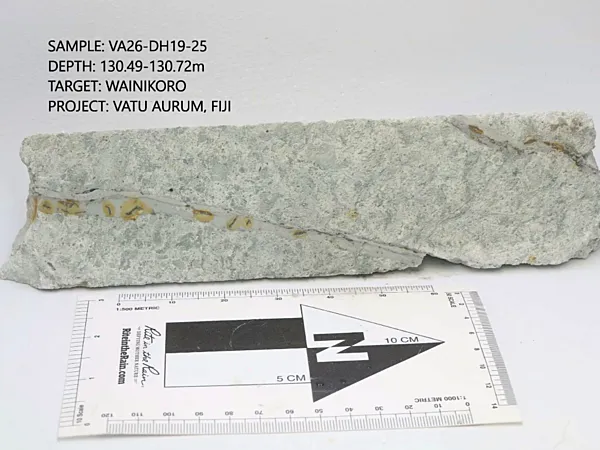
The Vancouver-based gold explorer said drill holes VA26-DH18 and VA26-DH19 at the Wainikoro prospect intersected anomalous gold mineralisation associated with fault-controlled quartz veins, hydrothermal breccias and elevated arsenic and antimony, reinforcing its interpretation that the area hosts a structurally controlled epithermal gold system.
The two drill holes, spaced 1,027 metres apart, were designed to test regional fault structures, hydrothermal alteration and geophysical anomalies identified during earlier exploration work. The company said the programme was intended to refine its geological model and guide future drilling rather than define mineral resources.
At the Kope Road North target, drill hole VA26-DH19 intersected multiple gold-bearing quartz veins within a broad hydrothermal system, including an interval grading 1.61 grams of gold per tonne over 1.5 metres. Additional gold-bearing intersections and widespread hydrothermal alteration indicate that mineralisation is associated with a major structural corridor known as the Nubu Graben fault.
Mineralogical analysis also identified arsenopyrite replaced by pyrite pseudomorphs, which the company said represents evidence of an early mineralising phase linked to gold deposition. The presence of arsenic and antimony, together with multiple generations of quartz veining, supports the interpretation that Wainikoro represents the upper levels of an epithermal gold system.
At the Kope Road South target, drill hole VA26-DH18 returned anomalous gold values associated with hydrothermal breccias and fault zones. Surface sampling in the surrounding area produced detectORE™ gold screening results of up to 1,920 detectORE units, equivalent to an estimated 1.92 grams of gold per tonne, indicating that gold-bearing hydrothermal activity extends beyond the principal magnetic target.
Kalo Gold President and Chief Executive Officer Terry Tucker said the results confirmed the scale of the Wainikoro system and highlighted the potential for multiple mineralised centres across the broader project area.
He said the combination of drilling results, airborne magnetic surveys and planned ground geophysical work would allow the company to prioritise future drilling with greater precision as it continued evaluating the scale and geological architecture of the Wainikoro epithermal system.
The company has engaged Fender Geophysics Pty Ltd to undertake controlled-source audio-frequency magnetotellurics, induced polarisation, and gravity surveys at Wainikoro, with field work scheduled to begin in mid-July, subject to logistical requirements. The geophysical programme is expected to refine drill targets before the next phase of exploration.
Kalo Gold's Vatu Aurum Project covers about 367 square kilometres on Vanua Levu and hosts a corridor of low-sulphidation epithermal gold targets that the company is systematically advancing through drilling, geochemistry, structural mapping and geophysical surveys.
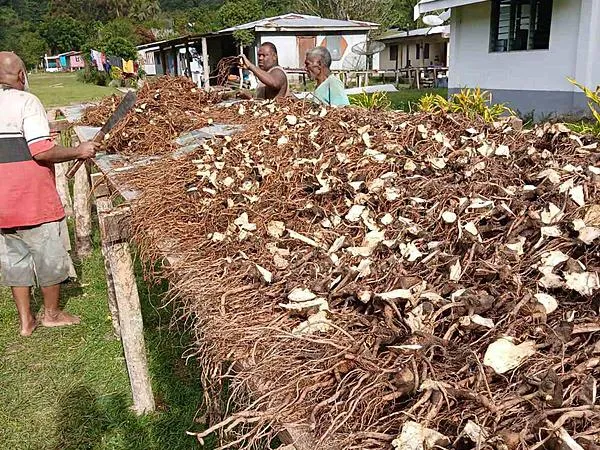
A community co-operative in Fiji's Navosa highlands is creating new market opportunities for local yaqona farmers by purchasing, processing and marketing the crop within the district, reducing transport costs and increasing returns for growers.
The Matababani Co-operative Ltd recently purchased FJD49,000 worth of fresh yaqona from farmers in the villages of Nakoro, Navitilevu and Lalati. The crop will be dried, processed and packaged locally before being supplied to larger markets, allowing more value to be retained within the community.
The initiative is expected to strengthen the local economy while providing farmers with a more reliable and accessible outlet for their produce.
Originally registered in June 2022 to manage a community solar power project launched two years earlier, the co-operative has steadily expanded its activities and now has 20 active financial members.
Recognising that yaqona is the principal source of income for many households in the district, the co-operative diversified into commercial yaqona processing in 2024 with support from the Integrated Human Resource Development Programme (IHRDP). The programme funded an electric yaqona pounding machine and the construction of a new pack house, enabling the co-operative to undertake value-added processing locally.
The expansion is helping address a long-standing challenge faced by growers in the remote highlands.
Previously, farmers travelled about 73 kilometres to Sigatoka to sell their yaqona, incurring one-way transport costs of between FJD25 and FJD30 while facing uncertainty over finding buyers.
By purchasing yaqona directly within the Noikoro district, the co-operative has shortened the supply chain, lowered marketing costs and established a dependable local market for producers.
The improved market access is expected to encourage greater yaqona production while increasing household incomes and retaining more economic activity within rural communities.
Fiji's Department of Cooperative Business said it will continue supporting the Matababani Co-operative through training in governance, financial management, bookkeeping and regulatory compliance to strengthen the organisation's long-term sustainability and expand economic opportunities in the Navosa highlands.
A newly declared El Niño is expected to bring drier conditions to much of the western Pacific and wetter weather to the central and eastern Pacific, creating both economic opportunities and climate-related risks for Pacific Island countries, according to regional climate experts.
The assessment was presented by specialists from the Secretariat of the Pacific Regional Environment Programme during a briefing involving the Climate and Oceans Support Program in the Pacific Phase 3 (COSPPac3), the Intra-ACP Climate Services and Applications (ClimSA) project and the Republic of Korea-Pacific Islands Climate Prediction Services (ROK-PI CliPS) project.
The experts confirmed that an El Niño event has now been declared and outlined its likely impacts on rainfall, agriculture, fisheries, infrastructure, tourism, water security and renewable energy across the region over the coming months.
ROK-PI CliPS Project Coordinator Tile Tofaeono said El Niño is one of three phases of the El Niño–Southern Oscillation (ENSO), a naturally occurring climate cycle that affects atmospheric circulation, rainfall, winds and ocean temperatures across the Pacific Ocean.
"There are three phases of ENSO — Neutral, El Niño and La Niña. These phases typically change every two to seven years and usually last between nine and 12 months, although some events can persist for up to two years," Tofaeono said.
During El Niño, warmer-than-normal sea surface temperatures combine with weaker trade winds, increasing the likelihood of below-normal rainfall across much of the western Pacific.
The areas expected to experience drier-than-average conditions include Papua New Guinea, Solomon Islands, Fiji, Vanuatu, Samoa, Tonga, Palau, the Federated States of Micronesia, Guam, the Commonwealth of the Northern Mariana Islands, New Caledonia, Niue, American Samoa, Wallis and Futuna, the southern Cook Islands, southern Tokelau, southern Tuvalu, southern French Polynesia, Pitcairn Islands and the northern Marshall Islands.
By contrast, many countries in the central and eastern Pacific are forecast to receive above-normal rainfall.
Water security and fisheries could benefit
COSPPac3 Senior Climatologist Philip Malsale said the wetter conditions could prove beneficial for low-lying atoll nations such as Kiribati, Nauru and Tuvalu, which rely heavily on limited freshwater supplies.
While increased rainfall could temporarily increase flood risks, he said it would also replenish fragile freshwater lenses, improving water availability and strengthening long-term water security after El Niño conditions subside.
Malsale also highlighted potential gains for the fisheries sector.
He said Kiribati could experience increased tuna catches as warmer ocean temperatures shift the western Pacific warm pool eastward. As tuna migrate with these warmer waters toward the central and eastern Pacific, they encounter nutrient-rich waters that support abundant plankton and baitfish, creating favourable fishing conditions.
The migration is also expected to attract more international fishing fleets into the region, potentially increasing revenue from fishing licence fees for Pacific governments.
Dry weather may support infrastructure and tourism
Although drought is one of the most significant concerns during El Niño, Malsale said prolonged dry conditions could also create opportunities for economic activity.
He said governments could accelerate major infrastructure projects that are often delayed during wetter periods because construction conditions are generally more favourable during extended dry spells.
The combination of reduced rainfall, longer sunshine hours and cooler temperatures may also improve conditions for tourism by allowing visitors greater access to outdoor attractions and activities, generating additional income for rural communities that depend on the sector.
Renewable energy and agriculture
Greater sunshine and, in some areas, stronger winds could also increase electricity generation from solar and wind resources, reducing dependence on imported fossil fuels at a time when global fuel prices remain elevated.
For agriculture, Malsale said farmers could use the dry season to improve livestock management and explore alternative feed options to maintain productivity during periods of reduced pasture growth.
Communities urged to prepare
Despite the potential economic benefits, the climate experts stressed that governments, businesses and households should continue preparing for the impacts of El Niño.
Malsale said El Niño is a slow-onset climate event whose impacts build gradually rather than appearing immediately.
He noted that ENSO is a natural component of Earth's climate system and cycles between neutral, El Niño and La Niña phases over time.
While some resources may become scarce during El Niño, they are often replenished during subsequent phases of the climate cycle, he said.
Nevertheless, he encouraged Pacific communities to seek guidance from their national meteorological and hydrological services and relevant government agencies to reduce risks while taking advantage of opportunities created by changing climate conditions.
A women-led farming cooperative in Fiji's Northern Division is expanding rice production after receiving a government-funded harvester, highlighting the growing role of women in the country's agricultural sector and the benefits of cooperative farming.
The Malawai Central Farmers Cooperative, based in Dreketi in Macuata Province, comprises nine women and two men who have joined forces to improve productivity and strengthen food security.
The cooperative recently harvested 30 tonnes of rice and expects output to increase with the introduction of a new rice harvester provided under the Ministry of Agriculture, Waterways and Sugar Industry's Farm Mechanisation Programme.
Under the programme, the cooperative contributed one-third of the cost of the machine, while the ministry funded the remaining two-thirds.
Cooperative president Sanjana Devi said members had initially farmed individually before deciding to work together following guidance from agriculture officers at the Dreketi Agriculture Station.
"We were all farming on our own, but through the advice and constant monitoring from the agriculture officers, we learnt about the power of working together as a cooperative. Today, we are stronger because we support each other and share our resources and knowledge," Devi said.
She said balancing farming with household responsibilities remains challenging for the cooperative's women members, who spend long days working in the rice fields before returning home to care for their families.
"As women, our work does not stop when we leave the fields. We still have to look after our children, prepare meals, clean the house and make sure our families are cared for. We do this because we want a better future for our children and our communities," she said.
The new harvester is expected to reduce labour requirements, improve harvesting efficiency and support plans to expand rice production in the coming years.
Speaking during the handover ceremony, Fiji's Minister for Agriculture, Waterways and Sugar Industry, Tomasi Tunabuna, praised the cooperative's commitment to agriculture and commended its women members for balancing farming, family and community responsibilities.
"Your story is truly inspiring. The dedication you have shown, not only in the rice fields but also in balancing your responsibilities at home and within your communities, is commendable. You are demonstrating that when people work together towards a common goal, great things can be achieved," Tunabuna said.
He said the cooperative reflects the government's strategy of supporting farmers through collaboration, modern farming technology and improved access to agricultural equipment, while encouraging other farming groups across Fiji to adopt similar approaches.
The Malawai Central Farmers Cooperative has emerged as a model for community-based farming, demonstrating how cooperative structures can improve productivity, strengthen rural livelihoods and create leadership opportunities for women in agriculture.
Its members said they remain committed to expanding rice production in Fiji's Northern Division while helping strengthen food security and improve the livelihoods of their families and communities.
Follow on LinkedIn:
Pacific Business Review
Be the "First" to get our exclusive Digital Magazine & Weekly Newsletter.