Fiji's expanding tourism sector is attracting growing interest from international investors, with more than $3 billion worth of tourism projects in the pipeline as the country works toward welcoming 1.25 million visitors and generating $4 billion in tourism earnings by 2027.
Speaking at the opening of the Asia-Pacific Hotel Industry Conference and Exhibition (AHICE) Fiji Investment in Tourism Summit 2026 at the Crowne Plaza Resort and Spa in Nadi, Deputy Prime Minister and Minister for Tourism and Civil Aviation Viliame Gavoka said tourism continues to be one of Fiji's most important economic drivers, supporting employment, investment and national growth.
Fiji welcomed 986,367 visitors in 2025 and generated $2.81 billion in tourism earnings, representing a 10.9% increase compared with the previous year.
The positive momentum has continued in 2026. Visitor arrivals reached 276,701 during the first four months of the year, an increase of 4.6% from the corresponding period in 2025, reflecting sustained demand from international travelers.
Gavoka said continued growth in visitor numbers is creating strong demand for new tourism infrastructure and accommodation capacity across the country.
To meet future demand, Fiji is expected to require about 4,000 additional hotel rooms. He disclosed that 53 tourism investment projects valued at a combined $3.1 billion are currently in the development pipeline.
Among the major projects under consideration or development are the Sofitel Fiji Resort & Spa Vatu Talei project, the expansion of Crowne Plaza at Wailoaloa, the Radisson Mirage Resort on Naisoso Island and several large-scale tourism developments on Koro Island.
The minister said Fiji is also attracting growing attention from leading global hospitality brands. Mandarin Oriental Hotel Group is exploring opportunities to acquire private islands in Fiji, while Kerzner International is planning a six-star luxury resort in the Yasawa Islands.
Gavoka said investor confidence has been strengthened by the passage of the Tourism Bill 2026, which modernizes Fiji's tourism framework for the first time in more than 50 years.
He described the legislation as a significant milestone for the industry, providing a more contemporary regulatory environment and greater certainty for investors seeking long-term opportunities in the country.
At the same time, he emphasized that future tourism growth would be guided by sustainability principles.
Under Fiji's National Sustainable Tourism Framework, tourism developments are expected to balance economic growth with environmental protection, cultural preservation and community benefits.
Gavoka said the government remains committed to ensuring tourism investment delivers inclusive outcomes while safeguarding Fiji's natural assets and cultural heritage.
"I invite you to seize these opportunities, engage with our team and partner with us to shape a future where tourism not only drives growth but empowers our people," he told delegates attending the summit.
The AHICE Fiji Investment in Tourism Summit brought together tourism leaders, hotel operators, investors and government representatives to explore emerging opportunities and discuss the future direction of Fiji's rapidly growing tourism sector.
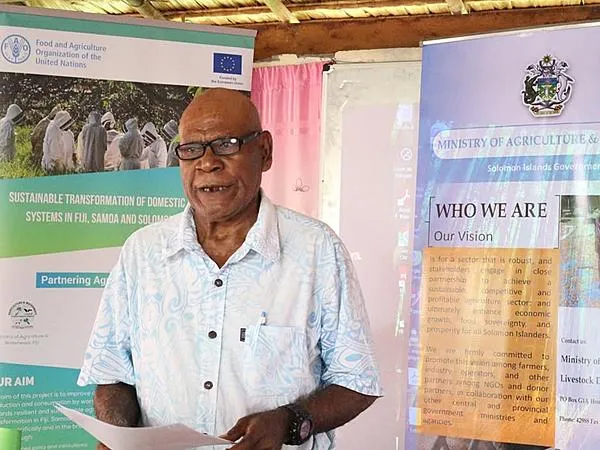
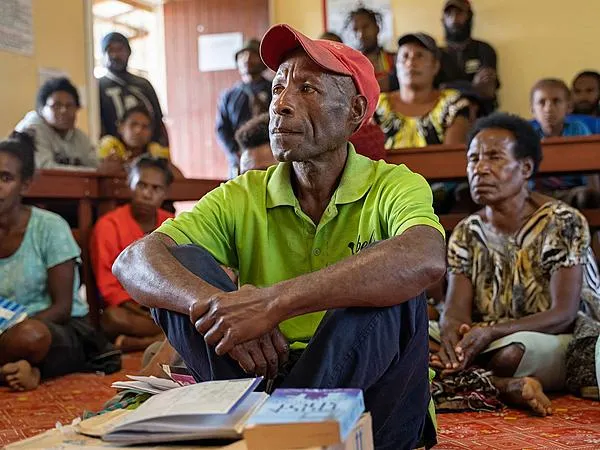
The Makira-Ulawa Provincial Government has reaffirmed its support for the establishment of a Provincial Food Council as part of broader efforts to strengthen food security, agricultural development and rural livelihoods across the province.
Speaking at the opening of the Provincial Agrifood System Consultation Workshop in Kirakira on June 9, Deputy Premier Hon. Stephen Ngara said agriculture remains the backbone of Makira-Ulawa's economy, providing livelihoods, supporting food security and contributing to community wellbeing.
The workshop, held under the theme "Strengthening Provincial Partnerships for Sustainable and Inclusive Agrifood Systems," brought together government officials, development partners, private sector representatives, farmer organizations, churches, women and youth groups to discuss the future direction of the province's agrifood sector.
Ngara said the province continues to face challenges despite its strong agricultural base and abundant natural resources. These include limited market access, infrastructure constraints, post-harvest losses and insufficient investment in food value chains.
He said addressing these issues would require stronger coordination among stakeholders and a more inclusive approach to agricultural development.
A key outcome being pursued through the consultation is the establishment of a Provincial Food Council, which would serve as a platform to coordinate stakeholders and guide agriculture and food-system development based on provincial priorities.
The workshop also highlighted the role of public-private partnerships in supporting agricultural value chains, improving market access and attracting investment into the sector.
Ngara said the proposed council aligns with the PACRA government's priorities of strengthening food and nutrition security, promoting sustainable agricultural production, creating rural employment opportunities and improving resilience to climate change.
He acknowledged the support of the European Union, which is funding the initiative, as well as the Food and Agriculture Organization for providing technical assistance and the Ministry of Agriculture and Livestock Development for facilitating the program.
The consultation formed part of the Strengthening Provincial Food Councils and Agrifood Public-Private Partnership initiative being implemented by the Ministry of Agriculture and Livestock Development.
The ministry team was led by Deputy Director for Planning and Management Jules Damutalau and included officials from the extension and livestock divisions.
During their visit to Kirakira, the team conducted consultations with local institutions, including Kirakira Hospital, Kirakira Correctional Centre, market vendors, farmers, Waimapuru National Secondary School and private-sector stakeholders to gather input on the province's food system needs.
Speaking on behalf of the ministry delegation, Damutalau said the initiative aims to foster closer collaboration between provincial authorities, farmers, non-government organizations and private-sector partners.
"Our goal is to work hand-in-hand with provincial authorities, farmers, NGOs and private-sector partners to set up a model that could transform Makira-Ulawa Province's agrifood systems," he said.
He added that the provincial government's commitment to agriculture provides a strong foundation for achieving that transformation.
The consultation workshop concluded on June 10, with provincial leaders expressing confidence that the discussions would lead to practical measures to strengthen agriculture and food systems throughout Makira-Ulawa.
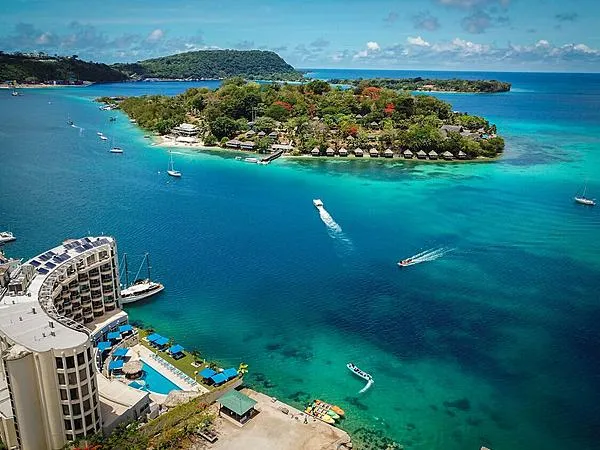
Vanuatu's tourism sector generated an estimated economic impact of USD 136 million in 2025, underpinned by strong visitor spending, high satisfaction levels and growing interest in sustainable travel, according to the latest International Visitor Survey.
The January-December 2025 International Visitor Survey was released by the Pacific Tourism Organisation (SPTO) in collaboration with the Vanuatu Tourism Office (VTO) under the Pacific Tourism Data Initiative, which is funded by the New Zealand government.
The survey analyzed 647 valid responses from 2,993 invitations, representing a 22 percent response rate and about 1 percent of Vanuatu's total international visitor arrivals during 2025.
The findings showed that Vanuatu remained a popular destination among international travelers, with 54 percent of respondents visiting the country for the first time. Holiday travel was the primary reason for visiting, followed by business travel and visits to friends and relatives.
Visitor satisfaction remained strong, with 93 percent of respondents saying they would recommend Vanuatu to others and 80 percent indicating they would return in the future.
The friendliness and hospitality of the Ni-Vanuatu people ranked among the most valued aspects of the visitor experience, alongside the country's cultural attractions, natural landscapes and adventure tourism offerings.
The survey also highlighted tourism's significant economic contribution. Visitors recorded average prepaid expenditure of USD 994 per trip, with an estimated USD 621, or 62.5 percent, flowing directly into the local economy. Average in-country spending reached USD 789 per visitor, supported by an average stay of nine nights.
Sustainability emerged as an increasingly important factor in travel decisions. Eighty-seven percent of respondents said sustainable and responsible tourism practices were important to them, while 62 percent said sustainability influenced their choice of accommodation providers and tour operators.
Visitors also reported observing eco-friendly initiatives and responsible tourism practices during their stay, reinforcing opportunities for Vanuatu to strengthen its position as a sustainable tourism destination in the Pacific.
Despite strong overall satisfaction levels, the survey identified several areas requiring further improvement, including airport processes, road infrastructure, pricing transparency and domestic transport connectivity.
SPTO Chief Executive Officer Christopher Cocker said the survey demonstrated the value of tourism data in supporting sustainable growth and informed decision-making.
"The International Visitor Survey provides more than just numbers — it tells the story of the visitor experience and gives destinations the evidence needed to make smarter tourism decisions," Cocker said.
He said the findings highlighted both Vanuatu's strengths and areas where continued investment would be required to enhance competitiveness and resilience.
Cocker added that sustainability was becoming a central consideration for travelers and would play an increasingly important role in the long-term success of Pacific tourism destinations.
VTO Chief Executive Officer Adela Issachar Aru said the results confirmed Vanuatu's ability to deliver meaningful visitor experiences through its people, culture and natural environment.
She said the survey would help inform future tourism planning and investment priorities, particularly in infrastructure, connectivity, sustainability and service delivery.
The report also highlighted growing local capacity in tourism research and destination intelligence, with the Vanuatu Tourism Office contributing 70 percent of the analytical content under the Pacific Tourism Data Initiative's collaborative reporting framework.
The International Visitor Survey forms part of SPTO's broader efforts to strengthen tourism data systems and evidence-based tourism management across Pacific Island destinations.
The Solomon Islands government has launched an investigation into 33 controversial bauxite shipments from Rennell Island, marking what officials describe as a key step in efforts to strengthen oversight and accountability in the country's mining sector.
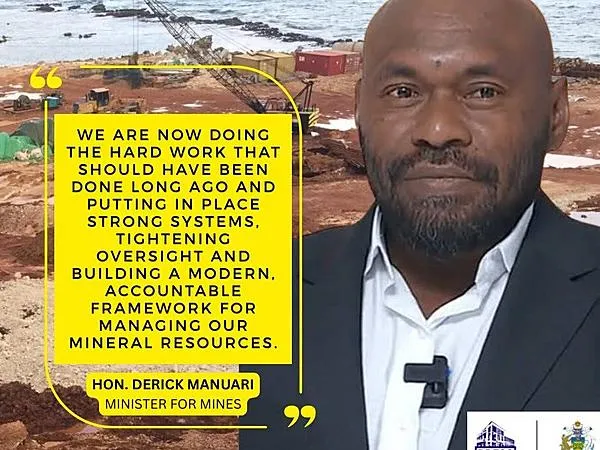
Minister for Mines, Energy and Rural Electrification Derick Manuari said the investigation is being led by the Attorney General's Chambers with support from the Mines Division.
The probe follows a June 1 letter from Attorney General Gabriel Suri to the Director of Mines directing the commencement of an investigation into 33 bauxite shipments undertaken by Asia Pacific Investment Development Ltd and Bintan Mining SI Ltd from Rennell Island.
Manuari said the investigation reflects the government's commitment to reforming the mineral resources sector and addressing longstanding governance concerns.
According to the minister, the government's actions are guided by legal processes and form part of broader reforms being pursued by the GREAT Coalition administration.
"These reforms are about safeguarding national interests, strengthening transparency, and ensuring Solomon Islanders receive the full benefits from their natural resources," Manuari said.
He said many of the issues currently facing the mining sector stem from years of inadequate oversight and a failure to implement necessary reforms.
"We are now doing the hard work that should have been done long ago. We are putting in place strong systems, tightening oversight, and building a modern, accountable framework for managing our mineral resources," he said.
As part of the reform agenda, Manuari has also directed the Mines Directorate to review the performance and capability of responsible officials within the sector.
The minister said appropriate disciplinary measures should be taken against officials found to have failed in carrying out their duties.
The investigation comes amid ongoing efforts by the Solomon Islands government to improve governance, transparency and regulatory compliance in the management of the country's mineral resources.
The World Bank's Environment and Social Framework (ESF) Practice Manager, Africa Olojoba, has visited the Tina River Hydropower Development Project (THDP) in Solomon Islands, highlighting construction progress, strong safety practices and environmental stewardship at the country's first large-scale renewable energy project.
Olojoba was joined by a World Bank delegation comprising Lead Environmental Specialist Nathalie Staelens, Environmental Specialist Khine Thwe Wynn, Social Development Specialist Joyce Onguglo and Energy Specialist Yulia Zakrevskaia during the March 27 site visit.
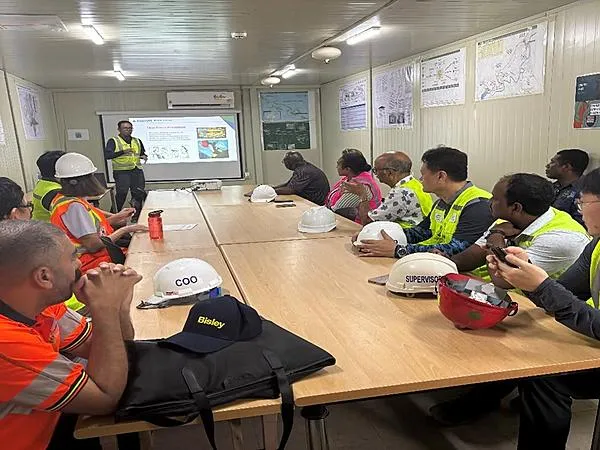
The delegation began its visit at the Hyundai Engineering Company site office, where project officials provided a safety induction briefing outlining workplace health and safety protocols. The team then toured the dam site and the powerhouse site, including the main tunnel system currently under development.
Speaking during a meeting at the Garivera camp site, Olojoba outlined three key observations from the visit.
He cited the project's substantial development progress, noting the advancement of major structures, ongoing construction activities and milestones achieved to date.
Olojoba also commended project teams for maintaining strong occupational health and safety standards across the construction site.
In addition, he highlighted the project's environmental performance, particularly areas of natural revegetation and the replantation programme being implemented as part of biodiversity management efforts.
The World Bank is one of the principal financiers of the Tina River Hydropower Development Project and has played a key role in supporting the project's objective of delivering clean, affordable and sustainable energy to Solomon Islands.
Once completed, the hydropower facility is expected to reduce the country's dependence on diesel-fired electricity generation, lower power costs for consumers and support national climate commitments.
The Tina River Hydropower Development Project is being led by the Solomon Islands government with financing and support from the Abu Dhabi Fund for Development, the Asian Development Bank, the Australian government, the Green Climate Fund, Korea EXIM Economic Development Cooperation Fund and the World Bank.
The project is the first large-scale renewable energy development undertaken in Solomon Islands and is expected to improve access to cleaner and more reliable electricity for households and businesses while supporting the country's long-term energy transition.
The Cook Islands Government has launched a new online energy dashboard to provide households, businesses and communities with up-to-date information on the country's fuel position as authorities respond to ongoing global fuel supply pressures.
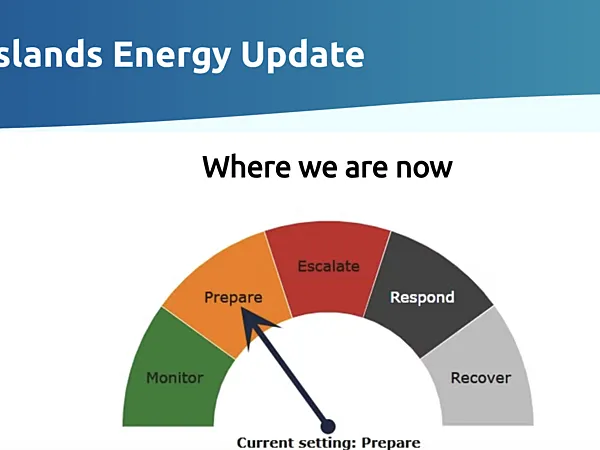
The dashboard forms part of the Government's broader response under the National Energy Response Framework, a Cabinet-approved plan that sets out how the country will respond to different stages of the global fuel crisis.
Developed by the Energy Response Technical Working Group (TWG), the framework uses a five-stage traffic-light system comprising Green (Monitor), Amber (Prepare), Red (Escalate), Black (Respond) and Recovery (Transition). The Cook Islands is currently operating under the Amber phase, reflecting rising pressure on global fuel supplies and prices while domestic fuel services continue to operate normally.
The dashboard is intended to strengthen fuel supply monitoring and improve transparency by providing regular updates on fuel stocks, shipment schedules, estimated days of supply remaining and the status of key fuel infrastructure.
According to the Government, monitoring fuel availability is a critical component of the Amber phase, helping ensure the country remains prepared and able to respond quickly to changing global conditions.
The dashboard tracks fuel availability across the Cook Islands, including stock levels on individual islands, fuel consumption rates and the timing of future fuel shipments. Officials said the information will support coordinated decision-making across government agencies and industry stakeholders while helping the public stay informed.
The TWG has established a set of core indicators that serve as an early warning system for potential supply disruptions. The indicators are designed to provide a clear and consistent picture of the country's fuel position and support timely intervention where required.
Current data show that Rarotonga has adequate supplies of all fuel types, with shipments continuing to arrive as scheduled.
Across the Pa Enua, the Government said it is working closely with island administrations and fuel suppliers to maintain fuel security through planned deliveries and ongoing monitoring. Authorities noted that transport and storage constraints in the outer islands require continued coordination between Island Governments, shipping operators and suppliers.
Prime Minister Mark Brown said the National Energy Response Framework provides a structured approach to managing the challenges posed by the global fuel situation.
“We are facing an external shock that we must respond to with discipline and care,” Brown said.
“This framework gives our community certainty about how Government will act at each stage, and what we are asking of every household and business. It also ensures that the Pa Enua are a priority in everything we do.”
“The most important step we can all take right now is to use fuel wisely. Every litre we save today is a litre that goes towards keeping our hospital running, our schools open, our airport moving, and our families supported,” he said.
Financial Secretary Garth Henderson said reliable information remains central to the Government's fuel security strategy.
“Our approach is to stay ahead of the situation by having clear, reliable information on our fuel position across the country,” Henderson said.
“We are tracking supply, usage, and incoming shipments closely, and sharing that information to support coordinated decision-making across Government.”
He said the framework brings together ongoing work across government into a single structure that allows both policymakers and the public to understand how decisions are made.
“What this framework does is take the work the Energy Response Technical Working Group has been doing — monitoring fuel supply, coordinating across agencies, supporting the Pa Enua, communicating with the public — and gives it shape and predictability,” Henderson said.
“Cabinet decisions to move between phases will be guided by clear criteria, and the community will know what phase we are in, what measures are in place, and what is being asked of them at each stage.”
Henderson emphasized that the country's fuel position remains stable despite global pressures.
“Importantly, our current supply position is stable, and shipments are continuing to arrive. We are in the Amber phase of the National Energy Response Framework, which means we have fuel and the most effective step every household and business can take is to use fuel wisely. Every litre saved helps extend our reserves and protect essential services,” he said.
Under the current Amber phase, several measures have already been implemented, including energy conservation directives for public sector agencies, restrictions on government vehicle use, the introduction of free bus services and additional public transport routes for three months, and extended income support for welfare beneficiaries.
Public awareness campaigns are also encouraging households, businesses and tourism operators to adopt energy conservation measures and avoid panic buying or fuel stockpiling.
The framework outlines additional measures that could be introduced if conditions deteriorate. Under the Red phase, the Government could implement spending limits on petrol and diesel purchases, restrictions on government travel and operating hours, and targeted support for low-income workers.
If conditions reach the Black phase, a National State of Emergency could be declared, with measures including temporary electricity rationing and restrictions on non-essential domestic travel.
The Government said all measures under the framework would be targeted, time-limited and assessed based on their effectiveness, economic impact and fiscal cost.
The framework also places the Pa Enua at the center of planning and response efforts, recognizing that outer islands face longer resupply times and more limited fuel storage capacity. Additional work is underway to strengthen fuel storage, improve supply coordination and build community resilience across the islands.
Officials said the dashboard will be updated weekly to ensure the public has access to the latest information on fuel availability and shipment schedules.
The Government added that the current fuel supply challenge reinforces, rather than delays, the Cook Islands' renewable energy ambitions. The country currently generates just over 30 percent of its electricity from renewable sources and is targeting 60 percent renewable electricity generation by 2030.
Authorities said they will continue working closely with suppliers, island administrations and regional partners to maintain fuel security while navigating ongoing global fuel market pressures.
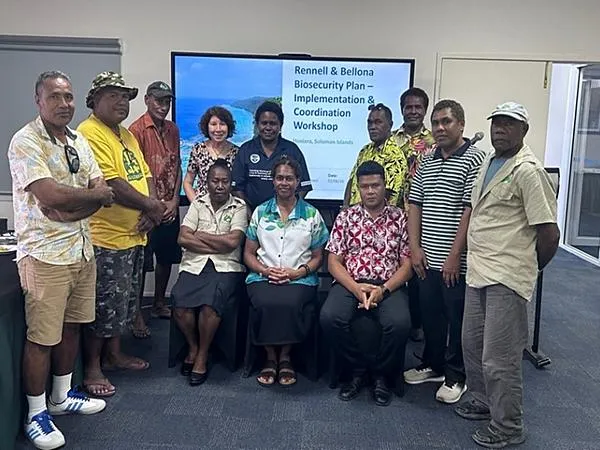
Government agencies, provincial authorities, development partners and community stakeholders have reaffirmed their commitment to protecting Solomon Islands' Rennell and Bellona Province from invasive species and other biosecurity threats through a provincial coordination workshop held on June 3.
The Rennell and Bellona Biosecurity Plan Implementation and Coordination Workshop brought together key agencies and partners to strengthen coordination and accelerate implementation of the province's biosecurity strategy, which is designed to safeguard biodiversity, agriculture, food security and local livelihoods.
The one-day workshop was supported by BirdLife International through funding from the Kiwa Initiative as part of broader efforts to strengthen invasive species management and biodiversity conservation across the province.
Opening the workshop, Deputy Provincial Secretary Aubrey Saueha highlighted the importance of biosecurity in protecting Rennell and Bellona's unique natural environment and supporting the wellbeing of local communities.
He noted that Rennell and Bellona is the first province in Solomon Islands to develop a dedicated provincial biosecurity plan and said the initiative could serve as a model for other provinces across the country.
Saueha said the province's geographic isolation, limited transport links and reliance on local food production make strong biosecurity measures particularly important.
“Biosecurity is everyone’s responsibility. We all have a role to play in ensuring that our province remains free from harmful pests, diseases and invasive species that threaten our environment, agriculture and way of life,” he said.
Biosecurity Solomon Islands Director Jean Eroa Manepora’a said effective biosecurity systems are critical for protecting agriculture, biodiversity, human health and local economies.
She said the Rennell and Bellona Biosecurity Plan provides a practical framework for managing invasive species risks while aligning with national biosecurity legislation and policy objectives.
“The law provides the authority; the plan provides the roadmap. Together they enable us to take practical action to protect the province from invasive species and other biosecurity threats,” Manepora’a said.
She encouraged government agencies, communities and development partners to work collaboratively in implementing the plan and maintaining vigilance against the introduction and spread of invasive species.
Speaking on behalf of BirdLife International, Miliana Ravuso acknowledged the extensive consultation and collaboration undertaken over several years to develop the biosecurity plan.
She said successful implementation would require agencies and stakeholders to integrate biosecurity responsibilities into their routine operations while maintaining shared ownership and accountability.
“The success of this Plan depends on all of us working together. Through strong partnerships and coordinated action, we can better protect the unique biodiversity and natural heritage of Rennell and Bellona Province,” Ravuso said.
Participants reviewed the plan's objectives and implementation priorities, identified responsibilities among key agencies and discussed coordination, monitoring and reporting mechanisms.
The workshop also examined opportunities to strengthen cooperation between government agencies, provincial authorities, communities and development partners to ensure effective delivery of the plan.
The meeting concluded with agreement on several key actions, including endorsement of Biosecurity Solomon Islands as the lead agency responsible for coordinating implementation of the plan in partnership with the Rennell and Bellona Provincial Government and other stakeholders.
Participants also recognized the importance of developing a Provincial Biosecurity Ordinance to strengthen the legal framework supporting biosecurity management within the province.
Organizers said the workshop marked an important milestone in strengthening provincial biosecurity governance and demonstrated a shared commitment to protecting Rennell and Bellona's environment, agriculture and communities from the impacts of invasive species and other biosecurity threats.
Pacific Island countries are intensifying efforts to prepare for the growing impacts of climate change on tuna fisheries, as new scientific projections indicate that key tuna stocks are increasingly likely to move from national waters into the high seas, threatening a major source of government revenue, food security and livelihoods across the region.
Officials participating in the Green Climate Fund-funded Regional Tuna Programme welcomed early progress on a new Advanced Warning System designed to help Pacific countries better understand and respond to climate-driven changes in tuna distribution.
Preliminary findings from the system were presented during the 142nd Officials Meeting of the Forum Fisheries Committee in Wellington, where fisheries leaders and climate experts reviewed emerging evidence on how warming ocean conditions are expected to reshape tuna fisheries in the Pacific.
The programme is being implemented by the Pacific Community in partnership with the Pacific Islands Forum Fisheries Agency, Australia's Commonwealth Scientific and Industrial Research Organisation and other technical partners.
Early modelling reinforced concerns that skipjack tuna — the foundation of the world's largest tuna fishery and a critical economic resource for many Pacific nations — will increasingly migrate beyond Pacific Island countries' exclusive economic zones and into international waters as ocean temperatures continue to rise.
For many Pacific economies, tuna revenues provide substantial funding for public services, including healthcare, education and infrastructure development. Coastal communities also depend heavily on tuna resources for employment, nutrition and local economic activity.
Dr. Roseti Imo, acting chief executive officer of the Fisheries Division within Samoa's Ministry of Agriculture and Fisheries, said stronger collaboration between fisheries specialists and climate scientists would be essential as countries confront the challenges ahead.
"We need to ensure there is a shared understanding of what climate change means for our fisheries resources and for the livelihoods that depend on them," Imo said.
The Advanced Warning System is intended to provide governments with improved climate intelligence and scientific evidence to assess the potential economic and social impacts of shifting tuna stocks. Officials said the platform will also support the identification of adaptation measures and strengthen countries' ability to advocate for their interests in international negotiations.
Participants at the Wellington meeting noted that the climate projections underpinning the system appear more severe than previous assessments, reinforcing calls for stronger global action to reduce greenhouse gas emissions ahead of the United Nations Climate Change Conference, COP31, scheduled for 2026.
Glen Joseph, director of the Marshall Islands Marine Resources Authority, said the new tool was already demonstrating value in helping countries understand both present and future climate-related risks.
"This tool is critical not only for evaluating adaptation options, but also for providing the evidence countries need to access climate finance," Joseph said.
He added that the system would help governments present stronger scientific cases when seeking support from international climate funding mechanisms.
Dr. Josie Tamate, chair of the Western and Central Pacific Fisheries Commission and senior adviser to the government of Niue, said regional cooperation would remain central to the initiative's success.
"There has been encouraging early progress, but there is still much work ahead to ensure these tools can support both regional and national decision-making," Tamate said.
The Advanced Warning System is being developed under Component B of the Green Climate Fund Regional Tuna Programme, a seven-year initiative running from 2025 to 2031 that aims to strengthen resilience to climate-related impacts on tuna fisheries throughout the Pacific.
FFA Director-General Noan David Pakop said Pacific countries have spent decades building a cooperative framework to sustainably manage the region's tuna resources and must now adapt to the challenges posed by climate change.
"As climate change continues to alter ocean conditions and influence the movement of tuna stocks, our members need the best available science and tools to prepare for what lies ahead," Pakop said.
He described the programme as a significant investment in the resilience of Pacific economies and communities, supporting improved climate intelligence, adaptation planning and food security.
"The Advanced Warning System will help countries better understand future risks and opportunities, ensuring decisions are informed by robust scientific evidence and that the benefits from tuna continue to flow to Pacific people," Pakop said.
Officials said development of the system also benefited from earlier support provided by New Zealand's Ministry of Foreign Affairs and Trade through the Climate Science for Ensuring Pacific Tuna Access initiative, which helped lay the groundwork before approval of the Green Climate Fund programme.
As Pacific nations prepare for upcoming global climate negotiations, regional leaders say climate change is no longer a future concern for tuna fisheries but an increasingly visible reality that is already affecting one of the Pacific's most valuable natural resources.
The Green Climate Fund Regional Tuna Programme seeks to strengthen climate resilience across Pacific Island countries by improving access to tuna resources, enhancing adaptation planning and developing advanced climate intelligence tools to help safeguard food security and economic stability in the decades ahead.
The Solomon Islands government's plans regarding Gold Dealer Licences form part of a wider effort to reform the country's gold sector and strengthen oversight, according to Mines, Energy and Rural Electrification Minister Derick Manuari.
Manuari said the government's policy direction had already received Cabinet caucus endorsement and was now progressing through the necessary legal and administrative processes.
Responding to recent criticism from Opposition Leader Matthew Wale, the minister rejected claims that the government's position on Gold Dealer Licences was misleading, saying licence cancellations represent only one component of a broader reform programme.
"This is not simply about cancelling licences. Government is implementing a comprehensive transition from the current Gold Dealer Licensing regime to a new framework that will deliver greater transparency, accountability, oversight and national benefit from our gold resources," Manuari said.
According to the minister, the government intends to move away from the existing Gold Dealer Licensing framework as part of efforts to improve governance of the sector. The reforms are also intended to support the establishment of a state-owned holding company that would facilitate government participation, investment, oversight and strategic management of the gold industry.
"The cancellation of existing licences is the final step in a process that includes due diligence reviews, legal requirements, transitional arrangements, and a stronger regulatory and commercial framework for the sector," he said.
Manuari said no new Gold Dealer Licences have been issued since the current government took office. Of the nearly 40 licences issued previously, only 10 remain active, while the remainder are undergoing compliance reviews and due diligence assessments.
"The Mines Division is undertaking comprehensive compliance assessments of all active licence holders. These reviews are necessary to ensure accountability and to address longstanding mismanagement that has undermined effective regulation of the sector," he said.
The minister said the reviews had identified a number of challenges, including difficulties in verifying the origin of gold, monitoring export volumes and values, obtaining records required for compliance purposes and ensuring licence holders meet statutory reporting obligations.
He warned that weaknesses in the existing licensing framework had exposed the government to potential revenue leakage, under-reporting and illicit trading risks.
"The current licensing framework has exposed the Government to potential revenue leakage, under-reporting, illicit trading risks and broader governance concerns. These are issues this Government is determined to address through meaningful reform," Manuari said.
He added that a lack of political commitment by successive governments to reform the sector had contributed to the challenges now facing regulators.
"The absence of political will by successive governments to reform and strengthen governance in the sector has created serious problems that we are now working to fix," Manuari said.
Fiji is moving forward with plans to establish its first peer-to-peer lending platform as part of broader efforts to expand access to finance for micro, small and medium enterprises and support the growth of alternative funding markets.
The initiative forms part of the implementation of the Access to Business Funding Act 2025, which introduced new financing mechanisms including peer-to-peer (P2P) lending, equity crowdfunding and small offers regimes aimed at improving access to capital for businesses.
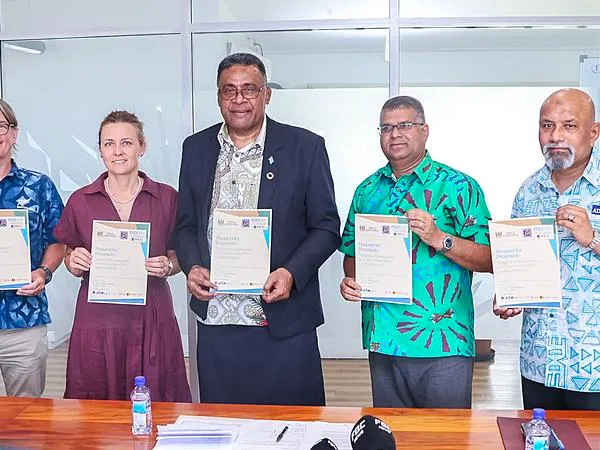
To support the development of the platform, the Ministry of Commerce and Business Development, the Reserve Bank of Fiji and the Asian Development Bank’s Pacific Private Sector Development Initiative selected ThirdRoc through a competitive Request for Proposals process conducted through the Fiji Innovation Hub.
The proposed platform is expected to connect MSMEs directly with lenders through a regulated digital marketplace, helping address some of the barriers businesses face in accessing traditional sources of finance.
Minister for Finance, Commerce and Business Development and co-chair of the Access to Business Funding Implementation Taskforce Esrom Immanuel said the strong response to the proposal process highlighted growing interest in financial innovation in Fiji.
“We were impressed by the strong field of proposals, particularly the depth of technical capability we have here in Fiji. This shows that Fiji is open for innovation and that the Government’s reform agenda is gaining real traction,” Immanuel said.
“We look forward to working with the selected partner, ThirdRoc, to expand financing opportunities for MSMEs.”
ThirdRoc is the Fijian subsidiary of an Australian-headquartered fintech company focused on alternative credit and enterprise lending technology across the Pacific. Backed by Antler Australia, the company holds a Credit Representative Licence with the Australian Securities and Investments Commission and is a member of the Australian Financial Complaints Authority.
The company said it uses consented data, artificial intelligence-driven insights and regional partnerships to support lending decisions and improve access to finance for small businesses.
According to ThirdRoc, it is developing a Fijian structure for a proposed P2P lending platform that aligns with governance and licensing requirements established by the Reserve Bank of Fiji and is engaging potential consortium partners and investors to support the platform’s launch.
Reserve Bank of Fiji Governor and taskforce co-chair Ariff Ali said the initiative represents an important step in opening new financing pathways for businesses while maintaining appropriate safeguards.
“Fiji is leading the Pacific in opening up new, innovative pathways to finance for businesses and the Reserve Bank of Fiji is committed to ensuring these pathways are developed with strong investor protections and sound risk management,” Ali said.
“ThirdRoc’s proven technology, deep experience, and clear commitment to working within Fiji’s regulatory framework gives us confidence in their ability to deliver a platform that meets these standards.”
Jeremy Cleaver, financing growth specialist with the Pacific Private Sector Development Initiative, said P2P lending could help address financing gaps for businesses that have historically been underserved by conventional lending channels.
“P2P lending has the potential to genuinely expand access to finance for MSMEs in Fiji, including those that have been underserved by the traditional channels,” Cleaver said.
As part of the next phase of development, ThirdRoc is participating in a tailored accelerator programme through the Fiji Innovation Hub that includes knowledge transfer and engagement with experienced international P2P lending practitioners.
The programme is expected to support the development of a launch-ready platform design, with pilot and rollout plans to be considered as the project progresses.
ThirdRoc director Shiv Maharaj said the company had been working with local partners to improve access to finance for entrepreneurs and small businesses while increasing transparency for lenders and investors.
“Since establishing our presence in Fiji, we have worked closely with partners to improve access to finance for MSMEs and entrepreneurs, while giving lenders and investors greater visibility and confidence in how credit is assessed and monitored,” Maharaj said.
“We are working through the RBF process with local institutions to ensure the model is structured safely and built for Fiji’s long-term needs.”
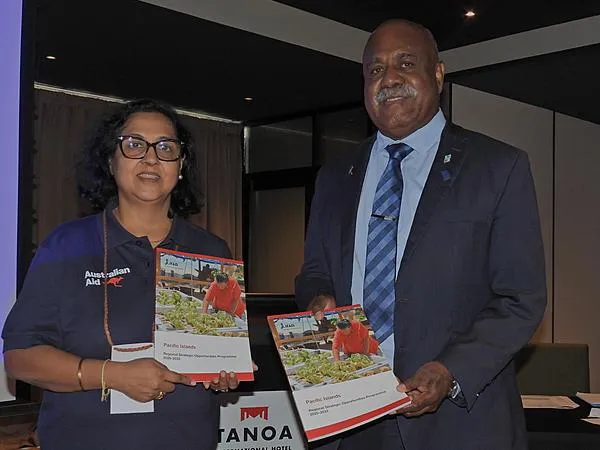
The International Fund for Agricultural Development (IFAD) has recently launched a new regional strategy aimed at addressing rural poverty, food insecurity, climate vulnerability and geographic isolation across 13 Pacific Island countries over the next eight years.
The Pacific Islands Regional Strategic Opportunities Programme (RESOP) 2025–2033 was unveiled in Nadi on May 7, establishing a unified framework to guide IFAD's investments and development engagement across the region through 2033.
The launch was attended by Sakiusa Tubuna, Fiji's assistant minister in the Office of the Prime Minister, along with government officials, civil society representatives, development partners and regional organisations.
According to IFAD, the new strategy marks a shift from country-specific approaches towards a coordinated regional framework designed to address shared development challenges facing Pacific island nations.
"We hope to deliver more joined-up investment, amplify lessons learned across borders, and respond more effectively to the interconnected challenges that Pacific Islands communities face," said Reehana Raza, IFAD regional director for Asia and the Pacific.
The strategy is built around three objectives: improving food and nutrition security, increasing rural incomes and strengthening climate and environmental resilience.
These priorities draw on lessons from the Pacific Islands Rural and Agriculture Stimulus Facility (PIRAS), a four-year, US$8 million programme co-financed by IFAD and Australia's Department of Foreign Affairs and Trade that operated from 2021 to 2025.
PIRAS was established to support small-scale farmers, fishers and rural entrepreneurs affected by the Covid-19 pandemic and other regional shocks. The programme reached more than 41,000 participants across Fiji, Kiribati, Samoa, Solomon Islands, Tonga and Vanuatu, with women accounting for nearly half of all beneficiaries.
During its implementation, the initiative distributed more than one million seedlings and planting materials, established or rehabilitated more than 200 community nurseries and provided climate-smart agriculture training to nearly 19,000 people.
IFAD said the programme also demonstrated resilience in responding to multiple crises, including the 2022 Hunga Tonga-Hunga Ha'apai volcanic eruption and tsunami, as well as cyclones affecting Vanuatu.
The RESOP launch formed part of a three-day Knowledge Sharing and Learning Workshop held from May 6 to 8, where participating countries presented experiences and innovations developed under the PIRAS programme.
Tubuna welcomed the new strategy, saying it would help deepen collaboration among governments, development partners, civil society organisations, the private sector and producer groups.
He said Fiji supports efforts to strengthen local capacities, expand opportunities for rural micro, small and medium enterprises, improve market access and ensure women and young people play leadership roles in rural development.
The launch marks a new phase in IFAD's engagement in the Pacific. Over the past four decades, the organisation has invested US$557 million across the region, including US$194 million through its own loans and grants, benefiting an estimated one million people.
IFAD's current Pacific portfolio includes projects in Tonga, Fiji, Solomon Islands and Vanuatu, as well as regional programmes supporting food security, agricultural development and climate resilience across several Pacific island nations.
Solomon Islands Prime Minister Matthew Wale has concluded his official visit to Australia, reaffirming the close partnership between the two countries following high-level talks with Australian Prime Minister Anthony Albanese.
The discussions focused on shared priorities including climate change, regional security and economic cooperation, with both leaders underscoring the importance of strengthening bilateral relations amid evolving regional challenges.
Wale expressed appreciation for the warm reception accorded to his delegation, describing it as a reflection of the longstanding friendship between Solomon Islands and Australia.
"Our partnership is grounded in history, mutual respect and strong people-to-people connections that continue to bind our nations together," Wale said.
Albanese highlighted the depth of the relationship, describing Solomon Islands and Australia as "not only neighbours, but family", and reaffirmed Australia's commitment to further developing the partnership.
Climate change featured prominently in the talks, with Wale reiterating that it remains a critical concern for Solomon Islands and the wider Pacific region.
The Solomon Islands leader also acknowledged the contribution of Solomon Islanders participating in Australia's Pacific Australia Labour Mobility scheme, noting that the programme supports Australian industries while providing employment opportunities and income for families back home.
On regional security, Wale reaffirmed Solomon Islands' commitment as a responsible regional partner and welcomed discussions on Australia's Pacific Policing Initiative, which aims to strengthen law enforcement cooperation across Pacific island nations.
The leaders also discussed broader regional issues and cooperation through Pacific institutions.
Albanese recognised Solomon Islands' leadership role as chair of the Pacific Islands Forum and expressed his intention to visit Honiara in the near future.
Wale welcomed the proposed visit, saying it would provide another opportunity to deepen cooperation and further strengthen ties between the two countries.
The visit underscores the growing strategic, economic and people-to-people links between Solomon Islands and Australia, which remain among each other's closest partners in the Pacific region.
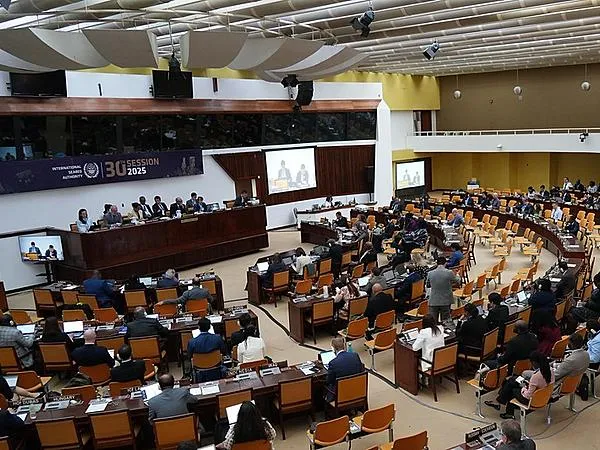
Pacific countries should proceed cautiously as interest in deep-sea minerals grows, according to the head of the United Nations-backed body responsible for regulating mining in international waters.
The caution comes as governments and mining companies increase their focus on seabed deposits containing cobalt, nickel, manganese and copper, minerals widely viewed as important for batteries, electric vehicles and other clean energy technologies.
The International Seabed Authority, or ISA, has warned against rushing into commercial extraction before adequate scientific understanding, environmental safeguards and regulatory frameworks are in place.
The issue has become increasingly significant for Pacific island countries, where proponents argue deep-sea mining could create new sources of government revenue, employment and economic development.
However, environmental groups and marine scientists continue to raise concerns about the potential impact of mining activities on deep-sea ecosystems, which remain among the least understood environments on Earth. Areas of concern include habitat disturbance, sediment plumes, underwater noise and possible long-term ecological effects.
The debate has intensified as demand for critical minerals grows alongside the global energy transition. Supporters of the industry argue that seabed resources could help diversify supplies of minerals required for renewable energy technologies and electric vehicle production.
Several Pacific nations have expressed interest in the sector, while others have called for a moratorium or stronger scientific evidence before commercial-scale mining is permitted.
The ISA has emphasised the importance of establishing robust governance arrangements before any extraction activities proceed, including environmental monitoring, compliance mechanisms and benefit-sharing arrangements.
For Pacific governments, the debate highlights the challenge of balancing potential economic opportunities with environmental protection and long-term resource management considerations.
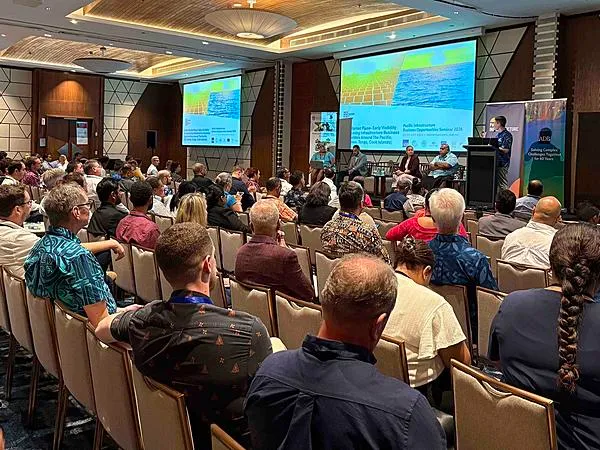
Contractors, consultants, financiers and development partners gathered in Fiji last month for the Pacific Infrastructure Business Opportunities Seminar, highlighting a growing pipeline of infrastructure projects across the region and opportunities for businesses to participate in their delivery.
The Pacific's expanding infrastructure programme was the focus of the Pacific Infrastructure Business Opportunities Seminar, or PIBOS, 2026, hosted by the Asian Development Bank, the World Bank and the Fiji government.
Held at the Crowne Plaza Fiji Nadi Bay Resort & Spa from May 25 to 27, the seminar brought together international, regional and local contractors, consultants, development financiers and government agencies interested in infrastructure projects across Pacific island countries.
The event forms part of ADB's engagement with the private sector and provides businesses with an opportunity to learn about upcoming infrastructure projects and procurement opportunities throughout the region.
According to ADB, the programme covered infrastructure development activities across the Pacific, with opportunities spanning transport, energy, water, telecommunications, climate resilience and other essential services. A pre-seminar masterclass also addressed procurement requirements, environmental and social safeguards, and project delivery expectations.
Discussions focused on forthcoming project opportunities, procurement pathways and practical considerations for businesses seeking to participate in development-funded infrastructure programmes.
The seminar underscored the scale of infrastructure investment being directed towards the Pacific by multilateral development banks, bilateral development partners and Pacific governments. Infrastructure development remains a priority for many island nations seeking to improve economic growth, resilience and regional connectivity.
Representatives from government agencies, development finance institutions and private sector organisations involved in infrastructure delivery attended the event.
A strong Australian and New Zealand business presence was evident, with members of the Australia Pacific Islands Business Council, Australia Fiji Business Council and Australia Papua New Guinea Business Council participating alongside representatives from engineering, construction, telecommunications, advisory and professional services firms.
Pacific-based businesses were also represented, using the seminar to gain a better understanding of upcoming project opportunities and connect with project owners, financiers and delivery partners.
ADB and its partners highlighted the importance of increasing local and regional private sector participation in infrastructure delivery. Discussions included initiatives aimed at improving access for Pacific small and medium-sized enterprises and strengthening local capacity to participate in development-funded projects.
With Pacific governments continuing to pursue major investments in transport, energy, telecommunications, water and climate-resilient infrastructure, the seminar provided businesses with insights into the region's evolving project pipeline and opportunities to establish relationships that may support future project delivery.
Air navigation service providers from across the Pacific have reaffirmed their commitment to improving aviation safety, cybersecurity and regional collaboration during a regional aviation forum hosted in Brisbane, Australia.
The 21st South-West Pacific Safety Forum (SWPSF21), organised by Airservices Australia and supported by the Australian government through the Australia-Pacific Partnerships for Aviation (P4A) programme, brought together representatives from Australia, New Zealand, Papua New Guinea, Fiji, Solomon Islands, Vanuatu, Nauru and New Caledonia.
Participants discussed key priorities affecting the region's aviation sector, including operational updates, safety data management systems and cyber resilience. Delegates also toured the Brisbane Air Traffic Service Centre, where they were briefed on advanced air traffic management systems and operational practices.
Airservices Australia said the forum provided an opportunity for Pacific aviation agencies to strengthen collaboration and exchange knowledge aimed at enhancing safety outcomes, improving service reliability and supporting more efficient air traffic services across the region.
The organisation said regional cooperation remains essential as Pacific nations work to align aviation standards and respond to emerging operational and technological challenges.
The meeting also marked the first participation of airline representatives in the South-West Pacific Safety Forum. Discussions included regional operations, coordination planning and cybersecurity issues affecting the aviation industry.
Airservices Australia said the event reflected ongoing efforts by Pacific partners to promote safer and more sustainable aviation through information-sharing, training and capacity-building initiatives.
The forum was delivered with support from the Australian government's Department of Foreign Affairs and Trade through the Australia-Pacific Partnerships for Aviation programme.
Under the P4A initiative, Australia works with Pacific partner countries to strengthen aviation capabilities and support the development of a safe, resilient and sustainable aviation sector across the region.
Airservices Australia thanked participating organisations and delegates for their contributions and said it looked forward to continuing collaboration with Pacific aviation stakeholders through future regional engagements.
A high-level European Union delegation has held talks with Solomon Islands' supervising minister for fisheries and marine resources, Franklyn Derek Wasi, on potential support for the proposed Bina Harbour Tuna Processing Plant Project in Malaita Province.
The discussions focused on the strategic importance of the project and opportunities for cooperation in advancing a key Solomon Islands government initiative aimed at expanding domestic tuna processing capacity and increasing the economic benefits derived from the country's fisheries resources.
The delegation included Maurizio Cian, European Union for the Pacific minister counsellor and head of cooperation; European Union Ambassador Barbara Plinkert; and Peteris Ustubs, director for Asia and the Pacific at the Directorate-General for International Partnerships.
According to the Ministry of Fisheries and Marine Resources, the European Union's interest in the project has grown since initial engagements last year. EU representatives previously visited the proposed Bina Harbour project site and Fiu to assess the project's scope and development potential.
The latest visit, led by Ustubs, signals continued European interest in exploring partnership opportunities and potential support for the project.
The ministry said it has also been engaging with the European Investment Bank, which has expressed interest in supporting major infrastructure developments in Solomon Islands. The Bina Harbour Tuna Processing Plant is among the projects being considered for potential financing support.
Wasi welcomed the delegation and acknowledged the European Union's continued engagement with the project.
The proposed Bina Harbour Tuna Processing Plant is intended to become Solomon Islands' second tuna processing facility and forms part of broader efforts to increase domestic value addition in the country's fisheries sector.
Government figures show that approximately 100,000 metric tonnes of tuna are harvested annually within Solomon Islands waters. However, only around 30,000 metric tonnes are processed domestically, while the remaining 70,000 metric tonnes are exported as whole fish.
The government believes increasing local processing capacity would create employment opportunities, stimulate economic activity and enable Solomon Islands to capture a greater share of the value generated from its tuna resources.
To support this objective, the Ministry of Fisheries and Marine Resources has been tasked with advancing onshore tuna processing infrastructure. Through the Bina Harbour Project Office, the ministry has undertaken preparatory work since 2015, including land arrangements, infrastructure planning, environmental management, community engagement and investment promotion.
The Bina Regional Arrangements for Governance continues to oversee work related to land access, community relations and environmental matters, while the project's Planning and Design Unit is responsible for land and marine infrastructure planning and investment development.
The European Union delegation is also expected to meet Deputy Prime Minister Francis Sade, Finance and Treasury Minister Gordon Darcy Lilo, Mines, Energy and Rural Electrification Minister Derrick Manuari, and Provincial Government and Institutional Strengthening Minister Lazarus Rina during its visit.
The Bina Harbour Tuna Processing Plant is regarded by the Solomon Islands government as a strategic investment designed to support sustainable economic development and long-term growth in the fisheries sector.
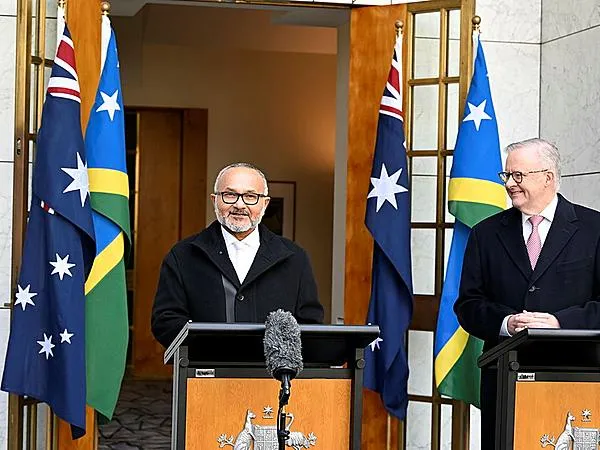
Solomon Islands Prime Minister Mathew Wale and Australian Prime Minister Anthony Albanese have announced plans to negotiate a comprehensive treaty aimed at strengthening bilateral ties and setting a long-term framework for cooperation between the two countries.
The announcement was made during a joint press conference in Canberra, where the leaders reaffirmed their commitment to deepen relations based on mutual trust, respect and open dialogue.
Under the agreement, the two governments will begin negotiations on a treaty designed to capture their shared ambitions and long-term vision for the Solomon Islands–Australia relationship. Foreign ministers, working in consultation with relevant government portfolios, have been tasked with leading the negotiations and progressing the treaty as quickly as possible.
The treaty initiative was accompanied by a package of measures supporting Solomon Islands' development priorities in areas including budget support, education, migration and policing.
Australia will provide SBD$200 million (AUD$35 million) in budget support to assist Solomon Islands in responding to the impacts of Tropical Cyclone Maila and addressing challenges arising from global energy price shocks.
In education, Australia will double the number of training and vocational scholarships available to Solomon Islanders to 1,500 by 2027. Australia also pledged to work with partners in support of the Solomon Islands government's objective of achieving free education.
The two countries also agreed to expand migration opportunities, with the number of Pacific Engagement Visas allocated to Solomon Islands increasing to 300 in the next programme year.
Security cooperation remains a central pillar of the relationship, with both governments welcoming continued collaboration to strengthen the Royal Solomon Islands Police Force. This includes plans to complete a new police academy in Honiara by 2028 and continue cooperation through the next phase of the RSIPF–Australia Policing Partnership Programme.
The announcements mark one of the first major foreign policy initiatives under Prime Minister Wale's administration and signal a renewed focus on strengthening ties with Australia, Solomon Islands' largest development partner.
Prime Ministers Albanese and Wale said they were optimistic that the expanded cooperation would deliver long-term benefits for both countries and further strengthen the enduring partnership between Solomon Islands and Australia.
K92 Mining has reported encouraging results from its maiden greenfields exploration program at the Wera prospect in Papua New Guinea, where work has defined a large low-sulphidation epithermal gold system approximately 10 kilometres southwest of the company's Kora and Judd deposits.
The company said the Wera system, first announced in September 2025, extends over an area measuring approximately 3.5 kilometres by 3.5 kilometres and lies within the same major north-north-east regional mineralised structural corridor that hosts the Kora, Judd and Arakompa deposits.
According to K92, the system remains open along strike in both directions, highlighting its potential for further expansion through ongoing exploration.
The prospect was identified through a combination of MobileMT airborne geophysical survey data and a review of historical exploration information.
Exploration activities at Wera commenced in July 2024, initially focusing on rock chip sampling and trenching programs. The company has since advanced the project to the drilling stage, with drilling currently underway.
Rock chip sampling has returned a number of high-grade gold results, including assays of 26.30 grams per tonne (g/t) gold, 25.06 g/t gold, 23.97 g/t gold, 22.06 g/t gold, 19.69 g/t gold, 19.23 g/t gold, 18.40 g/t gold, 18.03 g/t gold, 16.05 g/t gold and 13.83 g/t gold.
The Wera prospect forms part of K92's broader exploration strategy within the Kainantu district, one of Papua New Guinea's most prospective gold-copper regions.
The update comes as K92 continues to expand its operations at the Kainantu Gold Mine in Eastern Highlands Province. In its recently released 2025 Sustainability Report, the company highlighted the successful commissioning of its new 1.2-million-tonnes-per-annum Stage 3 expansion processing plant during what it described as a landmark year for the business.
K92 said it invested US$18 million in exploration activities in Papua New Guinea during 2025 and plans to increase exploration spending to between US$31 million and US$35 million in 2026. The company said the planned investment is intended to support continued growth across its exploration portfolio.
The miner also reported employing approximately 2,150 employees and permanent contractors in Papua New Guinea at the end of 2025, with total workforce numbers, including temporary contractors and casual workers, reaching about 3,100. Papua New Guinean nationals accounted for approximately 91% of the operational workforce.
K92 said it spent US$161.8 million on procurement from Papua New Guinea companies during 2025, representing 52% of its total annual procurement expenditure, while taxes and royalties paid or accrued in the country reached US$139.2 million.
The company also invested US$33.1 million in local joint ventures and reported ongoing progress on its first Infrastructure Tax Credit Scheme project, with the Konkua-Bilimoia road upgrade reaching 35% physical completion by the end of the year.
At its Kainantu operations, K92 reported zero reportable environmental incidents during 2025 and said it continued work on hydropower improvements and solar farm engineering studies aimed at reducing greenhouse gas emissions.
The company said exploration drilling at Wera will continue as it seeks to further define the scale and continuity of mineralisation within the newly identified gold system.
K92 operates the Kainantu Gold Mine and is engaged in the production of gold, copper and silver, as well as the exploration and development of mineral deposits in the immediate vicinity of the mine, including the Blue Lake copper-gold porphyry project.
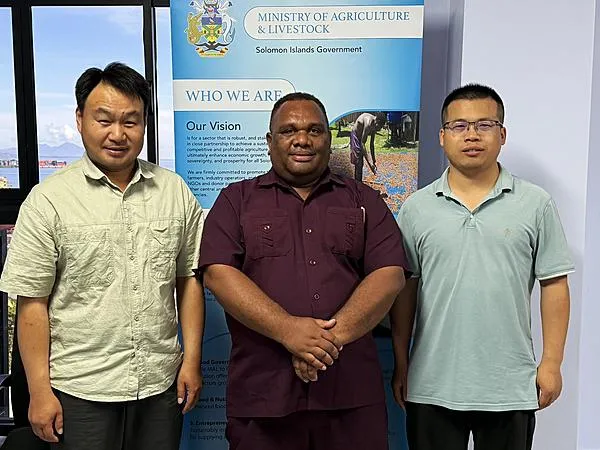
Rice experts from the Jiangsu Academy of Agricultural Sciences (JAAS) have commenced a two-month technical mission in Solomon Islands, meeting today with officials from the Ministry of Agriculture and Livestock Development (MALD) to discuss ongoing efforts to strengthen the country's rice industry and advance plans for large-scale commercial rice production.
The JAAS delegation arrived in the country early June and will work closely with MALD to provide technical expertise and support for rice development initiatives aimed at enhancing national food security and reducing reliance on imported rice.
Minister for Agriculture and Livestock Development, Hon. Franklyn Derek Wasi in meeting the team expressed his appreciation to the visiting JAAS rice experts and reaffirmed the strong commitment of the Government to the ongoing technical partnership between MALD and JAAS.
Minister Wasi said the Government fully supports the collaboration, particularly efforts aimed at establishing fully mechanized commercial rice farming in Solomon Islands.
“The Government is fully committed to supporting this important partnership between MALD and JAAS, especially in the development of fully mechanized commercial rice farming in Solomon Islands.
Rice is now the most widely consumed carbohydrate food in Solomon Islands, and given the substantial volume of rice imported annually, the Government is keen to develop a vibrant commercial rice industry. Your presence here and the technical expertise you bring are therefore greatly appreciated,” Minister Wasi said.
Meanwhile MALD Permanent Secretary Dr. Samson Viulu outlined the ministry's expectations for the mission.
He said the partnership presents a significant opportunity to strengthen national food security, reduce dependence on imported rice, and create new economic opportunities for farmers and rural communities.
“Rice is a staple food for our people, and Solomon Islands imports large quantities of rice every year. Recent experiences, including supply challenges following the distribution of emergency food assistance to cyclone-affected provinces, have highlighted the importance of increasing domestic rice production,” Dr. Viulu said.
He informed the delegation that MALD is planning a major rice development program in Malaita Province, with a target of establishing 500 hectares of rice production beginning this year.
“As part of this initiative, we will be conducting assessments of potential rice-growing areas, including soil sampling, vegetation surveys, water salinity testing, land layout mapping, and identification of water sources. The expertise and guidance of JAAS will be critical as we move forward with this ambitious undertaking,” he said.
As part of the Ministry's commitment to developing a sustainable rice industry in Solomon Islands, nine agricultural interns have been recruited and commenced work at the Dodo Creek Rice Trial Centre.
The interns began their placement today and will receive practical, hands-on training in rice production, farm management, crop monitoring, and the operation of rice farming equipment under the guidance of MALD officers and technical experts.
The internship program is designed to build local capacity and develop a new generation of agricultural professionals equipped with the knowledge and skills required to support the country's growing rice sector.
Meanwhile the JAAS experts assured the ministry of their commitment to supporting Solomon Islands in achieving its rice production objectives and strengthening technical capacity in rice cultivation and farm mechanization.
The visit is part of the ongoing cooperation framework established through a Memorandum of Understanding (MOU) signed between MALD and JAAS on 22 July 2024 at the Chinese Embassy in Honiara.
The partnership focuses on the development of fully mechanized commercial rice farming in Solomon Islands while also supporting research and development in other strategic agricultural commodities, including maize, fruit trees, nut crops, and vegetables.
The current mission also builds on the successful rice demonstration and trial activities undertaken by MALD and JAAS at Dodo Creek during the past year.
The Dodo Creek rice trial project served as an important pilot initiative to evaluate the suitability of rice varieties and production technologies under local conditions. The trial enabled ministry officers and farmers to gain practical experience in rice cultivation techniques, field management practices, and the operation of specialized rice farming equipment provided through the cooperation arrangement.
Findings and lessons learned from the Dodo Creek trials have contributed valuable information to MALD's plans for scaling up rice production and identifying suitable locations for future commercial development.
This year, planting trials on fertilizer usage, irrigation techniques, different types of planting methods and seed bulking continues. Last year, MALD together with the JAAS expert team have successfully produced more than 9 metric tonnes per hectare of rice, which is above the world average rice yield.
The rice expert visit is co-funded by JAAS and MALD under its development budget activities for 2026.
Nationwide Ticketing Access Expanded Through Post PNG’s Trusted Branch Network | PNG Air Ranks 3rd in Regional On-Time Performance | Phasing Out of the Dash 8 and New ATR Fleet Era Begins
PNG Air, Papua New Guinea’s People’s Choice Airline, today officially relaunched its partnership with Post PNG, expanding access to airline ticketing services through Post PNG’s trusted nationwide branch network. The event, held at the Post PNG Brian Bell Plaza outlet in Gordons, brought together two of Papua New Guinea’s most recognised state-linked institutions in a shared commitment to serving the people of this nation.
For PNG Air, the People’s Choice Airline, this partnership is not just a business arrangement. It is a promise kept — a promise to keep Papua New Guineans connected to opportunity, essential services and one another, no matter where they are in this great nation.
THE PEOPLE’S CHOICE, CONNECTING OUR PEOPLE
As Papua New Guinea’s People’s Choice Airline, PNG Air has always believed that air travel should be accessible to all Papua New Guineans, not just those in major centres. Today’s relaunch of the PNG Air and Post PNG partnership turns that belief into action, making it easier for people across the country to purchase tickets from trusted, familiar Post PNG locations close to where they live, work and travel.
The first phase of the rollout begins in Port Moresby, with PNG Air ticketing now available at the following Post PNG locations:
• Post PNG Head Office – Konedobu • Eliseo Shopping Centre – Rainbow • University of Papua New Guinea Campus • Tabari Place – Boroko • Waterfront Shopping Centre – Konedobu • Eliseo Shopping Centre – 9 Mile • Brian Bell Plaza – Gordons
Over the coming weeks, the rollout will expand nationwide across Highlands, Momase, New Guinea Islands and Southern Region Post PNG locations, bringing the People’s Choice closer to the people in every region of Papua New Guinea.
Post PNG Chief Executive Officer Justin Worinu said the partnership reflects Post PNG’s responsibility as a state entity to serve all Papua New Guineans.
“As a state entity, it is our responsibility to ensure we continue to create important partnerships and bring access closer to our people. Providing services to our people is what our business focuses on, and with this PNG Air partnership we are excited to grow from strength to strength," Worinu said.
PNG Air Chief Executive Officer Brian Fraser said the People’s Choice Airline is proud to make travel more accessible for every Papua New Guinean.
“At PNG Air, everything we do starts with our people. As the People’s Choice Airline, our focus is not just on getting passengers from one destination to another. It is about making travel easier, more accessible and more convenient for the people of Papua New Guinea. By working together with Post PNG, we are bringing that promise to life through a network that communities already know and trust," Fraser said.
PEOPLE’S CHOICE: BUILT ON RELIABILITY, SAFETY AND CONNECTION
The People’s Choice title is one PNG Air earns every day. The airline currently ranks 3rd among Oceania’s major airlines for on-time performance, alongside carriers such as Qantas, Virgin Australia and Singapore Airlines, reflecting its unwavering commitment to the three pillars that define PNG Air: reliability, safety and keeping our people connected.
For PNG Air, being the People’s Choice is about more than a name. It is a daily commitment to every passenger who boards a PNG Air flight, to every community the airline serves and to every Papua New Guinean who relies on dependable air services to access healthcare, business, education and family.
GROWING FOR THE PEOPLE: NEW FLEET, NEW CHAPTER
PNG Air is in an exciting period of expansion. New aircraft are arriving, routes are growing and services are deepening, all in service of the People’s Choice promise to keep Papua New Guineans connected.
Most recently, Mangi Kutubu completed its maiden flight, adding to a growing modern fleet that reflects the confidence being placed in PNG Air and in Papua New Guinea’s aviation future.
With this growth also comes a farewell. In the coming weeks, the People’s Choice Airline will begin phasing out the beloved Dash 8, an aircraft that has faithfully connected Papua New Guineans for decades. It has earned its place in the nation’s aviation story, and PNG Air bids it a fond and grateful goodbye.
Its retirement makes way for a modern fleet built to meet the standards and expectations of today’s passengers and those of tomorrow.
Looking ahead, PNG Air remains committed to strengthening connectivity across the country through strategic partnerships, continued investment and a growing fleet designed to serve Papua New Guineans well into the future.
“We are proud to be the People’s Choice. Aviation plays a vital role in connecting communities, supporting business, improving access to services and creating opportunities for growth. Through partnerships like this one with Post PNG, and through our continued investment in our fleet and network, we can keep delivering meaningful outcomes for the people of Papua New Guinea. This is who we are. This is what we do," Fraser said.
Kalo Gold Corp. has updated its geological and structural interpretation of the Vatu Aurum Project in Fiji, identifying a series of structural controls that the company believes could help guide future gold exploration across the property.
The revised model follows the integration of LiDAR topography, surface mapping, a 2026 lineation survey, a recently completed high-resolution airborne magnetic survey and historical geophysical datasets at the 367-square-kilometre project on Vanua Levu.
The company said the updated interpretation suggests Vatu Aurum should be viewed as a single, multi-phase volcanic complex that has undergone multiple episodes of structural reactivation, rather than as a collection of separate exploration prospects.
According to Kalo, the revised model incorporates early intrusive and diatreme activity, regional extension, oblique faulting and later hydrothermal processes that together may have influenced the distribution of gold mineralisation across the project area.
A key feature of the interpretation is the identification of an east-west structural corridor known as the West-East Transfer Zone, or WETZ, which the company believes may have acted as a major pathway for hydrothermal fluids. The corridor is expressed as a continuous magnetic low and is interpreted to connect fault systems across the project area.
Kalo also reinterpreted the Nubu Graben as a segmented and locally offset structure rather than a single continuous feature. The company said this creates relay zones and structural step-overs that may provide favourable conditions for gold mineralisation.
In addition, the company identified a network of north-west to south-east trending oblique faults that it considers the dominant structural controls on gold mineralisation based on current geological interpretation. The fault network aligns with mapped gold-in-soil anomalies and recent trenching results, according to the company.
Kalo said exploration efforts will now focus on areas where the north-west to south-east fault network intersects the WETZ and the Nubu Graben, particularly near interpreted caldera-related volcanic features.
The company also highlighted the Wainikoro target, where a magnetic low coincides with arsenic and gold soil anomalies within structures linked to the WETZ.
President and Chief Executive Officer Terry Tucker said the reinterpretation represented an important shift in the company's understanding of the project.
"The most important interpretive shift in this update is the recognition that Vatu Aurum behaves as a single, multi-phase, structurally reactivated volcanic complex rather than as a series of separate prospects," Tucker said.
He said the updated framework, combined with ongoing trenching, mapping and soil sampling programmes, would help prioritise the next phase of exploration and target generation.
The company recently completed a 6,212-line-kilometre airborne magnetic survey flown at 100-metre spacing, with infill surveys at 50-metre spacing over priority target areas. Kalo said the final processed data are expected to improve the definition of fault systems, structural intersections and prospective exploration zones.
The Vatu Aurum Project comprises Special Prospecting Licences 1511 and 1464 and is focused on low-sulphidation epithermal gold systems in a volcanic back-arc setting on Vanua Levu.
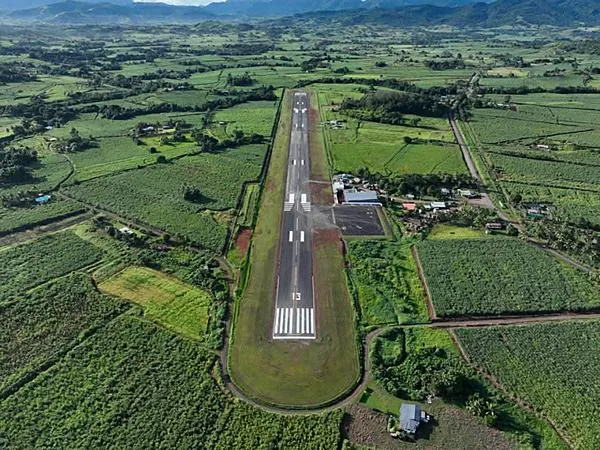
Labasa Airport is set to become the first airport in the Pacific to host a Remote Tower Aerodrome Flight Information Service (AFIS), a development expected to enhance aviation safety, reliability and connectivity for Fiji’s Northern Division.
The system will use high-definition cameras and advanced communications technology installed at Labasa Airport to transmit real-time flight information to the Nadi Operations Centre, enabling the remote provision of aerodrome flight information services for aircraft operating to and from the airport.
The project is being delivered under the Government of Fiji’s Na Vualiku Project, a World Bank-financed initiative aimed at improving connectivity and supporting economic development across Vanua Levu and Taveuni.
Deputy Prime Minister and Minister for Tourism and Civil Aviation Viliame Gavoka said the investment demonstrates the government’s commitment to modernising aviation infrastructure and strengthening tourism-enabling facilities in the north.
“For residents and passengers, this means the airport is being equipped with modern technology to support safer, more reliable and better-coordinated aviation services for the North,” Gavoka said.
“Aviation connectivity is critical for Vanua Levu’s future. Through the Na Vualiku Project, the Government is investing in practical, long-term improvements that strengthen access, safety, reliability and confidence in the North as a sustainable tourism destination.”
The remote tower AFIS system will be supplied by Adacel Technologies Limited under a contract awarded by Fiji Airports. The installation will comprise a Remote Tower Module at Labasa Airport and a Remote Tower Centre at the Nadi Operations Centre.
Officials said the technology will enhance operational oversight and coordination while providing a modern platform for managing air traffic information services in Labasa.
The initiative forms part of a broader package of aviation infrastructure investments being undertaken through the Na Vualiku Project. These investments are intended to improve regional connectivity, strengthen operational resilience and support the long-term growth of tourism and economic activity in Vanua Levu and Taveuni.
The project is also expected to benefit local communities and businesses by improving access to air transport services, supporting tourism operators and facilitating more reliable travel connections between Fiji’s northern islands and the rest of the country.
Once operational, the remote tower system will establish Labasa Airport as a regional pioneer in aviation technology, making it the first airport in the Pacific to deploy a Remote Tower Aerodrome Flight Information Service.
The Fijian government has imposed a nationwide four-month seasonal ban on the fishing and trade of Kawakawa (grouper) and Donu (coral trout) as part of efforts to protect fish stocks during their peak breeding season.
The ban took effect on June 1 and will remain in force until Sept. 30, covering all species of Kawakawa and Donu throughout Fiji.
Under the restrictions, the fishing, sale, transport, possession, purchase, export and distribution of the two fish species are prohibited nationwide.
According to Fiji's Ministry of Fisheries, the annual measure is designed to allow the species to reproduce during their spawning season, helping maintain healthy fish populations and supporting the long-term sustainability of the country's fisheries sector.
Fishers and seafood vendors holding stocks caught before the ban were permitted to sell them only until 11 p.m. on May 31.
Any remaining stock must be frozen, properly labeled with the fisher's or vendor's name and the date received, and stored for the duration of the ban. The ministry also requires existing inventories to be reported in writing to the nearest fisheries office by June 1 and made available for inspection.
The seasonal closure forms part of Fiji's broader fisheries management strategy aimed at safeguarding marine resources and ensuring sustainable harvest levels for future generations.
The Ministry of Fisheries has called on fishers, seafood vendors, exporters and the public to support the initiative, noting that compliance is essential to protecting the country's marine ecosystems and fisheries-dependent livelihoods.
Failure to comply with the ban constitutes an offence under Fiji's fisheries regulations and may result in enforcement action by authorities.
The restrictions are expected to affect segments of Fiji's domestic seafood trade and export market during the four-month period, while contributing to the replenishment of key commercial reef fish stocks.
New Caledonia has signed the third tranche of a French state-guaranteed loan as part of a broader economic and social restructuring package aimed at restoring public finances and supporting essential services.
The agreement was signed on May 29 by French High Commissioner Jacques Billant and New Caledonia government member in charge of the economy and budget Christopher Gygès, in the presence of Thomas de Gubernatis, director of the French Development Agency.
The loan forms part of an economic and social restructuring pact launched in February 2026 by the French government. The program provides exceptional state support of nearly 240 billion CFP francs ($2 billion euros) over five years to help revive the economy, improve opportunities for young people and restore public finances in exchange for structural reforms.
Under the arrangement, the French state is guaranteeing a loan of more than 44 billion CFP francs (370 million euros) provided by the French Development Agency to New Caledonia.
The funds will support the territory's social security system, including health insurance and pension payments, as well as the electricity sector and public services delivered by provincial and municipal authorities.
Gygès said the financing would ensure pension payments continue through the end of the year.
"Without this sum, thousands of pensioners would not have been paid," he said, adding that New Caledonia is due to receive two installments of 10.7 billion CFP francs in the coming months.
According to Gygès, while most of the 44 billion CFP francs will be directed toward pensions, the compulsory health insurance scheme (RUAMM) and the electricity system, part of the funding will also support local governments and investment projects intended to contribute to the territory's economic recovery.
Follow on LinkedIn:
Pacific Business Review
Be the "First" to get our exclusive Digital Magazine & Weekly Newsletter.