





May 15, 2026

The Pacific Tourism Organisation is advancing plans for a regional gender inclusion framework after the Pacific Private Sector Development Initiative presented a draft Gender and Inclusive Tourism Action Plan 2026–2030 during the organisation’s board meeting in Fiji.

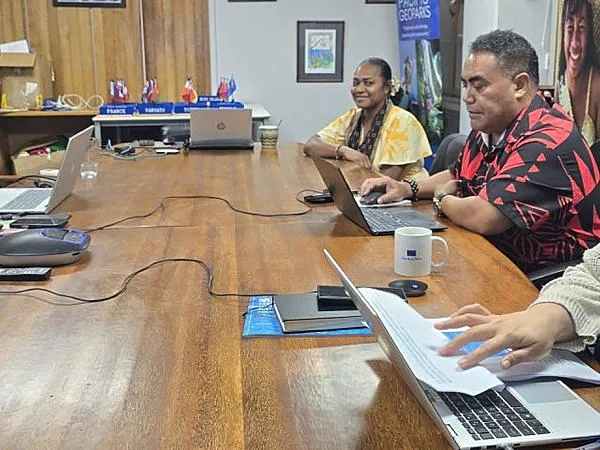
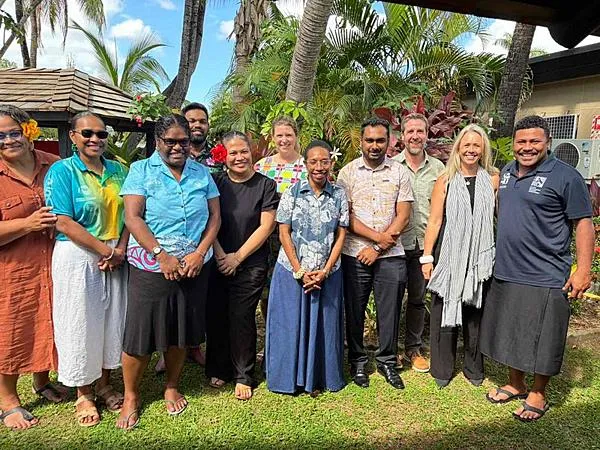
The draft plan was presented by the Pacific Private Sector Development Initiative during a dedicated session at the SPTO board meeting in Nadi on 6 May.

During the session, National Tourism Organisations across the Pacific committed to identifying country-specific priority actions, pathways for private sector participation and practical implementation tools needed to operationalise the strategy.

The proposed Gender and Inclusive Tourism Action Plan, or GITAP, was developed following gender audits conducted by PSDI across nine tourism organisations in seven Pacific countries during the 2025 financial year.

According to the audits, many tourism organisations operate within broader national gender equality frameworks, but gender mainstreaming remains weakly integrated into tourism policies and programmes. The findings also highlighted limited formal gender action mechanisms and insufficient dedicated funding and resources.

The draft plan seeks to address these gaps through four priority areas: data and advocacy; inclusive tourism policy and planning; women’s economic empowerment; and institutional commitments.

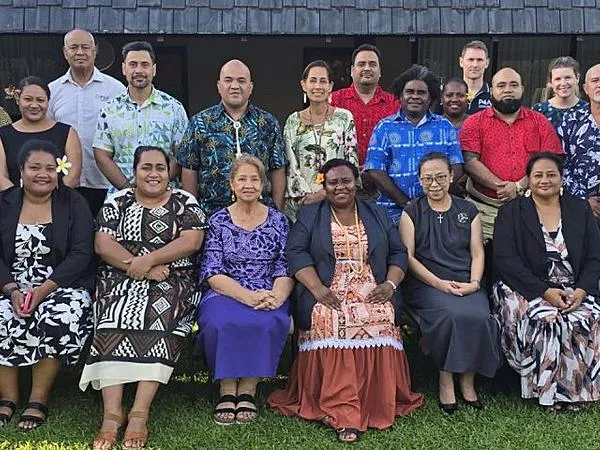
Representatives attending the workshop included tourism officials and chief executives from American Samoa, Cook Islands, Fiji, French Polynesia, Kiribati, New Caledonia, Niue, Republic of the Marshall Islands, Solomon Islands, Tonga, Tuvalu and Vanuatu.

The meeting followed an earlier webinar held on 28 April where National Tourism Organisations were briefed on the draft plan and findings from the regional gender audits.

PSDI also held a separate planning session with SPTO staff to establish implementation responsibilities, timelines and the scope of a forthcoming Gender and Inclusive Tourism Toolkit intended to support member countries.

Christina Gale, SPTO’s sustainable tourism manager, said the discussions focused on identifying practical and realistic measures for implementation.

“The discussions helped identify practical steps SPTO can take to support members and strengthen implementation,” Gale said.

The action plan aims to shift Pacific tourism organisations away from isolated gender initiatives toward a coordinated regional framework that recognises the role of women, people with disabilities and under-represented groups in driving sustainable tourism growth.

PSDI said it would submit the final GITAP to SPTO in June 2026, after which responsibility for implementation will transition to SPTO under its Pacific Sustainable Tourism Policy Framework.

May 15, 2026

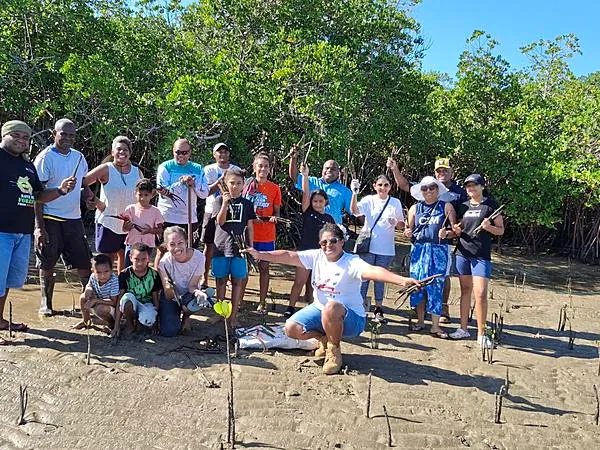
Fiji Airports has received the 2026 Green Airports Recognition Platinum Award for its Wailoaloa Mangrove Restoration Project at Nadi International Airport, highlighting growing regional focus on climate adaptation and environmental resilience in the aviation sector.

The award was presented during the Airports Council International Asia-Pacific and Middle East Regional Assembly, Conference and Exhibition in Bangkok, Thailand. Mesake Nawari accepted the award on behalf of the organisation.

The Green Airports Recognition programme, organised by Airports Council International Asia-Pacific and Middle East, recognises airports implementing climate change adaptation initiatives across the Asia-Pacific and Middle East regions. The 2026 awards attracted 33 submissions and marked the programme’s 10th edition.

Nadi International Airport received the Platinum Award in the category for airports handling fewer than five million passengers annually. Other winners included airports in Hong Kong, New Zealand, Australia, India and Saudi Arabia.

According to Fiji Airports, the Wailoaloa Mangrove Restoration Project was launched to help protect coastlines surrounding the airport while supporting biodiversity, environmental sustainability and climate resilience.

The initiative brought together Fiji Airports staff, families, volunteers, community members and partner organisations in mang

rove planting activities around Wailoaloa.

Nawari said the project demonstrated how community-led environmental initiatives could contribute to long-term coastal protection and climate adaptation efforts.

The award comes as airports across the Asia-Pacific region increasingly invest in infrastructure and environmental measures designed to address climate risks including flooding, storm surges, extreme weather and water scarcity.

May 15, 2026

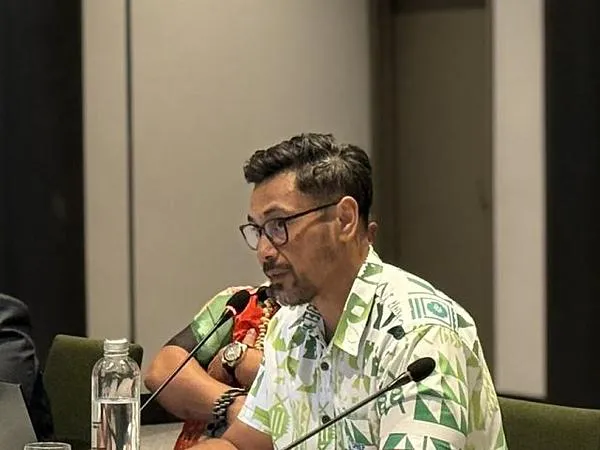
The Pacific Tourism Organisation has intensified engagement in regional institutional reform discussions, with its board emphasising the importance of maintaining a dedicated regional mechanism for tourism governance in the Pacific.

During a board meeting held last week in Nadi, Fiji, directors received an update on the ongoing Review of the Regional Architecture process from Esala Nayasi, deputy secretary-general of the Pacific Islands Forum Secretariat.

The review is examining institutional arrangements across the Pacific region and includes consultations with governments, stakeholders and industry groups.

Board members also reviewed findings from the organisation’s industry survey and stakeholder engagement process, which highlighted strong support for retaining a stand-alone regional tourism mechanism to coordinate advocacy, policy engagement and sector development across Pacific economies.

The board approved the release of a new industry advocacy video and survey findings to stakeholders as part of SPTO’s contribution to broader regional discussions on the future governance structure for tourism.

According to SPTO, the campaign underscores tourism’s importance as one of the Pacific’s major economic sectors and argues for continued specialised regional coordination and technical support.

The organisation noted that tourism across the Pacific is heavily driven by the private sector, with industry representation embedded within SPTO’s governance structure through its Council of Tourism Membership and Board of Directors.

SPTO also highlighted tourism’s economic significance alongside sectors such as fisheries, which already benefit from dedicated regional institutional arrangements.

The board said specialised mechanisms are needed to effectively address the priorities and economic contributions of both sectors.

Tourism remains a major contributor to Pacific economies, supporting employment, business activity, government revenue and community development throughout the region.

SPTO said regional coordination remains particularly important in areas including sustainability, climate resilience, connectivity, investment and post-pandemic tourism recovery.

May 15, 2026

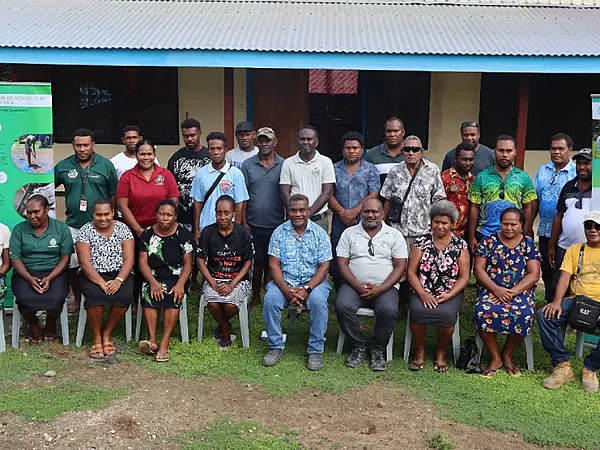
The Ministry of Agriculture and Livestock Development has completed a two-day animal health outreach program in Leitongo Village in Central Province, delivering veterinary services and livestock training aimed at strengthening rural livelihoods and food security.

The outreach covered the three communities of Leitongo 1, Leitongo 2 and Leitongo 3, where households rely heavily on poultry farming, piggery activities and fisheries for income and subsistence.

The program was led by livestock veterinary consultant Rodney Starr together with Donald Narakana and Robert Palmer.

Activities included practical demonstrations on pig castration, treatment of mange infections and administration of veterinary medicines, alongside training on animal husbandry and livestock management practices.

Officials said community participation was strong, with youths and students actively taking part in the sessions, reflecting growing local interest in livestock production and diversification of rural income sources.

Despite logistical challenges including muddy terrain, limited sanitation facilities and attendance delays, the outreach program was completed ahead of schedule.

Mary Talo, a representative from Leitongo 2, said the visit was the first major livestock support initiative received by the community in many years.

“Most of us depend on pigs and chickens for food and income, but we have not had regular veterinary services. This program gave us new knowledge and hope to improve our farming,” she said.

Starr said the outreach formed part of MALD’s broader strategy to strengthen food security and expand agricultural opportunities in remote communities across Solomon Islands.

“By bringing veterinary services and training directly to remote island communities, we are helping households expand beyond fisheries and unlock new opportunities in livestock production,” he said.

According to the ministry, the program helped improve community awareness of animal health and husbandry practices while renewing interest in livestock farming as an alternative and supplementary livelihood activity.

MALD said it plans to continue similar outreach initiatives nationwide as part of efforts to improve access to veterinary services, strengthen household resilience and support the country’s agricultural diversification strategy.

May 15, 2026

The Malaita Provincial Government has reaffirmed its commitment to strengthening agrifood systems through closer collaboration between government, farmers, businesses and community groups during a provincial consultation workshop held in Auki.

The workshop, organised under the theme “Strengthening Provincial Partnerships for Sustainable and Inclusive Agrifood Systems,” was convened through the Ministry of Agriculture and Livestock Development’s STODAS Project at the SSEC Sikitae Hall.

Opening the consultation, Malaita Provincial Secretary Eric George said agriculture remains central to food security, livelihoods and inclusive economic growth in Solomon Islands’ most populous province.

George said stronger agrifood systems would require coordinated action involving government agencies, the private sector, farmers, civil society organisations, women and youth groups.

“This consultation is about creating practical, locally grounded solutions that respond to the real priorities of our farmers, private sector actors, women, and youth,” he said.

A major focus of the workshop is the establishment of Provincial Food Councils, which are expected to serve as formal coordination and decision-making platforms across the agrifood sector.

Officials said the councils would help improve governance, strengthen inter-sectoral collaboration and ensure provincial agrifood policies better reflect local priorities and challenges.

Participants are also examining opportunities to develop agrifood public-private partnerships aimed at improving market access, encouraging investment, supporting value chain development and expanding sustainable economic opportunities across Malaita Province.

The consultation also emphasised gender and youth inclusion, with organisers highlighting the importance of involving women and younger people in long-term agricultural innovation and productivity initiatives.

Expected outcomes from the workshop include validated Provincial Food Council structures, clearer stakeholder responsibilities, identification of key agrifood priorities and a preliminary pipeline of public-private partnership opportunities.

The initiative is being supported through the STODAS Project in partnership with the Ministry of Agriculture and Livestock Development. Funding is provided by the European Union and implementation is being carried out by Food and Agriculture Organization of the United Nations.

May 15, 2026

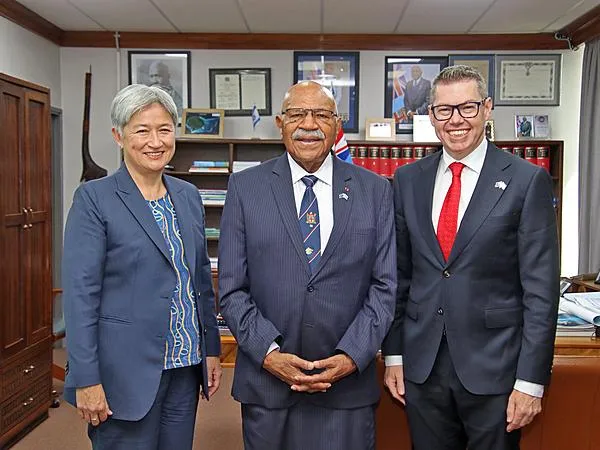
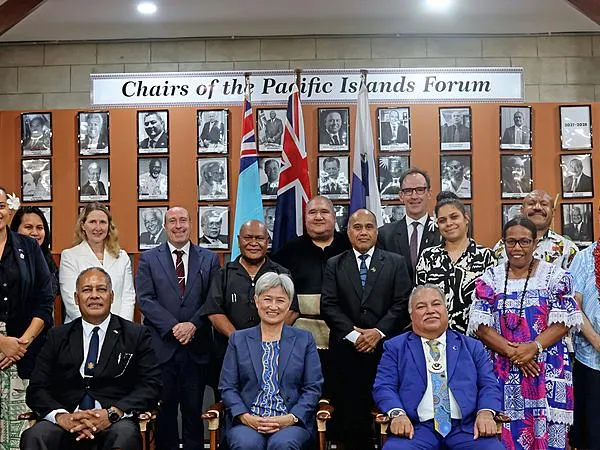
The treaty establishing the Pacific Resilience Facility officially entered into force on 6 May after Australia and Fiji jointly presented instruments of ratification in Suva, marking a major milestone for regional climate resilience and adaptation financing in the Pacific.

The instruments were deposited with Pacific Islands Forum Secretary-General Baron Divavesi Waqa by Australian Foreign Minister Penny Wong and Fiji’s Minister for Foreign Affairs and External Trade Sakiasi Ditoka.

Waqa described the treaty’s entry into force as a “defining milestone” for the Blue Pacific region, highlighting the facility’s role in supporting climate adaptation, energy security and clean energy transition projects at the community level.

The Pacific Resilience Facility was endorsed by Forum leaders in 2023 during their meeting in the Cook Islands under a declaration establishing the mechanism. Leaders later agreed in 2024 to designate Tonga as host country for the facility.

The treaty entered into force eight months after being signed by 15 Forum leaders during the 2025 leaders’ meeting in Solomon Islands, reflecting what regional officials described as strong political commitment toward climate resilience financing.

The facility aims to provide regionally led financing support for Pacific communities facing climate-related vulnerabilities and disasters.

Regional governments have so far secured pledges amounting to US$172 million toward an initial capitalisation target of US$500 million by December 2026. The longer-term target is US$1.5 billion to support resilience initiatives aligned with limiting global warming to 1.5 degrees Celsius.

The treaty’s commencement comes ahead of planned COP31 pre-COP climate events to be hosted later this year by Fiji and Tuvalu, while Australia is expected to lead negotiations as COP31 president.

The treaty’s entry into force also triggers the inaugural meeting of the PRF Council, scheduled to take place after the Forum Economic Ministers Meeting in June 2026 in the Republic of the Marshall Islands.

In addition to Australia and Fiji, the treaty has also been ratified by Tonga, Nauru, the Republic of the Marshall Islands, Solomon Islands, Tuvalu, Cook Islands and New Zealand.

May 15, 2026

Matthew Cooper Wale has been elected Prime Minister of Solomon Islands after securing majority support in a parliamentary vote held on Friday following the removal of the previous government through a motion of no confidence.

Wale, Member of Parliament for Aoke/Langalanga Constituency and former opposition leader, defeated Peter Shanel Agovaka by 26 votes to 22 in a secret ballot conducted at Parliament House.

Of the 50 members of parliament, 49 ballots were cast, with one member absent and one ballot declared spoilt.

The result was formally declared by Sir David Tiva Kapu, Governor-General of Solomon Islands, following recent political developments that culminated in the successful motion of no confidence that vacated the office of prime minister.

Wale’s election marks a significant political shift in Solomon Islands, where he has emerged over recent years as one of the country’s most prominent advocates for governance reform, accountability and anti-corruption measures.

Born on 13 June 1968, Wale has represented Aoke/Langalanga Constituency since first entering parliament in a 2008 by-election following the death of former prime minister Bartholomew Ulufa'alu.

He later served as education minister under former prime minister Derek Sikua, where he championed free basic education, expansion of tertiary education opportunities and the establishment of a national university.

Following the 2019 national election, Wale became opposition leader and was widely recognised for pushing governance reforms and transparency measures.

During the civil unrest in Solomon Islands in 2021, Wale publicly called for the resignation of then prime minister Manasseh Sogavare and filed a motion of no confidence against the government, although the motion was defeated at the time.

He again contested the prime ministership after the 2024 national election but lost to Jeremiah Manele, who secured 31 votes against Wale’s 18.

In 2025, Wale was appointed Commander of the Order of the British Empire in recognition of his political and public service.

Before entering politics, Wale was involved in civil society advocacy, peacebuilding initiatives during the ethnic tensions period and governance policy work in Solomon Islands.

Consultations on the formation of a new government and cabinet appointments are expected to continue in the coming days.

May 13, 2026

Lion One Metals has appointed underground mining executive Eric Setchell as director of operations as the company advances operational improvements at the Tuvatu gold mine in Fiji, including higher development rates and expanded mining areas underground.

The company said Setchell previously served as Lion One’s director of operations from January to December 2025, during which time Tuvatu recorded steady improvements in gold production and mine development, culminating in record quarterly gold output in the December 2025 quarter.

Lion One Chairman and Chief Executive Officer Walter Berukoff said Setchell’s return comes as the company continues ramp-up activities at Tuvatu and focuses on increasing operational efficiency and mining performance.

According to the company, current mine development at Tuvatu remains ahead of budget, with underground operations now accessing additional mineralised zones as part of efforts to support higher production rates.

The company said recent operational improvements include enhanced mine planning, upgraded underground equipment availability and improved ore handling systems. Lion One added that stope production and development advance rates have continued to improve since the beginning of 2026.

Setchell is widely recognised for his experience in underground mining operations, operational optimisation, safety performance and team development. Lion One said his leadership previously contributed to operational improvements and stronger mine performance at Tuvatu.

Tuvatu is located on Fiji’s main island of Viti Levu and is positioned within the highly prospective Navilawa Caldera, which hosts multiple alkaline gold targets.

May 13, 2026


Since being signed in October 2025, the ‘U.S.-Australia Framework for Securing Supply in the Mining and Processing of Critical Minerals and Rare Earths’ (“Framework”) has gained momentum against the backdrop of intensifying global competition for strategic resources. The initiative reflects a broader structural shift: critical minerals are no longer simply commodities, but are increasingly becoming instruments of economic security, industrial policy and geopolitical leverage.

At its core, the Framework seeks to integrate two resource-rich, politically aligned jurisdictions into a more resilient supply chain for minerals essential to defence systems, semiconductors, electric vehicles and clean energy infrastructure. It aims to do so by incentivising cross-border investment, accelerating permitting and facilitating preferential offtake arrangements.

From a policy standpoint, the Framework aligns with parallel efforts such as the U.S. Inflation Reduction Act and Australia’s Critical Minerals Strategy, each designed to reduce dependence on concentrated supply sources and to “friend-shore” production capacity. In practical terms, the Framework may unlock access to U.S. government-backed financing, including through the Export-Import Bank of the U.S. and the U.S. Department of Defense’s industrial base programmes, materially improving project bankability.

For developers and investors, this signals opportunity. However, history — and recent arbitration trends in the mining sector — suggest a more complex reality: geopolitical stability at the macro level often masks heightened instability at the project level.

Indeed, the acceleration of capital deployment, compressed development timelines and increasing politicisation of resource allocation are all well-established catalysts for disputes.

Where disputes are likely to emerge

1. Native title and land access pressures

A significant proportion of Australia’s critical mineral deposits are located on or near land subject to Indigenous rights and cultural heritage protections. The consultation and consent requirements under the Native Title Act 1993 are rigorous, and for good reason.

However, where projects are fast-tracked under strategic imperatives, tensions inevitably arise. Recent experience across the mining sector shows that insufficient consultation or procedural shortcuts can trigger injunctions, heritage disputes and long-tail reputational harm. From a disputes perspective, these conflicts are increasingly hybrid, combining domestic administrative litigation with contractual and investor-State dimensions.

2. Joint venture and offtake fragility in volatile markets

Critical minerals projects are capital-intensive and often structured through complex joint ventures and long-term offtake agreements. These arrangements are particularly vulnerable in environments of price volatility and shifting policy incentives.

As seen in lithium and rare earth markets over the past five years, divergence between contracted prices and spot markets can become extreme. This creates fertile ground for disputes over:

• price review and hardship clauses**;**
• force majeure and “change in law” provisions**; and**
• operator control and capital allocation decisions.

Where projects are strategically significant, these disputes may escalate quickly, with broader political or regulatory implications.

3. Regulatory complexity and judicialisation of approvals

Australia’s regulatory landscape, spanning federal regimes such as the Foreign Acquisitions and Takeovers Act and a patchwork of state-based mining and environmental laws, remains inherently complex.

The addition of a “strategic project” designation does not eliminate this complexity; it may, in fact, intensify scrutiny. Third parties, including environmental NGOs and local communities, are increasingly sophisticated and willing to challenge approvals through judicial review mechanisms.

This trend mirrors developments in other jurisdictions, where expedited approvals tied to energy transition goals have been successfully contested, delaying projects and increasing costs.

4. Export controls and sovereign reallocation risk

The Framework itself is non-binding and operates within a fluid geopolitical environment. Export controls, domestic reservation policies or shifts in alliance priorities can materially alter the commercial assumptions underpinning a project.

Investors structuring projects around anticipated U.S. demand or preferential access may face realignment risk if political priorities shift. This raises complex questions around:

• stabilisation clauses**;**
• sovereign interference**; and**
• potential recourse under investment treaties.

Recent ISDS jurisprudence demonstrates that resource nationalism, particularly in strategic sectors, continues to generate high-value claims, often centred on indirect expropriation and fair and equitable treatment standards.

A structural observation: ESG as shield and sword

An emerging dynamic worth highlighting is the dual role of ESG considerations. On the one hand, ESG compliance is increasingly positioned as a prerequisite for access to financing and market entry under frameworks like this one. On the other, ESG obligations are being invoked by States as a regulatory justification in disputes.

This creates a paradox: ESG can operate both as a shield for States and as a sword for claimants, particularly where regulatory measures are inconsistent, disproportionate or applied retrospectively.

Conclusion: Strategic alignment, legal complexity

The U.S.-Australia Framework represents a sophisticated attempt to align industrial policy with geopolitical realities. It will likely accelerate investment and unlock significant value across the critical minerals supply chain.

But for project developers, investors and financiers, the key takeaway is clear: the risk profile is evolving, not diminishing.

Careful attention must be paid to:

• contractual risk allocation (particularly around price, force majeure and regulatory change);
• dispute resolution mechanisms (including the selection of the arbitral seat, governing law and enforcement strategy); and
• the interaction between domestic regulatory frameworks and international investment protections.

For project developers, investors, offtake counterparties and financiers active in Australia’s and/or the US’s critical minerals sectors, careful attention should be given to contractual terms in light of the rapidly changing regulatory environment which, in some respects concerning the Framework, remains undefined.

In short, the next phase of the critical minerals boom will not only be defined by “big deals”, but also by increasingly complex, high-stakes disputes.


Ryan Cable, Partner (Brisbane), and Diora Ziyaeva, Partner and U.S. Region Co-Lead in Mining and Natural Resources (New York), are members of Dentons’ global International Arbitration and Investment Treaty Arbitration groups. They advise clients across the mining, energy and infrastructure sectors on project development, joint ventures, dispute resolution and regulatory compliance.

May 11, 2026

The Pacific Tourism Organisation (SPTO) and the Secretariat of the Pacific Regional Environment Programme (SPREP) will launch the third phase of their programme aimed at reducing single-use plastics across the Pacific tourism sector, with implementation expected to begin in July or August this year.

The initiative, supported by the Australian government-funded Pacific Ocean Litter Project, will focus on data collection and monitoring to help tourism operators better measure, reduce and report their plastic use.

The announcement was made during the SPTO Board of Directors meeting held in Nadi, Fiji, on May 6. Organisers also launched a supplier directory featuring sustainable alternatives to single-use plastics for tourism businesses across the Pacific.

According to SPTO and SPREP, the third phase will provide tourism operators with practical tools to map and track their plastic footprint, assess the impact of reduction strategies and report environmental progress. The programme is designed to strengthen sustainability practices while improving accountability within the tourism industry.

The organisations said the initiative responds to increasing concerns over plastic pollution in Pacific coastal and marine environments, which continue to threaten ecosystems and tourism-dependent economies across the region.

Since 2023, SPTO and SPREP have worked together to advance Goal 4 of the Pacific Sustainable Tourism Policy Framework, known as “Healthy Islands, Healthy Oceans”, through efforts targeting problematic single-use plastics in the tourism sector.

SPREP representative Seiuli Dwayne Bentley said Pacific island countries were already experiencing the impacts of climate change, biodiversity loss and pollution, with plastic waste posing a growing threat to marine and coastal environments.

“Through the Pacific Ocean Litter Project, we are supporting countries to move beyond commitments and into practical solutions that eliminate plastics and protect our oceans,” Bentley said.

Under Phase 3, support for tourism businesses from the third quarter of 2026 will include systems to help operators quantify plastic usage, implement targeted reduction measures and monitor results over time.

SPTO Chief Executive Officer Chris Cocker said the programme aimed to provide tourism operators with practical tools and resources to support sustainability efforts while responding to changing market expectations.

“This is about giving our tourism operators the tools to act,” Cocker said. “The awareness campaign builds understanding, the supplier list provides immediate alternatives, and Phase 3 introduces the systems needed to measure and demonstrate progress.”

May 11, 2026

Pacific Islands Forum leaders have invoked the Biketawa Declaration to coordinate a regional response to worsening fuel supply risks linked to ongoing instability in the Middle East, amid growing concerns over the vulnerability of Pacific economies to global energy disruptions.

The move was announced following discussions among the Pacific Islands Forum (PIF) Troika, comprising Solomon Islands Prime Minister Jeremiah Manele, Palau President Surangel Whipps Jr., and Tonga’s Prime Minister Lord Fakafanua. The leaders agreed to activate the region’s crisis response mechanism as Pacific nations face rising fuel costs and the threat of supply shortages.

According to the Forum, the declaration was invoked to enable a coordinated regional approach to the emerging energy crisis and to strengthen preparedness measures across member states. Leaders said early intervention was necessary as global fuel supply chains continue to face disruption.

The Biketawa Declaration, adopted by Pacific Islands Forum members in 2000, provides a framework for collective regional action in response to crises affecting peace, security and regional stability. It was previously invoked during the COVID-19 pandemic and ahead of the Regional Assistance Mission to Solomon Islands (RAMSI).

Regional governments are already grappling with elevated fuel prices, while some countries have begun implementing emergency measures to manage fuel consumption and maintain essential services. Reports indicated that Tuvalu had declared a state of emergency over fuel supply concerns, while other Pacific nations were reviewing contingency plans.

The Pacific Islands Forum Secretariat said the coordinated response would focus on strengthening regional energy security, supporting emergency planning, and ensuring continued access to fuel supplies for essential services and economic activity.

Australian Foreign Minister Penny Wong said Australia supported the Forum’s decision and would work closely with Pacific governments and regional institutions to help maintain supply stability across the region.

Analysts and regional observers have warned that prolonged disruptions to global oil markets could have severe economic and humanitarian consequences for Pacific island nations, many of which remain heavily dependent on imported fuel for electricity generation, transport and food supply chains.

May 08, 2026

The Queensland Government has launched its Queensland-Pacific Trade and Investment Strategy 2026-2028, outlining plans to deepen commercial engagement with Pacific economies and build on more than AUD 9 billion in existing trade links.

Led by Trade and Investment Queensland, the strategy positions the state as “Australia’s Pacific State”, citing Queensland’s geographic proximity and longstanding economic and cultural ties with the region.

The strategy identifies four priority sectors for growth — food and agribusiness, education and training, infrastructure, and energy technologies — reflecting increasing demand across Pacific economies for skills development, sustainable infrastructure and clean energy solutions.

Queensland’s exports to the Pacific exceed AUD 3 billion annually, supported by strong aviation and port connectivity and a large Pacific diaspora community. Around 35 per cent of Australia’s Pacific population resides in Queensland, according to the strategy.

The document points to favourable market conditions across the region, including a young and growing population, rising urbanisation and increasing demand for services and infrastructure. Pacific economies are projected to grow by about 3.4 per cent in 2026, presenting what the strategy describes as steady opportunities for exporters and investors.

It also highlights Queensland’s strengths in engineering, construction, training and renewable energy, positioning local companies to participate in major infrastructure and energy projects across the Pacific.

At the same time, the strategy acknowledges structural constraints, including small and dispersed markets, high logistics costs, regulatory inconsistencies and vulnerability to climate-related events, which may limit investment and project delivery.

To address these challenges, Trade and Investment Queensland said it would focus on facilitating business-to-business connections, supporting trade missions and strengthening government-to-government engagement to improve market access and participation in regional projects.

The strategy signals a shift toward longer-term economic engagement with the Pacific, moving beyond transactional trade relationships toward broader partnerships focused on regional resilience and development.

May 08, 2026

The Australia Papua New Guinea Business Council, the Australia Fiji Business Council and the Australia Pacific Islands Business Council have welcomed the launch of the Queensland-Pacific Trade and Investment Strategy 2026-2029, highlighting the importance of sustained industry engagement in delivering outcomes across the region.

Representatives from the three councils attended the launch on April 21 at Parliament House in Brisbane, where Trade and Investment Queensland outlined the state’s approach to expanding trade, investment and long-term partnerships across Pacific economies.

The councils said the strategy reflected growing recognition of the Pacific as a key economic partner for Queensland. Its focus on infrastructure, education and training, agribusiness and energy aligns with sectors in which Australian businesses are already active and where regional demand continues to grow.

Speaking at the launch, Australia Papua New Guinea Business Council President Vaughan Mills said the councils played an important role in connecting Queensland businesses with Pacific markets. He said more than half of the councils’ members were based in Queensland and noted their longstanding collaboration with Trade and Investment Queensland under memoranda of understanding signed in 2023.

Mills also highlighted the councils’ involvement in developing the strategy, including participation in industry roundtables where private-sector input helped shape its direction. He said consistent engagement, understanding local conditions and genuine partnerships between government, industry and Pacific business communities would be critical to unlocking opportunities.

Council members attending the launch also underscored the practical dimension of the strategy. Companies including Hall Contracting and Kramer Asia Pacific were recognised as examples of Queensland businesses delivering outcomes in Pacific markets through long-term commitment and strong in-country relationships.

The councils said collaboration between government and industry remained central to turning strategy into action. Their networks, which include links with peak business bodies across Pacific jurisdictions, continue to support Queensland companies navigating local markets and building partnerships.

As Queensland deepens engagement with the Pacific, the councils are expected to continue playing a key role in facilitating connections, sharing market insight and supporting commercial outcomes under the strategy.

May 07, 2026

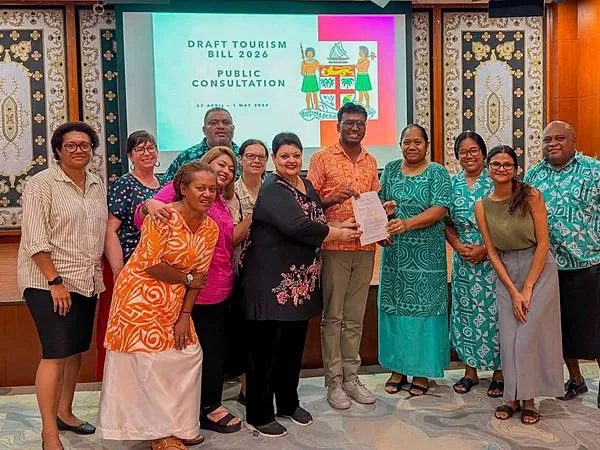
The Fiji Ministry of Tourism and Civil Aviation has concluded nationwide public consultations on the Draft Tourism Bill 2026, marking a key step toward establishing the country’s first comprehensive tourism legislation.

Consultations were conducted across major tourism centres including Suva, Sigatoka, Nadi, Rakiraki, Labasa and Savusavu, with participation from tourism operators, community representatives and members of the public.

The ministry said the consultation process formed part of the government’s commitment to inclusive and transparent law-making aimed at ensuring the legislation reflects the needs and priorities of stakeholders across the tourism industry.

According to the ministry, the proposed Tourism Bill 2026 is designed to strengthen governance of the tourism sector while introducing tourism standards and supporting sustainable industry development.

The legislation also seeks to improve the resilience and competitiveness of Fiji’s tourism industry, one of the country’s key economic sectors and a major source of employment and foreign exchange earnings.

Officials said feedback gathered during the consultations would help refine the draft legislation before its finalisation.

The ministry thanked participants for their contributions and encouraged stakeholders to continue providing written submissions, which remain open until 7 May 2026.

The draft bill is available through the Ministry of Tourism and Civil Aviation’s official channels.
May 07, 2026

New Caledonia and Vanuatu are set to be connected by a pioneering underwater telecommunications cable equipped with scientific monitoring technology aimed at improving earthquake and tsunami detection in one of the world’s most seismically active regions.

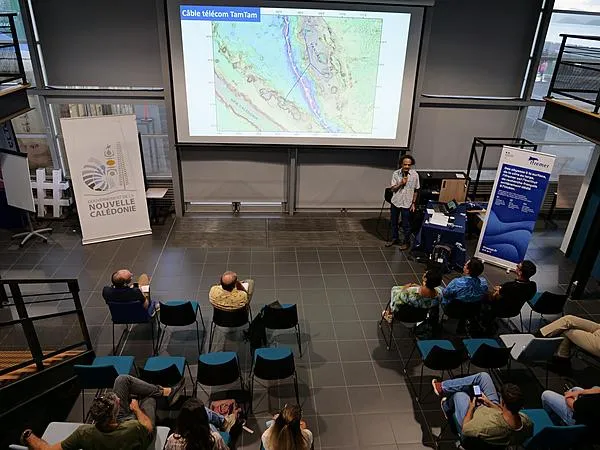
Jeremie Katidjo Monnier, member of the New Caledonian government responsible for the management of the Coral Sea Natural Park, attended a presentation on the Tam-Tam cable project by the French Research Institute for Exploitation of the Sea (Ifremer) on May 6, alongside representatives from several government departments and agencies.

The proposed cable will link Lifou in New Caledonia with Efate, Tanna and Santo in Vanuatu, traversing the second most active subduction zone in the world, an area characterised by intense seismic activity and significant tsunami risk.

Martin Patriat, a geology researcher at Ifremer, outlined the technological, scientific and social dimensions of the project, which is being financed under the France 2030 programme with funding of 2.146 billion CFP francs ($18 million euros).

Beyond providing digital connectivity, the cable will incorporate SMART technology — Science Monitoring And Reliable Telecommunication — enabling it to function as a scientific observation platform through embedded sensors measuring temperature, pressure and seismic activity.

The system is designed to detect underwater earthquakes, pressure changes associated with tsunamis, and tectonic movements in real time.

According to Ifremer, the deployment of SMART cable technology on this scale represents a global first.

Project stakeholders said the cable would support continuous monitoring of marine and underwater environments, contributing to a more detailed understanding of climate change impacts and ocean conditions.

The system is also expected to strengthen disaster preparedness and public safety through improved earthquake and tsunami early warning capabilities, while deepening regional cooperation between France, New Caledonia and Vanuatu.

The initiative is being led by Ifremer in partnership with New Caledonia’s Directorate of Industry, Mines and Energy (DIMENC), the French National Research Institute for Sustainable Development (IRD), the National Centre for Scientific Research (CNRS), and Pacific Peering, a New Caledonian company specialising in international connectivity services.

Private telecommunications operators, including Prima and Alcatel Submarine Networks, are also involved in the project.

May 07, 2026

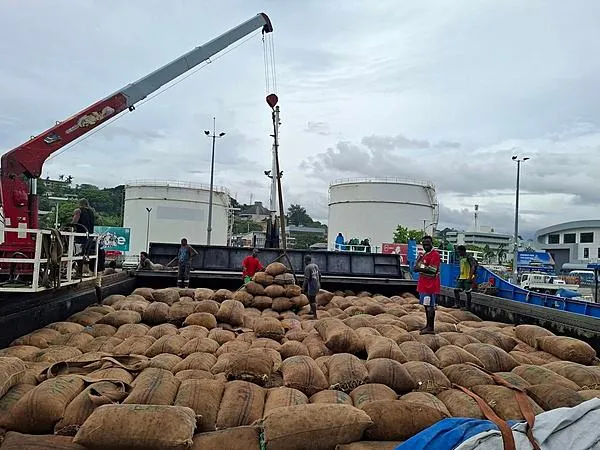
The Solomon Islands government has repealed the Coconut and Coconut Product Management Fees Regulations 2026 with immediate effect, saying the move is aimed at protecting farmers, supporting exporters and encouraging growth in the country’s coconut industry.

The repeal was approved by Acting Minister for Commerce, Industry, Labour and Immigration Manasseh Damukana Sogavare following recommendations from the Commodities Export Marketing Authority (CEMA).

The government said the decision was intended to shield coconut farmers from possible price reductions while helping exporters remain competitive in international markets.

Officials said the now-repealed regulation risked increasing financial pressure on exporters, which could have flowed through to farmers and other participants in the coconut value chain.

The government described the repeal as part of its commitment to responsive policymaking aligned with market conditions, stakeholder feedback and national economic priorities.

Authorities said the focus would now shift toward strengthening value-added production and downstream processing in the coconut and cocoa sectors as part of broader efforts to industrialise agricultural exports.

The coconut industry remains a major pillar of the Solomon Islands economy and is estimated to support around 40,000 rural households nationwide. Exports of copra and coconut oil generate between SBD300 million and SBD400 million annually, equivalent to about USD35 million to USD46 million.

Industry data show the country produces an estimated 370 million coconuts annually, with most production coming from smallholder farmers. Copra remains the dominant export product, although virgin coconut oil and other coconut byproducts are also contributing to economic activity.

The sector, however, faces mounting challenges, including aging coconut plantations, pest infestations and infrastructure constraints. More than 60 percent of coconut trees in the Solomon Islands are considered senile, affecting productivity and long-term sustainability.

The coconut rhinoceros beetle has also emerged as a significant threat to plantations, raising concerns over the resilience of one of the country’s key agricultural industries.

Government agencies and development partners are pursuing rehabilitation efforts through replanting programs and the distribution of improved planting materials, while initiatives such as Strongim Bisnis are promoting higher-value coconut products to support diversification and strengthen the industry’s sustainability.

May 07, 2026

Fiji and Australia have reaffirmed their strategic partnership following high-level bilateral talks between Prime Minister Sitiveni Rabuka and senior Australian ministers in Suva, with discussions focusing on regional security, economic cooperation and the development of the proposed Vuvale Union.

Australian Foreign Minister Penny Wong and Minister for Pacific Island Affairs and Defence Industry Pat Conroy met Rabuka at the Office of the Prime Minister on Wednesday during a three-day official visit aimed at strengthening bilateral relations and regional cooperation.

Rabuka welcomed the Australian delegation and reaffirmed the longstanding relationship between Fiji and Australia, describing the partnership as one grounded in shared values and mutual trust under the Vuvale Partnership framework.

The leaders discussed ongoing work on the proposed Vuvale Union, which is expected to operationalise Fiji’s “Ocean of Peace” vision while strengthening cooperation in the areas of economic development, security and people-to-people ties.

Rabuka also acknowledged Australia’s provision of AUD30 million in budget support to help Fiji manage the effects of the current energy crisis.

The meeting additionally addressed economic opportunities as well as defence and security matters, including transnational crime and the increasing threat posed by illicit drug networks across the Pacific region.

Rabuka briefed Wong and Conroy on Fiji’s national response to these challenges and noted Australia’s continuing support in strengthening Fiji’s security capabilities.

Following the bilateral meeting, the Australian ministers also met members of Fiji’s Cabinet before participating in a joint press conference.

Wong and Conroy thanked the Fijian government and people for their hospitality and reaffirmed Australia’s support for Fiji and the wider Pacific region, while recognising Fiji’s role as a regional leader.

May 05, 2026

The Tuvalu Fisheries Authority (TFA) has secured NZ$10.9 million in grant funding from New Zealand to advance the third phase of its national fisheries support programme, in a move aimed at strengthening sustainable resource management and boosting economic returns.

The five-year agreement, signed with New Zealand’s Ministry of Foreign Affairs and Trade (MFAT), will fund the Tuvalu Fisheries Support Programme Phase 3 (TFSP3), continuing more than a decade of bilateral cooperation in the sector.

TFA said the programme will underpin implementation of its corporate plan, with a focus on improving economic and food security outcomes in Tuvalu through enhanced fisheries governance and operational capacity.

The funding package includes support for sustaining revenues from oceanic fisheries, alongside initiatives to strengthen domestic fishing and fish marketing activities. It will also finance institutional capacity-building across financial management, human resources and governance functions.

As part of the programme, two long-term technical advisers will be deployed to assist implementation, while resources have been allocated for the repair and maintenance of key fisheries assets, including the patrol and support vessel Manaui II, to restore operational readiness.

TFA Managing Director Sam Finikaso said New Zealand’s continued partnership had been instrumental in developing the country’s fisheries sector.

“New Zealand has been a great supporter of fisheries in Tuvalu. This third phase will provide more resources than earlier projects, and we expect excellent results,” Finikaso said.

The latest agreement builds on earlier programme phases that contributed to stabilising fisheries revenues and expanding local industry participation, reinforcing the sector’s role as a cornerstone of Tuvalu’s economy.

May 04, 2026

The Pacific Tourism Organisation (SPTO), in partnership with the Pacific Private Sector Development Initiative (PSDI) and with support from the Asian Development Bank (ADB), has advanced regional efforts to embed gender equality across the tourism sector with the review of its draft Gender and Inclusive Tourism Action Plan (GITAP) 2026–2030.

The initiative was presented during a regional webinar, marking a key step toward strengthening inclusivity and equity in one of the Pacific’s most important economic sectors.

Persistent gender gaps despite workforce participation

Recent gender audits across seven national tourism organisations (NTOs) and SPTO revealed a mixed picture of progress and structural challenges.

While women account for more than half of the workforce in accommodation and food services, they remain concentrated in lower-paid roles. In the private sector, women hold just 21 percent of board positions, highlighting limited representation in decision-making roles.

By contrast, NTOs have achieved greater gender balance, with women occupying around 50 percent of leadership roles.

However, all nine organisations assessed reported little to no dedicated budget for gender-focused initiatives, pointing to a gap between policy intent and institutional support.

Four-pillar roadmap for inclusive tourism

The draft GITAP 2026–2030 outlines a regional framework anchored on four key pillars:

  • data monitoring and advocacy
  • policy and planning for inclusive tourism
  • women’s economic empowerment and private sector engagement
  • institutional commitments in human resources and organisational culture

The plan is designed as a practical, regionally owned roadmap to guide governments, tourism bodies and private sector stakeholders in embedding gender equality into tourism development.

SPTO Chief Executive Officer Christopher Cocker emphasised the need to translate data into action, noting that tourism plays a central role in Pacific economies and communities.

“A resilient and inclusive tourism sector requires gender equality to be embedded across policy, budgeting, and organisational culture,” he said.

Aligning with broader regional policy goals

The initiative aligns with Goal 2 of the Pacific Sustainable Tourism Policy Framework, which focuses on building “thriving and inclusive communities.”

Tourism remains a critical economic driver across Pacific island economies, contributing to employment, foreign exchange earnings and community livelihoods.

However, sector growth has also exposed structural issues, including limited access to finance, weak data systems and uneven participation across gender groups.

The gender audit process supporting the action plan has established a regional evidence base, including synthesis reports, national-level assessments and a gender mainstreaming toolkit to guide implementation.

From consultation to implementation

Stakeholders participating in the webinar provided early feedback on the draft plan, ensuring it reflects national contexts and diverse perspectives across Pacific economies.

The framework is expected to be further discussed at upcoming SPTO board-level engagements, with a focus on transitioning from policy design to implementation.

SPTO acknowledged the contributions of ADB and PSDI in advancing the initiative, particularly in strengthening technical capacity and supporting evidence-based policymaking.

Toward a more inclusive tourism sector

The development of the GITAP signals a broader shift toward inclusive and sustainable tourism in the Pacific, where gender equality is increasingly recognised as a core driver of long-term resilience.

By integrating gender considerations into policy, planning and operations, the region aims to ensure that tourism growth delivers more equitable economic opportunities and social outcomes.

The initiative also underscores the importance of institutional commitment, particularly in aligning budgets, policies and organisational practices with inclusivity goals.

As Pacific economies continue to rebuild and expand their tourism sectors, the success of the strategy will depend on sustained coordination between governments, industry stakeholders and development partners.

May 04, 2026

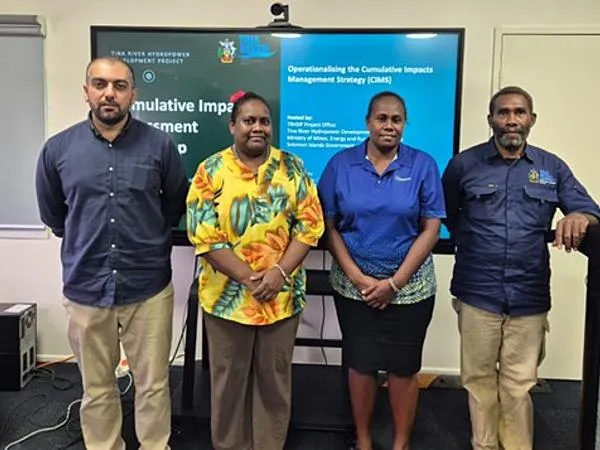
The Solomon Islands has established a regional cumulative impacts working group as part of efforts to strengthen environmental and social oversight of the Tina River Hydropower Development Project, a key national infrastructure initiative aimed at transforming the country’s energy sector.

The working group is designed to coordinate the identification, assessment and management of cumulative impacts arising not only from the hydropower project itself but also from other activities within the Tina and Ngalimbiu river catchment.

Coordinated approach to overlapping impacts

The initiative reflects growing recognition that large-scale infrastructure developments do not operate in isolation, particularly in environmentally and socially sensitive areas such as Guadalcanal.

The Tina River Hydropower Development Project, located about 30 kilometres from Honiara, involves a 15-megawatt facility comprising a dam, reservoir, tunnel and powerhouse system.

Project documentation highlights that cumulative impacts — defined as the combined effects of multiple activities over time — could affect environmental sustainability and social outcomes if not properly managed.

The newly established working group is expected to facilitate collaboration between government agencies, project developers and other stakeholders to address these overlapping risks in a structured and coordinated manner.

Broad range of environmental and social pressures

The Tina/Ngalimbiu river basin is already subject to a range of existing and potential pressures, including logging, agriculture, mining activities and infrastructure development.

Project assessments note that these activities can contribute to cumulative effects such as increased sedimentation, water quality degradation, habitat loss and changes in land use.

In particular, logging and road development may increase erosion and sediment loads in the river system, while agricultural runoff and other land-based activities could affect aquatic ecosystems and downstream communities.

The hydropower project itself may also contribute to cumulative impacts, including changes in sediment flow, river morphology and land tenure arrangements, although mitigation measures are being incorporated into project design and management plans.

Community and livelihood considerations

Beyond environmental factors, cumulative impacts extend to social and economic dimensions.

The Tina River catchment supports a mix of indigenous communities, including Malango and Lengo groups, whose livelihoods depend on agriculture, fishing and access to natural resources.

Project-related changes — combined with broader economic activity — may influence employment patterns, land ownership structures and community dynamics.

While the hydropower project is expected to generate jobs and economic opportunities, assessments highlight potential risks such as land disputes, increased dependence on the cash economy and pressures on food security if not carefully managed.

Supporting long-term sustainability

The establishment of the working group aligns with international best practices in environmental and social governance, particularly for projects supported by multilateral institutions such as the World Bank and Asian Development Bank.

The Tina Hydro project forms part of a broader effort to reduce Solomon Islands’ reliance on diesel-generated electricity and transition to renewable energy.

Once operational, the project is expected to significantly lower energy costs and reduce greenhouse gas emissions, while improving the reliability of power supply in Honiara.

However, stakeholders have emphasised that achieving these benefits will depend on effective management of cumulative impacts across the wider project area.

Strengthening governance and stakeholder coordination

The working group is expected to play a central role in aligning regulatory oversight, monitoring programmes and stakeholder engagement processes.

This includes integrating data from environmental and social monitoring systems, identifying emerging risks and coordinating responses across multiple sectors and jurisdictions.

By bringing together government, industry and community stakeholders, the initiative aims to ensure that the Tina Hydro project delivers long-term benefits while safeguarding environmental integrity and community well-being.

The move also signals a broader shift towards more integrated resource management in the Solomon Islands, as the country advances major infrastructure projects alongside ongoing economic development activities.

May 04, 2026

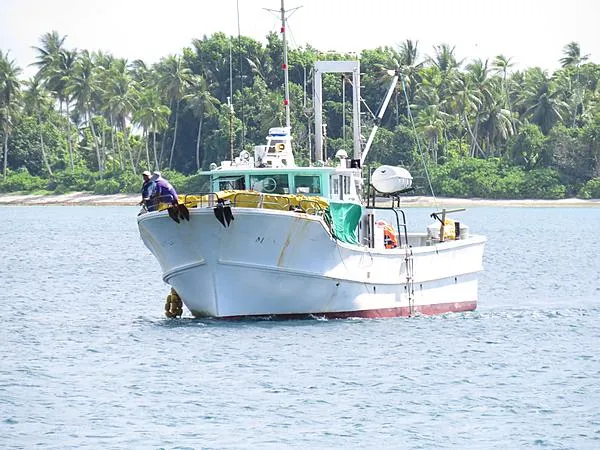
A delegation from Bolton Group and Tri Marine, key players in the global tuna and seafood supply chain, has commended the Solomon Islands government for its support of the country’s fisheries sector during a meeting with Prime Minister Jeremiah Manele.

Bolton and Tri Marine, which jointly own National Fisheries Development (NFD) and SolTuna Ltd in Noro, briefed the Prime Minister on their operations and ongoing investments in the country.

The delegation praised the Government, particularly the Ministry of Fisheries and Marine Resources, for maintaining an enabling legislative environment and providing consistent institutional support.

They also highlighted improvements in public service delivery in Noro and described the Government as a cornerstone investor in the sector.

SolTuna and NFD are among the country’s largest private-sector employers, producing around 140 tonnes of tuna daily and generating approximately SBD 201 million in domestic sales in 2025.

Prime Minister Manele reaffirmed the Government’s recognition of the sector’s importance, citing its contributions to the national economy, employment and community development.

“The contribution of Bolton and Tri Marine to our national development is both substantial and enduring,” he said.

Discussions also addressed operational challenges facing the industry, including rising fuel costs, taxation pressures and the impact of the new value-added tax (VAT) regime.

The delegation shared technical expertise to support the Bina Harbour project, signalling potential for deeper collaboration between the Government and industry stakeholders.

Prime Minister Manele said the Government remains committed to addressing legislative concerns, fast-tracking reforms to ensure reliable and affordable electricity, and fostering a conducive business environment.

The meeting reflects ongoing engagement between the Government and major industry participants as the Solomon Islands seeks to strengthen its fisheries sector and attract continued investment.

April 29, 2026

Fiji and Denmark have reaffirmed their commitment to closer cooperation on climate action and regional engagement, following high-level talks aimed at strengthening partnerships ahead of key global negotiations.

Fiji’s Minister for Environment and Climate Change, Lynda Tabuya, met with Denmark’s Non-Resident Ambassador to Fiji, Ingrid Dahl-Madsen, on April 29 to discuss opportunities to expand collaboration on climate priorities and Pacific-focused initiatives.

Discussions centered on coordination ahead of upcoming international meetings, including Pre-COP, as both sides seek to align positions on critical issues such as climate finance and support mechanisms for vulnerable countries.

Denmark reiterated its support for Pacific Island countries, particularly on loss and damage—an area of growing importance as climate impacts intensify across the region. Ambassador Dahl-Madsen also underscored Copenhagen’s interest in strengthening ties with Pacific partners and engaging more actively in regional processes.

This includes ongoing dialogue on Denmark’s potential role as a strategic partner within the Pacific Islands Forum, as well as possible participation at the leaders’ meeting as a special guest—moves that signal a broader effort to deepen its presence in the Pacific.

For Fiji, the discussions reinforce its role as a leading voice on climate issues in both regional and global forums. Tabuya welcomed Denmark’s continued support, highlighting the need to boost climate resilience and improve access to financing for countries most exposed to climate risks.

She also emphasized the importance of inclusive regional decision-making, noting that partnerships with like-minded countries can help amplify Pacific priorities on the global stage.

Both sides agreed to maintain close dialogue in the lead-up to Pre-COP and other major engagements, as Fiji works with international partners to advance shared climate objectives.

The meeting reflects growing alignment between Pacific Island countries and European partners, as climate diplomacy increasingly shapes regional cooperation and development agendas.

April 29, 2026

Solomon Islands Prime Minister Jeremiah Manele has outlined the government’s immediate priorities following Tropical Cyclone Maila, while addressing fuel price pressures, regional coordination and ongoing governance issues.

Speaking at a media briefing on April 28, Manele said the government is moving into the next phase of recovery after conducting assessments in Western and Choiseul provinces, among the areas hardest hit by the cyclone. He noted that while homes, livelihoods and infrastructure sustained significant damage, no lives were lost.

The prime minister said a detailed recovery plan will guide rehabilitation efforts, with support from development partners including Australia and New Zealand, alongside contributions from local stakeholders such as churches, civil society groups and communities.

On energy, Manele acknowledged continued pressure from elevated global fuel prices, stressing that Solomon Islands remains reliant on imported supply. He said fuel availability remains stable, supported by regular shipments and sufficient domestic storage capacity, including for liquefied petroleum gas.

To mitigate the impact of higher prices, the government has introduced a price-smoothing mechanism and approved fiscal measures, including tax and duty exemptions, aimed at cushioning households and businesses. Authorities are also looking to expand fuel pricing frameworks beyond Honiara and reviewing electricity tariff settings.

Manele said the government is advancing longer-term reforms in the energy sector, with a focus on renewable energy development to reduce dependence on imported fuels.

At the regional level, the prime minister confirmed he recently chaired the Pacific Islands Forum Troika meeting, where leaders agreed to elevate fuel security concerns under the Biketawa Declaration. The move is expected to support a more coordinated regional response, including efforts to strengthen supply resilience.

On domestic governance, Manele reiterated the government’s position on ongoing legal proceedings, stating it would respect the independence of the judiciary and refrain from commenting on matters before the Court of Appeal.

He added that Parliament will not be convened until a ruling is delivered, with the government to determine its next steps after the court’s decision.

Manele also urged responsible use of social media, calling on citizens to ensure that public discourse remains accurate and respectful of national institutions.

The prime minister reaffirmed the government’s commitment to transparency, saying it would continue to keep the public informed as it implements its 2026 programme of work.

April 29, 2026

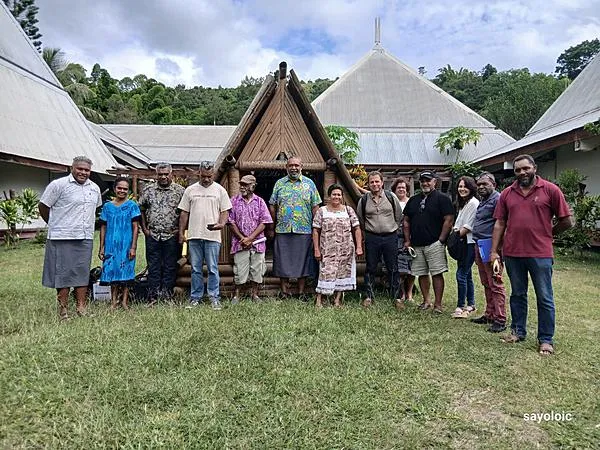
New Caledonia is moving to strengthen the governance and regional positioning of its cultural sector, following a high-level steering committee meeting focused on major events and policy reforms.

Mickaël Forrest, the government member in charge of culture, chaired the third meeting of the steering committee for large cultural events at Canala City Hall on April 28, as authorities push to better coordinate and elevate cultural programming across the territory.

The committee—established in March this year—serves as a central platform to align institutions, streamline resources and support flagship cultural initiatives with economic and social impact.

At the meeting, officials reviewed regulatory developments, including the presentation of a Governance Evolutionary Plan aimed at improving efficiency and reducing operational costs across cultural agencies. A key component of this reform agenda is the proposed merger of the Agency for Development of Kanak Culture and the Academy of Kanak Languages, seen as a step toward consolidating expertise and strengthening institutional capacity.

The committee was also briefed on a draft law on traditional knowledge, presented to government on April 29, which seeks to establish a legal framework to recognize, protect and promote indigenous knowledge systems. The initiative reflects broader regional efforts to safeguard cultural heritage while enabling its sustainable use.

Regional cooperation featured prominently in discussions, with the Pacific Community’s culture team outlining progress under the Regional Culture Strategy 2022–2032 and preparations for the 14th Pacific Arts and Culture Festival, which New Caledonia will host in 2028.

The festival, widely regarded as the Pacific’s largest cultural gathering, is expected to anchor the territory’s cultural calendar and drive momentum for related events in the lead-up years.

These include the third Caledonia Festival, the Days of the Caledonian Bath, the Night of Museums, the International Ocean Book Fair, the Week of Native Languages and New Caledonia’s participation in the eighth Melanesian Arts and Culture Festival in Fiji.

Officials said preparations for FESTPAC will serve as a unifying framework for the territory’s cultural programming, with an emphasis on regional engagement, heritage preservation and creative industry development.

The latest meeting signals a more structured approach to cultural policy in New Caledonia, as authorities seek to position the sector not only as a vehicle for identity and heritage, but also as a contributor to economic activity and regional integration.