December 16, 2025

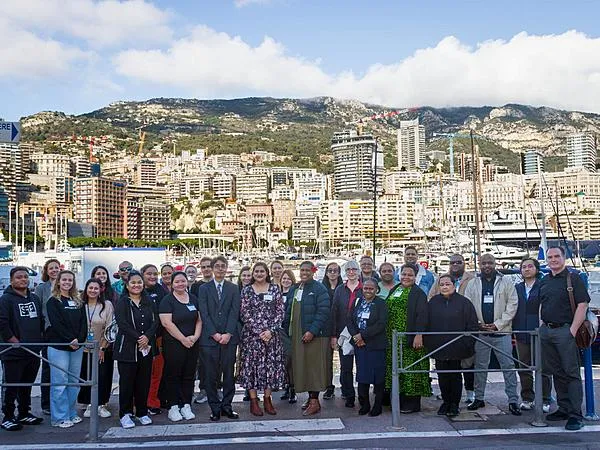
Officials from across the Pacific Islands recently participated in the inaugural training course on Marine Radioactivity Measurement and Assessment for Pacific Island States, aimed at strengthening regional capacity to monitor and assess marine radioactivity.

The weeklong programme, organised by the International Atomic Energy Agency (IAEA) Department of Nuclear Sciences and Applications, brought together representatives from Palau, Marshall Islands, Solomon Islands, Samoa, Vanuatu and Kiribati. Participants were also joined by representatives from the Pacific Islands Climate Action Network (PICAN) and the Pacific Islands Forum Secretariat.

Iolanda Osvath, senior scientist at IAEA and course facilitator, said the capacity-building session was a direct outcome of discussions at the Pacific Islands Leaders Meeting with the Government of Japan (PALM 10) held in Tokyo in July 2024.

“The course provided an introduction to marine radioactivity sources, levels and trends in the Pacific Ocean and offered an overview of sampling and measurement techniques, quality criteria, monitoring strategies, and radiological environmental impact assessments related to the discharge of Advanced Liquid Processing System treated water by Japan,” Ms Osvath said.

In addition to lectures, participants visited laboratories at the IAEA Marine Laboratories in Monaco — the only marine-focused laboratory within the United Nations system — gaining hands-on exposure to state-of-the-art methods for assessing radiological impacts on the marine environment.

The programme also included practical exercises on sample collection, analysis, and data interpretation, allowing participants to apply theoretical knowledge in real-world scenarios.

Participants discussed region-specific challenges such as small-island vulnerability, limited monitoring infrastructure, and the importance of harmonised reporting standards across Pacific nations.

IAEA officials highlighted ongoing support for Pacific Island states, including access to technical guidance, equipment, and collaborative research opportunities. The course concluded with a collaborative session to develop a regional roadmap for ongoing marine radioactivity monitoring and assessment, fostering stronger scientific networks across the Pacific.

December 16, 2025

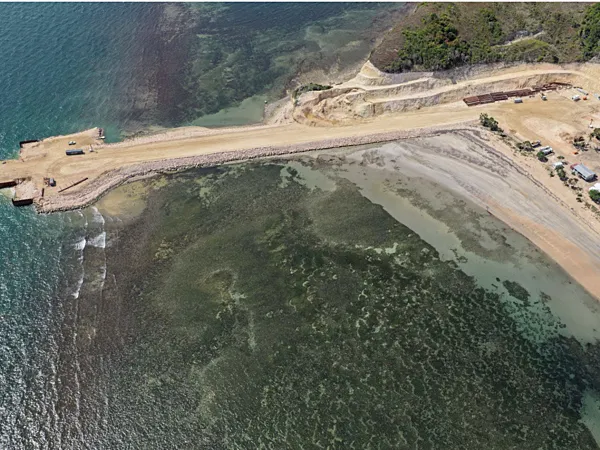
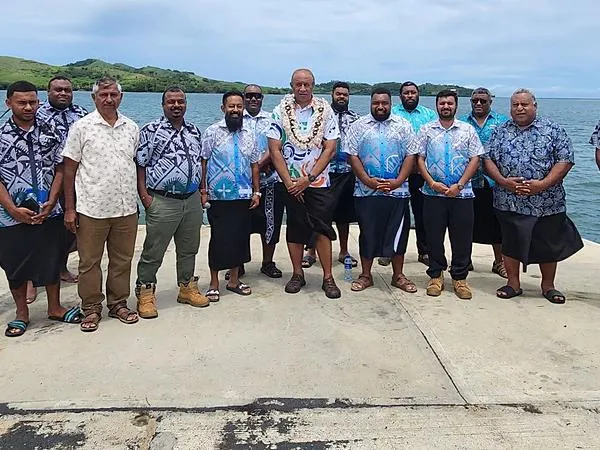
Minister for Public Works, Meteorological Services and Transport Ro Filipe Tuisawau on 16 December officially commissioned the newly upgraded Ellington Wharf in Rakiraki, marking a milestone in improving inter-island connectivity for communities in Ra and beyond.

The reopening reflects the government’s continued investment in critical transport infrastructure aimed at enhancing mobility, supporting trade and improving access across the country.

Ellington Wharf plays a key role in connecting Viti Levu to Nabouwalu in Vanua Levu by sea, linking families, facilitating passenger movement and enabling the transport of goods between Fiji’s two largest islands. The wharf serves as an important maritime gateway for northern Ra, supporting regular vessel services and providing a vital link for remote and rural communities.

The upgrade includes improvements designed to enhance safety, reliability and operational efficiency, ensuring the facility can better accommodate passengers, vehicles and cargo while withstanding harsh marine conditions. Officials say the works are intended to extend the lifespan of the wharf and reduce service disruptions. The project is expected to ease congestion during peak travel periods and improve turnaround times for vessels. Improved access is also anticipated to support tourism activity and boost local economic development in Rakiraki and surrounding areas. Community leaders have welcomed the upgrade, citing improved safety and convenience for residents who rely on sea transport.

Speaking at the commissioning, Tuisawau said the upgraded facility represents more than a physical improvement.

“The reopening of Ellington Wharf underscores our broader vision to create reliable, safe, and efficient transport links across Fiji. This wharf is a critical artery of economic activity, supporting local businesses, farmers, and entrepreneurs by improving access to markets and reducing travel time,” he said.

December 11, 2025

At its weekly session on 10 December, the Government of New Caledonia approved a bill designed to promote economic attractiveness and modernise administrative and economic procedures.

The legislation aims to restore trust between the administration and companies through measures that promote transparency, strengthen legal security, and improve administrative efficiency. Key provisions include:

  • If the administration does not respond to a request within two months, it will be deemed accepted.

  • Mistakes made in good faith by economic operators will no longer be treated as fraud.

  • Administrative bodies will be required to share information already provided by users, reducing repetitive submissions under the “Tell us once” principle.

The draft law also seeks to create a more competitive environment in line with international standards by introducing two fully digital services:

  1. A unique register of companies (RUE), replacing multiple existing registers such as RCS and RIDET.

  2. A one-stop digital enterprise (GUE), a centralised portal for all corporate formalities.

To further simplify processes, the government proposes easing legal publications and streamlining corporate tax and social contributions.

“It is a real priority for the government to be able to simplify the lives of businesses in New Caledonia,” said Christopher Gygès, member of the government for economy, budget and finance.

“The unique register of companies will, among other things, significantly reduce the time needed to establish a company, from three months today to one day, and allow the various steps to be completed online. We have also removed numerous unnecessary administrative procedures that weigh on the economy and the entrepreneurial capacity of Caledonians," Gygès said.

The bill also aims to facilitate and secure electronic transactions by removing obstacles to digitalisation, simplifying procedures, and modernising the legal value of electronic documents.

This drive for administrative simplification and modernisation is intended to promote enterprise development, employment, and wealth creation. “This simplification should allow for more agility in the economy and therefore foster growth,” Gygès concluded.

December 11, 2025

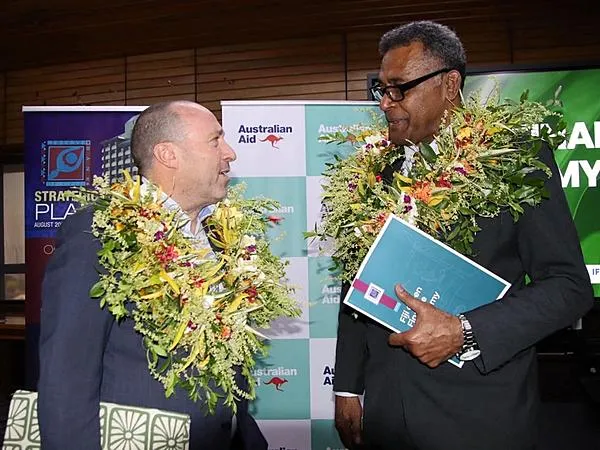
Fiji reached a significant milestone with the official launch of the Fiji Green Finance Taxonomy, a framework designed to guide sustainable and climate-aligned investments.

The Taxonomy was formally launched by the Minister for Finance, Commerce and Business Development, Esrom Immanuel, at the Reserve Bank of Fiji (RBF) in Suva.

Developed under the leadership of the RBF, the Taxonomy was produced in close partnership with the International Finance Corporation (IFC) and the Climate Bonds Initiative, with support from the Government of Australia. Extensive consultations with financial institutions, government agencies and development partners contributed to shaping the final framework.

In his remarks, Immanuel highlighted several key points:

  • The Taxonomy positions Fiji at the forefront of sustainable finance in the Pacific, providing a science-based system for classifying environmentally sustainable activities.

  • It aligns with global priorities coming out of COP30, including the scale-up of climate finance, focus on adaptation and resilience, and greater transparency in climate reporting.

  • The first version focuses on energy and transport, two major contributors to Fiji’s emissions, and will help channel private and public capital towards credible green investments.

  • The framework will support access to concessional and blended finance, reduce greenwashing, and strengthen Fiji’s climate-resilient development pathway.

Immanuel acknowledged the RBF’s leadership and reaffirmed the government’s commitment to working closely with all partners to turn the Taxonomy into real, on-the-ground climate action for Fiji.

December 11, 2025

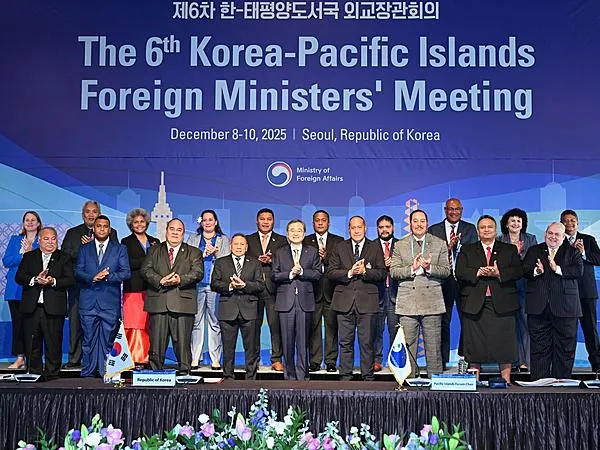
Pacific Islands Forum (PIF) Foreign Ministers concluded the 6th Korea–Pacific Islands Foreign Ministers Meeting in Seoul, held from 8–9 December, reaffirming their commitment to deepening cooperation under the theme “Partnerships for a Resilient, Peaceful, and Prosperous Pacific.” This marked the first Korea–Pacific Islands Foreign Ministers Meeting to include all Forum members, reinforcing the One Blue Pacific Principles of unity and solidarity as outlined in the Blue Pacific Principles for Dialogue and Engagement and the 2050 Strategy for the Blue Pacific Continent.

The biennial discussions, aimed at strengthening political dialogue and partnership, were co-chaired by the Foreign Minister of the Republic of Korea, Cho Hyun, and the Foreign Minister of Solomon Islands, Peter Shanel Agovaka. A PIF Secretariat delegation led by Secretary General Baron Divavesi Waqa supported the regional ministerial delegation.

The meeting was also attended by the Crown Prince of Tonga Tupoutoʻa ʻUlukalala, the President of New Caledonia Alcide Ponga, the Prime Minister of Niue Dalton Talelagi, and Samoa’s Deputy Prime Minister Toelupe Poumulinuku Onesemo.

A joint statement released at the end of the meeting welcomed the continued elevation of Korea–PIF relations, including Korea’s support for the 2050 Strategy for the Blue Pacific Continent, as well as its focus on inclusive development, trade and investment, and regional solidarity.

Peter Shanel Agovaka, in his opening remarks, highlighted that the partnership between Korea and the PIF is grounded in shared values and a commitment to the well-being of the region’s peoples.

“Our partnership is strengthened when it aligns with Pacific-led mechanisms, and today’s outcomes reflect our shared commitment to safeguarding our ocean, our resources, and the stability of our region,” said Agovaka.

Korea’s Foreign Minister Cho Hyun reflected on the spirit of solidarity within the Pacific Islands Forum and how it guides Korea’s partnership with the region.

“Korea will keep convening our consultative mechanisms including the Foreign Ministers Meeting and the Senior Officials Meeting to build a more structured framework for collaboration, the Pacific must remain an arena of coexistence, harmony and cooperation,” Cho said in his opening remarks.

Korea reaffirmed its recognition of the Pacific Islands Forum as the region’s premier political body, acknowledged the outcomes of the 54th PIF Leaders Meeting in Honiara in September, and welcomed key regional achievements, including the establishment of the Pacific Resilience Facility (PRF), the Blue Pacific Ocean of Peace declaration, and progress on the Leaders’ Policy on Partnerships. Korea also expressed its commitment to advancing cooperation in technology and innovation, strengthening regional security, and announced its intention to contribute to the PRF next year.

On climate leadership, Forum Ministers stressed the urgency of global action and welcomed Korea’s strong engagement on the climate agenda. They expressed support for continued ambition aligned with the 1.5°C pathway and noted Korea’s announcement of its 2035 Nationally Determined Contribution (NDC).

Forum Ministers reaffirmed the importance of sustainable ocean governance and acknowledged Korea’s constructive role at the Western and Central Pacific Fisheries Commission (WCPFC). They commended Korea’s support for combating illegal, unreported, and unregulated (IUU) fishing, including initiatives delivered through the Korea–PIF Cooperation Fund, and emphasised the need for ongoing alignment with Pacific-led mechanisms.

Ministers committed to deepening cultural and people-to-people exchanges and strengthening cooperation to support innovation, digital connectivity, and trade.

The PIF Ministers welcomed Korea’s initiative to co-host the 4th United Nations Ocean Conference with Chile in 2028, recognising this as a significant opportunity to amplify Pacific leadership and drive greater global investment and action to safeguard the ocean.

The first Korea–Pacific Islands Foreign Ministers meeting was held in 2011, with the next meeting scheduled for 2027.

December 08, 2025

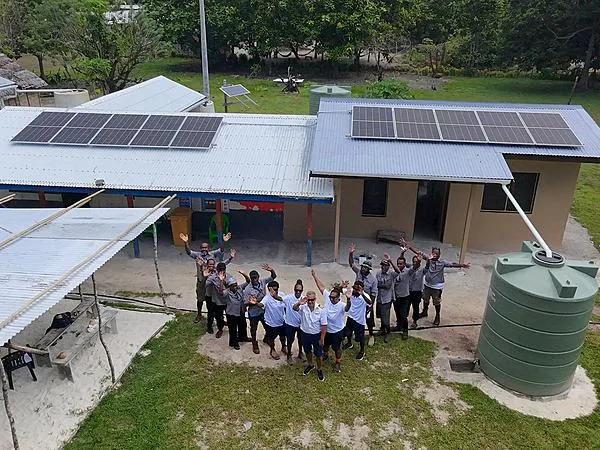
One year ago, Australia’s Minister for Climate Change Chris Bowen announced REnew Pacific at COP29: a $75 million Australian Government investment over five years, designed to expand clean, reliable energy access for remote off-grid communities across the Pacific and Timor-Leste.

Building on successful pilots through the Business Partnerships Platform (BPP), the program set out to strengthen essential services, create local economic opportunities, and support community-led climate resilience across some of the region’s most remote locations.

One year on, the program is making a tangible difference across the region. In its first year, it has achieved:
• 6 projects underway across Fiji, Papua New Guinea, Solomon Islands, and Vanuatu – with more to come!
• More than 85 schools, health centres, and communities gaining access to clean energy
• More than 177,000 people reached

Together with its earlier pilots, its impact to date includes:
• 19 projects underway across Fiji, Kiribati, Papua New Guinea, Timor-Leste, Solomon Islands, and Vanuatu
• 95% of projects are solar, with 5% hydro
• 7 pilot project installations completed and handed over to the community
• Three early BPP pilots scaled into full REnew Pacific projects
• More than 130 schools, health centres, and communities gaining access to clean energy
• More than 230,000 people reached
• Dozens of local organisations partnering across government, civil society, and the private sector
• Significant reductions in diesel use across remote clinics, schools, and communities

Built on community leadership, practical design, trusted partnerships, and long-term impact, the program is showing what is possible when local organisations, governments, and the private sector work together to deliver clean, reliable energy where it is needed most.

Supported by the Pacific Climate Infrastructure Financing Partnership (PCIFP), a $350 million initiative of the Australian Infrastructure Financing Facility for the Pacific (AIFFP), and implemented by Palladium, REnew Pacific is already shaping a more resilient and connected future for remote Pacific and Timor-Leste communities.

December 08, 2025

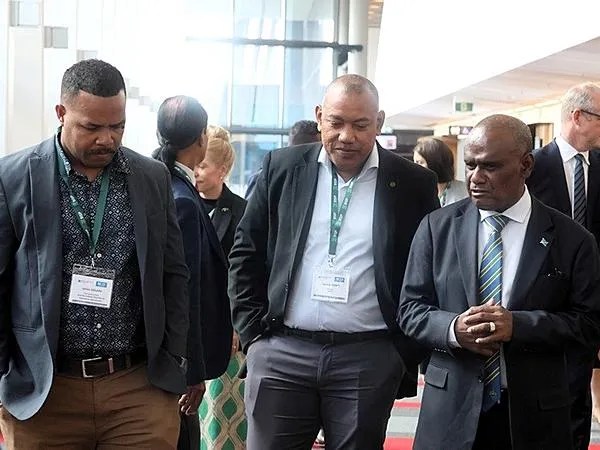
The Solomon Islands Chamber of Commerce and Industry (SICCI) today commended the significant national progress outlined by Prime Minister Jeremiah Manele, welcoming the strategic focus on transformative infrastructure, economic partnerships, and a growth-oriented national budget.

SICCI, the peak body representing the private sector, views these developments as critical steps toward improving the business environment, driving investment, and creating sustainable economic opportunities for all Solomon Islanders.

Submarine Cable to Unleash Digital Economy Potential

SICCI heralds the formal launch of the SBD 572 million Adamasia submarine cable project as a landmark achievement. This vital second international internet gateway addresses a long-standing priority for the business community.

SICCI views reliable, high-speed, and affordable connectivity as the backbone of a modern economy.

This investment is a game-changer. It will boost digital resilience, lower costs for businesses, enhance global competitiveness, and unlock new opportunities in sectors such as IT, finance, and education. SICCI commends the government and its partners for this strategic infrastructure leap.

Infrastructure Updates Lay Foundation for Growth

SICCI welcomes the concrete progress on provincial infrastructure, seeing it as essential for inclusive development. The new Noro Data Centre strengthens national cybersecurity—a growing concern for businesses—and supports digital transformation.

The upgraded policing and fisheries monitoring facilities in Western Province contribute to a more secure and well-regulated operating environment, and the major investments in health facilities in Isabel Province are crucial for workforce well-being and productivity in regional centres.

The transfer of a 20% share in Kolombangara Forest Products Limited to landowners is also noted as a positive step toward equitable participation and sustainable resource management.

Budget 2026: A Welcome Focus on Economic Transformation

SICCI strongly endorses the theme of the upcoming 2026 National Budget, “Accelerating Economic Transformation.” The chamber agrees that resourcing growth and sustainable development must be the nation’s paramount focus.

“SICCI is encouraged by the budget’s guiding objectives, particularly promoting transformative growth, improving service delivery, and safeguarding fiscal stability,” Mr. Dolarii stated.

“A stable and affordable budget that prioritizes quality spending on enabling infrastructure is exactly what the private sector needs to expand and create jobs. We look forward to engaging on the details to ensure the budget effectively supports business-led growth,” the Chamber stated.

Strengthened Ties Key to Investment and Confidence

SICCI views the Prime Minister’s active engagement at the 14th Australia-Solomon Islands Business Forum and subsequent high-level bilateral meetings as highly positive. Strengthening economic and regional cooperation is fundamental to attracting foreign direct investment, transferring skills, and accessing new markets.

“The outcomes from Brisbane, especially the launch of the cable project, demonstrate the tangible benefits of strong partnerships. Continued dialogue between government and the business community, both domestic and international, is essential to convert these discussions into lasting investments,” SICCI CEO Dolarii stated.

Call for Continued Dialogue and Swift Audit Resolution

While celebrating these announcements, SICCI reiterates the importance of transparency and accountability as cornerstones of a robust investment climate. The chamber notes the Prime Minister’s upcoming meeting on the 2023 Pacific Games audit and urges a swift and conclusive resolution to maintain public and investor confidence.

SICCI stands ready to work collaboratively with the government to ensure these promising developments translate into a more prosperous, resilient, and business-friendly Solomon Islands.

December 08, 2025

E-commerce is a key priority under the Pacific Aid-for-Trade Strategy, recognised for its potential to reduce trade costs, connect markets, and support economic diversification across the region. In 2021, Forum Trade Ministers tasked the Pacific Islands Forum Secretariat (PIFS) with coordinating the implementation of the Pacific Regional E-commerce Strategy and Roadmap.

To support this work, PIFS launched the ePulse programme in 2025. The programme includes an M&E system that helps countries track progress on their national e-commerce strategies, training on how to use the system, and ongoing technical assistance from PIFS and IT partners.

Tonga is the first country to complete the training component of ePulse. Ms Kathleen Walters from the Ministry of Trade and Economic Development spent more than two weeks in Suva working with the PIFS E-commerce Unit to learn the governance framework, methodology and online monitoring system. With the Tonga National E-commerce Strategy and Roadmap now uploaded onto the platform, Tonga can begin tracking its implementation progress.

The ePulse program is possible because national e-commerce strategies follow the same methodology as the regional one. ePulse is based on the M&E framework created for the regional strategy and provides a practical, ready-made monitoring tool, removing the need for countries to develop their own systems or invest in new platforms. It is a clear example of how regional cooperation can reduce duplication and save resources.

PIFS welcomes new participants. Countries are eligible if they have an approved national e-commerce strategy and a designated M&E officer. Interested countries can join by submitting a formal letter to PIFS.

The ePulse programme is supported by Australia. PIFS will continue to provide technical guidance and system maintenance to ensure the platform remains a useful tool for national monitoring and looks forward to more Forum Island Countries joining in 2026.

December 08, 2025

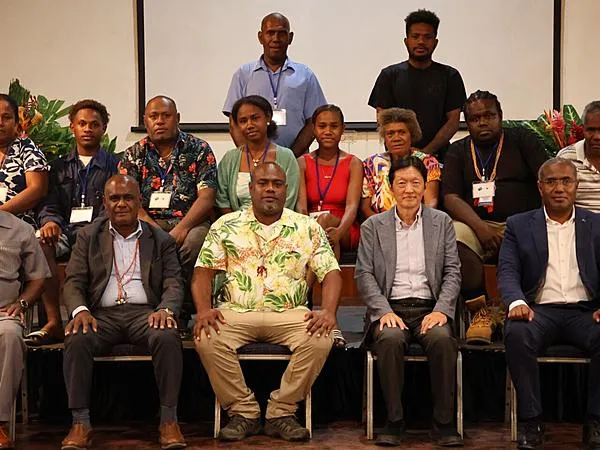
Prime Minister Jeremiah Manele, MP, commends recipients of Japan’s Royal Decorations and celebrates the enduring partnership between the Solomon Islands and Japan.

Manele delivered the statement this evening as guest of honour at a ceremony hosted by His Excellency Ambassador Keiichi Higuchi to confer distinguished decorations bestowed by His Majesty Emperor Naruhito of Japan.

The Prime Minister conveyed the warm congratulations of the Government and people of the Solomon Islands to the honourees, acknowledging their remarkable contributions to reconciliation and historical preservation between the two nations.

He expressed pride that the awards presented were conferred by His Majesty Emperor Naruhito, reflecting the esteem in which the recipients are held by the Government and people of Japan.

Francis Deve was awarded the Order of the Rising Sun, Gold and Silver Rays, for his decades of dedicated support to Japanese search missions across multiple provinces since 1986, while Willie Besi received the Order of the Rising Sun, Silver Rays, in recognition of his and his late father’s vital contributions to similar missions dating back to 1980. Mato Mui Liliau received the Foreign Minister’s Commendation for continuing his family’s legacy since 2006 by providing logistical support to search missions and safeguarding Japanese war memorials on his property.

“Your dedication ensures that history is honoured with dignity and that families in Japan find long-awaited closure,” the Prime Minister stated.

Prime Minister Manele also reaffirmed the Solomon Islands Government’s appreciation for Japan’s steady and extensive partnership since the establishment of diplomatic ties in 1978. He welcomed Japan’s significant investments in the health sector, particularly the SBD 120 million upgrade and expansion of Kilu’ufi Hospital in Malaita Province, and expressed the Government of National Unity and Transformation’s (GNUT) interest in expanding similar collaborations to other provinces.

On economic development, the Prime Minister outlined recent Japanese economic assistance, including the SBD 190 million emergency loan for COVID-19 stabilisation and development, USD 1.5 million to the Ministry of Fisheries and Marine Resources for essential equipment and supplies, and the SBD 22.8 million grant for government social and economic programs.

The Prime Minister noted that Japan continues to contribute to transformative infrastructure projects nationwide, including the SBD 243 million Kukum Highway Project, upgrades to Honiara International Airport, market jetties in Auki, improvements at Honiara Port, solar street lighting, and a geological laboratory for the Ministry of Mines (SBD 3.1 million), USD 76,770 for the Haʻapai community water supply, as well as the SBD 30 million Fisheries Research Center at SINU.

“These investments align with GNUT’s priority to advance social and economic infrastructure in Honiara and across the provinces,” the Prime Minister highlighted.

Japan also continues to strengthen the Solomon Islands’ security capabilities through its support for unexploded ordnance (UXO) operations within the RSIPF and the Ministry of Police, the provision of specialised training for the RSIPF Explosive Ordnance Disposal Unit, the donation of a landing craft valued at approximately SBD 7 million, and assistance for a used fire truck for the RSIPF Fire and Rescue Services. Prime Minister Manele expressed profound gratitude for Japan’s ongoing contributions to national safety and stability.

In the education sector, the Prime Minister highlighted Japan’s enduring commitment, including USD 80,629 for a new classroom at Numbu Community High School, USD 86,666 for a classroom building at Beiporo Primary School, and continued opportunities through MEXT and JICA scholarships at both undergraduate and postgraduate levels. He also acknowledged the 149 million Yen Human Resource Development Scholarship, the first of its kind in the Pacific, which supports young Solomon Islands officials pursuing master’s degrees in Japan.

Prime Minister Manele requested His Excellency Ambassador Higuchi to convey his sincere appreciation to His Majesty Emperor Naruhito, and to the Government and people of Japan, for honouring Solomon Islanders whose work has strengthened bilateral understanding and remembrance.

December 08, 2025

A scientific team from the Korea Institute of Ocean Science and Technology (KIOST), operating under the Ministry of Oceans and Fisheries of the Republic of Korea, has begun an initial marine site evaluation at the Makogai Fisheries Research Centre in Fiji. The mission marks the start of a comprehensive assessment to determine the area’s suitability for future sustainable mariculture initiatives.

The five-day visit brings together KIOST specialists, mariculture experts from Jeju National University, and researchers from Fiji’s Ministry of Fisheries. Working collaboratively, the team is conducting a detailed examination of the coastal environment surrounding the Makogai Research Centre—a site historically used for marine research, hatchery work, and the restoration of vulnerable marine species.

Their assessment focuses on key indicators essential for responsible mariculture planning, including water quality, hydrodynamic conditions, benthic habitat health, biodiversity, and the ecological resilience of surrounding reef systems. These data will help inform decisions on potential species for cultivation and the environmental safeguards required to ensure long-term sustainability.

The initiative reflects growing international cooperation in ocean science, with Fiji and Korea strengthening ties in marine research, climate resilience, and sustainable aquaculture development. Findings from this evaluation are expected to support Fiji’s broader efforts to expand ocean-based livelihoods while protecting fragile marine ecosystems.

December 05, 2025

Authors:

Dentons

Matt Coleman — Partner, Construction, Melbourne (bio link)
Wavie Kendino Leki — Partner and Head of Office, Port Moresby (bio link)
Steve Patrick — Partner, Commercial/Corporate, Port Moresby (bio link)
Ian Clarke, OBE — Special Counsel and Consultant, Corporate, Sydney (bio link)


Executive Summary

The Pacific Quality Infrastructure Principles (PQI), endorsed by Pacific leaders in 2021, set out a bold vision for infrastructure that is resilient, inclusive, and locally led. At the 2025 Pacific Infrastructure Conference in Brisbane, that vision was tested and, in many cases, realised. Across dozens of sessions, case studies, and bilateral dialogues, the region’s governments, contractors, financiers, and communities demonstrated how the PQI are being embedded in practice.

The following sections explore how the PQI are being operationalised across the Pacific, drawing on examples from infrastructure planning, procurement reform, climate finance, and delivery models. It also considers the legal architecture that enables and scales these efforts, positioning the law as a foundational enabler of PQI implementation and supporting high-quality infrastructure across the region.

Local Content and Workforce Development — From Policy to Practice


The PQI’s first principle — that infrastructure should build local capacity beyond physical assets — is increasingly being realised across the Pacific. The shift from participation to empowerment is evident in how governments, chambers of commerce, and contractors are rethinking delivery models.

In Tuvalu, the Chamber of Commerce has articulated a clear vision for infrastructure that leaves behind skills, not just structures. With a small but resilient workforce and growing interest in trades and entrepreneurship, Tuvalu is seeking partnerships that embed training, subcontracting, and supply-chain inclusion. Similar sentiments were expressed by Niue, Kiribati and the Federated States of Micronesia, where local businesses are eager to participate in logistics, catering, and construction.

Fiji’s Commerce and Employers’ Federation (FCEF) highlighted a workforce of more than 300,000, with 17,000 annual graduates and a proven track record in delivering donor-funded projects. FCEF is actively connecting contractors with skilled tradespeople, suppliers and workforce development partners — demonstrating that local engagement is not only a social benefit but also a commercial advantage.

Contractors are responding. Reeves Envico’s work in Kiribati includes training women in carpentry, painting, and site administration. Hatanga’s partnership with BY Group in Solomon Islands is delivering projects with 90% local procurement and workforce participation. Hall Contracting’s wharf project in Nui, Tuvalu, overcame extreme remoteness and corrosive conditions through pre-planning, prefabrication, and local labour mobilisation.

Collectively, these examples illustrate that local content is no longer merely a compliance requirement — it is a strategic imperative. However, scaling these efforts requires legal frameworks that embed local participation into procurement, contracting, and performance management. This includes:

  • mandating local labour quotas in public procurement
  • structuring joint ventures with local firms
  • recognising local training and certification pathways
  • embedding local content into bid evaluation criteria

Climate Resilience and Lifecycle Planning — Infrastructure That Endures


The PQI place climate resilience at the heart of infrastructure planning and delivery. In a region where rising seas, cyclones, and extreme weather events are lived realities, resilience is not a luxury — it is a necessity. At the 2025 Pacific Infrastructure Conference, this principle was demonstrated through a diverse array of projects, strategies, and institutional reforms.

One of the most compelling examples came from Samoa, where the Green Ports Initiative has transformed Apia Port into a model of climate-smart infrastructure. Supported by the Asian Development Bank and technical experts from Haskoning, the initiative delivered 42 targeted upgrades across five domains: environmental management, operational efficiency, disaster preparedness, climate resilience, and social sustainability. Upgrades included solar PV installations, smart lighting, rainwater harvesting, and electrification of port operations. The initiative also produced a Green Ports Policy, a Practice Manual, and a Multi-Hazard Preparedness Plan — tools now being replicated in Tonga and Fiji.

In the Cook Islands, a quantitative adaptation planning framework was used to assess climate risks to critical assets such as Rarotonga International Airport and Avatiu Harbour. The methodology combined detailed asset-level data with multi-hazard modelling of heat stress, sea-level rise, storm surge and extreme rainfall. The result was a set of adaptation scenarios ranging from business-as-usual to maximum protection, each evaluated through multi-criteria analysis. This evidence-based approach now informs national infrastructure strategies and investment prioritisation.

The Federated States of Micronesia (FSM) has also made significant strides. Entura, the consulting arm of Hydro Tasmania, has worked across all four states to deliver renewable energy projects aligned with FSM’s nationally determined contributions under the Paris Agreement. These included solar and battery energy storage systems (BESS), disaster-proof generation equipment and feasibility studies for future investments. Entura’s work is notable for integrating climate risk assessments, stakeholder engagement and capacity building.

In Papua New Guinea (PNG), the Resilient Infrastructure Guide — developed by the Economic and Social Infrastructure Program (ESIP) with the Government of PNG — provides a comprehensive framework for embedding resilience throughout the infrastructure lifecycle. It outlines principles for climate risk assessment, stakeholder alignment and whole-of-life value, with practical tools for integrating resilience into procurement, design, construction and maintenance. Case studies from Lae Market and Metoreia Health Centre illustrate how resilience can be built into materials selection, ventilation systems, water harvesting and maintenance planning.

Together, these initiatives reflect a regional shift from reactive adaptation to proactive resilience. Infrastructure is no longer designed solely for functionality — it is designed for durability. This shift requires governments to embed resilience into planning codes, procurement criteria and performance standards; donors and financiers to require climate risk integration; and contractors to adopt lifecycle costing and resilience metrics.

Community-Led Design and Social Inclusion — Infrastructure That Reflects Local Realities


The PQI emphasise that infrastructure must be designed not simply for communities, but with them. Community-led design is increasingly recognised as essential to ensuring infrastructure is inclusive, sustainable and fit for purpose. At the 2025 Pacific Infrastructure Conference, this principle was demonstrated through various projects across the region.

In Solomon Islands, the Buala Market project shows how infrastructure can be shaped by local needs. Community input informed layout, access, and functionality, resulting in a facility that supports local livelihoods, enhances food security and strengthens social cohesion. Climate-resilient design features mitigate flood risk and support long-term maintenance.

In Kiribati, the redevelopment of Betio Hospital’s maternal and children’s wing was guided by principles of simplicity, durability and cultural appropriateness. The design prioritised ease of cleaning, passive ventilation and family congregation spaces, all informed by local consultation. The project also created employment opportunities for women in skilled trades.

The Hatanga–BY Group partnership in Solomon Islands further demonstrates community-embedded delivery models. Their work in Temotu Province involved local engineers in geotechnical investigations, concrete mix design and prefabrication. The model — combining Australian certifications with Solomon Islands labour and logistics — is now being scaled to Tuvalu, Vanuatu and Honiara.

Workforce inclusion is also being advanced through the IFC’s Meri Save Trades program, which helps firms recruit and retain women in construction. Support includes inclusive recruitment guidance, gender-sensitive workplace policies, appropriately fitted PPE and menstrual health accommodations. Participating firms report improved retention, productivity and workplace culture.

Reeves Envico’s training programs in Kiribati include forklift certification, Gender Equality, Disability and Social Inclusion (GEDSI) workshops and career development pathways — all embedded into project delivery rather than treated as add-ons.

From a legal perspective, community-led design requires frameworks that go beyond consultation. Governments must embed inclusive design principles into planning codes, procurement templates and performance standards. Contractors must demonstrate how projects reflect community needs and support social outcomes. Donors and financiers must integrate social safeguards into funding agreements.

Community-led design is ultimately about co-creation. It recognises that infrastructure is not neutral — and that its design, delivery and operation must reflect the values and aspirations of the people it serves.

Governance, Standards and Procurement Reform — Enabling Quality Delivery


The PQI call for governance frameworks that support quality outcomes. This includes the legal architecture of procurement and contracting, as well as the technical standards, institutional capacity and performance management systems that underpin infrastructure delivery.

Across the Pacific, governments and regional bodies are strengthening these foundations. The South Pacific Engineers Association (SPEA) is leading efforts to harmonise engineering standards across PNG, Fiji, Samoa, Tonga, Cook Islands and Vanuatu. Its partnership with Engineering New Zealand (ENZ) and New Zealand’s Ministry of Foreign Affairs and Trade (MFAT) aims to provide online access to New Zealand and Australian design codes, expand continuing professional development (CPD) pathways, and create accreditation routes for technicians and engineers. These initiatives enable regional labour mobility and ensure consistent infrastructure quality.

In PNG, the Business Council is advocating for reforms to streamline procurement, clarify public-private partnership (PPP) guidelines and digitise permitting systems. Technical working groups on macroeconomics, ESG, revenue and infrastructure are producing policy papers feeding into government-business consultative forums that align public and private priorities.

In Tonga, the National Transport Research Organisation (NTRO) is implementing a Strategic Transport Infrastructure Advisory Program across six islands. It includes surveying 500 km of roads, inspecting six airports and developing asset management systems, laboratory certification, training programs and sustainability analysis aligned with the UN Sustainable Development Goals. NTRO’s approach provides a model for embedding technical advisory in national planning.

These efforts demonstrate that governance is not only about rules — it is about capability. Legal frameworks must support standards harmonisation, procurement reform and institutional strengthening. This includes:

  • drafting procurement laws that embed the PQI
  • creating bid evaluation criteria that reward quality, resilience and inclusion
  • establishing independent infrastructure commissions or technical panels
  • aligning national standards with international benchmarks (e.g. ISO, IEC, ASTM)

Financing and Delivery Models — Matching Vision with Resources


SPEA’s work to harmonise engineering standards and expand accreditation pathways is essential to enabling regional mobility and technical consistency.

Regional integration also requires legal frameworks that support mutual recognition, cross-border procurement and trade facilitation. This includes:

  • drafting mutual recognition agreements for engineering and construction professionals
  • creating regional procurement platforms and standardised tender documents
  • aligning customs and logistics regulations to support infrastructure delivery
  • supporting regional infrastructure corridors (e.g. undersea cables, aviation agreements)

Conclusion: From Principles to Practice


The PQI are no longer aspirational — they are being embedded in the region’s infrastructure landscape through community-led design, climate-resilient planning and inclusive delivery models. The 2025 Pacific Infrastructure Conference showcased a region that is not only committed to these principles but actively shaping its future around them.

To sustain momentum, Pacific governments, development partners and the private sector must now focus on institutionalising these gains. This means embedding the PQI into legislation, procurement systems and performance frameworks — not as optional guidelines, but as core requirements.

Legal frameworks will determine whether tomorrow’s infrastructure reflects today’s values. In the Pacific, those values are clear: resilience, inclusion and regional solidarity. The challenge now is to translate these values into enforceable standards, scalable models and enduring partnerships.

The PQI agenda is not just about building infrastructure — it is about building trust, opportunity and shared prosperity. From principles to practice, the journey continues.

For more information, visit the Pacific Quality Infrastructure Principles online.

December 04, 2025

Vanuatu’s tourism sector is showing strong signs of recovery, according to the January–June 2025 International Visitor Survey (IVS) released jointly by the Pacific Tourism Organisation (SPTO) and the Vanuatu Tourism Office (VTO).

The survey, conducted under SPTO’s Pacific Tourism Data Initiative and funded by the New Zealand government, provides detailed insights into visitor behaviour, spending patterns, satisfaction levels, and tourism trends in the country.

A total of 444 valid responses were analysed from 455 collected, representing 2% of international arrivals during the period. Most visitors travelled for holidays, followed by business and visiting friends and relatives. More than 57% were first-time visitors, drawn to Vanuatu’s island lifestyle, natural attractions, and unique culture.

Visitor satisfaction remained high, with 92% saying they would recommend Vanuatu and 79% expressing a willingness to return. The warmth and friendliness of the Ni-Vanuatu people were highlighted as a key strength of the destination.

Tourists also made a significant economic contribution. Average prepaid expenditure per traveller was USD 2,395, with in-country spending averaging USD 2,000 per visitor over an eight-night stay. Overall, the survey estimated the economic impact at USD 139 million for the first half of 2025.

Despite positive indicators, the survey identified challenges. Visitors raised concerns about public infrastructure, airport processes, road conditions, pricing transparency, and domestic connectivity, which is still recovering following the liquidation of Air Vanuatu. Limited inter-island transport continues to restrict access to remote islands and communities.

Sustainability remains important to travellers, with 87% saying responsible tourism matters to them and 63% likely to choose operators prioritising eco-friendly practices. During their visits, 81% reported observing responsible tourism initiatives.

SPTO Chief Executive Christopher Cocker welcomed the findings, emphasising the importance of “data-driven decision-making to support resilient and sustainable tourism growth in Vanuatu.”

VTO Chief Executive Adela Aru said the survey would guide marketing strategies, product development, and service improvements, particularly as the sector continues to recover from the 2024 earthquake and changes in the aviation landscape.

With improved international connectivity, the resumption of cruise activity, and growing interest in community-based and sustainable tourism, the outlook for Vanuatu’s tourism sector in 2025 remains positive.

December 03, 2025

Pacific Lime and Cement Limited has provided an update on construction progress at its Central Lime Project (CLP) in Papua New Guinea, reporting that activities remain on schedule and within budget.

Construction continues to gain momentum across earthworks, wharf construction, access infrastructure, and early-stage processing facilities.

Key highlights include:

  • Kiln cutting is nearing completion, a major milestone in preparing the site for foundation works.

  • Foundations for the fuel storage facility and batch plant have been completed, with installation scheduled to follow.

  • Wharf Phase 3 design and offshore material procurement are advancing, while the wharf remains fully operational throughout the construction program.

  • Development of access roads is improving logistics flow from the Port Moresby end to the mine lease boundary.

  • On-site workshop facilities have been established and energisation is underway, enhancing fleet maintenance capacity ahead of peak activity.

  • The workforce has grown to more than 200 personnel, with over 90% sourced from local villages, supporting regional employment and project participation.

Managing Director Paul Mulder said: “It’s great to see continued momentum at the Central Lime Project. The team is hitting major construction targets and maintaining a disciplined approach as we work toward first production. The progress we’re seeing across the kiln precinct, wharf, access road and supporting infrastructure gives us increasing confidence as we move through the build.”

The company remains on track to achieve first production within its planned 18-month development window.

Pacific Lime and Cement Limited is advancing the development of Papua New Guinea’s lime and cement industry to supply essential building materials for the nation and the wider Asia–Pacific region. Anchored by its flagship Central Lime and Cement Projects, PLC is creating a fully integrated platform for local manufacturing, import substitution, and sustainable growth.

The company’s diversified portfolio also extends to industrial sands, nature-based forestry carbon credits, and renewable energy, supporting its commitment to delivering cleaner, long-term solutions that build enduring value for PNG and its communities. PLC also holds an approximately 16.6% interest in copper–gold explorer and developer Adyton Resources Corporation.

PLC’s strategy aims to support Papua New Guinea and the broader Asia–Pacific region on their decarbonisation journey by developing projects that deliver higher-quality, lower-cost, and targeted low-carbon inputs for the mining, resources, and construction sectors. These projects will be supported where applicable with a diversified renewable energy portfolio, including solar, wind, geothermal, nature-based forestry carbon credits, and battery storage initiatives.

The company is committed to engaging with host communities throughout the lifecycle of its projects and incorporating internationally recognised Environmental, Social and Governance (ESG) standards into its strategy and business practices.

December 02, 2025

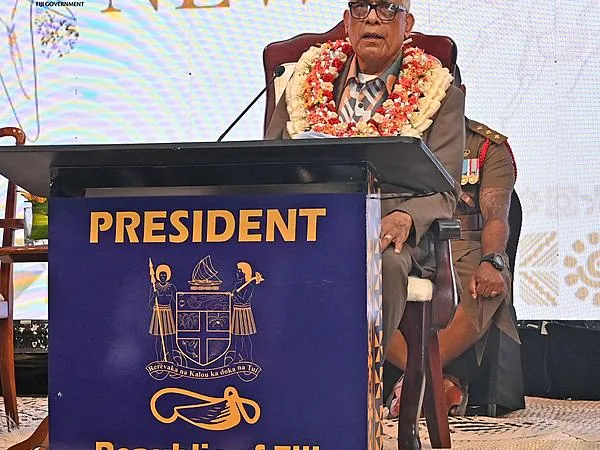
The President of the Republic of Fiji, His Excellency Ratu Naiqama Lalabalavu, unveiled the country’s new polymer banknote series today at the Grand Pacific Hotel.

The launch was attended by Prime Minister Hon. Sitiveni Rabuka, cabinet ministers, members of Parliament, the diplomatic corps, and representatives from the private sector.

President Lalabalavu highlighted that the nation’s currency is more than just a medium of exchange. “Today, we celebrate progress, prosperity, and unity as Fiji introduces a complete family of polymer banknotes for the first time,” he said.

The new series maintains the primary colours of existing notes while introducing updated designs reflecting Fiji’s national identity, heritage, and values:

  • $5 – The endangered Vonu Dina (green turtle), Fiji’s only herbivorous sea turtle.

  • $10 – Children planting mangroves, highlighting their role in climate mitigation.

  • $20 – The Reserve Bank of Fiji building, a landmark representing economic stewardship.

  • $50 – A Girmitiya lady and the vessel Leonidas, honouring the Girmitiya community’s contribution to national development.

  • $100 – An i-Taukei gentleman holding a bowl of yaqona, celebrating the Yaqona Vakaturaga Ceremony.

The President emphasised the security and sustainability features of the new polymer notes. “The polymer banknotes are layered with a combination of overt and covert security features, creating distinctive points for authentication. This makes them significantly more difficult to counterfeit compared to paper notes.”

“Globally, polymer banknotes have supported central banks’ sustainability efforts by reducing the volume of notes required, resulting in less waste for disposal. Each polymer banknote carries a vastly lower carbon footprint and is considered more environmentally friendly than paper or hybrid substrates,” he said.

He also highlighted local environmental efforts. “The Reserve Bank has further offset emissions through a community project providing solar energy to 24 homes and the village hall in Nakida, Naitasiri Province.”

President Lalabalavu acknowledged the Reserve Bank of Fiji and its team, as well as Crane Currency of Malta for their technical expertise in designing and producing the new banknotes. He praised the Bank’s economic management, noting robust financial systems, controlled inflation, and near-record levels of foreign reserves.

“Today, we celebrate not just the new designs, but the strength of the Fiji dollar and our economy,” he said.

Governor of the Reserve Bank of Fiji, Ariff Ali, underlined the Bank’s commitment to environmental responsibility, revealing that emissions from production of the new notes have been offset and that the RBF is exploring recycling opportunities throughout the cash cycle.

The launch also marks Fiji’s first collaboration with Crane Currency, a global banknote manufacturer with over 200 years of expertise. Governor Ali noted that Fiji’s coins are unlikely to undergo a review before 2030 due to their durability and lower counterfeiting risk.

The new polymer banknote series represents a historic milestone in Fiji’s financial history, combining innovation, national pride, and sustainability.

December 02, 2025

Fiji has surpassed its sugar export quotas to the United States for five consecutive years, reaffirming the reliability of the Fiji Sugar Corporation (FSC) under the U.S. Tariff-Rate Quota (TRQ) system.

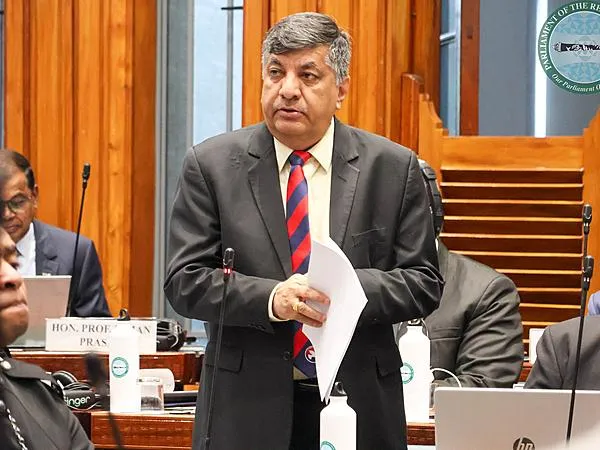
Minister for Sugar and Multi-ethnic Affairs Charan Jeath Singh told Parliament that since 2020, Fiji has not only met but exceeded its allocated quota each year.

In 2020, Fiji was allocated 14,330 tonnes and exported 15,611 tonnes. The trend continued in 2021, with exports reaching 10,551 tonnes against a 9,477-tonne allocation. In 2022, FSC exported 12,539 tonnes, exceeding the 11,785-tonne quota.

The 2023 and 2024 seasons each carried an allocation of 9,682 tonnes. Exports again surpassed expectations, totalling 13,760 tonnes in 2023 and 13,877 tonnes in 2024.

“This strong historical performance clearly demonstrates FSC’s capacity and reliability in honouring the requirements of the U.S. TRQ arrangement,” Minister Singh said.

Fiji’s sugar industry produces approximately 450,000 to 500,000 tonnes of raw sugar annually, with the majority processed at FSC’s two main mills in Lautoka and Rarawai. The sector employs tens of thousands of Fijians and plays a critical role in rural livelihoods, particularly in the Western Division, where sugarcane cultivation is a primary source of income.

The U.S. Tariff-Rate Quota (TRQ) allows a fixed quantity of sugar from Fiji to enter the United States at a reduced tariff. For Fiji, this quota has ranged between 9,000 and 15,000 tonnes in recent years, depending on U.S. allocations under the Generalised System of Preferences and bilateral arrangements. Sugar exports above this quota are subject to standard import tariffs, which are higher and less competitive on the global market.

Minister Singh noted that while the U.S. market remains important, it represents only a small segment—around 13,000 tonnes—of Fiji’s annual sugar exports. Over recent years, Fiji has broadened its global presence, strengthening trade with major destinations including the United Kingdom, Europe, South Korea, Asian refiners, and neighbouring Oceania markets.

The Minister emphasised that this diversification continues to enhance Fiji’s resilience and secure long-term stability for the sugar industry.

December 02, 2025

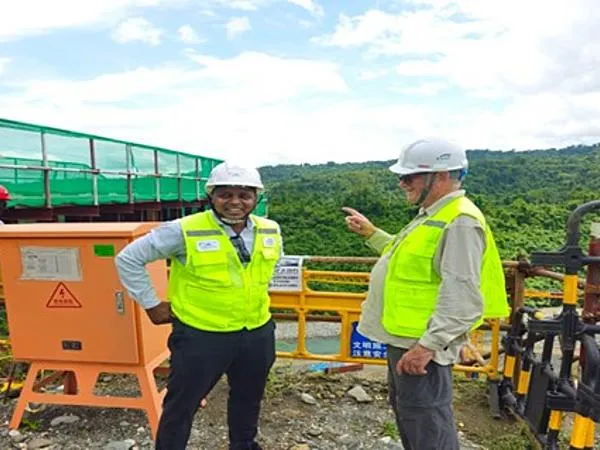
The Lenders’ Technical Advisors (LTA) Nor Consult have concluded their final engagement for 2025 with stakeholders of the Tina River Hydropower Development Project (TRHDP).

The mission brought together representatives from the Project Office (PO) of the Solomon Islands Government (SIG), Tina Hydropower Limited (THL), Hyundai Engineering Corporation (HEC), World Bank funding parties, the Owner’s Engineer (OE), and other key partners. Its aim was to review overall project progress, address priority issues requiring further attention, and agree on next steps.

During the mission, the team reviewed technical and safeguard priorities including the status of powerhouse foundation design actions, slope stabilisation measures, and the updated construction schedule. Operational matters were also discussed, covering biodiversity, workers’ welfare, reservoir management, core land company administration, and progress on Upper Tina catchment initiatives.

Further attention was given to Tunnel Boring Machine progress, the Managikiki bypass variation, aggregate extraction planning, and implementation of the flood early warning system. Discussions additionally covered technical financing and contractual matters, transmission line contracting with Solomon Power, PO staffing and inspection routines, and preparations for the March 2026 combined mission.

The one-week programme commenced on Monday, 24 November, with a joint site visit facilitated by the PO E&S Team to review field observations and key construction activities, including works at the right abutment and the RCC dam batching plant area.

On 25 November, the mission continued with discussions on priority project issues in relation to Occupational Health and Safety (OHS) matters with the PO, followed by a meeting with THL and HEC to review actions arising from the previous combined mission.

On 26 November, the team carried out a wide-ranging technical site assessment, detailed reviews of environmental and social matters with THL and HEC, and a targeted session with the PO E&S Team on incident reporting, monitoring, reservoir preparation, and upper catchment activities.

Engagements on 27 November included meetings with CBSP and Solomon Power, followed by a briefing to the World Bank and ongoing PO–LTA coordination. The mission concluded on 28 November with technical and E&S wrap-up meetings. LTA specialists confirmed their availability for further consultations as required before departing the country on 1 December 2025.

The TRHDP is the Solomon Islands’ first large-scale renewable energy project, aimed at delivering more affordable electricity and improving access to cleaner, more reliable energy for communities. The project is implemented by the Solomon Islands Government with financing and support from the Abu Dhabi Fund for Development, the Asian Development Bank, the Government of Australia, the Green Climate Fund, Korea EX-IM Economic Development Cooperation Fund, and the World Bank.

December 02, 2025

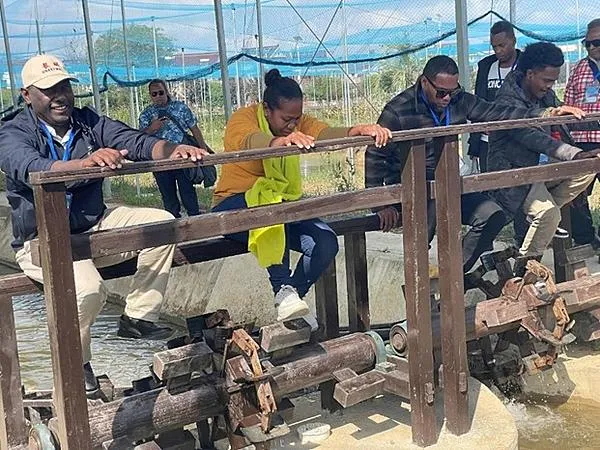
Officials from the Ministry of Agriculture and Livestock (MAL), together with representatives from the Ministry of Rural Development, the Ministry of Traditional Governance, Peace & Ecclesiastical Affairs, the Ministry of Provincial Government and Institutional Strengthening, the Commodities Export Marketing Authority, Kokonut Pacific Solomon Islands, key stakeholders and youth participants, have completed a rural development training seminar held from 8 to 30 October in Beijing.

The programme, delivered under China’s ongoing support for South–South Cooperation, aimed to strengthen capacity within developing nations through knowledge sharing on agriculture and rural transformation.

According to MAL, the seminar offered participants an in-depth understanding of China’s approaches to rural development, poverty alleviation, agricultural modernisation, rural governance, climate-smart agriculture and value-chain development. China’s experience in rural transformation is widely regarded as one of the most comprehensive in the world, making the seminar a significant opportunity for Solomon Islands government ministries, particularly MAL and the Ministry of Rural Development (MRD).

Throughout the training, participants were introduced to policies, technologies and practical models underpinning China’s rural revitalisation framework. Field visits to Jiangsu and Anhui provinces allowed attendees to observe community-driven governance systems, targeted poverty alleviation strategies, digital agriculture platforms, modern mechanisation, cooperative business structures, e-commerce logistics networks, and small- to medium-scale agro-processing industries.

Key areas of learning highlighted during the seminar included rural governance, agricultural modernisation, climate-smart agriculture, digital agriculture, agro-processing, biosecurity and rural revitalisation. Participants noted China’s emphasis on strong coordination between national and provincial agencies, data-driven planning, community participation and integrated value-chain development.

MAL said the insights gained hold strong potential to support Solomon Islands’ efforts to strengthen food security, enhance agricultural value chains, improve extension services and expand climate-smart agriculture initiatives across the provinces. The training also underscored the need for closer collaboration between MAL and MRD to improve planning, implementation and monitoring of rural development programmes.

Despite the opportunities presented, participants also identified several ongoing challenges facing rural development in the Solomon Islands, including limited budget resources, inter-island transport costs, customary land complexities, climate vulnerability, digital access limitations and gaps in rural infrastructure and data systems.

MAL acknowledged the Government of China for hosting the seminar and for its continued support for rural transformation in the Solomon Islands. The ministry said it looks forward to working with domestic stakeholders and development partners to translate lessons learned into practical outcomes for rural communities.

December 01, 2025

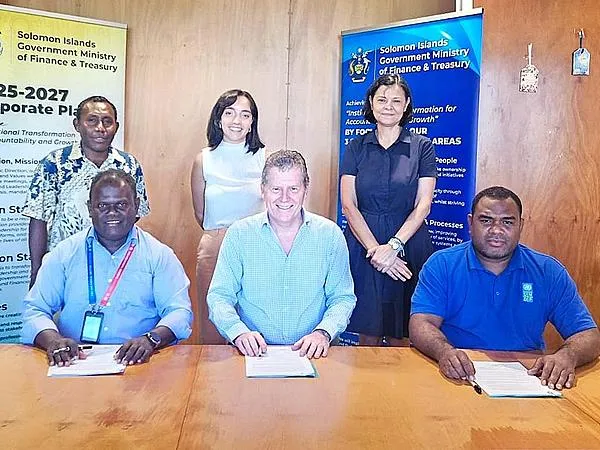
The United Kingdom Government, through its High Commission in Honiara, has signed a Technical Agreement with the Ministry of Finance and Treasury to commence work on Solomon Islands’ re-entry into the Extractive Industries Transparency Initiative (EITI).

The EITI is a global initiative aimed at promoting open and accountable management of oil, gas, and mineral resources. It establishes a standard for transparency in the extractive sector, requiring countries to disclose information about their natural resource revenues and how they are managed.

Solomon Islands first joined EITI in 2012 but withdrew seven years later to review, reform, and strengthen transparency mechanisms within its mining sector. On 12 May 2025, the Government made a formal decision to re-engage with the EITI framework. Following the Cabinet’s decision, the Government formally conveyed its commitment to the EITI International Secretariat on 18 June 2025 and requested re-engagement.

The Ministry of Finance and Treasury also confirmed the formation of the Multi-Stakeholder Group (MSG) in July. The MSG is the “Governance” body of EITI in Solomon Islands that oversees implementation of the initiative. It comprises representatives from national and provincial government institutions, civil society and landowners’ groups, as well as licensed mining companies.

This week’s signing of the Technical Agreement will significantly support the work of the EITI Secretariat in Solomon Islands. The technical assistance agreement covers the period November 2025 – March 2026 and focuses on the following core areas:

  • Capacity building of EITI implementing partners and the Multi-Stakeholder Group (MSG)

  • Scoping study of the extractive sector

  • Legal analysis and recommendations

  • Communication and stakeholder engagement

The Agreement symbolises the strong partnership and shared vision between the United Kingdom and the Solomon Islands Government in advancing transparency and integrity in the extractive industries for the benefit of all Solomon Islanders. It was also confirmed that technical support for this important commitment will be implemented through UNDP.

The EITI Standard outlines the requirements applicable to countries implementing the EITI, as well as the Articles of Association governing the initiative. It is the global benchmark for transparency and accountability in the oil, gas, and mining sectors.

As a framework for disclosure and multi-stakeholder oversight, the EITI Standard is designed to empower governments, industry, and civil society to promote understanding of natural resource management; strengthen public and corporate governance and accountability; and provide the data necessary to inform policy-making and debate.

The EITI Standard comprises three parts: Principles and Requirements, Board Oversight and Validation, and EITI Governance and Management.

December 01, 2025

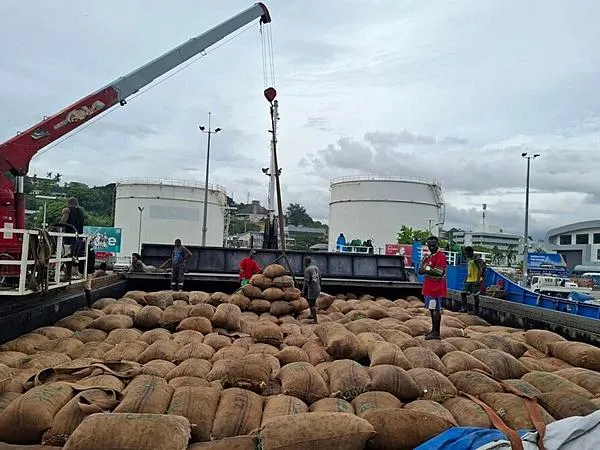
The Commodities Export Marketing Authority (CEMA) is making significant progress in strengthening direct export pathways for copra and cocoa, aiming to maximize value for local farmers and the national economy.

CEMA is moving away from reliance on intermediaries, engaging directly with international manufacturers to ensure higher returns, improved market stability, and greater transparency.

Direct partnerships for cocoa exports with manufacturers such as Barry Callebaut Cocoa Asia Pacific Pte Ltd, and for copra exports via Bangladesh to the United Arab Emirates, are securing better prices and benefits for Solomon Islands commodities. “This approach reduces dependency on middlemen, retaining more export value within the country,” CEMA said.

These efforts align with the Government for National Unity and Transformation’s (GNUT) mandate to secure better farm-gate prices and fairer participation for rural farmers. CEMA also recognizes the vital role of domestic processors in value-adding, creating employment, and strengthening the local market.

The authority plans to continue expanding direct partnerships and opening new export markets, prioritizing China, the Middle East, Southeast Asia, and premium chocolate manufacturers.

“This strategic shift reinforces CEMA's role as a driver of rural empowerment, increased farmer profitability, and sustainable national economic growth, supporting GNUT's productivity and trade priorities,” the authority said.

Cocoa and copra remain the two most important agricultural export commodities for the country. Combined export earnings saw a significant surge in 2025, reaching over SBD$511 million (approximately USD $63.7 million) in the first three quarters.

This growth is attributed to favorable global market prices, improved access to agricultural loans, increased participation from women and youth, and strengthened market linkages, leading to renewed confidence in the country’s agricultural sector.

December 01, 2025

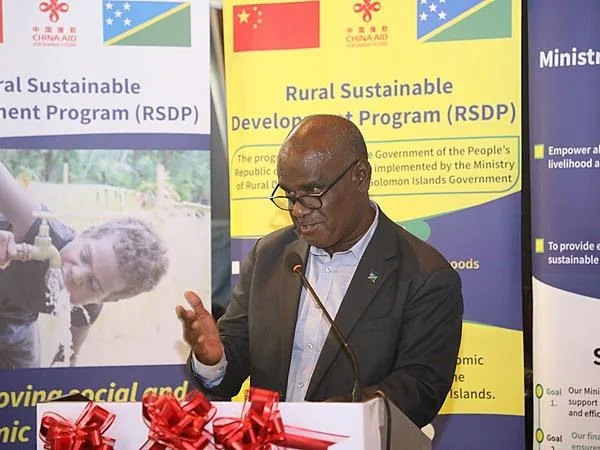
The Solomon Islands government today launched the second phase of the Rural Sustainable Development Program (RSDP), in partnership with China and backed by a $10 million grant. The move reflects deepening ties between the two nations since their formal diplomatic alignment in 2019. 

The program aims to boost social and economic development, improve livelihoods, and support inclusive growth across rural communities nationwide. Funds under RSDP are earmarked for small community infrastructure projects, income-generating initiatives, and climate‑change–related interventions.

Prime Minister Jeremiah Manele emphasized the strength of the bilateral partnership and the expected positive impact on rural populations.

China’s diplomatic representative, Charge d’Affairs H.E. Yang Jie, reaffirmed Beijing’s commitment to supporting Solomon Islands’ development, stressing the program’s emphasis on people‑centered growth.

The RSDP dovetails with the Solomon Islands National Development Strategy. It aligns closely with national priorities such as poverty alleviation, improved food security, and sustainable rural livelihoods. 

Under the RSDP, the Ministry of Rural Development will oversee implementation. Strict monitoring and reporting mechanisms are in place to ensure transparency and accountability.

Broader Chinese‑Led Cooperative Projects

The RSDP is part of a broader wave of Chinese‑funded or -supported development programs across the Solomon Islands since 2019. Over the past few years, Chinese assistance has contributed to major infrastructure and social‑service enhancements nationwide. Among them:

  • Delivery of key community assets: Through RSDP, several communities under the Malaita Outer Islands Constituency have received new vehicles to support mobility, economic activity and community programs. 

  • Fisheries and livelihood projects: In Central Guadalcanal Constituency, RSDP has funded the creation of a fisheries center — including boats, engines, and materials — as well as poultry, piggery and agriculture projects to diversify income sources for rural families.

  • Telecommunications and connectivity upgrades: Under a Chinese‑assisted broadband initiative, dozens of 3G/4G base stations are being constructed across remote islands to connect previously isolated communities.

  • Health and social services: Chinese medical and public‑service cooperation — including mobile clinics and support to national health facilities — have helped improve access to care in all nine provinces. 

According to the government, since RSDP’s inception in late 2023, the program has already delivered more than SBD 80 million in grants across communities nationwide. Under the second phase announced this week, each of the 50 constituencies will receive an allocation aimed at continuing and scaling up social‑economic and infrastructure investments.

Significance for Rural Communities

RSDP’s targeted interventions — from transportation and infrastructure to fisheries, agriculture, broadband connectivity, and social services — are designed to address long-standing rural challenges: limited access to markets, services, and opportunities. By channeling resources directly into constituencies, the program aims to reduce poverty, bolster food security, and enable sustainable livelihoods.

Prime Minister Manele said that this phase of RSDP represents not just financial support, but a renewed commitment to uplifting the lives of Solomon Islanders living outside urban centers.

November 26, 2025

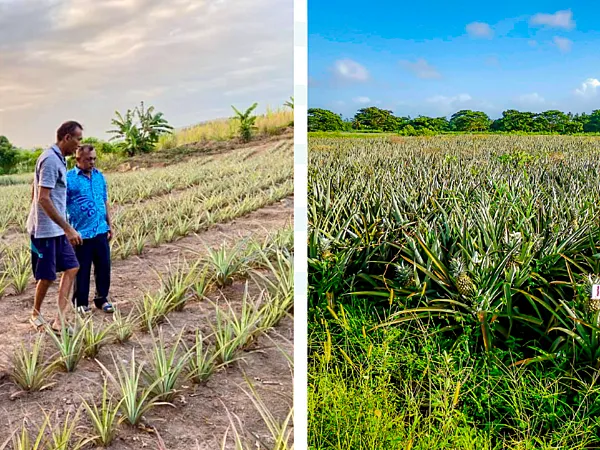
Fiji has achieved a significant milestone with the successful export of a three-tonne commercial trial shipment of Ripley Queen pineapples to New Zealand. Coordinated through the Ministry of Agriculture and Waterways’ Agriculture Trade & Marketing Research Programme, the shipment showcased the quality and export potential of locally grown pineapples.

Minister for Agriculture and Waterways, Hon. Tomasi Tunabuna, acknowledged the collaborative efforts of farmers, exporters, partner agencies, and stakeholders who contributed to the trial export. He noted that the achievement reflects growing confidence in Fiji’s ability to supply premium produce while supporting initiatives to expand agricultural exports.

The Ripley Queen variety has already generated positive interest in New Zealand for its sweetness, robust flavour, and strong shelf life. Minister Tunabuna emphasised that the trial’s success aligns with broader goals to diversify Fiji’s agriculture sector, improve market access, and enhance income opportunities for rural communities.

The shipment met all biosecurity and quality standards set by New Zealand authorities, marking an important step toward sustained export growth. The Ministry will continue to monitor market performance and provide ongoing support to farmers and exporters as discussions progress on expanding supply to New Zealand and other international markets.

Ripley Queen pineapples are a variety of dwarf pineapple known for their very sweet taste, pleasant aroma, and distinctive spiky leaves. They are typically cultivated in regions such as Queensland, Australia, and are prized for their non-fibrous flesh and relatively small size, weighing around 1.36 to 2.7 kg. Best enjoyed fresh, they are not well-suited for canning.

November 26, 2025

Fiji’s resurgent economy and widening investment prospects took centre stage as Australian and Fijian business and government leaders gathered on the Gold Coast for the 29th Australia–Fiji Business Forum from 22 to 24 October 2025. Hosted by the Australia Fiji Business Council in partnership with the Fiji Australia Business Council, the annual forum remains the premier platform for dialogue on bilateral trade and investment.

The three-day programme opened with remarks from Zane Yoshida, President of the Australia Fiji Business Council, setting the tone for discussions focused on growth, resilience and deeper regional collaboration. Keynote addresses followed from Hon Manoa Kamikamica, Fiji’s Deputy Prime Minister and Minister for Trade, SMEs and Communications, alongside senior representatives of the Australian Government.

Justin Smirk, Pacific Economist at Westpac, provided an overview of Fiji’s economic outlook, framing the country’s recovery within broader regional trends. Panellists Saud Minam of the Asian Development Bank, Kelera Cavuilati of the Market Development Facility and Kamal Chetty of Investment Fiji offered insights into private-sector performance and investment promotion outcomes.

Sector-focused sessions explored emerging opportunities in business process outsourcing, led by Josefa Wivou of Outsource Fiji and Lisa Apted of KPMG Fiji, and in agricultural exports, with contributions from Hon Tomasi Tunabuna, Avi Rebera of the Australian Office of Drug Control and Zane Yoshida of The Calmer Co. Infrastructure, sustainability and digitalisation featured strongly on day two, with senior executives from Fiji Ports Corporation, Energy Fiji Limited, the Water Authority of Fiji and the Fiji Roads Authority outlining major projects and long-term development pipelines.

The programme also included discussions on green climate financing led by Professor Paul Dargusch of Monash Business School, and on trade facilitation with Tim Houghton of Austrade and Tim Martin of PTI Australia. A closing session on sports diplomacy highlighted its potential as a growing economic driver.

Across all sessions, delegates emphasised that Australia and Fiji increasingly view each other “not only as commercial partners, but as part of a closely connected Pacific community linked by cultural ties, labour mobility, sport and education exchange.”

Forum discussions underscored opportunities in infrastructure, tourism, agriculture, renewable energy, outsourcing and financial services. Speakers noted that improved air and sea connectivity — including new Cairns–Nadi services — is strengthening supply chains and supporting mobility for businesses and travellers.

While global economic conditions remain challenging due to supply-chain disruptions, elevated borrowing costs and geopolitical realignment, delegates said these pressures are also creating space for strategic repositioning. Fiji’s tourism sector continues to perform strongly, and high-value exports such as processed agricultural products and Pacific wellness goods are gaining traction.

Financial inclusion remained a central theme, with speakers highlighting the importance of improving access to capital for MSMEs, women-led enterprises and community-based businesses. Initiatives focused on financial literacy, advisory support and enterprise growth are helping broaden economic participation and strengthen household resilience.

Infrastructure investment and the clean-energy transition were identified as critical to long-term competitiveness. Delegates pointed to opportunities in renewable generation, water and wastewater upgrades, tourism infrastructure and technology-enabled services, stressing the need for stronger project preparation, clearer regulations and contractor capability to accelerate delivery.

With its mix of plenary sessions, networking events and informal exchanges, this year’s forum offered rare access to decision-makers shaping Fiji’s next decade of economic development. Looking ahead, participants signalled a shared intent to translate strong diplomatic and cultural ties into deeper private-sector collaboration, climate-ready infrastructure and expanded trade and skills pathways.

Coordinated action between government, business and development partners, delegates said, will be essential to ensuring that progress is “sustainable and widely shared.”

November 25, 2025

The Solomon Islands government has taken a key step towards enhancing connectivity in the country’s remote eastern islands with the completion of community consultations and preliminary site surveying for a proposed Greenfield Airport on Vanikoro Island, Temotu Province.

From 9–30 October 2025, an official team led by the Ministry of Communication and Aviation (MCA), in collaboration with the Ministries of Infrastructure Development, Lands, Housing and Survey, Forestry, and Agriculture, conducted extensive consultations and technical assessments on a designated land area known locally as the Desert Land — the proposed site for the airport.

Upon arrival in Temotu Province, the delegation paid a courtesy call to the Provincial Office, where senior staff and Honourable members of the Provincial Assembly welcomed them. MCA Deputy Secretary Luke Mua, who led the mission, highlighted the significance of the project:

“The proposed Greenfield Airport at Vanikoro represents a transformative opportunity for Temotu Province. It will open new pathways for economic growth, enhance access to air transport services and strengthen the integration of remote communities into the national economy.”

He further explained the strategic value of the project: “One of the fundamental development priorities of the Ministry of Communication and Aviation is to connect and bridge our islands together."

"The proposed Vanikoro Greenfield Airport is a strategic investment that will contribute to this connectivity and accessibility. Such airport infrastructure will enable fast, efficient and safe travel for both people and goods, and offer vital support for education and medical services and even disaster relief. It will support tourism, foster economic growth, and provide access to air transport services for remote communities, in particular those of Temotu Vatud Constituency.”

Local leaders welcome initiative

Honourable John Fenua, Provincial Member for Anuta Ward, welcomed the government’s initiative, noting that previous proposals had not been realised.

“We welcome this project as it represents a significant step forward for Temotu Province. The initiative of developing an airport on Vanikoro Island was long known about but never delivered. Now that the current national government, through the Ministry of Communication and Aviation, has shown the effort and seriousness of implementing this airport infrastructure, it indicates that our people’s voices are heard. We look forward to continued collaboration as the project progresses.”

Community engagement and site assessments

The team held inclusive dialogues with local chiefs, elders, landowners, women, youth, and children across communities including Paiu, Emua, Muravai, Buma, Lavaka, and Lale. Discussions focused on the socio-economic benefits of the airport and addressed community concerns.

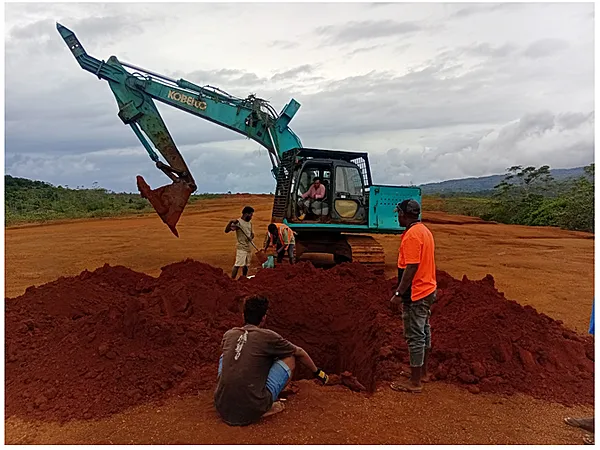
Technical officers conducted preliminary site surveys, assessing land suitability, environmental considerations, and infrastructure requirements. Soil testing, including Dynamic Cone Penetration (DCP) assessments and laboratory analysis of extracted soil samples, provided critical data on soil strength, density, and bearing capacity — key factors for airport construction.

Improving connectivity and economic opportunities

The proposed Greenfield Airport is expected to improve travel safety, reliability, and efficiency, particularly for the residents of Vanikoro Island and neighbouring islands in Temotu Vatud Constituency. Presently, travel relies on open boat marine (OBM) transport, which can be hazardous due to harsh weather conditions and high fuel costs. The airport is also seen as a catalyst for tourism and broader economic growth in the region.

The Ministry of Communication and Aviation reaffirmed its commitment to developing the airport sustainably, inclusively, and in a manner that benefits local communities while strengthening regional connectivity.


The Vanikoro Greenfield Airport is a government-led initiative aimed at improving air transport access for remote islands in Temotu Province, supporting tourism, trade, education, and emergency services, while providing safer, more reliable travel options for local communities.

November 25, 2025

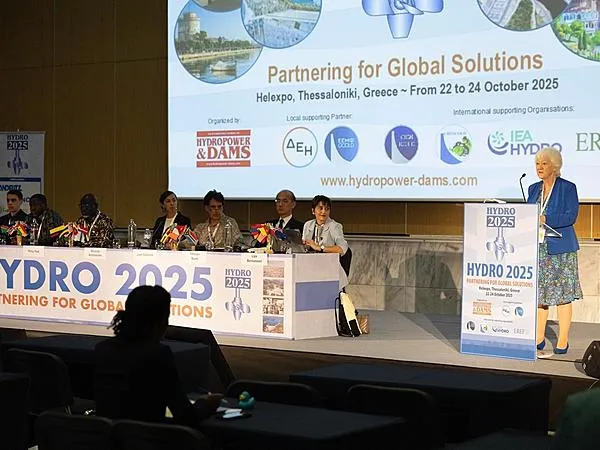
The Solomon Islands’ push for cleaner, more reliable and affordable energy gained renewed momentum as the Tina River Hydropower Development Project (TRHDP) took part in one of the world’s most influential hydropower gatherings, Hydro2025, held 21–24 October in Thessaloniki, Greece.

The event brought together engineers, financiers, policymakers and environmental specialists to address the challenges and opportunities shaping the future of hydropower. Among the delegates was TRHDP Biodiversity Officer John Walenenea Jnr, who participated on behalf of the Project Office, sharing on-the-ground experience from the Pacific while learning from global best practice.

For the Solomon Islands, the conference was more than a technical exchange — it was a reminder of why the Tina River Project remains central to the nation’s long-term development. As the country’s first large-scale renewable energy project, TRHDP aims to replace costly diesel generation, reduce emissions, stabilise electricity supply and support communities with cleaner, more affordable energy. Every new skill, tool and global connection built through forums like Hydro2025 strengthens that mission.

Hydro2025 featured 37 sessions spanning nearly every aspect of modern hydropower, from climate resilience and project financing to biodiversity protection, dam safety, sedimentation management and new digital tools. For a project progressing in a seismically active, climate-sensitive region like the Solomon Islands, the relevance was direct and immediate.

Improving reservoir sustainability

Sessions on sedimentation and reservoir management showcased real-time monitoring tools designed to protect turbines and extend reservoir life. These technologies help operators make informed decisions on flushing, dredging and long-term maintenance — knowledge that could support Tina River’s future operations and reduce costs over the plant’s lifespan.

Protecting fish and biodiversity

Hydropower’s environmental footprint was a major theme, including presentations on AI-powered systems that identify fish species and track aquatic life. Such tools could strengthen environmental compliance in sensitive river ecosystems and bolster the Tina River Project’s biodiversity commitments.

Advancing dam safety

Delegates also heard how satellite-based InSAR imaging and neural-network analysis are now being used to identify new and historical landslides that may increase reservoir sedimentation or threaten structures. Integrating these systems could further enhance the Tina River Project’s monitoring and safety framework.

Building climate resilience

Climate risk assessments, including frameworks such as the Climate Change Risk Assessment (CCRA), were highlighted as essential tools for hydropower operators. Hydrological forecasting, integrated water resource management and long-term adaptation plans were also underscored as critical for safeguarding communities downstream — a priority for the Solomon Islands.

Strengthening environmental and social safeguards

Discussions on carbon footprint reduction, community engagement and contractor responsibility aligned closely with TRHDP’s ongoing social and environmental work. Early planning, material reuse and transparent monitoring were identified as effective ways to ensure community trust and environmental integrity.

Enhancing flood forecasting and management

Presentations from Japan, France and Italy demonstrated advanced flood forecasting systems that enable reservoir drawdown with minimal water loss while improving storage recovery. These tools underline the importance of strong hydrological data collection during both design and construction — an area noted as an opportunity for further policy development in the Solomon Islands.

Participation in Hydro2025 allowed the Solomon Islands Government and the Project Office team to build global networks, exchange perspectives and absorb lessons from some of the world’s most complex hydropower projects. For TRHDP, the knowledge gained supports its broader national role: delivering cleaner energy, improving reliability, lowering generation costs and reducing dependence on diesel — all while building the country’s resilience to climate change.

The Tina River Hydropower Development Project is the Solomon Islands’ first large-scale renewable energy initiative. It aims to deliver more affordable, cleaner and more reliable electricity for communities now and in the future. The project is implemented by the Solomon Islands Government with financing and support from the Abu Dhabi Fund for Development, the Asian Development Bank, the Government of Australia, the Green Climate Fund, the Korea EXIM Economic Development Cooperation Fund and the World Bank.