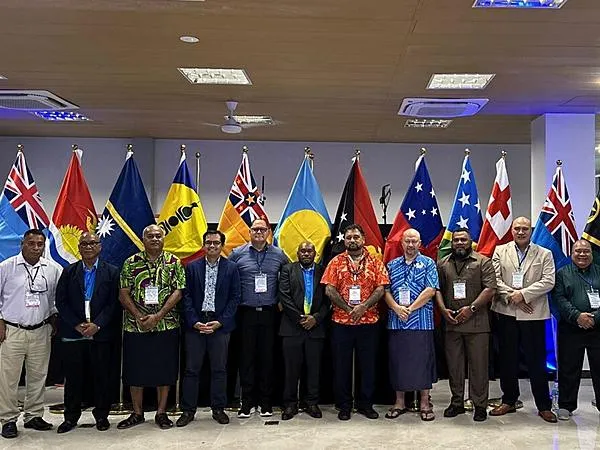
The Ninth Pacific Water and Wastewater Ministers (PWWM) Meeting concluded on 26 August in Honiara, with ministers from 14 Pacific Island countries and territories committing to urgent action to strengthen water and sanitation across the region.
The forum, held from 25–26 August, brought together ministers and senior representatives from American Samoa, Cook Islands, Fiji, Kiribati, Nauru, New Caledonia, Niue, Palau, Papua New Guinea, Samoa, Solomon Islands, Tonga, Tuvalu and Vanuatu, alongside regional organisations and development partners including the Pacific Water and Wastewater Association (PWWA), the Pacific Community (SPC), the Pacific Islands Forum Secretariat, the Asian Development Bank, the World Bank, Australia and New Zealand.
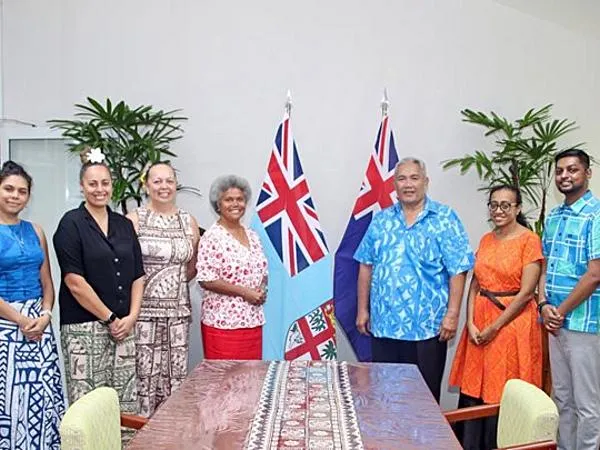
In their communiqué, ministers reaffirmed that safe, reliable and sustainable water and sanitation are fundamental to the health, dignity, security and resilience of Pacific peoples. They highlighted the urgent need for renewed national action and regional solidarity to address access gaps, noting that nine million Pacific Islanders lack basic sanitation and five million do not have access to safe water.
The communiqué stressed that water is not only an economic issue but also a fundamental human right and a matter of regional security.
The forum emphasised the importance of resilience to climate change and natural disasters, noting the Pacific’s vulnerability to droughts, floods and other hydro-meteorological events. Ministers called for stronger investment in hydrological services, disaster preparedness and innovative infrastructure solutions to ensure water and sanitation systems can withstand these challenges.
Ministers also recognised the vital role of Pacific water and wastewater utilities, supporting continued efforts to strengthen governance, capacity and performance through peer learning and collaboration. The communiqué endorsed the creation of a Pacific Water Security Warriors programme to develop a new generation of champions advocating for water security nationally, regionally and internationally.
They also resolved to carry the Pacific’s priorities into global forums, including the 2026 United Nations Water Conference in Abu Dhabi, and reaffirmed their commitment to achieving Sustainable Development Goal 6. They agreed that no Pacific Islander should be left behind in this effort.
The Tenth Pacific Water and Wastewater Ministers Meeting will be hosted by French Polynesia in 2026, where progress on these commitments will be reviewed.
The 16th Pacific Water and Wastewater Conference and Expo, which runs alongside the ministers meeting, continues today and will conclude tomorrow, 28 August 2025. The Expo is showcasing the latest innovations, technologies and solutions for the region’s water and sanitation challenges.
Pacific Water Warrior Mechanism
The Solomon Islands Government, through the Ministry of Mines, Energy and Rural Electrification, has called for the creation of a new regional advocacy initiative – the Pacific Water Warrior Mechanism – to strengthen the Pacific’s voice on water security at all levels.
Speaking at the Ninth Pacific Water and Wastewater Ministers Meeting, Permanent Secretary Dr. Christopher Vehe said the initiative would empower champions from across the region, including ministers, technical leaders, women, youth and civil society. He stressed that water must be recognised not only as a technical issue but also as a political, economic, health and survival priority for the Blue Pacific.
Dr. Vehe noted that, for the first time, water will be formally placed on the agenda of the Pacific Islands Forum Leaders Meeting, which will be held in Honiara next month. He explained that Solomon Islands had successfully tabled a paper on water and sanitation at the recent Forum Officials Committee in Suva, paving the way for outcomes of the Ninth PWWM to be presented directly to regional leaders.
He described this as a “historic achievement” and urged fellow ministers to support elevating water to the highest political level.
The Pacific Water Warrior Mechanism is intended to drive advocacy in both regional and international forums, including the UN Water Conference in Dubai in 2026 and the World Water Forum in Riyadh in 2027.
It will also nurture a new generation of Pacific Water Warriors through training, mentoring and leadership development, in partnership with regional organisations such as the Pacific Community, the PWWA, its Young Water Professionals Programme and the Pacific Resilience Partnership Water Security Working Group.
Dr. Vehe called on ministers to endorse the mechanism as a long-term regional initiative to mobilise resources, build capacity and ensure continuity of political leadership for water security in the Pacific.
He also urged support for recognising outgoing, current and incoming PWWM chairs as champions of Pacific water security, with strong backing from regional institutions to maintain water as a priority issue in Pacific Islands Forum and United Nations processes.
Emphasising the urgency of collective action, Dr. Vehe said that without water there can be no health, food security, resilience or sustainable development. He added that Solomon Islands, as host of the Ninth PWWM, is committed to ensuring that water security remains at the centre of regional discussions and that leaders, both present and future, are empowered to carry this agenda forward.
Regional leaders have now formally endorsed the Pacific Water Warrior Mechanism, which has been included in the Ninth PWWM communiqué as a long-term initiative for the Blue Pacific.
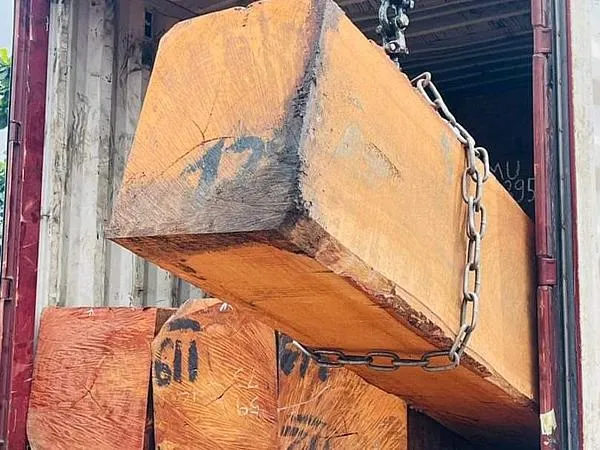
Timber producers in Solomon Islands are stepping up their push for international certification, aiming to unlock high-value markets while safeguarding jobs and incomes for thousands of rural households.
At the Solomon Islands Sawn Timber Knowledge Forum held in Honiara on 13 August, industry leaders, partners and government representatives celebrated progress made under the Solomon Islands Timber Processors and Exporters Association (SITPEA).
The forum, co-hosted by Australia and New Zealand alongside SITPEA, highlighted advances towards certification under the Programme for the Endorsement of Forest Certification (PEFC), a globally recognised standard for sustainable forestry.
“Sawn timber is an important source of income and jobs for Solomon Islanders and SITPEA is positioning Solomon Islands as a trusted source of certified, high-value timber,” said Australian High Commissioner Rod Hilton. “This Forum has been about sharing lessons and strengthening relationships that will help SITPEA and its members to continue their business journey into the future.”
The industry sustains about 9,000 rural households through SITPEA’s member network. In July, three of SITPEA’s 17 members underwent external audits under the PEFC’s Chain of Custody Standard. Although the final results are pending, initial feedback has been positive. Plans are already under way to expand certification to cover more members.
The event also recognised the importance of long-term partnerships and trust in driving change. Australian and New Zealand governments joined the forum, alongside importers and regional certification organisations, some of whom participated virtually.
“Certification isn’t just about meeting market standards – it’s about building trust, improving livelihoods and protecting our forests,” said Adam Bartlett, Chair of SITPEA. “This forum celebrates how far we’ve come and launches us into what comes next. We are committed to expanding timber certification and strengthening our industry practices.”
With certification paving the way for greater access to premium markets, stakeholders say the effort is not just about trade, but also about ensuring that timber remains a source of dignity and sustainable income for communities across Solomon Islands.
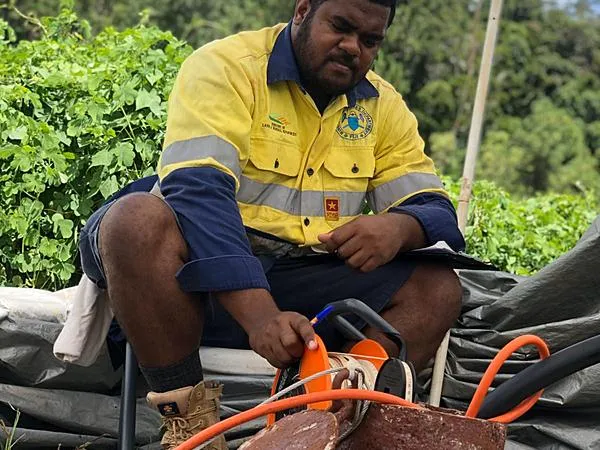
Fiji has embarked on its most comprehensive groundwater survey to date, aiming to strengthen water security and resilience on its largest island, Viti Levu.
The Ministry of Lands and Mineral Resources, in partnership with the Australian Government through Geoscience Australia, launched a national initiative that will use advanced airborne electromagnetic (AEM) technology to map underground water reserves. The Pacific Community (SPC) is also providing technical support.
Officials said the programme is Fiji’s biggest investment so far in the scientific assessment of its water resources. It comes as the country faces mounting pressure on freshwater supplies, with nearly half of treated water lost through ageing infrastructure and many rural communities relying on shallow, unreliable wells.
Minister for Lands and Mineral Resources Filimoni Vosarogo described the initiative as a breakthrough in safeguarding Fiji’s water future.
“This comprehensive assessment will provide the scientific foundation needed to secure water resources for all Fijians, particularly as we face the growing impacts of climate change,” he said.
He added: “This partnership is a major breakthrough in our efforts to provide reliable groundwater data across Fiji. It means our rural and maritime communities, many of whom rely solely on groundwater, will benefit from science-based planning to ensure safe and sustainable water access.”
The survey employs helicopter-mounted sensors to detect water resources at depths greater than 300 metres. Officials stressed the technology is non-invasive, requires no ground disturbance and is safe for people, livestock and the environment.
Dr Paula Vivili, SPC Deputy Director General for Science and Capability, said the initiative reflects the growing importance of data-driven water management in the Pacific.
“We are proud to support Fiji’s groundwater mapping initiative, which represents exactly the kind of science-based approach needed to address water security challenges across our region,” he said. “Our decades of experience with electromagnetic surveys and groundwater assessment in Pacific Island countries have shown these technologies can provide crucial data for communities facing increasing climate pressures.”
Survey results will provide government agencies, development partners and communities with detailed three-dimensional maps of groundwater distribution, quality and yield potential. These findings will guide long-term water infrastructure investment, drought preparedness and local water management.
Officials said preliminary results are expected within months and will immediately inform water security planning. Communities will be engaged throughout the process to ensure findings translate into practical, locally led solutions.
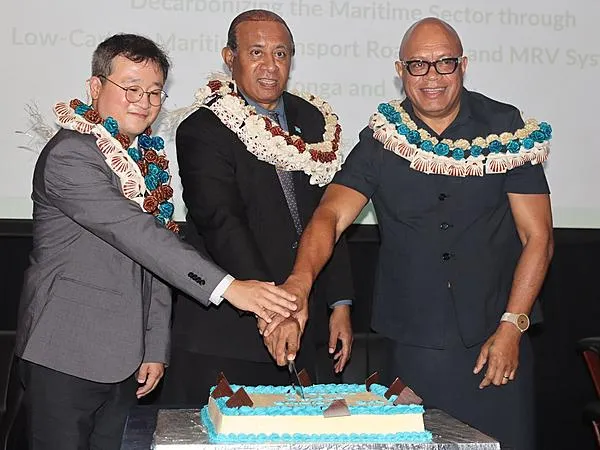
Pacific nations Fiji, Tonga and Vanuatu have joined forces with the Republic of Korea and the Global Green Growth Institute (GGGI) to launch a landmark regional initiative aimed at decarbonising maritime transport.
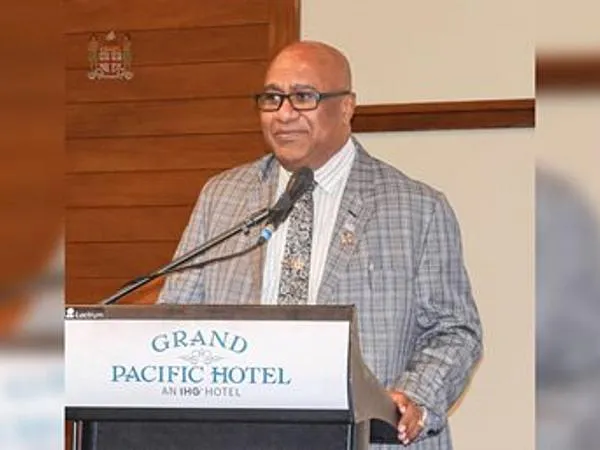
The USD 9 million, five-year programme, officially launched at the Grand Pacific Hotel in Suva in August, will help the three island states transition towards low-carbon shipping while strengthening resilience to climate change.
Funded by Korea’s Ministry of Oceans and Fisheries and implemented by GGGI in close partnership with the participating governments, the initiative will develop national low-carbon maritime transport roadmaps, set up monitoring, reporting and verification (MRV) systems, pilot Alternate Marine Power (AMP) systems in ports and build institutional capacity to attract green investment.
Minister for Public Works, Meteorological Services and Transport Ro Filipe Tuisawau said the programme was central to Fiji’s climate and economic ambitions.
“Decarbonising our shipping sector is both an environmental necessity and an economic opportunity,” he said. “Through this partnership with the Republic of Korea, GGGI and our Pacific neighbours, we aim to strengthen regulatory frameworks and build the skills needed to deliver cleaner, more efficient maritime transport for all Fijians.”
He stressed that the programme supports Fiji’s Nationally Determined Contribution under the Paris Agreement and aligns with the International Maritime Organization’s revised strategy to achieve net-zero emissions by 2050.
Tonga’s Deputy Prime Minister and Minister of Infrastructure Dr. Taniela Fusimalohi highlighted the role of shipping in connecting island communities, while Vanuatu’s Acting Director of Ports and Marine Department Mr. Robson Tari noted the opportunity to modernise fleets and invest in sustainable infrastructure.
Chargé d’Affaires of the Korean Embassy in Fiji Mr. Myong Jun Kim reaffirmed his country’s commitment to sharing expertise and technology, and GGGI Pacific Regional Director Mr. Sakiusa Tuisolia described the initiative as “a landmark example of cooperation to address climate change while driving inclusive green growth.”
Over the next five years, the programme aims to bridge knowledge and capacity gaps, support national strategies and roll out scalable solutions such as AMP systems. Officials said its ultimate goal is to deliver cleaner ships, greener ports and resilient maritime transport systems for Fiji, Tonga and Vanuatu — creating a model for the wider Pacific.
Fiji and the Cook Islands have reaffirmed their commitment to closer cooperation following high-level talks in Suva last week between Assistant Minister for Foreign Affairs Lenora Qereqeretabua and Cook Islands Foreign Affairs and Immigration Minister Tingika Elikana.
The meeting underscored the warm friendship between the two Pacific neighbours and their shared vision for regional peace and prosperity.
Central to the discussions was the implementation of the Development Cooperation Agreement (DCA) signed in 2023, with a focus on boosting trade and investment, strengthening air and sea connectivity, enhancing labour mobility and supporting diaspora communities.
Assistant Minister Qereqeretabua commended the Cook Islands for its continued collaboration, stressing that the partnership has significant potential to expand in key areas of development.
She also thanked the Cook Islands for inviting Fiji to take part in the 60th Constitution Day celebrations in Rarotonga last week, describing her participation as “an honour” and a symbol of the two nations’ growing ties.
In turn, Minister Elikana praised the cooperation between Fiji and the Cook Islands, pledging to build further on the relationship through sustained dialogue and joint initiatives.
The talks concluded with a commemorative tree planting at Thurston Gardens in Suva, held to mark the Cook Islands’ 60th anniversary of self-government. The ceremony was described as a gesture of enduring friendship and a commitment to work together for the benefit of both nations.
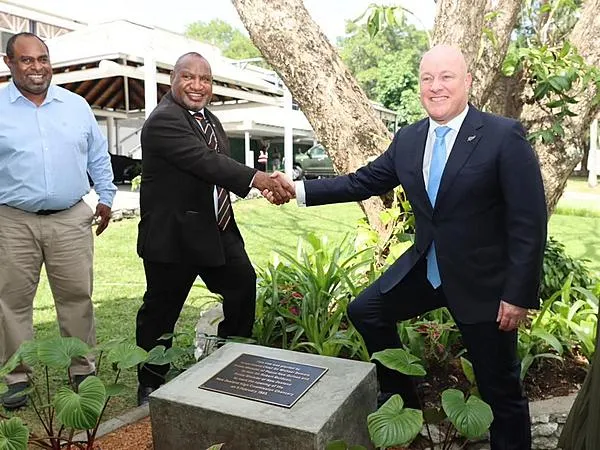
Prime Minister James Marape has described the official visit of New Zealand Prime Minister Christopher Luxon as a “historic and defining moment” in bilateral relations, reaffirming a shared commitment to peace, prosperity and Pacific solidarity.
The visit, from 4 to 6 August, marked a milestone in Papua New Guinea’s diplomatic history as Mr Luxon became the first New Zealand leader — and only the second foreign leader after Australia’s Anthony Albanese in 2023 — to address the National Parliament.
Welcoming his counterpart and delegation to Parliament House in Waigani, Marape called the visit a “powerful reaffirmation of a friendship rooted in integrity, trust and shared Pacific values.”
“This day, we do not just welcome a neighbour — we welcome a family member,” he said. “New Zealand stood with us in 1975 when we gained Independence and has walked alongside us for the last 50 years. This visit renews that vow of partnership and positions us to move forward together for the next 50 years.”
A friendship forged in shared history
Marape paid tribute to New Zealand’s role in PNG’s nation-building — from helping form the civil service, health and education systems to its peace-building role during the Bougainville Crisis and support after the 2001 Bougainville Peace Agreement.
This year, the two countries launched the Papua New Guinea–New Zealand Statement of Partnership 2025–2029, a strategic framework built on five pillars: political and regional collaboration; economic and trade engagement; education and labour mobility; peace and security, particularly in Bougainville; and climate action and environmental resilience.
“This partnership is not built on aid or handouts,” Marape said. “It is built on mutual respect and a shared vision for transforming lives, uplifting communities and creating opportunity for the next generation.”
Delivering on shared ambitions
Bilateral talks between the leaders focused on initiatives aligned with PNG’s 50-year development vision, including:
Thousands of New Zealanders currently live and work in PNG, while a growing Papua New Guinean diaspora contributes to New Zealand’s communities and economy. Marape said such people-to-people ties strengthened both nations.
“In a world of turbulence, we seek friends who lead not through might, but through right — and New Zealand is such a friend,” he said, underscoring the two nations’ role in the 2050 Strategy for the Blue Pacific Continent. “We are committed to stand together — to protect our oceans, defend our democracies and ensure no Pacific child is left behind.”
Bougainville peace: NZ’s enduring role
Luxon’s visit came just weeks after the Burnham Consultations in Canterbury, hosted by New Zealand and moderated by former governor-general Sir Jerry Mateparae, with United Nations support. The talks advanced post-referendum dialogue between the Autonomous Bougainville Government and the PNG Government.
New Zealand, a signatory witness to the Bougainville Peace Agreement, has been a consistent peace partner since hosting the first Burnham talks in 1997, facilitating neutral dialogue and deploying an unarmed Truce Monitoring Group.
In June, both sides agreed to present the 2019 referendum results — alongside the moderator’s report and bipartisan committee findings — to the PNG Parliament, a step towards deciding Bougainville’s political future.
“New Zealand’s role as a neutral facilitator and peace partner remains indispensable,” Marape said. “Their commitment at Burnham reaffirms our shared dedication to a lasting, homegrown solution.”
A golden season of diplomacy
The Luxon visit opens a historic sequence of engagements as PNG celebrates its 50th Independence Anniversary.
In early September, the country will host UN Secretary-General António Guterres for a four-day visit — the first by a UN chief in PNG’s history, and the longest stay anywhere in the Pacific. He will address Parliament before the anniversary celebrations on 16 September, which are expected to draw leaders from across the Pacific and beyond.
“This marks a historic moment that recognises PNG’s growing role in regional peace, climate action and sustainable development,” Marape said.
The Prime Minister has called on citizens to embrace the anniversary year with unity: “We are privileged to live during this milestone year. Let us come together with one heart, one mind, one nation.”
SME growth and trade opportunities
The New Zealand Prime Minister also attended the New Zealand Economic Support Morning Tea on 6 August, where International Trade and Investment Minister Richard Maru thanked Wellington for its support of PNG’s small and medium-sized enterprises.
Through the Business Link Pacific (BLP) programme, New Zealand provides PNG businesses — particularly women-owned and rural enterprises — with advisory services, concessional loans and grants.
Maru noted that New Zealand had also funded major market upgrades in Gordons, Kimbe and Lae, which he said directly support informal vendors and SME operators. “Markets are where most of our SMEs and mothers from the informal sector sell their products,” he said. “We want this to be replicated in the rest of the provinces and districts in the country to support our mothers and sisters.”
He outlined the PNG Government’s own commitment, which includes over K100 million annually for SME loans and new grant funding for the Women’s Microbank (Mama Bank). He also announced a National Executive Council decision to offer competitive K100,000 grants to help SMEs export to overseas markets.
Mr Maru proposed anchoring the PNG–NZ relationship in a Comprehensive Economic Partnership Agreement to support SME growth, entrepreneurship and trade, while firmly stating that PNG would not join the PACER Plus agreement.
“We are a big island nation,” he said. “We have the resources, we have the population, we have our own issues and our own national interest that must be catered for.”
Looking ahead: unity and purpose
In his Parliament address, Luxon paid tribute to PNG’s progress since Independence and affirmed New Zealand’s commitment to the shared Pacific vision. He highlighted cooperation on climate change, renewable energy and labour mobility, and said the friendship was “anchored in trust, shared history and mutual respect.”
Marape, in closing the visit, stressed that the PNG–NZ partnership was “not just transactional — it is transformational.”
“Together, we are building something that transcends politics — a legacy of peace, purpose and Pacific partnership,” he said. “May the bond between our peoples deepen. May the mountains of PNG and the shores of Aotearoa rise together. And may the next 50 years be a testament to what we can achieve — side by side, wantok to wantok,” Marape said.
The Ministry of Trade, Co-operatives, Micro, Small and Medium Enterprises (MSMEs) and Communications welcomes the United States’ decision to reduce the reciprocal tariff on Fijian-origin exports from 32 percent to 15 percent.
This development follows sustained and principled engagement by Fiji with the Office of the United States Trade Representative (USTR), aimed at protecting market access for Fijian goods.
“This is a strong signal that early and principled engagement works. We made our case clearly and the US has responded positively,” said Manoa Kamikamica, Deputy Prime Minister and Minister for Trade, Co-operatives, MSMEs and Communications. “This reduction offers welcome relief to our exporters and helps preserve their competitiveness in the US market.”
The reduced tariff rate will take effect from 8 August 2025, applying to all goods of Fijian origin unless excluded under specific provisions.
“The 15 percent tariff is not the end of the journey. As referred to in the Executive Order of 1 August 2025, Fiji is designated as a country in ongoing negotiations with the United States,” said DPM Kamikamica.
“We remain committed to advancing these discussions in good faith. Our ultimate goal is to significantly reduce the 15 percent tariff and explore all available avenues to ensure improved and sustained market access for Fijian exports," he added.
Fiji’s case, as is the case for other Pacific Island countries, is grounded in compelling facts and economic reason:
Fiji accounts for less than 0.0001 percent of total US imports, posing no discernible threat to US industry
Our exports are largely small-scale, niche, non-competing and seasonal, often complementing rather than substituting US production
Fiji’s weighted average tariff on US goods is around 1.8 percent, with over 60 percent of tariff lines already set at zero
These facts reinforce Fiji’s position that the application of additional tariffs on Fijian goods warrants careful reconsideration in light of our trade profile and longstanding cooperation.
Fiji’s proactive and constructive approach has not only advanced its national interests but has also delivered broader regional gains. The United States has confirmed that the uniform 15 percent tariff rate now applies to a number of Pacific Island countries, many of which were previously subject to higher rates, as a direct result of Fiji’s persistent advocacy on behalf of the region.
DPM Kamikamica added, “This outcome affirms our approach to meaningful negotiations that deliver concrete benefits for our exporters. It is also a positive step in deepening our bilateral trade ties with the US.”
Technical discussions with USTR are ongoing, particularly on the development of a proposed “Zero List” — a list of Fijian exports that may qualify for 0 percent tariffs. This list will focus on products not produced in the US, offering a competitive edge for Fijian exporters.
Fiji remains committed to securing even better outcomes for its exporters and ensuring that Fijian products are competitive, visible and accessible in the US market.
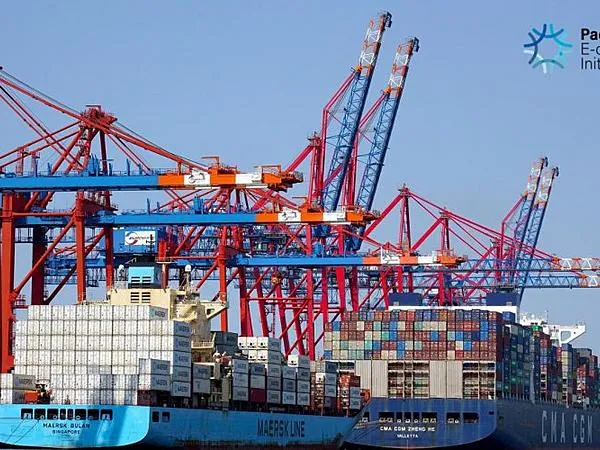
The Oceania Customs Organisation (OCO), representing 24 Pacific Island Customs administrations, has joined the Pacific E-commerce Alliance, as global digital trade reaches unprecedented levels. The partnership—approved during OCO’s annual conference in Guam—brings crucial Customs expertise to the alliance, which was coordinated by the Pacific Islands Forum Secretariat.
“This partnership represents a critical step forward in our collective efforts to harness the potential of digital trade for Pacific communities,” said Zarak Khan, director of Programme and Initiatives at the Pacific Islands Forum Secretariat. “OCO’s expertise in Customs modernisation will be invaluable as we work to create opportunities for Pacific businesses in the global digital marketplace.”
Established in July 2023, the alliance now comprises six partners: the Commonwealth Secretariat, Pacific Islands Forum Secretariat, Pacific Tourism Organisation, UN Economic and Social Commission for Asia and the Pacific, UN Conference on Trade and Development (UNCTAD), and OCO. Global e-commerce sales are projected to reach US$6.56 trillion in 2025, with over 3 billion digital buyers worldwide (eMarketer, 2025).
“The dramatic increase in small-parcel shipments through e-commerce has created detection challenges that our traditional systems weren’t designed to address,” said Udit Singh, chief executive officer of the Fiji Revenue and Customs Service and current OCO Steering Committee Chairperson. “We must develop tailored risk management approaches for this new commerce landscape.”
The Asia-Pacific region is the fastest-growing e-commerce market globally, with countries such as the Philippines and India showing growth rates exceeding 20 percent (UNCTAD, 2025). While many Pacific Customs administrations continue to operate outdated systems, there has been notable progress. For example, Vanuatu has developed one of the world’s most advanced electronic single window systems, achieving several global firsts—including the first passenger module created in the Automated Systems for Customs Data (ASYCUDA) and the first direct online payment between a bank and Customs in the Pacific. The system reduced cargo clearance time from three days to less than one.
“Joining the Pacific E-commerce Alliance strengthens our ability to support member countries in adapting to the digital trade environment,” said Nancy T. Oraka, head of Secretariat for OCO. “Through this partnership, we can develop regional solutions that work for economies of all sizes.”
Eight OCO members have implemented components of a regional single window system, reducing average clearing times by 37 percent. This progress is timely, as global online sales are expected to reach US$7 trillion by 2027 (eMarketer, 2025). For Pacific Island nations, this growth presents both opportunities and challenges—countries must invest in digital infrastructure while improving access to global markets.
To help meet these goals, the alliance operates under the Pacific E-commerce Initiative, which aims to create a “transformative Blue Pacific economy where all businesses and consumers actively engage in domestic and cross-border electronic commerce.” This initiative is guided by the Pacific Regional E-commerce Strategy and Roadmap, endorsed by Forum Trade Ministers in 2021, which provides a coordinated framework for strengthening digital trade across the region.
“By joining the Pacific E-commerce Alliance, we strengthen our unity of purpose and willingness to support one another,” Singh said. “We understand our collective voice is stronger than our individual ones.”
Looking ahead, OCO’s future initiatives will focus on advancing digital transformation across its membership, with a strong emphasis on adopting new technologies and tools adapted to Pacific contexts.
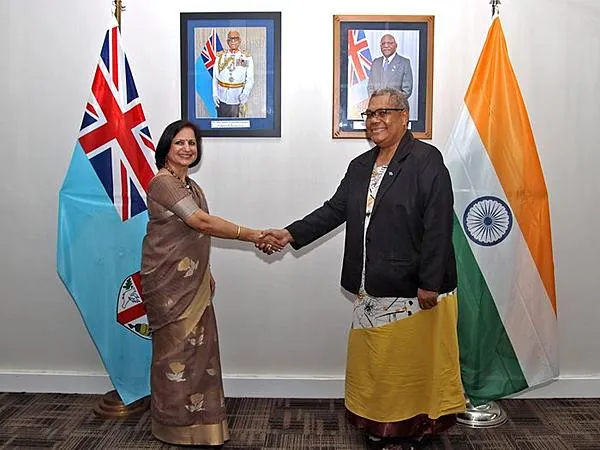
The Government of Fiji and the Republic of India convened the Sixth Foreign Office Consultations (FOC) reaffirming their shared commitment to strengthening bilateral relations, cultural ties, socio-economic development and international cooperation.
The consultations brought together senior officials from both governments to review current areas of cooperation and explore new opportunities for deeper ongoing collaboration. The meeting also served as a strategic platform to prepare for the upcoming official visit of the Prime Minister of Fiji and Minister for Foreign Affairs, Sitiveni Rabuka, to India on 25 August 2025.
The one-day consultation at the Ministry of Foreign Affairs headquarters in Suva, was presided over by Fiji’s Permanent Secretary for Foreign Affairs Dr. Raijeli Taga and the Republic of India’s Secretary (South) in the Ministry of External Affairs Dr. Neena Malhotra.
Taga welcomed Malhotra and her delegation from the Ministry of External Affairs of the Republic of India and expressed her deep gratitude to India for its support in facilitating this important dialogue. She acknowledged India’s contributions to Fiji’s socio-economic development through the Forum for India-Pacific Island Countries Cooperation, the Indian Technical and Economic Cooperation (ITEC) programme and various bilateral development projects such as the proposed 100-bed Super Speciality Cardiology Hospital.
Malhotra conveyed similar sentiments, expressing confidence that the outcomes of the Sixth Foreign Office Consultations would lead to stronger cooperation between the two countries. She also appreciated the opportunity to hear directly from senior government officials about Fiji’s foreign policy, regional cooperation and national development priorities. Dr Malhotra added that she looks forward to the implementation of the landmark 100-bed super speciality hospital project and the establishment of the Indian Cultural Centre and Chancery in Suva.
As Fiji and India approach the commemoration of 55 years of formal diplomatic relations, the Sixth Foreign Office Consultations served as an important dialogue that reaffirmed both countries’ commitment to preserving their historical ties and enduring partnership and to elevating the relationship to new heights.
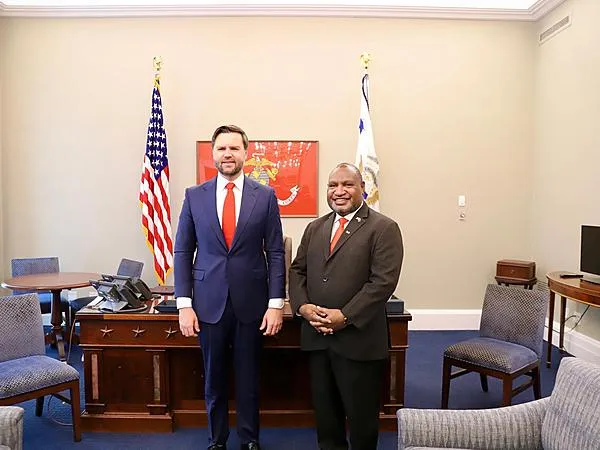
Prime Minister James Marape has announced a landmark development in Papua New Guinea–United States relations, following a historic first-ever bilateral meeting at the White House between a sitting Papua New Guinean Prime Minister and a US Vice President.
This milestone meeting, held during Prime Minister Marape’s official visit to Washington D.C., took place at the White House with US Vice President J.D. Vance, signalling a significant elevation in bilateral ties between the two nations.
“This is the first time in 50 years that a Papua New Guinean Prime Minister has held a formal bilateral meeting at the White House,” Prime Minister Marape said. “The engagement was warm, respectful, and constructive, demonstrating the United States’ sincere interest in strengthening its ties with Papua New Guinea.”
During the discussions, the United States Government confirmed it will send a high-level delegation to attend Papua New Guinea’s 50th Independence Anniversary celebrations in September 2025. This delegation will be led by Deputy Secretary of State Christopher Landau, reflecting the importance the US places on its relationship with PNG.
Prime Minister Marape and Vice President Vance also discussed shared democratic values, mutual interests in the Indo-Pacific, and opportunities for expanded cooperation in trade, security, and economic development.
“The United States is the greatest democracy, the strongest free-market economy, and the leading Christian nation,” Prime Minister Marape said. “Papua New Guinea, too, is a robust democracy, a free-market economy, and a nation founded on strong Christian values. These shared beliefs continue to guide our alignment on many regional and global issues.”
He added that both governments had agreed to continue technical-level engagements to prepare for a potential full bilateral meeting between President Donald Trump and Prime Minister Marape at a later date, when both the White House and Waigani are ready.
“Our officials will begin preparatory work on specific areas of bilateral cooperation, including trade, security, development, and investment,” he said. “We hope to formalise this growing relationship through a future meeting between the President of the United States and the Prime Minister of Papua New Guinea.”
During the meeting, Prime Minister Marape also acknowledged and thanked major US companies operating in Papua New Guinea—ExxonMobil, Barrick Gold, Newmont Corporation, Hilton, Marriott, and others—for their long-standing contributions to the country’s economy.
“I also took the opportunity to invite more US companies in manufacturing, agriculture, fisheries, and sustainable forestry to explore investment opportunities in Papua New Guinea,” he added. “Our economy is open for business, and we welcome responsible partners who share our vision for sustainable growth.”
The bilateral engagement caps off a series of high-level meetings during Prime Minister Marape’s visit to the United States, which included strategic dialogues with US defence, trade, and development agencies.
“This visit marks the beginning of a new era in PNG–US relations,” Prime Minister Marape concluded. “As we mark 50 years of Independence, we are repositioning ourselves on the global stage and fine-tuning our relationships with all partner nations — including this great United States of America.”
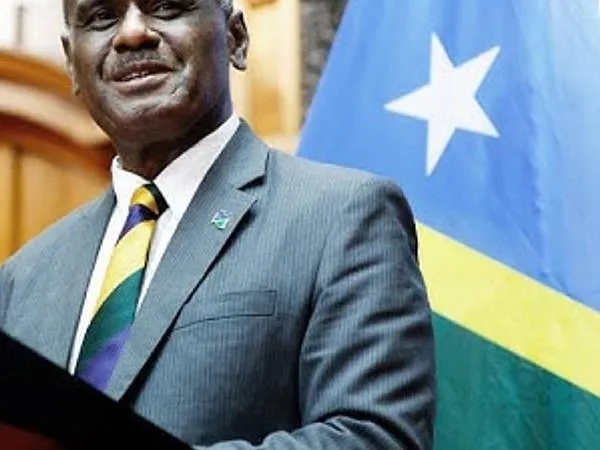
HONIARA, Solomon Islands — Prime Minister Jeremiah Manele has laid out a comprehensive development blueprint for the Solomon Islands under his newly formed Government for National Unity and Transformation (GNUT), anchored on four core pillars: unity and stability, economic transformation, infrastructure development and human capital growth.
Addressing the nation this week under the theme “Unity and Stability for Transformation and Prosperity,” Prime Minister Manele called on citizens and leaders alike to rise above political divisions and work collectively for national progress.
“Unity is not about agreeing on everything—it is about iu mi tugeda; honouring the greater good above personal gain,” the Prime Minister said. “Our strength lies in our diversity, resilience, and shared vision for a better tomorrow.”
Key Policy Priorities
PM Manele highlighted several major policy areas that will underpin GNUT’s agenda over the coming term. These include efforts to:
• Diversify the economy by investing in agriculture, fisheries, tourism, and sustainable forestry and mining;
• Accelerate transformative projects such as the Bina Tuna Processing plant and the Tina Hydro project;
• Strengthen governance institutions and decentralise services to provincial governments;
• Expand healthcare and education, with a particular focus on technical and vocational training.
“We must not merely manage the present; we must shape the future,” Manele declared, reinforcing his government's forward-looking approach.
Call for Stability
The Prime Minister also acknowledged the political turbulence of the past year and reaffirmed GNUT’s commitment to democratic integrity and national cohesion.
He urged all stakeholders to support the government's long-term development goals by putting aside partisan interests and embracing a common national purpose.
As the Solomon Islands embarks on a new political chapter, Manele’s address signals a determined push toward inclusive development, improved services and a stable foundation for transformation and prosperity.
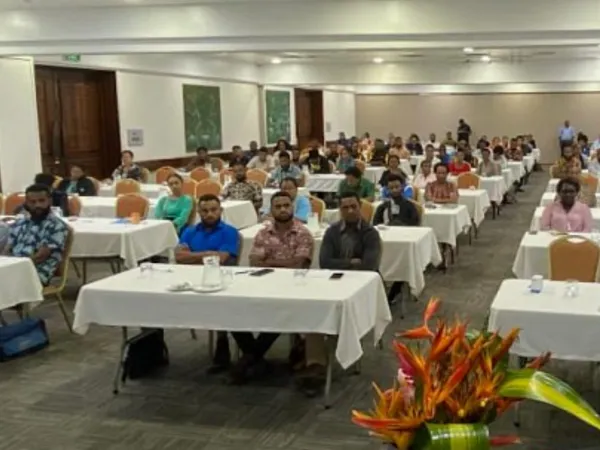
More than 350 human resources professionals in Port Moresby have received much-needed financial literacy training through a partnership led by PNGX Group Ltd, Comrade Trustees Services Ltd (CTSL) and the PNG Human Resources Institute (PNGHRI).
The most recent session, held on Friday, 4 July, drew over 220 PNGHRI members from various industries. It followed an earlier workshop attended by 140 participants just three weeks prior.
The initiative is part of PNGX’s wider push to promote financial inclusion, responsible investing and economic empowerment across the country.
The full-day training covered practical financial topics such as saving, budgeting, superannuation, estate planning and investing in the stock market. Delivered in collaboration with CTSL and PNGHRI, the sessions build on the financial literacy programme already being offered to CTSL members of the PNG Defence Force.
Participants were also introduced to the superannuation services offered by CTSL, underscoring the importance of long-term planning and secure retirement strategies.
“PNGX is proud to be a leader in investor education across the country,” said Elizabeth Wamsa, General Manager of PNGX. “We believe that a well-informed investment community is the backbone of sustainable economic growth. By equipping HR professionals with these vital skills, we are creating a ripple effect — empowering organisations to support the financial wellbeing of their employees, families and communities.”
In developing economies like Papua New Guinea, financial literacy can be a game-changer. It enables individuals to take control of their money, build household wealth and participate meaningfully in the capital market. For PNGX, these training sessions are just the beginning of a long-term vision to build a financially savvy generation.
Feedback from participants has been overwhelmingly positive. Many said the training not only improved their personal financial skills but also gave them practical tools they could apply in the workplace. Several said they were now confident in introducing financial wellness components into HR policies and staff support programmes.
That shift, they said, could boost employee satisfaction, improve retention and lift productivity — all vital outcomes in a competitive labour market.
The training initiative also aligns with PNGX’s long-term plans to roll out certificate and diploma-level courses for investors, finance professionals and company directors. It’s part of a broader commitment to help more Papua New Guineans access and thrive in the country’s growing investment economy.
PNGX Group is a diversifying business services company based in Port Moresby. Its wholly owned subsidiary, PNGX Markets Ltd, operates the national stock exchange. PNGX Markets is licensed and regulated by the Securities Commission of Papua New Guinea and is also the country’s designated National Numbering Agency.
The company is responsible for ensuring that securities trading is conducted in an orderly and fair market, and is committed to acting in the public interest with a strong focus on protecting investors.
Follow on LinkedIn:
Pacific Business Review
Be the "First" to get our exclusive Digital Magazine & Weekly Newsletter.