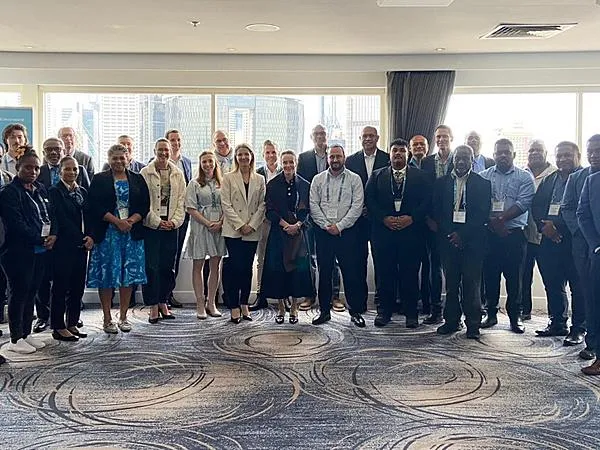
Air navigation service providers from across the Pacific have reaffirmed their commitment to improving aviation safety, cybersecurity and regional collaboration during a regional aviation forum hosted in Brisbane, Australia.
The 21st South-West Pacific Safety Forum (SWPSF21), organised by Airservices Australia and supported by the Australian government through the Australia-Pacific Partnerships for Aviation (P4A) programme, brought together representatives from Australia, New Zealand, Papua New Guinea, Fiji, Solomon Islands, Vanuatu, Nauru and New Caledonia.
Participants discussed key priorities affecting the region's aviation sector, including operational updates, safety data management systems and cyber resilience. Delegates also toured the Brisbane Air Traffic Service Centre, where they were briefed on advanced air traffic management systems and operational practices.
Airservices Australia said the forum provided an opportunity for Pacific aviation agencies to strengthen collaboration and exchange knowledge aimed at enhancing safety outcomes, improving service reliability and supporting more efficient air traffic services across the region.
The organisation said regional cooperation remains essential as Pacific nations work to align aviation standards and respond to emerging operational and technological challenges.
The meeting also marked the first participation of airline representatives in the South-West Pacific Safety Forum. Discussions included regional operations, coordination planning and cybersecurity issues affecting the aviation industry.
Airservices Australia said the event reflected ongoing efforts by Pacific partners to promote safer and more sustainable aviation through information-sharing, training and capacity-building initiatives.
The forum was delivered with support from the Australian government's Department of Foreign Affairs and Trade through the Australia-Pacific Partnerships for Aviation programme.
Under the P4A initiative, Australia works with Pacific partner countries to strengthen aviation capabilities and support the development of a safe, resilient and sustainable aviation sector across the region.
Airservices Australia thanked participating organisations and delegates for their contributions and said it looked forward to continuing collaboration with Pacific aviation stakeholders through future regional engagements.
Nationwide Ticketing Access Expanded Through Post PNG’s Trusted Branch Network | PNG Air Ranks 3rd in Regional On-Time Performance | Phasing Out of the Dash 8 and New ATR Fleet Era Begins
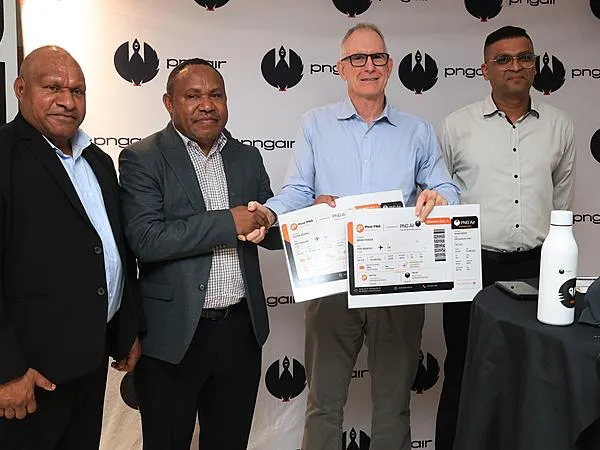
PNG Air, Papua New Guinea’s People’s Choice Airline, today officially relaunched its partnership with Post PNG, expanding access to airline ticketing services through Post PNG’s trusted nationwide branch network. The event, held at the Post PNG Brian Bell Plaza outlet in Gordons, brought together two of Papua New Guinea’s most recognised state-linked institutions in a shared commitment to serving the people of this nation.
For PNG Air, the People’s Choice Airline, this partnership is not just a business arrangement. It is a promise kept — a promise to keep Papua New Guineans connected to opportunity, essential services and one another, no matter where they are in this great nation.
THE PEOPLE’S CHOICE, CONNECTING OUR PEOPLE
As Papua New Guinea’s People’s Choice Airline, PNG Air has always believed that air travel should be accessible to all Papua New Guineans, not just those in major centres. Today’s relaunch of the PNG Air and Post PNG partnership turns that belief into action, making it easier for people across the country to purchase tickets from trusted, familiar Post PNG locations close to where they live, work and travel.
The first phase of the rollout begins in Port Moresby, with PNG Air ticketing now available at the following Post PNG locations:
• Post PNG Head Office – Konedobu • Eliseo Shopping Centre – Rainbow • University of Papua New Guinea Campus • Tabari Place – Boroko • Waterfront Shopping Centre – Konedobu • Eliseo Shopping Centre – 9 Mile • Brian Bell Plaza – Gordons
Over the coming weeks, the rollout will expand nationwide across Highlands, Momase, New Guinea Islands and Southern Region Post PNG locations, bringing the People’s Choice closer to the people in every region of Papua New Guinea.
Post PNG Chief Executive Officer Justin Worinu said the partnership reflects Post PNG’s responsibility as a state entity to serve all Papua New Guineans.
“As a state entity, it is our responsibility to ensure we continue to create important partnerships and bring access closer to our people. Providing services to our people is what our business focuses on, and with this PNG Air partnership we are excited to grow from strength to strength," Worinu said.
PNG Air Chief Executive Officer Brian Fraser said the People’s Choice Airline is proud to make travel more accessible for every Papua New Guinean.
“At PNG Air, everything we do starts with our people. As the People’s Choice Airline, our focus is not just on getting passengers from one destination to another. It is about making travel easier, more accessible and more convenient for the people of Papua New Guinea. By working together with Post PNG, we are bringing that promise to life through a network that communities already know and trust," Fraser said.
PEOPLE’S CHOICE: BUILT ON RELIABILITY, SAFETY AND CONNECTION
The People’s Choice title is one PNG Air earns every day. The airline currently ranks 3rd among Oceania’s major airlines for on-time performance, alongside carriers such as Qantas, Virgin Australia and Singapore Airlines, reflecting its unwavering commitment to the three pillars that define PNG Air: reliability, safety and keeping our people connected.
For PNG Air, being the People’s Choice is about more than a name. It is a daily commitment to every passenger who boards a PNG Air flight, to every community the airline serves and to every Papua New Guinean who relies on dependable air services to access healthcare, business, education and family.
GROWING FOR THE PEOPLE: NEW FLEET, NEW CHAPTER
PNG Air is in an exciting period of expansion. New aircraft are arriving, routes are growing and services are deepening, all in service of the People’s Choice promise to keep Papua New Guineans connected.
Most recently, Mangi Kutubu completed its maiden flight, adding to a growing modern fleet that reflects the confidence being placed in PNG Air and in Papua New Guinea’s aviation future.
With this growth also comes a farewell. In the coming weeks, the People’s Choice Airline will begin phasing out the beloved Dash 8, an aircraft that has faithfully connected Papua New Guineans for decades. It has earned its place in the nation’s aviation story, and PNG Air bids it a fond and grateful goodbye.
Its retirement makes way for a modern fleet built to meet the standards and expectations of today’s passengers and those of tomorrow.
Looking ahead, PNG Air remains committed to strengthening connectivity across the country through strategic partnerships, continued investment and a growing fleet designed to serve Papua New Guineans well into the future.
“We are proud to be the People’s Choice. Aviation plays a vital role in connecting communities, supporting business, improving access to services and creating opportunities for growth. Through partnerships like this one with Post PNG, and through our continued investment in our fleet and network, we can keep delivering meaningful outcomes for the people of Papua New Guinea. This is who we are. This is what we do," Fraser said.
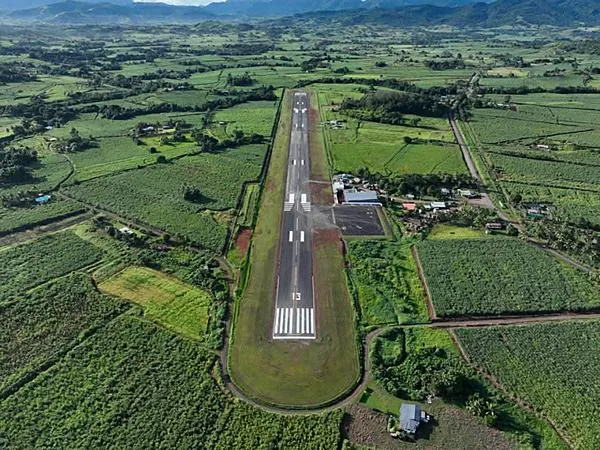
Labasa Airport is set to become the first airport in the Pacific to host a Remote Tower Aerodrome Flight Information Service (AFIS), a development expected to enhance aviation safety, reliability and connectivity for Fiji’s Northern Division.
The system will use high-definition cameras and advanced communications technology installed at Labasa Airport to transmit real-time flight information to the Nadi Operations Centre, enabling the remote provision of aerodrome flight information services for aircraft operating to and from the airport.
The project is being delivered under the Government of Fiji’s Na Vualiku Project, a World Bank-financed initiative aimed at improving connectivity and supporting economic development across Vanua Levu and Taveuni.
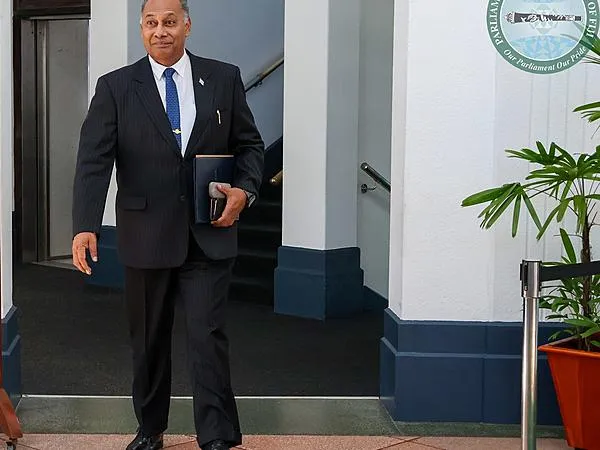
Deputy Prime Minister and Minister for Tourism and Civil Aviation Viliame Gavoka said the investment demonstrates the government’s commitment to modernising aviation infrastructure and strengthening tourism-enabling facilities in the north.
“For residents and passengers, this means the airport is being equipped with modern technology to support safer, more reliable and better-coordinated aviation services for the North,” Gavoka said.
“Aviation connectivity is critical for Vanua Levu’s future. Through the Na Vualiku Project, the Government is investing in practical, long-term improvements that strengthen access, safety, reliability and confidence in the North as a sustainable tourism destination.”
The remote tower AFIS system will be supplied by Adacel Technologies Limited under a contract awarded by Fiji Airports. The installation will comprise a Remote Tower Module at Labasa Airport and a Remote Tower Centre at the Nadi Operations Centre.
Officials said the technology will enhance operational oversight and coordination while providing a modern platform for managing air traffic information services in Labasa.
The initiative forms part of a broader package of aviation infrastructure investments being undertaken through the Na Vualiku Project. These investments are intended to improve regional connectivity, strengthen operational resilience and support the long-term growth of tourism and economic activity in Vanua Levu and Taveuni.
The project is also expected to benefit local communities and businesses by improving access to air transport services, supporting tourism operators and facilitating more reliable travel connections between Fiji’s northern islands and the rest of the country.
Once operational, the remote tower system will establish Labasa Airport as a regional pioneer in aviation technology, making it the first airport in the Pacific to deploy a Remote Tower Aerodrome Flight Information Service.
PNG DataCo Limited, under the leadership of Chief Executive Officer Paul Komboi, on 28 May has signed a series of strategic agreements with the Morobe Provincial Government (MPG), marking a major milestone in the province’s journey toward becoming Papua New Guinea’s leading digitally enabled sub-national government.
The agreements, signed at Parliament House as part of a broader multi-agency programme, include:
• A Neutral Host Towers Memorandum of Agreement (MoA) to expand telecommunications access across Morobe Province; and • A Morobe Digital Government Services Platform agreement, including the rollout of an integrated Enterprise Resource Planning (ERP) system to modernise government operations.
Together, these initiatives form the backbone of the Morobe Digital Government Project, a transformative programme designed to improve efficiency, transparency and service delivery for citizens.
“Today’s signing represents a significant step forward in our shared vision with the Morobe Provincial Government to deliver inclusive, modern and transparent public services. Through these agreements, DataCo will provide the digital infrastructure and platforms required to support Morobe’s transformation into a leading digital province in Papua New Guinea," Komboi said during the signing of the agreements.
The Digital Government Platform will integrate key government functions — including financial management, procurement, human resource systems and citizen services — into a unified, cloud-enabled ecosystem.
In parallel, the Neutral Host Towers initiative will support the rollout of telecommunications infrastructure into underserved and remote areas. By enabling shared access to towers, the model aims to lower infrastructure costs and accelerate network expansion into regions traditionally considered uneconomic to serve.
Komboi further emphasised the importance of connectivity in enabling digital transformation across the province, saying that "connectivity is the foundation of digital government."
"Through our Neutral Host Tower model, combined with innovative satellite solutions such as Starlink, we will extend reliable internet connectivity to remote districts, schools, health facilities and government offices — ensuring that no community in Morobe is left behind," he said.
The inclusion of low Earth orbit satellite connectivity solutions, such as Starlink, will complement terrestrial networks and provide immediate coverage for remote communities outside the DataCo National Transmission Network fibre grid, supporting the full rollout of the Digital Government Platform across the province.
DataCo has been working closely with MPG leadership and technology partners to validate the project scope, initiate ICT discovery and align implementation planning, with strong support expressed by provincial leadership for the initiative.
“We commend the Morobe Provincial Government and the Governor for their bold leadership and commitment to digital transformation. DataCo is proud to partner in delivering a future-ready platform that will empower communities, strengthen governance and drive sustainable economic development across Morobe Province," Komboi said.
The signing forms part of a broader collaboration between MPG and key national institutions, reinforcing a whole-of-government approach to development and innovation.
PNG DataCo Limited is Papua New Guinea’s wholesale telecommunications and digital infrastructure provider, responsible for delivering high-capacity connectivity, data centre services and digital platforms to support the country’s economic and digital transformation.
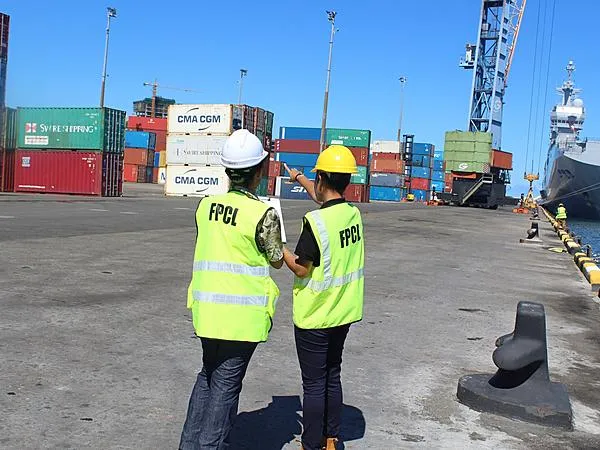
The Fiji government has welcomed the announcement made following the Quad Foreign Ministers Meeting confirming support for the development of Fiji’s ports.
The Quad comprises the United States, Australia, India and Japan.
In a statement, the Fiji government said the development and modernization of the country’s port infrastructure remains a key national priority aligned with Fiji’s National Development Plan.
The government said consultations between central government agencies and development partners are ongoing, with the Ministry of Finance leading efforts on the development of Fiji’s compact with the United States Millennium Challenge Corporation.
Fiji said improving port efficiency and strengthening the business regulatory environment are important to enhancing maritime connectivity and supporting regional economic integration.
The government added that more efficient port infrastructure would help build more resilient and connected Pacific economies.
“Fiji welcomes engagement with partners that support Fiji’s long-term development priorities and contribute towards improving regional connectivity and shared prosperity across the Pacific,” the statement said.
The Quad announcement was made following a meeting of foreign ministers in New Delhi, where the four countries reaffirmed their commitment to strengthening infrastructure, maritime security and economic resilience across the Indo-Pacific region. The grouping said cooperation with Pacific island countries would remain a strategic priority.
According to the joint statement issued after the meeting, the Quad partners intend to coordinate closely with the Fiji government on the development of port infrastructure and related activities aimed at improving regional connectivity and supply chain resilience. The initiative forms part of broader efforts to support trusted and sustainable infrastructure development in the Pacific.
Australian Foreign Minister Penny Wong described the initiative as “the strongest ever commitment from the Quad to the Pacific,” saying the Fiji port project would serve as “a practical demonstration” of the grouping’s ability to deliver “high-quality, resilient infrastructure” in partnership with Pacific countries and in response to regional priorities, according to Fiji Broadcasting Corporation News.
The proposed support for Fiji’s ports comes amid increasing international focus on strategic infrastructure investment in the Pacific, where regional governments have sought greater financing and technical assistance to improve transport links, trade efficiency and economic integration across island economies.
The Vanuatu government says it remains committed to rebuilding national carrier Air Vanuatu but warned that future financial support for the airline must be accompanied by major structural reforms to prevent further losses.
The issue was raised during oral questions in the first ordinary session of the 2026 Parliament after Malekula Member of Parliament Hymak Anatole questioned the staffing status of Air Vanuatu and called on the government to complete the airline’s restructuring process following liquidation.
Responding in Parliament, Deputy Prime Minister and Finance Minister Johnny Koanapo said Air Vanuatu was gradually rebuilding under a new board after “starting from almost nothing.”
“Some progress is happening at our level as a company, especially with the new board that came in, and we are trying to restore the company from almost nothing,” Koanapo said.
The minister acknowledged that the airline requires a significant capital injection from the government but said authorities remain cautious after years of heavy public spending on the carrier.
“We spent a lot of taxpayers’ money on the company and then found out that the structure of the company was too heavy from top to bottom,” he said.
Koanapo said Air Vanuatu had 170 permanent employees as of December 2025, although the government was still assessing whether current staffing levels were appropriate given the airline’s limited operations.
At present, the carrier is primarily operating domestic services and does not yet have international aircraft in operation.
The minister said the government was exploring options to rebuild the airline’s fleet and assets, including expansion of domestic aircraft capacity.
“Today we have Twin Otters, and one more is coming next month as announced by the Prime Minister. We also have the ATR, which is still on lease,” he said.
Koanapo said improvements had already been seen in operational performance and staff morale, including reductions in flight delays.
However, he confirmed that the airline continues to post substantial financial losses.
“If you look at the financial statement of the company from 2024 to 2025, it does not make any profit; it makes a big loss,” he said.
The minister revealed that the government had already provided VT1.1 billion to cover aircraft-related obligations and said additional capital would still be required to revive the airline.
“Apart from that, today Air Vanuatu needs a capital injection, and for us to resurrect the airline, we need a capital injection,” he said.
Koanapo added that the government did not want to continue injecting funds into the airline without broader changes to the company’s structure and operations.
On international operations, the deputy prime minister confirmed that the International Air Transport Association, or IATA, was in the process of restoring Air Vanuatu’s “NF” airline code, which would support future codeshare agreements and international partnerships.
“We have to be optimistic about the future of Air Vanuatu. We will not let go of Air Vanuatu,” he said.
Koanapo also confirmed that the government continues to negotiate with Airbus regarding the VT2 billion Airbus matter involving the airline.
He said a recent delegation visited Airbus headquarters in Toulouse, where discussions were held on legal and contractual issues linked to the aircraft agreement.
According to Koanapo, Airbus requested that negotiations continue privately through its Singapore office, with another round of discussions expected before the end of the year as the government works to restore Air Vanuatu’s international services.
Fiji is strengthening its presence in global trade discussions while advancing Pacific priorities through increased engagement with international and regional trade partners, according to Minister for Foreign Affairs and External Trade Sakiasi Ditoka.
Speaking in Parliament, Ditoka said Fiji participated in the 14th World Trade Organization Ministerial Conference in Cameroon, where the country promoted priorities related to fisheries subsidies, agriculture, e-commerce, WTO reform and dispute settlement.
The minister said Fiji also hosted the 11th European Union-Pacific Interim Economic Partnership Agreement Trade Committee Meeting in Suva, alongside a Global Sourcing Workshop conducted with the European Union to support value-added opportunities in the fisheries sector.
Ditoka said Fiji’s growing role in regional and international trade discussions has been reflected through invitations from both Australia and New Zealand to participate in their respective Trade Ministers’ meetings.
He said the invitations underscored the strength of Fiji’s relationships with key partners and growing recognition of the country’s voice within regional and global trade forums.
According to Ditoka, Fiji’s expanding trade engagement supports the country’s ambition to position itself as a regional trade, logistics and distribution hub.
He said the engagements are expected to create new opportunities for investment, trade and long-term economic growth while strengthening Fiji’s role in advancing Pacific trade interests internationally.
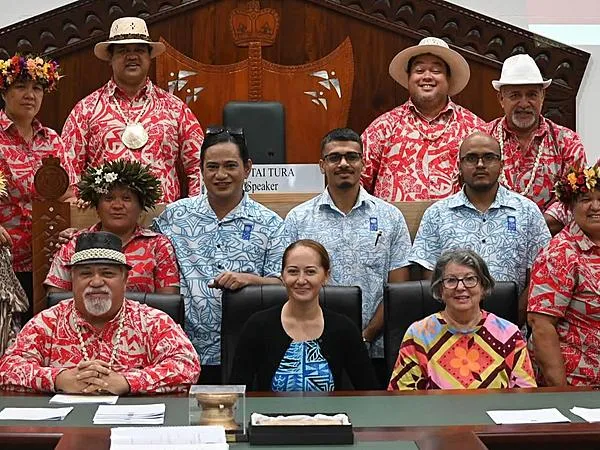
The Parliament of the Cook Islands has formally declared itself an AI-enabled legislature, becoming one of the first parliaments in the Pacific to adopt artificial intelligence tools aimed at improving transparency, efficiency and public access to parliamentary services.
The initiative was supported by the United Nations Development Programme through the Pacific Parliamentary Effectiveness Initiative, with funding assistance from New Zealand’s Ministry of Foreign Affairs and Trade.
UNDP said it partnered with the Cook Islands Parliament to help establish the foundations for responsible adoption of artificial intelligence within parliamentary operations.
Parliament Clerk Tangata Vainerere said the introduction of AI tools followed a deliberate and carefully governed process designed to support parliamentary functions rather than replace human oversight and decision-making.
“The introduction of the tool reflected a deliberate and carefully governed process to introduce artificial intelligence into parliamentary services not to replace human judgment, but as a tool to bridge real operational gaps,” Vainerere said.
Staff members have undergone training on both AI platforms introduced under the initiative, while a formal AI Governance Protocol and Declaration signed by the Clerk outlines clear boundaries governing the technology’s use.
According to the framework, parliamentary authority, accountability and decision-making functions will remain fully human-led.
UNDP congratulated the Parliament of the Cook Islands and Pacific Group AI for collaborating on the initiative, describing the project as an important step toward digital transformation and institutional strengthening within Pacific legislatures.
The development reflects growing regional interest in the use of artificial intelligence across public sector institutions while emphasizing governance safeguards, transparency and responsible deployment practices.
The Cook Islands initiative also aligns with broader efforts across the Pacific to modernize parliamentary systems and improve public engagement through digital technologies.
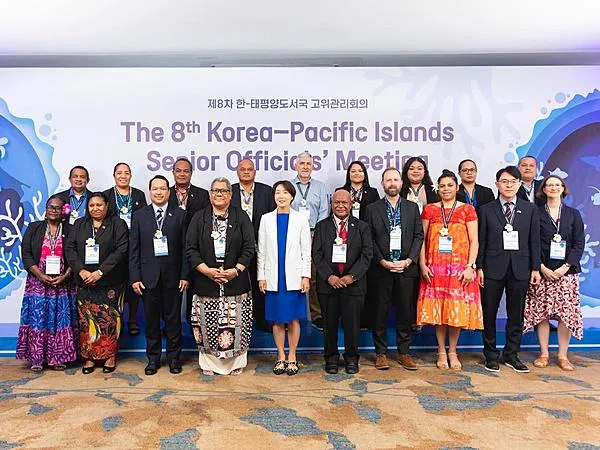
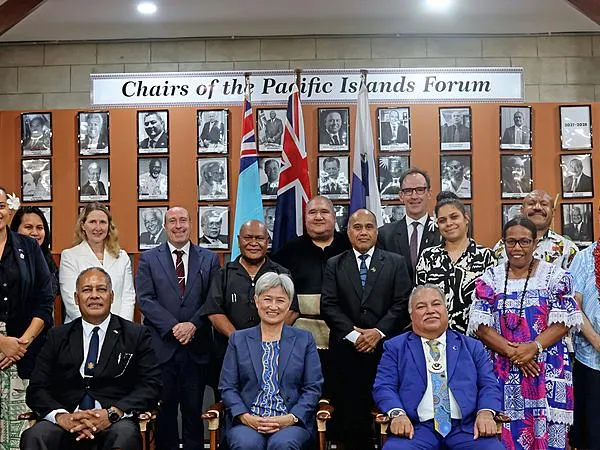
NADI, Fiji — Senior officials from the Republic of Korea and Pacific Islands Forum members reinforced commitments to deepen regional cooperation on climate action, maritime affairs, fisheries and economic resilience during the 8th Korea–Pacific Islands Senior Officials’ Meeting held in Nadi on May 21.
The meeting brought together representatives from the Republic of Korea and Pacific Islands Forum member countries as part of ongoing efforts to advance the ROK–Pacific Partnership and align cooperation with the 2050 Strategy for the Blue Pacific Continent.
The meeting was co-chaired by Republic of Korea Deputy Minister for Political Affairs Ms. Eui-hae Chung and Solomon Islands High Commissioner to Fiji His Excellency Joseph Ma’ahanua, representing the Pacific Islands Forum chair.
In opening remarks, Ma’ahanua said the meeting was timely as the region prepares for the 2027 Korea–Pacific Islands Foreign Ministers’ Meeting, while building on momentum from the 2023 Leaders’ Summit and the 2025 Foreign Ministers’ Meeting discussions.
“It is essential that our cooperation remains aligned with Pacific priorities, including those articulated in the 2050 Strategy for the Blue Pacific Continent,” Ma’ahanua said.
“Equally important is ensuring Pacific ownership and visibility; our region is not only a Leader in shaping and implementing initiatives that affect our future.”
Chung said the Republic of Korea would continue supporting sustainable development priorities identified by Pacific Island countries under the regional strategy framework.
“As a globally responsible country, the Republic of Korea will continue to support the sustainable development of the Pacific Island countries in accordance with the priorities set out in the 2050 Strategy for the Blue Pacific Continent,” Chung said.
She also highlighted opportunities for future cooperation in energy-related sectors amid evolving global energy challenges, expressing hope that cooperation between Korea and Pacific Island countries would continue in a mutually beneficial and sustainable manner.
Officials also acknowledged Korea’s continued support through the ROK–PIF Cooperation Fund and reaffirmed collaboration on projects aligned with priorities endorsed by Pacific Islands Forum leaders.
Senior officials received briefings from agencies under the Council of Regional Organisations in the Pacific as well as Korean agencies on implementation of the 2025 ROK–Pacific Islands Forum Cooperation Fund.
The meeting also featured presentations on emerging business and investment opportunities in the Pacific, including contributions from Nabou Green Energy and the Korea Overseas Fisheries Association.
Presenters highlighted the growing importance of sustainable investment and private sector participation in supporting regional development priorities across the Pacific.
Outcomes from the discussions are expected to help shape the agenda for the next Korea–Pacific Islands Foreign Ministers’ Meeting scheduled for 2027.
The Republic of Korea has been a Dialogue Partner of the Pacific Islands Forum since 1995.
The Government of Fiji is advancing a strategic economic reform partnership with the United States through the Millennium Challenge Corporation compact development process, with planned reforms targeting ports infrastructure and the business regulatory environment.
Prime Minister Sitiveni Rabuka told Parliament that the recently signed agreement between Fiji and the US government was a Compact Development Funding Agreement rather than the final Millennium Challenge Corporation compact agreement.
Rabuka was responding to a question from Opposition leader Inia Seruiratu on the status of the Millennium Challenge Corporation, or MCC, engagement between Fiji and the United States.
“The Millennium Challenge Corporation is an independent agency of the United States Government that partners with countries demonstrating commitment to good governance, economic freedom, institutional accountability and investment in their people,” Rabuka said.
He said the engagement aligns with the coalition government’s development priorities, including strengthening economic resilience, improving infrastructure, promoting private sector-led growth, creating jobs, enhancing trade competitiveness and improving the ease of doing business.
The agreement establishes the framework for detailed analysis, stakeholder consultations and programme design for a potential future MCC compact programme in Fiji.
Cabinet endorsed the Compact Development Funding Agreement in February 2026. The agreement was signed on Feb. 28, 2026, between the Fijian government, through the Ministry of Finance, and the MCC, represented by US Deputy Secretary of State Christopher Landau.
Under the arrangement, Fiji will receive as much as $12 million in grant funding to support technical studies, feasibility assessments, stakeholder consultations and the establishment of a dedicated Compact Development Team.
Rabuka said the funding would not add to Fiji’s debt burden because it is structured as a grant rather than a loan facility.
“This is grant funding and not a loan facility. It supports Fiji’s efforts to identify and address structural constraints affecting economic growth and national productivity,” he said.
Following initial consultations and scoping work, the government identified ports and the business regulatory environment as the next focus areas in the compact development process.
Rabuka said both sectors are central to Fiji’s broader economic transformation agenda and align with the National Development Plan and the government’s long-term reform priorities.
The government will continue consultations with the MCC, development partners, private sector stakeholders and civil society organisations throughout the process to ensure the programme remains nationally driven and aligned with Fiji’s long-term economic objectives, he said.
The Autonomous Bougainville Government (ABG) and Steamships Trading Company (Steamships) are pleased to announce the signing of a Memorandum of Understanding (MOU) establishing a framework for collaboration between ABG institutions, traditional land custodians and Steamships.
The MOU follows a longstanding series of consultative engagements between traditional land custodians, key ABG departments and Steamships aimed at strengthening alignment on the land engagement process in Bougainville.
These engagements brought together the Office of the Chief Secretary; the Department of Lands, Physical Planning, Environment, Conservation and Climate Change; the Department of Community Government and District Affairs; the Department of Commerce, Trade, Industry and Economic Development; and the Department of Justice and Legal Services, providing a platform to work together to address key land management matters.
This collaborative process will assist the ABG in sustainably developing land with titleholders and future developers, allowing the government to realise its full economic potential for the benefit of the people of Bougainville.
Steamships holds title to properties in Central Bougainville acquired prior to the Bougainville Crisis. Noting that this process commenced in 2021, the company reaffirmed its steadfast commitment to working through a structured and considered consultative process in partnership with traditional land custodians and the government to address the various complexities associated with undertaking such critical foundational work.
This collaborative process is guided by a focus on responsible investment, stakeholder engagement and alignment with Bougainville’s broader economic priorities. As a responsible developer, Steamships emphasised that its future decisions will consider opportunities to support local economic participation, employment and sustainable development outcomes.
Representatives from the ABG and traditional land custodian groups welcomed the consultative and collaborative approach.
The formalisation of this framework marks a significant step in strengthening cooperation between government, traditional land custodians, the private sector and foreign investors as Bougainville continues its recovery and development journey toward independence.
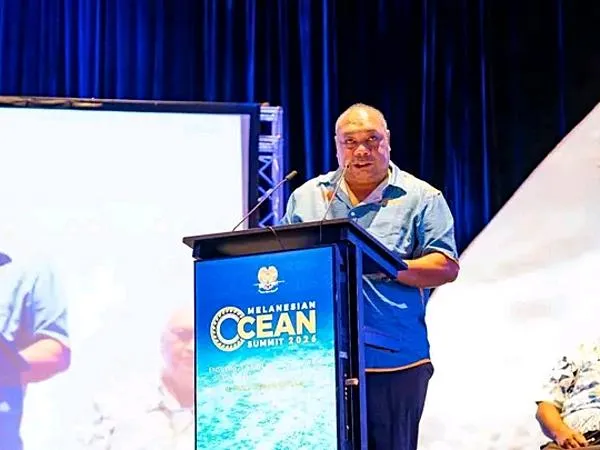
Papua New Guinea has strengthened its push to become a regional leader in sustainable ocean industries following the successful hosting of the inaugural 2026 Melanesian Ocean Summit at APEC Haus in Port Moresby from May 11–14.
Held under the theme “Ensuring Ocean Protection with Sustainable Ocean Economies,” the four-day summit brought together Pacific leaders, government representatives, researchers, development partners, and fisheries stakeholders to advance a regional strategy focused on marine conservation, fisheries development, climate resilience, and blue economy investment.
Closing the summit on May 14, the Minister for Fisheries and Marine Resources said the gathering had “transformed ambition into action, and solidarity into a shared Melanesian pathway for our ocean.”
The Minister said the summit demonstrated that Melanesian nations are increasingly viewing ocean protection and economic growth as interconnected priorities.
“Our ocean is not a frontier to be exploited, but a legacy to be stewarded,” the Minister said.
A major outcome of the summit was renewed commitment to the Melanesian Ocean Corridor of Reserves (MOCOR), a regional framework designed to protect marine ecosystems while supporting economic growth, coastal livelihoods, and food security.
Leaders reaffirmed support for the global “30 by 30” conservation target, which aims to protect 30 percent of the world’s oceans by 2030, while emphasizing that conservation initiatives must also deliver direct economic benefits to Pacific communities.
The Minister said discussions throughout the summit reinforced the importance of building “resilient blue economies” supported by sustainable financing, stronger fisheries management, renewable energy investment, and regional cooperation.
Business and investment opportunities linked to the blue economy emerged as a major focus throughout the summit.
Delegates discussed expanding sustainable fisheries industries, strengthening tuna value chains, developing blue carbon markets, improving marine tourism opportunities, and increasing climate-resilient coastal enterprises across Melanesia.
One of the major economic initiatives highlighted was the East New Britain Initiative for tuna value capture, aimed at increasing downstream processing and boosting returns from PNG’s fisheries sector.
“The takeaway is clear: the blue economy must be people-centred, climate-resilient, and anchored in sustainable fisheries,” the Minister said.
PNG also announced that it will host the Pacific-Led Innovation Tuna Forum later in 2026 in Port Moresby, positioning the country as a regional hub for fisheries innovation and sustainable tuna industry development.
The summit emphasized that marine protected areas should not only serve conservation purposes but also function as economic assets supporting fisheries productivity, food security, tourism growth, and climate adaptation.
“MPAs are not just conservation tools — they are food security, climate resilience, and economic engines,” the Minister stated.
Pacific nations including PNG, Fiji, Vanuatu, and Palau shared experiences on locally managed marine areas and traditional conservation systems that have delivered positive environmental and economic outcomes for coastal communities.
Ocean finance discussions also featured prominently during the summit, with leaders acknowledging that long-term marine protection will require stronger governance systems, improved institutional capacity, and diversified financing mechanisms.
Delegates reviewed existing Pacific financing models, including the Micronesia Conservation Trust, the Coral Triangle Initiative Fund, and Niue’s ocean conservation credits system, as examples of innovative funding approaches for sustainable marine management.
The Minister said the challenge facing the region was “not only mobilising money, but building the systems to manage it.”
Leaders agreed that future financing for MOCOR would require stronger governance structures and Pacific-led investment mechanisms capable of supporting enforcement, scientific research, and community resilience programmes.
The summit further highlighted the growing economic importance of blue carbon ecosystems such as mangroves and seagrass habitats, which contribute to climate adaptation, coastal protection, and national emissions reduction goals.
In the high-value fisheries sector, Melanesian countries agreed to strengthen cooperation on bêche-de-mer management through coordinated licensing systems, stronger traceability measures, and regional branding standards aimed at increasing export value for sustainably sourced marine products.
The proposed Melanesian Bêche-de-mer Ocean Alliance will work through the MSG Fisheries Technical Advisory Committee to improve standards across the supply chain while maintaining national control over fishing quotas.
According to the Minister, “a traceability and branding regime will capture the premium for verified Melanesian provenance — turning sustainability into direct economic return for our fishers.”
The summit also addressed the growing economic risks associated with climate change, with scientists warning that warming oceans are already affecting tuna migration patterns and coastal fish stocks across the Pacific.
To strengthen regional scientific capability, delegates committed to establishing a Melanesian Ocean Research Hub linking universities and research institutions across the region.
Maritime security and fisheries enforcement were also identified as critical economic priorities.
PNG announced plans to establish a national Fusion Centre to improve monitoring, surveillance, and compliance operations targeting illegal, unreported, and unregulated fishing activities, marine pollution, and transboundary maritime threats.
“Without enforcement, paper parks fail,” the Minister said, while reaffirming regional cooperation against illegal fishing activities.
The summit additionally highlighted the role of Indigenous knowledge systems in sustainable resource management and economic resilience.
PNG committed K1 million towards establishing a National Cultural Research Fund and announced plans for an Institute of PNG Studies dedicated to cultural and traditional knowledge research.
Leaders concluded the summit by declaring that the Melanesian Ocean Corridor of Reserves had moved beyond the concept stage into a functioning regional framework capable of attracting investment, strengthening marine governance, and supporting sustainable economic development across the Pacific.
“The Melanesian Ocean Corridor of Reserves is not an aspiration — it is now a working framework, owned by us, designed by us, and ready to be financed and enforced by us,” the Minister said.
Vanuatu was confirmed as the host of the next Melanesian Ocean Summit in 2028.
French Tech New Caledonia has secured French Tech Capital status for 2026–2028, becoming only the second French overseas territory to receive the designation as the Pacific territory accelerates efforts to position itself as a regional technology and innovation hub.
The announcement was formally made on May 12 at Station N in Noumea during a joint press conference involving Christopher Gygès, High Commissioner Jacques Billant, Southern Province Assembly President Sonia Backès and French Tech New Caledonia president Hatem Bellagi.
Officials described the recognition as a major institutional milestone that strengthens New Caledonia’s standing within France’s national innovation ecosystem and enhances its international credibility among investors, entrepreneurs and strategic partners.
“This is a real recognition for New Caledonia, and this status brings greater visibility at the national and international levels,” Gygès said, noting that the local tech sector only began emerging in 2019.
Authorities said the new designation would provide greater institutional legitimacy and increased access to national programmes, funding opportunities and policy discussions alongside other French Tech capitals.
The achievement follows six years of coordinated ecosystem-building since New Caledonia obtained the French Tech Community label in 2020. The initiative has been driven through partnerships involving the government of New Caledonia, OPT-NC, the Chamber of Commerce and Industry of New Caledonia, the Technopole and local startup companies.
Since then, authorities have launched several initiatives aimed at supporting digital entrepreneurship and economic diversification, including the Tech for Good programme focusing on GreenTech, BlueTech, SocialTech and DeepTech sectors.
New Caledonia has also increased participation in international technology events, including VivaTech, French Tech Days Overseas and regional innovation forums in the Pacific and New Zealand.
In October 2024, New Caledonia hosted the second edition of the Overseas French Tech Days under the theme “So Tech, So Good,” bringing together about 400 participants, 40 experts and representatives from six French Tech communities across overseas territories and the Pacific region. The closing ceremony was attended by French Minister for Overseas Territories François-Noël Buffet.
Regional expansion is also being driven through plans for the Pacific Tech Hub project, which aims to connect South Pacific technology ecosystems, strengthen regional collaboration and establish Noumea as a strategic Indo-Pacific digital hub.
The territory has additionally introduced regulatory and financing tools to support startup development, including Young Innovative Company status adopted in 2020 and crowdfunding initiatives such as Invest In Pacific.
Officials said New Caledonia’s presence at the 2025 VivaTech conference generated more than 1,700 visitors, nearly 1,000 business leads and over 80 million CFP francs in economic benefits. Local startups also secured international recognition, including the “HR Innovation Award” for Optimal RH in 2024 and the “Tech for Change Award” for FireTracking in 2025.
For the 2026 VivaTech event, New Caledonia plans to expand its footprint with a 70-square metre pavilion featuring eight startups and 16 partners, including a dedicated investment promotion area showcasing the territory’s business environment and innovation ecosystem.
French Tech New Caledonia said the next phase of development would focus on scaling national programmes, deepening regional integration and supporting long-term economic diversification through technology, digital transformation and innovation.
The treaty establishing the Pacific Resilience Facility officially entered into force on 6 May after Australia and Fiji jointly presented instruments of ratification in Suva, marking a major milestone for regional climate resilience and adaptation financing in the Pacific.
The instruments were deposited with Pacific Islands Forum Secretary-General Baron Divavesi Waqa by Australian Foreign Minister Penny Wong and Fiji’s Minister for Foreign Affairs and External Trade Sakiasi Ditoka.
Waqa described the treaty’s entry into force as a “defining milestone” for the Blue Pacific region, highlighting the facility’s role in supporting climate adaptation, energy security and clean energy transition projects at the community level.
The Pacific Resilience Facility was endorsed by Forum leaders in 2023 during their meeting in the Cook Islands under a declaration establishing the mechanism. Leaders later agreed in 2024 to designate Tonga as host country for the facility.
The treaty entered into force eight months after being signed by 15 Forum leaders during the 2025 leaders’ meeting in Solomon Islands, reflecting what regional officials described as strong political commitment toward climate resilience financing.
The facility aims to provide regionally led financing support for Pacific communities facing climate-related vulnerabilities and disasters.
Regional governments have so far secured pledges amounting to US$172 million toward an initial capitalisation target of US$500 million by December 2026. The longer-term target is US$1.5 billion to support resilience initiatives aligned with limiting global warming to 1.5 degrees Celsius.
The treaty’s commencement comes ahead of planned COP31 pre-COP climate events to be hosted later this year by Fiji and Tuvalu, while Australia is expected to lead negotiations as COP31 president.
The treaty’s entry into force also triggers the inaugural meeting of the PRF Council, scheduled to take place after the Forum Economic Ministers Meeting in June 2026 in the Republic of the Marshall Islands.
In addition to Australia and Fiji, the treaty has also been ratified by Tonga, Nauru, the Republic of the Marshall Islands, Solomon Islands, Tuvalu, Cook Islands and New Zealand.
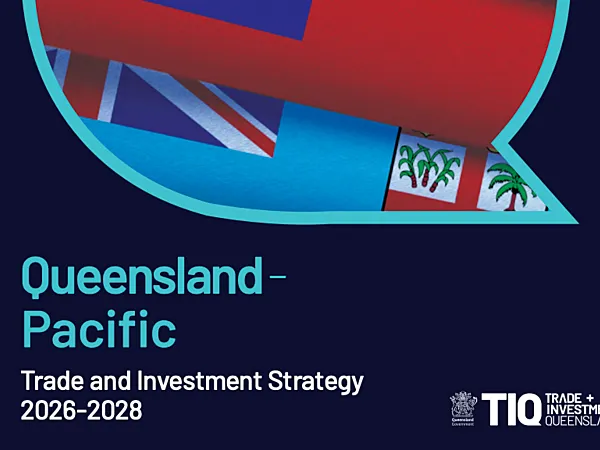
The Queensland Government has launched its Queensland-Pacific Trade and Investment Strategy 2026-2028, outlining plans to deepen commercial engagement with Pacific economies and build on more than AUD 9 billion in existing trade links.
Led by Trade and Investment Queensland, the strategy positions the state as “Australia’s Pacific State”, citing Queensland’s geographic proximity and longstanding economic and cultural ties with the region.
The strategy identifies four priority sectors for growth — food and agribusiness, education and training, infrastructure, and energy technologies — reflecting increasing demand across Pacific economies for skills development, sustainable infrastructure and clean energy solutions.
Queensland’s exports to the Pacific exceed AUD 3 billion annually, supported by strong aviation and port connectivity and a large Pacific diaspora community. Around 35 per cent of Australia’s Pacific population resides in Queensland, according to the strategy.
The document points to favourable market conditions across the region, including a young and growing population, rising urbanisation and increasing demand for services and infrastructure. Pacific economies are projected to grow by about 3.4 per cent in 2026, presenting what the strategy describes as steady opportunities for exporters and investors.
It also highlights Queensland’s strengths in engineering, construction, training and renewable energy, positioning local companies to participate in major infrastructure and energy projects across the Pacific.
At the same time, the strategy acknowledges structural constraints, including small and dispersed markets, high logistics costs, regulatory inconsistencies and vulnerability to climate-related events, which may limit investment and project delivery.
To address these challenges, Trade and Investment Queensland said it would focus on facilitating business-to-business connections, supporting trade missions and strengthening government-to-government engagement to improve market access and participation in regional projects.
The strategy signals a shift toward longer-term economic engagement with the Pacific, moving beyond transactional trade relationships toward broader partnerships focused on regional resilience and development.
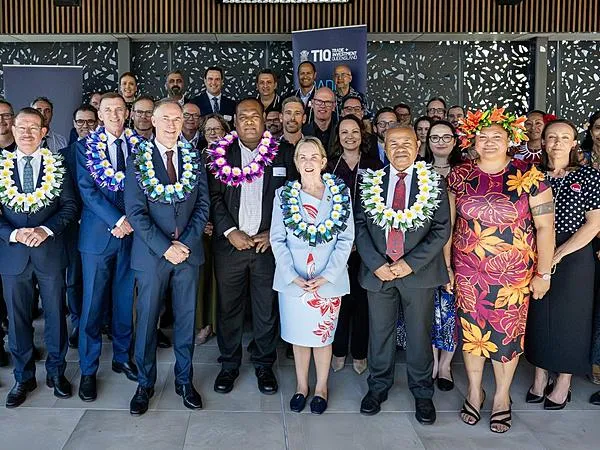
The Australia Papua New Guinea Business Council, the Australia Fiji Business Council and the Australia Pacific Islands Business Council have welcomed the launch of the Queensland-Pacific Trade and Investment Strategy 2026-2029, highlighting the importance of sustained industry engagement in delivering outcomes across the region.
Representatives from the three councils attended the launch on April 21 at Parliament House in Brisbane, where Trade and Investment Queensland outlined the state’s approach to expanding trade, investment and long-term partnerships across Pacific economies.
The councils said the strategy reflected growing recognition of the Pacific as a key economic partner for Queensland. Its focus on infrastructure, education and training, agribusiness and energy aligns with sectors in which Australian businesses are already active and where regional demand continues to grow.
Speaking at the launch, Australia Papua New Guinea Business Council President Vaughan Mills said the councils played an important role in connecting Queensland businesses with Pacific markets. He said more than half of the councils’ members were based in Queensland and noted their longstanding collaboration with Trade and Investment Queensland under memoranda of understanding signed in 2023.
Mills also highlighted the councils’ involvement in developing the strategy, including participation in industry roundtables where private-sector input helped shape its direction. He said consistent engagement, understanding local conditions and genuine partnerships between government, industry and Pacific business communities would be critical to unlocking opportunities.
Council members attending the launch also underscored the practical dimension of the strategy. Companies including Hall Contracting and Kramer Asia Pacific were recognised as examples of Queensland businesses delivering outcomes in Pacific markets through long-term commitment and strong in-country relationships.
The councils said collaboration between government and industry remained central to turning strategy into action. Their networks, which include links with peak business bodies across Pacific jurisdictions, continue to support Queensland companies navigating local markets and building partnerships.
As Queensland deepens engagement with the Pacific, the councils are expected to continue playing a key role in facilitating connections, sharing market insight and supporting commercial outcomes under the strategy.
Follow on LinkedIn:
Pacific Business Review
Be the "First" to get our exclusive Digital Magazine & Weekly Newsletter.