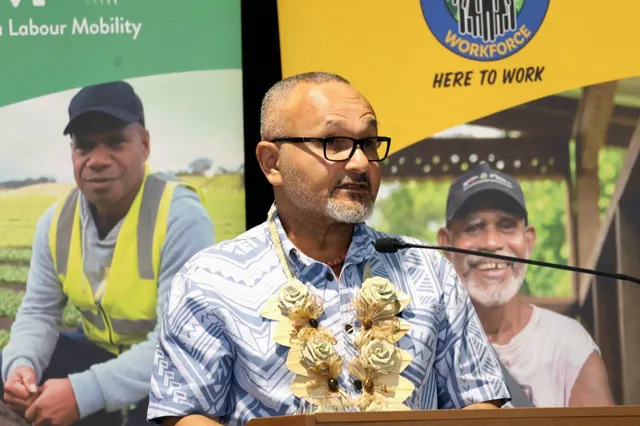
Prime Minister Matthew Wale has challenged employers approved under Australia’s Pacific Australia Labour Mobility (PALM) Scheme to help recruit 5,000 Solomon Islanders annually for work opportunities in Australia.
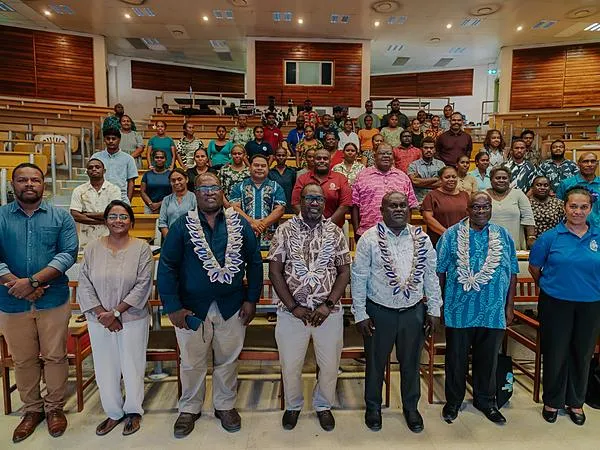
Wale issued the challenge when he officially opened the inaugural PALM Scheme Approved Employer Expo at the Aquatic Centre in Honiara, bringing together representatives from 25 approved employers, Australian government officials and local labour mobility stakeholders.
“Approved Employers, ensure that our work-ready pool is empty by the end of this week, and the target of 5,000 workers per annum is met. I challenge you and my team at the Labour Mobility Unit to make these happen,” Wale said.
He said expanding labour mobilitay was among his requests to the Australian government as Solomon Islands seeks to reset and reform its economy while creating more domestic employment opportunities.
Since 2018, more than 13,000 Solomon Islanders have participated in the PALM Scheme across various sectors and industries, supporting their families and communities while contributing to Australian businesses and the economy.
Wale said reaching the annual target would require stronger cooperation between the Solomon Islands and Australian governments, approved employers, training providers and other stakeholders.
Earlier this month, government agencies held an intergovernmental dialogue facilitated by the Labour Mobility Unit to identify structural bottlenecks and discuss ways to improve the labour mobility system.
The priorities include strengthening coordination, ensuring adequate resources and reviewing the National Labour Mobility Policy.
Wale said labour mobility offered benefits beyond employment and income, allowing Solomon Islanders to develop skills and gain industry experience that could be applied in their home communities.
“It enables Solomon Islanders to develop new skills, gain industry experience and bring valuable knowledge and confidence back to their communities,” he said.
He welcomed seven approved employers engaging with Solomon Islands for the first time and urged participating employers to use the expo to better understand the local workforce and establish long-term recruitment partnerships.
Wale said the government aimed to expand labour mobility sustainably, creating meaningful opportunities for Solomon Islanders while meeting the workforce needs of Australian employers and communities.
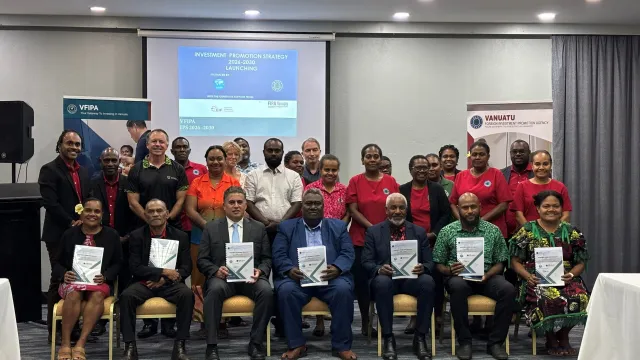
Vanuatu has launched its first Foreign Investment Promotion Strategy for 2026–2030, setting out a framework to attract and retain foreign investment, support private sector growth and create jobs as the Pacific island nation seeks to strengthen its economic resilience.
The strategy, launched by the Vanuatu Foreign Investment Promotion Agency (VFIPA), outlines priorities for investment promotion, policy reform, investor services and targeted sector development. It is aligned with Vanuatu 2030 – The People’s Plan, the country’s national sustainable development framework.
The strategy aims to position Vanuatu as a competitive and responsible investment destination while ensuring foreign direct investment contributes to inclusive and sustainable economic growth.
VFIPA chief executive Raymond Vuti described the launch as a milestone for the agency and the country, saying the strategy reflects a shared vision of building an investor-ready economy.
He said the framework would guide the agency’s work with government and private sector partners during implementation.
The strategy was developed through consultations involving government agencies, private sector representatives, provincial authorities, civil society and traditional institutions.
Vuti credited Carlos Griffin with leading and coordinating the national consultation process, saying his work helped ensure the strategy reflected the priorities and concerns of Ni-Vanuatu communities.
The Ministry of Trade and Commerce provided policy guidance during the strategy’s development, while the Vanuatu Aid for Trade Management Unit supported efforts to advance investment and trade reforms.
The Enhanced Integrated Framework provided financial and technical assistance for the strategy’s design, consultations and publication. The World Association of Investment Promotion Agencies also contributed technical guidance to align the framework with international investment promotion practices.
VFIPA said the strategy would strengthen its capacity as the country’s lead agency for foreign investment facilitation and support efforts to attract responsible investment that generates long-term economic opportunities.
The agency did not specify investment targets or sector-specific priorities in its announcement.
The Pacific’s digital transformation is entering a more demanding phase. After years of investment in telecommunications and connectivity, the challenge is increasingly to build the trusted digital systems that turn infrastructure into reliable public services. NiuPay is taking its experience with proven digital systems across the Pacific into Fiji, building on its work with Papua New Guinea’s Immigration and Citizenship Services Authority (ICSA), the country’s first digital land-title system and a border-processing system deployed during the Pacific Games. These operational deployments form the foundation for the company’s expanding regional work.
The Papua New Guinea-founded company established a presence in Suva this year, appointing Seta Daulako as Fiji country manager and hiring its first Fiji-based engineer in September. The appointment also marks the company’s first Autonomous AI Systems Engineer, extending its technical capabilities beyond its home market.
NiuPay plans to invest several million Fiji dollars in the country over five years as it expands operations in Suva and Nadi. It expects to grow its Fiji team to between eight and twelve staff over the next 12 months. Chief Operating Officer Trevor Manokore said the company was committing the money upfront to demonstrate its long-term commitment to the market and to supporting customers locally. For a regional technology firm, the investment signals an intention to build capacity in Fiji rather than serve the market remotely from Port Moresby.
These commitments extend beyond a conventional sales operation towards building local engineering capability. Strategic investment from Kina Bank and NiuPay’s status as an Amazon Web Services (AWS) Select Tier Services Partner provide further support for its growth. The Fiji operation builds on the company’s existing work in the Pacific and provides a base for extending its digital systems and technical expertise to other markets in the region. Governments across the Pacific face similar pressures to turn connectivity into secure, practical digital services, although each market retains its own laws, institutions and needs.
Proven systems provide foundation for expansion
Connectivity remains essential, but submarine cables and telecommunications networks do not, by themselves, deliver better public services. Governments also need secure applications, interoperable systems, digital identity infrastructure and the technical expertise to manage these platforms over time.
Fiji offers a useful example of the demands facing governments. The country is connected to international telecommunications networks through seven submarine cables and has set a target of bringing most government services online by 2030 under its National Digital Strategy. Plans for national digital identity infrastructure and a new cybersecurity strategy add to the demands on public institutions as more services move online.
The policy question is how to translate those ambitions into systems that are operational, secure and responsive to local needs. That requires more than procuring technology. It also means developing the people, governance arrangements and institutional capabilities needed to maintain systems, manage data and oversee external technology providers.
Designing technology for Pacific conditions
Part of the challenge is a problem the region has faced for decades: technology designed for other markets is often introduced into the Pacific with little adaptation. Systems built for large economies may assume reliable high-speed internet everywhere, widespread card payments, formal street addresses, complete central records and a deep pool of local specialists to maintain them.
When those assumptions fail, the costs emerge later. Agencies may pay licence and support fees in foreign currency, wait for help desks in distant time zones and run manual workarounds alongside systems that do not reflect how services are actually used. Customary land ownership, cash-based household economies, multiple languages and populations spread across remote islands are not exceptions in the Pacific; they are part of the operating environment. Donor-funded projects can compound the problem when systems are delivered to meet a project timeline and lose support after funding ends.
Regional providers argue that they are better placed to bridge this gap. Manokore describes NiuPay’s approach this way: “It’s not a piece of software we built somewhere trying to sell it.” Although NiuPay has teams in Australia and India, Manokore said the company does not build its solutions for the Australian, New Zealand or Asian markets. Instead, it designs its work around how Pacific customers operate, pointing to similarities among Fiji, Tonga and Papua New Guinea.
NiuPay’s existing deployments demonstrate how that approach has been applied in practice. Fiji has its own laws, institutions and public expectations, and a provider moving between Pacific markets must design for the new setting rather than simply repeat what worked elsewhere. Building on an established technical track record does not remove the need for local adaptation; it gives the company experience to draw on as it develops systems for different jurisdictions.
From digital land titles to AI-powered immigration
NiuPay’s regional expansion builds on three established deployments. In Papua New Guinea, the company developed the country’s first digital land-title system and the MyICSA Analysis Engine for the Immigration and Citizenship Services Authority. Its traveller-entry system was also used during the 2023 Pacific Games in Honiara, helping reduce processing times from 43 seconds to 10 seconds for delegations from 24 nations. Together, these deployments demonstrate the company’s experience delivering digital systems for land administration, government immigration processing and border management.
One of the most documented examples is NiuPay’s work with PNG’s Immigration and Citizenship Services Authority. A case study published by Amazon Web Services describes the MyICSA Analysis Engine, built by NiuPay on AWS, as the first known use of generative AI in a live government system in the Pacific Islands. Short-term visas that could take up to two weeks to process are now handled in minutes. According to AWS, about 95% of short-term applications are processed automatically, and the authority can handle up to 1,000 a day. ICSA Chief Migration Officer Wellington Navasivu told AWS that the average processing time for short-term visas had fallen to four minutes.
Two details in the case study speak directly to the wider implementation challenge. First, AWS says the system was built and trained locally for PNG’s needs, contrasting with the imported-model approach the region has long relied on. Second, the system does not make every decision autonomously: it approves a visa automatically only when it is fully certain, while less certain cases go to an immigration officer. Officers can also update the rules without technical help. That design keeps policy decisions with the authority rather than the technology. ICSA plans to extend the system to work permits and passport processing.
The ICSA platform, digital land-title system and Pacific Games border-processing system show how NiuPay’s work has progressed to operational deployment. The examples demonstrate the application of digital technology to public administration, from immigration processing and land records to the management of international arrivals. The ICSA case also illustrates how automation can accelerate administrative processes while leaving decisions requiring human judgement with government officers.
Digital sovereignty requires government oversight
Institutional control is central. As governments adopt digital services, they must consider who controls the underlying systems, how sensitive information is handled, whether platforms can be maintained locally and how dependent agencies become on individual vendors. The ability to retain operational and governance control can be as important as the initial deployment of a technology.
For Fiji and other Pacific economies, partnerships with regional technology providers may create opportunities to develop services that better reflect local administrative environments. But a local presence alone does not guarantee digital sovereignty. Governments still need clear procurement standards, cybersecurity requirements, data-governance rules, technical oversight and arrangements that preserve their ability to change providers or systems when necessary.
Building local skills for regional growth
NiuPay’s regional engagement also extends beyond commercial contracts. The company has participated in the Pacific Fiber Conference in Suva, sponsored NCIT 2026 and entered a three-year partnership with Pacific Women in Telecommunications to provide internships and mentoring opportunities for young women across the region.
Those initiatives address another constraint on digital transformation: the availability of skilled workers. Hiring locally can help build the technical expertise needed to implement and maintain systems, while regional training partnerships may widen access to technology careers. Developing local talent alongside deploying technology can help build the expertise required to maintain digital services over time and reduce reliance on external support.
NiuPay’s expansion is supported by strategic investment from Kina Bank and its relationship with AWS, reflecting how regional capital and global technology infrastructure can help Pacific technology companies grow. Its next phase of regional work will build on this combination of locally developed applications, global cloud infrastructure and growing in-market engineering capability. For governments, the priority remains ensuring that essential technical knowledge, data governance and operational decision-making remain accessible to the institutions and communities they serve.
Taking proven digital capabilities across the Pacific
The implications extend beyond Fiji. Across the Pacific, governments are seeking to convert digital infrastructure into more accessible public services and stronger economic opportunities. NiuPay’s investment in Fiji, local recruitment and technical appointments build on systems already operating in the region, providing a platform for further deployments tailored to individual countries. Extending these capabilities across different jurisdictions will require sustained investment, local partnerships and solutions adapted to each country’s laws, institutions and operating conditions.
NiuPay’s track record in the Pacific includes a live government immigration platform, the country’s first digital land-title system and a border-processing system used during the Pacific Games. These deployments establish a practical foundation for its expansion into Fiji and other regional markets, demonstrating how digital technology can support public administration and improve operational efficiency.
As NiuPay grows its Fiji team and extends its regional presence, it is building on systems already delivered rather than starting from an unproven proposition. Governments will still need sound procurement, cybersecurity and data-governance frameworks, alongside investment in local skills and institutional capacity. With those foundations in place, NiuPay’s existing deployments provide a basis for extending proven digital capabilities across the Pacific.
The Vanuatu Foreign Investment Promotion Agency (VFIPA) has identified potential investment opportunities in Santo as it steps up efforts to attract domestic and international investors to provincial economies.
The agency completed an investment profiling mission in Santo, engaging with businesses, private-sector representatives and other stakeholders to assess the island's investment environment and identify opportunities aligned with Vanuatu's Foreign Investment Promotion Strategy 2026–2030.
VFIPA said the exercise would help build a pipeline of credible, investment-ready opportunities for targeted promotion to prospective investors.
The profiles will provide information on specific opportunities, available assets, locations and sector potential, helping investors conduct preliminary assessments and engage with businesses and local stakeholders.
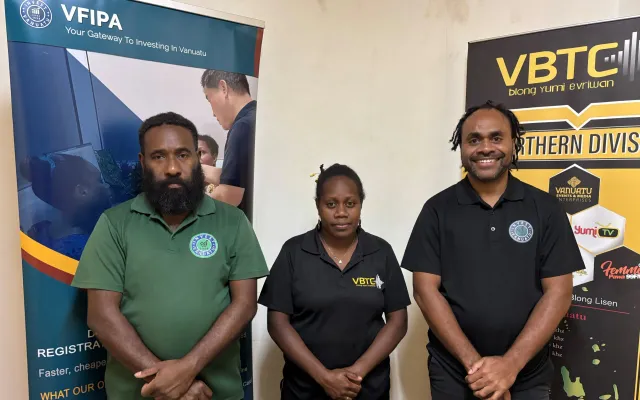
The mission was led by VFIPA Manager for Investment Promotion and Facilitation Alick Robsen Joe, assisted by Senior Investment Promotion Officer Lee Tabi, who is based at the agency's Northern Office in Santo.
VFIPA chief executive Raymond Vuti supported the initiative as part of the agency's efforts to strengthen investor engagement and give greater visibility to investment opportunities outside the capital, Port Vila.
During the mission, the team consulted businesses and private-sector representatives to understand existing commercial activities, ongoing developments and areas where additional investment could support Santo's economic growth.
Real estate companies operating in Santo also helped connect VFIPA with businesses and stakeholders, providing local knowledge of property developments, commercial activity and the broader investment environment.
The agency identified potential opportunities across tourism, hospitality, commercial activities, property development, professional services and other areas of the local economy.
VFIPA expands provincial outreach
The mission also marked VFIPA's first awareness programme through VBTC's Vois Blong NOT, providing a platform to explain the agency's mandate, services and investment facilitation support to businesses and communities in Northern Vanuatu.
The initiative forms part of VFIPA's broader effort to improve access to investment-related information beyond Port Vila and strengthen engagement with provincial businesses and potential investors.
VFIPA said the programme also laid the groundwork for further collaboration with VBTC on future awareness activities.
The agency's Q2 2026 foreign direct investment update recorded 80 approved FDI registrations nationally, with Sanma Province accounting for nine registrations, or 11.3% of the total.
Sanma, where Santo is located, is an important source of investment activity outside the capital, according to VFIPA.
The profiling mission is intended to build on this activity by providing a clearer picture of available investment opportunities and strengthening links between local businesses and potential investors.
Focus on investment-ready projects
VFIPA said the mission reflected a more proactive approach to investment promotion, moving beyond responding to investor enquiries towards identifying opportunities, assessing local market conditions and preparing information that can be used in targeted promotional activities.
The information gathered in Santo will contribute to future investment profiles, promotional materials, investor engagement and facilitation efforts.
The agency will continue working with businesses, real estate companies, the Santo Provincial Headquarters, government agencies, VBTC and other partners to strengthen the island's investment environment.
VFIPA's latest quarterly update also showed that service industries accounted for the majority of approved foreign investment activity nationally, while tourism, professional services and construction recorded notable activity during the quarter.
The agency said these trends provided a basis for exploring Santo's potential in tourism, accommodation, hospitality, commercial development, professional services and property development.
The investment profiling initiative forms part of VFIPA's implementation of the 2026–2030 strategy, which aims to promote investment opportunities across Vanuatu and support economic diversification, business expansion, employment creation and greater private-sector participation in provincial economies.
The Solomon Islands Ports Authority has partnered with NTRO to develop a GreenPort Framework aimed at strengthening the sustainability and resilience of the country's ports.
The partnership was announced on World Maritime Day, the annual United Nations observance led by the International Maritime Organisation to highlight shipping, maritime safety and protection of the marine environment.
Under the agreement, NTRO will work with SIPA to develop a framework tailored to Solomon Islands' priorities, environmental values and operating conditions.
The framework will support future port development while placing greater emphasis on sustainability, environmental performance and resilience.
SIPA chief executive officer George Rausi said the initiative would support the long-term development of the country's ports.
“Our ports are critical to the Solomon Islands economy and our communities. This framework will help us continue developing our ports while protecting our environment and strengthening resilience for future generations,” Rausi said.
The framework will be developed through a collaborative process, with stakeholder engagement forming a key part of the project.
NTRO said the approach would ensure the framework was practical, locally grounded and suited to the specific needs of Solomon Islands.
NTRO executive general manager Jason Sprott said the partnership would combine the organisation's Pacific experience and technical capabilities with SIPA's local knowledge.
“We are very proud to be working with the Solomon Islands Port Authority to help with the development of a ‘GreenPort Framework’,” Sprott said.
He said the framework would be “genuinely Solomon Islands-led”, with NTRO bringing experience from across the Pacific and international technical expertise while working alongside SIPA to develop a practical framework designed for long-term impact.
The initiative comes as Pacific ports face growing pressure to accommodate infrastructure development and rising trade requirements while strengthening climate resilience and protecting the environment.
Maritime transport is particularly important to Solomon Islands, where ports support international trade as well as inter-island connectivity and access to essential goods and services.
The project will now move into its co-development and stakeholder engagement phase, with NTRO and SIPA expected to work together on the framework and identify practical measures for its long-term implementation.
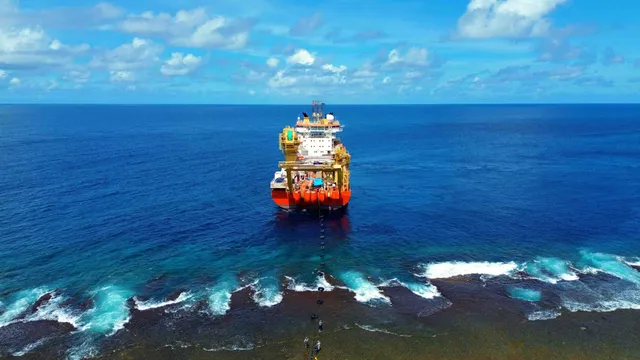
All Pacific Islands Forum members are now connected to the global undersea telecommunications cable network, marking a major expansion of regional digital infrastructure and opening new opportunities for trade, investment and economic development.
Australia said it had supported the delivery of more than 10,300 kilometres of new undersea telecommunications cables across the Pacific, extending high-capacity connectivity to some of the region's most remote island communities.
Australia has committed more than A$500 million since 2018 to undersea cable infrastructure across the Pacific and Timor-Leste, primarily through the Australian Infrastructure Financing Facility for the Pacific.
The investments have supported cable connections in **Papua New Guinea, Nauru, Solomon Islands, Timor-Leste, Tuvalu, Kiribati, the Federated States of Micronesia, Tonga and Palau**.
The milestone comes as Pacific countries seek to strengthen digital infrastructure, reduce telecommunications vulnerabilities and improve their integration with regional and international markets.
One of the latest projects is the 2,250-kilometre East Micronesia Cable, which became operational in mid-2026 and provided Nauru, Tarawa in Kiribati and Kosrae in the Federated States of Micronesia with their first international undersea cable connections.
The A$135 million project was delivered through a partnership involving Nauru, Kiribati, the Federated States of Micronesia, Australia, Japan and the United States. Australia contributed about A$65 million.
The connection is expected to benefit more than 100,000 people.
Other recent projects include Tuvalu's first international undersea cable, the Vaka Cable, which became operational in October 2025, and Tonga's second international connection, the Tu'i Vava'u Cable, commissioned in May 2026.
The additional connection to Tonga is expected to strengthen network resilience by reducing the risk of widespread telecommunications disruption if existing cables are damaged by natural disasters or other incidents.
Australia's telecommunications investments have been delivered in partnership with Japan, New Zealand, the United States and Taiwan.
Australian Foreign Minister Penny Wong said stronger connectivity would help Pacific economies participate more fully in the digital economy.
“A more connected Pacific is a more resilient Pacific,” Wong said.
“This infrastructure strengthens economic growth, supports essential services and will help underpin a more peaceful, stable and prosperous region.”
For Pacific businesses, improved connectivity could support the expansion of e-commerce, financial services, tourism, education, healthcare and other digital industries.
It could also allow governments to deliver public services more efficiently while improving access to international markets and investment.
The expansion addresses a longstanding infrastructure constraint for Pacific economies, where widely dispersed island communities have faced high telecommunications costs, limited network capacity and vulnerability to disruptions.
For Papua New Guinea, which is among the Pacific countries to have received support for undersea cable connectivity, improved international links provide additional infrastructure for businesses and government agencies seeking greater access to regional and global digital services.
Reliable telecommunications infrastructure is increasingly important to attracting investment, improving productivity and enabling Pacific businesses to participate in the wider digital economy.
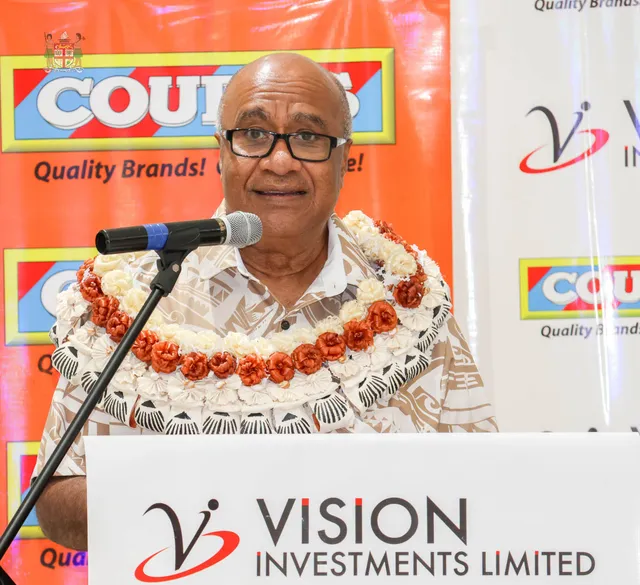
Vision Investments Limited’s growth over the past decade has been built on generations of trust among Fijian households, Deputy Prime Minister and Minister for Industries, Commerce and Business Development Manoa Kamikamica said.
Speaking at a reception on 25 September, following the company’s annual general meeting to mark the 10th anniversary of its listing on the South Pacific Stock Exchange (SPX), Kamikamica said Vision’s relationship with Fijian consumers long predated its listing.
“Your relationship didn't start with the listing 10 years ago; it goes back many generations and was established on the shop floors and in the showrooms,” Kamikamica said.
He said the Group’s history demonstrated that lasting business success depended not only on growth but also on fairness and trust.
“It isn't merely convenience that has built a hundred years' reputation in any market; it is based on trust, the kind of trust that a family places in a business when they go in through the door without knowing whether they're going to be treated fairly and then leave knowing that they have been,” he said.
Vision Investments was listed on the SPX on 29 February 2016 and has since grown into one of the exchange’s larger listed companies, with operations spanning retail, automotive, industrial products, renewable energy, manufacturing and finance.
Kamikamica also highlighted the Fiji National Provident Fund’s position as a major shareholder in the Group, saying the company’s performance has a direct bearing on the interests of working Fijians.
“Your success is their success and the dividends you pay help to finance their retirements. This is not just an abstract figure; it represents thousands of ordinary families with a direct interest in how this Group is managed,” he said.
The Vision Group currently employs 1,037 Fijians.
For the financial year ended 31 March 2026, the Group reported net profit after tax of $17.67 million, total assets of $314.05 million and equity of $141.80 million, according to SPX data.
Looking ahead, Kamikamica encouraged the company to continue investing in innovation, sustainability and responsible growth while maintaining the trust built around its brands over generations.
“Keep creating value not only for shareholders, but for the customers and communities who have placed their trust in you,” he said.
Kamikamica said strong private-sector leadership, investor confidence and well-governed capital markets would remain important to Fiji’s long-term economic growth, particularly in supporting successful locally owned companies.
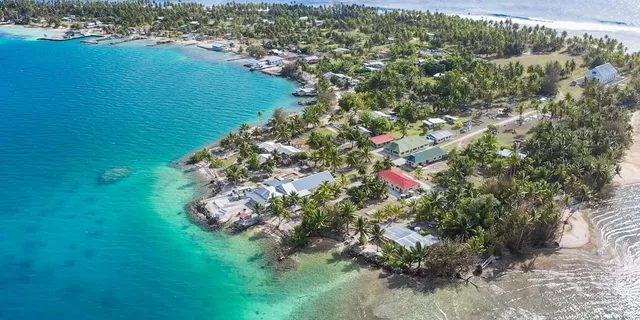
Cook Islands Prime Minister Mark Brown has led a joint visit by the Cook Islands, United States and New Zealand to Tongareva to begin feasibility and planning work for a new, safer and more reliable wharf at Omoka.
Brown travelled to the northern island on Sept. 22 with US Ambassador to the Cook Islands Jared Novelly and New Zealand High Commissioner Catherine Graham to meet residents and discuss the proposed project.
It was the first time the three partners had visited Tongareva together since announcing their intention to work on the wharf at the Pacific Islands Forum Leaders Meeting in Palau in August.
Brown said the visit was intended to ensure the community heard directly from the three partners about the project and had a role in shaping its development.
“This wharf is a lifeline for Tongareva, and it belongs to Cook Islanders,” Brown said. “We are leading this work on our own terms and as part of our own priorities and our national plan for the Pa Enua.”
The delegation was welcomed to Omoka with a traditional warrior's chant, drums, floral garlands and a guard of honor by students from Tongareva School.
The delegation later visited the existing landing and proposed wharf site.
Almost all supplies reaching Tongareva, including fuel, food, building materials, medicines and disaster relief, currently come ashore through a landing built more than 80 years ago, according to the Cook Islands government.
A modern and resilient wharf would improve the safety and reliability of deliveries and strengthen connections between Tongareva, the other Pa Enua, the rest of the Cook Islands and the wider region.
Feasibility study first
The partners stressed that construction will not begin until a feasibility study determines the project's scope and design.
The study will assess technical, environmental, social, commercial and operational aspects of the proposed wharf and provide an opportunity for the Tongareva community to help shape the project.
New Zealand High Commissioner Catherine Graham said New Zealand would support implementation of the project in partnership with the Cook Islands.
“This visit is the start of careful, considered work,” Graham said. “The feasibility study comes first, to shape the scope and the design, and it will be the community's opportunity to have its say.”
The Cook Islands government said the project will be implemented in accordance with Cook Islands laws, policies and regulations and integrated into the country's long-term development plans.
The feasibility work will also examine opportunities for Cook Islands companies, workers and suppliers to participate.
US highlights historic ties
Novelly highlighted the longstanding US connection with Tongareva, noting that US personnel built the island's original wharf and airfield during World War II.
“The United States values its long friendship with the Cook Islands and our historic ties to Tongareva, where United States personnel built the island's original wharf and airfield,” Novelly said.
He said the US supported the initiative to improve connectivity and services for people in the northern Cook Islands.
The ambassador also pointed to potential benefits including strengthening the Cook Islands government's ability to monitor its waters and creating commercial and tourism opportunities.
The three partners said the visit marked the beginning of the broader feasibility and planning phase. Final decisions on the scope, design and delivery of the project will follow completion of the feasibility study.
The Solomon Islands Government is targeting the creation of 25,000 new jobs over the next four years, with Minister of Commerce, Industry, Labour and Immigration Harry Kuma saying stronger economic growth is essential to absorb the country’s expanding young workforce.
Speaking at the opening of the National Business Forum 2026 in Honiara on September 14, Kuma said jobs were critical to national stability and economic development as increasing numbers of young people enter the workforce each year.
“Every single year, tens of thousands of our young people exit primary, secondary and tertiary education looking for opportunity. To absorb them, economic growth is not optional — it is mandatory,” Kuma said.
He said the GREAT Coalition Government was focused on improving the investment climate, noting that Solomon Islands ranked 136th out of 190 economies on the World Bank’s former Ease of Doing Business Index, with a score of 55 out of 100.
Kuma said the Government would seek to improve the business environment by reforming laws, streamlining processes and removing bureaucratic barriers.
He also challenged the business community and government agencies to address 10 recommendations raised at the inaugural National Business Forum in 2025.
These include reducing high energy costs, protecting and supporting Indigenous entrepreneurs, helping informal businesses transition into the formal economy and strengthening the lending capacity of state-owned financial institutions.
Other priorities include improving commercial banks’ understanding of small and medium-sized enterprises, reviewing digital financial costs including platforms such as M-Selen, expanding opportunities for young people, providing targeted support for women entrepreneurs and strengthening cooperation between businesses, government and academic institutions such as Solomon Islands National University.
Kuma also backed efforts to establish the National Business Forum as an annual or biennial platform for sustained dialogue between government and the private sector.
“My charge to this room is simple: Do not leave this forum with a list of complaints. Leave this forum with practical, executable solutions,” Kuma said.
“The Ministry is listening. The GREAT Coalition and Government are ready. The solutions you design today will directly influence the policies and regulations we deploy moving forward.”
The National Business Forum was established following Cabinet approval on July 9, 2025, in partnership with the Solomon Islands Chamber of Commerce and Industry.
The inaugural forum was held under the theme “Partnership and Innovation for Resilience: Adapting to a Changing Economy.”
While the 2026 forum has no specific theme, Kuma said it builds on last year’s discussions by focusing on partnerships and addressing issues already identified by businesses.
He concluded by quoting Mahatma Gandhi: “The future depends on what we do in the present.”
The success of local businesses, particularly small and medium enterprises (SMEs), will be critical to creating jobs, increasing household incomes and driving economic growth in Solomon Islands, according to Permanent Secretary Riley Mesepitu of the Ministry of Commerce, Industry, Labour and Immigration (MCILI).
Mesepitu made the remarks on September 14 while opening the National Business Forum 2026 at the Solomon Islands National University (SINU) Lecture Theatre.
The forum brought together business leaders, development partners, women and youth entrepreneurs, government agencies and academics for discussions on strengthening the country’s business and enterprise sector.
“These are not simply Government issues or private-sector issues. They are national development issues,” Mesepitu said.
He said the forum’s program is centered on four priorities: strengthening local enterprises, improving access to finance and capital, promoting youth and women entrepreneurship, and connecting businesses to markets, standards, compliance and trade opportunities.
Mesepitu called on participants to use the forum as a platform for practical and open discussions that can lead to concrete solutions.
“I encourage all participants to use today’s forum not only to listen, but also to speak openly, share ideas, challenge existing approaches and identify solutions that can be taken forward beyond this gathering,” he said.
Partnership needed
Mesepitu said greater participation by young entrepreneurs and women in business is essential to developing a more inclusive and dynamic private sector.
He also stressed that the government cannot improve the business environment on its own and called for closer cooperation among businesses, financial institutions, educational institutions, development partners, civil society and international partners.
“Government cannot do it alone. We need the commitment and participation of businesses, financial institutions, educational institutions, development partners, civil society and our international partners,” he said.
Mesepitu thanked SINU for hosting the forum and the Solomon Islands Chamber of Commerce and Industry (SICCI) for its role as the key private-sector partner.
He said the government expects discussions at the forum to translate into stronger collaboration and practical measures to support local businesses.
The Permanent Secretary formally welcomed participants and expressed hope that the forum would produce productive discussions and actionable outcomes for Solomon Islands’ business sector.
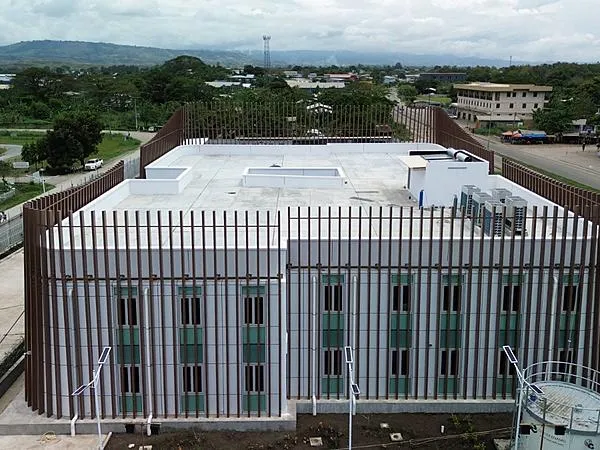
The Aviation Complex Building at Henderson has reached a major completion milestone, with physical construction substantially completed under the Second Solomon Islands Roads and Aviation Project (SIRAP2).
The project is being implemented by the Ministry of Communication and Aviation (MCA) with financial and technical support from the World Bank. Construction is being carried out by China Railway Construction Engineering Group (CRCEG), with Egis Asia providing construction supervision.
Remaining architectural finishes, mechanical, electrical and plumbing installations, external works, landscaping and approved variation works have been completed. Final inspections and stakeholder visits have also been conducted as part of the close-out, handover and operational readiness process.
Two critical items remain outstanding: installation of the transformer by Solomon Power and procurement and integration of the required information technology hardware by MCA.
The two activities must be completed before final testing and commissioning of affected building systems can proceed, allowing the facility to become fully operational and ready for handover.
MCA Permanent Secretary Alwyn Danitofea said the completion of the physical works was a significant achievement for the ministry and its project partners.
“We are pleased to see the Aviation Complex Building reach this important stage,” Danitofea said. “The completion of the physical works is a significant achievement and reflects the commitment of the Ministry, our project partners and contractors to delivering a modern facility that will strengthen the capacity and efficiency of Solomon Islands’ aviation sector.”
Wider aviation and transport upgrades
SIRAP2 is also supporting a broader program of aviation and transport infrastructure improvements across Solomon Islands.
The program includes the upgrading of Santa Cruz and Suavanao airfields, construction of air traffic control towers at Honiara and Munda international airports, and installation of air navigation systems in Makira-Ulawa and Temotu provinces.
The project is also supporting regional airport maintenance and road improvements, including rehabilitation of 21 kilometers of East Road between Baratolo and Atori and sealing of 12 kilometers of North Road between the Auki-Gwaunaru’u Airfield Junction and Kwaisuliniu Road Junction.
The Aviation Complex is expected to strengthen aviation-sector capacity and support more efficient management of Solomon Islands’ air transport infrastructure once the remaining systems are installed, tested and commissioned.
The Fijian government will provide 1,000 Google Career Certificate scholarships to citizens as part of efforts to expand digital skills and participation in the country’s growing digital economy.
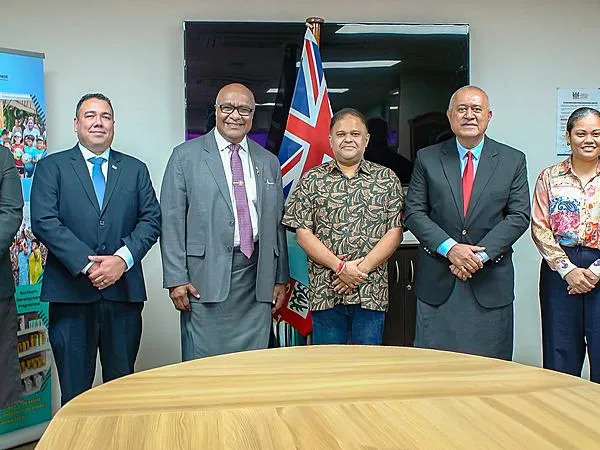
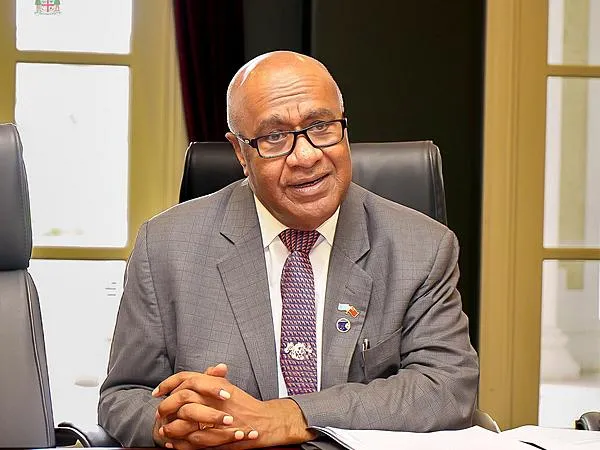
The scholarships were announced jointly by the Ministry of Policing and Communications and the Ministry of Industries, Commerce and Business Development during a meeting hosted by Deputy Prime Minister and Minister for Industries, Commerce and Business Development Manoa Kamikamica, Minister for Policing and Communications Ioane Naivalurua, and Google Director of Submarine Product and Service Innovation Shirshendu Bhattacharya.
The program supports the upskilling targets of Fiji’s National Digital Strategy, particularly its focus on digital inclusion and empowerment.
Google Career Certificates provide flexible, job-ready training in high-growth fields including artificial intelligence, cybersecurity, data analytics, IT support, project management and UX design. The courses do not require a prior degree or professional experience.
The government said the training is intended to help Fijians develop practical skills for technology-related employment, entrepreneurship and the modernization of local industries.
700 scholarships for public, civil servants
Of the 1,000 scholarships, 700 will be administered through the Digital Government Transformation Office under the Ministry of Policing and Communications.
The first tranche of 500 scholarships will comprise 300 scholarships for the public for individual skills development and 200 scholarships for civil servants.
A second tranche of 200 scholarships will be administered after the successful completion of the first tranche.
The remaining 300 scholarships will be administered by the Ministry of Industries, Commerce and Business Development and will be dedicated to upskilling micro, small and medium enterprise (MSME) and cooperative owners and their employees.
The government said the initiative will expand access to structured digital literacy and job-ready skills while supporting broader participation in the digital economy.
Fiji also recognized Google’s ongoing investments in the country, including subsea cable infrastructure and the development of a Google ICT facility, and said it looked forward to continued cooperation.
The two ministries are expected to announce the application criteria, guidelines and timelines for the scholarships in the coming weeks.
Fiji, Guangdong, China, Manoa Kamikamica, Fiji Government, Fiji-China Relations, Guangdong Products Roadshow, Smart Manufacturing, Green Development, Renewable Energy, Green Technology, Technology Transfer, Manufacturing, Trade and Investment, Pacific Islands, Pacific Trade, Economic Development, Climate Resilience, Business Development, Foreign Investment, Supply Chains, Export Development, China Council for the Promotion of International Trade
Chemonics Australia says its acquisition of advisory firm 35 South and regional delivery specialist JID will strengthen its ability to support infrastructure, public-sector reform and development programmes across Pacific countries.
The acquisitions, announced Sept. 2, expand the organisation’s capacity to work with governments, development partners and regional institutions from programme design through to on-the-ground delivery.
For Pacific countries, the most immediate impact is expected to come from JID’s established presence in the region. The company has teams and programme experience in Papua New Guinea, Tonga, Solomon Islands, Fiji and Vanuatu, where it has supported social and economic infrastructure, service delivery, disaster response and resilience initiatives.
JID has worked with Australia’s Department of Foreign Affairs and Trade and other regional partners on major Pacific infrastructure investments. Its model combines advisory services, programme management and operational delivery, which Chemonics Australia says is particularly suited to remote, disaster-affected and resource-constrained settings.
JID CEO Brad Bowman said the partnership would give regional teams stronger systems and resources to support larger programmes while maintaining local knowledge at the centre of delivery.
“Our strength comes from teams embedded across the region and their ability to manage infrastructure and services in demanding environments,” Bowman said.
The acquisition of 35 South adds public-sector advisory expertise in policy, programme and service delivery, economics, and data analysis. While its work has focused on Australian government agencies, its capabilities could support Pacific governments and development partners seeking to improve planning, implementation and service outcomes.
Chemonics Australia was established in 2025 to support governments and institutions across Australia and the Indo-Pacific. The company said the acquisitions would deepen its ability to help partners manage complex reforms, deliver large investments and respond to local development priorities.
Chemonics Chair and CEO Jamey Butcher said the combined organisation would strengthen what it could offer partners across Australia and the Indo-Pacific.
The expanded organisation expects to work with partners including Australia’s Department of Foreign Affairs and Trade, New Zealand’s Ministry of Foreign Affairs and Trade, the Asian Development Bank, regional institutions and Pacific governments.
The move comes as Pacific countries continue to seek investment and delivery support for infrastructure, climate resilience, essential services and economic development. Chemonics said its enlarged regional capability would help partners implement programmes that build local capacity and deliver long-term benefits for communities.
The Government for Reform, Empowerment, Accountability and Transformation (GREAT) Coalition has outlined policies aimed at expanding local businesses, reducing import dependence and preparing Solomon Islands for its planned graduation from least developed country status in 2027.
Commerce, Industry, Labour and Immigration Minister Harry Kuma announced the policy directions at the opening of the 2026 Annual National Trade Fair at SINU FOPA Village on Sept. 8.
Kuma said the government would prioritize increasing domestic production in food, fisheries, tourism and manufacturing, while encouraging the country to move from exporting raw resources toward downstream processing and value addition.
“We have been exporting logs, minerals, fish and crops in raw form, leaving the value-adding and profits to foreign nations. This must change,” Kuma said.
The government also plans to reduce import dependence, strengthen food security and create jobs through greater domestic production and processing.
Kuma identified micro, small and medium enterprises (MSMEs) as a key source of future employment and outlined measures including simplifying business registration, improving access to finance and markets, supporting value-added production and reforming government procurement to improve opportunities and payment access for small businesses.
The government also plans to strengthen the MSME Act and amend foreign investment legislation.
“Small businesses today can become major employers tomorrow,” Kuma said. “When we support one Solomon Islands business to grow, we are supporting families, employees, suppliers, farmers, transport operators and communities.”
Improving road, maritime, aviation and digital connectivity is another priority, with the government seeking to better connect producers and tourism operators with domestic and international markets.
Kuma said the government would focus on expanding telecommunications coverage in productive and tourism areas, implementing the National E-Commerce Strategy, and promoting online marketing, digital payments and e-commerce platforms.
“Distance must no longer be a barrier,” he said, pointing to the potential for businesses in provinces such as Choiseul and Temotu to reach buyers in international markets.
The GREAT Coalition also plans to place youth, women, people with disabilities and provincial businesses at the center of its economic policies, while strengthening partnerships with educational and community institutions.
Kuma said economic growth must be both inclusive and environmentally sustainable, with innovation balanced against environmental protection and traditional knowledge.
“A Greater Solomon Islands Tomorrow cannot be built while half of our population remains on the margins of economic opportunity,” he said.
With Solomon Islands scheduled to graduate from least developed country status in 2027, Kuma said innovation and stronger domestic economic capacity would be needed to maintain growth without relying on special international concessions.
The government's National Development Strategy's eight pillars will guide its efforts to accelerate economic development and improve living standards, he said.
Kuma urged farmers to increase production and connect with markets, entrepreneurs to innovate, young people to develop skills and lead, investors to take a long-term approach, and consumers to buy local and support local businesses.
“Let us add value to our resources, create opportunities for our people, strengthen our businesses, and open the Solomon Islands to the world,” Kuma said.
The government also recognized the support of development partners, including Australia, New Zealand and China, as well as the private sector and exhibitors participating in the trade fair.
Solomon Islands and Serbia are seeking to translate growing bilateral ties into practical development outcomes, with potential cooperation identified in renewable energy, education, digitalisation, sports, tourism and community development.
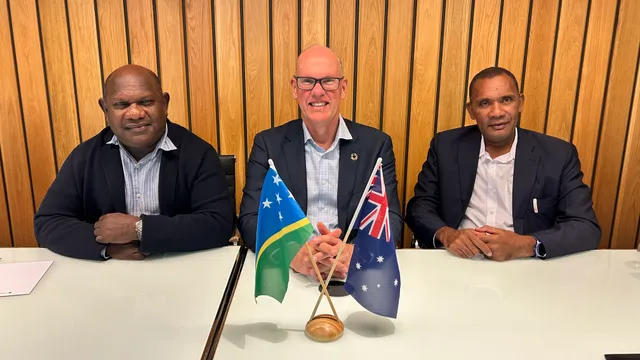
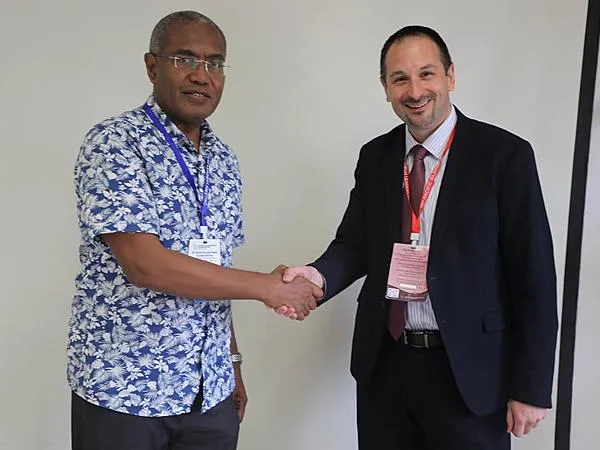
The areas of cooperation were discussed by Minister for National Planning and Development Coordination Peter Kenilorea Jr and Serbia’s Ambassador to Solomon Islands, Rade Stefanovic, during a bilateral meeting in Koror, Palau.
Stefanovic said Serbia had received approval to explore a bilateral development cooperation programme with Solomon Islands, with a focus on small-scale, community-based projects that can deliver direct benefits to local communities.
“Serbia is a small country but we have a sincere approach to helping our partners as much as we can,” Stefanovic said.
Serbia has supported similar community-focused initiatives in other Pacific countries, including projects involving solar energy, water and sanitation, and education.
Kenilorea welcomed the approach, saying Solomon Islands was seeking partnerships that could produce tangible benefits at the community level.
“The community-focused approach is particularly welcome. We are interested in small projects that have a direct impact on people and communities,” Kenilorea said.
He said the Solomon Islands government would work with Serbia to identify projects aligned with national priorities, particularly in energy and education.
Cooperation across key sectors
Serbia also indicated its intention to contribute to the Pacific Resilience Facility (PRF), strengthening its support for Pacific climate resilience and sustainable development priorities.
The two sides also reviewed progress on existing bilateral agreements, including a visa waiver agreement and a memorandum of understanding on political consultations.
Serbia has completed its domestic procedures for the visa waiver agreement and is awaiting confirmation from Solomon Islands before it can enter into force. Kenilorea undertook to follow up on the matter.
Both sides also expressed interest in activating the political consultations mechanism, which would provide a framework for more regular senior-level engagement and follow-up on agreed areas of cooperation.
Scholarships and digitalisation
Education emerged as another area with potential for expanded cooperation. Serbia is offering scholarships to Solomon Islands students in fields including medicine, engineering, information technology, forestry and agriculture.
Serbia also offered to share expertise in digitalisation and e-government, drawing on its experience in developing online public services.
Sports cooperation is likewise being advanced, with the two countries working toward finalising an existing sports cooperation agreement.
Solomon Islands invited to EXPO 2027
Stefanovic also invited Solomon Islands to participate in EXPO 2027 in Belgrade, including through the Pacific Century Pavilion.
The event would provide an international platform for Solomon Islands to showcase its culture, tourism, traditional arts, music and sports.
The meeting reaffirmed the commitment of both countries to deepen bilateral relations and move beyond diplomatic engagement toward practical cooperation supporting Solomon Islands’ development priorities.
The proposed community-level projects, scholarship opportunities, digitalisation cooperation and participation in EXPO 2027 form part of efforts to convert the growing relationship between Solomon Islands and Serbia into initiatives with direct and measurable benefits for Solomon Islanders.
Follow on LinkedIn:
Pacific Business Review
Be the "First" to get our exclusive Digital Magazine & Weekly Newsletter.