September 07, 2026

Solomon Islands and Serbia are seeking to translate growing bilateral ties into practical development outcomes, with potential cooperation identified in renewable energy, education, digitalisation, sports, tourism and community development.

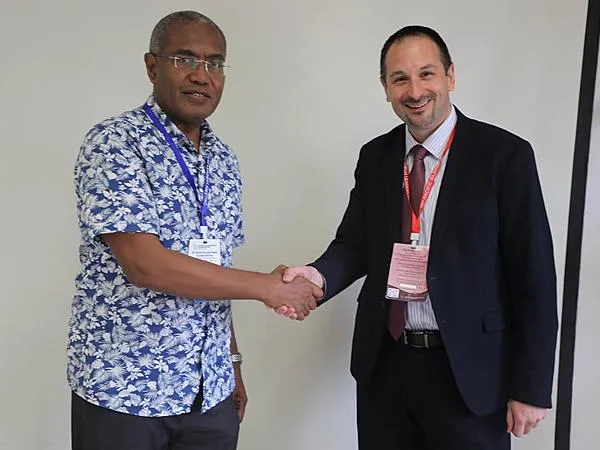
The areas of cooperation were discussed by Minister for National Planning and Development Coordination Peter Kenilorea Jr and Serbia’s Ambassador to Solomon Islands, Rade Stefanovic, during a bilateral meeting in Koror, Palau.

Stefanovic said Serbia had received approval to explore a bilateral development cooperation programme with Solomon Islands, with a focus on small-scale, community-based projects that can deliver direct benefits to local communities.

“Serbia is a small country but we have a sincere approach to helping our partners as much as we can,” Stefanovic said.

Serbia has supported similar community-focused initiatives in other Pacific countries, including projects involving solar energy, water and sanitation, and education.

Kenilorea welcomed the approach, saying Solomon Islands was seeking partnerships that could produce tangible benefits at the community level.

“The community-focused approach is particularly welcome. We are interested in small projects that have a direct impact on people and communities,” Kenilorea said.

He said the Solomon Islands government would work with Serbia to identify projects aligned with national priorities, particularly in energy and education.

Cooperation across key sectors

Serbia also indicated its intention to contribute to the Pacific Resilience Facility (PRF), strengthening its support for Pacific climate resilience and sustainable development priorities.

The two sides also reviewed progress on existing bilateral agreements, including a visa waiver agreement and a memorandum of understanding on political consultations.

Serbia has completed its domestic procedures for the visa waiver agreement and is awaiting confirmation from Solomon Islands before it can enter into force. Kenilorea undertook to follow up on the matter.

Both sides also expressed interest in activating the political consultations mechanism, which would provide a framework for more regular senior-level engagement and follow-up on agreed areas of cooperation.

Scholarships and digitalisation

Education emerged as another area with potential for expanded cooperation. Serbia is offering scholarships to Solomon Islands students in fields including medicine, engineering, information technology, forestry and agriculture.

Serbia also offered to share expertise in digitalisation and e-government, drawing on its experience in developing online public services.

Sports cooperation is likewise being advanced, with the two countries working toward finalising an existing sports cooperation agreement.

Solomon Islands invited to EXPO 2027

Stefanovic also invited Solomon Islands to participate in EXPO 2027 in Belgrade, including through the Pacific Century Pavilion.

The event would provide an international platform for Solomon Islands to showcase its culture, tourism, traditional arts, music and sports.

The meeting reaffirmed the commitment of both countries to deepen bilateral relations and move beyond diplomatic engagement toward practical cooperation supporting Solomon Islands’ development priorities.

The proposed community-level projects, scholarship opportunities, digitalisation cooperation and participation in EXPO 2027 form part of efforts to convert the growing relationship between Solomon Islands and Serbia into initiatives with direct and measurable benefits for Solomon Islanders.

September 07, 2026

Fiji has taken another step toward overhauling its competition and consumer protection framework, with nationwide consultations completed on legislation that would replace the country’s 2010 competition law and establish a modern framework for regulating market conduct and protecting consumers.

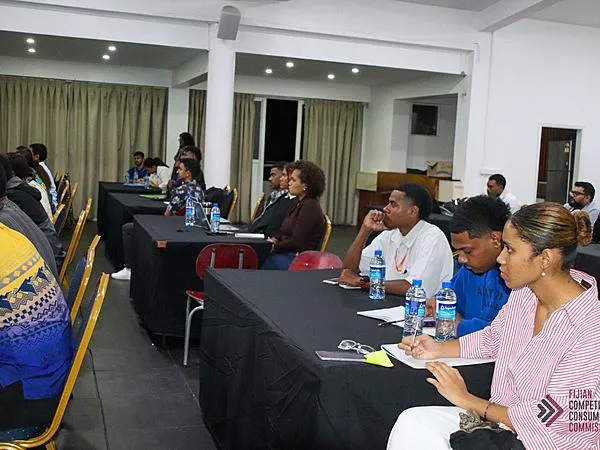
Fiji’s Ministry of Commerce and Business Development (MCBD) and the Fiji Competition and Consumer Commission (FCCC) held public consultations from July 27 to August 4, 2026, on the draft Competition and Consumer Commission Bill 2026, with technical support from the Pacific Private Sector Development Initiative (PSDI). 

The consultations covered nine locations across Viti Levu and Vanua Levu — Suva, Nadi, Nasinu, Nausori, Sigatoka, Lautoka, Ba, Labasa and Savusavu. Members of the public, businesses and industry representatives, nongovernment organizations, civil society groups and community organizations were invited to participate and provide written submissions. 

The proposed legislation will replace the Fijian Competition and Consumer Commission Act 2010, providing the legal basis for a revised competition and consumer protection regime. It is intended to establish clearer rules governing anticompetitive conduct, including cartels and abuse of market power, while strengthening consumer protection and fair trading. 

Long-running competition reform

The latest consultations are the result of a competition reform program that has been under development for several years, with PSDI providing technical assistance to the Fijian government and the FCCC.

PSDI began its ongoing support for competition policy reform and the strengthening of the Fiji competition regulator in 2016. Its work has included reviewing Fiji’s competition legislation, supporting development of the Fijian Competition and Consumer Protection Policy, and assisting with the development of a new competition and consumer protection bill. 

The Competition and Consumer Protection Policy was endorsed by Fiji’s Cabinet in April 2020, establishing a broader policy foundation for the legislative reforms now being advanced. PSDI subsequently supported consultations on an earlier draft of the bill beginning in 2022. 

PSDI’s FY2025 progress report said its work with the FCCC and the then-Ministry of Trade, Co-operatives, Small and Medium Enterprises was focused on strengthening Fiji’s competition and consumer protection framework. The program included a review of the 2010 Act, development of the national policy, drafting of competition legislation and an evaluation of the FCCC’s institutional capacity. 

Balancing competition and consumer protection

The proposed bill is intended to provide a clearer framework for how businesses compete and how the regulator responds when market conduct harms competition or consumers.

Rules addressing cartels and abuse of market power are central to the proposed regime. At the same time, the legislation seeks to strengthen consumer safeguards and fair trading, giving the regulatory framework a dual focus on competitive markets and consumer interests. 

The reform comes as Fiji continues efforts to create a more effective business environment. PSDI describes its competition and consumer protection work as part of a broader program aimed at creating an environment in which businesses can establish, innovate and increase productivity.

Earlier PSDI work on Fiji’s competition framework also highlighted the importance of creating a regulatory approach that supports open competition while allowing markets to operate with less unnecessary intervention. A PSDI case study on the earlier reform process noted private-sector interest in greater self-compliance and a more balanced role for the regulator. (Pacific PSD Initiative)

From legislation to implementation

The completion of the consultations marks a further stage in the legislative process, but the reform will ultimately depend on how the new framework is implemented and enforced.

PSDI said it will continue supporting Fiji once the bill is passed, extending its assistance beyond legislative development to implementation of the new competition and consumer protection regime. 

That implementation support is consistent with PSDI’s longer-term work to strengthen the FCCC’s institutional capacity. Its previous assistance has included a capacity evaluation of the Commission and development of a capacity-building program based on the findings. 

For Fiji, the proposed legislation therefore represents more than a replacement of the 2010 Act. It is the latest stage of a multi-year effort to modernize competition policy, strengthen the institutions responsible for enforcing it and provide businesses and consumers with clearer rules governing the marketplace.

The outcome of the consultation process will inform the government's consideration of the draft bill before the legislation proceeds through Fiji’s legislative process.

September 07, 2026

Leaders of the four countries of the Realm of New Zealand have held their inaugural meeting in Auckland, strengthening cooperation on shared economic, security and regional priorities while reaffirming each partner’s distinct constitutional arrangements.

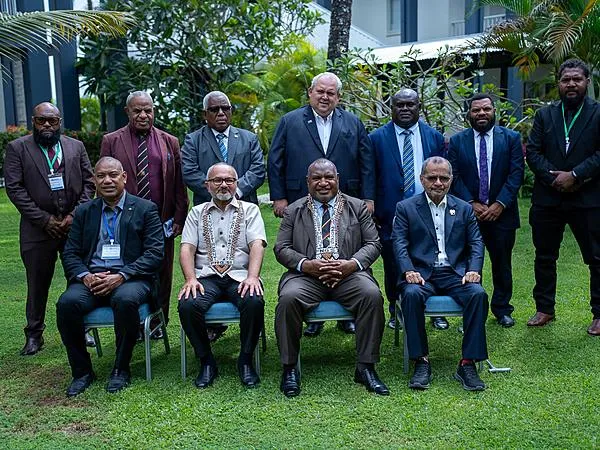
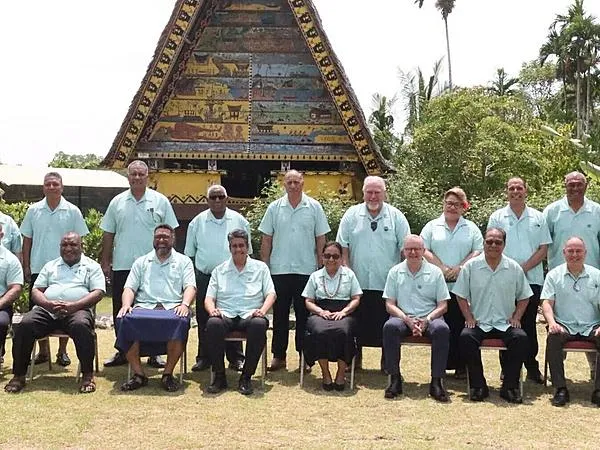
Cook Islands Prime Minister Mark Brown joined New Zealand Prime Minister Christopher Luxon, Niue Prime Minister Dalton Tagelagi and Ulu-o-Tokelau Alapati Tavite for the meeting at Government House in Auckland on August 28, 2026, ahead of the 55th Pacific Islands Forum Leaders Meeting in Koror, Palau.

Co-chaired by Luxon and Tagelagi, the meeting was the first time the leaders of all four countries of the Realm of New Zealand had met together in this format.

“This is a rare and valuable gathering,” Brown said. “The Cook Islands, New Zealand, Niue and Tokelau each carry a distinct constitutional history, and each of our relationships with New Zealand has followed its own path.”

“What we share is a partnership freely entered into and freely maintained, built on decades of trust, of family, and of respect for one another’s right to determine our own course.”

Shared priorities across the Realm

In a joint statement following the meeting, the leaders said the enduring constitutional relationships between New Zealand and the Cook Islands, Niue and Tokelau are supported by close connections among their peoples, societies and economies, including their respective diaspora communities.

The leaders reaffirmed their shared history, constitutional links and common values, while recognising the distinct identities and aspirations of each Realm partner.

Discussions covered priorities for the Realm and the wider Pacific, including education, security and defence, and fuel security and preparedness.

Brown said the meeting came as the four countries face many of the same economic pressures.

“Our people are feeling the cost of living, the cost of fuel and the cost of freight,” he said.

“The value of a meeting like this is that it allows us to discuss the different approaches we’re taking to these challenges, and to identify where our common interests align and where we can be mutually supportive of our respective priorities.”

Security cooperation

Security was a key focus of the meeting, with leaders recognising the interconnected security interests of the Realm partners and their respective responsibilities in an increasingly contested strategic environment.

They referred to the Political Declaration between Niue and New Zealand signed in November 2025 and the Cook Islands-New Zealand Declaration on Defence and Security signed in Rarotonga in April 2026.

Brown reaffirmed the Cook Islands' security arrangements with New Zealand.

“New Zealand is, and remains, the Cook Islands’ primary partner in defence and security,” he said.

“The Declaration on Defence and Security we signed in Rarotonga in April gives that partnership practical shape through early and open consultation, and a clear understanding of the responsibilities each of us carries.”

He said the agreement was reached through dialogue and that the Cook Islands intended to maintain that approach.

Cook Islands-New Zealand relationship

The Cook Islands has been self-governing in free association with New Zealand since August 4, 1965. It has its own Constitution, Parliament, Cabinet, courts and King's Representative.

The relationship is based on the Cook Islands Constitution Act 1964 and further articulated in the 2001 Joint Centenary Declaration, which describes the two countries as equal states, independent in the conduct of their own affairs and committed to close consultation as partners.

The leaders also welcomed New Zealand's hosting of the Pacific Islands Forum Leaders' Meeting in 2027 and committed to strengthening Realm cooperation in areas including economic opportunity, cultural connections, resilience, security and the wellbeing of future generations.

They also acknowledged the centenary of the relationship between New Zealand and Tokelau.

Brown said he hoped the inaugural gathering would establish a continuing mechanism for cooperation.

“A standing conversation among Realm leaders would allow us to take up shared interests as they arise, rather than only when difficulties require it,” he said. “That is the mark of a mature partnership.”

Brown was accompanied at the meeting by Secretary of Foreign Affairs and Immigration Elizabeth Wright-Koteka and Cook Islands High Commissioner to New Zealand Kairangi Samuela.

Following the Auckland meeting, the Prime Minister travelled to Koror, Palau, for the 55th Pacific Islands Forum Leaders Meeting.

September 07, 2026

Cook Islands Prime Minister Mark Brown has concluded the country's participation in the 55th Pacific Islands Forum Leaders Meeting in Koror, Palau, with major commitments for the upgrade of Penrhyn's port and new investment in ocean conservation.

The Cook Islands secured significant support for two key national priorities during the week-long regional engagement, with the United States and New Zealand announcing intended contributions toward upgrading a safe and reliable port on Penrhyn (Tongareva), while new investment was also announced for Marae Moana, the country's Sacred Ocean.

The United States, through its Department of State, intends to contribute US$50 million, approximately NZ$84 million, toward the Penrhyn port upgrade, while New Zealand has committed NZ$17.5 million, approximately US$10 million. The project will be delivered in partnership with the Cook Islands.

The country also secured new investment in Marae Moana through a partnership involving the Bezos Earth Fund and BirdLife International.

“Everything we carried to this Forum, we carried on behalf of our people,” Brown said. “From a lifeline port for Tongareva to lasting protection for our ocean, this has been a week of turning long-held priorities into action, on our own terms, and for our own future.”

Regional and bilateral engagement

The Forum followed the Prime Minister's participation in the inaugural Realm Leaders' Meeting in Auckland alongside the leaders of New Zealand, Niue and Tokelau.

In Koror, Brown held bilateral discussions with a range of regional and international partners.

His meeting with New Zealand included discussions on progress with the Penrhyn project and New Zealand's hosting of the Pacific Islands Forum in 2027. Discussions with China focused on preparations for 30 years of diplomatic relations in 2027 and opportunities to deepen practical cooperation in technology, machinery and equipment and capacity building.

Brown also met with Tonga, Japan, Singapore, Spain and Canada.

The Japan discussions marked 15 years of diplomatic relations and covered cooperation including the new inter-island vessel and grassroots funding for Cook Islands communities. Discussions with the Nippon Foundation focused on ocean stewardship and opportunities for young Cook Islanders.

With Singapore, the Prime Minister reaffirmed the relationship between the two countries, with discussions focused on economic resilience, energy security and the transition to renewable energy.

Meetings with Spain and Canada addressed opportunities to deepen bilateral cooperation, while discussions with the Green Climate Fund explored further financing opportunities to strengthen the Cook Islands' resilience.

Push for Pacific-led resilience financing

The Cook Islands also participated in meetings of the Smaller Island States, the Polynesian Leaders Group, and the Pacific ACP grouping, as well as an Ocean Partnership Roundtable hosted by Palau.

Brown was also a leading advocate for the Pacific Resilience Facility, described by the Cook Islands government as the Pacific's first collectively owned international financial institution. The facility is now established in the Kingdom of Tonga.

“The Pacific Resilience Facility is a fund by the Pacific, for the Pacific,” Brown said. “I have been part of this journey from the very beginning, and to see it now delivering in our communities is a proud moment for our whole region.”

At the Leaders' Retreat, Forum leaders agreed on a framework governing how the Pacific engages with external partners, reinforcing a transparent, accountable and Pacific-led approach to partnerships in support of the 2050 Strategy for the Blue Pacific Continent.

The outcomes are reflected in the 2026 Pacific Islands Forum Communiqué.

Brown thanked Palau President Surangel Whipps Jr and the people of Palau for their hospitality and reaffirmed the Cook Islands' commitment to a united, resilient and self-determining Blue Pacific.

September 07, 2026

The Solomon Islands government has ordered the immediate cessation of import operations at sufferance wharves that do not comply with international maritime security requirements, citing risks to national revenue and border security.

Minister of Finance and Treasury Rexon Ramofafia directed the immediate closure of all sufferance wharves without accreditation under the International Ship and Port Facility Security (ISPS) Code. The directive took effect on September 4, 2026.

The move is part of what the government described as a decisive intervention to address security gaps at facilities that do not hold ISPS accreditation from the Solomon Islands Maritime Authority (SIMA).

Ramofafia said compliance with international maritime security standards is a strategic requirement and warned that Solomon Islands must not be regarded as a weak link in the global trade system.

Under the directive, the Comptroller of Customs and Excise has been instructed to close sufferance wharves that fail to meet ISPS requirements under the SIMA legal framework.

The Comptroller has also been directed to strengthen monitoring and enforcement at approved facilities, with operations only permitted to resume once full compliance has been demonstrated and verified.

Customs controls tightened

For sufferance wharves that are ISPS-compliant and authorised to operate, Customs must ensure duties and taxes are paid in full before cargo is released.

The directive prohibits the pre-release of goods and requires authorities to ensure that prohibited or restricted items are not landed at approved facilities.

Wharf operators must also ensure that all port dues are paid and that security declarations are obtained. The safety of customs officers, revenue and cargo must be maintained at all times.

Ramofafia said the measures are not intended to obstruct legitimate trade but to ensure that imports move through secure, regulated and internationally compliant facilities.

“Security compliance is essential to efficient trade facilitation. It protects our revenue, upholds our international obligations, and maintains confidence in our maritime security space,” he said.

The minister acknowledged the role sufferance wharves play in supporting economic activity but said continued operation of non-compliant facilities presents unacceptable risks to cargo security, revenue collection and the integrity of Solomon Islands' border-control regime.

The government has urged importers, exporters, shipping agents, customs brokers and wharf operators to ensure their operations and documentation comply fully with applicable legal and security requirements.

August 27, 2026

Papua New Guinea and Solomon Islands have reaffirmed their commitment to deeper economic cooperation, with business groups from both countries describing the inaugural PNG–Solomon Islands Investment Conference as the starting point for a more structured commercial partnership.

The Papua New Guinea Solomon Islands Business Council (PNGSIBC) and Solomon Islands Chamber of Commerce and Industry (SICCI) welcomed the commitment of Papua New Guinea Prime Minister James Marape and Solomon Islands Prime Minister Matthew Wale, as well as the participation of government leaders and public officials from both countries.

The conference, themed “From Opportunity to Investment – Building the PNG-Solomon Islands Growth Corridor”, was the first investment conference between the two Melanesian nations. It was designed to support the implementation of the PNG-Solomon Islands Economic Framework Agreement on Development and Economic Cooperation 2026-2030, signed in June.

The event brought together government representatives, private-sector executives, investors, financial institutions, development partners and business leaders from Papua New Guinea, Solomon Islands and the wider region to explore opportunities for increased trade, investment and economic cooperation.

According to PNGSIBC and SICCI, the strong participation demonstrated growing interest in business-to-business and business-to-government engagement, supported by strategic and sustainable policy frameworks from both governments.

Discussions focused on potential investment and commercial opportunities across infrastructure, mining, telecommunications and digital services, financial services, agriculture, fisheries, tourism, energy, resources and professional services. Youth and micro, small and medium-sized enterprise development were also highlighted.

The organisations said the two countries' geographical proximity, shared Melanesian heritage, longstanding people-to-people links and complementary economic opportunities provide a strong foundation for closer commercial relations.

Central Bank of Solomon Islands Governor Dr Luke Forau was among the speakers at the conference.

Focus shifts from opportunities to implementation

PNGSIBC and SICCI said they would build on the conference's momentum by working with governments, development partners and the private sector to advance a number of priorities.

These include increasing bilateral trade and investment, facilitating business and investor connections, supporting joint ventures and partnerships, expanding opportunities for MSMEs and local businesses, and addressing barriers affecting the movement of businesspeople, skills, goods and investment.

The two business organisations will also advocate for greater private-sector participation in major development and infrastructure projects and establish a continuing platform for dialogue between governments, investors and businesses.

They said practical measures to make it easier to conduct business between Papua New Guinea and Solomon Islands would remain a priority.

“The Investment Conference should therefore be regarded not simply as an event, but as the beginning of a stronger and more structured economic partnership between the private sectors of our two countries,” PNGSIBC and SICCI said.

A work plan is being developed to capture the conference's key outcomes and practical recommendations arising from the discussions. A report card from the Joint Organising Committee is also expected to be presented at future conferences to track progress.

SICCI Vice-Chair Gordon Denty welcomed the support provided by both governments and the private sector for a sustainable development agenda, saying the inaugural conference had exceeded expectations.

The two organisations said the next phase would focus on translating the relationships and opportunities identified at the conference into investment, businesses, jobs and sustainable economic benefits for people in both countries.

The initiative represents an effort by Papua New Guinea and Solomon Islands to move beyond diplomatic and political ties towards a more integrated economic relationship, with the proposed growth corridor providing a framework for long-term private-sector cooperation.

August 21, 2026

Papua New Guinea and Solomon Islands are seeking to deepen economic cooperation, increase cross-border investment and develop stronger business-to-business partnerships as the two Melanesian neighbours work to translate longstanding political ties into economic gains.

PNG Prime Minister James Marape made the call during the inaugural Papua New Guinea-Solomon Islands Business Investment Forum in Honiara, held under the theme “From Opportunity to Investment: Building the PNG-Solomon Islands Growth Corridor.”

The forum brought together government leaders, investors, business executives, financial institutions and private-sector representatives from both countries.

Marape said the forum should mark the beginning of sustained economic engagement between the two countries, with a focus on investment, trade, employment, downstream processing and greater economic independence.

“What good is political independence without economic independence?” Marape said, calling for both countries to build economies strong enough to stand on their own feet.

He said PNG and Solomon Islands were permanent neighbours whose economic interests were closely linked by geography, culture and history.

“We must construct a future that is fair and balanced, respects our people and our businesses, and allows us to walk step by step, side by side, into the future,” he said.

The forum followed Solomon Islands Prime Minister Matthew Wale’s official visit to Port Moresby in June, during which the two countries signed the Framework Agreement on Development and Economic Cooperation 2026-2030.

The agreement provides a framework for cooperation in trade and investment, mining, fisheries, agriculture, infrastructure and other areas of mutual economic interest.

Marape said the Honiara forum was intended to translate that government-level commitment into private-sector projects and partnerships.

“When Prime Minister Wale visited Port Moresby, we agreed that our relationship must produce tangible outcomes for our countries,” he said. “We have established the government framework. Now we want our private sectors to identify projects, establish partnerships and turn those opportunities into investment.”

PNG investment presence

PNG already has a significant commercial presence in Solomon Islands.

A 30-year review records 126 PNG-origin registered investments across 18 sectors, including agriculture, communications and information technology, construction, financial services, fisheries, mining, insurance, professional services, retail and wholesale, tourism and transportation.

The investments have proposed employment for more than 7,500 Solomon Islands citizens, with agriculture, professional services and fisheries among the largest employment-generating sectors.

Marape said PNG businesses had demonstrated that they could invest successfully beyond the country’s borders while creating jobs and contributing to a neighbouring economy.

“Papua New Guinean businesses have demonstrated that they can successfully invest beyond our borders while creating employment and contributing to the economy of a neighbouring Pacific country,” he said.

He encouraged Solomon Islands businesses to similarly explore opportunities in PNG.

Joint investment opportunities

Marape said the two countries had opportunities to cooperate in mining, fisheries, agriculture, energy, tourism, infrastructure, financial services, telecommunications, transport and downstream processing.

He particularly highlighted opportunities for joint ventures and partnerships between businesses in both countries.

“If we can source capacity from each other, let us source it. If we can have joint ventures amongst each other, let us have those joint ventures,” he said.

PNG businesses already operating in Solomon Islands include companies in property, finance, retail, fisheries, professional services, construction and other sectors.

Marape encouraged PNG businesses operating in Solomon Islands to develop local partnerships and support the growth of Solomon Islands-owned small and medium-sized enterprises.

“PNG businesses, as you work here, incubate a local business to be your value partner,” he said. “A good relationship, a good business venture and a good reputation is premium capital.”

Mining, fisheries opportunities

The two countries’ marine resources represent another potential area for cooperation, Marape said, particularly in fisheries.

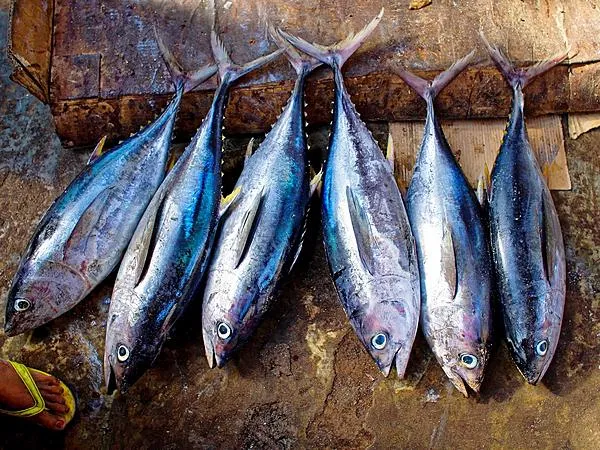
PNG and Solomon Islands have large exclusive economic zones with significant tuna resources. Marape called for greater domestic processing and manufacturing rather than simply harvesting and exporting fish.

“We have been open for business for so long. We now want to go into partnership,” he said. “We want to step up processing of our catches in our respective countries.”

He said stronger cooperation could help the two countries build regional value chains for tuna and other marine products while creating employment and retaining more economic value domestically.

Marape also encouraged responsible investment in mining and energy, saying investors should receive reasonable returns while host countries, landowners and local businesses benefit through taxation, royalties, equity and local content.

In a separate bilateral meeting with Wale at the Heritage Park Hotel, Marape said Solomon Islands had again invited PNG investors to participate in its economy.

He said more than K1 billion of PNG investment was already present in Solomon Islands, with more than 59 PNG companies of various sizes operating there.

“We already have over K1 billion worth of Papua New Guinea investments in Solomon Islands, with more than 59 PNG companies of different sizes operating here,” Marape said.

He said the two countries could also explore joint participation in major mining projects, including arrangements that would ensure Solomon Islanders remained the principal beneficiaries of their natural resources.

Marape said PNG was prepared to consider equity structures in which Solomon Islands government entities, companies, provincial governments and landowners retained majority interests, while PNG companies contributed capital, expertise and experience.

“We are not coming here simply to take resources out. We want genuine partnerships in which Solomon Islanders remain beneficiaries of their own resources while our companies contribute capital, expertise and experience,” he said.

Economic relationship

The leaders also discussed trade and investment, border arrangements, mining, fisheries, agriculture, education, policing and security, air connectivity and other areas of bilateral cooperation.

Marape said the direct air connection between Honiara and Port Moresby would help facilitate the movement of businesses, investors and people between the two countries.

He said both governments needed to ensure that bilateral agreements translated into practical economic outcomes.

“Our political relationship is strong, our cultural and historical relationship is permanent, and now we must build the economic relationship to the same level,” Marape said.

“A stronger PNG-Solomon Islands economic corridor will strengthen both countries and contribute to a more economically resilient Melanesia and Pacific,” he said.

Marape said PNG’s economic diplomacy should also encourage domestic companies to expand internationally, rather than focusing solely on attracting foreign investment into the country.

“Papua New Guinea must also become an investor in the Pacific and, increasingly, beyond our region,” he said.

He identified banks, telecommunications companies, resource businesses, superannuation funds, agricultural companies, professional firms and SMEs as potential regional investors.

The prime minister said stronger economic integration between PNG and Solomon Islands could serve as a model for wider Melanesian and Pacific economic cooperation.

“A healthy Solomon Islands is a healthy PNG. A healthy PNG is a healthy Solomon Islands,” Marape said.

“Our strength is in economic prosperity.”

He urged businesses attending the forum to focus on practical opportunities, identify projects and establish joint ventures as the two countries seek to build a stronger economic relationship over the coming years.

August 20, 2026

A decade-long partnership between the Foundation for Rural Integrated Enterprises and Development (FRIEND) and Motibhai Group of Companies is helping rural Fijian producers turn locally made products into commercially viable businesses, Fiji’s Deputy Prime Minister Manoa Kamikamica said.

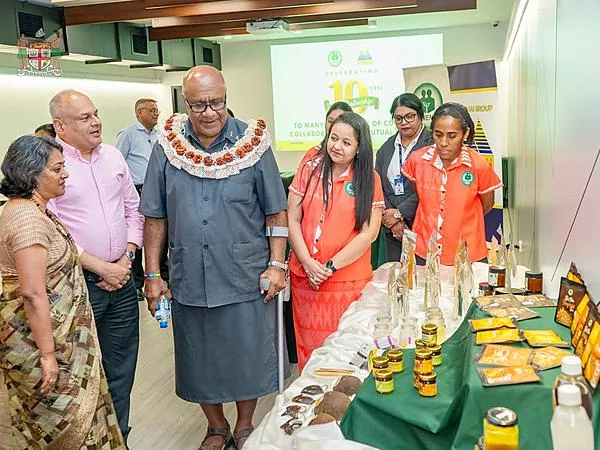
Speaking at the partnership’s 10th anniversary celebration in Walu Bay, Kamikamica said the initiative demonstrated the importance of connecting rural producers with established commercial networks.

FRIEND has developed relationships with rural producers, while Motibhai has provided distribution, retail access and commercial expertise to help locally made products reach wider markets, he said.

“Behind every carton of product that leaves this building for a supermarket shelf, there is a family,” Kamikamica said. “That is the real economics of rural Fiji.”

The partnership now supports 31 distinct, 100% Fijian-made products, including chutneys, pickles, herbal teas, gluten-free flours, dried fruits, spices and desiccated coconut. The products are supplied to retail, hospitality and wholesale markets.

FRIEND Acting Chief Executive Officer Viloki Gohil said the organisation began 25 years ago by supporting communities affected by the economic and social disruption following Fiji’s 2000 upheaval.

The organisation helped communities turn existing skills and locally available resources into livelihood opportunities. Women with experience making preserves, for example, were supported to develop products for commercial sale.

Gohil said FRIEND initially had to develop its own understanding of the practical requirements for getting community-made products into formal markets, including barcodes, packaging, quality control, distribution and shelf management.

“For about 10 years, our team sold in markets, cleaned the shelves, distributed the jars and showcased these products at expos and fairs within Fiji and abroad,” Gohil said.

She said Motibhai’s involvement a decade ago helped address a major challenge by providing access to logistics, retail outlets and broader market opportunities.

Kamikamica said the partnership reflected the Fiji government’s efforts to help micro, small and medium enterprises and cooperatives transition from informal activity to sustainable and competitive businesses.

“This is not a charity model. It is a commercially sound, mutually beneficial partnership that happens to also elevate rural communities,” he said.

Gohil said FRIEND was entering a new phase focused on market expansion, scalable growth and food innovation.

The government will continue supporting rural producers through cooperative development, MSME programmes and improved access to finance, certification and market linkages, Kamikamica said.

He congratulated FRIEND and Motibhai on the partnership’s 10th anniversary and acknowledged the farmers, rural women’s groups and community producers whose work remains central to the initiative.

August 17, 2026

Fiji's emerging innovation ecosystem is entering a new phase, with the government calling for deeper collaboration between entrepreneurs, investors, industry leaders and development partners to turn ideas into businesses, jobs and new economic opportunities.

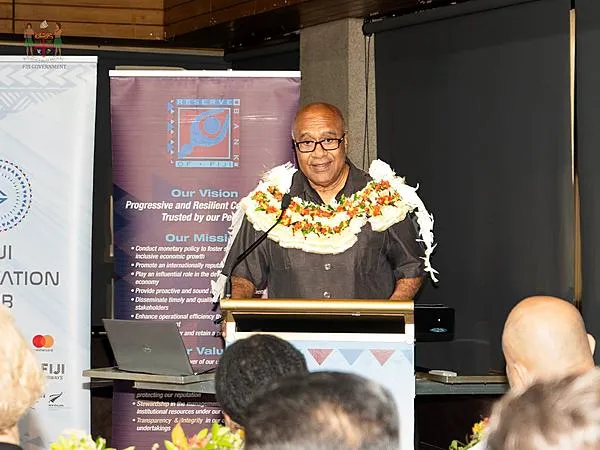
Deputy Prime Minister and Minister for Industries, Commerce, Business Development and Public Enterprises Manoa Kamikamica made the call while opening the inaugural Fiji Innovation Hub Showcase in Suva.

Kamikamica said the focus must now move beyond establishing a physical innovation space to building the community and business networks needed to sustain Fiji's innovation ecosystem.

“The greatest return on this investment will come from the businesses you build, the jobs you create, the problems you solve and the opportunities you generate for communities across Fiji,” Kamikamica said.

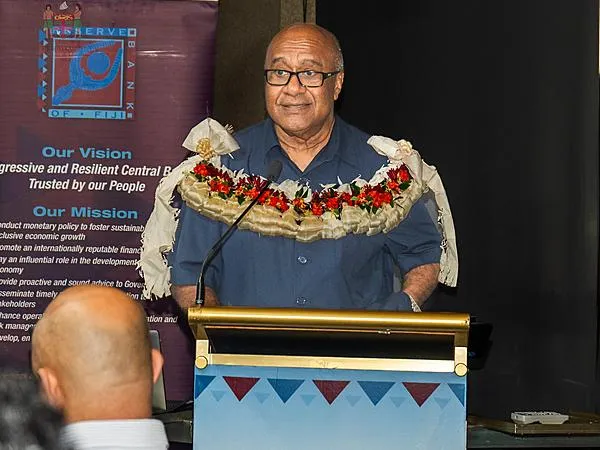
The Fiji Innovation Hub is a strategic partnership involving the government, Reserve Bank of Fiji and development partners, with the long-term ambition of becoming a centre for Fiji's innovation and entrepreneurship ecosystem.

The Hub is intended to give entrepreneurs access to mentorship, connect innovators and students with investors and industry, help businesses identify growth opportunities and new markets, and strengthen the contribution of innovation to productivity, employment, economic growth and resilience.

Building an entrepreneurship ecosystem

Kamikamica said achieving those objectives would require sustained commitment from the private sector and could not be delivered by government alone.

He called on business leaders, investors and experienced professionals to take a more active role in mentoring emerging entrepreneurs, sharing expertise, opening professional networks and helping promising businesses establish connections to finance and markets.

For founders and emerging entrepreneurs, such networks can be critical as they seek to expand into new markets, secure financing and manage the challenges associated with business growth.

The Innovation Hub Showcase has brought together participants through partner panels, founder conversations, Talanoa sessions and networking opportunities designed to encourage the exchange of ideas and identify potential areas for collaboration.

International and private-sector support

Kamikamica acknowledged the support of the United Nations Development Programme, the United Nations Capital Development Fund's Pacific Digital Economy Programme, the European Union, the governments of Australia and New Zealand, the Reserve Bank of Fiji, Creative HQ, Mastercard, HFC Bank and Fiji Airways.

The range of partners reflects the government's effort to build an innovation ecosystem that connects public institutions with financial, business, technology and development-sector organisations.

With demand for programmes, mentorship, networking and support services continuing to grow, Kamikamica said the momentum around the Hub showed that Fiji's innovators were ready for the next stage.

The challenge, he said, is now to convert that momentum into measurable outcomes, including stronger businesses, more jobs, practical solutions and wider economic opportunities.

The government ultimately wants the Fiji Innovation Hub to help position the country as a leading Pacific centre for innovation and entrepreneurship while creating opportunities for future generations in Fiji and across the wider Pacific.

August 13, 2026

Fiji has opened a new innovation hub in Suva aimed at helping entrepreneurs turn ideas into businesses, jobs and new economic opportunities.

Deputy Prime Minister and Minister for Industries, Commerce, Business Development and Public Enterprises Manoa Kamikamica officially opened the Fiji Innovation Hub Space at the Reserve Bank of Fiji.

Kamikamica said the hub would provide entrepreneurs with access to mentors, investors, development partners and other innovators as they develop ideas and take them toward commercialisation.

“Today is about much more than the opening of a space. It is an important milestone for Fiji,” Kamikamica said.

He said innovation was increasingly important as Fiji sought to overcome the constraints of a small domestic market, geographical distance and exposure to climate-related shocks.

Innovation was “not a luxury” but a necessity, particularly as artificial intelligence, fintech, e-commerce, agtech and climate technology create new opportunities for Fijian businesses, he said.

Improved digital connectivity is also allowing businesses based in Suva, Labasa and Savusavu to reach customers and markets beyond Fiji.

The Fiji Innovation Hub was developed through a partnership led by the Reserve Bank of Fiji and the UNCDF Pacific Digital Economy Programme, funded by the European Union and the governments of Australia and New Zealand.

Creative HQ, the Ministry of Industries, Commerce and Business Development, Mastercard, HFC Bank and Fiji Airways also supported the initiative.

The initiative began as a discussion in late 2024 and has developed into a multiyear programme focused on strengthening entrepreneurship and technology-led solutions.

Over the past year, the hub has provided training and capability development, organised hackathons and brought together innovators from urban centres, maritime communities and the Fijian diaspora.

Kamikamica said the permanent facility would provide a base for entrepreneurs to build partnerships, test ideas and develop businesses.

He said the hub’s success should ultimately be measured by the enterprises, investment, employment and opportunities it generates rather than by the facility itself or the number of activities it hosts.

The initiative supports the government’s broader goal of developing a more productive, inclusive and resilient economy, with innovation playing a greater role in strengthening micro, small and medium-sized enterprises and private-sector development.

Kamikamica said the government would continue working to remove barriers, improve the investment environment, strengthen digital infrastructure, expand financial inclusion and create policies that allow innovation to flourish.

He also welcomed additional support for the initiative, including sponsorship for the hub’s second year of activities from the Fiji Development Bank and the Ministry of Policing and Communications.

Kamikamica encouraged entrepreneurs using the facility to challenge conventional approaches, take risks and learn from setbacks as they develop solutions to Fiji’s economic and social challenges.

He said the hub represented confidence in Fiji’s people and its emerging generation of entrepreneurs, whose ideas could develop into new businesses and industries and strengthen the country’s position as an innovation centre in the Pacific.

August 13, 2026

Solomon Islands is seeking to deepen cooperation with Thailand in trade, investment, agriculture, tourism, education and skills development, Prime Minister Matthew Wale said following a meeting with Thailand’s ambassador to Solomon Islands.

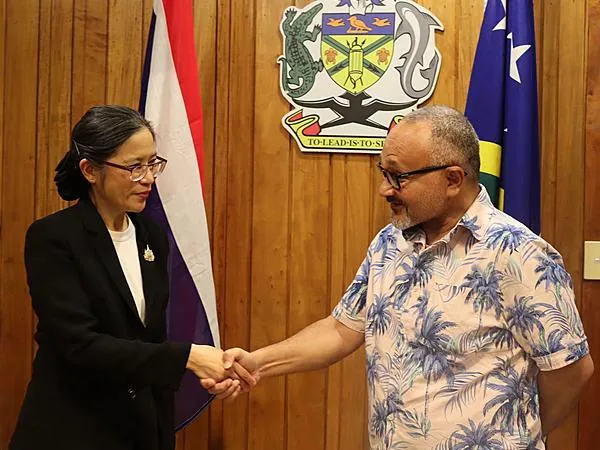
Wale held a courtesy meeting with Ambassador Arjaree Sriratanaban in Honiara, where the two discussed opportunities to strengthen bilateral relations and expand economic cooperation.

Wale welcomed Sriratanaban and expressed Solomon Islands’ admiration for Thailand’s economic development, democratic resilience and cultural heritage.

“Thailand is a country we look to with a great amount of respect. There are lessons from your development experience that we can learn from and adapt to our own circumstances,” Wale said.

A key focus of the discussions was economic diversification and increasing value addition in agriculture. Wale said Solomon Islands needed to reduce its reliance on exports of raw resources by developing greater processing and manufacturing capacity.

He identified cocoa and coconut as commodities with significant potential for value-added processing.

Sriratanaban said Thailand was interested in diversifying its trade relationships and saw opportunities for greater engagement with Solomon Islands, including investment, food processing and supply-chain partnerships.

Tourism was also identified as an area with significant potential. Wale described the sector as largely untapped and encouraged greater engagement with Thailand, including exchanges and visits to learn from Thailand’s tourism industry.

The ambassador also outlined training programs and scholarship opportunities for Solomon Islands students and government officials.

Wale welcomed the opportunities as the government implements its free education policy and works to address shortages of qualified teachers and technical instructors.

The discussions also covered potential cooperation in climate resilience, renewable energy, fisheries, public health and community development.

Sriratanaban reaffirmed Thailand’s commitment to strengthening relations with Solomon Islands and promoting closer cooperation between the two countries.

August 10, 2026

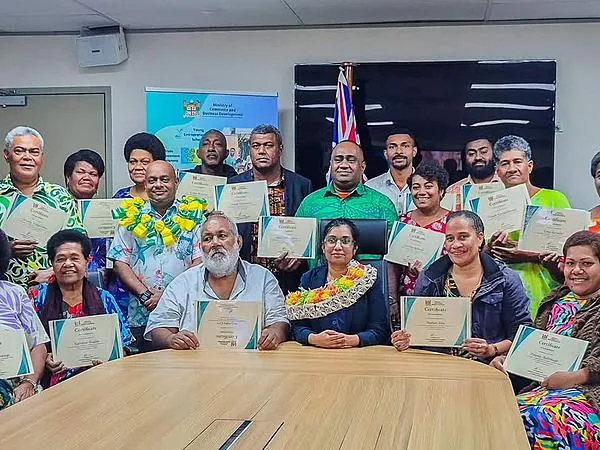
Twenty-two small business operators and aspiring entrepreneurs have strengthened their skills in business planning, financial management, record-keeping and customer service through a three-day Start and Improve Your Business training program.

The training brought together recipients of the Trade Enhancement Program (TEP), existing small business operators and aspiring entrepreneurs, with a focus on helping participants better manage their finances, make informed business decisions and build more sustainable enterprises.

Permanent Secretary for Commerce and Business Development Dr. Radika Kumar encouraged participants to apply what they had learned to their businesses.

“This is the first step for all of you. The training has helped you build an entrepreneurial mindset and given you a boost of confidence,” Kumar said.

Micro, small and medium enterprises account for more than 80 percent of Fiji’s private sector, making the development of entrepreneurial skills important to supporting household incomes, employment and economic activity in communities.

Participant Marian Sivo, who operates a cakes and pastries business, said the training gave her a better understanding of the importance of maintaining proper financial records.

“Before this training, I thought that keeping records was simply paperwork. However, I now understand that proper records help us know how much money is coming into the business, how much is being spent and whether the business is actually making a profit,” Sivo said.

The training also covered the importance of separating personal and business finances, making responsible decisions and learning from challenges encountered while operating a business.

Business advisory services and further training will continue to support micro, small and medium enterprises in strengthening their operations and creating sustainable income opportunities.

August 07, 2026

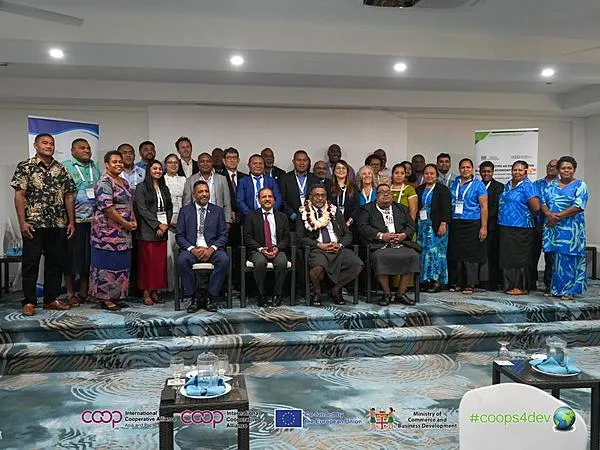
Government officials, cooperative leaders and development partners from across the Pacific have agreed to explore establishing a Pacific Island Cooperative Network to strengthen regional cooperation and advance food security, economic empowerment and climate resilience.

The agreement was one of the key outcomes of the Regional Dialogue on "Cooperatives as Drivers of the Blue-Green Economy in the Pacific: Economic Empowerment and Food Security," held in Nadi, Fiji, from Jan. 28 to 30. The event was convened by the International Cooperative Alliance Asia and Pacific (ICA-AP) in partnership with Fiji's Department of Cooperative Business under the ICA-European Union Financial Framework Partnership Agreement Phase II.

The dialogue brought together senior government officials, cooperative regulators, practitioners and development partners from Fiji, Kiribati, Papua New Guinea, Solomon Islands and Vanuatu to discuss how cooperatives can strengthen food security, livelihoods and climate resilience across Pacific island economies.

Opening the event, Fiji's Acting Permanent Secretary for the Ministry of Commerce and Business Development, Peni Sikivou, welcomed participants before Finance, Commerce and Business Development Minister Esrom Immanuel delivered the keynote address, highlighting the role of cooperatives in promoting food security, sustainable livelihoods and resilience to climate change.

A keynote panel, moderated by ICA-AP Regional Director Balasubramanian Iyer, discussed the role of cooperatives in addressing market failures, strengthening food security and supporting community-led climate resilience.

The second day focused on thematic workshops covering agroforestry, organic farming, fisheries and marine cooperatives, as well as cooperative entrepreneurship and financing. Working group discussions resulted in the development of a Pacific Island Cooperative Action Agenda for the Blue-Green Economy.

Participants also visited Nature's Way Cooperative, Rise Beyond the Reef and Nawaka Cooperative in Fiji to learn about cooperative-led value chains, women's economic empowerment and community-based agriculture.

A key outcome of the dialogue was the collective agreement to explore establishing a Pacific Island Cooperative Network to strengthen regional representation, coordination and advocacy. Participants said the initiative would help provide a unified voice for Pacific cooperatives and elevate regional priorities in international policy discussions.

August 07, 2026

Solomon Islands Prime Minister Matthew Wale says the country's narrow economic base is the result of decades of policy choices rather than an unavoidable reality, pledging reforms aimed at delivering broader economic benefits to ordinary citizens.

Responding to the Speech from the Throne in Parliament this week, Wale said the country's economic structure had been shaped by decisions made — and not made — over more than 40 years.

"A small and narrow economy is not our destiny," Wale said.

"What choices have made, choices can unmake. I have named the disease before, and I name it again: elite capture, the quiet arrangement by which the wealth of this nation is harvested by a narrow few while the ordinary family carries the cost."

He said the GREAT Coalition Government was pursuing reforms designed to address long-standing economic inequalities and ensure the country's natural wealth delivers wider benefits.

According to Wale, the government's agenda reflects priorities expressed by citizens in villages, markets and churches, and through the ballot box.

"Our ambition is clear: that within the next 20 to 30 years, Solomon Islands will stand among the middle-income countries of the world, not by the charity of others, but through the disciplined harvest of our own God-given wealth," he said.

Wale said the success of the government's economic programme would be measured by its impact on households, particularly market vendors, farmers, fishers and unemployed graduates.

"This transformation will be judged by whether it reaches the ordinary family, the mother at the market, the fishermen and farmers in our provinces, and the young graduate walking the streets of Honiara with a certificate but no job," he said.

The Prime Minister said the government intends to shift the country's development model away from exporting raw resources towards greater domestic value addition.

"We are shifting to a model where the harvest of our land and seas is processed by Solomon Islander hands, on Solomon Islands soil, for Solomon Islander families," he said.

Wale said the change would require a fundamental reorientation of government policies as the administration seeks to build a more inclusive and resilient economy.

July 31, 2026

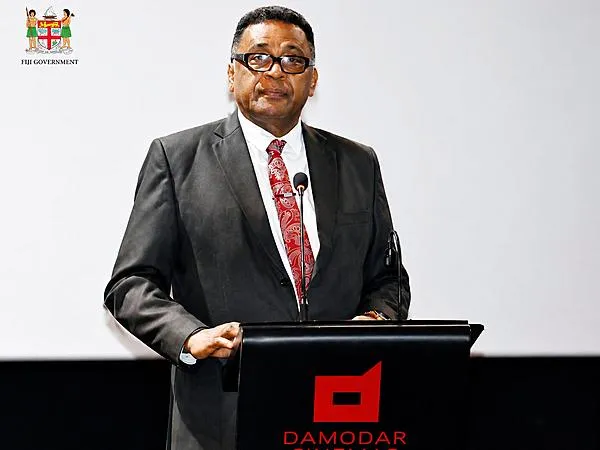
An $80 million mixed-use commercial development in Nadi is expected to create more than 680 permanent jobs, with the Fiji government describing the project as a major vote of confidence in the country's economy and private investment climate.

Finance, Commerce and Business Development Minister Esrom Immanuel unveiled the proposed Damodar City Nadi development, which is expected to generate employment across the retail, hospitality, technology and facilities management sectors.

The project is also expected to benefit local contractors, suppliers, farmers, tradespeople and small businesses through increased commercial activity.

According to the government, the development will feature a modern lifestyle precinct integrating shopping, dining, entertainment, accommodation, meeting facilities and collaborative workspaces in a single location.

"An investment of $80 million is far more than steel, concrete and modern architecture. It is a resounding vote of confidence in the Fijian economy," Immanuel said.

He said the project demonstrates the importance of collaboration between the government and the private sector as Fiji pursues broad-based economic growth, employment creation and greater resilience.

The government said the development would strengthen Nadi's position as Fiji's primary international tourism gateway while encouraging greater visitor spending by supporting economic activity beyond traditional business hours.

Officials said the precinct is expected to contribute to a safer and more vibrant 24-hour economy and provide new commercial opportunities for local entrepreneurs.

The project follows the Damodar Group's investments in Suva and its $60 million Damodar City Labasa development, expanding the company's presence into Fiji's Western Division after years of market planning.

The Nadi development will operate under the concept "Shop • Dine • Entertain • Stay" and will incorporate spaces designed to reflect Fijian culture, family life and community interaction.

Immanuel said investments of this scale help diversify economic activity, strengthen household incomes and support long-term national development.

"This is precisely the kind of investment our nation needs, one that strengthens our economy while strengthening the communities that make it up," he said.

The Coalition Government said it remains committed to maintaining a stable business environment that supports responsible private investment. Additional details on the official launch of the Damodar City Nadi project are expected to be announced in mid-2027.

July 28, 2026

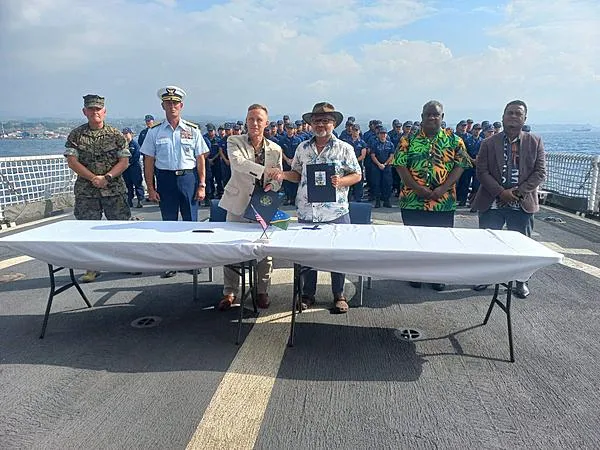
Solomon Islands and the United States have signed a Shiprider Agreement to strengthen maritime surveillance, protect marine resources and combat illegal activities across the country's vast maritime domain.

Signed in Honiara, the agreement establishes a framework allowing authorized Solomon Islands law enforcement officers to embark on designated US vessels to conduct joint maritime surveillance and enforcement operations.

Under the arrangement, Solomon Islands officers will exercise their authority in accordance with national laws and agreed operational procedures, particularly for activities within the country's jurisdiction.

The Solomon Islands government said the partnership will enhance its maritime enforcement capabilities by providing access to additional patrol assets, surveillance platforms, technical expertise and improved information-sharing.

The agreement is expected to bolster efforts to combat illegal, unreported and unregulated fishing, transnational crime, illicit trafficking and other unlawful maritime activities while helping safeguard fisheries and marine resources that underpin the country's economy and livelihoods.

The government emphasized that the agreement is a cooperative law enforcement arrangement that does not diminish Solomon Islands' sovereignty, noting that the country retains full authority over its territorial waters, exclusive economic zone and enforcement of domestic laws in accordance with international law.

The partnership will also provide training and operational experience for Solomon Islands maritime and law enforcement personnel through collaboration with US counterparts.

According to the government, the agreement will improve maritime surveillance, strengthen intelligence sharing, enhance enforcement against illegal activities and expand operational capacity without requiring Solomon Islands to independently fund advanced maritime assets.

The government said the agreement forms part of its broader strategy to protect the country's ocean territory and marine resources for future generations.