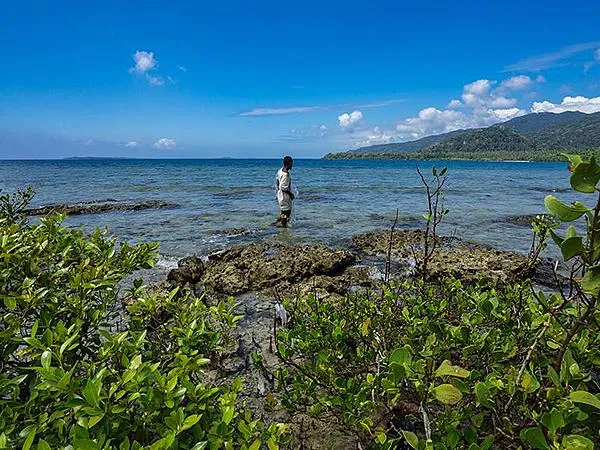
New Caledonia and Vanuatu are set to be connected by a pioneering underwater telecommunications cable equipped with scientific monitoring technology aimed at improving earthquake and tsunami detection in one of the world’s most seismically active regions.
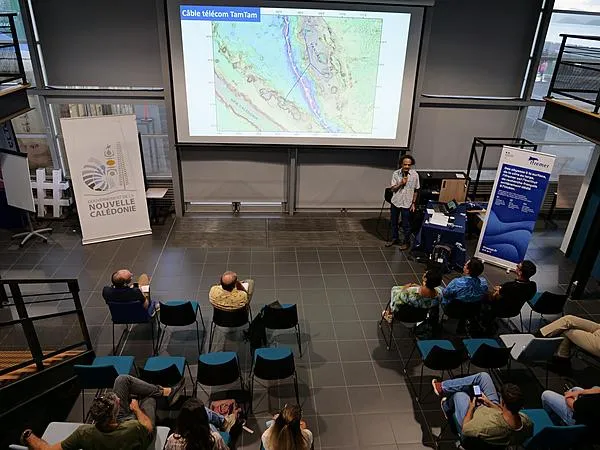
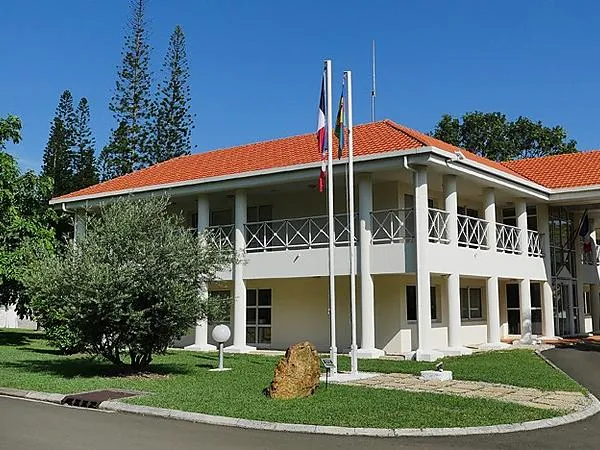
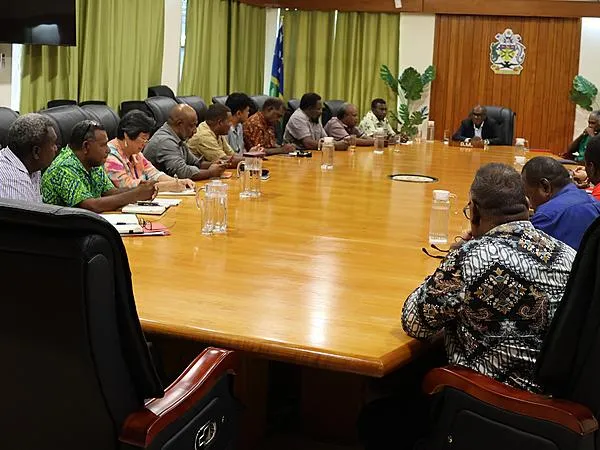
Jeremie Katidjo Monnier, member of the New Caledonian government responsible for the management of the Coral Sea Natural Park, attended a presentation on the Tam-Tam cable project by the French Research Institute for Exploitation of the Sea (Ifremer) on May 6, alongside representatives from several government departments and agencies.
The proposed cable will link Lifou in New Caledonia with Efate, Tanna and Santo in Vanuatu, traversing the second most active subduction zone in the world, an area characterised by intense seismic activity and significant tsunami risk.
Martin Patriat, a geology researcher at Ifremer, outlined the technological, scientific and social dimensions of the project, which is being financed under the France 2030 programme with funding of 2.146 billion CFP francs ($18 million euros).
Beyond providing digital connectivity, the cable will incorporate SMART technology — Science Monitoring And Reliable Telecommunication — enabling it to function as a scientific observation platform through embedded sensors measuring temperature, pressure and seismic activity.
The system is designed to detect underwater earthquakes, pressure changes associated with tsunamis, and tectonic movements in real time.
According to Ifremer, the deployment of SMART cable technology on this scale represents a global first.
Project stakeholders said the cable would support continuous monitoring of marine and underwater environments, contributing to a more detailed understanding of climate change impacts and ocean conditions.
The system is also expected to strengthen disaster preparedness and public safety through improved earthquake and tsunami early warning capabilities, while deepening regional cooperation between France, New Caledonia and Vanuatu.
The initiative is being led by Ifremer in partnership with New Caledonia’s Directorate of Industry, Mines and Energy (DIMENC), the French National Research Institute for Sustainable Development (IRD), the National Centre for Scientific Research (CNRS), and Pacific Peering, a New Caledonian company specialising in international connectivity services.
Private telecommunications operators, including Prima and Alcatel Submarine Networks, are also involved in the project.
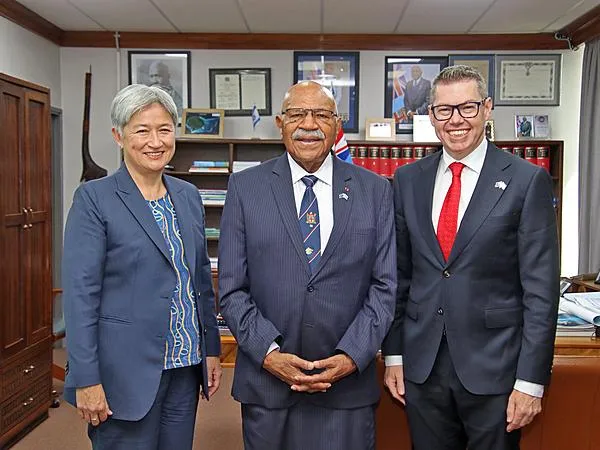
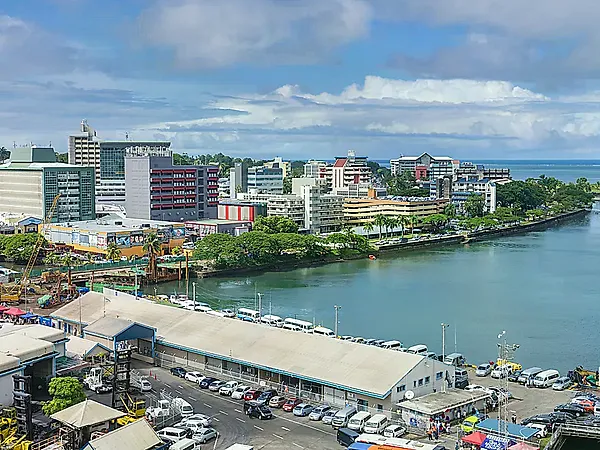
Fiji and Australia have reaffirmed their strategic partnership following high-level bilateral talks between Prime Minister Sitiveni Rabuka and senior Australian ministers in Suva, with discussions focusing on regional security, economic cooperation and the development of the proposed Vuvale Union.
Australian Foreign Minister Penny Wong and Minister for Pacific Island Affairs and Defence Industry Pat Conroy met Rabuka at the Office of the Prime Minister on Wednesday during a three-day official visit aimed at strengthening bilateral relations and regional cooperation.
Rabuka welcomed the Australian delegation and reaffirmed the longstanding relationship between Fiji and Australia, describing the partnership as one grounded in shared values and mutual trust under the Vuvale Partnership framework.
The leaders discussed ongoing work on the proposed Vuvale Union, which is expected to operationalise Fiji’s “Ocean of Peace” vision while strengthening cooperation in the areas of economic development, security and people-to-people ties.
Rabuka also acknowledged Australia’s provision of AUD30 million in budget support to help Fiji manage the effects of the current energy crisis.
The meeting additionally addressed economic opportunities as well as defence and security matters, including transnational crime and the increasing threat posed by illicit drug networks across the Pacific region.
Rabuka briefed Wong and Conroy on Fiji’s national response to these challenges and noted Australia’s continuing support in strengthening Fiji’s security capabilities.
Following the bilateral meeting, the Australian ministers also met members of Fiji’s Cabinet before participating in a joint press conference.
Wong and Conroy thanked the Fijian government and people for their hospitality and reaffirmed Australia’s support for Fiji and the wider Pacific region, while recognising Fiji’s role as a regional leader.
Fiji and Denmark have reaffirmed their commitment to closer cooperation on climate action and regional engagement, following high-level talks aimed at strengthening partnerships ahead of key global negotiations.
Fiji’s Minister for Environment and Climate Change, Lynda Tabuya, met with Denmark’s Non-Resident Ambassador to Fiji, Ingrid Dahl-Madsen, on April 29 to discuss opportunities to expand collaboration on climate priorities and Pacific-focused initiatives.
Discussions centered on coordination ahead of upcoming international meetings, including Pre-COP, as both sides seek to align positions on critical issues such as climate finance and support mechanisms for vulnerable countries.
Denmark reiterated its support for Pacific Island countries, particularly on loss and damage—an area of growing importance as climate impacts intensify across the region. Ambassador Dahl-Madsen also underscored Copenhagen’s interest in strengthening ties with Pacific partners and engaging more actively in regional processes.
This includes ongoing dialogue on Denmark’s potential role as a strategic partner within the Pacific Islands Forum, as well as possible participation at the leaders’ meeting as a special guest—moves that signal a broader effort to deepen its presence in the Pacific.
For Fiji, the discussions reinforce its role as a leading voice on climate issues in both regional and global forums. Tabuya welcomed Denmark’s continued support, highlighting the need to boost climate resilience and improve access to financing for countries most exposed to climate risks.
She also emphasized the importance of inclusive regional decision-making, noting that partnerships with like-minded countries can help amplify Pacific priorities on the global stage.
Both sides agreed to maintain close dialogue in the lead-up to Pre-COP and other major engagements, as Fiji works with international partners to advance shared climate objectives.
The meeting reflects growing alignment between Pacific Island countries and European partners, as climate diplomacy increasingly shapes regional cooperation and development agendas.
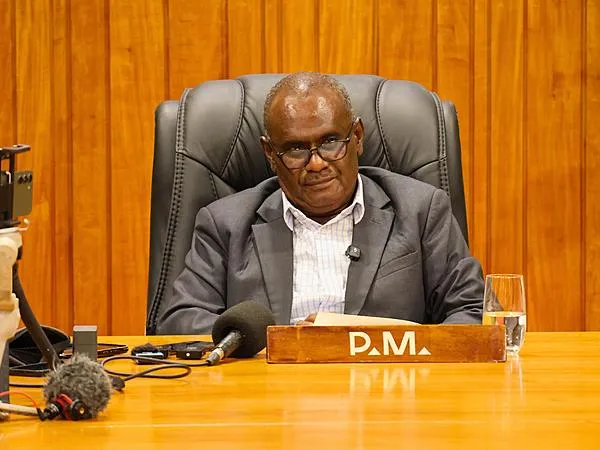
Solomon Islands Prime Minister Jeremiah Manele has outlined the government’s immediate priorities following Tropical Cyclone Maila, while addressing fuel price pressures, regional coordination and ongoing governance issues.
Speaking at a media briefing on April 28, Manele said the government is moving into the next phase of recovery after conducting assessments in Western and Choiseul provinces, among the areas hardest hit by the cyclone. He noted that while homes, livelihoods and infrastructure sustained significant damage, no lives were lost.
The prime minister said a detailed recovery plan will guide rehabilitation efforts, with support from development partners including Australia and New Zealand, alongside contributions from local stakeholders such as churches, civil society groups and communities.
On energy, Manele acknowledged continued pressure from elevated global fuel prices, stressing that Solomon Islands remains reliant on imported supply. He said fuel availability remains stable, supported by regular shipments and sufficient domestic storage capacity, including for liquefied petroleum gas.
To mitigate the impact of higher prices, the government has introduced a price-smoothing mechanism and approved fiscal measures, including tax and duty exemptions, aimed at cushioning households and businesses. Authorities are also looking to expand fuel pricing frameworks beyond Honiara and reviewing electricity tariff settings.
Manele said the government is advancing longer-term reforms in the energy sector, with a focus on renewable energy development to reduce dependence on imported fuels.
At the regional level, the prime minister confirmed he recently chaired the Pacific Islands Forum Troika meeting, where leaders agreed to elevate fuel security concerns under the Biketawa Declaration. The move is expected to support a more coordinated regional response, including efforts to strengthen supply resilience.
On domestic governance, Manele reiterated the government’s position on ongoing legal proceedings, stating it would respect the independence of the judiciary and refrain from commenting on matters before the Court of Appeal.
He added that Parliament will not be convened until a ruling is delivered, with the government to determine its next steps after the court’s decision.
Manele also urged responsible use of social media, calling on citizens to ensure that public discourse remains accurate and respectful of national institutions.
The prime minister reaffirmed the government’s commitment to transparency, saying it would continue to keep the public informed as it implements its 2026 programme of work.
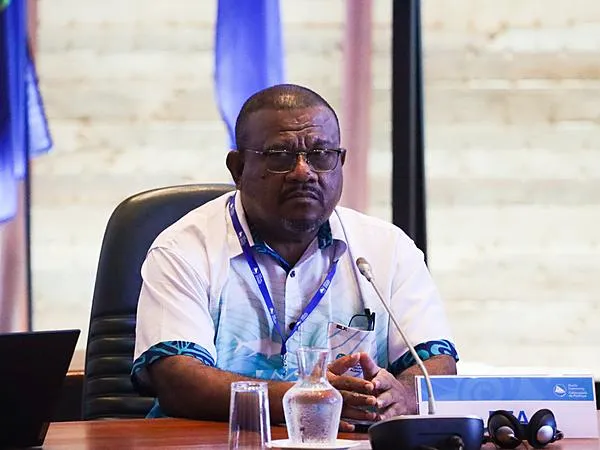
The Pacific Islands Forum Fisheries Agency (FFA) has reinforced its push for stronger regional coordination and policy alignment after participating in the 18th Heads of Fisheries Meeting convened by the Pacific Community (SPC) in Nouméa, New Caledonia.
The annual meeting, a key technical forum for Pacific fisheries leaders, brought together senior officials to review priorities across tuna management, coastal fisheries, and emerging challenges such as climate impacts and digital monitoring systems.
FFA Director-General Noan David Pakop engaged with SPC leadership on the sidelines, with both organisations agreeing to deepen institutional collaboration and accelerate harmonisation across regional programmes.
Discussions centred on improving coordination in monitoring, evaluation and learning systems, aligning technical assistance with national priorities, and expanding joint delivery mechanisms to enhance support for Pacific Island members.
The FFA, an intergovernmental body representing 17 Pacific Island countries, plays a central role in coordinating regional fisheries policy and ensuring the sustainable management of tuna stocks — one of the region’s most valuable economic resources.
At the meeting, fisheries officials also reviewed ongoing scientific and technical programmes, including tuna stock assessment work, observer training initiatives, and the rollout of electronic monitoring and reporting tools across the region.
The strengthened SPC–FFA collaboration reflects a broader push within the Council of Regional Organisations in the Pacific (CROP) to deliver more integrated, high-impact support, particularly as Pacific economies seek to maximise returns from fisheries while safeguarding sustainability.
For Papua New Guinea and other tuna-dependent economies, closer regional alignment is expected to improve policy coherence, strengthen compliance frameworks, and support value chain development amid shifting global seafood markets.
Local tax incentives in New Caledonia supported nearly 17.9 billion CFP francs ($160 million) in private investment over the past year, underscoring their role as a key policy lever to stimulate economic diversification and job creation.
Nine major projects were approved under local tax relief schemes, generating or consolidating 241 direct jobs and delivering more than 7.6 billion francs in tax and social returns to the territory, according to government data.
“These mechanisms allow for real support of the private sector. Private investors are choosing New Caledonia and the government wants to be by their side,” said Christopher Gygès, the government member in charge of the economy.
The projects span priority sectors including tourism, renewable energy, manufacturing and agri-food, reflecting efforts to build a more resilient and diversified economic base amid a challenging macroeconomic environment.
Authorities said the results demonstrate a clear policy commitment to positioning tax incentives as an active instrument for attracting investment and supporting domestic enterprise development.
Reform push to accelerate approvals
The government is preparing reforms to streamline the approval process for tax incentives, with a focus on reducing administrative delays and improving transparency for project proponents.
Officials said faster processing times would accelerate capital deployment and job creation, reinforcing economic recovery.
The tax incentive framework combines two complementary mechanisms: a local tax credit scheme for productive investments exceeding 50 million francs, with rates ranging from 45% to 60% depending on location, and a national-level programme under France’s overseas development law (LODEOM), which allows mainland investors to benefit from tax reductions when financing projects in overseas territories.
Industrial project highlights circular economy shift
Among the approved investments is the Valorization of Industrial Products (VPI) project, which aims to transform nickel slag—previously treated as waste—into high-value industrial abrasive materials for export.
The project will establish a processing line in Doniambo, Nouméa, enabling local production of “Emerald Blast,” a material used in industrial surface treatment. The initiative is expected to reduce logistics costs and carbon emissions by eliminating the need to ship raw slag overseas for processing before re-export.
The facility is set to create five permanent jobs initially, with potential for additional employment as operations expand, alongside indirect opportunities in logistics and industrial services.
Officials said the project exemplifies a broader push toward circular economy models, export-oriented production and value-added industrial activity.
Outlook
The government said tax incentives will remain central to its economic strategy, particularly in attracting projects that generate sustainable employment, support exports and align with environmental objectives.
“Every week gained in processing time means investments materialize faster and jobs are created sooner,” Gygès said, emphasizing the need to maintain momentum in private-sector engagement.
Alumni of the UK government’s Chevening scholarship programme in Solomon Islands convened a two-day symposium in Honiara, bringing together leaders from across government, business and civil society to assess the country’s progress on the United Nations Sustainable Development Goals (SDGs).
The event, held from April 16 to 17, marks a decade since Solomon Islands adopted the SDGs in 2015 and serves as a platform to evaluate how policy commitments are being translated into tangible outcomes for communities, according to a statement from the British High Commission.
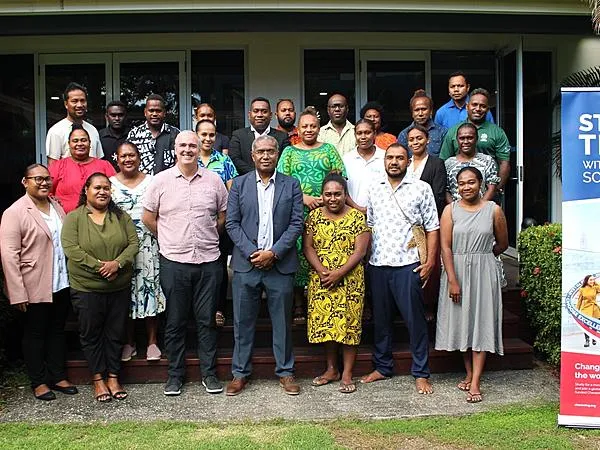
Organised by the Chevening Alumni of Solomon Islands and supported through the UK’s Chevening Alumni Programme Fund, the inaugural symposium gathered more than 30 participants, including senior and mid-level officials, private-sector representatives and alumni of the scholarship programme.
Discussions were anchored on the theme “Leadership, Accountability and Sustainable Nation Building,” with sessions focusing on key development pillars such as climate and environment, water and sanitation, education, economic growth and sustainable communities.
Officials underscored the importance of leadership networks in driving development outcomes. Speaking on behalf of the British High Commission, Acting Deputy High Commissioner Ian Gorman said Chevening alumni form part of a “lifelong leadership community” whose collective expertise and networks can deliver greater impact when mobilised effectively.
The symposium also highlighted the role of middle management in implementing development initiatives, positioning this group as critical to bridging policy and execution gaps across institutions.
Participants reviewed national SDG progress updates presented by the Ministry of National Planning and Aid Coordination and engaged in panel discussions aimed at strengthening collaboration among stakeholders involved in SDG delivery.
Organisers said the initiative also promotes gender equality, disability and social inclusion, ensuring diverse participation in national development efforts.
The event is expected to produce a summary report outlining key recommendations and reinforcing partnerships among institutions working toward sustainable development in Solomon Islands.
Efforts to improve public transport in Honiara are advancing, with authorities developing a draft driver manual aimed at standardising bus operations and improving safety and service quality.
The Ministry of Infrastructure Development and Honiara City Council are working with stakeholders under a transport management project led by the Japan International Cooperation Agency to build a more user-friendly, safe and sustainable public transport system.
Consultations and interviews with government agencies and bus operators have been ongoing, alongside discussions on institutional reforms. At the ninth stakeholder meeting held on 26 March, authorities outlined the direction of a public transport action plan and discussed concrete measures for implementation.
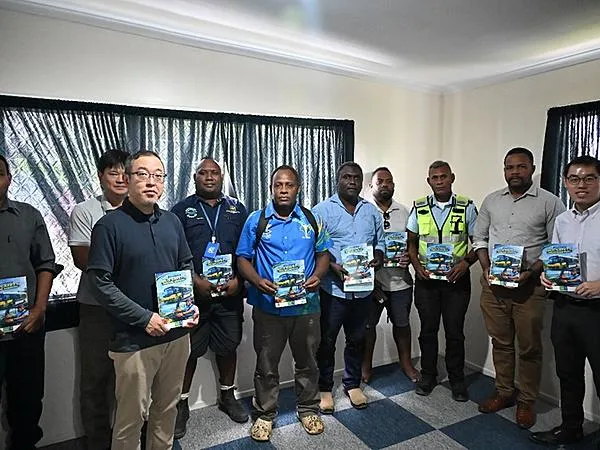
A key outcome of the process is the draft driver manual for bus operators, which sets out standard practices for daily operations, including safe driving principles, proper passenger handling and compliance with operational rules. Officials said the manual is expected to serve as a foundation for improving both safety and service delivery.
Public transport in Honiara has largely depended on individual driver decisions, leading to inconsistent services and, in some cases, traffic congestion and shortened routes. Authorities said the manual represents an important step towards more consistent and reliable operations.
Further reforms under consideration include the introduction of route-based operational management, clearer delineation of responsibilities among agencies and the establishment of monitoring systems for bus services. These measures are intended to support a more coordinated and sustainable transport network involving both public authorities and private operators.
Mike Qaqara, deputy secretary for technical affairs at the infrastructure ministry, said the government would continue working with the JICA advisory team through this year and into next year, when the project is due to conclude.
“Although reforming systems takes time, this project will continue working collaboratively toward a public transport system that citizens can use with confidence,” he said.
The advisory team, drawing on more than two decades of experience in urban transport projects globally, is expected to contribute international expertise to the initiative.
Economic growth in Fiji, the Pacific’s second-largest economy, is expected to soften in the medium term as visitor arrivals slow, pre-election uncertainty increases, and external conditions deteriorate, according to a new Asian Development Bank (ADB) report.
ADB’s flagship economic publication, Asian Development Outlook (ADO) April 2026, forecasts Fiji’s gross domestic product (GDP) growth to moderate to 2.9% in 2026 and 2.7% in 2027. Slowing trends in tourism markets are expected to persist amid challenging external conditions, while a wait-and-see approach by investors ahead of the upcoming elections dampens construction growth. However, sustained consumption strength is expected to support continued growth in agriculture, local food manufacturing and financial services.
“Fiji’s economy continues to grow, but evolving global and domestic headwinds pose serious threats that could undermine progress and development,” said Regional Director of ADB’s Pacific Subregional Office Azusa Sato. “Strengthening resilience — through sound macroeconomic management to address near-term pressures, alongside targeted social support and health system strengthening to tackle long-standing constraints — will be critical to sustaining inclusive growth.”
Fiji’s economy grew moderately in 2025, supported by steady tourism activity, agriculture and construction, which together stimulated strong private consumption. Inflation remained subdued over the year, reflecting the reduction in value-added tax (VAT) and lower import prices, resulting in mild deflation.
Inflation is projected to rebound as deflationary effects from lower VAT and import prices fade, rising to about 3.3% in 2026 before easing to around 1.9% in 2027 amid higher food and fuel costs.
The Middle East crisis has increased external uncertainties and energy price risks. A more prolonged escalation could further impact Fiji’s growth through higher prices, shipping disruptions and financial volatility, which ADB will continue to monitor closely.
The current unstable external environment poses risks to domestic resources needed to finance long-standing structural challenges, particularly non-communicable diseases (NCDs), which account for 80% of deaths and cost Fiji approximately $263 million per year. NCDs have significant long-term economic implications, and the ADB report highlights the need to further accelerate health sector reforms to raise public health expenditure to at least 5% of the country’s GDP.
ADB is a leading multilateral development bank supporting sustainable, inclusive and resilient growth across Asia and the Pacific. Working with its members and partners to solve complex challenges, ADB harnesses innovative financial tools and strategic partnerships to transform lives, build quality infrastructure and safeguard the planet. Founded in 1966, ADB is owned by 69 members — 50 from the region.
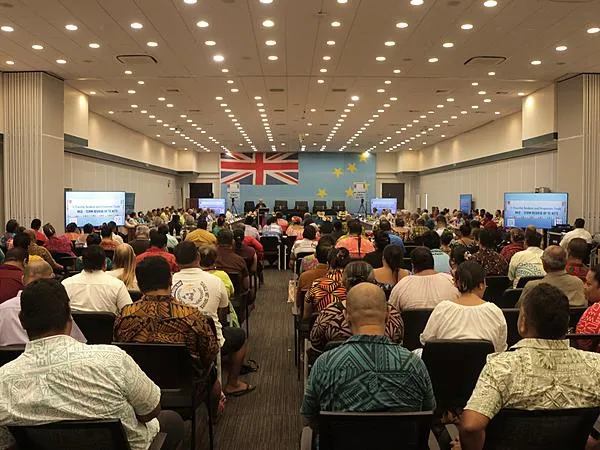
Leaders from across Tuvalu convened on April 9–10 for the mid-term review summit of Te Kete, the country’s National Strategy for Sustainable Development 2021–2030, assessing progress and setting priorities for the remainder of the decade.
The summit brought together representatives from outer islands, women and youth groups, civil society organisations, non-government organisations, the private sector and government agencies, reflecting a broad-based national consultation process.
Held under the theme “A Peaceful, Resilient and Prosperous Tuvalu”, the gathering reviewed achievements recorded between 2021 and 2025 while identifying key challenges, lessons learned and priority actions for 2026–2030.
Discussions over the first two days centred on Te Kete’s five strategic priority areas: enabling environment, economic development, social development, island and cultural development, and infrastructure development. Participants highlighted progress across these pillars, while also flagging emerging issues requiring urgent policy attention.
There was strong emphasis on aligning these priorities with the government’s 21 priority focus areas to ensure a coordinated and responsive national development approach.
The summit concluded with the endorsement of an outcome statement, with stakeholders pledging full support for its implementation.
In opening and closing remarks, Prime Minister Feleti Penitala Teo and Deputy Prime Minister and Minister of Finance and Economic Development Panapasi Nelesone underscored the importance of unity, collective effort and shared responsibility in advancing the country’s long-term vision.
Officials said the review process will help guide policy direction and resource allocation as Tuvalu works towards achieving a more resilient and sustainable future.
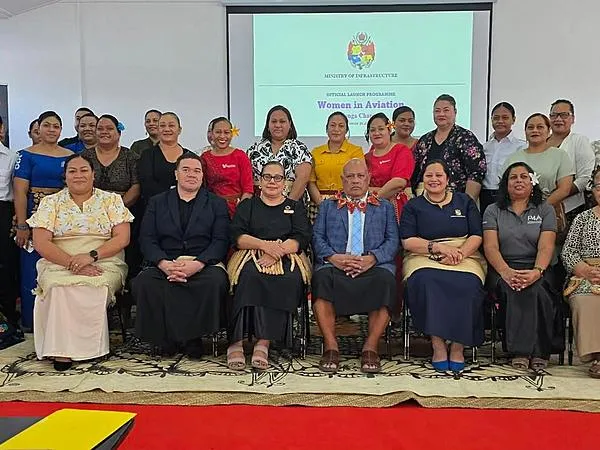
Tonga has launched its first Women in Aviation network, marking a milestone for gender inclusion in the country’s aviation sector and across the wider Blue Pacific region.
The initiative was officially unveiled by Infrastructure Minister Semisi Sika, who said the network underscores the government’s commitment to advancing women’s leadership and aligning with international aviation standards.
“By launching the Tonga Women in Aviation Network, the Ministry of Infrastructure Civil Aviation Office affirms its commitment to international aviation standards and programmes to advance women’s leadership, workplace conditions and career advancement,” Sika said.
He added that the initiative complements the government’s Women’s Empowerment and Gender Equality (WEGET III) policy, which promotes equal rights, responsibilities and opportunities for women and men.
The inter-agency network brings together key industry players, including Tonga Airports Limited, Lulutai Airlines, Air New Zealand, Palu Aviation Services, Air Terminal Services and Fiji Airways. It aims to foster a more gender-equitable aviation workforce while supporting career development for women and girls.
Sika acknowledged the role of women in strengthening Tonga’s aviation sector, noting their contributions to building a safe, resilient and affordable transport system that supports economic growth.
The initiative is supported by the Australian government through the Australia Pacific Partnerships for Aviation (P4A), which works with Pacific governments and industry partners to improve aviation safety and sustainability.
P4A Executive Director James Ramsay said similar networks across the Pacific aim to ensure women’s voices are central to aviation policy development.
The Tonga Women in Aviation Network will focus on mentoring, leadership training and policy engagement, while also conducting outreach programmes in schools to inspire the next generation of aviation professionals.
The network builds on earlier activities, including a March 27 industry-wide fun walk organised by the Civil Aviation Office, and is expected to play a key role in shaping a more inclusive aviation sector in Tonga.
Fiji has stepped up its digital transformation drive with the launch of a new tax administration platform, developed with support from Australia to improve compliance and ease of doing business.
The upgraded system, rolled out by the Fiji Revenue and Customs Service in Suva in late March, introduces enhanced self-service features, a more intuitive interface and an integrated chatbot to assist taxpayers. It is designed to streamline processes such as registration, filing and payments, reducing administrative friction.
Finance Minister Esrom Immanuel said the initiative forms part of a broader reform agenda to modernise public services and strengthen revenue systems.
“This is not simply about unveiling a new website, but reflects the steady progress FRCS is making in modernising its services,” he said, adding that improved access to information would support voluntary compliance.
Australia, through its government and the Australian Taxation Office, provided technical expertise and advisory support in developing the platform, helping refine its structure and usability.
FRCS Chief Executive Udit Singh said the upgrade underscores the agency’s ambition to operate as a modern, service-oriented revenue authority aligned with international best practice. The platform features improved navigation, enhanced search capabilities and 24-hour digital assistance.
The initiative is part of Fiji’s wider push to digitise government services and strengthen fiscal administration, as authorities seek to improve transparency and compliance without increasing the burden on businesses.
While smaller firms may face initial adjustment challenges, officials said the long-term benefits—including faster processing, clearer guidance and lower compliance costs—are expected to enhance the overall business environment and support economic activity.
Economic growth in the Pacific is projected to moderate to 3.4% in 2026 and 3.2% in 2027, according to the Asian Development Outlook (ADO) April 2026, the Asian Development Bank's (ADB) flagship economic publication.
“There is an unprecedented need for the Pacific to build resilience against the economic impacts of the Middle East conflict,” said ADB Director General for the Pacific, Emma Veve. “Higher oil prices, prolonged international commodity price spikes, and trade uncertainty, in particular, will weigh on subregional growth momentum.”
The ADO’s regional forecasts are informed by assumptions finalised on 10 March under exceptionally high uncertainty, envisaging an early stabilisation scenario for the conflict in the Middle East. Evidence since then points to a higher likelihood of more persistent disruptions. ADO April 2026 includes a section assessing the impact of the conflict on economies in the region under alternative scenarios. The adverse effects of the current Middle East crisis on both growth and inflation are likely to intensify if the duration and severity of the conflict increase.
The ADB report projects inflation in the Pacific to pick up to 4.2% in 2026, before moderating to 3.5% in 2027. Growth in Papua New Guinea (PNG), the subregion’s largest economy, is forecast to ease to 3.6% in 2026 and 3.4% in 2027, dictated by mixed performances across the resource and non-resource sectors. Mining is likely to remain a key growth driver in both 2026 and 2027, with higher production anticipated at Porgera and Lihir. Structural challenges—particularly power shortages, security, the efficiency of public capital spending, and skilled human resources—continue to weigh on the outlook, amplified by inflationary pressures from the conflict in the Middle East.
In Fiji, the subregion’s second-largest economy, growth is projected to moderate from 3.0% in 2025 to 2.9% in 2026 and further to 2.7% in 2027, as visitor arrivals slow and investors exercise caution ahead of the general elections. Non-communicable diseases continue to strain Fiji’s health system and threaten productivity. Increased health investment and reform, especially in primary care, are needed to strengthen long-term health outcomes and system resilience.
ADO April 2026 projects growth in Solomon Islands to moderate to 3.0% in 2026 from 3.6% in 2025, as mining eases, while higher oil prices associated with the Middle East conflict are likely to dampen economic activity and put upward pressure on inflation.
Growth in Vanuatu is projected to increase to 4.7% in 2026 before moderating to 3.9% in 2027. Continued post-earthquake reconstruction of public infrastructure and private assets, together with the public investment programme, is expected to sustain construction and related services. In the Central Pacific, growth is expected to ease in Kiribati (to 3.1% in 2026 and further to 2.6% in 2027) and in Tuvalu (to 2.5% in 2026 and 2.4% in 2027), as the pace of fiscal expansion slows. Growth in Nauru is projected to remain stable at 2.5% in both 2026 and 2027, supported by development partner assistance.
Growth in North Pacific economies of the Marshall Islands and Palau is projected to follow divergent paths, while economic growth in the Federated States of Micronesia (FSM) is expected to remain stable. In the Marshall Islands, growth is projected to increase to 3.7% in 2026 from 3.0% in 2025, before moderating to 2.8% in 2027. In the FSM, growth is forecast to remain at 1.0% in both 2026 and 2027, while in Palau, growth is expected to decelerate to 6.0% in 2026 and further to 3.7% in 2027.
Across the South Pacific economies of the Cook Islands, Niue, Samoa, and Tonga, growth is moderating as tourism normalises and major projects wind down. Inflation has generally eased but remains vulnerable to external shocks, particularly those affecting energy and import prices. Growth is projected to moderate to 2.7% in 2026 and rise to 3.0% in 2027 in the Cook Islands, and to 3.2% in 2026 and 3.0% in 2027 in Samoa. Meanwhile, growth is expected to remain stable at 2.5% in both 2026 and 2027 in Niue, and at 2.3% over the same period in Tonga.
ADB is a leading multilateral development bank supporting sustainable, inclusive, and resilient growth across Asia and the Pacific. Working with its members and partners to solve complex challenges together, ADB harnesses innovative financial tools and strategic partnerships to transform lives, build quality infrastructure, and safeguard the planet. Founded in 1966, ADB is owned by 69 members—50 from the region.
The Commonwealth Digital Roadshow made its inaugural stop in Vanuatu from March 23 to 27, bringing together policymakers, businesses and communities in a coordinated push to accelerate digital transformation and expand access to emerging technologies.
Led by the Commonwealth Telecommunications Organisation in partnership with the Vanuatu government’s Department of Communications and Digital Transformation, the initiative builds on the country’s broader Digital Transformation Initiative launched in September 2025.
Officials said the roadshow is designed to strengthen digital capacity, promote inclusive access to technology and support the development of a more connected and resilient digital economy.
The programme convened senior government officials, ICT regulators, private sector leaders, technology entrepreneurs, academics and development partners, alongside grassroots stakeholders including farmers, small business owners, youth and women’s groups, educators and health workers.
Organisers said this multi-stakeholder approach is intended to ensure that digital transformation efforts are inclusive and responsive to the needs of both urban and rural communities, including those in outer islands.
Focus on practical digital adoption
In remarks during the event, the secretary-general of the Commonwealth Telecommunications Organisation said the roadshow goes beyond dialogue by promoting practical applications of digital tools.
The initiative aims to equip small and medium-sized enterprises (SMEs) and community stakeholders with the skills needed to adopt e-commerce platforms, improve productivity and access regional and global markets.
“We will not only engage in discussions; we will educate, demonstrate and cultivate practical partnerships that empower SMEs and communities to harness digital tools and future-proof Pacific economies,” the official said.
The emphasis on hands-on engagement reflects a broader shift among development partners toward implementation-focused programmes that translate policy ambitions into measurable economic outcomes.
Regional e-commerce push gains traction
Andrea Ibba, Pacific e-commerce coordinator at the Pacific Islands Forum Secretariat, highlighted ongoing regional initiatives aimed at strengthening digital trade and e-commerce readiness across Forum Island Countries.
Ibba commended Vanuatu’s progress in advancing its e-commerce ecosystem and led a technical session focused on ICT adoption among SMEs. The session examined scalable approaches to increasing digital uptake, particularly in geographically dispersed and resource-constrained environments.
Discussions centered on the role of enabling policy frameworks, digital infrastructure, capacity-building programmes and cross-sector partnerships in supporting SME participation in the digital economy.
Participants also explored how targeted interventions can help bridge persistent gaps in access to technology and digital skills, which remain key barriers to inclusive growth in many Pacific island economies.
Aligning with regional strategy
The roadshow aligns with Strategic Output 6.2 of the Pacific Regional E-commerce Strategy and Roadmap, which prioritises skills development and awareness-raising initiatives to support digital transformation across the region.
By linking national initiatives with regional frameworks, organisers aim to create a more coordinated approach to digital development—one that leverages shared knowledge, resources and best practices.
For Vanuatu, the roadshow represents both a milestone and a stepping stone, as the government continues to expand its digital agenda and integrate technology into key sectors such as commerce, education and public service delivery.
As Pacific economies navigate the challenges of geographic isolation and limited infrastructure, initiatives such as the Commonwealth Digital Roadshow are expected to play a critical role in unlocking new economic opportunities and strengthening regional connectivity through digital innovation.
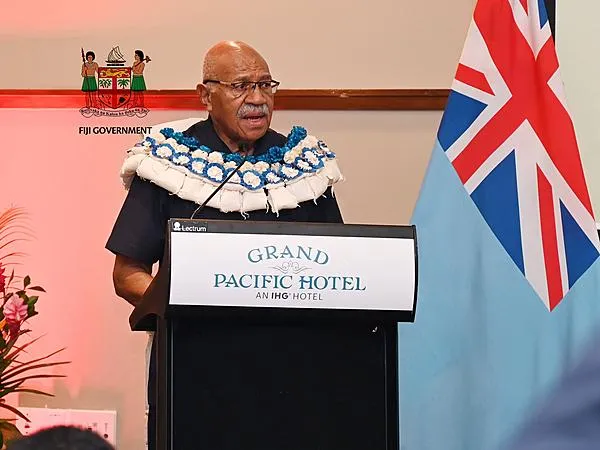
Prime Minister Sitiveni Rabuka has officiated the external review of the preliminary design for the China-aided Vanua Levu Road Upgrading Project, marking a significant step forward in a flagship infrastructure programme aimed at improving connectivity, resilience and economic development in Fiji’s Northern Division.
Speaking at the Grand Pacific Hotel on 10 April, Rabuka said the completion of the preliminary design phase capped two years of technical work, planning and consultations undertaken in partnership with Chinese counterparts under Belt and Road Initiative.
“This is a proud moment for our nation,” Rabuka said, noting that the milestone reflects both the government’s long-term infrastructure ambitions and the importance of sustained international cooperation. “The successful completion of the preliminary design demonstrates what can be achieved through careful planning, inclusive consultation and strong partnerships.”
The FJD 300 million grant-funded project will upgrade more than 80 kilometres of rural roads across Vanua Levu, Fiji’s second-largest island and a key focus of the government’s regional development strategy.
The planned upgrades cover three major corridors: the Nabouwalu–Nasolo road (15 km), the Natewa west coast road from Nacavanadi to Korotasere (32 km), and the Wailevu west coast road from Nabalebale to Dogoru (35 km). These routes are expected to significantly improve intra-island connectivity, particularly for remote and underserved communities.
In addition to roadworks, the project includes the construction and upgrading of more than 20 bridges designed to withstand extreme weather conditions, reflecting an increased emphasis on climate-resilient infrastructure in the Pacific.
Once completed, the upgrades are expected to directly benefit 61 villages and 15 schools, improving access to essential services such as healthcare, education and government administration. Authorities estimate that around 10,000 residents will gain improved access to medical services as a result of the enhanced transport network.
Rabuka emphasised that the project aligns closely with Fiji’s National Development Plan and supports key policy priorities, including the “Look North Policy”, which seeks to accelerate economic growth and infrastructure development in the Northern Division.
He said improved road infrastructure would reduce transportation costs, facilitate the movement of goods and services, and support agricultural productivity by enabling farmers to bring produce to markets more efficiently. The upgrades are also expected to strengthen supply chains and reduce post-harvest losses in rural areas.
Beyond agriculture, the improved connectivity is expected to provide a boost to tourism, particularly in Savusavu, which is known for its natural attractions and growing hospitality sector. Enhanced road access is likely to support increased visitor numbers and encourage investment in tourism-related infrastructure.
The project is also expected to generate employment opportunities during the construction phase, providing income and skills development for local communities. Rabuka noted that such opportunities are critical in ensuring that infrastructure investments deliver tangible socio-economic benefits at the grassroots level.
He added that the upgraded road network would help reduce rural isolation and strengthen social cohesion by improving connectivity between communities. Enhanced transport links are also expected to improve access to schools and higher education institutions, contributing to better educational outcomes.
Disaster preparedness and response is another key component of the project. With Fiji frequently exposed to cyclones and flooding, resilient road and bridge infrastructure is seen as essential to ensuring that communities remain connected during emergencies and that relief operations can be carried out efficiently.
Rabuka reiterated that the initiative reflects the deepening partnership between Fiji and China, highlighting cooperation built on shared development objectives.
“This project is more than infrastructure — it is an investment in our people, our communities and our future,” he said, expressing appreciation to development partners, stakeholders and local communities involved in the planning process.
Also present at the event, China’s chargé d’affaires in Fiji, Wang Yuan, said the project underscored the strength of bilateral ties and cooperation under the Belt and Road framework.
He said China remained committed to supporting Fiji’s development priorities through the delivery of high-quality infrastructure projects that promote sustainable and inclusive growth.
According to Wang, the Vanua Levu road upgrade will not only enhance physical connectivity but also contribute to improving livelihoods, expanding economic opportunities and fostering long-term development across the Northern Division.
With the preliminary design phase now completed, the project will move into its next stages, including detailed engineering design and contractor procurement, before construction works commence.
Government officials said continued collaboration among stakeholders will be essential to ensure the timely and effective implementation of the project, which is expected to play a transformative role in the development of northern Fiji.
Jeremiah Manele has convened senior executives of key state-owned enterprises to accelerate progress on the Auki Road Project, warning that delays could leave the Solomon Islands government bearing full completion costs.
At a meeting held on Thursday, Manele brought together chairpersons, chief executives and senior management from major SOEs, including Solomon Power, Solomon Water and Solomon Telekom, to address the government’s responsibilities in advancing the project.
The prime minister described the Auki Road Project as the government’s most important infrastructure undertaking in Malaita Province, noting that it complements recently completed bridge projects and the near-completion of the Kilu’ufi hospital upgrade.
He reiterated that the revised completion deadline of December 2026 must be met, cautioning that any slippage beyond that timeframe would shift the financial burden entirely onto the government.
Manele stressed the urgency of agreeing on a clear implementation schedule for relocation works to be carried out by the SOEs, covering the movement of infrastructure assets and equipment along sections of the road under development.
He noted that, despite extensive prior consultations among SOEs, contractors and government agencies, visible progress on the ground has been limited. He also revealed that the project donor has raised serious concerns over delays in delivering the government’s commitments, affecting the overall timeline.
To restore confidence in the project, Manele called for immediate and decisive action, emphasising that the government’s financial role would be limited to relocation costs, while infrastructure upgrades would be borne by the utilities as part of their modernisation programmes.
With a constrained timeline, the prime minister urged SOEs to prioritise relocation works, setting a maximum six-week window for completion.
Key outcomes from the meeting include agreement on a firm implementation schedule to complete relocation works by 22 May 2026, consensus on cost requirements, clear delineation of financing responsibilities between the government and SOEs, and a framework for SOEs to pre-finance works subject to reimbursement of eligible costs.
Manele called for stronger coordination among SOEs and line ministries, urging joint leadership to deliver on their respective mandates.
The Auki Road Project forms part of the government’s broader development agenda, contributing to infrastructure development, economic transformation and improved access to essential services.
Representatives of the SOEs welcomed the engagement, indicating their willingness to mobilise internal resources to fast-track implementation while finalising financing arrangements with the government.
The meeting also agreed to target the signing of a memorandum of understanding between the government and the three SOEs by the end of the week, enabling works to commence the following week, with all relocation activities scheduled for completion by 22 May.
The SOEs further committed to collaborate closely, including sharing resources where possible, to ensure timely delivery of their respective responsibilities under the Auki Road Project.
Follow on LinkedIn:
Pacific Business Review
Be the "First" to get our exclusive Digital Magazine & Weekly Newsletter.