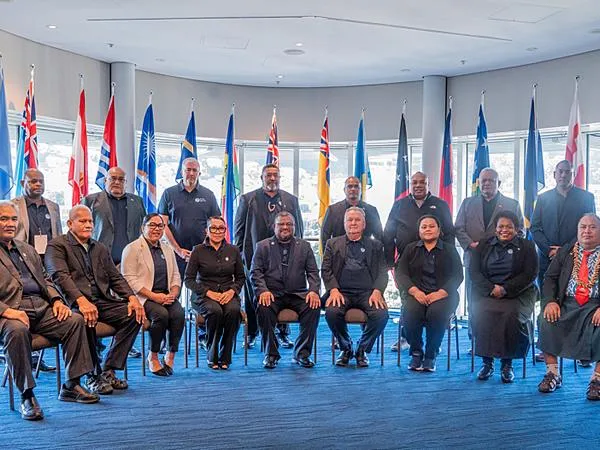
Fisheries ministers from across the Pacific have gathered in New Zealand for the 25th Annual Forum Fisheries Committee (FFC) Ministerial Meeting, where leaders will discuss key policies aimed at strengthening fisheries management, boosting economic returns and enhancing regional cooperation.
Hosted by the New Zealand government, the meeting opened with a traditional Māori pōwhiri at Te Papa Tongarewa in Wellington, welcoming ministers, senior officials, development partners and observers.
Forum Fisheries Agency (FFA) Director-General Noan David Pakop said the ceremony reflected the shared commitment of Pacific nations to protecting the region's ocean resources.
"We are honoured by this expression of manaakitanga, which reminds us that our work is grounded in friendship, mutual respect and our shared commitment to the peoples of the Blue Pacific," Pakop said.
He also congratulated New Zealand's Minister for Oceans and Fisheries, Shane Jones, on assuming the chairmanship of the FFC Ministerial, saying the work of senior fisheries officials had laid the foundation for ministerial decisions.
Among the major agenda items is the proposed South Pacific Albacore Allocation Arrangement, which seeks to provide long-term certainty for one of the region's most valuable tuna fisheries while reinforcing the leadership of Pacific coastal states in managing the resource.
Ministers will also discuss the East New Britain Initiative, which aims to increase domestic participation in the tuna industry, create jobs, strengthen local economies and improve food security across the Pacific.
The future of the fisheries treaty with the United States is also expected to be reviewed during the meeting. The treaty has supported sustainable fisheries management and generated economic benefits for Pacific Island countries for more than three decades.
Pakop said the region's tuna resources remain among the healthiest and most valuable globally because of the collective stewardship of FFA members.
"Our challenge is not only to sustain healthy fisheries, but to ensure they continue to create jobs, strengthen domestic industries, improve food security and deliver lasting prosperity for Pacific communities," he said.
Ministers are also considering a new FFA Strategic Plan and ongoing reforms aimed at strengthening the organisation's institutional capacity, financial sustainability and responsiveness to members' priorities.
During the opening events, New Zealand reaffirmed its support for Pacific fisheries by announcing additional funding for the FFA to strengthen efforts against illegal, unreported and unregulated fishing, build fisheries capacity across member countries and support the long-term sustainability of regional fisheries.
The funding will also support the Pacific Islands Tuna Ventures Programme, which aims to help Pacific Island countries capture greater value from their tuna resources through innovation and product diversification.
New Zealand Deputy Prime Minister and Foreign Affairs Minister Winston Peters said the Pacific supplies more than half of the world's traded tuna but Pacific nations do not always receive a fair share of its economic value.
He said the investment reflects New Zealand's commitment to helping Pacific countries strengthen domestic fisheries industries, create jobs and increase returns for coastal communities.
The annual Forum Fisheries Committee Ministerial Meeting is the Pacific's highest-level fisheries forum, bringing together ministers from FFA member countries to provide strategic direction on the conservation, sustainable management and development of the region's fisheries resources.
The Solomon Islands government has moved forward with plans to reopen Henguaiporo Airport in Ontong Java Atoll after signing contracts and agreements to begin a major rehabilitation project aimed at restoring essential air services to one of the country's most remote communities.
The Ministry of Communication and Aviation has awarded the rehabilitation contract to Trade Transformation Company (TTC) following a government tender process, while a separate agreement has been signed with Hi-tech Company to undertake a technical ground assessment of the airport site before construction begins.
The project forms part of the government's broader programme to rehabilitate existing airports and develop new aviation infrastructure to improve connectivity across the archipelago.
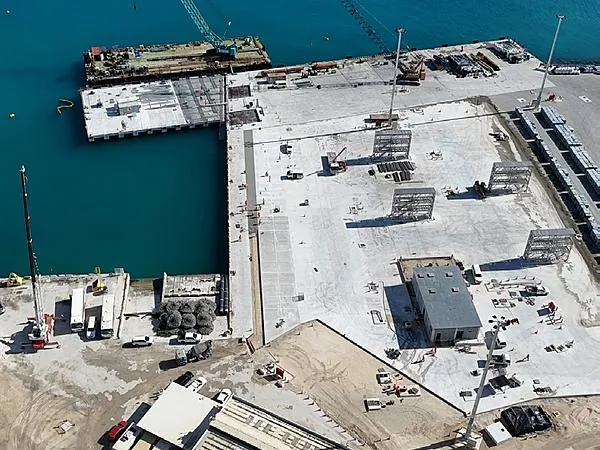
The rehabilitation will include upgrading and levelling the runway, strengthening runway surfaces, backfilling sections of the existing runway and its planned extension, clearing vegetation along runway corridors, and renovating the passenger terminal. The works are intended to bring the airport into compliance with international aviation safety standards and enable the safe operation of aircraft.
Although the construction contract was signed in May, work has been delayed pending completion of the geotechnical assessment, approval from the Central Tender Board and the execution of a memorandum of understanding (MOU) between the national government, Malaita Provincial Government and the customary landowners.
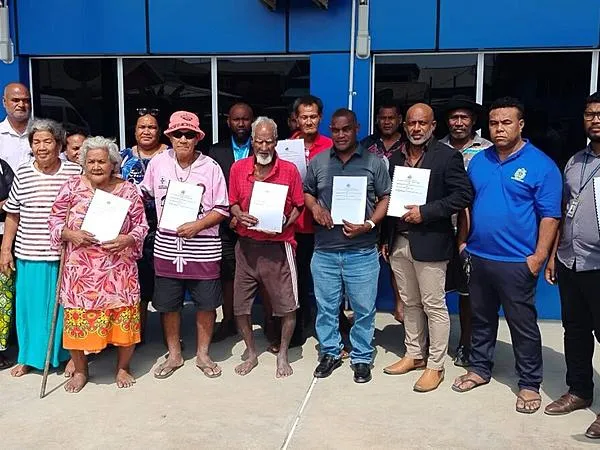
The MOU, signed in late June, clears the way for rehabilitation works to proceed and formalises cooperation between the Ministry of Communication and Aviation, the provincial government and representatives of the airport's landowning tribal groups.
Permanent Secretary Alwyn Danitofea described the agreement as a significant milestone, saying the project demonstrates the government's commitment to ensuring rural and remote communities are included in national development.
He said the airport would once again provide a vital transport link between Ontong Java Atoll and Honiara, improving access to government services while supporting economic opportunities for residents.
"Henguaiporo Airport is more than just an airstrip. It is a lifeline for the people of Lord Howe Atoll," Danitofea said.
Malaita Provincial Secretary Eric George welcomed the agreement, describing improved transport infrastructure as essential for delivering public services and stimulating local economic activity.
He said provincial officials have often faced logistical challenges in reaching Ontong Java because of the area's dependence on sea transport, which can be affected by weather conditions and limited vessel availability.
George said reopening the airport would improve access to outer island communities and enable more regular government engagement.
Representing the customary landowners, Malaita Outer Islands Constituency Development Officer Philemon Kaola said the prolonged closure of the airport had created significant hardships for residents, who have relied almost exclusively on sea transport for travel and the movement of goods.
He said restoring air services would reduce travel times, improve access to education and healthcare, and create new opportunities for trade, investment and economic participation.
The Ministry of Communication and Aviation said the project reflects its ongoing commitment to strengthening aviation infrastructure throughout Solomon Islands to provide safer, more reliable and more accessible air transport services.
Once completed, the rehabilitation of Henguaiporo Airport is expected to reconnect Ontong Java Atoll with the national aviation network, improving mobility, supporting economic development and enhancing access to essential services for one of Solomon Islands' most isolated communities.
Fiji and Australia have significantly deepened their strategic partnership after signing two landmark treaty-level agreements that expand cooperation on defence, security, trade, investment and regional development, marking what Fiji described as a new chapter in bilateral relations.
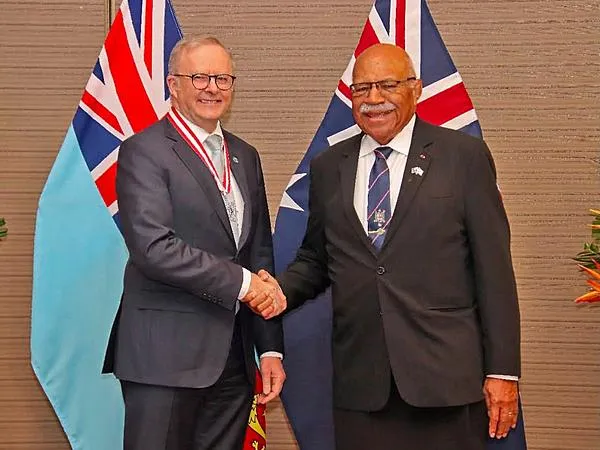
Fijian Prime Minister Sitiveni Rabuka and Australian Prime Minister Anthony Albanese signed the Ocean of Peace Alliance, also known as the Veitacini Treaty, and the Fiji-Australia Vuvale Union Treaty during a ceremony at the State House on Sunday, witnessed by President Ratu Naiqama Lalabalavu.
The agreements are the first treaty arrangements entered into by Fiji and formalise an expanded partnership aimed at strengthening sovereignty, regional security and economic cooperation while advancing the Blue Pacific agenda.
President Lalabalavu described the signing as a milestone in Fiji's nation-building journey, saying the agreements reflected decades of friendship founded on mutual respect, shared values and regional solidarity.
He said the treaties were built on the principles of partnership, integration and regionalism, while recognising the importance of national sovereignty.
"The challenges before us, whether climate change, regional stability or economic resilience, require precisely the kind of partnership that Fiji and Australia have nurtured and signed into history today," the President said.
Under the Ocean of Peace Alliance, both countries committed to protecting their sovereignty, strengthening mutual defence and security interests and contributing to peace and stability across the Pacific.
The Fiji-Australia Vuvale Union establishes a framework for closer cooperation across a broad range of sectors, including trade and investment, education, policing, border security, law enforcement and efforts to combat transnational organised crime. The agreement also seeks to operationalise the Blue Pacific Ocean of Peace Declaration while promoting democracy, stability and shared prosperity throughout the region.
Leaders reaffirm strategic partnership
Following the signing ceremony, Rabuka and Albanese held bilateral talks, joined by Fiji's Minister for Foreign Affairs and External Trade Sakiasi Ditoka, Minister for Defence and Veteran Affairs Pio Tikoduadua, Australian Foreign Minister Penny Wong, Australian High Commissioner to Fiji Peter Roberts and senior officials from both governments.
The discussions focused on strengthening the longstanding Vuvale Partnership amid an increasingly complex geopolitical environment and growing regional challenges.
Rabuka welcomed Australia's continued support for Fiji's development priorities and described Australia as one of Fiji's closest and most trusted partners.
The leaders also acknowledged the contribution of approximately 5,200 Fijians employed across Australia under the Pacific Australia Labour Mobility (PALM) Scheme and discussed preparations for the upcoming Pacific Islands Forum Leaders Meeting in Palau, including regional climate resilience initiatives.
Both governments reaffirmed their commitment to promoting regional solidarity and ensuring the Pacific remains a region characterised by peace, resilience, security and shared prosperity.
Albanese receives Fiji's highest honour
During the visit, President Lalabalavu conferred the Companion of the Order of Fiji (General Division) on Albanese, the country's highest national honour.
The award recognises eminent achievement and outstanding service to Fiji or humanity.
The President said the relationship between Fiji and Australia extends beyond diplomatic ties, highlighting the deep people-to-people connections forged through migration, education, employment and family relationships.
He also recognised Albanese's contribution to strengthening cooperation across diplomacy, trade, investment, education, health, aviation, defence, environmental protection and sport.
Senior members of both governments, including Cabinet ministers, members of the diplomatic corps and Australian officials, attended the investiture ceremony.
Visit concludes with stronger regional agenda
Albanese concluded his official visit to Fiji on Monday, departing from Nausori International Airport after a military farewell ceremony hosted by Deputy Prime Minister and Minister for Tourism and Civil Aviation Viliame Gavoka.
Fiji said the visit reinforced the strategic importance of its relationship with Australia and established a new framework for deeper collaboration across security, economic development and regional governance.
The new agreements are expected to strengthen bilateral cooperation in areas including trade and investment, education, border management, policing and national security while enhancing both countries' ability to address transnational crime and broader Pacific security challenges.
For Fiji, the signing of its first treaty arrangements represents a significant step in institutionalising one of its most important regional partnerships as both countries seek closer integration in response to evolving geopolitical, economic and climate-related challenges across the Pacific.
From digital infrastructure pipelines to climate-resilient planning, the Pacific Region Infrastructure Facility is redefining how governments and development partners plan, finance, and deliver infrastructure across one of the world's most geographically dispersed regions.
The Pacific faces one of the world's most complex infrastructure challenges. Small island economies spread across vast ocean distances must deliver transport, energy, water, telecommunications, and public infrastructure while contending with limited financial resources, high construction costs, vulnerability to climate change, and growing demands for sustainable development.
Against this backdrop, the Pacific Region Infrastructure Facility (PRIF) has emerged as a key regional platform for coordinating infrastructure investment, improving project planning, and helping governments prioritize projects that deliver long-term economic and social value.
According to the Pacific Region Infrastructure Facility Annual Report 2025, the organization significantly expanded its work during the year, introducing new digital planning tools, broadening technical assistance, and strengthening collaboration among governments and development partners across the Pacific.
A regional approach to infrastructure
Established in 2008, PRIF serves as a multi-partner coordination and technical assistance facility that helps Pacific governments improve infrastructure planning, investment coordination, and service delivery.
The facility supports 13 Pacific island countries—the Cook Islands, Fiji, Kiribati, the Republic of the Marshall Islands, the Federated States of Micronesia, Nauru, Niue, Palau, Samoa, Solomon Islands, Tonga, Tuvalu, and Vanuatu—while Papua New Guinea participates as an associate member. Development partners include the Asian Development Bank (ADB), the Australian Department of Foreign Affairs and Trade, the European Union, the European Investment Bank, the Japan International Cooperation Agency, New Zealand's Ministry of Foreign Affairs and Trade, the United States Department of State, and the World Bank Group.
Rather than financing infrastructure directly, PRIF focuses on improving how projects are identified, prioritized, prepared, and coordinated, ensuring governments and funding agencies make better-informed investment decisions.
Its current Phase V strategy, covering 2024 to 2027, places greater emphasis on climate resilience, disaster risk management, quality infrastructure, gender equality and social inclusion, and stronger regional cooperation.
Transforming infrastructure planning
One of the most significant changes underway is PRIF's shift from producing traditional infrastructure planning documents toward building institutional capacity within Pacific governments.
National Infrastructure Investment Plans (NIIPs), long regarded as the foundation of infrastructure planning across the region, are being redesigned to become living planning systems rather than static reports.
The updated approach embeds infrastructure planning within government budgeting and public investment processes, allowing countries to identify priority projects more efficiently while reducing reliance on external consultants.
During 2025, PRIF advanced work on the Solomon Islands National Infrastructure Investment Plan and the Vanuatu Infrastructure Strategic Investment Plan, while preparations were made for additional national planning updates across several Pacific countries in 2026. The revised methodology also places greater emphasis on climate resilience, environmental safeguards, economic analysis, and government ownership of investment decisions.
Creating a Pacific infrastructure marketplace
Perhaps PRIF's most transformative initiative during the year was the launch of the Pacific Infrastructure Pipeline, a digital platform designed to improve transparency across the region's infrastructure market.
The online database brings together more than 1,000 infrastructure projects and procurement packages, ranging from projects approaching tender to longer-term national investment priorities.
The platform enables governments, contractors, consultants, suppliers, and investors to search opportunities by country, sector, project value, procurement method, funding agency, implementation status, and expected timelines.
For Pacific businesses, early access to future procurement opportunities provides valuable time to develop technical capacity, form partnerships, and prepare competitive bids.
The platform also includes a searchable directory of Pacific businesses, making it easier for international contractors to identify local partners and increasing opportunities for domestic participation in major infrastructure projects.
PRIF expects the platform to become an increasingly important regional business development tool as additional governments and development partners continue uploading project information throughout 2026.
Climate resilience moves to the forefront
Climate adaptation has become central to Pacific infrastructure planning.
Recognizing that roads, ports, airports, water systems, and energy networks must withstand increasingly severe weather events, PRIF expanded technical assistance focused on integrating climate resilience into project design.
During 2025, the organization supported development of guidance on nature-based infrastructure solutions, introduced a Climate Co-Benefit Categorization Framework to improve climate reporting, and strengthened methods for incorporating climate and disaster risk assessments into national infrastructure planning.
Working groups also analyzed regional project pipelines to identify opportunities for coordinated investment and co-financing that support the Pacific Strategy 2050 and broader climate adaptation objectives.
Technical expertise expands across sectors
Demand for technical assistance continued to grow throughout the year.
PRIF implemented 18 technical assistance projects covering transport, energy, digital connectivity, urban development, environmental safeguards, infrastructure planning, and institutional strengthening.
Among the initiatives were development of the Pacific One Maritime Framework, regional digital readiness programs, electric vehicle standards, updated building codes, environmental and social safeguard frameworks, and water sector capacity-building initiatives.
The projects are intended not only to address immediate infrastructure needs but also to strengthen institutional capacity across Pacific governments and improve long-term project delivery.
Strengthening regional collaboration
Infrastructure development in the Pacific depends heavily on coordination among governments, multilateral institutions, and bilateral development partners.
To improve alignment, PRIF convened 26 sector and thematic working group meetings during 2025, bringing together representatives from development agencies, regional organizations, and Pacific governments.
These working groups focused on transport, energy, urban development, climate resilience, environmental safeguards, water and sanitation, digital infrastructure, and social inclusion, helping reduce duplication of assistance while identifying opportunities for joint investment.
The report notes that stronger collaboration is also improving the efficiency of infrastructure planning by encouraging governments and development partners to align investments with national priorities rather than pursuing isolated projects.
Investing in knowledge and capacity
Alongside project planning, PRIF continued investing in knowledge sharing and professional development.
During 2025, the facility launched a regional capacity development program, conducted six training sessions across the Pacific, organized five technical webinars, and hosted PRIF Week 2025 under the theme "Build Forward Better."
The event attracted 574 participants from 23 countries, bringing together policymakers, infrastructure agencies, financiers, development partners, consultants, academics, and private sector representatives to discuss emerging priorities and best practices for resilient infrastructure development.
Looking ahead
Development partners have committed USD14.98 million to support PRIF's current four-year phase, with USD5.55 million committed or contracted during 2025 and USD3.24 million disbursed over the year.
As infrastructure demand accelerates across the Pacific, PRIF's evolving role reflects a broader shift in regional development strategy. Beyond funding individual projects, the emphasis is increasingly on strengthening institutions, improving project readiness, enhancing regional coordination, and ensuring that infrastructure investments are resilient, inclusive, and economically sustainable.
For Pacific governments—including Papua New Guinea—these initiatives offer more than technical support. They provide a shared framework for developing infrastructure that is better planned, better coordinated, and better positioned to attract both development financing and private investment, helping lay the foundations for more resilient and connected economies across the region.
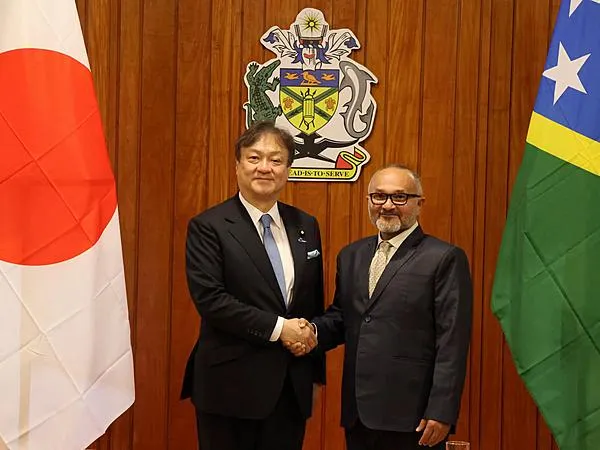
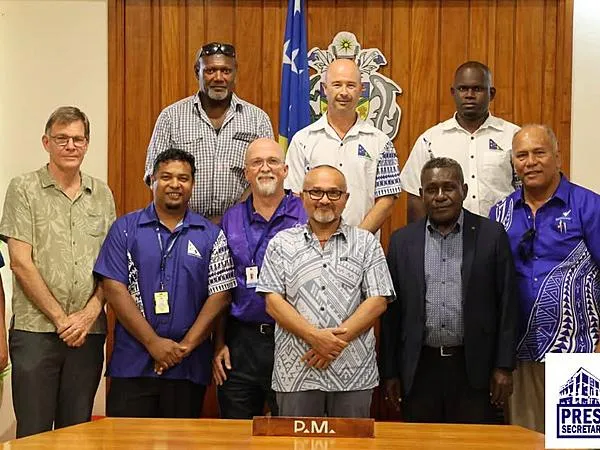
Prime Minister Matthew Wale says Solomon Islands is pursuing a more balanced and constructive foreign policy while reaffirming its strong and enduring relationship with Japan.
Wale made the remarks during a bilateral meeting with Japan's State Minister for Foreign Affairs, Iwao Horii, in Honiara on Thursday.
"We are committed to engaging with all countries in a manner that is mutually respectful and mutually beneficial. Our approach is to build broad, inclusive partnerships that deliver tangible outcomes for our people," Wale said.
The prime minister expressed Solomon Islands' deep appreciation for Japan, acknowledging its longstanding support and global leadership through soft power.
"Japan's soft power has been remarkably effective in fostering genuine and lasting friendships around the world. We have long admired how Japan engages globally with respect, consistency, and goodwill," he said.
Wale said Solomon Islands has been a grateful beneficiary of Japan's contributions over the years.
"Many of your contributions here have made a meaningful difference, and we sincerely appreciate them. We look forward to strengthening this partnership even further in the years ahead," he added.
Horii reaffirmed the strong ties between the two countries, describing Japan and Solomon Islands as longstanding partners connected by the Pacific and bound by shared values and mutual respect.
He said Japan remains committed to further strengthening bilateral relations and expanding cooperation based on those enduring principles.
"For many years, Japan has placed great importance on supporting the sustainable economic growth of Solomon Islands. We will continue to listen closely to your national priorities and work together to address the challenges facing your country," Horii said.
He also welcomed the new government's commitment to maintaining balanced and constructive relations with all international partners.
"Japan stands ready to support the new government's key policy initiatives," Horii added.
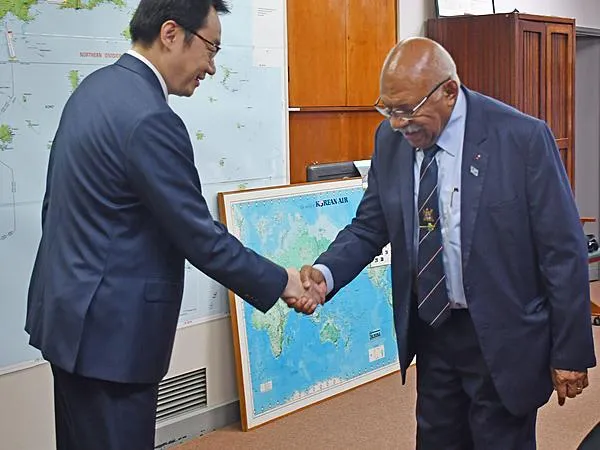
Fiji is seeking to deepen economic and infrastructure cooperation with China's Jiangsu Province, with Prime Minister Sitiveni Rabuka highlighting investment opportunities in Vanua Levu and reaffirming the country's commitment to strengthening bilateral relations with China.
Prime Minister Rabuka met with Jiangsu Vice Governor Zhao Yan and his delegation, where the two sides discussed expanding cooperation in infrastructure, regional development and other areas of mutual interest.
Rabuka thanked the Chinese government for its continued support through socioeconomic development programs and people-to-people exchanges, while reaffirming Fiji's adherence to the One China Policy. Fiji and China established diplomatic relations in 1975.
During the meeting, Rabuka identified Vanua Levu as Fiji's next major economic growth hub and welcomed greater participation by Jiangsu Province in supporting the island's development.
He highlighted the FJD300 million China-Aid Vanua Levu Road Upgrading Project as a flagship initiative under the Belt and Road Initiative. The project will upgrade more than 80 kilometers of rural roads and more than 20 bridges to climate-resilient standards, improving connectivity for 61 villages and 15 schools while expanding access to essential services and economic opportunities across the Northern Division.
The prime minister also discussed regional priorities, including the Ocean of Peace Declaration, which aims to promote peace, unity and resilience across the Blue Pacific amid growing geopolitical uncertainty.
At the multilateral level, Rabuka acknowledged China's Global Development, Security, Civilization and Governance Initiatives and reaffirmed Fiji's commitment to working with China through the United Nations-centered multilateral system to advance shared interests.
Vice Governor Zhao thanked the prime minister for the opportunity to discuss areas of cooperation and reaffirmed Jiangsu Province's commitment to strengthening ties with Fiji.
The meeting reflects continued efforts by Fiji and China to broaden bilateral cooperation, with infrastructure development, regional connectivity and economic growth remaining central to the partnership.
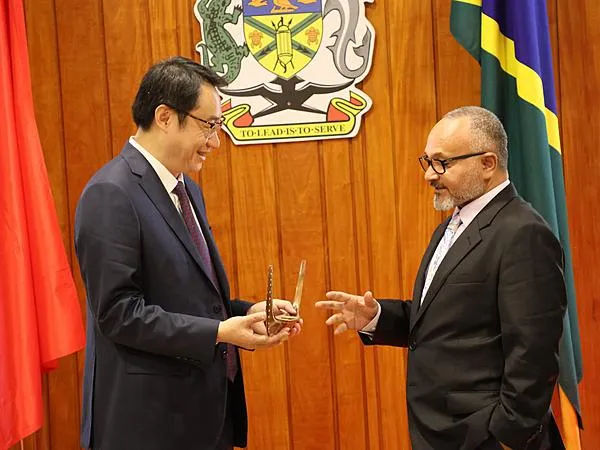
Solomon Islands Prime Minister Matthew Wale has reaffirmed his government's commitment to strengthening ties with China's Jiangsu Province, seeking to expand cooperation in agriculture, fisheries, education and workforce development to support the country's long-term economic growth.
During talks with Jiangsu Vice Governor Zhao Yan at the Office of the Prime Minister and Cabinet, both sides agreed to deepen collaboration beyond existing programs under the sister-province partnership between Jiangsu and Malaita Province.
Zhao said Jiangsu is looking to broaden cooperation across key development sectors, including agriculture, fisheries, education and professional training, while promoting innovation, science and technology to improve agricultural productivity, food security and sustainable growth.
"We aim to strengthen exchanges at all levels and deepen practical cooperation," Zhao said.
He also praised the Solomon Islands government's education reforms and reaffirmed Jiangsu's commitment to supporting expanded vocational training and skills development.
"Jiangsu stands ready to work closely with Solomon Islands to translate our leaders' consensus into tangible outcomes and take our cooperation to a new level," Zhao said.
Prime Minister Wale described Jiangsu as a strategic partner capable of supporting the country's broader development agenda.
"Jiangsu Province represents an immense opportunity for Solomon Islands—not only for Malaita, but for our nation as a whole," Wale said.
He said education remains central to his government's vision for national development, emphasizing that investment in skills and human capital is critical to building a stronger and more resilient economy.
"Education is fundamental to our national transformation. It equips our people with the skills, knowledge and discipline to build a stronger, more resilient Solomon Islands," Wale said.
He added that partnerships with experienced international counterparts could help accelerate development while enabling the country to benefit from proven approaches in education, innovation and economic planning.
The meeting underscores the growing economic and development cooperation between Solomon Islands and China's Jiangsu Province, with both sides seeking to expand collaboration in sectors that support sustainable growth, food security and workforce development.
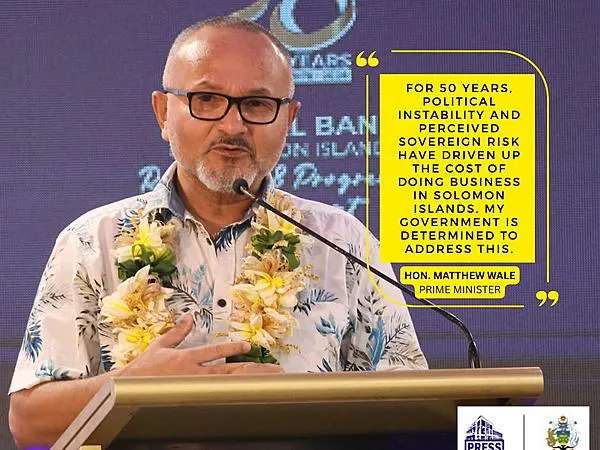
Prime Minister Matthew Wale called for closer alignment between monetary and fiscal policy to strengthen the resilience and stability of the Solomon Islands economy.
Speaking during the recent Golden Jubilee celebrations of the Central Bank of Solomon Islands, Wale said effective coordination between government fiscal policies and central bank monetary measures was critical for responding to economic shocks, managing risks and creating conditions that encourage investment and employment growth.
He reaffirmed the government's commitment to working closely with the central bank while pursuing legislative and policy reforms aimed at building a financial sector that is resilient, inclusive and responsive to the country's needs.
Wale stressed that economic reforms should be tailored to local circumstances rather than copied directly from other countries.
"What works in Singapore or London may not work in Honiara and what works in Honiara may not yet reach our outer islands," he said.
"We must have the confidence to adopt what works, adapt what needs adjusting, and set aside what does not fit our circumstances."
The prime minister said policy success should be measured by its impact on people's lives, particularly in a geographically dispersed nation where distance continues to challenge service delivery and economic participation.
He added that economic coordination must extend beyond fiscal and monetary policy to include political stability and governance reforms.
According to Wale, political instability and perceptions of sovereign risk have contributed to higher business costs in Solomon Islands for decades, discouraging investment and limiting economic opportunities.
"For 50 years, political instability and perceived sovereign risk have driven up the cost of doing business in Solomon Islands. My government is determined to address this," he said.
Wale said improving stability and investor confidence would be essential to unlocking sustainable economic growth and supporting the country's long-term development goals.
The remarks were delivered as the Central Bank of Solomon Islands marked its 50th anniversary, highlighting the institution's role in safeguarding financial stability and supporting economic development since its establishment.
New Caledonia showcased its growing innovation and technology sector during its fourth participation in Viva Technology 2026, Europe's largest startup and innovation event, held in Paris from June 17 to 20.
The New Caledonian delegation brought together eight startups and 16 institutional and private-sector partners under the New Caledonia Pavilion, which was designed to promote the territory's technological capabilities, investment potential and entrepreneurial ecosystem to a global audience.
Organizers expanded the pavilion's footprint from 50 square metres to 70.5 square metres for the 2026 edition, allowing the creation of dedicated spaces for startups and businesses, as well as a new area focused on promoting New Caledonia's attractiveness to investors, partners and international stakeholders.
The 2026 delegation also broadened participation criteria to include seed-stage and acceleration startups alongside established companies developing innovative technology products through intrapreneurship initiatives.
Officials said the participation aimed to strengthen New Caledonia's international profile, support emerging industries, create business opportunities and foster partnerships with investors and innovation ecosystems worldwide.
The startup delegation featured Firetracking, a software platform designed to detect wildfire outbreaks; Testeum, a participatory testing platform; Watom, a developer of digital serious games; Ops Insight, an artificial intelligence-based aerospace compliance platform; Spirit, a payment solution for French Pacific territories; Santeo, a health education and prevention platform; So'Bloo, an AI-powered business management solution; and Digibar, a digital management platform for bar associations.
The delegation was supported by 16 partners from the public and private sectors, including government agencies, business organizations, financial institutions and tourism promotion bodies.
Several New Caledonian startups participated in presentations and networking activities during the event. Prior to the official opening of VivaTech, Firetracking and Testeum delivered pitches at the booth of TotalEnergies, highlighting their innovations in safety, environmental monitoring and technology testing.
On June 18, delegation members joined the "French Tech Connect Overseas & Indian Ocean" side event, which brought together startups, investors, corporations and innovation partners from French overseas territories and the Indian Ocean region. The event provided opportunities to strengthen partnerships, expand networks and explore funding prospects.
The delegation also took part in the VivaTech 2026 international pitch competition on June 20 and participated in a session promoting New Caledonia's investment and business opportunities at the stand of Business France.
Officials said the territory's participation reflected ongoing efforts to develop New Caledonia's technology ecosystem, attract international investment and position the Pacific territory as an emerging innovation hub.
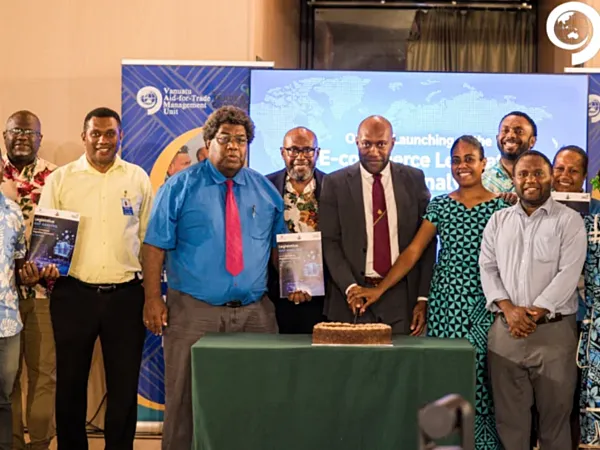
Vanuatu has completed a comprehensive review of its e-commerce laws and regulations, paving the way for reforms aimed at strengthening the country's digital economy and expanding participation in regional and global digital markets.
The National E-commerce Legislative Gap Analysis, launched on May 28 during a meeting of the National Trade Development Committee, outlines a roadmap for modernizing Vanuatu's legal and regulatory framework for online business and digital trade.
The assessment was undertaken with support from the Commonwealth Secretariat and examines how existing legislation compares with international best practices.
According to the report, a modern and coherent regulatory environment could help businesses reduce transaction costs, improve legal certainty, attract investment and build greater trust in digital services.
The analysis identified priority reforms across five key areas: electronic transactions, data protection, cybersecurity, consumer protection and telecommunications.
Among the recommendations are updates to electronic transactions laws to facilitate paperless trade and secure digital signatures, stronger implementation of data protection measures to support cross-border digital services, enhanced cybersecurity coordination and preparedness, and the introduction of consumer protection rules tailored to e-commerce.
The report also calls for reforms to telecommunications regulations to improve service quality, resilience and connectivity, particularly given Vanuatu's geographic challenges as a dispersed island nation.
Officials said the recommendations are intended to create a safer and more efficient environment for digital commerce while encouraging greater participation by businesses and consumers.
The analysis noted that legislative reform alone would not be sufficient to drive digital transformation and emphasized the need for coordinated implementation, institutional capacity building and clear sequencing of reforms across government agencies.
Director General Noah Kouback of the Ministry of Trade and Commerce said the initiative is aimed at strengthening trust in digital transactions and reducing barriers to trade.
"This work is about enabling trust, lowering barriers to trade, and ensuring financial institutions provide incentives to businesses and consumers for electronic transactions, data protection, cybersecurity, consumer protection, and affordable and accessible telecommunications," Kouback said.
"With focused coordination and targeted investment, Vanuatu can move quickly from policy intent to tangible outcomes."
The report is expected to guide future legislative reforms and support the government's ongoing review of its National E-commerce Strategy and Roadmap beyond 2026.
The Vanuatu National E-commerce Steering Committee is expected to play a key role in coordinating implementation efforts among government agencies and stakeholders.
Officials said the reforms would help position Vanuatu as a more competitive and inclusive digital economy while supporting the country's broader efforts to attract investment and expand opportunities in the digital sector.
Prime Minister Matthew Wale has called for an urgent overhaul of Solomon Airlines, saying the national carrier has lacked a clear vision for years and must adopt a more strategic approach to ensure its long-term viability.
Wale, accompanied by Finance Minister Gordon Darcy Lilo, met with the airline's board and management on Friday and stressed the need for sweeping reforms to improve the carrier's performance and financial sustainability.
The Prime Minister said the government could no longer continue providing financial support without seeing meaningful progress.
"We want Solomon Airlines to succeed, but we must act decisively. You need to think big and stop undermining the industry," Wale said.
He identified several areas requiring immediate attention, including expanding aircraft capacity on domestic routes, strengthening airlift services, improving flight reliability, lowering domestic and international airfares, and enhancing customer service.
"Domestic airfares are too high, freight costs are excessive and flight schedules are inconsistent. These are issues that must be addressed," he said.
Wale also criticised the airline for lacking a clear strategic roadmap and urged its leadership to undertake substantial reforms to reposition the carrier for future growth.
Lilo echoed the Prime Minister's concerns and challenged the airline's leadership to develop a coherent plan for its future.
"So where do we begin?" the Finance Minister asked during the meeting.
He also encouraged Solomon Airlines to pursue strategic partnerships that could bolster its financial and operational capabilities.
"We need partners with deep financial capacity. I agree with the Prime Minister that you must think big and be strategic," Lilo said.
Acting board chairman Baoro Laxton Koraua acknowledged the concerns raised by the government and said the airline had faced numerous internal and external challenges over the years.
Lilo confirmed that Solomon Airlines has been operating at a loss, particularly on domestic services, while continuing to face difficulties on its international routes.
"We have been making losses domestically and continue to face significant challenges on our international routes," he said.
Koraua agreed that restructuring was necessary and said the airline must develop a clear vision aligned with national priorities and the broader interests of the Solomon Islands.
At the conclusion of the meeting, Wale and Lilo directed the airline's board and management to prepare and present a comprehensive strategic plan outlining the carrier's future direction and reform agenda.
The government has indicated that the proposed plan will be crucial in determining the next steps for the state-owned airline as it seeks to address operational challenges and improve service delivery.
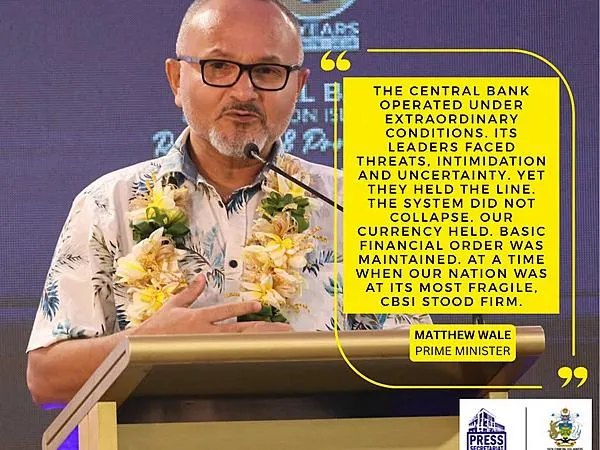
The Central Bank of Solomon Islands (CBSI) earned its reputation for stability during some of the country's most challenging periods, with its resilience helping prevent economic collapse during the ethnic tensions of the early 2000s, Prime Minister Matthew Wale said as the institution marked its 50th anniversary.
Speaking at the bank's Golden Jubilee celebrations in Honiara, Wale said CBSI's legacy was shaped not during periods of stability but through its response to national crises.
"CBSI was not built in easy times. It was built in crisis and it survived when failure would have meant national collapse," Wale said.
The prime minister highlighted the period of ethnic unrest between 1999 and 2003, when the country's financial system came under sustained pressure. He said central bank leaders operated under extraordinary circumstances marked by threats, intimidation and uncertainty, yet succeeded in maintaining financial stability.
"The system did not collapse. Our currency held. Basic financial order was maintained. At a time when our nation was at its most fragile, CBSI stood firm," he said.
Wale described the period as one of the most significant chapters in Solomon Islands' economic history, saying the institution's ability to preserve confidence in the financial system required courage, discipline and leadership under pressure.
He said the experience helped shape the foundations of today's financial sector.
"The resilience we see today in our stable currency, in the public's trust in our banks, in the foundations of our financial system was built through that crisis," Wale said.
While praising the institution's achievements, he cautioned against complacency, noting that many Solomon Islanders continue to face economic challenges.
"Our people are still facing economic pressures. The cost of living is high. Opportunities are limited. The financial system must now work harder to support growth, expand access, and create real pathways for our people," he said.
Five decades of service
The anniversary celebrations also provided an opportunity to reflect on CBSI's role since its establishment in 1976, two years before Solomon Islands gained independence.
Addressing guests at the official ceremony at Heritage Park Hotel, Wale said the institution was created by leaders who recognised the importance of building a strong monetary authority before the country's transition to self-government.
"Before our flag was raised and before our Constitution was signed, visionary Solomon Islanders chose to build an institution that would outlast any individual, any government, and any crisis. Today, we stand as proof of that decision," he said.
The prime minister said the bank's founders could not have anticipated the economic shocks, natural disasters, social unrest and global crises that would emerge over the following decades, but had established an institution capable of adapting to changing circumstances.
He congratulated CBSI on reaching its Golden Jubilee, saying the bank had provided five decades of dedicated service to the nation and remained central to maintaining economic stability.
"If the next fifty years are built on the same foundations of foresight, integrity, and unwavering commitment to national prosperity, then our economic future is in capable and trusted hands," Wale said.
The prime minister said the anniversary theme, "50 Years of Resilience and Progressive Development", reflected the institution's journey and its contribution to national development.
He also paid tribute to generations of CBSI staff and noted that the milestone belonged not only to the institution but to all Solomon Islanders who rely on a stable financial system, from farmers and households to businesses and investors.
CBSI's 50th anniversary celebrations come as Pacific island economies continue to navigate global economic uncertainty, rising living costs and ongoing efforts to expand financial inclusion and economic opportunities across the region.
Finance and Treasury Minister Gordon Darcy Lilo has ordered the immediate termination of all Memoranda of Understanding (MoUs) relating to tax exemptions in the mining, forestry and fisheries sectors, a move aimed at strengthening fiscal governance and ensuring compliance with existing laws.
In a statement issued on June 17, the Ministry of Finance and Treasury said the decision closes fiscal loopholes and reinforces legal processes governing the approval of tax exemptions.
According to the ministry, authority to grant tax exemptions rests solely with the Revenue and Customs Exemption Committee under existing legislation. While finance ministers may have signed MoUs relating to fiscal arrangements in the past, the ministry said such agreements do not constitute a legally valid mechanism for granting exemptions outside the statutory process.
“Any fiscal arrangements previously covered under MoUs will no longer be recognised,” Lilo said.
All companies operating in the mining, forestry and fisheries sectors have been directed to comply with existing legislation and regulations and to submit any future exemption requests through the Revenue and Customs Exemption Committee.
The ministry said the measure is intended to improve transparency, strengthen public revenue management and ensure that all investors are subject to the same regulatory framework.
The decision follows a broader push by the Ministry of Finance and Treasury to tighten fiscal controls and strengthen revenue administration. In May, Lilo directed that all tax exemption applications be processed exclusively through the Revenue and Customs Exemption Committee, stating that requests submitted directly to the minister's office would no longer be considered.
On the same day as the MoU termination announcement, the ministry also ordered the suspension of pre-release arrangements for goods at ports, container terminals and bonded warehouses as part of efforts to strengthen customs controls, improve compliance and reduce revenue leakages.
The latest measures signal a wider government effort to improve fiscal discipline, enhance accountability and ensure tax concessions are granted only through established legal channels.
Officials said the move is expected to help safeguard government revenues while creating a level playing field for investors operating across the resource sector.
The decision could affect companies that previously relied on MoU-based fiscal arrangements, requiring them to seek any future tax exemptions through the formal approval process administered by the Revenue and Customs Exemption Committee.
The ministry said the reforms form part of ongoing efforts to strengthen economic governance and ensure public revenues are protected as Solomon Islands continues to pursue sustainable economic development.
Solomon Islands Prime Minister Matthew Wale has concluded his official visit to Australia, reaffirming the close partnership between the two countries following high-level talks with Australian Prime Minister Anthony Albanese.
The discussions focused on shared priorities including climate change, regional security and economic cooperation, with both leaders underscoring the importance of strengthening bilateral relations amid evolving regional challenges.
Wale expressed appreciation for the warm reception accorded to his delegation, describing it as a reflection of the longstanding friendship between Solomon Islands and Australia.
"Our partnership is grounded in history, mutual respect and strong people-to-people connections that continue to bind our nations together," Wale said.
Albanese highlighted the depth of the relationship, describing Solomon Islands and Australia as "not only neighbours, but family", and reaffirmed Australia's commitment to further developing the partnership.
Climate change featured prominently in the talks, with Wale reiterating that it remains a critical concern for Solomon Islands and the wider Pacific region.
The Solomon Islands leader also acknowledged the contribution of Solomon Islanders participating in Australia's Pacific Australia Labour Mobility scheme, noting that the programme supports Australian industries while providing employment opportunities and income for families back home.
On regional security, Wale reaffirmed Solomon Islands' commitment as a responsible regional partner and welcomed discussions on Australia's Pacific Policing Initiative, which aims to strengthen law enforcement cooperation across Pacific island nations.
The leaders also discussed broader regional issues and cooperation through Pacific institutions.
Albanese recognised Solomon Islands' leadership role as chair of the Pacific Islands Forum and expressed his intention to visit Honiara in the near future.
Wale welcomed the proposed visit, saying it would provide another opportunity to deepen cooperation and further strengthen ties between the two countries.
The visit underscores the growing strategic, economic and people-to-people links between Solomon Islands and Australia, which remain among each other's closest partners in the Pacific region.
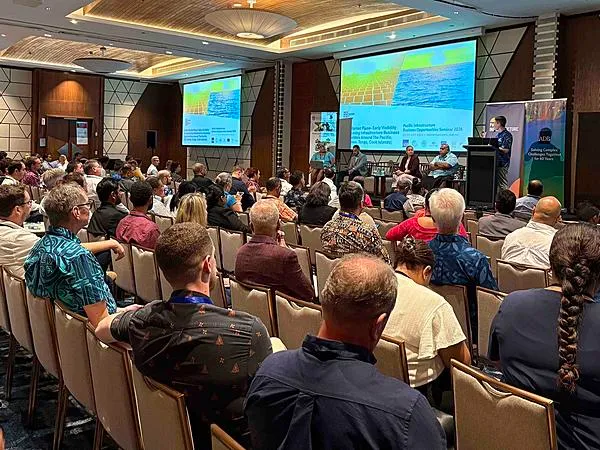
Contractors, consultants, financiers and development partners gathered in Fiji last month for the Pacific Infrastructure Business Opportunities Seminar, highlighting a growing pipeline of infrastructure projects across the region and opportunities for businesses to participate in their delivery.
The Pacific's expanding infrastructure programme was the focus of the Pacific Infrastructure Business Opportunities Seminar, or PIBOS, 2026, hosted by the Asian Development Bank, the World Bank and the Fiji government.
Held at the Crowne Plaza Fiji Nadi Bay Resort & Spa from May 25 to 27, the seminar brought together international, regional and local contractors, consultants, development financiers and government agencies interested in infrastructure projects across Pacific island countries.
The event forms part of ADB's engagement with the private sector and provides businesses with an opportunity to learn about upcoming infrastructure projects and procurement opportunities throughout the region.
According to ADB, the programme covered infrastructure development activities across the Pacific, with opportunities spanning transport, energy, water, telecommunications, climate resilience and other essential services. A pre-seminar masterclass also addressed procurement requirements, environmental and social safeguards, and project delivery expectations.
Discussions focused on forthcoming project opportunities, procurement pathways and practical considerations for businesses seeking to participate in development-funded infrastructure programmes.
The seminar underscored the scale of infrastructure investment being directed towards the Pacific by multilateral development banks, bilateral development partners and Pacific governments. Infrastructure development remains a priority for many island nations seeking to improve economic growth, resilience and regional connectivity.
Representatives from government agencies, development finance institutions and private sector organisations involved in infrastructure delivery attended the event.
A strong Australian and New Zealand business presence was evident, with members of the Australia Pacific Islands Business Council, Australia Fiji Business Council and Australia Papua New Guinea Business Council participating alongside representatives from engineering, construction, telecommunications, advisory and professional services firms.
Pacific-based businesses were also represented, using the seminar to gain a better understanding of upcoming project opportunities and connect with project owners, financiers and delivery partners.
ADB and its partners highlighted the importance of increasing local and regional private sector participation in infrastructure delivery. Discussions included initiatives aimed at improving access for Pacific small and medium-sized enterprises and strengthening local capacity to participate in development-funded projects.
With Pacific governments continuing to pursue major investments in transport, energy, telecommunications, water and climate-resilient infrastructure, the seminar provided businesses with insights into the region's evolving project pipeline and opportunities to establish relationships that may support future project delivery.
Air navigation service providers from across the Pacific have reaffirmed their commitment to improving aviation safety, cybersecurity and regional collaboration during a regional aviation forum hosted in Brisbane, Australia.
The 21st South-West Pacific Safety Forum (SWPSF21), organised by Airservices Australia and supported by the Australian government through the Australia-Pacific Partnerships for Aviation (P4A) programme, brought together representatives from Australia, New Zealand, Papua New Guinea, Fiji, Solomon Islands, Vanuatu, Nauru and New Caledonia.
Participants discussed key priorities affecting the region's aviation sector, including operational updates, safety data management systems and cyber resilience. Delegates also toured the Brisbane Air Traffic Service Centre, where they were briefed on advanced air traffic management systems and operational practices.
Airservices Australia said the forum provided an opportunity for Pacific aviation agencies to strengthen collaboration and exchange knowledge aimed at enhancing safety outcomes, improving service reliability and supporting more efficient air traffic services across the region.
The organisation said regional cooperation remains essential as Pacific nations work to align aviation standards and respond to emerging operational and technological challenges.
The meeting also marked the first participation of airline representatives in the South-West Pacific Safety Forum. Discussions included regional operations, coordination planning and cybersecurity issues affecting the aviation industry.
Airservices Australia said the event reflected ongoing efforts by Pacific partners to promote safer and more sustainable aviation through information-sharing, training and capacity-building initiatives.
The forum was delivered with support from the Australian government's Department of Foreign Affairs and Trade through the Australia-Pacific Partnerships for Aviation programme.
Under the P4A initiative, Australia works with Pacific partner countries to strengthen aviation capabilities and support the development of a safe, resilient and sustainable aviation sector across the region.
Airservices Australia thanked participating organisations and delegates for their contributions and said it looked forward to continuing collaboration with Pacific aviation stakeholders through future regional engagements.
Follow on LinkedIn:
Pacific Business Review
Be the "First" to get our exclusive Digital Magazine & Weekly Newsletter.