
March 09, 2026

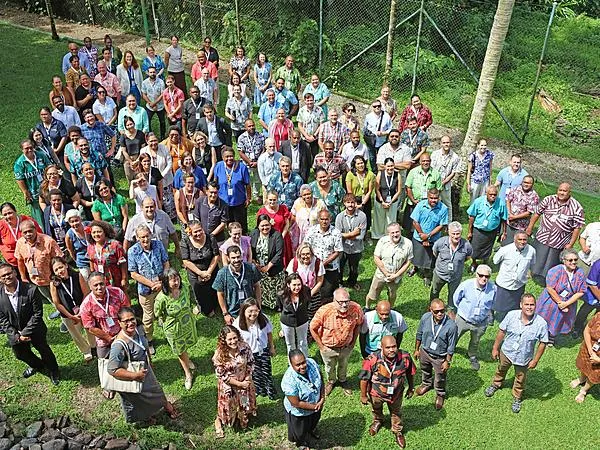
Pacific leaders are calling for stronger global investment in ocean sustainability. More than 150 government, finance and philanthropic leaders gathered in Suva this week for Pacific Ocean Finance Week, an event aimed at advancing funding and coordination for sustainable ocean management.

The gathering was convened by the Office of the Pacific Ocean Commissioner in partnership with Conservation International, Rare and the Bezos Earth Fund, with support from the UK Foreign, Commonwealth and Development Office.

It marks one of the region’s largest coordinated efforts to align international financing with Pacific-led ocean priorities.

Pacific Ocean Commissioner Dr Filimon Manoni said: “For the Pacific, the ocean is our home, our livelihoods, our supermarket, our futures fund and endowment fund. For many of us in the region, that is all we have. The ocean serves as the only and exclusive source of life, of vitality and of economic development, fuelling our very nation-building aspirations. Pacific nations are world leaders in solutions, innovation and commitment to safeguarding the ocean. Global partners must now match this with meaningful investment. The course is charted; this is the moment to act for our ocean and our future.”

During the week, Dr Manoni advanced the establishment of the Pacific Ocean Finance Group, a new regional mechanism to coordinate funding and guide investment toward priority ocean action.

Dr Manoni emphasised that greater transparency and sharing of ocean finance intelligence and data across the Pacific will help identify gaps, strengthen partnerships, support long-term planning and speed up delivery.

“The Office of the Pacific Ocean Commissioner will support Pacific leaders in coordinating their commitments to the ocean, including through capacity building that will help countries access and secure finance,” said Dr Manoni.

The event brought together governments, regional organisations, investors and ocean experts to exchange practical solutions and financing pathways tailored to Pacific needs.

Mere Lakeba, interim vice president of Conservation International’s Pacific Program, said: “The Pacific is a global leader in ocean management, but we need funding to match this ambition. We also need to strengthen our systems behind ocean finance so that our institutional capacity and resource coordination can feed into our growing pipeline of ready-to-fund projects. This is vital to close the SDG 14 funding gap and deliver on existing commitments that bring lasting benefits for people and nature across the region.

“Pacific Ocean Finance Week is helping make that happen — building partnerships that channel resources to communities, support marine protection and turn regional commitments such as the 2050 Strategy for the Blue Pacific Continent into real results.”

During the week, the Office of the Pacific Ocean Commissioner, the Government of the United Kingdom and the Bezos Earth Fund convened high-level dialogues and technical sessions to advance country-led ocean finance solutions. Through its First Wave grants under the Unlocking Blue Pacific Prosperity Initiative, the Bezos Earth Fund is supporting Pacific governments to establish and sustainably finance large-scale marine protection aligned with the 2050 Strategy for the Blue Pacific Continent.

The sessions showcased practical pathways to mobilise new resources, strengthen livelihoods and align philanthropic, bilateral and multilateral partners behind durable, Pacific-designed ocean protection frameworks befitting the region’s role as steward of the world’s largest “blue lung”.

“Pacific leaders have charted an ambitious course for ocean protection. Our role as the funding community is to support that vision with the kind of long-term, reliable financing that turns commitments into lasting results,” said Nicola Thomson of the Bezos Earth Fund. “We welcome opportunities like Pacific Ocean Finance Week to collaborate with Pacific regional organisations, governments and other funders to align philanthropic and public finance behind Pacific-designed solutions that protect the world’s largest blue lung while strengthening resilience and livelihoods across the region.”

The event follows the signing of a memorandum of understanding between the British High Commission in Fiji, Conservation International and the Office of the Pacific Ocean Commissioner to deliver the Sustainable Blue Pacific Initiative, a partnership designed to strengthen marine governance, community-led monitoring and sustainable financing across the region. Supported through the UK government’s Climate Action for a Resilient Asia programme, the initiative will help Pacific countries advance national ocean priorities and build long-term regional readiness for high seas protection.

March 06, 2026

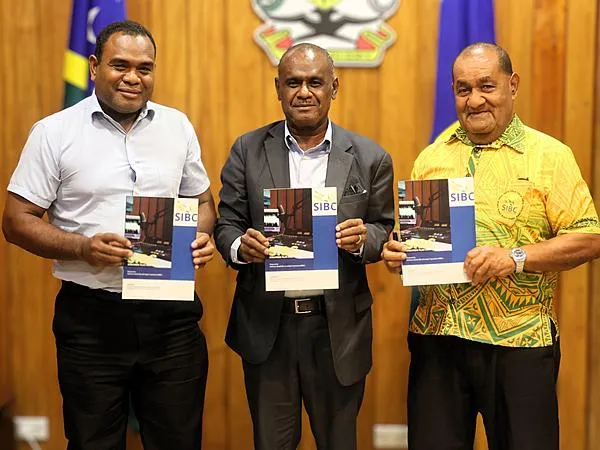
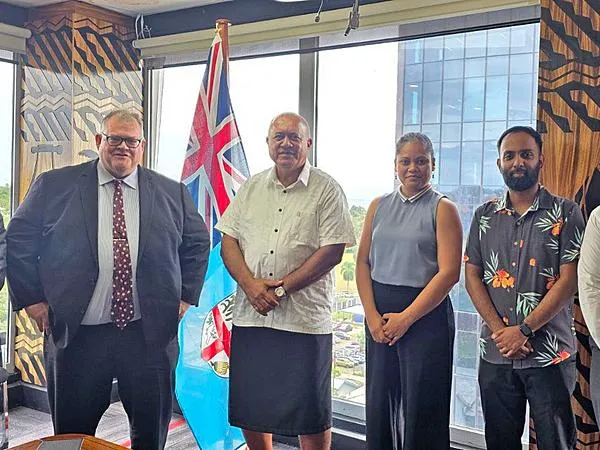
Solomon Islands Broadcasting Corporation (SIBC) Board Chairman Solomon Kalu and Chief Executive Officer Johnson Honimae paid a courtesy visit to Prime Minister Jeremiah Manele today at the Prime Minister’s Office to present SIBC’s Strategic Plan 2026–2030 and provide an update on the broadcaster’s operations.

Since its removal as a State-Owned Enterprise (SOE) on 27 June 2022, SIBC has transitioned from a profit-oriented entity to a national broadcaster operating under the Office of the Prime Minister and Cabinet (OPMC).

During the meeting, Mr Kalu and Mr Honimae briefed the Prime Minister, who is also the minister responsible for SIBC, on the vision and priorities outlined in the Strategic Plan. Developed with support from the New Zealand Government, the plan provides a roadmap for the organisation and its staff, outlining key priorities to strengthen SIBC’s services to the people of Solomon Islands.

Prime Minister Manele welcomed the Strategic Plan and reaffirmed the Government’s commitment to strengthening the national broadcaster as a key institution supporting unity and stability across the country.

“SIBC plays a central role in promoting unity and stability, which is one of the Government for National Unity and Transformation’s fundamental policy pillars, Unity and Stability. Hence, we see SIBC as an important institution for the Government,” Prime Minister Manele said.

Chief Executive Officer Johnson Honimae thanked the Prime Minister and the Solomon Islands Government for their continued support for the national broadcaster, including the annual SBD 5 million subvention grant.

He also acknowledged the Government’s decision to release the grant in full rather than in instalments, noting that the support is critical to sustaining SIBC’s operations and services to communities across the country.

Key strategic priorities discussed during the meeting included upgrades to broadcasting infrastructure. Work is currently underway in Lata, Temotu Province, with support from the Prime Minister’s Office to improve radio coverage for communities in the province.

SIBC also highlighted the upgrade of its AM transmission system at Henderson as a priority project. The 1035 AM medium-wave band remains one of the most widely accessed platforms for listeners, particularly in Honiara, Guadalcanal, Malaita, and parts of the Central and Western provinces.

The current AM system operates at only about 50 per cent of its capacity, limiting its reach and signal strength. Upgrading the system would significantly improve signal quality and coverage, enabling more reliable access to news and information for a larger portion of the population.

The broadcaster also noted that shortwave transmission on 5020 kHz at Henderson remains an important channel for audiences in remote islands during morning and evening hours, reinforcing the need to maintain and strengthen national transmission capabilities. SIBC continues to explore partnerships and support to enhance these critical broadcasting systems.

In television, SIBC is also exploring collaboration with Telekom Television (TTV) to broadcast content through one of its channels, while discussions on partnership arrangements continue.

SIBC also maintains working arrangements with Solomon Telekom Company Limited, including the use of its towers to transmit FM signals in Malaita and Western Province, helping to expand access to broadcasting services across the country.

The courtesy visit reaffirmed the strong partnership between SIBC and the Government and highlighted the broadcaster’s central role in informing, connecting and serving Solomon Islanders across the archipelago.

March 04, 2026

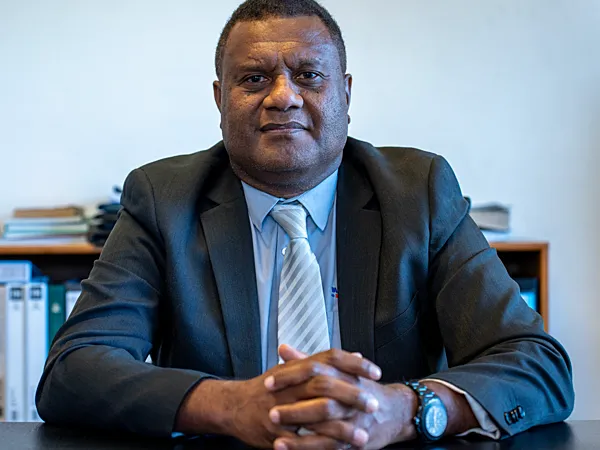
The Ministry of Policing and Communications is advancing a major legislative review aimed at modernizing Fiji’s telecommunications regulatory framework to support the country’s expanding digital economy.

Minister for Policing and Communications Ioane Naivalurua said the first round of stakeholder consultations was successfully completed from 23 to 27 February, bringing together key industry participants to help shape a future-ready telecommunications environment.

The consultations allowed stakeholders to provide insights and recommendations as the government seeks to update policies governing the telecommunications sector.

The review will cover several critical areas, including wireless telecommunications deployment, Internet of Things (IoT), over-the-top (OTT) services, spectrum management, consumer protection, competition, universal service, network security and regulatory governance.

Naivalurua said the government aims to ensure that Fiji’s telecommunications framework supports digital transformation, economic growth, infrastructure investment and inclusive connectivity.

He added that strengthening the regulatory framework will also help position Fiji as a regional digital hub.

The legislative review is being supported by the International Telecommunication Union to ensure alignment with international best practices.

Telecommunications legislative expert Scott Minehane of Windsor Place Consulting has been engaged to provide technical guidance throughout the review process.

The ministry expressed appreciation to the International Telecommunication Union for its continued support as Fiji works to strengthen its digital future.

March 03, 2026

Regional growth and trade resilience are under renewed scrutiny as Pacific Trade Invest (PTI) launched the 2026 Pacific Islands Export Survey, inviting businesses across 16 Forum Island Countries to participate in the region’s only longitudinal study of exporter sentiment.

The survey comes at a time when global trade conditions are increasingly shaped by evolving tariff settings, geopolitical competition, freight volatility, labour constraints and climate-related pressures. PTI said it is critical that Pacific businesses ensure their voices are reflected in the evidence shaping regional economic priorities.

Conducted every two years since 2014, the survey has generated more than a decade of primary research tracking exporter performance, confidence, barriers and emerging opportunities. In a region where comprehensive private sector statistics remain limited, it remains one of the few credible sources of regionally generated data.

The Secretary General of the Pacific Islands Forum, Baron Divavesi Waqa, said the initiative aligns with the region’s long-term vision under the 2050 Strategy for the Blue Pacific Continent.

“Our 2050 Strategy for the Blue Pacific Continent calls for a resilient, inclusive and sustainable regional economy shaped by Pacific priorities and Pacific voices. The survey provides an important avenue for exporters and tourism operators to contribute directly to this shared endeavour, strengthening the evidence that supports regional cooperation and coordinated economic action,” Waqa said.

Recognising tourism as a core services export, the survey explicitly includes businesses that sell to international visitors. PTI said strong participation from tourism operators would strengthen the overall dataset and ensure service exports are fully represented alongside goods exports in regional reporting.

The survey, which takes about 10 minutes to complete and is mobile-friendly, is open to goods and services exporters, tourism businesses, chambers of commerce and industry associations. Participants are encouraged to share the survey through their networks to broaden representation in regional trade policy discussions.

PTI Network General Manager Caleb Jarvis said strong participation would be critical to ensuring business perspectives are reflected in regional trade and economic deliberations.

“In 2024, participating businesses identified freight costs, market access constraints and labour shortages among the most significant barriers to growth. Strong participation in 2026 — across all operators, big and small — will ensure the evidence reflects the breadth of business conditions across our region and strengthens the case for practical, targeted support,” Jarvis said.

Founded in 1979, Pacific Trade Invest facilitates trade and investment in the Pacific and works to strengthen export capability and international market access for businesses across the region.

The survey is available at: pti.mobi/PacificIslandsExportSurvey2026-5

March 02, 2026

The Government of Fiji and the Millennium Challenge Corporation (MCC) have taken a significant step toward advancing private sector-led growth and strengthening economic ties between Fiji and the United States.

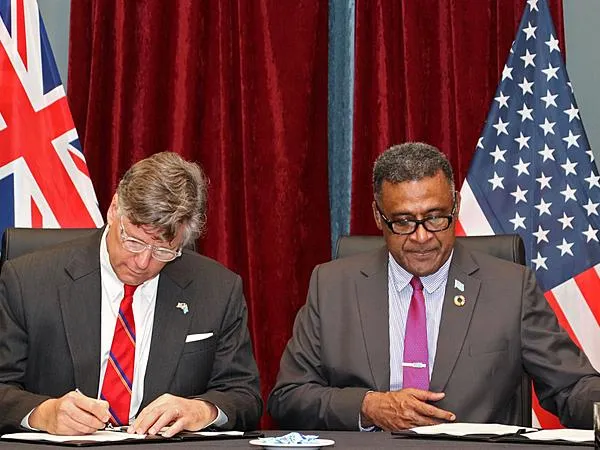
The Compact Development Funding Agreement was signed by U.S. Deputy Secretary of State Christopher Landau and Fiji’s Minister for Finance, Commerce and Business Development, Esrom Immanuel.

The agreement enables joint technical work to design projects aimed at enhancing Fiji’s economy while creating new opportunities for U.S. trade and investment.

“This is more than an agreement — it is a catalyst for prosperity. By working with Fiji, we aim to design a compact that drives investment, opens new markets for American companies and strengthens the foundation for a free and open Indo-Pacific,” Landau said.

“This agreement reflects Fiji’s commitment to good governance, economic freedom and growth-oriented investment,” Immanuel said. “Together, we will address key development challenges and deliver lasting benefits for Fijians.”

Fiji was selected by the MCC Board in August 2025 to develop a compact programme, recognising the country’s reform momentum and its role as a regional hub for transport, business, healthcare and workforce development.

MCC compacts are five-year agreements that fund programmes addressing key constraints to economic growth. The new agreement launches a data-driven design process to identify priority sectors and develop projects aligned with Fiji’s long-term development objectives and shared strategic interests in the Pacific.

MCC continues to expand its engagement in the Pacific, with ongoing or developing programmes in Solomon Islands, Kiribati and Tonga.

To date, MCC has committed nearly $115 million to support Pacific Island countries in addressing structural economic challenges and strengthening connections to global markets and U.S. businesses.

The Millennium Challenge Corporation is an independent U.S. government agency focused on promoting sustainable economic growth through results-based foreign assistance. Its grants support large-scale infrastructure, policy reforms and economic modernisation initiatives.

February 27, 2026

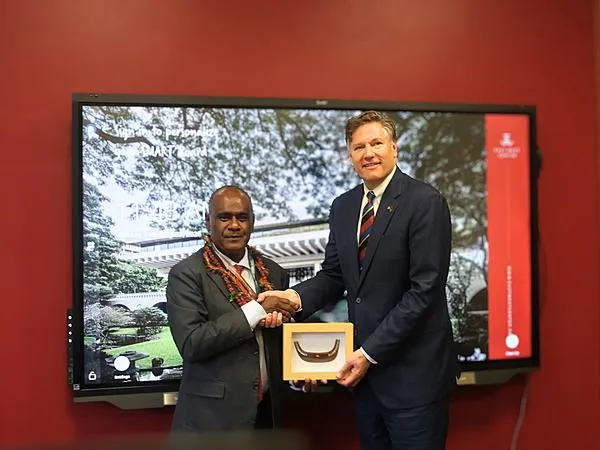
Prime Minister Jeremiah Manele met with United States Deputy Secretary of State Christopher Landau on the margins of The Pacific Agenda: Investment, Security, and Shared Prosperity Summit to advance bilateral cooperation and shared regional priorities.

Prime Minister Manele expressed appreciation to the Government of the United States for convening the summit and reaffirmed Solomon Islands’ strong commitment to its longstanding partnership with the United States. He noted that engagements such as the summit provide valuable opportunities to deepen cooperation on economic development, security and regional prosperity.

Reflecting on the enduring relationship between the two countries, the prime minister highlighted the historical bonds forged through shared sacrifice during the Battle of Guadalcanal and acknowledged continued United States support for Solomon Islands’ national development priorities.

Building on this shared history, Manele conveyed the Government’s appreciation for United States assistance in addressing unexploded ordnance (UXO) through ongoing clearance efforts supported by The HALO Trust programme.

He emphasised that more than 80 years after the Second World War, UXO contamination continues to pose serious safety risks, claim lives and remain a significant impediment to development across Solomon Islands. Deputy Secretary Landau acknowledged the ongoing challenges posed by UXO and indicated he would follow up with relevant officials to strengthen cooperation in clearance efforts.

Discussions also focused on expanding economic cooperation and investment opportunities. Manele expressed Solomon Islands’ interest in engaging with the U.S. International Development Finance Corporation (DFC), noting the Government’s commitment to creating an enabling environment for private sector growth. He acknowledged that high energy costs remain a major constraint to investment, identifying affordable and reliable energy as a key national priority.

The prime minister also outlined strategic development initiatives, including the Bina Harbour Tuna Processing Plant Project, and highlighted fisheries as one of Solomon Islands’ most valuable economic resources with strong potential for partnership and sustainable growth.

The meeting further reviewed ongoing collaboration under the Millennium Challenge Corporation (MCC) Threshold Program. Manele reaffirmed Solomon Islands’ commitment to working closely with the United States towards a future full Compact arrangement aimed at supporting economic reform, sustainable growth and poverty reduction.

Beyond economic cooperation, both sides acknowledged the importance of strengthening people-to-people ties. Manele emphasised education diplomacy and highlighted public health challenges facing Solomon Islands, particularly malaria and dengue, noting that disease eradication remains an ongoing national challenge requiring sustained partnership.

Regional and maritime security cooperation also featured in discussions, including collaboration through the proposed Shiprider Agreement to address transnational crime and illegal activities within Solomon Islands’ maritime domain.

Manele confirmed that the agreement would be revisited by Cabinet through the Ministry of Foreign Affairs, alongside progress towards ratification of relevant transnational crime conventions.

Deputy Secretary Landau welcomed Manele’s participation at the summit and described the bilateral relationship as entering a renewed phase of engagement, reaffirming the United States’ readiness to pursue a fresh start in cooperation with Solomon Islands. Manele, in turn, reaffirmed Solomon Islands’ commitment to constructive re-engagement and a strengthened partnership with the United States.

He assured Landau that Solomon Islands would review relevant modalities with the United States regarding potential future cooperation. Manele also acknowledged ongoing engagement towards renewing the Memorandum of Understanding on Cooperation in the Recovery and Repatriation of World War II Personnel Remains between Solomon Islands and the United States.

The prime minister also informed Landau of Solomon Islands’ upcoming 50th Independence Anniversary celebrations in 2028 and outlined plans to invite development partners to join Solomon Islanders in commemorating this important national milestone.

February 27, 2026

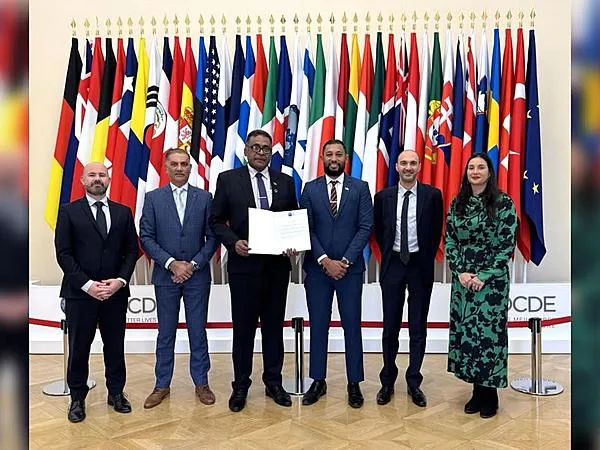
The Vanuatu Financial Services Commission (VFSC) has been recognised as an Associate Member of the International Organization of Securities Commissions (IOSCO), marking a major milestone for the country’s financial regulator and enhancing its standing within the global financial community.

IOSCO is the international standard-setting body for securities regulation, bringing together regulators from some of the world’s largest and most sophisticated financial markets.

While IOSCO Associate Membership does not constitute an endorsement of any jurisdiction or regulated entity, VFSC’s acceptance reflects growing international confidence in Vanuatu’s financial regulatory systems. It does not imply approval of any financial products or services operating in or from the country.

VFSC Commissioner Branan Karae described the achievement as the result of years of sustained strategic effort.

“This is a very prestigious organisation. The application process took approximately three years, involving detailed assessments and engagement with IOSCO sub-committees before final approval by the IOSCO Board,” Karae said. “After a lengthy process, we are very pleased to be recognised as an IOSCO Associate Member.”

According to Karae, the timing of the recognition is particularly significant as Vanuatu prepares for a Financial Action Task Force (FATF) Mutual Evaluation Review (MER) in November.

The fifth round of Vanuatu’s Asia/Pacific Group on Money Laundering (APG) Mutual Evaluation Review will assess the country’s anti-money laundering (AML) and counter-terrorism financing (CTF) frameworks against the FATF’s 40 Recommendations.

“The IOSCO Associate Membership will help elevate Vanuatu’s international standing, especially ahead of the FATF APG MER scheduled for November 2026,” Karae said. “It is one of the strategic steps demonstrating our commitment to international standards and cooperation in combating AML, CTF and other financial crimes.”

Vanuatu has faced ongoing challenges relating to international perceptions of its financial sector, including difficulties with correspondent banking relationships.

Karae said the VFSC’s IOSCO Associate Membership helps counter outdated and unhelpful narratives.

“Being part of this standard-setting body shows that Vanuatu is serious, willing to engage and prepared to meet global expectations,” he said. “It improves how the world views our regulatory institutions.”

As an IOSCO Associate Member, the VFSC will be able to participate in IOSCO committees, engage with international securities regulators and take part in capacity-building programmes aimed at strengthening regulatory effectiveness.

Karae confirmed that the VFSC has already been invited to attend upcoming IOSCO meetings, including an international meeting scheduled to take place in Sydney in March 2026.

“For the first time, we have been invited to attend IOSCO meetings and participate in strategic committees and processes,” he said. “This gives us the opportunity to contribute, learn and build relationships with regulators from around the world.”

He added that the VFSC intends to move towards full IOSCO membership, which requires signing the IOSCO Multilateral Memorandum of Understanding — the global benchmark for cross-border enforcement cooperation and information sharing.

“We see Associate Membership as a stepping stone,” Karae said. “We are committed to doing the work required to become a full IOSCO member," he said.

The commissioner also highlighted VFSC’s expanding international engagement, including work on memoranda of understanding with overseas regulators, including institutions within the European Union.

“Many international bodies do not know much about the Pacific,” Karae said. “Once you are part of these networks, it becomes much easier to engage, share information and demonstrate compliance with international standards.”

The VFSC’s leadership in virtual asset regulation and financial market supervision is also helping to strengthen its international profile and strategically position the statutory authority.

Karae described the IOSCO recognition as an important validation of the commission’s regulatory direction.

“This is an exciting time for the VFSC,” he said. “It shows that despite being small and geographically remote, Vanuatu can meet global regulatory standards and take its place alongside other international regulators.”

He said the VFSC would continue strengthening its regulatory frameworks, promoting transparency and actively participating in regional and global initiatives to support financial integrity and market confidence.

The VFSC remains committed to collaborating with the private sector on future initiatives.

“The VFSC acknowledges and appreciates the Financial Centre Association of Vanuatu’s valuable input, which contributed to our successful admission as an IOSCO Associate Member,” Karae said.

He also acknowledged the VFSC’s supervisory team, led by Joshua Tari, for their technical work and efforts in preparing the successful submission.

February 25, 2026

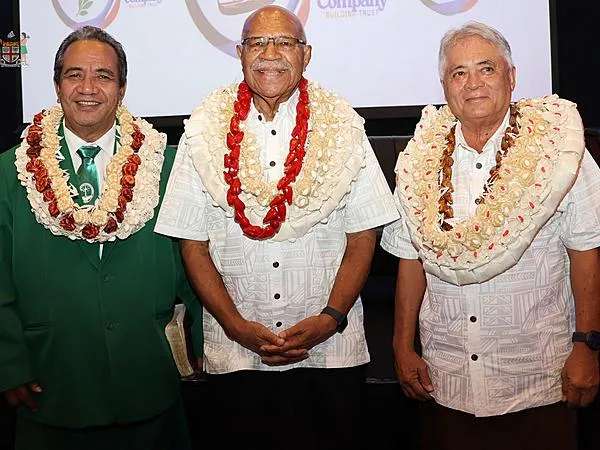
Prime Minister Sitiveni Rabuka tonight (24 February 2026) officially launched AMA Insurance Company Limited, marking a new chapter for Fiji’s insurance sector.

AMA Insurance Company Limited, a subsidiary of Apia Insurance Company Limited of Samoa, will initially employ 10 to 12 Fijian professionals, with plans to expand its workforce to 15 to 20 within the next 18 months, creating new opportunities and strengthening local expertise in the industry.

Speaking at the launch, the Prime Minister said the entry of a new institution into Fiji’s insurance sector signals confidence in the economy and in the nation’s long-term prospects.

“Insurance is not merely a financial service; it is a cornerstone of resilience,” Rabuka said.

“It enables families to recover from hardship, allows businesses to manage risk responsibly and strengthens national economic stability in an increasingly uncertain world.”

Rabuka described the establishment of the company as a timely and welcome addition to Fiji’s evolving financial landscape.

“It brings with it the promise of broader coverage, improved service standards and renewed innovation in designing products that promote greater consumer trust while supporting sustainable economic advancement across the country.”

Reflecting on its economic impact, the Prime Minister said AMA Insurance will expand choice within Fiji’s insurance market, encourage healthy competition, improve service standards and broaden product innovation tailored to the needs of households, small enterprises and communities.

“AMA’s establishment also contributes to employment and professional development within the financial services sector. It helps cultivate the technical expertise that is essential to a modern insurance industry.

“Importantly, this investment reflects regional confidence in Fiji’s regulatory and business environment, workforce capability and economic trajectory. It reinforces Fiji’s reputation and standing in the region as a credible destination for responsible investment.”

Chairman of AMA Insurance Company Limited Tuiaopo Andrew Ah Liki said the company is entering the Fijian market to expand access, improve affordability and strengthen resilience for communities across Fiji and the wider Pacific.

“In Samoa, our reputation is built on honouring claims. We stand with our customers in their moments of need. When disaster strikes, they are not looking for fine print; they are looking for support. That same commitment will guide AMA Insurance in Fiji,” he said.

“Insurance is not about collecting premiums; it is about keeping promises.

“Tonight, we do more than launch a company; we launch a promise — a promise to protect lives, build futures and strengthen the resilience of every Pacific community.”

He added that the company is committed to hiring locally, training locally and building expertise in underwriting, claims, risk assessment and governance.

The Prime Minister further reaffirmed the Coalition Government’s commitment to creating an environment that attracts credible, long-term investment into Fiji’s insurance sector, in line with the National Development Plan’s emphasis on policy stability, regulatory certainty and a strong investment climate.

February 25, 2026

Pacific Towing (PacTow), a leading provider of marine services in the Pacific region, has significantly enhanced its towage capability in the Solomon Islands with the return of Tug Kavachi following a major dry-docking and refurbishment program in Singapore valued at SBD 8 million.

Tug Kavachi, a Solomon Islands-flagged vessel managed and operated by a full Solomon Islander crew, has resumed service at the Port of Honiara, joining the powerful ASD tug Pacific Salvor. Together, the two tugs provide a combined bollard pull of 90 tonnes — Pacific Salvor at 50 tonnes and Kavachi at 40 tonnes — enabling PacTow to perform two-tug harbour movements in Honiara for the first time.

This increased capacity allows the port to safely manoeuvre larger and more complex vessel arrivals and departures, supporting operational reliability while strengthening the Solomon Islands’ maritime infrastructure. In addition to servicing Honiara, PacTow now has the capability to service Noro Port via mobilisation.

PacTow General Manager Gerard Kasnari said the return of Kavachi marks a significant milestone in PacTow’s long-term commitment to safe and reliable harbour towage operations in the Solomon Islands.

“PacTow is now well positioned to support the growing volume and size of vessels calling into the port. This upgrade not only strengthens port operations but also contributes to the broader development of maritime infrastructure in the Solomon Islands,” he said.

“Investing in Kavachi’s extensive dry-docking and ensuring she continues to be crewed by Solomon Islanders reflects our commitment to maritime safety, reliability, and localisation,” Kasnari added.

Having served the Solomon Islands for more than a decade, PacTow is committed to developing local talent. In 2025, PacTow awarded maritime cadetship scholarships to four Solomon Islanders, who are currently enrolled at Fiji National University’s Pacific Centre for Maritime Studies (PCMS) as part of their cadetship programme.

Pacific Towing, part of Steamships Limited’s Logistics Division, is Melanesia’s largest marine services business. Employing over 250 staff and owning a fleet of 20 vessels, the business provides a broad spectrum of marine services, including towage, salvage, emergency response, commercial diving, and life raft services.

PacTow operates in Papua New Guinea, the Solomon Islands, Fiji, and the broader Asia-Pacific region. Its operations are underpinned by a strong commitment to safety, reliability, and local capability development.

To learn more about PacTow: www.pacifictowingmarineservices.com

February 24, 2026

OFC Tech Solutions welcomes Colin Edgar, a representative of its global partner Enghouse Interactive, for a strategic partner visit aimed at strengthening enterprise communication and customer experience solutions across Papua New Guinea.

The visit reinforces the growing collaboration between Enghouse Interactive and OFC Tech Solutions, focused on delivering secure, scalable and IP-based communication platforms tailored to local organisations.

During the visit, both teams will conduct enterprise customer meetings, strategic discussions and collaborative interviews to explore how advanced customer engagement and unified communications technologies can support PNG’s evolving digital landscape.

“This visit demonstrates our shared commitment to long-term growth in Papua New Guinea,” said Edgar, Channel Manager at Enghouse. “By combining Enghouse’s global expertise with OFC’s local presence and technical capability, we are well positioned to deliver future-ready solutions to enterprise organisations.”

Enghouse Interactive is recognised globally for its customer experience, contact centre and unified communications technologies. Through this partnership, OFC Tech Solutions continues to expand its portfolio of enterprise-grade communication platforms designed to enhance operational efficiency and customer engagement.

The visit will conclude with strategic planning sessions focused on innovation, scalability and expanding enterprise adoption throughout Papua New Guinea.

For more information about OFC Tech Solutions and its enterprise communication offerings, visit https://www.ofc.com.pg/
February 20, 2026

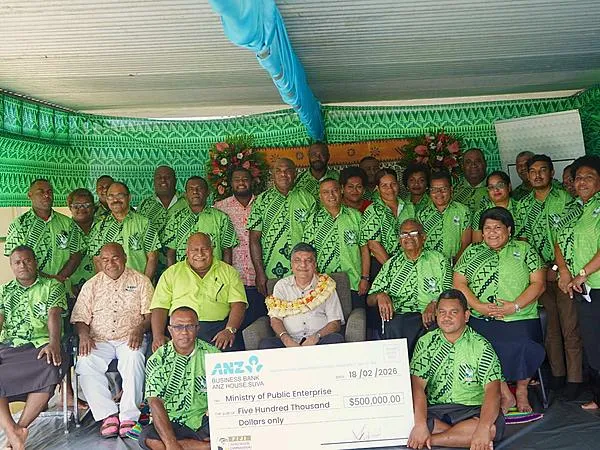
The Fiji Hardwood Corporation Limited (FHCL) has declared its first-ever dividend payout of $500,000 to the Government of Fiji, marking a historic milestone for the state-owned enterprise and its first return since its establishment.

The dividend reflects a strong turnaround in FHCL’s financial performance and governance. Minister for Public Enterprises Charan Jeath Singh described it as a significant achievement, noting that it demonstrates effective leadership, sound management, and tangible economic progress.

Singh emphasized the importance of maintaining momentum and upholding good governance at all levels, including engagement with landowners and stakeholders, to support continued growth in production, value-added processing, market expansion, and future dividends.

FHCL recorded a profit before tax of $3.302 million in 2021 and has since cleared approximately $8 million in legacy debt, significantly strengthening its balance sheet.

Chief Executive Officer Semi Dranibaka said the dividend reflects the company’s full turnaround—from debt burden to consistent profitability—now delivering tangible value to the government and the people of Fiji.

The company has also invested in modernization, including advanced data-capture technology training in partnership with a United States-based firm, improving efficiency across more than 75,000 hectares of mahogany plantations.

The government reaffirmed its support for continued reforms and strategic growth in public enterprises to ensure they remain commercially viable, well-governed, and able to deliver sustainable returns for all Fijians.

February 20, 2026

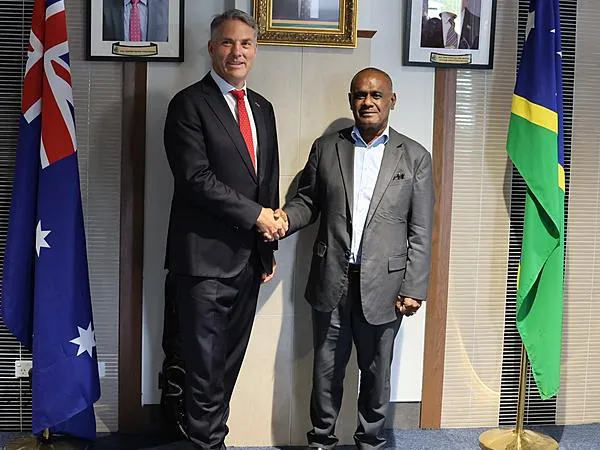
Solomon Islands and Australia have strengthened their strategic partnership following high-level bilateral talks between Prime Minister Jeremiah Manele and Australia’s Deputy Prime Minister Richard Marles.

The discussions highlighted renewed momentum in bilateral relations, with both governments committing to enhanced cooperation across security, infrastructure, labor mobility, climate action, and regional integration.

Manele described the relationship as grounded in shared democratic values, mutual respect, and the enduring spirit of the Pacific family. He noted Australia’s support aligns with all five objectives of the Solomon Islands National Development Strategy (2016–2035).

Security cooperation was a central focus. Australia has pledged around SBD 190 million over four years to expand and strengthen the Royal Solomon Islands Police Force (RSIPF), including infrastructure, training, and institutional capacity building. The assistance also covers the design and construction of a new Police Academy.

The prime minister highlighted the planned completion of the Western border post later this year and the Eastern border post ahead of the nation’s 50th independence anniversary in 2028.

Infrastructure development was another key area of discussion. Australia has committed to supporting several major projects, including the Police Academy and the prime minister’s official residence. Additional initiatives include the Naha Birthing and Urban Health Centre and upgrades to Seghe and Taro airstrips and road networks, which aim to improve healthcare access and regional connectivity.

Manele also emphasised the strategic importance of the Bina Harbour project, describing it as transformative for food security, maritime trade, and long-term economic growth.

Labor mobility remains a cornerstone of the bilateral relationship. Since 2018, over 11,000 Solomon Islanders have participated in Australia’s Pacific Australia Labour Mobility (PALM) Scheme. In 2025, remittances from PALM workers reached SBD 507 million, providing vital economic support to communities nationwide.

Manele praised the scheme as mutually beneficial, meeting Australia’s workforce needs while providing Solomon Islanders with skills and income opportunities. He reiterated the Solomon Islands’ commitment to advancing cooperation in ways that respect sovereignty and promote resilience. Other areas of collaboration, including general budget support and backing for the Solomon Kings Football team, were also discussed.

Marles reaffirmed Australia as the Solomon Islands’ security partner of choice, highlighting that the bilateral relationship is built on trust, respect, and open dialogue. The partnership reflects a long-standing commitment to supporting stability, sovereignty, and development in the Solomon Islands.

February 19, 2026

The Government of New Caledonia has welcomed the official launch of the “Tamtam” submarine fibre optic cable, a 411-kilometre system connecting Port-Vila in Vanuatu to Lifou in the Loyauté Islands province of New Caledonia. The launch ceremony took place on Wednesday, February 18, 2026, with representatives from the Asian Bank of Development and Prima Ltd in attendance.

The cable will land in Lifou at the New Caledonia Posts and Telecommunications Office (OPT-NC) station, reinforcing digital connectivity across the region.

Strengthening Digital Resilience

Originally conceived as a backup link to secure Vanuatu’s international communications, the Tamtam project has expanded to include a structural domestic dimension within Vanuatu. For New Caledonia, the cable is expected to:

  • Diversify international connectivity routes;

  • Strengthen the resilience and continuity of communications;

  • Secure strategic digital data streams;

  • Consolidate New Caledonia’s role as a digital hub in the Pacific.

The project aligns with the government’s broader ambition to provide reliable and competitive international connectivity, supporting both economic development and regional geopolitical interests.

Scientific Innovation for Climate and Risk Monitoring

In addition to enhancing communications, the Tamtam cable incorporates a scientific component developed by the Caledonian company Pacific Peering. Four Climate Change Nodes (CC-Nodes) will be installed along the New Hebrides Rift, enabling real-time monitoring of the ocean floor through dedicated fibre optics.

Data collected from the sensors will allow for:

  • Immediate detection of underwater earthquakes and tsunami risks;

  • Observation of rising sea levels and anomalous wave activity;

  • Tracking changes in global ocean temperatures.

The information will be freely available to both New Caledonia and Vanuatu. Funding for the scientific component is provided by IFREMER, in partnership with the Research Institute for Development (IRD), while Pacific Peering is establishing a platform in New Caledonia for secure data collection, storage, and dissemination.

A Model of Regional Cooperation

The Tamtam submarine cable exemplifies regional cooperation, enhancing New Caledonia’s strategic digital position while supporting French and European digital sovereignty in the Pacific. The government lauded the project as a combination of infrastructure resilience, scientific innovation, and the promotion of Caledonian expertise.

With the Tamtam cable now operational, both Vanuatu and New Caledonia are set to benefit from improved communications, stronger scientific monitoring capabilities, and enhanced regional digital integration.

February 18, 2026

The Minister for Finance, Esrom Immanuel, has welcomed the European Union’s decision to remove Fiji from its list of non‑cooperative jurisdictions for tax purposes, calling it a strong endorsement of the Coalition Government’s reform agenda.

The move reflects Fiji’s sustained commitment to transparency, good governance, and full alignment with international tax standards. According to Immanuel, it is “a clear vote of confidence in Fiji’s reform agenda and our resolve to align our financial and regulatory frameworks with global best practice.”

“The removal from the EU blacklist strengthens Fiji’s international reputation as a credible, responsible and trusted financial jurisdiction,” Immanuel said. “It sends a positive signal to investors, development partners and the global business community that Fiji is committed to maintaining a transparent and robust financial and tax system.”

Over the past three years, the Government has collaborated closely with international partners and relevant institutions to address outstanding concerns, strengthen legislative frameworks, and enhance compliance mechanisms. These reforms underpin the broader agenda of safeguarding macroeconomic stability while promoting sustainable and inclusive growth.

For Fiji, this milestone is more than a technical adjustment. It enhances investor confidence, reduces reputational risk, and supports efforts to attract high‑quality foreign direct investment. At a time of global economic uncertainty, such developments are key in positioning Fiji as a competitive and reliable destination for trade and investment.

Immanuel emphasised that the Government remains committed to continuous improvement of financial and tax governance frameworks, alongside constructive engagement with international partners. He extended his appreciation to the leadership and staff of the Fiji Revenue and Customs Service (FRCS) and the Ministry of Finance for their professionalism, diligence, and dedication in securing Fiji’s removal from the EU blacklist.

February 18, 2026

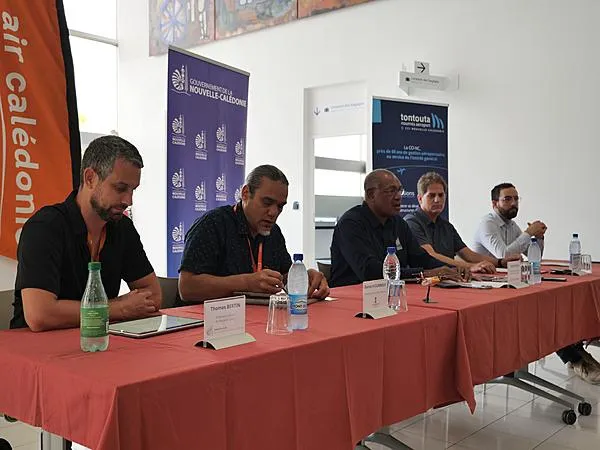
The Government of New Caledonia has announced that Air Calédonie will transfer its operations from Magenta Airport to La Tontouta International Airport on 2 March 2026, following extensive consultation with stakeholders. The move aims to strengthen the airline’s long-term viability and optimise the territory’s aviation infrastructure.


Strategic Relocation

The relocation will bring Air Calédonie and Aircalin together in a single facility, improving coordination, resource sharing, and operational efficiency. For New Caledonia, the move is expected to reduce long-term public spending by approximately 500 million francs and suspend around 1 billion francs in planned infrastructure investments. For Air Calédonie, the consolidation will enhance competitiveness, reduce delays and cancellations, and generate similar cost savings.

“This relocation is a vital part of the rescue plan for air connectivity between the islands and the mainland,” said Alcide Ponga, President of the Government.
“It complements the airline’s ongoing efforts, including the 2023 redundancy plan, aircraft sales, and regional expansion initiatives.”


Passenger Experience and Facilities

Domestic and international passengers will benefit from modernised facilities, including:

  • New domestic departures and arrivals halls
  • Expanded freight and aircraft parking areas
  • Improved restaurants and retail outlets, including Columbus Café, Kalolo, and Daily Break
  • Dedicated Air Calédonie customer service area

The terminal will support seamless passenger flows, with domestic and international operations fully separated by mid-2026.


Transport and Parking

A dedicated shuttle service, operated by Tontouta Express (TEX), will connect Nouméa to La Tontouta Airport for 500 francs per passenger per journey. The shuttle will serve four key stops: Patch station (Nouméa), Dumbéa, Païta, and Tontouta.

The airport’s public car park offers 536 spaces, with the first 20 minutes free and full pricing available online.


Governance and Oversight

The transfer is overseen by a steering committee (COPIL) and several project committees (COPROJ) covering communication, accessibility, infrastructure, continuity, and Magenta Airport’s future. A dedicated Q&A portal and email address (GNC.transfert.TTA@gmail.com) ensure transparency and stakeholder engagement.


“Our goal is to provide safe, efficient, and comfortable services for all passengers while strengthening Air Calédonie’s long-term viability,” said Daniel Houmbouy, CEO of Air Calédonie.

This relocation represents a major milestone in the development of New Caledonia’s aviation sector and a strategic step towards sustainable air transport for the territory.

For further information: https://gouv.nc/projet-de-transfert-de-laeroport-de-magenta-vers-la-tontouta
February 16, 2026

Tuvalu and the Solomon Islands have formally deposited their instruments of ratification for the Agreement Establishing the Pacific Resilience Facility (PRF Treaty), advancing efforts to operationalise the Blue Pacific region’s first Pacific-led, member-owned and managed, and people-centred climate and disaster resilience financing institution.

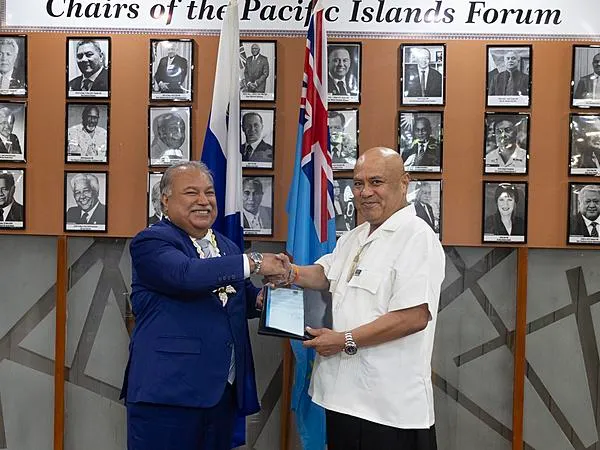
On 13 February, the Prime Minister of Tuvalu submitted the country’s instrument of ratification to Secretary General Baron Divavesi Waqa at the Pacific Islands Forum Secretariat. This follows the recent deposit of the Solomon Islands’ instrument of ratification by its Prime Minister in the margins of the Forum Troika Leaders Meeting in Brisbane, Australia.

The PRF was endorsed by Pacific Islands Forum Leaders through the Declaration on the Establishment of the Pacific Resilience Facility at the 52nd Forum Leaders Meeting in the Cook Islands in 2023. In 2024, Forum Leaders designated the Kingdom of Tonga as the host country of the PRF, reinforcing regional ownership and solidarity. The PRF Treaty was signed by 15 Forum Leaders at the 2025 Forum Leaders Meeting in Honiara, Solomon Islands.

The treaty requires eight ratifications to enter into force. The deposits by Tuvalu and Solomon Islands bring the total to five member countries, signaling strong regional commitment to the PRF.

The PRF is designed to empower communities to access grant financing for locally identified resilience priorities. It represents a strategic shift towards proactive, community-driven investment in climate adaptation, disaster preparedness, and long-term resilience, aligned with the Forum Leaders’ 2050 Strategy for the Blue Pacific Continent.

Tuvalu signed the PRF Agreement on 10 September 2025 during the Forum Leaders Meeting in Honiara. The ratification completes Tuvalu’s domestic legal processes, confirming its status as a full party to the initiative. The country views the PRF as a critical mechanism to strengthen regional capacity for preparing, responding to, and recovering from the increasing impacts of climate change and natural disasters.

Submission of the instrument reaffirms Tuvalu’s commitment to Pacific solidarity and collective action in addressing shared challenges. The country will work closely with fellow Forum members to operationalise the PRF and ensure it delivers meaningful, lasting benefits for vulnerable communities across the Pacific.