




February 16, 2026

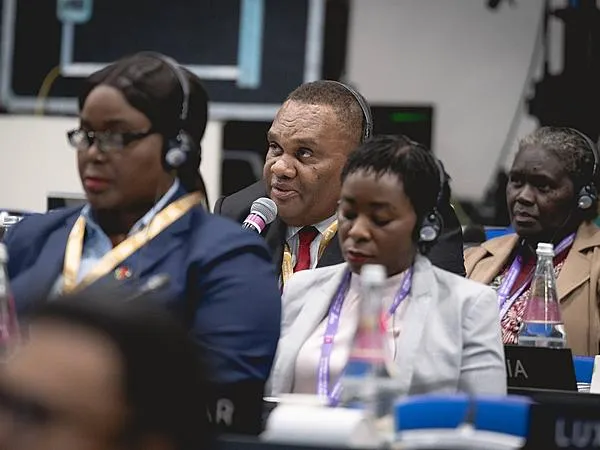
The Minister for Agriculture and Livestock Development, Franklyn Derek Wasi, delivered statements on behalf of the Solomon Islands Government at the Forty-Ninth Session of the Governing Council of the International Fund for Agricultural Development (IFAD). He participated in two high-level Leaders’ Dialogues focusing on financing rural development and investing in water security.

At the session titled “New Frontiers for International Financial Institutions – Financing Rural Development at the First Mile,” Minister Wasi emphasised that in the Solomon Islands, rural development begins at the first mile, where farmers are most remote, markets are fragmented, and risks are highest.

“For us, financing rural development means financing systems, not just projects. Smallholders do not fail because they lack effort—they fail when finance, extension, infrastructure, and markets do not move together,” he said.

The Minister urged international financial institutions (IFIs) to prioritise blended finance, de-risk early-stage investments, and support long-term institutional partnerships. Highlighting the Government’s collaboration with IFAD through the AIM-N project, he noted ongoing investments in strengthening farmer organisations, nutrition-sensitive value chains, and provincial delivery systems to ensure women, youth, and remote communities actively participate as economic actors.

“IFIs have a critical role in reshaping this space by blending public finance with private capital, de-risking early-stage investments, and backing institutions that stay the course beyond pilot phases,” he added.

In the second dialogue, “From Farm to Market – Investing in Water Security,” Minister Wasi stressed that water security is a matter of survival for Small Island Developing States.

“Our farmers face erratic rainfall, saline intrusion, and climate shocks. Without reliable water, productivity declines, nutrition suffers, and market participation becomes impossible,” he said.

He reaffirmed the Government’s commitment to integrating climate-resilient water harvesting, irrigation, watershed protection, and post-harvest systems into broader agricultural and market strategies. Through IFAD-supported initiatives, the Solomon Islands is aligning water management with food security, ecosystem resilience, and rural livelihoods.

Minister Wasi called on development partners to scale investments that combine infrastructure with governance, community ownership, and climate adaptation, noting that sustainable transformation at the first mile depends on patient capital, strong local institutions, and enduring partnerships.

February 11, 2026

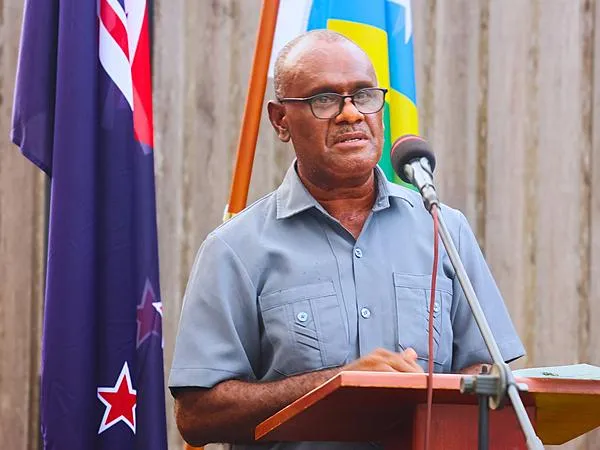
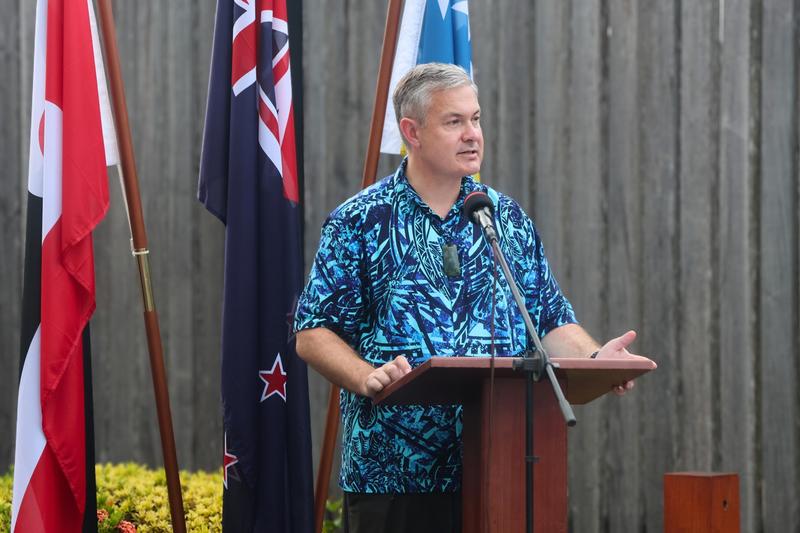
Solomon Islands Prime Minister Jeremiah Manele has reaffirmed the strong and enduring partnership between Solomon Islands and New Zealand while delivering remarks at the Waitangi Day Reception hosted by the New Zealand High Commission on 5 February.

Addressing distinguished guests, members of the diplomatic corps, senior government officials and members of Parliament, Prime Minister Manele congratulated the government and people of New Zealand on the celebration of Waitangi Day, acknowledging its deep national significance and the principles it represents.

“Waitangi Day commemorates the Treaty of Waitangi — a foundational agreement built on partnership, mutual respect and enduring relationships. These principles resonate strongly with us in Solomon Islands, where respect for culture, dialogue and unity are central to our national identity,” the Prime Minister said.

Highlighting the long-standing friendship between the two nations, Prime Minister Manele noted that the relationship dates back to early missionary linkages in the 1800s and continues to be strengthened through strong people-to-people and government-to-government connections.

He acknowledged New Zealand as a trusted and consistent development partner, providing valuable support across key national and regional priorities, including education, labour mobility, climate resilience and community development.

The Prime Minister expressed appreciation for New Zealand’s continued investment in Solomon Islands, citing the SBD 45 million grant funding for Phase 4 of the Mekem Strong Solomon Islands Fisheries Programme, signed last year, and the 10-year Solomon Islands–New Zealand Education Partnership (2025–2035) valued at SBD 300 million, launched on the margins of the 54th Pacific Islands Forum Leaders Meeting.

“These initiatives reflect the strength of our partnership — one that is practical, responsive and focused on improving the lives of our people,” Manele said.

He also acknowledged New Zealand’s support during Solomon Islands’ successful hosting of the 54th Pacific Islands Forum Leaders Meeting in Honiara last year, during which he served as chair.

“As Pacific Island nations, we share common challenges, particularly climate change, economic vulnerability and the responsibility to protect our oceans and natural resources. Addressing these challenges requires partnerships built on trust, understanding and respect,” the Prime Minister added.

Prime Minister Manele reaffirmed Solomon Islands’ commitment to working closely with New Zealand at the bilateral, regional and multilateral levels to advance shared Pacific priorities.

On behalf of the government and people of Solomon Islands, he extended warm congratulations to the government and people of New Zealand, expressing confidence that the bilateral relationship will continue to grow in the spirit of friendship and mutual respect.

“Together, we will continue working towards a peaceful, resilient and prosperous Pacific,” he said.


February 11, 2026

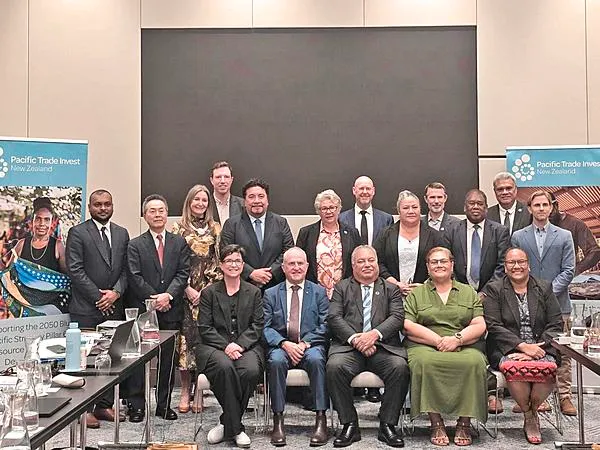
The Pacific Trade Invest (PTI) Independent Advisory Board convened its annual board meeting in Auckland, New Zealand, on 11 February 2026, reaffirming its commitment to strong governance, accountability and strategic leadership across the PTI network.

The meeting was chaired by Pacific Islands Forum Secretary-General Baron Divavesi Waqa, who formally welcomed two new members to the Independent Advisory Board: Bethany Bessi Graham and Julienne LekaMaliaki.

The board’s principal mandate is to provide independent oversight of Pacific Trade Invest, enhance accountability and strengthen the operational effectiveness of the network. Operating in an advisory capacity to the secretary-general and the Forum Officials Committee, the board ensures the PTI network’s activities and operations are conducted in a prudent, ethical and strategically aligned manner.

During the meeting, members received comprehensive updates on the programs and activities of the PTI network. The board noted that the network has continued to evolve into a cornerstone of the Pacific’s economic architecture, empowering exporters, investors and enterprises through robust, evidence-based market intelligence and targeted commercial facilitation.

“Through Pacific Trade Invest, Forum Leaders have established a trusted mechanism to advance the economic pillars of the 2050 Strategy for the Blue Pacific Continent. PTI strengthens regional cooperation, mobilizes investment and ensures Pacific economies engage global markets on our own terms and in line with our shared development priorities,” Waqa said.

These achievements have been underpinned by enduring partnerships with national trade and investment promotion agencies, government ministries, tourism authorities, multilateral development partners, international donors and a broad community of regional stakeholders.

Pacific Trade Invest operates offices in Australia, China, Europe and New Zealand, alongside a partner office delivering similar services in Japan. As the trade and investment promotion arm of the Pacific Islands Forum Secretariat, the PTI network is mandated by Forum Leaders to facilitate trade, investment and tourism opportunities between Pacific Island countries and territories and global markets.

Through its work, PTI continues to support business growth across the Blue Pacific by building the capacity of export-ready and investment-ready enterprises and connecting them with importers and investors worldwide.

February 10, 2026

OFC Tech Solutions, a Remington Group company, announces a strategic partnership with Alcatel-Lucent Enterprise, a leading provider of secure networking and communication solutions that enable organisations and industries to accelerate their operational efficiencies and competitiveness. This collaboration is set to modernise enterprise-grade networking and cloud-based communication systems across Papua New Guinea.

The partnership arrives at a critical juncture for the local market. As legacy hardware providers begin to phase out traditional PABX systems, many organisations face the risk of aging infrastructure and limited support. Through this collaboration, OFC Tech Solutions and ALE provide a seamless, secure, and scalable migration path to modern IP-based and hybrid-cloud platforms.

"We are thrilled to welcome OFC Tech Solutions to our partner ecosystem. Their deep local knowledge and the Remington Group’s legacy of service excellence make them the ideal partner to drive digital transformation in Papua New Guinea," said Dinesh Divakar, Country Leader, ANZ, Alcatel-Lucent Enterprise. "Together, we are ensuring that PNG businesses don't just 'replace' their systems but 'evolve' them with secure, resilient, and future-ready communications solutions. This enables customers to modernise their communications infrastructure with confidence while ensuring long-term support and scalability.”

OFC Tech Solutions is a leading ICT services provider in Papua New Guinea and a key business unit of the Remington Group. The company delivers enterprise technology solutions, including IT infrastructure, networking, communications systems, and managed services, supporting government, corporate, and institutional clients across the country.

Commenting on the partnership, Asanka Dias, General Manager of OFC Tech Solutions, said the decision was driven by a focus on practical value for customers.

“This is an exciting time for OFC Tech Solutions as we continue to support and bring added value to our customers through technology. Partnering with Alcatel-Lucent Enterprise allows us to offer a reliable, globally proven solution that helps organisations upgrade their systems, improve efficiency, and plan confidently for the future.”

The introduction of the Alcatel-Lucent OmniPCX® Enterprise Communication Server further strengthens OFC Tech Solutions’ enterprise communications portfolio and reinforces the Remington Group’s commitment to delivering world-class technology solutions supported by strong local expertise.


Alcatel-Lucent Enterprise provides secure networking and communication solutions that enable organizations and industries to accelerate their operational efficiencies and competitiveness — in the Cloud, On Premises, or Hybrid.

All solutions have built-in security, a limited environmental impact, and full compliance with data protection requirements for organizations and individuals at both the national sovereignty and international industry levels.

Alcatel-Lucent Enterprise focuses on three pillars: Environmental Sustainability, Social Responsibility, and Corporate Governance, providing technology solutions for the good of the environment, people, and business.

Over 100 years of innovation have made the company a trusted advisor to more than a million customers worldwide. With headquarters in France and 3,400 business partners globally, Alcatel-Lucent Enterprise achieves effective global reach with a local focus.

February 09, 2026

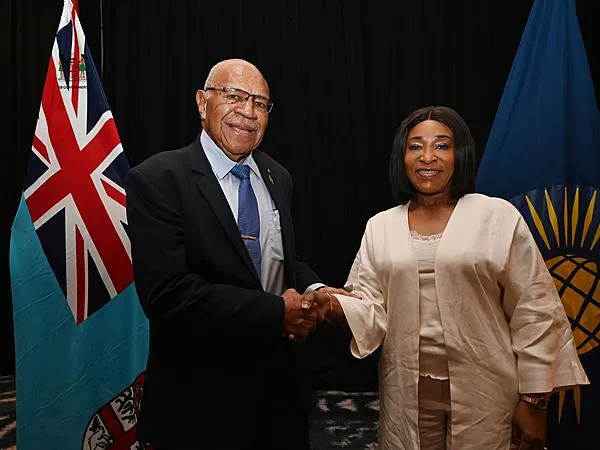
Prime Minister Sitiveni Rabuka held a bilateral meeting with the Secretary-General of the Commonwealth, the Rt Hon Shirley Ayorkor Botchwey, and her delegation ahead of the Commonwealth Law Ministers Meeting, which begins in Nadi on 9 February.

Also attending were Foreign Affairs and External Trade Minister Sakiasi Ditoka; Acting Attorney-General and Justice Minister Siromi Turaga; Permanent Secretary for the Office of the Prime Minister Dr Lesi Korovavala; Solicitor-General Ropate Green; and Permanent Secretary for Justice and acting Permanent Secretary for Women, Children and Social Protection Selina Kuruleca. Accompanying Botchwey were senior Commonwealth Secretariat officials, including Deputy Secretary-General Dr Arjoon Suddhoo.

The meeting marked Rabuka’s first engagement with Botchwey since her appointment. He congratulated her on becoming the first African woman to serve as Commonwealth Secretary-General and reaffirmed Fiji’s full support for her tenure. He commended her vision for a transformed Commonwealth, particularly her emphasis on trade and investment as drivers of economic transformation, the empowerment of women and young people, closing the digital divide, and strengthening innovation and strategic partnerships.

Rabuka also welcomed Botchwey’s efforts in steering the Commonwealth’s focus towards resilience, climate action, economic growth, and sustainable development—areas closely aligned with Fiji’s national and regional priorities.

Reflecting on Fiji’s long-standing relationship with the Commonwealth, Rabuka recalled the nation’s contribution to Commonwealth forces during the Malayan Emergency and its pride in that service. He acknowledged the challenges Fiji faced following its suspension from the Commonwealth and noted the country’s subsequent re-engagement through continued constitutional evolution and democratic reform.

He highlighted Fiji’s “Ocean of Peace” concept, later promoted at the United Nations General Assembly, as a reflection of the nation’s commitment to peace, cooperation, and global progress.

On governance, Rabuka noted Fiji’s steady progress in strengthening democratic institutions, with general elections expected later this year. He expressed confidence in the electoral process and welcomed continued Commonwealth technical assistance, particularly in electoral observation, legal reform, and institutional strengthening. Acting Attorney-General Turaga outlined ongoing programmes focusing on rehabilitation, legal review, and the re-engineering of technical assistance, including support linked to elections and judicial processes.

Climate change was a key focus, with Rabuka highlighting the threats of sea-level rise and extreme weather events. He expressed appreciation for the Commonwealth’s support in enhancing Fiji’s climate resilience through adaptation, mitigation, and capacity-building initiatives.

The Prime Minister acknowledged assistance provided through the Commonwealth Climate Finance Access Hub (CCFAH), which has supported Fiji with human and institutional capacity building. To date, CCFAH has helped mobilise nearly US$1 million in climate finance, including funding for an electric shuttle bus project, with a pipeline of climate-related projects valued at over US$60 million currently under development.

Discussions also covered preparations for upcoming Commonwealth events, including the Commonwealth Law Ministers Meeting in Nadi (9–12 February), the Commonwealth Foreign Ministers Meeting in London (6 March), Commonwealth Day (9 March), the Commonwealth Games in Glasgow (23 July–2 August), and the 28th Commonwealth Heads of Government Meeting (CHOGM) in Antigua and Barbuda (1–4 November).

Rabuka noted the scale and influence of the modern Commonwealth, which since its founding in 1949 has grown to 56 member countries across five continents, representing one-third of the world’s population.

Secretary-General Botchwey expressed optimism about the meeting’s outcomes, highlighting the strength of the Commonwealth’s 56-member network in sharing best practices and providing mutual support. She identified opportunities for cooperation in judicial reform, election observation, truth and reconciliation processes, legal drafting, renewable energy, climate action, and sustainable development.

Both leaders reaffirmed their commitment to continued collaboration across key areas, including governance, climate action, ocean sustainability, trade, innovation, and regional stability, ensuring the benefits of Commonwealth membership continue to reach communities across Fiji and the wider region.

February 06, 2026

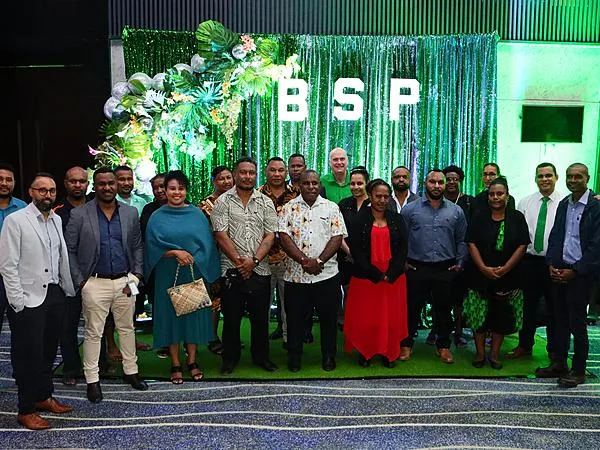
More than 600 small businesses across the South Pacific, including 402 in Papua New Guinea, have benefited from the YES GROW Business Development Training programme, a flagship partnership between BSP Financial Group Limited and Australian Business Volunteers (ABV).

The milestone was marked on Wednesday, 4 February, 2026, with the graduation of the 2025 YES GROW cohort, celebrating 19 Papua New Guinean entrepreneurs who successfully completed the six-month business development programme.

The YES GROW (Your Enterprise Scheme) programme begins with an intensive week of business training, followed by personalised coaching and mentoring designed to strengthen participants’ commercial capability, resilience and long-term business vision.

BSP Group Chief Executive Officer Mark Robinson said the initiative has supported 602 small businesses across the South Pacific.

“This brings alive BSP’s purpose — to champion prosperity in the South Pacific — by developing business skills that directly create employment and change lives. While much attention is placed on large-scale projects in PNG, small and medium-sized businesses are the lifeblood of the economy and deserve equal focus and support. This is one of the key reasons BSP launched its dedicated Business Bank in April last year,” Robinson said.

Since its inception eight years ago, YES GROW has expanded from Papua New Guinea into BSP markets in Fiji, Samoa and Tonga, with confirmed plans to launch in the Solomon Islands and Vanuatu in 2026.

“It’s incredibly inspiring to see the individuals participating in the programme — both tonight’s graduates and alumni from previous cohorts. YES GROW is more than a training initiative; it is a movement. It builds capability, confidence and community among entrepreneurs, empowering them with the tools they need to succeed,” Robinson added.

BSP also acknowledged the contribution of Australian Business Volunteers, along with the coaches and mentors who deliver the programme across the region.

ABV Chief Partnership Officer David Faulmann said the initiative highlights the determination of local entrepreneurs.

“The YES GROW programme demonstrates the power of committed local business owners, with women and men across PNG showing relentless dedication to building stronger, more resilient enterprises. ABV is proud to partner with BSP on a programme that unlocks opportunity, strengthens communities and proves what’s possible when skills, ambition and the right support come together,” Faulmann said.

Looking ahead, BSP reaffirmed its commitment to the partnership, with four YES GROW training cycles planned this year in Lae, Mt Hagen and Buka, alongside the establishment of a Regional YES GROW Alumni Development Programme across PNG and the Pacific.

February 05, 2026

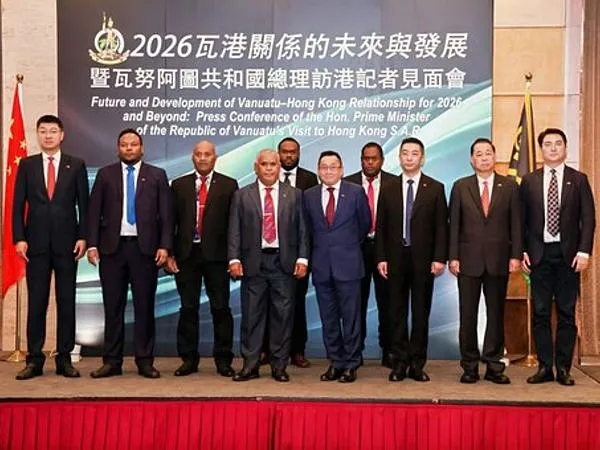
Vanuatu is seeking to elevate its relationship with Hong Kong into a long-term, institutional partnership, following a high-level visit by Prime Minister Jotham Napat Nauka and a senior government delegation.

During the visit, the prime minister convened a conference titled Future and Development of Vanuatu–Hong Kong Relationship for 2026 and Beyond, at which he outlined Vanuatu’s vision for the next phase of engagement with Hong Kong. The visit marked what Vanuatu described as a transition into a new stage of relations characterised by stronger political trust, deeper institutional engagement, enhanced financial cooperation and broader connectivity with capital markets.

The prime minister held meetings with leaders and senior officials of the Hong Kong Special Administrative Region government, including Chief Executive John Lee Ka-chiu, to discuss issues of mutual interest. The discussions took place against the backdrop of continued growth in bilateral trade and expanding prospects for cooperation between the two economies.

Both sides acknowledged that ongoing adjustments in the international environment and deepening regional cooperation have created significant strategic opportunities for closer Vanuatu–Hong Kong relations. There was agreement on the need to raise the level of cooperation, broaden its scope and improve cooperation mechanisms, moving beyond project-based collaboration towards more structured, long-term and institutional arrangements.

Key areas identified for closer coordination included regional affairs, development agendas, participation in international organisations, economic governance, financial regulation and institutional development. Both sides supported the establishment of more stable and regularised frameworks to strengthen communication, coordination and policy dialogue.

Financial cooperation featured prominently in the discussions. The two sides agreed to advance principles of financial parity and mutual recognition of relevant licences, with the aim of developing a medium- to long-term framework covering both traditional financial services and emerging areas such as digital finance. They also expressed support for stronger alignment within regional financial systems and for enhanced intergovernmental communication to provide a more transparent and predictable environment for cross-border business and investment.

Hong Kong’s role as an international financial centre, with established governance frameworks, regulatory experience and capital market expertise aligned with international standards, was highlighted as a key advantage. Vanuatu, in turn, presented itself as a strategically located South Pacific island nation with institutional flexibility and strong regional connectivity potential.

Discussions also covered trade, investment and people-to-people exchanges. Both sides reviewed opportunities to improve trade and investment facilitation, industrial cooperation, tourism development, business exchanges and talent development, with the aim of increasing both the scale and quality of bilateral economic engagement.

There was strong support for Hong Kong and international enterprises to use Hong Kong as a platform to engage with Vanuatu in priority sectors, including infrastructure, renewable energy, the digital economy, financial services, shipping and logistics, the marine economy, modern agriculture and sustainable tourism.

Looking ahead, both sides agreed on the importance of continued consultations and implementation efforts. The focus will be on progressing from traditional project-based cooperation towards collaboration across industrial chains, capital alignment and institutional co-development. Measures to improve mobility for business, investment and professional services personnel, as well as enhanced exchanges among universities, research institutions and professional organisations, were also identified as priorities to strengthen the social and economic foundations of the relationship.

February 03, 2026

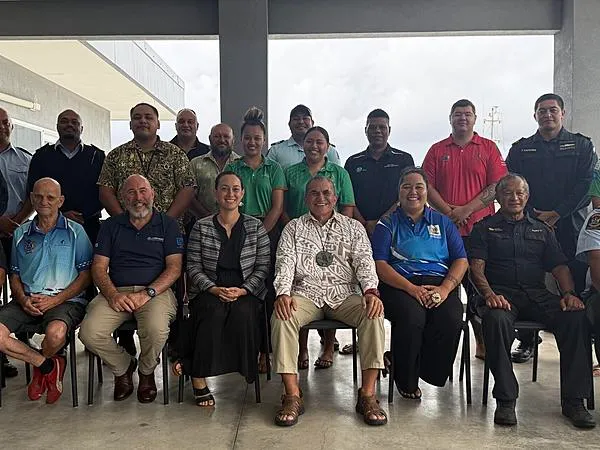
The Government of the Cook Islands in Febuary 2026 officially opened the IORIS Foundational and Leadership Training, a comprehensive two-week programme designed to enhance national maritime security capabilities, strengthen inter-agency coordination, and improve information-sharing across government departments.

Delivered under the European Union-funded CRIMARIO (Critical Maritime Routes Indo-Pacific) project, the training focuses on the use of IORIS—a secure, web-based platform that facilitates real-time coordination and intelligence sharing between national and regional agencies involved in maritime security.

Participation in IORIS reflects the Cook Islands’ commitment to regional security frameworks and declarations that prioritise cooperation, interoperability, and collective responses to transnational maritime threats spanning the Pacific and Indo-Pacific regions. This initiative also directly supports key objectives within the Cook Islands National Security Policy, especially the protection of the country’s expansive Exclusive Economic Zone (EEZ) and strengthening whole-of-government operational coordination.

At the opening ceremony, Chief of Staff of the Office of the Prime Minister, Karopaerangi Ngatoko, underscored the value of modern technology and skills in addressing increasingly complex maritime security challenges.

“This training is a direct investment in our national security capability,” said Ms Ngatoko. “IORIS equips our agencies with contemporary tools and techniques to share information more effectively, coordinate responses swiftly, and keep pace with evolving maritime risks. The Office of the Prime Minister remains firmly committed to supporting our law enforcement partners and stakeholders in safeguarding the Cook Islands EEZ against both internal and external threats. We deeply value partnership, coordination, and readiness, and see this training as a meaningful investment in all three.”

The Cook Islands was first introduced to the IORIS platform in 2023 through training hosted by the Pacific Fusion Centre in Vanuatu. Since then, the Office of the Prime Minister has facilitated the platform’s adoption across nine government agencies, with nineteen registered users nationwide. Additionally, Cook Islands agencies have participated in regional tabletop exercises utilizing IORIS alongside partners from the Pacific and Latin America.

The current Foundational and Leadership courses aim to develop advanced users and national administrators, enabling Cook Islands agencies to manage country-specific coordination areas within IORIS and provide ongoing technical support to users.

The Government expressed appreciation for the continued support of the CRIMARIO project, which has provided the IORIS platform to the Cook Islands at no cost, along with sustained training and technical assistance through the IORIS Instructor and Pacific Lead role.

Special thanks were extended to the Cook Islands Police Service and Customs Service for co-hosting the training sessions, as well as to the Heads of Agencies who nominated participants for the programme.

This training reinforces the Cook Islands’ dedication to collaborative governance and regional partnerships aimed at safeguarding maritime security and protecting the nation’s vital interests in the Indo-Pacific.

January 29, 2026

Technology and communications specialist TE (PNG) Limited has achieved a national first, receiving Papua New Guinea’s inaugural approval from the National Information and Communications Technology Authority (NICTA) to trial a fixed land OneWeb Low Earth Orbit (LEO) satellite service in Port Moresby. Live testing has now commenced, marking a significant milestone in the evolution of enterprise-grade connectivity across the country.

The approval enables TE PNG to conduct the first fully compliant, in-country OneWeb trial, positioning the company at the forefront of next-generation satellite communications in PNG. The trial is being delivered in partnership with Sat.One, with whom TE PNG has been working since 2022 to introduce OneWeb capabilities to the local market.

Built for Enterprise, Not “Best Effort”

OneWeb operates a global low-Earth-orbit satellite constellation engineered specifically for enterprise and government applications. Unlike consumer-focused LEO services, OneWeb delivers a managed, commercial-grade platform with defined performance profiles, traffic management, and the ability to design resilient, end-to-end enterprise architectures.

Compared to traditional geostationary (GEO) satellite services, OneWeb offers dramatically lower latency and higher responsiveness. More importantly for mission-critical operations, it provides predictability, control, and long-term supportability—attributes essential for sectors such as mining, maritime, aviation, utilities, government, and critical infrastructure, where connectivity reliability is non-negotiable.

Expanding Connectivity Options Across PNG

With NICTA approval now in place, TE PNG is able to design, deploy, and support a broad range of OneWeb solutions nationwide, including:

  • Fixed land OneWeb services for offices, sites, and facilities across Papua New Guinea

  • Mobile land solutions for vehicles and remote operations

  • Maritime OneWeb services for vessels operating within PNG waters

All services will be installed, monitored, and maintained locally by TE PNG as a licensed PNG provider, ensuring compliance, technical accountability, and on-the-ground support.

Industry Collaboration Years in the Making

TE PNG Managing Director Robbie Huxley described the milestone as the culmination of several years of groundwork and collaboration.

“I’ve been working with Sat.One to bring OneWeb services to Papua New Guinea since 2022. It’s incredibly rewarding to now be conducting the first fully fledged, fully approved OneWeb test in-country with the OneWeb team,” Huxley said.

He acknowledged the early foundations laid through previous satellite deployments, including the country’s first use of Kymeta flat-panel antennas for maritime and land-mobile applications using GEO connectivity.

“Daniel Fairbairn and I first met in 2022 to discuss what this could become. That early work laid much of the foundation for what we are doing today,” he said.

More Tools for Better Solutions

Huxley emphasised that OneWeb is not positioned as a replacement for existing services, but as another critical tool in a rapidly diversifying connectivity landscape.

“No single service is a one-size-fits-all answer. OneWeb, like Starlink, Amazon LEO, Intelsat, Digicel, Vodafone, and countless other technologies, simply gives us more options. More options mean we can design the right solution for each customer, rather than forcing every problem into the same box.”

A Step Forward for PNG’s Digital Resilience

The OneWeb trial represents a major step forward for resilient, high-performance connectivity in Papua New Guinea, particularly for organisations operating in remote, mobile, or high-risk environments.

“This is just the beginning,” Huxley said. “The satellite and connectivity landscape is changing rapidly, and we are proud to be part of that change—bringing new technologies and capabilities to PNG so our customers can operate, grow, and connect with confidence.”

As testing progresses in Port Moresby, the trial is expected to inform broader enterprise deployments, reinforcing PNG’s readiness to adopt advanced satellite technologies that support economic growth, national infrastructure, and digital transformation.

January 21, 2026

Fiji has reinforced its regional leadership on climate mobility after hosting representatives from the Government of Palau as part of a peer-to-peer exchange focused on climate mobility and planned relocation.

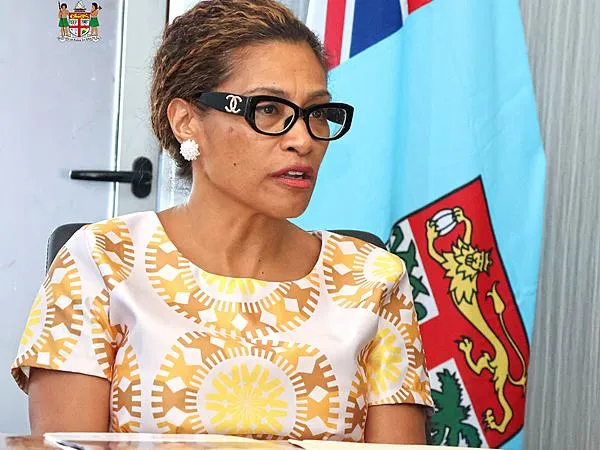
Minister for Environment and Climate Change Lynda Tabuya hosted the delegation on Tuesday in an engagement supported by the International Organization for Migration and the Platform on Disaster Displacement. The exchange focused on practical learning and experience-sharing among Pacific governments confronting climate-related displacement.

The meeting builds on Fiji’s recent peer-to-peer engagement with Bangladesh and follows the endorsement of the Pacific Regional Framework on Climate Mobility Implementation Plan 2025–2030. The plan identifies peer-to-peer learning on planned relocation as a priority action for Pacific Island states.

During the discussions, representatives from Vanuatu and Palau expressed interest in undertaking a one-week learning mission to Fiji to better understand the country’s experience, systems and lessons learned in planned relocation.

Tabuya welcomed the engagement and reaffirmed Fiji’s commitment to working with regional and international partners to strengthen climate mobility responses across the Pacific. She noted that peer-to-peer cooperation enables Pacific nations to learn directly from one another’s experiences, challenges and solutions, reinforcing regional ownership of climate mobility initiatives.

The engagement forms part of ongoing cooperation between Fiji and Palau as Fiji continues to expand collaboration on climate mobility and planned relocation across the region.

The Pacific Regional Framework on Climate Mobility, endorsed at the 52nd Pacific Islands Forum Leaders Meeting in Rarotonga in 2023, provides guidance for Forum governments, communities, non-state actors and partners to support climate-related movement in a culturally appropriate and inclusive manner.

January 16, 2026

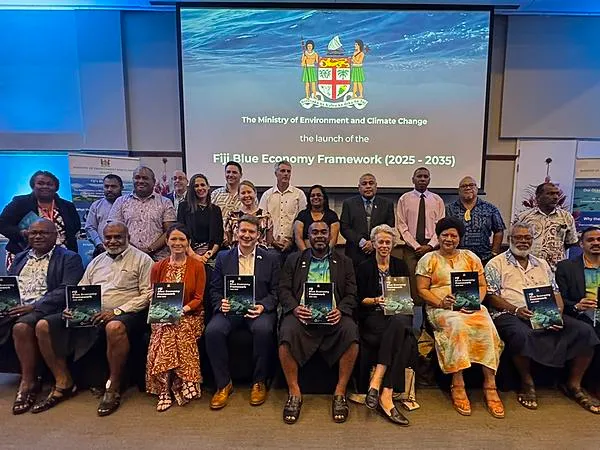
Fiji has taken a major step towards securing a sustainable and resilient ocean future with the official launch of the Fiji Blue Economy Framework 2025–2035, unveiled on January 15 in partnership with the Ministry of Environment and Climate Change and Blue Prosperity Fiji.

The Framework was officially launched by the Minister for Environment and Climate Change, Hon. Mosese Bulitavu, and sets out a clear national direction for ocean-based development, ensuring economic growth is balanced with the protection of marine ecosystems.

In his address, Minister Bulitavu underscored the responsibility of safeguarding Fiji’s natural resources for future generations, drawing on traditional values.

“Na vanua kei na kena iyaubula e isolisoli vei keda. Me da qarava vakamatua me baleti ira na noda kawa mai muri,” he said, which translates to: The land and the living things in it are a gift to us. It belongs to those who come after us. Let us look after this gift wisely.

The minister said the Framework lays a strong foundation for growing Fiji’s ocean economy while protecting the marine environment and delivering long-term benefits to communities.

“This Framework provides a strong foundation for growing Fiji’s ocean economy in a way that protects our marine environment while delivering lasting benefits for communities and future generations,” Bulitavu said.

The launch follows Cabinet’s endorsement of the Fiji Blue Economy Framework 2025–2035, which serves as a strategic roadmap for sustainable ocean-based economic development and inclusive prosperity.

Briefing stakeholders, Permanent Secretary for Environment and Climate Change Dr. Sivendra Michael explained that the Framework is not an action or implementation plan, but a guiding document that outlines key principles and considerations to inform and shape Fiji’s Blue Economy development across sectors.

Developed through extensive and inclusive consultations, the Framework provides overarching policy direction for all national Blue Economy initiatives, while allowing ministries, organisations and sectors to design and implement actions aligned with their respective mandates.

Aligned with Fiji’s National Development Plan, National Ocean Policy and commitments under the Paris Agreement, the Framework aims to sustainably manage 100 per cent of Fiji’s ocean space and fully protect at least 30 per cent by 2030. It also recognises the critical role of communities, women, youth and small enterprises as custodians of Fiji’s Blue Economy vision.

As a Big Ocean State, Fiji’s ocean territory is more than 70 per cent larger than its landmass and supports the livelihoods of nearly 90 per cent of Fijians who live along the coast. The Framework prioritises the protection of marine ecosystems, sustainable fisheries, climate-resilient tourism, renewable ocean energy and conservation-led enterprises.

The Fiji Blue Economy Framework 2025–2035 marks a significant milestone in advancing a fair, resilient and prosperous future through the sustainable use and protection of the country’s ocean resources.

January 14, 2026

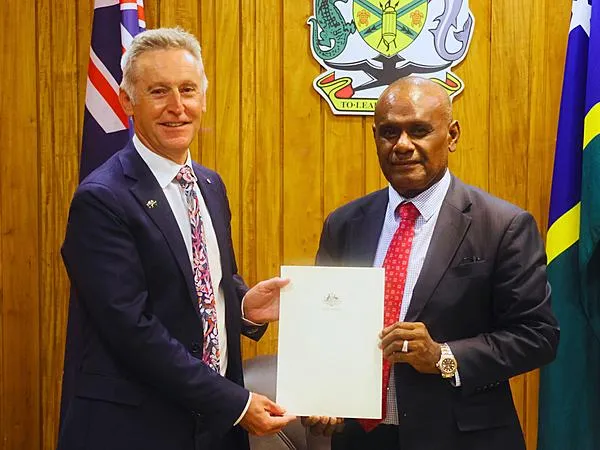
 Prime Minister Jeremiah Manele received Australian High Commissioner-designate Jeff Roach in Honiara on 14 January 2026, formally accepting his letter of introduction and reaffirming the strong partnership between the two countries.

Roach, a senior career officer with the Australian Department of Foreign Affairs and Trade, presented his official credentials along with a personal message from Australian Prime Minister Anthony Albanese. The leaders exchanged views on priority areas for bilateral cooperation, underscoring a shared commitment to a continued, respectful partnership.

Prime Minister Manele welcomed Roach back to Honiara, acknowledging his extensive experience in the Pacific.

Roach has previously led Australian initiatives on the Tuvalu-Australia Falepili Union and the Nauru-Australia Treaty, and has served as High Commissioner to Vanuatu and Deputy Head of Mission to the United Nations in Geneva.

On trade and economic development, the Prime Minister emphasised the importance of cooperation as Solomon Islands prepares to graduate from Least Developed Country (LDC) status in 2027.

“Trade and economic cooperation is very important to Solomon Islands as we move towards LDC graduation, and PACER Plus remains important and critical for our country,” Prime Minister Manele said, noting that a Transition Strategy is already in place to manage the phasing out of special LDC support measures.

The Prime Minister also highlighted the Pacific Australia Labour Mobility (PALM) scheme, which has helped address youth unemployment. He proposed exploring further opportunities in Early Childhood Education, building on the success of Solomon Islanders currently employed in Australia’s aged care sector.

“Solomon Islands appreciates the opportunities for our people under the PALM scheme, and we are looking at further areas for cooperation including Early Childhood Education,” he said.

Prime Minister Manele thanked Australia for its continued support in health, education, policing, and infrastructure, citing projects such as the Tina River Hydro Project and partnerships under the Australian Infrastructure Financing Facility for the Pacific (AIFFP). He also acknowledged the strong “people-to-people links” through sports, church, and education that strengthen the bilateral relationship.

Regional leadership was also discussed, with the Prime Minister noting his role as Chair of the Pacific Islands Forum (PIF).

“As Chair of the Pacific Islands Forum, Solomon Islands will play a crucial role in leading the Pre-COP31 Summit, which will be an important opportunity for Pacific Island countries to present our collective issues,” he said.

Prime Minister Manele concluded by wishing Roach, who has also held postings in France and Laos, every success in his new role, expressing confidence that the relationship between Solomon Islands and Australia would continue to grow.

January 14, 2026

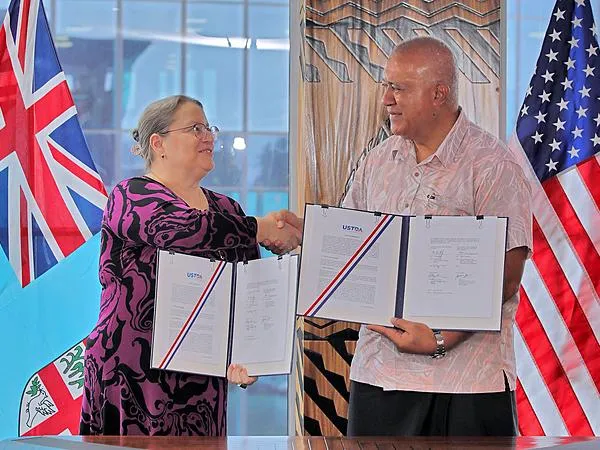
The Ministry of Policing and Communications and the United States Government have formalised a grant agreement on ICT Modernisation Technical Assistance, reinforcing bilateral cooperation to strengthen Fiji’s digital infrastructure and cybersecurity capabilities.

The agreement was formally handed over by the Minister for Policing and Communications, Ioane Naivalurua, together with the outgoing United States Ambassador to Fiji, Marie Damour. Officials from the Ministry and representatives of the United States Trade and Development Agency (USTDA) were also present at the ceremony.

Under the agreement, USTDA will fund a comprehensive technical review of the Government of Fiji’s existing information and communications technology network. The assessment is expected to be completed later this year and will provide recommendations to modernise government ICT systems, improve interoperability and enhance overall network resilience.

Minister Naivalurua acknowledged the support of the United States Government, saying the initiative aligns closely with Fiji’s National Digital Strategy 2025–2030, which aims to position the country as a leading digital economy in the Asia-Pacific region.

“This partnership supports our vision of a modern, secure and inclusive digital Fiji, where government services are efficient, resilient and accessible to all citizens,” Naivalurua said.

He noted that modernising ICT infrastructure is critical not only for service delivery but also for national security, disaster response and economic competitiveness, particularly as Fiji continues to expand e-government services and digital connectivity across outer islands.

The Minister also highlighted progress on the National Cybersecurity and Resilience Strategy, emphasising the Government’s focus on safeguarding public-sector networks, protecting sensitive data and strengthening Fiji’s preparedness against cyber threats.

Ambassador Damour said the grant reflects the United States’ commitment to supporting Fiji’s digital transformation and promoting secure, reliable and transparent ICT systems across the Pacific.

The ICT modernisation initiative is expected to complement ongoing regional efforts to strengthen digital governance, support private-sector innovation and improve connectivity, particularly in underserved and rural communities.

Minister Naivalurua reaffirmed the importance of sustainable international partnerships in advancing Fiji’s digital agenda, saying collaboration with trusted partners is essential to ensuring a secure, reliable and resilient digital future.

“This agreement demonstrates how international cooperation can support long-term national development while strengthening institutional capacity and protecting critical systems,” he said.

January 06, 2026

The Pacific Islands Forum Secretariat has recently released a new annual report outlining regional e-commerce priorities for 2026, aimed at guiding coordinated action and investment across the Pacific’s digital trade ecosystem.

The Pacific E-commerce Priorities Report 2025 draws on three online surveys of members of the Pacific E-commerce Committee and its two sub-committees representing the private sector and development partners. The findings provide a multi-stakeholder view of the most urgent areas for implementation in 2026.

The surveys focused on measures in the Pacific Regional E-commerce Strategy and Roadmap with the lowest levels of implementation, as identified in the strategy’s 2024 monitoring and evaluation report. Of the strategy’s 54 measures, respondents were asked to prioritise action on 31 that remain least advanced.

Key priorities for regional action in 2026 identified by respondents include:

  • Trade facilitation and logistics: Development of regional freight assistance packages to address high shipping costs that continue to constrain Pacific businesses.

  • Electronic payment solutions: Improved interoperability between payment providers and partnerships with major financial institutions to enhance the quality and inclusiveness of digital financial services.

  • Legal and regulatory frameworks: Adoption of UNCITRAL model laws and international e-commerce standards to strengthen trust and cross-border consistency.

  • E-commerce skills development: Training and upskilling for businesses, women entrepreneurs and policymakers to enable broader participation in the digital economy.

  • Access to finance for e-commerce: Support for credit guarantee schemes, innovation grants and alternative financing options for Pacific micro, small and medium-sized enterprises and start-ups.

The report also highlights ongoing initiatives aligned with these priorities, including payment system upgrades in Fiji and Vanuatu, the introduction of e-transaction laws, and the rollout of digital skills programmes. However, it notes that progress has been limited in some critical areas, particularly regional freight assistance.

By identifying areas of agreement among governments, the private sector and development partners, the report is intended to support planning and investment decisions and keep regional efforts aligned with the Pacific’s digital trade transformation goals.

The Pacific E-commerce Priorities Report will be published annually in the fourth quarter to provide an updated assessment of challenges and opportunities in the region’s digital economy. For more information, stakeholders can contact the Pacific Islands Forum Secretariat at ecommerce@forumsec.org
December 17, 2025

The Government of Fiji today launched its first-ever Micro, Small and Medium Enterprise (MSME) Strategic Plan 2025–2030 alongside the National MSME Database, a move aimed at creating a more inclusive, data-driven and resilient MSME sector.

The initiatives are designed to build a stronger, smarter and more connected ecosystem to support entrepreneurs across Fiji, from urban centres to rural and maritime communities. The launch highlighted the Government’s commitment to placing MSMEs at the centre of the country’s economic transformation, backed by partnerships and a clear focus on delivery.

The Minister for Finance, Commerce and Business Development, Hon. Esrom Immanuel, described MSMEs as “the heartbeat of Fiji’s economy” and said the launch of the Strategic Plan and MSME Database would turn national vision into practical action through stronger coordination, improved data and more targeted support.

The Government also acknowledged the United Nations Economic and Social Commission for Asia and the Pacific (ESCAP) for its assistance in developing the MSME Strategic Plan.

By 2030, the Strategic Plan aims to raise MSME contribution to GDP to 40 per cent, narrow the finance gap, and streamline access to essential services and technologies. Key priority areas include data and coordination, co-operative development, regulation, entrepreneurship support, access to finance, market access, and workforce and skills development.

“By prioritising inclusivity, this Strategic Plan ensures that no entrepreneur is left behind—whether they are in remote islands, part of the informal sector, or among Fiji’s vibrant youth- and women-led enterprises. This inclusive approach is not only visionary, but essential for building a truly equitable economy,” said Ms Armida Salsiah Alisjahbana, Under-Secretary-General of the United Nations and Executive Secretary of ESCAP.

MSME Database and Digital Access

Effective 5 January 2026, the National MSME Database, accessible through the MSME Portal (www.msmeportal.gov.fj), will serve as a single online entry point to five major grant programmes administered by the Ministry of Commerce and Business Development.

The integrated digital platform is intended to simplify access to government support and improve service delivery, particularly for women- and youth-led enterprises and MSMEs operating in rural and maritime areas.

“The launch of Fiji’s National MSME Database marks a major step forward in turning strategy into action,” said Ms Munkhtuya Altangerel, Resident Representative of the UNDP Pacific Office in Fiji.

Focus on Implementation

The Permanent Secretary for the Ministry of Commerce and Business Development, Mr Shaheen Ali, said the launch marked a shift from planning to delivery.

“We have put in place the systems needed to translate policy intent into practical support that MSMEs can actually use. The Strategic Plan provides clear direction, while the MSME Database gives us a practical tool to deliver support in a more coordinated, transparent and data-driven way,” Mr Ali said.

“Our focus now is on implementation—ensuring that grants, services and support reach MSMEs efficiently, particularly women- and youth-led enterprises and those operating in rural and maritime areas. That is where these reforms will make a real difference.”

Partnerships and Acknowledgements

The Government also recognised the Pacific Digital Economy Programme and the Solevaka Development Accelerator Project, jointly implemented by the United Nations Development Programme (UNDP), the United Nations Capital Development Fund (UNCDF) and UN Trade and Development (UNCTAD), with support from the governments of Australia, New Zealand and the European Union.

Minister Immanuel expressed gratitude to development partners, industry leaders and MSME representatives for their contributions, noting that their insights helped ensure that both the Strategic Plan and the MSME Database reflect the real needs of Fijian entrepreneurs.

“With a shared vision and unity of purpose, the Government is confident that these initiatives will play a central role in building a more prosperous, inclusive and resilient Fiji," Immanuel said.
December 11, 2025

At its weekly session on 10 December, the Government of New Caledonia approved a bill designed to promote economic attractiveness and modernise administrative and economic procedures.

The legislation aims to restore trust between the administration and companies through measures that promote transparency, strengthen legal security, and improve administrative efficiency. Key provisions include:

  • If the administration does not respond to a request within two months, it will be deemed accepted.

  • Mistakes made in good faith by economic operators will no longer be treated as fraud.

  • Administrative bodies will be required to share information already provided by users, reducing repetitive submissions under the “Tell us once” principle.

The draft law also seeks to create a more competitive environment in line with international standards by introducing two fully digital services:

  1. A unique register of companies (RUE), replacing multiple existing registers such as RCS and RIDET.

  2. A one-stop digital enterprise (GUE), a centralised portal for all corporate formalities.

To further simplify processes, the government proposes easing legal publications and streamlining corporate tax and social contributions.

“It is a real priority for the government to be able to simplify the lives of businesses in New Caledonia,” said Christopher Gygès, member of the government for economy, budget and finance.

“The unique register of companies will, among other things, significantly reduce the time needed to establish a company, from three months today to one day, and allow the various steps to be completed online. We have also removed numerous unnecessary administrative procedures that weigh on the economy and the entrepreneurial capacity of Caledonians," Gygès said.

The bill also aims to facilitate and secure electronic transactions by removing obstacles to digitalisation, simplifying procedures, and modernising the legal value of electronic documents.

This drive for administrative simplification and modernisation is intended to promote enterprise development, employment, and wealth creation. “This simplification should allow for more agility in the economy and therefore foster growth,” Gygès concluded.