December 11, 2025

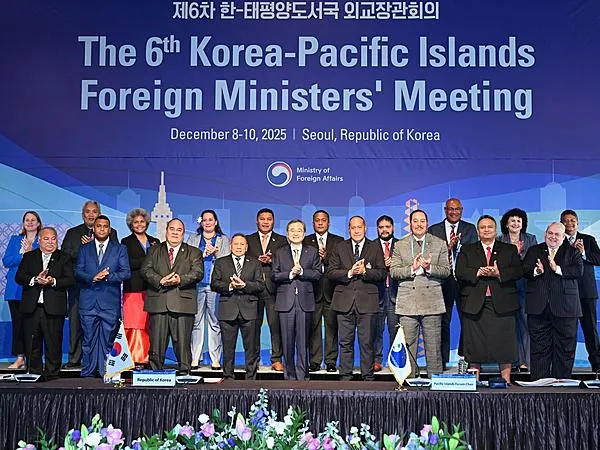
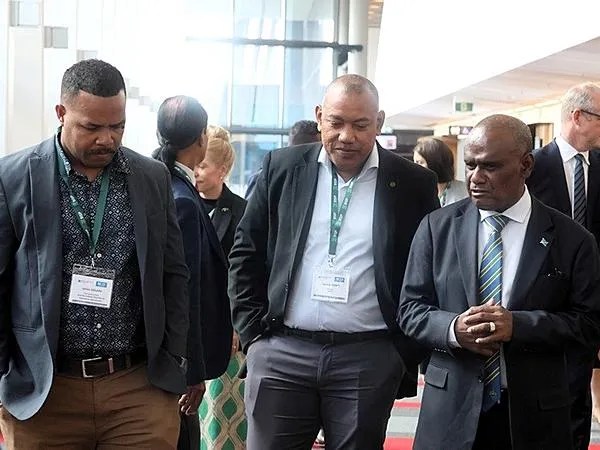
Pacific Islands Forum (PIF) Foreign Ministers concluded the 6th Korea–Pacific Islands Foreign Ministers Meeting in Seoul, held from 8–9 December, reaffirming their commitment to deepening cooperation under the theme “Partnerships for a Resilient, Peaceful, and Prosperous Pacific.” This marked the first Korea–Pacific Islands Foreign Ministers Meeting to include all Forum members, reinforcing the One Blue Pacific Principles of unity and solidarity as outlined in the Blue Pacific Principles for Dialogue and Engagement and the 2050 Strategy for the Blue Pacific Continent.

The biennial discussions, aimed at strengthening political dialogue and partnership, were co-chaired by the Foreign Minister of the Republic of Korea, Cho Hyun, and the Foreign Minister of Solomon Islands, Peter Shanel Agovaka. A PIF Secretariat delegation led by Secretary General Baron Divavesi Waqa supported the regional ministerial delegation.

The meeting was also attended by the Crown Prince of Tonga Tupoutoʻa ʻUlukalala, the President of New Caledonia Alcide Ponga, the Prime Minister of Niue Dalton Talelagi, and Samoa’s Deputy Prime Minister Toelupe Poumulinuku Onesemo.

A joint statement released at the end of the meeting welcomed the continued elevation of Korea–PIF relations, including Korea’s support for the 2050 Strategy for the Blue Pacific Continent, as well as its focus on inclusive development, trade and investment, and regional solidarity.

Peter Shanel Agovaka, in his opening remarks, highlighted that the partnership between Korea and the PIF is grounded in shared values and a commitment to the well-being of the region’s peoples.

“Our partnership is strengthened when it aligns with Pacific-led mechanisms, and today’s outcomes reflect our shared commitment to safeguarding our ocean, our resources, and the stability of our region,” said Agovaka.

Korea’s Foreign Minister Cho Hyun reflected on the spirit of solidarity within the Pacific Islands Forum and how it guides Korea’s partnership with the region.

“Korea will keep convening our consultative mechanisms including the Foreign Ministers Meeting and the Senior Officials Meeting to build a more structured framework for collaboration, the Pacific must remain an arena of coexistence, harmony and cooperation,” Cho said in his opening remarks.

Korea reaffirmed its recognition of the Pacific Islands Forum as the region’s premier political body, acknowledged the outcomes of the 54th PIF Leaders Meeting in Honiara in September, and welcomed key regional achievements, including the establishment of the Pacific Resilience Facility (PRF), the Blue Pacific Ocean of Peace declaration, and progress on the Leaders’ Policy on Partnerships. Korea also expressed its commitment to advancing cooperation in technology and innovation, strengthening regional security, and announced its intention to contribute to the PRF next year.

On climate leadership, Forum Ministers stressed the urgency of global action and welcomed Korea’s strong engagement on the climate agenda. They expressed support for continued ambition aligned with the 1.5°C pathway and noted Korea’s announcement of its 2035 Nationally Determined Contribution (NDC).

Forum Ministers reaffirmed the importance of sustainable ocean governance and acknowledged Korea’s constructive role at the Western and Central Pacific Fisheries Commission (WCPFC). They commended Korea’s support for combating illegal, unreported, and unregulated (IUU) fishing, including initiatives delivered through the Korea–PIF Cooperation Fund, and emphasised the need for ongoing alignment with Pacific-led mechanisms.

Ministers committed to deepening cultural and people-to-people exchanges and strengthening cooperation to support innovation, digital connectivity, and trade.

The PIF Ministers welcomed Korea’s initiative to co-host the 4th United Nations Ocean Conference with Chile in 2028, recognising this as a significant opportunity to amplify Pacific leadership and drive greater global investment and action to safeguard the ocean.

The first Korea–Pacific Islands Foreign Ministers meeting was held in 2011, with the next meeting scheduled for 2027.

December 08, 2025

The Solomon Islands Chamber of Commerce and Industry (SICCI) today commended the significant national progress outlined by Prime Minister Jeremiah Manele, welcoming the strategic focus on transformative infrastructure, economic partnerships, and a growth-oriented national budget.

SICCI, the peak body representing the private sector, views these developments as critical steps toward improving the business environment, driving investment, and creating sustainable economic opportunities for all Solomon Islanders.

Submarine Cable to Unleash Digital Economy Potential

SICCI heralds the formal launch of the SBD 572 million Adamasia submarine cable project as a landmark achievement. This vital second international internet gateway addresses a long-standing priority for the business community.

SICCI views reliable, high-speed, and affordable connectivity as the backbone of a modern economy.

This investment is a game-changer. It will boost digital resilience, lower costs for businesses, enhance global competitiveness, and unlock new opportunities in sectors such as IT, finance, and education. SICCI commends the government and its partners for this strategic infrastructure leap.

Infrastructure Updates Lay Foundation for Growth

SICCI welcomes the concrete progress on provincial infrastructure, seeing it as essential for inclusive development. The new Noro Data Centre strengthens national cybersecurity—a growing concern for businesses—and supports digital transformation.

The upgraded policing and fisheries monitoring facilities in Western Province contribute to a more secure and well-regulated operating environment, and the major investments in health facilities in Isabel Province are crucial for workforce well-being and productivity in regional centres.

The transfer of a 20% share in Kolombangara Forest Products Limited to landowners is also noted as a positive step toward equitable participation and sustainable resource management.

Budget 2026: A Welcome Focus on Economic Transformation

SICCI strongly endorses the theme of the upcoming 2026 National Budget, “Accelerating Economic Transformation.” The chamber agrees that resourcing growth and sustainable development must be the nation’s paramount focus.

“SICCI is encouraged by the budget’s guiding objectives, particularly promoting transformative growth, improving service delivery, and safeguarding fiscal stability,” Mr. Dolarii stated.

“A stable and affordable budget that prioritizes quality spending on enabling infrastructure is exactly what the private sector needs to expand and create jobs. We look forward to engaging on the details to ensure the budget effectively supports business-led growth,” the Chamber stated.

Strengthened Ties Key to Investment and Confidence

SICCI views the Prime Minister’s active engagement at the 14th Australia-Solomon Islands Business Forum and subsequent high-level bilateral meetings as highly positive. Strengthening economic and regional cooperation is fundamental to attracting foreign direct investment, transferring skills, and accessing new markets.

“The outcomes from Brisbane, especially the launch of the cable project, demonstrate the tangible benefits of strong partnerships. Continued dialogue between government and the business community, both domestic and international, is essential to convert these discussions into lasting investments,” SICCI CEO Dolarii stated.

Call for Continued Dialogue and Swift Audit Resolution

While celebrating these announcements, SICCI reiterates the importance of transparency and accountability as cornerstones of a robust investment climate. The chamber notes the Prime Minister’s upcoming meeting on the 2023 Pacific Games audit and urges a swift and conclusive resolution to maintain public and investor confidence.

SICCI stands ready to work collaboratively with the government to ensure these promising developments translate into a more prosperous, resilient, and business-friendly Solomon Islands.

December 08, 2025

E-commerce is a key priority under the Pacific Aid-for-Trade Strategy, recognised for its potential to reduce trade costs, connect markets, and support economic diversification across the region. In 2021, Forum Trade Ministers tasked the Pacific Islands Forum Secretariat (PIFS) with coordinating the implementation of the Pacific Regional E-commerce Strategy and Roadmap.

To support this work, PIFS launched the ePulse programme in 2025. The programme includes an M&E system that helps countries track progress on their national e-commerce strategies, training on how to use the system, and ongoing technical assistance from PIFS and IT partners.

Tonga is the first country to complete the training component of ePulse. Ms Kathleen Walters from the Ministry of Trade and Economic Development spent more than two weeks in Suva working with the PIFS E-commerce Unit to learn the governance framework, methodology and online monitoring system. With the Tonga National E-commerce Strategy and Roadmap now uploaded onto the platform, Tonga can begin tracking its implementation progress.

The ePulse program is possible because national e-commerce strategies follow the same methodology as the regional one. ePulse is based on the M&E framework created for the regional strategy and provides a practical, ready-made monitoring tool, removing the need for countries to develop their own systems or invest in new platforms. It is a clear example of how regional cooperation can reduce duplication and save resources.

PIFS welcomes new participants. Countries are eligible if they have an approved national e-commerce strategy and a designated M&E officer. Interested countries can join by submitting a formal letter to PIFS.

The ePulse programme is supported by Australia. PIFS will continue to provide technical guidance and system maintenance to ensure the platform remains a useful tool for national monitoring and looks forward to more Forum Island Countries joining in 2026.
December 02, 2025

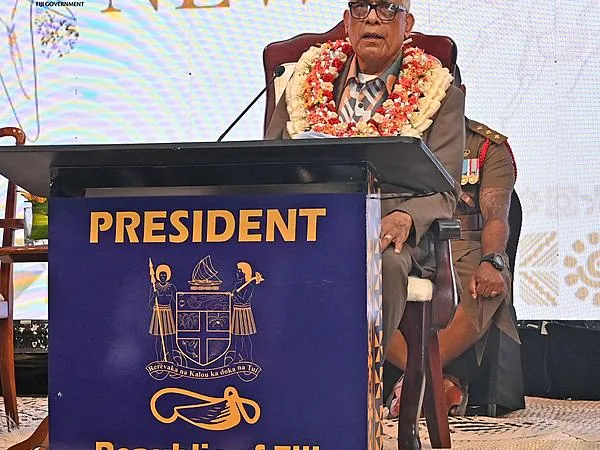
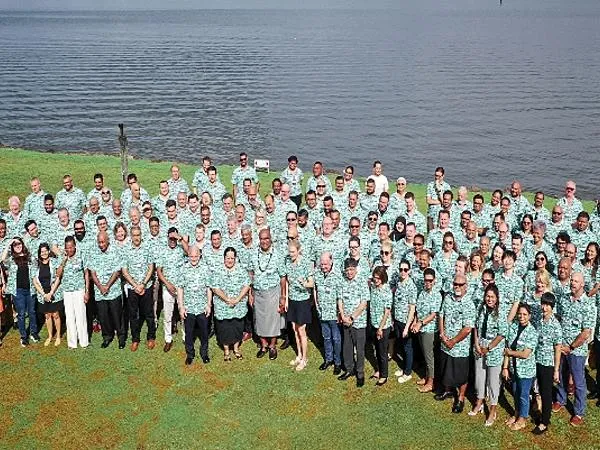
The President of the Republic of Fiji, His Excellency Ratu Naiqama Lalabalavu, unveiled the country’s new polymer banknote series today at the Grand Pacific Hotel.

The launch was attended by Prime Minister Hon. Sitiveni Rabuka, cabinet ministers, members of Parliament, the diplomatic corps, and representatives from the private sector.

President Lalabalavu highlighted that the nation’s currency is more than just a medium of exchange. “Today, we celebrate progress, prosperity, and unity as Fiji introduces a complete family of polymer banknotes for the first time,” he said.

The new series maintains the primary colours of existing notes while introducing updated designs reflecting Fiji’s national identity, heritage, and values:

  • $5 – The endangered Vonu Dina (green turtle), Fiji’s only herbivorous sea turtle.

  • $10 – Children planting mangroves, highlighting their role in climate mitigation.

  • $20 – The Reserve Bank of Fiji building, a landmark representing economic stewardship.

  • $50 – A Girmitiya lady and the vessel Leonidas, honouring the Girmitiya community’s contribution to national development.

  • $100 – An i-Taukei gentleman holding a bowl of yaqona, celebrating the Yaqona Vakaturaga Ceremony.

The President emphasised the security and sustainability features of the new polymer notes. “The polymer banknotes are layered with a combination of overt and covert security features, creating distinctive points for authentication. This makes them significantly more difficult to counterfeit compared to paper notes.”

“Globally, polymer banknotes have supported central banks’ sustainability efforts by reducing the volume of notes required, resulting in less waste for disposal. Each polymer banknote carries a vastly lower carbon footprint and is considered more environmentally friendly than paper or hybrid substrates,” he said.

He also highlighted local environmental efforts. “The Reserve Bank has further offset emissions through a community project providing solar energy to 24 homes and the village hall in Nakida, Naitasiri Province.”

President Lalabalavu acknowledged the Reserve Bank of Fiji and its team, as well as Crane Currency of Malta for their technical expertise in designing and producing the new banknotes. He praised the Bank’s economic management, noting robust financial systems, controlled inflation, and near-record levels of foreign reserves.

“Today, we celebrate not just the new designs, but the strength of the Fiji dollar and our economy,” he said.

Governor of the Reserve Bank of Fiji, Ariff Ali, underlined the Bank’s commitment to environmental responsibility, revealing that emissions from production of the new notes have been offset and that the RBF is exploring recycling opportunities throughout the cash cycle.

The launch also marks Fiji’s first collaboration with Crane Currency, a global banknote manufacturer with over 200 years of expertise. Governor Ali noted that Fiji’s coins are unlikely to undergo a review before 2030 due to their durability and lower counterfeiting risk.

The new polymer banknote series represents a historic milestone in Fiji’s financial history, combining innovation, national pride, and sustainability.

November 26, 2025

Fiji’s resurgent economy and widening investment prospects took centre stage as Australian and Fijian business and government leaders gathered on the Gold Coast for the 29th Australia–Fiji Business Forum from 22 to 24 October 2025. Hosted by the Australia Fiji Business Council in partnership with the Fiji Australia Business Council, the annual forum remains the premier platform for dialogue on bilateral trade and investment.

The three-day programme opened with remarks from Zane Yoshida, President of the Australia Fiji Business Council, setting the tone for discussions focused on growth, resilience and deeper regional collaboration. Keynote addresses followed from Hon Manoa Kamikamica, Fiji’s Deputy Prime Minister and Minister for Trade, SMEs and Communications, alongside senior representatives of the Australian Government.

Justin Smirk, Pacific Economist at Westpac, provided an overview of Fiji’s economic outlook, framing the country’s recovery within broader regional trends. Panellists Saud Minam of the Asian Development Bank, Kelera Cavuilati of the Market Development Facility and Kamal Chetty of Investment Fiji offered insights into private-sector performance and investment promotion outcomes.

Sector-focused sessions explored emerging opportunities in business process outsourcing, led by Josefa Wivou of Outsource Fiji and Lisa Apted of KPMG Fiji, and in agricultural exports, with contributions from Hon Tomasi Tunabuna, Avi Rebera of the Australian Office of Drug Control and Zane Yoshida of The Calmer Co. Infrastructure, sustainability and digitalisation featured strongly on day two, with senior executives from Fiji Ports Corporation, Energy Fiji Limited, the Water Authority of Fiji and the Fiji Roads Authority outlining major projects and long-term development pipelines.

The programme also included discussions on green climate financing led by Professor Paul Dargusch of Monash Business School, and on trade facilitation with Tim Houghton of Austrade and Tim Martin of PTI Australia. A closing session on sports diplomacy highlighted its potential as a growing economic driver.

Across all sessions, delegates emphasised that Australia and Fiji increasingly view each other “not only as commercial partners, but as part of a closely connected Pacific community linked by cultural ties, labour mobility, sport and education exchange.”

Forum discussions underscored opportunities in infrastructure, tourism, agriculture, renewable energy, outsourcing and financial services. Speakers noted that improved air and sea connectivity — including new Cairns–Nadi services — is strengthening supply chains and supporting mobility for businesses and travellers.

While global economic conditions remain challenging due to supply-chain disruptions, elevated borrowing costs and geopolitical realignment, delegates said these pressures are also creating space for strategic repositioning. Fiji’s tourism sector continues to perform strongly, and high-value exports such as processed agricultural products and Pacific wellness goods are gaining traction.

Financial inclusion remained a central theme, with speakers highlighting the importance of improving access to capital for MSMEs, women-led enterprises and community-based businesses. Initiatives focused on financial literacy, advisory support and enterprise growth are helping broaden economic participation and strengthen household resilience.

Infrastructure investment and the clean-energy transition were identified as critical to long-term competitiveness. Delegates pointed to opportunities in renewable generation, water and wastewater upgrades, tourism infrastructure and technology-enabled services, stressing the need for stronger project preparation, clearer regulations and contractor capability to accelerate delivery.

With its mix of plenary sessions, networking events and informal exchanges, this year’s forum offered rare access to decision-makers shaping Fiji’s next decade of economic development. Looking ahead, participants signalled a shared intent to translate strong diplomatic and cultural ties into deeper private-sector collaboration, climate-ready infrastructure and expanded trade and skills pathways.

Coordinated action between government, business and development partners, delegates said, will be essential to ensuring that progress is “sustainable and widely shared.”

November 25, 2025

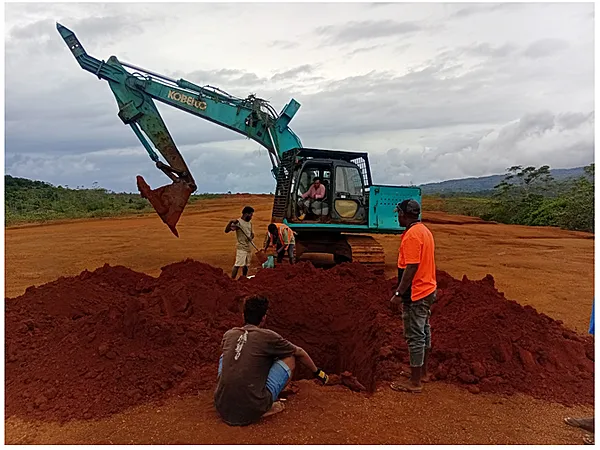
The Solomon Islands government has taken a key step towards enhancing connectivity in the country’s remote eastern islands with the completion of community consultations and preliminary site surveying for a proposed Greenfield Airport on Vanikoro Island, Temotu Province.

From 9–30 October 2025, an official team led by the Ministry of Communication and Aviation (MCA), in collaboration with the Ministries of Infrastructure Development, Lands, Housing and Survey, Forestry, and Agriculture, conducted extensive consultations and technical assessments on a designated land area known locally as the Desert Land — the proposed site for the airport.

Upon arrival in Temotu Province, the delegation paid a courtesy call to the Provincial Office, where senior staff and Honourable members of the Provincial Assembly welcomed them. MCA Deputy Secretary Luke Mua, who led the mission, highlighted the significance of the project:

“The proposed Greenfield Airport at Vanikoro represents a transformative opportunity for Temotu Province. It will open new pathways for economic growth, enhance access to air transport services and strengthen the integration of remote communities into the national economy.”

He further explained the strategic value of the project: “One of the fundamental development priorities of the Ministry of Communication and Aviation is to connect and bridge our islands together."

"The proposed Vanikoro Greenfield Airport is a strategic investment that will contribute to this connectivity and accessibility. Such airport infrastructure will enable fast, efficient and safe travel for both people and goods, and offer vital support for education and medical services and even disaster relief. It will support tourism, foster economic growth, and provide access to air transport services for remote communities, in particular those of Temotu Vatud Constituency.”

Local leaders welcome initiative

Honourable John Fenua, Provincial Member for Anuta Ward, welcomed the government’s initiative, noting that previous proposals had not been realised.

“We welcome this project as it represents a significant step forward for Temotu Province. The initiative of developing an airport on Vanikoro Island was long known about but never delivered. Now that the current national government, through the Ministry of Communication and Aviation, has shown the effort and seriousness of implementing this airport infrastructure, it indicates that our people’s voices are heard. We look forward to continued collaboration as the project progresses.”

Community engagement and site assessments

The team held inclusive dialogues with local chiefs, elders, landowners, women, youth, and children across communities including Paiu, Emua, Muravai, Buma, Lavaka, and Lale. Discussions focused on the socio-economic benefits of the airport and addressed community concerns.

Technical officers conducted preliminary site surveys, assessing land suitability, environmental considerations, and infrastructure requirements. Soil testing, including Dynamic Cone Penetration (DCP) assessments and laboratory analysis of extracted soil samples, provided critical data on soil strength, density, and bearing capacity — key factors for airport construction.

Improving connectivity and economic opportunities

The proposed Greenfield Airport is expected to improve travel safety, reliability, and efficiency, particularly for the residents of Vanikoro Island and neighbouring islands in Temotu Vatud Constituency. Presently, travel relies on open boat marine (OBM) transport, which can be hazardous due to harsh weather conditions and high fuel costs. The airport is also seen as a catalyst for tourism and broader economic growth in the region.

The Ministry of Communication and Aviation reaffirmed its commitment to developing the airport sustainably, inclusively, and in a manner that benefits local communities while strengthening regional connectivity.


The Vanikoro Greenfield Airport is a government-led initiative aimed at improving air transport access for remote islands in Temotu Province, supporting tourism, trade, education, and emergency services, while providing safer, more reliable travel options for local communities.

November 25, 2025

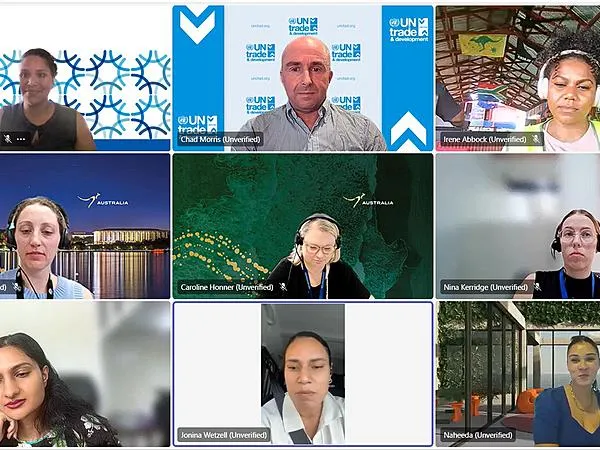
Outstanding women entrepreneurs from across the Pacific and Timor-Leste are among 22 high-potential participants selected for the prestigious UN Conference on Trade and Development (UNCTAD) eTrade for Women Masterclass, organised with the Economic Research Institute for ASEAN and East Asia (ERIA) and held from 18–21 November in Manila. The programme is designed to equip women-led businesses with practical digital skills to strengthen their ventures and unlock new trade opportunities within and beyond the Blue Pacific.

The four-day Masterclass focuses on core areas essential for modern business growth, including building strong brands and effective online marketing, using customer insights to guide decision-making, scaling businesses on limited budgets, navigating cross-border trade, learning from successful digital companies, understanding intellectual property, and cultivating leadership and peer support networks across the region.

This year’s cohort from the Pacific and Timor-Leste includes:

  1. Marianna Ellingson (PNG) – AIDAN Limited

  2. Shenal Harakh (Fiji) – Sunset Studio

  3. Naheeda Maqbool (Fiji) – ZONAH UNITED

  4. Flora Brytes (Timor-Leste) – TimorGetaway

  5. Irene Abbock (Vanuatu) – Tidy Haus Cleaners & Babysitting Service

Fijian participant Naheeda Maqbool said the Masterclass provided a profound learning experience. “Representing Fiji at the UNCTAD eTrade for Women Masterclass in Manila was a transformative experience. It elevated Fiji’s presence on an international platform and strengthened my mission to advance agriculture trade and community-driven exports. The knowledge, digital tools, and powerful network of remarkable women leaders from across Asia have opened new pathways for collaboration, visibility, and growth—not just for me, but for the all rural women farmers of Fiji who are supported under ZONAH UNITED whose products and dreams I carry with me.”

These entrepreneurs are already driving positive change in their communities and industries. Their participation is supported by UNCTAD, Australia, and the Pacific Islands Forum Secretariat (PIFS).

PIFS Acting Director of Programmes and Initiatives Denton Rarawa said, “The Masterclass complements our PIFS E-Biz Plus Program, through initiatives like these, the Pacific Regional E-commerce Strategy and Roadmap continue to advance practical pathways to bridge gender gaps in digital trade, ensuring Pacific women are active and influential contributors to the Blue Pacific’s growing trade landscape as envisioned in the 2050 Strategy.”

The eTrade for Women initiative, led by UNCTAD, empowers women digital entrepreneurs in developing and least developed countries through leadership training, peer learning, and access to global e-commerce networks.

November 20, 2025

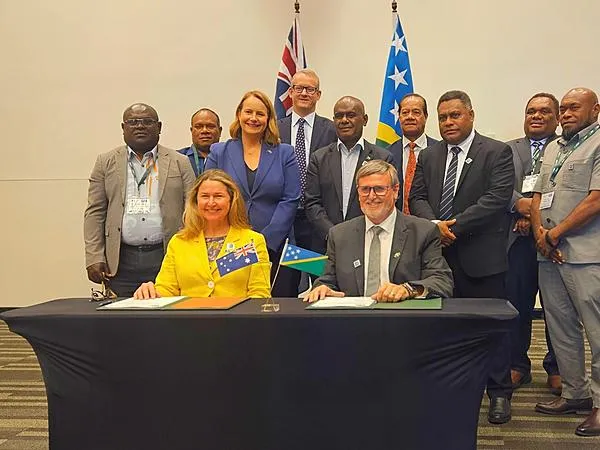
The Solomon Islands Government welcomed the official launch of the Adamasia Submarine Cable Project, a major step forward in strengthening the nation’s digital connectivity and resilience. The launch was witnessed by Prime Minister Jeremiah Manele at the margins of the 14th Australia–Solomon Islands Business Forum in Brisbane.

The Adamasia Cable will provide essential support to the existing Coral Sea Cable, enhancing the resilience of the Solomon Islands’ international fibre optic network. The need for this additional connectivity became clear following the 2023 Coral Sea Cable disruption, which temporarily affected Internet services in the Western Province.

Speaking at the launch, Finance and Treasury Minister Rexson Ramofafia reaffirmed the government’s commitment to leveraging modern digital infrastructure to empower citizens and support sustainable growth across the country.

“The new cable will ensure more reliable and secure connectivity for government services, education, health, tourism, and commercial activities,” Ramofafia said.

The Adamasia Cable is being delivered through a partnership between the Solomon Islands Government, the Solomon Islands Submarine Cable Company, and the Australian Government through the Australian Infrastructure Financing Facility for the Pacific (AIFFP).

With an investment of over $100 million, the project will interconnect with the Bulikula system, part of Google’s Pacific Connect initiative. The Bulikula system links Guam to Fiji, providing an additional international route for data traffic. This ensures the Solomon Islands maintains connectivity even if one cable is impacted, supporting stable access to the global Internet and digital services.

Australia’s Assistant Minister for Pacific Island Affairs, Senator Nita Green, highlighted that Australia’s investment in the Adamasia Cable and other infrastructure across the Pacific reflects a shared commitment to support local communities, drive national development, and strengthen regional connectivity.

Finance Minister Ramofafia thanked the Australian Government for its continued partnership and support in delivering this critical infrastructure, noting that it reflects the strong collaboration between the two countries in advancing digital and economic development in the Solomon Islands.

November 19, 2025

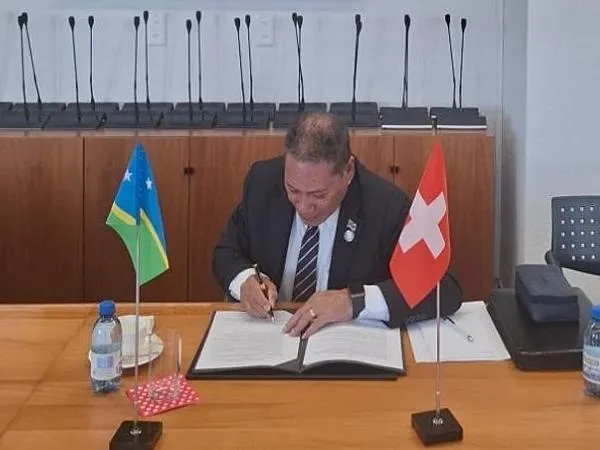
The Solomon Islands will re-open its Embassy and Permanent Mission in Geneva, strengthening diplomatic ties with Switzerland, the United Nations, the World Trade Organization, and other international organizations based in the Swiss city. The move underscores the country’s commitment to increased engagement in multilateral diplomacy and international cooperation.

On November 17, 2025, Foreign Minister Peter Shanel Agovaka signed a Memorandum of Understanding (MOU) with Thomas Gurdier, Deputy Foreign Secretary of the Federal Department of Foreign Affairs of Switzerland, marking the start of the re-establishment process.

The MOU formalizes initial steps toward restoring the Solomon Islands’ diplomatic presence in Geneva. The Embassy and Permanent Mission will serve as a hub for coordinating the country’s engagement with UN agencies, the WTO, and other international organizations, while also promoting trade, sustainable development, and cultural collaboration.

Minister Agovaka highlighted the importance of the milestone, saying, “This reaffirms our enduring friendship and shared commitment to international cooperation.” He also noted Switzerland’s offer of financial and technical assistance in supporting the reopening of the Permanent Mission.

Switzerland welcomed the Solomon Islands’ return, emphasizing the significance of Pacific representation in Geneva. Ambassador Guerber affirmed that Switzerland stands ready to provide support in logistical, administrative, and diplomatic matters during the process.

The Solomon Islands previously maintained a Permanent Mission in Geneva until its closure in 2020 due to budgetary constraints. The re-establishment is expected to begin in the first quarter of 2026, with staffing, office setup, and formal accreditation planned over the coming months.

Minister Agovaka is currently in Geneva representing the Solomon Islands at the Conference of the Parties (COP11) on Tobacco Control, where he is expected to raise regional concerns and strengthen multilateral cooperation on public health and sustainable development.

The reopening of the Mission is seen as a strategic step to boost the Solomon Islands’ voice in global forums, facilitate international partnerships, and enhance the country’s capacity to negotiate on issues ranging from trade and climate change to development financing.

November 17, 2025

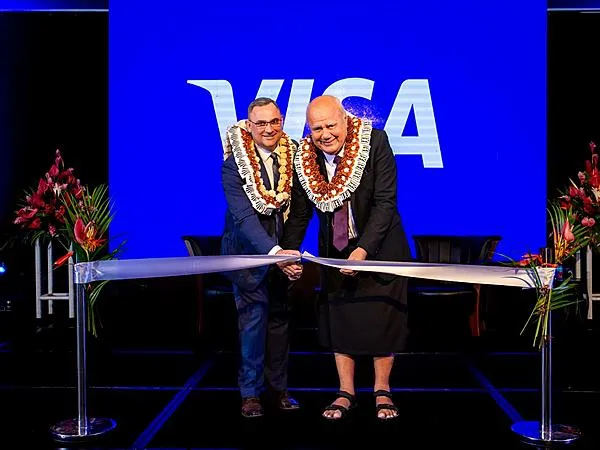
Visa is deepening its presence in the Pacific with the launch of a new regional office in Suva, Fiji, in an investment poised to reshape digital payments and unlock new opportunities for businesses across the Pacific Islands.

The new Fiji hub will strengthen Visa’s ability to support banks, financial service providers, merchants, SMEs, governments and development partners as the region accelerates towards a more connected digital economy.

Visa Country Manager for New Zealand and Pacific Islands, Anthony Watson, said the new office reflects Visa’s long-term commitment to the Pacific and its confidence in the region’s rapid digital transformation.

“We are proud to be establishing a physical presence in the Pacific Islands, which will enable us to better serve our partners and clients in the region,” he said.

“The Pacific Islands are at the forefront of an exciting transformation, with innovation and growth rapidly shaping the digital payments landscape. We’re proud to play a role in this moment, working alongside local businesses to unlock new opportunities that foster sustainable economic growth across the region," he added.

Fiji’s new status as Visa’s Pacific hub is expected to benefit local businesses by improving access to secure, modern payment technologies that support faster transactions, safer customer experiences, and more efficient cross-border trade.

With digital payments growing rapidly in Fiji, driven by rising internet and smartphone usage, Visa’s on-ground presence will give businesses quicker access to technical support, product upgrades, innovation programmes and partnership opportunities.

Tourism operators, retail businesses, small enterprises and exporters across Fiji are expected to gain significantly from enhanced cross-border payment flows and improved global connectivity.

Supporting Digital Growth Across the Pacific

The regional hub is also designed to serve neighbouring Pacific Island countries, strengthening their integration into the global digital economy.

From Papua New Guinea to Samoa, Solomon Islands to Vanuatu, businesses will benefit from:

  • Improved cross-border payment capabilities

  • Greater reliability and security in digital transactions

  • Access to innovation and financial technology solutions

  • Onshore support for banks and financial institutions

  • Partnerships aimed at financial inclusion and digital literacy

Visa’s financial education partnerships in the region—including its collaboration with Good Return—have already shown strong results. Training programmes have boosted financial capability scores from 6.1 to 7.6 out of 10 and increased trust in mobile payments from 62% to 96%. The Fiji office will further expand these initiatives.

Government Welcomes Visa’s Investment

Deputy Prime Minister and Minister for Tourism and Civil Aviation Viliame Gavoka officially opened the new office, acknowledging the positive impact the hub will have on Fiji’s economy and tourism sector.

"We welcome the new Visa office and the commitment to strengthen Fiji's payments landscape, empower local industry, and enable seamless experiences for visitors and locals alike,” Gavoka said.

“I look forward to seeing how this regional hub will further accelerate the momentum we’re seeing across the country, and how new opportunities for innovation will further support economic growth and prosperity," he added.

Fijian rugby star and Visa sponsorship ambassador Jerry Tuwai also attended the launch event, sharing his experience and role in promoting financial education and empowerment.

As global payment systems evolve, Visa’s expanded presence in Fiji positions the Pacific Islands to take advantage of emerging trends in e-commerce, digital wallets, tourism-related payments and SME digitalisation.

For many businesses across the Pacific, the new hub marks a major step forward towards modern, secure, and inclusive financial services that support long-term growth.

November 17, 2025

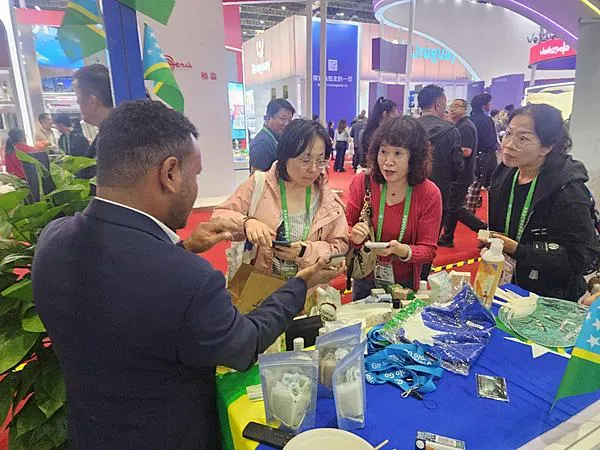
The Solomon Islands’ recent participation at the 8th China International Import Expo (CIIE) 2025, held in Shanghai from 5–10 November, highlights the country’s export potential in the Chinese market.

The expo provides a platform for countries to showcase export products, deepen economic cooperation, and strengthen global market connections.

Led by the Ministry of Commerce, Industry, Labour and Immigration, the Solomon Islands delegation included representatives from the CEMA Cabinet Sub-Committee, SolTuna Limited, and 3M Arts & Crafts.

The mission focused on promoting the Solomon Islands’ export commodities, including cocoa, copra, agricultural products, marine and fisheries goods, and traditional arts and crafts.

Director of the CEMA Cabinet Sub-Committee, Simon Chottu, highlighted the importance of the expo in advancing the national government’s economic transformation and trade development agenda.

“This mission enables us to engage in key trade and investment dialogues, strengthen strategic partnerships, and expand markets for our local producers,” he said.

The Solomon Islands booth showcased high-quality products, including cocoa, copra, seafood, and artisanal crafts. The delegation aimed to increase product visibility, secure new export pathways, and attract investment in value-adding industries.

The team witnessed strong interest and high potential for Solomon Islands products in the Chinese market, with many visitors making direct purchases.

The CIIE served as a strategic platform for the Solomon Islands to elevate its global presence, strengthen trade relations with China, and advance long-term economic transformation.

November 17, 2025

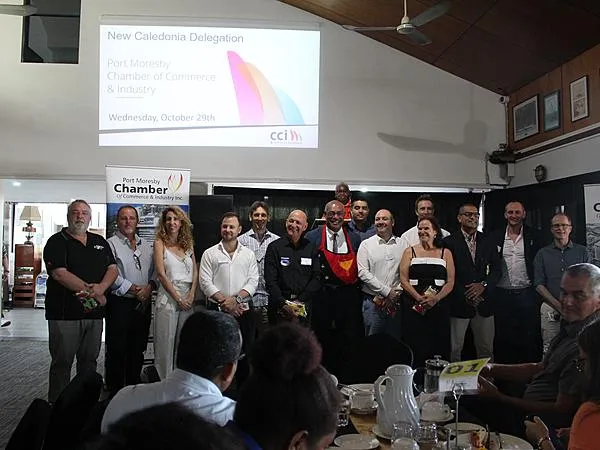
The Port Moresby Chamber of Commerce and Industry (POMCCI) hosted a special Business Breakfast on 29 October, welcoming a high-level trade delegation from New Caledonia. The event, held at the Royal Papua Yacht Club, brought together government leaders, diplomats, and business representatives from both nations to explore new opportunities in mining, industry, training, and sustainable development.

The breakfast was attended by the President of the Government of New Caledonia, Alcide Ponga; the French Ambassador to Papua New Guinea, Pierre Fournier; the European Union Ambassador to PNG, Erika Hasznos; and other members of the diplomatic corps, including the Korean Ambassador,  Choi Jong-ho, and the Fijian High Commissioner,  Jackson Bernardo Evans.

Representing the Chamber of Commerce and Industry of New Caledonia, Christophe Laurent thanked POMCCI for the warm reception and introduced the delegation of 14 New Caledonian companies eager to connect with PNG counterparts.

“People here are very capable in their own specialties,” Laurent said. “We would like to share our talents, find ways to work together, and be part of the Papua New Guinea landscape.”

Laurent emphasized that New Caledonia aims to be more open to the Melanesian world through stronger economic engagement.

“A lot of relationships can be made, and this morning is a great occasion to do so. Nouvelle-Calédonie wants to be more present in the region, and on the economic side, we will play our role,” he added.

French Ambassador Pierre Fournier expressed his appreciation to POMCCI for facilitating the exchange, noting that the mission marked a milestone in strengthening Franco-Pacific partnerships.

“This trip to PNG has been a long time in the making, and it already seems successful,” he remarked.

Fournier shared that the New Caledonian delegation had held a series of productive meetings with the Prime Minister and the Ministers of Foreign Affairs, Mines, Energy, Education, and PNG Ports. “It was important to listen to what our interlocutors had to say, but also to be heard—to remind people that Nouvelle-Calédonie is not just about political challenges but also about its remarkable industrial and economic capacity,” he said.

He underscored that New Caledonia’s diversity and expertise give it the strength to play a greater role in the Pacific. “Enhancing this role is an essential mission for us as diplomatic actors,” he stated. “This country’s potential is unlimited—it requires patience, hard work, and above all, the quality of personal relationships built on trust and genuine friendship.”

Delivering the keynote address, President Alcide Ponga thanked POMCCI and the people of PNG for their warm hospitality. “Your hospitality made this event more relaxing, with plenty of opportunity for discussion,” he said. Ponga noted that the mission was supported by Team France Export and the CCI of New Caledonia, providing a platform for companies to explore regional markets and collaboration.

He highlighted New Caledonia’s commitment to strengthening ties with Papua New Guinea under the Joint Cooperation Plan signed in 2018, which aims to enhance economic and diplomatic cooperation.

“Our mission reaffirms our commitment to this partnership and to identifying new opportunities for mutually beneficial cooperation,” Ponga said.

The New Caledonian delegation comprised companies from sectors including mining, metallurgy, energy, water treatment, transport, industry, and training—each recognised for technical expertise and innovation. “New Caledonia treasures its relations with the global Pacific, of which Papua New Guinea is a key member and brother,” the President remarked, adding that New Caledonia hopes to learn from PNG’s economic success and share its own experiences in return.

Trade Delegation Showcases Pacific Expertise

The New Caledonia Trade Delegation included representatives from a range of industries — from engineering and construction to education, energy, and animal nutrition. Among the participating companies were: AMC Sud (Ateliers Mécanique & Chaudronnerie), Beca, Beico, CIPAC Formation, Connectic System, Easy Skill, EPC Papua New Guinea, GEMCO, i2F Project Finance, Optifluids, SICA, Trametal, and Yaknoo S.A.Y.

Each company brought technical expertise and innovative solutions aligned with PNG’s infrastructure, industrial, and training needs.

Following the speeches at the breakfast meeting, the visiting companies introduced their work. AMC, represented by Vincent Royard, shared insights into the company’s industrial metalworking expertise. AMC operates a 2,000-square-metre workshop in New Caledonia, specialising in mechanical engineering, structural design, and fabrication of industrial equipment such as tanks, pressure vessels, and mechanical parts. Royard also announced the company’s recent expansion into aluminium shipbuilding, emphasising readiness to collaborate with PNG clients in both industrial and marine engineering projects.

Another company, BECA, represented by Frédéric Poujade, outlined its regional engineering capabilities. Poujade described BECA as a multidisciplinary consultancy with over 4,000 professionals across the Asia-Pacific region.

“In industries like mining, energy, power, and manufacturing, our focus is simple—keep people and plants safe, lift uptime, and drive down unit costs,” he said. “Our approach is practical: start fast, prove value quickly, and use that success to make long-term impact.”

Building Bridges in the Blue Pacific

The visit of the New Caledonian delegation to PNG is part of a broader initiative to enhance regional integration within the Blue Pacific, leveraging economic partnerships, shared environmental goals, and cultural ties.

Through business missions like this, France and New Caledonia seek to expand cooperation with PNG, the Pacific’s largest economy, by encouraging collaboration in sectors such as infrastructure, energy, training, and technology.

The French Embassy in PNG described the engagement as a milestone toward building sustainable partnerships that reflect France’s long-standing commitment to the Pacific region, both politically and economically.

The high-level business and economic delegation from New Caledonia—supported by the French Embassy in Papua New Guinea, the French Development Agency (AFD), and Expertise France—brought together senior representatives from New Caledonia’s government, business chambers, and leading private sector companies for a series of engagements with Papua New Guinean counterparts.

According to His Excellency Pierre Fournier, the French Ambassador to Papua New Guinea, the visit demonstrates the renewed momentum in relations between France and Papua New Guinea following the official visit of President Emmanuel Macron in July 2023.

“This mission is a strong signal of our shared commitment to strengthening ties between France, New Caledonia, and Papua New Guinea,” Ambassador Fournier said. “It also contributes to integrating New Caledonia into its regional environment by promoting its know-how and the expertise of its companies.”

France’s Growing Engagement in PNG

The French Embassy in PNG operates as a Poste de Présence Diplomatique (PPD) — a small yet active diplomatic mission made up of three expatriate staff and two local employees. While its focus remains primarily political, the embassy works closely with France’s Regional Economic Service based at the French Embassy in Canberra, which provides economic and trade support.

The embassy also collaborates with France’s Consulate General in Sydney for consular services and with a newly appointed non-resident defence attaché based in Canberra, tasked specifically with military and security cooperation with PNG.

Ambassador Fournier noted that the recent establishment of offices for both AFD (Agence Française de Développement) and Expertise France in Port Moresby—the first and only in the Pacific Islands—underscores the importance France places on its partnership with PNG. These offices, along with the placement of three technical experts in key government departments such as the Department of National Planning and Monitoring, the National Capital District Commission, and the Prime Minister’s Office, highlight France’s long-term commitment to PNG’s development priorities.a

Regional Economic Cooperation and Business Links

The Regional Economic Department, led by Kambiz Mohkam (Head) and Louis Vedel (Deputy Head), operates under the French Treasury and plays a vital role in facilitating trade and investment between France, New Caledonia, Australia, New Zealand, and the Pacific Islands.

This department contributes to developing bilateral economic ties, analysing public policies, conducting market studies, and promoting France as a destination for business partnerships. It also helps French and New Caledonian enterprises identify new opportunities in the Pacific, including in PNG.

The breakfast event included networking opportunities between PNG businesses, corporate representatives, and the visiting companies, fostering new conversations around regional trade and development partnerships.

The POMCCI Business Breakfast once again demonstrated Port Moresby’s growing role as a hub for Pacific economic dialogue, bringing together regional partners committed to collaboration and shared prosperity.

November 10, 2025

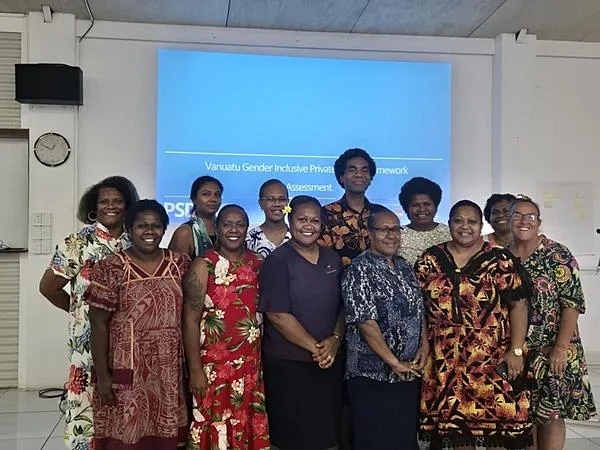
Vanuatu has laid a strong policy foundation for an inclusive private sector that can harness the full potential of women and people with disabilities in driving economic growth, with the focus now on ensuring its effective implementation, according to a new assessment launched yesterday by the Asian Development Bank’s (ADB) Pacific Private Sector Development Initiative (PSDI).

The new report, Unlocking Potential: A Gender-Inclusive Private Sector (GIPS) Framework for the Pacific, Vanuatu Country Assessment, highlights recent progress and identifies priority areas for further reform in Vanuatu across seven categories: leadership, workplace environment, financial inclusion, technology, the business-enabling environment, and participation in key economic sectors.

PSDI hosted a roundtable in Vanuatu yesterday at the Melanesian Hotel to present the findings of the assessment, bringing together representatives from the government, private sector, and civil society. Participants discussed priority actions that the government can take to foster a more inclusive private-sector environment and agreed on next steps and coordination mechanisms.

In her opening remarks at the event, Nancy Wells, ADB’s Principal Country Officer in Vanuatu, said, “We know that economies and businesses grow faster with women’s full economic participation. That’s why inclusive legislation, policies, and programs are so important, as they help unlock the full potential of women and people with disabilities in driving economic growth. The GIPS Framework provides a roadmap to help Vanuatu do just that.”

The Vanuatu assessment is based on PSDI’s GIPS Framework for the Pacific, a regional framework that offers governments a comprehensive roadmap to assess and improve progress towards supporting an inclusive private-sector enabling environment.

“The assessment shows that Vanuatu has already made important progress towards a more inclusive private sector. The government has improved business laws, expanded digital access, included gender measures in its trade policy, and planned for inclusive participation in the workforce of the future,” said the report’s author, PSDI Economic Empowerment of Women Expert Sarah Boxall. “Notably, Vanuatu has laid a strong foundation for the collection of sex- and disability-disaggregated data.”

“Still, many barriers remain, representing missed opportunities to boost economic growth. For example, studies suggest that closing gender gaps in employment could increase gross domestic product over time by over 13 percent in Vanuatu. This would mean higher household incomes and allow more government investment in essential services like healthcare, education, and infrastructure.”

The report finds that Vanuatu has developed comprehensive laws and policies that support gender equality and disability inclusion and has established a strong foundation for sex- and disability-disaggregated data collection. However, stronger coordination and implementation are needed to ensure these commitments translate into tangible gains for women and people with disabilities across all areas of the economy.

The assessment recommends enhancing digital inclusion, finalizing the national action plan on women’s economic empowerment, expanding women’s workforce participation to address labor shortages, and facilitating women’s entrepreneurship through evidence-based policy, programming, and outreach.

PSDI is an ADB technical assistance program undertaken in partnership with the governments of Australia and New Zealand. It supports ADB’s 14 Pacific DMCs in improving the enabling environment for business and achieving inclusive, private-sector-led economic growth, including through reforms designed to enhance the economic empowerment of women.

November 10, 2025

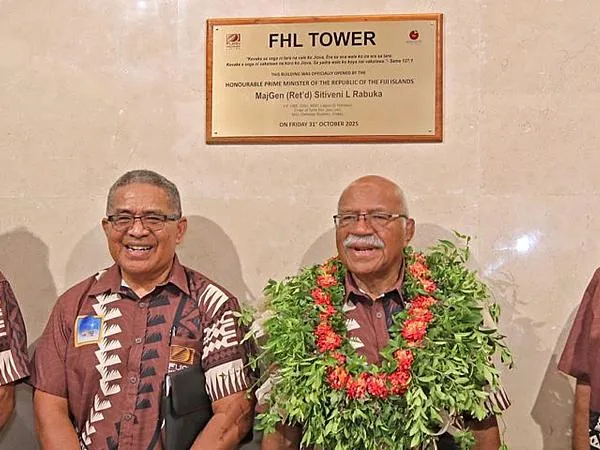
Prime Minister Honourable Sitiveni Rabuka officially opened the multi-million-dollar Fijian Holdings Limited (FHL) Tower, an investment that showcases resilience, vision, and progress for Fiji and the iTaukei community.

The 18-storey tower, located in the heart of Suva, is Fiji’s first green-certified building, designed with 11 environmentally sustainable features, including an integrated energy system, water harvesting, and smart building management technology.

In delivering his remarks, Prime Minister Rabuka commended the FHL Group for its vision and perseverance in completing the multi-million-dollar project despite challenges such as the COVID-19 pandemic.

“FHL stands today as a strong conglomerate with a proven track record. I must thank those pioneers who have dedicated their lives to building a strong foundation for FHL. The contributions of the first Chairman, the late Mr. Lyle Cupit, and the Deputy Chairman, the late Mr. Laisenia Qarase, stood out.

“Their legacy will remain with FHL forever. There are others who have helped as former directors and workers of FHL, and we acknowledge their contributions as we stand on their shoulders today. I believe some former directors and employees are with us this morning, including the first CEO, Mr. Sitiveni Weleilakeba.”

Established in 1984 under the resolution of the Bose Levu Vakaturaga, Fijian Holdings Limited was founded to accelerate iTaukei participation in Fiji’s economy.

From humble beginnings, FHL has grown into one of the nation’s largest conglomerates, with investments spanning construction, finance, tourism, manufacturing, and retail.

As of June 2025, the Group’s total assets stand at $917 million, with projections to exceed $1 billion in the next financial year. The Group employs nearly 2,000 Fijians and contributes around $20 million annually in taxes.

Looking ahead, the Prime Minister highlighted FHL’s $200 million investment pipeline over the next three years—including impact investments with landowners through joint ventures that will unlock local resources and stimulate rural enterprise.

“FHL’s future is defined not only by profit but by purpose,” Prime Minister Rabuka said. “The decision to invest directly with landowners marks a new chapter of inclusive growth for Fiji.”

The FHL Tower will house key tenants including the Asian Development Bank, Bred Bank, United Nations Development Programme, International Monetary Fund, and several diplomatic missions, and is expected to be fully tenanted by mid-2026.

“This Tower is not just a monument to what we have built—it is a reminder that progress is imagined, built, and sustained through faith, effort, and leadership,” the Prime Minister concluded.

November 04, 2025

The Water Authority of Fiji (WAF) marked a transformative year in 2023/2024, extending the reach, reliability, and resilience of the nation’s water services under the leadership of the Coalition Government.

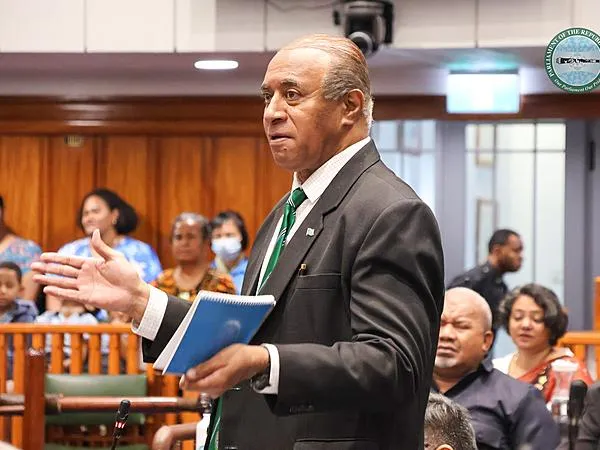
In a ministerial statement to Parliament, Minister for Public Works, Meteorological Services and Transport Hon. Ro Filipe Tuisawau said the financial year saw major milestones in Fiji’s water sector, including the launch of the Water Sector Strategy 2050 — a 30-year roadmap aimed at achieving climate-resilient and sustainable water and wastewater management.

A centrepiece of the year’s achievements was the commissioning of the FJ$270 million (US$122 million) New Viria Water Treatment Plant — one of the largest facilities of its kind in the South Pacific. The project, part of the Rewa River Water Supply Scheme, adds 40 million litres of treated water per day, with capacity to expand to 80 million litres.

It now supplies clean and consistent water to more than 360,000 Fijians across the Suva–Nausori corridor, from Lami to Nausori — significantly improving reliability and reducing service disruptions for households and businesses alike. According to the Water Authority of Fiji website, the Viria project represents a major step towards long-term water security for the capital region.

Minister Tuisawau said the completion of the Viria project demonstrates the Government’s commitment to deliver on Fiji’s constitutional right to safe and clean water. “From the bustling urban centres to the most remote rural settlements, our mission remains the same — to deliver water that sustains life, health, and dignity,” he told Parliament.

Beyond the capital, WAF’s development programme has been equally ambitious. According to the Water Authority website, more than 31 kilometres of new pipelines were laid nationwide during the year, directly benefiting around 47,350 people. Among the rural initiatives was the Vusama and Navisabasaba Village Project in Nadroga — a FJ$3.4 million (US$1.5 million) investment providing first-time water access to 120 households. Ten other rural water schemes were also completed, bringing safe and reliable water to a further 2,905 residents in remote villages.

These efforts were part of a FJ$250.8 million (US$113 million) budget for the 2023/24 financial year — including FJ$132.7 million (US$60 million) in capital expenditure — focused on infrastructure upgrades, sanitation improvements, and expanded service coverage. For 2024/25, the WAF Corporate Plan shows a budget of FJ$259.4 million (US$117 million), with priority given to modernisation, rural expansion, and the implementation of the Water Sector Strategy 2050.

Fiji’s progress in water management has also earned international recognition. The Water Authority was honoured with the Climate Smart Utilities Award 2024 at the International Water Association’s World Water Congress in Canada — an accolade highlighting WAF’s leadership in sustainable and climate-resilient utility management.

However, despite these gains, challenges remain. Local media have reported that some residents living near the new Viria Plant still experience inconsistent water supply despite the project’s commissioning. A February 2025 report by The Fiji Times described how some families in nearby communities continue to rely on rainwater and relatives for drinking water, underscoring the need for continued investment in network connections and maintenance.

According to the Water Authority website, up to 47 per cent of treated water was being lost through leakage and ageing infrastructure. To address this, WAF has strengthened its asset management and maintenance systems and is implementing projects to reduce water loss and improve overall network efficiency.

As of 2024, WAF services more than 772,000 Fijians through approximately 154,000 water connections and 33,000 wastewater connections. Looking ahead, the Authority says its focus will remain on building climate-resilient infrastructure, upgrading rural systems, reducing non-revenue water, and modernising treatment and wastewater facilities in line with the Water Sector Strategy 2050.

Minister Tuisawau said these developments reflect a government unwavering in its commitment to ensure that every Fijian — from urban centres to rural villages — can turn on a tap and trust that clean, safe water will flow.

November 03, 2025

President Ishmael Toroama has laid out a comprehensive vision for Bougainville’s new parliamentary term, centred on three key pillars — political independence, economic independence, and good governance.

Delivering his inaugural address at the second sitting of the Fifth Bougainville House of Representatives, President Toroama said, “Let me now focus on what I stand for in this new term of parliament — I campaigned to pursue three main goals in this new term of parliament, which are political independence, economic independence and good governance.”

He reaffirmed Bougainville’s determination to achieve full political independence, saying the region’s path forward was already defined by its referendum result. “Bougainville voted for independence as provided for in Part 14 of the PNG Constitution,” he said. “Three years was spent consulting as if Bougainville did not know about its future political status. The real question is whether PNG is ready to accept the Bougainville people’s choice.”

President Toroama said he expected the “Melanesian Agreement and the Sessional Order to be the conduit through which the PNG Parliament will endorse the people’s choice.”

He further stated that Bougainville must evolve into a true Republic, not a “hybrid of Presidential system mixed within a Westminster system of government,” stressing that the President — being directly elected by the people — “should not have to negotiate with Ministers in the exercise of his mandate.”

On economic independence, President Toroama said the journey towards self-reliance must be pursued “at all levels — the family level, the community level, and Bougainville as a whole.” He added, “At the government level, my government will first of all ensure that Panguna quickly progresses to the next stage of development.”

Under his government’s economic development agenda, President Toroama announced a series of key initiatives, including the commencement of operations at the Bougainville Gold Refinery in Arawa, the commercialisation of customary land, and support for downstream processing of cocoa and copra.

“Land is fundamental in economic development, and the Toroama/Masatt government will explore ways of bringing more customary land into commercial production,” he said, adding that “the private sector needs to be ready to take advantage of such opportunities.”

He also emphasised the need to revitalise the fisheries sector. “Fisheries continues to be a sleeping giant but needs to be awakened, and if PNG is serious about economic independence for Bougainville, then it must immediately transfer the foreign investment powers and functions,” he said.

Turning to governance reforms, President Toroama said the third agenda — good governance — would underpin Bougainville’s nation-building efforts. “Institutional reform, both in structure and function, are necessary to ensure that the administration is aligned with the Republican political system,” he said, adding that the new Bougainville Constitution must reflect this alignment.

“Good governance is not just talk only, we leaders must lead in practising good governance — compliance is absolute,” he declared. “Leadership must lead by example, and the people will follow.”

In his concluding remarks, President Toroama reiterated that the transformation he envisioned through his three core agendas could be achieved through cooperation and collective responsibility among leaders and citizens.

He also reaffirmed his government’s 100-day plan, saying, “I urge the administration through the Chief Secretary and the relevant Heads of Departments to take note of the priorities for the next 100 days as well as the broader priorities stated in this speech and undertake necessary tasks required to achieve all of these during this term of government as we head towards being a sovereign Bougainville.”