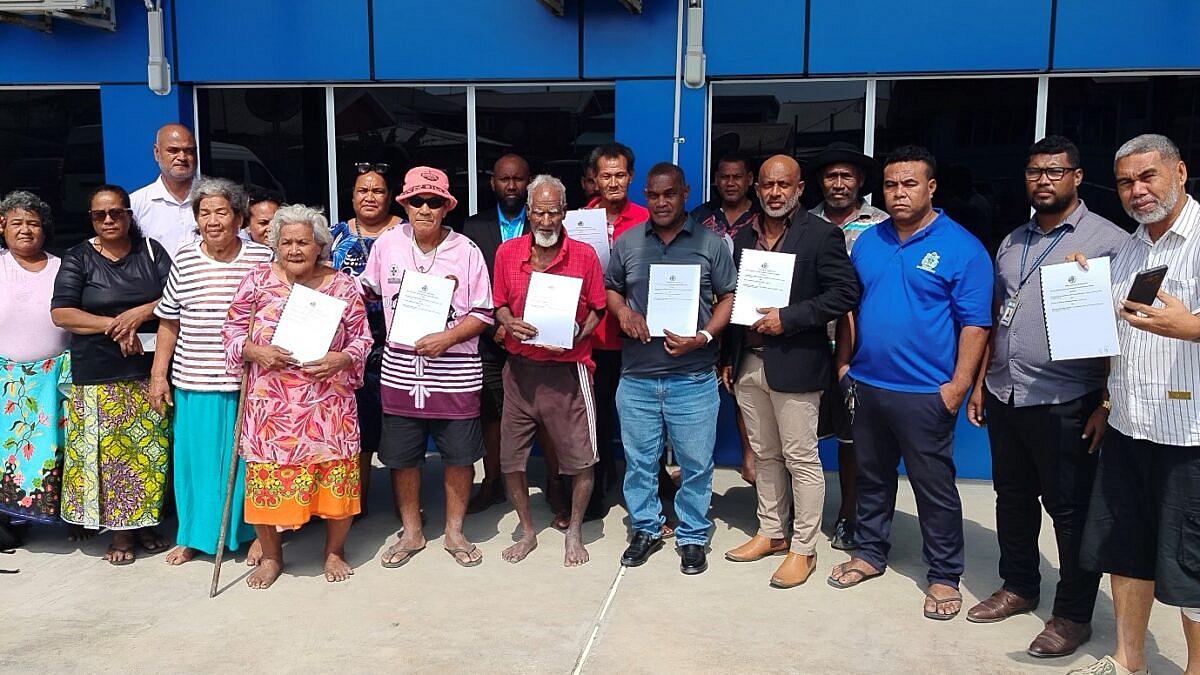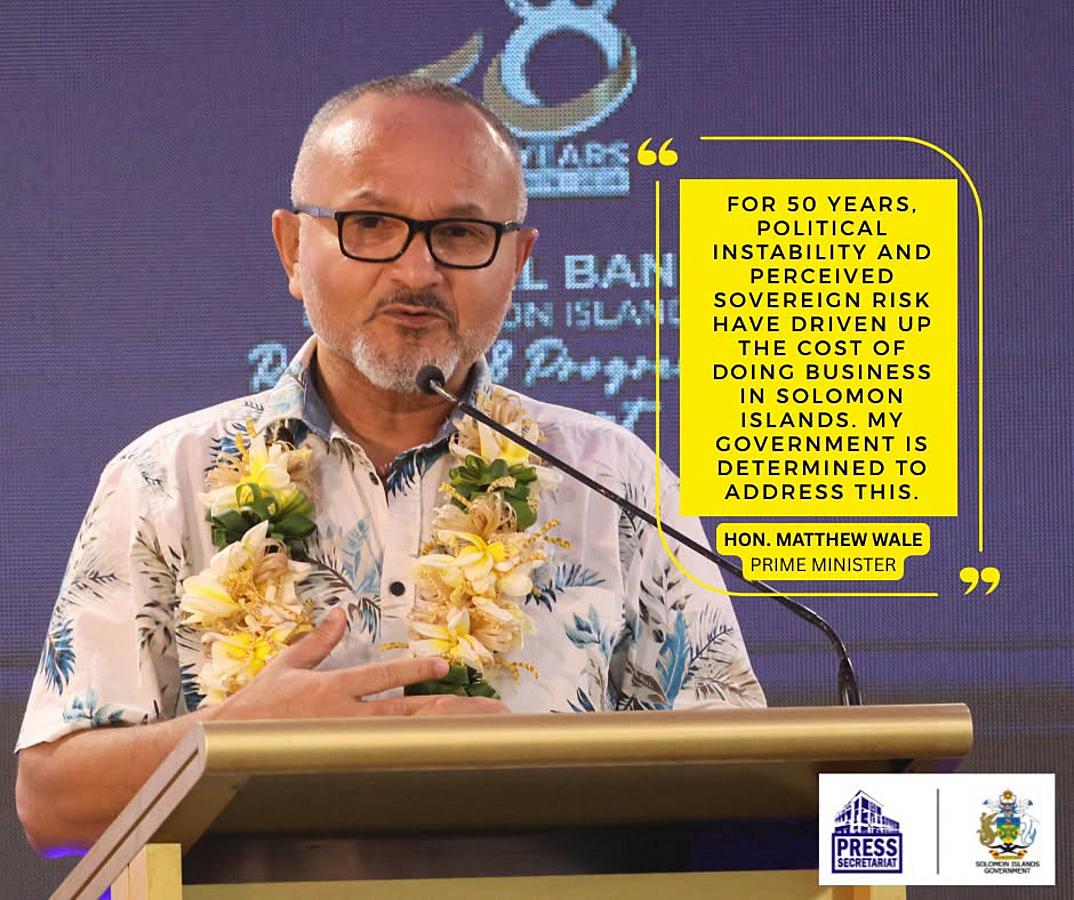
The Solomon Islands Government has begun consulting mining companies, customary landowners and other stakeholders on proposed reforms to its mining legislation aimed at attracting investment while strengthening environmental safeguards and community participation.
The consultations form part of the Solomon Islands Sustainable Mining Development Project, supported by the World Bank, which seeks to modernise the country's legal and institutional framework for the mining sector.
The proposed reforms are designed to provide greater regulatory certainty for investors while ensuring that mining projects generate more equitable benefits for customary landowners and local communities.
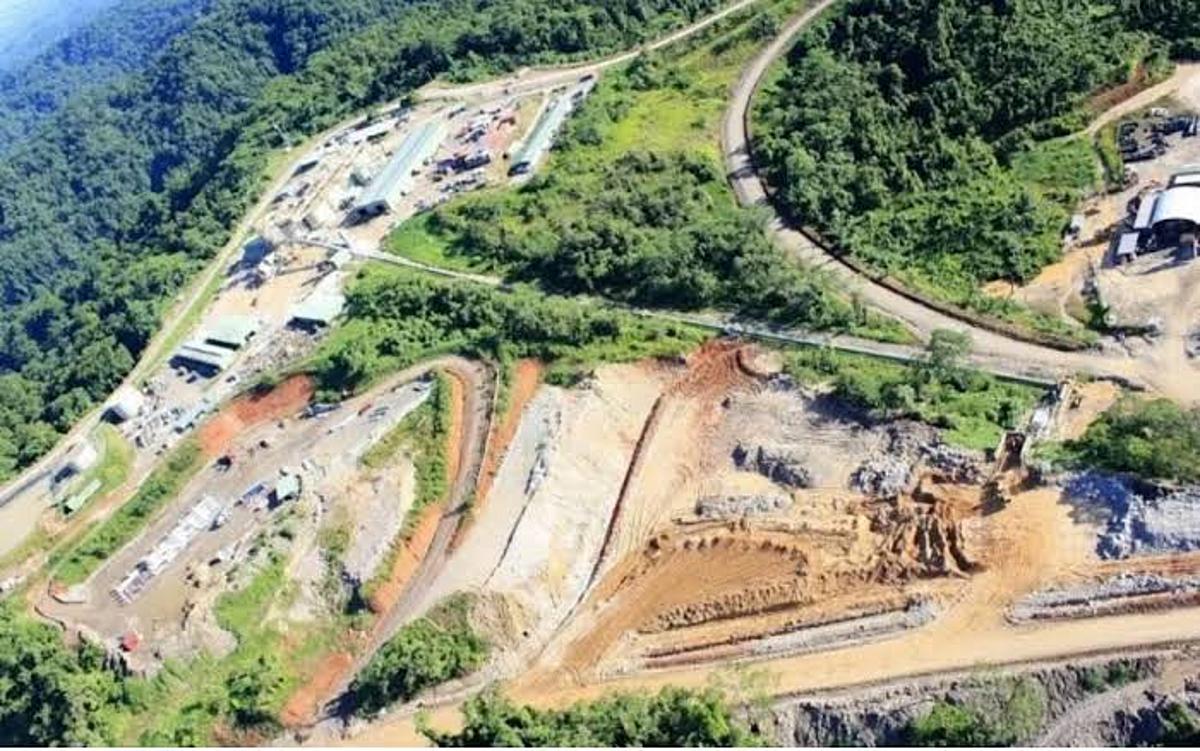
Despite holding significant deposits of gold, nickel, bauxite and other minerals, the Solomon Islands' mining industry has remained largely underdeveloped because of regulatory uncertainty, complex land tenure arrangements and environmental concerns.
Government officials said the proposed changes would cover licensing procedures, environmental approvals, royalty distribution, institutional responsibilities and mechanisms to ensure landowners are engaged throughout the life of mining projects.
The reforms are also intended to establish a clearer and more transparent regulatory framework, improve coordination among government agencies overseeing mining, environmental management and revenue collection, and strengthen the capacity of regulatory institutions.
Business groups have welcomed efforts to modernise the country's mining laws, saying predictable regulation is essential to attracting long-term investment. Community representatives, meanwhile, have stressed that customary landowners must remain central to decision-making and receive a fair share of the economic benefits from future mining developments.
If enacted, the reforms are expected to encourage renewed mineral exploration and support the development of new mining projects, providing additional export revenue and employment opportunities as the Solomon Islands seeks to diversify its economy beyond its traditional reliance on logging.