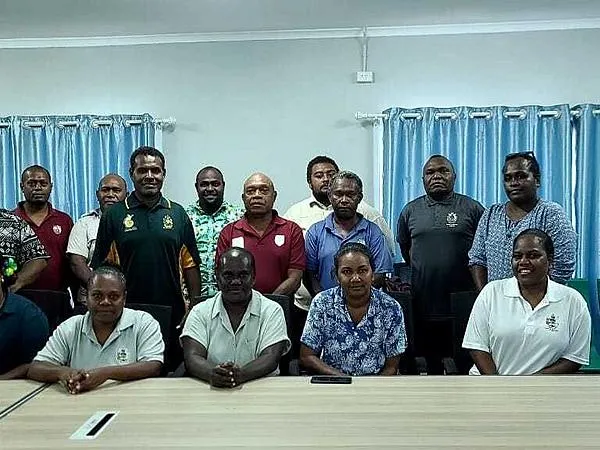
Officers from the Ministry of Agriculture and Livestock took part in a Disability Inclusive Development Dialogue on Friday, 15 August 2025, aimed at strengthening disability mainstreaming within the agriculture sector.
The dialogue formed part of a wider initiative with government ministries that began in August 2024. The session with MAL marked the final ministry engagement under the initiative, facilitated by the National Rehabilitation and Disability Division of the Ministry of Health and Medical Services, the government’s disability focal point, with support from the World Health Organization.
MAL participants said the presentation significantly broadened their understanding of disability-inclusive development. It highlighted how the Solomon Islands National Disability Inclusive Development Policy 2023–2031 and the United Nations Convention on the Rights of Persons with Disabilities can be practically applied in their work.
The agenda promotes the principle that development must ensure access to basic needs and services, and that lack of access equates to poverty. This broader understanding of poverty, evident across many ministries, underpins the dialogue sessions, which seek to promote inclusivity in national development by addressing attitudinal, institutional, environmental and communication barriers to equal service delivery.
Andrew Melanolu, Director of the Extension Division at MAL, reflected on the definitions of disability and poverty in the SINDID Policy. He remarked that, in many ways, the population faces an “intellectual disability” in terms of mindset, pointing to how limited access to information contributes to poor decision-making. He illustrated this with an example: the widespread habit of improper rubbish disposal, which he attributed to a lack of awareness and understanding.
Frances Vahimana, Human Resources Manageress, speaking on behalf of the MAL Executive and officers, extended thanks for the session. She described the presentation as comprehensive and transformative, saying it had reshaped their perception of disability.
Elwin Taloimatakwa, Disability and Program Coordinator at MHMS, thanked the MAL Executive, HR Manageress and officers for their strong participation and coordination in hosting the session.
He emphasised that the next step following the dialogue is for each ministry to appoint a disability focal point at deputy secretary level. The National Rehabilitation and Disability Division, through MHMS, will then work to establish the National Disability Inclusive Advisory and Coordination Committee, which will serve as the highest-level advisory and decision-making body responsible for coordinating the implementation, monitoring and evaluation of the SINDID Policy and the UNCRPD.
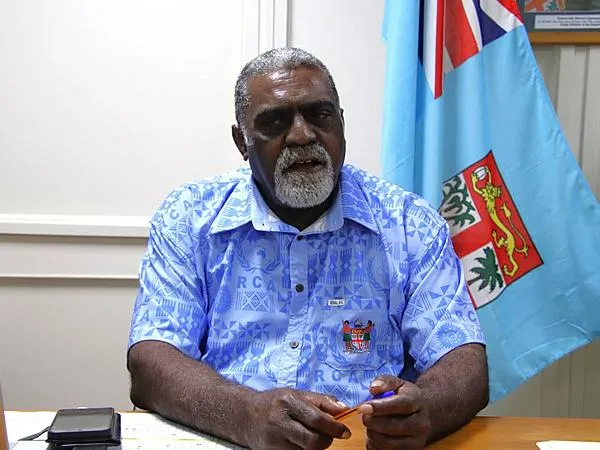
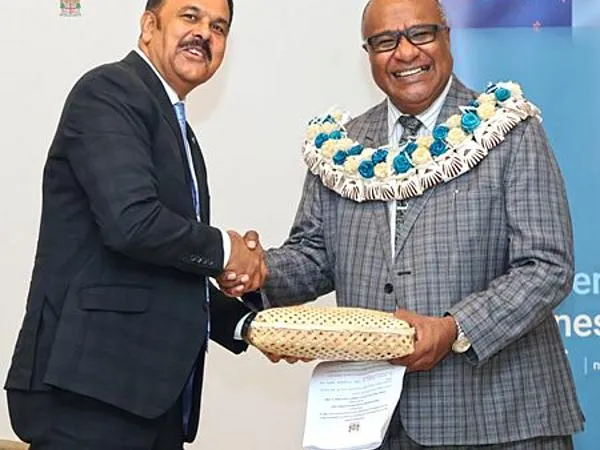
Fiji’s Minister for Agriculture and Waterways, Tomasi Tunabuna, has reaffirmed his determination to strengthen the country’s agriculture sector, calling for commitment and collaboration from all corners of the industry.
Speaking to stakeholders, Tunabuna said that the sector’s growth depends on the sustained efforts of farmers, agribusinesses, industry partners and government agencies working together to introduce innovative practices, boost productivity and reinforce food security.
“Agriculture is more than just a source of food—it is the backbone of our communities and a key driver of our economy,” he said. “If we remain committed, innovative and united in our vision, we can build a sector that is stronger, more sustainable and more prosperous for future generations.”
He underscored the importance of a resilient, modern agriculture sector for economic growth, rural livelihoods and climate resilience, noting that the ministry will continue to support initiatives that empower farmers and promote sustainable farming systems.
Tunabuna acknowledged the expertise and dedication within the ministry, saying he was “privileged to lead a dedicated team” committed to farmers’ empowerment. Reflecting on past challenges, he admitted that limited funding had hindered progress in previous years, but said recent support and vision were helping secure the resources needed to deliver tangible results.
The minister also recognised the value of partnerships with other government agencies, particularly the ministries of Trade, Cooperatives, Micro, Small and Medium Enterprises and Communications, Rural and Maritime Development, iTaukei Affairs and Health.
“There are programs in place that have enabled us to work together, especially in assisting our farmers and processors,” he said. “I believe that moving forward, our relations will continue to strengthen as we align our efforts towards sustainable agricultural growth and improved livelihoods for our people.”
Looking ahead, Tunabuna said the ministry will pursue further engagement with trading partners and seek new markets for Fijian-grown produce to increase recognition and reach. He stressed that expanding market access would boost farmers’ incomes and enhance Fiji’s position in regional and global agricultural trade.
He urged farmers and stakeholders to join the ministry in modernising the sector, adopting climate-smart methods and increasing production to meet both domestic and export demand.
“Collective action and shared responsibility are key to unlocking the full potential of Fiji’s agriculture industry,” he said.
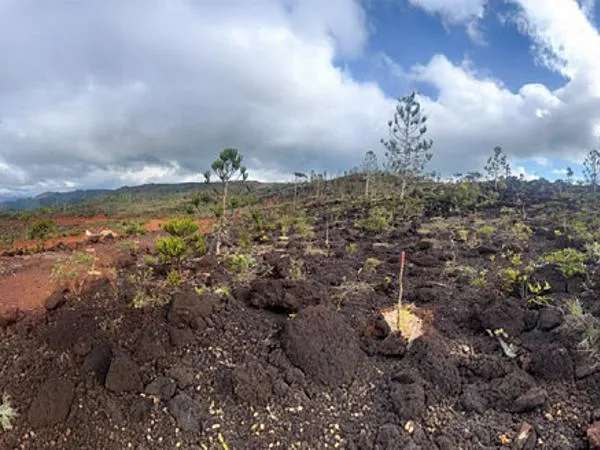
Once stripped bare by bushfires, the Ouassé watershed in Canala, New Caledonia is slowly coming back to life thanks to more than a decade of restoration work — and a fresh boost from the Shared Water Policy (PEP) Fund.
The Ouassé tribe, an isolated community about 30 kilometres from Canala’s main village, depends on the river’s catchment for its drinking water. When fire tore through the watershed in 2013, much of its vegetation cover was destroyed. The damage was far-reaching: soil erosion worsened, flooding became more frequent, water quality declined and biodiversity suffered.
“It is essential to the population that we ensure the sustainability of the water cycle in this watershed,” local officials said in the project brief.
Years of steady work
Since 2013, the Canala municipal government has rolled out a series of measures to bring the watershed back from the brink. It launched studies to better manage hydraulic flows and reduce erosion and flooding; improved waste management in the commune and the Ouassé tribe to reduce fire risk; and began a ten-year ecological restoration programme that included tree planting, installing fascines to stabilise soil, and building erosion-control structures.
In 2023, the municipality submitted a restoration proposal to the PEP call for projects — an initiative run by the Water Department of the Directorate of Veterinary, Food and Rural Affairs (DAVAR) to support concrete actions that protect and manage New Caledonia’s water resources.
Among the PEP’s top priorities is the protection of strategic water catchment areas. The Ouassé project was selected as a winner, receiving a grant of 4,740,532 francs, with half already disbursed. The funding has so far enabled the planting of nearly 6,000 trees, the installation of 350 fascines, and the completion of 10 planned stone thresholds to slow water flow and reduce erosion.
A shared effort
The restoration has been a collective endeavour. The local mixed-economy public company SAEML Canala and research firm Geo.Impact carried out the works with the municipality. SAEML Canala also operates the nursery that supplies the plants used to re-vegetate the basin.
Community participation has been just as critical. The “Ongui Etorry” association — bringing together municipal staff, customary leaders, schools, mining companies and residents of surrounding tribes — has organised biannual planting days since 2018, each time adding about 1,000 trees around the catchments.
With the PEP Fund’s backing, Canala’s fight to restore the Ouassé watershed is not only reviving the land but also protecting the lifeline of a remote community.
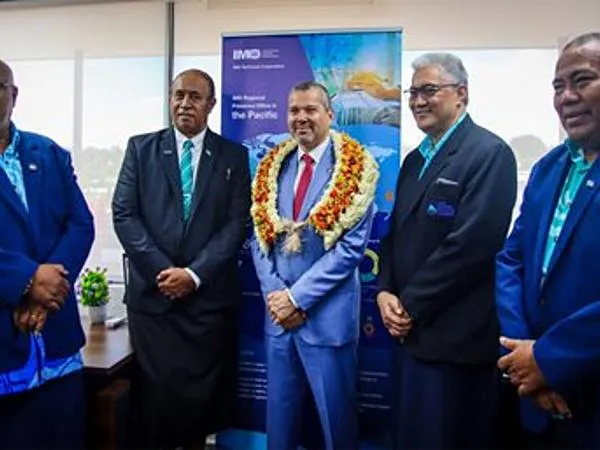
The Government of Fiji, in partnership with the Pacific Community (SPC) and the International Maritime Organization (IMO), has celebrated the official commissioning of the IMO Regional Presence Office (RPO) for the Pacific — a historic milestone in strengthening maritime governance, safety and sustainability across the region.
Speaking at the commissioning ceremony in Suva, Ro Filipe Tuisawau, Minister for Public Works, Meteorological Services and Transport, warmly welcomed IMO Secretary-General Arsenio Domínguez to Fiji and emphasised the significance of the event for all Pacific Island countries.
“The establishment of this office is the first of its kind in our region, and it demonstrates the value of regional engagement and cooperation in strengthening maritime governance, safety and sustainability,” Tuisawau said.
“This office belongs to all of us. While it is based in Fiji, its vision and purpose are shared by all Pacific Island nations, and it will play a vital role in supporting our collective ambitions — from maritime safety and pollution prevention to decarbonisation and legislative reform,” he added.
Tuisawau highlighted Fiji’s transport sector reforms, including the development of a National Transport Sector Master Plan, a transport decarbonisation implementation strategy and reviews of key maritime legislation. He also reaffirmed Fiji’s commitment to international climate goals, noting the synergy between the RPO’s work and regional initiatives such as the Pacific Blue Shipping Partnership.
Domínguez expressed his gratitude to the Government of Fiji and SPC for hosting the office, describing it as both a milestone for the region and a personal honour on his first visit to Fiji.
“For Pacific Island nations, maritime transport is a lifeline for economies, communities and connectivity to the world,” Domínguez said.
“The opening of this office strengthens maritime capacity, cooperation and representation across the Pacific, ensuring that we are all part of the cleaner, smarter and more resilient maritime solutions of the future,” he added
He outlined the IMO’s strategic commitment to decarbonisation, including the adoption of a net-zero framework for international shipping, and stressed the importance of measuring tangible results in capacity building, safety, environmental protection and inclusivity.
For his part, SPC Deputy Director-General Dr Paula Vivili reaffirmed SPC’s long-standing partnership with IMO, noting over two decades of joint efforts in training, legislative support and technical assistance.
“This day is a celebration of partnership,” Dr Vivili said. “The RPO responds directly to our members’ call for stronger coordination, greater responsiveness and tailored support in implementing IMO instruments. It will be a vital part of our regional efforts, including the Pacific One Maritime Framework, our collective course for a safe, sustainable and future-ready maritime sector.”
Vivili also extended an invitation to the IMO Secretary-General to return to the Pacific for the 6th Pacific Regional Energy and Transport Ministers Meeting in Port Moresby in May 2026, where the Pacific One Maritime Framework is expected to be formally endorsed.
The IMO Regional Presence Office in Suva will operate from SPC’s Lotus Building during its initial phase, serving as a hub for technical expertise, coordination and collaboration between Pacific Island nations, regional organisations and global maritime governance bodies.
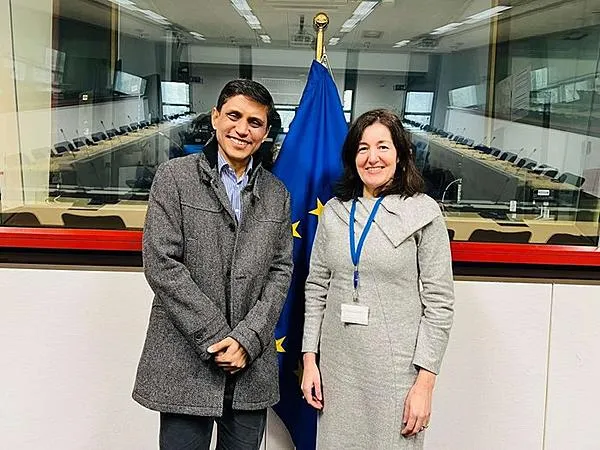
The Ministry of Trade, Co-operatives, Micro, Small and Medium Enterprises (MSMEs) and Communications is pleased to announce that the European Union (EU) has officially activated the global sourcing derogation, allowing processed fishery products from Fiji to benefit from preferential access under the Interim Economic Partnership Agreement (IEPA).
This milestone decision follows a formal request submitted by the Fijian Government to the EU in April 2025, supported by extensive technical documentation and consultations with the fisheries industry and relevant stakeholders.
The EU published a notice (C/2025/4197) on 30 July 2025 in the Official Journal of the European Union, confirming that, effective 31 July 2025, processed fishery products under headings 1604 and 1605 — manufactured in on-land premises in Fiji from non-originating raw materials landed in Fijian ports — will be considered as originating products under the IEPA.
The global sourcing derogation allows Fiji to source raw fish from a wider range of foreign-flagged vessels. Once processed in Fiji, these value-added fish products can be exported to the EU duty-free.
This development significantly expands Fiji’s export opportunities to the EU market and is expected to benefit local processors, create jobs and drive growth in the fisheries and manufacturing sectors. It also positions Fiji as a competitive regional hub for value-added seafood production.
Manoa Kamikamica, Deputy Prime Minister and Minister for Trade, Co-operatives, MSMEs and Communications, welcomed the decision and stated, “This is a significant achievement for Fiji and a timely opportunity for our fish processing sector. The approval of global sourcing by the EU is a direct result of the Fijian Government’s strategic efforts to diversify our exports and strengthen access to high-value markets.”
“It opens new avenues for investment, employment and sustainable growth in our fisheries and manufacturing sectors. We remain committed to creating an enabling trade environment that delivers real benefits to our people and positions Fiji as a competitive player in global trade,” said DPM Kamikamica.
The Permanent Secretary for Trade, Co-operatives, MSMEs and Communications, Shaheen Ali, stated that whilst Fiji welcomes the approval of global sourcing for processed fish, the Ministry will continue to engage with the European Union through the IEPA Trade Committee to explore the possibility of extending this arrangement to fresh and frozen fish, in which Fiji has significant market opportunity.
“This approval is a step in the right direction. While we understand the EU’s current position on global sourcing for fresh and frozen fish, Fiji remains hopeful and committed to constructive engagement. We believe that a future extension would bring mutual benefits and further strengthen our fisheries partnership under the IEPA,” said Permanent Secretary Ali.
Fiji remains committed to sustainable fisheries management, full compliance with international standards and leveraging trade to create inclusive economic opportunities for Fijians.
This development marks the enduring trade and economic partnership between Fiji and the EU — one built on mutual commitment to sustainable development, inclusive growth and deeper market integration.
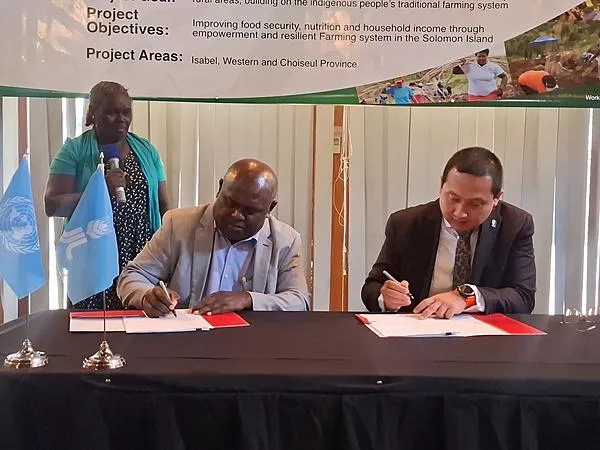
The International Fund for Agricultural Development (IFAD) and the Government of the Solomon Islands have signed a partnership agreement for a US$20 million initiative aimed at improving food security, enhancing nutrition and strengthening resilience to climate change. The six-year project will directly benefit more than 18,000 people.
The Agricultural Investment for Markets and Nutrition (AIM-N) project will build on indigenous farming knowledge to help families grow, purchase and consume more nutritious food.
In the Solomon Islands, around one-third of children under five are stunted, while more than half of adults are overweight — a consequence of mounting pressure on traditional farming systems and the widespread availability of low-cost, imported foods. AIM-N will address these issues by revitalising local food systems and creating sustainable economic opportunities linked to nutrition-focused agriculture.
“This partnership with the Solomon Islands is a critical investment in the health, prosperity and resilience of its rural people,” said Candra Samekto, IFAD country director for the Pacific Islands. “By linking nutrition directly to agricultural production and market access, AIM-N empowers small-scale farmers, particularly women and youth, not just to earn a better living, but to build a healthier future for their families and communities. This project is a testament to our shared commitment to transforming food systems from the ground up.”
The project will combine nutrition education and behaviour change communication with the diversified production of climate-resilient, nutritious local foods. It will support community and household gardens and work with six secondary boarding schools to improve student diets by sourcing food from nearby farmers.
AIM-N will also facilitate partnerships between small-scale farmers and buyers, and help producers upgrade their agricultural practices, improve product quality and develop business skills to meet market standards and earn better returns. Competitive grants will be provided to women’s groups to support nutrition-focused and labour-saving initiatives.
A new line of credit, managed by the Development Bank of Solomon Islands (DBSI), will provide loans to micro, small and medium agribusinesses and farmer organisations.
The total cost of the AIM-N project is US$19.82 million. This includes a US$6.1 million grant from the Global Agriculture and Food Security Program (GAFSP) administered by IFAD, and a US$9.3 million loan from IFAD. A private financial institution will contribute US$820,000, while the Solomon Islands Government and local communities will provide US$1.2 million in domestic co-financing. An additional US$1.4 million in GAFSP funding will be managed by the Food and Agriculture Organization of the United Nations (FAO).
Implementation will be led by the Ministry of Agriculture and Livestock (MAL) in Choiseul, Isabel and Western provinces. The project is expected to reach 18,330 people across 65 rural communities where subsistence farming remains the primary source of livelihood.
IFAD works closely with the government and development partners to revitalise agriculture, reduce poverty and improve the well-being of Solomon Islanders. Its approach is shaped by its Strategy for Engagement in Small Island Developing States 2022–2027 and a broader framework for supporting communities facing fragility. To date, IFAD has invested nearly US$21 million across five development projects in the Solomon Islands.
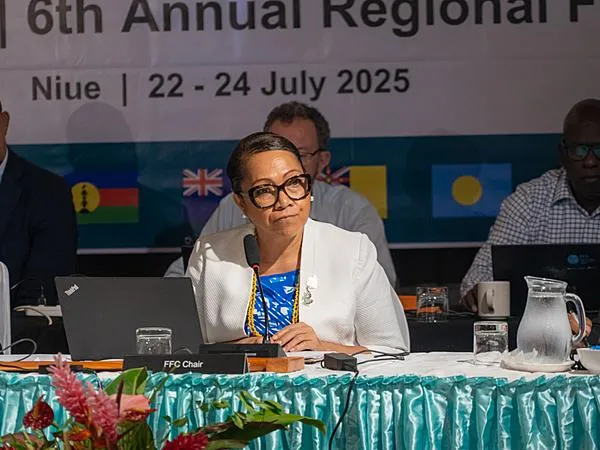
The 24th Forum Fisheries Committee (FFC) Ministerial Meeting and the 6th Regional Fisheries Ministers Meeting (RFMM) concluded today in Niue, with a Ministerial Retreat held in Alofi.
Ministers from the Cook Islands, Fiji, Kiribati, New Zealand, Niue, Palau, Papua New Guinea (PNG), Solomon Islands, Tuvalu and Vanuatu attended the meeting, along with the Fisheries Minister of New Caledonia, who participated as an observer. Senior officials representing Australia, the Federated States of Micronesia (FSM), the Republic of the Marshall Islands, Nauru, Samoa, Tokelau and Tonga were also in attendance.
The official FFCMin24 Communiqué was adopted during the retreat, outlining key priorities and agreements that will help shape discussions at the upcoming Pacific Islands Forum Leaders Meeting in Solomon Islands this September.
The Communiqué addresses critical issues such as the Fisheries Roadmap, the Chair’s Ocean Literacy Initiative and the implementation of FFA’s Climate Change Strategy. Key ministrerial endorsements include:
Adoption of the Ocean Literacy Initiative
Ministers reaffirmed the importance of Ocean Literacy and the need to ensure it reflects the Pacific identity, culture and environment. They recognised that this initiative strengthens the connection between the ocean, language, culture and traditional ecological wisdom that is deeply rooted in Pacific communities and people.
They called for whole-of-government and whole-of-society collaboration to ensure a holistic multi-stakeholder approach and expressed gratitude to Ministerial Chair Hon. Mona Ainu’u for her leadership on this initiative.
Implementation of Climate Change Strategy
Ministers welcomed progress on the implementation of the FFA Climate Change Strategy and acknowledged the engagement of Members and the Secretariat in the ICJ Advisory Opinion on Climate Change.
They directed the FFA Secretariat to continue supporting Members in implementing the Strategy and strongly reaffirmed support for the Government of Australia’s bid to host UNFCCC COP31 in partnership with the Pacific in 2026.
This, they said, will elevate the call for more action to protect the oceans and tuna fisheries from the impacts of climate change.
South Pacific Albacore Management
Ministers unanimously endorsed the landmark agreement on proportional allocation of South Pacific albacore (SPA) among FFA Members – a breakthrough that marks a major milestone in regional fisheries management and stands as a powerful testament to Pacific unity, collective leadership and mutual respect.
They supported the formation of a strong and unified FFA negotiating position to be taken to the Western and Central Pacific Fisheries Commission (WCPFC) in December 2025.
East New Britain Initiative (ENBi)
Ministers noted progress on the East New Britain Initiative (ENBi), including enhanced resourcing and funding support.
They acknowledged that some elements have already been advanced by the Parties to the Nauru Agreement (PNA) Members through initiatives such as Pacific Island Tuna (PIT), Tripartite and other PNA proposals focused on dockside offloading, in-region processing and electronic monitoring.
Ministers noted that PNA Ministers take the lead on commercialisation of the ENBi and directed the FFA Secretariat to accelerate its operationalisation in close association with the PNA – including efforts on regional processing hubs and the establishment of the Regional Fisheries Development Fund.
Independent Refresh and Performance Review
Ministers welcomed the final report of the Independent Refresh and Performance Review of the Agency and endorsed the formation of a small working group to be chaired by the Ministerial Chair, to oversee implementation of the recommendations in collaboration with the Director General.
They also acknowledged the need for adequate resourcing to support the Director General in delivering on the report recommendations.
Economic and Fisheries Ministerial Working Group
Ministers noted updates from the Pacific Islands Forum Secretariat (PIFS) and the FFA Secretariat on the feasibility of establishing a joint Economic and Fisheries Ministers Working Group.
They agreed to suspend the initiative until institutional arrangements within Member countries and the Secretariats are in order.
2050 Strategy and Review of the Regional Architecture
Ministers noted the update on the 2050 Strategy and the Review of Regional Architecture. They reaffirmed their strong commitment to supporting the FFA Secretariat and acknowledged the significant national and regional value generated through fisheries cooperation.
Observers from the Pacific Islands Forum Secretariat (PIFS), the Parties to the Nauru Agreement Office (PNAO), The Pacific Community (SPC) and the University of the South Pacific (USP) were also in attendance. The meeting was supported by the FFA Secretariat.
New Zealand will host the next FFC Ministerial Meeting in June 2026.
In a landmark development for Pacific fisheries, officials have reached consensus on the long-standing issue of South Pacific albacore (SPA) tuna allocation within the Exclusive Economic Zones (EEZs) of the Pacific Island Forum Fisheries Agency (FFA) Members south of the equator.
This breakthrough comes after nearly two decades of negotiations and represents a historic advancement in regional fisheries cooperation.
The agreed allocations will form the basis of a binding agreement under the FFA Allocation Framework for SPA, reinforcing the region’s commitment to sustainable, equitable and responsible tuna fisheries management.
The Ministers’ endorsement of the proposed allocation paves the way for a modernised zone-based approach to longline fisheries management.
“This outcome is a major step forward for the Pacific,” said Honourable Mona Ainu’u, Ministerial Chair of the Forum Fisheries Committee (FFC).
“South Pacific albacore is the backbone of our tuna longline fisheries and the economies of many of our coastal states. This agreement signals our unity and determination to protect our resources for future generations while also enabling fair economic returns today.”
The newly adopted framework will help advance the region’s position in broader negotiations at the Western and Central Pacific Fisheries Commission (WCPFC), such as the adoption of a SPA Management Procedure and its implementation that recognises zone-based management and high seas management.
“This decision exemplifies Pacific solidarity,” said FFA Director-General Noan David Pakop. “It shows that our Members can come together to make bold science-based decisions grounded in fairness and anchored in the Pacific Way of cooperation.”
Although the SPA stock remains healthy, declining catch rates have affected the economic viability of the fishery especially for Pacific Islands' domestic fleets. This agreement ensures that management decisions consider both stock health and the economic viability of the southern longline fishery.
SPA is a key tuna species for the domestic longline fisheries of Pacific Island countries, supporting thousands of jobs, livelihoods and national revenue streams across the region. It sustains local processing industries and is integral to food security and economic resilience in many coastal communities.
As the region prepares to implement the agreement, Ministers reaffirmed the importance of continued strong collaboration with partners to secure the long-term sustainability and prosperity of the Pacific’s tuna resources.
The FFA assists its 17 Members to sustainably manage fishery resources that fall within their 200-mile Exclusive Economic Zones (EEZs). FFA provides expertise, technical assistance and other support to its Members who make decisions about their tuna resources and participate in regional decision-making on tuna management.
LAMI, Fiji — 14 July 2025 — Fiji is opening its doors to new investment, calling on New Zealand businesses to partner in building the country’s cold chain logistics and expanding into value-added agriculture and eco-tourism.
Speaking at the Fiji Business Mission hosted by the New Zealand Fiji Business Council in Lami, Deputy Prime Minister and Minister for Trade, Co-operatives, Micro, Small and Medium Enterprises and Communications Manoa Kamikamica made a compelling case for New Zealand firms to fill key gaps in Fiji’s supply and value chains.
“You can also explore joint ventures in processing cassava, pineapples, and breadfruit—turning them into frozen, dried, or pureed forms for export to New Zealand or international supermarkets and foodservice suppliers,” Kamikamica stated.
He said Fiji needed greater investment in cold storage infrastructure—particularly chillers, packhouses, and temperature-controlled logistics—to maintain freshness and quality from farm to port.
“We would also welcome the development of contract farming or outgrower models—where NZ buyers work directly with Fijian farmers to meet specific quantity and quality standards. This is already being done with ginger exports. We’re also seeing this model work with cassava and taro. So if you’re in food processing, agritech, or logistics—Fiji is ready.”
The deputy prime minister urged Kiwi investors to tap into Fiji’s growing eco-tourism and adventure travel sector, partnering with landowning communities to develop sustainable, locally owned tourism experiences.
“In Savusavu and Natewa Bay, we already have successful community-based marine conservation areas that would be ideal for ecotourism ventures—with locals ready to co-invest land and labour,” he said.
“Then there’s the rising global demand for sports tourism, surfing, and adventure-based travel. Places like Cloudbreak, one of the world’s premier surf breaks, attract elite surfers—but we need better support infrastructure: surf camps, board rental operations, wellness facilities. We’re also seeing potential for trail running, mountain biking, and even kite surfing in places like Pacific Harbour and Levuka. These are opportunities that go beyond hotel beds,” he said.
Highlighting Fiji’s ongoing business reforms, Kamikamica said the government was working to create an investor-friendly environment that prioritises trust, transparency, and responsiveness.
“We know from experience that attracting investment isn’t just about incentives. It’s about credibility, consistency, and the confidence that investors feel when they set foot in our country.”
The mission brought together Fijian government representatives, business leaders, and visiting New Zealand firms interested in deepening commercial ties across agriculture, trade, tourism, and renewable energy sectors.
With a renewed focus on inclusive economic growth and climate-resilient development, Kamikamica’s remarks underscored Fiji’s ambition to become a regional hub for innovation, value-added exports, and sustainable tourism.
Follow on LinkedIn:
Pacific Business Review
Be the "First" to get our exclusive Digital Magazine & Weekly Newsletter.