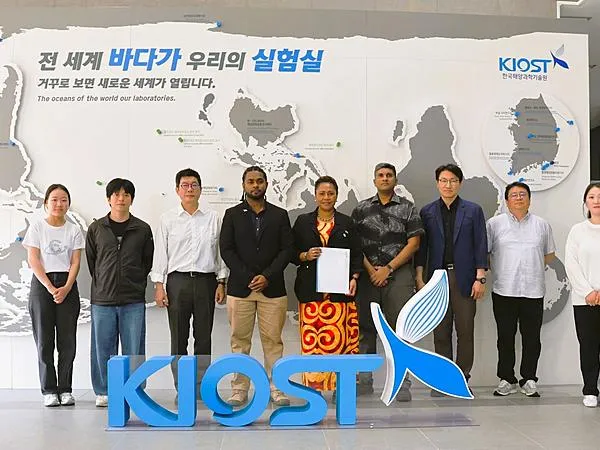
Fiji has strengthened its fisheries and aquaculture cooperation with South Korea following the signing of an agreement to support the reconstruction of the Makogai Mariculture Research Centre and enhance climate-resilient marine research capabilities.
The Ministry of Fisheries announced that its delegation recently concluded an official mission to the Republic of South Korea, where it signed the Record of Discussion for the Reconstruction of the Makogai Mariculture Research Centre and Capacity Building Project for Responding to Climate Change.
The agreement establishes a partnership between Fiji, the Korea Institute of Ocean Science and Technology (KIOST) and South Korea's Ministry of Oceans and Fisheries.
According to the ministry, the partnership marks a significant step in strengthening Fiji's mariculture sector and improving the country's capacity to address climate-related challenges affecting fisheries and coastal communities.
The Fijian delegation included Principal Research Officer Tarisi Shaw, Fisheries Technical Officer Onisimo, and invited specialist Dr Monal Lal, an adjunct research fellow and ACIAR project scientist at the Australian Centre for Pacific Islands Research at the University of the Sunshine Coast, as well as an adjunct lecturer at the University of the South Pacific.
During the visit, the delegation travelled to Seoul and Busan, where members met with representatives from the marine ornamental industry and senior officials from KIOST, including Dr Yong-Park, Dr Choi and Dr Ji-Yeon.
The team also held discussions with researchers, engineers and academics from Jeju National University, Pukyong National University and Kyungsung University on potential research collaboration, technical support, capacity building and climate adaptation initiatives for Fiji's fisheries and aquaculture industries.
The ministry said the mission provided valuable insights into South Korea's advanced fisheries, aquaculture and ocean science systems, which could support Fiji's efforts to strengthen sustainable fisheries management and expand mariculture development.
The redevelopment of the Makogai Mariculture Research Centre is expected to play a key role in advancing marine research, supporting aquaculture innovation and improving climate resilience in Fiji's fisheries sector.
Located on Makogai Island in Fiji's Lomaiviti Group, the research centre has historically served as an important facility for aquaculture research and marine resource development in the Pacific.
Officials said the new partnership would help strengthen scientific cooperation between Fiji and South Korea while supporting long-term sustainable growth in the fisheries sector.
The Makira-Ulawa Provincial Government has reaffirmed its support for the establishment of a Provincial Food Council as part of broader efforts to strengthen food security, agricultural development and rural livelihoods across the province.
Speaking at the opening of the Provincial Agrifood System Consultation Workshop in Kirakira on June 9, Deputy Premier Hon. Stephen Ngara said agriculture remains the backbone of Makira-Ulawa's economy, providing livelihoods, supporting food security and contributing to community wellbeing.
The workshop, held under the theme "Strengthening Provincial Partnerships for Sustainable and Inclusive Agrifood Systems," brought together government officials, development partners, private sector representatives, farmer organizations, churches, women and youth groups to discuss the future direction of the province's agrifood sector.
Ngara said the province continues to face challenges despite its strong agricultural base and abundant natural resources. These include limited market access, infrastructure constraints, post-harvest losses and insufficient investment in food value chains.
He said addressing these issues would require stronger coordination among stakeholders and a more inclusive approach to agricultural development.
A key outcome being pursued through the consultation is the establishment of a Provincial Food Council, which would serve as a platform to coordinate stakeholders and guide agriculture and food-system development based on provincial priorities.
The workshop also highlighted the role of public-private partnerships in supporting agricultural value chains, improving market access and attracting investment into the sector.
Ngara said the proposed council aligns with the PACRA government's priorities of strengthening food and nutrition security, promoting sustainable agricultural production, creating rural employment opportunities and improving resilience to climate change.
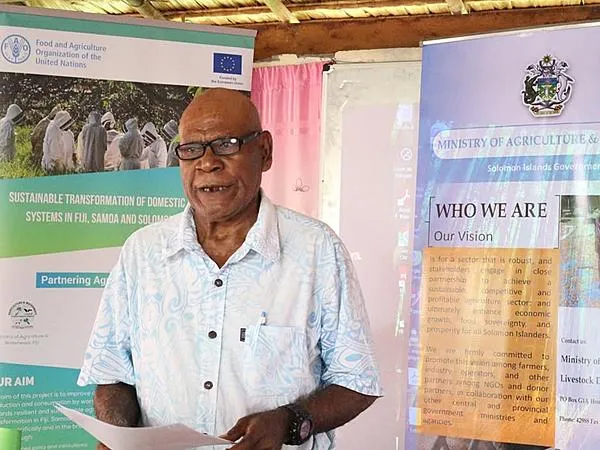
He acknowledged the support of the European Union, which is funding the initiative, as well as the Food and Agriculture Organization for providing technical assistance and the Ministry of Agriculture and Livestock Development for facilitating the program.
The consultation formed part of the Strengthening Provincial Food Councils and Agrifood Public-Private Partnership initiative being implemented by the Ministry of Agriculture and Livestock Development.
The ministry team was led by Deputy Director for Planning and Management Jules Damutalau and included officials from the extension and livestock divisions.
During their visit to Kirakira, the team conducted consultations with local institutions, including Kirakira Hospital, Kirakira Correctional Centre, market vendors, farmers, Waimapuru National Secondary School and private-sector stakeholders to gather input on the province's food system needs.
Speaking on behalf of the ministry delegation, Damutalau said the initiative aims to foster closer collaboration between provincial authorities, farmers, non-government organizations and private-sector partners.
"Our goal is to work hand-in-hand with provincial authorities, farmers, NGOs and private-sector partners to set up a model that could transform Makira-Ulawa Province's agrifood systems," he said.
He added that the provincial government's commitment to agriculture provides a strong foundation for achieving that transformation.
The consultation workshop concluded on June 10, with provincial leaders expressing confidence that the discussions would lead to practical measures to strengthen agriculture and food systems throughout Makira-Ulawa.
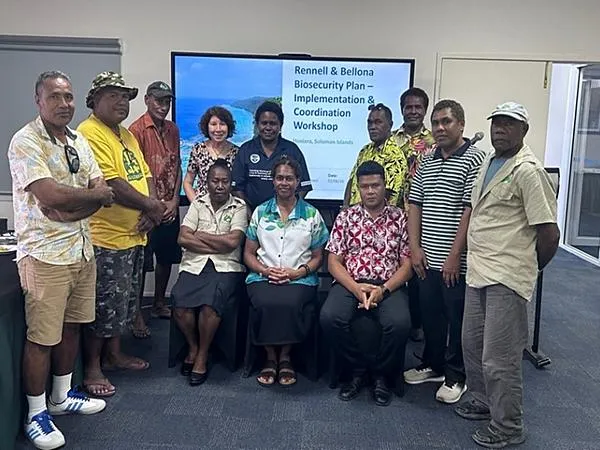
Government agencies, provincial authorities, development partners and community stakeholders have reaffirmed their commitment to protecting Solomon Islands' Rennell and Bellona Province from invasive species and other biosecurity threats through a provincial coordination workshop held on June 3.
The Rennell and Bellona Biosecurity Plan Implementation and Coordination Workshop brought together key agencies and partners to strengthen coordination and accelerate implementation of the province's biosecurity strategy, which is designed to safeguard biodiversity, agriculture, food security and local livelihoods.
The one-day workshop was supported by BirdLife International through funding from the Kiwa Initiative as part of broader efforts to strengthen invasive species management and biodiversity conservation across the province.
Opening the workshop, Deputy Provincial Secretary Aubrey Saueha highlighted the importance of biosecurity in protecting Rennell and Bellona's unique natural environment and supporting the wellbeing of local communities.
He noted that Rennell and Bellona is the first province in Solomon Islands to develop a dedicated provincial biosecurity plan and said the initiative could serve as a model for other provinces across the country.
Saueha said the province's geographic isolation, limited transport links and reliance on local food production make strong biosecurity measures particularly important.
“Biosecurity is everyone’s responsibility. We all have a role to play in ensuring that our province remains free from harmful pests, diseases and invasive species that threaten our environment, agriculture and way of life,” he said.
Biosecurity Solomon Islands Director Jean Eroa Manepora’a said effective biosecurity systems are critical for protecting agriculture, biodiversity, human health and local economies.
She said the Rennell and Bellona Biosecurity Plan provides a practical framework for managing invasive species risks while aligning with national biosecurity legislation and policy objectives.
“The law provides the authority; the plan provides the roadmap. Together they enable us to take practical action to protect the province from invasive species and other biosecurity threats,” Manepora’a said.
She encouraged government agencies, communities and development partners to work collaboratively in implementing the plan and maintaining vigilance against the introduction and spread of invasive species.
Speaking on behalf of BirdLife International, Miliana Ravuso acknowledged the extensive consultation and collaboration undertaken over several years to develop the biosecurity plan.
She said successful implementation would require agencies and stakeholders to integrate biosecurity responsibilities into their routine operations while maintaining shared ownership and accountability.
“The success of this Plan depends on all of us working together. Through strong partnerships and coordinated action, we can better protect the unique biodiversity and natural heritage of Rennell and Bellona Province,” Ravuso said.
Participants reviewed the plan's objectives and implementation priorities, identified responsibilities among key agencies and discussed coordination, monitoring and reporting mechanisms.
The workshop also examined opportunities to strengthen cooperation between government agencies, provincial authorities, communities and development partners to ensure effective delivery of the plan.
The meeting concluded with agreement on several key actions, including endorsement of Biosecurity Solomon Islands as the lead agency responsible for coordinating implementation of the plan in partnership with the Rennell and Bellona Provincial Government and other stakeholders.
Participants also recognized the importance of developing a Provincial Biosecurity Ordinance to strengthen the legal framework supporting biosecurity management within the province.
Organizers said the workshop marked an important milestone in strengthening provincial biosecurity governance and demonstrated a shared commitment to protecting Rennell and Bellona's environment, agriculture and communities from the impacts of invasive species and other biosecurity threats.
Pacific Island countries are intensifying efforts to prepare for the growing impacts of climate change on tuna fisheries, as new scientific projections indicate that key tuna stocks are increasingly likely to move from national waters into the high seas, threatening a major source of government revenue, food security and livelihoods across the region.
Officials participating in the Green Climate Fund-funded Regional Tuna Programme welcomed early progress on a new Advanced Warning System designed to help Pacific countries better understand and respond to climate-driven changes in tuna distribution.
Preliminary findings from the system were presented during the 142nd Officials Meeting of the Forum Fisheries Committee in Wellington, where fisheries leaders and climate experts reviewed emerging evidence on how warming ocean conditions are expected to reshape tuna fisheries in the Pacific.
The programme is being implemented by the Pacific Community in partnership with the Pacific Islands Forum Fisheries Agency, Australia's Commonwealth Scientific and Industrial Research Organisation and other technical partners.
Early modelling reinforced concerns that skipjack tuna — the foundation of the world's largest tuna fishery and a critical economic resource for many Pacific nations — will increasingly migrate beyond Pacific Island countries' exclusive economic zones and into international waters as ocean temperatures continue to rise.
For many Pacific economies, tuna revenues provide substantial funding for public services, including healthcare, education and infrastructure development. Coastal communities also depend heavily on tuna resources for employment, nutrition and local economic activity.
Dr. Roseti Imo, acting chief executive officer of the Fisheries Division within Samoa's Ministry of Agriculture and Fisheries, said stronger collaboration between fisheries specialists and climate scientists would be essential as countries confront the challenges ahead.
"We need to ensure there is a shared understanding of what climate change means for our fisheries resources and for the livelihoods that depend on them," Imo said.
The Advanced Warning System is intended to provide governments with improved climate intelligence and scientific evidence to assess the potential economic and social impacts of shifting tuna stocks. Officials said the platform will also support the identification of adaptation measures and strengthen countries' ability to advocate for their interests in international negotiations.
Participants at the Wellington meeting noted that the climate projections underpinning the system appear more severe than previous assessments, reinforcing calls for stronger global action to reduce greenhouse gas emissions ahead of the United Nations Climate Change Conference, COP31, scheduled for 2026.
Glen Joseph, director of the Marshall Islands Marine Resources Authority, said the new tool was already demonstrating value in helping countries understand both present and future climate-related risks.
"This tool is critical not only for evaluating adaptation options, but also for providing the evidence countries need to access climate finance," Joseph said.
He added that the system would help governments present stronger scientific cases when seeking support from international climate funding mechanisms.
Dr. Josie Tamate, chair of the Western and Central Pacific Fisheries Commission and senior adviser to the government of Niue, said regional cooperation would remain central to the initiative's success.
"There has been encouraging early progress, but there is still much work ahead to ensure these tools can support both regional and national decision-making," Tamate said.
The Advanced Warning System is being developed under Component B of the Green Climate Fund Regional Tuna Programme, a seven-year initiative running from 2025 to 2031 that aims to strengthen resilience to climate-related impacts on tuna fisheries throughout the Pacific.
FFA Director-General Noan David Pakop said Pacific countries have spent decades building a cooperative framework to sustainably manage the region's tuna resources and must now adapt to the challenges posed by climate change.
"As climate change continues to alter ocean conditions and influence the movement of tuna stocks, our members need the best available science and tools to prepare for what lies ahead," Pakop said.
He described the programme as a significant investment in the resilience of Pacific economies and communities, supporting improved climate intelligence, adaptation planning and food security.
"The Advanced Warning System will help countries better understand future risks and opportunities, ensuring decisions are informed by robust scientific evidence and that the benefits from tuna continue to flow to Pacific people," Pakop said.
Officials said development of the system also benefited from earlier support provided by New Zealand's Ministry of Foreign Affairs and Trade through the Climate Science for Ensuring Pacific Tuna Access initiative, which helped lay the groundwork before approval of the Green Climate Fund programme.
As Pacific nations prepare for upcoming global climate negotiations, regional leaders say climate change is no longer a future concern for tuna fisheries but an increasingly visible reality that is already affecting one of the Pacific's most valuable natural resources.
The Green Climate Fund Regional Tuna Programme seeks to strengthen climate resilience across Pacific Island countries by improving access to tuna resources, enhancing adaptation planning and developing advanced climate intelligence tools to help safeguard food security and economic stability in the decades ahead.
A high-level European Union delegation has held talks with Solomon Islands' supervising minister for fisheries and marine resources, Franklyn Derek Wasi, on potential support for the proposed Bina Harbour Tuna Processing Plant Project in Malaita Province.
The discussions focused on the strategic importance of the project and opportunities for cooperation in advancing a key Solomon Islands government initiative aimed at expanding domestic tuna processing capacity and increasing the economic benefits derived from the country's fisheries resources.
The delegation included Maurizio Cian, European Union for the Pacific minister counsellor and head of cooperation; European Union Ambassador Barbara Plinkert; and Peteris Ustubs, director for Asia and the Pacific at the Directorate-General for International Partnerships.
According to the Ministry of Fisheries and Marine Resources, the European Union's interest in the project has grown since initial engagements last year. EU representatives previously visited the proposed Bina Harbour project site and Fiu to assess the project's scope and development potential.
The latest visit, led by Ustubs, signals continued European interest in exploring partnership opportunities and potential support for the project.
The ministry said it has also been engaging with the European Investment Bank, which has expressed interest in supporting major infrastructure developments in Solomon Islands. The Bina Harbour Tuna Processing Plant is among the projects being considered for potential financing support.
Wasi welcomed the delegation and acknowledged the European Union's continued engagement with the project.
The proposed Bina Harbour Tuna Processing Plant is intended to become Solomon Islands' second tuna processing facility and forms part of broader efforts to increase domestic value addition in the country's fisheries sector.
Government figures show that approximately 100,000 metric tonnes of tuna are harvested annually within Solomon Islands waters. However, only around 30,000 metric tonnes are processed domestically, while the remaining 70,000 metric tonnes are exported as whole fish.
The government believes increasing local processing capacity would create employment opportunities, stimulate economic activity and enable Solomon Islands to capture a greater share of the value generated from its tuna resources.
To support this objective, the Ministry of Fisheries and Marine Resources has been tasked with advancing onshore tuna processing infrastructure. Through the Bina Harbour Project Office, the ministry has undertaken preparatory work since 2015, including land arrangements, infrastructure planning, environmental management, community engagement and investment promotion.
The Bina Regional Arrangements for Governance continues to oversee work related to land access, community relations and environmental matters, while the project's Planning and Design Unit is responsible for land and marine infrastructure planning and investment development.
The European Union delegation is also expected to meet Deputy Prime Minister Francis Sade, Finance and Treasury Minister Gordon Darcy Lilo, Mines, Energy and Rural Electrification Minister Derrick Manuari, and Provincial Government and Institutional Strengthening Minister Lazarus Rina during its visit.
The Bina Harbour Tuna Processing Plant is regarded by the Solomon Islands government as a strategic investment designed to support sustainable economic development and long-term growth in the fisheries sector.
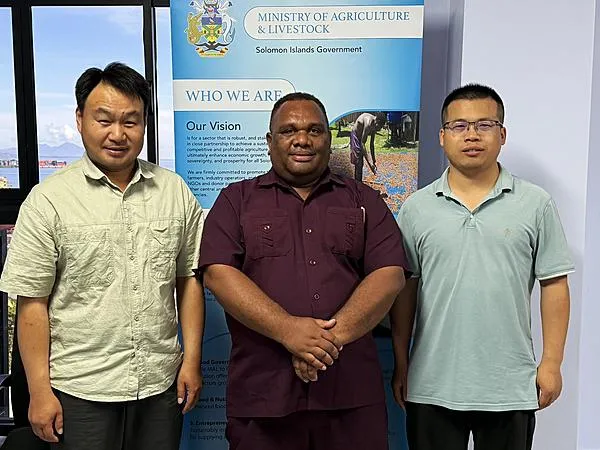
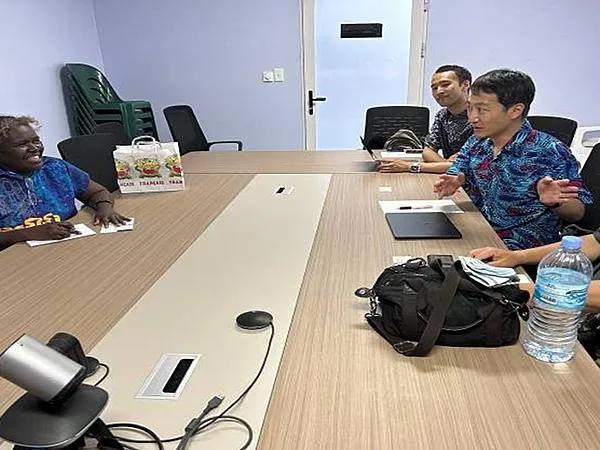
Rice experts from the Jiangsu Academy of Agricultural Sciences (JAAS) have commenced a two-month technical mission in Solomon Islands, meeting today with officials from the Ministry of Agriculture and Livestock Development (MALD) to discuss ongoing efforts to strengthen the country's rice industry and advance plans for large-scale commercial rice production.
The JAAS delegation arrived in the country early June and will work closely with MALD to provide technical expertise and support for rice development initiatives aimed at enhancing national food security and reducing reliance on imported rice.
Minister for Agriculture and Livestock Development, Hon. Franklyn Derek Wasi in meeting the team expressed his appreciation to the visiting JAAS rice experts and reaffirmed the strong commitment of the Government to the ongoing technical partnership between MALD and JAAS.
Minister Wasi said the Government fully supports the collaboration, particularly efforts aimed at establishing fully mechanized commercial rice farming in Solomon Islands.
“The Government is fully committed to supporting this important partnership between MALD and JAAS, especially in the development of fully mechanized commercial rice farming in Solomon Islands.
Rice is now the most widely consumed carbohydrate food in Solomon Islands, and given the substantial volume of rice imported annually, the Government is keen to develop a vibrant commercial rice industry. Your presence here and the technical expertise you bring are therefore greatly appreciated,” Minister Wasi said.
Meanwhile MALD Permanent Secretary Dr. Samson Viulu outlined the ministry's expectations for the mission.
He said the partnership presents a significant opportunity to strengthen national food security, reduce dependence on imported rice, and create new economic opportunities for farmers and rural communities.
“Rice is a staple food for our people, and Solomon Islands imports large quantities of rice every year. Recent experiences, including supply challenges following the distribution of emergency food assistance to cyclone-affected provinces, have highlighted the importance of increasing domestic rice production,” Dr. Viulu said.
He informed the delegation that MALD is planning a major rice development program in Malaita Province, with a target of establishing 500 hectares of rice production beginning this year.
“As part of this initiative, we will be conducting assessments of potential rice-growing areas, including soil sampling, vegetation surveys, water salinity testing, land layout mapping, and identification of water sources. The expertise and guidance of JAAS will be critical as we move forward with this ambitious undertaking,” he said.
As part of the Ministry's commitment to developing a sustainable rice industry in Solomon Islands, nine agricultural interns have been recruited and commenced work at the Dodo Creek Rice Trial Centre.
The interns began their placement today and will receive practical, hands-on training in rice production, farm management, crop monitoring, and the operation of rice farming equipment under the guidance of MALD officers and technical experts.
The internship program is designed to build local capacity and develop a new generation of agricultural professionals equipped with the knowledge and skills required to support the country's growing rice sector.
Meanwhile the JAAS experts assured the ministry of their commitment to supporting Solomon Islands in achieving its rice production objectives and strengthening technical capacity in rice cultivation and farm mechanization.
The visit is part of the ongoing cooperation framework established through a Memorandum of Understanding (MOU) signed between MALD and JAAS on 22 July 2024 at the Chinese Embassy in Honiara.
The partnership focuses on the development of fully mechanized commercial rice farming in Solomon Islands while also supporting research and development in other strategic agricultural commodities, including maize, fruit trees, nut crops, and vegetables.
The current mission also builds on the successful rice demonstration and trial activities undertaken by MALD and JAAS at Dodo Creek during the past year.
The Dodo Creek rice trial project served as an important pilot initiative to evaluate the suitability of rice varieties and production technologies under local conditions. The trial enabled ministry officers and farmers to gain practical experience in rice cultivation techniques, field management practices, and the operation of specialized rice farming equipment provided through the cooperation arrangement.
Findings and lessons learned from the Dodo Creek trials have contributed valuable information to MALD's plans for scaling up rice production and identifying suitable locations for future commercial development.
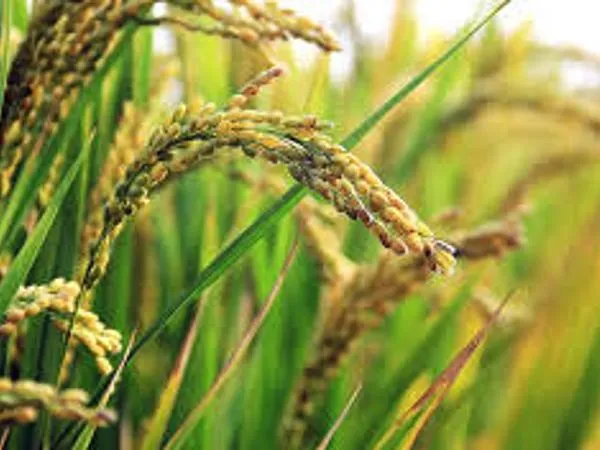
This year, planting trials on fertilizer usage, irrigation techniques, different types of planting methods and seed bulking continues. Last year, MALD together with the JAAS expert team have successfully produced more than 9 metric tonnes per hectare of rice, which is above the world average rice yield.
The rice expert visit is co-funded by JAAS and MALD under its development budget activities for 2026.
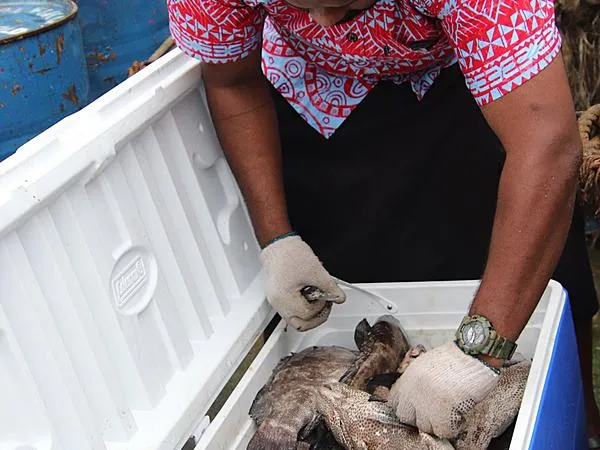
The Fijian government has imposed a nationwide four-month seasonal ban on the fishing and trade of Kawakawa (grouper) and Donu (coral trout) as part of efforts to protect fish stocks during their peak breeding season.
The ban took effect on June 1 and will remain in force until Sept. 30, covering all species of Kawakawa and Donu throughout Fiji.
Under the restrictions, the fishing, sale, transport, possession, purchase, export and distribution of the two fish species are prohibited nationwide.
According to Fiji's Ministry of Fisheries, the annual measure is designed to allow the species to reproduce during their spawning season, helping maintain healthy fish populations and supporting the long-term sustainability of the country's fisheries sector.
Fishers and seafood vendors holding stocks caught before the ban were permitted to sell them only until 11 p.m. on May 31.
Any remaining stock must be frozen, properly labeled with the fisher's or vendor's name and the date received, and stored for the duration of the ban. The ministry also requires existing inventories to be reported in writing to the nearest fisheries office by June 1 and made available for inspection.
The seasonal closure forms part of Fiji's broader fisheries management strategy aimed at safeguarding marine resources and ensuring sustainable harvest levels for future generations.
The Ministry of Fisheries has called on fishers, seafood vendors, exporters and the public to support the initiative, noting that compliance is essential to protecting the country's marine ecosystems and fisheries-dependent livelihoods.
Failure to comply with the ban constitutes an offence under Fiji's fisheries regulations and may result in enforcement action by authorities.
The restrictions are expected to affect segments of Fiji's domestic seafood trade and export market during the four-month period, while contributing to the replenishment of key commercial reef fish stocks.
Farmers from the Labuhila Coffee Farmers Association participated in a hands-on training session in Lumakanji, Guadalcanal, aimed at improving coffee production and increasing income opportunities.
The training, held on May 18 and 19, was funded through the Solomon Islands Agriculture Rural Transformation (SIART) Project under the Ministry of Agriculture and Livestock Development.
The SIART Project, funded by the World Bank and implemented by the ministry, seeks to strengthen the agriculture sector by increasing production, improving market access and enhancing rural livelihoods.
The program supports farmers in Malaita, Guadalcanal and Makira-Ulawa through training, infrastructure support, agribusiness development and extension services.
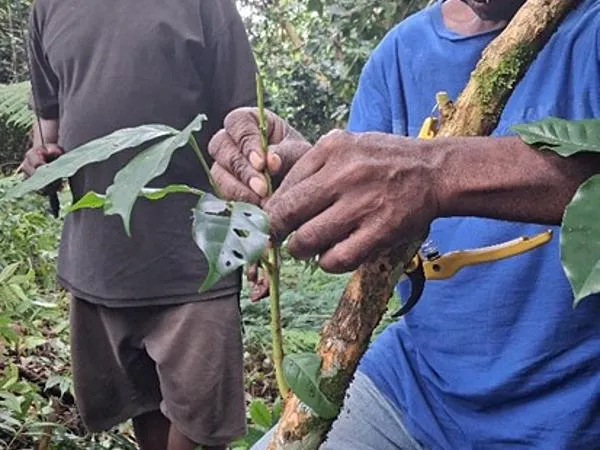
The training was led by Ministry of Agriculture and Livestock Development Research Officer Geoffrey Oliouou and focused on pruning and grafting techniques for coffee production.
Farmers were trained on pruning methods aimed at managing tall trees, removing unwanted growth after harvest, improving light penetration and stimulating productive branch development.
Participants also learned about the timing and follow-up care needed to protect coffee trees after pruning.
“The objective of this training is to equip farmers with practical skills that will directly improve coffee productivity and quality,” Oliouou said.
“By applying proper pruning and grafting techniques, farmers can rehabilitate existing trees, introduce improved varieties, and increase yields in a sustainable way,” he added.
The grafting component covered both top and side grafting techniques for nursery seedlings and mature trees, allowing farmers to replace low-yielding trees and accelerate production of marketable coffee.
A representative of the Labuhila Coffee Farmers Association said the training had provided practical knowledge that farmers could immediately apply in their farms and communities.
Farmers and organizers also highlighted ongoing challenges affecting coffee production in the highlands, including poor road access and limited market linkages that increase transportation costs and reduce farmer returns.
Participants noted that coffee, despite its potential as a major cash crop alongside cocoa and coconut, has received limited attention and support in recent years.
Through SIART funding, the training also provided materials for hands-on learning activities.
Organizers emphasized the need for continued support through access to quality seedlings, regular extension services and infrastructure investment to ensure technical improvements translate into sustainable income gains.
The Labuhila Coffee Farmers Association plans to apply the training through demonstration plots, community refresher programs and advocacy for improved market access and institutional support.
The Fiji government is stepping up efforts to reduce the country’s rice import bill while strengthening food security and supporting local farmers through a series of agricultural initiatives.
The government said immediate measures are being implemented to increase local rice production and reduce reliance on imported rice.
These include expanding rice cultivation programs in suitable agricultural areas and distributing improved and climate-resilient rice seed varieties to farmers.
Authorities are also strengthening mechanization support for land preparation and harvesting while supporting upgrades to rice mills and post-harvest processing facilities.
The government said it is encouraging youth participation and commercial investment in rice farming through targeted incentives and training programs.
Fiji is also working with development partners and research institutions to modernize the country’s rice industry and improve productivity.
As part of broader reforms, the government plans to implement a conditional import tariff framework aimed at managing rice imports while encouraging local production.
Officials are also conducting market demand and consumer preference surveys to better understand domestic rice consumption trends.
Additional measures include policy interventions and institutional reforms designed to strengthen the domestic rice sector and improve long-term sustainability.
The government said technology integration would also play a key role, including the use of precision farming, digital monitoring systems and energy-efficient processing across rice production and supply chains.
The initiatives form part of the government’s broader commitment to building a more resilient, sustainable and self-sufficient agricultural sector in Fiji.
Agriculture and Livestock Development Minister Franklyn Derek Wasi has received a courtesy call from Karen Mapusua, director of the Land Resources Division at the Pacific Community, at the ministry’s headquarters in Honiara.
Mapusua and her team are in Solomon Islands to support the country as it assumes the chairmanship of the Pacific Heads of Agriculture and Forestry Services (PHOAFS).
Solomon Islands led its first regional meeting following the formal handover from the Kingdom of Tonga during the opening of the 11th PHOAFS virtual meeting on Wednesday.
Wasi welcomed Mapusua and her delegation and acknowledged the support provided by the Pacific Community in assisting Solomon Islands in taking up the chairmanship of the regional body.
Mapusua briefed the minister on the agenda for the current PHOAFS virtual meeting and preparations required for Solomon Islands to host the next PHOAFS meeting in the country next year.
Solomon Islands is scheduled to host the Pacific Week of Agriculture and Forestry, a week-long regional event, in Honiara at the end of May 2027.
The Pacific Heads of Agriculture and Forestry Services is a regional platform that brings together senior agriculture and forestry officials from Pacific island countries and territories to coordinate policy priorities, food security initiatives, climate resilience efforts and regional agricultural cooperation.
The Pacific Week of Agriculture and Forestry is held every two years and is regarded as the region’s premier agriculture and forestry event, bringing together ministers, technical experts, researchers, development partners and private sector representatives to discuss food security, biosecurity, sustainable rural development and climate resilience.
Regional organizers said the 2025 Pacific Week of Agriculture and Forestry in Tonga focused on the themes of “more regeneration, more productivity and more resilience,” highlighting growing regional attention on climate adaptation, sustainable farming systems and agricultural research collaboration across Pacific island economies.
The Solomon Islands government has officially launched a five-year Japan-backed agricultural research project aimed at strengthening national food security through improved sweet potato production systems and seedling management.
The Ministry of Agriculture and Livestock Development, or MALD, last week welcomed Japanese researchers and partner institutions to Honiara to commence activities under the SATREPS project titled “Implementation of a Comprehensive Sweet Potato Seedling Management System for National Food Security.”
The initiative forms part of the Science and Technology Research Partnership for Sustainable Development, or SATREPS, program, a Japanese government-supported framework promoting international joint research to address global challenges.
The project is funded through the Japan International Cooperation Agency, or JICA, and the SATREPS program, with implementation scheduled from April 2025 to March 2030.
MALD officials met representatives from Japanese research institutions including the University of Tokyo, Tokai University and the National Agriculture and Food Research Organization to finalize implementation arrangements and discuss collaborative research activities.
The project will be jointly implemented by MALD and Solomon Islands National University alongside the Japanese partner institutions.
A Collaborative Research Agreement between MALD and the University of Tokyo was signed in Honiara on March 2, 2026, formalizing research cooperation arrangements between the institutions.
Project implementation officially commenced on May 17 following the arrival of Japanese researchers in Honiara.
MALD officials said the partnership would support the government’s efforts to strengthen food security and improve agricultural productivity across the Solomon Islands.
Sweet potato remains one of the country’s key staple crops, particularly among rural communities, making the project strategically important for national food supply and rural livelihoods.
Researchers involved in the project will focus on improving seedling management systems, pest control measures, cultivation practices, genetic resource research and the development of certified virus-free seedlings.
The visiting Japanese delegation also toured several agricultural research and production facilities including the Tenaru Field Experiment Station, MAL Henderson Crop Health Research laboratories, KG Farm and Kastom Garden.
Discussions during the visits focused on field research activities and future collaboration opportunities under the program.
MALD said a project coordinator and an in-country researcher are expected to arrive in June or July to support ongoing implementation and coordination activities in Honiara.
Procurement activities under the project are also set to begin, including the acquisition of tractors, tillage equipment and related farm machinery.
The project will also support establishment of a tissue culture laboratory and associated facilities, as well as the construction of net houses for planting materials research and production.
As part of the partnership, four MALD research staff members will travel to Japan from July 8 to 15 for technical training linked to project outputs.
Additional training and capacity-building activities are expected to take place in both Japan and the Solomon Islands throughout the duration of the project.
MALD said the initiative is expected to strengthen national food security, enhance agricultural research capacity and support long-term agricultural development in the Solomon Islands.
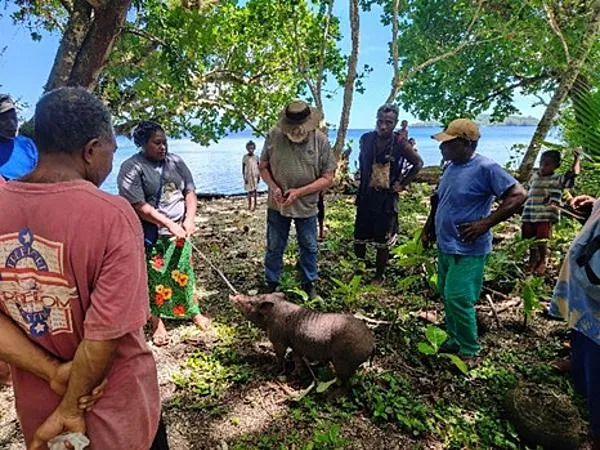
A livestock outreach programme conducted by the Solomon Islands Agriculture and Rural Transformation, or SIART, initiative is helping strengthen food security and improve farming practices in rural communities across Makira Province.
Through activities including livestock outreach, agribusiness support and extension services, the programme aims to build the capacity of rural farmers and improve long-term livelihoods.
Led by senior officers from the Livestock and Extension departments, the outreach covered the communities of Su’Ena, Hakanipua, Makia, Mwanipua, Tawarodo and Sungesau.
The programme combined classroom-style awareness sessions with practical demonstrations focusing on livestock disease prevention, animal nutrition, husbandry practices and biosecurity measures.
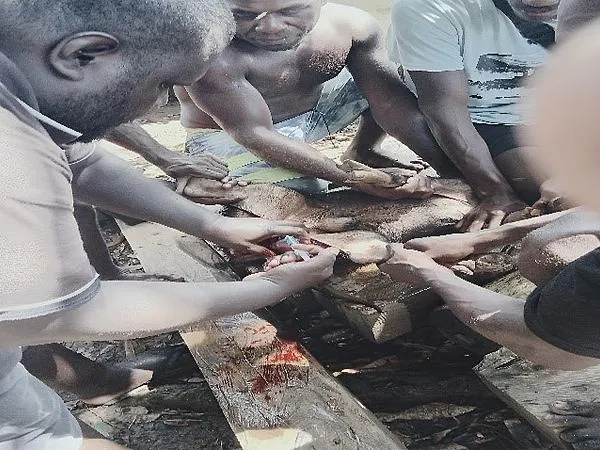
Farmers also received hands-on training in basic procedures such as pig castration and proper animal handling techniques.
A community representative from Makia welcomed the initiative, saying the programme had provided practical knowledge that would directly benefit local households.
“This programme has helped us better understand how to care for our animals,” the representative said.
“We have learned practical skills that will improve the health of our livestock and support our families’ livelihoods.”
Veterinary services formed a key component of the outreach, with livestock treated for common conditions including parasitic infections such as mange and worm infestations.
Programme officers said many of the conditions identified were preventable through improved hygiene and feeding practices.
A livestock officer from the Ministry of Agriculture and Livestock Development, or MALD, said the initiative aimed to strengthen rural livelihoods through practical training and improved animal health management.
“Our goal is to empower farmers with the knowledge and skills needed to prevent disease and improve productivity,” the officer said.
“Programmes like this are essential in strengthening rural livelihoods and ensuring sustainable livestock development.”
The touring team said limited knowledge of animal husbandry remained a major challenge in many rural communities, but outreach initiatives such as the SIART programme played an important role in bridging knowledge gaps and supporting long-term capacity building.
Despite logistical challenges, including transport and equipment constraints, the programme successfully delivered training, treatment and advisory services to participating communities.
Officials said the initiative was expected to contribute to improved livestock productivity, stronger food security and more sustainable rural livelihoods across Makira Province.
Australia’s imports of Pacific kava remained elevated in the first quarter of 2026 despite a decline from late-2025 levels, as exporters continued to benefit from expanded market access under Australia’s Kava Pilot Program.
According to a quarterly update released by Pacific Trade Invest Australia, Australia imported 42,906 kilograms of kava during the January-to-March quarter, down 14.5 percent from 50,161 kilograms in the previous quarter.
However, import volumes were still 24 percent higher than the 34,548 kilograms recorded in the first quarter of 2025, indicating continued year-on-year growth in demand for Pacific kava products.
Fiji remained the largest supplier to the Australian market, exporting 22,577 kilograms during the quarter through 217 registered businesses. Vanuatu recorded the strongest quarterly growth performance, shipping 15,921 kilograms, up 19.5 percent from the previous quarter and marking the country’s highest quarterly export volume to date.
The report noted that Vanuatu’s exports had increased consistently quarter-on-quarter throughout 2025 and into 2026, except for a slight dip in the fourth quarter of 2025, reinforcing its position as Australia’s second-largest Pacific kava supplier by volume.
Tonga exported 3,388 kilograms during the quarter, while Papua New Guinea shipped 1,020 kilograms. Smaller cumulative volumes were also recorded from Samoa and Solomon Islands.
Australia’s Kava Pilot Program was launched in 2019 and gradually expanded to allow commercial imports from Dec. 1, 2021. The initiative was designed to improve market access for Pacific exporters while maintaining import controls and food safety standards.
Under the current arrangements, exporters must comply with Australian food safety, packaging and labelling requirements, while importers may also require permits from Australia’s Office of Drug Control depending on shipment volumes and intended use.
The report said evolving consumer preferences were increasingly shaping the market, particularly demand for high-quality and consistently processed kava products linked to the wellness and functional beverage sectors.
Sergine Morin Tahun, owner and director of Tahun Kava Export, said consumers were becoming more informed about kava quality and sourcing standards.
“The biggest opportunities right now include the growing demand for high-quality, clean, and consistent kava products in markets like Australia,” Tahun said.
She added that exporters continued to face challenges related to freight costs, compliance procedures and maintaining reliable supply chains from Pacific island producers.
Pacific Trade Invest Australia said the market was becoming increasingly sophisticated, with compliance, quality assurance and consumer education emerging as critical factors alongside export volumes.
The Ministry of Agriculture and Livestock Development has completed a two-day animal health outreach program in Leitongo Village in Central Province, delivering veterinary services and livestock training aimed at strengthening rural livelihoods and food security.
The outreach covered the three communities of Leitongo 1, Leitongo 2 and Leitongo 3, where households rely heavily on poultry farming, piggery activities and fisheries for income and subsistence.
The program was led by livestock veterinary consultant Rodney Starr together with Donald Narakana and Robert Palmer.
Activities included practical demonstrations on pig castration, treatment of mange infections and administration of veterinary medicines, alongside training on animal husbandry and livestock management practices.
Officials said community participation was strong, with youths and students actively taking part in the sessions, reflecting growing local interest in livestock production and diversification of rural income sources.
Despite logistical challenges including muddy terrain, limited sanitation facilities and attendance delays, the outreach program was completed ahead of schedule.
Mary Talo, a representative from Leitongo 2, said the visit was the first major livestock support initiative received by the community in many years.
“Most of us depend on pigs and chickens for food and income, but we have not had regular veterinary services. This program gave us new knowledge and hope to improve our farming,” she said.
Starr said the outreach formed part of MALD’s broader strategy to strengthen food security and expand agricultural opportunities in remote communities across Solomon Islands.
“By bringing veterinary services and training directly to remote island communities, we are helping households expand beyond fisheries and unlock new opportunities in livestock production,” he said.
According to the ministry, the program helped improve community awareness of animal health and husbandry practices while renewing interest in livestock farming as an alternative and supplementary livelihood activity.
MALD said it plans to continue similar outreach initiatives nationwide as part of efforts to improve access to veterinary services, strengthen household resilience and support the country’s agricultural diversification strategy.
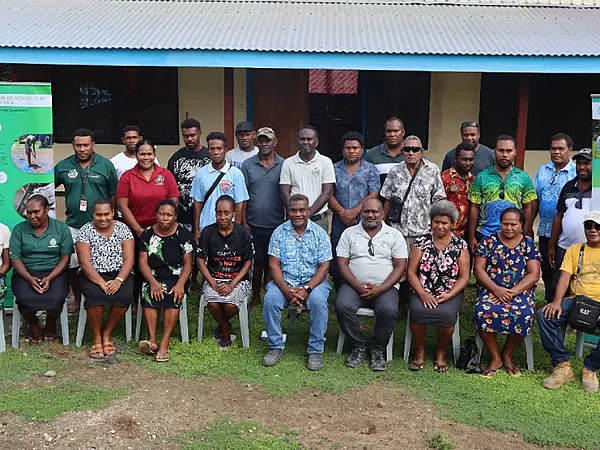
The Malaita Provincial Government has reaffirmed its commitment to strengthening agrifood systems through closer collaboration between government, farmers, businesses and community groups during a provincial consultation workshop held in Auki.
The workshop, organised under the theme “Strengthening Provincial Partnerships for Sustainable and Inclusive Agrifood Systems,” was convened through the Ministry of Agriculture and Livestock Development’s STODAS Project at the SSEC Sikitae Hall.
Opening the consultation, Malaita Provincial Secretary Eric George said agriculture remains central to food security, livelihoods and inclusive economic growth in Solomon Islands’ most populous province.
George said stronger agrifood systems would require coordinated action involving government agencies, the private sector, farmers, civil society organisations, women and youth groups.
“This consultation is about creating practical, locally grounded solutions that respond to the real priorities of our farmers, private sector actors, women, and youth,” he said.
A major focus of the workshop is the establishment of Provincial Food Councils, which are expected to serve as formal coordination and decision-making platforms across the agrifood sector.
Officials said the councils would help improve governance, strengthen inter-sectoral collaboration and ensure provincial agrifood policies better reflect local priorities and challenges.
Participants are also examining opportunities to develop agrifood public-private partnerships aimed at improving market access, encouraging investment, supporting value chain development and expanding sustainable economic opportunities across Malaita Province.
The consultation also emphasised gender and youth inclusion, with organisers highlighting the importance of involving women and younger people in long-term agricultural innovation and productivity initiatives.
Expected outcomes from the workshop include validated Provincial Food Council structures, clearer stakeholder responsibilities, identification of key agrifood priorities and a preliminary pipeline of public-private partnership opportunities.
The initiative is being supported through the STODAS Project in partnership with the Ministry of Agriculture and Livestock Development. Funding is provided by the European Union and implementation is being carried out by Food and Agriculture Organization of the United Nations.
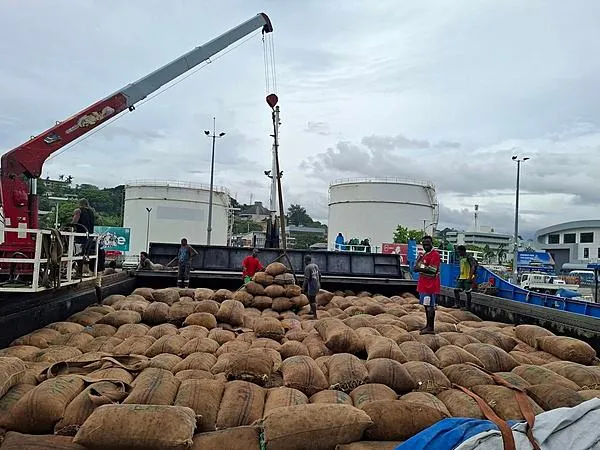
The Solomon Islands government has repealed the Coconut and Coconut Product Management Fees Regulations 2026 with immediate effect, saying the move is aimed at protecting farmers, supporting exporters and encouraging growth in the country’s coconut industry.
The repeal was approved by Acting Minister for Commerce, Industry, Labour and Immigration Manasseh Damukana Sogavare following recommendations from the Commodities Export Marketing Authority (CEMA).
The government said the decision was intended to shield coconut farmers from possible price reductions while helping exporters remain competitive in international markets.
Officials said the now-repealed regulation risked increasing financial pressure on exporters, which could have flowed through to farmers and other participants in the coconut value chain.
The government described the repeal as part of its commitment to responsive policymaking aligned with market conditions, stakeholder feedback and national economic priorities.
Authorities said the focus would now shift toward strengthening value-added production and downstream processing in the coconut and cocoa sectors as part of broader efforts to industrialise agricultural exports.
The coconut industry remains a major pillar of the Solomon Islands economy and is estimated to support around 40,000 rural households nationwide. Exports of copra and coconut oil generate between SBD300 million and SBD400 million annually, equivalent to about USD35 million to USD46 million.
Industry data show the country produces an estimated 370 million coconuts annually, with most production coming from smallholder farmers. Copra remains the dominant export product, although virgin coconut oil and other coconut byproducts are also contributing to economic activity.
The sector, however, faces mounting challenges, including aging coconut plantations, pest infestations and infrastructure constraints. More than 60 percent of coconut trees in the Solomon Islands are considered senile, affecting productivity and long-term sustainability.
The coconut rhinoceros beetle has also emerged as a significant threat to plantations, raising concerns over the resilience of one of the country’s key agricultural industries.
Government agencies and development partners are pursuing rehabilitation efforts through replanting programs and the distribution of improved planting materials, while initiatives such as Strongim Bisnis are promoting higher-value coconut products to support diversification and strengthen the industry’s sustainability.
Follow on LinkedIn:
Pacific Business Review
Be the "First" to get our exclusive Digital Magazine & Weekly Newsletter.