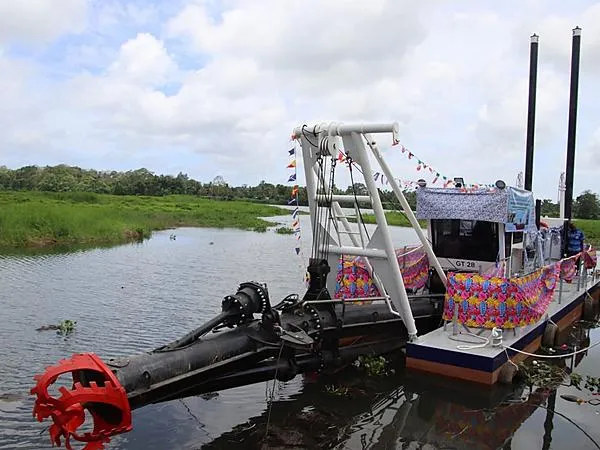
The Government of Japan has officially handed over a dredger to Fiji’s Ministry of Agriculture, Waterways and Sugar Industry, strengthening the country’s flood mitigation capacity and long-term climate resilience. The handover ceremony took place at the Ministry’s Luvuluvu Station in Nausori.
Officiating at the event, the Counsellor and Deputy Head of Mission of the Embassy of Japan to Fiji, Mr. Isami Takada, said the dredger—funded under Japan’s Grant Aid for Economic and Social Development—represents a strategic shift from disaster response to long-term resilience building.
Takada noted that in 2020, Japan pledged disaster risk reduction equipment valued at JPY 848 million to support Fiji. This package includes tsunami early warning systems, an ice-making plant already handed over in Lautoka, and the newly delivered dredger. The tsunami early warning systems are expected to be provided soon to Fiji’s National Disaster Management Office.
He emphasised that the dredger will play a critical role in reducing flood risks by improving drainage systems and river mouths, protecting farmland from siltation and waterlogging, and ensuring safer navigation along coastal and river routes. These outcomes, he said, will help safeguard livelihoods before, during and after disaster events.
Receiving the dredger, the Minister for Agriculture, Waterways and Sugar Industry, Tomasi Tunabuna, described the handover as another milestone in the strong and enduring partnership between Fiji and Japan.
He highlighted that between 2020 and 2025, the Ministry has received excavators, wheel loaders and dump trucks through Japan’s Grant Assistance for Grassroots Human Security Projects. These assets are now actively supporting rural and maritime communities across the country.
Minister Tunabuna underscored Fiji’s vulnerability to climate change and recurring floods, which continue to threaten infrastructure, livelihoods and national food security. He said the newly handed-over dredger will be a key asset in clearing silted waterways, increasing river discharge capacity, and protecting agricultural land and nearby communities.
Reaffirming the deep Kizuna—or bond—between Fiji and Japan, Minister Tunabuna assured that the dredger will be properly used and maintained to ensure long-term benefits for all Fijians.
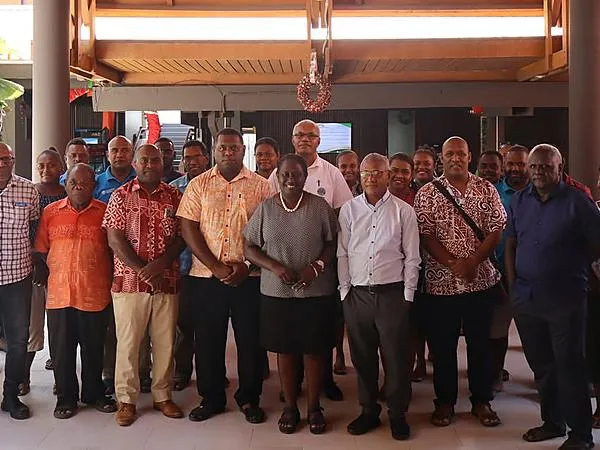
The Agriculture Investment for Markets and Nutrition (AIM-N) Project successfully conducted a Gender Equality and Social Inclusion (GESI) Induction Capacity Building Training yesterday at St Barnabas Cathedral Leaf Hat Melanesian Haus, aimed at enhancing inclusive agricultural extension and service delivery in Isabel, Western, and Choiseul provinces.
The one-day training brought together officers from the Ministry of Agriculture, AIM-N staff, extension officers, and partner organisations, highlighting a shared commitment to delivering agricultural services that are productive, equitable, and responsive to the needs of all Solomon Islanders.
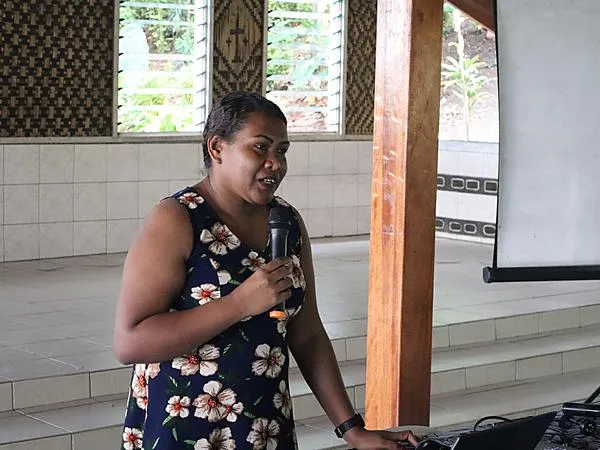
In her remarks, AIM-N Project Manager Samantha Maeke emphasised the importance of integrating GESI into all aspects of agricultural programming.
“GESI is not an add-on or a donor requirement. It is about how we plan our activities, engage communities, deliver extension services, collect data, and measure success,” she said.
Maeke noted that women make up a significant proportion of the agricultural workforce in the Solomon Islands, while youth represent the future of food systems. Persons with disabilities and other marginalised groups, however, continue to face barriers in accessing land, finance, extension services, markets, and decision-making spaces. Addressing these challenges is central to the AIM-N Project’s approach to sustainable agricultural development.
The training aimed to:
Strengthen participants’ understanding of national GESI frameworks, including gender, youth, and disability policies;
Build a shared understanding of the AIM-N Project GESI Strategy and its application at community and field levels; and
Encourage practical reflection on inclusive extension and service delivery in daily work.
Participants actively engaged in discussions, shared field experiences, and identified practical actions to improve inclusion in agricultural programming.
The AIM-N Project reaffirmed its commitment to supporting GESI integration as a core component of achieving improved nutrition outcomes, resilient rural livelihoods, and sustainable agricultural development in the Solomon Islands.
The training is expected to foster stronger institutional collaboration and a renewed commitment to inclusive planning and service delivery.
A week-long Human and Institutional Capacity Development Workshop concluded in Honiara last week, marking a major step forward in strengthening agribusiness incubation and innovation systems in the Solomon Islands.
The workshop, drawing on India’s experience in agribusiness incubation, focused on building the capacity of Agribusiness Incubator (ABI) staff while equipping local agripreneurs — particularly youth, women, and rural entrepreneurs — with practical, market-oriented skills.
Speaking at the closing dinner on Friday, Ministry of Commerce, Industry, Labour and Immigration Supervising Permanent Secretary Cornelius Donga thanked the visiting team from India’s ABI Centre and described the workshop as the beginning of a new and important partnership.
“Today marks the beginning of our relationship. This relationship starts today, and it will continue into the future. We hope that one day you will come back and see how our agribusiness sector has grown, how it has accelerated to become exporters and to do business even with India. I will certainly be one of those who will continue to promote and strengthen this relationship between the Solomon Islands and India. We have so much in common and so much we can learn from you. When we look at India’s journey where you were before and where you are now, we can relate to that,” Mr Donga said.
Andrew Melanolu, Director of the Extension Department from the Ministry of Agriculture and Livestock Development, acknowledged the Indian delegation for successfully transferring knowledge during the workshop.
“I would like to begin by sincerely acknowledging Dr Venkat and the AgriGov India delegation. On behalf of the Ministry of Agriculture, the Honourable Minister, and the Permanent Secretary, we are grateful for your presence and for being with us throughout this week-long training programme, particularly in building the capacity of our staff from the Ministry of Agriculture and other key stakeholders with whom MAL has been working closely. The week-long training has been extremely fruitful, and we are confident that the knowledge and skills gained by our officers during this period will be valuable in advancing and operationalising the agribusiness incubation concept in the Solomon Islands,” he said.
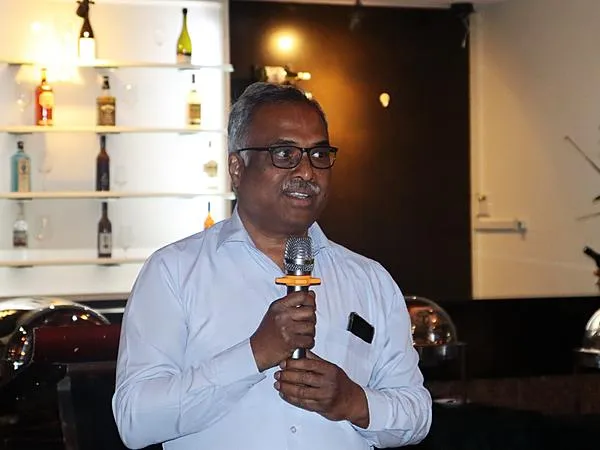
AgHub Managing Director Dr Venkateshwarlu Gudipati, speaking during India’s National Startup Day on 16 January, highlighted similarities between India and the Solomon Islands and praised the country’s progress in launching its agribusiness incubation journey with support from the Food and Agriculture Organization and the European Commission.
“I must say that you have taken a very important and timely step. With our decade-long experience in building a start-up ecosystem, we are happy and honoured to work with you, share our learnings, and support the development of a strong Agribusiness Incubation Centre in the Solomon Islands — one that fulfils its objectives as outlined in the Letter of Agreement. Entrepreneurship does not grow automatically; it must be built through sustained effort and a strong national campaign. In India, entrepreneurship has become a movement. I would encourage the Solomon Islands to consider designating a National Entrepreneurship Day, Startup Day, or Incubation Day. Such celebrations help raise awareness and provide opportunities to showcase achievements and progress, much like Environment Day, Women’s Day, or Agriculture Education Day,” Dr Gudipati said.
The workshop provided participants with a comprehensive understanding of India’s agricultural innovation ecosystem, strengthened the capacities of ABI staff, and equipped Solomon Islands agripreneurs with practical knowledge, best practices, and exposure to high-performing start-ups and key stakeholders.
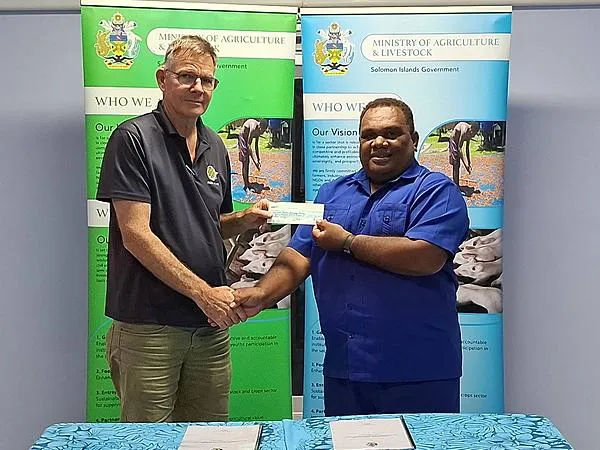
The Ministry of Agriculture and Livestock Development (MALD), through its Commercial Agriculture Development Project, has handed over a grant worth SBD750,000 to Kokonut Pacific Solomon Islands (KPSI) to support the purchase of a cocoa butter press machine.
Presenting the cheque, Minister for Agriculture and Livestock Hon. Franklyn Derek Wasi said the support reflects the government’s strong commitment to promoting agribusiness growth and strengthening the agriculture sector in Solomon Islands.
Minister Wasi said the assistance aligns with MALD’s policy priority of positioning agriculture as the economic backbone of the country, and also forms part of preparations for Solomon Islands to host the FAO Small Island Developing States (SIDS) Solutions Forum from June 22 to 26.
“The forum will involve multiple ministries engaged in food systems and will highlight innovative approaches and successful public-private partnerships that strengthen agriculture and agribusiness across the Pacific Island Countries,” he said.
KPSI Managing Director Bob Pollard welcomed the support, noting the direct benefits it will deliver to cocoa farmers.
“I’m pleased to be standing here on behalf of Kokonut Pacific and all the farmers we represent,” Pollard said. “To put this into context, the current cocoa farm-gate price is around SBD30 per kilogram. With the butter-making machine, we will be able to purchase beans at SBD40 per kilogram, providing a premium price to our farmers.”
He said the investment will allow KPSI to share improved margins with growers, resulting in meaningful income gains at the farm level.
“The impact is very real for our farmers. We genuinely appreciate the confidence and trust the Ministry has placed in the mid-farm sector,” Pollard said.
The cocoa butter press machine is a key component of cocoa and chocolate processing, enabling the conversion of cocoa liquor into two high-value products—cocoa butter and cocoa cake, which is further milled into cocoa powder. This ensures full utilisation of the cocoa bean while improving efficiency and profitability.
Modern hydraulic presses allow precise control of fat content to meet varying chocolate specifications, while solvent-free mechanical processes preserve the natural flavour, aroma and functional properties of cocoa butter. Controlled processing temperatures also help prevent product degradation.
The Commercial Agriculture Development Program Support Fund was established by MALD to help small- and medium-scale agribusinesses acquire critical equipment needed to strengthen value-addition operations.
MALD said enhancing local processing capacity supports its broader objectives of improving food security, promoting commercial agriculture and increasing farmer incomes. By enabling agribusinesses to move further into value addition, the ministry aims to reduce reliance on imported food products, support import substitution and strengthen national economic resilience.
The Ministry of Agriculture and Livestock (MAL) has reaffirmed its strong commitment to supporting agribusiness development as a key driver of economic growth, rural development and food security in Solomon Islands.
MAL Permanent Secretary Dr Samson Viulu made the statement as a five-day Human and Institutional Capacity Development Workshop, hosted by the Agri-Business Incubation (ABI) Centre, got underway in Honiara. The ABI Centre is a partnership between the Ministry of Commerce, Industry, Labour and Immigration (MCILI) and the Ministry of Agriculture and Livestock.
Dr Viulu said agriculture remains the backbone of the country’s economy, not only for food production but also as a critical pathway for income generation and sustainable livelihoods, particularly for rural communities.
“The Government, through the Ministry of Agriculture and Livestock, is fully committed to promoting agribusiness as a profitable and attractive sector for all Solomon Islanders. Our focus is to empower farmers, youth, women and entrepreneurs to move beyond subsistence farming into commercially viable agribusiness enterprises,” he said.
He noted that the Ministry’s approach aligns with the top policy priorities of the GNUT Government, including making agriculture attractive across all levels of society and putting more money into the hands of the people.
Dr Viulu emphasised that agriculture must be viewed not only as a means of producing food, but also as a business opportunity capable of generating steady income and improving living standards.
Through initiatives such as the Agribusiness Innovation and Incubation Centre, donor-supported programmes, and projects implemented in partnership with organisations including the Food and Agriculture Organization (FAO) and other development partners, the Ministry is supporting value-adding, downstream processing and improved market access for agricultural products.
“We are encouraging a shift from traditional practices to value addition and innovation. For example, instead of continuing the same copra production practices over generations, we want farmers and young people to explore processing, packaging and other value-adding opportunities that generate higher returns,” he said.
The Ministry is also placing strong emphasis on youth participation in agribusiness, noting that many young Solomon Islanders engage in agricultural work overseas due to better income opportunities.
“The lesson is clear: when agriculture is profitable, our people are willing to engage in it,” Dr Viulu added.
He said the Ministry remains committed to working closely with stakeholders, development partners and the private sector to strengthen agribusiness ecosystems across the country, with a particular focus on rural areas where the majority of the population depends on agriculture for their livelihoods.
“This is about transforming agriculture into a modern, profitable and sustainable sector that supports economic growth, social stability and long-term national development,” Dr Viulu said.
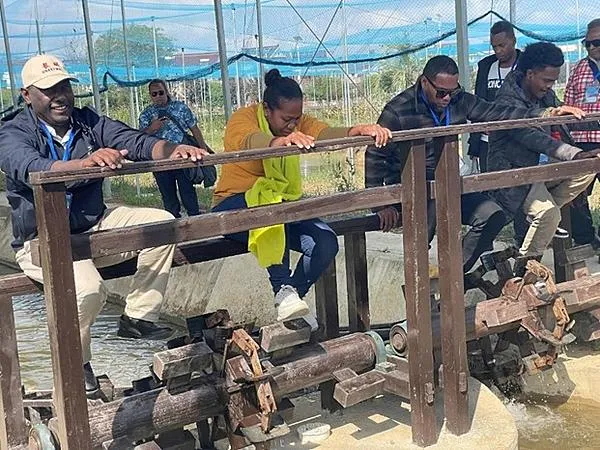
Fisheries officers at the Naduruloulou Research Station have been actively engaged at the start of the year in the systematic collection of tilapia fry from government ponds as part of the Ministry of Fisheries’ ongoing aquaculture research, development, and community support efforts.
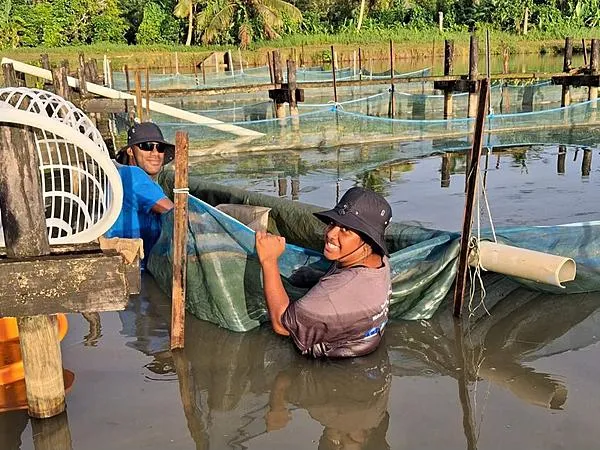
In the first days of 2026, officers focused on harvesting fry from earthen pond SP3, retrieving fry from 14 breeding hapas — specialized enclosures designed to optimise natural spawning. The setup maintained a breeding ratio of approximately 100 females to 50 males to enhance fry production. On Wednesday, the team continued its work at earthen pond SP1, collecting fry from nine additional breeding hapas. These early stages of fish development are critical for later growth and distribution to both research programmes and rural farmers.
The work at Naduruloulou forms part of a broader government strategy under the Fiji Ministry of Fisheries’ Aquaculture Development Plan 2024–2028, which aims to expand sustainable aquaculture, boost food security, and support income generation in rural communities. The plan highlights tilapia as one of nine priority species for national aquaculture growth, alongside oysters, prawns, seaweed, and others, with targets to elevate domestic production and reduce imports while increasing export potential.
The Ministry’s Aquaculture Division oversees operations at Naduruloulou, one of the country’s key freshwater hatcheries responsible for fry production, distribution, and technical support to farmers across Fiji. The division’s mandate includes monitoring cultured species, providing extension services and training, coordinating hatchery operations, and ensuring the sustainable management of aquaculture resources for national food security.
Recent Ministry activities in other parts of Fiji demonstrate a continued push to strengthen tilapia farming throughout rural areas. For example, aquaculture teams in the Northern Division have collected thousands of tilapia fry for on‑farm grow‑out and have distributed fry to women’s groups and individual farmers to support income‑earning opportunities and bolster local food supplies.
According to government officials, these efforts not only contribute to research and genetic stock improvements but also play a vital role in community development by providing healthy, high‑quality fry that serve as the foundation for productive fish farms. The Ministry says that supporting farmers with fry supply, training, and technical advisory services strengthens the blue economy, enhances rural livelihoods, and helps Fiji move toward its aquaculture development goals set out for the mid‑2020s.
The Ministry of Agriculture and Livestock (MAL), in partnership with the Food and Agriculture Organization of the United Nations (FAO), has formally concluded the Promoting Innovative Farming Systems to Improve Vegetable Production project with an End of Project Workshop held in Honiara.
The two-year project, funded by FAO and valued at USD 40,000, was led and implemented by MAL’s Research and Development Department. It focused on promoting protected vegetable cultivation to enhance productivity, increase farmer incomes, and improve household nutrition across the Solomon Islands.
The workshop provided an opportunity for stakeholders to review achievements and validate results, as well as to discuss recommendations for sustaining and scaling up protected cultivation systems. The project demonstrated that protected cultivation is a viable strategy for food security and income generation, while strengthening institutional capacity within MAL and among farmers, producers, and value-chain actors.
FAO’s pilot activities engaged farmers, government counterparts, and technical partners, demonstrating promising results even under challenging climatic conditions. The initiative emphasised capacity building, strengthened farmer organisations, improved market access, post-harvest handling, use of digital tools, and youth engagement. FAO plans to continue supporting the Solomon Islands Government by scaling up successful practices, including applied research and collaboration with national universities and regional partners.
Key achievements of the project include the construction of a demonstration greenhouse facility at the King George Research Centre, a pilot research trial comparing greenhouse and field vegetable production, the development of five practical manuals and fact sheets covering vegetable nursery and production management, and the conduct of two farmer training workshops. Nutrition and market development activities were also implemented, including awareness sessions, cooking demonstrations, and a domestic market analysis.
A draft working paper to guide policy and promote the adoption of protected cultivation is expected to be handed over to MAL in early 2026. The Research and Development Department noted that the project aligns with its mandate to advance agricultural innovation and productivity through evidence-based research.
MAL continues to develop improved crop varieties and livestock breeds suited to local conditions and market demands, while promoting sustainable farming practices that conserve water, enhance soil fertility, and reduce environmental impact. Collaboration with national and international research institutions ensures access to modern agricultural technologies, helping to strengthen the resilience and profitability of the Solomon Islands’ agricultural sector.
The project underscores the importance of innovative farming approaches in enhancing food security, boosting local incomes, and supporting sustainable rural development, providing a model for future initiatives across the Pacific region.
The Rural Sustainable Development Program (RSDP), funded by the People’s Republic of China, has allocated SBD $1.5 million to support seaweed farming in West Are’are Constituency, reinforcing its ongoing impact on rural communities.
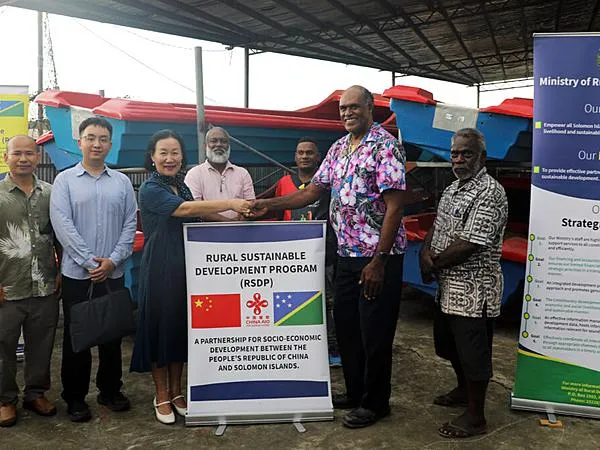
The funding, provided as project goods and materials, will be distributed directly to seaweed farmers to increase production and sustain livelihoods. Items include 15 boats, 15 outboard motors, 600 rolls each of 6mm and 2mm seaweed ropes, 21 rolls of seaweed netting, 21 rolls of seaweed plastic, and other essential materials to support farming operations.
The investment forms part of China’s continued commitment, through RSDP, to sustainable development and community empowerment, promoting long-term prosperity and self-sufficiency.
The project goods were handed over in Honiara on 23 December 2025, in a ceremony attended by the West Are’are Constituency office and representatives from the Chinese Embassy. The handover reflects the partnership between the two nations and their shared goal of supporting rural livelihoods.
The constituency office confirmed that the full funding will be used for seaweed farming, directly benefiting local communities and supporting sustainable economic growth. Plans are underway to explore further development, including processing and refining seaweed to secure better returns for farmers.
Representatives from the Chinese Embassy highlighted that the initiative marks a new chapter of practical cooperation under RSDP. The programme aims to improve social and economic development in rural areas and includes capacity-building and training opportunities to transfer knowledge and empower communities. China’s experience in rural poverty alleviation is cited as a model for enhancing livelihoods in the Solomon Islands.
Government representatives welcomed the support, noting RSDP’s role in improving rural lives and acknowledging the trust placed in the Ministry of Rural Development to implement the programme effectively. Collaboration with suppliers and constituency offices has been key to delivering projects successfully.
Launched in 2023, RSDP is a partnership between China and the Solomon Islands Government, aligning with China’s broader Global Development Initiative and the Solomon Islands’ National Development Strategy 2016–2035. The programme primarily targets rural and semi-urban communities, enhancing social and economic infrastructure, promoting income-generating activities, and addressing food security and climate resilience.
Seaweed farming has emerged as a vital source of income in coastal communities, providing opportunities for households to supplement their earnings and improve food security. By investing in essential equipment and materials, RSDP aims to increase the scale and efficiency of production, allowing farmers to supply both local and export markets more effectively.
The initiative also emphasises environmental sustainability. Seaweed farming is a low-impact aquaculture activity that supports coastal ecosystems and reduces dependence on overfished marine resources. By promoting responsible farming practices, the programme contributes to preserving marine biodiversity while strengthening community livelihoods.
Training and capacity-building form a core component of the project. Farmers will receive guidance on modern cultivation techniques, quality control, post-harvest handling, and potential value-adding activities such as processing seaweed into products for food, cosmetics, and industrial use. These efforts are expected to increase income potential and create new employment opportunities within the constituency.
The programme is expected to generate ripple effects beyond direct participants. By fostering local entrepreneurship and stimulating small-scale business activities, RSDP investments can encourage broader socio-economic growth within West Are’are, improving access to education, healthcare, and essential services.
RSDP’s long-term vision is to create resilient rural communities that can sustain economic growth independently. By combining material support, training, and community engagement, the initiative aims to build the capacity of constituents to respond to challenges such as climate change, market fluctuations, and resource scarcity.
With approximately 80 per cent of the Solomon Islands’ population residing in rural areas, projects like this are seen as essential to national development. By strategically investing in sectors such as seaweed farming, the RSDP demonstrates a model of targeted, impactful development that prioritises both economic and social outcomes.
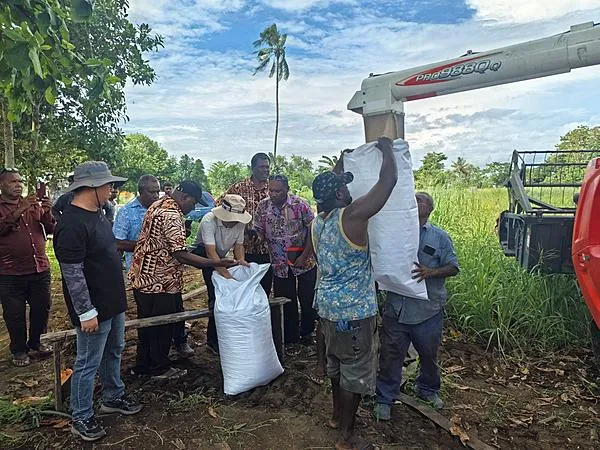
The Ministry of Agriculture and Livestock (MAL) is pleased to announce a significant breakthrough in rice production, demonstrating that rice can be successfully cultivated on loamy sandy soils with proper irrigation and effective soil management practices.
The MAL Rice Research and Demonstration Farm has shown that with the right technologies and agronomic approaches, rice productivity can be substantially improved — a development that has positive implications for food security and rural livelihoods across the Solomon Islands.
“This achievement is a testament to the Ministry’s commitment to promoting innovative agricultural technologies to boost the productivity and production of key commodities,” said Mr. Michael Tanisapa, Deputy Director of Extension, Ministry of Agriculture and Livestock.
The successful harvest, completed yesterday afternoon, marks a major milestone in the Ministry’s rice research and development efforts and reinforces the potential for expanding rice cultivation in areas previously considered marginal for the crop.
Recent Developments in Rice and Agricultural Efforts
These strategic efforts come at an important time, as reducing dependency on imported rice remains a priority for national food security. Increasing local rice production through research, partnerships, and farmer support is expected to help mitigate the country’s heavy reliance on expensive imports. (Historical data shows previous initiatives aimed at boosting rice cultivation and reducing import dependence.)
Key Highlights:
The Ministry looks forward to building on this success to scale up rice cultivation and strengthen the local agriculture sector for the benefit of farmers and communities throughout the nation.
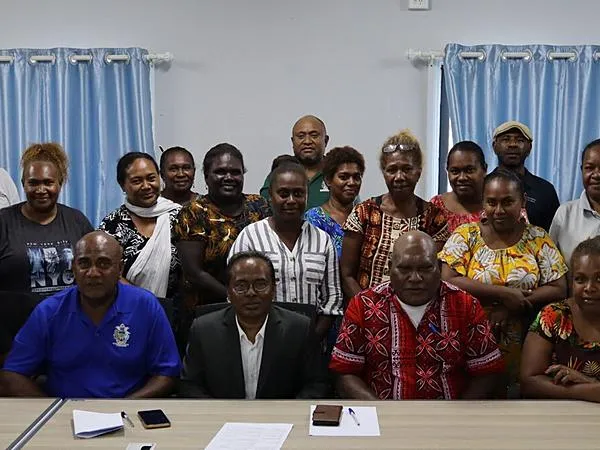
The National Steering Committee of the Agriculture Investment for Market and Nutrition (AIM-N) Project has held its inaugural meeting on 16 December, marking the formal start of oversight for the six-year initiative.
The meeting was chaired by Solomon Island's Ministry of Agriculture and Livestock Permanent Secretary Dr. Samson Viulu, who also serves as the committee’s chairman.
Discussions focused on the project’s strategic direction, the committee’s oversight role, endorsement of the terms of reference, review and approval of the 2026 Annual Work Plan and Budget, validation of selection criteria for project recipients in Western, Choiseul and Isabel provinces, and the project’s decision-making processes.
The committee includes representatives from government ministries, donor partners, the private sector, civil society organizations, academia and research institutions, as well as provincial secretaries from the three participating provinces.
AIM-N has a total budget of $19 million and is financed through a mix of loans and grants from the International Fund for Agricultural Development and the Global Agriculture and Food Security Program. The Ministry of Agriculture and Livestock is the project’s implementing agency.
Following the meeting, Viulu described the session as successful. “Overall, the meeting was successful because we received a lot of feedback and had rich discussions, particularly from the three provincial secretaries whose provinces were selected for the project, as well as from the permanent secretaries of government ministries present,” he said.
“Contributions from other stakeholders including people with special needs were also well noted and appreciated," he added.
AIM-N Project Manager Samantha Maeke said the meeting was a key milestone, saying that 'the successful convening of this first National Steering Committee meeting marks a major milestone for the AIM-N Project."
“While it demonstrates strong government leadership and coordination in guiding the project, it also reinforces strong collaboration across relevant government ministries, the private sector, civil society organisations, and people with special needs representatives," she said.
Maeke said the committee’s approval role is critical to implementation.
“There are certain key governance, planning and operational documents within the project, such as the Annual Work Plan and Budget, that require NSC approval,” she said. “Without this approval, project funds cannot be released. We are pleased that the 2026 Work Plan and Budget has been approved.”
Provincial leaders welcomed the project and signaled their readiness to participate. Isabel Province Supervising Provincial Secretary Rex Manase said the province looks forward to implementation.
“As a province, we are willing to work with all stakeholders involved in implementing the project,” he said. “While we acknowledge coordination challenges, we are very much looking forward to seeing the project carried out in Isabel Province.”
Choiseul Province Provincial Secretary Geoffrey Pakipota thanked the ministry for selecting his province.
“I want to thank MAL for identifying our province as one of the project areas,” he said. “For Choiseul, this project is a major boost and a trigger for agricultural development, and we look forward to its implementation.”
Western Province Provincial Secretary Patrick Toiraena said the project would help address long-standing challenges.
“We see the AIM-N project as an important intervention that will add value to what our farmers and the province are already working on,” he said. “Logistics and resources are a challenge for our people, but this project will support rural farmers and our growing population, while also helping to reduce non-communicable diseases by improving nutrition and food security in the province.”
The project targets 65 rural communities, schools and organizations and is expected to benefit more than 18,000 people, with women making up 50% of beneficiaries and youth 20%. It aims to improve nutrition and food security, reduce rural poverty and build resilient farming systems by strengthening indigenous traditional farming practices.
The steering committee meets twice a year. Its next meeting is tentatively scheduled to be held in Choiseul Province in 2026. Provinces not included in AIM-N are covered under other initiatives, including the World Bank-funded Solomon Islands Agriculture Rural Transformation project implemented by the ministry.
The Ministry of Agriculture and Livestock (MAL), through the World Bank-funded Solomon Islands Agriculture Rural Transformation (SIART) Project, is equipping 43 young professionals with practical experience in the agricultural sector.
The Young Professionals programme is part of SIART’s initiative to strengthen the country’s agricultural sector by fostering a new generation of trained agricultural workers while enhancing the capacity of MAL offices to support farmers. The recruited professionals serve as junior extension officers, assisting Agribusiness Producer Organisations (ABPOs) and linking with MAL offices in Guadalcanal, Malaita, and Makira/Ulawa Provinces.
ABPOs are farmer and agribusiness groups that work collectively to access markets, financing, and support services, aiming to increase production and improve sales. SIART Program Manager William Okekini said the young professionals have already made a significant impact.
“These graduates are significantly boosting the capacity of provincial MAL offices to support ABPO development, business plan implementation, recordkeeping, and grant monitoring. They are also helping build a new generation of trained agricultural workers for the Ministry and the country as a whole,” Mr. Okekini said.
Before deployment, young professionals receive extensive training covering cocoa agronomy, farm management, pest and disease management, post-harvest processing, recordkeeping, financial management, and marketing.
Veronika Alawai, based in northern Malaita, supports three ABPOs involved in cocoa and coconut production. She said the programme has provided valuable skills in working with farmers, conducting trainings, and developing work plans.
“As an agriculture graduate, working with the project is very helpful as further down my career I will be able to utilise the abilities and qualities that I have developed from working as a young professional,” she said.
Ruth Maeabulo, working with four ABPOs in West Kwaio, Malaita Province, said the project has already helped communities earn additional income and improve infrastructure. “For me personally, working as a young professional is about developing my career as an agriculture officer while supporting my communities,” she said.
The SIART Project aims to increase agricultural production and improve market access in selected value chains in Guadalcanal, Malaita, and Makira/Ulawa. Beyond immediate training and exposure, the programme provides long-term opportunities for full-time employment with the Ministry of Agriculture, contributing to a more resilient and sustainable agricultural sector in the Solomon Islands.
A scientific team from the Korea Institute of Ocean Science and Technology (KIOST), operating under the Ministry of Oceans and Fisheries of the Republic of Korea, has begun an initial marine site evaluation at the Makogai Fisheries Research Centre in Fiji. The mission marks the start of a comprehensive assessment to determine the area’s suitability for future sustainable mariculture initiatives.
The five-day visit brings together KIOST specialists, mariculture experts from Jeju National University, and researchers from Fiji’s Ministry of Fisheries. Working collaboratively, the team is conducting a detailed examination of the coastal environment surrounding the Makogai Research Centre—a site historically used for marine research, hatchery work, and the restoration of vulnerable marine species.
Their assessment focuses on key indicators essential for responsible mariculture planning, including water quality, hydrodynamic conditions, benthic habitat health, biodiversity, and the ecological resilience of surrounding reef systems. These data will help inform decisions on potential species for cultivation and the environmental safeguards required to ensure long-term sustainability.
The initiative reflects growing international cooperation in ocean science, with Fiji and Korea strengthening ties in marine research, climate resilience, and sustainable aquaculture development. Findings from this evaluation are expected to support Fiji’s broader efforts to expand ocean-based livelihoods while protecting fragile marine ecosystems.
Fiji has surpassed its sugar export quotas to the United States for five consecutive years, reaffirming the reliability of the Fiji Sugar Corporation (FSC) under the U.S. Tariff-Rate Quota (TRQ) system.
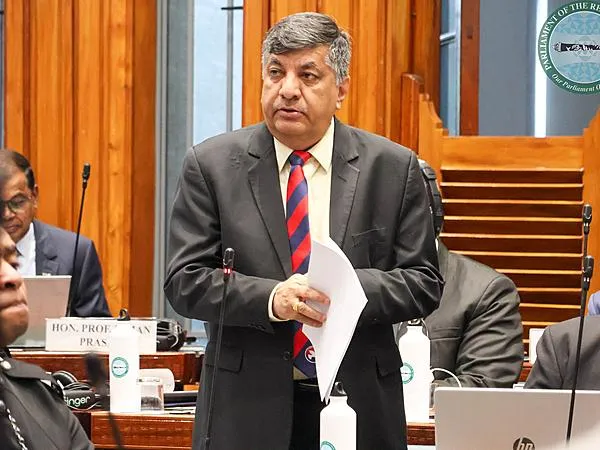
Minister for Sugar and Multi-ethnic Affairs Charan Jeath Singh told Parliament that since 2020, Fiji has not only met but exceeded its allocated quota each year.
In 2020, Fiji was allocated 14,330 tonnes and exported 15,611 tonnes. The trend continued in 2021, with exports reaching 10,551 tonnes against a 9,477-tonne allocation. In 2022, FSC exported 12,539 tonnes, exceeding the 11,785-tonne quota.
The 2023 and 2024 seasons each carried an allocation of 9,682 tonnes. Exports again surpassed expectations, totalling 13,760 tonnes in 2023 and 13,877 tonnes in 2024.
“This strong historical performance clearly demonstrates FSC’s capacity and reliability in honouring the requirements of the U.S. TRQ arrangement,” Minister Singh said.
Fiji’s sugar industry produces approximately 450,000 to 500,000 tonnes of raw sugar annually, with the majority processed at FSC’s two main mills in Lautoka and Rarawai. The sector employs tens of thousands of Fijians and plays a critical role in rural livelihoods, particularly in the Western Division, where sugarcane cultivation is a primary source of income.
The U.S. Tariff-Rate Quota (TRQ) allows a fixed quantity of sugar from Fiji to enter the United States at a reduced tariff. For Fiji, this quota has ranged between 9,000 and 15,000 tonnes in recent years, depending on U.S. allocations under the Generalised System of Preferences and bilateral arrangements. Sugar exports above this quota are subject to standard import tariffs, which are higher and less competitive on the global market.
Minister Singh noted that while the U.S. market remains important, it represents only a small segment—around 13,000 tonnes—of Fiji’s annual sugar exports. Over recent years, Fiji has broadened its global presence, strengthening trade with major destinations including the United Kingdom, Europe, South Korea, Asian refiners, and neighbouring Oceania markets.
The Minister emphasised that this diversification continues to enhance Fiji’s resilience and secure long-term stability for the sugar industry.
Officials from the Ministry of Agriculture and Livestock (MAL), together with representatives from the Ministry of Rural Development, the Ministry of Traditional Governance, Peace & Ecclesiastical Affairs, the Ministry of Provincial Government and Institutional Strengthening, the Commodities Export Marketing Authority, Kokonut Pacific Solomon Islands, key stakeholders and youth participants, have completed a rural development training seminar held from 8 to 30 October in Beijing.
The programme, delivered under China’s ongoing support for South–South Cooperation, aimed to strengthen capacity within developing nations through knowledge sharing on agriculture and rural transformation.
According to MAL, the seminar offered participants an in-depth understanding of China’s approaches to rural development, poverty alleviation, agricultural modernisation, rural governance, climate-smart agriculture and value-chain development. China’s experience in rural transformation is widely regarded as one of the most comprehensive in the world, making the seminar a significant opportunity for Solomon Islands government ministries, particularly MAL and the Ministry of Rural Development (MRD).
Throughout the training, participants were introduced to policies, technologies and practical models underpinning China’s rural revitalisation framework. Field visits to Jiangsu and Anhui provinces allowed attendees to observe community-driven governance systems, targeted poverty alleviation strategies, digital agriculture platforms, modern mechanisation, cooperative business structures, e-commerce logistics networks, and small- to medium-scale agro-processing industries.
Key areas of learning highlighted during the seminar included rural governance, agricultural modernisation, climate-smart agriculture, digital agriculture, agro-processing, biosecurity and rural revitalisation. Participants noted China’s emphasis on strong coordination between national and provincial agencies, data-driven planning, community participation and integrated value-chain development.
MAL said the insights gained hold strong potential to support Solomon Islands’ efforts to strengthen food security, enhance agricultural value chains, improve extension services and expand climate-smart agriculture initiatives across the provinces. The training also underscored the need for closer collaboration between MAL and MRD to improve planning, implementation and monitoring of rural development programmes.
Despite the opportunities presented, participants also identified several ongoing challenges facing rural development in the Solomon Islands, including limited budget resources, inter-island transport costs, customary land complexities, climate vulnerability, digital access limitations and gaps in rural infrastructure and data systems.
MAL acknowledged the Government of China for hosting the seminar and for its continued support for rural transformation in the Solomon Islands. The ministry said it looks forward to working with domestic stakeholders and development partners to translate lessons learned into practical outcomes for rural communities.
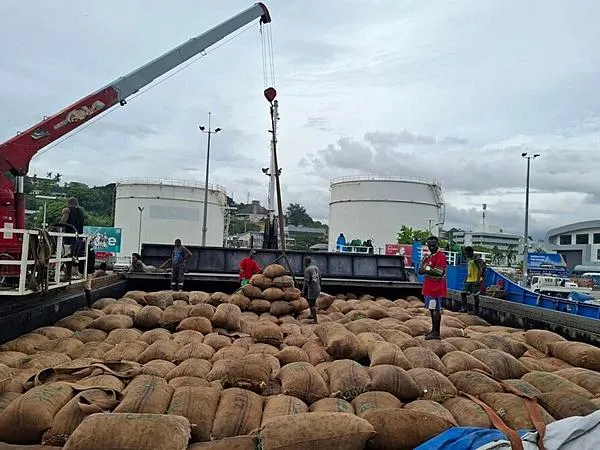
The Commodities Export Marketing Authority (CEMA) is making significant progress in strengthening direct export pathways for copra and cocoa, aiming to maximize value for local farmers and the national economy.
CEMA is moving away from reliance on intermediaries, engaging directly with international manufacturers to ensure higher returns, improved market stability, and greater transparency.
Direct partnerships for cocoa exports with manufacturers such as Barry Callebaut Cocoa Asia Pacific Pte Ltd, and for copra exports via Bangladesh to the United Arab Emirates, are securing better prices and benefits for Solomon Islands commodities. “This approach reduces dependency on middlemen, retaining more export value within the country,” CEMA said.
These efforts align with the Government for National Unity and Transformation’s (GNUT) mandate to secure better farm-gate prices and fairer participation for rural farmers. CEMA also recognizes the vital role of domestic processors in value-adding, creating employment, and strengthening the local market.
The authority plans to continue expanding direct partnerships and opening new export markets, prioritizing China, the Middle East, Southeast Asia, and premium chocolate manufacturers.
“This strategic shift reinforces CEMA's role as a driver of rural empowerment, increased farmer profitability, and sustainable national economic growth, supporting GNUT's productivity and trade priorities,” the authority said.
Cocoa and copra remain the two most important agricultural export commodities for the country. Combined export earnings saw a significant surge in 2025, reaching over SBD$511 million (approximately USD $63.7 million) in the first three quarters.
This growth is attributed to favorable global market prices, improved access to agricultural loans, increased participation from women and youth, and strengthened market linkages, leading to renewed confidence in the country’s agricultural sector.
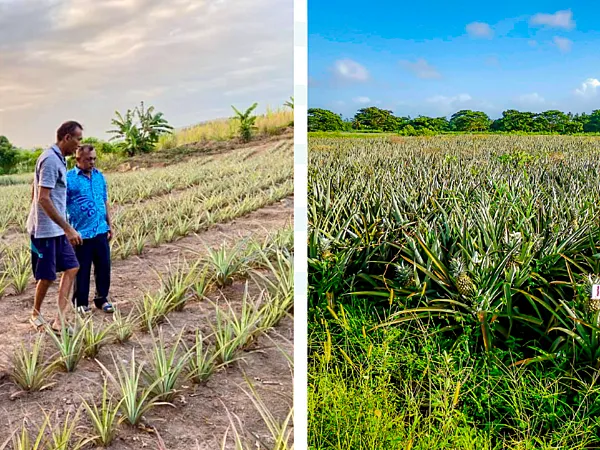
Fiji has achieved a significant milestone with the successful export of a three-tonne commercial trial shipment of Ripley Queen pineapples to New Zealand. Coordinated through the Ministry of Agriculture and Waterways’ Agriculture Trade & Marketing Research Programme, the shipment showcased the quality and export potential of locally grown pineapples.
Minister for Agriculture and Waterways, Hon. Tomasi Tunabuna, acknowledged the collaborative efforts of farmers, exporters, partner agencies, and stakeholders who contributed to the trial export. He noted that the achievement reflects growing confidence in Fiji’s ability to supply premium produce while supporting initiatives to expand agricultural exports.
The Ripley Queen variety has already generated positive interest in New Zealand for its sweetness, robust flavour, and strong shelf life. Minister Tunabuna emphasised that the trial’s success aligns with broader goals to diversify Fiji’s agriculture sector, improve market access, and enhance income opportunities for rural communities.
The shipment met all biosecurity and quality standards set by New Zealand authorities, marking an important step toward sustained export growth. The Ministry will continue to monitor market performance and provide ongoing support to farmers and exporters as discussions progress on expanding supply to New Zealand and other international markets.
Ripley Queen pineapples are a variety of dwarf pineapple known for their very sweet taste, pleasant aroma, and distinctive spiky leaves. They are typically cultivated in regions such as Queensland, Australia, and are prized for their non-fibrous flesh and relatively small size, weighing around 1.36 to 2.7 kg. Best enjoyed fresh, they are not well-suited for canning.
Follow on LinkedIn:
Pacific Business Review
Be the "First" to get our exclusive Digital Magazine & Weekly Newsletter.