The World Bank is proposing to introduce its AgriConnect initiative in Solomon Islands to sustain the gains of the Solomon Islands Agriculture Rural Transformation (SIART) Project and strengthen agricultural value chains through greater private sector participation after the project concludes later this year.
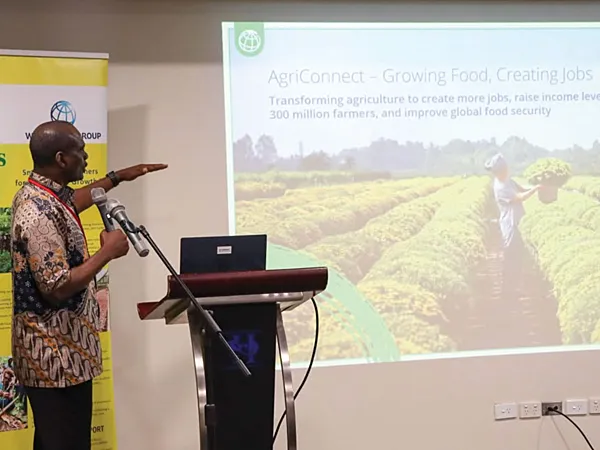
The proposal was presented by World Bank Senior Agriculture Specialist and Task Team Leader Abimbola Adubi during the bank's seventh implementation support mission to Honiara from July 13 to 17. The mission included Agriculture and Livestock Minister Franklyn Derek Wasi, Permanent Secretary Samson Viulu, officials from the Ministry of Agriculture and Livestock, the Ministry of National Planning and Development Coordination, the Ministry of Finance and Treasury, and representatives from the World Bank's Honiara office.
Adubi said AgriConnect would help ensure the long-term sustainability of the SIART Project by strengthening commercial agriculture, improving productivity and attracting private sector investment.
"In terms of sustainability and next steps, this is where the element of AgriConnect becomes very important," Adubi said.
AgriConnect is a World Bank Group initiative that seeks to help smallholder farmers transition from subsistence to commercial agriculture by connecting governments, agribusinesses, financial institutions, development partners and farmers to unlock opportunities across agricultural value chains, create jobs and improve food security.
The proposal follows the World Bank's assessment that the SIART Project has made significant progress in boosting agricultural production and building resilient rural livelihoods across Guadalcanal, Malaita and Makira/Ulawa provinces.
Implemented by the Ministry of Agriculture and Livestock and funded by the World Bank, SIART is scheduled to conclude on Dec. 31, 2026.
During the implementation support mission, the World Bank reviewed progress under the project's agribusiness, infrastructure and institutional capacity-building components, while also assessing procurement, financial management, environmental and social safeguards, and preparations for project closure.
The mission also reviewed data collection systems and the rollout of the project's management information system before presenting its findings to the Solomon Islands government.
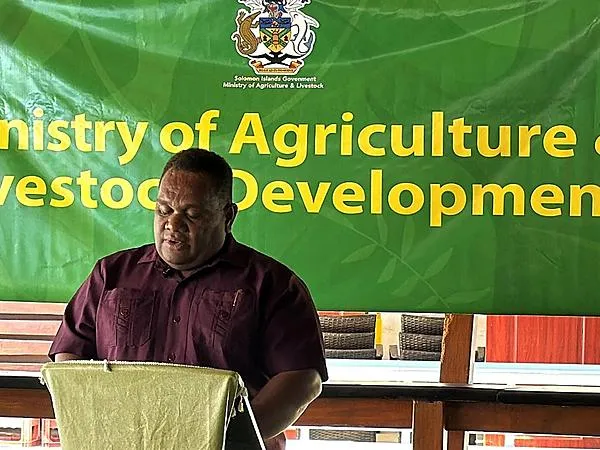
Agriculture Minister Franklyn Derek Wasi said the project has already left a lasting impact on the country's agricultural sector.
"It is our strong view that the World Bank-funded SIART Project has left a positive legacy in the agricultural development of Solomon Islands," Wasi said.
The minister said the country must continue building on SIART's achievements by strengthening Agribusiness Producer Organizations (ABPOs), improving access to finance and investing in value-adding facilities, post-harvest storage, transport infrastructure and farmer-market networks.
To date, SIART has established and supported 96 Agribusiness Producer Organizations, including 45 in Malaita Province, 32 in Guadalcanal Province and 19 in Makira/Ulawa Province, backed by more than SBD35 million in grant funding.
The project has also supported the construction of modern agriculture office buildings in Auki and Kirakira, the renovation of the Ministry of Agriculture and Livestock's research headquarters, slaughter facility and piggery shelter at King George, and the detailed design of the ministry's proposed Research Centre of Excellence at Tenaru.
Beyond infrastructure, SIART has recruited and trained more than 40 young professionals as junior extension officers to support rural farmers, strengthen provincial agriculture offices and build long-term agribusiness capacity.
The project has also provided grants, agricultural equipment and technical training to farmers and agribusinesses to help them transition from subsistence farming to commercially viable enterprises.
World Bank representatives said discussions are continuing on how to sustain the project's achievements beyond its completion, with AgriConnect viewed as a mechanism for attracting private sector investment and strengthening agricultural value chains.
"We won't allow the good work done by SIART to stop when the project ends. We want to find a way of sustaining it and bring in private sector attention in line with the AgriConnect program," Adubi said.
SIART Project Manager William Okekini said the project remains on track to achieve its development objectives before its scheduled closure at the end of the year.
The World Bank plans to hold a workshop with government agencies, private sector representatives and agricultural value chain stakeholders to explore how AgriConnect can be implemented in Solomon Islands to create jobs, improve productivity and support long-term growth in the agriculture sector.
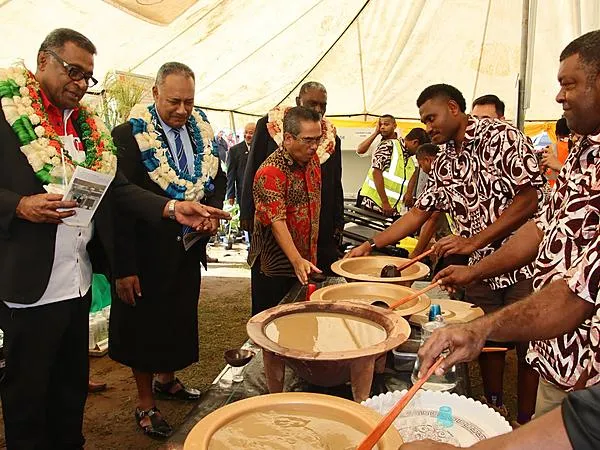
Fiji has launched the Blue Economy and Green Community Development (BE-GREEN) Programme, a six-year initiative aimed at strengthening rural livelihoods, restoring ecosystems and building climate resilience across Vanua Levu.
Prime Minister Sitiveni Rabuka launched the program in Koronatoga Village, Cakaudrove, describing it as a major step toward sustainable development and inclusive economic growth.
Rabuka said the initiative would increase the productivity of Vanua Levu's agriculture and marine sectors through sustainable resource management and biodiversity-friendly practices.
"The goal is clear: to boost rural incomes, restore ecosystems and enhance resilience, while complementing existing government and development partner initiatives in Vanua Levu, including the World Bank-supported Na Vualiku Project," he said.
The program will support stronger farming and fishing industries, improve market access, encourage rural entrepreneurship, restore ecosystems, and expand economic opportunities for women and young people.
Funded through the Global Environment Facility (GEF) and the International Fund for Agricultural Development (IFAD), the initiative will operate across the three provinces of Vanua Levu.
GEF funding is expected to benefit about 3,500 households, while IFAD investments will focus on six districts in Cakaudrove Province—East Wailevu, Savusavu, Navatu, Koroalau, Vaturova and Naweni.
Approximately 3,050 subsistence and semi-commercial farming, fishing and handicraft-producing households will receive direct support, with priority given to women, youth and Indigenous communities. Combined GEF and IFAD investments are expected to benefit around 39,300 people.
Rabuka said the program adopts an integrated approach linking environmental conservation with economic development through sustainable production, improved access to markets and finance, and stronger institutions.
"Our land and ocean are not only our heritage; they are the foundation of a resilient and prosperous future for the people of Vanua Levu," he said.
Speaking at the launch, IFAD Associate Vice-President for the Department of Country Operations Donal Brown said the initiative represents a renewed commitment to helping Fiji's rural communities adapt to climate change while creating sustainable economic opportunities.
Brown said Pacific communities face increasing challenges from climate change, biodiversity loss, land degradation, rising production costs and changing market conditions, making integrated development initiatives increasingly important.
He said the program would promote climate-resilient agriculture, strengthen biodiversity conservation, improve ecosystem management, expand market opportunities and improve access to finance and business services.
"Sustainable development in island contexts cannot be achieved through isolated interventions," Brown said.
"By supporting integrated planning, sustainable land use, biodiversity conservation and climate adaptation, the BE-GREEN Programme will help communities make better decisions for both people and nature."
The BE-GREEN Programme is scheduled to run for six years, supporting Fiji's efforts to strengthen rural economies while protecting natural resources and improving climate resilience.
The Fiji Meat Industry Board (FMIB) has achieved Hazard Analysis Critical Control Point (HACCP) Australia certification, a milestone expected to strengthen Fiji's food safety standards, improve export readiness and support the long-term growth of the country's livestock industry.
The internationally recognised certification confirms that FMIB has implemented a comprehensive food safety management system that identifies, monitors and controls potential hazards throughout meat processing, from production to distribution.
Assistant Minister for Agriculture, Waterways and Sugar Industry Inosi Kuridrani congratulated the board, management and staff on the achievement, describing it as a testament to FMIB's commitment to producing safe, high-quality meat products that meet international standards.
"The HACCP certification demonstrates the Board's dedication to maintaining the highest food safety standards while ensuring consumers have confidence in locally processed meat products," Kuridrani said.
He said the certification provides a globally recognised framework for managing food safety risks, enhancing consumer confidence and improving Fiji's ability to access regional and international markets, where compliance with internationally accepted food safety standards is increasingly required.
According to Kuridrani, the certification aligns with the government's Agriculture Sector Strategic Development Plan 2024–2030, which identifies stronger food safety and biosecurity systems, modernised agricultural value chains and greater export competitiveness as key priorities for transforming Fiji's agriculture sector.
He said the recognition would not only strengthen FMIB's operations but also create broader benefits across the livestock value chain by providing farmers with reliable processing services, supporting higher-quality meat production and opening new market opportunities for locally produced livestock.
Kuridrani said the achievement would help build a more resilient, competitive and sustainable livestock industry while encouraging greater investment in domestic meat production.
The HACCP system is one of the world's most widely adopted food safety management standards and is recognised by regulators, retailers and food importers globally. Certification demonstrates that food producers have established preventive systems to identify biological, chemical and physical hazards and implement critical controls throughout processing.
For Pacific island countries such as Fiji, internationally recognised food safety certification is increasingly important as governments seek to expand agricultural exports, reduce dependence on imported food products and improve food security through stronger domestic production.
The certification is expected to enhance FMIB's credibility among domestic consumers and international buyers while supporting the government's broader objective of increasing the contribution of agriculture and agribusiness to economic growth.
A group of smallholder farmers in Guadalcanal Province has begun producing bottled pineapple juice after receiving support to establish a processing facility, creating new income opportunities while reducing the need to travel to Honiara to sell fresh produce.
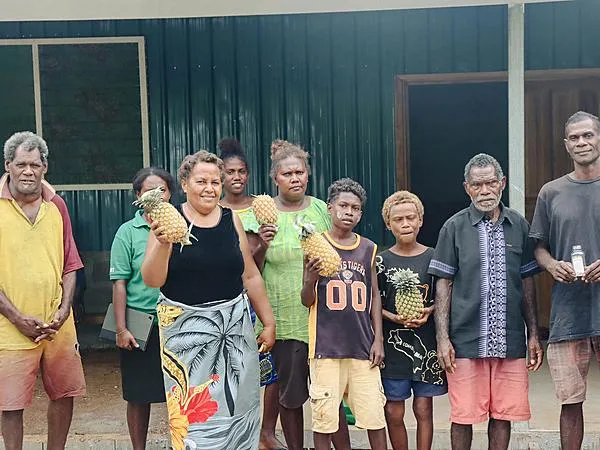
The Atunoda Family Farmers Association, based in Gheghede village in East Central Guadalcanal, recently celebrated the production of its first bottles of pineapple juice following the completion of a pineapple processing shed and the installation of processing equipment funded through the Solomon Islands Agricultural Rural Transformation (SIART) Project.
The association, comprising 30 smallholder farmers, received SBD196,106 to build the processing shed and a further SBD24,500 for a pineapple processing machine.
SIART is a World Bank-funded programme implemented by the Ministry of Agriculture and Livestock (MAL) to increase agricultural production, improve market access and strengthen economic resilience in Guadalcanal, Malaita and Makira-Ulawa provinces.
For years, farmers in the remote inland community have faced poor road conditions and limited transport, making it difficult to reach Honiara's Central Market. Many farmers, including women and children, have had to spend nights at the market while waiting to sell their produce before returning home.
The new processing facility enables farmers to add value to their pineapples within the village rather than transporting fresh fruit to the capital.
Association chairman Gideon Kilua said the project marked an important step towards improving livelihoods.
"By venturing into this form of agribusiness, we are working together to improve our livelihoods in the village," he said.
The association produced its first bottles of pineapple juice during a pineapple processing and food safety training programme organised by SIART in June 2026. The training was facilitated by a food technician from MAL's Research Department.
Kilua said women and children from the community also participated in the training.
"The first production from our processing facility is a green light for us. It gives us confidence that we can earn a profit from producing pineapple juice in our village," he said.
Using 20 pineapples during the training, the group produced more than 60 bottles of juice in less than an hour.
Kilua said selling fresh pineapples in Honiara generated about SBD200 from 20 fruits before transport and market fees were deducted.
"We can earn more by selling pineapple juice at SBD5 per bottle in surrounding communities and nearby schools. We are also looking for customers in shops in Honiara," he said.
Beyond infrastructure and equipment, SIART has also provided working capital, allowing the association to purchase pineapples from members and neighbouring farmers for processing.
"Instead of travelling to Honiara, farmers can bring their pineapples to us and we pay them directly, saving them transport costs," Kilua said.
The initiative also benefits elderly farmers as well as women and children who previously faced the burden of travelling long distances to market their produce.
Pineapple farming is the main source of income for many households in Gheghede village.
"One farmer can produce nearly 2,000 pineapples. With support from the SIART Project, pineapple farming has expanded. Our women and children are happy because they are helping establish more pineapple farms," Kilua said.
He said income from pineapple sales helps families pay school fees, cover medical expenses and meet other household needs.
To ensure the business remains sustainable, the association plans to acquire another processing machine and expand production. The processing facility is also creating paid employment opportunities for villagers involved in juice production.
Association member and pineapple farmer Heslyn Tarimana said the project had eased many of the challenges faced by women.
"It will benefit us a lot," she said.
"This project will help us overcome the challenges we always face when taking our pineapples to Honiara."
Tarimana said poor transport links often forced farmers to stay overnight at Honiara's Central Market while trying to sell their produce or waiting for transport home.
"Now we can grow, harvest and sell our pineapples here in the village," she said.
She thanked the Ministry of Agriculture and Livestock and the World Bank, through the SIART Project, for supporting the community.
"It has been our long-time hope for a project like this to reach our village and help create economic opportunities. It will support our children's education, help meet household needs and allow families to save money for other commitments," Tarimana said.
The Atunoda Family Farmers Association is one of 32 Agribusiness Producer Organisations in Guadalcanal Province receiving grant support through the SIART Project as Solomon Islands seeks to strengthen rural agribusiness and improve farmers' access to markets.
Chinese agricultural specialists have completed rice transplanting across a one-hectare experimental and demonstration farm in Honiara, marking a key milestone in an agricultural technical assistance programme between China and Solomon Islands.
Since June 2026, a team of four experts from the Jiangsu Academy of Agricultural Sciences (JAAS) — comprising two rice specialists, a vegetable specialist and a fertiliser specialist — has been providing technical assistance to Solomon Islands.
Following preliminary work, including land preparation, seedling cultivation and water salinity monitoring, the team has begun hands-on rice transplanting operations and technical field training. The newly transplanted rice seedlings are reported to be growing well.
Nine agronomy students from Solomon Islands National University (SINU) took part in the transplanting, field observations and crop management activities, gaining practical experience to complement their academic studies.
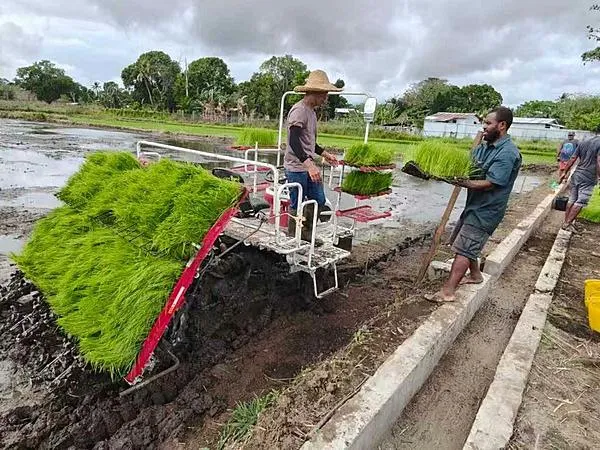
The Chinese specialists oversaw both manual and mechanised transplanting, completing planting across about one hectare of experimental and demonstration paddy fields. They said mechanised transplanting significantly improved planting efficiency, while standardised techniques ensured uniform seedling density.
To promote modern seedling cultivation methods, the experts also organised on-site training sessions on water-tray and dry-tray seedling raising techniques.
Officials from the Ministry of Agriculture and Livestock (MAL) and frontline agricultural officers from provinces across Solomon Islands attended the sessions.
The experts demonstrated key procedures, including seedling substrate preparation, water and fertiliser management, and disease prevention and control. Participants also received practical guidance on identifying healthy seedlings.
According to the project team, all transplanted seedlings have recovered successfully and are showing healthy growth, with vigorous green foliage and normal tillering.
The next phase of the programme will focus on paddy field management, monitoring and controlling pests, diseases and weeds, and providing specialised training for provincial agricultural officers.
The experts will also continue mentoring SINU agronomy students in daily field management, including water and fertiliser application, as well as integrated pest, disease and weed management throughout the rice growing cycle.
The agricultural technical assistance project is jointly supported by the Embassy of the People's Republic of China in Solomon Islands and the Ministry of Agriculture and Livestock under a long-term agricultural science and technology cooperation framework between JAAS and MAL.
The initiative aims to strengthen agricultural cooperation between China and Solomon Islands while improving the country's rice and vegetable production capacity.
Fiji has earmarked a record FJ$221 million for the Ministry of Agriculture, Waterways and Sugar Industry in the 2026/2027 National Budget, with the government aiming to strengthen food security, improve farmers' livelihoods and accelerate the sector's contribution to economic growth.
Speaking in Parliament on 15 July, Agriculture, Waterways and Sugar Industry Minister Tomasi Tunabuna said the allocation underscored the government's commitment to agriculture as a key pillar of the economy and a driver of employment, exports and rural development.
"This budget is not just about numbers. It is a commitment to every farmer, every rural community and every Fijian family," Tunabuna said.
The non-sugar agriculture sector received its largest-ever allocation of FJ$124.7 million, up 8.2 per cent from the previous financial year.
Tunabuna said government investments during the 2025/2026 financial year had produced tangible results, including the distribution of more than 2.1 million planting materials, support for 950 livestock farmers through improved breeding stock, the upgrading of 61.5 kilometres of farm access roads, and the completion of 149 drainage and irrigation projects.
He added that coastal and flood protection works had benefited 14 communities.
The minister also announced that Fiji recorded a historic FJ$187.2 million in fresh and frozen crop and livestock exports in 2025, a 17.1 per cent increase from the previous year and the highest export value achieved in the past decade.
He said the performance supports the ministry's target of reaching FJ$1 billion in fresh and frozen non-sugar agricultural exports by 2030.
For the 2026/2027 financial year, the ministry will focus on improving food and nutrition security, raising farm incomes, promoting climate-smart agriculture, expanding commercial agriculture and export development, and modernising services through digital transformation.
Major allocations under the budget include FJ$39.2 million for commercial agriculture covering priority commodities such as yaqona, dalo, ginger, rice, cocoa, coffee, coconut, dairy, fruits and vegetables; FJ$31.6 million for sustainable resource management and climate-smart agriculture; FJ$15.6 million to modernise ministry operations; FJ$10.7 million for livestock development and dairy production; and FJ$12.2 million to strengthen agricultural marketing and export value chains.
Funding for fertiliser assistance in the non-sugar sector was also increased from FJ$1 million to FJ$3 million to help reduce production costs for farmers.
The government also allocated FJ$96.3 million to support the sugar industry during its transition, including FJ$41.6 million for the Sugar Stabilisation Fund to provide continued support for cane growers.
Tunabuna said the budget reflects the government's vision of building a resilient, productive and commercially driven agriculture sector while ensuring government services reach farming communities across the country.
He also acknowledged ministry staff for their work in delivering programmes and services to farmers nationwide.
Fiji is strengthening its livestock sector by equipping agricultural officers and industry stakeholders with modern feed formulation skills and digital tools aimed at reducing production costs, improving animal nutrition, and increasing local livestock productivity.
The Ministry of Agriculture, Waterways and Sugar Industry concluded a week-long Feed Formulation Training for the Pacific and introduced the FeedAccess Online Feed Formulation App during a regional training program held at the Animal Health and Production Office in Vatuwaqa.
Closing the program, Minister for Agriculture, Waterways and Sugar Industry Tomasi Tunabuna said the initiative forms part of the government's broader strategy to strengthen Fiji's livestock industry through innovation, capacity building, and greater use of locally available feed resources.
"The training focused on promoting the use of locally available feed resources such as cassava, copra meal, fish meal, and other agricultural by-products as cost-effective alternatives while ensuring that animal productivity and performance are maintained at optimal levels," Tunabuna said.
The training brought together agricultural extension officers, researchers, advisory officers, and livestock professionals from across Fiji, providing practical instruction in animal nutrition, feed formulation, and digital technologies that support livestock production.
Participants learned to evaluate the nutritional value of locally available feed ingredients and formulate balanced rations for different livestock species and production stages.
According to the ministry, feed accounts for between 65% and 75% of total livestock production costs, making feed efficiency a critical factor in improving farm profitability.
Tunabuna said developing expertise in least-cost feed formulation would enable extension officers to help farmers optimize livestock nutrition, reduce operating costs, and improve overall farm productivity.
A key component of the training was the introduction of the FeedAccess Online Platform, a digital application that allows users to formulate nutritionally balanced feed rations using smartphones, tablets, or computers without requiring specialized desktop software or complex spreadsheets.
Developed by France-based agricultural technology company FeedAccess, the platform enables farmers, researchers, extension officers, and feed manufacturers to calculate feed formulations using locally available raw materials while optimizing nutritional value and production costs.
Founded in 2013, FeedAccess provides a free digital feed formulation platform supporting 16 livestock and aquaculture species. The platform is currently used by more than 11,800 users across 185 countries.
FeedAccess Director and training facilitator Edouard Bault said the platform was designed to make feed formulation more practical and accessible for extension officers and livestock producers.
"Feed formulation should not be limited to specialists with advanced software," Bault said. "FeedAccess simplifies the process, allowing users to formulate balanced, least-cost rations using locally available feed ingredients. This helps farmers make informed decisions, reduce feed costs, and improve the productivity of their livestock."
Bault said the long-term success of the program would depend on participants applying their new knowledge in the field and sharing their expertise with livestock producers.
"By making better use of local feed resources, Pacific countries can reduce dependence on imported feeds while building more resilient and sustainable livestock production systems," he said.
The ministry said adoption of digital tools such as FeedAccess supports the objectives of the Fiji Livestock Sector Strategy, which identifies feed quality and affordability as major constraints to livestock development.
Tunabuna said expanding the technical capacity of ministry officers through practical technologies would help address these challenges while supporting national food security objectives.
He also acknowledged the contribution of Bault in delivering the technical training and thanked the Pacific Community (SPC) for partnering with the ministry to organize the regional program.
The minister encouraged participants to continue testing locally available feed ingredients, monitor livestock performance, and share their knowledge with farmers, students, and others involved in animal production.
The Ministry of Agriculture said it will continue investing in professional development and practical innovations that strengthen livestock productivity, improve food security, and support sustainable agricultural development in Fiji.
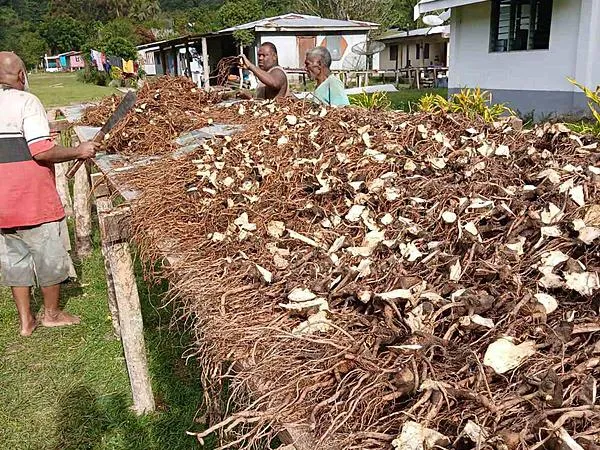
A community co-operative in Fiji's Navosa highlands is creating new market opportunities for local yaqona farmers by purchasing, processing and marketing the crop within the district, reducing transport costs and increasing returns for growers.
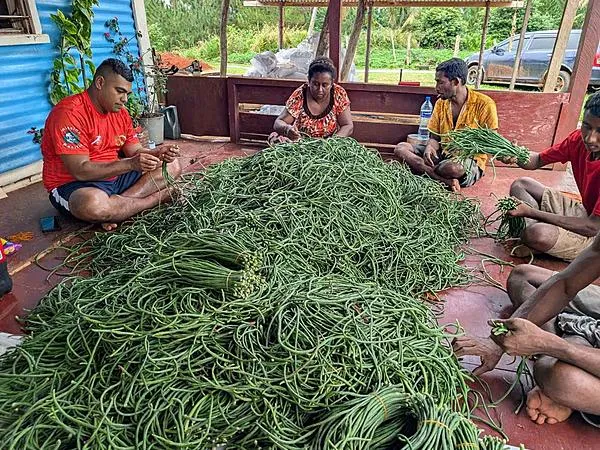
The Matababani Co-operative Ltd recently purchased FJD49,000 worth of fresh yaqona from farmers in the villages of Nakoro, Navitilevu and Lalati. The crop will be dried, processed and packaged locally before being supplied to larger markets, allowing more value to be retained within the community.
The initiative is expected to strengthen the local economy while providing farmers with a more reliable and accessible outlet for their produce.
Originally registered in June 2022 to manage a community solar power project launched two years earlier, the co-operative has steadily expanded its activities and now has 20 active financial members.
Recognising that yaqona is the principal source of income for many households in the district, the co-operative diversified into commercial yaqona processing in 2024 with support from the Integrated Human Resource Development Programme (IHRDP). The programme funded an electric yaqona pounding machine and the construction of a new pack house, enabling the co-operative to undertake value-added processing locally.
The expansion is helping address a long-standing challenge faced by growers in the remote highlands.
Previously, farmers travelled about 73 kilometres to Sigatoka to sell their yaqona, incurring one-way transport costs of between FJD25 and FJD30 while facing uncertainty over finding buyers.
By purchasing yaqona directly within the Noikoro district, the co-operative has shortened the supply chain, lowered marketing costs and established a dependable local market for producers.
The improved market access is expected to encourage greater yaqona production while increasing household incomes and retaining more economic activity within rural communities.
Fiji's Department of Cooperative Business said it will continue supporting the Matababani Co-operative through training in governance, financial management, bookkeeping and regulatory compliance to strengthen the organisation's long-term sustainability and expand economic opportunities in the Navosa highlands.
A newly declared El Niño is expected to bring drier conditions to much of the western Pacific and wetter weather to the central and eastern Pacific, creating both economic opportunities and climate-related risks for Pacific Island countries, according to regional climate experts.
The assessment was presented by specialists from the Secretariat of the Pacific Regional Environment Programme during a briefing involving the Climate and Oceans Support Program in the Pacific Phase 3 (COSPPac3), the Intra-ACP Climate Services and Applications (ClimSA) project and the Republic of Korea-Pacific Islands Climate Prediction Services (ROK-PI CliPS) project.
The experts confirmed that an El Niño event has now been declared and outlined its likely impacts on rainfall, agriculture, fisheries, infrastructure, tourism, water security and renewable energy across the region over the coming months.
ROK-PI CliPS Project Coordinator Tile Tofaeono said El Niño is one of three phases of the El Niño–Southern Oscillation (ENSO), a naturally occurring climate cycle that affects atmospheric circulation, rainfall, winds and ocean temperatures across the Pacific Ocean.
"There are three phases of ENSO — Neutral, El Niño and La Niña. These phases typically change every two to seven years and usually last between nine and 12 months, although some events can persist for up to two years," Tofaeono said.
During El Niño, warmer-than-normal sea surface temperatures combine with weaker trade winds, increasing the likelihood of below-normal rainfall across much of the western Pacific.
The areas expected to experience drier-than-average conditions include Papua New Guinea, Solomon Islands, Fiji, Vanuatu, Samoa, Tonga, Palau, the Federated States of Micronesia, Guam, the Commonwealth of the Northern Mariana Islands, New Caledonia, Niue, American Samoa, Wallis and Futuna, the southern Cook Islands, southern Tokelau, southern Tuvalu, southern French Polynesia, Pitcairn Islands and the northern Marshall Islands.
By contrast, many countries in the central and eastern Pacific are forecast to receive above-normal rainfall.
Water security and fisheries could benefit
COSPPac3 Senior Climatologist Philip Malsale said the wetter conditions could prove beneficial for low-lying atoll nations such as Kiribati, Nauru and Tuvalu, which rely heavily on limited freshwater supplies.
While increased rainfall could temporarily increase flood risks, he said it would also replenish fragile freshwater lenses, improving water availability and strengthening long-term water security after El Niño conditions subside.
Malsale also highlighted potential gains for the fisheries sector.
He said Kiribati could experience increased tuna catches as warmer ocean temperatures shift the western Pacific warm pool eastward. As tuna migrate with these warmer waters toward the central and eastern Pacific, they encounter nutrient-rich waters that support abundant plankton and baitfish, creating favourable fishing conditions.
The migration is also expected to attract more international fishing fleets into the region, potentially increasing revenue from fishing licence fees for Pacific governments.
Dry weather may support infrastructure and tourism
Although drought is one of the most significant concerns during El Niño, Malsale said prolonged dry conditions could also create opportunities for economic activity.
He said governments could accelerate major infrastructure projects that are often delayed during wetter periods because construction conditions are generally more favourable during extended dry spells.
The combination of reduced rainfall, longer sunshine hours and cooler temperatures may also improve conditions for tourism by allowing visitors greater access to outdoor attractions and activities, generating additional income for rural communities that depend on the sector.
Renewable energy and agriculture
Greater sunshine and, in some areas, stronger winds could also increase electricity generation from solar and wind resources, reducing dependence on imported fossil fuels at a time when global fuel prices remain elevated.
For agriculture, Malsale said farmers could use the dry season to improve livestock management and explore alternative feed options to maintain productivity during periods of reduced pasture growth.
Communities urged to prepare
Despite the potential economic benefits, the climate experts stressed that governments, businesses and households should continue preparing for the impacts of El Niño.
Malsale said El Niño is a slow-onset climate event whose impacts build gradually rather than appearing immediately.
He noted that ENSO is a natural component of Earth's climate system and cycles between neutral, El Niño and La Niña phases over time.
While some resources may become scarce during El Niño, they are often replenished during subsequent phases of the climate cycle, he said.
Nevertheless, he encouraged Pacific communities to seek guidance from their national meteorological and hydrological services and relevant government agencies to reduce risks while taking advantage of opportunities created by changing climate conditions.
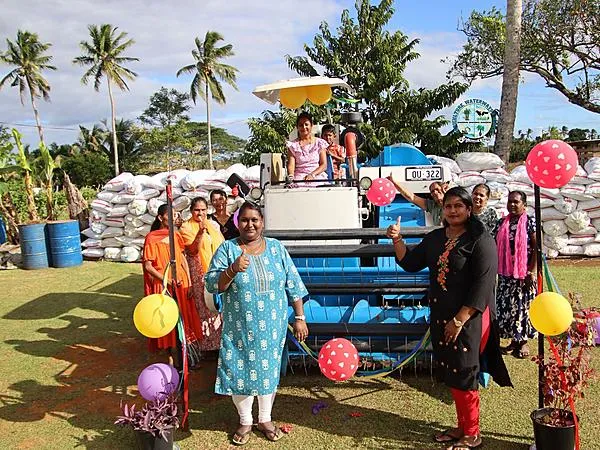
A women-led farming cooperative in Fiji's Northern Division is expanding rice production after receiving a government-funded harvester, highlighting the growing role of women in the country's agricultural sector and the benefits of cooperative farming.
The Malawai Central Farmers Cooperative, based in Dreketi in Macuata Province, comprises nine women and two men who have joined forces to improve productivity and strengthen food security.
The cooperative recently harvested 30 tonnes of rice and expects output to increase with the introduction of a new rice harvester provided under the Ministry of Agriculture, Waterways and Sugar Industry's Farm Mechanisation Programme.
Under the programme, the cooperative contributed one-third of the cost of the machine, while the ministry funded the remaining two-thirds.
Cooperative president Sanjana Devi said members had initially farmed individually before deciding to work together following guidance from agriculture officers at the Dreketi Agriculture Station.
"We were all farming on our own, but through the advice and constant monitoring from the agriculture officers, we learnt about the power of working together as a cooperative. Today, we are stronger because we support each other and share our resources and knowledge," Devi said.
She said balancing farming with household responsibilities remains challenging for the cooperative's women members, who spend long days working in the rice fields before returning home to care for their families.
"As women, our work does not stop when we leave the fields. We still have to look after our children, prepare meals, clean the house and make sure our families are cared for. We do this because we want a better future for our children and our communities," she said.
The new harvester is expected to reduce labour requirements, improve harvesting efficiency and support plans to expand rice production in the coming years.
Speaking during the handover ceremony, Fiji's Minister for Agriculture, Waterways and Sugar Industry, Tomasi Tunabuna, praised the cooperative's commitment to agriculture and commended its women members for balancing farming, family and community responsibilities.
"Your story is truly inspiring. The dedication you have shown, not only in the rice fields but also in balancing your responsibilities at home and within your communities, is commendable. You are demonstrating that when people work together towards a common goal, great things can be achieved," Tunabuna said.
He said the cooperative reflects the government's strategy of supporting farmers through collaboration, modern farming technology and improved access to agricultural equipment, while encouraging other farming groups across Fiji to adopt similar approaches.
The Malawai Central Farmers Cooperative has emerged as a model for community-based farming, demonstrating how cooperative structures can improve productivity, strengthen rural livelihoods and create leadership opportunities for women in agriculture.
Its members said they remain committed to expanding rice production in Fiji's Northern Division while helping strengthen food security and improve the livelihoods of their families and communities.
The Ministry of Agriculture, Waterways and Sugar Industry has taken another significant step towards improving service delivery in rural Fiji with the official launch of Starlink Internet Services at the Wainikoro Station in Macuata.
Officially launching the service, Minister for Agriculture, Waterways and Sugar Industry Tomasi Tunabuna said the installation marked an important milestone for the Ministry's operations in the Northern Division.
Speaking before community representatives and Ministry staff, Tunabuna acknowledged the dedication and perseverance of officers who had continued to serve farming communities despite operating for many years without reliable internet connectivity.
“Today is more than just the installation of an internet connection. It is a significant step forward in strengthening service delivery, improving communication, and creating better opportunities for our officers and the farming communities we serve,” he said.
The Wainikoro Station is currently staffed by three Ministry officers who provide extension and advisory services to farmers across the tikinas of Nadogo, Dogotuki, Namuka, Udu and Cikobia. The introduction of reliable internet connectivity is expected to significantly enhance their ability to communicate, access information and deliver timely support to farming communities across these remote areas.
The Starlink installation, valued at $11,322, will provide high-speed internet access to the station, enabling officers to access online reporting systems, agricultural research, weather information, technical support and training resources in real time.
Tunabuna said the new connectivity would strengthen communication and collaboration between Ministry offices across Fiji while improving the quality and efficiency of services delivered to farmers.
“Our officers will now have faster access to information, online resources, reporting systems, weather updates, agricultural research, training opportunities and communication platforms that are critical to modern agricultural services,” he said.
He encouraged staff to fully utilise the new technology to improve productivity and service delivery while maintaining professionalism, integrity and commitment to the communities they serve.
The Minister also acknowledged the vital role farmers play in supporting food security, economic growth and national development, urging them to continue working closely with extension officers to strengthen agricultural production throughout the province.
“Agriculture remains the backbone of many families and communities. Success in agriculture is achieved through partnership, collaboration and mutual commitment. When farmers and officers work together, we can achieve greater results for our communities and our nation,” he said.
Tunabuna said the improved connectivity would accelerate access to information and enable support services to be delivered more effectively to farmers throughout Wainikoro and the wider Macuata Province.
The launch forms part of the Ministry’s ongoing efforts to modernise its operations and ensure that officers working in remote and rural areas have access to the digital tools needed to support Fiji’s agricultural sector.
The Minister concluded by expressing confidence that the new internet service would empower staff, support farmers and create new opportunities for growth, innovation and prosperity within the community.
In addition to launching the Starlink Internet Service, Tunabuna handed over the keys to the station’s official vehicle, which will be used by officers to visit farms, monitor agricultural activities and provide extension services to farmers.
The vehicle is expected to improve officers’ mobility and strengthen the Ministry’s ability to provide timely support and technical assistance to farming communities across the station’s extensive service area.
Tunabuna reminded staff that the vehicle was a valuable government asset and encouraged them to use it responsibly to better serve farmers and support agricultural development in the region.
The Fiji government has reaffirmed its commitment to agricultural research and innovation, describing them as critical to strengthening food security, economic resilience and climate preparedness in the face of growing global and environmental challenges.
Finance, Commerce and Business Development Minister Esrom Immanuel made the remarks while officiating at the Koronivia Research Station Open Day, where he highlighted the role of science and technology in supporting sustainable agricultural development.
"This event showcases the critical role that science and technology play in enhancing agricultural productivity, sustainability, and food security for our nation," Immanuel said.
The minister said that while prudent fiscal management remains a national priority, long-term economic stability depends on a strong and resilient agricultural sector capable of withstanding external shocks.
Reflecting on the Covid-19 pandemic, Immanuel noted that agriculture played a crucial role in sustaining livelihoods and economic activity when Fiji's tourism sector, one of the country's main economic drivers, was severely affected.
"When tourism was severely impacted, agriculture sustained livelihoods, maintained economic activity, and demonstrated its strategic importance to Fiji's economic security," he said.
Immanuel commended the Ministry of Agriculture, Waterways and Sugar Industry and its research teams for developing practical solutions to address climate change, strengthen food production and reduce reliance on imports.
Among the achievements highlighted were the development of drought-tolerant and disease-resistant crop varieties, innovations in cassava flour blending and organic composting, improved cultivation methods for traditional root crops, and climate-resilient production technologies designed to help farmers maintain yields under challenging conditions.
The minister said investments in agricultural research generate long-term national benefits by reducing disaster recovery costs, improving domestic food production, lowering import dependence and supporting economic growth.
He pointed to the government's record allocation of FJ$115 million to the Ministry of Agriculture, Waterways and Sugar Industry in the current financial year as evidence of its commitment to the sector.
The funding includes FJ$2.7 million for rice research, rice farming support and irrigation maintenance, as well as FJ$772,800 for the mass production of quality seeds and planting materials.
Immanuel also acknowledged the contribution of development partners in strengthening Fiji's agricultural research capabilities, including the Australian Centre for International Agricultural Research, the Food and Agriculture Organization of the United Nations, the European Union, the United Nations Development Programme and the International Fund for Agricultural Development.
Looking ahead, he called for stronger collaboration among government agencies, development partners, academic institutions, the private sector, researchers and farmers to further institutionalise agricultural research and development across the country.
He also encouraged farmers and industry stakeholders to adopt research-driven innovations, embrace improved crop varieties and implement sustainable farming practices to improve productivity and resilience.
Concluding his address, Immanuel paid tribute to the country's scientists and researchers, describing them as being on the frontline of protecting Fiji from hunger, inflation and climate-related challenges before officially opening the Koronivia Research Station Open Day.
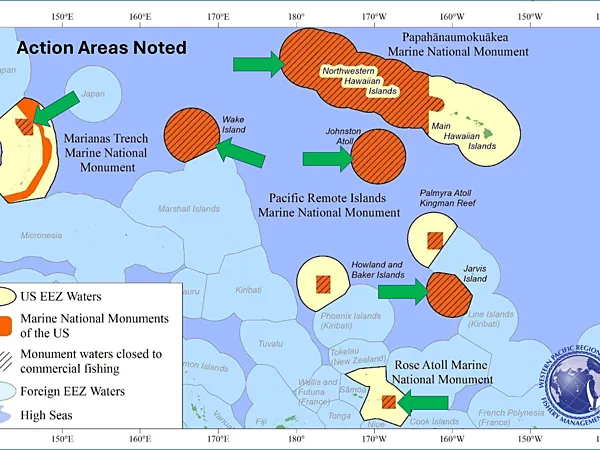
The Western Pacific Regional Fishery Management Council has welcomed a proclamation by US President Donald Trump restoring commercial fishing access to parts of the Pacific Ocean, describing the move as a significant step towards strengthening fisheries management and supporting regional fishing communities.
The proclamation, titled Restoring American Commercial Fishing in the Pacific, was signed on June 11 and seeks to return fisheries management decisions in certain monument waters to the regional council process under the Magnuson-Stevens Fishery Conservation and Management Act.
Speaking during the signing ceremony, Trump said the action would help reduce seafood costs and create new economic opportunities for the fishing industry.
"It’s my honour to be taking this action to lower seafood costs and generate millions and millions of dollars in new business for our great fishermen by restoring commercial access to three areas of the western Pacific Ocean," he said.
Council members viewed the White House signing ceremony during a meeting in Pago Pago, American Samoa.
Western Pacific Regional Fishery Management Council Executive Director Kitty Simonds said the organisation welcomed the return of fisheries management authority to the regional council framework.
"We are pleased that under the authority of the Magnuson-Stevens Act, the management of fishing in monument waters is returning to the fishery councils," Simonds said.
"The Council is committed to continue working together with our fishing communities in American Samoa, Hawai'i and the Northern Mariana Islands to discuss and develop fishery management plans in these areas."
Council Chairman Nathan Ilaoa said the decision was particularly important for American Samoa, where restrictions around Rose Atoll have limited access to key fishing grounds since 2009.
"Today's proclamation is a significant and welcome development for American Samoa," Ilaoa said.
"As American Samoa invests in a new generation of longer-range fishing vessels, restoring access to these areas will help ensure that local fishermen are able to fully benefit from those investments and continue contributing to our economy and food security."
At its March 2026 meeting, the council recommended restoring commercial fishing access from 12 to 50 nautical miles around Muliāva (Rose Atoll) and from zero to 50 nautical miles in the Marianas Trench Islands Unit.
Under the proclamation, longline fishing remains prohibited within zero to 50 nautical miles of Papahānaumokuākea, while bottomfish and other fisheries remain restricted within three nautical miles of the area.
The council said fisheries management within the US exclusive economic zone should continue to be guided by the Magnuson-Stevens Act, which provides opportunities for public consultation and ensures decisions are based on scientific evidence and the needs of affected communities.
The proclamation follows a federal review ordered under Executive Order 14276, Restoring American Seafood Competitiveness, which examined commercial fishing opportunities within marine national monuments and assessed the impact of fishing restrictions on domestic seafood production and coastal communities.
The council noted that additional federal approvals and coordination with other regulatory authorities may still be required before commercial fishing activities can resume in some areas.
Industry stakeholders across the Pacific are expected to closely monitor the implementation of the proclamation and its potential implications for fisheries management, food security and economic development in the region.
The Fiji Development Bank (FDB) is expanding support for the country's rice sector through its Rice Mobility Package, a financing facility designed to help farmers improve productivity, expand operations and strengthen Fiji's long-term food security.
The package provides financing for both existing and new rice farmers, enabling them to invest in land development, farm machinery, equipment, labour and other operational requirements needed to increase production and improve efficiency.
According to FDB, the initiative is designed to support mechanisation and mobility across the rice value chain while helping farmers transition from subsistence farming to more commercially viable operations.
The facility is available to individual farmers, joint ventures, cooperatives and companies involved in rice production. Financing can be used for agricultural land purchases, land development, machinery acquisition, seedling purchases, working capital and other farming-related activities.
FDB said the package is built around a value-chain financing model in partnership with Fiji Rice Limited, providing farmers with access to a secured market while helping reduce barriers that have historically limited access to finance in the sector.
The bank noted that one of the programme's key features is its ability to support farmers who may not hold formal land leases or land titles, provided they meet alternative eligibility requirements.
The Rice Mobility Package offers financing ranging from FJD5,000 to FJD250,000, with interest rates starting from 4.99 per cent per annum for eligible farmers. The facility is intended to support both new entrants and existing producers seeking to expand their operations and invest in productivity-enhancing equipment and technology.
FDB Chief Executive Officer Saud Minam previously said the package was developed to address longstanding barriers faced by rice farmers, including limited access to financing, equipment and secure market opportunities. The initiative also seeks to strengthen linkages across the agricultural value chain, benefiting suppliers, machinery operators, transport providers and other supporting businesses.
The financing programme forms part of broader efforts to reduce Fiji's reliance on imported rice and support greater domestic production. Fiji currently imports the majority of its rice requirements, with local production accounting for only a fraction of national demand.
FDB said the latest promotion of the Rice Mobility Package reflects its continued commitment to supporting agricultural development through practical financing solutions that improve productivity, strengthen rural livelihoods and contribute to national food security.
Established in 1967, the Fiji Development Bank operates 11 branches nationwide and provides financing for agriculture, micro, small and medium-sized enterprises (MSMEs), and commercial businesses. The bank also continues to promote Gender Equality and Social Inclusion (GESI) through its products, services and workforce initiatives.
New European Union food safety regulations are expected to affect approximately 97 per cent of Pacific Island-flagged vessels currently authorised to export seafood to the European market, prompting regional efforts to strengthen compliance and protect market access.
National Competent Authority (NCA) officials from Fiji, Kiribati, Solomon Islands and Tuvalu recently completed a two-week technical training programme in Suva focused on the requirements of Delegated Regulation (EU) 2025/1449, which entered into force on 27 January 2026.
The training, held from 25 May to 4 June, was organised by the Pacific Islands Forum Fisheries Agency (FFA) through the European Union-funded Pacific-European Union Marine Partnership (PEUMP II) programme.
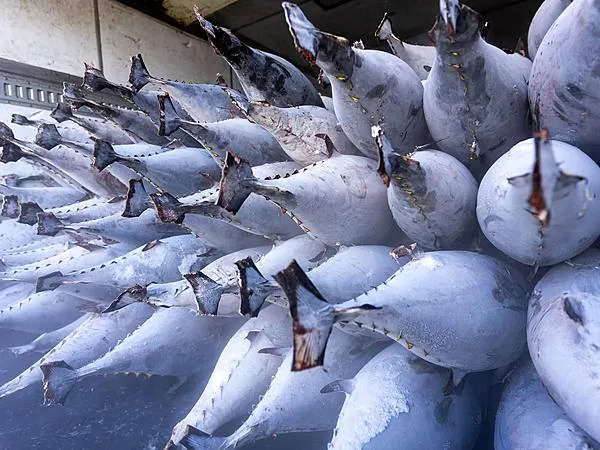
The new regulation introduces stricter technical requirements for freezer vessels following concerns raised by EU auditors over failures to achieve required freezing temperatures across parts of the global tuna supply chain.
According to FFA, some cannery-grade tuna frozen at temperatures above the required standard had been marketed for direct human consumption, raising food safety concerns.
FFA Market Access Specialist Ratu Jope Tamani said improper freezing can result in the formation of histamine in fish flesh, posing a health risk to consumers.
"When tuna is not frozen correctly, bacteria produce histamine in the fish flesh, a toxin that cannot be removed by cooking or further processing and that causes scombroid poisoning, with symptoms ranging from rashes and nausea to severe allergic reaction," Tamani said.
The EU's Rapid Alert System for Food and Feed recorded an increasing number of such incidents, prompting the introduction of the regulation.
Under the new rules, tuna products will be divided into two categories. Fish frozen at temperatures above minus 18 degrees Celsius, including tuna frozen at around minus 9 degrees Celsius, may only be supplied to canneries. Fish intended for direct human consumption, including sashimi and fresh tuna products, must be frozen to minus 18 degrees Celsius or colder.
The regulation also requires brine freezer vessels to install real-time electronic temperature monitoring systems and submit validated freezing capacity plans before they can be included on the EU's approved register.
Tamani said the training programme was designed to help Pacific Island governments meet the new compliance requirements.
"The compliance responsibility sits with the National Competent Authority of our Pacific Island nations. Our job is to make sure they have the technical knowledge to carry it out. That is what protects our countries' place in the EU market and the revenue that comes with it," he said.
Fiji Food Safety Unit head and National Competent Authority representative Taina Rauvala said compliance could prove challenging for some operators, particularly those relying on brine freezing systems.
"There is some pushback expected from those using brine freezing. Getting the NCA and industry on the same page is our immediate challenge," Rauvala said.
She noted that Fiji currently enjoys duty-free access to the EU under its Interim Economic Partnership Agreement and warned that maintaining compliance is critical to preserving that market access.
Officials from Solomon Islands, Kiribati and Tuvalu also highlighted the importance of technical training and regulatory preparedness as Pacific nations work to maintain access to one of the world's most valuable seafood markets.
The training programme covered vessel engineering, refrigeration systems, temperature controls, Hazard Analysis and Critical Control Points (HACCP) principles and EU audit requirements.
FFA said similar training has already been conducted in the Republic of the Marshall Islands and the Federated States of Micronesia, with Papua New Guinea scheduled to receive training as regional authorities continue preparations for the implementation of the new EU requirements.
The Ministry of Agriculture and Livestock Development (MALD) has officially launched its 2026 Strategic Workshop at the Raiders Hotel in Tulagi, Central Islands Province, under the theme “Transforming Agriculture for Economic Growth.”
The week-long workshop brings together MALD’s management team, senior ministry officials, provincial chief field officers, technical officers, and project managers to assess progress, address challenges, and develop strategic priorities for the future of Solomon Islands’ agriculture sector.
Officially opening the workshop, Minister for Agriculture and Livestock Development, Hon. Franklyn Derek Wasi, described the annual gathering as one of the Ministry’s most significant events, providing a valuable opportunity for staff at all levels to align their work plans and activities with the policy priorities of the Government for Reform, Empowerment, Accountability and Transformation (GREAT Coalition Government).
In his address, Minister Wasi commended ministry staff for their commitment and highlighted several notable achievements recorded over the past year. These included the highest cocoa exports since Independence, the strongest copra export performance in a decade, the implementation of major donor-funded agriculture projects, improvements in agricultural infrastructure, expansion of livestock development initiatives, strengthened biosecurity services, and the successful mobilization of new development partner support.
“These achievements would not have been possible without the collective efforts of our field officers, directors, technical teams, corporate staff, and development partners. Together, we have continued to serve our farmers and rural communities despite the many challenges we face,” he said.
While acknowledging these accomplishments, the Minister also pointed to ongoing challenges, including limited resources, logistical constraints, shortages of technical expertise, staff welfare concerns, and bureaucratic processes that continue to impact service delivery.
He encouraged participants to use the workshop as a platform to identify practical solutions and develop recommendations that will guide MALD’s work programme in the years ahead.
Minister Wasi further outlined the Government’s seven key policy priorities for the agriculture and livestock sector: institutional reform, food security, research and innovation, livestock development, biosecurity, commercial agriculture and agribusiness, and the active participation of youth and women in agricultural development.
“Agriculture remains one of the most important sectors capable of transforming our country. These policy priorities must guide our work and help us deliver meaningful outcomes for our people,” he said.
Central Islands Province Premier Hon. Kenneth Sagupari welcomed participants to Tulagi and expressed appreciation to MALD for selecting the province as the host venue for the workshop.
He emphasized agriculture’s vital role in supporting rural livelihoods, strengthening food security, creating employment opportunities, and driving economic growth across Solomon Islands.
“Agriculture is the backbone of our economy and the foundation of rural livelihoods. As leaders and senior officers, we have a responsibility to ensure that our policies and programmes effectively support farmers, agribusinesses, and communities across the country,” Premier Sagupari said.
The Premier also reiterated the province’s interest in working closely with MALD to revive the historic Hakama Agricultural Centre, which is widely regarded as having significant potential to support agricultural development initiatives in Central Province.
Permanent Secretary Dr. Samson Viulu highlighted the significance of hosting the workshop in Tulagi, noting the town’s historical importance as the former capital of Solomon Islands.
He described the strategic workshop as an important platform for reflection, planning, and collaboration as the Ministry aligns its programmes and activities with the priorities of the new government.
“We have enormous agricultural resources and opportunities, yet we must do more to translate that potential into tangible benefits for our people. This workshop is an opportunity to reflect on our performance, encourage one another, and identify practical strategies that will deliver meaningful impacts for farmers and rural communities,” Dr. Viulu said.
The 2026 MALD Strategic Workshop is expected to produce key recommendations and action plans that will guide the Ministry’s programmes and interventions over the next two years, supporting the Government’s vision of a productive, resilient, and sustainable agriculture sector that contributes to economic growth and improved livelihoods for all Solomon Islanders.
Follow on LinkedIn:
Pacific Business Review
Be the "First" to get our exclusive Digital Magazine & Weekly Newsletter.