

April 09, 2026

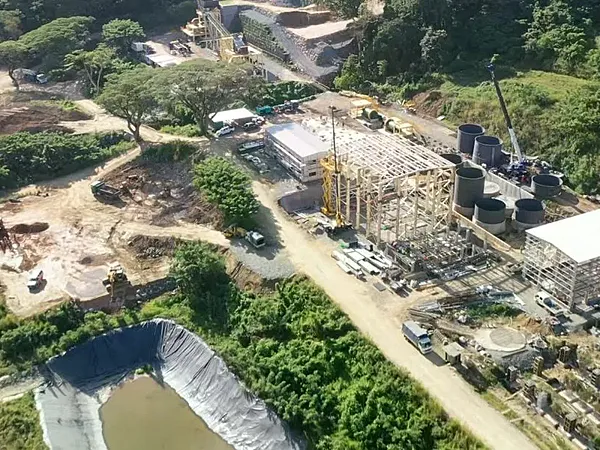
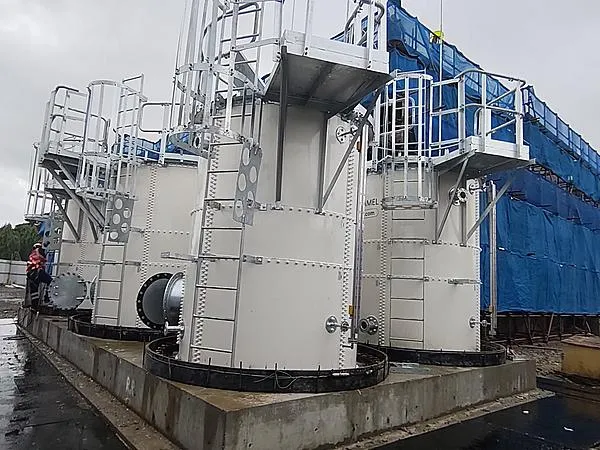
Construction of the Aviation Complex Building at Henderson has reached a key milestone, as the Ministry of Communication and Aviation progresses works under the World Bank-funded Second Solomon Islands Roads and Aviation Project (SIRAP 2).

The project has completed first-floor slab and beam concrete works, marking a significant step in the development of the facility, which is expected to strengthen aviation administration and services in the country.

Recent construction activities include installation of reinforcement steel for first-floor columns, formwork and concreting for the staircase landing, masonry blockwork for partition walls, and an unexploded ordnance (UXO) survey for the new access road and footpath.

Testing of concrete compressive strength has shown results ranging from 85% to 100% of the required design specifications, indicating compliance with engineering standards.

Permanent Secretary Alwyn Danitofea said the project remains on track.

“The Aviation Complex Building will strengthen aviation administration and services. We’re pleased to see progress and meeting milestones,” he said.

The main contractor, China Railway Construction Engineering Group, is set to proceed with the completion of first-floor columns and advance to roofing-level beam and slab construction.

SIRAP 2 forms part of a broader infrastructure programme aimed at improving connectivity and transport resilience across the Solomon Islands. In addition to the Henderson complex, the project includes the construction of four new bridges in Malaita, upgrades to Honiara and Munda airports, improvements to Santa Cruz and Suavanao airfields, and investments in air navigation systems in Makira-Ulawa and Temotu provinces.

The programme also covers maintenance of regional airports and road upgrades, including the rehabilitation of 21 kilometres of East Road between Baratolo and Atori in East Malaita, and the sealing of 12 kilometres of North Road between Gwaunaru’u airfield junction and Kwaisuliniu road junction in West Kwara’ae, Malaita Province.

April 09, 2026

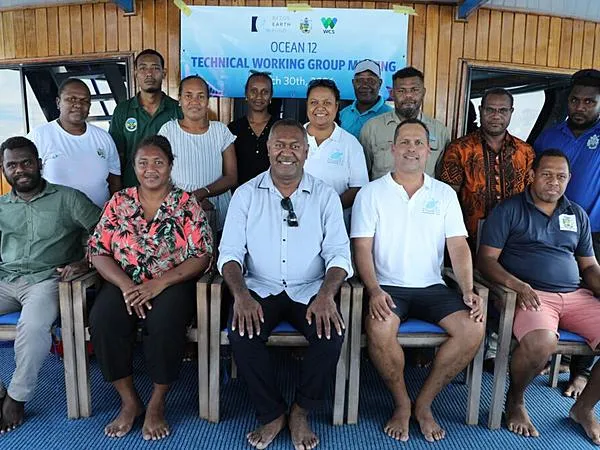
The Solomon Islands government has taken a significant step towards strengthening ocean conservation and management, formally convening the Ocean12 Technical Working Group to drive a five-year integrated initiative supported by the Bezos Earth Fund.

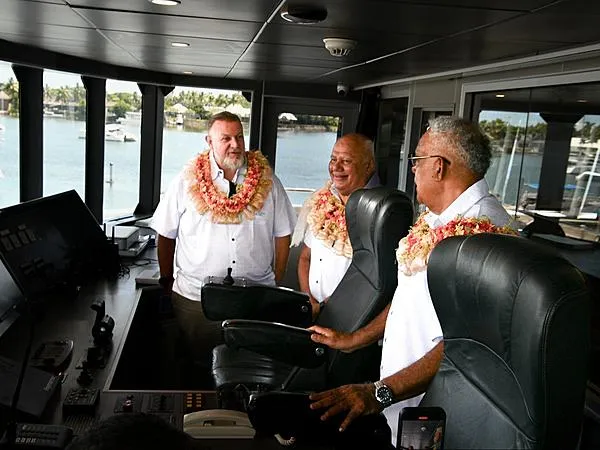
The working group, led by the Ministry of Environment, Climate Change, Disaster Management and Meteorology, the Ministry of Foreign Affairs and External Trade, and the Wildlife Conservation Society, met aboard the MV Bilikiki Cruise on 30 March. Participants endorsed the project’s official work plan, marking a key milestone following a national inception workshop held in December 2025.

The initiative is designed to strengthen ocean governance, expand marine spatial planning and improve the management of protected areas. It aims to increase marine protection coverage to between 10% and 15% of national waters by 2030, while enhancing institutional capacity and empowering local communities.

Deputy Secretary of Foreign Affairs Hickson George said the programme underscores the country’s leadership ambitions in ocean governance.

“This initiative represents a significant step forward in strengthening Solomon Islands’ leadership in ocean governance. Through the Ocean12 platform, we are bringing together national institutions, partners and communities to ensure that marine spatial planning and conservation efforts are coordinated, inclusive and aligned with our national development priorities. The health of our ocean is directly linked to the well-being and prosperity of our people,” he said.

Alec Hughes, country director for the Wildlife Conservation Society, emphasised the importance of collaboration across stakeholders.

“This project reflects a strong partnership between the Solomon Islands Government, local communities and international partners to safeguard some of the country’s most ecologically important seascapes. By strengthening marine spatial planning, governance systems and sustainable financing mechanisms, we are working to ensure that conservation delivers lasting benefits for both biodiversity and coastal livelihoods,” he said.

The programme will prioritise advancing marine spatial planning in key seascapes, supporting the designation and management of new marine protected and conservation areas in Temotu and Makira Ulawa provinces, as well as the Kavachi seascape in Western Province. It will also focus on strengthening governance, compliance and enforcement systems, improving stakeholder coordination and community participation, and developing sustainable financing mechanisms for long-term conservation.

The Ocean12 Technical Working Group will serve as the central platform for coordinating government agencies, development partners and civil society in delivering integrated ocean management.

The meeting highlights the government’s commitment to safeguarding marine resources while ensuring sustainable development for future generations.

April 06, 2026

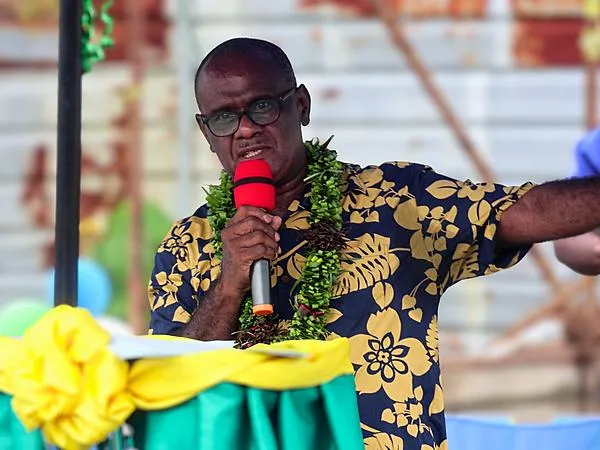
Jeremiah Manele has outlined a pipeline of road and bridge projects for Malaita Province, as the government moves to scale up infrastructure delivery under the Second Solomon Islands Roads and Aviation Project.

Speaking at the handover of the Su’u and Bira bridges, Manele said additional financing of about $41 million from the World Bank is being secured to support new developments in the province.

The planned projects include construction of the Fiu River Bridge, road sealing works from Kwaisuliniu to Dala Market Junction, and upgrades to the road link between Kilu’ufi Hospital and Guwaunaru’u Airfield. The programme also covers the replacement of the Dala and Fote bridges with modern structures.

Procurement processes are also advancing for further works, including the sealing of a 12-kilometre road from Guanaru’u to Kwaisuliniu and the rehabilitation of 21 kilometres of East Road from Baratalo to Atori to climate-resilient standards.

Manele said the investments are aligned with the government’s broader objective of delivering infrastructure that is resilient, inclusive and supportive of long-term development.

The government has also committed more than SBD 40 million through the National Transport Fund to support ongoing infrastructure maintenance across Malaita.

He underscored the importance of coordination between the national government, Malaita Provincial Government, development partners and local communities in delivering the projects.

Government releases noted that the Su’u and Bira bridges form part of a broader effort to improve year-round accessibility in Malaita, particularly for rural communities that are often cut off during heavy rainfall. The structures are designed to enhance connectivity between economic centres, health facilities and schools.

Local media reports said the projects are expected to support agricultural supply chains by reducing transport bottlenecks and travel times, allowing farmers to bring produce to markets more efficiently. Improved road conditions are also seen as critical to lowering logistics costs in the province.

Coverage also highlighted that the Second Solomon Islands Roads and Aviation Project places strong emphasis on climate-resilient design standards, including elevated bridge structures and reinforced road surfaces to withstand flooding and extreme weather events.

Separately, reports underscored that continued coordination with the World Bank and other development partners will be key to ensuring timely delivery, with procurement and contractor mobilisation identified as critical next steps in advancing the pipeline of works.

April 06, 2026

Master planning has emerged as a central tool in addressing climate vulnerability and rapid urbanisation challenges across Pacific cities, according to discussions at the Seventh Pacific Urban Forum in Papua New Guinea.

Delegates at the forum highlighted how Pacific urban centres are increasingly exposed to overlapping risks, including cyclones, flooding and rising sea levels, compounded by accelerating population growth and strain on infrastructure and services.

A special session on resilient urban development, co-hosted by the Pacific Climate Change Centre of the Secretariat of the Pacific Regional Environment Programme and Tonga’s National Spatial Planning Authority Office under the Ministry of Lands and Surveying, underscored the importance of structured, long-term planning frameworks.

A key priority identified was the integration of customary land tenure systems with modern planning approaches to support inclusive and sustainable urban growth.

“By actively engaging local communities and local leaders, we gain valuable insights into cultural practices,” said Tupou Lauaki, senior urban planner at Tonga’s National Spatial Planning Authority Office.

Urban planners at the forum warned that coastal subsidence, environmental degradation and the expansion of informal settlements are intensifying risks across the region, placing additional pressure on housing, transport networks and essential utilities.

“We’ve seen these dynamics particularly pronounced in growing urban centres such as Suva and Honiara, where population growth is outpacing planning systems and resource capacity,” said Cindy Vunagi, director of physical planning at the Solomon Islands’ Ministry of Lands, Housing and Survey.

Participants said master planning provides governments and communities with a framework to anticipate and manage risks, integrate climate adaptation measures and ensure equitable access to land, infrastructure and economic opportunities.

“In the Pacific context, master planning must go beyond conventional urban design,” said Tuileva Tuileva, noting the need to balance customary land systems with formal planning frameworks to safeguard cultural identity while enabling development.

Discussions also focused on how to manage rapid urbanisation, limit the growth of informal settlements and incorporate indigenous knowledge into formal planning systems. Emerging solutions such as renewable energy, resilient infrastructure and appropriate smart technologies were also explored in light of resource constraints.

“Effective master plans in the region must be community-driven, ensuring local ownership and participation, climate-resilient, integrating adaptation and disaster risk reduction, and flexible and adaptive,” said Jeffrey Kaitip, director of the Department of Urban Affairs and Planning at Vanuatu’s Ministry of Internal Affairs.

Panellists from across the Pacific shared practical experiences and policy approaches, highlighting both ongoing challenges and innovations in national planning systems.

In closing, Alexei Trundle of the University of Melbourne said master planning must be carefully implemented to avoid alienating communities from customary lands, despite its potential to strengthen climate resilience.

The forum, held from March 24 to 26 and hosted by the Government of Papua New Guinea and the National Capital District Commission of Port Moresby, brought together representatives from governments, development partners, civil society, academia and the private sector to address the future of Pacific urban development.

April 06, 2026

The Pacific Islands Forum Secretariat and the World Bank are accelerating efforts to stabilise correspondent banking relationships (CBRs) across the Pacific, as a multi-year regional project begins to deliver early results amid persistent global financial pressures.

The initiative—formally approved in August 2024 and operational since April 2025—marks a coordinated response to a decade-long contraction in correspondent banking services that has left many Pacific Island economies exposed to disruptions in trade, remittances and cross-border payments.

Secretary General Baron Divavesi Waqa underscored that correspondent banking is “fundamental to economic resilience and global connectivity,” particularly for small, geographically dispersed economies that rely heavily on external financial linkages.

Declining banking links trigger systemic risk

The number of active correspondent banking relationships available to Pacific financial institutions has declined sharply since 2011, reaching what policymakers describe as “unsustainably low levels.” This trend—often driven by global banks’ risk-reduction strategies, rising compliance costs and stricter regulatory expectations—has disproportionately affected small island developing states.

The consequences are material: higher remittance costs for overseas workers, reduced access to financial services for vulnerable communities, and increased friction in trade and tourism-related transactions.

Pacific economies, which depend on stable inflows such as remittances and development finance, face heightened vulnerability when access to global banking networks is constrained.

Regional project moves into implementation phase

The Pacific Strengthening Correspondent Banking Relationships Project, valued at $68 million and funded through a mix of grants and credits, is now entering a critical implementation phase across seven countries, including Fiji, Samoa and Tonga, with expansion expected to larger economies such as Papua New Guinea.

The programme is structured around two core pillars:

  • safeguarding continuous access to correspondent banking services;
  • strengthening regulatory, supervisory and compliance frameworks.

Under the first pillar, procurement is underway for a dedicated service provider that would offer temporary correspondent banking access to countries at risk of losing critical financial channels. Four institutions have been shortlisted, with negotiations ongoing toward a framework agreement.

This mechanism is designed as a contingency buffer—effectively a regional safety net—to prevent sudden disconnections from the global financial system.

Data, compliance and payments reform advance

Parallel progress is being made on structural reforms aimed at addressing the root causes of “de-risking.”

A regional data initiative is underway to develop a CBR Resilience Index, intended to benchmark financial institutions’ readiness and risk profiles. Pilot data collection has begun in four jurisdictions, while engagement with SWIFT is expected to enhance transaction-level insights.

Regulatory upgrades are also advancing, with anti-money laundering and counter-terrorism financing (AML/CFT) action plans being rolled out in coordination with the Asia Pacific Group on Money Laundering. These reforms aim to close compliance gaps that have contributed to international banks’ withdrawal from the region.

At the infrastructure level, discussions on modernising payment systems are gaining momentum. A regional workshop in Fiji in late 2025 brought together central banks and development partners to explore fast payment systems tailored to small island economies, alongside plans for a potential Pacific Payments Mechanism.

Strategic shift toward regional coordination

The project reflects a broader strategic shift: moving from fragmented national responses to a coordinated regional framework anchored by the Pacific Islands Forum Secretariat.

Through mechanisms such as the Pacific De-Risking Group, the Secretariat is aligning national reforms with regional priorities while facilitating dialogue between Pacific institutions and global banking partners.

The World Bank, for its part, is providing financing, technical assistance and global expertise to support implementation and maintain engagement with international financial institutions.

Waqa said the initiative demonstrates a “shared regional commitment to preserving financial linkages,” adding that strengthening compliance frameworks and transparency will be critical to rebuilding confidence with correspondent banks.

Outlook: rebuilding trust in global financial links

While early progress is evident, officials acknowledge that reversing the long-term decline in correspondent banking relationships will require sustained reforms and continued engagement with global partners.

The project’s six-year horizon to 2030 reflects the scale of the challenge: restoring trust, improving regulatory credibility and ensuring Pacific economies remain connected to international financial markets.

For the region, the stakes are clear—without stable access to correspondent banking, the foundations of trade, remittances and economic development remain at risk.

April 06, 2026

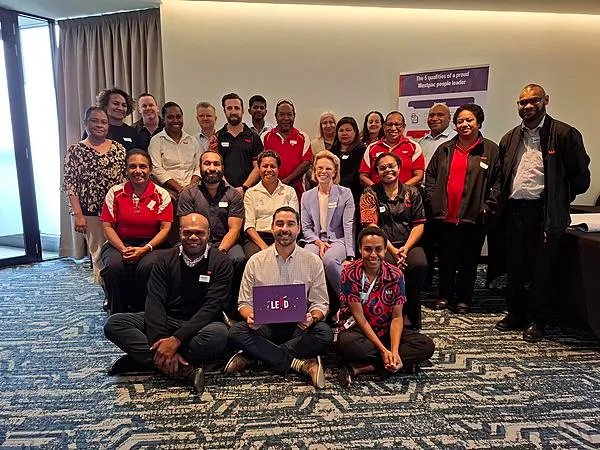
Westpac is making a significant investment in strengthening leadership capability across its Pacific businesses with the rollout of its best-in-class LEAD program in Papua New Guinea and Fiji this year, delivering training to 120 employees across the two markets.

LEAD is Westpac Group’s flagship leadership development program focused on building future-ready leaders through experiential learning, coaching, and strategic capability uplift.

The LEAD program is designed to build practical leadership capability, equipping participants with the skills, confidence, and mindset required to lead teams, support customers, and contribute to Westpac’s long-term success in the Pacific. The program will be delivered through in-person training sessions supported by online modules, ensuring the learning is relevant, grounded in local context, and immediately applicable in day-to-day roles.

By delivering the program locally, Westpac is enabling participants to learn alongside peers, strengthen networks across the business, and apply leadership learning directly within their teams and communities. The world-class format also supports deeper engagement, discussion, and reflection, reinforcing Westpac’s commitment to investing in meaningful, high-quality development experiences for its people.

The program covers:

• Leading Self – building self-awareness, confidence, and personal leadership effectiveness
• Leading Others – developing strong people leadership, communication, and coaching skills
• Strategic Thinking – strengthening decision-making and broader business understanding
• Leading Change – equipping leaders to navigate change and lead with agility
• Customer & Outcome Focus – linking leadership behaviors to customer and business outcomes
• Pacific Context Application – applying leadership skills in real-world PNG and Fiji settings

Maria Stefanac, Head of People, Pacific, said the LEAD program represents a significant investment in Westpac’s Pacific workforce.

“LEAD is a major investment in our people in Papua New Guinea and Fiji. We know that strong leadership is critical to creating a positive culture, delivering for our customers, and building a sustainable business for the future,” Stefanac said.

“This program has been designed to support our people to grow as leaders, build confidence in leading others, and develop skills they can apply immediately in their roles. By having Westpac Group trainers deliver the program here in the Pacific, we’re ensuring our leaders benefit from global expertise while learning in a way that is relevant, practical, and grounded in local context," she added.

Stefanac said the program also reflects Westpac’s broader commitment to developing talent from within and creating clear pathways for growth and progression.

“Investing in leadership capability is an investment in our future. Through LEAD, we are supporting our people to step into leadership roles, strengthen their impact, and continue to serve our customers and communities with confidence," Stefanac said.

Westpac Banking Corporation ABN 33 007 457 141. The liability of its members is limited. Westpac is represented in Papua New Guinea by Westpac Bank - PNG - Limited.

The LEAD program forms part of Westpac’s ongoing focus on capability building and people development across the Pacific, recognizing that empowered, well-supported leaders play a critical role in driving strong performance, engagement, and customer outcomes.

By continuing to invest in programs such as LEAD, Westpac is reinforcing its long-term commitment to its people in Papua New Guinea and Fiji and to building leadership capability that supports sustainable growth across the region.

March 30, 2026

Step into one of the Pacific’s fastest-growing trade corridors between New Zealand and Fiji from June 15–18, as this business mission offers a unique opportunity to get ahead of the curve—build relationships, unlock opportunities, and grow your presence. With a shared goal of NZ$2 billion in trade by 2030, the initiative positions participants at the forefront of expanding bilateral trade.

In the Pacific, business is built on connections. This delegation provides direct access to key decision-makers, real market insights, and government and organizations on the ground that understand how to succeed in Fiji.

Whether you are entering the market or expanding your footprint, the value lies in who you meet—and the doors those connections open.

Registration

What do you get with your registration?

  • Multiple networking opportunities
  • Benefits of traveling as part of a group
  • Discounted accommodation for early bookings in Suva
  • Two (2) official delegate shirts or blouses
  • A program designed to deliver high-level presentations from senior leaders and government officials
  • Morning tea and lunch on Monday
  • Networking cocktail on Monday hosted by the New Zealand High Commissioner
  • Networking cocktail on Tuesday hosted by the Fiji Ministry of Foreign Affairs and External Trade (MFAET)
  • On-the-ground transport
  • Transport from Suva to Nadi on Wednesday
  • Site visits en route to Nadi
  • Lunch on Wednesday
  • Optional pre-arranged business meetings

The NZFBC offers this high-value package at a modest price point, representing only a fraction of the actual cost.

Members: $125 + GST
Non-members: $125 + GST + membership fee (valid through June 2027)

For more information, click here or contact admin@nzfbc.co.nz.
March 30, 2026

The Government for National Unity and Transformation is reporting renewed momentum in the tourism sector, with four new hotels and accommodation facilities opening in the first quarter of 2026, signalling increased investor confidence and sectoral growth.

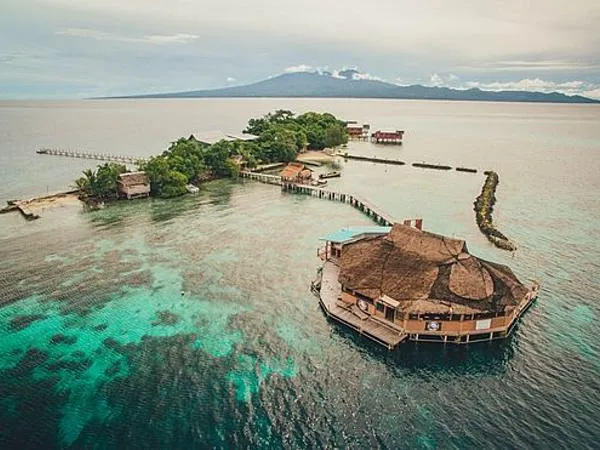
The new developments include Zaru Hotel in Gizo, Western Province; Double Island Resort and Raiders Hotel in Tulagi, Central Islands Province; and Paringiju Inland Mountain Lodge on Guadalcanal.

Authorities said the projects reflect strengthened collaboration between the Ministry of Culture and Tourism and local investors, aimed at expanding tourism infrastructure and enhancing the country’s appeal as a destination.

Permanent Secretary Bunyan Sivoro said in a quarterly update last week that the government has intensified its support for the sector, with tangible results now emerging.

“We have stepped up and elevated our support and commitment to this important sector, and we are now seeing real and encouraging results,” Sivoro said.

The new investments have introduced higher-end, internationally competitive accommodation options, improving visitor experience and positioning the Solomon Islands more strongly in the global tourism market.

In parallel, flagship tourism projects such as the Bloody Ridge National Historical Park and the Haus No. 1 Museum in Tulagi are progressing, further strengthening the country’s cultural and historical tourism offerings.

The destination has also been rebranded as “Hapi Isles”, a campaign designed to capture the warmth and spirit of the Solomon Islands and its people.

“The Ministry of Culture and Tourism remains fully committed to developing tourism as a key driver of economic growth, job creation and national development,” Sivoro said.

March 30, 2026

The Ministry of Agriculture and Livestock Development is advancing a series of initiatives aimed at transforming the agriculture sector and supporting economic growth in the Solomon Islands.

Permanent Secretary Samson Viulu said during a quarterly ministerial update this week that the ministry is implementing key projects and reforms to strengthen agricultural productivity and market access.

Among the flagship programmes is the Agriculture Investment for Markets and Nutrition (AIM-N) Project, a six-year, $20 million initiative currently benefiting more than 18,000 people in Western and Choiseul provinces, with planned expansion to Isabel Province. The project is designed to improve food security, nutrition and rural incomes.

In parallel, the Solomon Islands Agriculture and Rural Transformation (SIART) Project is progressing across Guadalcanal, Malaita and Makira/Ulawa, with a focus on boosting agricultural production and improving market linkages.

The ministry is also supporting small and medium-sized agribusinesses through the Commercial Agriculture Development Project Support Fund. Recent beneficiaries include Kokonut Pacific, Varivao Holding Limited and Malo Kitchen.

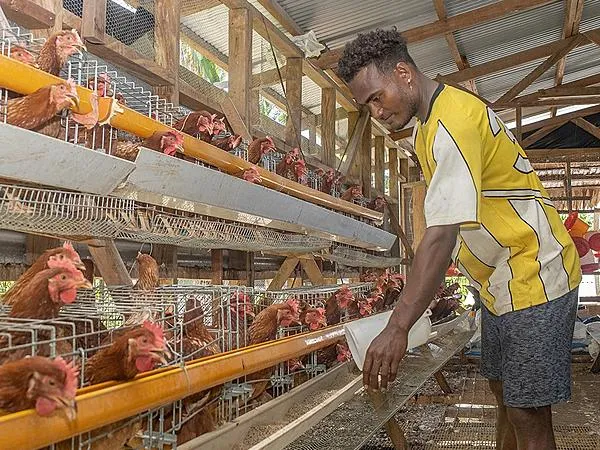
Additional initiatives include the Coconut Cocoa Revolving Fund, the establishment of a national cattle breeding centre, and the National Poultry Industry Development Initiative.

“These efforts are reinforcing the role of agriculture as a key pillar of economic development in the Solomon Islands,” Viulu said.

Overall, the ministry said the projects are progressing as planned and are expected to contribute to the continued transformation of the agriculture sector while supporting broader economic growth.

March 30, 2026

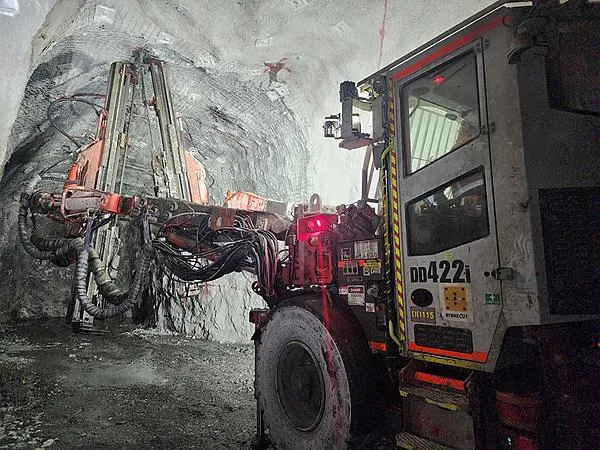
Sandvik has received five AutoMine® orders from Byrnecut, the world’s largest underground mining contractor. The orders, all of which include AutoMine® Multi-Lite systems, were booked in Q1 2026 for the Gwalia, Ulysses, Youanmi and Gossan Valley mine sites in Australia, as well as the Navachab mine in Namibia. With these latest orders, the majority of Byrnecut’s global operations now utilise AutoMine® for loading.

In addition, Byrnecut has acquired AutoMine® for Underground Drilling across four of these sites, further advancing its strategy to expand automation across its global fleet.

AutoMine® Multi-Lite is an advanced automation system that enables loaders to operate fully autonomously from the stope to designated loading or dumping points. This allows a single operator to control up to three loaders simultaneously from a safe, climate-controlled surface control room.

Shift changes are among the largest contributors to downtime in underground operations. Byrnecut is using AutoMine® to mitigate these disruptions by maintaining material movement and drilling progress during transition periods. As a result, downtime is reduced and production remains consistent.

Operators also benefit significantly from the system, as they can remotely supervise and control multiple machines, reducing exposure to dust, noise, vibration and other on-site hazards. This approach enhances safety for both operators and mine personnel, while also supporting workforce development by transitioning workers into technology-focused roles. In addition, real-time feedback helps build skills for an increasingly automated mining environment.

Luke Clements, Manager – Automation and Electrification at Byrnecut, said: “We now have the majority of our loaders running on AutoMine® across our global operations. Safety is Byrnecut’s number one priority, and AutoMine® helps ensure that our people get home safely, while also enabling high productivity through precise, consistent and repeatable operations.”

David Hallett, Vice President – Automation at Sandvik, added: “This deal highlights the growing recognition across the mining sector that Sandvik’s advanced automation solutions help mines operate more safely, efficiently and sustainably.

“Byrnecut and Sandvik have a long history of collaboration, and Byrnecut has been a key development partner in our suite of automation solutions. We are proud to continue supporting them as they expand automation across their global operations.”

Sandvik Group
Sandvik is a global, high-tech engineering group providing solutions that enhance productivity, profitability and sustainability across the manufacturing, mining and infrastructure industries. The company is at the forefront of digitalisation and focuses on optimising customer processes. Its offering includes equipment, tools, services and digital solutions for machining, mining, rock excavation and rock processing. In 2025, the Group had approximately 42,000 employees and revenues of about SEK 121 billion across more than 150 countries.

Business Area Mining
Mining is a business area within the Sandvik Group and a leading global supplier of equipment, tools, parts, services, digital solutions and sustainability-driven technologies for the mining and construction industries. Application areas include rock drilling, rock cutting, loading and hauling, tunnelling, ground support and quarrying. In 2025, sales were approximately SEK 69 billion, with about 18,000 employees. For further information, visit mining.sandvik.com.

For further information, please contact:
Julia McMurray
Director of Marketing and Communications, Business Unit Automation
Email:
julia.mcmurray@sandvik.com
March 27, 2026

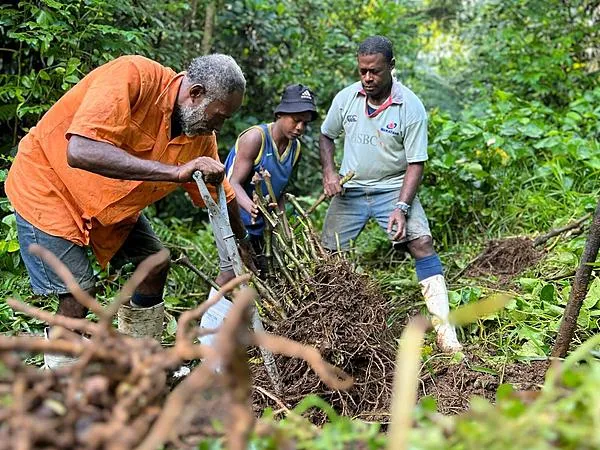
Fiji’s kava industry has transformed into the country’s top agricultural export over the past 15 years, with export earnings exceeding FJD53 million and supporting more than 14,500 farming households.

The shift from subsistence production to a commercialised export sector has been driven by rising demand in key markets including Australia, New Zealand and the United States, alongside improvements in quality standards and supply chains.

Export growth underpinned by policy and market reforms

The expansion reflects sustained support from the Pacific Horticultural and Agricultural Market Access Plus Program, which has worked with the Government of Fiji and industry stakeholders to strengthen biosecurity, plant health and export readiness.

Interventions have included the development of national quality standards, certification systems and support for market access initiatives, particularly Australia’s commercial kava import framework introduced in 2019.

The programme has enabled more than 5,500 farming households to access international markets, contributing to higher rural incomes and increased export volumes.

Industry scaling with new production models

The sector’s current growth phase, which began around 2021, is characterised by product diversification, improved quality assurance and entry into mainstream retail channels.

Green kava processing has emerged as a key innovation, reducing processing time and increasing income across supply chains. One model has delivered income gains of about 26% among participating households, alongside broader productivity improvements.

Fijian kava products are now stocked in major retail outlets in Australia, marking a shift from informal trade to formal commercial distribution.

Economic role expands beyond exports

The broader kava economy is estimated to exceed FJD190 million when domestic consumption and informal trade are included, reinforcing its role as a key rural livelihood across major growing regions such as Kadavu, Bua and Cakaudrove.

The sector has also demonstrated resilience despite past shocks, including export bans, climate impacts and cyclone damage, with recovery driven by stronger systems and rising global demand.

Sustainability risks remain

Despite rapid growth, stakeholders warn of structural risks that could affect long-term stability.

These include plant health threats such as dieback disease and nematodes, the need for stronger regulatory frameworks, and limited industry coordination.

Gender disparities also persist, with women underrepresented in commercial production and trade.

The report calls for continued reforms in regulation, plant health management and industry organisation to sustain growth and avoid future boom-bust cycles.

March 27, 2026

The Ministry of Mines, Energy and Rural Electrification is accelerating a wide-ranging reform agenda to modernise mining laws and improve fiscal, environmental and social oversight as the sector expands.

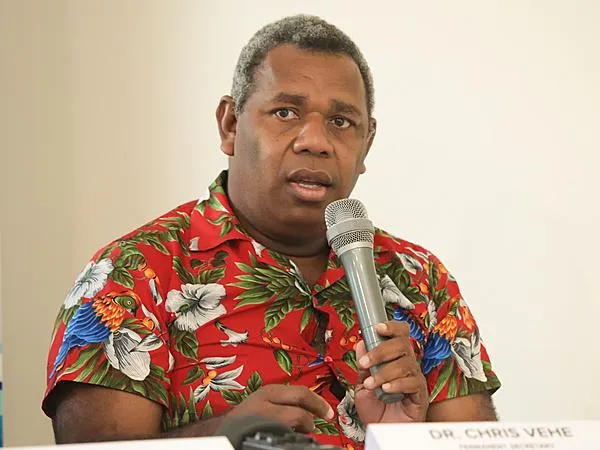
Permanent Secretary Chris Vehe said the reforms aim to position mining as a key economic pillar, while addressing longstanding regulatory gaps.

“The mining industry is now an emerging economic lifeline of our country,” he said.

At the core of the reforms is the Mineral Resources Bill 2025, described by policymakers as a landmark law to replace the outdated Mines and Minerals Act 1990 and establish a clearer regulatory regime for exploration and extraction.

The bill is intended to balance resource development with environmental protection, clarify rights and obligations among stakeholders, and ensure fair economic returns for present and future generations.

It also aligns with the country’s Minerals Policy 2017, which emphasises inclusive governance, local participation and stronger benefit-sharing arrangements with communities.

Alongside the bill, the ministry is finalising supporting regulations covering occupational health and safety, community development agreements and broader sector governance. Additional initiatives include a Strategic Environmental and Social Assessment (SESA), fiscal and revenue reforms, and frameworks on mine safety, gender inclusion and mineral pricing.

Most outputs are in advanced stages of drafting or consultation, with several expected to be submitted to cabinet between April and May. The reform push comes amid ongoing debate over landowner rights and consultation processes.

Civil society groups and international observers have raised concerns about ensuring free, prior and informed consent, equitable benefit-sharing and stronger environmental safeguards under the proposed framework.

Analysts note that mining governance in Solomon Islands has historically faced challenges linked to limited oversight, environmental risks and uneven distribution of benefits.

Government and development partners see significant upside if reforms unlock new mining projects, particularly in gold and nickel. Estimates suggest mining could add several percentage points to GDP and generate new fiscal revenues through royalties, export duties and profit-based taxes if projects reach full capacity.

The ministry said the reforms are designed to ensure that expansion is matched by stronger governance, transparency and accountability mechanisms. The overhaul reflects a broader transition in the Solomon Islands economy, where declining logging activity is shifting attention toward mining as a future growth driver.

Officials said the success of the reforms will depend on balancing investor certainty with community protection and environmental sustainability.

March 27, 2026

The Seabed Minerals Authority has formally appointed members of its Seabed Minerals Advisory Committee, in a move aimed at strengthening community representation in the development of the sector.

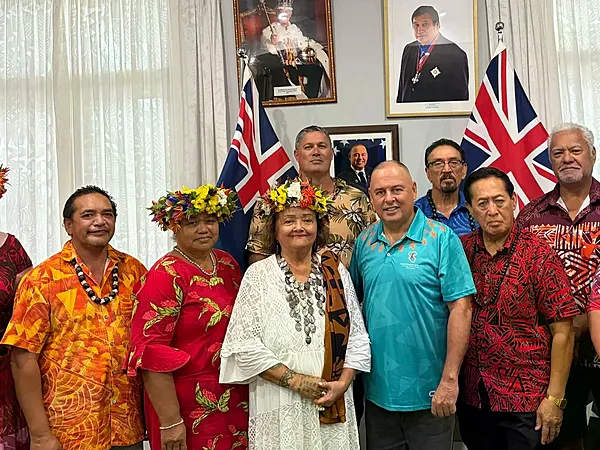
Prime Minister Mark Brown, who also holds the seabed minerals portfolio, said the committee will play a key role in ensuring that policy discussions reflect community perspectives and national priorities.

“The advisory committee helps ensure that policy considerations remain inclusive and grounded in our national values,” he said during the appointment ceremony held at the Office of the Prime Minister.

Advisory, not decision-making role

Seabed Minerals Commissioner Beverly Ataera said the committee serves as a facilitative body between government and the public, rather than a decision-making authority.

Its mandate includes providing recommendations, supporting public awareness, and fostering informed dialogue on seabed minerals policy, in line with its terms of reference.

Leadership retained, new members added

Tutai Pere was reappointed as chairman of the committee, while George Williamson was named vice chairman.

Continuing members include Maru Mariri-Tepou and Tamuera Peyroux-Napa, while new appointees are Phillip Vakatini Ariki, Ngara Katuke and Ngavaevae Papatuac.

Pere said the committee would work to represent diverse community views as the sector evolves, emphasising collaboration and integrity in its work.

Broad representation across society

The advisory committee comprises representatives from across Cook Islands society, including church, cultural, business and youth groups. Members are appointed for two-year terms and are expected to participate in consultations, meetings and training.

The body reports to the Seabed Minerals Authority and provides input on policy and sector developments.

Focus on governance and engagement

The appointments underscore the government’s push to strengthen transparency, accountability and community engagement in the seabed minerals sector, as interest in ocean-based resource development grows.

The authority said it will work closely with the committee to support informed decision-making and responsible stewardship of marine resources.

March 27, 2026

Lion One Metals has reported a series of operational and technical developments at its Tuvatu gold mine in Fiji, signalling a transition toward improved processing capability and longer-term operational stability as the project moves through its ramp-up phase.

The Canadian-listed company, which owns and operates the Tuvatu Alkaline Gold Project on Viti Levu, recently confirmed the commissioning of a new flotation plant, regulatory approval for a key water management system, and clarified its mining approach amid market speculation.

The updates collectively underscore a shift from initial production challenges toward optimisation of throughput, recovery rates and environmental compliance.

Processing ramp-up under way

Lion One said it has successfully commissioned a new flotation plant — a critical upgrade designed to enhance gold recovery from sulphide ores at Tuvatu. The commissioning marks a milestone in the mine’s development, although the company cautioned that the plant is still in its early operational phase.

Chief executive Campbell Olsen described the commissioning as an important step forward, while acknowledging that performance improvements will take time as operators build experience with the flotation circuit.

The company said the focus has now shifted to ramping up throughput and improving recovery rates, with early-stage variability expected as part of the learning curve. Key priorities include refining reagent chemistry, strengthening operator capability and progressively increasing production toward design capacity.

Lion One emphasised that the ramp-up will be gradual rather than linear, reflecting a strategy centred on sustainable operational performance rather than short-term output gains.

The flotation plant introduces a new processing dimension at Tuvatu, enabling the treatment of ore types that were previously more challenging under conventional gravity-based systems. This is expected to support improved overall recovery rates as the operation matures.

Evaporator system addresses water management constraints

In parallel with processing upgrades, the company has approved the installation of an evaporator system to manage excess process water at the mine’s tailings storage facility (TSF).

The system is designed to address a longstanding operational constraint: the accumulation of treated water that cannot be discharged due to regulatory and environmental limits. While the existing treatment plant can reduce copper levels, other parameters — including total dissolved solids — remain above thresholds required for river discharge.

The evaporator will provide a controlled mechanism to remove excess water through enhanced evaporation, replacing reliance on natural evaporation and temporary storage solutions.

Lion One said the approach eliminates the need to discharge process water into the Sabeto River, reducing environmental risk and regulatory uncertainty. The system is expected to improve operational resilience, particularly during periods of heavy rainfall when water volumes increase.

Beyond immediate operational benefits, the company positioned the evaporator as a long-term infrastructure investment that strengthens its environmental, social and governance (ESG) profile and supports its social licence to operate.

Clarification on mining methods

Lion One also moved to clarify its mining strategy following market commentary, stating that it has not abandoned shrinkage stoping — a method previously associated with the Tuvatu deposit.

Instead, the company said it is adopting a flexible, multi-method approach, selecting mining techniques based on the geological characteristics of specific zones within the orebody.

This approach is intended to optimise ore extraction while maintaining operational efficiency and safety, reflecting the complex nature of the high-grade alkaline gold deposit.

The clarification aims to address investor concerns and reinforce confidence in the company’s technical strategy as it continues to develop the underground mine.

Operational context and outlook

The Tuvatu project represents one of the few alkaline gold deposits under active development globally, with Lion One positioning it as a long-life, high-grade asset. The operation includes an underground mine, processing plant, tailings storage facility and associated infrastructure.

Since commencing operations in late 2023, the project has faced a combination of technical, operational and organisational challenges typical of early-stage mining developments. The recent updates suggest a coordinated effort to address these constraints through targeted capital investment and process optimisation.

The commissioning of the flotation plant is expected to play a central role in improving gold recoveries, while the evaporator system resolves a critical bottleneck in water management — a key issue for many tropical mining operations.

At the same time, the company’s clarification on mining methods highlights an adaptive approach to ore extraction, which may be necessary to fully unlock the deposit’s potential.

Looking ahead, Lion One indicated that the ramp-up phase will extend over several months, with incremental improvements anticipated as systems are optimised and operational expertise deepens.

The company also signalled a commitment to transparent reporting during this period, noting that early production results should be interpreted in the context of a developing operation rather than a steady-state mine.

Regional implications

While located in Fiji, the developments at Tuvatu are being closely watched across the Pacific mining sector, where governments and investors are increasingly focused on balancing resource development with environmental safeguards and community expectations.

The adoption of closed-loop water management systems, in particular, reflects a broader industry trend toward minimising environmental impact and reducing reliance on discharge permits.

Similarly, the integration of advanced processing technologies such as flotation aligns with efforts to maximise resource efficiency and improve project economics in a competitive global gold market.

For Lion One, the coming months will be critical in demonstrating that these investments translate into stable production and improved financial performance.

If successful, the Tuvatu mine could emerge as a benchmark for modern gold mining operations in the Pacific — combining technical innovation, environmental management and adaptive mining practices within a single integrated project.

March 27, 2026

Lion One Metals has received conditional approval from the TSX Venture Exchange for a non-brokered private placement with Arete Capital, in a move aimed at strengthening liquidity and accelerating operational improvements at its Tuvatu gold project in Fiji.

The company announced that the financing, expected to close on 27 March 2026, will raise gross proceeds of approximately C$15.05 million through the issuance of 44.26 million units priced at C$0.34 each.

Each unit comprises one common share and one warrant, with the latter exercisable at C$0.39 over a three-year period. On a pro forma basis, the shares issued will represent 9.9 percent of Lion One’s outstanding equity, excluding any exercise of warrants.

The transaction forms part of a broader strategic investment agreement signed in December 2025 and is subject to final regulatory approvals and customary closing conditions.

Funding operational improvements at Tuvatu

Lion One said proceeds from the placement will be directed toward addressing operational constraints at its Tuvatu Alkaline Gold Project, which commenced operations in late 2023.

Key priorities include improving mill throughput capacity, enhancing recovery rates through optimisation of the flotation circuit, advancing underground development to access higher-grade zones, and investing in additional mining equipment.

The company also plans to allocate a portion of the funds to support working capital requirements and maintain compliance with covenants under its existing senior debt facility, which is due to mature in August 2026. The financing underscores what the company described as an “urgent cash flow imperative” over the coming months, as it seeks to stabilise operations and improve production performance.

Strategic investor role and governance rights

As part of the transaction, Lion One and Arete Capital will enter into an investor rights agreement that grants Arete certain governance and participation rights as a significant shareholder.

Under the agreement, Arete will have the right to nominate one director to the company’s board, provided it maintains a minimum shareholding of 9.9 percent.

Arete will also be entitled to participate in future equity offerings to maintain its proportional ownership, subject to standard exclusions such as employee incentive schemes and pre-existing securities. In addition, the agreement includes provisions requiring Arete to align its voting with management recommendations on shareholder matters while its nominee remains on the board.

The company noted that any increase in Arete’s shareholding beyond 10 percent would require prior approval from the TSX Venture Exchange, while holdings above 20 percent would be subject to disinterested shareholder approval.

Management services agreement to support operations

Concurrent with the financing, Lion One plans to enter into a management services agreement with Arete, under which the investor will provide operational and advisory support for the Tuvatu project. The scope of services includes coordinating operational management, supporting project planning, and assisting in the development and execution of business plans and budgets.

While Arete will act as an independent contractor, it will operate under the oversight of Lion One’s board, which retains ultimate responsibility for management decisions.

The agreement includes a base management fee of C$750,000 per year, alongside potential performance-based incentives linked to key operational targets.

The initial term of the agreement is five years, with provisions for renewal by mutual consent.

Strategic context

The investment reflects a partnership-driven approach to advancing the Tuvatu project, combining capital injection with operational expertise from a specialist mining investor.

Arete Capital positions itself as an active operator with experience in optimising mid-tier mining assets, and the collaboration is expected to support Lion One’s efforts to improve productivity and financial performance at Tuvatu.

The project, located on Fiji’s main island of Viti Levu, is one of the few alkaline gold systems globally and is being developed as a high-grade underground operation with expansion potential.

Lion One said the financing will enable it to prioritise near-term, high-impact initiatives aimed at increasing output and improving margins, while maintaining financial flexibility during a critical phase of its development.

Outlook

The successful closing of the private placement will mark a key step in Lion One’s efforts to stabilise operations and address funding requirements ahead of its upcoming debt maturity.

With operational improvements under way — including recent commissioning of a flotation plant and planned upgrades to infrastructure — the company is positioning the Tuvatu project for a more consistent production profile.

At the same time, the partnership with Arete introduces a more hands-on operational model, with closer integration between capital providers and mine management.

As the company navigates its ramp-up phase, investor focus is likely to remain on whether these combined measures translate into improved output, stronger cash flow, and reduced financial risk over the near term.

March 26, 2026

ABG President and Minister for Mining Ishmael Toroama outlined key legislative reforms to strengthen governance of the mining sector during his address to Parliament.

The reforms form part of the ABG’s broader efforts to ensure that resource development in Bougainville is undertaken in a safe, responsible and internationally compliant manner, while supporting long-term economic development and independence aspirations.

In this context, the Bougainville Parliament recently passed the Bougainville Mining (Gold Production Levy Amendment) Act 2025, formalising the taxation of gold production and strengthening revenue mobilisation.

“The Government continues to strengthen the legislative framework governing the mining sector,” he said.

“Key developments include the passage of the Bougainville Mining (Gold Production Levy Amendment) Act 2025, which formalises taxation of gold production and strengthens revenue mobilisation.”

President Toroama said relevant agencies — including the Department of Mining and Petroleum, the Department of Law and Justice, the Bougainville Tax Office, and the Department of Commerce, Trade and Economic Development — are now working collaboratively to develop an implementation framework. This will enable the initial collection of the gold levy within the year.

In parallel, the President informed the House that a comprehensive review of the Bougainville Mining Act 2015 is under way to strengthen regulatory control and address implementation gaps.

“There is also an ongoing comprehensive review of the Bougainville Mining Act 2015, covering approximately 70 sections, including new provisions to address implementation gaps and strengthen regulatory control. Drafting instructions have been completed and endorsed by BEC for region-wide stakeholder consultations, expected in the third quarter of 2026 prior to finalisation of amendments.”

Further legislative work is progressing under the Panguna redevelopment framework to support the sector.

“In addition, under the Panguna redevelopment framework, work is progressing on priority legislation to support the sector, including mining safety and occupational health frameworks, environmental protection laws, and land and regulatory reforms.”

“These reforms will ensure that mining in Bougainville is undertaken in a safe, responsible and internationally compliant manner, consistent with our national development and independence objectives.”

March 26, 2026

The Government has reaffirmed its support for locally driven tourism investment following the launch of a new cruise vessel aimed at expanding Fiji’s premium travel offering.

Deputy Prime Minister and Minister for Tourism and Civil Aviation Viliame Gavoka officiated at the launch of the MV Yasawa Princess II at Port Denarau in Nadi on 26 March, marking a significant addition to the country’s small-ship cruising sector.

Operated by Blue Lagoon Cruises, the vessel adds 22 cabins with capacity for 44 guests. Acquired in July 2025 and subsequently refurbished, it joins the existing Fiji Princess, bringing total capacity to 54 cabin berths per week across three-, four- and seven-night itineraries.

Local sailings are scheduled to commence in April, with the vessel’s first international voyage set for 27 April 2026.

Speaking at the launch, Gavoka commended Blue Lagoon Cruises as a Fiji-owned operator with a long-standing presence in the tourism sector, highlighting the importance of local enterprise in driving sustainable economic growth.

“I hold in high regard initiatives driven by local businesses and entrepreneurs committed to delivering services that create meaningful benefits for our communities,” he said.

The launch forms part of the Coalition Government’s broader strategy to strengthen Fiji’s premium tourism segment, with a particular focus on experiential and small-scale travel.

Gavoka said small-ship cruising allows visitors to engage more deeply with Fiji’s maritime regions, offering access to remote destinations and cultural experiences beyond traditional tourism hubs.

Central to the company’s itineraries is the Yasawa Islands corridor, widely regarded as one of Fiji’s most distinctive tourism regions. The expansion of cruise capacity is expected to support economic activity in rural and maritime communities, including job creation and opportunities linked to local culture and services.

The Minister also highlighted the vessel’s fully Fijian crew, describing it as a point of national pride and a reflection of ongoing investment in maritime skills development.

He noted that the crew successfully completed the vessel’s delivery voyage from Brisbane to Port Denarau, demonstrating local capability in international maritime operations.

The addition of the MV Yasawa Princess II is expected to strengthen Fiji’s position in the niche cruise market, as the government continues to prioritise high-value, low-impact tourism as a driver of long-term growth.

March 26, 2026

The Government of New Caledonia has adopted a draft resolution calling on the French State to extend its electricity cost equalisation mechanism to the territory, in a move aimed at easing energy costs and supporting economic recovery.

The decision was approved during the Government’s weekly meeting on 25 March, with authorities seeking to include New Caledonia in the reimbursement system that compensates excess electricity production costs in overseas areas not connected to mainland France’s grid.

Under France’s existing framework, tariff equalisation ensures that electricity prices remain broadly comparable across the country by offsetting higher production costs in non-interconnected zones such as Guadeloupe, Guyana, Martinique, Réunion, Mayotte and Wallis-et-Futuna. The mechanism is designed to uphold national solidarity and provide households and businesses in overseas territories with access to energy under conditions similar to those in metropolitan France.

At present, New Caledonia and French Polynesia are the only French territories not covered by the scheme.

Government spokesperson Christopher Gygès said extending the mechanism would address growing concerns over purchasing power, particularly as global pressures, including the conflict in the Middle East, risk further increasing energy costs.

In New Caledonia, electricity prices are structurally higher due to factors such as geographic isolation, limited market size and reliance on imported energy inputs. These costs place additional pressure on households while also affecting the competitiveness of businesses and the wider economy.

Electricity plays a central role in the territory’s economic structure, particularly in industrial and metallurgical activities, as well as in the operation of public services and critical infrastructure. As a result, energy pricing is regarded as a key determinant of both economic stability and growth.

The Government said that, in the current challenging economic environment, reducing electricity costs could serve as an important lever to support business activity, protect purchasing power and aid the territory’s economic recovery.

By seeking inclusion in the equalisation scheme, New Caledonia aims to align itself with the broader principle of national solidarity applied across other overseas territories. The proposal also extends to French Polynesia, which faces similar structural constraints.

The draft resolution will now be submitted to the French State for consideration, with authorities emphasising that the extension of the mechanism would promote equity while supporting the sustainable economic development of France’s overseas regions.

March 25, 2026

The Solomon Islands government is stepping up efforts to advance the Bina Harbour development in Malaita, a flagship fisheries project aimed at transforming the country’s tuna industry and capturing greater economic value from its marine resources.

The Ministry of Fisheries and Marine Resources has prioritised the project in the 2026 budget, allocating SB$120 million to support early-stage works, including a domestic jetty and preparatory infrastructure.

The Bina Harbour initiative centres on establishing a tuna port and processing facility designed to enable onshore processing, a shift seen as critical to increasing domestic value capture from one of the country’s most important natural resources.

Government officials say technical groundwork is progressing, including hydrological assessments, geotechnical investigations and site planning to ensure the project meets environmental and operational requirements.

A feasibility study is also under way, alongside broader technical studies covering water supply, wastewater systems and supporting infrastructure for both the facility and surrounding communities.

The Bina Harbour project is structured as a potential public-private partnership, with support from development partners including the International Finance Corporation, Australia and New Zealand.

Authorities are simultaneously pursuing regional tuna supply arrangements with neighbouring Pacific countries to ensure a reliable flow of raw materials once operations begin.

Major economic ambitions

The development is widely regarded as one of the most significant economic projects in Solomon Islands, with projections indicating it could generate around $400 million in economic value over 15 years and create more than 1,600 jobs.

Some estimates suggest employment impacts could be even higher when including indirect jobs and construction-phase activity, with thousands of roles expected across the value chain.

The total investment required for the broader development — including port infrastructure, utilities and processing facilities — is expected to exceed $200 million.

Officials have described the project as a cornerstone of efforts to diversify the economy, reduce reliance on raw fish exports and stimulate development in Malaita Province, where employment opportunities have historically been limited.

Long development timeline

Despite strong government backing, the project has faced delays over the years due to land ownership issues, financing complexities and the need for extensive environmental and technical studies.

Authorities say those challenges are being addressed through landowner consultations, environmental safeguards and coordinated planning with development partners.

Recent milestones include the endorsement of a site layout design for the port and processing plant, with plans that allow for future expansion while minimising environmental impact and ensuring community acceptance.

The government has emphasised that the project is now moving through a critical preparatory phase, with the aim of positioning Bina Harbour as a viable investment opportunity for global tuna operators.

Strategic significance

The fisheries sector already contributes significantly to the Solomon Islands economy, accounting for about 10% of government revenue, and officials see the Bina Harbour project as key to scaling that contribution further.

By enabling domestic processing and strengthening supply chains, the project is expected to support industrial growth, increase export earnings and improve economic resilience.

Authorities say the long-term goal is to establish Bina Harbour as a major regional fisheries hub, anchoring sustainable development and delivering broad-based economic benefits across the country.

March 25, 2026

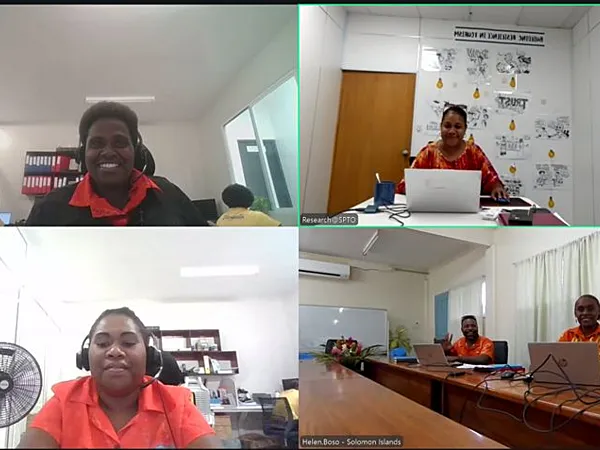
The Vanuatu Tourism Office and Tourism Solomons Office have completed their second online refresher training for 2026 under the Pacific Tourism Data Initiative, a regional programme aimed at strengthening tourism data capabilities across Pacific Island countries.

Delivered in partnership with the Pacific Tourism Organisation, the week-long training held from February 23 to 27 focused on enhancing technical expertise in tourism data analysis, statistical interpretation and report compilation. Participants were trained in analytical tools including SPSS, Excel and NVivo.

The virtual sessions, conducted via Zoom and Microsoft Teams, aimed to build in-country capacity to produce International Visitor Survey reports, supporting evidence-based tourism planning and policymaking.

Key analytical areas covered included visitor origin and top source markets, purpose of travel and group size, airlines used, destinations visited, average length of stay, accommodation preferences and satisfaction, as well as trip planning and repeat visitation, including cruise travel.

Participants also undertook practical exercises on frequency analysis, data weighting techniques and reconciliation with National Statistics Office visitor arrival data to ensure outputs are statistically robust and aligned with international standards.

The Vanuatu Tourism Office and Tourism Solomons Office are among 10 Pacific Island participants in the initiative, alongside the Cook Islands, Tonga, Papua New Guinea, Niue, Samoa, Timor-Leste and the Federated States of Micronesia (Yap).

Funded by the New Zealand government, the initiative comprises three core surveys: the biannual International Visitor Survey, the annual Business Confidence Index and the annual Community Attitude Survey, all designed to support data-driven tourism development in the region.

Participants said the training’s practical approach improved their understanding of analytical processes, particularly in applying weighting methodologies and aligning survey data with official visitor statistics. Both offices are working towards completing up to 70% of their January to December 2025 International Visitor Survey reports.

Pacific Tourism Organisation Chief Executive Officer Christopher Cocker said the collaborative format enabled participants to share experiences, compare methodologies and collectively address challenges.

He said the training supports the initiative’s long-term goal of strengthening national tourism offices’ capacity to independently analyse data and produce reports, helping lay the groundwork for more robust, evidence-based tourism planning across the Pacific.

March 25, 2026

Pacific Island countries are stepping up efforts to strengthen private sector development, recognising its central role as the backbone of their economies and a key driver of long-term growth, employment and innovation.

The private sector remains the region’s largest employer and a major contributor to productivity, competition and wealth creation. It also plays a critical role in reducing poverty by generating jobs and improving living standards across Pacific economies.

Policymakers across Forum Member countries are now moving to elevate private sector development ambitions by promoting reforms that improve the business environment, address market failures and support enterprise creation. Efforts are also under way to enhance the capacity of Pacific businesses to participate more actively in domestic, regional and global markets.

At the national level, governments have introduced a range of initiatives, including private sector development strategies, public-private partnerships and targeted industry incentives. However, officials say the absence of a coordinated regional framework has limited the ability to fully leverage shared strengths across the Pacific.

To address this gap, the Pacific Regional Private Sector Strategy (PRPSS) was mandated by Forum Trade Ministers in 2021, aimed at driving sustainable and resilient economic growth, job creation and innovation across the region.

The inaugural strategy, covering 2025 to 2030, places a strong emphasis on micro, small and medium enterprises (MSMEs), widely regarded as the engine of Pacific economies. MSMEs are expected to play a pivotal role in economic diversification, employment generation and the promotion of entrepreneurship.

Globally, MSMEs account for between 50% and 60% of GDP, represent about 90% of businesses and contribute roughly 70% of employment. However, their full economic contribution in Pacific Island countries remains difficult to quantify due to high levels of informality and limited data collection systems.

Under the theme “Strengthening Foundations for Resilient and Inclusive MSME Growth,” the strategy aims to build a more supportive business environment and address structural challenges that constrain MSME development.

The plan focuses on six priority areas: improving the business enabling environment; supporting business growth and innovation; expanding access to finance; building resilience to economic shocks; promoting inclusive entrepreneurship; and strengthening regional dialogue.

Officials said the strategy seeks to ensure that women-led, youth-led and rural enterprises, as well as businesses in the informal sector, are given equal opportunities to grow, formalise and contribute to economic activity.

Implementation will take place over five years, with a focus on “regional collective actions” — joint initiatives undertaken by multiple countries to maximise resources and address shared challenges. These actions will be carried out in collaboration with technical agencies, development partners and international organisations.

Where regional approaches are not feasible due to differing national contexts, the strategy allows for tailored country-level interventions.

A mid-term review is planned to assess progress and enable adjustments in response to evolving economic conditions and emerging opportunities.

Officials said the strategy is designed to complement existing national reforms, while fostering deeper regional integration, knowledge-sharing and cooperation across Pacific economies.

March 23, 2026

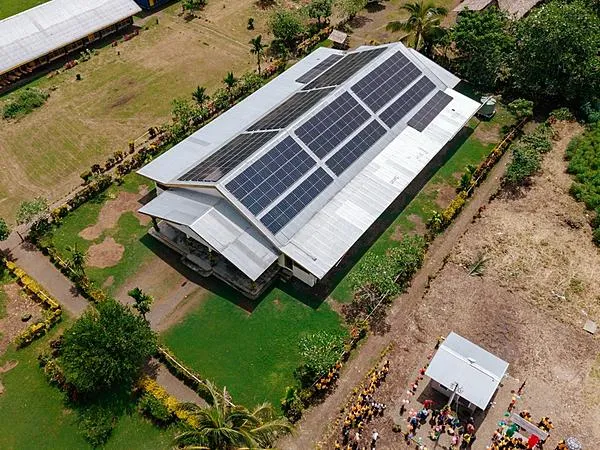
A new solar energy system is now powering Sir Dudley Tuti College in Isabel Province, improving access to reliable electricity for one of the Solomon Islands’ largest and most remote secondary schools.

The installation marks the first Solomon Islands project under the REnew Pacific programme, delivered by local renewable energy provider Superfly. The system supplies clean and dependable power to around 820 students — including about 600 boarders — as well as staff housing and nearby community facilities.

Previously reliant on costly and unreliable diesel generation, the college is expected to benefit from round-the-clock electricity while significantly reducing fuel consumption and operating costs.

The project was officially launched by Member of Parliament for Gao/Bugotu Trevor Hedley Mahaga, alongside representatives from the Australian High Commission and the school community led by principal Dudley Uata.

Australia’s High Commissioner to Solomon Islands, Jeff Roach, said the initiative reflects Canberra’s commitment to expanding access to renewable energy in remote areas.

“The solar hybrid system installation at Sir Dudley Tuti College demonstrates Australia’s commitment to supporting expanded access to renewable sources of energy in remote and rural areas,” Roach said.

Mahaga said the investment would have lasting benefits for education and community wellbeing in Isabel Province.

“Reliable solar power will enable brighter classrooms, safer dormitories and dependable services across the campus, giving students and teachers more opportunities to learn, teach and live well after dark,” he said.

Sir Dudley Tuti College is one of three sites supported under the REnew Pacific programme, which aims to deliver off-grid renewable energy solutions to more than 81,000 people across Isabel, Western and Malaita provinces.

Other projects include a hybrid solar system at Atoifi Adventist Hospital in Eastern Malaita to support emergency and maternity services, as well as installations at Goldie College in Western Province to benefit students and surrounding communities.

Superfly director Gavin Pereira said the company was pleased to work with local stakeholders to deliver the project.

REnew Pacific is part of Australia’s A$75 million investment in off-grid renewable energy across the Pacific and Timor-Leste. The initiative falls under the Pacific Climate Infrastructure Financing Partnership, a A$350 million programme delivered through the Australian Infrastructure Financing Facility for the Pacific and implemented by Palladium.

March 23, 2026

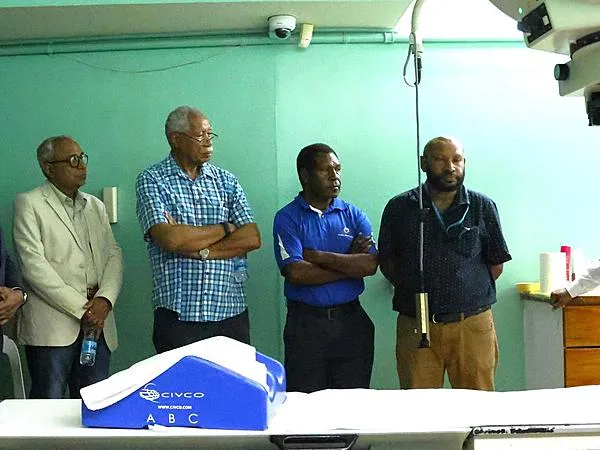
The board of Kumul Petroleum Holdings Limited has visited the Cancer Service Unit at ANGAU Memorial Hospital, where the company has invested more than K20 million to strengthen cancer treatment services.

The investment, implemented between 2020 and 2025 under a tripartite agreement with the Morobe Provincial Health Authority and ANGAU, supported the re-establishment of radiotherapy and brachytherapy services at the hospital. Funding enabled the engagement of a resident oncologist, training of radiotherapists and the procurement of key equipment, including a Cobalt-60 radioactive source, allowing radiotherapy treatment to resume in Papua New Guinea.

Kumul Petroleum chairman Gerea Aopi said the visit gave board members an opportunity to assess the impact of the company’s support.

“Today’s visit allowed us to understand the work being carried out here, and the difference that improved medical equipment can make for patients,” Aopi said.

He noted that cancer remains a significant health challenge in the country, underscoring the importance of initiatives that expand access to diagnosis and treatment.

“Many families across the country are impacted by cancer. Supporting initiatives that improve access to care reflects our broader developmental role as a national company,” he said.

The visit was facilitated by ANGAU Memorial Hospital chief executive officer Dr Kipas Binga and staff from the Cancer Service Unit, who provided insights into current operations and patient care.

The board’s visit coincided with Kumul Petroleum’s annual charity golf tournament in Lae on 6 March, an event held to raise funds for essential medicines for patients undergoing chemotherapy at the hospital.

March 23, 2026

The Pacific Tourism Organisation has graduated 21 participants from its Online Pasifika Cultural Tourism Training programme, marking a step forward in efforts to strengthen cultural tourism across the region.

Participants from eight Pacific countries — Papua New Guinea, Fiji, the Cook Islands, Vanuatu, French Polynesia, Samoa, Solomon Islands and the Federated States of Micronesia — completed the course, which combined online modules, live sessions, assignments and supporting materials. A minimum score of 70 percent was required to pass.

Launched on World Tourism Day in September 2025, the initiative aims to build the capacity of tourism operators and stakeholders to deliver authentic, high-quality cultural tourism experiences rooted in Pacific traditions. It also seeks to support community-led tourism by equipping participants with practical skills aligned with local cultural values.

The programme was facilitated by SauVaka Culture Consultancy’s Simione Sevudredre and Peni Jeffrey and delivered via SPTO’s digital learning platform, Tovuti. Training modules covered storytelling, visitor engagement, product development and core principles of cultural tourism, while live sessions enabled peer learning and mentorship.

SPTO chief executive officer Chris Cocker said the programme demonstrates how digital learning can enhance cultural tourism while preserving authenticity.

“The successful completion of this training by twenty-one participants is a powerful example of how digital learning can strengthen cultural tourism across the Pacific while ensuring our traditions, stories and heritage are shared with authenticity and respect,” Cocker said.

He added that strengthening cultural tourism is central to the region’s broader tourism agenda, noting that equipping practitioners with the right skills supports communities in creating meaningful visitor experiences while generating sustainable livelihoods.