
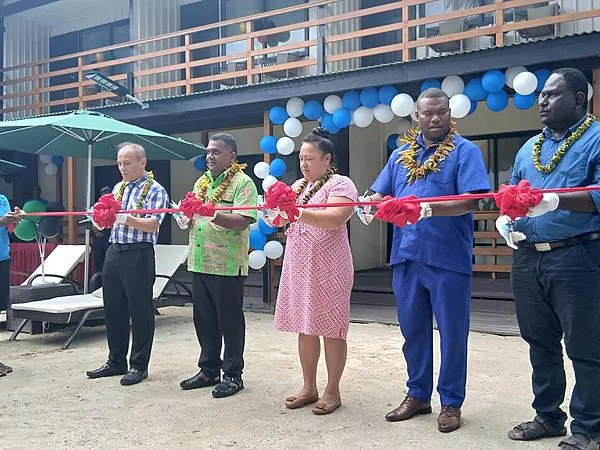

March 23, 2026

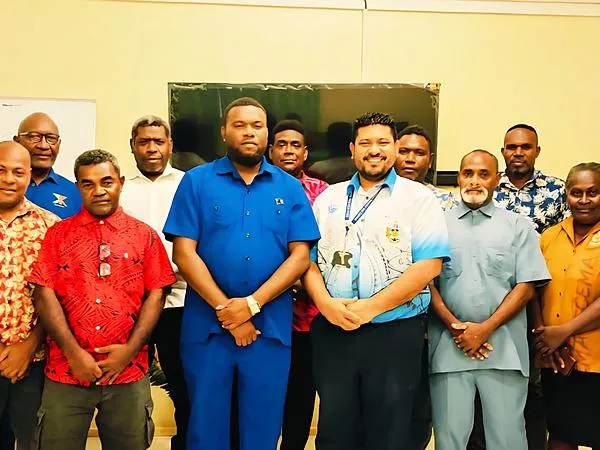
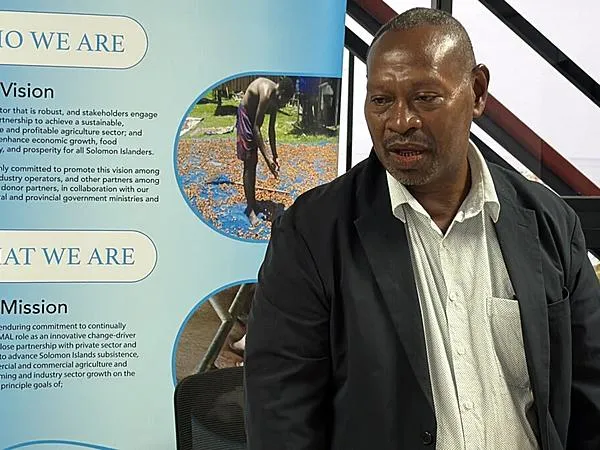
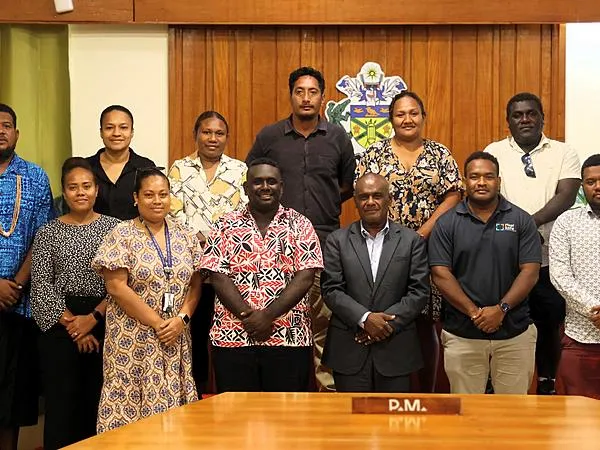
Newly appointed Agriculture and Livestock Development Minister Nestor Giro has signed two funding agreements under the Commercial Agriculture Development Support Project, underscoring the Solomon Islands government’s push to strengthen local agribusinesses.

A total of SBD780,000 has been awarded to two enterprises, with Varivao Holdings Limited receiving SBD700,000 and Malo Kitchen granted SBD80,000. The funding is drawn from the Commercial Agriculture Development Project Support Fund, which supports small and medium-sized agribusinesses in acquiring equipment and enhancing value-added production.

Varivao Holdings plans to invest in cold storage, roofing materials, labour, a grafting machine, and cassava processing and packaging equipment, in line with its approved work plan. Malo Kitchen will use its allocation to upgrade equipment and improve processing facilities to meet food safety and production standards.

Speaking at the signing ceremony, Giro urged recipients to utilise the funds effectively, noting that they were selected following a rigorous assessment process.

“On behalf of the Government of Solomon Islands, I congratulate you both. Please ensure that the funds are fully utilised to support the growth of your business investments,” he said.

Malo Kitchen managing director Susan Timi described the funding as a milestone that would significantly improve operations, while Varivao Holdings human resource manager Redley Theomae said the support would benefit both the company and the communities it serves.

Varivao Holdings is currently the sole major exporter of cassava to Australia, having shipped nine containers last year and two containers so far this year, including both tubers and grated cassava. Malo Kitchen sources ginger from provincial women farmers to produce ginger-based products, as well as breadfruit flour and turmeric goods.

The signing marks Giro’s first official engagement since being sworn in earlier this week. The ministry said it will continue supporting agribusiness development under the GNUT Agriculture Policy to expand opportunities for local enterprises and strengthen rural economies.

March 19, 2026

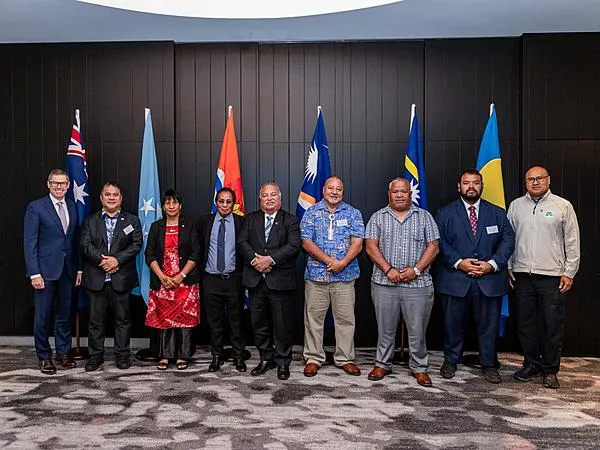
The government of Nauru has welcomed the outcomes of the inaugural North Pacific Aviation Summit in Canberra, agreeing on practical steps to strengthen vital air links across the North Pacific.

The summit underscored Nauru’s role in operating the North Pacific Connector (NPC) service, a regional air corridor linking Australia with several North Pacific states, and highlighted strong backing from regional partners and Australia to secure its long-term commercial sustainability.

Operated by Nauru Airlines, the NPC connects Brisbane with destinations across Micronesia, including Nauru, Kiribati, the Marshall Islands and the Federated States of Micronesia. The service was established to address longstanding connectivity gaps in a region characterised by small, dispersed populations and commercially challenging aviation routes.

The NPC has carried more than 55,000 passengers and 800 tonnes of freight, supporting essential travel, cargo movement and access to services, while strengthening social, cultural and economic ties between Australia and the North Pacific.

Partner governments committed to a range of measures to improve the route’s viability, including fee waivers, expanded access to night-time landings, increased use of the NPC by government officials and closer alignment of aviation and tourism policies to support demand.

These measures reflect a broader recognition that aviation in the North Pacific operates under structural constraints, including high operating costs, limited infrastructure and thin passenger volumes, requiring coordinated government support to remain viable.

Minister for Transport Maverick Eoe Appi has described the NPC as a “lifeline” for communities and economies, highlighting its role in enabling medical travel, government services, trade and regional mobility. He also expressed pride in Nauru’s role in operating the service on behalf of the region.

Australia’s role as a key partner was also highlighted, with the summit reflecting wider regional cooperation efforts to strengthen connectivity, economic integration and resilience across Pacific island countries.

Next steps include written commitments from participating governments by 6 May and a virtual follow-up meeting by mid-May, with joint work on a long-term sustainability framework for the NPC to continue over the next two years.

The summit signals a shift toward a more coordinated, multi-government approach to supporting regional aviation, positioning the NPC as a critical transport link rather than a purely commercial service.

March 19, 2026

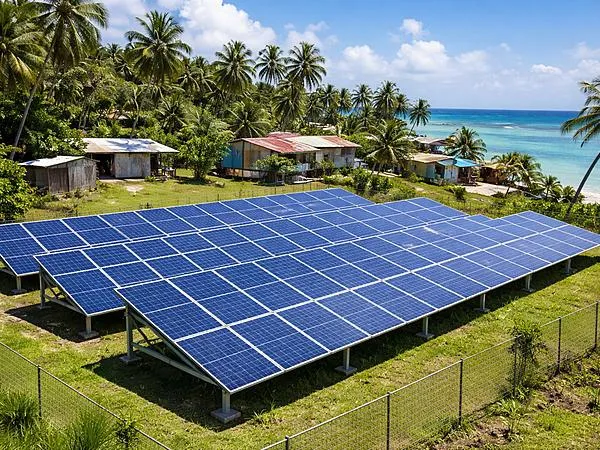
The Fijian government has approved the implementation of a Renewable Hybrid Project (RHP) at Bouwaqa Village in Vatulele, marking a step forward in rural electrification and clean energy deployment.

The RHP is a grant-funded pilot initiative supported by the United Kingdom government and implemented by AEON Energy Group. It aims to test the integration of solar, wind and wave energy technologies within a hybrid mini-grid system designed for remote island communities.

The project will begin with the installation of a 50-kilowatt solar photovoltaic system with battery storage, forming the initial phase of a broader hybrid energy platform. Subsequent phases are expected to incorporate wind and wave energy technologies to enhance reliability and enable more continuous power generation.

AEON Energy Group’s model focuses on combining multiple renewable energy sources into a single decentralised grid, reducing reliance on diesel and improving energy security in isolated areas. The approach aligns with emerging efforts across the Pacific to deploy hybrid mini-grids capable of delivering stable, round-the-clock electricity in geographically dispersed island settings.

The project is linked to United Kingdom-backed clean energy innovation programmes, including initiatives that support the development of smart green grids and pilot technologies for Small Island Developing States. These programmes aim to demonstrate the technical and commercial viability of hybrid renewable systems in challenging environments.

Hybrid systems are increasingly being prioritised in Fiji’s energy strategy due to their ability to improve reliability, lower fuel import costs and strengthen resilience against climate-related disruptions. The integration of wave energy, in particular, represents a relatively new approach in the Pacific and positions the Vatulele project as a test case for next-generation renewable energy solutions.

The government said the project would contribute to expanding energy access in rural communities while supporting broader national goals on climate action and sustainable development.

March 19, 2026

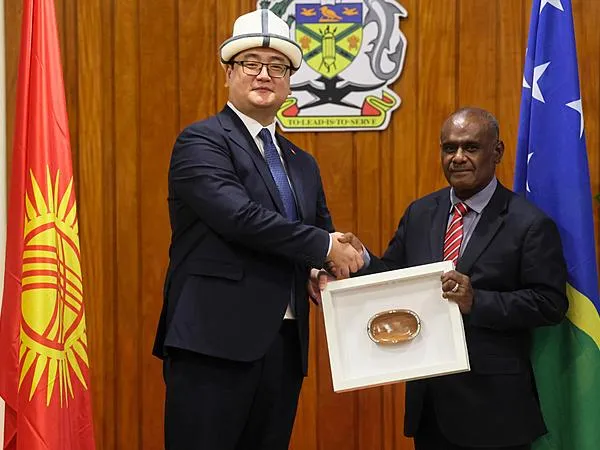
Prime Minister Jeremiah Manele held a bilateral meeting with Anvar Anarbaev, special envoy of the president of the Kyrgyz Republic, at the Office of the Prime Minister and Cabinet in Honiara.

The meeting marked an important step in strengthening diplomatic relations between Solomon Islands and the Kyrgyz Republic, building on more than a decade of formal ties since 2014. Both sides reaffirmed their shared commitment to multilateralism, the principles of the United Nations Charter and cooperation within international frameworks.

Discussions focused on enhancing bilateral cooperation and advancing shared interests at the United Nations. Manele welcomed the visit as an opportunity to deepen engagement and explore practical areas of collaboration, including sustainable development and institutional cooperation.

Anarbaev briefed the prime minister on the Kyrgyz Republic’s candidature for a non-permanent seat on the United Nations Security Council for the 2027–2028 term. The visit forms part of the country’s outreach to partners to garner support for its bid.

The leaders also exchanged views on the importance of inclusive and equitable representation in global decision-making, particularly for developing countries and small island developing states. Manele reiterated Solomon Islands’ long-standing position on the need for comprehensive reform of the Security Council to better reflect current global realities.

The meeting also covered shared global challenges, including climate change, sustainable development and international security, underscoring the importance of continued dialogue and cooperation.

Manele thanked Anarbaev for his visit and reaffirmed Solomon Islands’ interest in strengthening bilateral relations with the Kyrgyz Republic.

The Kyrgyz Republic is a landlocked country in Central Asia bordered by Kazakhstan, Uzbekistan, Tajikistan and China. It has been a member of the United Nations since 1992. Solomon Islands and the Kyrgyz Republic established diplomatic relations in 2014.

March 19, 2026

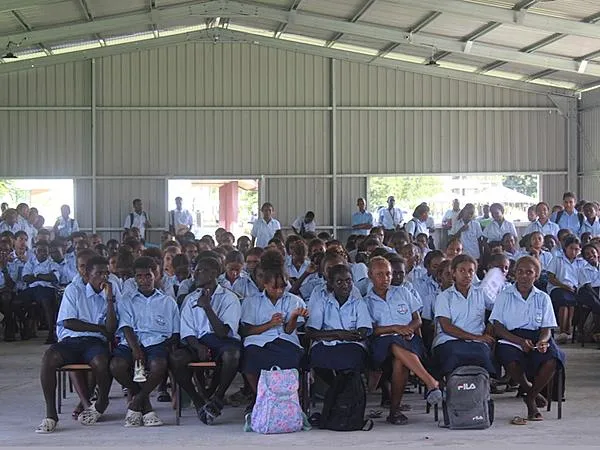
Biosecurity Solomon Islands (BSI), under the Ministry of Agriculture and Livestock, successfully conducted its first school awareness program for 2026 at Betikama Adventist College, marking the start of its school outreach activities for the year.

The event was officiated by the school’s Head of Department for Agriculture, Mr Kendrick Tango’eha Tahea, and attended by students from Forms 1 to 7 in the school’s new hall. A team of three officers from different units within Biosecurity Solomon Islands delivered the awareness session, representing the Surveillance Unit, the Biosecurity Emergency Coordination Centre (BECC), and the Publicity and Information Unit.

The presentation introduced students to the history and role of biosecurity in Solomon Islands, including the transition from the former Solomon Islands Agriculture Quarantine Service to Biosecurity Solomon Islands.

It also explained how biosecurity helps protect agriculture, the environment, the economy and public health, while highlighting the country’s links to key international biosecurity organisations and frameworks such as the WTO, IPPC, WOAH and WHO.

At the end of the program, Deputy Principal Mr Kelly Patovaki commended the awareness session and encouraged students to view agriculture as a promising future career path, particularly in specialised areas such as biosecurity.

Biosecurity Publicity Officer Leon Boso said school awareness would remain one of BSI’s key priorities in 2026, with plans to target more major schools throughout the year.

“While communication platforms such as social media, radio and signboards remain important, face-to-face awareness continues to be one of the most effective ways to share information directly with communities,” the officer said. “When combined with other communication methods, awareness efforts can help information reach the public more effectively and create lasting understanding through repetition and engagement.”

Boso emphasised that students are future leaders and play an important role in spreading awareness to families and communities.

He highlighted that invasive alien species (IAS) are an increasing national threat. These include harmful exotic plants, animals, pests and disease-causing organisms that can spread and severely impact biodiversity and livelihoods. Key concerns highlighted were rabies, a zoonotic disease that can be transmitted from animals to humans; African swine fever, which threatens the pork industry; Banana Wilt Associated Phytoplasma (BWAP), which poses a significant risk to banana and coconut production; and cocoa pod borer, which continues to threaten the cocoa industry.

The officer further stressed that biosecurity cannot address these challenges alone and that every citizen has a role to play by reporting any unusual insect, pest, disease or damage affecting crops or animals to the Ministry of Agriculture and Livestock.

Biosecurity Solomon Islands extended its sincere appreciation to Betikama Adventist College for inviting the team to deliver the awareness session.

Through programs like this, Biosecurity Solomon Islands aims to strengthen public understanding and encourage shared responsibility in protecting Solomon Islands from harmful pests and diseases.

March 18, 2026

 As Papua New Guinea enters a new phase of economic momentum, attention is turning to where business, policy and investment intersect, and, in May 2026, this conversation will take centre stage in Brisbane.

The 41st Australia Papua New Guinea Business Forum & Trade Expo will convene in Brisbane from 13–15 May 2026, bringing together business leaders, investors and policymakers for three days of high-level engagement focused on the Pacific’s largest economy.

Set against the electric atmosphere of the NRL Magic Round, this year’s Forum promises a unique blend of business opportunity and citywide excitement. Under the theme Game On for Growth, it signals a moment of renewed momentum in PNG’s economy and a clear invitation for businesses to engage.

PNG is entering a new phase of economic activity, driven by major resource developments, infrastructure investment and expanding sectors such as agriculture, telecommunications and services. For companies looking to enter or grow in this market, the Forum offers unmatched access to the people and insights that matter.

Where opportunity meets access

The Forum brings together senior government representatives, industry leaders and investors from both PNG and Australia. It provides a platform to hear directly from decision-makers about policy priorities, regulatory developments and upcoming investment opportunities.

The programme reflects the breadth of PNG’s economic landscape. Delegates will hear keynote addresses from PNG and Australian leaders, alongside sessions on economic infrastructure, agriculture and major projects in energy and resources.

Critical forward-looking themes will also be explored, including artificial intelligence, labour market transformation, sustainability and carbon markets, telecommunications, and SME development. Sessions on Bougainville and PNG’s infrastructure pipeline will further deepen understanding of emerging opportunities.

The Trade Expo: where business happens

Running alongside the Forum, the Trade Expo will be a focal point for visibility and engagement. Open from 13 to 15 May, it provides companies with the opportunity to showcase their goods and services to a highly targeted audience of decision-makers and industry leaders.

With limited booth availability and strong demand expected, the Expo is where conversations translate into commercial outcomes. Book early to secure your spot.

Networking that delivers results

From the opening cocktail function to the conference dinner and dedicated networking receptions, the Forum is designed to foster meaningful connections. These interactions often lead to long-term partnerships, making the Forum a catalyst for business across borders.

A partnership built over decades

Australia and PNG share a long-standing relationship grounded in history, trade and close people-to-people ties. Since PNG’s independence in 1975, the two countries have developed strong economic links across resources, infrastructure, finance and services.

For more than 40 years, the Australia Papua New Guinea Business Council (APNGBC) has worked closely with government and industry stakeholders to strengthen commercial ties and promote bilateral engagement. The Forum is delivered in collaboration with counterparts in PNG, including the Business Council of Papua New Guinea, reflecting the depth of private sector partnerships between the two countries.

Backed by leaders in business

The 41st Forum is supported by a strong line-up of partners and sponsors actively engaged in Papua New Guinea’s growth story. These include Kramer Asia Pacific, Investment Promotion Authority PNG, ExxonMobil, Kina Bank, Pronto Software, Pacific Marine Group, Westpac, SMEC, Austrade, Trade & Investment Queensland (TIQ), Santos, CC Pacific, ANZ Bank, Dentons, Steamships, Qantas and many more.

Be there

With Brisbane alive to the energy of the Magic Round and the Pacific’s premier business forum in full swing, May 2026 presents a rare convergence of opportunity and engagement.

If Papua New Guinea is on your business horizon, this is where you need to be.

Secure your place, and be part of the conversations shaping the future of the Pacific’s largest market.

Register before 31 March to go into the draw to win two NRL Magic Round tickets*.
T&Cs apply.

Click here to register or scan the QR code.


Link: https://events.apngbc.org.au/event/41APBF/home.html

March 18, 2026

LION One Metals Ltd. has begun upgrading drilling operations at its Tuvatu gold mine in Fiji, as part of a broader push to stabilise production and strengthen long-term performance.

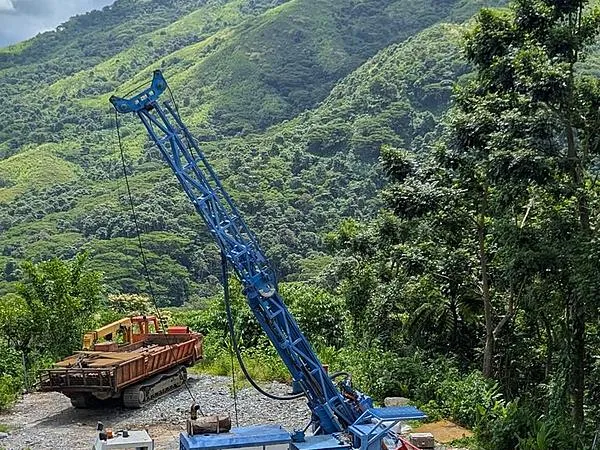
The company said it has commenced a significant overhaul of its drill fleet, replacing ageing underground rigs that had exceeded their operational lifespan and constrained drilling output since mid-2025. The existing fleet will be replaced with three new high-performance underground drill rigs and an additional surface rig.

Initial improvements have already been recorded, with underground drilling metres per shift doubling following enhanced maintenance support and technical oversight. A track-mounted surface drill rig began operations on March 14 to support in-mine and near-mine drilling during the wet season, with plans to shift to wider exploration during the dry season.

Lion One said it is also in advanced negotiations to acquire four new underground drill rigs, targeting drilling rates of at least 25 metres per shift, compared with less than 10 metres earlier this year and 12 to 18 metres currently.

The company said improved drilling capacity would provide the geological data needed to support mine design, grade control and production scheduling, as well as enable multiple mining areas to be developed simultaneously.

The drilling upgrade forms part of what the company described as “Phase 2” of Tuvatu’s development, following the transition from initial production to building a more resilient and predictable mining operation.

In a separate update, Lion One reported February gold production of 813 ounces, bringing year-to-date output to 9,180 ounces.

The processing plant milled 10,267 tonnes of ore at an average grade of 3.49 grammes per tonne, with a recovery rate of 77.3 percent. The company said recovery rates are expected to improve with the near-completion of a flotation plant.

Underground development totalled 120 metres during the month, below the 188-metre target, with performance affected by equipment availability and compressed air constraints. The company said these issues are being addressed through the commissioning of new equipment, improved maintenance planning and ventilation upgrades.

Lion One said safety performance remained strong, with no lost-time injuries recorded in February and enhancements made to on-site medical facilities, including the addition of a full-time nurse.

Exploration drilling totalled 2,369 metres across four rigs during the month, with results including an intercept of 5.15 metres at 9.18 grammes per tonne gold.

The company said its current focus is on improving operational reliability, increasing development rates and enhancing plant performance, while maintaining safety and advancing infrastructure and environmental management initiatives.

Lion One operates the Tuvatu alkaline gold project within the Navilawa caldera and is seeking to expand both production and resource confidence as it progresses its next phase of development.

March 18, 2026

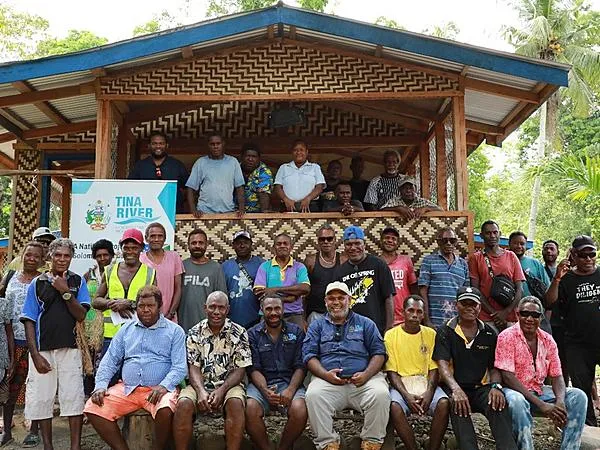
The Lasi Tribal Group in Central Guadalcanal has taken a step forward in advancing a proposed protected area in the Upper Tina Catchment, following a two-day consultation facilitated by the Tina River Hydropower Development Project (TRHDP) Project Office and government partners.

The consultation, held on Feb. 25–26 at Turaranga Community in Vulolo Ward, concluded with participants expressing in-principle support to progress the Barahau–Longa area through the Protected Areas Act 2010 process.

Discussions also identified the Resource Management Category as the preferred designation, subject to further customary consultations, boundary discussions and completion of legal requirements.

The sessions provided awareness on the protected areas process, enabled dialogue on customary land ownership and boundaries, and introduced a mapping exercise to identify taboo sites, cultural landmarks and tribal boundaries.

Participants also elected a Management Committee representing sister tribes to guide the next phase of the process, including engagement with neighbouring tribes and preparation of a draft management plan and budget.

Members of the Lasi Tribal Group expressed interest in continuing discussions on conservation arrangements for the Barahau–Longa area, contingent on further internal consultation and agreement.

The newly formed committee will coordinate with government agencies and development partners to progress documentation required under the protected areas framework.

As part of the consultation, participants undertook preliminary tribal mapping and agreed to engage neighbouring tribes on boundary alignment ahead of formal boundary-signing consultations.

The initiative forms part of a nationally recognised 12-step process for establishing protected areas, which includes community consultations, mapping, planning and eventual declaration by the Ministry of Environment, Climate Change, Disaster Management and Meteorology.

Officials said the process allows tribes to proceed at their own pace, guided by consensus and customary decision-making, an approach reinforced during earlier consultations in the Upper Tina Catchment in December 2025.

John Walenenea Jr., biodiversity officer for TRHDP, said the Lasi Tribal Group’s decision demonstrated strong local leadership and commitment to conservation.

“The Lasi Tribal Group’s decision reflects strong local leadership and a shared commitment to protect biodiversity, water resources and cultural heritage while allowing sustainable community use,” he said. “Today’s outcome moves us from awareness into action.”

Trevor Maeda of the Environment and Conservation Division said the Protected Areas Act provides a legal framework for customary landowners to safeguard their land.

“The Protected Areas Act provides a clear legal framework for customary landowners to safeguard their lands for future generations,” he said. “The Lasi community has taken a decisive step, and MECDM will continue to guide them through the remaining steps of the process.”

The Management Committee, based in the Bahomea region, is expected to convene with support from the Project Office to review meeting outcomes, undertake boundary consultations with neighbouring tribes and initiate a management plan and budget for the proposed area.

TRHDP’s biodiversity engagements in the Upper Tina Catchment aim to support community-led conservation by aligning customary processes with national requirements, with a focus on consensus-building, dispute resolution, boundary clarity and governance readiness.

The Tina River Hydropower Development Project is the first large-scale renewable energy project in the Solomon Islands, aimed at delivering more affordable electricity and improving access to cleaner, more reliable energy for communities. The project is being implemented by the Solomon Islands Government with financing and support from the Abu Dhabi Fund for Development, the Asian Development Bank, the Government of Australia, the Green Climate Fund, Korea EX-IM Economic Development Cooperation Fund, and the World Bank.

March 18, 2026

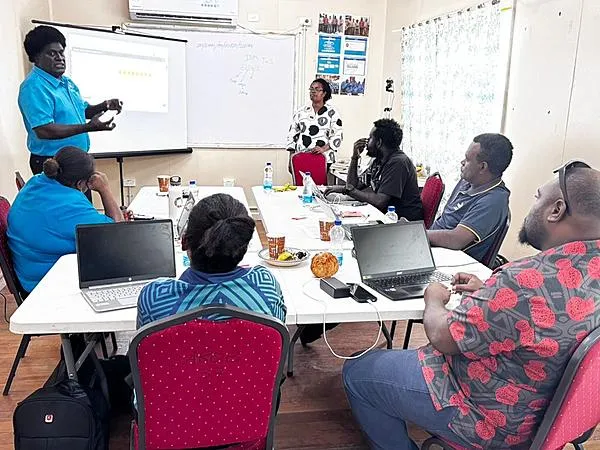
The Autonomous Bougainville Government (ABG) is advancing the rollout of its Integrated Financial Management Information System (IFMIS), with a focus on building in-house capability through a Training of Trainers programme.

The initiative, led by the Department of Treasury and Finance, forms part of the government’s broader push to strengthen public financial management using the FreeBalance Accountability Suite.

ABG Secretary for Treasury and Finance Joshua Tauko said the project, launched in August 2025, has achieved several key milestones.

“These include the completion of a business process review, systems configuration for critical workflows, approval of a new Chart of Accounts for the 2027 budget, installation of a private internet data link, and improved power and connectivity solutions,” he said.

As part of the capacity-building component, selected public servants in Buka are undergoing hands-on training as “super users” of the system.

“These trainers will cascade knowledge across departments, ensuring local ownership, long-term sustainability, and reduced reliance on external consultants,” Tauko said.

He added that the reform supports the digitalisation and capacity-building priorities outlined in the Department of Treasury and Finance Corporate Plan 2023–2027.

The IFMIS is designed to strengthen governance through standardised controls and compliance mechanisms, enhance accountability through real-time monitoring, and improve transparency by making financial data more accessible.

Officials said the system aligns with the Bougainville Integrated Strategic Development Plan 2023–2027 and the region’s Long Term Vision 2052, which aim to support a self-reliant and sovereign future.

The training programme is also expected to ensure that Bougainville’s public service can independently manage and sustain the system, particularly as revenues expand from major projects such as Panguna and broader sectoral growth.

March 17, 2026

Prime Minister Hon. Jeremiah Manele has commended the Young Entrepreneurs Council Solomon Islands (YECSI) for its continued efforts in empowering young entrepreneurs and creating opportunities for youth across the country.

The Prime Minister made the remarks when the YECSI Board and transitioning members paid a courtesy visit to him on 13 March 2026 to present the organisation’s 2025 Annual Report and provide a comprehensive briefing on the progress achieved over the past two years.

YECSI Chairman Limahl Totogi expressed profound gratitude to the Government for National Unity and Transformation (GNUT), observing that while the Board’s visit in 2024 was to seek urgent support, the current meeting served to report on the tangible results of that partnership.

Totogi highlighted that, with the strategic support received from the Government, 2025 has become a benchmark year for the YECSI programme. He introduced the YECSI team and transitioning members in attendance, who represented entrepreneurs operating in sectors such as agriculture, transportation, digital technology and waste management.

Totogi noted that YECSI now maintains representation across all provinces, ensuring that the Government’s reach extends to young entrepreneurs in even the most remote areas, such as Temotu.

The Chairman specifically acknowledged the critical intervention of the GNUT Government, which sustained YECSI when external funding ceased. Since that intervention, membership has grown to over 180 members across 23 sectors.

A central pillar of this success has been the SBD 3 million in funding support from the Ministry of Culture and Tourism, which was utilised to provide SBD 1.9 million in direct business grants for 24 new ventures and SBD 2.1 million to assist members in formalising their businesses.

Further support included a SBD 500,000 revolving fund from the Ministry of Agriculture and Livestock for agriculture value chains, alongside technical assistance from the Ministry of Commerce, Industry, Labour and Immigration, and the Ministry of Women, Youth, Children and Family Affairs (MWYCA).

In response, Prime Minister Manele thanked the YECSI Board for the presentation of their 2025 Annual Report and acknowledged the organisation’s vital role in helping a growing youth population create its own economic opportunities.

The Prime Minister also noted the importance of cross-ministerial support provided to YECSI, acknowledging that where MWYCA may face limitations in direct entrepreneurial support, other productive line ministries have successfully stepped in.

He emphasised that this collaborative approach ensures that young entrepreneurs receive specialised support from ministries relevant to their respective sectors.

The Prime Minister highlighted fisheries and other productive industries as sectors for further exploration and assured the Board that he would convey their appreciation to the respective ministers.

He also welcomed support from bilateral partners, including the People’s Republic of China, in areas such as e-commerce and digital entrepreneurship.

Prime Minister Manele further encouraged YECSI members to remain resilient amid global economic uncertainties and fuel price volatility, noting that the nation must remain mindful of the challenges ahead.

He wished the YECSI Board and its members continued success in their efforts to support young entrepreneurs across the country.

March 17, 2026

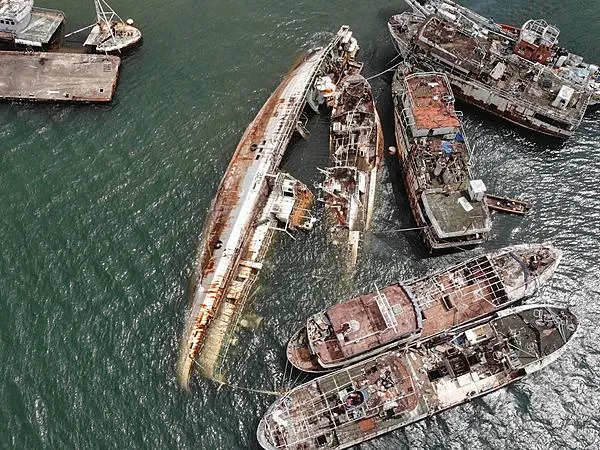
 The Government of Fiji says progress is being made in clearing abandoned fishing vessels from Suva Harbour, as authorities move to improve marine protection and ensure safe operations at the country’s busiest port.

Fiji Ports Corporation Limited, with support from the Joint Maritime Environment Committee, has reduced the number of derelict vessels within port limits to 20 as of February 2026, down from 44 in 2024.

During 2025, authorities removed 13 vessels from the harbour, with most scuttled at approved coordinates designated by the Maritime Safety Authority of Fiji.

Since January, a further seven vessels have been cleared. Six longline fishing vessels — Xinya 10, Xinya, Gui Yuan Yu 60002, Gui Yuan Yu 60003, Gui Yuan Yu 60005 and Gui Yuan Yu 60006 — were restored to operational condition and have left Suva’s port limits. Another vessel, Winstar, was scuttled at approved offshore coordinates.

Prime Minister Sitiveni Rabuka said the removals were critical to protecting the marine environment, ensuring navigational safety and maintaining port integrity, while also safeguarding the customary fishing rights of iTaukei communities.

The government also acknowledged support from the Waitt Foundation, which has contributed to the removal of high-risk vessels.

Funding arrangements were revised in late January, with financial support now channelled directly through Fiji Ports Corporation Limited for contractor payments. The company is finalising onboarding processes, including compliance screening and application procedures.

Authorities expect the updated funding structure with the Waitt Foundation to be completed by April, with full-scale removal operations targeted to be in place by then.

The government said it aims to strengthen collaboration with partners to advance maritime sustainability, environmental protection and resilience across Fiji’s maritime sector.

March 16, 2026

The Minister for Culture and Tourism, Choylin Douglas, on 13 March officially opened the newly upgraded Raiders Hotel in Tulagi, Gela, Central Islands Province.

The opening marks a significant milestone for the hotel’s owners and management and provides a major boost for tourism development in Central Islands Province and the Solomon Islands.

The hotel’s upgrade forms part of the Ministry’s 2025 budget support programme for tourism operators, which aims to enhance the country’s tourism infrastructure and competitiveness.

“This initiative is a testament to the strong partnership between the Government and local tourism operators,” said Minister Douglas. “Together, we have worked to upgrade tourism facilities to a level where they are ready to receive more visitors and contribute to the growth of the sector.”

The Ministry of Culture and Tourism supported several major local operators, including Paringiju Inland Mountain Lodge, Zaru Hotel, Double Islands Resort and Raiders Hotel, to upgrade and expand their facilities.

Minister Douglas praised the joint venture partnership between foreign and local investors, saying it combines international expertise, capital and networks with local ownership and knowledge, strengthening the tourism industry and creating opportunities for local communities.

She encouraged tourism operators in Tulagi and Central Province to collaborate on tour packages and experiences, and called on land and resource owners to work with operators to develop attractive sites and visitor attractions.

The National Government, through the Ministry of Culture and Tourism, remains committed to supporting viable projects that contribute to the growth of the tourism industry.

Raiders Hotel plans to establish a dive shop, swimming pool, jetty and spa, enhancing the visitor experience and attracting more tourists.

Minister Douglas congratulated the shareholders, directors and management of Raiders Hotel on their achievement and thanked them for their partnership with the Government in developing tourism.

The hotel is now open for business, offering improved facilities and services to visitors.

Tulagi Island, located off the south coast of Gela, holds a special place in the Solomon Islands’ history as the country’s first capital during the British Protectorate period.

This charming island is home to a wealth of historic attractions, including the former British High Commissioner’s Residence, the historic Tulagi Prison, and relics from World War II, including underground tunnels dug during the war.

The island’s pristine waters are teeming with marine life, making it a haven for divers and nature lovers.

With its rich history, stunning scenery and abundant marine life, Tulagi Island is a hidden gem waiting to be explored.

March 16, 2026

Weir has been awarded a contract to supply a 150 tph crushing and screening plant for Bezant’s Hope and Gorob Copper-Gold Project in Namibia. The value of the agreement has not been disclosed.

The order includes: an ENDURON® ET905 jaw crusher; an ENDURON® ET906 jaw crusher; a Trio® TF4012 vibrating grizzly feeder; a Trio® EF3605 vibrating pan feeder; a Trio® TIOSP6162 scalping screen; conveyor belts; and the supporting steel structure.

Weir recently launched its new range of ENDURON® jaw crushers, which have been developed to enhance safety, boost productivity, simplify maintenance and support its customers’ sustainability goals.

The updated ENDURON® jaw crushers now feature a redesigned Hydraulic Power Unit (HPU), which allows for true push-button control of CSS adjustments. This new feature eliminates the need for manual intervention, significantly reducing safety risks for operators and maintenance teams.

The new HPU also ensures consistent tensioning of the retraction springs at all times, improving reliability and ease of use across the full wear range of the jaw dies. The optimised motor power and oil tank capacity reduce the HPU’s CO2 footprint and reduce environmental impact.

To further improve performance and reduce downtime, the entire range of ENDURON® jaw crushers now include ESCO® wear parts. These components extend wear life, which means fewer maintenance interventions and increased equipment utilisation – translating to lower operating costs and more efficient production.

JD Singleton, Weir Comminution Director for Europe, Middle East and Africa, said: ‘There is obviously a lot of time, effort and resources that go into designing, developing and bringing to market new products. The range of ENDURON® jaw crushers was developed in close collaboration with our customers, so we’ve been confident throughout the entire process that these crushers will help miners overcome some of their most pressing operational challenges. Nevertheless, it’s rewarding to see this work come to fruition and the crushers performing well in some of the most arduous crushing applications.

Today, Singleton said that miners are taking a more holistic view of their operations; rather than looking at pieces of equipment in isolation, they are increasingly considering how what happens upstream impacts what’s happening downstream, and vice versa.

"In other words, there’s more of a focus on optimising the entire flowsheet," he said.

As an end-to-end solutions provider, Weir has long understood the value of this approach.

"We’ve worked closely with Bezant and its partners to develop a crushing and screening solution for the Hope and Gorob project that optimises the entire flowsheet and enables them to meet their ambitious production targets," Singleton said.

Martyn Churchouse, Bezant Technical Director, said: ‘We are pleased to collaborate with Weir on this project. Their service centre, located less than an hour from the mine site, significantly reduces project risk from a service and support perspective. We recognise that crushing and screening plants require extensive maintenance, and having a hands-on partner who supports and stands behind their own equipment is essential to ensuring our success.’

About the Weir Group PLC

Founded in 1871, The Weir Group PLC is one of the world’s leading engineering businesses with a purpose to make its mining and infrastructure customers’ operations more sustainable and efficient. Weir’s highly engineered technology enables critical resources to be produced using less energy, water and waste while reducing customers’ total cost of ownership. Weir is ideally positioned to benefit from structural trends that support long-term demand for its technology, including the need for more essential metals to support economic development and the carbon transition.

The Group has c.12,000 employees operating in over 50 countries,with a presence in every major mining region of the world. Find out more at www.global.weir.com.
March 13, 2026

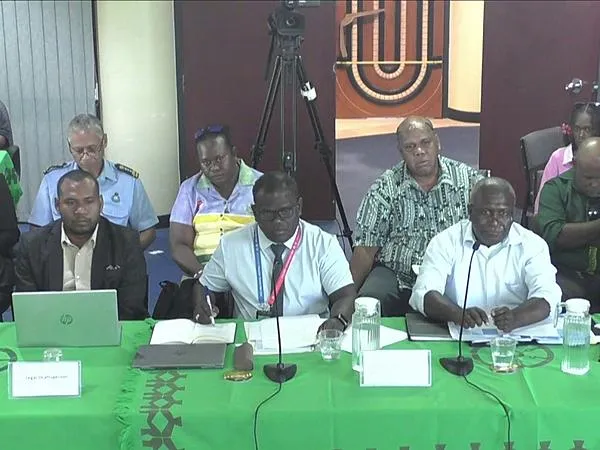
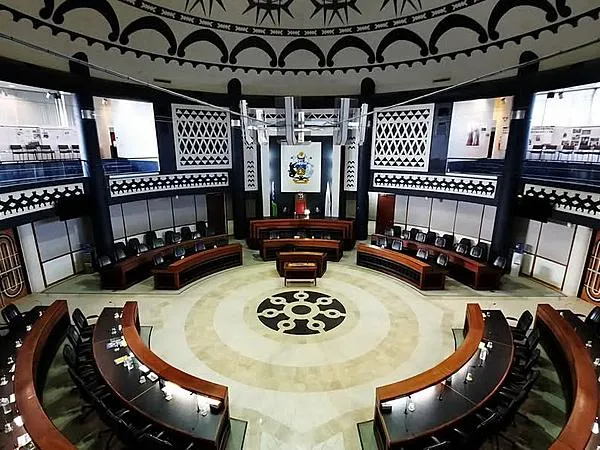
The Bills and Legislation Committee (BLC) of the National Parliament will begin a provincial inquiry into the Mineral Resources Bill 2025 and the Value Added Tax Bill 2025 in Isabel Province.

Committee members will depart Honiara 16 March 2026, with public hearings scheduled to begin in Buala on 17 March.

The inquiry is intended to give leaders, stakeholders and communities an opportunity to present their views, experiences and concerns on the two proposed pieces of legislation.

Discussions are expected to focus on issues relating to mineral exploration and mining activities, as well as the proposed value-added tax system.

The Mineral Resources Bill 2025 seeks to modernise the legal framework governing mineral exploration and mining in Solomon Islands. Key provisions address licensing arrangements, land access, environmental protection and benefit-sharing for landowners and communities.

Meanwhile, the Value Added Tax Bill 2025 proposes the introduction of a VAT system to replace the Goods Tax Act (Cap. 122), Sales Tax Act (Cap. 125) and Stamp Duties Act (Cap. 126). The proposed reform aims to strengthen government revenue while improving the efficiency of the national taxation system.

The committee began its inquiry into the Mineral Resources Bill in September 2025, conducting hearings in Honiara and Guadalcanal Province. Provincial visits form part of the committee’s effort to gather views from communities across the country before presenting its findings and recommendations to Parliament.

During the visit to Isabel Province, the committee will also pay a courtesy call on the provincial premier and the Isabel Provincial Executive.

Meetings are also planned with the provincial secretary, the speaker of the provincial assembly and the clerk to the assembly ahead of the public hearings.

Witnesses expected to appear before the committee include provincial government representatives, provincial administration officials, community leaders, landowners, civil society organisations and members of the private sector.

Members of the Bills and Legislation Committee travelling to Isabel Province are Chairman John Maneniaru; Leader of Opposition Matthew Cooper Wale; Leader of the Independent Group Manasseh Maelanga; John Deane Kuku; George Temahua; David Gina; and Freda Tuki.

Staff from the National Parliament Office will accompany the committee to provide administrative, research and logistical support during the inquiry.

The delegation is expected to return to Honiara after the completion of hearings on 20 March 2026.

March 12, 2026

The Office of the Prime Minister has established a Cryptocurrency Advisory Working Group to assess policy and legislative options for addressing international cybercrime, including ransomware, while safeguarding the country’s financial stability and international obligations.

Formed in partnership with the Financial Intelligence Unit, the new body will provide coordinated, cross-agency advice to the government on the legal, financial and national security implications of cryptocurrency-related policy responses.

Prome Minister Mark Brown said the move reflects the government’s commitment to careful and evidence-based policymaking.

“Our reputation, our financial connectivity, and our economic stability are critical national interests. We will not move forward on any matter of this significance without rigorous due diligence, full consideration of international obligations, and close engagement with key stakeholders,” he said.

The advisory group will review how potential measures align with Cook Islands law and constitutional principles, and whether they comply with international anti-money laundering and counter-terrorism financing obligations. It will also examine potential impacts on the financial system, including correspondent banking relationships.

According to OPM Chief of Staff Karopaerangi Ngatoko, the group provides a formal mechanism for government agencies to evaluate the complex issues surrounding cryptocurrency, ransomware suppression and international compliance frameworks.

The working group is co-chaired by the Office of the Prime Minister and the Financial Intelligence Unit and includes representatives from the Financial Supervisory Commission, Crown Law Office, Ministry of Finance and Economic Management, Ministry of Foreign Affairs and Immigration and the Ministry of Justice.

Its mandate includes identifying reputational, national security and economic risks, assessing operational feasibility, and recommending whether legislative, regulatory or alternative approaches are appropriate.

The working group is expected to complete an initial review of policy and legislative options within the coming months, after which the government will determine whether to proceed with further policy development or public consultation.

Brown said the government had taken note of concerns raised by the domestic banking sector, private industry and legal experts regarding financial connectivity and compliance risks.

“This Working Group is the appropriate mechanism to test those risks properly and ensure any path forward protects the Cook Islands’ long-term interests,” he said.

He added that no draft legislation has yet been tabled in parliament and no final decisions have been made, stressing that the government’s priority remains protecting the country’s economy and maintaining compliance with international obligations.

March 11, 2026

The Bills and Legislation Committee (BLC) of the National Parliament of Solomon Islands has commenced its inquiry into the Value Added Tax Bill 2025, a proposed law aimed at reforming and modernising the country’s tax system.

The inquiry began on March 11, with the committee examining the proposed legislation that seeks to simplify and modernise how taxes on the consumption of goods and services are imposed and collected in Solomon Islands.

If enacted, the bill will replace several existing tax laws by introducing a Value Added Tax (VAT) system aligned with those used across many Pacific economies and international jurisdictions.

Under the proposal, the Goods Tax Act (Cap.122), Sales Tax Act (Cap.125), and Stamp Duties Act (Cap.126) would be repealed and replaced by the new VAT framework.

The legislation forms part of Solomon Islands’ broader tax reform programme launched in 2007. As part of related reforms being pursued through separate legislative processes, most import duties may be reduced, except for those imposed on motor vehicles, fuel, alcoholic beverages, sugary drinks, selected plastics and tobacco. The current accommodation levy on tourist accommodation may also be removed.

Officials from the Ministry of Finance and Treasury (MoFT) and the Government Legal Draftsperson appeared before the committee as the sponsoring authority to present the bill.

However, after initial discussions, the committee adjourned the hearing to a later date, potentially on Friday this week or another date yet to be confirmed. The adjournment will allow the ministry to provide additional technical information through a detailed presentation to assist the committee’s deliberations.

During the session, ministry officials also informed the committee that they plan to conduct a workshop for all 50 Members of Parliament to ensure lawmakers fully understand the technical aspects of the proposed legislation before the committee resumes its hearings.

The BLC is also expected to invite a range of stakeholders to present submissions as part of the inquiry process. These include the Central Bank of Solomon Islands, the Solomon Islands Chamber of Commerce and Industry (SICCI), Our Telekom, commercial banks, the Chinese Association, the Solomon Islands Bar Association (SIBA), the Solomon Islands National Provident Fund (SINPF), the Economic Association of Solomon Islands (EASI), state-owned enterprises, tourism operators, the Guadalcanal Provincial Government and the Honiara City Council.

Meanwhile, the committee is set to begin its provincial inquiry next week into the Mineral Resources Bill 2025.

Further updates on the inquiry into the Value Added Tax Bill 2025 will be provided once the next hearing date is confirmed.

March 11, 2026

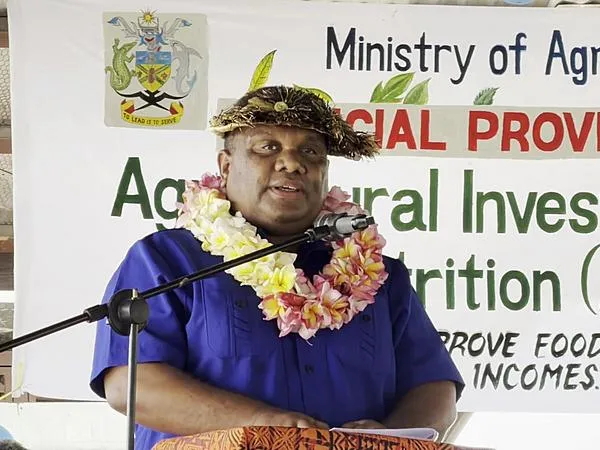
The Ministry of Agriculture and Livestock Development has launched the Agriculture Investment for Markets and Nutrition (AIM-N) Project in Western Province, aiming to strengthen agriculture, improve nutrition and boost rural incomes.

The project was officially launched in Gizo by Minister for Agriculture and Livestock Development Franklyn Derek Wasi in partnership with the Western Provincial Government led by Premier Billy Veo.

The event brought together provincial leaders, representatives from the education, health and agriculture sectors, women’s groups and members of the AIM-N project team.

Wasi said the initiative represents a renewed commitment to farmers, fisherfolk, rural women and youth, and to the future of agriculture and nutrition in the Solomon Islands.

“Today marks more than the commencement of a project. It marks a renewed commitment to our farmers, fisherfolk, rural women and youth, and to the future of agriculture and nutrition in our country,” he said.

He said Western Province has long played an important role in the country’s agricultural and fisheries production, producing commodities such as cocoa, coconut, root crops and marine resources that sustain thousands of rural households.

Wasi said the project aims to create long-term systems that expand economic opportunities in rural communities.

“This initiative is not about short-term assistance. It is about building systems. It is about creating opportunity and transforming rural livelihoods in a way that is sustainable and inclusive,” he said.

He added that farmers continue to face challenges including limited market access, climate risks, post-harvest losses and inadequate infrastructure.

The AIM-N project is implemented through a partnership between the Ministry of Agriculture and Livestock Development and the International Fund for Agricultural Development (IFAD).

The programme will support stronger market linkages for farmers, improved productivity and climate resilience, nutrition-sensitive agriculture, greater participation of women and youth in agribusiness and institutional strengthening at both national and provincial levels.

Wasi emphasised that women and young people will play a central role in the programme.

“If we are serious about rural transformation, we must ensure that women have access to productive resources, finance and leadership opportunities. We must also create pathways for young people to see agriculture not as subsistence but as enterprise,” he said.

Premier Veo welcomed the initiative and thanked the national government and development partners for including Western Province in the programme.

He said the project would strengthen service delivery to rural communities by providing technical and financial support to farmers and families, enabling them to produce nutritious food while generating sustainable incomes.

Veo also highlighted the importance of public awareness during implementation to ensure communities understand how they can participate in the programme.

Western Province Minister for Agriculture and Forestry Isaac Jenty said the project aligns with the Western Provincial Agricultural Sector Plan 2023–2027 and supports efforts to strengthen smallholder farming and agricultural value chains.

Western Province Minister for Education Gordon Zebo said the initiative would also help promote healthier school environments by supporting the reintroduction of school gardens and encouraging the consumption of nutritious local food.

Meanwhile, Western Province Minister for Health Kenneth George said improving nutrition is essential to addressing the country’s growing non-communicable disease crisis, noting that such illnesses account for around 60 to 70 percent of deaths in the Solomon Islands.

The AIM-N Project is a six-year programme valued at about $20 million. Launched nationally in July 2025, it aims to improve food security, nutrition and rural incomes for more than 18,000 people, representing about 6,100 households in Choiseul, Isabel and Western provinces.

March 10, 2026

A Solomon Islands government cabinet sub-committee overseeing reforms to the Commodities Export Marketing Authority (CEMA) has conducted an official visit to Central Islands Province to support plans aimed at revitalising rural commodity markets and strengthening agricultural exports.

The CEMA Cabinet Sub-Committee visited the province from March 4 to 7 at the invitation of the Central Provincial Government, as part of efforts to align provincial development priorities with the government’s economic transformation agenda.

During the visit, the delegation briefed provincial leaders on the CEMA Revitalisation and Recapitalisation Strategy (2021–2027), which aims to restore the authority’s commercial trading functions, improve market access for farmers and expand value-added processing and export opportunities.

The strategy focuses on strengthening supply chains for key commodities including coconut and cocoa, two major agricultural products for rural communities.

Central Islands Province Premier Kenneth Sagupari said the province was ready to support initiatives that deliver concrete development outcomes. He pointed to proposed projects including a coconut refinery, the revitalisation of the Hakama Agriculture Centre and plans for a Special Economic Zone.

Members of the delegation met with provincial officials, ward representatives, church leaders and farmers to discuss ways to increase copra and cocoa production, establish commodity clusters and develop downstream processing and export markets.

The group also conducted a site visit to agricultural land at Hakama earmarked for future development.

Simon Chottu, director of the CEMA Cabinet Sub-Committee, said the reforms are aimed at strengthening rural commodity value chains and improving farmers’ access to reliable markets.

“The CEMA revitalisation is about reconnecting rural farmers to reliable markets and strengthening commodity value chains,” he said.

Central Islands Province is one of the country’s key agricultural areas, producing an estimated 3,300 to 3,800 metric tonnes of copra each year, valued at between SBD$15 million and SBD$18 million.

The government said the visit underscores efforts to strengthen cooperation between national and provincial authorities and to translate national economic policies into practical opportunities for rural communities.

March 10, 2026

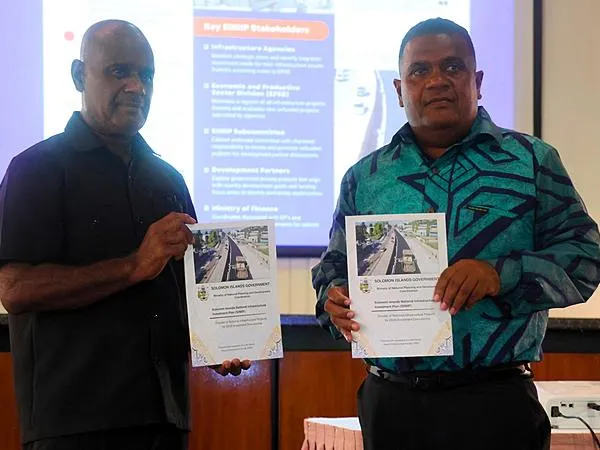
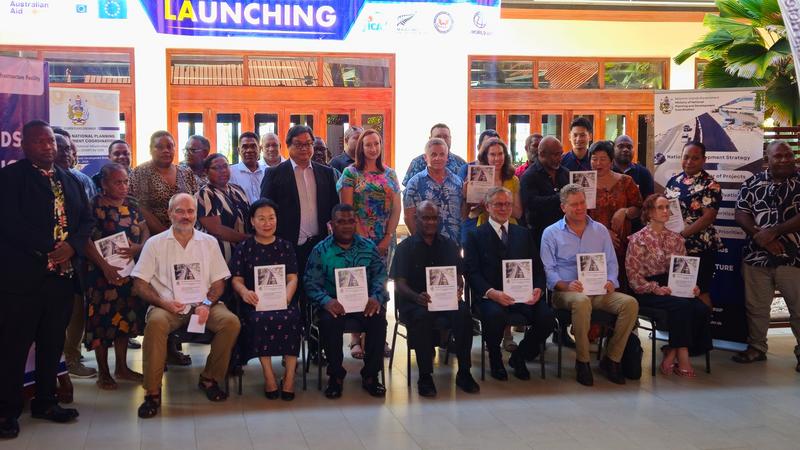
Solomon Islands Prime Minister Jeremiah Manele has launched the Solomon Islands National Infrastructure Investment Plan (SINIIP) 2026 Dossier, outlining more than SBD$19 billion ($2.2 billion) in proposed infrastructure projects aimed at supporting economic growth and improving public services.

The plan was unveiled in Honiara on March 9 during a launch event attended by government ministers, diplomats, development partners, state-owned enterprises, private sector representatives and civil society organisations.

The SINIIP serves as a national planning framework designed to identify and prioritise major infrastructure projects across the country. The 2026 dossier consolidates proposals submitted by government ministries, provincial governments, state-owned enterprises and other stakeholders into a single pipeline of priority projects.

Manele said infrastructure development is central to the government’s development agenda and aligns with the Government of National Unity and Transformation’s policy pillars of economic transformation, infrastructure development, unity and stability, and human capital development.

“Infrastructure is not simply about roads, ports, power systems or buildings. Infrastructure is about opportunity. It is about connecting our islands, empowering our people, strengthening our economy and building resilience for future generations,” he said.

According to the government, the updated investment plan aims to ensure infrastructure projects are properly planned, prioritised and implemented to deliver inclusive and sustainable development outcomes.

The framework also helps coordinate discussions with development partners and investors to mobilise financing for projects aligned with national priorities.

Several major projects have already progressed under the plan, including the Tina River Hydropower Project, solar and electricity grid expansion in Malaita, and the near completion of the National Broadband Programme, which has installed 98 telecommunications towers to expand connectivity across the country.

The government has also reported progress in social infrastructure, including 22 health projects valued at approximately SBD$3.7 billion and 37 education initiatives, including upgrades to secondary schools and facilities at Solomon Islands National University.

Key priority sectors identified under the 2026 infrastructure dossier include transport connectivity, renewable energy and information and communication technology, water supply and sanitation, health and education infrastructure, as well as facilities supporting fisheries, agriculture and commerce.

Manele acknowledged the role of development partners supporting infrastructure development in Solomon Islands, including the Pacific Region Infrastructure Facility and institutions such as the Asian Development Bank, World Bank Group and Japan International Cooperation Agency.

“As we look forward to celebrating our 50th Independence anniversary in 2028, the Government is committed to a clear and coordinated infrastructure investment pathway that aligns with our national development priorities and reflects our shared ambition for inclusive and sustainable economic growth,” he said.

He added that strong partnerships between government, development partners, the private sector and communities would be essential to ensure successful implementation of the plan.

March 10, 2026

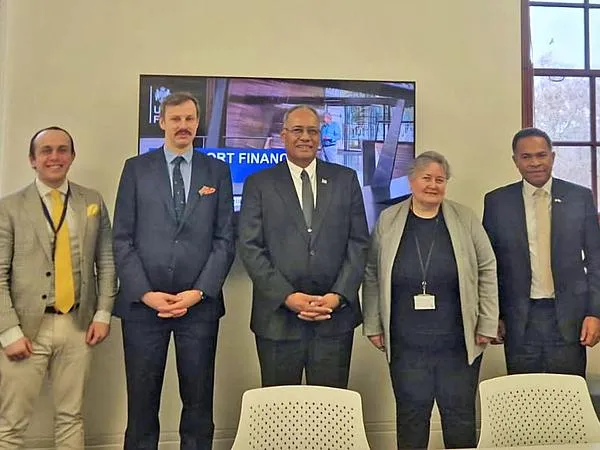
 Fiji is seeking to deepen economic and security cooperation with the United Kingdom, with Foreign Affairs and External Trade Minister Sakiasi Ditoka holding a series of meetings in London aimed at advancing infrastructure investment, maritime security and employment opportunities for Fijians.

The discussions took place on the margins of the 26th Commonwealth Foreign Affairs Ministers Meeting on March 8.

Ditoka met representatives of UK Export Finance (UKEF) to explore financing mechanisms that could support high-impact infrastructure projects in Fiji, particularly in transport systems, water infrastructure, agricultural supply chains and strategic road networks.

According to the Ministry of Foreign Affairs, the talks focused on mobilising investment into sectors that can strengthen Fiji’s productive capacity, reduce the cost of doing business and improve connectivity across the country.

UKEF outlined financing structures designed to support large-scale capital projects involving British technical expertise, particularly in transport infrastructure and engineering services.

Such investments could improve logistics efficiency, strengthen the resilience of critical infrastructure and support growth in sectors including tourism, agriculture and trade.

Ditoka said Fiji’s infrastructure development strategy increasingly prioritises projects that generate long-term national returns through higher productivity, improved service delivery and stronger economic resilience.

As a next step, the government will develop investment-ready proposals for UKEF’s consideration through the Cabinet Sub-Committee on Infrastructure Development. The projects will be aligned with national planning frameworks to ensure they are economically viable and capable of attracting external financing.

UKEF representatives noted that successful partnerships require clearly defined project concepts, strong economic justification and integration within national budget frameworks. Financing from the agency also requires identifiable “UK content” in project delivery, reflecting its mandate to support British expertise and services.

Ditoka welcomed the engagement and said Fiji could leverage British financing and technical expertise to advance strategic infrastructure projects.

Fiji’s High Commissioner to the United Kingdom Jovilisi Suveinakama and First Secretary Paulini Cakacaka also attended the meeting.

Separately, Ditoka held talks with UK Minister of State for Defence Lord Coaker to strengthen defence and security cooperation between the two countries.

One key outcome was the continued operationalisation of the Fiji–UK Ship Rider Agreement, which enables joint operations to combat illegal, unreported and unregulated fishing across Fiji’s maritime domain.

A Royal Navy vessel is scheduled to visit Fiji in April and May to conduct joint operations, training and maritime surveillance with Fijian authorities.

The discussions also highlighted employment opportunities for Fijians in British defence forces. Fiji offered to support recruitment through structured pre-deployment orientation programmes drawing on the experience of Fijian veterans who have served abroad.

The two sides also discussed cooperation in sport and public sector training. The United Kingdom expressed support for Fiji hosting three matches in the upcoming Nations Championship in July, which is expected to boost tourism and international visibility.

Fiji is also developing a training programme for civil servants serving in diplomatic missions overseas, aimed at strengthening the country’s diplomatic representation and operational capacity.

The Fijian government will now work with the United Kingdom to develop a structured action plan to implement the agreed areas of cooperation.

March 09, 2026

Culture and Tourism Minister Choylin Douglas has officially opened the Rua Kokomu Island Resort, also known as Double Island Resort, in Gela, underscoring the Solomon Islands government's push to expand the tourism sector.

The luxury resort, owned and operated by the Leong family, was formally opened on March 6 following significant private investment in the project.

Douglas said the development supports the government’s plan to position the Tulagi hub as a key tourism growth area, highlighting the region’s cultural heritage, colonial history and natural attractions.

The government provided an SBD3 million grant to support the project, reflecting its strategy of partnering with private investors to accelerate tourism development.

“This achievement is a result of commitment, careful planning, hard work, and a strong partnership between the government and the private sector,” Douglas said.

He said the Leong family’s investment demonstrated confidence in the country and in the long-term potential of the tourism industry.

Douglas noted that developments such as Double Island Resort would help increase the number of “market-ready rooms” capable of competing at the international level.

The project is expected to generate employment and stimulate economic activity in Central Islands Province, with the government encouraging the local community to support the investment.

“The beauty of our islands will attract visitors — but it is the warmth and professionalism of our people that will bring them back,” Douglas said.

The Leong family, which also owns the Pacific Crown Hotel, has continued to expand its presence in the Solomon Islands tourism sector through the new resort.

Officials said the opening marks another milestone in the country’s efforts to grow tourism capacity and attract more international visitors.


March 09, 2026

The Pacific Tourism Organisation (SPTO) has announced the Vanuatu Tourism Office (VTO) as the National Tourism Organisation (NTO) Regional Leader Sponsor for the South Pacific Tourism Exchange (SPTE) 2026, to be held from 25–26 March 2026 at the Crowne Plaza Resort & Spa, Nadi.

SPTE 2026 will bring together tourism sellers and buyers from across the Pacific and key global markets, showcasing the region’s diverse offerings while highlighting emerging and lesser-known destinations. Under the theme “Tourism that Connects: Culture, Climate, Community”, the event will celebrate the Pacific as a shared ocean of cultures, traditions and knowledge systems, ensuring inclusive participation from Pacific Small Island States and territories.

Vanuatu Tourism Office’s role as NTO Regional Leader Sponsor reflects its leadership within the Pacific tourism landscape and its commitment to regional collaboration, sustainable development and resilience-building through tourism. The sponsorship will support enhanced participation by Pacific destinations and strengthen the collective regional voice at SPTE 2026.

SPTO Chief Executive Officer Christopher Cocker said the partnership underscores the importance of Pacific-led leadership in shaping the future of regional tourism.

“Vanuatu’s role as NTO Regional Leader Sponsor goes beyond visibility at SPTE 2026,” Mr Cocker said. “It represents a shared commitment to strengthening Pacific collaboration, championing sustainable and culturally grounded tourism, and ensuring that all Pacific destinations — particularly smaller and emerging ones — have a strong platform in the global marketplace.”

Vanuatu Tourism Office Chief Executive Officer Adela Issachar Aru welcomed the partnership, describing SPTE 2026 as a vital opportunity to reinforce regional solidarity. Ms Aru said the sponsorship reflects VTO’s strong belief in the collective strength of the Pacific tourism region.

“Our partnership with SPTE is a strategic investment in the shared success of the Pacific,” Ms Aru said. “Vanuatu Tourism is committed to the Pacific Sustainable Tourism Policy Framework, and by supporting SPTE, we are helping to keep the region front of mind for high-value, conscious travellers. As Vanuatu continues to grow its presence in its priority markets, SPTE provides a critical platform to connect our local operators with global buyers. Just as importantly, we see this sponsorship as an opportunity to actively contribute to regional dialogue and collaboration that benefits all Pacific Island nations.”

SPTE 2026 is expected to attract tourism operators, buyers, media and partners from around the world, providing a critical platform for business development, knowledge exchange and regional advocacy. With strong leadership from Pacific National Tourism Organisations such as Vanuatu, SPTE 2026 will continue to position the Pacific as a globally competitive, values-driven tourism region grounded in culture, sustainability and community wellbeing.

March 09, 2026

Pacific leaders are calling for stronger global investment in ocean sustainability. More than 150 government, finance and philanthropic leaders gathered in Suva this week for Pacific Ocean Finance Week, an event aimed at advancing funding and coordination for sustainable ocean management.

The gathering was convened by the Office of the Pacific Ocean Commissioner in partnership with Conservation International, Rare and the Bezos Earth Fund, with support from the UK Foreign, Commonwealth and Development Office.

It marks one of the region’s largest coordinated efforts to align international financing with Pacific-led ocean priorities.

Pacific Ocean Commissioner Dr Filimon Manoni said: “For the Pacific, the ocean is our home, our livelihoods, our supermarket, our futures fund and endowment fund. For many of us in the region, that is all we have. The ocean serves as the only and exclusive source of life, of vitality and of economic development, fuelling our very nation-building aspirations. Pacific nations are world leaders in solutions, innovation and commitment to safeguarding the ocean. Global partners must now match this with meaningful investment. The course is charted; this is the moment to act for our ocean and our future.”

During the week, Dr Manoni advanced the establishment of the Pacific Ocean Finance Group, a new regional mechanism to coordinate funding and guide investment toward priority ocean action.

Dr Manoni emphasised that greater transparency and sharing of ocean finance intelligence and data across the Pacific will help identify gaps, strengthen partnerships, support long-term planning and speed up delivery.

“The Office of the Pacific Ocean Commissioner will support Pacific leaders in coordinating their commitments to the ocean, including through capacity building that will help countries access and secure finance,” said Dr Manoni.

The event brought together governments, regional organisations, investors and ocean experts to exchange practical solutions and financing pathways tailored to Pacific needs.

Mere Lakeba, interim vice president of Conservation International’s Pacific Program, said: “The Pacific is a global leader in ocean management, but we need funding to match this ambition. We also need to strengthen our systems behind ocean finance so that our institutional capacity and resource coordination can feed into our growing pipeline of ready-to-fund projects. This is vital to close the SDG 14 funding gap and deliver on existing commitments that bring lasting benefits for people and nature across the region.

“Pacific Ocean Finance Week is helping make that happen — building partnerships that channel resources to communities, support marine protection and turn regional commitments such as the 2050 Strategy for the Blue Pacific Continent into real results.”

During the week, the Office of the Pacific Ocean Commissioner, the Government of the United Kingdom and the Bezos Earth Fund convened high-level dialogues and technical sessions to advance country-led ocean finance solutions. Through its First Wave grants under the Unlocking Blue Pacific Prosperity Initiative, the Bezos Earth Fund is supporting Pacific governments to establish and sustainably finance large-scale marine protection aligned with the 2050 Strategy for the Blue Pacific Continent.

The sessions showcased practical pathways to mobilise new resources, strengthen livelihoods and align philanthropic, bilateral and multilateral partners behind durable, Pacific-designed ocean protection frameworks befitting the region’s role as steward of the world’s largest “blue lung”.

“Pacific leaders have charted an ambitious course for ocean protection. Our role as the funding community is to support that vision with the kind of long-term, reliable financing that turns commitments into lasting results,” said Nicola Thomson of the Bezos Earth Fund. “We welcome opportunities like Pacific Ocean Finance Week to collaborate with Pacific regional organisations, governments and other funders to align philanthropic and public finance behind Pacific-designed solutions that protect the world’s largest blue lung while strengthening resilience and livelihoods across the region.”

The event follows the signing of a memorandum of understanding between the British High Commission in Fiji, Conservation International and the Office of the Pacific Ocean Commissioner to deliver the Sustainable Blue Pacific Initiative, a partnership designed to strengthen marine governance, community-led monitoring and sustainable financing across the region. Supported through the UK government’s Climate Action for a Resilient Asia programme, the initiative will help Pacific countries advance national ocean priorities and build long-term regional readiness for high seas protection.

March 09, 2026

Fiji’s tourism and aviation sectors will remain central to the country’s economic development strategy, Deputy Prime Minister and Minister for Tourism and Civil Aviation Viliame Gavoka said in Parliament, as the government also advances plans for a new tourism law to strengthen governance of the industry.

Responding during a ministerial statement, Gavoka said the government is prioritising policies and infrastructure to reinforce tourism and aviation as key drivers of national growth and employment.

He said the ministry’s development strategy is guided by the “Five A’s” of tourism growth — access, accommodation, attractions, amenities and actors — aimed at ensuring infrastructure, investment and community participation work together to expand the sector.

A major initiative highlighted by Gavoka is the World Bank-supported Na Vualiku Tourism Development Programme, which seeks to unlock tourism potential in Vanua Levu through airport upgrades, improved infrastructure and expanded opportunities for local businesses.

Runway upgrades at Labasa Airport are expected to improve connectivity and boost investor confidence in Fiji’s northern region, while tourism development is also being expanded in maritime and rural areas, including the Lau group.

Alongside infrastructure development, Fiji is preparing a new legislative framework to support the long-term growth of its tourism industry.

According to the latest Cabinet update, the government has introduced the Fiji Tourism Policy 2025–2035 and the Fiji Tourism Standards Framework Guidance Note, which will guide the creation of the country’s first dedicated Tourism Law.

Officials said the two documents will serve as key pillars in shaping the legislation, which aims to formalise governance of one of Fiji’s most important economic sectors.

The Tourism Policy sets the overall direction for the proposed law, while the Guidance Note outlines the structure for a national Tourism Standards Framework that will define expectations around quality, sustainability, safety and service across the industry.

The new standards are expected to boost consumer confidence, strengthen Fiji’s reputation as a world-class destination and encourage responsible business practices that ensure growth remains sustainable and inclusive.

Fiji currently does not have a dedicated tourism law, but Cabinet earlier approved the drafting process for what officials described as a “historic step” toward comprehensive tourism legislation. A joint working group has been established to oversee the development of the framework.

The proposed law is expected to streamline tourism-related licensing, create consistency across regulations and clarify the roles of the Tourism Department and Tourism Fiji.

It will also embed sustainability principles into the sector, providing an integrated framework to guide the development, management and promotion of tourism while addressing regulatory gaps.

Tourism remains one of Fiji’s key economic pillars, contributing significantly to employment, foreign exchange earnings and rural development. Gavoka said the government remains committed to ensuring tourism growth is inclusive, structured and sustainable while protecting Fiji’s natural and cultural heritage.