
February 20, 2026

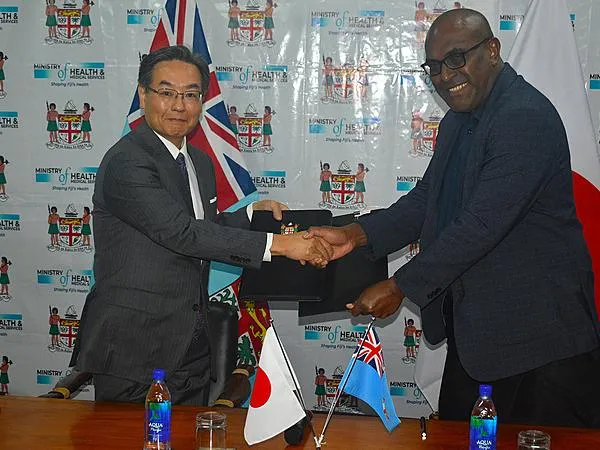
Japan has formalized a new grant of 313 million yen (approximately FJ$4.6 million) to Fiji through the Ministry of Health and Medical Services, aimed at procuring medical equipment under Japan’s Economic Social Development Program (ESDP).

The announcement was made during the Exchange of Notes and Grant Agreement ceremony, which highlighted the ongoing Lomavata–Kizuna Partnership signed by Prime Minister Sitiveni Rabuka and Japan’s Prime Minister Takaichi in November 2025.

Japan’s Ambassador to Fiji, Hiroshi Tajima, noted that the grant reinforces the bilateral partnership and that the Japan International Cooperation Agency (JICA) would provide technical support for the initiative.

As part of ongoing health projects, Japan and Project HEAVEN Trust signed a grant contract on 23 January for a four-wheel-drive Mobile Audiovisual Examination vehicle, equipped with soundproofing and specialised instruments to bring hearing and vision screening services directly to Fijians.

Additionally, on 3 March, Japan and UNICEF will sign a USD$5.48 million, four-year initiative aimed at preventing drug use among children and youths in Fiji, addressing the country’s national drug emergency.

Fiji’s Minister for Health and Medical Services, Ratu Atonio Lalabalavu, described the grant as an investment in the health workforce of tomorrow and in improving access to care across the country. The funding will support the procurement of essential medical equipment, including teaching aids for nursing students at the Fiji National University, a mobile clinic, and a mobile dental truck.

The grant marks a continuation of Japan’s commitment to enhancing health infrastructure, capacity building, and educational support in Fiji, reflecting the broader objectives of the Lomavata–Kizuna Partnership.

February 20, 2026

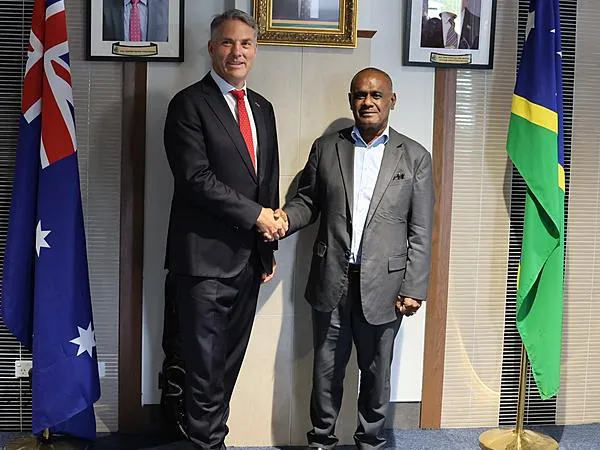
Solomon Islands and Australia have strengthened their strategic partnership following high-level bilateral talks between Prime Minister Jeremiah Manele and Australia’s Deputy Prime Minister Richard Marles.

The discussions highlighted renewed momentum in bilateral relations, with both governments committing to enhanced cooperation across security, infrastructure, labor mobility, climate action, and regional integration.

Manele described the relationship as grounded in shared democratic values, mutual respect, and the enduring spirit of the Pacific family. He noted Australia’s support aligns with all five objectives of the Solomon Islands National Development Strategy (2016–2035).

Security cooperation was a central focus. Australia has pledged around SBD 190 million over four years to expand and strengthen the Royal Solomon Islands Police Force (RSIPF), including infrastructure, training, and institutional capacity building. The assistance also covers the design and construction of a new Police Academy.

The prime minister highlighted the planned completion of the Western border post later this year and the Eastern border post ahead of the nation’s 50th independence anniversary in 2028.

Infrastructure development was another key area of discussion. Australia has committed to supporting several major projects, including the Police Academy and the prime minister’s official residence. Additional initiatives include the Naha Birthing and Urban Health Centre and upgrades to Seghe and Taro airstrips and road networks, which aim to improve healthcare access and regional connectivity.

Manele also emphasised the strategic importance of the Bina Harbour project, describing it as transformative for food security, maritime trade, and long-term economic growth.

Labor mobility remains a cornerstone of the bilateral relationship. Since 2018, over 11,000 Solomon Islanders have participated in Australia’s Pacific Australia Labour Mobility (PALM) Scheme. In 2025, remittances from PALM workers reached SBD 507 million, providing vital economic support to communities nationwide.

Manele praised the scheme as mutually beneficial, meeting Australia’s workforce needs while providing Solomon Islanders with skills and income opportunities. He reiterated the Solomon Islands’ commitment to advancing cooperation in ways that respect sovereignty and promote resilience. Other areas of collaboration, including general budget support and backing for the Solomon Kings Football team, were also discussed.

Marles reaffirmed Australia as the Solomon Islands’ security partner of choice, highlighting that the bilateral relationship is built on trust, respect, and open dialogue. The partnership reflects a long-standing commitment to supporting stability, sovereignty, and development in the Solomon Islands.

February 19, 2026

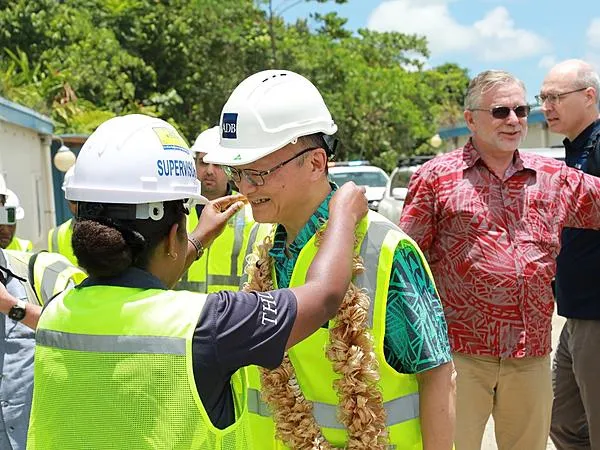
President of the Asian Development Bank (ADB), Masato Kanda, has described the Tina River Hydropower Project as a transformational initiative following his visit to the site on 16 February 2026.

Speaking during the visit, President Kanda said the project, once completed, will provide clean and reliable electricity to Honiara, supplying more than two-thirds of the city’s power needs.

“This 15-megawatt plant will mark a major milestone in shifting the Solomon Islands towards clean energy,” President Kanda said. “This transition will reduce electricity costs, helping businesses and communities thrive while ensuring long-term sustainability.”

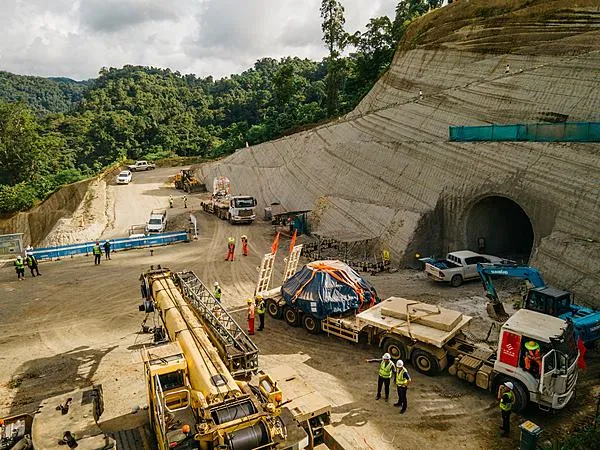
During his tour, President Kanda observed construction progress from a vantage point above the riverbed, noting significant advancements. He highlighted that tunnelling works are expected to commence soon, followed by construction of the dam wall, which will rise 72 metres and span approximately 234 metres.

ADB is supporting the project with an USD 18 million concessional loan and a USD 12 million grant from its Asian Development Fund. President Kanda emphasised that across the Pacific, ADB continues to expand access to electricity and strengthen energy security through similar initiatives.

He further underscored the importance of partnerships in delivering major infrastructure projects, stating that the Tina River Hydropower Project reflects ADB’s commitment to quality infrastructure and effective collaboration.

ADB is working closely with the Government of Solomon Islands, the World Bank Group, Australia, the Green Climate Fund, the Abu Dhabi Fund for Development, and the Export–Import Bank of Korea to ensure the project’s success.

“Together, we are turning this project into reality to benefit the people of the Solomon Islands for generations to come,” President Kanda said.

February 19, 2026

Weir, a global leader in mining technology, has successfully installed China’s largest mill circuit slurry pump. The order includes six WARMAN® MCR® 650 pumps and two WARMAN® MCR® 750 pumps.

The site, located in the Tibet Autonomous Region (TAR), sits 5,300 metres above sea level. The thin air and freezing temperatures create a complex operating environment.

Despite these challenges, the Weir service team successfully carried out the installation on schedule, completing the precise lifting, positioning, and pipeline connections of multiple large-scale, high-end pumps while overcoming low temperatures, oxygen scarcity, and harsh terrain to ensure steady progress toward key milestones.

Angela Wang, Managing Director, China, said:
“Delivering the largest slurry pumps in China is a significant technical achievement, and the fact that Weir was able to do this at such a high-altitude site epitomises our commitment to being at the forefront of reliability in the mining industry.

“The Chinese slurry pump market is one of the most competitive in the world. There are many new local competitors that make claims about their products’ performance, but these are rarely backed by reliable, long-term operational data. Weir, on the other hand, has a vast installed base, world-class manufacturing and testing facilities, and an unrivalled service network. That’s why Weir is still the preferred partner for Chinese miners, particularly for large-scale, challenging projects like this one.”

Elias Aho, Pump Optimisation Director, said:
“It’s great to see WARMAN® MCR® 750 pump installations now in China too. Weir has been at the forefront of supplying and supporting the largest, highest-capacity mill pumps on the market. With declining ore grades and increased demand, large mill pumps are increasingly playing a vital role in helping miners boost their throughput.

“Delivering these solutions at high-altitude sites presents significant engineering challenges, but Weir’s team of experts—drawing on decades of experience from across the globe—continues to be trusted by miners with their most critical mill circuit operations.”

About The Weir Group PLC

Founded in 1871, The Weir Group PLC is one of the world’s leading engineering businesses with a purpose to make its mining and infrastructure customers’ operations more sustainable and efficient. Weir’s highly engineered technology enables critical resources to be produced using less energy, water, and waste, while reducing customers’ total cost of ownership.

Weir is ideally positioned to benefit from structural trends that support long-term demand for its technology, including the need for more essential metals to support economic development and the carbon transition. The Group has approximately 12,000 employees operating in over 50 countries, with a presence in every major mining region of the world. Find out more at www.global.weir.

Weir’s ordinary shares trade on the London Stock Exchange (ticker: WEIR LN), and its American Depositary Receipts trade over-the-counter in the USA (ticker: WEGRY).

February 19, 2026

The Government of New Caledonia has welcomed the official launch of the “Tamtam” submarine fibre optic cable, a 411-kilometre system connecting Port-Vila in Vanuatu to Lifou in the Loyauté Islands province of New Caledonia. The launch ceremony took place on Wednesday, February 18, 2026, with representatives from the Asian Bank of Development and Prima Ltd in attendance.

The cable will land in Lifou at the New Caledonia Posts and Telecommunications Office (OPT-NC) station, reinforcing digital connectivity across the region.

Strengthening Digital Resilience

Originally conceived as a backup link to secure Vanuatu’s international communications, the Tamtam project has expanded to include a structural domestic dimension within Vanuatu. For New Caledonia, the cable is expected to:

  • Diversify international connectivity routes;

  • Strengthen the resilience and continuity of communications;

  • Secure strategic digital data streams;

  • Consolidate New Caledonia’s role as a digital hub in the Pacific.

The project aligns with the government’s broader ambition to provide reliable and competitive international connectivity, supporting both economic development and regional geopolitical interests.

Scientific Innovation for Climate and Risk Monitoring

In addition to enhancing communications, the Tamtam cable incorporates a scientific component developed by the Caledonian company Pacific Peering. Four Climate Change Nodes (CC-Nodes) will be installed along the New Hebrides Rift, enabling real-time monitoring of the ocean floor through dedicated fibre optics.

Data collected from the sensors will allow for:

  • Immediate detection of underwater earthquakes and tsunami risks;

  • Observation of rising sea levels and anomalous wave activity;

  • Tracking changes in global ocean temperatures.

The information will be freely available to both New Caledonia and Vanuatu. Funding for the scientific component is provided by IFREMER, in partnership with the Research Institute for Development (IRD), while Pacific Peering is establishing a platform in New Caledonia for secure data collection, storage, and dissemination.

A Model of Regional Cooperation

The Tamtam submarine cable exemplifies regional cooperation, enhancing New Caledonia’s strategic digital position while supporting French and European digital sovereignty in the Pacific. The government lauded the project as a combination of infrastructure resilience, scientific innovation, and the promotion of Caledonian expertise.

With the Tamtam cable now operational, both Vanuatu and New Caledonia are set to benefit from improved communications, stronger scientific monitoring capabilities, and enhanced regional digital integration.

February 19, 2026

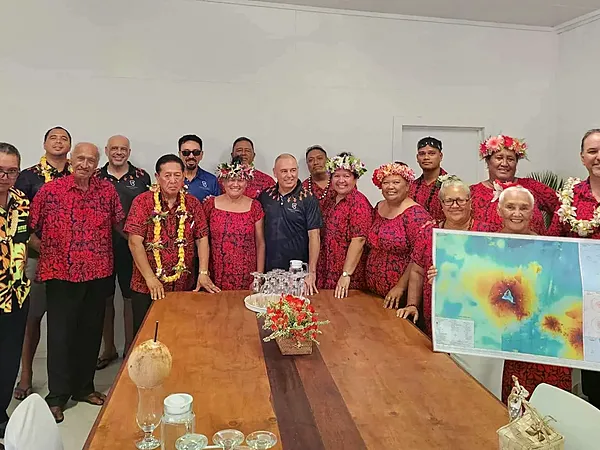
The Seabed Minerals Authority (SBMA) has released the 2025 Cook Islands National Bathymetry Grid, marking a significant step forward in the country’s marine data capability and ocean management framework.

Now available through SBMA’s Seabed Data Repository, the new national grid integrates historic and recent survey data to deliver the most comprehensive picture to date of the Cook Islands’ seafloor. Bathymetry — the measurement and mapping of the depth and shape of the ocean floor — plays a critical role in marine planning, navigation, scientific research and resource management.

SBMA said the 2025 grid represents the first release of a new national product that will be updated and published annually as additional data becomes available, strengthening long-term ocean governance and evidence-based decision-making.

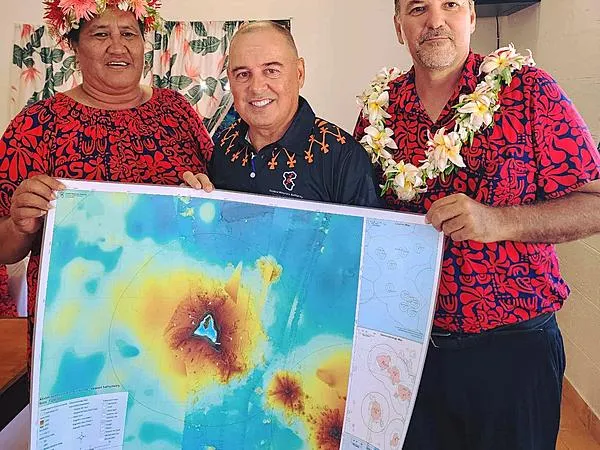
In parallel with the national grid, SBMA is also developing island-level bathymetry grids and maps to support local communities and marine users. During a recent visit to Aitutaki, the SBMA team presented residents with a detailed bathymetry map of their island, aimed at improving local understanding of surrounding marine features and supporting community-based marine management. Future island grids will be similarly updated as new data is collected.

The release aligns with SBMA’s Research Priority 1, which focuses on improving the understanding of the Cook Islands’ marine environment through high-quality baseline data, seabed mapping and scientific research. The priority underscores the importance of building a robust geospatial and environmental knowledge base to inform marine spatial planning, environmental stewardship, sustainable economic development and responsible seabed mineral activities.

By consolidating fragmented datasets into a unified national grid, SBMA is advancing its commitment to transparency, scientific integrity and open data access. The bathymetry grid is expected to support government agencies, researchers, maritime operators and coastal communities in making informed decisions about ocean use and conservation.

The Cook Islands, which oversees one of the largest exclusive economic zones in the Pacific, continues to invest in ocean science and data infrastructure as part of its broader strategy to balance environmental protection with sustainable marine development.

The 2025 Cook Islands National Bathymetry Grid can be accessed via SBMA’s official website.

February 18, 2026

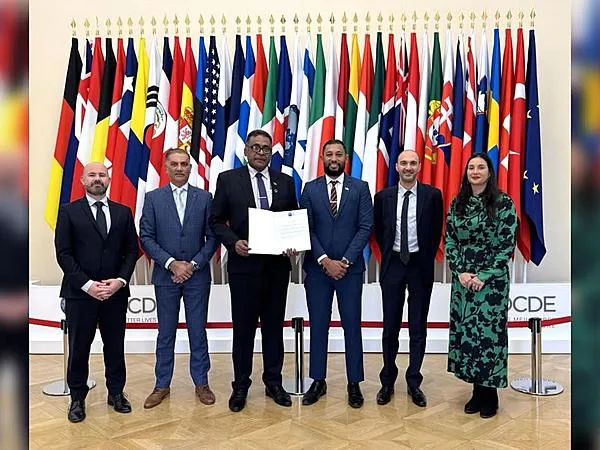
The Minister for Finance, Esrom Immanuel, has welcomed the European Union’s decision to remove Fiji from its list of non‑cooperative jurisdictions for tax purposes, calling it a strong endorsement of the Coalition Government’s reform agenda.

The move reflects Fiji’s sustained commitment to transparency, good governance, and full alignment with international tax standards. According to Immanuel, it is “a clear vote of confidence in Fiji’s reform agenda and our resolve to align our financial and regulatory frameworks with global best practice.”

“The removal from the EU blacklist strengthens Fiji’s international reputation as a credible, responsible and trusted financial jurisdiction,” Immanuel said. “It sends a positive signal to investors, development partners and the global business community that Fiji is committed to maintaining a transparent and robust financial and tax system.”

Over the past three years, the Government has collaborated closely with international partners and relevant institutions to address outstanding concerns, strengthen legislative frameworks, and enhance compliance mechanisms. These reforms underpin the broader agenda of safeguarding macroeconomic stability while promoting sustainable and inclusive growth.

For Fiji, this milestone is more than a technical adjustment. It enhances investor confidence, reduces reputational risk, and supports efforts to attract high‑quality foreign direct investment. At a time of global economic uncertainty, such developments are key in positioning Fiji as a competitive and reliable destination for trade and investment.

Immanuel emphasised that the Government remains committed to continuous improvement of financial and tax governance frameworks, alongside constructive engagement with international partners. He extended his appreciation to the leadership and staff of the Fiji Revenue and Customs Service (FRCS) and the Ministry of Finance for their professionalism, diligence, and dedication in securing Fiji’s removal from the EU blacklist.

February 18, 2026

A joint team from the World Bank and the Asian Development Bank (ADB) visited the Tina River Hydropower Development Project (TRHDP) this week as part of their regular monitoring programme. The delegation was accompanied by the Project Office’s Environment and Social (E&S) team.

The mission focused on the Dam Site and Powerhouse Site, reviewing construction progress by Tina Hydropower Limited (THL) and Hyundai Engineering Company (HEC), and assessing compliance with environmental and social safeguards. Officials acknowledged ongoing progress and discussed upcoming milestones with site supervisors.

The monthly site visit forms an essential part of donor oversight, ensuring that construction work continues to meet international standards and that project commitments to safety, sustainability, and community wellbeing are upheld.

The Project Office E&S team provided updates on current activities, ongoing mitigation measures, and any emerging issues requiring attention. The World Bank and ADB teams acknowledged the progress being made and engaged with site supervisors to discuss upcoming milestones for the next phase of construction.

Project overview

TRHDP is the Solomon Islands’ first large‑scale renewable energy project, designed to reduce reliance on diesel power and provide cleaner, more affordable electricity to Honiara and surrounding regions.

  • Capacity: 15 MW

  • Annual generation: ~78 GWh, covering 70–80 % of Honiara’s electricity needs

  • Transmission: 22 km 66 kV line connecting the plant to the city grid

  • Target commissioning: early 2028

Civil works began in late 2024, with road access nearly complete and dam and powerhouse construction well underway. As of early 2025, overall project completion was estimated at 23 %, with the access road at 87 %.

Financing and partnerships

The project is delivered through a public–private partnership with financing from the World Bank, ADB, Abu Dhabi Fund for Development, Australian Government, Green Climate Fund, and Korea EX‑IM Economic Development Cooperation Fund. Total financing exceeds US$200 million, supporting construction, transmission, and community benefit programmes.

Impact

TRHDP will:

  • Provide reliable, affordable energy and reduce diesel reliance

  • Cut greenhouse gas emissions, supporting national climate goals

  • Stimulate local employment and economic growth through construction and community programmes

The monthly compliance visits highlight the continued oversight of donor partners as TRHDP progresses toward delivering a major renewable energy milestone for the Solomon Islands.

For updates, visit: www.tina-hydro.com
February 18, 2026

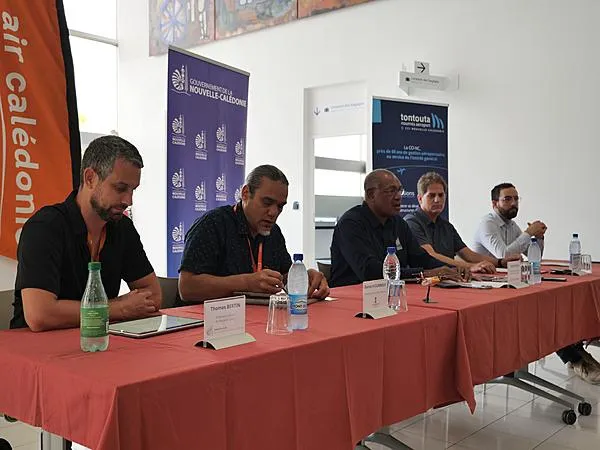
The Government of New Caledonia has announced that Air Calédonie will transfer its operations from Magenta Airport to La Tontouta International Airport on 2 March 2026, following extensive consultation with stakeholders. The move aims to strengthen the airline’s long-term viability and optimise the territory’s aviation infrastructure.


Strategic Relocation

The relocation will bring Air Calédonie and Aircalin together in a single facility, improving coordination, resource sharing, and operational efficiency. For New Caledonia, the move is expected to reduce long-term public spending by approximately 500 million francs and suspend around 1 billion francs in planned infrastructure investments. For Air Calédonie, the consolidation will enhance competitiveness, reduce delays and cancellations, and generate similar cost savings.

“This relocation is a vital part of the rescue plan for air connectivity between the islands and the mainland,” said Alcide Ponga, President of the Government.
“It complements the airline’s ongoing efforts, including the 2023 redundancy plan, aircraft sales, and regional expansion initiatives.”


Passenger Experience and Facilities

Domestic and international passengers will benefit from modernised facilities, including:

  • New domestic departures and arrivals halls
  • Expanded freight and aircraft parking areas
  • Improved restaurants and retail outlets, including Columbus Café, Kalolo, and Daily Break
  • Dedicated Air Calédonie customer service area

The terminal will support seamless passenger flows, with domestic and international operations fully separated by mid-2026.


Transport and Parking

A dedicated shuttle service, operated by Tontouta Express (TEX), will connect Nouméa to La Tontouta Airport for 500 francs per passenger per journey. The shuttle will serve four key stops: Patch station (Nouméa), Dumbéa, Païta, and Tontouta.

The airport’s public car park offers 536 spaces, with the first 20 minutes free and full pricing available online.


Governance and Oversight

The transfer is overseen by a steering committee (COPIL) and several project committees (COPROJ) covering communication, accessibility, infrastructure, continuity, and Magenta Airport’s future. A dedicated Q&A portal and email address (GNC.transfert.TTA@gmail.com) ensure transparency and stakeholder engagement.


“Our goal is to provide safe, efficient, and comfortable services for all passengers while strengthening Air Calédonie’s long-term viability,” said Daniel Houmbouy, CEO of Air Calédonie.

This relocation represents a major milestone in the development of New Caledonia’s aviation sector and a strategic step towards sustainable air transport for the territory.

For further information: https://gouv.nc/projet-de-transfert-de-laeroport-de-magenta-vers-la-tontouta
February 16, 2026

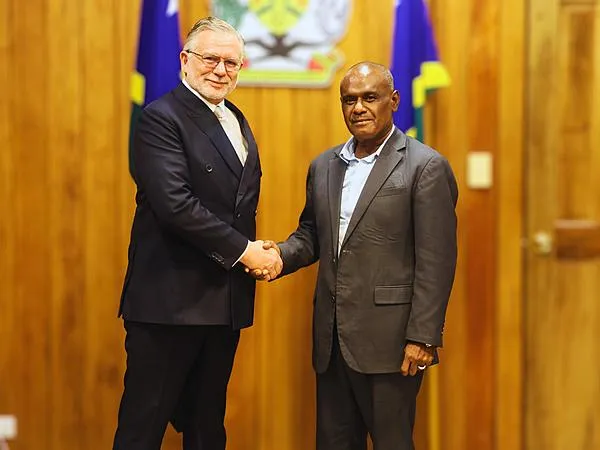
Prime Minister Jeremiah Manele today welcomed the first-ever Country Director of the Asian Development Bank (ADB) for Solomon Islands, Anthony Gill, during a courtesy visit at the Office of the Prime Minister and Cabinet.

Gill briefed the Prime Minister on preparations for the official opening of ADB’s Solomon Islands office next Tuesday, which will be officiated by the ADB President, who is also expected to undertake several visits while in Honiara.

Manele highlighted ADB’s 53-year partnership with Solomon Islands and stressed the importance of collaboration with all development partners, including the World Bank. He also updated Gill on the government’s policy framework based on four pillars: economic transformation and growth, national unity and stability, infrastructure development and service delivery, and human capital development.

The Prime Minister noted upcoming national milestones, including graduation from Least Developed Country status in 2027 and the country’s 50th Independence Anniversary in 2028, reiterating that infrastructure remains a top national priority.

Gill reaffirmed ADB’s commitment to supporting the government’s vision and priorities, including private sector development and sustainable growth.

Manele thanked Gill for the visit and expressed confidence that ADB’s presence in Honiara will strengthen the partnership and deliver tangible benefits to the people of Solomon Islands.

February 16, 2026

Tuvalu and the Solomon Islands have formally deposited their instruments of ratification for the Agreement Establishing the Pacific Resilience Facility (PRF Treaty), advancing efforts to operationalise the Blue Pacific region’s first Pacific-led, member-owned and managed, and people-centred climate and disaster resilience financing institution.

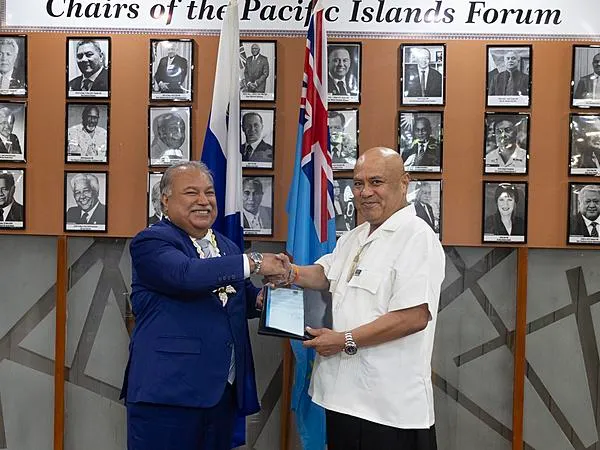
On 13 February, the Prime Minister of Tuvalu submitted the country’s instrument of ratification to Secretary General Baron Divavesi Waqa at the Pacific Islands Forum Secretariat. This follows the recent deposit of the Solomon Islands’ instrument of ratification by its Prime Minister in the margins of the Forum Troika Leaders Meeting in Brisbane, Australia.

The PRF was endorsed by Pacific Islands Forum Leaders through the Declaration on the Establishment of the Pacific Resilience Facility at the 52nd Forum Leaders Meeting in the Cook Islands in 2023. In 2024, Forum Leaders designated the Kingdom of Tonga as the host country of the PRF, reinforcing regional ownership and solidarity. The PRF Treaty was signed by 15 Forum Leaders at the 2025 Forum Leaders Meeting in Honiara, Solomon Islands.

The treaty requires eight ratifications to enter into force. The deposits by Tuvalu and Solomon Islands bring the total to five member countries, signaling strong regional commitment to the PRF.

The PRF is designed to empower communities to access grant financing for locally identified resilience priorities. It represents a strategic shift towards proactive, community-driven investment in climate adaptation, disaster preparedness, and long-term resilience, aligned with the Forum Leaders’ 2050 Strategy for the Blue Pacific Continent.

Tuvalu signed the PRF Agreement on 10 September 2025 during the Forum Leaders Meeting in Honiara. The ratification completes Tuvalu’s domestic legal processes, confirming its status as a full party to the initiative. The country views the PRF as a critical mechanism to strengthen regional capacity for preparing, responding to, and recovering from the increasing impacts of climate change and natural disasters.

Submission of the instrument reaffirms Tuvalu’s commitment to Pacific solidarity and collective action in addressing shared challenges. The country will work closely with fellow Forum members to operationalise the PRF and ensure it delivers meaningful, lasting benefits for vulnerable communities across the Pacific.

February 16, 2026

The Minister for Agriculture and Livestock Development, Franklyn Derek Wasi, delivered statements on behalf of the Solomon Islands Government at the Forty-Ninth Session of the Governing Council of the International Fund for Agricultural Development (IFAD). He participated in two high-level Leaders’ Dialogues focusing on financing rural development and investing in water security.

At the session titled “New Frontiers for International Financial Institutions – Financing Rural Development at the First Mile,” Minister Wasi emphasised that in the Solomon Islands, rural development begins at the first mile, where farmers are most remote, markets are fragmented, and risks are highest.

“For us, financing rural development means financing systems, not just projects. Smallholders do not fail because they lack effort—they fail when finance, extension, infrastructure, and markets do not move together,” he said.

The Minister urged international financial institutions (IFIs) to prioritise blended finance, de-risk early-stage investments, and support long-term institutional partnerships. Highlighting the Government’s collaboration with IFAD through the AIM-N project, he noted ongoing investments in strengthening farmer organisations, nutrition-sensitive value chains, and provincial delivery systems to ensure women, youth, and remote communities actively participate as economic actors.

“IFIs have a critical role in reshaping this space by blending public finance with private capital, de-risking early-stage investments, and backing institutions that stay the course beyond pilot phases,” he added.

In the second dialogue, “From Farm to Market – Investing in Water Security,” Minister Wasi stressed that water security is a matter of survival for Small Island Developing States.

“Our farmers face erratic rainfall, saline intrusion, and climate shocks. Without reliable water, productivity declines, nutrition suffers, and market participation becomes impossible,” he said.

He reaffirmed the Government’s commitment to integrating climate-resilient water harvesting, irrigation, watershed protection, and post-harvest systems into broader agricultural and market strategies. Through IFAD-supported initiatives, the Solomon Islands is aligning water management with food security, ecosystem resilience, and rural livelihoods.

Minister Wasi called on development partners to scale investments that combine infrastructure with governance, community ownership, and climate adaptation, noting that sustainable transformation at the first mile depends on patient capital, strong local institutions, and enduring partnerships.

February 16, 2026

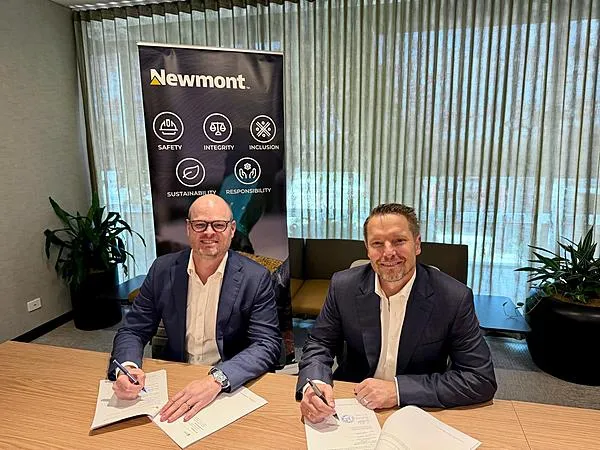
Pacific Lime and Cement Limited has entered into a long-term quicklime offtake agreement with Newmont Corporation, the world’s leading gold producer, to supply its Papua New Guinea operations from PLC’s Central Lime Project in Central Province.

Under the agreement, Newmont becomes a cornerstone customer, with contracted volumes representing around one-third of the Central Lime Project’s nameplate production capacity. The arrangement materially underpins the commercial development of PNG’s first domestic quicklime manufacturing operation.

This offtake marks the first large-scale commitment to locally produced quicklime in the country, highlighting both Newmont’s support for PNG’s buy-local framework and the growing demand for reliable, domestically sourced industrial inputs that meet Tier‑1 global mining standards.

Strategic and ESG Significance

The Central Lime Project is designed to replace imported quicklime currently supplied from offshore. For Newmont, the offtake enhances supply-chain resilience, reduces exposure to international logistics disruptions, and aligns with environmental and social objectives through lower transport emissions and increased local value creation.

For Papua New Guinea, the agreement supports employment, skills development, and the establishment of a nationally significant industrial capability, in line with broader economic development and ESG goals.

Commercial Framework

The offtake agreement is structured as a multi-year arrangement, commencing following completion and commissioning of the Central Lime Project, subject to customary conditions. Supply will be delivered under standard commercial delivery terms from PLC’s integrated project precinct, part of a designated Special Economic Zone intended to support domestic manufacturing and downstream processing.

Details of pricing, escalation mechanisms, and volume scheduling remain confidential, in line with market-based arrangements for long-term industrial supply agreements.

Project Readiness and Outlook

Securing Newmont as a cornerstone customer materially de-risks the Central Lime Project and bolsters PLC’s ongoing discussions with other domestic and regional customers. The agreement demonstrates that PNG-based industrial processing projects can satisfy the technical, operational, and ESG requirements of Tier‑1 global mining companies when developed under disciplined commercial frameworks.

PLC continues to collaborate closely with Newmont on operational readiness, quality assurance, and logistics planning, with first supply targeted following achievement of construction and commissioning milestones.

PLC Managing Director Paul Mulder said securing Newmont as a cornerstone customer is a significant milestone for PLC and for PNG’s industrial development.

"This agreement validates more than a decade of work to establish domestic quicklime production capable of meeting Tier‑1 mining standards, while delivering strong economic, social and environmental outcomes for Papua New Guinea," Mulder said.

“With a foundation offtake in place, PLC is well positioned as the Central Lime Project advances and shall progress further customer discussions as we move toward first production," the executive added.

Newmont Lihir General Manager Dawid Pretorius added that the agreement reflects Newmont’s commitment to creating long-term social and economic value in Papua New Guinea.

"It required significant time and effort to achieve an outcome that delivers shared value for Newmont, our partners and the nation. It demonstrates our commitment to supporting domestic industry and the broader social and economic benefits that flow from building local capability," Pretorius said.

Pacific Lime and Cement Limited is advancing the development of Papua New Guinea’s lime and cement industry to supply essential building materials for the nation and the wider Asia–Pacific region. Anchored by its flagship Central Lime and Cement Projects, PLC is creating a fully integrated platform for local manufacturing, import substitution, and sustainable growth.

The company’s diversified portfolio also extends to industrial sands, nature-based forestry carbon credits, and renewable energy, supporting its commitment to delivering cleaner, long-term solutions that build enduring value for PNG and its communities. PLC also holds an approximately 16.6% interest in copper-gold explorer/developer Adyton Resources Corporation.

PLC’s strategy is to support Papua New Guinea and the broader Asia-Pacific region on their decarbonisation journey by developing projects that deliver higher-quality, lower-cost, and targeted “low-carbon” inputs for the mining, resources, and construction sectors. Where applicable, these projects are supported with a diversified renewable energy portfolio encompassing solar, wind, geothermal, nature-based forestry carbon credits, and battery storage initiatives.

The company is committed to engaging with host communities throughout the lifecycle of its projects, as well as incorporating internationally recognised Environmental, Social, and Governance (ESG) standards into its strategy and business practices.

February 16, 2026

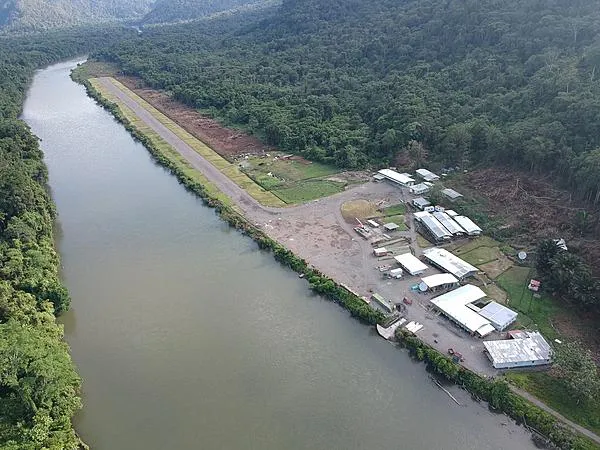
The Sepik Development Project (SDP) is a nation-building initiative in Papua New Guinea, delivering transformative infrastructure, renewable power, and essential services to remote communities while responsibly developing one of the world’s largest gold and copper deposits.

“Utilising world-leading engineering and renewable-powered design, the project is committed to protecting the Sepik River ecosystem and ensuring the safety of its communities,” said a Frieda River Limited spokesperson.

Designed as one of the lowest-emission mining projects globally, the SDP supports Papua New Guinea’s commitment to energy transition and sustainable resource development. The mine will be powered by a hydroelectric dam, producing a surplus of 270 MW of electricity. This power will connect to the national grid, supplying industries and communities in the northern border frontier with clean, reliable energy, while contributing to the reduction of PNG’s long-term carbon emissions.

The dam design, which continues to be strengthened and refined, incorporates world-class tailings and waste management technology to effectively mitigate risks to the Sepik River and surrounding ecosystem. It has been engineered to withstand high rainfall and seismic activity, with an embankment and spillway designed to safely accommodate extreme water flows and potential earthquake events.

Water quality will be managed through advanced waste and water-management techniques, including underwater tailings storage and active treatment of open-pit water. The project’s design is informed by one of PNG’s most extensive environmental data programmes, supported by a decade of baseline studies and biodiversity surveys.

Scientific modelling indicates that impacts on downstream water quality and marine life are expected to be minimal, with significant safeguards in place to protect surrounding and downstream communities. The facility is designed to store water and permanently contain process tailings and mine waste rock. Ongoing water quality monitoring will be conducted at two checkpoints during wastewater discharge activities to ensure the Sepik River and surrounding environment remain protected.

“The safety of the Sepik and its communities is a key priority for the project, guided by four principles: technically appropriate, environmentally safe, socially responsible, and financially profitable,” the spokesperson added.

“The Sepik Development Project is committed to genuine, inclusive engagement with communities, ensuring local voices shape how the project is planned and delivered. We believe this nation-building initiative should deliver substantial economic and social benefits to Sepik communities and PNG more broadly. We are actively listening to and working with our stakeholders to ensure this outcome.”

The spokesperson also noted, “We will continue to engage fully and openly with stakeholders through our annual community engagement programmes within the project’s infrastructure and riverine footprint corridor. We welcome questions, feedback, and guidance from communities as we work to deliver a project that brings tangible benefits to landowners, local communities, and PNG as a whole.”

Frieda River Limited is a significant subsidiary of the PanAust Limited Group. In addition to its pre-development opportunities in Papua New Guinea, PanAust Limited owns Phu Bia Mining — an award-winning dual operation in Laos — and has development projects in Chile.

An Australian-incorporated company, PanAust is owned by Guangdong Rising H.K. (Holding) Limited, a wholly owned subsidiary of Guangdong Rising Holding Group Co., Ltd. (GDRH), a Chinese state-owned company regulated under the State-owned Assets Supervision and Administration Commission of the People’s Government of Guangdong Province.

February 11, 2026

PNG Air continues to strengthen its operations and network with the arrival of its fourth ATR aircraft in six months, part of the airline’s ongoing fleet renewal programme, increasing capacity to meet growing demand across the country.

The new aircraft will maximise the expanded schedule and enhance operational reliability as PNG Air continues to serve and better connect communities, businesses, and essential services throughout Papua New Guinea.

Investment in the fleet has already contributed to measurable improvements in operational performance. In January 2026, PNG Air achieved an on-time performance of 87.12%, considered an exceptionally strong result by global industry standards. Leading airlines worldwide typically operate within an on-time range of 75% to 85%.

The airline also reduced cancellations to just 1.52% in January, reflecting improved aircraft availability and operational excellence.

These results mean fewer disruptions and more dependable travel for passengers — a critical factor in a country where air transport plays a central role in daily life and economic activity.

“Every investment we make in our fleet is about reliability,” PNG Air said. “Our goal is to operate consistently and get our customers where they need to be, when they need to be there — because in Papua New Guinea, air travel is essential.”

The expanded fleet supports PNG Air’s revised network schedule introduced in December 2025, now operating across 22 destinations using a fleet of ATR and Dash 8 aircraft.

Additional aircraft have enabled:

  • Reinstated services to Vanimo and Kavieng

  • New direct routes to Madang and Hoskins

  • Overnight aircraft positioning to improve early morning departures and network reliability

Capacity has also increased significantly since December 2025, representing a 269% increase year on year.

Investing for the Long Term

The latest aircraft arrival forms part of PNG Air’s broader strategy to modernise its fleet and build a stronger operation to support Papua New Guinea’s national development.

“Reliable air service is more than convenience — it is critical infrastructure. Strengthening our fleet allows us to improve performance today while building the foundation for long-term growth,” the airline said.

About PNG Air

For nearly four decades, PNG Air has connected the people of Papua New Guinea with safe, reliable, and affordable air services. Listed on the Port Moresby Stock Exchange since 2008, the airline is majority-owned by Papua New Guinean institutions, including the MRDC Group and NasFund, and supported by approximately 2,900 local shareholders.

PNG Air currently operates more than 460 flights each week across 22 destinations, providing essential passenger and cargo services that support economic development, community connectivity, and national unity. In 2024, the airline carried over 150,000 passengers, underscoring its pivotal role as a national connector.

February 11, 2026

The Cook Islands Seabed Minerals Authority (SBMA) recently held community consultations in Aitutaki to provide updates on developments in the seabed minerals sector and to hear directly from local communities. The consultations form part of SBMA’s ongoing commitment to transparent, community-led engagement, as the Cook Islands remains in an exploration-only phase.

The consultations took place from 28 to 29 January across the villages of Amuri and Tautu, including sessions with the Aitutaki Business Association and senior students of Araura College. Each session was well attended, with active participation from the Aitutaki community.

The visit was led by the Prime Minister and Minister responsible for Seabed Minerals, Mark Brown, alongside senior SBMA representatives from the Partnerships and Cooperation and Knowledge Management teams. The delegation also included members of the Seabed Minerals Advisory Committee, including Chairman Bishop Tutai Pere and committee member George George Williamson, reinforcing the importance of diverse perspectives and community-informed decision-making.

The delegation shared up-to-date information on the seabed minerals sector and provided opportunities for open discussion. Community members raised important issues relating to environmental protection, financial security and governance systems, which were addressed through dialogue, with technical explanations provided where required.

A key outcome of the consultations was the strong appreciation expressed by community members for face-to-face engagement. Attendees highlighted the value of hearing directly from SBMA, which helped clarify questions and provide authoritative context amid the varied information they had previously encountered online.

“These public meetings support our commitment to bringing our people along the journey,” said Partnerships and Cooperation Director Edward Herman. “The feedback and questions from these sessions help keep government accountable and focused on positive outcomes for our nation.”

Overall feedback from the consultations was supportive, with many participants encouraging progress while emphasising the importance of continued engagement, transparency, and careful consideration of environmental and social matters.

SBMA extended its thanks to the Aitutaki Island Council for their support and assistance during the visit, and to all community members who took the time to participate. The success of these consultations underscores the value of open, in-person dialogue and the strength of a well-informed Cook Islands public.

Insights and feedback gathered in Aitutaki will inform SBMA’s ongoing community engagement programme and future consultations across the Cook Islands, as the authority continues its work in the seabed minerals sector.

February 11, 2026

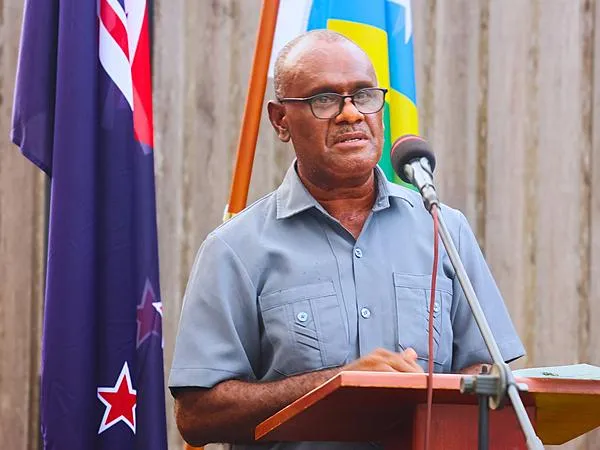
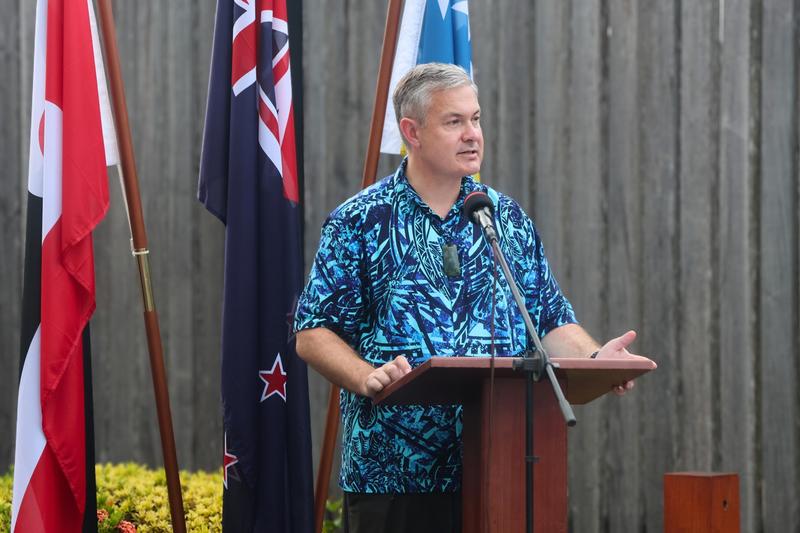
Solomon Islands Prime Minister Jeremiah Manele has reaffirmed the strong and enduring partnership between Solomon Islands and New Zealand while delivering remarks at the Waitangi Day Reception hosted by the New Zealand High Commission on 5 February.

Addressing distinguished guests, members of the diplomatic corps, senior government officials and members of Parliament, Prime Minister Manele congratulated the government and people of New Zealand on the celebration of Waitangi Day, acknowledging its deep national significance and the principles it represents.

“Waitangi Day commemorates the Treaty of Waitangi — a foundational agreement built on partnership, mutual respect and enduring relationships. These principles resonate strongly with us in Solomon Islands, where respect for culture, dialogue and unity are central to our national identity,” the Prime Minister said.

Highlighting the long-standing friendship between the two nations, Prime Minister Manele noted that the relationship dates back to early missionary linkages in the 1800s and continues to be strengthened through strong people-to-people and government-to-government connections.

He acknowledged New Zealand as a trusted and consistent development partner, providing valuable support across key national and regional priorities, including education, labour mobility, climate resilience and community development.

The Prime Minister expressed appreciation for New Zealand’s continued investment in Solomon Islands, citing the SBD 45 million grant funding for Phase 4 of the Mekem Strong Solomon Islands Fisheries Programme, signed last year, and the 10-year Solomon Islands–New Zealand Education Partnership (2025–2035) valued at SBD 300 million, launched on the margins of the 54th Pacific Islands Forum Leaders Meeting.

“These initiatives reflect the strength of our partnership — one that is practical, responsive and focused on improving the lives of our people,” Manele said.

He also acknowledged New Zealand’s support during Solomon Islands’ successful hosting of the 54th Pacific Islands Forum Leaders Meeting in Honiara last year, during which he served as chair.

“As Pacific Island nations, we share common challenges, particularly climate change, economic vulnerability and the responsibility to protect our oceans and natural resources. Addressing these challenges requires partnerships built on trust, understanding and respect,” the Prime Minister added.

Prime Minister Manele reaffirmed Solomon Islands’ commitment to working closely with New Zealand at the bilateral, regional and multilateral levels to advance shared Pacific priorities.

On behalf of the government and people of Solomon Islands, he extended warm congratulations to the government and people of New Zealand, expressing confidence that the bilateral relationship will continue to grow in the spirit of friendship and mutual respect.

“Together, we will continue working towards a peaceful, resilient and prosperous Pacific,” he said.


February 11, 2026

The Solomon Islands, through the Ministry of Agriculture and Livestock Development, has reaffirmed its strong partnership with the International Fund for Agricultural Development (IFAD), highlighting agriculture as the backbone of food security, economic growth and national stability.

Speaking at the 49th Session of the Governing Council of IFAD during the Asia and the Pacific Roundtable in Rome, Italy, Minister for Agriculture and Livestock Development Franklyn Derek Wasi underscored the government’s commitment to inclusive and sustainable rural transformation, aligned with the National Development Strategy 2016–2035.

Wasi described IFAD as a trusted development partner whose long-standing support continues to strengthen rural livelihoods, enhance food security and empower vulnerable communities, particularly women and youth.

He said IFAD’s investments align closely with the Solomon Islands’ national priorities of poverty reduction, climate resilience and private sector-led agricultural growth.

“A flagship initiative that embodies this commitment is the Agriculture Investment for Markets and Nutrition (AIM-N) Project, a partnership between the Government of Solomon Islands and the International Fund for Agricultural Development,” Wasi said.

“With an investment of approximately US$19.82 million, AIM-N will strengthen food security, improve nutrition outcomes and increase rural incomes for more than 18,000 people across three provinces over the next six years. AIM-N integrates nutrition-sensitive agriculture with market-oriented production, empowering rural households to produce, purchase and consume nutritious and climate-resilient foods.”

Wasi added that the project places gender equality and youth inclusion at its core, with women representing at least 50 percent of beneficiaries and youth at least 20 percent.

Looking ahead, he said the Solomon Islands is committed to building on this momentum and called for continued IFAD support to scale up youth-led agribusinesses, empower women in agricultural leadership, and strengthen rural infrastructure and climate-resilient systems.

The Solomon Islands remains confident that, through sustained partnership with IFAD and other development partners, agriculture will continue to uplift rural households, strengthen national food systems and contribute to long-term peace, prosperity and resilience across the country.

February 11, 2026

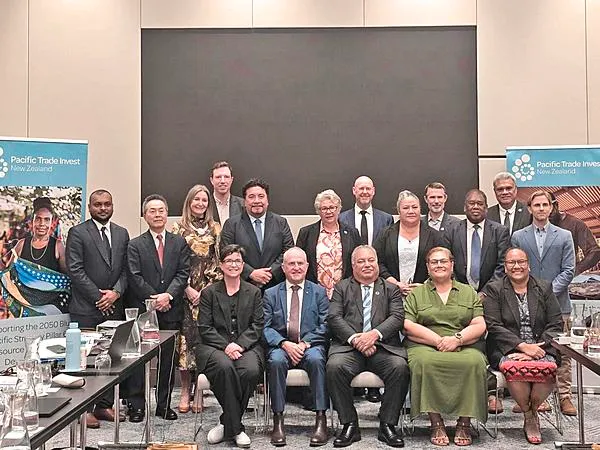
The Pacific Trade Invest (PTI) Independent Advisory Board convened its annual board meeting in Auckland, New Zealand, on 11 February 2026, reaffirming its commitment to strong governance, accountability and strategic leadership across the PTI network.

The meeting was chaired by Pacific Islands Forum Secretary-General Baron Divavesi Waqa, who formally welcomed two new members to the Independent Advisory Board: Bethany Bessi Graham and Julienne LekaMaliaki.

The board’s principal mandate is to provide independent oversight of Pacific Trade Invest, enhance accountability and strengthen the operational effectiveness of the network. Operating in an advisory capacity to the secretary-general and the Forum Officials Committee, the board ensures the PTI network’s activities and operations are conducted in a prudent, ethical and strategically aligned manner.

During the meeting, members received comprehensive updates on the programs and activities of the PTI network. The board noted that the network has continued to evolve into a cornerstone of the Pacific’s economic architecture, empowering exporters, investors and enterprises through robust, evidence-based market intelligence and targeted commercial facilitation.

“Through Pacific Trade Invest, Forum Leaders have established a trusted mechanism to advance the economic pillars of the 2050 Strategy for the Blue Pacific Continent. PTI strengthens regional cooperation, mobilizes investment and ensures Pacific economies engage global markets on our own terms and in line with our shared development priorities,” Waqa said.

These achievements have been underpinned by enduring partnerships with national trade and investment promotion agencies, government ministries, tourism authorities, multilateral development partners, international donors and a broad community of regional stakeholders.

Pacific Trade Invest operates offices in Australia, China, Europe and New Zealand, alongside a partner office delivering similar services in Japan. As the trade and investment promotion arm of the Pacific Islands Forum Secretariat, the PTI network is mandated by Forum Leaders to facilitate trade, investment and tourism opportunities between Pacific Island countries and territories and global markets.

Through its work, PTI continues to support business growth across the Blue Pacific by building the capacity of export-ready and investment-ready enterprises and connecting them with importers and investors worldwide.

February 10, 2026

OFC Tech Solutions, a Remington Group company, announces a strategic partnership with Alcatel-Lucent Enterprise, a leading provider of secure networking and communication solutions that enable organisations and industries to accelerate their operational efficiencies and competitiveness. This collaboration is set to modernise enterprise-grade networking and cloud-based communication systems across Papua New Guinea.

The partnership arrives at a critical juncture for the local market. As legacy hardware providers begin to phase out traditional PABX systems, many organisations face the risk of aging infrastructure and limited support. Through this collaboration, OFC Tech Solutions and ALE provide a seamless, secure, and scalable migration path to modern IP-based and hybrid-cloud platforms.

"We are thrilled to welcome OFC Tech Solutions to our partner ecosystem. Their deep local knowledge and the Remington Group’s legacy of service excellence make them the ideal partner to drive digital transformation in Papua New Guinea," said Dinesh Divakar, Country Leader, ANZ, Alcatel-Lucent Enterprise. "Together, we are ensuring that PNG businesses don't just 'replace' their systems but 'evolve' them with secure, resilient, and future-ready communications solutions. This enables customers to modernise their communications infrastructure with confidence while ensuring long-term support and scalability.”

OFC Tech Solutions is a leading ICT services provider in Papua New Guinea and a key business unit of the Remington Group. The company delivers enterprise technology solutions, including IT infrastructure, networking, communications systems, and managed services, supporting government, corporate, and institutional clients across the country.

Commenting on the partnership, Asanka Dias, General Manager of OFC Tech Solutions, said the decision was driven by a focus on practical value for customers.

“This is an exciting time for OFC Tech Solutions as we continue to support and bring added value to our customers through technology. Partnering with Alcatel-Lucent Enterprise allows us to offer a reliable, globally proven solution that helps organisations upgrade their systems, improve efficiency, and plan confidently for the future.”

The introduction of the Alcatel-Lucent OmniPCX® Enterprise Communication Server further strengthens OFC Tech Solutions’ enterprise communications portfolio and reinforces the Remington Group’s commitment to delivering world-class technology solutions supported by strong local expertise.


Alcatel-Lucent Enterprise provides secure networking and communication solutions that enable organizations and industries to accelerate their operational efficiencies and competitiveness — in the Cloud, On Premises, or Hybrid.

All solutions have built-in security, a limited environmental impact, and full compliance with data protection requirements for organizations and individuals at both the national sovereignty and international industry levels.

Alcatel-Lucent Enterprise focuses on three pillars: Environmental Sustainability, Social Responsibility, and Corporate Governance, providing technology solutions for the good of the environment, people, and business.

Over 100 years of innovation have made the company a trusted advisor to more than a million customers worldwide. With headquarters in France and 3,400 business partners globally, Alcatel-Lucent Enterprise achieves effective global reach with a local focus.

February 10, 2026

Weir’s materials technology capabilities are a key factor in WARMAN® MCR® slurry pumps remaining the preferred solution for mill circuit applications among the world’s major miners. Notably, Weir’s long-standing expertise in elastomer science enables its rubber-lined pumps to compete directly with, and often outperform, metal-lined alternatives in abrasive slurry applications.

Advanced elastomer development

Mill circuit slurries typically present a challenging wear environment due to wide particle-size distributions and the presence of hard, angular particles. To address this, Weir formulates and manufactures proprietary elastomer compounds engineered for high abrasion resistance, energy absorption, and tear strength. These compounds are developed in-house, allowing precise control over polymer chemistry, filler systems, and curing processes to optimise performance under dynamic slurry loading.

Continuous R&D investment underpins this capability. Weir’s materials scientists and mechanical engineers collaborate to characterise wear mechanisms, refine compound formulations, and validate performance through laboratory testing and field trials. This iterative development cycle ensures that the WARMAN® MCR® pump remains aligned with evolving operational requirements in the mining and minerals processing sector.

Customer-driven engineering

Weir’s engineering teams work directly with mine operators to diagnose wear patterns, understand process variability, and design component solutions that improve pump reliability and reduce total cost of ownership. This collaborative approach supports broader industry goals around sustainability, process efficiency, and operational safety.

The WARMAN® MCR® pump is a direct outcome of this long-term engineering focus, incorporating decades of empirical data, computational modelling, and materials innovation.

Developing wear-resistant alloys

A key advancement in recent years is the expanded use of Armachrome®, a highly wear-resistant overlay material engineered for extreme abrasion environments. Armachrome® wear parts are now applied to critical pump components such as throatbushes, volute liners, and, increasingly, impellers.

The material’s high hardness and superior erosion resistance enable significant extension of component life. Importantly, Weir applies Armachrome® selectively—targeting high-wear zones such as the impeller eye—rather than coating entire components. This precision application reduces material usage while maximising functional benefit.

Field data has demonstrated substantial performance gains. In oil sands operations, Armachrome® components have shown markedly improved wear life compared with white iron. Similar results have been observed in WARMAN® mill circuit pump installations, validating the material’s effectiveness across multiple slurry environments.

Future materials innovation

As the mining industry seeks to reduce energy consumption, extend maintenance intervals, and lower carbon intensity, advanced wear materials will play an increasingly important role. Weir’s ongoing investment in materials R&D—spanning elastomers, overlays, and composite systems—positions the company to deliver solutions that enhance pump efficiency and durability.

Customers are increasingly selecting Weir products not only for performance, but also for their contribution to sustainability objectives, driven by longer wear life, reduced waste, and improved operational efficiency.

February 09, 2026

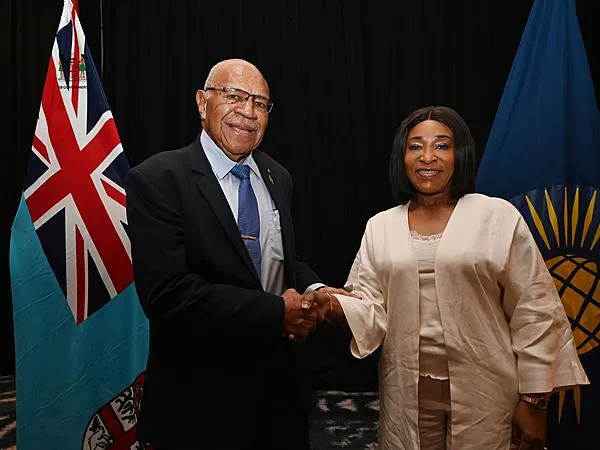
Prime Minister Sitiveni Rabuka held a bilateral meeting with the Secretary-General of the Commonwealth, the Rt Hon Shirley Ayorkor Botchwey, and her delegation ahead of the Commonwealth Law Ministers Meeting, which begins in Nadi on 9 February.

Also attending were Foreign Affairs and External Trade Minister Sakiasi Ditoka; Acting Attorney-General and Justice Minister Siromi Turaga; Permanent Secretary for the Office of the Prime Minister Dr Lesi Korovavala; Solicitor-General Ropate Green; and Permanent Secretary for Justice and acting Permanent Secretary for Women, Children and Social Protection Selina Kuruleca. Accompanying Botchwey were senior Commonwealth Secretariat officials, including Deputy Secretary-General Dr Arjoon Suddhoo.

The meeting marked Rabuka’s first engagement with Botchwey since her appointment. He congratulated her on becoming the first African woman to serve as Commonwealth Secretary-General and reaffirmed Fiji’s full support for her tenure. He commended her vision for a transformed Commonwealth, particularly her emphasis on trade and investment as drivers of economic transformation, the empowerment of women and young people, closing the digital divide, and strengthening innovation and strategic partnerships.

Rabuka also welcomed Botchwey’s efforts in steering the Commonwealth’s focus towards resilience, climate action, economic growth, and sustainable development—areas closely aligned with Fiji’s national and regional priorities.

Reflecting on Fiji’s long-standing relationship with the Commonwealth, Rabuka recalled the nation’s contribution to Commonwealth forces during the Malayan Emergency and its pride in that service. He acknowledged the challenges Fiji faced following its suspension from the Commonwealth and noted the country’s subsequent re-engagement through continued constitutional evolution and democratic reform.

He highlighted Fiji’s “Ocean of Peace” concept, later promoted at the United Nations General Assembly, as a reflection of the nation’s commitment to peace, cooperation, and global progress.

On governance, Rabuka noted Fiji’s steady progress in strengthening democratic institutions, with general elections expected later this year. He expressed confidence in the electoral process and welcomed continued Commonwealth technical assistance, particularly in electoral observation, legal reform, and institutional strengthening. Acting Attorney-General Turaga outlined ongoing programmes focusing on rehabilitation, legal review, and the re-engineering of technical assistance, including support linked to elections and judicial processes.

Climate change was a key focus, with Rabuka highlighting the threats of sea-level rise and extreme weather events. He expressed appreciation for the Commonwealth’s support in enhancing Fiji’s climate resilience through adaptation, mitigation, and capacity-building initiatives.

The Prime Minister acknowledged assistance provided through the Commonwealth Climate Finance Access Hub (CCFAH), which has supported Fiji with human and institutional capacity building. To date, CCFAH has helped mobilise nearly US$1 million in climate finance, including funding for an electric shuttle bus project, with a pipeline of climate-related projects valued at over US$60 million currently under development.

Discussions also covered preparations for upcoming Commonwealth events, including the Commonwealth Law Ministers Meeting in Nadi (9–12 February), the Commonwealth Foreign Ministers Meeting in London (6 March), Commonwealth Day (9 March), the Commonwealth Games in Glasgow (23 July–2 August), and the 28th Commonwealth Heads of Government Meeting (CHOGM) in Antigua and Barbuda (1–4 November).

Rabuka noted the scale and influence of the modern Commonwealth, which since its founding in 1949 has grown to 56 member countries across five continents, representing one-third of the world’s population.

Secretary-General Botchwey expressed optimism about the meeting’s outcomes, highlighting the strength of the Commonwealth’s 56-member network in sharing best practices and providing mutual support. She identified opportunities for cooperation in judicial reform, election observation, truth and reconciliation processes, legal drafting, renewable energy, climate action, and sustainable development.

Both leaders reaffirmed their commitment to continued collaboration across key areas, including governance, climate action, ocean sustainability, trade, innovation, and regional stability, ensuring the benefits of Commonwealth membership continue to reach communities across Fiji and the wider region.

February 06, 2026

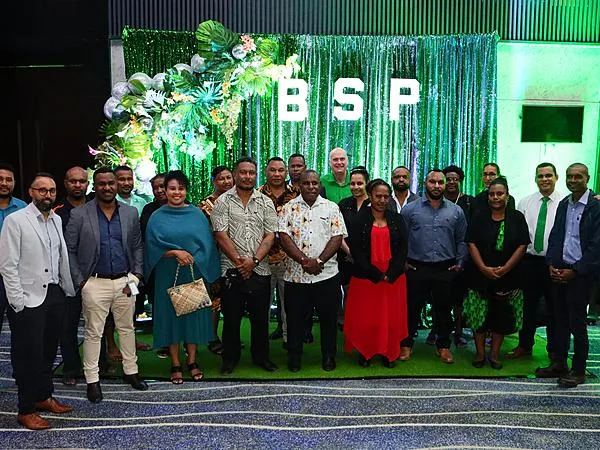
More than 600 small businesses across the South Pacific, including 402 in Papua New Guinea, have benefited from the YES GROW Business Development Training programme, a flagship partnership between BSP Financial Group Limited and Australian Business Volunteers (ABV).

The milestone was marked on Wednesday, 4 February, 2026, with the graduation of the 2025 YES GROW cohort, celebrating 19 Papua New Guinean entrepreneurs who successfully completed the six-month business development programme.

The YES GROW (Your Enterprise Scheme) programme begins with an intensive week of business training, followed by personalised coaching and mentoring designed to strengthen participants’ commercial capability, resilience and long-term business vision.

BSP Group Chief Executive Officer Mark Robinson said the initiative has supported 602 small businesses across the South Pacific.

“This brings alive BSP’s purpose — to champion prosperity in the South Pacific — by developing business skills that directly create employment and change lives. While much attention is placed on large-scale projects in PNG, small and medium-sized businesses are the lifeblood of the economy and deserve equal focus and support. This is one of the key reasons BSP launched its dedicated Business Bank in April last year,” Robinson said.

Since its inception eight years ago, YES GROW has expanded from Papua New Guinea into BSP markets in Fiji, Samoa and Tonga, with confirmed plans to launch in the Solomon Islands and Vanuatu in 2026.

“It’s incredibly inspiring to see the individuals participating in the programme — both tonight’s graduates and alumni from previous cohorts. YES GROW is more than a training initiative; it is a movement. It builds capability, confidence and community among entrepreneurs, empowering them with the tools they need to succeed,” Robinson added.

BSP also acknowledged the contribution of Australian Business Volunteers, along with the coaches and mentors who deliver the programme across the region.

ABV Chief Partnership Officer David Faulmann said the initiative highlights the determination of local entrepreneurs.

“The YES GROW programme demonstrates the power of committed local business owners, with women and men across PNG showing relentless dedication to building stronger, more resilient enterprises. ABV is proud to partner with BSP on a programme that unlocks opportunity, strengthens communities and proves what’s possible when skills, ambition and the right support come together,” Faulmann said.

Looking ahead, BSP reaffirmed its commitment to the partnership, with four YES GROW training cycles planned this year in Lae, Mt Hagen and Buka, alongside the establishment of a Regional YES GROW Alumni Development Programme across PNG and the Pacific.

February 06, 2026

Steamships has launched two community grants programmes to coincide with Global Community Engagement Day, reinforcing its focus on volunteerism and community-led development across Papua New Guinea.

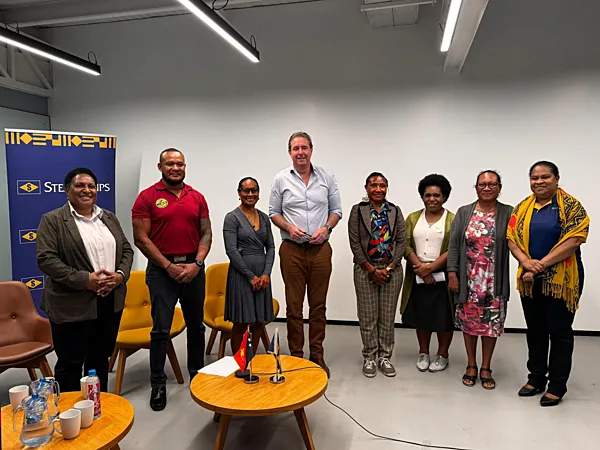
The company introduced the Steamies LEAD Grants Programme, an internal initiative aimed at enabling employees to design and lead their own community projects. Managing Director Chris Daniells said the programme recognises the contribution staff already make through volunteering and community involvement and is intended to support them to expand that work.

Daniells also confirmed that applications are now open for the 2026 Community Grants Programme, Steamships’ flagship external funding initiative. The programme supports registered organisations delivering positive and sustainable outcomes in communities across PNG. Application details and forms are available on the Steamships website.

The announcements were made during Steamships’ first internal Lunch with Legends session for 2026. The event, themed The Community Special, brought together community partners working in areas ranging from sport and leadership to youth development, women’s advancement and community health.

Panellists included Dika Toua, founder of the LDT W8lifting Club; Esther Lavu, president of Vewala'va Association Inc.; Nelson Stone, founder of NEST Foundation; Cathy Alex, executive director of Advancing PNG Women Leaders Network; and Shirley Kaupa, programme coordinator at Magna Carta PNG Inc.

Speakers shared perspectives on the challenges and opportunities shaping their work and highlighted the role of partnerships in delivering long-term community impact. The discussion encouraged Steamships employees to continue active participation in community development initiatives throughout the year.

Steamships Trading Company, commonly known as Steamships, is a diversified group operating across logistics, hospitality, property and joint-venture businesses in Papua New Guinea. Established in 1918, the company has played a long-standing role in the country’s economic and social development.

The group says it remains committed to its people, the sustainability of its operations and long-term investment in PNG, positioning community engagement as a core part of its approach to business and national development.