

February 05, 2026

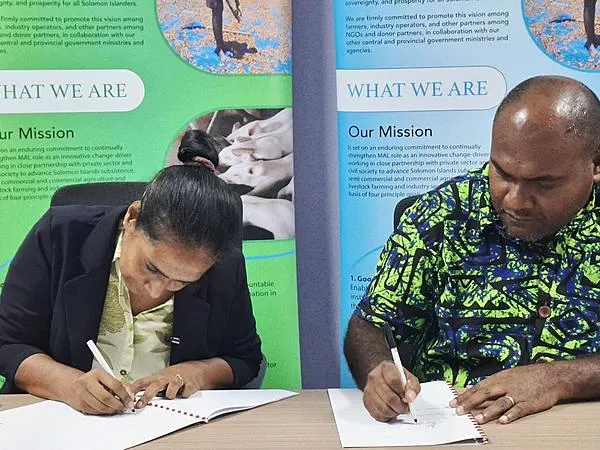
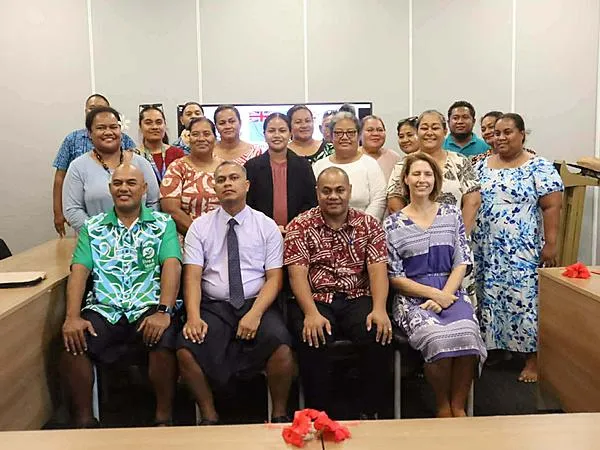
The Ministry of Agriculture and Livestock Development (MALD) and World Vision Solomon Islands (WVSI) signed a Memorandum of Understanding (MOU) earlier this week at MALD headquarters in Honiara, reaffirming their shared commitment to promote sustainable and resilient livelihoods across the Solomon Islands.

The MOU was signed by MALD Permanent Secretary Dr Samson Viulu and WVSI National Director Ms Asuntha Charles.

In his remarks, Dr Viulu highlighted that the process of finalising the MOU reflected the strong commitment of both partners to support Solomon Islanders through resilient livelihood opportunities.

“It took some time to reach this agreement, but the benefit of taking time is ensuring it meets the expectations of all parties. The Ministry is pleased to move forward with this MOU,” Dr Viulu said.

He added that the partnership aligns with the government’s two main policy priorities for the agriculture sector: making agriculture attractive at all levels of society and enabling people to earn a sustainable living from it.

“We see that young people are increasingly less interested in agriculture, which is a common challenge across many island nations. Our goal is to make agriculture appealing by providing opportunities for people to earn an income. When people have income, they have choices—whether to buy food, produce food, or invest. This is the impact we want agriculture to achieve,” he explained.

Meanwhile, WVSI National Director Ms Asuntha Charles said World Vision looks forward to working closely with MALD to reach rural communities nationwide.

“This MOU binds World Vision and the Ministry to a greater purpose: reaching communities and ensuring food security for vulnerable people, especially children. Despite the challenges of climate change, we want communities to know their resources can become productive,” Ms Charles said.

She added that the agreement represents hope for families, particularly mothers who plant crops to feed their children, pay for school fees, and create employment opportunities for future generations.

“This MOU is a commitment between the government and World Vision to work together to ensure food security for every person in the Solomon Islands. At World Vision, we believe that when families are flourishing, children thrive. We want future generations to have access to healthy, chemical-free food that supports their growth and development.”

The MOU will be effective for a two-year period, from February 2026 to February 2028.

February 05, 2026

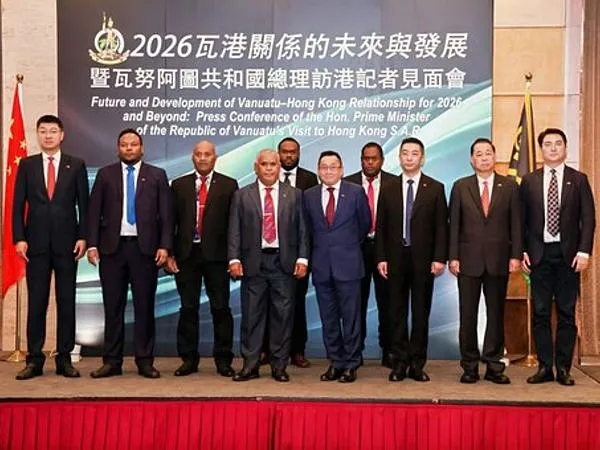
Vanuatu is seeking to elevate its relationship with Hong Kong into a long-term, institutional partnership, following a high-level visit by Prime Minister Jotham Napat Nauka and a senior government delegation.

During the visit, the prime minister convened a conference titled Future and Development of Vanuatu–Hong Kong Relationship for 2026 and Beyond, at which he outlined Vanuatu’s vision for the next phase of engagement with Hong Kong. The visit marked what Vanuatu described as a transition into a new stage of relations characterised by stronger political trust, deeper institutional engagement, enhanced financial cooperation and broader connectivity with capital markets.

The prime minister held meetings with leaders and senior officials of the Hong Kong Special Administrative Region government, including Chief Executive John Lee Ka-chiu, to discuss issues of mutual interest. The discussions took place against the backdrop of continued growth in bilateral trade and expanding prospects for cooperation between the two economies.

Both sides acknowledged that ongoing adjustments in the international environment and deepening regional cooperation have created significant strategic opportunities for closer Vanuatu–Hong Kong relations. There was agreement on the need to raise the level of cooperation, broaden its scope and improve cooperation mechanisms, moving beyond project-based collaboration towards more structured, long-term and institutional arrangements.

Key areas identified for closer coordination included regional affairs, development agendas, participation in international organisations, economic governance, financial regulation and institutional development. Both sides supported the establishment of more stable and regularised frameworks to strengthen communication, coordination and policy dialogue.

Financial cooperation featured prominently in the discussions. The two sides agreed to advance principles of financial parity and mutual recognition of relevant licences, with the aim of developing a medium- to long-term framework covering both traditional financial services and emerging areas such as digital finance. They also expressed support for stronger alignment within regional financial systems and for enhanced intergovernmental communication to provide a more transparent and predictable environment for cross-border business and investment.

Hong Kong’s role as an international financial centre, with established governance frameworks, regulatory experience and capital market expertise aligned with international standards, was highlighted as a key advantage. Vanuatu, in turn, presented itself as a strategically located South Pacific island nation with institutional flexibility and strong regional connectivity potential.

Discussions also covered trade, investment and people-to-people exchanges. Both sides reviewed opportunities to improve trade and investment facilitation, industrial cooperation, tourism development, business exchanges and talent development, with the aim of increasing both the scale and quality of bilateral economic engagement.

There was strong support for Hong Kong and international enterprises to use Hong Kong as a platform to engage with Vanuatu in priority sectors, including infrastructure, renewable energy, the digital economy, financial services, shipping and logistics, the marine economy, modern agriculture and sustainable tourism.

Looking ahead, both sides agreed on the importance of continued consultations and implementation efforts. The focus will be on progressing from traditional project-based cooperation towards collaboration across industrial chains, capital alignment and institutional co-development. Measures to improve mobility for business, investment and professional services personnel, as well as enhanced exchanges among universities, research institutions and professional organisations, were also identified as priorities to strengthen the social and economic foundations of the relationship.

February 04, 2026

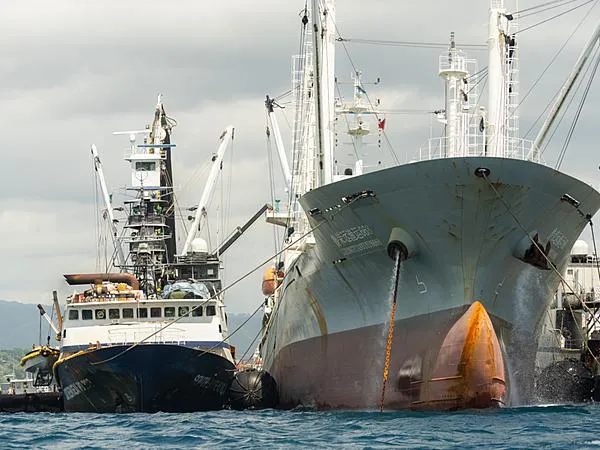
The Pacific Islands Forum Fisheries Agency (FFA) has released a new report examining global tuna markets and trade trends in the Western and Central Pacific Ocean (WCPO), highlighting major shifts in the international tuna industry and their implications for Pacific Island countries and territories.

Titled Tuna Markets and Trade Dynamics: Western and Central Pacific Ocean, the report finds that global tuna markets are undergoing significant change, driven by shifting consumer demand, supply chain disruptions, inflation, geopolitical uncertainty and increasing sustainability requirements.

Funded by the Japan Promotion Fund, the report provides up-to-date market and industry analysis to help FFA members better understand current conditions and emerging trends in the global tuna sector. It underscores the Pacific region’s importance as the source of more than half of the world’s tuna supply, while noting that much of the processing, trading and retail activity continues to take place outside the region, limiting value capture by coastal states.

Covering the period from 2022 to 2025, the report analyses global tuna industry and trade dynamics from the perspective of Pacific Island countries, which supply more than half of the world’s tuna and play a leading role in sustainable fisheries management. It finds that global tuna markets are becoming increasingly competitive and volatile, shaped by shifting consumer demand, rising sustainability and traceability expectations, and external pressures such as climate impacts, fuel and logistics costs, and geopolitical uncertainty.

While large multinational firms continue to dominate processing, branding and retail markets, Pacific Island countries remain the cornerstone of the global tuna industry through their stewardship of WCPO tuna resources and regional management frameworks such as the Vessel Day Scheme.

The report also examines recent industry and trade developments in the WCPO tuna fishery, including the role of major global firms, emerging Asian players, Pacific-led initiatives, and evolving environmental, social and governance (ESG) and trade trends. It notes that Chinese and Philippine companies continue to expand their influence across fishing, processing and trading through vertical integration and strategic investment.

The analysis highlights that Pacific Island countries hold their greatest leverage at the point of resource ownership and access, where regional cooperation has successfully secured value from the fishery with relatively low risk. It cautions that expanding into harvesting and onshore processing can expose countries to high commercial and financial risks in a highly competitive global value chain, particularly where scale, market access and branding power are limited.

Instead, the report points to Pacific-led pathways that build on existing strengths, including sustainability leadership, traceability and strategic market engagement, as more effective approaches to increasing economic returns, strengthening bargaining power and supporting long-term development outcomes for Pacific peoples.

FFA Director-General Noan David Pakop said the report underscores the importance of evidence-based decision-making.

“These insights help our members understand how global developments are shaping the Pacific tuna industry,” Pakop said. “They support better planning to manage risks, identify opportunities and secure long-term economic benefits from sustainably managed tuna resources.”

The report provides valuable context for policymakers, fisheries managers and industry stakeholders as the region responds to a rapidly changing global seafood market while safeguarding tuna stock sustainability. It builds on earlier FFA market studies and supports regional initiatives such as the East New Britain Initiative.

The publication forms part of FFA’s ongoing work to provide members with timely market intelligence and practical analysis to strengthen the region’s collective position in global tuna trade.

Get full report here: https://www.ffa.int/download/tuna-industry-and-trade-dynamics-and-the-western-and-central-pacific-ocean/?fbclid=IwY2xjawPvkF5leHRuA2FlbQIxMABicmlkETFWVHM4OEVoZ2N6d1VDSlNwc3J0YwZhcHBfaWQQMjIyMDM5MTc4ODIwMDg5MgABHt4Ed08i6L_j7T5NpUieXKfYmSYn1_IyGtrGzCpgKnkgCVGLoshqyyKPz9Rx_aem_U28Q4fR4INPwUVGzC4d08g

February 04, 2026

In a move to strengthen local resilience, the Ministry of Finance and Economic Development on 28 January officially launched Phase 2 of the UNDP-Gov4Res Small Grants Initiative, with financial support from the New Zealand government.

Under the initiative, three civil society organisations were each awarded US$13,300 to implement community-based projects. The inaugural recipients are Live & Learn, the Fuligafou Youth Association and FatuLei (Women for a Change).

The organisations were selected following a rigorous consultation process involving key stakeholders. A technical working group comprising government partners, the Tuvalu Association of Non-Governmental Organisations and development partners was established to ensure funding is directed to projects with the greatest community impact.

The initiative provides direct financial support to local organisations to implement small-scale, climate-resilient and sustainable development programmes. These include community agriculture projects and governance-strengthening activities tailored to the specific needs of Tuvaluan communities.

The launch event, attended by government officials, civil society organisations and international development partners, marked the culmination of extensive collaboration aimed at empowering grassroots initiatives.

Delivering the keynote address, Secretary for Finance and Economic Development Nuausala Nuausala said the launch demonstrated the value of strategic decision-making, coordination and partnerships.

“The challenges we face are too great for one entity to solve alone. This is why partnership is our greatest asset,” Nuausala said. “By aligning the goals of government, development partners and civil society organisations, we create a unified platform for sustainable progress.”

He said the selection of the first three recipients reflects a deliberate strategy to support diverse sectors of society, including youth and women, to promote inclusive national development.

Speaking on behalf of the recipients, Live & Learn representative Setima Pita expressed gratitude to the government and its development partners, saying the initiative was more than financial support.

“This platform is more than just a financial boost; it is a vital bridge to the people,” Pita said. “Implementing these programmes is essential for our future, and their success depends on collaboration and teamwork. This funding allows us to reach deep into our communities and create lasting change together.”

The Ministry of Finance and Economic Development reaffirmed its commitment to monitoring grant implementation, sharing information and ensuring that the spirit of cooperation demonstrated at the launch continues throughout the project period.

February 04, 2026

Minister for Agriculture and Livestock Development Franklyn Derek Wasi has announced ambitious national targets to revitalise the poultry industry in the Solomon Islands.

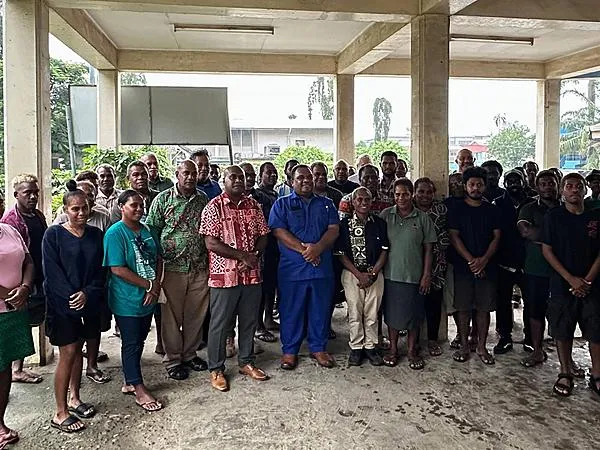
Wasi outlined the targets while delivering opening remarks at a consultation meeting with local poultry farmers, emphasising the ministry’s commitment to addressing key challenges and promoting sustainable growth in the sector.

While acknowledging the efforts of local producers, Wasi said poultry farmers continue to face significant constraints, particularly the high cost of feed and the unreliable supply of day-old chicks.

“I understand that the biggest challenges you face are the high cost of feed and the unreliable supply of day-old chicks. These challenges place you at a disadvantage and make it difficult to compete with cheaper imported eggs and poultry products,” Wasi said.

National poultry industry targets

The Ministry of Agriculture and Livestock Development (MALD) aims to achieve the following targets within the next three years:

  • Establishment of a new hatchery at KGVI Farm with a capacity of 10,000 eggs, supported by the Food and Agriculture Organization and the European Union.

  • Procurement of mini feed mills to enable local production of poultry and piggery feed.

  • Development of 100 hectares of maize and corn farms on Guadalcanal to supply raw materials for domestic feed production.

  • Establishment of the Solomon Islands’ first commercial feed mill for poultry and piggery.

  • Establishment of the country’s first parent flock breeding centre to locally produce fertile eggs.

  • Distribution of 20,000 birds to 20 selected farmers this year, including feed and essential farm equipment.

  • Major infrastructure investments, including a World Bank-funded slaughterhouse nearing completion at KGVI Farm, as well as plans to acquire animal transport trucks and a mobile slaughter unit to support farmers outside Honiara.

Wasi said the initiatives are expected to significantly increase domestic egg and poultry production, with a target to reduce retail prices to SBD25 per tray of eggs and SBD50 per whole chicken by the end of this year or early next year.

He said achieving these targets would enable the government to introduce higher taxes on imported poultry products and, in the longer term, impose import restrictions.

The strategy also promotes the establishment of poultry cooperatives to improve organisation, marketing and long-term sustainability.

Wasi stressed the importance of strong collaboration between MALD and poultry farmers, particularly accountability among those who have previously received government support.

“Together, we will rebuild the poultry industry into a vibrant, profitable and affordable sector that improves livelihoods and strengthens food security in the Solomon Islands,” he said.

During the consultation, farmers shared experiences operating farms with flock sizes ranging from 1,000 to 5,000 birds. Key challenges raised included high feed costs, unreliable chick supply, limited veterinary services, inadequate farm infrastructure and high bird mortality rates. Farmers also expressed concern about the impact of cheaper imported eggs and poultry products on local production and incomes.

Wasi said future ministry support would prioritise committed poultry farmers to ensure a reliable supply and sustainable industry growth.

In closing, he urged all past recipients of Solomon Islands Government support to submit reports detailing how previous funding was used.

“If past recipients wish to be considered for further funding, you must first submit reports on how previous assistance was utilised. Without this, MALD will not consider you for additional support,” he said.

MALD Permanent Secretary Dr. Samson Viulu assured farmers their concerns have been incorporated into the National Poultry Strategy 2026–2028.

The ministry reaffirmed that collaboration, accountability and continued engagement with farmers remain central to building a resilient and sustainable poultry industry in the Solomon Islands.

February 03, 2026

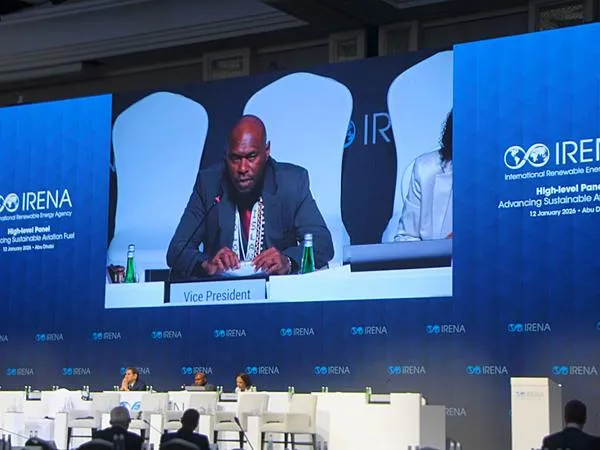
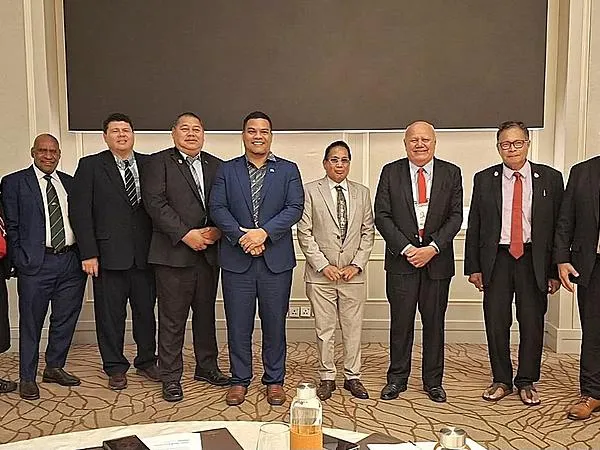
Solomon Islands has been elected as Vice President for the Asia-Pacific Group at the 16th Assembly of the International Renewable Energy Agency (IRENA), recently held in Abu Dhabi, United Arab Emirates. The position was previously held by the UAE during the last Assembly.

The Minister for Mines, Energy and Rural Electrification, Derek Rawcliffe Manu’ari, expressed gratitude for the strong support and confidence placed in Solomon Islands to represent the highly diverse Asia-Pacific region.

“While Solomon Islands is a Small Island Developing State in the Pacific, we look forward to working closely with all Member States to ensure that energy transition pathways are just, inclusive and seamless—pathways that put people first and respond to the renewable energy needs of SIDS within their unique development contexts,” said Manu’ari.

He further highlighted that for Solomon Islands and other Pacific Small Island Developing States (SIDS), the energy transition goes beyond decarbonisation.

“It is about survival, resilience and dignity. A just transition means affordable access to energy, stronger and more empowered communities and resilient energy systems capable of withstanding the impacts of future cyclones,” Manu’ari added.

As Vice President, Solomon Islands will consult and coordinate with Asia-Pacific Member States on matters relating to IRENA’s work, ensuring that issues are addressed constructively and in the best interests of all Members. The Vice Presidency is a rotational role that provides guidance and support to the IRENA Secretariat, Council and Member States.

A key focus during Solomon Islands’ tenure will be the withdrawal of the United States from IRENA, a development expected to influence the Agency’s work programme and budget. Manu’ari stressed that support for SIDS must remain a priority and any revisions to the work programme or budget should not undermine assistance to these nations.

On the sidelines of the Assembly, Manu’ari also chaired a High-Level Panel discussion on “Advancing Sustainable Aviation Fuel through Partnership and Finance,” underscoring the critical role of collaboration and investment in accelerating sustainable solutions within the aviation sector.

The election of Solomon Islands as Vice President reflects its growing role in international renewable energy governance and its commitment to advocating for inclusive and resilient energy transitions that meet the unique needs of Small Island Developing States.

February 03, 2026

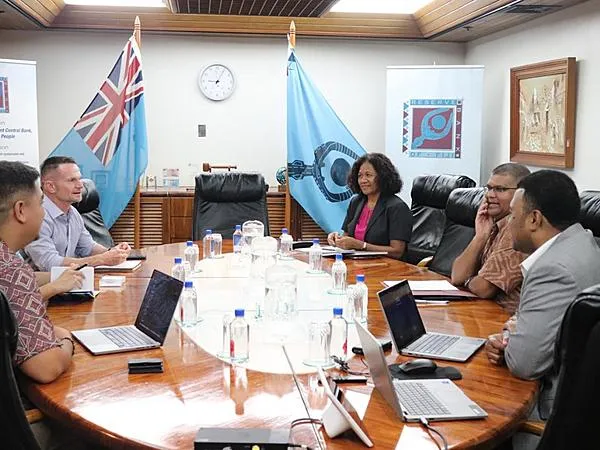
The Pacific Sustainable Development Initiative (PSDI) Financing Growth team visited Fiji to assist the Government of Fiji in implementing the Access to Business Funding (A2BF) Act 2025, a groundbreaking legislative framework designed to facilitate innovative financing mechanisms including small offers, peer-to-peer (P2P) lending, and crowdfunding.

A significant highlight of the visit was the official launch of a Request for Proposals (RfP) seeking a company or consortium to develop and operate Fiji’s first P2P lending platform. P2P lending leverages technology to provide an alternative lending approach that reduces or removes collateral requirements, thereby increasing financial access for micro, small, and medium-sized enterprises (MSMEs) that often face challenges obtaining traditional financing.

The RfP was launched jointly by the Ministry of Commerce and Business Development and the Reserve Bank of Fiji at a press conference, marking a crucial step towards bringing the new law into practical operation.

During their visit, PSDI facilitated a knowledge-sharing exchange with senior representatives from MicroLeap, a Malaysian P2P lending provider with experience in markets similar to Fiji. The MicroLeap team engaged with key stakeholders including the Ministry of Commerce and Business Development, Ministry of iTaukei Affairs, and the Fiji Investment Corporation to explore how P2P lending could complement government assistance programs that provide substantial grant funding to targeted sectors.

MicroLeap also held two separate sessions with MSMEs, MSME support organizations, and business development service providers. These interactive sessions aimed to familiarize the local business community with the benefits of P2P lending and how it could improve their access to capital.

Additionally, the MicroLeap team collaborated with the Reserve Bank of Fiji to review draft regulations and guidelines for P2P lending, sharing insights on best practices from Malaysia as well as potential regulatory challenges to consider in Fiji’s context.

PSDI further participated in the fourth A2BF Act implementation task force meeting, providing updates on regulatory developments for P2P lending and equity crowdfunding, and discussing plans to create a startup support package for the successful P2P lending platform operator.

PSDI is proud to partner with the Ministry of Commerce and Business Development and the Reserve Bank of Fiji in advancing the implementation of the Access to Business Funding Act and expanding equitable access to finance for Fijian businesses, driving economic growth and entrepreneurship across the country.

February 03, 2026

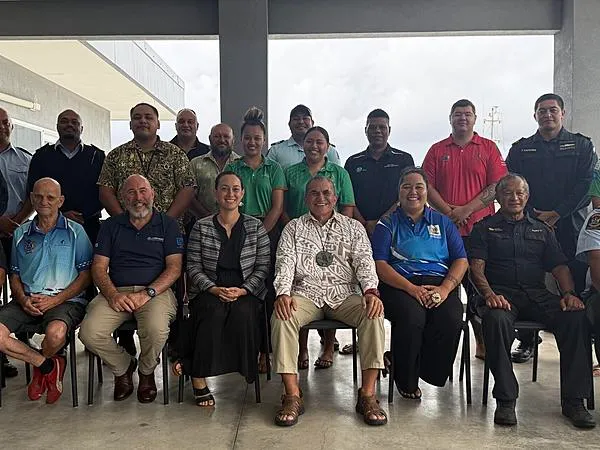
The Government of the Cook Islands in Febuary 2026 officially opened the IORIS Foundational and Leadership Training, a comprehensive two-week programme designed to enhance national maritime security capabilities, strengthen inter-agency coordination, and improve information-sharing across government departments.

Delivered under the European Union-funded CRIMARIO (Critical Maritime Routes Indo-Pacific) project, the training focuses on the use of IORIS—a secure, web-based platform that facilitates real-time coordination and intelligence sharing between national and regional agencies involved in maritime security.

Participation in IORIS reflects the Cook Islands’ commitment to regional security frameworks and declarations that prioritise cooperation, interoperability, and collective responses to transnational maritime threats spanning the Pacific and Indo-Pacific regions. This initiative also directly supports key objectives within the Cook Islands National Security Policy, especially the protection of the country’s expansive Exclusive Economic Zone (EEZ) and strengthening whole-of-government operational coordination.

At the opening ceremony, Chief of Staff of the Office of the Prime Minister, Karopaerangi Ngatoko, underscored the value of modern technology and skills in addressing increasingly complex maritime security challenges.

“This training is a direct investment in our national security capability,” said Ms Ngatoko. “IORIS equips our agencies with contemporary tools and techniques to share information more effectively, coordinate responses swiftly, and keep pace with evolving maritime risks. The Office of the Prime Minister remains firmly committed to supporting our law enforcement partners and stakeholders in safeguarding the Cook Islands EEZ against both internal and external threats. We deeply value partnership, coordination, and readiness, and see this training as a meaningful investment in all three.”

The Cook Islands was first introduced to the IORIS platform in 2023 through training hosted by the Pacific Fusion Centre in Vanuatu. Since then, the Office of the Prime Minister has facilitated the platform’s adoption across nine government agencies, with nineteen registered users nationwide. Additionally, Cook Islands agencies have participated in regional tabletop exercises utilizing IORIS alongside partners from the Pacific and Latin America.

The current Foundational and Leadership courses aim to develop advanced users and national administrators, enabling Cook Islands agencies to manage country-specific coordination areas within IORIS and provide ongoing technical support to users.

The Government expressed appreciation for the continued support of the CRIMARIO project, which has provided the IORIS platform to the Cook Islands at no cost, along with sustained training and technical assistance through the IORIS Instructor and Pacific Lead role.

Special thanks were extended to the Cook Islands Police Service and Customs Service for co-hosting the training sessions, as well as to the Heads of Agencies who nominated participants for the programme.

This training reinforces the Cook Islands’ dedication to collaborative governance and regional partnerships aimed at safeguarding maritime security and protecting the nation’s vital interests in the Indo-Pacific.

February 03, 2026

Vanuatu has taken a significant step in strengthening its tourism and aviation links with New Zealand, following the announcement of expanded year-round direct services to Port Vila by Solomon Airlines. The Vanuatu Tourism Office (VTO) has welcomed the development, describing it as a major boost for air connectivity and the national tourism industry.

From 1 July 2026, Solomon Airlines will launch a new direct Christchurch–Port Vila service, operating twice weekly on Thursdays and Sundays. This marks the first-ever direct air link between New Zealand’s South Island and Vanuatu, opening an important new source market and making the destination more accessible to South Island travellers seeking a tropical Pacific getaway.

In addition, Solomon Airlines will introduce a fourth weekly service from Auckland to Port Vila from the same date. Together, these expansions will deliver a total of six direct flights per week from New Zealand—four from Auckland and two from Christchurch—significantly increasing capacity and travel choice for visitors.

Under the new schedule, Auckland–Port Vila services will operate on Mondays, Wednesdays, Fridays and Saturdays, with return flights departing Port Vila on Tuesdays, Thursdays, Fridays and Sundays. Christchurch–Port Vila flights will depart Christchurch on Thursdays and Sundays, with return services from Port Vila on Wednesdays and Saturdays.

The expanded services will provide approximately 900 seats per week, equating to around 46,800 seats annually. This represents a substantial increase from 17,400 seats in 2025 and creates strong growth opportunities for accommodation providers, tour operators, transport services and the wider tourism sector.

Vanuatu Tourism Office Chief Executive Officer, Mrs Adela Issachar Aru, said the announcement represents a major milestone for the destination.

“We are delighted to support Solomon Airlines as they continue to invest in the New Zealand market,” Mrs Issachar Aru said. “The launch of direct services from Christchurch and the increased frequency from Auckland significantly strengthen access to Vanuatu and support long-term tourism growth. This expanded connectivity opens new markets, particularly from the South Island, and supports increased visitation across leisure, family and adventure travel segments.”

She added that improved air access also presents strong commercial opportunities for both New Zealand and Vanuatu tourism businesses.

“With six direct services per week, Vanuatu is now easier to sell than ever before. This creates strong opportunities for our local operators, resorts, guides and transport providers to capture increased demand,” she said.

To support the growth in connectivity, the Vanuatu Tourism Office will roll out a comprehensive famil programme throughout 2026, enabling New Zealand travel agents to experience the destination first-hand. The programme will showcase Vanuatu’s accommodation offerings, attractions, cultural experiences and culinary landscape, helping to drive bookings and encourage longer stays.

The new Vanuatu Industry Training Platform will also be launched in February 2026 to ensure travel agents are well equipped to confidently sell the destination. These initiatives will be complemented by trade engagement, cooperative marketing campaigns and ongoing training support.

The increased capacity underscores Vanuatu’s commitment to strengthening its presence in the New Zealand market and driving sustainable tourism growth that delivers lasting benefits for local communities and businesses across the country.

February 03, 2026

The Vanuatu Tourism Office (VTO) has extended its warm congratulations to the Government of Vanuatu and Air Vanuatu Operations Limited following the successful arrival of a new Twin Otter aircraft, a milestone expected to significantly strengthen domestic connectivity and tourism across the country’s 83 islands.

The addition of the Twin Otter to the national carrier’s fleet marks a major step forward for domestic aviation, promising more reliable and frequent inter-island services. Renowned for its versatility and ability to operate in challenging conditions, the aircraft directly addresses long-standing connectivity gaps, particularly for outer island communities.

The new aircraft, registered YJ-AV15 and named Vanua Endeavour, represents a strategic investment in the people of Vanuatu, supporting economic growth, infrastructure resilience and equitable access to opportunities nationwide. Improved domestic air services will enhance access to essential services, support cargo transport, and enable stronger links between communities.

Vanuatu Tourism Office Chief Executive Officer, Mrs Adela Issachar Aru, described the arrival as a turning point for the tourism sector.

“For tourism, this is a game-changer,” Mrs Aru said. “Reliable domestic air travel is the backbone of visitor dispersal. This Twin Otter provides the essential capacity to welcome more guests to our iconic destinations and to introduce them to the untouched beauty and authentic cultural experiences of our outer islands. It allows us to truly deliver on the promise of an 83-island adventure.”

Strengthening domestic connectivity is also critical to rebuilding traveller confidence. With a more dependable and expanded fleet, visitors can plan and book multi-island journeys with greater certainty. This reliability supports seamless itineraries, encourages longer stays, and helps spread tourism benefits more evenly across the country, boosting local businesses and provincial economies.

The VTO highlighted that the arrival of the Twin Otter will:

  • Empower communities by improving essential travel, access to services and cargo transport for Ni-Vanuatu across the archipelago.

  • Diversify tourism by enabling sustainable growth beyond Port Vila and Santo and promoting regional economic development.

  • Support industry partners by providing tour operators, travel agents and accommodation providers with predictable flight schedules to build and market attractive travel packages.

  • Drive national growth through improved connectivity that directly contributes to Vanuatu’s broader economic and social development goals.

The Vanuatu Tourism Office commended the Government and Air Vanuatu Operations Limited for this forward-looking investment and reaffirmed its commitment to working closely with key partners, including Airports Vanuatu Limited (AVL), the Civil Aviation Authority of Vanuatu (CAAV), and the Department of Tourism.

As Vanuatu looks ahead, the strengthened domestic aviation network signals a future where every island is within reach—supporting a more inclusive, resilient and truly multi-destination tourism industry.

February 03, 2026

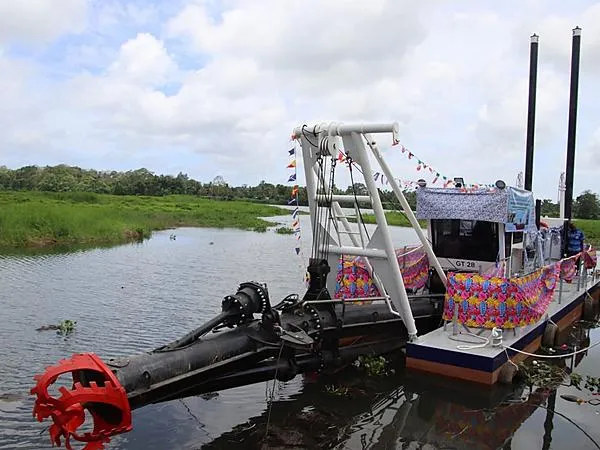
The Government of Japan has officially handed over a dredger to Fiji’s Ministry of Agriculture, Waterways and Sugar Industry, strengthening the country’s flood mitigation capacity and long-term climate resilience. The handover ceremony took place at the Ministry’s Luvuluvu Station in Nausori.

Officiating at the event, the Counsellor and Deputy Head of Mission of the Embassy of Japan to Fiji, Mr. Isami Takada, said the dredger—funded under Japan’s Grant Aid for Economic and Social Development—represents a strategic shift from disaster response to long-term resilience building.

Takada noted that in 2020, Japan pledged disaster risk reduction equipment valued at JPY 848 million to support Fiji. This package includes tsunami early warning systems, an ice-making plant already handed over in Lautoka, and the newly delivered dredger. The tsunami early warning systems are expected to be provided soon to Fiji’s National Disaster Management Office.

He emphasised that the dredger will play a critical role in reducing flood risks by improving drainage systems and river mouths, protecting farmland from siltation and waterlogging, and ensuring safer navigation along coastal and river routes. These outcomes, he said, will help safeguard livelihoods before, during and after disaster events.

Receiving the dredger, the Minister for Agriculture, Waterways and Sugar Industry, Tomasi Tunabuna, described the handover as another milestone in the strong and enduring partnership between Fiji and Japan.

He highlighted that between 2020 and 2025, the Ministry has received excavators, wheel loaders and dump trucks through Japan’s Grant Assistance for Grassroots Human Security Projects. These assets are now actively supporting rural and maritime communities across the country.

Minister Tunabuna underscored Fiji’s vulnerability to climate change and recurring floods, which continue to threaten infrastructure, livelihoods and national food security. He said the newly handed-over dredger will be a key asset in clearing silted waterways, increasing river discharge capacity, and protecting agricultural land and nearby communities.

Reaffirming the deep Kizuna—or bond—between Fiji and Japan, Minister Tunabuna assured that the dredger will be properly used and maintained to ensure long-term benefits for all Fijians.

February 03, 2026

Fiji has reinforced its growing influence in the global aviation arena with its participation in the Changi Aviation Summit, currently underway in Singapore from 1–3 February. The Deputy Prime Minister and Minister for Tourism and Civil Aviation, Hon. Viliame Gavoka, is representing Fiji at the high-level gathering following an invitation from Singapore’s Minister for Transport. The Summit is organised by Singapore’s Ministry of Transport.

The Changi Aviation Summit has drawn more than 400 participants, including aviation ministers, directors-general, chief executives and senior industry leaders from around the world. Pacific Island countries are strongly represented, reflecting the region’s increasing engagement in global aviation dialogue and policy development.

On the sidelines of the Summit, Hon. Gavoka held discussions with aviation ministers from Pacific Small Island States as well as the President of the International Civil Aviation Organization (ICAO) Council, Mr. Toshiyuki Onuma. Talks focused on strengthening regional air connectivity, preparations for the 4th Regional Aviation Ministers Meeting, and shared challenges facing Pacific aviation, particularly in the areas of resilience, sustainability and capacity building.

Hon. Gavoka also participated in a ministerial-level panel discussion titled “Creating Growth in a Disruptive World: Opportunities, Challenges, and Collaboration,” alongside international aviation leaders. During the session, he outlined Fiji’s strategic vision for aviation as a critical economic lifeline, underpinning tourism, trade and regional integration. He emphasised the need to maintain reliable regional access while building operational resilience in the face of global disruptions.

A key focus of Hon. Gavoka’s intervention was environmental sustainability. He highlighted the importance of sustained technical and financial assistance to support the development and adoption of Sustainable Aviation Fuel (SAF) across the Pacific. He noted that SAF presents a crucial opportunity for Small Island Developing States to address climate change impacts while safeguarding the long-term viability and affordability of air services.

Fiji’s engagement at the Changi Aviation Summit underscores its commitment to collaborative solutions and leadership in advancing a resilient, connected and sustainable aviation sector for the Pacific region and beyond.

January 30, 2026

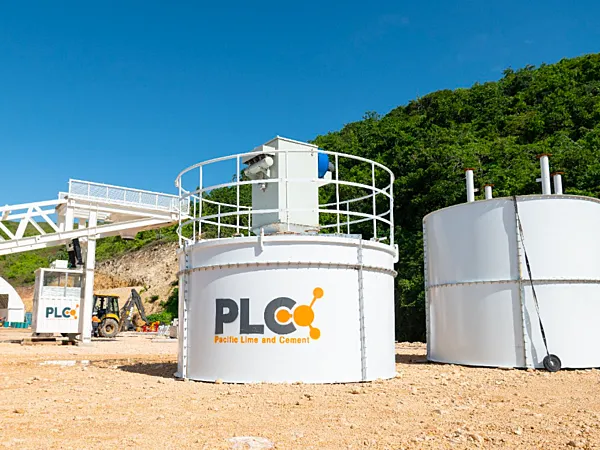
Pacific Lime and Cement Limited has reported progress on its December 2025 Quarterly Activities and Cash Flow, confirming that its Central Lime Project (CLP) in Central Province remains on schedule and within budget. The company continues to target first production within its planned 18-month development window, aiming for early 2027.

Quarterly Activities and Cash Flow Overview

During the quarter, construction momentum accelerated across civil works, access infrastructure, wharf works, camp and support facilities, and early kiln foundation preparation. Physical progress remains marginally ahead of baseline, with forecast costs tracking in line with the approved budget. The company reported no lost-time injuries during the quarter.

Key highlights for the December 2025 quarter include:

  • CLP Construction on Schedule: Bulk earthworks, drainage, platform formation, and kiln foundation preparation advanced well. Geotechnical investigations were completed, and foundation drawings were issued to allow procurement of reinforcing steel and formwork.

  • Access Road and Bridges: Construction progressed materially on the 27.6-kilometre road linking the project to Port Moresby. Reinforced concrete culverts were installed, two modular steel bridges were procured for river crossings, and bridge abutment installation is scheduled for early 2026.

  • Wharf Development: Stage 3 of the dedicated wharf progressed into procurement as the design reached substantial completion. The port remains operational and able to accept vessels during construction.

  • Heavy Equipment Mobilisation: 30-tonne and 150-tonne cranes arrived on site, supporting piling, batch plant, and foundation works. A concrete batch plant was delivered and assembly commenced, alongside fuel storage, power generation units, and a mobile fleet workshop.

  • Camp and Support Infrastructure: Stage 2 modular accommodation mobilisation continued, and office, kitchen, and laundry facilities advanced. Camp foundations were completed ahead of installation.

Commercial and Strategic Progress

The company delivered quicklime to Western Australian gold producers via its newly established logistics hub, demonstrating early operational capability. Pacific Lime also formalised its Project Development Agreement (PDA) with the Government of Papua New Guinea at PNG Investment Week and entered a strategic partnership with the International Finance Corporation (IFC) to advise on technical, commercial, and ESG aspects of the Central Cement Project.

A strategic partnership with PowerChina (SinoHydro) was signed to accelerate development of the Orokolo Bay Industrial Sands Project (magnetite). The company also advanced renewable energy initiatives, including feasibility studies for a solar photovoltaic and battery storage system in PNG, supporting its broader low-carbon strategy for the construction, mining, and resources sectors.

Pacific Lime commenced trading on the PNG Stock Exchange in December 2025 under the ticker “PLC,” expanding access to local investors.

Cash Flow and Financial Position

While the company did not disclose exact cash flow figures in the quarterly report, PLC confirmed that project expenditure remained within the approved budget and that forecast costs for the CLP are aligned with financial planning. Disciplined risk and opportunity management, local workforce deployment, and improved logistics coordination have underpinned construction efficiency and financial control.

Outlook

Early-2026 priorities include completion of Kiln 1 foundations and upper concrete structures, continued road and bridge construction, and assembly of batch plants and heavy lifts. The Central Lime Project continues to integrate a quicklime plant, international wharf, quarry, and supporting infrastructure. Pacific Lime remains committed to community engagement and internationally recognised Environmental, Social, and Governance (ESG) standards.

The company aims to deliver high-quality, lower-cost, and sustainable building materials for Papua New Guinea and the wider Asia-Pacific region while maintaining a disciplined, on-budget development schedule.

January 30, 2026

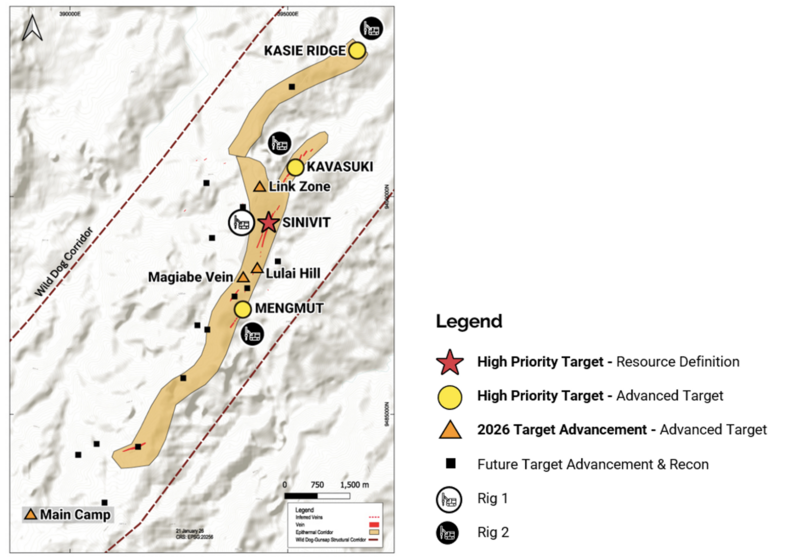
Great Pacific Gold Corp. has reported further high-grade drilling results from its flagship Wild Dog Project on New Britain Island, East New Britain Province, Papua New Guinea. The company also outlined an extensive district-scale 2026 exploration programme designed to expand and define gold mineralisation across the 15-kilometre Wild Dog Structural Corridor.

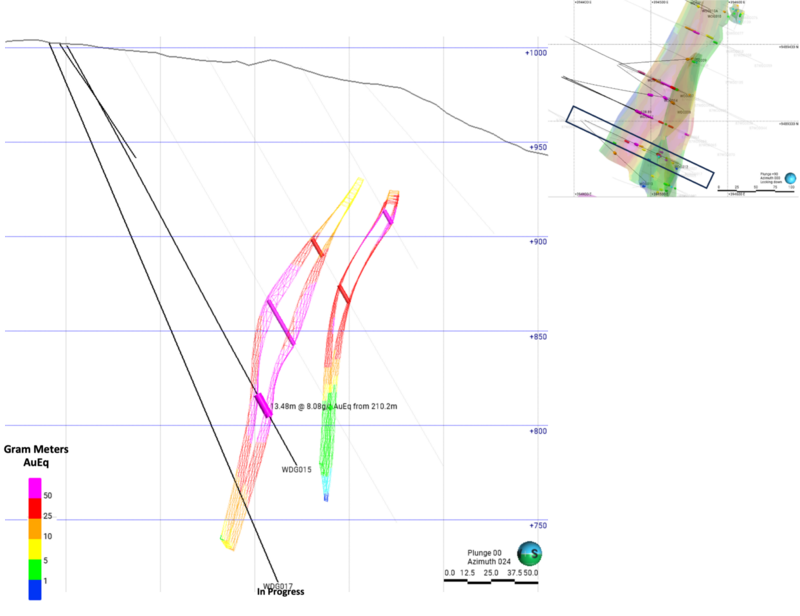
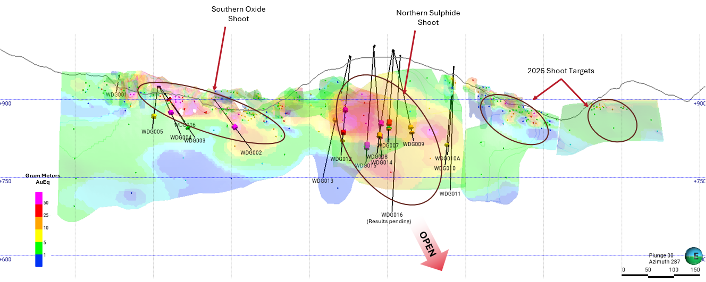
Diamond drilling at the Sinivit target commenced in May 2025 with a single drill rig. Sixteen holes were completed over 3,000 metres, defining two high-grade shoots: the Southern Oxide Shoot and the Northern Sulphide Shoot. Previous results from holes WDG-01 to WDG-14 included 8.4 metres at 50.1 grams per tonne (g/t) gold equivalent (AuEq) and 9.5 metres at 13.75 g/t AuEq, confirming the potential for high-grade epithermal mineralisation at depth.

The latest results from hole WDG-15 in the Northern Sulphide Shoot returned 13.48 metres at 8.08 g/t AuEq from 210.22 metres, including a 4.50-metre interval at 14.62 g/t AuEq. This intercept lies approximately 50 metres below the deepest previously drilled hole, confirming the continuity of the system at depth. Drilling of hole WDG-17 is underway, extending the Northern Sulphide Shoot by a further 50 to 60 metres below WDG-15.

The company has completed expansion of the Wild Dog camp and supporting infrastructure to accommodate increased drilling activity. A second diamond drill rig is scheduled to arrive in early February, allowing simultaneous testing of multiple targets along the 15-kilometre corridor, including Kasie Ridge, Kavasuki, and Mengmut.
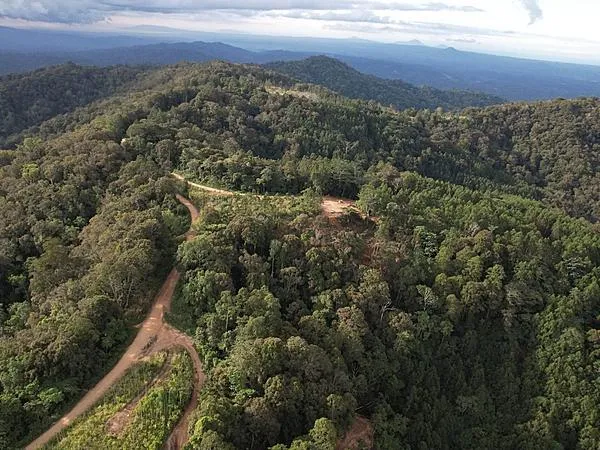
Kasie Ridge, located at the northern end of the corridor, is a high-priority target defined by a 400–500-metre wide advanced argillic lithocap. Integration of MobileMT geophysics and high-resolution LiDAR has identified a large-scale high-sulphidation epithermal target beneath the lithocap, suggesting potential for a new district-scale discovery.

Kavasuki, approximately one kilometre north of Sinivit, is a known epithermal vein system with historical drilling and trenching demonstrating high-grade gold mineralisation over a 900-metre strike. Previous shallow drilling returned intercepts of 15.6 metres at 2.5 g/t Au and 17.2 metres at 5.8 g/t Au, with trenching extending mineralisation over 3.5 kilometres. The system remains open at depth and along strike.

Mengmut, 1.5–2.0 kilometres south of Sinivit, exhibits high-grade surface geochemistry and potential for a Sinivit-style discovery. Historic mapping and trenching identified gold grades up to 19.1 g/t Au with associated copper, highlighting continuity beyond surface samples and confirming its priority for follow-up drilling.

The 2026 programme will continue to focus on expansion of the Southern Oxide and Northern Sulphide shoots at Sinivit, while systematically testing district-scale targets along the corridor. Rig 1 will advance drilling at Sinivit and nearby high-priority targets, while Rig 2 will undertake first-pass reconnaissance at Kasie Ridge, Kavasuki, and Mengmut. The exploration strategy is designed to rank and test high-priority targets sequentially, while advancing earlier-stage targets through parallel evaluation.

Since the start of the programme in May 2025, Great Pacific Gold has completed 16 drill holes at Sinivit, with hole 17 in progress. The results support continued high-grade gold potential at depth and along strike and reinforce the project’s district-scale exploration potential.

For further details, visit gpacgold.com.
 

January 29, 2026

Technology and communications specialist TE (PNG) Limited has achieved a national first, receiving Papua New Guinea’s inaugural approval from the National Information and Communications Technology Authority (NICTA) to trial a fixed land OneWeb Low Earth Orbit (LEO) satellite service in Port Moresby. Live testing has now commenced, marking a significant milestone in the evolution of enterprise-grade connectivity across the country.

The approval enables TE PNG to conduct the first fully compliant, in-country OneWeb trial, positioning the company at the forefront of next-generation satellite communications in PNG. The trial is being delivered in partnership with Sat.One, with whom TE PNG has been working since 2022 to introduce OneWeb capabilities to the local market.

Built for Enterprise, Not “Best Effort”

OneWeb operates a global low-Earth-orbit satellite constellation engineered specifically for enterprise and government applications. Unlike consumer-focused LEO services, OneWeb delivers a managed, commercial-grade platform with defined performance profiles, traffic management, and the ability to design resilient, end-to-end enterprise architectures.

Compared to traditional geostationary (GEO) satellite services, OneWeb offers dramatically lower latency and higher responsiveness. More importantly for mission-critical operations, it provides predictability, control, and long-term supportability—attributes essential for sectors such as mining, maritime, aviation, utilities, government, and critical infrastructure, where connectivity reliability is non-negotiable.

Expanding Connectivity Options Across PNG

With NICTA approval now in place, TE PNG is able to design, deploy, and support a broad range of OneWeb solutions nationwide, including:

  • Fixed land OneWeb services for offices, sites, and facilities across Papua New Guinea

  • Mobile land solutions for vehicles and remote operations

  • Maritime OneWeb services for vessels operating within PNG waters

All services will be installed, monitored, and maintained locally by TE PNG as a licensed PNG provider, ensuring compliance, technical accountability, and on-the-ground support.

Industry Collaboration Years in the Making

TE PNG Managing Director Robbie Huxley described the milestone as the culmination of several years of groundwork and collaboration.

“I’ve been working with Sat.One to bring OneWeb services to Papua New Guinea since 2022. It’s incredibly rewarding to now be conducting the first fully fledged, fully approved OneWeb test in-country with the OneWeb team,” Huxley said.

He acknowledged the early foundations laid through previous satellite deployments, including the country’s first use of Kymeta flat-panel antennas for maritime and land-mobile applications using GEO connectivity.

“Daniel Fairbairn and I first met in 2022 to discuss what this could become. That early work laid much of the foundation for what we are doing today,” he said.

More Tools for Better Solutions

Huxley emphasised that OneWeb is not positioned as a replacement for existing services, but as another critical tool in a rapidly diversifying connectivity landscape.

“No single service is a one-size-fits-all answer. OneWeb, like Starlink, Amazon LEO, Intelsat, Digicel, Vodafone, and countless other technologies, simply gives us more options. More options mean we can design the right solution for each customer, rather than forcing every problem into the same box.”

A Step Forward for PNG’s Digital Resilience

The OneWeb trial represents a major step forward for resilient, high-performance connectivity in Papua New Guinea, particularly for organisations operating in remote, mobile, or high-risk environments.

“This is just the beginning,” Huxley said. “The satellite and connectivity landscape is changing rapidly, and we are proud to be part of that change—bringing new technologies and capabilities to PNG so our customers can operate, grow, and connect with confidence.”

As testing progresses in Port Moresby, the trial is expected to inform broader enterprise deployments, reinforcing PNG’s readiness to adopt advanced satellite technologies that support economic growth, national infrastructure, and digital transformation.

January 27, 2026

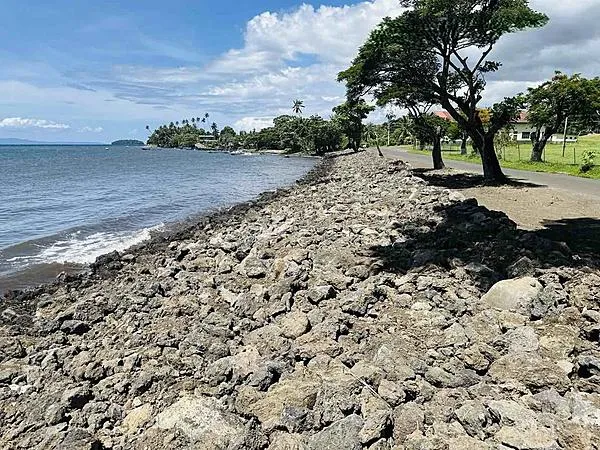
Road upgrade works in parts of Fiji are being supported through climate finance secured under the Duavata Partnership between the Governments of Fiji and New Zealand.

In November 2023, Fiji and New Zealand signed the Country Flexible Finance Partnership Arrangement, providing FJD 27.6 million in budget support for climate-principal projects. These projects, which have a strong focus on climate change response, directly support the implementation of Fiji’s Climate Change Act.

The funds were received in January 2024 and channelled through the national budget to Ministries and Agencies to deliver climate-resilient infrastructure and services across the country.

Across three financial years, five climate-principal projects were supported in 2023–2024, five projects in 2024–2025, and 13 projects have been identified for 2025–2026.

As part of this process, the Ministry of Environment and Climate Change, in consultation with the Ministry of Finance, allocated FJD 3.5 million to the Fiji Roads Authority in 2024–2025 to strengthen the climate resilience of key road infrastructure. Of this, FJD 2 million was used for capital upgrade works at several locations, including the South Coastal Road at the Holy Cross College frontage in Wairiki, the South Coastal Road at the South Taveuni Primary School frontage, Biana Road, Nabukelevu Road, and sections of roads in Sigatoka, Nadi, Ba and Tavua.

Minister for Environment and Climate Change, Hon. Lynda Tabuya, who serves as the Pacific Political Champion on Climate Finance, said she will continue to advocate for climate finance that is accessible, flexible and directly responsive to the needs of Pacific communities.

“This is a clear example of how climate finance is being translated into practical improvements that protect communities, schools and critical transport links from increasing climate impacts,” Hon. Tabuya said.

The Ministry of Environment and Climate Change continues to work closely with development partners and national agencies to ensure that climate finance delivers real benefits to the people of Fiji.

January 26, 2026

Lion One Metals Limited  has entered into a subscription agreement with Arete Capital Advisory Pty Ltd, a specialist mining investment syndicate, marking a major strategic partnership for the company’s Tuvatu Gold Mine in Fiji.

Under a non-brokered private placement, Arete has agreed to acquire 44,264,800 units at $0.34 per unit, generating gross proceeds of $15.05 million for Lion One. Each unit comprises one common share and one common share purchase warrant, exercisable at $0.39 for three years. The investment represents approximately 9.9 per cent of Lion One’s outstanding shares on a pro forma basis and carries a 16.4 per cent premium to the 20-day volume-weighted average price on the TSX Venture Exchange.

The arrangement also establishes a broader strategic collaboration. Upon closing, Lion One and Arete will enter an investor rights agreement and a master services agreement. Arete will provide management services for the operation of the Tuvatu Gold Mine, acting as operator under the oversight of Lion One’s board of directors. The master services agreement has an initial five-year term, with extension options, and includes performance incentives and share-based compensation.

Lion One Chairman and President Walter Berukoff said the partnership strengthens the company’s growth prospects.

"I look forward to welcoming Arete as a new shareholder and strategic partner of Lion One," Berukoff said. "Arete’s decision to make a cornerstone investment in the Company reflects the quality, scale potential and strategic relevance of our Tuvatu Gold Mine in Fiji. With the benefit of Arete’s technical engagement through the MSA, Lion One will be positioned to systematically advance Tuvatu and build long-term value for shareholders."

Campbell Olsen, representing Arete, said the investment reflects the mine’s potential.

"We are delighted to become a long‑term strategic partner to Lion One at this pivotal stage in the evolution of the Tuvatu Gold Mine," Olsen said. "In our view, Tuvatu is a rare, high‑grade alkaline gold system with district‑scale potential, established infrastructure and a pipeline of targets across the broader Navilawa Caldera that together offer a compelling platform for production growth and resource expansion. We see many investment options and projects globally every year and we believe this ranks amongst the best opportunities ever reviewed."

Olsen added that Arete’s experience in operational, technical and financial management of mid-tier gold assets will help unlock incremental value at Tuvatu through disciplined mine optimisation, targeted capital investment and data-driven exploration.

Proceeds from the offering will be used for general corporate purposes and to support debt restructuring. The closing of the placement remains subject to regulatory approvals, including conditional approval from the TSX Venture Exchange, and the issued shares and warrants will be subject to a statutory hold period of four months and one day.

The Tuvatu Gold Project is a 100 per cent Lion One-owned, high-grade alkaline gold system located on Viti Levu, Fiji, close to Nadi International Airport and port facilities. The project centres on an underground mine and processing plant within the Navilawa Caldera and is being advanced as a low-cost operation with significant potential for production growth and exploration across multiple mineralised zones.

Headquartered in North Vancouver, Canada, Lion One Metals operates the Tuvatu Alkaline Gold Project in Fiji. The company’s operations include the underground mine, pilot plant, assay laboratory, and extensive exploration licenses across the Navilawa Caldera.

Arete is a specialist mining investment and operating group focused on high-quality mid-tier gold and base metal assets. Led by CEO Campbell Olsen, Arete provides operational, technical and financial expertise to optimise mining assets and deliver long-term shareholder value.

January 26, 2026

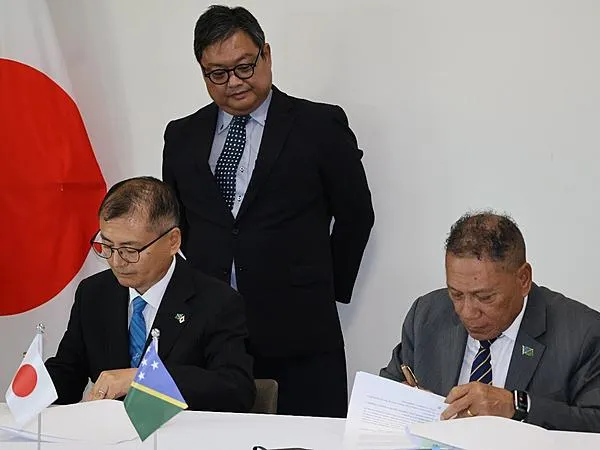
The Government of Solomon Islands has exchanged notes and signed two grant agreements with the Government of Japan under the Economic and Social Development Programme, supporting key projects in waste management and forestry.

Minister for Foreign Affairs and External Trade Peter Shanel Agovaka signed the agreements with the chargé d’affaires of the Embassy of Japan, Maruo Katsumasa, and the resident representative of the Japan International Cooperation Agency (JICA) Solomon Islands Office, Kawasaki Mitsuyoshi.

The grants will benefit the Ministry of Environment, Climate Change, Disaster Management and Meteorology and the Ministry of Forestry and Research.

Waste management support

The first grant, valued at 147 million Japanese yen, or about SBD 8.2 million, will strengthen the capacity of the environment ministry through the provision of waste treatment equipment.

Agovaka said the support would enhance national efforts to address waste management challenges, protect public health and safeguard the environment.

He also acknowledged the continued assistance of JICA through its regional initiative, the Promotion of Regional Initiative on Solid Waste Management in Pacific Island Countries, known as J-PRISM Phase 3.

The new project will complement J-PRISM Phase 3 and further strengthen environmentally sound waste management practices across Solomon Islands, the minister said.

Forestry and sawmill project

The second grant, amounting to 183 million Japanese yen, or about SBD 10.25 million, will support sawmill projects under the Ministry of Forestry and Research.

The initiative builds on Japan’s 2024 project on capacity development for sustainable forest resource management, which distributed 67 sawmills to communities nationwide.

Agovaka said the continued support reflects Japan’s long-term commitment to sustainable forest management, community development and economic prosperity in Solomon Islands.

He said the two agreements demonstrate the enduring partnership between Japan and Solomon Islands and reaffirm both governments’ commitment to improving the well-being of the people.

In closing, Agovaka expressed the Solomon Islands Government’s appreciation to Japan for its continued support, noting the cooperation aligns with national development priorities and shared goals of sustainable growth, social well-being and regional stability.

Also attending the signing were supervising permanent secretary of the Ministry of Foreign Affairs and External Trade Hickson George, Permanent Secretary of the Ministry of Forestry and Research Richard Raomae, and Deputy Secretary of the Ministry of Environment, Climate Change, Disaster Management and Meteorology Karl Kuper, along with representatives from government ministries, the Embassy of Japan and JICA.

January 25, 2026

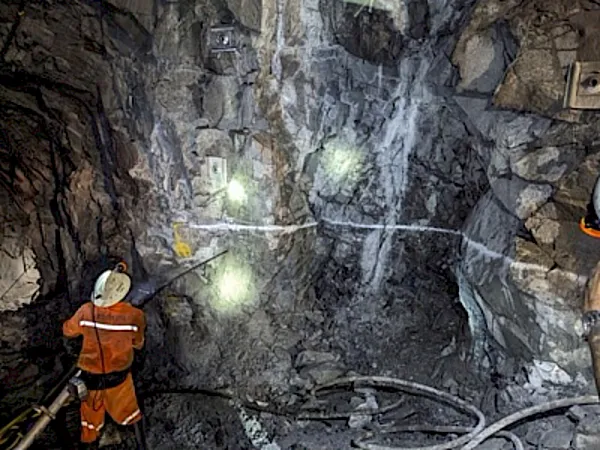
Lion One Metals Limited has announced outstanding results from underground drilling at its 100% owned Tuvatu Alkaline Gold Project in Fiji. The latest programme, comprising 4,040.90 metres of infill and grade control drilling, has returned multiple high-grade gold intersections, reinforcing the potential of the Zone 5 portion of the mine.

Drilling focused on the down-dip extension of the UR2 lode below levels 1084 and 1066, the lowest currently developed sections of the mine. Seventeen of 22 drillholes returned high-grade mineralisation, with most intercepts located 20–60 metres beneath level 1084. Two drillholes were abandoned.

Headline results include:

  • 99.13 g/t Au over 3.3 m (including 459.05 g/t over 0.3 m and 338.00 g/t over 0.5 m) from 136.4 m depth (TGC-0454)

  • 218.31 g/t Au over 1.2 m (including 366.00 g/t over 0.6 m) from 109 m depth (TGC-0457)

  • 24.86 g/t Au over 4.6 m (including 56.29 g/t over 0.5 m) from 133.92 m depth (TGC-0482)

“The Zone 5 down-dip drilling confirms the vertical continuity of high-grade mineralisation in this part of the deposit,” said Melvyn Levrel, MAIG, Senior Geologist for Lion One and Qualified Person under NI 43-101 standards. “The deepest intercept, 16.09 g/t gold over 1.0 m, occurs roughly 125 m below level 1084, representing approximately six additional mining levels and promising significant near-term additions to the mine plan.”

The UR2 lode, one of the principal north-south oriented lodes in Zone 5, dips steeply to the east and has a strike length of approximately 600 metres. Current underground operations extend along levels 1150 and 1170 at the top of the mine, with ongoing development along levels 1084 and 1066/1068 at the base.

Drilling was conducted from the 1135 underground drill station and targeted a 125-metre strike panel and 60-metre vertical section of the UR2 lode. The narrow, high-grade intersections—typical of Tuvatu’s mineralised structures—pinch and swell along strike, occasionally producing larger intervals such as 4.6 m of 24.86 g/t gold.

Lion One operates its own fully accredited laboratory, adhering to stringent QA/QC procedures. Samples are analysed on site using fire assay with AA finish, with re-analysis of high-grade samples by gravimetric methods. Independent check assays are conducted at ALS Global Laboratories in Australia.

Headquartered in North Vancouver, Lion One Metals is an emerging gold producer that commenced operations at Tuvatu in late 2023. The Tuvatu project includes the high-grade Tuvatu Alkaline Gold Deposit, an underground gold mine, pilot plant, and assay laboratory. Lion One holds an extensive exploration licence over the Navilawa Caldera, which hosts multiple mineralised zones and exploration targets.

January 21, 2026

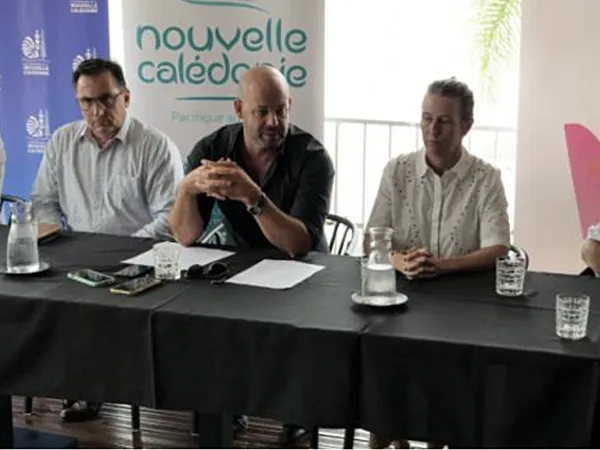
As part of a major push to revive its international tourism sector, New Caledonia unveiled a comprehensive recovery plan aimed at welcoming at least 250,000 tourists by 2032. Christopher Gygès, a member of the government in charge of economic attractiveness, presented the plan on Wednesday in Nouméa alongside local partners.

Following a crisis in 2024, Gygès said New Caledonia now has a historic opportunity to reinvent itself and build a tourism industry that drives economic diversification.

“New Caledonia must move forward today despite the difficulties. Moving forward together, with public and private actors, shows that our plan is both ambitious and realistic, enabling the creation of wealth in New Caledonia—something we urgently need at the moment,” Gygès said.

The territory aims to more than double its pre-pandemic performance, building on the 126,000 tourists welcomed in 2023, excluding cruise passengers. The recovery strategy focuses on transforming New Caledonia’s tourism DNA: moving upmarket, diversifying offerings, and targeting high-value-added markets.

Key elements of the plan include:

  • Boosting international promotion: The government plans to increase the promotion budget from 250 million to at least 400 million francs, with additional revenue from cruise and Airbnb taxes, aiming to reach nearly 700 million francs by the end of 2026 and one billion francs over time.

  • Restoring confidence and visibility: Joint campaigns with provinces, airlines, hoteliers, and tour operators will target Australia, New Zealand, and Japan. Measures include attractive “flight + accommodation” packages, hosting a major audiovisual production from 2026, and creating a New Caledonian excellence label promoting premium, environmentally sustainable services.

  • Improving air connectivity: Proactive pricing, new airline routes, monthly charter flights to Japan from 2026, and competitively priced transport-accommodation packages are planned to enhance access.

  • Diversifying tourism activities: Initiatives include positioning New Caledonia as a Meetings, Incentives, Conferences and Exhibitions (MICE) destination, promoting sports tourism such as sailing and golf, and developing a calendar of economic, cultural, and sporting events.

  • Supporting accommodation and investment: The government will restart hotel construction and renovation with financial incentives, promote diversified lodging such as eco-lodges and homestays, and establish tourist free zones to attract investment.

  • Skills development and employment: Training programs in hospitality, food services, culture, and leisure will be expanded to ensure high-quality service, while promoting local know-how and culture.

A new tourism brand will replace the current “Pacifique au cœur” identity through a public consultation involving residents and tourism professionals, aiming to better represent New Caledonia internationally.

Coinciding with the announcement, the destination welcomed two new hotels. Hotel Wadra Bay opened in December, and the luxury beachfront Aqualuna hotel will open in April 2026. Domestic flight operations will transfer to La Tontouta International Airport from 2 March, improving connectivity and modernising infrastructure.

Gygès concluded, “The tourism sector represents a genuine industry of the future. Through coordinated action between public and private stakeholders, New Caledonia can achieve its ambitious goals and ensure sustainable growth, jobs, and international visibility for the territory.”

January 21, 2026

The Agriculture Investment for Markets and Nutrition (AIM-N) Project successfully conducted a Gender Equality and Social Inclusion (GESI) Induction Capacity Building Training yesterday at St Barnabas Cathedral Leaf Hat Melanesian Haus, aimed at enhancing inclusive agricultural extension and service delivery in Isabel, Western, and Choiseul provinces.

The one-day training brought together officers from the Ministry of Agriculture, AIM-N staff, extension officers, and partner organisations, highlighting a shared commitment to delivering agricultural services that are productive, equitable, and responsive to the needs of all Solomon Islanders.

In her remarks, AIM-N Project Manager Samantha Maeke emphasised the importance of integrating GESI into all aspects of agricultural programming.

“GESI is not an add-on or a donor requirement. It is about how we plan our activities, engage communities, deliver extension services, collect data, and measure success,” she said.

Maeke noted that women make up a significant proportion of the agricultural workforce in the Solomon Islands, while youth represent the future of food systems. Persons with disabilities and other marginalised groups, however, continue to face barriers in accessing land, finance, extension services, markets, and decision-making spaces. Addressing these challenges is central to the AIM-N Project’s approach to sustainable agricultural development.

The training aimed to:

  • Strengthen participants’ understanding of national GESI frameworks, including gender, youth, and disability policies;

  • Build a shared understanding of the AIM-N Project GESI Strategy and its application at community and field levels; and

  • Encourage practical reflection on inclusive extension and service delivery in daily work.

Participants actively engaged in discussions, shared field experiences, and identified practical actions to improve inclusion in agricultural programming.

The AIM-N Project reaffirmed its commitment to supporting GESI integration as a core component of achieving improved nutrition outcomes, resilient rural livelihoods, and sustainable agricultural development in the Solomon Islands.

The training is expected to foster stronger institutional collaboration and a renewed commitment to inclusive planning and service delivery.

January 21, 2026

A week-long Human and Institutional Capacity Development Workshop concluded in Honiara last week, marking a major step forward in strengthening agribusiness incubation and innovation systems in the Solomon Islands.

The workshop, drawing on India’s experience in agribusiness incubation, focused on building the capacity of Agribusiness Incubator (ABI) staff while equipping local agripreneurs — particularly youth, women, and rural entrepreneurs — with practical, market-oriented skills.

Speaking at the closing dinner on Friday, Ministry of Commerce, Industry, Labour and Immigration Supervising Permanent Secretary Cornelius Donga thanked the visiting team from India’s ABI Centre and described the workshop as the beginning of a new and important partnership.

“Today marks the beginning of our relationship. This relationship starts today, and it will continue into the future. We hope that one day you will come back and see how our agribusiness sector has grown, how it has accelerated to become exporters and to do business even with India. I will certainly be one of those who will continue to promote and strengthen this relationship between the Solomon Islands and India. We have so much in common and so much we can learn from you. When we look at India’s journey where you were before and where you are now, we can relate to that,” Mr Donga said.

Andrew Melanolu, Director of the Extension Department from the Ministry of Agriculture and Livestock Development, acknowledged the Indian delegation for successfully transferring knowledge during the workshop.

“I would like to begin by sincerely acknowledging Dr Venkat and the AgriGov India delegation. On behalf of the Ministry of Agriculture, the Honourable Minister, and the Permanent Secretary, we are grateful for your presence and for being with us throughout this week-long training programme, particularly in building the capacity of our staff from the Ministry of Agriculture and other key stakeholders with whom MAL has been working closely. The week-long training has been extremely fruitful, and we are confident that the knowledge and skills gained by our officers during this period will be valuable in advancing and operationalising the agribusiness incubation concept in the Solomon Islands,” he said.

AgHub Managing Director Dr Venkateshwarlu Gudipati, speaking during India’s National Startup Day on 16 January, highlighted similarities between India and the Solomon Islands and praised the country’s progress in launching its agribusiness incubation journey with support from the Food and Agriculture Organization and the European Commission.

“I must say that you have taken a very important and timely step. With our decade-long experience in building a start-up ecosystem, we are happy and honoured to work with you, share our learnings, and support the development of a strong Agribusiness Incubation Centre in the Solomon Islands — one that fulfils its objectives as outlined in the Letter of Agreement. Entrepreneurship does not grow automatically; it must be built through sustained effort and a strong national campaign. In India, entrepreneurship has become a movement. I would encourage the Solomon Islands to consider designating a National Entrepreneurship Day, Startup Day, or Incubation Day. Such celebrations help raise awareness and provide opportunities to showcase achievements and progress, much like Environment Day, Women’s Day, or Agriculture Education Day,” Dr Gudipati said.

The workshop provided participants with a comprehensive understanding of India’s agricultural innovation ecosystem, strengthened the capacities of ABI staff, and equipped Solomon Islands agripreneurs with practical knowledge, best practices, and exposure to high-performing start-ups and key stakeholders.

January 21, 2026

Fiji has reinforced its regional leadership on climate mobility after hosting representatives from the Government of Palau as part of a peer-to-peer exchange focused on climate mobility and planned relocation.

Minister for Environment and Climate Change Lynda Tabuya hosted the delegation on Tuesday in an engagement supported by the International Organization for Migration and the Platform on Disaster Displacement. The exchange focused on practical learning and experience-sharing among Pacific governments confronting climate-related displacement.

The meeting builds on Fiji’s recent peer-to-peer engagement with Bangladesh and follows the endorsement of the Pacific Regional Framework on Climate Mobility Implementation Plan 2025–2030. The plan identifies peer-to-peer learning on planned relocation as a priority action for Pacific Island states.

During the discussions, representatives from Vanuatu and Palau expressed interest in undertaking a one-week learning mission to Fiji to better understand the country’s experience, systems and lessons learned in planned relocation.

Tabuya welcomed the engagement and reaffirmed Fiji’s commitment to working with regional and international partners to strengthen climate mobility responses across the Pacific. She noted that peer-to-peer cooperation enables Pacific nations to learn directly from one another’s experiences, challenges and solutions, reinforcing regional ownership of climate mobility initiatives.

The engagement forms part of ongoing cooperation between Fiji and Palau as Fiji continues to expand collaboration on climate mobility and planned relocation across the region.

The Pacific Regional Framework on Climate Mobility, endorsed at the 52nd Pacific Islands Forum Leaders Meeting in Rarotonga in 2023, provides guidance for Forum governments, communities, non-state actors and partners to support climate-related movement in a culturally appropriate and inclusive manner.

January 19, 2026

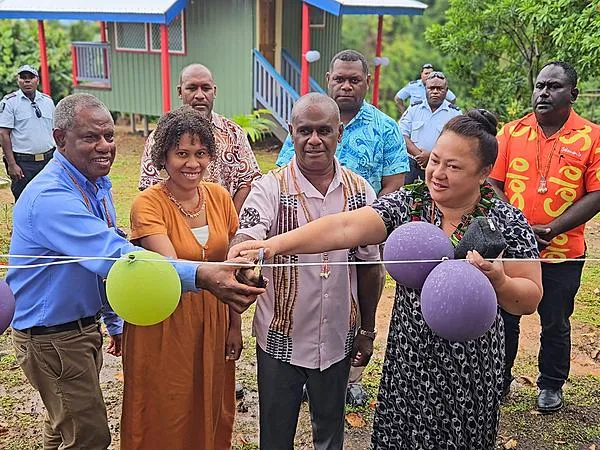
Prime Minister Jeremiah Manele on 16 Januaryt led the opening of the upgraded Parangiju Mountain Lodge in Central Guadalcanal, marking a government-backed push to strengthen tourism as a driver of economic growth in Solomon Islands.

Manele was the chief guest at the ceremony, which marked the completion of new bungalows, additional rooms and expanded services at the lodge. The upgrade was funded through a grant approved under the Government of Solomon Islands’ 2025 Budget Support Programme and administered by the Ministry of Culture and Tourism.

Speaking at the event, the prime minister said the investment reflects the government’s strategic focus on tourism to support job creation, private-sector development and inclusive growth.

“The Government recognises tourism as a powerful driver for inclusive growth. Through the Ministry of Culture and Tourism, we are supporting local operators to expand quality accommodation, improve services and develop tourism products that will attract more visitors to our country,” Manele said.

He congratulated the owners and management of Parangiju Mountain Lodge for their vision and commitment, describing the upgraded facility as an example of sustainable, nature-based tourism that highlights Guadalcanal’s natural beauty and cultural heritage.

“One of the constraints to tourism growth in Solomon Islands has been limited room inventory. The expansion of Parangiju Mountain Lodge directly addresses this challenge and contributes to our long-term ambition of reaching 100,000 visitors by 2035,” the prime minister said.

Manele also acknowledged the Ministry of Culture and Tourism for supporting local operators through grant assistance, training and technical guidance, enabling Solomon Islanders to participate in and benefit from the tourism industry.

He encouraged the lodge’s management to continue working closely with surrounding communities to ensure tourism development remains inclusive, environmentally responsible and culturally grounded, while creating livelihood opportunities for local residents.

The prime minister further urged local entrepreneurs and investors to explore opportunities in nature-based and cultural tourism, citing the Parangiju Mountain Lodge project as an example of what can be achieved through partnerships between government, communities and the private sector.

The opening ceremony was attended by Minister for Culture and Tourism Choylin Yim Douglas, Guadalcanal Province Premier William Atu, senior government officials, tourism stakeholders, community leaders and members of the lodge owners’ families.