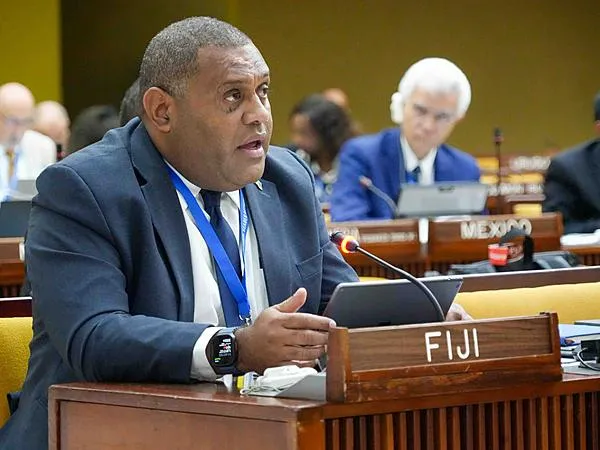
Fiji is leading negotiations on international rules governing the closure of deep-sea mining operations during the Thirty-First Session of the International Seabed Authority (ISA) in Kingston, Jamaica, while continuing to push for stronger environmental safeguards and a precautionary approach to seabed mineral exploitation.
The ISA's 31st Session, which includes meetings of the Council from July 13 to 24 and the Assembly from July 27 to 31, is advancing negotiations on the Mining Code, the international regulatory framework that will govern commercial deep-sea mining.
Fiji is leading discussions on draft regulations covering Closure Plans, which establish requirements for ending mining activities, including the decommissioning of infrastructure, rehabilitation of affected marine ecosystems, long-term environmental monitoring, and financial guarantees to ensure contractors meet their obligations.
The Fijian delegation is headed by Permanent Secretary for Lands and Mineral Resources Paula Cirikiyasawa and includes Director for Multilateral Affairs at the Ministry of Foreign Affairs and External Trade Anare Leweniqila and Policy Research Officer Samisoni Maravu of the Ministry of Lands and Mineral Resources.
Working with Norway, Fiji proposed amendments to draft regulations on Environmental Management and Monitoring and Closure Plans. According to the delegation, most ISA Council members supported merging key provisions, marking progress toward resolving outstanding issues in the Mining Code.
Beyond Closure Plans, Fiji is participating in negotiations on Effective Control, which addresses how sponsoring states oversee and regulate deep-sea mining contractors. The issue is considered particularly significant for Small Island Developing States.
Fiji is also contributing to all 13 thematic informal working groups covering issues such as environmental management, benefit-sharing, inspection and compliance, regional environmental management plans, underwater cultural heritage, test mining, and coastal state interests.
The Pacific nation continues to advocate for a precautionary pause on deep-sea mining until sufficient scientific evidence is available, a comprehensive and enforceable regulatory framework is in place, and robust measures governing environmental protection, liability, and benefit-sharing have been established.
Fiji said its participation aims to ensure Pacific priorities remain central to international decisions on the governance of deep-sea mineral resources.
The ISA Assembly is scheduled to conclude on July 31, with members expected to adopt key Council decisions, including a roadmap for completing negotiations on the Mining Code and an indicative work program for the authority's 32nd Session in 2027.
Canadian explorer Kalo Gold Corp. has confirmed widespread gold mineralisation at its 100%-owned Vatu Aurum Project in Fiji, with laboratory fire assays returning grades of up to 8.78 grams per tonne (g/t) gold, reinforcing the company's geological model ahead of a new phase of exploration.
The assay results from the Wainikoro prospect confirmed that surface gold occurrences are sourced from mineralised bedrock, strengthening the company's interpretation of a structurally controlled low-sulphidation epithermal gold system.
Kalo said the certified fire assays validated its previously reported detectORE field screening results, with laboratory analyses generally matching or exceeding field estimates.
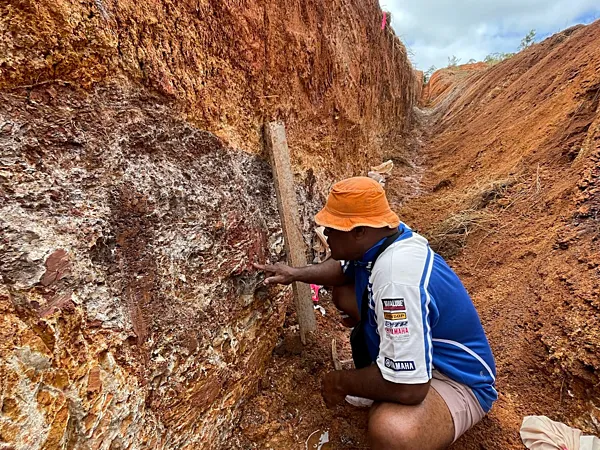
Surface sampling returned assays of 8.78 g/t Au, 4.78 g/t Au, 4.44 g/t Au, 3.41 g/t Au and 2.03 g/t Au, while trench sampling produced selective point assays of up to 2.93 g/t Au. Continuous channel sampling averaged 0.28 g/t Au over 14 metres, confirming continuity of mineralisation beneath surface exposures.
Company President and Chief Executive Officer Terry Tucker said the latest results significantly increased confidence in the geological model being developed at Wainikoro.
"These certified fire assay results provide independent confirmation of the gold identified through our detectORE field screening and, importantly, demonstrate that mineralisation extends into bedrock beneath the surface occurrences we have been mapping," Tucker said.
"Each phase of exploration is building on the last, allowing us to progressively reduce geological uncertainty before advancing to the next phase of work," he added.
The company said the results confirmed multiple styles of gold mineralisation, including chalcedonic quartz veins, silicified volcanic rocks and hydrothermal breccias developed along the Nubu Graben structural corridor.
Eleven surface samples returned grades above 0.5 g/t gold, indicating mineralisation is distributed across the target area rather than confined to isolated occurrences.
Kalo has engaged Fender Geophysics Pty Ltd to undertake controlled-source audio-frequency magnetotellurics (CSAMT), induced polarisation and gravity surveys at Wainikoro. The surveys are expected to define the subsurface geometry of the mineralised system and support target prioritisation for future exploration.
The company said the geophysical programme would integrate geological mapping, geochemistry, trenching and structural interpretation into a single exploration model aimed at refining future drilling targets.
Kalo Gold is advancing the 367-square-kilometre Vatu Aurum Project on Vanua Levu, where exploration has identified multiple low-sulphidation epithermal gold targets across a northeast-trending mineralised corridor.
Canadian gold producer Lion One Metals Ltd. has begun the first phase of a multi-stage expansion of its Tuvatu Gold Mine processing plant in Fiji, a project expected to increase mill capacity by one-third and lift annual gold production by about 2,100 ounces.
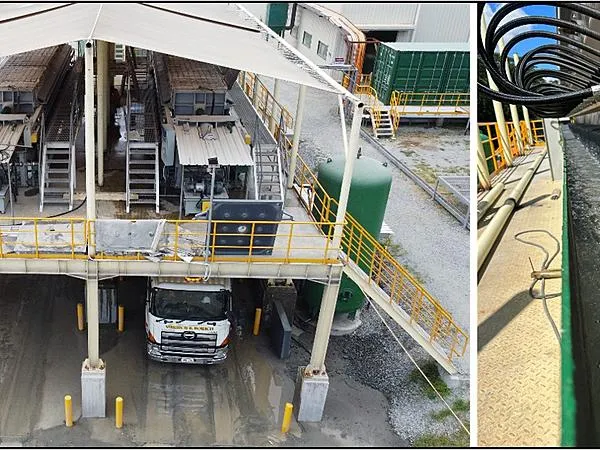
The first phase, known as the Filtered Tailings Expansion Project, will increase nominal plant capacity from 300 tonnes per day (tpd) to 400 tpd by doubling filtration capacity through the installation of two additional filter presses and associated infrastructure.
The project forms part of Lion One's broader plan to expand the Tuvatu processing plant to 700 tpd in phases, with a total estimated capital cost of C$13.5 million.
Phase 1 carries a capital cost of C$1.9 million and is expected to be completed by the end of the first quarter of 2027.
Lion One said the filtration circuit had been identified as the primary bottleneck in processing operations. The expansion includes two new filter presses, a filter feed tank, two filter feed pumps, structural and piping modifications, and an additional tailings truck.
Once operational, the upgrade is expected to increase annual gold production by about 2,100 ounces, based on an incremental gold grade of 3 grams per tonne.
At a gold price of US$4,000 per ounce, the additional production is projected to generate about C$11.8 million in annual revenue, with the company estimating the investment will be recovered within three months of commissioning.
"We're very excited to start Phase 1 of our mill expansion project," Lion One President and Chief Executive Officer Ian Berzins said.
"The filter press expansion is a key component of the expansion to 700 TPD and it will have an immediate impact on our production capacity once complete. The economics of the project are very strong with only a three-month payback period."
Berzins said capital projects with such short payback periods and significant production gains were uncommon and would deliver lasting operational benefits.
The company said no additional mining fleet or processing equipment would be required to support the increase to 400 tpd.
Lion One owns 100% of the Tuvatu Gold Mine, located on Fiji's main island of Viti Levu. Commercial production commenced in late 2023.
Beyond the initial expansion, the company plans to progressively lift processing capacity to 700 tpd as part of its long-term growth strategy.
Separately, Lion One appointed Shayla Forster as corporate secretary. The company said Forster has extensive experience in corporate governance, compliance and securities disclosure for publicly listed companies in Canada.
Lion One is headquartered in North Vancouver, British Columbia, and also holds exploration licences covering the Navilawa Caldera, a highly prospective alkaline gold district surrounding the Tuvatu project.
Solomon Islands Finance and Treasury Minister Gordon Darcy Lilo has directed the Customs and Excise Division to immediately impose a 15% export duty on alluvial gold and gold concentrates, while ordering authorities to recover unpaid duties retrospectively from the date the Harmonised System (HS) 2022 tariff schedule came into effect.
In a ministerial directive issued to the Comptroller of Customs and Excise, Lilo instructed the division to strictly apply the HS2022 tariff rates in accordance with international classification standards and the Customs and Excise Act.
"I write to direct your office to comply with and strictly apply the Harmonised System (HS) 2022 tariff rates in accordance with international classification standards and the Customs and Excise Act and its associated regulations," Lilo said.
The directive confirms that exports of alluvial gold and gold concentrates are subject to a 15% export duty under the HS2022 tariff schedule with immediate effect, superseding any previous ministerial directives covering those exports.
Lilo also instructed Customs and Excise to retrospectively recover duties on alluvial gold and gold concentrate exports made after the HS2022 tariff schedule was gazetted, saying those exports should already have been subject to the revised rates.
He said Customs officers must apply the updated tariff schedule consistently across all import and export transactions to safeguard government revenue, improve transparency and ensure compliance with international trade standards established by the World Customs Organization.
The Ministry of Finance and Treasury said it will work closely with the Customs and Excise Division to ensure full implementation of the directive and compliance with the revised tariff regime.
The Solomon Islands government is strengthening efforts to combat corruption, illicit financial flows and revenue leakages in the mining sector as it prepares for increased mineral development and works toward rejoining the Extractive Industries Transparency Initiative (EITI).
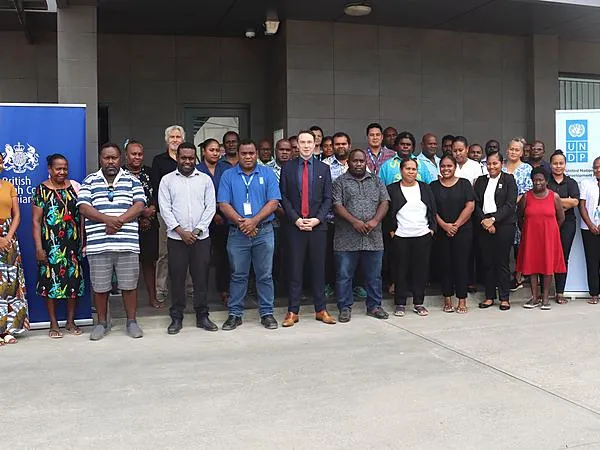
More than 30 representatives from government ministries, oversight bodies, law enforcement agencies, financial intelligence institutions, accountability organisations, civil society groups and mining companies gathered in Honiara for a national workshop on strengthening coordination to address corruption risks and improve governance in the extractive sector.
The workshop, titled "Building a Coordinated National Response to Corruption, Illicit Financial Flows and Revenue Leakage in the Mining Sector in Solomon Islands," was organised by the United Nations Development Programme (UNDP) in partnership with the Solomon Islands EITI National Secretariat under a United Kingdom-funded project supporting the country's re-engagement with EITI.
Participants examined corruption and governance risks within the mining industry while identifying practical measures to strengthen cooperation, information sharing and coordinated responses among institutions responsible for mining regulation, revenue administration, financial intelligence, investigations and prosecution.
Opening the workshop on behalf of the government, Acting Permanent Secretary for Finance and Treasury Coswal Nelson said protecting public revenue generated from natural resources is critical to achieving the country's development goals.
"The extractive industries sector has the potential to make an important contribution to our economy. If managed responsibly, it can generate revenue, create opportunities and support our broader national development priorities," Nelson said.
"But when governance arrangements are weak, opportunities for corruption, illicit financial flows and revenue leakage emerge, reducing the benefits that should reach our people."
Nelson said no single institution could effectively tackle the challenges posed by corruption and financial crimes in the extractive sector.
"Each institution represented here holds an important part of the picture. Stronger coordination allows us to identify risks earlier, share information more effectively and respond more quickly," he said.
"Coordination is not optional — it is essential if we are to safeguard public revenues and strengthen confidence in our institutions."
Representing the United Kingdom, Deputy British High Commissioner Cameron Millar reaffirmed Britain's support for transparent and accountable management of natural resources through its partnership with Solomon Islands and UNDP.
"Natural resources offer tremendous opportunities for economic development, but international experience demonstrates that without strong governance systems they can also become vulnerable to corruption, opaque ownership structures and significant revenue losses," Millar said.
He said strengthening transparency, accountability and institutional cooperation would help ensure the country's mineral wealth benefits all citizens.
Millar added that lasting reforms must be driven by national institutions.
"The strongest reforms are those designed and led by national institutions. Our role is to support Solomon Islands in building stronger systems that protect public resources, strengthen public trust and contribute to inclusive and sustainable development," he said.
UNDP Programme Specialist for Inclusive Governance and Economic Growth Solomon Kalu said strengthening integrity in the extractive sector extends beyond preventing corruption and is fundamental to ensuring that mineral resources contribute to long-term national development.
"The extractive sector is expected to become increasingly important to the future of Solomon Islands. If governed well, it can create jobs, generate revenues and improve the lives of people across the country," Kalu said.
"But achieving these outcomes requires institutions that work together effectively to prevent corruption, detect illicit financial flows and protect public revenues."
Kalu said the workshop focused on building stronger partnerships among institutions, improving information sharing and identifying practical actions to strengthen transparency and accountability across the mining sector.
The initiative forms part of UNDP's broader support for Solomon Islands' efforts to rejoin EITI through technical assistance, institutional capacity building, policy support and multi-stakeholder engagement.
The government has identified stronger governance of the mining sector as a key priority as it seeks to attract investment while ensuring that future resource development delivers sustainable economic benefits, strengthens public confidence and safeguards revenues for current and future generations.
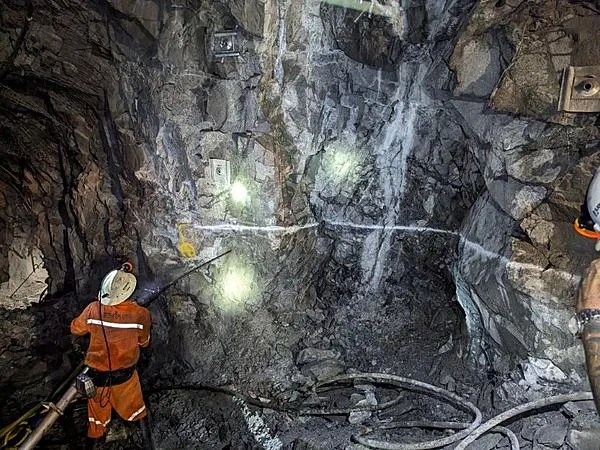
Canadian miner Lion One Metals Ltd reported a strong rebound in gold production during the second quarter of 2026 as operational improvements at its Tuvatu Gold Mine in Fiji lifted output, recovery rates and underground development.
The company recovered 3,291 ounces of gold during the quarter ended June 30, up 21 per cent from the 2,726 ounces produced in the previous quarter. Average head grade improved to 4.3 grams of gold per tonne, while record quarterly gold recovery reached 84.9 per cent, reflecting improved mill performance.
Lion One also processed 27,985 tonnes of mineralised material during the quarter, achieving a 90 per cent mill utilisation rate and an average throughput of approximately 308 tonnes per day, exceeding the plant's nameplate capacity of 300 tonnes per day.
The company attributed the stronger performance to operational improvements following the return of Eric Setchell as director of operations in May and the successful commissioning of its flotation circuit, which has increased metallurgical performance and steadily improved gold recoveries.
The new flotation circuit culminated in a record monthly recovery rate of 87.7 per cent in June, the company said.
Underground mine development also strengthened during the quarter, reaching 1,652 metres, a 28 per cent increase from the previous quarter and the second-highest quarterly development rate recorded at the Tuvatu mine.
The company completed a record 587 metres of underground development in May as it continued expanding mining access.
President and Chief Executive Officer Ian Berzins said improvements were recorded across all key operating metrics.
"We're very pleased with the strong rebound in performance in the latter half of this quarter," Berzins said.
He said the company achieved record quarterly and monthly gold recovery, the highest monthly underground development rate in the mine's history and the second-best quarterly development performance since operations began.
"We are well on our way to returning production back to the levels seen at the end of 2025, and to ultimately surpassing those levels as we continue to develop Tuvatu," he said.
The company also reported improvements in workplace safety during the quarter.
No lost-time incidents were recorded, while the Total Recordable Incident Frequency improved to 4.37, down from 6.55 in the previous quarter. Lion One said it remains focused on maintaining safe production as underground operations continue to expand.
Lion One Metals owns the Tuvatu Alkaline Gold Project in Fiji, which includes the underground gold mine, processing plant and assay laboratory, together with an exploration licence covering the highly prospective Navilawa Caldera. The company said continued mine development and improved processing performance are expected to support further production growth in the coming quarters.
The Fiji government has continued distributing compensation to former Vatukoula mine workers and their families, advancing efforts to resolve one of the country's longest-running industrial disputes.
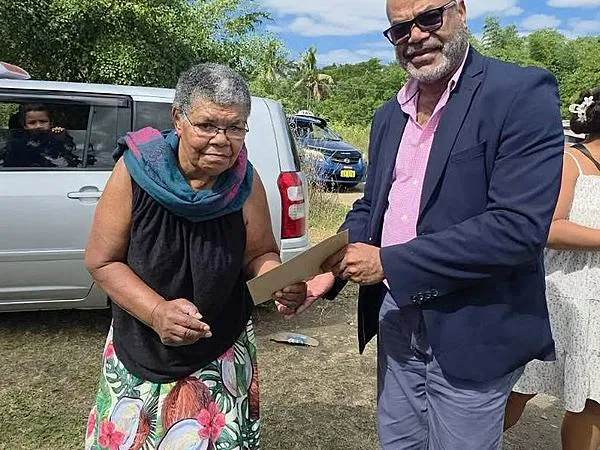
Permanent Secretary for Employment, Productivity and Workplace Relations Jone Maritino Nemani last week handed over compensation payments to 13 former mine workers and beneficiaries. Seven beneficiaries received their payments, while the remaining six are scheduled to be paid in the new financial year.
The compensation programme is supported by a government allocation of FJ$9.2 million and recognises workers and their families affected by the industrial dispute that began on February 27, 1991, and lasted for more than 33 years.
The Ministry of Employment said FJ$7.485 million has so far been disbursed, with 298 beneficiaries receiving their full entitlement of FJ$25,000 each.
Five beneficiaries had earlier received an initial payment of FJ$10,000 before their deaths. The remaining FJ$15,000 for each beneficiary will be released to their respective estates once probate procedures have been completed.
The government said FJ$1.515 million remains to be paid to 63 beneficiaries, including those awaiting their full compensation and estates pending probate.
Nemani said the programme extends beyond financial assistance, describing it as a recognition of the resilience and sacrifices of former mine workers and their families.
He said the payments acknowledge the long wait endured by affected families and reflect the government's commitment to providing long-overdue support.
"Each payment reflects the Government's commitment to working with affected families to bring this long chapter in Fiji's industrial history to a respectful and dignified close," Nemani said.
The compensation initiative forms part of the government's efforts to provide closure to families affected by the industrial dispute and fulfil its commitment to resolve longstanding labour issues.
The Solomon Islands Government has begun consulting mining companies, customary landowners and other stakeholders on proposed reforms to its mining legislation aimed at attracting investment while strengthening environmental safeguards and community participation.
The consultations form part of the Solomon Islands Sustainable Mining Development Project, supported by the World Bank, which seeks to modernise the country's legal and institutional framework for the mining sector.
The proposed reforms are designed to provide greater regulatory certainty for investors while ensuring that mining projects generate more equitable benefits for customary landowners and local communities.
Despite holding significant deposits of gold, nickel, bauxite and other minerals, the Solomon Islands' mining industry has remained largely underdeveloped because of regulatory uncertainty, complex land tenure arrangements and environmental concerns.
Government officials said the proposed changes would cover licensing procedures, environmental approvals, royalty distribution, institutional responsibilities and mechanisms to ensure landowners are engaged throughout the life of mining projects.
The reforms are also intended to establish a clearer and more transparent regulatory framework, improve coordination among government agencies overseeing mining, environmental management and revenue collection, and strengthen the capacity of regulatory institutions.
Business groups have welcomed efforts to modernise the country's mining laws, saying predictable regulation is essential to attracting long-term investment. Community representatives, meanwhile, have stressed that customary landowners must remain central to decision-making and receive a fair share of the economic benefits from future mining developments.
If enacted, the reforms are expected to encourage renewed mineral exploration and support the development of new mining projects, providing additional export revenue and employment opportunities as the Solomon Islands seeks to diversify its economy beyond its traditional reliance on logging.
Kalo Gold Corp. has confirmed the presence of a gold-bearing epithermal system extending over a 1.8-kilometre strike length at its wholly owned Vatu Aurum Project in Fiji, following results from two reconnaissance drill holes that have strengthened the company's confidence in the area's exploration potential.
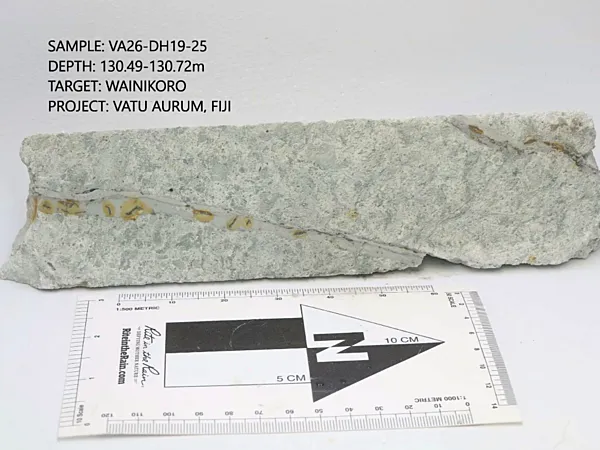
The Vancouver-based gold explorer said drill holes VA26-DH18 and VA26-DH19 at the Wainikoro prospect intersected anomalous gold mineralisation associated with fault-controlled quartz veins, hydrothermal breccias and elevated arsenic and antimony, reinforcing its interpretation that the area hosts a structurally controlled epithermal gold system.
The two drill holes, spaced 1,027 metres apart, were designed to test regional fault structures, hydrothermal alteration and geophysical anomalies identified during earlier exploration work. The company said the programme was intended to refine its geological model and guide future drilling rather than define mineral resources.
At the Kope Road North target, drill hole VA26-DH19 intersected multiple gold-bearing quartz veins within a broad hydrothermal system, including an interval grading 1.61 grams of gold per tonne over 1.5 metres. Additional gold-bearing intersections and widespread hydrothermal alteration indicate that mineralisation is associated with a major structural corridor known as the Nubu Graben fault.
Mineralogical analysis also identified arsenopyrite replaced by pyrite pseudomorphs, which the company said represents evidence of an early mineralising phase linked to gold deposition. The presence of arsenic and antimony, together with multiple generations of quartz veining, supports the interpretation that Wainikoro represents the upper levels of an epithermal gold system.
At the Kope Road South target, drill hole VA26-DH18 returned anomalous gold values associated with hydrothermal breccias and fault zones. Surface sampling in the surrounding area produced detectORE™ gold screening results of up to 1,920 detectORE units, equivalent to an estimated 1.92 grams of gold per tonne, indicating that gold-bearing hydrothermal activity extends beyond the principal magnetic target.
Kalo Gold President and Chief Executive Officer Terry Tucker said the results confirmed the scale of the Wainikoro system and highlighted the potential for multiple mineralised centres across the broader project area.
He said the combination of drilling results, airborne magnetic surveys and planned ground geophysical work would allow the company to prioritise future drilling with greater precision as it continued evaluating the scale and geological architecture of the Wainikoro epithermal system.
The company has engaged Fender Geophysics Pty Ltd to undertake controlled-source audio-frequency magnetotellurics, induced polarisation, and gravity surveys at Wainikoro, with field work scheduled to begin in mid-July, subject to logistical requirements. The geophysical programme is expected to refine drill targets before the next phase of exploration.
Kalo Gold's Vatu Aurum Project covers about 367 square kilometres on Vanua Levu and hosts a corridor of low-sulphidation epithermal gold targets that the company is systematically advancing through drilling, geochemistry, structural mapping and geophysical surveys.
Solomon Islands and Papua New Guinea have agreed to strengthen cooperation on mining sector governance, with officials from Papua New Guinea expected to visit Solomon Islands as the two countries pursue reforms aimed at maximising the benefits of their mineral resources.
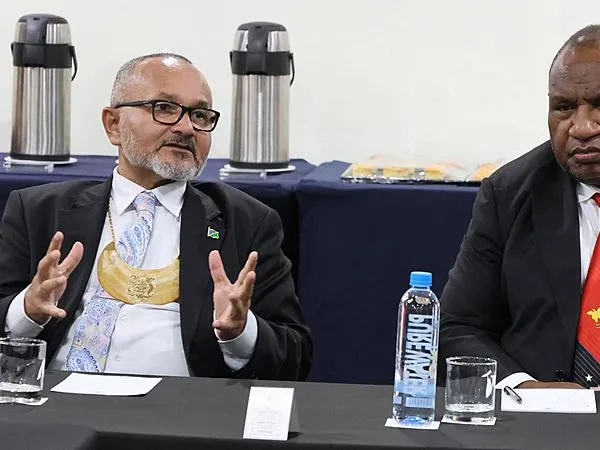
The agreement followed a roundtable in Port Moresby between Solomon Islands Prime Minister Matthew Wale, Papua New Guinea Prime Minister James Marape, Kumul Minerals Holdings Ltd. and the Mineral Resources Authority.
Wale said the meeting provided an opportunity for Solomon Islands to learn from Papua New Guinea's experience in managing its mining industry, as his government advances reforms to improve governance of the country's mineral resources.
He said reforming the mining sector, particularly the alluvial gold industry, remains a priority for his administration.
According to Wale, the government is pursuing reforms to bring greater structure, transparency and national benefit to the sector, including plans to establish a dedicated gold export unit and, over the longer term, a national gold refinery.
"This will allow us to refine our own gold, control pricing and retain more value within our economy," Wale said.
He also stressed the importance of building trusted partnerships across the mining value chain, from extraction and processing to export.
"We want a model where all parties benefit fairly and value is retained within our economy to support national development," he said.
Marape said Papua New Guinea has faced significant challenges in developing its mining sector but remains committed to ensuring greater benefits flow to its people.
He said landowners should remain at the centre of resource policy and that fiscal arrangements governing mining projects must be transparent and clearly defined.
"There is often confusion between taxes, royalties and equity. Investors must know upfront what they will pay and what benefits will flow to landowners and the State," Marape said.
Both leaders agreed that strong governance, clear legislation and effective regulatory oversight are essential to ensure the fair and sustainable management of mineral resources.
The meeting concluded with an agreement for Papua New Guinea's mining authorities to visit Solomon Islands in the near future to support the country's ongoing mining sector reforms.
The Solomon Islands has applied to rejoin the Extractive Industries Transparency Initiative (EITI), marking a renewed commitment to transparency and accountability as the country seeks to develop its mineral resources sector.
The EITI announced on June 19 that it had received an application from the Solomon Islands government to become an implementing country under the global transparency standard for the extractive industries.
The application will be reviewed by the EITI Board's Outreach and Candidature Committee before being considered by the full EITI Board.
"We warmly welcome Solomon Islands' application to rejoin the EITI," EITI Executive Director Mark Robinson said.
"As the country seeks to develop its mineral resources, transparency and multi-stakeholder dialogue can help ensure that the sector is managed in a way that benefits citizens and supports sustainable development. We look forward to working with the government, companies and civil society as the application progresses through the EITI's candidature process."
The Solomon Islands is endowed with significant deposits of gold, nickel, bauxite, copper and zinc. While mining currently plays a relatively modest role in the economy, the government has identified the sector as a key driver of future economic growth and public revenue generation.
Authorities have also signaled their intention to strengthen transparency and accountability as interest in mineral development increases.
The application follows a formal commitment by the government in May 2025 to re-engage with the EITI. At the time, the government announced plans to re-establish the national EITI Secretariat and a multi-stakeholder group to oversee implementation.
The Solomon Islands previously implemented the EITI from 2012 to 2018 before withdrawing due to limited activity in its extractive sector.
According to the EITI, the country's renewed candidature has been supported by international partners, including the United Kingdom and the United Nations Development Programme, which have worked with government agencies and civil society organizations to strengthen preparedness for implementation and promote inclusive participation.
As part of the application process, the Solomon Islands has undertaken measures required under the EITI Standard, including securing a government commitment to implementation, establishing a multi-stakeholder group representing government, industry and civil society, appointing senior officials to lead implementation efforts, and developing a work plan to guide future activities.
If approved by the EITI Board, the Solomon Islands would become the sixth country in the Asia-Pacific region to implement the EITI Standard and the 56th country worldwide to participate in the initiative.
The EITI is a global standard that promotes the open and accountable management of oil, gas and mineral resources by requiring participating countries to disclose information across the extractive sector value chain, from licensing and contracts to revenue collection and distribution.
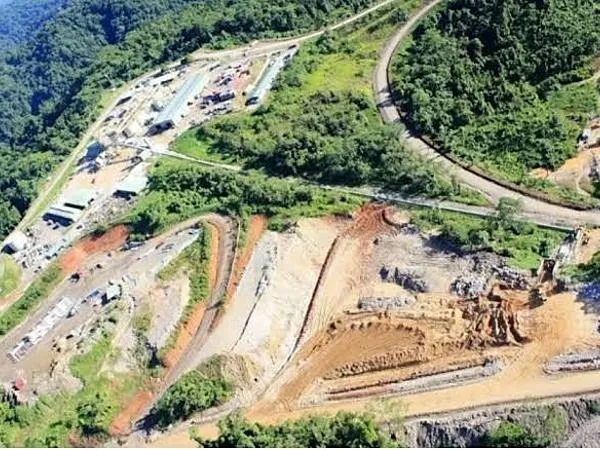
Panguna landowners have expressed strong support for a new legislative framework aimed at advancing the redevelopment of the Panguna mine, following stakeholder consultations led by the Autonomous Bougainville Government (ABG).
The consultations focused on the Bougainville Mining (Amendment) Act 2026 and the recent grant of Large-Scale Mining Lease No. 01 (LSML-01), which forms part of the government's strategy to revive one of the Pacific's most significant mining projects.
The engagement sessions were led by Bougainville President and Minister for Mining and Petroleum Ishmael Toroama and attended by members of the Central Parliamentary Committee, officials from the Department of Mining and Petroleum, representatives of the Panguna Landowner Interim Council, landowners from the area's five clans, veterans and representatives of Lloyds Metals and Energy Limited (LMEL), the ABG's preferred development partner.
During the consultations, stakeholders received briefings on the amended mining legislation, the special redevelopment pathway established for previously operating large-scale mines, the grant of LSML-01 to Bougainville Minerals Limited (BML), and the next steps under the new framework.
According to the ABG, participants unanimously endorsed the amendments and the redevelopment pathway, describing the legislation as a practical mechanism for progressing the redevelopment of Panguna in an orderly, responsible and accelerated manner.
Stakeholders said the legislation preserves key safeguards relating to compensation, royalties, environmental approvals, community consultation and benefit-sharing arrangements. They also welcomed provisions designed to strengthen landowner participation through increased non-dilutable equity ownership at no cost.
Landowners noted that the amendments not only preserve existing rights and protections but also strengthen safeguards for communities expected to be affected by future mining operations.
The consultations also revealed broad support for the Bougainville Executive Council's decision to grant LSML-01 to Bougainville Minerals Limited and for the company's partnership with LMEL, which has been identified as the preferred development partner for the project.
A recurring theme during the discussions was the desire among landowners, veterans and community representatives to move beyond years of dialogue and begin implementation of the redevelopment programme.
Participants said redevelopment of the Panguna mine had been discussed for many years and expressed support for faster progress under the new legislative framework.
Toroama welcomed the response from stakeholders and thanked landowners, veterans, community leaders and members of the Panguna Landowner Interim Council for their participation.
"The message from landowners and communities was clear. They support the new redevelopment framework, they support stronger landowner participation and they want to see responsible redevelopment move forward in a practical and timely manner," he said.
The ABG reaffirmed its commitment to ensuring that future redevelopment activities are carried out in accordance with the law and deliver long-term economic and social benefits for landowners, local communities and the people of Bougainville.
The Panguna mine, once among the world's largest copper and gold operations, remains central to Bougainville's economic development plans, with the government viewing its redevelopment as a key driver of future growth and revenue generation.
Kalo Gold Corp. has identified multiple in-situ low-sulphidation epithermal quartz veins at the Wainikoro prospect within its wholly owned Vatu Aurum Project in Fiji, as the company advances exploration and prepares for the next phase of drilling.
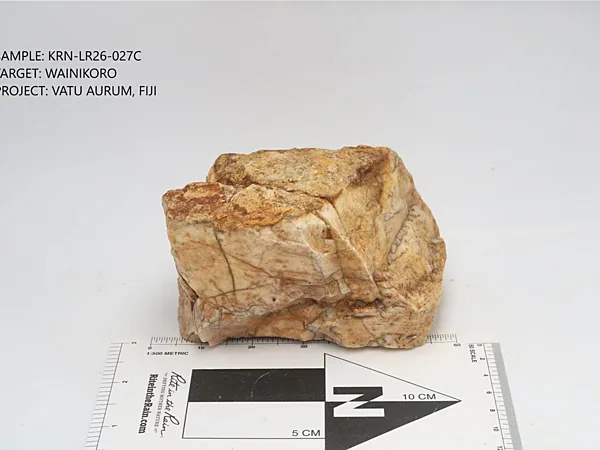
The company reported surface values of up to 3,397 detectORE units (dU), equivalent to an estimated 3.40 grams of gold per tonne, from quartz vein float surrounding a newly identified in-situ chalcedonic quartz vein. The vein itself returned 1,157 dU, equivalent to an estimated 1.16 g/t gold. The results form part of Kalo Gold's 2026 surface exploration programme at Wainikoro.
Kalo Gold said the latest geological mapping, soil geochemistry and airborne magnetic survey data have expanded the previously identified arsenic-in-soil anomaly at Wainikoro from more than one kilometre to approximately 1,800 metres of strike length. The anomaly is oriented north-west to south-east within a central magnetic-low feature that the company believes represents a key structural control on mineralisation.
Additional surface sampling returned values of 2,728 dU from a chalcedonic-banded quartz vein hosted in silicified bedded tuff and 1,364 dU from an adjacent silicified polymictic volcanic breccia. Other samples from silicified host rocks and epithermal quartz veins also returned elevated gold responses.
Trenching undertaken as part of the programme returned channel sample values of up to 1,446 dU. A 13-metre interval in trench TR26-011 averaged 275 dU within silicified fault-controlled structures, while point samples returned values of 724 dU and 701 dU from separate trench locations. The company noted that detectORE values are used for exploration screening purposes and are not equivalent to certified fire assay results.
According to Kalo Gold, the latest results support its revised geological interpretation announced in May, which views the 367-square-kilometre Vatu Aurum Project as a single, multi-phase, structurally reactivated volcanic complex rather than a collection of separate prospects. The company said geological mapping, trenching, soil geochemistry, detectORE screening and airborne magnetic data are increasingly converging on the same structural targets at Wainikoro.
The company identified the West-East Transfer Zone as a regional corridor for fluid movement and said north-west to south-east trending oblique faults, transfer faults and shear structures appear to play a significant role in controlling gold mineralisation across the project area. The strongest gold responses occur where these structures intersect the transfer zone and the margins of the Nubu Graben.
Kalo Gold has completed a 6,212 line-kilometre airborne magnetic and radiometric survey across the project and is integrating the results with geological mapping, trenching and geochemical data. The company plans to mobilise an induced polarisation survey at Wainikoro in July, with drilling expected to follow after completion of the integrated geological and geophysical interpretation.
The 2026 exploration programme has collected 9,994 soil samples to date, with a further 5,390 samples planned across newly defined magnetic targets. Preliminary portable XRF analysis continues to identify arsenic, antimony and mercury anomalies associated with magnetic-low features, supporting the company's interpretation of a large low-sulphidation epithermal gold system.
Looking ahead, Kalo Gold said it will undertake follow-up trenching at the newly identified chalcedonic quartz vein and adjacent silicified breccia and quartz-vein targets at Wainikoro to better define the extent of mineralisation. The planned induced polarisation survey will test the subsurface geometry of magnetic-low features and structural intersections identified through recent geological and geophysical work.
The company also plans to complete the integration of airborne magnetic and radiometric survey data into its project-wide geological model, while advancing a bulk leach extractable gold stream-sediment sampling programme and detailed geological mapping at the Coqeloa prospect. Kalo Gold said further drilling across the Vatu Aurum Project will not commence until the airborne magnetic dataset has been fully incorporated into the exploration model. The company is also awaiting certified fire assay results from drill holes VA26-DH18 and VA26-DH19.
President and Chief Executive Officer Terry Tucker said the company had progressed from identifying kilometre-scale arsenic anomalies in soil to discovering multiple in-situ epithermal quartz veins in rock, including the newly identified chalcedonic vein. He said the integration of geological mapping, structural interpretation, geophysics, trenching and geochemistry was helping define a growing pipeline of drill-ready targets across the Vatu Aurum Project. “We have moved Wainikoro from kilometre-scale arsenic anomalies in soil to multiple in-situ epithermal quartz veins in rock in the last month — including a newly identified chalcedonic vein — with detectORE™ surface values up to 3,397 dU, approximately 3.4 g/t Au estimated. That is a real step forward," Tucker said.
"What I find particularly compelling is that our geological mapping, structural interpretation, airborne geophysics, trenching and geochemistry are now converging on the same ground at Wainikoro — telling us not only where the gold sits but why it sits there. As we trench the vein targets, plan to mobilise IP in July, and integrate the 6,212 line-kilometre airborne magnetic datasets, we are building a strong pipeline of drill-ready opportunities across the Vatu Aurum Project," he added.
The Vatu Aurum Project covers 367 square kilometres on Vanua Levu and contains a series of low-sulphidation epithermal gold targets that Kalo Gold is advancing through drilling, trenching, geochemistry, structural mapping and airborne geophysical surveys.
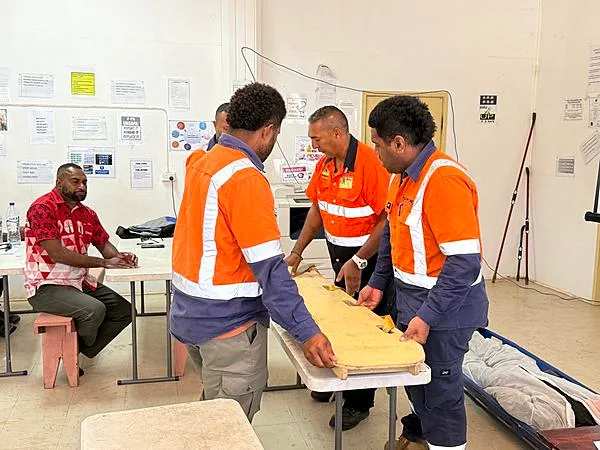
Employees from Lion One Metals Limited participated in a week-long First Aid Rescue Training program at Vatukoula Gold Mines Pte Limited, aimed at enhancing workplace safety, emergency preparedness and collaboration between the two mining companies.
The training was conducted from May 11 to May 18 at the Vatukoula mine operation in Fiji and focused on strengthening participants' rescue capabilities and understanding of emergency response procedures in mining environments.
Participants were introduced to Vatukoula Gold Mines' operations through a comprehensive safety induction program covering the company's history, operational policies, workplace procedures and emergency response systems.
The training was facilitated by Rajeshwar, Waisale and Semi, who shared practical knowledge and industry experience in first aid and mine rescue operations.
According to the organizers, the program provided participants with an opportunity to learn rescue techniques, understand safety responsibilities within mining operations and exchange experiences on emergency preparedness and workplace safety practices.
The initiative also fostered professional cooperation between the two companies, allowing participants to discuss operational challenges, share best practices and strengthen working relationships.
Throughout the training, participants took part in classroom discussions and theoretical learning sessions focused on emergency response planning and rescue procedures. The interactive sessions encouraged attendees to share workplace experiences and perspectives on safety management.
Organizers said the theoretical component established a foundation for subsequent practical training exercises, where participants would further develop their rescue and emergency response skills through hands-on demonstrations and field-based activities.
The collaboration brought together two of the South Pacific's established gold mining operations. Vatukoula Gold Mines operates the historic Vatukoula gold mine in Fiji, one of the country's largest and longest-running mining operations. The underground mine has produced millions of ounces of gold since mining began in the Vatukoula district in the 1930s and remains a significant contributor to Fiji's mineral sector and regional employment.
Lion One Metals is advancing the Tuvatu Alkaline Gold Project near Nadi on Fiji's main island of Viti Levu. The company has positioned Tuvatu as a high-grade gold development and production project, with underground mining and processing facilities designed to support long-term gold production. The project is one of the most closely watched new mining developments in Fiji and forms part of the country's growing mining industry alongside established operations such as Vatukoula.
The rescue training program reflects the mining sector's continued focus on strengthening safety standards and ensuring workers are equipped with the skills needed to respond effectively to workplace emergencies.
Both companies said the collaboration highlighted the value of knowledge sharing and industry partnerships in promoting safer mining operations, improving emergency preparedness and supporting workforce development across the Pacific mining industry.
The Solomon Islands government has launched an investigation into 33 controversial bauxite shipments from Rennell Island, marking what officials describe as a key step in efforts to strengthen oversight and accountability in the country's mining sector.
Minister for Mines, Energy and Rural Electrification Derick Manuari said the investigation is being led by the Attorney General's Chambers with support from the Mines Division.
The probe follows a June 1 letter from Attorney General Gabriel Suri to the Director of Mines directing the commencement of an investigation into 33 bauxite shipments undertaken by Asia Pacific Investment Development Ltd and Bintan Mining SI Ltd from Rennell Island.
Manuari said the investigation reflects the government's commitment to reforming the mineral resources sector and addressing longstanding governance concerns.
According to the minister, the government's actions are guided by legal processes and form part of broader reforms being pursued by the GREAT Coalition administration.
"These reforms are about safeguarding national interests, strengthening transparency, and ensuring Solomon Islanders receive the full benefits from their natural resources," Manuari said.
He said many of the issues currently facing the mining sector stem from years of inadequate oversight and a failure to implement necessary reforms.
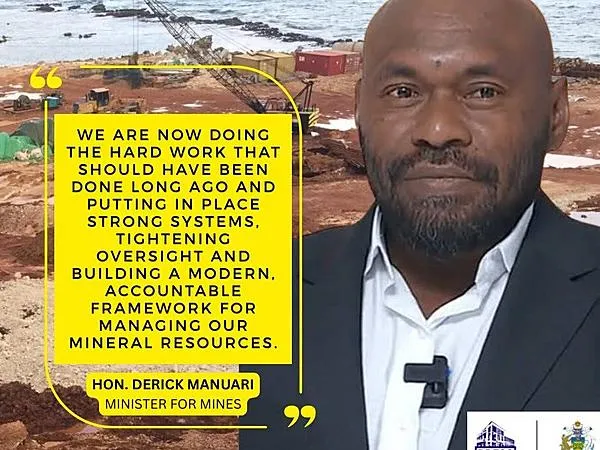
"We are now doing the hard work that should have been done long ago. We are putting in place strong systems, tightening oversight, and building a modern, accountable framework for managing our mineral resources," he said.
As part of the reform agenda, Manuari has also directed the Mines Directorate to review the performance and capability of responsible officials within the sector.
The minister said appropriate disciplinary measures should be taken against officials found to have failed in carrying out their duties.
The investigation comes amid ongoing efforts by the Solomon Islands government to improve governance, transparency and regulatory compliance in the management of the country's mineral resources.
The Solomon Islands government's plans regarding Gold Dealer Licences form part of a wider effort to reform the country's gold sector and strengthen oversight, according to Mines, Energy and Rural Electrification Minister Derick Manuari.
Manuari said the government's policy direction had already received Cabinet caucus endorsement and was now progressing through the necessary legal and administrative processes.
Responding to recent criticism from Opposition Leader Matthew Wale, the minister rejected claims that the government's position on Gold Dealer Licences was misleading, saying licence cancellations represent only one component of a broader reform programme.
"This is not simply about cancelling licences. Government is implementing a comprehensive transition from the current Gold Dealer Licensing regime to a new framework that will deliver greater transparency, accountability, oversight and national benefit from our gold resources," Manuari said.
According to the minister, the government intends to move away from the existing Gold Dealer Licensing framework as part of efforts to improve governance of the sector. The reforms are also intended to support the establishment of a state-owned holding company that would facilitate government participation, investment, oversight and strategic management of the gold industry.
"The cancellation of existing licences is the final step in a process that includes due diligence reviews, legal requirements, transitional arrangements, and a stronger regulatory and commercial framework for the sector," he said.
Manuari said no new Gold Dealer Licences have been issued since the current government took office. Of the nearly 40 licences issued previously, only 10 remain active, while the remainder are undergoing compliance reviews and due diligence assessments.
"The Mines Division is undertaking comprehensive compliance assessments of all active licence holders. These reviews are necessary to ensure accountability and to address longstanding mismanagement that has undermined effective regulation of the sector," he said.
The minister said the reviews had identified a number of challenges, including difficulties in verifying the origin of gold, monitoring export volumes and values, obtaining records required for compliance purposes and ensuring licence holders meet statutory reporting obligations.
He warned that weaknesses in the existing licensing framework had exposed the government to potential revenue leakage, under-reporting and illicit trading risks.
"The current licensing framework has exposed the Government to potential revenue leakage, under-reporting, illicit trading risks and broader governance concerns. These are issues this Government is determined to address through meaningful reform," Manuari said.
He added that a lack of political commitment by successive governments to reform the sector had contributed to the challenges now facing regulators.
"The absence of political will by successive governments to reform and strengthen governance in the sector has created serious problems that we are now working to fix," Manuari said.
Follow on LinkedIn:
Pacific Business Review
Be the "First" to get our exclusive Digital Magazine & Weekly Newsletter.