


March 27, 2026

The Ministry of Mines, Energy and Rural Electrification is accelerating a wide-ranging reform agenda to modernise mining laws and improve fiscal, environmental and social oversight as the sector expands.

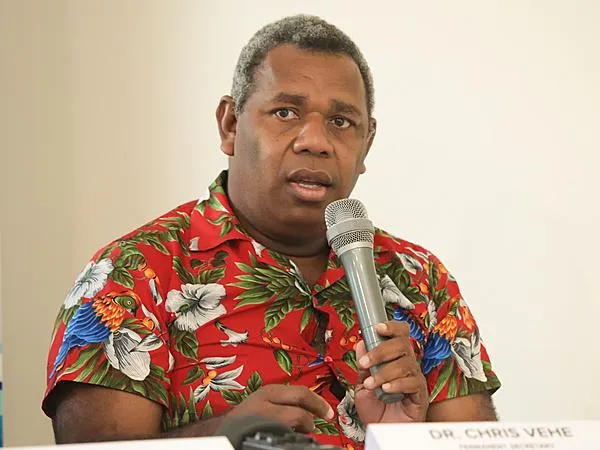
Permanent Secretary Chris Vehe said the reforms aim to position mining as a key economic pillar, while addressing longstanding regulatory gaps.

“The mining industry is now an emerging economic lifeline of our country,” he said.

At the core of the reforms is the Mineral Resources Bill 2025, described by policymakers as a landmark law to replace the outdated Mines and Minerals Act 1990 and establish a clearer regulatory regime for exploration and extraction.

The bill is intended to balance resource development with environmental protection, clarify rights and obligations among stakeholders, and ensure fair economic returns for present and future generations.

It also aligns with the country’s Minerals Policy 2017, which emphasises inclusive governance, local participation and stronger benefit-sharing arrangements with communities.

Alongside the bill, the ministry is finalising supporting regulations covering occupational health and safety, community development agreements and broader sector governance. Additional initiatives include a Strategic Environmental and Social Assessment (SESA), fiscal and revenue reforms, and frameworks on mine safety, gender inclusion and mineral pricing.

Most outputs are in advanced stages of drafting or consultation, with several expected to be submitted to cabinet between April and May. The reform push comes amid ongoing debate over landowner rights and consultation processes.

Civil society groups and international observers have raised concerns about ensuring free, prior and informed consent, equitable benefit-sharing and stronger environmental safeguards under the proposed framework.

Analysts note that mining governance in Solomon Islands has historically faced challenges linked to limited oversight, environmental risks and uneven distribution of benefits.

Government and development partners see significant upside if reforms unlock new mining projects, particularly in gold and nickel. Estimates suggest mining could add several percentage points to GDP and generate new fiscal revenues through royalties, export duties and profit-based taxes if projects reach full capacity.

The ministry said the reforms are designed to ensure that expansion is matched by stronger governance, transparency and accountability mechanisms. The overhaul reflects a broader transition in the Solomon Islands economy, where declining logging activity is shifting attention toward mining as a future growth driver.

Officials said the success of the reforms will depend on balancing investor certainty with community protection and environmental sustainability.

March 27, 2026

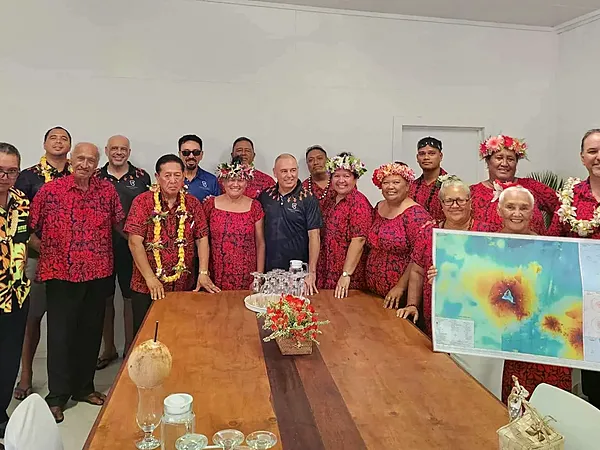
The Seabed Minerals Authority has formally appointed members of its Seabed Minerals Advisory Committee, in a move aimed at strengthening community representation in the development of the sector.

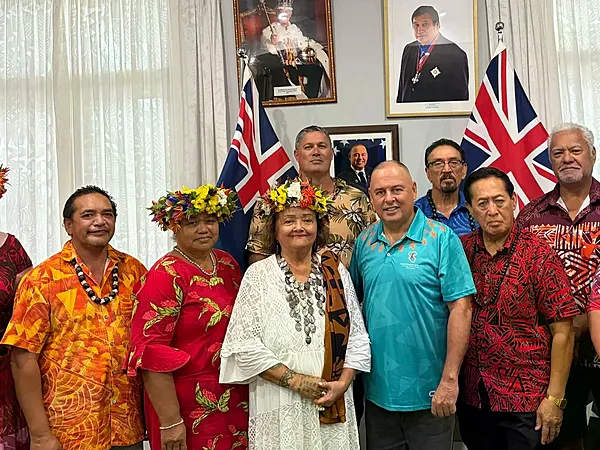
Prime Minister Mark Brown, who also holds the seabed minerals portfolio, said the committee will play a key role in ensuring that policy discussions reflect community perspectives and national priorities.

“The advisory committee helps ensure that policy considerations remain inclusive and grounded in our national values,” he said during the appointment ceremony held at the Office of the Prime Minister.

Advisory, not decision-making role

Seabed Minerals Commissioner Beverly Ataera said the committee serves as a facilitative body between government and the public, rather than a decision-making authority.

Its mandate includes providing recommendations, supporting public awareness, and fostering informed dialogue on seabed minerals policy, in line with its terms of reference.

Leadership retained, new members added

Tutai Pere was reappointed as chairman of the committee, while George Williamson was named vice chairman.

Continuing members include Maru Mariri-Tepou and Tamuera Peyroux-Napa, while new appointees are Phillip Vakatini Ariki, Ngara Katuke and Ngavaevae Papatuac.

Pere said the committee would work to represent diverse community views as the sector evolves, emphasising collaboration and integrity in its work.

Broad representation across society

The advisory committee comprises representatives from across Cook Islands society, including church, cultural, business and youth groups. Members are appointed for two-year terms and are expected to participate in consultations, meetings and training.

The body reports to the Seabed Minerals Authority and provides input on policy and sector developments.

Focus on governance and engagement

The appointments underscore the government’s push to strengthen transparency, accountability and community engagement in the seabed minerals sector, as interest in ocean-based resource development grows.

The authority said it will work closely with the committee to support informed decision-making and responsible stewardship of marine resources.

March 27, 2026

Lion One Metals has reported a series of operational and technical developments at its Tuvatu gold mine in Fiji, signalling a transition toward improved processing capability and longer-term operational stability as the project moves through its ramp-up phase.

The Canadian-listed company, which owns and operates the Tuvatu Alkaline Gold Project on Viti Levu, recently confirmed the commissioning of a new flotation plant, regulatory approval for a key water management system, and clarified its mining approach amid market speculation.

The updates collectively underscore a shift from initial production challenges toward optimisation of throughput, recovery rates and environmental compliance.

Processing ramp-up under way

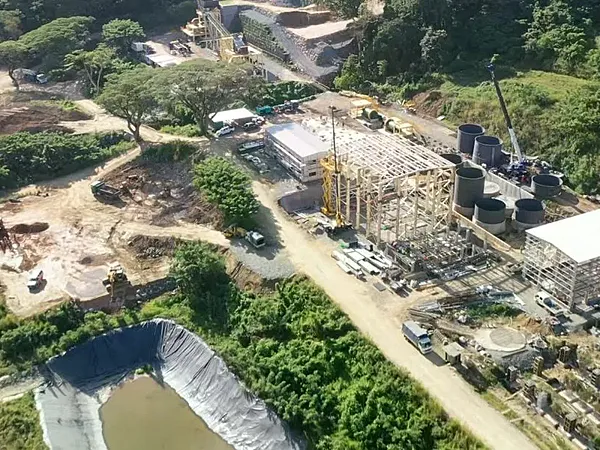
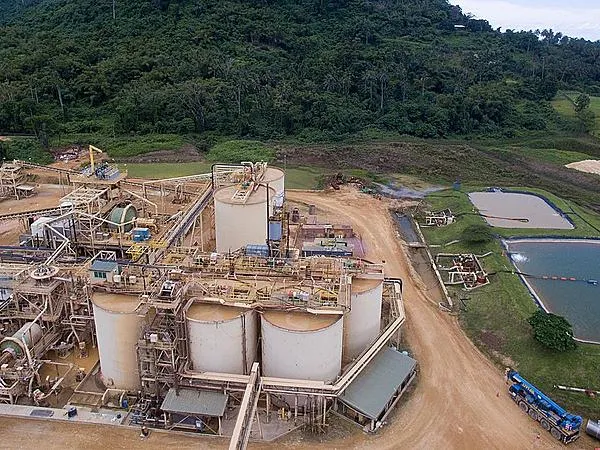
Lion One said it has successfully commissioned a new flotation plant — a critical upgrade designed to enhance gold recovery from sulphide ores at Tuvatu. The commissioning marks a milestone in the mine’s development, although the company cautioned that the plant is still in its early operational phase.

Chief executive Campbell Olsen described the commissioning as an important step forward, while acknowledging that performance improvements will take time as operators build experience with the flotation circuit.

The company said the focus has now shifted to ramping up throughput and improving recovery rates, with early-stage variability expected as part of the learning curve. Key priorities include refining reagent chemistry, strengthening operator capability and progressively increasing production toward design capacity.

Lion One emphasised that the ramp-up will be gradual rather than linear, reflecting a strategy centred on sustainable operational performance rather than short-term output gains.

The flotation plant introduces a new processing dimension at Tuvatu, enabling the treatment of ore types that were previously more challenging under conventional gravity-based systems. This is expected to support improved overall recovery rates as the operation matures.

Evaporator system addresses water management constraints

In parallel with processing upgrades, the company has approved the installation of an evaporator system to manage excess process water at the mine’s tailings storage facility (TSF).

The system is designed to address a longstanding operational constraint: the accumulation of treated water that cannot be discharged due to regulatory and environmental limits. While the existing treatment plant can reduce copper levels, other parameters — including total dissolved solids — remain above thresholds required for river discharge.

The evaporator will provide a controlled mechanism to remove excess water through enhanced evaporation, replacing reliance on natural evaporation and temporary storage solutions.

Lion One said the approach eliminates the need to discharge process water into the Sabeto River, reducing environmental risk and regulatory uncertainty. The system is expected to improve operational resilience, particularly during periods of heavy rainfall when water volumes increase.

Beyond immediate operational benefits, the company positioned the evaporator as a long-term infrastructure investment that strengthens its environmental, social and governance (ESG) profile and supports its social licence to operate.

Clarification on mining methods

Lion One also moved to clarify its mining strategy following market commentary, stating that it has not abandoned shrinkage stoping — a method previously associated with the Tuvatu deposit.

Instead, the company said it is adopting a flexible, multi-method approach, selecting mining techniques based on the geological characteristics of specific zones within the orebody.

This approach is intended to optimise ore extraction while maintaining operational efficiency and safety, reflecting the complex nature of the high-grade alkaline gold deposit.

The clarification aims to address investor concerns and reinforce confidence in the company’s technical strategy as it continues to develop the underground mine.

Operational context and outlook

The Tuvatu project represents one of the few alkaline gold deposits under active development globally, with Lion One positioning it as a long-life, high-grade asset. The operation includes an underground mine, processing plant, tailings storage facility and associated infrastructure.

Since commencing operations in late 2023, the project has faced a combination of technical, operational and organisational challenges typical of early-stage mining developments. The recent updates suggest a coordinated effort to address these constraints through targeted capital investment and process optimisation.

The commissioning of the flotation plant is expected to play a central role in improving gold recoveries, while the evaporator system resolves a critical bottleneck in water management — a key issue for many tropical mining operations.

At the same time, the company’s clarification on mining methods highlights an adaptive approach to ore extraction, which may be necessary to fully unlock the deposit’s potential.

Looking ahead, Lion One indicated that the ramp-up phase will extend over several months, with incremental improvements anticipated as systems are optimised and operational expertise deepens.

The company also signalled a commitment to transparent reporting during this period, noting that early production results should be interpreted in the context of a developing operation rather than a steady-state mine.

Regional implications

While located in Fiji, the developments at Tuvatu are being closely watched across the Pacific mining sector, where governments and investors are increasingly focused on balancing resource development with environmental safeguards and community expectations.

The adoption of closed-loop water management systems, in particular, reflects a broader industry trend toward minimising environmental impact and reducing reliance on discharge permits.

Similarly, the integration of advanced processing technologies such as flotation aligns with efforts to maximise resource efficiency and improve project economics in a competitive global gold market.

For Lion One, the coming months will be critical in demonstrating that these investments translate into stable production and improved financial performance.

If successful, the Tuvatu mine could emerge as a benchmark for modern gold mining operations in the Pacific — combining technical innovation, environmental management and adaptive mining practices within a single integrated project.

March 27, 2026

Lion One Metals has received conditional approval from the TSX Venture Exchange for a non-brokered private placement with Arete Capital, in a move aimed at strengthening liquidity and accelerating operational improvements at its Tuvatu gold project in Fiji.

The company announced that the financing, expected to close on 27 March 2026, will raise gross proceeds of approximately C$15.05 million through the issuance of 44.26 million units priced at C$0.34 each.

Each unit comprises one common share and one warrant, with the latter exercisable at C$0.39 over a three-year period. On a pro forma basis, the shares issued will represent 9.9 percent of Lion One’s outstanding equity, excluding any exercise of warrants.

The transaction forms part of a broader strategic investment agreement signed in December 2025 and is subject to final regulatory approvals and customary closing conditions.

Funding operational improvements at Tuvatu

Lion One said proceeds from the placement will be directed toward addressing operational constraints at its Tuvatu Alkaline Gold Project, which commenced operations in late 2023.

Key priorities include improving mill throughput capacity, enhancing recovery rates through optimisation of the flotation circuit, advancing underground development to access higher-grade zones, and investing in additional mining equipment.

The company also plans to allocate a portion of the funds to support working capital requirements and maintain compliance with covenants under its existing senior debt facility, which is due to mature in August 2026. The financing underscores what the company described as an “urgent cash flow imperative” over the coming months, as it seeks to stabilise operations and improve production performance.

Strategic investor role and governance rights

As part of the transaction, Lion One and Arete Capital will enter into an investor rights agreement that grants Arete certain governance and participation rights as a significant shareholder.

Under the agreement, Arete will have the right to nominate one director to the company’s board, provided it maintains a minimum shareholding of 9.9 percent.

Arete will also be entitled to participate in future equity offerings to maintain its proportional ownership, subject to standard exclusions such as employee incentive schemes and pre-existing securities. In addition, the agreement includes provisions requiring Arete to align its voting with management recommendations on shareholder matters while its nominee remains on the board.

The company noted that any increase in Arete’s shareholding beyond 10 percent would require prior approval from the TSX Venture Exchange, while holdings above 20 percent would be subject to disinterested shareholder approval.

Management services agreement to support operations

Concurrent with the financing, Lion One plans to enter into a management services agreement with Arete, under which the investor will provide operational and advisory support for the Tuvatu project. The scope of services includes coordinating operational management, supporting project planning, and assisting in the development and execution of business plans and budgets.

While Arete will act as an independent contractor, it will operate under the oversight of Lion One’s board, which retains ultimate responsibility for management decisions.

The agreement includes a base management fee of C$750,000 per year, alongside potential performance-based incentives linked to key operational targets.

The initial term of the agreement is five years, with provisions for renewal by mutual consent.

Strategic context

The investment reflects a partnership-driven approach to advancing the Tuvatu project, combining capital injection with operational expertise from a specialist mining investor.

Arete Capital positions itself as an active operator with experience in optimising mid-tier mining assets, and the collaboration is expected to support Lion One’s efforts to improve productivity and financial performance at Tuvatu.

The project, located on Fiji’s main island of Viti Levu, is one of the few alkaline gold systems globally and is being developed as a high-grade underground operation with expansion potential.

Lion One said the financing will enable it to prioritise near-term, high-impact initiatives aimed at increasing output and improving margins, while maintaining financial flexibility during a critical phase of its development.

Outlook

The successful closing of the private placement will mark a key step in Lion One’s efforts to stabilise operations and address funding requirements ahead of its upcoming debt maturity.

With operational improvements under way — including recent commissioning of a flotation plant and planned upgrades to infrastructure — the company is positioning the Tuvatu project for a more consistent production profile.

At the same time, the partnership with Arete introduces a more hands-on operational model, with closer integration between capital providers and mine management.

As the company navigates its ramp-up phase, investor focus is likely to remain on whether these combined measures translate into improved output, stronger cash flow, and reduced financial risk over the near term.

March 26, 2026

ABG President and Minister for Mining Ishmael Toroama outlined key legislative reforms to strengthen governance of the mining sector during his address to Parliament.

The reforms form part of the ABG’s broader efforts to ensure that resource development in Bougainville is undertaken in a safe, responsible and internationally compliant manner, while supporting long-term economic development and independence aspirations.

In this context, the Bougainville Parliament recently passed the Bougainville Mining (Gold Production Levy Amendment) Act 2025, formalising the taxation of gold production and strengthening revenue mobilisation.

“The Government continues to strengthen the legislative framework governing the mining sector,” he said.

“Key developments include the passage of the Bougainville Mining (Gold Production Levy Amendment) Act 2025, which formalises taxation of gold production and strengthens revenue mobilisation.”

President Toroama said relevant agencies — including the Department of Mining and Petroleum, the Department of Law and Justice, the Bougainville Tax Office, and the Department of Commerce, Trade and Economic Development — are now working collaboratively to develop an implementation framework. This will enable the initial collection of the gold levy within the year.

In parallel, the President informed the House that a comprehensive review of the Bougainville Mining Act 2015 is under way to strengthen regulatory control and address implementation gaps.

“There is also an ongoing comprehensive review of the Bougainville Mining Act 2015, covering approximately 70 sections, including new provisions to address implementation gaps and strengthen regulatory control. Drafting instructions have been completed and endorsed by BEC for region-wide stakeholder consultations, expected in the third quarter of 2026 prior to finalisation of amendments.”

Further legislative work is progressing under the Panguna redevelopment framework to support the sector.

“In addition, under the Panguna redevelopment framework, work is progressing on priority legislation to support the sector, including mining safety and occupational health frameworks, environmental protection laws, and land and regulatory reforms.”

“These reforms will ensure that mining in Bougainville is undertaken in a safe, responsible and internationally compliant manner, consistent with our national development and independence objectives.”

March 18, 2026

LION One Metals Ltd. has begun upgrading drilling operations at its Tuvatu gold mine in Fiji, as part of a broader push to stabilise production and strengthen long-term performance.

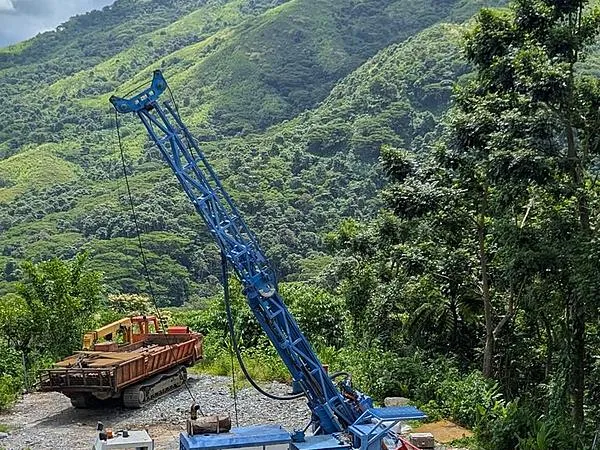
The company said it has commenced a significant overhaul of its drill fleet, replacing ageing underground rigs that had exceeded their operational lifespan and constrained drilling output since mid-2025. The existing fleet will be replaced with three new high-performance underground drill rigs and an additional surface rig.

Initial improvements have already been recorded, with underground drilling metres per shift doubling following enhanced maintenance support and technical oversight. A track-mounted surface drill rig began operations on March 14 to support in-mine and near-mine drilling during the wet season, with plans to shift to wider exploration during the dry season.

Lion One said it is also in advanced negotiations to acquire four new underground drill rigs, targeting drilling rates of at least 25 metres per shift, compared with less than 10 metres earlier this year and 12 to 18 metres currently.

The company said improved drilling capacity would provide the geological data needed to support mine design, grade control and production scheduling, as well as enable multiple mining areas to be developed simultaneously.

The drilling upgrade forms part of what the company described as “Phase 2” of Tuvatu’s development, following the transition from initial production to building a more resilient and predictable mining operation.

In a separate update, Lion One reported February gold production of 813 ounces, bringing year-to-date output to 9,180 ounces.

The processing plant milled 10,267 tonnes of ore at an average grade of 3.49 grammes per tonne, with a recovery rate of 77.3 percent. The company said recovery rates are expected to improve with the near-completion of a flotation plant.

Underground development totalled 120 metres during the month, below the 188-metre target, with performance affected by equipment availability and compressed air constraints. The company said these issues are being addressed through the commissioning of new equipment, improved maintenance planning and ventilation upgrades.

Lion One said safety performance remained strong, with no lost-time injuries recorded in February and enhancements made to on-site medical facilities, including the addition of a full-time nurse.

Exploration drilling totalled 2,369 metres across four rigs during the month, with results including an intercept of 5.15 metres at 9.18 grammes per tonne gold.

The company said its current focus is on improving operational reliability, increasing development rates and enhancing plant performance, while maintaining safety and advancing infrastructure and environmental management initiatives.

Lion One operates the Tuvatu alkaline gold project within the Navilawa caldera and is seeking to expand both production and resource confidence as it progresses its next phase of development.

March 03, 2026

On the sidelines of the 2026 Prospectors & Developers Association of Canada (PDAC) Investment Convention in Toronto, Canada, Papua New Guinea’s Minister for Mining Solen Loifa, MP, announced a sweeping suite of regulatory and institutional reforms designed to transform PNG into the Asia-Pacific region’s most conducive destination for mining investment.

Under the government’s “Reset@50” agenda, Minister Loifa committed to a six- to nine-month implementation window to finalize a new regulatory framework.

This “New Deal” for the sector prioritizes the removal of bureaucratic bottlenecks and the modernization of laws that have remained largely unchanged since 1992.

Key Pillars of the Reform Agenda

  1. Establishment of a “One-Stop Shop”

The government is realigning policy and institutions to create a streamlined, integrated service center for investors. This reform will centralize licensing, permitting and compliance, ensuring that explorers and miners no longer face fragmented departmental processes.

  1. Modernizing Exploration Rights

To support the high-risk pioneer stage of mining, the government will extend the tenure of exploration licenses (EL) from two years to five years. This provides the long-term stability required for modern, technology-driven exploration programs.

  1. Introduction of Retention Licenses

For the first time, a formal retention license category will be introduced, allowing companies to hold and protect discovered deposits during periods of unfavorable market conditions or technical feasibility studies.

  1. Bypassing the First-in-Time Requirement for Projects of Significance

The government is moving toward a more merit-based and strategic allocation of tenements to ensure genuine operators are prioritized for areas identified as highly prospective. This will not affect existing license areas or applicants seeking to conduct exploration in areas not reserved for the intended purpose. The government will use both first-in-time and merit-based approaches on a case-by-case basis.

  1. Removing Red Tape

The minister specifically targeted the “lengthy and cumbersome” process through increased staff capacity and a drive toward an electronically automated system. New regulations will mandate strict timelines for renewals to ensure that projects do not stall due to administrative delays.

  1. Inclusive Workforce

Reforms to mining safety laws will formally enable and encourage women to work in all aspects of mining, ensuring the industry reflects the talent and diversity of the entire population. This will enable women to work underground, unlike the current restriction in 1977 legislation.

  1. Realignment of Policy and Regulatory Framework Under a Single Entity — Reforming the Mineral Resources Authority (MRA)

The Mineral Resources Authority (MRA) is the government agency responsible for regulating the mining industry in Papua New Guinea. It is currently undergoing a strategic realignment to serve as the primary gateway for the “One-Stop Shop” investment initiative.

Minister Loifa emphasized that these changes were not merely proposals but were a core mandate of his leadership.

“Our message to the global mining community is clear. We have heard your concerns regarding regulatory uncertainty and administrative delays,” said Minister Loifa.

“We are removing the hurdles that have historically slowed discovery, while ensuring that the people of Papua New Guinea benefit equitably from our resource wealth.”

The PDAC is the world’s premier mineral exploration and mining convention, which kicked off March 1 (Canada time) and will go on until March 4. This is an annual event that brings together more than 27,000 attendees from over 125 countries for educational programming, networking events and business opportunities.

Since it began in 1932, the convention has grown in size, stature and influence. The award-winning event is a gathering where familiar faces reunite, new connections are forged and the future of mineral exploration takes shape one conversation at a time. It is the event of choice for the industry, hosting more than 1,300 exhibitors and 700 presenters.

February 24, 2026

Australian gold producer St Barbara Limited has returned to underlying profitability in the first half of FY2026, while expanding mineral resources at its Simberi Operations in Papua New Guinea and advancing a fully funded pathway for the New Simberi Gold Project.

For the six months to 31 December 2025, the group reported an underlying net profit after tax of A$1.336 million, a marked reversal from an underlying loss of A$48.058 million in the corresponding period a year earlier. Statutory loss after tax narrowed to A$249,000, compared with A$48.526 million previously.

Revenue from ordinary activities rose 32 per cent to A$128.83 million, underpinned by improved operating performance at Simberi and a stronger gold price environment.

Simberi drives operational recovery

Simberi generated a pre-tax segment operating profit of A$20.639 million in the half year, contributing A$23.382 million in operating cash before sustaining capital.

Gold production at Simberi totalled 20,215 ounces, compared with 22,495 ounces in the prior corresponding period. The average gold price received was A$5,822 per ounce, up from A$3,916 per ounce a year earlier. Cash cost for the period was A$5,170 per ounce, with all-in sustaining cost at A$5,397 per ounce.

Mine operating costs declined to A$95.82 million from A$116.164 million, reflecting lower maintenance costs following fleet upgrades and plant improvements.

Total growth capital expenditure at Simberi reached A$36.111 million, largely associated with advancing the New Simberi Gold Project, including mobile fleet additions, camp upgrades, ball mill procurement and water treatment infrastructure.

Resources expand; silver reported for first time

Alongside its half-year results, St Barbara updated its Mineral Resources and Ore Reserves Statement as at 31 December 2025.

Group Mineral Resources for gold increased to 7.9 million ounces, up 1.0 million ounces from 6.9 million ounces a year earlier. Group Ore Reserves for gold stood at 3.8 million ounces, compared with 4.0 million ounces at 31 December 2024.

At Simberi alone, gold Mineral Resources rose by 0.9 million ounces (17 per cent) to 5.8 million ounces (net of depletion), while Ore Reserves decreased by 0.2 million ounces to 2.5 million ounces.

Total Simberi gold Mineral Resources are estimated at 136.5 million tonnes at 1.3 g/t for 5.8 million ounces of contained gold. Simberi gold Ore Reserves stand at 42.9 million tonnes at 1.8 g/t for 2.5 million ounces.

Significantly for PNG, silver Mineral Resources and Ore Reserves were reported for the first time at Simberi. Silver Mineral Resources total 15.3 million ounces and Ore Reserves total 4.5 million ounces of contained silver.

The increases in Mineral Resources were largely driven by updated feasibility and pre-feasibility studies and revised economic assumptions, including reporting at a higher gold price of US$2,500 per ounce.

Fully funded pathway to expansion

St Barbara’s strategic focus remains the development of the New Simberi Gold Project. During the half year, the company reached agreements with Lingbao Gold International Company Limited and Kumul Mineral Holdings Ltd that are expected to fully fund St Barbara’s share of development costs.

Lingbao will acquire 50 per cent of St Barbara Mining Pty Ltd, delivering A$370 million in cash to St Barbara upon completion, targeted by the end of Q3 FY2026. In parallel, Kumul’s subsidiary will acquire a 20 per cent interest in the Simberi Operation for A$100 million.

Recent study outcomes reinforce the project’s scale. The New Simberi Gold Project Feasibility Study outlined annual production of over 200,000 ounces per annum at an all-in sustaining cost of between US$1,100 and US$1,400 per ounce over a mine life extending to 13 years.

The study reported a post-tax net present value of US$1.023 billion, assuming a gold price of US$3,000 per ounce.

Balance sheet and liquidity

As at 31 December 2025, St Barbara held cash and cash equivalents of A$74.784 million, in addition to restricted cash of A$87.288 million lodged as security for reclamation bonds at its Atlantic Operations.

Net assets stood at A$434.597 million. The board said it remains confident the group can meet its obligations as they fall due for at least 12 months, though the independent auditor included an emphasis of matter regarding material uncertainty relating to going concern.

For Papua New Guinea, the half-year results signal both improved financial resilience and a material uplift in long-term resource confidence at Simberi. With silver now formally recognised and expansion funding arrangements nearing completion, Simberi is positioning itself as a long-life, multi-metal operation central to St Barbara’s growth strategy.

February 24, 2026

K92 Mining Inc. on 18 February announced high-grade results from ongoing underground diamond drilling at its Kora, Kora South, Judd and Judd South deposits, as well as the first results from its Kora Deeps and Judd Deeps targets at the Kainantu gold mine in Papua New Guinea.

The company said drilling has expanded a near-mine infrastructure dilatant zone at the K2 vein within the Twin Incline Mining Front, located about 50 metres from underground development. The zone is now defined over roughly 100 metres along strike and 200 metres vertically.

Recent intercepts at the K2 vein dilatant zone included 20.50 metres grading 14.04 grammes per tonne gold equivalent (g/t AuEq) in hole KMDD0915 and 10.70 metres at 10.83 g/t AuEq in hole KMDD0914.

K92 said the expanded zone is expected to provide a near-term boost to mining productivity once pastefill is introduced, enabling bulk transverse long-hole open stoping.

Significant depth extensions

The first set of results from the Kora Deeps and Judd Deeps programmes delivered significant depth extensions below the existing mineral resource estimate, effective Sept. 12, 2023.

At Kora Deeps, thick, high-grade mineralisation along the K1 vein was intersected up to 350 metres below the Twin Incline and 250 metres below the 2023 mineral resource estimate. Mineralisation has been defined over approximately 400 metres of strike and remains open at depth and along strike.

Highlights included 8.00 metres at 10.16 g/t AuEq in hole KMDD0909 and 17.20 metres at 5.04 g/t AuEq in hole KMDD0880A.

At Judd Deeps, drilling along the J1 vein intersected mineralisation up to 300 metres below the Twin Incline and 350 metres below the mineral resource estimate. High-grade mineralisation has been defined over a 450-metre strike and remains open.

Intercepts included 8.50 metres at 8.64 g/t AuEq in hole KMDD0896 and 6.80 metres at 6.21 g/t AuEq in hole KMDD0944.

High-grade extensions above and along strike

K92 also reported continued high-grade extensions up-dip from the Main Mine at both Kora and Judd, with several intersections exceeding mineral resource estimate grades.

At the K1 vein, results included 4.95 metres at 38.46 g/t AuEq in hole KMDD0893 and 4.16 metres at 24.24 g/t AuEq in hole KMDD0894. At the K2 vein, hole KMDD0977 returned 18.19 metres at 11.70 g/t AuEq, while hole KMDD0904 intersected 4.35 metres at 29.62 g/t AuEq.

At Judd’s J1 vein, notable results included 5.45 metres at 66.99 g/t AuEq in hole JDD0306 and 1.65 metres at 185.79 g/t AuEq in hole JDD0307.

Step-out drilling along strike to the north and south also returned multiple high-grade intercepts, including several exceeding 20 g/t AuEq.

At the Judd North target, defined as an up-dip extension over an 800-metre strike, underground drilling towards surface intersected 20.29 metres at 14.06 g/t AuEq in hole JDD0355. K92 said it plans to begin surface drilling at Judd North in the second half of 2026.

All holes intersect mineralisation

The company said results from 101 underground diamond drill holes demonstrate the high-grade continuity and expansion potential of the Kora-Kora South and Judd-Judd South vein systems.

All drill holes at Kora-Kora South, including Kora Deeps, intersected mineralisation, with 31 intersections exceeding 10 g/t AuEq and 61 exceeding 5 g/t AuEq.

At Judd-Judd South, including Judd Deeps, all drill holes intersected mineralisation, with 16 intersections above 10 g/t AuEq and 36 above 5 g/t AuEq.

Exploration budget increase

John Lewins, K92 chief executive officer and director, said the latest results highlight strong near-mine growth and depth potential.

“We are very pleased with the latest drilling results, which continue to deliver strong near-mine growth and demonstrate the exceptional continuity and scale of the Kora-Judd system,” Lewins said.

“Key highlights include the expansion of a dilatant zone near-mine infrastructure at the Twin Incline Mining Front, extensions of high-grade zones above the Main Mine at grades outperforming the mineral resource estimate, and significant depth extensions at both Kora and Judd from our initial set of deeps drill program results. Numerous high-grade intersections were also recorded along strike to both the north and south, further reinforcing the strength of the vein system and our organic resource growth pipeline.”

Lewins said the company will increase its exploration budget by more than 50% in 2026 to between $31 million and $35 million.

“We currently have seven underground drill rigs operating at Kora and Judd, five surface rigs at Arakompa and Maniape, one at Wera, and two additional rigs scheduled to arrive in the second quarter,” he said.

“Later in the year, we plan to expand drilling to target several highly prospective regional targets, including Mati, Mesoan, Bona-Creek, and Judd North from surface. We look forward to providing further exploration updates in due course.”

February 19, 2026

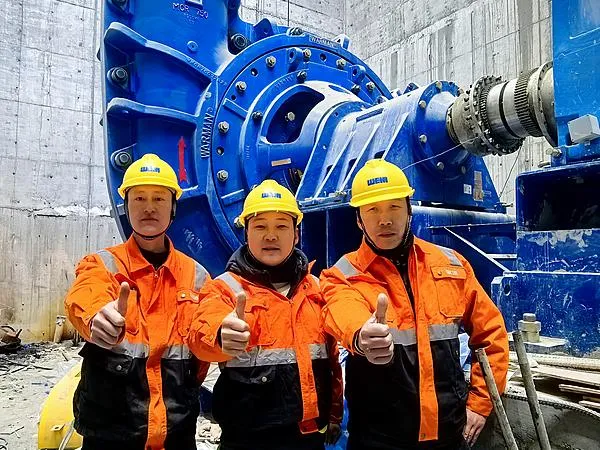
Weir, a global leader in mining technology, has successfully installed China’s largest mill circuit slurry pump. The order includes six WARMAN® MCR® 650 pumps and two WARMAN® MCR® 750 pumps.

The site, located in the Tibet Autonomous Region (TAR), sits 5,300 metres above sea level. The thin air and freezing temperatures create a complex operating environment.

Despite these challenges, the Weir service team successfully carried out the installation on schedule, completing the precise lifting, positioning, and pipeline connections of multiple large-scale, high-end pumps while overcoming low temperatures, oxygen scarcity, and harsh terrain to ensure steady progress toward key milestones.

Angela Wang, Managing Director, China, said:
“Delivering the largest slurry pumps in China is a significant technical achievement, and the fact that Weir was able to do this at such a high-altitude site epitomises our commitment to being at the forefront of reliability in the mining industry.

“The Chinese slurry pump market is one of the most competitive in the world. There are many new local competitors that make claims about their products’ performance, but these are rarely backed by reliable, long-term operational data. Weir, on the other hand, has a vast installed base, world-class manufacturing and testing facilities, and an unrivalled service network. That’s why Weir is still the preferred partner for Chinese miners, particularly for large-scale, challenging projects like this one.”

Elias Aho, Pump Optimisation Director, said:
“It’s great to see WARMAN® MCR® 750 pump installations now in China too. Weir has been at the forefront of supplying and supporting the largest, highest-capacity mill pumps on the market. With declining ore grades and increased demand, large mill pumps are increasingly playing a vital role in helping miners boost their throughput.

“Delivering these solutions at high-altitude sites presents significant engineering challenges, but Weir’s team of experts—drawing on decades of experience from across the globe—continues to be trusted by miners with their most critical mill circuit operations.”

About The Weir Group PLC

Founded in 1871, The Weir Group PLC is one of the world’s leading engineering businesses with a purpose to make its mining and infrastructure customers’ operations more sustainable and efficient. Weir’s highly engineered technology enables critical resources to be produced using less energy, water, and waste, while reducing customers’ total cost of ownership.

Weir is ideally positioned to benefit from structural trends that support long-term demand for its technology, including the need for more essential metals to support economic development and the carbon transition. The Group has approximately 12,000 employees operating in over 50 countries, with a presence in every major mining region of the world. Find out more at www.global.weir.

Weir’s ordinary shares trade on the London Stock Exchange (ticker: WEIR LN), and its American Depositary Receipts trade over-the-counter in the USA (ticker: WEGRY).
February 19, 2026

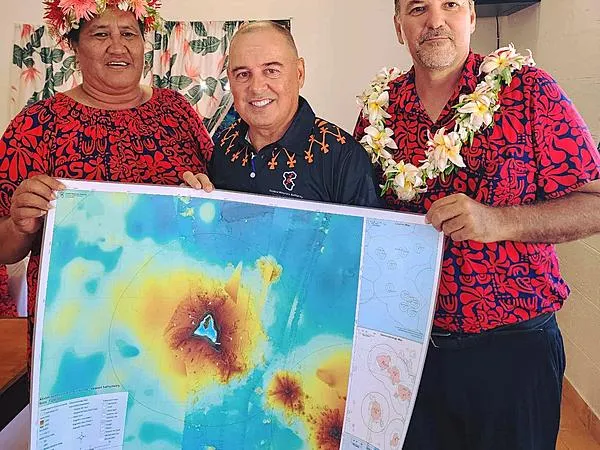
The Seabed Minerals Authority (SBMA) has released the 2025 Cook Islands National Bathymetry Grid, marking a significant step forward in the country’s marine data capability and ocean management framework.

Now available through SBMA’s Seabed Data Repository, the new national grid integrates historic and recent survey data to deliver the most comprehensive picture to date of the Cook Islands’ seafloor. Bathymetry — the measurement and mapping of the depth and shape of the ocean floor — plays a critical role in marine planning, navigation, scientific research and resource management.

SBMA said the 2025 grid represents the first release of a new national product that will be updated and published annually as additional data becomes available, strengthening long-term ocean governance and evidence-based decision-making.

In parallel with the national grid, SBMA is also developing island-level bathymetry grids and maps to support local communities and marine users. During a recent visit to Aitutaki, the SBMA team presented residents with a detailed bathymetry map of their island, aimed at improving local understanding of surrounding marine features and supporting community-based marine management. Future island grids will be similarly updated as new data is collected.

The release aligns with SBMA’s Research Priority 1, which focuses on improving the understanding of the Cook Islands’ marine environment through high-quality baseline data, seabed mapping and scientific research. The priority underscores the importance of building a robust geospatial and environmental knowledge base to inform marine spatial planning, environmental stewardship, sustainable economic development and responsible seabed mineral activities.

By consolidating fragmented datasets into a unified national grid, SBMA is advancing its commitment to transparency, scientific integrity and open data access. The bathymetry grid is expected to support government agencies, researchers, maritime operators and coastal communities in making informed decisions about ocean use and conservation.

The Cook Islands, which oversees one of the largest exclusive economic zones in the Pacific, continues to invest in ocean science and data infrastructure as part of its broader strategy to balance environmental protection with sustainable marine development.

The 2025 Cook Islands National Bathymetry Grid can be accessed via SBMA’s official website.

February 16, 2026

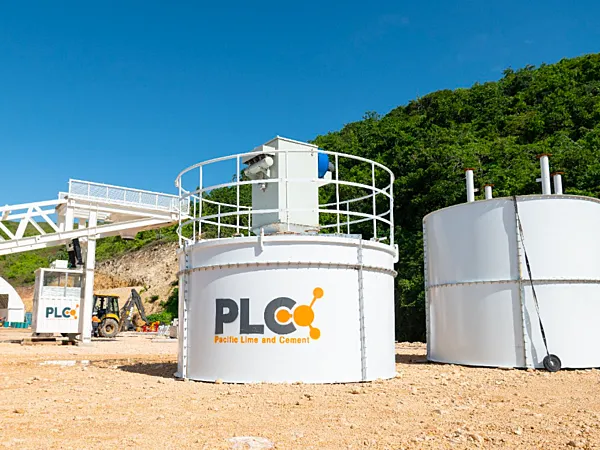
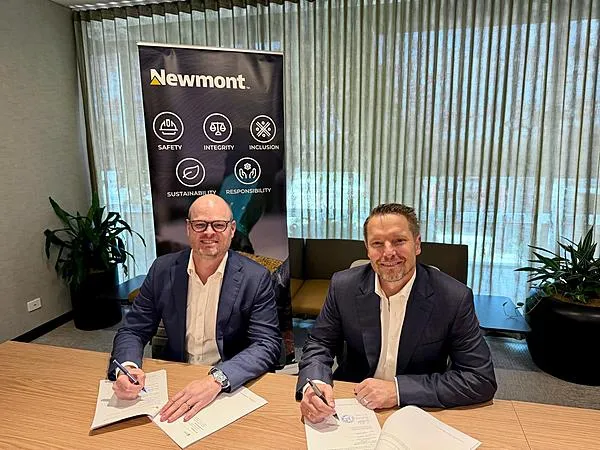
Pacific Lime and Cement Limited has entered into a long-term quicklime offtake agreement with Newmont Corporation, the world’s leading gold producer, to supply its Papua New Guinea operations from PLC’s Central Lime Project in Central Province.

Under the agreement, Newmont becomes a cornerstone customer, with contracted volumes representing around one-third of the Central Lime Project’s nameplate production capacity. The arrangement materially underpins the commercial development of PNG’s first domestic quicklime manufacturing operation.

This offtake marks the first large-scale commitment to locally produced quicklime in the country, highlighting both Newmont’s support for PNG’s buy-local framework and the growing demand for reliable, domestically sourced industrial inputs that meet Tier‑1 global mining standards.

Strategic and ESG Significance

The Central Lime Project is designed to replace imported quicklime currently supplied from offshore. For Newmont, the offtake enhances supply-chain resilience, reduces exposure to international logistics disruptions, and aligns with environmental and social objectives through lower transport emissions and increased local value creation.

For Papua New Guinea, the agreement supports employment, skills development, and the establishment of a nationally significant industrial capability, in line with broader economic development and ESG goals.

Commercial Framework

The offtake agreement is structured as a multi-year arrangement, commencing following completion and commissioning of the Central Lime Project, subject to customary conditions. Supply will be delivered under standard commercial delivery terms from PLC’s integrated project precinct, part of a designated Special Economic Zone intended to support domestic manufacturing and downstream processing.

Details of pricing, escalation mechanisms, and volume scheduling remain confidential, in line with market-based arrangements for long-term industrial supply agreements.

Project Readiness and Outlook

Securing Newmont as a cornerstone customer materially de-risks the Central Lime Project and bolsters PLC’s ongoing discussions with other domestic and regional customers. The agreement demonstrates that PNG-based industrial processing projects can satisfy the technical, operational, and ESG requirements of Tier‑1 global mining companies when developed under disciplined commercial frameworks.

PLC continues to collaborate closely with Newmont on operational readiness, quality assurance, and logistics planning, with first supply targeted following achievement of construction and commissioning milestones.

PLC Managing Director Paul Mulder said securing Newmont as a cornerstone customer is a significant milestone for PLC and for PNG’s industrial development.

"This agreement validates more than a decade of work to establish domestic quicklime production capable of meeting Tier‑1 mining standards, while delivering strong economic, social and environmental outcomes for Papua New Guinea," Mulder said.

“With a foundation offtake in place, PLC is well positioned as the Central Lime Project advances and shall progress further customer discussions as we move toward first production," the executive added.

Newmont Lihir General Manager Dawid Pretorius added that the agreement reflects Newmont’s commitment to creating long-term social and economic value in Papua New Guinea.

"It required significant time and effort to achieve an outcome that delivers shared value for Newmont, our partners and the nation. It demonstrates our commitment to supporting domestic industry and the broader social and economic benefits that flow from building local capability," Pretorius said.

Pacific Lime and Cement Limited is advancing the development of Papua New Guinea’s lime and cement industry to supply essential building materials for the nation and the wider Asia–Pacific region. Anchored by its flagship Central Lime and Cement Projects, PLC is creating a fully integrated platform for local manufacturing, import substitution, and sustainable growth.

The company’s diversified portfolio also extends to industrial sands, nature-based forestry carbon credits, and renewable energy, supporting its commitment to delivering cleaner, long-term solutions that build enduring value for PNG and its communities. PLC also holds an approximately 16.6% interest in copper-gold explorer/developer Adyton Resources Corporation.

PLC’s strategy is to support Papua New Guinea and the broader Asia-Pacific region on their decarbonisation journey by developing projects that deliver higher-quality, lower-cost, and targeted “low-carbon” inputs for the mining, resources, and construction sectors. Where applicable, these projects are supported with a diversified renewable energy portfolio encompassing solar, wind, geothermal, nature-based forestry carbon credits, and battery storage initiatives.

The company is committed to engaging with host communities throughout the lifecycle of its projects, as well as incorporating internationally recognised Environmental, Social, and Governance (ESG) standards into its strategy and business practices.

February 11, 2026

The Cook Islands Seabed Minerals Authority (SBMA) recently held community consultations in Aitutaki to provide updates on developments in the seabed minerals sector and to hear directly from local communities. The consultations form part of SBMA’s ongoing commitment to transparent, community-led engagement, as the Cook Islands remains in an exploration-only phase.

The consultations took place from 28 to 29 January across the villages of Amuri and Tautu, including sessions with the Aitutaki Business Association and senior students of Araura College. Each session was well attended, with active participation from the Aitutaki community.

The visit was led by the Prime Minister and Minister responsible for Seabed Minerals, Mark Brown, alongside senior SBMA representatives from the Partnerships and Cooperation and Knowledge Management teams. The delegation also included members of the Seabed Minerals Advisory Committee, including Chairman Bishop Tutai Pere and committee member George George Williamson, reinforcing the importance of diverse perspectives and community-informed decision-making.

The delegation shared up-to-date information on the seabed minerals sector and provided opportunities for open discussion. Community members raised important issues relating to environmental protection, financial security and governance systems, which were addressed through dialogue, with technical explanations provided where required.

A key outcome of the consultations was the strong appreciation expressed by community members for face-to-face engagement. Attendees highlighted the value of hearing directly from SBMA, which helped clarify questions and provide authoritative context amid the varied information they had previously encountered online.

“These public meetings support our commitment to bringing our people along the journey,” said Partnerships and Cooperation Director Edward Herman. “The feedback and questions from these sessions help keep government accountable and focused on positive outcomes for our nation.”

Overall feedback from the consultations was supportive, with many participants encouraging progress while emphasising the importance of continued engagement, transparency, and careful consideration of environmental and social matters.

SBMA extended its thanks to the Aitutaki Island Council for their support and assistance during the visit, and to all community members who took the time to participate. The success of these consultations underscores the value of open, in-person dialogue and the strength of a well-informed Cook Islands public.

Insights and feedback gathered in Aitutaki will inform SBMA’s ongoing community engagement programme and future consultations across the Cook Islands, as the authority continues its work in the seabed minerals sector.

January 30, 2026

Pacific Lime and Cement Limited has reported progress on its December 2025 Quarterly Activities and Cash Flow, confirming that its Central Lime Project (CLP) in Central Province remains on schedule and within budget. The company continues to target first production within its planned 18-month development window, aiming for early 2027.

Quarterly Activities and Cash Flow Overview

During the quarter, construction momentum accelerated across civil works, access infrastructure, wharf works, camp and support facilities, and early kiln foundation preparation. Physical progress remains marginally ahead of baseline, with forecast costs tracking in line with the approved budget. The company reported no lost-time injuries during the quarter.

Key highlights for the December 2025 quarter include:

  • CLP Construction on Schedule: Bulk earthworks, drainage, platform formation, and kiln foundation preparation advanced well. Geotechnical investigations were completed, and foundation drawings were issued to allow procurement of reinforcing steel and formwork.

  • Access Road and Bridges: Construction progressed materially on the 27.6-kilometre road linking the project to Port Moresby. Reinforced concrete culverts were installed, two modular steel bridges were procured for river crossings, and bridge abutment installation is scheduled for early 2026.

  • Wharf Development: Stage 3 of the dedicated wharf progressed into procurement as the design reached substantial completion. The port remains operational and able to accept vessels during construction.

  • Heavy Equipment Mobilisation: 30-tonne and 150-tonne cranes arrived on site, supporting piling, batch plant, and foundation works. A concrete batch plant was delivered and assembly commenced, alongside fuel storage, power generation units, and a mobile fleet workshop.

  • Camp and Support Infrastructure: Stage 2 modular accommodation mobilisation continued, and office, kitchen, and laundry facilities advanced. Camp foundations were completed ahead of installation.

Commercial and Strategic Progress

The company delivered quicklime to Western Australian gold producers via its newly established logistics hub, demonstrating early operational capability. Pacific Lime also formalised its Project Development Agreement (PDA) with the Government of Papua New Guinea at PNG Investment Week and entered a strategic partnership with the International Finance Corporation (IFC) to advise on technical, commercial, and ESG aspects of the Central Cement Project.

A strategic partnership with PowerChina (SinoHydro) was signed to accelerate development of the Orokolo Bay Industrial Sands Project (magnetite). The company also advanced renewable energy initiatives, including feasibility studies for a solar photovoltaic and battery storage system in PNG, supporting its broader low-carbon strategy for the construction, mining, and resources sectors.

Pacific Lime commenced trading on the PNG Stock Exchange in December 2025 under the ticker “PLC,” expanding access to local investors.

Cash Flow and Financial Position

While the company did not disclose exact cash flow figures in the quarterly report, PLC confirmed that project expenditure remained within the approved budget and that forecast costs for the CLP are aligned with financial planning. Disciplined risk and opportunity management, local workforce deployment, and improved logistics coordination have underpinned construction efficiency and financial control.

Outlook

Early-2026 priorities include completion of Kiln 1 foundations and upper concrete structures, continued road and bridge construction, and assembly of batch plants and heavy lifts. The Central Lime Project continues to integrate a quicklime plant, international wharf, quarry, and supporting infrastructure. Pacific Lime remains committed to community engagement and internationally recognised Environmental, Social, and Governance (ESG) standards.

The company aims to deliver high-quality, lower-cost, and sustainable building materials for Papua New Guinea and the wider Asia-Pacific region while maintaining a disciplined, on-budget development schedule.

January 30, 2026

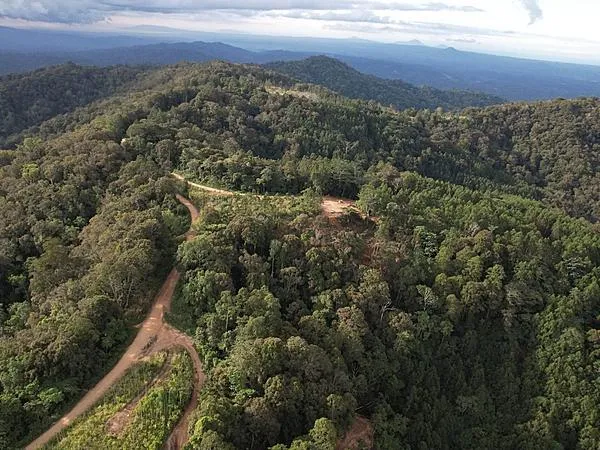
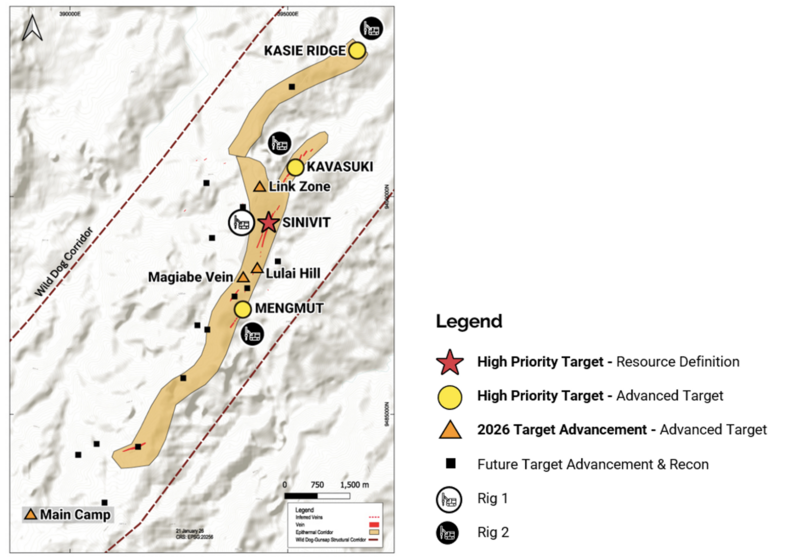
Great Pacific Gold Corp. has reported further high-grade drilling results from its flagship Wild Dog Project on New Britain Island, East New Britain Province, Papua New Guinea. The company also outlined an extensive district-scale 2026 exploration programme designed to expand and define gold mineralisation across the 15-kilometre Wild Dog Structural Corridor.

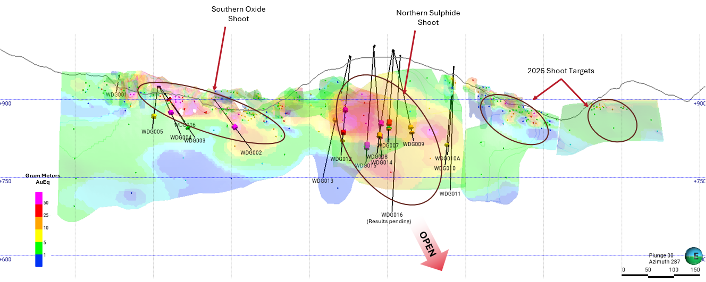
Diamond drilling at the Sinivit target commenced in May 2025 with a single drill rig. Sixteen holes were completed over 3,000 metres, defining two high-grade shoots: the Southern Oxide Shoot and the Northern Sulphide Shoot. Previous results from holes WDG-01 to WDG-14 included 8.4 metres at 50.1 grams per tonne (g/t) gold equivalent (AuEq) and 9.5 metres at 13.75 g/t AuEq, confirming the potential for high-grade epithermal mineralisation at depth.

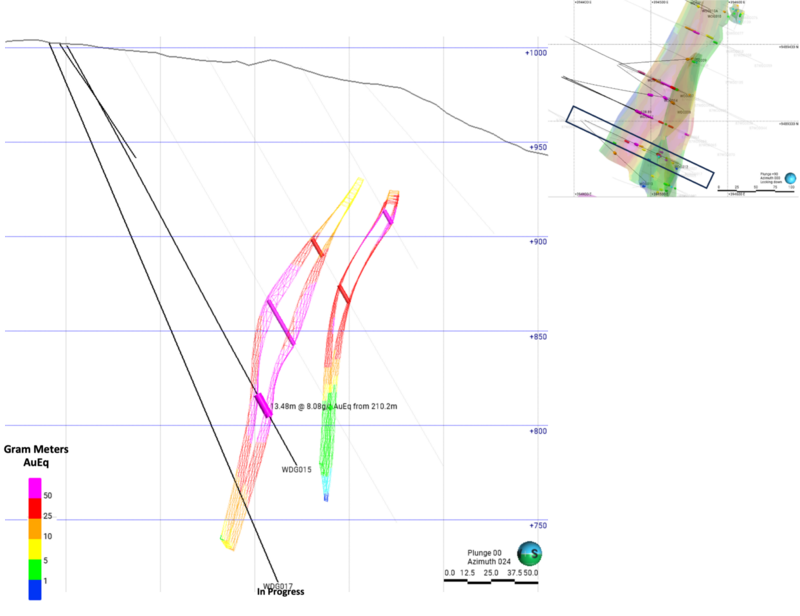
The latest results from hole WDG-15 in the Northern Sulphide Shoot returned 13.48 metres at 8.08 g/t AuEq from 210.22 metres, including a 4.50-metre interval at 14.62 g/t AuEq. This intercept lies approximately 50 metres below the deepest previously drilled hole, confirming the continuity of the system at depth. Drilling of hole WDG-17 is underway, extending the Northern Sulphide Shoot by a further 50 to 60 metres below WDG-15.

The company has completed expansion of the Wild Dog camp and supporting infrastructure to accommodate increased drilling activity. A second diamond drill rig is scheduled to arrive in early February, allowing simultaneous testing of multiple targets along the 15-kilometre corridor, including Kasie Ridge, Kavasuki, and Mengmut.
Kasie Ridge, located at the northern end of the corridor, is a high-priority target defined by a 400–500-metre wide advanced argillic lithocap. Integration of MobileMT geophysics and high-resolution LiDAR has identified a large-scale high-sulphidation epithermal target beneath the lithocap, suggesting potential for a new district-scale discovery.

Kavasuki, approximately one kilometre north of Sinivit, is a known epithermal vein system with historical drilling and trenching demonstrating high-grade gold mineralisation over a 900-metre strike. Previous shallow drilling returned intercepts of 15.6 metres at 2.5 g/t Au and 17.2 metres at 5.8 g/t Au, with trenching extending mineralisation over 3.5 kilometres. The system remains open at depth and along strike.

Mengmut, 1.5–2.0 kilometres south of Sinivit, exhibits high-grade surface geochemistry and potential for a Sinivit-style discovery. Historic mapping and trenching identified gold grades up to 19.1 g/t Au with associated copper, highlighting continuity beyond surface samples and confirming its priority for follow-up drilling.

The 2026 programme will continue to focus on expansion of the Southern Oxide and Northern Sulphide shoots at Sinivit, while systematically testing district-scale targets along the corridor. Rig 1 will advance drilling at Sinivit and nearby high-priority targets, while Rig 2 will undertake first-pass reconnaissance at Kasie Ridge, Kavasuki, and Mengmut. The exploration strategy is designed to rank and test high-priority targets sequentially, while advancing earlier-stage targets through parallel evaluation.

Since the start of the programme in May 2025, Great Pacific Gold has completed 16 drill holes at Sinivit, with hole 17 in progress. The results support continued high-grade gold potential at depth and along strike and reinforce the project’s district-scale exploration potential.

For further details, visit gpacgold.com.
 

January 26, 2026

Lion One Metals Limited  has entered into a subscription agreement with Arete Capital Advisory Pty Ltd, a specialist mining investment syndicate, marking a major strategic partnership for the company’s Tuvatu Gold Mine in Fiji.

Under a non-brokered private placement, Arete has agreed to acquire 44,264,800 units at $0.34 per unit, generating gross proceeds of $15.05 million for Lion One. Each unit comprises one common share and one common share purchase warrant, exercisable at $0.39 for three years. The investment represents approximately 9.9 per cent of Lion One’s outstanding shares on a pro forma basis and carries a 16.4 per cent premium to the 20-day volume-weighted average price on the TSX Venture Exchange.

The arrangement also establishes a broader strategic collaboration. Upon closing, Lion One and Arete will enter an investor rights agreement and a master services agreement. Arete will provide management services for the operation of the Tuvatu Gold Mine, acting as operator under the oversight of Lion One’s board of directors. The master services agreement has an initial five-year term, with extension options, and includes performance incentives and share-based compensation.

Lion One Chairman and President Walter Berukoff said the partnership strengthens the company’s growth prospects.

"I look forward to welcoming Arete as a new shareholder and strategic partner of Lion One," Berukoff said. "Arete’s decision to make a cornerstone investment in the Company reflects the quality, scale potential and strategic relevance of our Tuvatu Gold Mine in Fiji. With the benefit of Arete’s technical engagement through the MSA, Lion One will be positioned to systematically advance Tuvatu and build long-term value for shareholders."

Campbell Olsen, representing Arete, said the investment reflects the mine’s potential.

"We are delighted to become a long‑term strategic partner to Lion One at this pivotal stage in the evolution of the Tuvatu Gold Mine," Olsen said. "In our view, Tuvatu is a rare, high‑grade alkaline gold system with district‑scale potential, established infrastructure and a pipeline of targets across the broader Navilawa Caldera that together offer a compelling platform for production growth and resource expansion. We see many investment options and projects globally every year and we believe this ranks amongst the best opportunities ever reviewed."

Olsen added that Arete’s experience in operational, technical and financial management of mid-tier gold assets will help unlock incremental value at Tuvatu through disciplined mine optimisation, targeted capital investment and data-driven exploration.

Proceeds from the offering will be used for general corporate purposes and to support debt restructuring. The closing of the placement remains subject to regulatory approvals, including conditional approval from the TSX Venture Exchange, and the issued shares and warrants will be subject to a statutory hold period of four months and one day.

The Tuvatu Gold Project is a 100 per cent Lion One-owned, high-grade alkaline gold system located on Viti Levu, Fiji, close to Nadi International Airport and port facilities. The project centres on an underground mine and processing plant within the Navilawa Caldera and is being advanced as a low-cost operation with significant potential for production growth and exploration across multiple mineralised zones.

Headquartered in North Vancouver, Canada, Lion One Metals operates the Tuvatu Alkaline Gold Project in Fiji. The company’s operations include the underground mine, pilot plant, assay laboratory, and extensive exploration licenses across the Navilawa Caldera.

Arete is a specialist mining investment and operating group focused on high-quality mid-tier gold and base metal assets. Led by CEO Campbell Olsen, Arete provides operational, technical and financial expertise to optimise mining assets and deliver long-term shareholder value.